The Benefits of Proper Tree Watering Techniques
THE BENEFITS OF PROPER TREE WATERING TECHNIQUES
Proper tree watering is of paramount importance for the health, vitality, and longevity of trees. Water is a critical resource that sustains trees, enabling them to perform essential biological functions and thrive within their environment. Understanding and practicing effective tree watering techniques is crucial for various reasons:
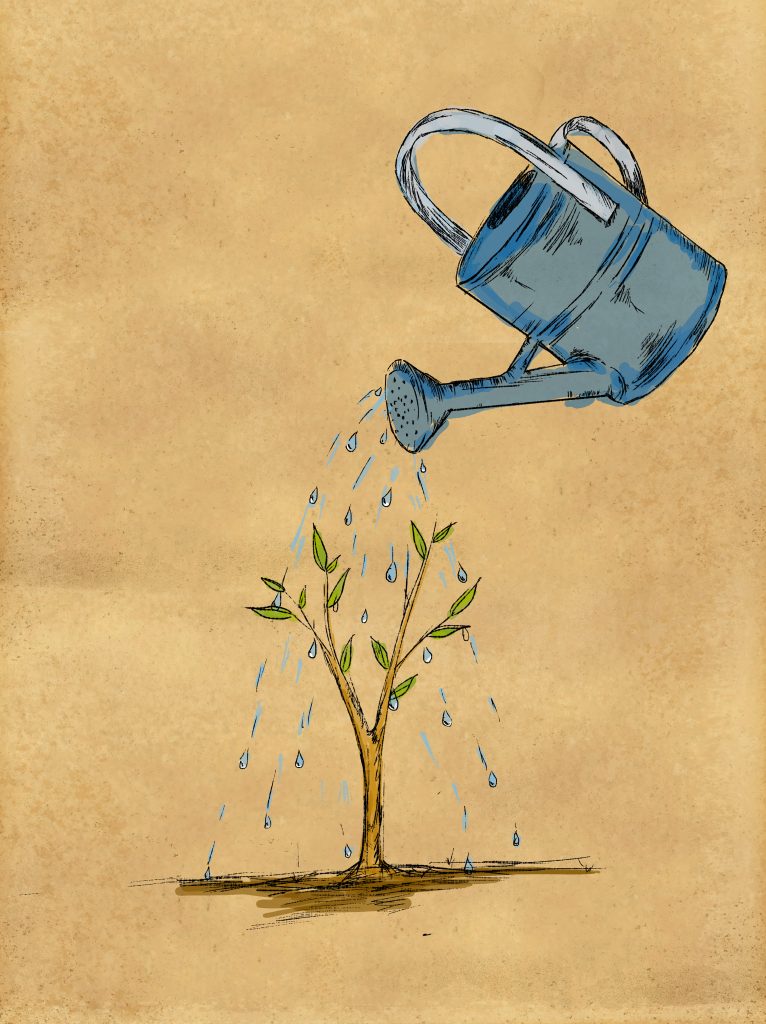
1. Healthy Root Development: Proper watering encourages deep root growth, as trees are motivated to extend their roots in search of water. Deep roots provide stability, better access to nutrients, and increased resilience to adverse conditions.
2. Enhanced Growth and Vitality: Water is essential for photosynthesis, the process through which trees produce energy from sunlight. A well-hydrated tree can maintain robust foliage, healthy canopies, and overall optimal growth.
3. Stress Reduction: Adequate water availability helps trees withstand stress, particularly during periods of drought or environmental challenges. Proper watering reduces the risk of wilting, leaf drop, and other signs of moisture-related stress.
4. Disease and Pest Resistance: Hydrated trees are better equipped to defend against diseases and pest infestations. Drought-stressed trees are more susceptible to attacks and may struggle to recover from the damage.
5. Drought Tolerance: Proper watering promotes the development of drought-tolerant trees that can endure dry spells. Trees with well-established root systems and good water storage capacities can survive and recover from drought conditions more effectively.
6. Root Soil Oxygen Balance: Adequate water levels ensure proper soil aeration, preventing the roots from suffocating due to waterlogged conditions. Oxygen is crucial for root respiration and overall tree health.
7. Preventing Overwatering: Proper watering practices help avoid overwatering, which can lead to waterlogged soils, root rot, and fungal issues. Maintaining the right moisture balance is vital to prevent these problems.
8. Water Conservation: Efficient watering practices contribute to responsible water usage, preventing wasteful overuse of this valuable resource. Conserving water is essential for environmental sustainability.
9. Soil Erosion Prevention: Properly hydrated trees help stabilize soil structures, reducing the risk of soil erosion caused by runoff during heavy rainfall or irrigation.
10. Successful Transplanting: Newly transplanted trees are especially vulnerable to moisture stress. Proper watering during the establishment phase increases the chances of successful root adaptation and growth in the new location.
11. Optimal Tree Health and Longevity: Collectively, the benefits of proper watering contribute to overall tree health and longevity. Well-maintained trees are more resilient, attractive, and valuable assets to landscapes.
12. Landscape Aesthetics: Properly watered trees contribute to the visual appeal of landscapes, maintaining lush foliage and vibrant colors that enhance the beauty of the surroundings.
In conclusion, proper tree watering is a fundamental aspect of tree care that directly impacts their well-being and ability to thrive. It is a key factor in preventing stress, diseases, and other problems that can compromise tree health. By adopting effective watering practices, property owners, landscapers, and arborists can ensure that trees receive the necessary moisture to flourish and contribute positively to the environment.
Benefits of Effective Watering Practices
Effective watering practices offer numerous benefits for trees, landscapes, and the environment. By ensuring that trees receive the right amount of water at the appropriate times, property owners and landscapers can promote healthy growth, conserve water resources, and contribute to the overall well-being of the ecosystem. Here are the key benefits of effective watering practices:

1. Healthy Tree Growth: Proper watering encourages robust root development, leading to healthier and stronger trees. Well-developed roots provide better access to nutrients and water, resulting in optimal canopy growth and overall vitality.
2. Stress Reduction: Consistent and appropriate watering minimizes drought stress and helps trees better tolerate environmental fluctuations, reducing the risk of wilting, leaf drop, and other signs of stress.
3. Disease Prevention: Adequate soil moisture levels discourage the development of certain fungal diseases that thrive in overly wet or dry conditions. Preventing extreme soil moisture variations can mitigate disease risks.
4. Pest Resistance: Well-hydrated trees are more resilient against pest infestations. Stress-free trees are better equipped to defend themselves against harmful insects and pathogens.
5. Enhanced Drought Tolerance: Trees that receive consistent water develop deeper root systems capable of accessing moisture from deeper soil layers. This enhanced root structure improves their ability to withstand and recover from drought conditions.
6. Water Conservation: Effective watering practices optimize water usage, reducing wastage and promoting responsible resource management. This is especially important in regions facing water scarcity.
7. Soil Health and Erosion Prevention: Proper moisture levels contribute to healthy soil structure and aeration. Healthy soil is less prone to erosion and compaction, ensuring a suitable environment for root growth.
8. Sustainable Landscaping: By avoiding under- or over-watering, property owners contribute to sustainable landscaping practices that benefit both the environment and the aesthetics of the property.
9. Reduced Maintenance Costs: Healthy trees require fewer treatments and interventions to combat stress-related issues, saving on maintenance expenses in the long run.
10. Environmental Protection: Effective watering practices help maintain the health of trees, which play a crucial role in mitigating air pollution, improving air quality, and providing habitat for various species.
11. Improved Property Value: Landscapes with well-maintained, healthy trees enhance the overall appeal and value of properties, contributing to a positive impression for residents, visitors, and potential buyers.
12. Long-Term Tree Health: Consistent watering from the early stages of a tree’s life can lead to long-term health, reducing the risk of stress-related diseases and disorders.
13. Higher Success Rates in Transplanting: Adequate water supply during transplanting ensures that trees establish roots in their new location more successfully, increasing the likelihood of survival.
14. Water-Use Efficiency: Effective watering practices optimize water distribution, ensuring that water reaches the roots where it is needed most efficiently.
In conclusion, adopting effective watering practices benefits trees, landscapes, and the environment as a whole. By prioritizing proper watering techniques, property owners and landscapers promote healthy tree growth, conserve water resources, and contribute positively to the overall health and sustainability of their surroundings.
Healthy Root Development

Healthy root development is a vital aspect of a tree’s overall growth and well-being. The root system plays a crucial role in anchoring the tree, absorbing water and nutrients from the soil, and providing support for above-ground growth. A well-developed root system ensures that the tree is adequately nourished, hydrated, and structurally stable. Here’s a detailed explanation of healthy root development:
1. Anchoring and Stability: Healthy roots anchor the tree securely in the soil, preventing it from toppling over during strong winds, heavy rainfall, or other environmental stresses. A strong root system provides stability to the entire tree structure.
2. Water and Nutrient Absorption: Roots are responsible for absorbing water and essential nutrients from the soil. These nutrients are necessary for various physiological processes, including photosynthesis, growth, and overall tree health.
3. Root Growth Zones: The root system consists of different growth zones, each with distinct functions. The “feeder roots,” located in the uppermost layer of soil, are responsible for absorbing water and nutrients. “Structural roots” provide support and stability to the tree.
4. Root Hairs: Root hairs are tiny, hair-like structures that extend from the feeder roots. They greatly increase the surface area available for water and nutrient absorption, enhancing the tree’s ability to gather resources.
5. Mycorrhizal Associations: Many trees form symbiotic relationships with beneficial fungi called mycorrhizae. These fungi attach to the tree’s roots, extending the root’s reach and improving nutrient uptake.
6. Deep Root Penetration: Trees with deep and extensive root systems are better equipped to access water from deeper soil layers. This is especially beneficial during dry periods when surface soil might be dry.
7. Prevention of Shallow Root Systems: Inadequate or irregular watering can lead to the development of shallow root systems that are more vulnerable to drought, diseases, and soil disturbances.
8. Root Respiration: Roots need oxygen to carry out cellular respiration, a process that generates energy for the tree. Healthy soil structure and proper irrigation practices contribute to adequate soil aeration and oxygen availability.
9. Establishment in New Environments: When trees are transplanted to new locations, a healthy root system is crucial for successful establishment. Proper watering and care during this phase encourage roots to adapt to the new soil conditions.
10. Environmental Adaptation: A well-developed root system helps trees adapt to various environmental conditions, such as soil types, moisture levels, and nutrient availability.
11. Resistance to Stress: Trees with healthy root systems are better equipped to resist stressors such as drought, extreme temperatures, and disease. Adequate water uptake supports the tree’s ability to recover from stress.
12. Overall Tree Health: The health of a tree’s root system directly impacts its overall health and vitality. A strong root system contributes to lush foliage, proper canopy development, and resilience against various challenges.
In conclusion, healthy root development is essential for a tree’s survival, growth, and long-term well-being. By understanding the importance of roots and implementing proper watering practices that promote deep root growth, property owners can contribute to the health and longevity of their trees.
[geocentric_weather id=”45ff4ccd-3d3f-498e-b0b9-91aaaf766bc4″]
[geocentric_about id=”45ff4ccd-3d3f-498e-b0b9-91aaaf766bc4″]
[geocentric_neighborhoods id=”45ff4ccd-3d3f-498e-b0b9-91aaaf766bc4″]
[geocentric_thingstodo id=”45ff4ccd-3d3f-498e-b0b9-91aaaf766bc4″]
[geocentric_busstops id=”45ff4ccd-3d3f-498e-b0b9-91aaaf766bc4″]
[geocentric_mapembed id=”45ff4ccd-3d3f-498e-b0b9-91aaaf766bc4″]
[geocentric_drivingdirections id=”45ff4ccd-3d3f-498e-b0b9-91aaaf766bc4″]
[geocentric_reviews id=”45ff4ccd-3d3f-498e-b0b9-91aaaf766bc4″]