ENCOURAGING TREE DIVERSITY FOR A HEALTHIER ECOSYSTEM

ENCOURAGING TREE DIVERSITY FOR A HEALTHIER ECOSYSTEM

Tree diversity plays a crucial role in maintaining the health and functionality of ecosystems. Here are several key reasons why tree diversity is important:
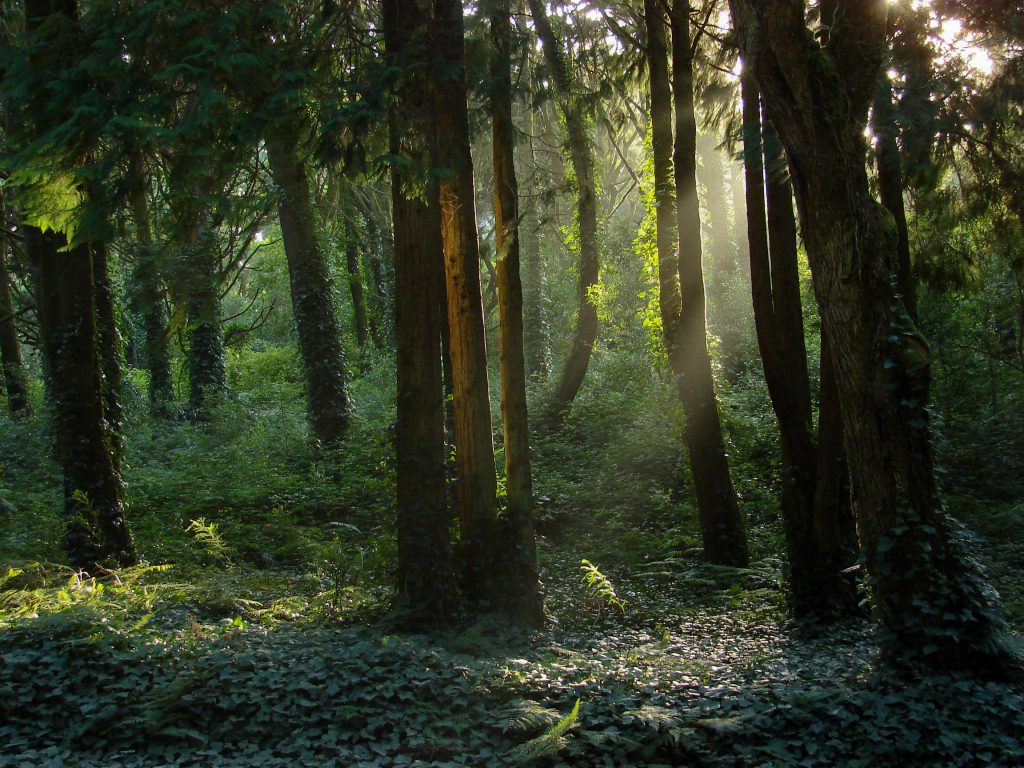
  1. Ecosystem Resilience: A diverse range of tree species in an ecosystem increases its resilience to disturbances such as diseases, pests, climate change, and natural disasters. If one species is affected by a particular threat, other species can continue to thrive, preventing the collapse of the entire ecosystem.
  2. Pest and Disease Management: Monocultures, where only one species dominates an area, are more susceptible to pest and disease outbreaks. In a diverse ecosystem, pests and diseases are less likely to spread rapidly, as they may only affect certain species while leaving others untouched.
  3. Nutrient Cycling and Soil Health: Different tree species have varying nutrient requirements and root structures. A diverse range of trees can improve soil health by enhancing nutrient cycling, preventing soil erosion, and reducing nutrient depletion. This, in turn, supports the growth of a wider variety of plants and microorganisms.
  4. Biodiversity Conservation: Trees provide habitat and food sources for various species, including insects, birds, mammals, and fungi. A diverse array of trees can sustain a greater number of species, contributing to overall biodiversity conservation.
  5. Ecosystem Services: Trees offer a multitude of ecosystem services, such as carbon sequestration, air and water purification, pollination support, and climate regulation. Different tree species perform these services in distinct ways, and a diverse mix enhances the overall capacity of an ecosystem to provide these benefits.
  6. Climate Change Mitigation: Trees capture carbon dioxide from the atmosphere through photosynthesis and store it in their biomass. Different tree species have varying capacities for carbon sequestration. A diverse forest can sequester more carbon and contribute to mitigating the effects of climate change.
  7. Genetic Diversity: Each tree species possesses a unique genetic makeup that may hold valuable traits, such as resistance to diseases, adaptations to changing climate conditions, or tolerance to specific soil types. Maintaining a diverse gene pool is essential for future adaptation and evolutionary processes.
  8. Cultural and Aesthetic Value: Trees have cultural significance in many societies and contribute to the aesthetics and recreational value of landscapes. A diverse range of tree species can create visually pleasing and emotionally enriching environments.
  9. Economic Benefits: Tree diversity can provide economic benefits through various means, including timber production, non-timber forest products, tourism, and recreational activities. A diverse ecosystem can generate multiple income streams and support local economies.
  10. Research and Learning: Diverse ecosystems offer opportunities for scientific research, education, and learning about ecological interactions, species behaviors, and the functions of different trees in the ecosystem.

In summary, tree diversity is a foundation for ecosystem health and resilience. It ensures that ecosystems can withstand disturbances, provide essential services, support biodiversity, and adapt to changing environmental conditions. Promoting and maintaining tree diversity is crucial for the long-term sustainability of both natural and human-influenced landscapes.

Benefits Of A Healthier Ecosystem

A healthier ecosystem brings forth a multitude of benefits that are crucial for the well-being of both the environment and human society. Here are some of the key benefits of a healthier ecosystem:
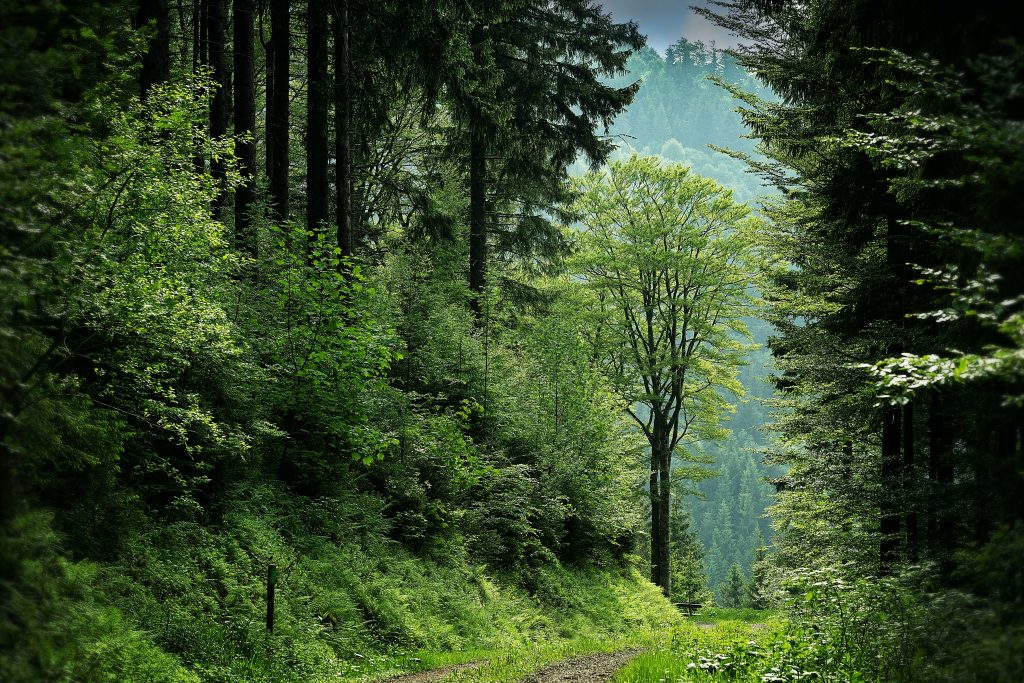
  1. Biodiversity Conservation: Healthy ecosystems support a rich variety of plant, animal, and microbial species. This biodiversity contributes to genetic diversity, which is essential for the resilience and adaptability of species in the face of environmental changes.
  2. Ecosystem Services: Ecosystems provide a wide range of services that directly and indirectly support human well-being. These include provisioning services (e.g., food, water, timber), regulating services (e.g., climate regulation, water purification), supporting services (e.g., nutrient cycling, soil formation), and cultural services (e.g., recreational opportunities, cultural values).
  3. Climate Regulation: Healthy ecosystems play a critical role in regulating climate patterns. Forests, wetlands, and oceans absorb and store carbon dioxide, helping to mitigate the impacts of climate change. They also influence local weather patterns and temperature regulation.
  4. Water Management: Ecosystems such as wetlands, forests, and grasslands act as natural water filtration systems, purifying water and regulating its flow. This helps prevent floods, erosion, and water pollution while ensuring a steady supply of clean water for both humans and wildlife.
  5. Pollination and Agriculture: Many ecosystems support pollinators like bees and butterflies that are essential for the reproduction of flowering plants, including many food crops. Healthy ecosystems with diverse plant species ensure a stable pollination network, benefiting agriculture and food security.
  6. Disease Regulation: Healthy ecosystems can naturally regulate disease vectors, such as mosquitoes and ticks. Certain species within these ecosystems act as predators or hosts that help control disease transmission.
  7. Resilience to Disturbances: Ecosystems with high biodiversity and functional complexity are better equipped to handle disturbances such as natural disasters, disease outbreaks, and climate shifts. They can recover more quickly and maintain their ecological functions.
  8. Recreational and Cultural Value: Healthy ecosystems provide spaces for recreational activities, relaxation, and cultural experiences. Nature has aesthetic and spiritual value, contributing to mental and emotional well-being.
  9. Sustainable Resource Use: Healthy ecosystems offer renewable resources that can be harvested sustainably. Proper management ensures that these resources can be utilized by current and future generations without depleting the ecosystem’s capacity to regenerate.
  10. Economic Benefits: Ecosystem services have significant economic value. For example, ecotourism, fisheries, and forestry industries depend on healthy ecosystems for their livelihoods. Healthy ecosystems also reduce the costs associated with environmental degradation, such as flood damage or water treatment.
  11. Educational and Scientific Opportunities: Healthy ecosystems provide valuable settings for scientific research and education, allowing us to learn about ecological processes, species interactions, and the effects of human activities on the environment.

A healthier ecosystem is not only essential for the survival of countless species but also directly impacts human well-being. It provides numerous services and benefits that support our economies, societies, and quality of life. Conserving and restoring ecosystem health is a vital responsibility for ensuring a sustainable and prosperous future.

Strategies For Encouraging Tree Diversity

Encouraging tree diversity requires a combination of planning, management, and community involvement. Here are several effective strategies to promote and sustain tree diversity in ecosystems:
  1. Reforestation and Afforestation:
  1. Invasive Species Management:
  1. Education and Awareness:
  1. Sustainable Land Management:
  1. Policy and Regulation:
  1. Genetic Conservation and Seed Banks:
  1. Research and Monitoring:
  1. Collaborative Partnerships:

By employing these strategies in a coordinated and adaptive manner, it’s possible to encourage and maintain tree diversity, fostering healthier and more resilient ecosystems for the benefit of both nature and society.
THE SCIENCE BEHIND HOW TREES IMPROVE SOIL ORGANIC MATTER DECOMPOSITION

THE SCIENCE BEHIND HOW TREES IMPROVE SOIL ORGANIC MATTER DECOMPOSITION

Trees play a crucial role in improving soil organic matter decomposition through various scientific mechanisms. Here are some key ways in which trees contribute to this process:

  1. Leaf Litter and Organic Inputs: Trees shed leaves and other organic materials, which contribute to the organic matter content of the soil. These organic inputs, known as leaf litter, contain carbon compounds that serve as a food source for decomposer organisms in the soil.
  2. Rhizodeposition: Trees release organic compounds, such as sugars, amino acids, and organic acids, through their roots. This process, known as rhizodeposition, provides a source of energy and nutrients for soil microorganisms involved in decomposition.
  3. Root Exudates: Tree roots release exudates, including enzymes, organic acids, and other compounds. These exudates facilitate the breakdown of organic matter in the soil, enhancing decomposition processes.
  4. Microbial Activity: Trees support a diverse and active microbial community in the soil. Soil microorganisms, such as bacteria, fungi, and archaea, play a crucial role in decomposing organic matter by secreting enzymes that break down complex organic compounds into simpler forms that can be absorbed by plants.
  5. Soil Aggregation: Trees contribute to the formation of soil aggregates, which are small clusters of soil particles bound together. Soil aggregates create pore spaces that allow for better water infiltration, gas exchange, and movement of decomposer organisms. This facilitates the decomposition process by providing a favorable environment for microbial activity.
  6. Soil Moisture and Temperature Regulation: Trees provide shade and transpire water, creating a more favorable microclimate in the soil. Moderate soil moisture and temperature conditions support optimal microbial activity and decomposition rates.
  7. Mycorrhizal Associations: Many tree species form mutualistic relationships with mycorrhizal fungi. These fungi form a symbiotic association with tree roots, extending the root system and enhancing nutrient uptake. Mycorrhizal fungi also contribute to organic matter decomposition through their enzymatic activities.
  8. Earthworm Activity: Trees, especially those with dense leaf litter, can attract earthworms to the soil. Earthworms feed on decaying organic matter, facilitating its breakdown and nutrient cycling.

By promoting the decomposition of organic matter, trees contribute to the nutrient cycling and fertility of the soil. The organic matter decomposition process releases essential nutrients that become available to plants, supporting their growth and overall ecosystem productivity.

It’s important to note that the specific mechanisms and rates of organic matter decomposition can vary depending on tree species, soil conditions, climate, and other environmental factors. However, the overall contribution of trees to soil organic matter decomposition is well-established and underscores their importance in maintaining healthy and productive ecosystems.

Besides soil erosion, soil quality is another issue facing agriculture in India today. For example, according to Rattan Lal, President of the International Union of Soil Science, the carbon content of top soil in Punjab, Haryana and Uttar Pradesh — the granary of the country – is a mere 0.05%. Healthy soil is expected to have 2% carbon content.

Forests contribute in soil formation through physical, biological and chemical weathering of the parent rock materials and also through the addition of foliage and its subsequent decomposition. It is well-known that trees help improve soil fertility. Studies show that compared to farms in which only crops are cultivated, when trees are also grown, crop production increased to 200% or more in two-thirds of cases. Increasing the soil’s organic content also increases the amount of water that soil can hold. For every 1% increase in the soil organic content, the soil can hold an additional 60,000 liters per acre.

Science knows very little about soil. Centuries ago, Leornado Da Vinci is supposed to have said: “We know more about the movement of celestial bodies than about the soil underfoot.” That still holds true today. According to the Atlantic: “There can be 10,000 to 50,000 species in less than a teaspoon of soil. In that same teaspoon of soil, there are more microbes than there are people on the earth. In a handful of healthy soil, there is more biodiversity in just the bacterial community than you will find in all the animals of the Amazon basin.”

What little we know about soil and its interaction with trees and the rest of the ecosystem is just the tip of the iceberg. We know for instance that some species of trees provide habitat for bacteria and fungi in their root structure. These organisms perform nitrogen fixation, which is a significant factor in soil fertility.

Trees also recycle nutrients by pulling them up from deeper layers of the ground and bringing them up to the surface through the decomposition of leaf and plant litter to form soil organic matter. Tree canopies also trap some amounts of nutrient from the atmosphere, a source of free fertilizer which is washed from the leaves to the soil by rain.

No Ploughing Recommendation: No-till agriculture, where seeds are directly inserted into the soil, is considered to be supportive to soil biodiversity. No-till results in more organic matter in soil and less erosion, which means more fertility, less fertilizer, and higher yields.

Ploughing reduces a farm’s long-term productivity by exposing the organic-matter-rich topsoil to the surface. This creates fluctuations in soil moisture and temperature, which many soil organisms cannot handle. Tilling also reduces the pores in soil, which would otherwise have allowed water to infiltrate the soil and recharge groundwater.

For example, the number of earthworms per square meter varied between 119 in ploughed land and 160 in no-till land. Earthworms are an important component of the sub-surface soil ecosystem and play an important role in adding nutrient to soil. Tilling also affects certain fungi in the soil that form beneficial symbiotic relationships with plants – receiving sugars from plants and supplying them with nutrients such as phosphorus and nitrogen.

WHY IS MULCH IMPORTANT TO YOUR PLANTS AND SOIL

When you have plants of flowers, vegetables, shrubs, and trees a lot of beginners to gardening do not realize how crucial the use of mulch is to the survival of the plants. No matter what type of garden you have whether it is a container, vegetable, flower gardens or shrubs and trees it is a must to have mulch and it will help in several ways.

  1. Lowering the use of water. To save water and keep the plant’s roots with sufficient water – use mulch. Concerning water, just a thin layer of nature’s blanket (mulch) will cut down on moisture leaving the soil surface. Denser mulches may cut water usage by as much as 50%.
  2. Controlling the weeds. By having mulch down this will prevent or at least slow down the growth of weeds. Even if a few eventually pop through they will be easy to see and pull out of the ground.
  3. Protecting against the cold. Placing mulch in your garden will protect against freezes that will usually kill many plants. People living even in zones 10 sometimes get a freeze and this would prevent a loss of their plants.
  4. Keeping the soil from drying. A good layer of ing will ensure that the soil will retain moisture a lot longer time.
  5. Improving soil. This means that you need to use organic mulches that decompose to contribute organic matter to the soil.

Many sorts of mulch add another layer of good looks and quality to your garden beds too. On the market now nurseries have safe colored mulch that will enhance the looks of your garden. For the benefit of the plants though try to use mulch that is made from local items shredded up like wood from trees and bushes growing in your area.

There is an ample assortment of materials which can be used for mulching your garden.

  1. Some very good organic materials are wood chips, shavings or bark from trees growing in your area shredded, the smaller the better. Because wood is an organic material, it will slow decomposition and be blended into your garden soil, leaving more vitamins and nutrients for many years to come.
  2. Grass clippings or dried leaves from your trees each autumn are also outstanding natural items to use for mulching your plants and flowers. Some believe straw and hay is the best to use especially alfalfa. As these are organic materials, they’ll add to the general richness and be producing abundantly and be sustaining vigorous and luxuriant growth in your soil as they decompose.
  3. A lot of people like to use mulch materials that can last for many years at a time like some popular ones that are plastic and rubber material made from recycled tires. These frequently come in the form of circular rings for placing under trees and bushes with ease. Some even use small chunks of rubber.
  4. Rocks, stones, and pebbles can work as a mulch also since dressing the plain soil around your flowers and plants with pebbles or rocks functions the same purpose of holding moisture and forbidding weed growth. Remember though these items can heat up faster and higher than other types.
  5. Snow is one the best mulches of them all, as it can let you grow plants that would not last through the winter in areas without snow farther south

Though traditionally, most mulches were made to both shield from danger the plants and flowers while feeding and improving the soil. Mulching permits you to rehash nature’s products to better your garden, really nothing is wasted, and in the action, your garden will appear greener and more healthy.

[geocentric_weather id=”45ff4ccd-3d3f-498e-b0b9-91aaaf766bc4″]

[geocentric_about id=”45ff4ccd-3d3f-498e-b0b9-91aaaf766bc4″]

[geocentric_neighborhoods id=”45ff4ccd-3d3f-498e-b0b9-91aaaf766bc4″]

[geocentric_thingstodo id=”45ff4ccd-3d3f-498e-b0b9-91aaaf766bc4″]

[geocentric_busstops id=”45ff4ccd-3d3f-498e-b0b9-91aaaf766bc4″]

[geocentric_mapembed id=”45ff4ccd-3d3f-498e-b0b9-91aaaf766bc4″]

[geocentric_drivingdirections id=”45ff4ccd-3d3f-498e-b0b9-91aaaf766bc4″]

[geocentric_reviews id=”45ff4ccd-3d3f-498e-b0b9-91aaaf766bc4″]

UNDERSTANDING THE DIFFERENT TYPES OF TREE SUPPORTS

UNDERSTANDING THE DIFFERENT TYPES OF TREE SUPPORTS

Utah is home to a diverse range of trees that are well-adapted to its varied climate and geography. The types of trees found in Utah can be categorized into several major groups based on their characteristics and habitat preferences. Here’s an overview of the different types of trees in Utah:

**1. Coniferous Trees:

**2. Deciduous Trees:

**3. Evergreen Trees:

**4. Fruit Trees:

**5. Shade Trees:

**6. Native Trees:

Understanding the different types of trees in Utah is essential for choosing appropriate species for landscaping, conservation efforts, and ensuring the health of natural ecosystems. It’s important to consider factors such as water availability, soil conditions, and altitude when selecting trees for planting. Consulting with local forestry experts or arborists can provide valuable insights into which trees are best suited for your specific area within Utah.

**1. Riparian Trees:

**2. High Desert Trees:

**3. Introduced Trees:

**4. Urban Landscape Trees:

**5. Mediterranean Trees:

**6. Ornamental Trees:

**7. Rare and Endangered Trees:

Understanding these various types of trees in Utah is essential for making informed decisions about landscape design, conservation, and responsible tree planting. Each tree type contributes to the unique ecological balance of the state and provides valuable benefits to both nature and communities.

Having trees in Utah provides a multitude of benefits that extend beyond mere aesthetics. From environmental advantages to improving the quality of life for residents, the presence of trees contributes significantly to the state’s well-being. Here are several compelling reasons for having trees in Utah:

**1. Environmental Benefits:

**2. Wildlife Habitat:

**3. Water Management:

**4. Health and Well-Being:

**5. Energy Savings:

**6. Aesthetic Value:

**7. Community Benefits:

**8. Economic Value:

**9. Conservation:

Preservation of Native Species: Trees native to Utah contribute to the state’s biodiversity and cultural heritage.

**10. Education and Research:

– Educational Opportunities: Trees provide learning opportunities about botany, ecology, and the natural world. – Research: Trees offer valuable insights into climate change, ecosystem dynamics, and environmental science.

In Utah’s unique climate and landscapes, trees play a vital role in maintaining ecological balance, enhancing urban environments, and promoting the overall well-being of its residents. By valuing and actively planting trees, individuals and communities contribute to a sustainable and vibrant future for the state.

Hiring tree experts, also known as arborists or tree care professionals, in Utah is essential for various reasons due to the unique climate, landscape, and tree species found in the state. Tree experts possess the knowledge, skills, and experience needed to ensure the health, safety, and proper maintenance of trees. Here are compelling reasons for hiring tree experts in Utah:

**1. Tree Health and Care:

**2. Disease and Pest Management:

**3. Safety and Risk Assessment:

**4. Tree Planting and Selection:

**5. Professional Equipment:

**6. Emergency Services:

**7. Tree Preservation:

**8. Expert Advice:

**9. Regulatory Compliance:

**10. Saves Time and Money:

– Prevention: Early intervention by tree experts can prevent costly damages caused by tree-related accidents or health issues. – Efficiency: Professionals can perform tasks more efficiently, saving homeowners time and effort.

Hiring tree experts in Utah ensures that trees receive the care they need to thrive in the state’s unique environment. Whether it’s regular maintenance, disease management, or addressing emergencies, their expertise contributes to the well-being of trees, landscapes, and communities.


[geocentric_weather id=”45ff4ccd-3d3f-498e-b0b9-91aaaf766bc4″]

[geocentric_about id=”45ff4ccd-3d3f-498e-b0b9-91aaaf766bc4″]

[geocentric_neighborhoods id=”45ff4ccd-3d3f-498e-b0b9-91aaaf766bc4″]

[geocentric_thingstodo id=”45ff4ccd-3d3f-498e-b0b9-91aaaf766bc4″]

[geocentric_busstops id=”45ff4ccd-3d3f-498e-b0b9-91aaaf766bc4″]

[geocentric_mapembed id=”45ff4ccd-3d3f-498e-b0b9-91aaaf766bc4″]

[geocentric_drivingdirections id=”45ff4ccd-3d3f-498e-b0b9-91aaaf766bc4″]

[geocentric_reviews id=”45ff4ccd-3d3f-498e-b0b9-91aaaf766bc4″]

THE ROLE OF TREES IN REDUCING HEAT ISLANDS IN URBAN AREAS

THE ROLE OF TREES IN REDUCING HEAT ISLANDS IN URBAN AREAS

Tree preservation in urban areas is of paramount importance due to its wide-ranging positive impacts on the environment, human well-being, and the overall sustainability of cities. As urbanization accelerates and green spaces become scarcer, the preservation of trees becomes a vital component of responsible urban planning and development. Here’s why tree preservation is crucial in urban areas:

  1. Ecological Balance: Trees play a pivotal role in maintaining ecological balance in urban ecosystems. They support biodiversity by providing habitats for birds, insects, and other wildlife, contributing to urban biodiversity.
  2. Air Quality Improvement: Trees act as natural air purifiers, absorbing pollutants such as carbon dioxide, sulfur dioxide, and nitrogen dioxide. Preserving trees helps improve urban air quality and mitigate the negative effects of pollution.
  3. Carbon Sequestration: Trees are effective carbon sinks, absorbing carbon dioxide through photosynthesis and helping mitigate climate change by reducing greenhouse gas concentrations.
  4. Urban Heat Island Mitigation: Trees provide natural shade and cooling, mitigating the urban heat island effect. Preserving trees helps combat heat-related health risks and reduces the need for energy-intensive cooling systems.
  5. Psychological Well-Being: The presence of trees in urban areas has a positive impact on mental health. Access to green spaces with trees promotes stress reduction, relaxation, and improved overall well-being.
  6. Cultural Identity and Aesthetics: Trees contribute to the aesthetic appeal of urban landscapes, preserving the cultural identity and historical significance of neighborhoods. Iconic trees become part of a city’s visual identity.
  7. Property Value Enhancement: Areas with mature trees often command higher property values. Preserving trees can lead to increased real estate demand and property values, benefiting homeowners and the local economy.
  8. Energy Conservation: Trees provide natural shade, reducing the need for air conditioning and energy consumption. This leads to cost savings for residents and businesses.
  9. Stormwater Management: Trees absorb rainwater, reducing stormwater runoff and the risk of flooding. Their root systems help stabilize soil, preventing erosion during heavy rainfall.
  10. Green Infrastructure: Trees are a crucial component of green infrastructure, providing essential services such as water purification, air filtration, and soil conservation.
  11. Enhanced Community Spaces: Preserved trees create inviting public spaces for recreational activities, social gatherings, and community events, fostering a sense of belonging and community pride.
  12. Climate Resilience: Trees contribute to urban climate resilience by mitigating extreme weather events, regulating temperature, and minimizing the impact of climate change-related challenges.
  13. Educational Opportunities: Urban trees offer educational value, serving as living laboratories for students and communities to learn about biology, ecology, and environmental stewardship.
  14. Biotic Interactions: Trees support pollinators and urban wildlife, contributing to urban ecosystems and fostering interactions between humans and nature.
  15. Sustainable Urban Planning: Integrating tree preservation into urban planning aligns with sustainability goals, ensuring that cities remain habitable, healthy, and vibrant places to live.

In summary, tree preservation in urban areas is essential for fostering a harmonious coexistence between humans and the natural world. Recognizing and prioritizing the value of trees in urban environments leads to healthier communities, improved quality of life, and the creation of sustainable and resilient cities for generations to come.


Challenges Posed by Urbanization on Trees

Urbanization poses several significant challenges to trees and their survival in urban environments. As cities expand and infrastructure development increases, trees often face adverse conditions that can negatively impact their health and longevity. Here are some of the key challenges posed by urbanization on trees:

  1. Limited Space and Competition: Urban areas often have limited space for trees to grow, leading to competition for resources such as sunlight, water, and nutrients. Overcrowded planting conditions can hinder tree growth and overall health.
  2. Soil Compaction and Poor Drainage: Urban development and heavy foot traffic can lead to soil compaction, which restricts root growth and water infiltration. Compacted soils impede the movement of air, water, and nutrients vital for tree health.
  3. Pollution and Poor Air Quality: Urban environments are sources of various pollutants, including vehicle emissions, industrial discharges, and particulate matter. Trees can absorb these pollutants, leading to stress and damage, especially on leaves.
  4. Heat Stress and Urban Heat Islands: Urban heat islands are areas with higher temperatures due to human activities and impervious surfaces. Trees play a vital role in mitigating heat by providing shade and cooling, but they can also suffer from heat stress themselves.
  5. Root Space Limitation: The construction of roads, buildings, and pavements can restrict root growth and lead to root girdling, where roots grow in circles around the base of the tree, constricting its growth and stability.
  6. Lack of Biodiversity: Urban areas may have limited plant diversity, which can lead to the prevalence of certain tree species. This lack of biodiversity increases the risk of disease outbreaks or pests affecting entire urban tree populations.
  7. Invasive Species: Urbanization can introduce non-native, invasive plant species that compete with native trees for resources and disrupt ecosystems, leading to reduced tree health and native species decline.
  8. Soil Contamination: Urban soils may be contaminated with pollutants, heavy metals, or chemicals from human activities. These contaminants can be absorbed by trees and negatively impact their health.
  9. Poor Tree Selection and Placement: Inappropriate tree species selection for urban environments and improper planting techniques can result in trees that are ill-suited to urban conditions, leading to decreased survival rates.
  10. Construction Damage: Construction activities in urban areas can damage tree roots, compact soil, and even lead to physical injuries to the tree’s trunk, compromising its health and stability.
  11. Lack of Maintenance and Care: Urban trees often face neglect due to budget constraints or lack of awareness. Inadequate maintenance can result in tree decline, disease susceptibility, and structural issues.
  12. Limited Water Availability: Urban trees might struggle to access sufficient water due to competing demands for irrigation and limited water sources, leading to drought stress and decreased vitality.
  13. Vandalism and Human Impact: Urban trees can be subject to vandalism, improper pruning, and physical damage from human activities, affecting their health and longevity.
  14. Legal and Regulatory Challenges: Urban development and planning regulations might not always prioritize tree preservation, leading to conflicts between development goals and tree conservation.

Addressing these challenges requires comprehensive urban planning that prioritizes tree preservation, proper management practices, public awareness, and policies that recognize the ecological and socio-economic benefits that trees provide to urban environments.


Ecological and Environmental Benefits

Tree preservation offers a multitude of ecological and environmental benefits that contribute to the overall health and sustainability of ecosystems, communities, and the planet as a whole. By protecting existing trees and natural landscapes, we can harness their ecological functions and ensure a better balance between human development and the natural world. Here are some key ecological and environmental benefits of tree preservation:

  1. Biodiversity Conservation: Preserving trees maintains critical habitats for a variety of plant and animal species, fostering biodiversity within urban and natural environments. Trees provide food, shelter, and nesting sites for birds, insects, mammals, and other organisms.
  2. Habitat Creation and Connectivity: Trees play a crucial role in creating interconnected habitats, facilitating movement and gene flow for wildlife species. Preserving tree corridors enhances habitat connectivity and supports migratory routes.
  3. Soil Health and Erosion Control: Tree roots help bind soil particles together, preventing erosion and soil degradation. Their presence enhances soil fertility and stability, reducing the risk of landslides and soil erosion.
  4. Carbon Sequestration and Climate Mitigation: Trees are excellent carbon sinks, absorbing carbon dioxide through photosynthesis and helping mitigate climate change by storing carbon in their biomass and soils.
  5. Air Quality Improvement: Trees act as natural air filters, removing pollutants from the atmosphere and improving air quality by absorbing pollutants such as nitrogen oxides, sulfur dioxide, and particulate matter.
  6. Microclimate Regulation: Trees provide shade, reducing local temperatures and mitigating the urban heat island effect. They also release moisture through transpiration, contributing to humidity and cooling in their vicinity.
  7. Stormwater Management: Tree canopies intercept rainwater, reducing the impact of heavy rainfall and preventing soil erosion. Their root systems increase soil permeability, promoting water infiltration and reducing stormwater runoff.
  8. Wildlife Habitat Enhancement: Trees support diverse wildlife, from insects to larger mammals, by offering nesting sites, food sources, and protection from predators.
  9. Nutrient Cycling: Fallen leaves and organic matter from trees contribute to nutrient cycling in ecosystems, enriching soil with essential nutrients and promoting healthy plant growth.
  10. Water Quality Improvement: Tree roots act as natural filters, trapping pollutants and preventing them from entering water bodies, thus improving water quality in urban and natural environments.
  11. Preservation of Genetic Diversity: Protecting mature trees preserves their genetic diversity, which is essential for adapting to changing environmental conditions and maintaining healthy populations.
  12. Ecosystem Services Enhancement: Trees provide a range of ecosystem services, including pollination support for agriculture, natural pest control, and provision of medicinal plants.
  13. Aesthetic and Recreational Value: Preserved trees contribute to the visual appeal of landscapes, providing spaces for outdoor recreation and promoting physical and mental well-being.
  14. Reduced Noise Pollution: Trees help buffer noise from urban environments, contributing to reduced noise pollution and creating more tranquil spaces.
  15. Long-Term Sustainability: By preserving trees, we ensure the longevity of these ecosystems and their ability to provide ecological services for current and future generations.

Tree preservation is an investment in the health of our planet and the well-being of its inhabitants. Recognizing the ecological and environmental benefits of preserving trees drives responsible land management practices that balance human needs with the vital functions that trees provide to ecosystems.


[geocentric_weather id=”45ff4ccd-3d3f-498e-b0b9-91aaaf766bc4″]

[geocentric_about id=”45ff4ccd-3d3f-498e-b0b9-91aaaf766bc4″]

[geocentric_neighborhoods id=”45ff4ccd-3d3f-498e-b0b9-91aaaf766bc4″]

[geocentric_thingstodo id=”45ff4ccd-3d3f-498e-b0b9-91aaaf766bc4″]

[geocentric_busstops id=”45ff4ccd-3d3f-498e-b0b9-91aaaf766bc4″]

[geocentric_mapembed id=”45ff4ccd-3d3f-498e-b0b9-91aaaf766bc4″]

[geocentric_drivingdirections id=”45ff4ccd-3d3f-498e-b0b9-91aaaf766bc4″]

[geocentric_reviews id=”45ff4ccd-3d3f-498e-b0b9-91aaaf766bc4″]

Commercial Tree Service Silver Summit Utah

“Silver Summit Utah’s Premier Commercial Tree Service – Quality Care for Your Trees!”

Introduction

Welcome to Commercial Tree Service Silver Summit Utah! We are a full-service tree care company that provides professional tree services to the Silver Summit area. Our team of experienced arborists and tree care specialists are dedicated to providing quality tree care services to our clients. We specialize in tree pruning, tree removal, stump grinding, tree planting, and tree health care. We also offer emergency tree services for storm damage and other tree-related emergencies. Our goal is to provide our clients with the highest quality tree care services at an affordable price. We strive to ensure that our clients are satisfied with the results of our work. Thank you for considering Commercial Tree Service Silver Summit Utah for your tree care needs.

Tips for Maintaining Healthy Trees on Commercial Properties in Silver Summit Utah

1. Plant the Right Tree: When selecting trees for a commercial property in Silver Summit Utah, it is important to choose species that are well-suited to the local climate and soil conditions. Native trees are often the best choice, as they are adapted to the local environment and require less maintenance.

2. Provide Adequate Water: Trees need a consistent supply of water to stay healthy. During the summer months, trees should be watered deeply and regularly to ensure they have enough moisture.

3. Prune Properly: Pruning is an important part of tree maintenance. It helps to remove dead or diseased branches, as well as to shape the tree and promote healthy growth. Pruning should be done by a professional arborist to ensure it is done correctly.

4. Fertilize: Fertilizing trees helps to promote healthy growth and can help to prevent disease. Fertilizer should be applied in the spring and fall, and should be tailored to the specific needs of the tree species.

5. Monitor for Pests and Disease: Trees can be vulnerable to pests and diseases, so it is important to monitor them regularly for signs of infestation or infection. If a problem is detected, it should be addressed quickly to prevent further damage.

6. Protect from Damage: Trees can be damaged by construction, vehicles, and other activities. It is important to protect trees from these activities by installing barriers or other protective measures.

Tree Removal Tooele Utah

By following these tips, commercial property owners in Silver Summit Utah can ensure their trees remain healthy and beautiful for years to come.

The Benefits of Hiring a Certified Arborist for Commercial Tree Service in Silver Summit Utah

When it comes to commercial tree service in Silver Summit, Utah, it is important to hire a certified arborist. A certified arborist is a professional who has been trained and certified in the science and art of caring for trees. They have the knowledge and experience to properly care for trees and ensure that they remain healthy and safe.

The benefits of hiring a certified arborist for commercial tree service in Silver Summit, Utah are numerous. First, certified arborists are knowledgeable about the local climate and soil conditions, which allows them to provide the best care for trees in the area. They are also knowledgeable about the different types of trees that are native to the area and can provide advice on how to best care for them.

Second, certified arborists are experienced in the proper pruning and trimming of trees. This ensures that trees are kept healthy and safe, while also providing aesthetic value to the property. Certified arborists are also knowledgeable about the different types of pests and diseases that can affect trees, and can provide advice on how to prevent and treat them.

Third, certified arborists are knowledgeable about the different types of tree diseases and pests that can affect trees in Silver Summit, Utah. They can provide advice on how to prevent and treat these diseases and pests, as well as how to properly prune and trim trees to ensure their health and safety.

Finally, certified arborists are knowledgeable about the different types of tree services that are available in Silver Summit, Utah. They can provide advice on the best type of tree service for a particular property, as well as the best way to maintain the trees. This ensures that trees remain healthy and safe, while also providing aesthetic value to the property.

Hiring a certified arborist for commercial tree service in Silver Summit, Utah is a great way to ensure that trees remain healthy and safe, while also providing aesthetic value to the property. Certified arborists are knowledgeable about the local climate and soil conditions, as well as the different types of trees that are native to the area. They are also experienced in the proper pruning and trimming of trees, as well as the different types of pests and diseases that can affect trees. Finally, certified arborists are knowledgeable about the different types of tree services that are available in Silver Summit, Utah, and can provide advice on the best type of tree service for a particular property.

The Importance of Regular Tree Maintenance for Commercial Properties in Silver Summit Utah

Regular tree maintenance is essential for commercial properties in Silver Summit, Utah. Trees provide a variety of benefits to businesses, including aesthetic appeal, shade, and air quality improvement. However, without proper maintenance, trees can become hazardous and cause damage to property. Regular tree maintenance helps to ensure that trees remain healthy and safe, while also providing a number of other benefits.

First, regular tree maintenance helps to ensure that trees remain healthy and aesthetically pleasing. Trees that are not properly maintained can become overgrown, diseased, or infested with pests. This can lead to an unsightly appearance and can even reduce the value of a property. Regular pruning and trimming can help to keep trees looking their best and can also help to promote healthy growth.

Second, regular tree maintenance can help to reduce the risk of property damage. Overgrown trees can cause damage to buildings, sidewalks, and other structures. Dead or diseased branches can also pose a safety hazard, as they can easily break off and cause injury or property damage. Regular pruning and trimming can help to reduce the risk of property damage by removing dead or diseased branches and keeping trees at a safe height.

Finally, regular tree maintenance can help to improve air quality. Trees act as natural air filters, removing pollutants from the air and providing oxygen. Regular pruning and trimming can help to ensure that trees remain healthy and are able to continue to filter the air.

In conclusion, regular tree maintenance is essential for commercial properties in Silver Summit, Utah. Regular maintenance helps to ensure that trees remain healthy and aesthetically pleasing, while also reducing the risk of property damage and improving air quality. Business owners should make sure to schedule regular tree maintenance to ensure that their trees remain healthy and safe.

How to Choose the Right Commercial Tree Service Company in Silver Summit Utah

When it comes to choosing a commercial tree service company in Silver Summit, Utah, it is important to take the time to research and select the right one for your needs. There are a few key factors to consider when making your decision.

First, you should consider the company’s experience and expertise. Look for a company that has been in business for a number of years and has a proven track record of success. Ask for references and check them out. Make sure the company is licensed and insured, and that they have the necessary equipment and personnel to handle the job.

Second, you should consider the company’s services. Make sure they offer the services you need, such as tree trimming, pruning, removal, and stump grinding. Ask about their safety protocols and make sure they are up to date.

Third, you should consider the company’s pricing. Get quotes from several companies and compare them. Make sure you understand the terms of the contract and that you are getting the best value for your money.

Finally, you should consider the company’s customer service. Make sure they are responsive to your questions and concerns and that they are willing to work with you to ensure your satisfaction.

By taking the time to research and select the right commercial tree service company in Silver Summit, Utah, you can ensure that your trees are properly cared for and that you get the best value for your money.

The Benefits of Professional Commercial Tree Service in Silver Summit Utah

Professional commercial tree service in Silver Summit, Utah offers a variety of benefits to businesses and homeowners alike. From tree trimming and pruning to tree removal and stump grinding, professional tree services can help maintain the health and beauty of your trees. Here are some of the benefits of professional commercial tree service in Silver Summit, Utah.

Safety: Professional tree services are trained to safely and efficiently remove trees and limbs that may pose a hazard to people or property. They are also knowledgeable about the proper techniques for pruning and trimming trees to ensure their health and safety.

Health: Professional tree services can help maintain the health of your trees by removing dead or diseased branches and limbs. This helps to prevent the spread of disease and pests to other trees in the area.

Beauty: Professional tree services can help enhance the beauty of your landscape by trimming and pruning trees to create a more aesthetically pleasing look. They can also help to create a more uniform look by removing trees that are too large or too small for the area.

Cost Savings: Professional tree services can help to save you money by providing services that are more cost-effective than hiring a landscaper or doing the work yourself. They can also help to reduce the amount of time and money spent on maintenance and repairs.

These are just a few of the benefits of professional commercial tree service in Silver Summit, Utah. With the help of a professional tree service, you can ensure the health and beauty of your trees while saving time and money.