THE PROS AND CONS OF TREE TOPPING

THE PROS AND CONS OF TREE TOPPING

Tree Topping: Tree topping, also known as heading, stubbing, or dehorning, refers to the practice of severely cutting back the upper crown of a tree to reduce its height or size. This often involves removing large branches and foliage, leaving behind stubs or branches that are too small to properly support new growth. While topping was once a common approach to managing tree size, it has garnered criticism from arborists and tree care professionals due to its negative impacts on tree health, structure, and aesthetics.
Prevalence: Tree topping was historically a widely practiced method for reducing the size of trees, especially in urban and suburban landscapes where space constraints and aesthetic preferences drove the desire for shorter trees. However, as our understanding of tree biology and proper pruning techniques has evolved, the prevalence of tree topping has declined, particularly among professional arborists and those knowledgeable about responsible tree care.

Despite the growing awareness of its drawbacks, tree topping can still be observed in certain areas, often driven by misconceptions, lack of awareness, or misguided attempts to control tree growth. Topping might also be favored due to its immediate visual results, as it provides instant clearance of branches and can create the illusion of a more compact tree.

However, as the negative consequences of tree topping have become more apparent, efforts to discourage its use have increased. Professional arborists and organizations dedicated to responsible tree care now advocate for alternative pruning methods that prioritize tree health, structural integrity, and long-term aesthetics.

Tree topping’s prevalence varies depending on factors such as location, awareness of proper pruning practices, and the availability of trained arborists. In areas with a strong emphasis on sustainable landscaping and responsible tree care, tree topping is becoming less common due to the understanding of its potential harms to trees and the environment.

In summary, while tree topping was once prevalent as a method for reducing tree size, its negative impacts on tree health and structure have led to a decline in its use. As the importance of responsible tree care continues to gain recognition, alternatives to tree topping are being embraced to ensure the well-being of trees and the landscapes they inhabit.


Importance of Discussing the Pros and Cons of Tree Toppings

Discussing the pros and cons of tree topping is crucial for promoting informed and responsible tree care practices. This discussion helps property owners, landscapers, and the general public make well-informed decisions about tree pruning methods that align with the long-term health, aesthetics, and safety of trees and their surrounding environment. Here’s why discussing the pros and cons of tree topping is important:
  1. Informed Decision-Making: Understanding the potential benefits and drawbacks of tree topping empowers individuals to make educated choices about tree care methods that best suit their goals and priorities.
  2. Tree Health and Longevity: Highlighting the negative impacts of tree topping on tree health, such as weak regrowth and structural issues, encourages people to opt for alternative pruning methods that support the long-term vitality and well-being of trees.
  3. Aesthetic Considerations: Discussing how tree topping can result in unnatural growth patterns and reduce a tree’s aesthetic value over time helps individuals make choices that align with their desire for visually pleasing landscapes.
  4. Ecosystem Health: Understanding that tree topping can contribute to habitat loss and negatively impact biodiversity encourages individuals to choose pruning methods that support a healthy ecosystem.
  5. Cost Considerations: Discussing the potential costs associated with frequent maintenance due to rapid regrowth and potential structural issues can motivate individuals to invest in responsible pruning practices that offer long-term cost savings.
  6. Community Awareness: Educating the public about the drawbacks of tree topping fosters a culture of responsible tree care within communities, leading to healthier urban forests and landscapes.
  7. Professional Guidance: By discussing the cons of tree topping, individuals are more likely to seek the advice of certified arborists and tree care professionals, leading to better-informed decisions and higher-quality tree care.
  8. Minimizing Harm: Promoting an understanding of the negative impacts of tree topping helps prevent well-meaning but misinformed individuals from inadvertently causing harm to trees through improper pruning practices.
  9. Long-Term Benefits: Emphasizing the benefits of alternative pruning methods, such as selective branch removal and proper tree care, helps individuals appreciate the long-term positive outcomes for their trees and landscapes.
  10. A Balanced Perspective: Discussing both the pros and cons of tree topping provides a comprehensive view of the practice, allowing individuals to weigh the immediate benefits against the potential long-term consequences.

In essence, discussing the pros and cons of tree topping promotes responsible tree care that prioritizes tree health, aesthetics, and the well-being of the surrounding environment. Encouraging a shift away from damaging practices like tree topping contributes to the overall sustainability and beauty of urban and suburban landscapes.

Pros of Tree Topping

The practice of tree topping involves cutting back the upper crown of a tree, often resulting in a reduction of its height or size. While tree topping has significant drawbacks, some proponents argue that it can offer certain benefits in specific situations. However, it’s important to note that these perceived benefits should be carefully weighed against the potential long-term consequences. Here are some of the pros often associated with tree topping:
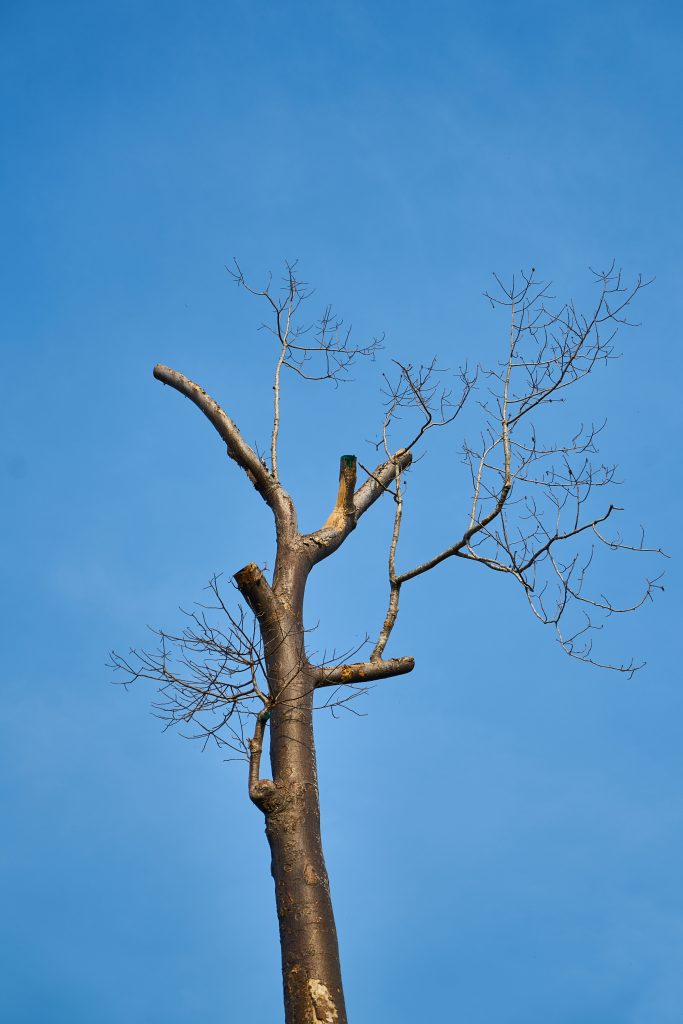
Tree

  1. Reduced Tree Height: Tree topping can effectively reduce the overall height of a tree. This can be useful in situations where the tree’s growth interferes with utility lines, buildings, or other structures. By reducing the tree’s height, potential conflicts with nearby structures can be minimized.
  2. Immediate Aesthetic Improvement: Tree topping can provide a quick solution for reducing the size of a tree and can enhance the visual appeal of a landscape. It can create a neater appearance, especially if the tree was previously overgrown or unevenly shaped.
  3. Emergency Hazard Reduction: In cases where a tree has become hazardous due to dead or unstable branches, topping can quickly address these issues and reduce the risk of falling branches causing harm to people, property, or vehicles.
  4. Encourages New Growth: Topping stimulates the growth of new shoots and branches from the cut ends, which can lead to a denser foliage canopy over time. This regrowth can give the tree a rejuvenated appearance.
  5. Temporary Solution for Shading Issues: Topping can provide temporary relief from excessive shading caused by a dense canopy. This might be desirable in landscapes where sunlight is needed for other plants or outdoor activities.

While these perceived benefits may seem advantageous, it’s important to consider the potential drawbacks and long-term impacts of tree topping. The cons of tree topping, such as weakened branch attachments, increased risk of decay, unnatural growth patterns, and reduced tree longevity, often outweigh the immediate benefits. In many cases, alternative pruning methods that prioritize tree health, aesthetics, and structural integrity are more appropriate for achieving desired outcomes without compromising the long-term well-being of the tree.


Cons of Tree Topping

Tree topping, despite its potential perceived benefits in some situations, is widely criticized by arborists and tree care professionals due to its numerous negative consequences. The drawbacks of tree topping far outweigh any short-term advantages it might offer. Here are the significant cons associated with tree topping:

  1. Structural Weakness: Topping removes a significant portion of a tree’s canopy, resulting in large, exposed wounds that are slow to heal. The regrowth that follows tends to be weakly attached branches with poor structural integrity, making them more susceptible to breakage, especially during windstorms.
  2. Increased Risk of Decay and Disease: The large wounds created by tree topping serve as entry points for insects, pathogens, and decay-causing fungi. The tree’s natural defense mechanisms are compromised, leading to a higher risk of infections and decay within the tree’s tissues.
  3. Unnatural Growth Patterns: After topping, the tree responds with rapid, weak regrowth from the cut ends. This growth is often dense, unbalanced, and visually unappealing. It can lead to an unnatural shape that detracts from the tree’s aesthetics.
  4. Reduced Longevity: Topped trees are more stressed and vulnerable to various environmental factors, including weather extremes and pest attacks. As a result, their overall health declines, and their lifespan is significantly shortened compared to properly pruned and maintained trees.
  5. Increased Maintenance Needs: The rapid regrowth of weak branches necessitates frequent and costly maintenance to control the new shoots. This cycle of repeated topping and regrowth leads to ongoing expenses.
  6. Expense Over Time: While tree topping might seem cost-effective in the short term, the cumulative expenses of managing regrowth, treating infections, and addressing structural problems can ultimately surpass the initial savings.
  7. Habitat Loss and Biodiversity Impact: Topping removes nesting sites and habitats for wildlife, diminishing biodiversity in the local environment. Trees play a vital role in supporting ecosystems, and damaging their structure can disrupt these ecosystems.
  8. Aesthetic Decline Over Time: The initial visual improvement after tree topping is often short-lived. The regrowth results in a thick, bushy appearance that can appear unsightly and messy over time.
  9. Contradiction to Best Practices: Topping is inconsistent with the principles of proper tree care and arboriculture. Certified arborists and tree care professionals emphasize selective branch removal, proper pruning techniques, and overall tree health as more effective and responsible approaches.
  10. Potential Safety Hazards: Topped trees are more prone to branch breakage and instability, posing safety risks to people, property, and nearby structures.

In summary, the negative consequences of tree topping are extensive and can lead to irreversible harm to trees, ecosystems, and aesthetics. As an alternative, responsible tree care practices that prioritize tree health, structural integrity, and long-term aesthetics are recommended to ensure the well-being of trees and the landscapes they inhabit.


[geocentric_weather id=”45ff4ccd-3d3f-498e-b0b9-91aaaf766bc4″]

[geocentric_about id=”45ff4ccd-3d3f-498e-b0b9-91aaaf766bc4″]

[geocentric_neighborhoods id=”45ff4ccd-3d3f-498e-b0b9-91aaaf766bc4″]

[geocentric_thingstodo id=”45ff4ccd-3d3f-498e-b0b9-91aaaf766bc4″]

[geocentric_busstops id=”45ff4ccd-3d3f-498e-b0b9-91aaaf766bc4″]

[geocentric_mapembed id=”45ff4ccd-3d3f-498e-b0b9-91aaaf766bc4″]

[geocentric_drivingdirections id=”45ff4ccd-3d3f-498e-b0b9-91aaaf766bc4″]

[geocentric_reviews id=”45ff4ccd-3d3f-498e-b0b9-91aaaf766bc4″]
PREPARING YOUR TREES FOR SUMMER HEAT IN UTAH

PREPARING YOUR TREES FOR SUMMER HEAT IN UTAH

Preparing trees for the intense summer heat in Utah is essential to ensure their health and survival during the hot and arid conditions characteristic of the region. The combination of high temperatures, low humidity, and potential drought stress can put significant strain on trees, making proactive care measures crucial. Here’s a comprehensive explanation of how to prepare trees for the summer heat in Utah:

  1. Understanding Utah’s Summer Climate: Utah experiences hot and dry summers, with temperatures often exceeding 90°F (32°C) and limited rainfall. Low humidity levels further contribute to water loss from trees through transpiration.
  2. Tree Species Selection and Placement:
  1. Watering Strategies:
  1. Mulching for Moisture Retention:
  1. Pruning and Canopy Management:
  1. Soil Health and Fertilization:
  1. Pest and Disease Management:
  1. Protection from Sunscald and Heat Stress:
  1. Proper Pruning and Trimming:
  1. Regular Inspection and Monitoring: – Regularly assess tree health for signs of stress, insect infestations, or disease. – Promptly address any issues to prevent their escalation.
  2. Public Awareness and Education: – Educate the community about responsible tree care during summer. – Promote water conservation and proper watering practices.

Taking these steps ensures that trees have the best chance of thriving despite the harsh conditions of summer in Utah. By providing adequate water, managing the canopy, preventing stress, and fostering healthy growth, you can help your trees withstand the challenges of the season and contribute to the overall health and beauty of the landscape.


Importance of Tree Care in the Context of Utah’s Hot and Arid Climate

Tree care is of paramount importance in the context of Utah’s hot and arid climate due to the unique challenges posed by these environmental conditions. Utah’s climate features high temperatures, low humidity, and limited precipitation, creating a harsh environment that can stress trees and hinder their growth. Here’s why tree care is crucial in Utah’s climate:

  1. Water Scarcity:
  1. Transpiration and Water Loss:
  1. Drought Stress:
  1. Sun and Heat Exposure:
  1. Soil Conditions:
  1. Urban Heat Island Effect:
  1. Erosion Control:
  1. Aesthetic Value:
  1. Carbon Sequestration:
  1. Wildlife Habitat: – Trees provide habitat and food sources for various wildlife species, contributing to local biodiversity and ecosystem health.

Given these challenges and the crucial role trees play in the environment and human well-being, proper tree care practices are essential. Regular watering, mulching, pruning, and disease management help trees thrive and remain resilient despite Utah’s harsh conditions. By investing in tree care, individuals, communities, and cities can enjoy the numerous benefits trees offer while ensuring their longevity in an arid climate.


Explain the Challenges Posed by Summer Heat to Trees

Summer heat presents several challenges to trees, particularly in hot and arid climates like Utah. The combination of high temperatures, intense sunlight, and limited water availability can stress trees and negatively impact their health and well-being. Here are the key challenges posed by summer heat to trees:

  1. Water Stress:
  1. Drought Conditions:
  1. Soil Moisture Depletion:
  1. Root Damage:
  1. Sunscald and Heat Stress:
  1. Limited Nutrient Uptake:
  1. Increased Pest and Disease Pressure:
  1. Reduced Photosynthesis:
  1. Risk of Fire Damage:
  1. Root Loss: – In severe cases, heat stress can cause root loss, further compromising a tree’s ability to uptake water and nutrients.
  2. Long-Term Impact: – Prolonged exposure to heat stress can have long-term consequences on tree health, making trees more susceptible to subsequent stressors, such as disease or extreme weather events.

Given these challenges, it’s crucial to implement proper tree care strategies to mitigate the impact of summer heat on trees. Adequate watering, mulching, shading, and other preventive measures can help trees withstand the challenges of hot and arid conditions, ensuring their survival and well-being.


Utah’s Summer Climate

Utah’s summer climate is characterized by its hot and dry conditions, making it unique and challenging for both residents and the environment. The state’s geography, elevation variations, and proximity to desert regions contribute to the specific weather patterns experienced during the summer months. Here’s an overview of Utah’s summer climate:

  1. High Temperatures:
  1. Low Humidity:
  1. Intense Sunlight:
  1. Limited Precipitation:
  1. Drought Conditions:
  1. Elevation Variations:
  1. Monsoonal Influence:
  1. Wildfire Risk:
  1. Impact on Water Resources:
  1. Urban Heat Island Effect: – Urban areas experience the urban heat island effect, where built surfaces absorb and re-emit heat, leading to higher temperatures compared to surrounding rural areas.

[geocentric_weather id=”45ff4ccd-3d3f-498e-b0b9-91aaaf766bc4″]

[geocentric_about id=”45ff4ccd-3d3f-498e-b0b9-91aaaf766bc4″]

[geocentric_neighborhoods id=”45ff4ccd-3d3f-498e-b0b9-91aaaf766bc4″]

[geocentric_thingstodo id=”45ff4ccd-3d3f-498e-b0b9-91aaaf766bc4″]

[geocentric_busstops id=”45ff4ccd-3d3f-498e-b0b9-91aaaf766bc4″]

[geocentric_mapembed id=”45ff4ccd-3d3f-498e-b0b9-91aaaf766bc4″]

[geocentric_drivingdirections id=”45ff4ccd-3d3f-498e-b0b9-91aaaf766bc4″]

[geocentric_reviews id=”45ff4ccd-3d3f-498e-b0b9-91aaaf766bc4″]
Apple Trees Pruning

Apple Trees Pruning

Apple Trees Pruning

When an apple tree becomes too big for a section or is in danger of falling because of disease or age, tree pruning or tree removal may be your only option. As tree pruning and arboriculture experts, the tree trimming crews have everything you need to get the job done and offer both a one off service or ongoing maintenance programs, as required.

Tree Pruning

Whether your objective is to promote tree growth or better fruit production, or to improve your view and let more sunlight in, our tree trimming crews are qualified and experienced to do the job.

Pruning a tree in a confined residential section can require a great deal of skill. Key considerations need to be given to avoid damage to surrounding buildings, water pipes, power lines and existing vegetation.

Using modern climbing techniques, our arborists can access trouble spots in the tree canopy and remove only necessary branches, without damaging any surrounding branches. Crown reductions and pruning to improve structural integrity are part of our everyday work.

In particularly confined spaces, limbs can be lowered down in small sections using specialized roping techniques, cranes, cherry pickers and even helicopters for more complicated sites.

Hedge Trimming: The hedge trimming service caters for hedges of all heights and sizes. With the right equipment for removal of hedges, we make light work of all shapes and sizes of hedge trimming.

Green Asset Management: Managing your green assets on an ongoing basis is the smartest and most economical way to maximize tree health and vitality.

Pruning around a Power line

Trees that grow too high may stretch towards electrical cables and cause problems. Tree branches can also obstruct views. In short, tree removal is needed when these situations occur. Homeowners may be compelled to take away trees to make way for a particular construction project. You have the option to cut down unwanted trees provided you have the expertise and equipment. Otherwise, get the services of professional tree removal services. These companies will give the service you like for a minimal cost.

The process of cutting trees is a complicated task. It has to be carried out by professionals who can cut down trees without destroying any structures. The task is more dangerous if the trees stand near electrical posts and wires. Trees located near edifices and fences are not easy to remove while those located in open spaces are easier to remove. Costs depend on the tallness, thickness, form and quantity of branches.

Expert cutters know how to take care of cutting timber. These service providers do not simply cut a tree without a plan. Measurements have to be taken at the start so that the falling log does not hit any person, house, vehicle or electric post and wires. Trees should be cut at the correct angle so it goes down on the proper direction.

Stump removal is also difficult. It calls for the work of experts to avoid damages. Tree cutting services know how to operate complicated gear such as cranes, special ladders and ropes. These people also consider the safety factor and disease control aspects so you can be assured of a complete service even if you have to spend some money.

Tackling the job yourself can be very dangerous, and specialist equipment is needed to avoid electrocution. The expertise, equipment and procedures (including significant public liability insurance cover) to maintain the electrical network from any possible interruptions is essential and needed when dealing with trees (apple tree) around a power line.

A crew is employed by a number of major power networks across the country to scope and audit power networks, and to carry out line clearing.

How to Prune Apple Trees

New to pruning? Then we will cover all you need to know about how to prune apple trees, including why, when, which, with what, and how in eight easy steps.

Why to Prune Apple Trees

We prune apple trees for four main reasons.

First, to make the tree easy to maintain and harvest by controlling the height and shape.

Secondly, to maintain a healthy tree by removing dead, diseased or damaged wood.

Thirdly, to improve air circulation which reduces pests and diseases.

Fourthly, to let sunlight reach the fruits so they can grow healthy and large.

When to Prune Apple Trees

It is best to prune an apple tree when it’s still dormant, this means early spring, about two weeks after the late frost. Not only are the buds easier to see and cut, but the cuts will also heal more quickly.

If you prune in the fall, then new growth will start but will be damaged by the cold winter. If you prune in the early winter, then the open cut can be susceptible to diseases.

If you see dead, diseased, or damaged, wood, you should cut these off as soon as you notice, no matter the time in the year so that the tree isn’t damaged any further.

Which Apple Trees to Prune

Wait to do the heavy pruning in the third year of growth after planting since this will allow the tree to establish itself. If your apple tree provides a lot of shade, then it needs to be pruned.

When there is a lot of pruning to do, then space out the pruning over several seasons.

What to Prune Apple Trees With

The tools to use depends on which type of branch you are cutting. In all cases though, be sure to sterilize the tools with hot soapy water or disinfectant to prevent any damage or infection.

For small branches and twigs, use hand pruners
.
For large branches about 1” thick, use loppers. These provide good leverage.

For branches about 3” thick and more, use a saw.

How to Prune Apple Trees

Step 0: Aim for a Central Leader, Pyramidal Form

Apple trees should have a pyramidal and conical shape, with shorter branches at the top so that they can allow sunlight to reach the lower branches.

Additionally, apple trees should be pruned with a central leader form, with one central branch growing vertically from the trunk.

Step 1: Remove Any Dead, Diseased, or Damaged Limbs (3 D’s)

You know if a branch is dead if it’s brittle and breaks very easily.

You usually know if a branch is diseased if the wood is a different color than the other branches around it.

You will see a damaged branch when it has partially broken from the weight of the fruits. Additionally, when two branches have crossed and rubbed against one another this can also damage the wood.

Once you have identified the branches with the 3 D’s, then cut the wood back to the nearest bud where the wood is still healthy.

Step 2: Prune Competing Central Leader Branches

Your apple tree should have one central leading branch which grows vertically from the trunk.

If there are multiple central leading branches, then choose the healthier and stronger one and cut the rest so that the tree remains strong.

Step 3: Prune Non-Primary Scaffold Branches

Your apple tree should have 2-6 primary scaffold branches (depending on the size of the tree) which connect to the central lead branch and are evenly spaced around it.

If two scaffold branches are too close to one another, remove one.

If you look at the tree from the top, it should look like a star.

These scaffold branches should have a 45 to 50 degree angle from the trunk.

When the angle is less than this, then the branch will fall from the weight of the fruit.

When the angle is more than this, then there won’t be as much fruit on the branches.

Step 4: Prune Suckers

When shoots or branches grow near the base of the trunk prune them so that the shape is preserved. Suckers shouldn’t grow below the canopy of the tree.

Step 5: Prune Downward & Inward Growing Branches

First, identify the branches growing downward. Then prune them since they won’t be able to bear the weight of the fruit.
Also prune any branches growing inward so that they don’t rub against other branches.

Step 6: Prune the Whorls

Whorls are places where three or more small branches grow from the same location. Once you identify the whorls then choose the healthier and strongest one, and prune the rest. After all, the branch won’t be able to support all of the small branches growing in this one location.

Step 7: Prune Back All Branches

In order for the stems to become thicker and develop flowers cut all branches back by ⅓ of its original length. However, make sure to make these cuts just above a bud that faces outward in order for the tree to have a healthy shape.

Step 8: Thin the Buds

Lastly, thin out the fruiting buds so that they are 4-6” apart. This will ensure that the branch bears just enough weight from the apples.
And voila! You are done! If you have any questions, we are here to help!

[geocentric_weather id=”4134af15-b02c-4fe0-bd45-fb0e6efba429″]

[geocentric_about id=”4134af15-b02c-4fe0-bd45-fb0e6efba429″]

[geocentric_neighborhoods id=”4134af15-b02c-4fe0-bd45-fb0e6efba429″]

[geocentric_thingstodo id=”4134af15-b02c-4fe0-bd45-fb0e6efba429″]

[geocentric_busstops id=”4134af15-b02c-4fe0-bd45-fb0e6efba429″]

[geocentric_mapembed id=”4134af15-b02c-4fe0-bd45-fb0e6efba429″]

[geocentric_drivingdirections id=”4134af15-b02c-4fe0-bd45-fb0e6efba429″]

[geocentric_reviews id=”4134af15-b02c-4fe0-bd45-fb0e6efba429″]