The Ultimate Guide to Tree Limb Removal: Essential Safety Tips and Best Practices for 2026

Introduction

Are you tired of dealing with overgrown tree limbs that threaten your property and safety? As a homeowner, it’s essential to understand the importance of tree limb removal and how to do it safely. In this comprehensive guide, we’ll cover everything you need to know about tree limb removal, from the benefits and risks to DIY safety tips and professional best practices. By the end of this article, you’ll be equipped with the knowledge to tackle tree limb removal like a pro.

Tree limb removal is a crucial aspect of tree maintenance that involves cutting or pruning tree branches to maintain the health and safety of your trees. According to a study by the Arbor Day Foundation, regular tree maintenance can increase property values by up to 10% (1). However, tree limb removal can be a hazardous task, especially if you’re not equipped with the proper training and equipment.

In 2026, it’s more important than ever to prioritize tree limb removal. With the increasing frequency of severe weather events and the growing concern for environmental sustainability, tree maintenance is no longer just a cosmetic issue, but a safety and ecological imperative.

In this article, we’ll delve into the world of tree limb removal, exploring the benefits, risks, and best practices for DIY and professional removal. Whether you’re a seasoned arborist or a DIY enthusiast, this guide will provide you with the knowledge and confidence to tackle tree limb removal safely and effectively.

Learn more about the The Ultimate Guide to Tree Limb Removal: Essential Safety Tips and Best Practices for here.

What is Tree Limb Removal and Why is it Necessary?

Tree limb removal is the process of cutting or pruning tree branches to maintain the health and safety of your trees. This can include removing dead, diseased, or damaged branches, as well as pruning branches to maintain a desired shape or size. Tree limb removal is essential for several reasons:

Regular tree maintenance is crucial to preventing these risks. According to the International Society of Arboriculture, regular tree maintenance can help prevent branch failure, which is a leading cause of tree-related accidents (2).

Hazards Associated with Tree Limb Removal

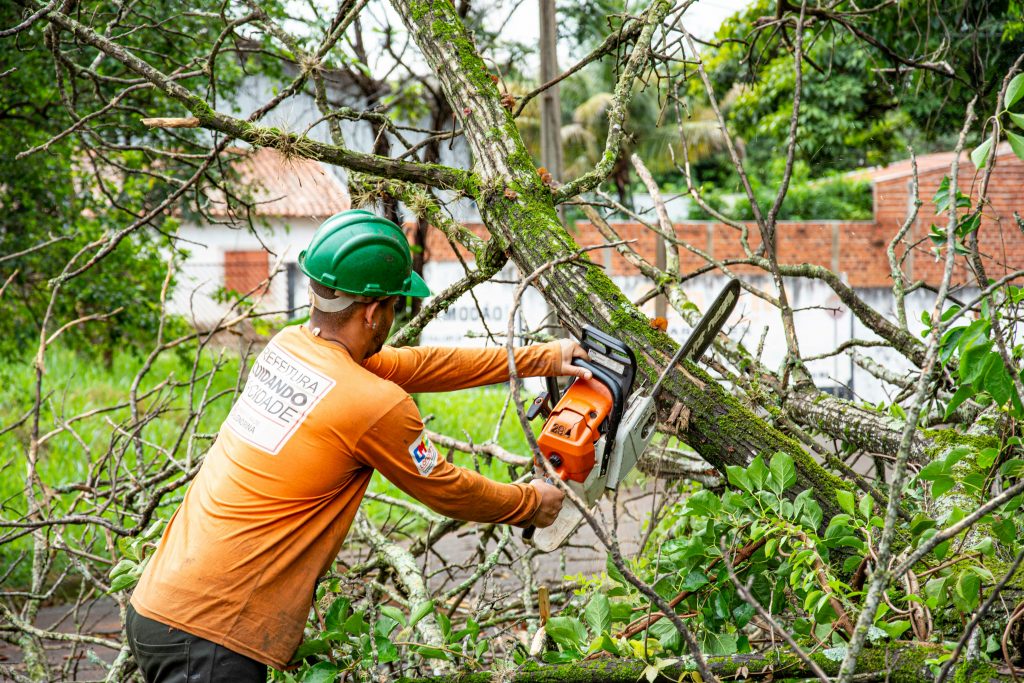
Tree limb removal can be a hazardous task, especially if you’re not equipped with the proper training and equipment. Some of the physical hazards associated with tree limb removal include:

It’s essential to take the necessary precautions to ensure your safety while performing tree limb removal. This includes wearing protective gear, such as gloves and safety glasses, and using proper equipment, such as chainsaws and ladders.

The Ultimate Guide to Tree Limb Removal: Essential Safety Tips and Best Practices for 2026

Learn more about the The Ultimate Guide to Tree Limb Removal: Essential Safety Tips and Best Practices for here.

DIY Tree Limb Removal: Safety Tips and Precautions

If you’re planning to tackle tree limb removal yourself, it’s essential to take the necessary precautions to ensure your safety. Here are some DIY safety tips and precautions to keep in mind:

  1. Assess the situation: Before you start, assess the situation to determine the best course of action. Consider the size and location of the branch, as well as any potential hazards.
  2. Wear protective gear: Wear protective gear, such as gloves and safety glasses, to protect yourself from injury.
  3. Use proper equipment: Use proper equipment, such as chainsaws and ladders, to ensure your safety.
  4. Follow safety guidelines: Follow safety guidelines, such as those provided by the Occupational Safety and Health Administration (OSHA), to ensure your safety.

Remember, safety should always be your top priority when performing tree limb removal. If you’re not comfortable with the task, it’s always best to hire a professional arborist.

When to Hire a Professional for Tree Limb Removal

While DIY tree limb removal can be a cost-effective option, there are situations where it’s best to hire a professional arborist. Here are some scenarios where professional help is necessary:

Professional arborists have the necessary training, equipment, and expertise to perform tree limb removal safely and effectively. They can also provide you with advice on how to maintain your trees and prevent future problems.

The Cost of Tree Limb Removal: Factors to Consider

The cost of tree limb removal can vary depending on several factors, including the size and location of the branch, as well as the complexity of the removal. Here are some estimated cost ranges for DIY and professional removal:

It’s essential to consider these costs when budgeting for tree limb removal. Remember to also factor in the cost of any necessary equipment or safety gear.

Tree Limb Removal Techniques and Best Practices

There are several techniques and best practices to keep in mind when performing tree limb removal. Here are some tips to help you get started:

  1. Pruning: Pruning involves cutting branches to maintain a desired shape or size. This can be done using pruning saws or loppers.
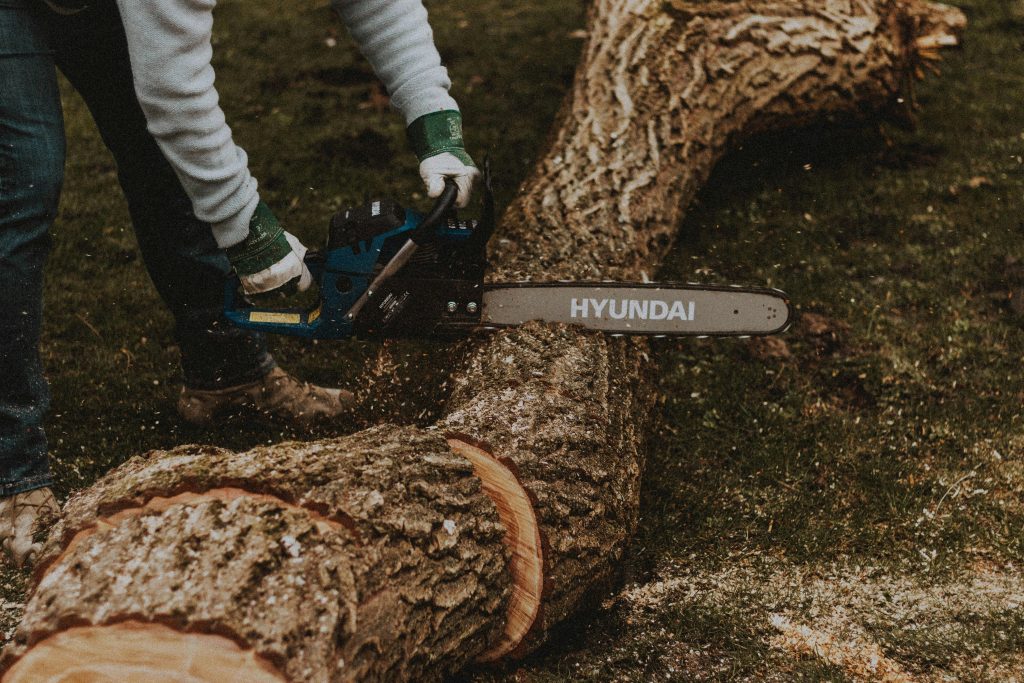
  2. Cutting: Cutting involves removing branches entirely. This can be done using chainsaws or pruning saws.
  3. Rigging: Rigging involves using ropes and pulleys to remove branches safely. This is often used for large or heavy branches.

It’s essential to use proper techniques and equipment to ensure your safety and the health of your trees.
The Ultimate Guide to Tree Limb Removal: Essential Safety Tips and Best Practices for 2026

Tree Limb Removal and Insurance: What You Need to Know

Tree limb removal can affect your homeowners’ insurance in several ways. Here are some things to keep in mind:

It’s essential to review your insurance policy to understand how tree limb removal affects your coverage.

Conclusion and Next Steps

In conclusion, tree limb removal is a crucial aspect of tree maintenance that requires careful consideration and planning. Whether you’re tackling the task yourself or hiring a professional arborist, it’s essential to prioritize safety and take the necessary precautions to ensure your well-being.

If you’re looking for professional landscaping and snow removal solutions in Utah, Nevada, or Texas, consider contacting TruCo Services. Our team of experts can provide you with the knowledge and expertise you need to maintain your trees and keep your property safe and beautiful.

Remember to always prioritize your safety and the health of your trees. With the right techniques and equipment, you can perform tree limb removal safely and effectively.

Check out the The Ultimate Guide to Tree Limb Removal: Essential Safety Tips and Best Practices for here.

Frequently Asked Questions

How often should I remove tree limbs?

Regularly, depending on tree growth and environmental factors.

Can I remove tree limbs myself?

Yes, but only if you have proper training and equipment.

How much does tree limb removal cost?

Estimated cost ranges from $100 to $1,000 or more, depending on factors.

What are the risks of not removing dead or damaged tree limbs?

Branch failure, property damage, power outages, and more.

Can I hire a professional arborist to remove tree limbs?

Yes, and it’s recommended for complex or large removals.

Key Takeaways

  • Tree limb removal is a crucial aspect of tree maintenance that requires careful consideration and planning.
  • Regular tree maintenance can increase property values by up to 10%.
  • Tree limb removal can be a hazardous task, especially if you’re not equipped with the proper training and equipment.
  • It’s essential to take the necessary precautions to ensure your safety while performing tree limb removal.
  • Professional arborists have the necessary training, equipment, and expertise to perform tree limb removal safely and effectively.
  • The cost of tree limb removal can vary depending on several factors, including the size and location of the branch, as well as the complexity of the removal.

Tree Services In North Logan Utah

Tree Services In North Logan Utah

If you’re looking for the best tree trimming company in North logan, you’ve come to the right place. North logan Extermination provides full tree pruning and shrub trimming services to customers throughout North logan, Utah, and the surrounding area.
You may not think much about your trees until you need tree branch removal after a storm, but the truth is, the more attention you pay to your trees, the easier it will be to take care of them and keep them healthy.

Arranging for tree pruning service on a regular basis helps keep your trees free of deadwood. This makes the tree healthier, but it also keeps your family and visitors safer. A branch or limb suddenly coming down on a windy day can cause serious injury.
A tree trimming service is also good for thinning out your trees. Too many branches crowded together makes it hard for them to reach the light. As they struggle, your tree may begin to lean precariously. North logan Extermination’s tree care services include thinning out branches and removing suckers from trunks, so your tree sends all of its resources to healthy, growing branches and limbs.

Shrub trimming is important as well, not just to keep your shrubbery looking attractive, but also to keep it healthy. All plants — especially shrubs and flowering shrubs — can benefit from regular pruning. It keeps your shrubs from getting scraggly and it promotes steady growth and better flowering.

For the best in tree trimming, tree pruning, shrub trimming and all types of tree services in North logan, call North logan Extermination.

Tree Trimming Cost in North logan, Utah

Tree trimming costs around $201.00 per hour for a 3-man crew (range $172.00 to $229.00 per hour). For 3-4 hours of work, the average cost of tree trimming is around $715 (range $520 to $910). These costs and prices vary depending on circumstances particular to your project, including: tree condition, tree height, proximity to power lines, and location. Location is an important factor. Areas with a higher cost of living will be at the higher end of the range.

How Much Does Tree Trimming Cost in North logan, UT?

This guide is intended to provide you an approximate average cost of tree trimming in your area. Since prices vary, we suggest that the best way to get an accurate cost estimate is to request a quote for your specific project: Click Here for a Free Estimate. Our research, which includes feedback provided by local tree services, resulted in the following prices to trim a tree in North logan, UT.

Tree trimming cost in North logan (3-person crew)

The average cost of tree trimming in North logan, Utah is around $201.00 per hour for a 3-person crew (range $172.00 to $229.00 per hour). Difficult projects involving multiple trees will cost more.

Tree trimming cost based on the number of hours using a 3-person crew:
1 hour of tree work costs: $172 to $229
2 hours of tree work costs: $344 to $458
3 hours of tree work costs: $516 to $687
4 hours of tree work costs: $688 to $916
5 hours of tree work costs: $860 to $1,145
6 hours of tree work costs: $1,032 to $1,374
7 hours of tree work costs: $1,204 to $1,603
8 hours of tree work costs: $1,376 to $1,832

Tree removal cost in North logan

The average cost to remove a tree in North logan, Utah is around $735 (range $270 to $1,200). Difficult projects can cost thousands more when multiple trees are involved, and the work takes a full day or two.

Factors that Influence Tree Trimming Costs in North logan

When a contractor comes to your house to provide you an estimate, they will consider several factors that can increase or decrease the cost of your project. Pricing for tree trimming can vary based on the accessibility and condition of the tree. The type of equipment needed can impact the cost as well. Here are a few things to keep in mind.

Your prices may be higher when:
You have a tall tree.
The tree is difficult to access.
The tree overhangs power lines.
A crane or bucket truck is required to trim the tree.
The tree is in a poor or fragile condition.
You are requesting an emergency service.
Your prices may be lower when:
You have a small tree.
You are requesting the service in the off season.
The tree is easy to access.
The tree has already fallen and is not on a structure.
The work can be done without a crane or bucket truck.

Price(less) Quotes from Tree Services Near North logan, UT

Total Tree Care Total Tree Care has successfully completed thousands of projects over the past 17 years. Notable clients include Utah State University, the LDS Church (meetinghouses, camps, and temples), Utah Department of Transportation, numerous construction companies, cities, HOAs, and hundreds of residential clients. In addition to performing high quality pruning, easy to extremely technical removals, and stump grinding we have been called on to a variety of unusual jobs such as cat rescue, antenna installation, bird house installation, tree house removal, and cutting logs for mushroom culture. There is always something to keep things interesting and challenging.

Strive to meet your tree care needs with honesty, integrity, and dependability. We accomplish even the most challenging jobs safely. We can remove any size tree in any location with minimal disturbance and no damage to your property. We are fully licensed and insured for your protection.

Ranger Tree And Landscapes Yard Ranger was established to help big and small customers around cache valley. We do and have done everything from a full service landscape maintenance for large HOA and multi-church contracts, to the smaller residential clients, we help once or twice a year to trim a tree or bush.

Low Cost, Same Day Tree Service in North logan, UT

Trees & Bees is the company you can count on whether you need one time trimming or ongoing tree service in North logan. Our North logan tree care partners use modern equipment, insured workers and offer competitive pricing. Trees are the most visible accent on your property and taking care of your trees will keep your entire yard looking great. If you put off getting a tree removed in North logan or ignore a tree with large branches hanging over power lines or property, you could end up with a hazard. When high winds or storms hit, you will be glad you have a professional tree service company in North logan that has been looking out for you. Get started now and provide a few details about the types and number of trees on your property, any potential obstacles to accessing your trees and the team at Trees & Bees will get to work.

Comparing North logan Tree Trimming Costs To Help Customers Save

North logan Arborists

When you look for the cost of tree service in North logan with Trees & Bees, you know that there won’t be any extra fees or markups with our transparent pricing. Many North logan tree care companies will cut corners by not ensuring their employees or by hiding fees until the tree work is completed. Trees & Bees makes sure there is no bait and switch and our North logan experts have over two years of experience in the tree care field and can provide:

Same Day Emergency Tree Service in North logan

Yearly, Quarterly or Monthly Tree Trimming in North logan, Utah
Routine Tree Care in North logan, UT (inspections to check the overall health of your trees, look for diseased or damage that can affect nearby trees)

Do I need a permit to remove a tree in North logan?

If all or part of a tree is on North logan land then you will likely need a permit. Generally, homeowners who want to remove a tree in their own backyard or one that is under 10 feet tall do not need prior approval.. Removing larger trees in North logan can cause problems however, as they have larger and deeper roots that are more likely to impact utility or plumbing lines buried nearby. When in doubt, a Trees & Bees pro can help.

How can I get a lower price on tree service in North logan?

The most important factor for your yearly costs of tree service in North logan is the type of trees you have. Certain breeds of tree are more difficult to trim, prune and maintain (palm, willow, etc.) while some grow extremely fast and therefore require more frequent trimming (poplar, empress, willow, sycamore). Scheduling a yearly checkup on the health of your trees will also help you avoid diseases that can result in expensive removal and replacement of your trees.

How much of the tree work can I do on my own?

Most people in North logan take care of their trees while they are young, but at a certain point the tree height makes it difficult for the average homeowner. Handheld arborist tools will only get you so far, and using a ladder and winging it can be time consuming and potentially dangerous. Also note that North logan tree trimming is a bit of an art, especially with saplings. Shaping a tree properly during its growth is critical to ensure a beautiful tree years down the road and Trees & Bees are experts at shaping all breeds of tree.

How do I know which tree care company in North logan is best for me?

We get this question all the time, as it is difficult to tell the difference between North logan tree care companies without actually using them. You are already halfway there, as Trees & Bees partners in North logan are licensed and insured and have met our reputation standards for providing great service. We always recommend that you ask for specifics on how a company will service your trees, including equipment used (do they use bucket trucks or heavy equipment for large trees?), tree trimming methods used (make sure they do not use ‘topping’ or other aggressive approaches that can weaken a tree), and how many clients do they have in North logan? Asking these questions of North logan tree trimming companies should give you a good feel of the right fit for your trees.

[geocentric_weather id="94899ac3-a72d-47c5-83f6-67624dfaaabc"]

[geocentric_about id="94899ac3-a72d-47c5-83f6-67624dfaaabc"]

[geocentric_neighborhoods id="94899ac3-a72d-47c5-83f6-67624dfaaabc"]

[geocentric_thingstodo id="94899ac3-a72d-47c5-83f6-67624dfaaabc"]

[geocentric_busstops id="94899ac3-a72d-47c5-83f6-67624dfaaabc"]

[geocentric_mapembed id="94899ac3-a72d-47c5-83f6-67624dfaaabc"]

[geocentric_drivingdirections id="94899ac3-a72d-47c5-83f6-67624dfaaabc"]

[geocentric_reviews id="94899ac3-a72d-47c5-83f6-67624dfaaabc"]

Tree Removal Providence Utah

Tree Removal Midvale Utah

Tree Removal Providence Utah

WHAT IS TREE REMOVAL?

When providing a proposal for a tree removal, an arborists also evaluate the site for tree REMOVAL. While having the tree ground is not always necessary, many people prefer to deal with the tree at the same time as having the tree removed. Tree removal allows the property owner to use the area where the tree once stood for laying sod or planting a flower bed. The tree grinder also produces mulch that has many uses around the yard. Here are answers to some common questions we get about tree removal.

HOW DEEP CAN THE TREE GRINDER GO?

They generally grind four to six inches below grade (ground level). If deeper removal is needed, it can be requested, although the providence of tree removal may increase. The depth to which a tree can be ground is subject to some limitations, however. The tree-removal blade has a diameter of about 10 inches, and can only be maneuvered up and down within a specific range.

A tree that grew in shallow soil, such as over the limestone bedrock prevalent in the Providence area, may not have six inches of grindable depth.

Other material near or around the tree may limit how deep the grinder can go. While the tree grinder is powerful, it is only designed to handle plant material, wood, and dirt. Take note of:
Fencing, concrete, brick, or rock around a tree (such as a tree ring)
Nearby trees that may have roots under the tree
Swimming pools, walkways, and patios that may prevent the grinder from reaching all of the root material
Lawn irrigation, sprinkler systems, tree lighting wiring, and buried hoses

We generally do not grind deep enough to risk interfering with properly-installed utility lines or buried cables, but unforeseen obstacles can be encountered that necessitate a shallower grind.

What exactly lies beneath the roots of a tree or the surrounding soil may be a mystery, even to the homeowner. While we are very careful when removal a tree, we will not take responsible for damage to irrigation lines or other items located below ground that we are not aware of. It is important to inform your arborist of any sprinkler systems or other objects that might be in the area to be ground before the work begins.

WHAT IS LEFT AFTER A TREE IS GROUND?

As the blade grinds the tree and surface roots, it produces a mulch made up of tree material and dirt. The mulch produced by tree removal can take up a much greater volume than the original tree. (It can be helpful to think of the difference between a block of cheese and that same cheese after it is grated.)

Mulch from tree removal is valuable organic material that decomposes more quickly than many other kinds of mulch, as there are generally smaller wood particles present, and more soil to help it break down. It is our standard practice to push the mulch back into the area that has been ground (“backfilling”). Even so, there is usually a large pile of mulch left above ground, often much more than the tree owner expected. Because of its composition, the mulch does settle fairly quickly, but many people prefer to use the mulch around their yards, rather than leaving it where the tree once was.

Tree grinder mulch can be used for composting or applied in flower beds. (Depending on exact composition of the mulch, it may not perform in the same way as typical hardwood mulch, and may need to be replaced sooner.) After some time, when the mulch has settled, it can be packed into the ground-out area, making the area ready to be prepped for laying sod or for planting a flower bed or other small plants. If requested, we can provide mulch bagging and/or bagged mulch haul-off as an additional service after tree removal, but our standard practice is to leave all grinder mulch on-site.

WILL THE TREE COME BACK AFTER A TREE IS GROUND?

Even with tree removal, some species of tree can still send up shoots and new growth from the roots left below ground. Crape myrtles, chinaberry trees, hackberries, and Bradford pears are some common species in the area that can be very persistent in growing back. The sprouts that return after tree removal can be trimmed or mown down and will eventually stop coming back, as the remaining roots use up their energy reserves. Commercially-available woody stem killer can be used to accelerate the dieback of the roots. White vinegar can also be used as an organic alternative to commercial root killer.

CAN I REPLANT AFTER A TREE IS GROUND?

We are often contacted about removing a tree that the owner would like to replace. We do not recommend trying to re-plant trees in the same area where a tree was removed and the tree ground. Even with a deep grind, an extensive root system remains underground. The old root system can interfere with the new tree’s attempts to become established. Furthermore, if the old tree had a disease, that disease may still be present in the remaining root tissue, and can be transmitted to the new tree. When replanting is desired, we can discuss finding a location that is far enough from the removed tree to lessen the likelihood of interference from the old root system. If homeowners’ association or municipal restrictions require a tree to be replaced in a certain location, excavation or hand digging may be the only options.

CAN EVERY TREE BE GROUND?

In the case of a tree becoming uprooted (because of storm damage or root rot, for example), the tree cannot be dealt with as easily. If there is a large amount of root material above ground, the tree grinder may be physically unable to reach it. Depending on the type of tree and how it grew, it may pull up a great deal of dirt, turf grass, and other underground material when it falls. What is left after removal an uprooted tree may be more dirt than tree matter, and may not be suitable for use as mulch.

Weather is also a factor that can determine how and when tree removal can be performed. A long period of rain can cause the soil to become waterlogged. Operating a tree grinder in heavy, wet soil can not only make a bigger mess than usual, but can damage the surrounding area due to the weight of the machine. It may be necessary to wait until the area dries out before attempting even a “standard” tree grind.

If a customer has a special circumstance, like an uprooted tree, or there are multiple trees in one area to be ground, we always send an arborist to assess the situation before providing a quote or scheduling the tree grinder.

HOW MUCH DOES TREE REMOVAL COST?

The cost of tree removal is dependent upon three main factors: the size of the tree, the location of the tree, and how deep the grinder needs to go. While we generally provide a tree removal providence when we give a quote for tree removal, we are also happy to evaluate any other trees you may want to have ground.

HOW DO I MEASURE A TREE?

The base cost for tree removal is determined by the diameter of the tree in inches, including any above-ground roots. This measurement can be taken before or after a tree is removed. To get the right measurement, it is important to go “from dirt to dirt.” This means measuring from the tree edge or root point (where it touches the dirt) farthest from the trunk to the opposite edge or root point. It is also important to measure from different directions and to take an average measurement, as this most accurately reflects the area to be ground. The “dirt-to-dirt” measurement can be quite a bit larger than the diameter of the tree trunk, and we do see situations where the tree removal is more costly than removing the above-ground tree.

This is a 75-inch tree, measured “dirt to dirt” at the yellow line. Measuring on the trunk is inaccurate: if this tree were measured at the red line, the result would only be 37 inches, which is not the actual area to be ground. Even after a tree is cut down, properly measuring a tree can be tricky when there is a root flare and surrounding vegetation.

CAN THE TREE GRINDER REACH MY TREE?

Our standard tree grinder is a machine that is seven feet long and three feet wide. At the front is a rounded blade (similar to the tip of a chainsaw) that chips away wood as it moves across the tree. The tree grinder is designed to fit through standard gates, but some older or narrow gates may not be able to accommodate it. The weight of the machine may also prevent it from reaching certain areas without damaging walkways or ground cover. While the removal blade has some maneuverability, clearance of at least seven feet on one side of the tree is required to allow the grinder to access the area to be ground. In smaller areas with less clearance, it is possible to use our smaller tree grinder, but this can increase the time and cost of the procedure.

CAN I JUST LEAVE THE TREE?

It is not necessary to grind or otherwise remove a tree after a tree is taken down. We have customers who request a tree not be cut all the way to ground level, and use the remaining tree as a plant stand, table base, or just a yard feature. Even if the tree is cut close to the ground, it can last several years. Preservative coatings can also be applied to prolong the life of a standing tree.

Some homeowners prefer to let a tree decompose naturally over time. Old trees can become habitats for fungi, insects, and other creatures. As the tree breaks down, it can become rich organic material that can be added to compost or used in planting. If a tree is left unground, however, it can continue to send out new growth for years after the tree has been removed. Drilling holes in the tree and filling with Epsom salt or using commercial tree killer can accelerate tree dieback, but those chemicals can be toxic to surrounding plant life. Treating the tree with chemicals can also make the area hazardous to people and pets.