Common Tree Hazards to Look Out for
COMMON TREE HAZARDS TO LOOK OUT FOR
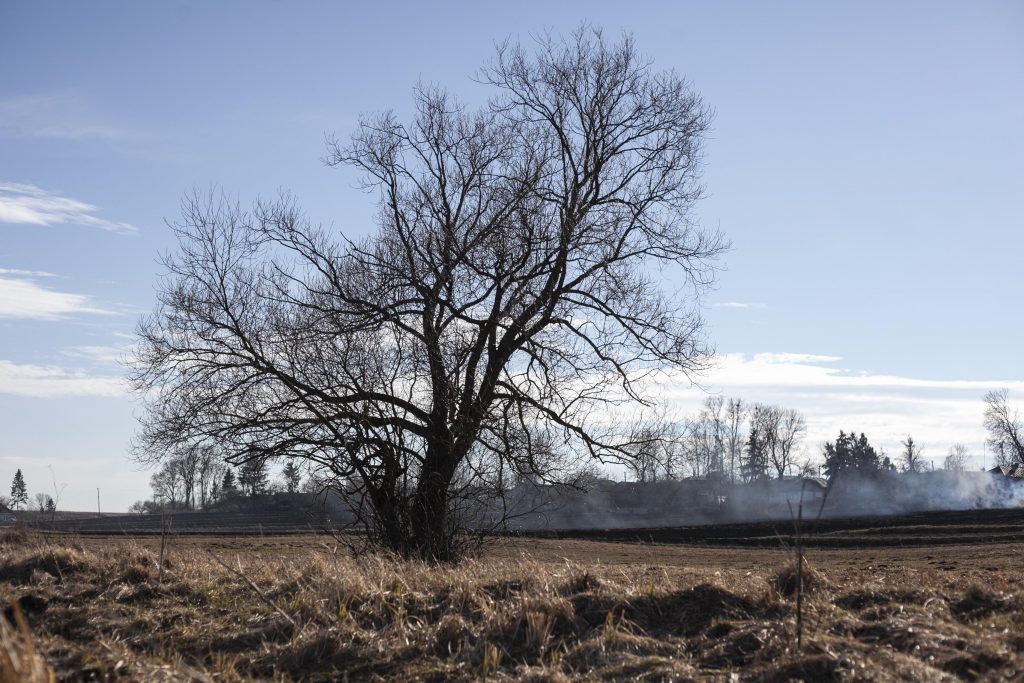
Tree hazards refer to conditions, situations, or characteristics of trees that pose a potential risk to people, property, or the environment. These hazards can result in accidents, injuries, property damage, or even loss of life. Identifying and addressing tree hazards is essential for ensuring safety and minimizing the potential negative impacts that trees can have. Here are some common tree hazards and their explanations:
1. Dead or Decaying Branches: Dead or decaying branches are weak and can fall unexpectedly, posing a risk to people and property beneath the tree. Signs include lack of leaves, cracks, or fungal growth on the branch or nearby bark.
2. Leaning or Unstable Trees: Trees that are leaning significantly or have unstable root systems are at risk of uprooting or falling during adverse weather conditions or due to weakened soil. Visible signs of instability include a noticeable lean, exposed roots, or soil heaving.
3. Cracks or Splits in Trunks: Trunk cracks or splits weaken the structural integrity of the tree, making it susceptible to failure, especially during storms or high winds. These cracks can be vertical, horizontal, or radial and might be visible, touchable, or even audible.
4. Co-dominant Stems: Co-dominant stems are two or more main branches that grow closely together with weak attachment points. Over time, these stems can become prone to splitting or breaking, leading to potential accidents or property damage.
5. Root Issues: Root issues, such as damage, compaction, or cutting, can compromise a tree’s stability and ability to support itself. These issues are often challenging to detect visually but can manifest in signs like leaning, exposed roots, or soil disturbances.
6. Pest and Disease Infestations: Infestations by pests or diseases weaken a tree’s health and structure, making it vulnerable to branch failure, decay, or even complete death. Visible symptoms include leaf discoloration, holes, and presence of pests like insects or fungi.
7. Overhanging Branches and Limbs: Overhanging branches pose a risk when they’re too close to structures, walkways, or roads. Falling branches can cause property damage, block access, or lead to personal injuries.
8. Weak Branch Attachments: Weak branch attachments occur when branches grow at narrow angles or with included bark, making them susceptible to breakage. Such branches can fall unexpectedly, endangering anyone underneath.
9. Hollow Trees: Hollow trees have decayed or damaged interiors, weakening their overall structure. Hollow trees are at risk of breaking or falling, and their weakened state might not be apparent from the outside.
10. Lightning Strikes: Trees struck by lightning can suffer bark damage, internal decay, and weakened structure. Lightning-struck trees may pose a risk due to potential structural damage or increased susceptibility to diseases.
Identifying and mitigating tree hazards requires regular tree inspections, especially by certified arborists who are trained to assess tree health and safety. By recognizing and addressing these hazards promptly, property owners can ensure the safety of people, property, and the surrounding environment.
Importance Of Identifying Tree Hazards
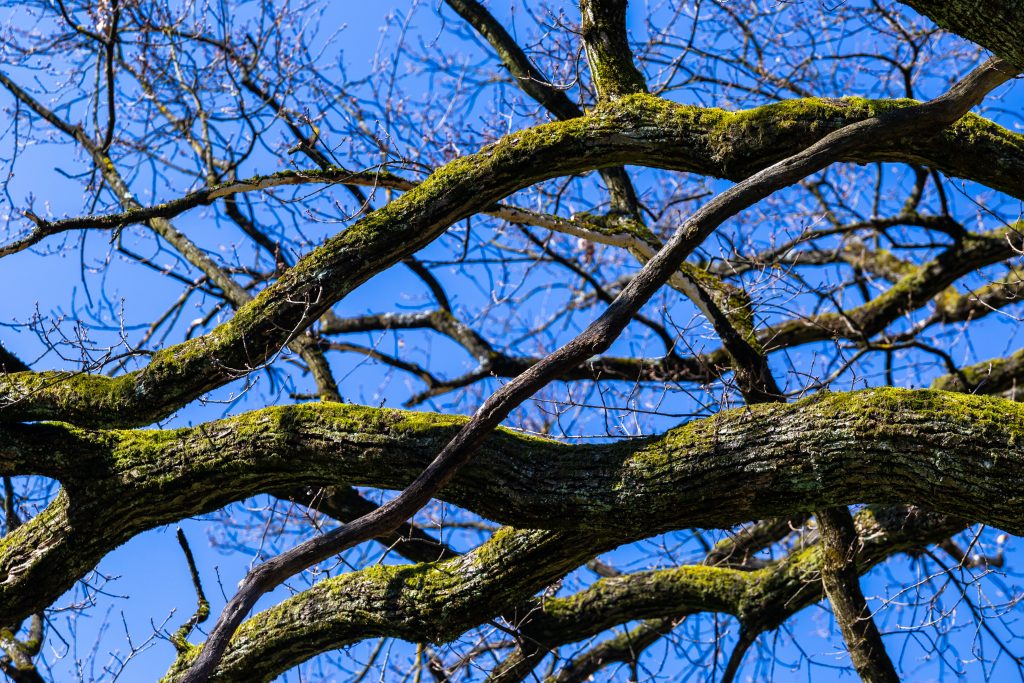
Identifying tree hazards is of paramount importance to ensure the safety of people, property, and the environment. Trees, while providing numerous benefits, can also pose significant risks if they exhibit hazardous conditions. Being proactive in identifying and addressing tree hazards helps prevent accidents, property damage, and injuries. Here’s why identifying tree hazards is crucial:
1. Personal Safety: Identifying tree hazards minimizes the risk of accidents and injuries to people. Falling branches, uprooted trees, or other hazardous conditions can cause harm to individuals, especially those who are nearby or underneath the tree.
2. Property Protection: Trees with hazards can cause substantial damage to structures, vehicles, utility lines, and other property in the event of a failure. Identifying hazards allows for preventive measures to safeguard property from potential harm.
3. Liability Reduction: Property owners have a responsibility to maintain safe environments for visitors and passersby. Failure to identify and address tree hazards can result in legal liability in case of accidents or damage caused by hazardous trees.
4. Environmental Impact: Hazardous trees can impact the environment negatively. Falling branches or trees can damage surrounding vegetation, disrupt ecosystems, and contribute to soil erosion.
5. Disaster Mitigation: Identifying and addressing tree hazards helps prevent potential disasters during storms, high winds, or other adverse weather conditions. Weak trees are more likely to fail under stress, exacerbating the impact of natural events.
6. Long-Term Tree Health: Regular hazard identification contributes to the overall health and longevity of trees. Addressing hazardous conditions early can prevent the progression of decay, disease, or structural issues that may lead to the decline of the tree.
7. Proactive Management: Proactively identifying hazards allows property owners to take preventive action. This might involve pruning or removing weak branches, stabilizing trees, or implementing measures to mitigate potential risks.
8. Enhanced Aesthetic Appeal: Properly managed trees contribute to the beauty and aesthetic appeal of landscapes. Addressing hazards maintains the visual integrity of trees and landscapes.
9. Peace of Mind: Knowing that trees on a property are regularly inspected and hazards are identified provides peace of mind to property owners, residents, and visitors.
10. Community Safety: Identifying tree hazards extends beyond individual property. It contributes to the overall safety of neighborhoods and communities by minimizing risks of falling trees or branches in public areas.
11. Sustainable Urban Forests: By addressing hazards, property owners contribute to the overall health and sustainability of urban forests. This ensures that trees continue to provide benefits without posing unnecessary risks.
In conclusion, identifying tree hazards is crucial for safeguarding human lives, property, and the environment. Proactive hazard assessment and management contribute to safer landscapes, healthier trees, and the overall well-being of communities. Property owners, arborists, and communities at large benefit from the ongoing effort to identify and address potential tree hazards.
Common Tree Hazards And Their Potential Risks
Common tree hazards present various potential risks to people, property, and the environment. Identifying these hazards is essential to prevent accidents, injuries, and damage. Here are some common tree hazards and their associated potential risks:
1. Dead or Decaying Branches: Potential Risks: Falling branches can cause injury to people or pets, damage property, and obstruct walkways or roads.
2. Leaning or Unstable Trees: Potential Risks: Uprooting or toppling of trees during storms or high winds can lead to property damage, blocked access, and safety hazards.
3. Cracks or Splits in Trunks: Potential Risks: Trunk failure due to cracks can result in large sections falling, damaging structures, vehicles, or injuring individuals.
4. Co-dominant Stems: Potential Risks: Included bark in co-dominant stems can lead to branch or stem failure, posing risks to anyone or anything beneath.
5. Root Issues: Potential Risks: Root damage, compaction, or cutting can lead to unstable trees prone to uprooting, toppling, or instability during storms.
6. Pest and Disease Infestations: Potential Risks: Weakened trees can suffer branch or trunk failure, falling debris, and contribute to the spread of pests or diseases.
7. Overhanging Branches and Limbs: Potential Risks: Falling branches or limbs can damage structures, vehicles, power lines, or injure people.
8. Weak Branch Attachments: Potential Risks: Weak branches can break unexpectedly, causing harm to people, pets, or property.
9. Hollow Trees: Potential Risks: Hollow trees are prone to structural failure, posing risks of falling or breaking during storms or heavy loads.
10. Lightning Strikes: Potential Risks: Lightning-struck trees can suffer from bark damage, internal decay, and may become fire hazards.
11. Poorly Pruned Trees: Potential Risks: Improper pruning can lead to weak branch attachments, decay, and vulnerability to wind damage.
12. Invasive Root Systems: Potential Risks: Invasive roots can damage sidewalks, driveways, and foundations, leading to costly repairs.
13. Falling Fruits or Seeds: Potential Risks: Falling fruits, seeds, or nuts can pose slipping hazards on walkways and create maintenance challenges.
14. Improper Planting Locations: Potential Risks: Trees planted too close to structures, utility lines, or roads can cause damage as they grow.
15. Encroaching on Structures: Potential Risks: Trees in close proximity to buildings can cause structural damage through root intrusion or direct contact.
16. Unstable Soil Conditions: Potential Risks: Unstable soil can lead to erosion, poor drainage, and increase the risk of uprooting during adverse weather.
17. Improper Tree Species Selection: Potential Risks: Choosing inappropriate tree species can lead to overgrowth, structural issues, or conflicts with utility lines.
Identifying and addressing these common tree hazards is crucial to maintaining safety, preventing property damage, and ensuring the well-being of both people and the environment. Regular tree inspections by certified arborists are recommended to assess and manage these risks effectively.
[geocentric_weather id=”45ff4ccd-3d3f-498e-b0b9-91aaaf766bc4″]
[geocentric_about id=”45ff4ccd-3d3f-498e-b0b9-91aaaf766bc4″]
[geocentric_neighborhoods id=”45ff4ccd-3d3f-498e-b0b9-91aaaf766bc4″]
[geocentric_thingstodo id=”45ff4ccd-3d3f-498e-b0b9-91aaaf766bc4″]
[geocentric_busstops id=”45ff4ccd-3d3f-498e-b0b9-91aaaf766bc4″]
[geocentric_mapembed id=”45ff4ccd-3d3f-498e-b0b9-91aaaf766bc4″]
[geocentric_drivingdirections id=”45ff4ccd-3d3f-498e-b0b9-91aaaf766bc4″]
[geocentric_reviews id=”45ff4ccd-3d3f-498e-b0b9-91aaaf766bc4″]