BEST PRACTICES FOR MANAGING TREE ROOTS NEAR BUILDINGS AND INFRASTRUCTURE
Managing tree roots in urban environments is crucial to ensure the health of both trees and the urban infrastructure. Urban areas pose unique challenges to trees due to limited space, competition for resources, and the presence of buildings, roads, and utilities. Effective root management is essential to create a harmonious balance between the benefits of urban trees and the requirements of a functional urban landscape. Here’s why managing tree roots in urban environments is important:
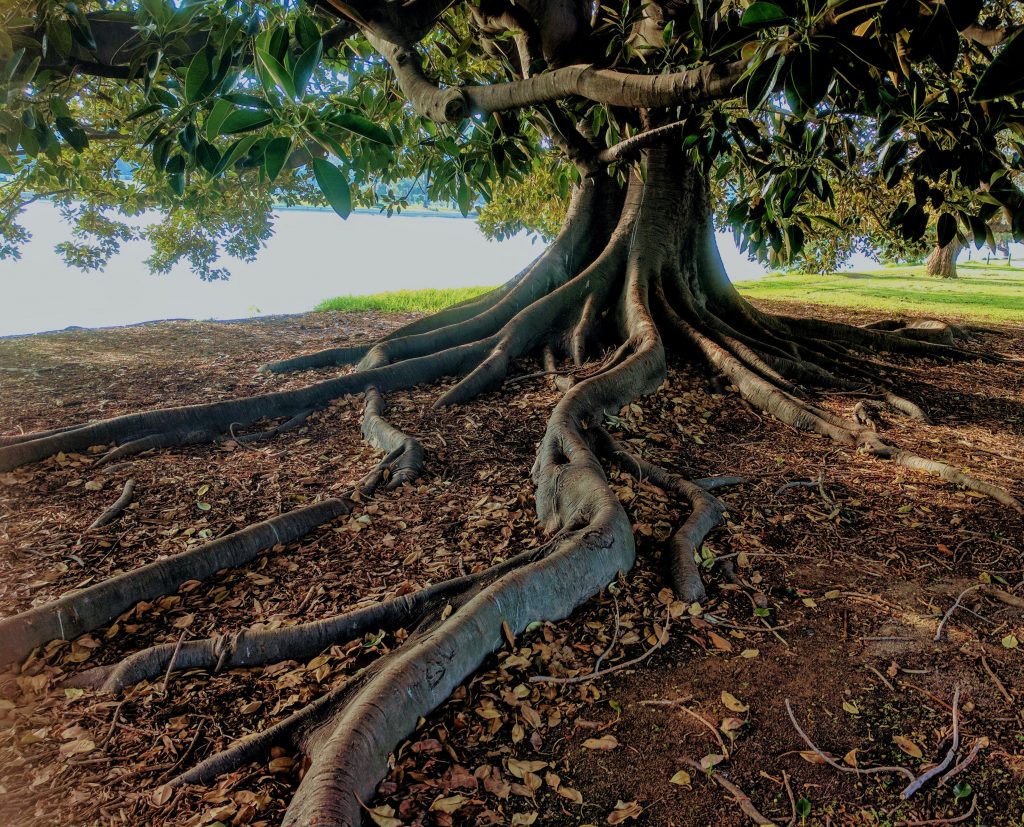
Tree Health and Longevity
Proper root management supports healthy root growth and prevents damage.
Healthy roots contribute to overall tree vigor, growth, and longevity.
Managing root space ensures that trees can access sufficient water, nutrients, and oxygen for optimal growth.
Infrastructure Protection
Unmanaged tree roots can damage buildings, roads, sidewalks, and underground utilities.
Root intrusion into pipes and utilities can lead to costly repairs and disruptions.
Healthy root systems support tree vitality and the capacity to provide cooling benefits.
Aesthetic and Livability Improvement:
Trees enhance the visual appeal of urban areas and improve overall livability.
Well-maintained trees contribute to a sense of community and well-being.
Air Quality and Biodiversity
Urban trees improve air quality by absorbing pollutants and releasing oxygen.
Managing root health ensures trees can effectively contribute to air quality improvement.
Healthy trees also support urban biodiversity by providing habitats for various species.
Economic Benefits
Urban trees add economic value to properties and neighborhoods.
Trees increase property values, reduce energy costs through shade, and attract businesses and residents.
Climate Resilience
Trees are an essential part of urban climate resilience strategies.
Well-managed trees can withstand weather extremes, reducing vulnerability to climate-related events.
Community Well-Being
Trees provide psychological and health benefits to urban residents.
Access to green spaces and well-maintained trees contributes to mental and physical well-being.
Managing tree roots in urban environments is essential for the coexistence of trees and urban infrastructure. It ensures that trees can thrive and provide numerous benefits while minimizing risks and conflicts. Integrating proper root management into urban planning and development strategies is key to creating sustainable and resilient cities for both people and nature.
Balancing Tree Health and Structural Integrity
Balancing tree health and structural integrity refers to the careful consideration and management of trees in relation to the surrounding built environment. It involves making informed decisions that prioritize both the well-being of trees and the safety of structures, infrastructure, and people. This balance is essential to create harmonious urban landscapes where trees and man-made elements coexist without causing conflicts or hazards. Here’s a deeper explanation of this concept:
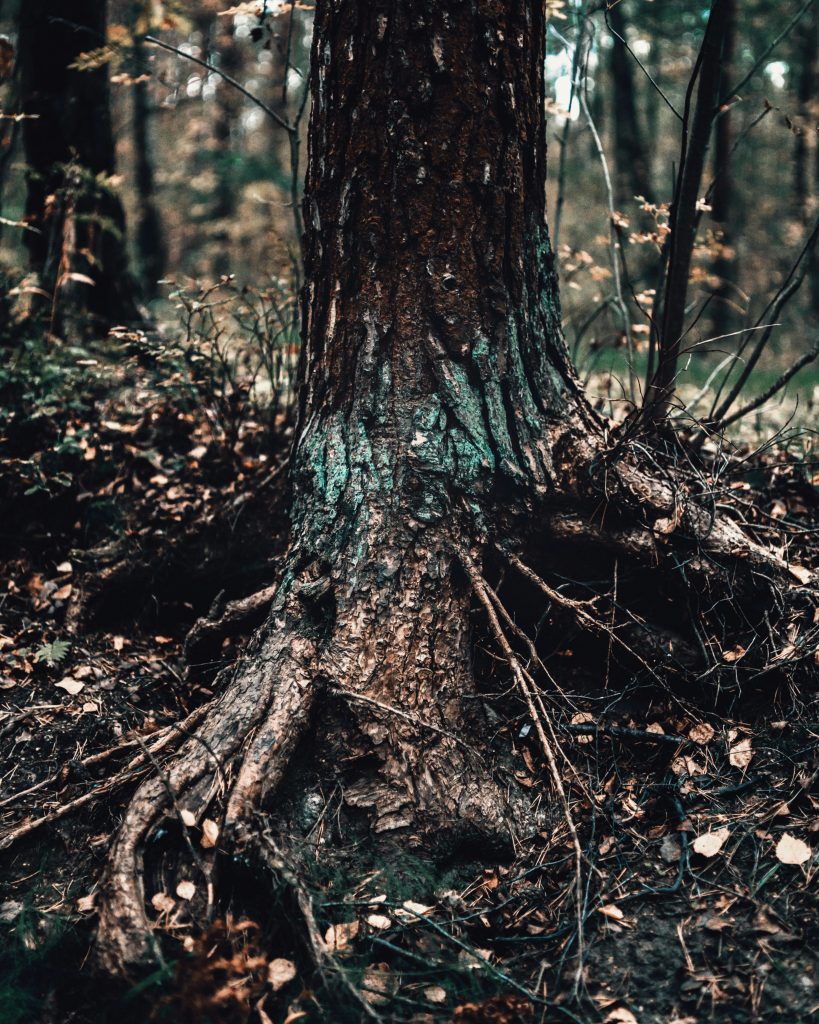
Tree Health
Tree health encompasses various factors such as root development, canopy vitality, pest and disease resistance, and overall growth.
Healthy trees have strong root systems, well-structured canopies, and the capacity to perform vital functions like photosynthesis and nutrient absorption.
Proper soil conditions, adequate water availability, and suitable nutrients are crucial for maintaining tree health.
Structural Integrity
Structural integrity refers to the stability and durability of buildings, roads, sidewalks, and other human-made structures.
It involves ensuring that structures are constructed and maintained to withstand the forces of nature, including wind, rain, and soil movement.
Preventing damage to structures helps avoid safety hazards, economic losses, and disruptions.
Challenges of Urban Environments
Urban environments present unique challenges due to limited space, compacted soils, and competition for resources.
Trees in urban areas often have restricted root zones, leading to potential conflicts with infrastructure.
Unmanaged tree roots can damage buildings, roads, utilities, and create tripping hazards on sidewalks.
Importance of Balance
Balancing tree health and structural integrity ensures that trees contribute positively to urban environments without compromising safety and functionality.
It requires collaboration between arborists, urban planners, engineers, and stakeholders to make informed decisions.
Root Management
Proper root management techniques, such as root pruning and installation of root barriers, guide root growth away from critical infrastructure.
Pruning techniques aim to preserve tree health and remove branches that pose risks to structures.
Proper pruning minimizes the potential for falling branches that could cause damage or injury.
Tree Selection and Placement
Choosing appropriate tree species based on mature size and growth habits is crucial.
Proper placement of trees away from buildings, utility lines, and other infrastructure prevents conflicts.
Monitoring and Maintenance
Regular monitoring of tree health and structural conditions is essential.
Timely maintenance activities such as pruning and root management prevent conflicts from escalating.
Collaboration and Education
Collaborative efforts between arborists, urban planners, and construction professionals lead to informed decisions.
Educating the public about the importance of responsible tree care and proper planting techniques fosters a culture of balanced management.
Balancing tree health and structural integrity involves integrating tree care practices with urban planning to create safe, attractive, and functional environments. By considering both the needs of trees and the requirements of built structures, cities can achieve a harmonious coexistence that benefits residents, the environment, and future generations.
Site Selection and Planning
Site selection and planning are critical steps in urban tree management to ensure that trees are strategically placed and cared for in a way that benefits both the trees and the surrounding environment. Proper site selection and planning involve evaluating various factors to determine the best locations for planting and managing trees in urban settings. Here’s a detailed explanation of site selection and planning:
Assessment of Existing Conditions
Conduct a thorough assessment of the site’s existing conditions, including soil quality, drainage, sunlight exposure, wind patterns, and microclimates.
Consider factors like proximity to buildings, utilities, roadways, and other infrastructure.
Tree Species Selection
Choose tree species that are well-suited to the site’s conditions, including soil type, moisture levels, and sunlight availability.
Select species with mature sizes that are appropriate for the available space and won’t conflict with infrastructure.
Functional Goals
Define the functional goals of tree planting, such as providing shade, enhancing aesthetics, improving air quality, or managing stormwater runoff.
Design Considerations
Integrate trees into the overall landscape design, taking into account pathways, seating areas, green spaces, and other design elements.
Consider creating tree-lined streets, boulevards, and green corridors to enhance the urban environment.
Utility and Infrastructure Coordination
Coordinate with utility companies to ensure that tree planting locations avoid conflicts with underground utilities.
Plan for proper spacing and clearance to prevent future conflicts as trees grow.
Traffic and Pedestrian Safety:
Consider traffic patterns and pedestrian pathways to ensure that trees don’t obstruct visibility or impede movement.
Plant trees in locations that won’t create hazards for drivers or pedestrians.
Root Space and Soil Volume
Plan for adequate root space and soil volume to support healthy root growth.
Design tree pits or planting areas that allow roots to spread without causing damage to sidewalks or structures.
Future Growth and Maintenance
Anticipate the growth of trees over time and plan for ongoing maintenance needs.
Design spaces that allow for proper pruning, watering, and other maintenance activities.
Involve the community in the site selection and planning process to ensure that the chosen tree species and locations align with local preferences and needs.
Gather input from residents, businesses, and stakeholders to build support for the project.
Long-Term Vision
Consider the long-term impact of tree planting on the urban environment and the benefits that trees will provide for future generations.
In summary, site selection and planning for urban trees involve a comprehensive analysis of site conditions, design considerations, infrastructure coordination, safety, and environmental factors. A well-planned approach ensures that trees thrive, enhance the urban environment, and coexist harmoniously with the surrounding landscape and built structures.
BEST PRACTICES FOR MANAGING TREE DEBRIS NEAR ROADWAYS
Trees play a crucial role in improving soil organic matter decomposition through various scientific mechanisms. Here are some key ways in which trees contribute to this process:
Leaf Litter and Organic Inputs: Trees shed leaves and other organic materials, which contribute to the organic matter content of the soil. These organic inputs, known as leaf litter, contain carbon compounds that serve as a food source for decomposer organisms in the soil.
Rhizodeposition: Trees release organic compounds, such as sugars, amino acids, and organic acids, through their roots. This process, known as rhizodeposition, provides a source of energy and nutrients for soil microorganisms involved in decomposition.
Root Exudates: Tree roots release exudates, including enzymes, organic acids, and other compounds. These exudates facilitate the breakdown of organic matter in the soil, enhancing decomposition processes.
Microbial Activity:Trees support a diverse and active microbial community in the soil. Soil microorganisms, such as bacteria, fungi, and archaea, play a crucial role in decomposing organic matter by secreting enzymes that break down complex organic compounds into simpler forms that can be absorbed by plants.
Soil Aggregation: Trees contribute to the formation of soil aggregates, which are small clusters of soil particles bound together. Soil aggregates create pore spaces that allow for better water infiltration, gas exchange, and movement of decomposer organisms. This facilitates the decomposition process by providing a favorable environment for microbial activity.
Soil Moisture and Temperature Regulation: Trees provide shade and transpire water, creating a more favorable microclimate in the soil. Moderate soil moisture and temperature conditions support optimal microbial activity and decomposition rates.
Mycorrhizal Associations: Many tree species form mutualistic relationships with mycorrhizal fungi. These fungi form a symbiotic association with tree roots, extending the root system and enhancing nutrient uptake. Mycorrhizal fungi also contribute to organic matter decomposition through their enzymatic activities.
Earthworm Activity:Trees, especially those with dense leaf litter, can attract earthworms to the soil. Earthworms feed on decaying organic matter, facilitating its breakdown and nutrient cycling.
By promoting the decomposition of organic matter, trees contribute to the nutrient cycling and fertility of the soil. The organic matter decomposition process releases essential nutrients that become available to plants, supporting their growth and overall ecosystem productivity.
It’s important to note that the specific mechanisms and rates of organic matter decomposition can vary depending on tree species, soil conditions, climate, and other environmental factors. However, the overall contribution of trees to soil organic matter decomposition is well-established and underscores their importance in maintaining healthy and productive ecosystems.
Key Aspects of Emergency Tree Services
Tree Removal: Emergency tree services involve the prompt and safe removal of fallen, leaning, or hazardous trees. Professionals use specialized equipment and techniques to dismantle or cut down trees in a controlled manner, minimizing the risk of damage to surrounding structures.
Storm Damage Response: In the aftermath of severe storms, high winds, hurricanes, or tornadoes, emergency tree services address fallen trees, broken branches, and trees that pose an imminent threat to property or public safety.
Utility Line Clearance: Fallen trees and branches can pose a significant risk to utility lines, including power lines and telephone cables. Emergency tree services involve safely removing trees and debris that are in contact with or near utility lines to prevent power outages, fires, or electrical hazards.
Public Safety: When trees or branches block roadways, pathways, or access points, emergency services are needed to clear the obstruction and restore safe passage for pedestrians and vehicles.
Structural Integrity: If a tree falls onto a building, vehicle, or other structures, emergency tree services assess the situation, stabilize the tree, and carefully remove it to prevent further damage and ensure safety.
Hazardous Tree Identification:Arborists and tree professionals assess the structural integrity and health of trees to identify potential hazards. Trees with compromised structural integrity due to disease, decay, or other factors may be targeted for removal to prevent future emergencies.
Quick Response:Emergency tree services require rapid response to prevent escalation of risks. Professionals are available around the clock to address urgent situations promptly.
Safety Measures: Safety is paramount during emergency tree services. Professionals are equipped with proper personal protective equipment (PPE) and follow safety protocols to avoid accidents and injuries.
Community Support:Emergency tree services often work in collaboration with local authorities, emergency response teams, and utility companies to coordinate efforts and ensure a comprehensive response.
Examples of Emergency Situations
Fallen trees blocking roads or driveways
Trees on the verge of collapsing onto structures or vehicles
Trees leaning dangerously after a storm
Trees entangled in utility lines
Trees with branches that have broken or are at risk of falling
Trees posing risks to public safety in public spaces
Overall, emergency tree services play a critical role in addressing immediate threats posed by trees in distress. Their expertise and rapid response help minimize risks, restore safety, and protect communities from potential hazards associated with fallen or damaged trees.
Importance of addressing tree-related emergencies promptly
Addressing tree-related emergencies promptly is of paramount importance due to the potential risks, dangers, and damages that can result from delayed or inadequate response. The urgency of addressing these emergencies stems from the need to ensure public safety, prevent property damage, and maintain the overall well-being of communities. Here’s why addressing tree-related emergencies promptly is crucial:
Public Safety
Fallen or leaning trees can pose immediate dangers to pedestrians, vehicles, and structures. Addressing these hazards promptly helps prevent accidents, injuries, and even fatalities.
Property Protection
Prompt response to tree-related emergencies can prevent trees from falling onto buildings, vehicles, power lines, and other structures, minimizing costly damage and repair expenses.
Infrastructure Preservation
Fallen trees can damage roads, sidewalks, utility poles, and other infrastructure. Timely removal and mitigation efforts help preserve vital community infrastructure.
Rapid Recovery
Addressing tree-related emergencies swiftly accelerates the recovery process after storms, ensuring that communities can resume normal activities sooner.
Prevention of Escalation
A small issue with a tree, such as a cracked branch, can escalate into a major emergency if not addressed promptly. Taking early action prevents such situations from worsening.
Utility Line Safety
Trees entangled in utility lines can cause power outages, fires, and electrical hazards. Quick response prevents disruptions in essential services and potential dangers.
Minimization of Secondary Risks
Fallen trees or branches can obstruct roadways, impeding traffic flow and access for emergency responders. Timely removal restores access and facilitates emergency operations.
Community Resilience
Prompt emergency tree services contribute to community resilience by minimizing disruptions and enhancing the ability of residents and businesses to recover swiftly from disasters.
Preservation of Ecosystem Health
Timely interventions can prevent the spread of tree diseases, pests, or invasive species that could impact the health of other trees and ecosystems.
Legal and Liability Considerations
Property owners and responsible parties have a legal duty to address tree-related hazards promptly. Failure to do so may lead to legal liabilities if accidents or damages occur.
Proactive Risk Management
Addressing emergencies promptly aligns with proactive risk management strategies, reducing the likelihood of unforeseen accidents or incidents.
Community Confidence
Swift response to emergencies demonstrates local authorities’ commitment to public safety and builds confidence within the community.
Addressing tree-related emergencies promptly is a critical responsibility for ensuring the safety and well-being of individuals, protecting property and infrastructure, and promoting the overall resilience of communities. Timely interventions minimize risks, mitigate damages, and contribute to a safer and more secure environment for everyone.
Potential Hazards and Risks Posed By Emergency Situations In Tree Services
Emergency situations in tree services can present a range of potential hazards and risks that require careful consideration and expert handling. These hazards can pose threats to both tree service professionals and the general public. Understanding these risks is crucial for effective planning, mitigation, and response during emergency tree service operations.
Here are some potential hazards and risks associated with emergency situations in tree services:
Structural Instability:Fallen or damaged trees may have compromised structural integrity, making them prone to unexpected collapses during removal or pruning.
Falling Limbs or Trees: While removing or pruning trees, there is a risk of limbs or the entire tree falling unexpectedly, endangering workers and bystanders.
Electrical Hazards: Trees entangled in utility lines can pose electrocution risks to workers. Power lines can be energized and carry deadly currents.
Equipment Malfunction: Chainsaws, ropes, cranes, and other equipment used in emergency tree services can malfunction, leading to accidents or injuries.
Climbing Hazards: Climbing trees to perform emergency services presents the risk of falls, especially if workers are not properly trained or equipped with safety gear.
Wildlife and Insects: Trees may be habitats for wildlife or infested with insects. Disturbing these can lead to bites, stings, or encounters with potentially dangerous animals.
Traffic and Public Safety:Emergency tree service operations near roadways can disrupt traffic flow and pose risks to motorists and pedestrians.
Weather Conditions: Working during adverse weather conditions such as rain, wind, or lightning can increase the risks associated with tree service operations.
Improper Equipment Use: Inadequate or improper use of equipment, such as chainsaws or ropes, can result in accidents, injuries, or fatalities.
Lack of Training and Experience: Workers without proper training and experience in emergency tree services may make critical errors that lead to accidents or unsafe practices.
BEST PRACTICES FOR MANAGING TREE DEBRIS AFTER A STORM
Preventing storm damage to trees involves proactive planning, proper maintenance, and prompt action to reduce the risk of tree failure during severe weather events. Here’s a comprehensive guide on how to prevent storm damage to your trees:
Tree Selection: Choose tree species that are well-suited to your region’s climate, soil, and wind conditions. Native trees are often more adapted to local weather patterns.
Proper Pruning: Regularly prune dead, diseased, and weak branches. Proper pruning helps maintain a strong tree structure and reduces the risk of branches breaking off during storms.
Crown Thinning: Thinning the crown of the tree by selectively removing some branches reduces wind resistance. This allows air to flow through the tree, reducing the chance of uprooting.
Tree Inspection: Regularly inspect your trees for signs of decay, cavities, cracks, or other structural issues. Pay attention to the trunk, branches, and root area.
Mulching: Apply a layer of mulch around the base of the tree to improve soil structure, retain moisture, and protect roots from mechanical damage.
Proper Watering: Keep trees well-hydrated, especially during dry periods. Adequate water supply improves the tree’s resilience to storm damage.
Soil Health: Maintain soil health by avoiding soil compaction, and consider aerating the soil to improve water penetration.
Guy Wires and Staking: Newly planted or young trees may need temporary staking to help them establish a strong root system. Use proper materials and techniques to avoid damaging the trunk.
Structural Support Systems: In some cases, installing cabling or bracing systems by a certified arborist can help support weak branches and prevent them from breaking off.
Remove Hazardous Trees: Identify and remove trees that are severely compromised, leaning dangerously, or located too close to structures. Consult a professional arborist for assessment and removal if necessary.
Elevate Tree Canopy: Properly elevate the lower branches of the tree to provide clearance over buildings, sidewalks, and roads. This reduces the risk of damage to structures during storms.
Windbreaks: Plant windbreaks or install protective barriers on the windward side of trees to reduce wind load and prevent breakage.
Regular Maintenance:Regularly maintain trees, especially before and after storm seasons. Prune and remove hazardous limbs or branches as needed.
Emergency Response Plan: Have an emergency plan in place for dealing with storm damage. Know who to call for tree removal, especially if a hazardous situation arises.
Remember that preventing storm damage is an ongoing effort. Regular tree care, inspections, and appropriate action when issues are identified are key to maintaining the safety and health of your trees and your property during severe weather events.
Storm damage to trees can result from a combination of natural factors, tree health, and human activities. Understanding the causes of storm damage can help you take proactive measures to prevent or mitigate potential risks. Here are the primary causes of storm damage to trees:
Strong Winds: High-speed winds during storms can exert strong forces on trees. Trees with weak or compromised structures are more susceptible to wind-related damage, including branch breakage, uprooting, and toppling.
Heavy Rain and Waterlogged Soil: Saturated soil due to heavy rainfall can weaken the tree’s root anchoring and increase the risk of uprooting. Waterlogged soil makes it easier for trees to become unstable during windy conditions.
Poor Tree Structure: Trees with poor branch attachments, co-dominant stems, included bark, and weak unions are more likely to experience branch failure or splitting during storms.
Soil Compaction: Compacted soil restricts root growth and inhibits water infiltration. This weakens a tree’s ability to anchor itself and access essential nutrients, making it more susceptible to storm damage.
Shallow Roots: Trees with shallow root systems or roots growing close to the surface are at a higher risk of uprooting during strong winds or heavy rains.
Disease and Decay: Trees affected by diseases, fungi, or decay may have weakened or compromised wood, making them more prone to breakage during storms.
Insects and Pests: Insects like borers or pests like woodpeckers can damage tree bark and weaken the structural integrity of the tree, increasing its vulnerability to storm damage.
Improper Pruning: Poor pruning practices, such as topping or overthinning, can create weak branch attachments and stress trees, making them more susceptible to breakage during storms.
Age and Health: Older trees or trees in poor health are more likely to experience storm damage, as their structural integrity and ability to withstand extreme weather events may be compromised.
Root Disturbance: Construction activities, grading, or excavation near trees can damage root systems, destabilizing trees and increasing the risk of failure during storms.
Tree Location: Trees located close to buildings, power lines, or other structures are at a higher risk of storm damage, as they can be more impacted by wind pressure or falling debris.
Windthrow: Windthrow occurs when trees are uprooted and toppled over due to the combined effects of wind and weakened root systems.
Lightning Strikes: Lightning can cause direct damage to trees, including splitting the trunk or branches, and can lead to fire or decay over time.
Ice and Snow Accumulation: Accumulation of ice or heavy wet snow on tree branches can increase their weight, causing them to break or bend, potentially leading to tree damage.
Understanding these causes of storm damage can guide your efforts in tree care and maintenance. Regular inspections, proper pruning, maintaining soil health, and addressing any structural issues can help minimize the risks associated with storms and improve the overall health and resilience of your trees. If you’re uncertain about the condition of your trees, consulting a certified arborist can provide expert guidance on managing potential storm risks.
Choosing the right trees is a crucial step in preventing storm damage and ensuring the long-term health and safety of your property. Selecting tree species that are well-suited to your climate and local conditions can significantly reduce the risk of tree failure during severe weather events. Here’s how to choose the right trees to prevent storm damage:
Research Native Species: Identify native tree species that are naturally adapted to your region’s climate, soil, and weather patterns. These trees have evolved to withstand local conditions, making them more resilient to storms.
Strong and Wind-Resistant Species: Choose tree species known for their strong branch attachments and flexible wood, which are better equipped to withstand strong winds.
Avoid Brittle Species: Avoid trees that are prone to brittle branches or have a history of breakage during storms. Species with weak wood are more likely to suffer damage.
Consider Growth Habit: Look for trees with a sturdy central leader (main trunk) and a well-spaced branch structure. Avoid trees with co-dominant stems that are prone to splitting.
Size and Location: Consider the mature size of the tree and its proximity to structures, power lines, and other trees. Choose appropriate trees that fit the available space without posing a risk to surrounding elements.
Root System: Research the root characteristics of the tree species. Avoid trees with invasive root systems that could damage infrastructure or destabilize the soil.
Disease Resistance: Choose trees that are resistant to common diseases and pests in your area. Healthy trees are better equipped to withstand storms.
Consult Arborists and Experts: Seek advice from certified arborists or tree experts. They can provide valuable insights based on local knowledge and expertise.
Local Recommendations: Check with local nurseries, botanical gardens, or extension offices for recommendations on suitable tree species for storm-prone areas.
Diversity and Variability: Opt for a diverse range of tree species to minimize the risk of widespread damage in case a specific pest or disease affects a particular species.
Site-Specific Considerations: Evaluate your property’s microclimate, soil type, drainage, and wind exposure. Choose trees that thrive in these specific conditions.
Research Case Studies: Look into case studies or reports on storm-resistant tree species that have performed well in similar climate zones.
Long-Term Vision: Consider the long-term growth of the tree and how it will interact with your property as it matures. Avoid planting large trees too close to structures.
Plan for Maintenance: Ensure you’re prepared to provide the necessary care and maintenance for the chosen tree species, including pruning, watering, and fertilization.
By selecting the right trees that are suited to your local environment and considering their potential impact during storms, you can create a resilient landscape that enhances property value and reduces the risk of storm-related damage.
BEST PRACTICES FOR PREVENTING TREE DAMAGE FROM HEAVY WINDS
The importance of tree preservation cannot be overstated as trees play a vital role in our environment, society, and overall well-being. Here are several reasons highlighting why tree preservation is crucial:
• Biodiversity Support: Trees provide habitats for a wide range of wildlife, promoting biodiversity and supporting ecosystems.
• Water Quality: Trees help filter and regulate water runoff, improving water quality and preventing soil erosion.
Climate Change Mitigation:
• Carbon Sequestration: Trees act as carbon sinks, absorbing and storing carbon dioxide, which helps reduce greenhouse gas concentrations in the atmosphere. Urban Cooling:
• Temperature Regulation: Urban trees provide shade and reduce the urban heat island effect, making cities more livable and energy-efficient. Human Health Benefits:
• Improved Mental Health: Access to green spaces with trees has been linked to reduced stress, improved mood, and enhanced mental well-being.
• Physical Health: Trees filter pollutants from the air, resulting in better respiratory health for nearby residents.
Economic Value:
• Property Values: Well-maintained trees can increase property values, making tree preservation an economic asset to homeowners and communities.
• Energy Savings: Strategically placed trees can reduce energy costs by providing natural cooling and windbreaks.
Aesthetic and Recreational Value:
• Scenic Beauty: Trees enhance the beauty of landscapes, parks, and neighborhoods, making them more appealing and inviting.
• Recreational Opportunities: Trees provide spaces for recreational activities like hiking, picnicking, and birdwatching.
Cultural Significance:
• Historical and Cultural Identity: Many trees hold cultural or historical significance, serving as landmarks or symbols of heritage.
• Spiritual and Religious Significance: Trees are revered in various cultures and religions, often representing life, growth, and connection to the divine.
Wildlife Habitat:
• Food and Shelter: Trees offer food sources (e.g., fruits, nuts) and shelter to numerous species, contributing to overall ecological balance.
Erosion Control:
• Soil Stability: Tree roots help anchor soil, preventing erosion and landslides, particularly in hilly or coastal areas.
Sustainable Resource Management:
• Timber and Non-Timber Products: Trees provide valuable resources such as wood, fruits, and medicinal products. Sustainable tree management ensures their continued availability.
Future Generations:
• Legacy: Preserving trees ensures that future generations can enjoy the benefits they offer and inherit a healthier environment.
Tree preservation is essential for maintaining a sustainable and harmonious environment, promoting human health and well-being, and safeguarding the ecological balance of our planet. Recognizing and actively supporting tree preservation efforts is an investment in the health and prosperity of both current and future generations.
The Impact Of Heavy Winds On Trees
Heavy winds can have significant and sometimes detrimental effects on trees. Understanding these impacts is crucial for tree preservation and effective tree management. Here are some of the key impacts of heavy winds on trees:
Physical Damage:
• Branch Breakage: Strong winds can break or damage branches, particularly those that are weak, diseased, or improperly pruned.
• Toppling: Trees with shallow roots or weakened root systems are susceptible to toppling over in high winds.
• Uprooting: Extremely strong winds can uproot trees, especially if the soil is saturated or the tree’s root system is compromised.
Canopy Loss:
• Defoliation: Heavy winds can strip leaves from trees, reducing their ability to photosynthesize and potentially weakening them.
• Thinning: The wind can thin out a tree’s canopy by breaking or stripping away branches, affecting the tree’s aesthetics and health.
Mechanical Stress:
• Trunk Swaying: Constant wind-induced swaying can put mechanical stress on a tree’s trunk, potentially causing structural damage over time.
• Root Stress: Strong winds can also stress the roots, leading to soil compaction, root damage, or desiccation (drying out).
Exposure to Pests and Diseases:
• Injury Vulnerability: Wind-damaged trees are often more susceptible to pests and diseases as wounds provide entry points for pathogens and insects.
• Stress Weakening: Weakened trees are less able to defend themselves against infestations and diseases.
Soil Erosion:
• Root Exposure: Wind can erode the soil around a tree’s base, exposing roots and destabilizing the tree’s foundation.
• Loss of Nutrients: Erosion can also lead to nutrient loss from the root zone, affecting the tree’s overall health.
Debris and Falling Limbs:
• Hazard to Property and People: Falling branches or trees pose a danger to buildings, vehicles, and pedestrians during heavy winds.
• Disruption: Debris from damaged trees can disrupt roads, power lines, and utility services.
Weakened Tree Structure:
• Structural Compromises: Repeated exposure to heavy winds can lead to structural weaknesses in trees, making them more prone to damage in subsequent storms.
• Reduction in Longevity: Wind-damaged trees may have shorter lifespans and require more maintenance.
Impact on Ecosystems:
• Loss of Habitat: When trees are damaged or uprooted, it can disrupt local ecosystems by reducing wildlife habitat and food sources.
• Altered Microclimates: Changes in tree composition due to wind damage can alter microclimates, affecting the diversity and distribution of plants and animals.
To mitigate the impact of heavy winds on trees, it is essential to follow best practices in tree selection, planting, pruning, and maintenance. Regular inspections by certified arborists can help identify and address potential issues, reducing the risk of wind-related damage. Additionally, creating windbreaks or barriers and implementing emergency preparedness plans can help protect both individual trees and communities from the destructive effects of strong winds.
The Goal Of Preventing Tree Damage
The primary goal of preventing tree damage is to preserve the health, safety, and longevity of trees while minimizing potential risks to people, property, and the environment. Preventing tree damage involves various proactive measures and strategies aimed at reducing the likelihood and severity of harm caused by natural events, such as heavy winds, storms, or other environmental stressors. Here are some specific goals and objectives associated with preventing tree damage:
Tree Health Preservation:
• Ensure that trees remain healthy and robust, which contributes to their long-term viability and ecological benefits.
• Minimize the risk of disease and pest infestations by preventing physical damage or stress that can make trees more vulnerable.
Safety Assurance:
• Prevent falling limbs or trees that can pose hazards to people, vehicles, and structures.
• Reduce the potential for accidents and injuries associated with tree damage during severe weather events.
Property Protection:
• Safeguard buildings, vehicles, and infrastructure from tree-related damage, which can be costly and disruptive to repair.
• Preserve property values by maintaining healthy, aesthetically pleasing trees on residential and commercial properties. Environmental Conservation:
• Protect the natural environment and ecosystems by preventing the loss of mature trees and their associated ecological benefits.
• Promote biodiversity by maintaining trees that provide habitat and food sources for wildlife.
Aesthetic and Recreational Value:
• Retain the beauty and appeal of landscapes, parks, and neighborhoods by preserving well-maintained trees.
• Ensure that recreational areas remain safe and enjoyable for residents and visitors.
Mitigation of Climate Change:
• Continue to harness the carbon sequestration capacity of trees, helping to reduce greenhouse gas concentrations in the atmosphere.
• Contribute to efforts aimed at mitigating the effects of climate change by maintaining healthy tree populations.
Sustainable Resource Management:
• Maximize the sustainable use of tree resources, such as timber, without depleting tree populations or causing ecological harm.
• Promote responsible forestry practices to ensure a balance between resource extraction and conservation.
Community Resilience:
• Strengthen community resilience by reducing the risk of tree-related emergencies, such as power outages and blocked roadways.
• Protect and preserve culturally and historically significant trees that hold value for communities or regions.
• Ensure that future generations can appreciate and benefit from these unique trees.
Long-Term Planning:
• Incorporate tree preservation and risk management into urban planning and development to create sustainable, resilient, and attractive landscapes.
• Consider the long-term benefits of mature trees when making land use decisions.
The goal of preventing tree damage is multifaceted and encompasses the protection of trees, people, property, and the environment. By implementing proactive measures such as proper tree selection, planting, pruning, and maintenance, communities and individuals can work together to ensure the health and safety of their urban and natural tree populations while reaping the numerous benefits that trees provide.
How To Improve Soil Structure And Health
Improving soil structure and health is essential for promoting healthy plant growth, including trees. Healthy soil provides a stable and nutrient-rich environment for roots to thrive, which in turn leads to stronger and more resilient trees. Here are steps to improve soil structure and health:
Soil Testing:
• Start by conducting a soil test to determine its current composition and nutrient levels. Soil tests are typically available through local agricultural extension offices or commercial soil testing laboratories.
Organic Matter Addition:
• Incorporate organic matter, such as compost, well-rotted manure, or leaf mulch, into the soil. Organic matter improves soil structure, water retention, and nutrient availability.
• Apply a layer of organic mulch around the base of trees to help conserve moisture, regulate soil temperature, and suppress weeds.
Proper pH Balance:
• Ensure the soil pH is within the appropriate range for the specific tree species you are growing. Most trees prefer slightly acidic to neutral soils (pH 6.0 to 7.0).
• If the pH is too high (alkaline) or too low (acidic), amend the soil as needed using lime to raise pH or sulfur to lower it.
Aeration:
• Soil compaction can restrict root growth and water infiltration. Use aeration techniques like core aeration to alleviate compaction, allowing air and water to penetrate deeper into the soil.
Avoid Overwatering:
• Excessive watering can lead to soil compaction and oxygen deprivation. Water trees deeply and less frequently rather than shallow, frequent watering.
• Use a soaker hose or drip irrigation to deliver water directly to the root zone. Proper Drainage:
• Ensure that the soil drains well and does not become waterlogged. Trees should not be planted in areas with poor drainage.
• Consider installing drainage systems or amending heavy clay soils to improve drainage. Fertilization:
• Apply balanced, slow-release fertilizers based on soil test recommendations and the tree’s specific nutrient needs. Avoid over-fertilization, which can harm the tree and the environment.
• Use organic fertilizers to promote long-term soil health and reduce the risk of nutrient runoff.
Mulching:
• Apply a layer of organic mulch (wood chips, bark, straw) around the base of trees but avoid piling mulch against the trunk.
• Mulch conserves moisture, regulates soil temperature, and suppresses weeds while adding organic matter as it breaks down.
Companion Planting:
• Plant cover crops or nitrogen-fixing plants near trees to improve soil health. These plants can help replenish nutrients and enhance soil structure.
Avoid Soil Compaction:
• Minimize foot and vehicle traffic around the root zone of trees to prevent soil compaction.
• Consider installing protective barriers or fencing to keep people and machinery away from tree roots.
Regular Monitoring:
• Continuously monitor soil conditions, especially moisture levels, to ensure they remain suitable for tree health.
• Adjust your soil improvement practices as necessary based on ongoing observations and soil test results.
Improving soil structure and health is an ongoing process that requires careful attention and maintenance. By creating a nutrient-rich and well-structured soil environment, you can provide trees with the essential support they need to grow vigorously, resist stressors, and contribute to a healthier landscape.
Tree preservation is crucial for several compelling reasons that encompass environmental, economic, social, and ecological aspects. Understanding the importance of tree preservation is essential for fostering sustainable practices and maintaining the health of our urban and natural environments. Here are key reasons why tree preservation is significant:
• Temperature Regulation: Trees provide shade and cooling effects, helping to mitigate urban heat islands and reduce energy consumption for cooling buildings.
• Stormwater Management: Tree canopies intercept rainfall, reduce runoff, and prevent soil erosion, which contributes to better water quality and reduced flood risk.
2. Economic Benefits:
• Increased Property Values: Homes and properties with well-preserved trees tend to have higher market values and can sell more quickly.
• Energy Savings: Trees strategically planted around buildings can reduce heating and cooling costs, resulting in lower utility bills.
• Tourism and Aesthetics: Urban areas with lush tree canopies and well-maintained green spaces attract tourists, support local businesses, and enhance the overall economy.
3. Social Benefits:
• Health and Well-Being: Access to green spaces with trees has been linked to reduced stress, improved mental health, and increased physical activity, benefiting public health.
• Community Cohesion:Trees provide gathering spaces for events and social interactions, fostering a sense of community and belonging.
• Recreational Opportunities: Parks and green areas with trees offer opportunities for outdoor activities, promoting an active and healthy lifestyle.
4. Ecological Benefits:
• Wildlife Habitat: Trees serve as habitat and food sources for birds, insects, and other wildlife, contributing to urban biodiversity.
• Pollination: Trees support pollinators like bees and butterflies, playing a crucial role in food production and ecosystem stability.
• Carbon Sequestration: Trees sequester carbon, helping to mitigate climate change by removing CO2 from the atmosphere.
5. Cultural and Historical Value:
• Trees with cultural or historical significance hold value in preserving local heritage and traditions. Many communities have iconic trees that are integral to their identity.
6. Ecosystem Services:
• Trees provide essential ecosystem services, such as soil improvement, nutrient cycling, and water filtration, which support the health of surrounding ecosystems.
7. Biodiversity Conservation:
• Tree preservation contributes to maintaining and enhancing biodiversity by protecting native tree species and the habitats they provide for various species.
8. Urban Planning and Sustainability:
• Trees are integral to urban planning, contributing to green infrastructure, sustainable development, and resilience in the face of environmental challenges.
9. Community Engagement and Education:
• Involving the community in tree preservation initiatives fosters a sense of ownership and environmental stewardship. It also provides educational opportunities for residents to learn about trees and their importance.
In summary, tree preservation is essential for maintaining the ecological balance, improving the quality of life in urban environments, supporting local economies, and addressing global challenges such as climate change and air pollution. It is a critical component of sustainable urban development and environmental conservation efforts.
Common Myths And Misconceptions Regarding Tree Preservation
There are several common myths and misconceptions regarding tree preservation that can impact the way trees are managed and conserved. These myths often lead to misguided practices that may harm trees and the environment. Here are some prevalent myths and the corresponding explanations debunking them:
1. Myth 1: “Cutting Down Old Trees is Always Necessary”
• Debunking Explanation: Old trees are valuable for biodiversity, carbon sequestration, and aesthetics. While some may pose safety concerns, alternatives like pruning and structural support can address issues without removal.
2. Myth 2: “All Trees Are Replaceable”
• Debunking Explanation: Mature trees provide unique ecological benefits that young trees cannot replicate. Replanting cannot fully replace the functions of established trees.
3. Myth 3: “Trees Are Harmful to Foundations and Sidewalks”
• Debunking Explanation: Tree roots typically do not cause significant harm to well-constructed foundations and sidewalks. Proper planning and maintenance can prevent damage.
• Debunking Explanation: Topping is harmful to trees and can lead to decay, instability, and hazardous regrowth. Proper pruning methods should be used to maintain tree health and structure.
5. Myth 5: “Tree Preservation Is Expensive and Inconvenient”
• Debunking Explanation: While tree preservation may require initial investment, the long-term benefits, such as energy savings, increased property values, and improved quality of life, often outweigh the costs.
6. Myth 6: “Trees Have a Fixed Lifespan”
• Debunking Explanation: Tree lifespan is influenced by various factors, including species, health, and care. Proper maintenance can extend a tree’s life significantly.
7. Myth 7: “All Trees Are Alike”
• Debunking Explanation: Tree species differ in their ecological roles and adaptability to urban environments. Preserving diverse tree species is essential for urban biodiversity.
• Debunking Explanation: Proper urban planning can integrate tree preservation into development projects, supporting sustainability and enhancing property values.
9. Myth 9: “Cutting Down Trees Is the Only Solution to Pest and Disease Problems”
• Debunking Explanation: Integrated pest management (IPM) techniques, such as early detection and treatment, can often address pest and disease issues without removing trees.
10. Myth 10: “Tree Preservation Efforts Are Ineffective”
• Debunking Explanation: Numerous successful tree preservation initiatives demonstrate the effectiveness of responsible management and community involvement.
Understanding and debunking these myths is essential for promoting responsible tree preservation practices that prioritize tree health, environmental sustainability, and the numerous benefits that urban trees provide to communities.
Alternatives To Tree Removal
There are several alternatives to tree removal that can be employed to address various issues while preserving the tree’s health and the benefits it provides to the environment. Two common alternatives are pruning and hazard mitigation:
1. Pruning:
• Definition:Pruning is the selective removal of specific branches or parts of a tree to improve its structure, health, and appearance.
• Purposes:
• Thinning: Removing select branches to reduce density and improve air circulation within the canopy, reducing disease risk and wind resistance.
• Deadwood Removal: Eliminating dead, diseased, or weak branches to prevent them from falling and causing harm.
• Crown Reduction: Reducing the overall size of the tree’s canopy to alleviate stress on limbs and reduce potential hazards.
• Lifting: Raising the lower branches to provide clearance for structures, vehicles, and pedestrians.
• Shaping:Trimming to enhance the tree’s natural form or to fit within a specific landscape design.
• Benefits:
• Preserves the tree’s ecological value and aesthetic appeal.
• Maintains tree health and vitality.
• Reduces safety risks associated with weak or overgrown branches.
• Minimizes potential damage to property and infrastructure.
2. Hazard Mitigation:
• Definition: Hazard mitigation involves identifying and addressing potential tree-related hazards to reduce the risk of accidents or damage.
• Purposes:
• Bracing and Cabling: Installing cables and braces to support weak or split branches or trunks, preventing them from breaking.
• Lightning Protection: Installing lightning rods and grounding systems to protect trees from lightning strikes.
• Root Zone Management: Enhancing soil health and reducing soil compaction around trees to improve stability and root growth.
• Assessment and Monitoring: Regular inspections to identify and address potential hazards, such as signs of disease, decay, or pest infestations.
• Benefits:
• Extends the life of the tree while minimizing risks.
• Preserves the tree’s contributions to air quality, aesthetics, and habitat.
• Enhances safety for people and property.
• Addresses specific hazards without resorting to complete removal.
It’s important to note that the choice between tree removal and these alternatives depends on various factors, including the tree’s condition, location, species, and the specific issue at hand. Arborists and tree care professionals assess these factors to make informed recommendations. In many cases, preservation techniques like pruning and hazard mitigation can effectively address concerns while allowing trees to continue providing their valuable ecological, economic, and social benefits.
Challenges And Limitations Of Replanting Trees
Replanting trees, while a valuable practice for environmental conservation and urban greening, comes with its own set of challenges and limitations that need to be considered. Understanding these challenges is crucial for successful tree replanting initiatives:
1. Site Suitability:
• Soil Quality: The condition and quality of the soil at the replanting site must be suitable for the tree species being planted. Poor soil quality can hinder tree establishment and growth.
• Site Space: Limited space, competition with other vegetation, or proximity to infrastructure can restrict the planting of trees, especially in urban areas.
2. Species Selection:
• Appropriate Species: Selecting the right tree species for the local climate, soil type, and available space is essential. Inappropriate species choices can lead to poor growth, susceptibility to pests, and high maintenance requirements.
3. Tree Health and Quality:
• Tree Nurture: The health and quality of the trees being planted are critical. Trees that are stressed, diseased, or poorly maintained may struggle to survive and thrive in their new environment.
• Transplant Shock: Trees can experience transplant shock when they are moved from their original location to a new site. Proper care and acclimatization measures are needed to reduce this stress.
4. Environmental Factors:
• Climate Variability: Changes in weather patterns and the increasing frequency of extreme weather events, such as droughts and storms, can impact the survival and growth of newly planted trees.
• Pests and Diseases: Invasive pests and diseases can pose a threat to newly planted trees, making it necessary to implement pest management strategies.
5. Maintenance and Care:
• Watering and Maintenance: Newly planted trees require consistent watering and maintenance during their establishment period, which can be resource-intensive.
• Competing Vegetation: Competition from weeds and other plants for water, nutrients, and sunlight can hinder tree growth.
6. Long-Term Commitment:
• Longevity: Trees are long-lived organisms, and successful replanting requires a long-term commitment to their care and maintenance.
• Community Engagement: Sustained community involvement and support are often needed to ensure the ongoing health and vitality of replanted trees.
7. Biodiversity and Ecosystem Interactions:
• Introducing new tree species or changing the composition of local vegetation can have unintended consequences on local ecosystems and biodiversity.
8. Cost and Resources:
• Tree replanting projects can require significant financial resources for tree acquisition, planting, maintenance, and monitoring.
9. Timing and Planning:
• The timing of tree replanting projects must align with favorable planting seasons and should be well-planned to ensure the success of the initiative.
10. Urban Challenges:
• In urban areas, where tree replanting is often essential, challenges include limited space, competition for resources, and the need for coordinated efforts with infrastructure development.
In summary, while tree replanting is a valuable conservation and urban greening strategy, it requires careful consideration of site conditions, species selection, and ongoing maintenance. Successful replanting efforts often involve a combination of expertise from arborists, community engagement, and a commitment to long-term care to overcome the challenges and limitations associated with establishing healthy, thriving trees.
Emergency tree services refer to the specialized assistance provided by professional arborists and tree care experts to address urgent and potentially hazardous situations involving trees. These services are designed to quickly and safely manage situations where trees pose an immediate threat to property, people, or the surrounding environment. Emergency tree services are crucial for ensuring the safety of individuals and minimizing property damage during unexpected tree-related incidents.
Examples of situations that may require emergency tree services include:
1. Fallen Trees: Trees that have fallen due to storms, high winds, or other factors can block roads, damage structures, and pose a danger to people and property.
2. Hanging or Split Branches: Broken or cracked branches that are still attached to a tree can fall at any moment, endangering anyone beneath them.
3. Leaning Trees: Trees that are leaning precariously may be at risk of falling, especially during storms or when the soil is saturated.
4. Uprooted Trees: Trees with exposed roots due to uprooting can destabilize the tree and pose a risk to nearby structures and individuals.
5. Trees Near Power Lines: Trees entangled with power lines can create a hazardous situation, potentially causing power outages and fires.
6. Trees Damaged by Storms: Severe weather conditions, such as hurricanes or tornadoes, can cause significant damage to trees and require immediate attention.
Emergency Tree Services Typically Involve The Following Steps:
1. Safety Assessment: Arborists will assess the situation to determine the level of danger and potential risks associated with the tree emergency.
2. Immediate Response: If the situation poses an imminent threat, professionals will respond promptly to mitigate the risk. This may involve removing or trimming branches, stabilizing the tree, or removing the tree altogether.
3. Specialized Equipment:Arborists use specialized equipment, such as cranes, chainsaws, and rigging systems, to safely and efficiently handle emergency tree situations.
4. Controlled Removal: In cases where a tree needs to be removed, professionals will carefully plan and execute the removal process to minimize the impact on the surrounding area.
5. Cleanup and Restoration: After the emergency has been resolved, debris and other remnants will be cleared from the site, and if necessary, restoration work will be undertaken to repair any damage caused.
Emergency tree services play a crucial role in maintaining public safety and preventing further damage to property and infrastructure. It’s important for property owners to be proactive in identifying potential tree hazards and to engage the services of certified arborists when faced with emergency situations involving trees.
Purpose Of Emergency Tree Services
The purpose of emergency tree services is to address urgent and potentially dangerous situations involving trees in order to ensure the safety of people, property, and the surrounding environment. These services are designed to respond promptly to tree-related incidents that pose an immediate threat, such as fallen trees, hanging branches, or uprooted trees, particularly in the aftermath of storms, severe weather, accidents, or other unforeseen events. The primary goals and purposes of emergency tree services include:
1. Public Safety: The safety of individuals and the public is the foremost objective of emergency tree services. Trees that are damaged, unstable, or at risk of falling can pose significant dangers to people, vehicles, buildings, and utility lines. Emergency tree services work to mitigate these risks by promptly addressing hazardous situations.
2. Property Protection: Trees that have fallen or are in danger of falling can cause extensive damage to structures, vehicles, and other property. Emergency tree services aim to prevent or minimize property damage by quickly removing or stabilizing compromised trees.
3. Traffic Flow: Fallen trees or branches can obstruct roadways, creating traffic hazards and disruptions. Emergency tree services help clear roads and highways, allowing for safe and efficient traffic flow.
4. Utility Line Safety: Trees entangled with power lines or utility cables can lead to power outages, fires, and other hazards. Quick response from emergency tree services helps prevent these issues by safely removing or trimming trees that pose risks to utility lines.
5. Mitigating Further Damage: Addressing emergency tree situations promptly can prevent secondary damage. For instance, a partially fallen tree might cause more harm if left unattended, and hanging branches could fall and cause additional destruction.
6. Environmental Preservation: Emergency tree services also consider the health of the environment. By addressing tree emergencies efficiently, the risk of invasive pests or diseases spreading from a damaged tree to healthy ones can be reduced.
7. Expertise and Equipment:Certified arborists and tree care professionals possess the expertise and specialized equipment necessary to handle emergency situations safely and effectively. They are trained to assess risks, make informed decisions, and execute tree removal or stabilization procedures without causing further harm.
8. Insurance Claims: In cases where property damage occurs due to fallen trees or branches, documentation of the emergency tree services and their actions can be crucial for insurance claims.
9. Community Resilience: Timely response to tree-related emergencies contributes to community resilience by maintaining essential services, ensuring public safety, and reducing disruptions caused by fallen trees.
10. Preventive Education: Emergency tree services also educate property owners about tree care and maintenance practices that can help prevent future tree-related emergencies. This includes guidance on regular tree inspections, pruning, and proper planting.
Importance Of Addressing Tree Emergencies Promptly
Addressing tree emergencies promptly is of paramount importance due to the potential risks and consequences associated with unresolved hazardous tree situations. The urgency stems from the fact that trees can pose immediate dangers to people, property, and the environment when they are compromised or unstable. Here’s why addressing tree emergencies promptly is crucial:
1. Public Safety: The safety of individuals, pedestrians, and nearby structures is the top concern. Unstable or fallen trees can injure or even fatally harm people who are in their vicinity. Prompt action helps prevent accidents and injuries.
2. Property Protection: Fallen trees, hanging branches, or uprooted trees can cause extensive damage to homes, vehicles, fences, and other structures. Swift intervention can minimize the extent of property damage and associated repair costs.
3. Risk Mitigation: Immediate attention to tree emergencies reduces the likelihood of secondary damage. For example, a partially fallen tree could cause more destruction if it collapses completely. By addressing the issue promptly, further harm can be prevented.
4. Traffic Flow: Fallen trees or branches can obstruct roadways, leading to traffic congestion and accidents. Timely removal of these obstacles helps maintain safe traffic flow and prevents additional disruptions.
5. Utility Line Safety: Trees entangled with power lines or utility cables pose a risk of power outages, fires, and other electrical hazards. Addressing such situations quickly helps prevent these potentially dangerous scenarios.
6. Environmental Considerations: Diseased or damaged trees can spread pests or diseases to healthy trees, impacting the local ecosystem. Swift removal can help prevent the further spread of these issues.
7. Emergency Preparedness: By promptly resolving tree emergencies, communities can demonstrate their preparedness and ability to manage unexpected incidents, contributing to overall resilience.
8. Insurance Claims: For situations where property damage occurs, documenting the actions taken by emergency tree services is essential for insurance claims. This documentation can facilitate smoother and more accurate claims processing.
9. Preventing Legal Liability: Property owners have a legal responsibility to maintain safe conditions on their property. Failing to address a known hazardous tree situation could result in legal liability if it leads to injuries or damage.
10. Preserving Landscape Aesthetics: Trees contribute to the aesthetic appeal of neighborhoods and landscapes. Swift action to address tree emergencies can help maintain the visual appeal of an area by preventing unsightly damage.
11. Timely Restoration: After an emergency is addressed, the process of cleanup and restoration can begin sooner, minimizing disruptions and allowing the affected area to return to normal more quickly.
12. Community Cohesion: Addressing tree emergencies promptly demonstrates a community’s commitment to the safety and well-being of its residents. It fosters a sense of unity and shared responsibility among community members.
Safety Considerations When Dealing With Tree-Related Emergencies
Dealing with tree-related emergencies requires careful attention to safety to prevent further harm or accidents. Here are important safety considerations to keep in mind:
1. Personal Safety First: Always prioritize personal safety and the safety of others. Do not attempt to handle a hazardous tree situation if you are not trained or equipped to do so.
2. Assess the Situation: Evaluate the extent of the tree emergency from a safe distance. Determine whether there are immediate dangers, such as hanging branches or unstable trees.
3. Evacuate if Necessary: If a tree has fallen on a structure or poses an immediate danger, evacuate the area and keep a safe distance until professionals arrive.
4. Stay Clear of Power Lines: If a tree is entangled with power lines, stay far away from the area. Power lines can conduct electricity, even if they appear inactive.
5. Use Caution Around Damaged Trees: Even seemingly stable trees may have hidden weaknesses. Do not assume a tree is safe to approach or touch.
7. Warn Others: If a hazardous tree situation is on public property, such as a road, trail, or sidewalk, alert others to the potential danger to prevent accidents.
8. Avoid Walking Under Hanging Branches: Hanging or partially detached branches can fall unexpectedly. Avoid walking or standing under such branches.
9. Secure Pets: Keep pets away from the area to prevent them from being injured or causing further complications.
10. Stay Informed about Weather Conditions: Inclement weather can further destabilize compromised trees. Be aware of weather forecasts to anticipate potential risks.
11. Wear Safety Gear: If you’re attempting to manage a minor tree emergency yourself, wear appropriate safety gear, including sturdy gloves, eye protection, and a hard hat.
12. Use Proper Tools: If using tools, such as a chainsaw, ensure you are trained and using the equipment correctly. Follow safety guidelines and recommendations.
13. Work with a Partner: If you must undertake any actions around a hazardous tree, work with a partner who can provide assistance and help ensure your safety.
14. Communicate Clearly: If you’re working with emergency professionals, provide clear and accurate information about the situation and any hazards you’ve identified.
15. Stay Calm: In high-stress situations, maintaining a calm demeanor is essential for making safe decisions and taking appropriate actions.
16. Document the Scene: If possible, take photographs or videos of the emergency for documentation purposes, especially if there is damage to property.
17. Follow Local Regulations: Be aware of any local regulations or guidelines for managing tree-related emergencies, as well as any permits required for tree removal.
18. Stay Updated: Follow instructions and updates from emergency responders, utility companies, and professionals to ensure your actions align with their recommendations.
Encouraging Sustainable Tree Care Practices for Municipalities
ENCOURAGING SUSTAINABLE TREE CARE PRACTICES FOR MUNICIPALITIES
Urban trees play a vital role in enhancing the quality of life in municipalities in several ways, making cities more livable and sustainable. Here are some key reasons why urban trees are important for the well-being of residents in cities and towns:
1. Improved Air Quality:
• Urban trees act as natural air filters by absorbing pollutants such as carbon dioxide (CO2), sulfur dioxide (SO2), and nitrogen oxides (NOx) from the atmosphere. Through the process of photosynthesis, trees release oxygen (O2) while sequestering harmful pollutants, contributing to cleaner, fresher air for residents.
2. Reduced Heat Island Effect:
• Trees provide shade and cool the surrounding environment through a process called transpiration, in which they release water vapor. This cooling effect helps mitigate the urban heat island effect, reducing high temperatures in urban areas, particularly during hot summer months.
3. Energy Conservation:
• Strategically planted trees around homes and buildings can provide shade in summer, reducing the need for air conditioning. In winter, they act as windbreaks, reducing heating costs. This results in energy savings for residents and lowers greenhouse gas emissions.
4. Enhanced Aesthetics and Property Values:
• The presence of trees in urban landscapes improves the aesthetics of neighborhoods and streetscapes. Trees contribute to a sense of place, making urban areas more inviting and visually appealing. This, in turn, can increase property values and attract businesses and residents.
5. Noise Reduction:
• Trees can act as natural sound barriers, absorbing and deflecting urban noise pollution. They create a quieter and more peaceful environment, promoting better mental health and reducing stress levels among residents.
6. Improved Mental Health and Well-Being:
• Access to green spaces and the presence of trees have been linked to improved mental health and well-being. Urban trees provide opportunities for relaxation, recreation, and outdoor activities, reducing anxiety and enhancing overall quality of life.
7. Biodiversity and Wildlife Habitat:
• Urban trees support biodiversity by providing habitat and food for birds, insects, and other wildlife. This fosters a connection to nature within the city and helps maintain ecological balance.
8. Stormwater Management:
• Trees help manage stormwater by absorbing rainwater and reducing runoff. This can help prevent flooding, erosion, and water pollution in urban areas.
9. Social Cohesion and Community Engagement:
• Urban trees serve as focal points for community events, gatherings, and activities. They promote social interaction and a sense of community among residents, fostering a stronger bond within neighborhoods.
10. Carbon Sequestration:
-Urban trees store carbon and contribute to carbon sequestration, mitigating the effects of climate change. They are essential for urban areas to meet sustainability and climate goals.
11. Educational Opportunities:
– Urban trees provide opportunities for environmental education and nature-based learning for residents of all ages, promoting a deeper understanding of ecology and the environment.
Urban trees are invaluable assets that enhance the quality of life in municipalities by addressing environmental, social, and economic challenges. They create healthier and more sustainable urban environments that are attractive, resilient, and conducive to the well-being of residents. Promoting and preserving urban trees should be a priority for city planners, policymakers, and residents alike.
The need for sustainable tree care practices in urban areas is paramount to ensure the long-term health and benefits of urban trees. Here are key reasons highlighting this necessity:
1. Longevity of Urban Trees:
• Urban trees can provide benefits for many decades, even centuries, if properly cared for. Sustainable tree care practices are essential to extend the lifespan of urban trees, allowing future generations to enjoy their benefits.
2. Maximizing Environmental Benefits:
• Sustainable tree care practices maximize the environmental benefits that urban trees offer, such as air and water quality improvement, carbon sequestration, and heat reduction. Healthy trees are more effective at providing these ecosystem services.
3. Economic Savings:
• Sustainable tree care practices can lead to significant cost savings over time.
Preventative maintenance and early disease detection are more cost-effective than emergency tree removal or extensive treatments.
4. Adaptation to Climate Change:
• As urban areas face the challenges of climate change, sustainable tree care practices can help urban trees adapt to changing conditions, such as increased heat and drought. Well-cared-for trees are more resilient and better equipped to survive and thrive in a changing climate.
5. Enhanced Urban Aesthetics:
• Proper care and maintenance of urban trees contribute to attractive streetscapes and green spaces. This enhances the visual appeal of neighborhoods and can lead to increased property values, making cities more desirable places to live and work.
6. Biodiversity and Habitat Preservation:
• Sustainable tree care practices support biodiversity within urban ecosystems. Healthy trees provide habitat and food for wildlife, contributing to urban biodiversity and the overall health of local ecosystems.
7. Human Health and Well-Being:
• Well-maintained urban trees have a positive impact on human health and well-being. They offer spaces for recreation, relaxation, and physical activity, promoting a healthier and happier urban population.
8. Stormwater Management:
• Sustainable tree care practices, such as proper mulching and soil management, help urban trees effectively manage stormwater. This reduces the risk of flooding, erosion, and water pollution in cities.
9. Carbon Sequestration:
• Urban trees play a crucial role in sequestering carbon dioxide (CO2) and mitigating climate change. Sustainable care practices ensure that trees continue to store carbon and contribute to a more sustainable urban environment.
10. Community Engagement:
– Engaging communities in sustainable tree care practices fosters a sense of ownership and pride in local green spaces. Residents who participate in tree care are more likely to value and protect urban trees.
11. Future-Proofing Cities:
– Sustainable tree care practices align with the long-term vision of creating resilient and sustainable cities. Trees are a vital component of urban infrastructure that can help cities adapt to environmental challenges.
Sustainable tree care practices are essential to preserve and enhance the numerous benefits that urban trees provide to municipalities. These practices ensure that urban trees remain healthy, resilient, and capable of addressing the evolving challenges faced by cities in the 21st century. Municipalities, arborists, and residents must work together to implement and prioritize sustainable tree care practices for the well-being of both urban trees and the communities they serve.
Benefits That Urban Trees Provide To Municipalities
Urban trees offer a wide range of benefits to municipalities, positively impacting the environment, economy, and overall quality of life for residents. These benefits make urban areas more sustainable, attractive, and livable. Here are some key advantages that urban trees provide to municipalities:
1. Improved Air Quality:
• Trees help purify the air by absorbing carbon dioxide (CO2) and releasing oxygen (O2) through photosynthesis. They also filter out harmful air pollutants, such as sulfur dioxide (SO2) and nitrogen oxides (NOx), reducing the concentration of these pollutants in the atmosphere.
2. Temperature Regulation:
• Through the process of transpiration, trees release water vapor, which cools the surrounding air. This cooling effect helps mitigate the urban heat island effect, reducing high temperatures in cities, particularly during hot summer months.
3. Energy Savings:
• Strategically planted trees provide shade to buildings, reducing cooling costs in summer by decreasing the need for air conditioning. In winter, they act as windbreaks, reducing heating costs. This leads to energy savings for both homeowners and businesses.
4. Enhanced Aesthetics:
• Trees beautify urban landscapes, improving the overall aesthetics of streets, parks, and neighborhoods. They provide visual diversity, soften the built environment, and create inviting and pleasant public spaces.
5. Increased Property Values:
• Streets lined with trees or properties with well-maintained trees often have higher property values. Trees contribute to a sense of place and desirability, making neighborhoods more attractive to residents and potential buyers.
6. Noise Reduction:
• Trees act as natural sound barriers, absorbing and deflecting urban noise pollution. This contributes to a quieter and more peaceful environment, improving residents’ quality of life.
7. Mental Health and Well-Being:
• Access to green spaces with trees has been linked to improved mental health and reduced stress levels. Urban trees provide opportunities for relaxation, recreation, and outdoor activities.
8. Biodiversity and Wildlife Habitat:
• Urban trees support biodiversity by providing habitat and food for birds, insects, and other wildlife. They help maintain ecological balance within urban ecosystems.
9. Stormwater Management:
• Trees absorb rainwater and reduce stormwater runoff, helping to prevent flooding, erosion, and water pollution in urban areas. Their root systems also stabilize soil and prevent landslides.
10. Carbon Sequestration:
– Urban trees sequester carbon dioxide (CO2) from the atmosphere, mitigating the effects of climate change. They are important contributors to urban carbon budgets and climate resilience.
11. Social Cohesion:
– Urban trees serve as focal points for community events and gatherings. They promote social interaction and a sense of community among residents, fostering a stronger bond within neighborhoods.
12. Educational Opportunities:
– Trees provide opportunities for environmental education and nature-based learning for residents of all ages, promoting a deeper understanding of ecology and the environment.
13. Economic Benefits:
– Trees can reduce municipal infrastructure costs by managing stormwater, lowering energy consumption, and increasing property tax revenue through enhanced property values.
In summary, urban trees are essential components of sustainable and livable cities. They offer a multitude of benefits that contribute to improved environmental quality, economic well-being, and the overall happiness and health of urban residents. As cities face growing environmental challenges, the importance of preserving and expanding urban tree canopies becomes increasingly evident for the long-term resilience and vitality of municipalities.
Understanding Tree Risk Assessment and its Importance for Property Owners
Maintaining a healthy and thriving tree canopy is not only aesthetically pleasing but also essential for the overall health of our environment. Trees offer shade, improve air quality, and enhance the visual appeal of properties. However, along with their many benefits, trees also pose certain risks to people and property, especially when they are not properly assessed and managed. This is where the concept of tree risk assessment comes into play.
What is Tree Risk Assessment?
Tree risk assessment is a crucial process in arboriculture that involves evaluating the potential risks and hazards posed by trees on a property. Certified arborists conduct these assessments to identify potential dangers and provide recommendations for managing and mitigating those risks. The primary goal of a tree risk assessment is to ensure the safety of people, structures, and the environment while maintaining the health and beauty of trees.
Why is Tree Risk Assessment Important?
Property owners often underestimate the potential risks associated with trees, especially if they appear healthy and stable. However, several factors can contribute to a tree’s potential to fail or cause damage, such as decay, weak branches, improper pruning wounds, and root system issues. Without a proper tree risk assessment, these risks can go unnoticed until they lead to disastrous consequences, such as property damage, personal injury, or even loss of human life.
Tree risk assessments provide property owners with valuable insights into the health and safety of their trees. They help identify potential hazards that might not be immediately apparent, such as dead branches, structural weaknesses, or decayed tree portions. By proactively identifying and addressing these issues, property owners can take preventive measures to ensure the well-being of their surroundings.
The Process of Tree Risk Assessment
The tree risk assessment process involves a systematic evaluation of various factors that contribute to a tree’s health and safety. Certified arborists follow established guidelines and methodologies to assess trees and determine their potential risks. Here’s an overview of the typical steps involved in a tree risk assessment:
Visual Inspection:Arborists visually inspect the tree’s overall structure, looking for signs of decay, disease, insect infestations, and structural weaknesses. They assess the tree’s canopy, branches, trunk, and root system for any indications of potential hazards.
Health Assessment:The health of the tree is a crucial factor in determining its risk level. Arborists examine the tree’s foliage, bark, and overall vitality to gauge its health and potential to withstand external pressures.
Structural Analysis:Arborists analyze the tree’s structural integrity, including its branching pattern and attachment angles. They assess the tree’s ability to withstand wind, rain, and other environmental factors.
Site Conditions: The environment surrounding the tree is also considered. Arborists evaluate factors such as soil conditions, drainage, proximity to structures, and potential targets like roads, power lines, and buildings.
Potential Risks: Based on the gathered information, arborists assess the potential risks and hazards associated with the tree. They consider the tree’s location, health, structural stability, and the likelihood of failure.
Risk Level Determination:Arborists assign a risk level to the tree based on their assessment. Trees are categorized as low, moderate, high, or extreme risk, depending on the identified hazards and the likelihood of failure.
Recommendations and Management:Arborists provide property owners with detailed recommendations for managing and mitigating the identified risks. This could include pruning, cabling, bracing, or even tree removal if the risk is too high.
Regular Monitoring: Trees are dynamic living organisms that can change over time. Arborists may recommend regular follow-up assessments to track any changes in the tree’s health and safety conditions.
Certified Arborists and Tree Risk Assessment
Certified arborists play a vital role in conducting accurate and reliable tree risk assessments. These professionals have undergone extensive training and have a deep understanding of tree biology, health, and safety. They are equipped with the knowledge and experience to identify potential risks that untrained individuals might overlook.
Property owners should always seek the expertise of certified arborists for tree risk assessments. These professionals adhere to industry standards and guidelines, ensuring a comprehensive and accurate evaluation of the property’s trees.
Benefits of Tree Risk Assessment
Engaging in tree risk assessment offers numerous benefits for property owners:
Safety: The safety of people and structures is the primary concern. Tree risk assessments help prevent accidents, injuries, and property damage caused by failing trees.
Preventive Measures: By identifying potential risks early on, property owners can implement preventive measures that reduce the likelihood of tree failure.
Preserving Tree Health: Tree risk assessments not only focus on hazards but also on maintaining tree health. Arborists provide recommendations that promote the well-being and longevity of trees.
Risk Management: Property owners can make informed decisions about managing tree-related risks based on the assessment results.
Legal Compliance:In some areas, property owners are legally obligated to maintain safe trees on their premises. Tree risk assessments ensure compliance with relevant regulations.
Insurance and Liability: Having a documented tree risk assessment can be valuable for insurance purposes and in potential liability cases.
Peace of Mind: Property owners gain peace of mind knowing that their trees are being properly evaluated and managed by qualified experts.
Conclusion
Tree risk assessment is a vital aspect of property care and management. It involves a comprehensive evaluation of a tree’s health and safety, conducted by certified arborists who possess the knowledge and expertise to identify potential risks. By proactively addressing these risks, property owners can ensure the safety of people, structures, and the environment while maintaining the beauty and benefits of their trees. Engaging in regular tree risk assessments demonstrates a commitment to responsible tree ownership and contributes to a safer and more enjoyable living environment for everyone.
A Tree Doctor, tree surgeon, or (less commonly) arboriculturist, is a professional in the practice of arboriculture, which is the cultivation, management, and study of individual trees, shrubs, vines, and other perennial woody plants in dendrology and horticulture.
Tree doctors generally focus on the health and safety of individual plants and trees, rather than managing forests (the domains of forestry and silviculture) or harvesting wood. A tree doctor’s scope of work is therefore distinct from that of either a forester or a logger, though the professions share much in common.
The following are signs that a tree should be examined by a Tree Doctor Specialist:
• Leaves appearing later than usual
• Leaves falling off earlier than normal
• Discolored leaves or leaves without veins or with odd nodules
• Bark that forms bumps or is split, cracked or peeling
• Dead branches near the top of the tree
• Fungus growing around the trunk, mushrooms forming around roots or twigs growing from the trunk
A tree doctor may conduct a variety of tests to determine the best course of action, including a soil analysis. For proper growth, trees need soil that contains a particular balance of 15 mineral elements. The tree doctor may also test soil acidity or alkalinity. Fertilizer or soil amendments may make the soil a healthier tree environment.
If you’re thinking of hiring a tree doctor, contact well-reviewed local tree service companies and ask if they have a tree doctor on staff. Consider the individual’s level of education, certification and experience, as well as the company’s online reputation with other consumers.
A tree doctor, tree surgeon, or (less commonly) arboriculturist, is a professional in the practice of arboriculture, which is the cultivation, management, and study of individual trees, shrubs, vines, and other perennial woody plants in dendrology and horticulture.
Tree doctors generally focus on the health and safety of individual plants and trees, rather than managing forests or harvesting wood (forestry or silviculture). A tree doctor’s scope of work is therefore distinct from that of either a forester or a logger.
Scope of work
In order for tree doctors to work near power wires, either additional training is required or they need to be certified as a Qualified Line Clearance Tree doctor or Utility Tree doctor (there may be different terminology for various countries). There is a variety of minimum distances that must be kept from power wires depending on voltage, however the common distance for low voltage lines in urban settings is 10 feet (about 3 metres).
Tree doctors who climb (as not all do) can use a variety of techniques to ascend into the tree. The least invasive, and most popular technique used is to ascend on rope. There are two common methods of climbing, Single Rope System (SRS) and Moving Rope System (MRS). When personal safety is an issue, or the tree is being removed, tree doctors may use ‘spikes’, (also known as ‘gaffs’ or ‘spurs’) attached to their chainsaw boots with straps to ascend and work. Spikes wound the tree, leaving small holes where each step has been.
An tree doctor’s work may involve very large and complex trees, or ecological communities and their abiotic components in the context of the landscape ecosystem. These may require monitoring and treatment to ensure they are healthy, safe, and suitable to property owners or community standards. This work may include some or all of the following: planting; transplanting; pruning; structural support; preventing, or diagnosing and treating phytopathology or parasitism; preventing or interrupting grazing or predation; installing lightning protection; and removing vegetation deemed as hazardous, an invasive species, a disease vector, or a weed.
Tree doctors may also plan, consult, write reports and give legal testimony. While some aspects of this work are done on the ground or in an office, much of it is done by tree doctors who perform tree services and who climb the trees with ropes, harnesses and other equipment. Lifts and cranes may be used too. The work of all tree doctors is not the same. Some may just provide a consulting service; others may perform climbing, pruning and planting: whilst others may provide a combination of all of these services.
Qualifications
Tree doctors gain qualifications to practice arboriculture in a variety of ways and some tree doctors are more qualified than others. Experience working safely and effectively in and around trees is essential. Tree doctors tend to specialize in one or more disciplines of arboriculture, such as diagnosis and treatment of pests, diseases and nutritional deficiencies in trees, climbing and pruning, cabling and lightning protection, or perhaps consultation and report writing. All these disciplines are related and some tree doctors are very well experienced in all areas of tree work, but not all tree doctors have the training or experience to properly practice every discipline.
Tree doctors choose to pursue formal certification, which is available in some countries and varies somewhat by location. An tree doctor who holds certification in one or more disciplines may be expected to participate in rigorous continuing education requirements to ensure continuous improvement of skills and techniques.
Cultural practices
Tree doctors may use specialized vehicles to gain access to trees, such as this Unimog equipped with a power take-off driven wood chipper.
Trees in urban landscape settings are often subject to disturbances, whether human or natural, both above and below ground. They may require care to improve their chances of survival following damage from either biotic or abiotic causes. Tree doctors can provide appropriate solutions, such as pruning trees for health and good structure, for aesthetic reasons, and to permit people to walk under them (a technique often referred to as “crown raising”), or to keep them away from wires, fences and buildings (a technique referred to as “crown reduction”). Timing and methods of treatment depend on the species of tree and the purpose of the work. To determine the best practices, a thorough knowledge of local species and environments is essential.
There can be a vast difference between the techniques and practices of professional tree doctors and those of inadequately trained tree workers who simply “trim trees”. Some commonly offered “services” are considered unacceptable by modern arboricultural standards and may seriously damage, disfigure, weaken, or even kill trees. One such example is tree topping, lopping, or “hat-racking”, where entire tops of trees or main stems are removed, generally by cross-cutting the main stem(s) or leaders, leaving large unsightly stubs. Trees that manage to survive such treatment are left prone to a spectrum of detrimental effects, including vigorous but weakly attached regrowth, pest susceptibility, pathogen intrusion, and internal decay.
Pruning should only be done with a specific purpose in mind. Every cut is a wound, and every leaf lost is removal of some photosynthetic potential. Proper pruning can be helpful in many ways, but should always be done with the minimum amount of live tissue removed.
In recent years, research has proven that wound dressings such as paint, tar or other coverings are unnecessary and may harm trees. The coverings may encourage growth of decay-causing fungi. Proper pruning, by cutting through branches at the right location, can do more to limit decay than wound dressing.
Chemicals can be applied to trees for insect or disease control through soil application, stem injections or spraying. Compacted or disturbed soils can be improved in various ways.
Tree doctors can also assess trees to determine the health, structure, safety or feasibility within a landscape and in proximity to humans. Modern arboriculture has progressed in technology and sophistication from practices of the past. Many current practices are based on knowledge gained through recent research, including that of Alex Shigo, considered one “father” of modern arboriculture.
Legal issues
Depending on the jurisdiction, there may be a number of legal issues surrounding the practices of tree doctors, including boundary issues, public safety issues, “heritage” trees of community value; and “neighbor” issues such as ownership, obstruction of views, impacts of roots crossing boundaries, nuisance problems, disease or insect quarantines, and safety of nearby trees.
Tree doctors are frequently consulted to establish the factual basis of disputes involving trees, or by private property owners seeking to avoid legal liability through the duty of care. Tree doctors may be asked to assess the value of a tree in the process of an insurance claim for trees damaged or destroyed, or to recover damages resulting from tree theft or vandalism. In cities with tree preservation orders an tree doctor’s evaluation of tree hazard may be required before a property owner may remove a tree, or to assure the protection of trees in development plans and during construction operations. Carrying out work on protected trees and hedges is illegal without express permission from local authorities, and can result in legal action including fines. Homeowners who have entered into contracts with a homeowner’s association may need an tree doctor’s professional opinion of a hazardous condition prior to removing a tree, or may be obligated to assure the protection of the views of neighboring properties prior to planting a tree or in the course of pruning. Tree doctors may be consulted in forensic investigations where the evidence of a crime can be determined within the growth rings of a tree, for example. Tree doctors may be engaged by one member of a dispute in order to identify factual information about trees useful to that member of the dispute, or they can be engaged as an expert witness providing unbiased scientific knowledge in a court case. Homeowners associations seeking to write restrictive covenants, or legislative bodies seeking to write laws involving trees, may seek the counsel of tree doctors in order to avoid future difficulties.
An arborist (Tree Doctor), tree surgeon, or (less commonly) arboriculturist, is a professional in the practice of arboriculture, which is the cultivation, management, and study of individual trees, shrubs, vines, and other perennial woody plants in dendrology and horticulture.
Arborists generally focus on the health and safety of individual plants and trees, rather than managing forests (the domains of forestry and silviculture) or harvesting wood. An arborist’s scope of work is therefore distinct from that of either a forester or a logger, though the professions share much in common.
The following are signs that a tree should be examined by a Tree Doctor Specialist:
• Leaves appearing later than usual
• Leaves falling off earlier than normal
• Discolored leaves or leaves without veins or with odd nodules
• Bark that forms bumps or is split, cracked or peeling
• Dead branches near the top of the tree
• Fungus growing around the trunk, mushrooms forming around roots or twigs growing from the trunk
An arborist may conduct a variety of tests to determine the best course of action, including a soil analysis. For proper growth, trees need soil that contains a particular balance of 15 mineral elements. The arborist (Tree Doctor) may also test soil acidity or alkalinity. Fertilizer or soil amendments may make the soil a healthier tree environment.
If you’re thinking of hiring an arborist, contact well-reviewed local tree service companies and ask if they have an arborist on staff. Consider the individual’s level of education, certification and experience, as well as the company’s online reputation with other consumers.
An arborist, tree surgeon, or (less commonly) arboriculturist, is a professional in the practice of arboriculture, which is the cultivation, management, and study of individual trees, shrubs, vines, and other perennial woody plants in dendrology and horticulture.
Arborists generally focus on the health and safety of individual plants and trees, rather than managing forests or harvesting wood (forestry or silviculture). An arborist’s scope of work is therefore distinct from that of either a forester or a logger.
Scope of work
In order for arborists to work near power wires, either additional training is required or they need to be certified as a Qualified Line Clearance Arborist or Utility Arborist (there may be different terminology for various countries). There is a variety of minimum distances that must be kept from power wires depending on voltage, however the common distance for low voltage lines in urban settings is 10 feet (about 3 metres).
Arborists who climb (as not all do) can use a variety of techniques to ascend into the tree. The least invasive, and most popular technique used is to ascend on rope. There are two common methods of climbing, Single Rope System (SRS) and Moving Rope System (MRS). When personal safety is an issue, or the tree is being removed, arborists may use ‘spikes’, (also known as ‘gaffs’ or ‘spurs’) attached to their chainsaw boots with straps to ascend and work. Spikes wound the tree, leaving small holes where each step has been.
An arborist’s work may involve very large and complex trees, or ecological communities and their abiotic components in the context of the landscape ecosystem. These may require monitoring and treatment to ensure they are healthy, safe, and suitable to property owners or community standards. This work may include some or all of the following: planting; transplanting; pruning; structural support; preventing, or diagnosing and treating phytopathology or parasitism; preventing or interrupting grazing or predation; installing lightning protection; and removing vegetation deemed as hazardous, an invasive species, a disease vector, or a weed.
Arborists may also plan, consult, write reports and give legal testimony. While some aspects of this work are done on the ground or in an office, much of it is done by arborists who perform tree services and who climb the trees with ropes, harnesses and other equipment. Lifts and cranes may be used too. The work of all arborists is not the same. Some may just provide a consulting service; others may perform climbing, pruning and planting: whilst others may provide a combination of all of these services.
Qualifications
Arborists gain qualifications to practice arboriculture in a variety of ways and some arborists are more qualified than others. Experience working safely and effectively in and around trees is essential. Arborists tend to specialize in one or more disciplines of arboriculture, such as diagnosis and treatment of pests, diseases and nutritional deficiencies in trees, climbing and pruning, cabling and lightning protection, or perhaps consultation and report writing. All these disciplines are related and some arborists are very well experienced in all areas of tree work, but not all arborists have the training or experience to properly practice every discipline.
Arborists choose to pursue formal certification, which is available in some countries and varies somewhat by location. An arborist who holds certification in one or more disciplines may be expected to participate in rigorous continuing education requirements to ensure continuous improvement of skills and techniques.
In Australia, arboricultural education and training are streamlined countrywide through a multi-disciplinary vocational education, training, and qualification authority called the Australian Qualifications Framework, which offers varying levels of professional qualification. Government institutions including Technical and Further Education TAFE offer Certificate III or a diploma in arboriculture as well as some universities. There are also many private institutions covering similar educational framework in each state Recognition of prior learning is also an option for practicing arborists with 10 or more years of experience with no prior formal training. It allows them to be assessed and fast track their certification.
In France, a qualified arborist must hold a Management of Ornamental Trees certificate, and a qualified arborist climber must hold a Pruning and Care of Trees certificate; both delivered by the French Ministry of Agriculture.
In the UK, an arborist can gain qualifications up to and including a master’s degree. College-based courses include further education qualifications, such as national certificate, national diploma, while higher education courses in arboriculture include foundation degree, bachelor’s degree and master’s degree.
In the US, a Certified Arborist (CA) is a professional who has over three years of documented and verified experience and has passed a rigorous written test from the International Society of Arboriculture. Other designations include Municipal Specialist, Utility Specialist and Board Certified Master Arborist (BCMA). The USA and Canada also have college-based training which if passed will give the certificate of Qualified Arborist. The Qualified Arborist can then be used to offset partial experience towards the Certified Arborist.
Tree Risk Assessment Qualified credential (TRAQ) designed by the International Society of Arboriculture was launched in 2013. At that time people holding the TRACE credential were transferred over to the TRAQ credential.
In Canada, there are provincially governed apprenticeship programs that allow arborists’ to work near power lines upon completion. These apprenticeship program have to meet the provincial regulations (for example in BC WorkSafeBC G19.30), and individuals must ensure they meet the requirements of the owner of the power system.
Cultural practices
Arborists may use specialized vehicles to gain access to trees, such as this Unimog equipped with a power take-off driven wood chipper.
Trees in urban landscape settings are often subject to disturbances, whether human or natural, both above and below ground. They may require care to improve their chances of survival following damage from either biotic or abiotic causes. Arborists can provide appropriate solutions, such as pruning trees for health and good structure, for aesthetic reasons, and to permit people to walk under them (a technique often referred to as “crown raising”), or to keep them away from wires, fences and buildings (a technique referred to as “crown reduction”). Timing and methods of treatment depend on the species of tree and the purpose of the work. To determine the best practices, a thorough knowledge of local species and environments is essential.
There can be a vast difference between the techniques and practices of professional arborists and those of inadequately trained tree workers who simply “trim trees”. Some commonly offered “services” are considered unacceptable by modern arboricultural standards and may seriously damage, disfigure, weaken, or even kill trees. One such example is tree topping, lopping, or “hat-racking”, where entire tops of trees or main stems are removed, generally by cross-cutting the main stem(s) or leaders, leaving large unsightly stubs. Trees that manage to survive such treatment are left prone to a spectrum of detrimental effects, including vigorous but weakly attached regrowth, pest susceptibility, pathogen intrusion, and internal decay.
Pruning should only be done with a specific purpose in mind. Every cut is a wound, and every leaf lost is removal of some photosynthetic potential. Proper pruning can be helpful in many ways, but should always be done with the minimum amount of live tissue removed.
In recent years, research has proven that wound dressings such as paint, tar or other coverings are unnecessary and may harm trees. The coverings may encourage growth of decay-causing fungi. Proper pruning, by cutting through branches at the right location, can do more to limit decay than wound dressing.
Chemicals can be applied to trees for insect or disease control through soil application, stem injections or spraying. Compacted or disturbed soils can be improved in various ways.
Arborists can also assess trees to determine the health, structure, safety or feasibility within a landscape and in proximity to humans. Modern arboriculture has progressed in technology and sophistication from practices of the past. Many current practices are based on knowledge gained through recent research, including that of Alex Shigo, considered one “father” of modern arboriculture.
Legal issues
Depending on the jurisdiction, there may be a number of legal issues surrounding the practices of arborists, including boundary issues, public safety issues, “heritage” trees of community value; and “neighbor” issues such as ownership, obstruction of views, impacts of roots crossing boundaries, nuisance problems, disease or insect quarantines, and safety of nearby trees.
Arborists are frequently consulted to establish the factual basis of disputes involving trees, or by private property owners seeking to avoid legal liability through the duty of care. Arborists may be asked to assess the value of a tree in the process of an insurance claim for trees damaged or destroyed, or to recover damages resulting from tree theft or vandalism. In cities with tree preservation orders an arborist’s evaluation of tree hazard may be required before a property owner may remove a tree, or to assure the protection of trees in development plans and during construction operations. Carrying out work on protected trees and hedges is illegal without express permission from local authorities, and can result in legal action including fines. Homeowners who have entered into contracts with a homeowner’s association may need an arborist’s professional opinion of a hazardous condition prior to removing a tree, or may be obligated to assure the protection of the views of neighboring properties prior to planting a tree or in the course of pruning. Arborists may be consulted in forensic investigations where the evidence of a crime can be determined within the growth rings of a tree, for example. Arborists may be engaged by one member of a dispute in order to identify factual information about trees useful to that member of the dispute, or they can be engaged as an expert witness providing unbiased scientific knowledge in a court case. Homeowners associations seeking to write restrictive covenants, or legislative bodies seeking to write laws involving trees, may seek the counsel of arborists in order to avoid future difficulties.
Before undertaking works in the UK, arborists have a legal responsibility to survey trees for wildlife, especially bats, which are afforded particular legal protection. In addition, any tree in the UK can be covered by a tree preservation order and it is illegal to conduct any work on a tree, including deadwooding or pruning, before permission has been sought from the local council.
Organizations
Australia Limited, a non-profit organisation, is the peak national organisation promoting and representing tree workers, arborists, professional tree management and urban forestry throughout Australia and the Asia Pacific region.
The Tree Care Industry Association, formerly the National Arborist Association, is a public and professional non-profit organization for the arboriculture field. It has more than 2,000 member companies representing over a dozen countries. TCIA’s Accreditation program certifies that tree care companies that have been inspected and accredited based on adherence to industry standards for performance and safety; maintenance of trained, professional staff; and dedication to ethics and quality in business practices. In addition, they provide safety and educational programs, guidelines for tree service operations, ANSI A300 tree pruning standards, and consumer resources.
The International Society of Arboriculture, a non-profit organization, maintains a list of ISA Certified Arborists who have passed a written exam and demonstrated a basic level of knowledge in arboriculture. There are also additional classifications of certified arborists with Certified Arborist/Utility Specialist for those who work near power lines, and Certified Arborist/Municipal Specialist for those who deal mostly with community trees. Other certifications exist for Certified Tree Workers, and the highest level of certification, the Board Certified Master Arborist.
The American Society of Consulting Arborists Is an organization whose membership is exclusive to those with either a certain level of industry experience, plus higher educational experience or continuing education; some members may achieve a higher status by fulfilling the requirements to become a Registered Consulting Arborist. Consulting arborists generally specialize in the areas of ethics, law, land planning and development, and tree valuation, among others. Consulting arborists are often called on for legal testimony and report writing in various instances where a particular authority on trees is necessary for consequent actions.
In the UK, the professional body representing the sector is the Institute of Chartered Foresters. The trade body representing arborists is the Arboricultural Association. The association maintain a register of consultants who have demonstrated a high level of technical arboricultural knowledge, and operate an Approved Contractor scheme. This scheme assesses both the technical competence and business practices of arboricultural contractors.
The European Arboricultural Council is a European group of arboriculture organizations from various countries.
Plant Amnesty is a public education and advocacy group, based in Seattle, dedicated to promoting proper pruning methods. Founded in 1987, Plant Amnesty became an international resource for arborists and their clients in the mid-1990s.