Who Signs a Tree Service Contract?

Who Signs a Tree Service Contract? A Comprehensive Guide to Tree Service Contracts and Agreements
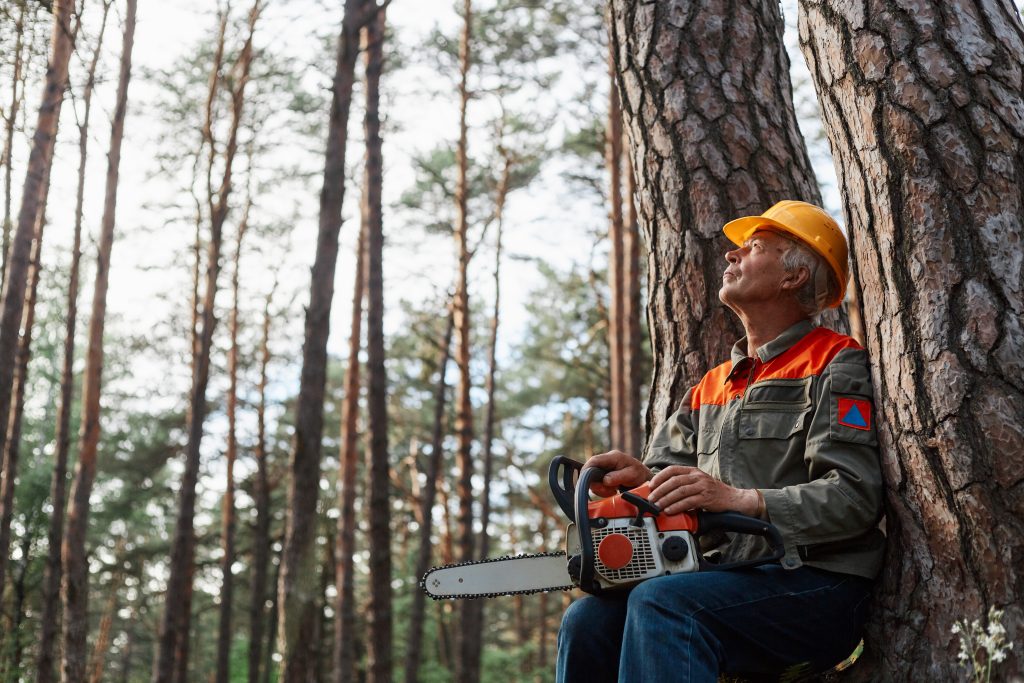

When it comes to tree care, tree removal, and other tree-related services, a formal contract is crucial to protect both the consumer and the service provider. In this comprehensive guide, we will explore everything you need to know about tree service contracts, including the key parties involved, important clauses, liability, cancellation rights, and more. We will also discuss electronic signatures, mobile apps, and the role of technology in simplifying the contract signing process. So, let’s dive in!

1. Understanding the Tree Service Contract:

A tree service contract is a legally binding agreement between the homeowner (consumer) and the tree service provider (contractor). It outlines the terms and conditions of the tree-related services to be performed, the agreed-upon price, the scope of work, and the rights and responsibilities of both parties. This document helps ensure that the services are carried out appropriately and that both parties are aware of their obligations.

2. Key Parties Involved:

Consumer (Homeowner/Buyer): The individual or entity hiring the tree service is known as the consumer. They are the party seeking the tree-related services for their property.

Tree Service Provider (Contractor): The tree service provider is the professional or company responsible for performing the tree-related services. They can be an individual arborist or a tree care business.

3. Elements of a Tree Service Contract:

A comprehensive tree service contract typically includes the following elements:

Description of Services: This section outlines the specific tree-related services to be provided, such as tree removal, tree pruning, tree health care, and any additional tasks necessary for the project.

Price and Payment Terms: The agreed-upon price for the services should be clearly stated in the contract. It should also mention the payment schedule, accepted payment methods, and any penalties for late payments.

Liability and Insurance: Both parties’ liability must be addressed in the contract. The service provider should have adequate insurance to cover potential damages or injuries that may occur during the tree work.

Cancellation Rights: The contract should specify the circumstances under which either party can cancel the agreement and the procedure for doing so.

Rescission Period: Some states have a “rescission period,” during which the consumer can cancel the contract without penalty. This period typically varies from 3 to 7 days.

Release of Liability Form: A release of liability form may be included to protect the service provider from claims related to unforeseen damages during tree work.

Tree Diameter and Branch Diameter: To avoid disputes, the contract should specify the acceptable size of trees and branches to be removed or pruned.

Tree Removal and Pruning Standards: The tree service provider should adhere to ANSI A300 tree care standards and other industry best practices.

Service Agreement Termination: The circumstances under which the contract can be terminated by either party should be clearly stated.

4. Electronic Signatures and Multi-Platform Contracts:

With the advancement of technology, electronic signatures have become widely accepted and legally valid for signing contracts. Mobile apps, such as SignNow, allow parties to sign contracts using their smartphones (Android, iOS), tablets (iPad), or computers (Windows, macOS). This enables easy and convenient signing, even for parties not physically present at the time of signing.

5. Ensuring Security and Legitimacy:

Using reputable platforms and apps like SignNow, Google Chrome, or Microsoft ensures the security and legitimacy of the electronic signatures. These platforms comply with relevant legal guidelines, such as the Electronic Signatures in Global and National Commerce (ESIGN) Act and the Uniform Electronic Transactions Act (UETA).

6. Tree Service Contract Template and Legal Guide:

Creating a tree service contract from scratch can be daunting. However, there are many resources available, including online legal templates and guides. These templates provide a solid foundation and help ensure that important clauses are not overlooked.

7. Importance of Liability Forms and Insurance:

Tree work can be hazardous, and accidents can happen. Therefore, it is essential for the tree service provider to have adequate insurance to protect both themselves and the homeowner from potential liability in case of accidents or property damage during the work.

8. Role of Technology in Tree Care:

Incorporating technology in tree care, such as using AI (Artificial Intelligence) and mobile apps, has streamlined processes, improved efficiency, and enhanced safety. For instance, tree health monitoring apps can help arborists assess tree health and provide targeted care.

9. The WISC Release and Tree Care Companies:

The WISC release is a liability waiver used in some states, including Wisconsin (WISC), to protect tree care companies from liability claims arising from tree care work. It is essential for both parties to understand the implications of signing such a release.

10. Tree Service Contracts and State Laws:

Each state may have specific laws governing tree service contracts and home solicitation contracts. It is vital to be aware of these laws to ensure that the contract is legally valid and enforceable.

Conclusion:

Signing a tree service contract is essential for the homeowner’s protection and the service provider’s liability. Understanding the elements of the contract, cancellation rights, liability, and other important clauses is crucial for both parties. Embracing technology and using electronic signatures can simplify the contract signing process and improve efficiency in the tree care business. Always consult legal experts and use reputable platforms to ensure the legality and security of the contracts. By doing so, both homeowners and tree service providers can enjoy a smooth and fruitful relationship while promoting tree health and safety.

[geocentric_weather id=”45ff4ccd-3d3f-498e-b0b9-91aaaf766bc4″]

[geocentric_about id=”45ff4ccd-3d3f-498e-b0b9-91aaaf766bc4″]

[geocentric_neighborhoods id=”45ff4ccd-3d3f-498e-b0b9-91aaaf766bc4″]

[geocentric_thingstodo id=”45ff4ccd-3d3f-498e-b0b9-91aaaf766bc4″]

[geocentric_busstops id=”45ff4ccd-3d3f-498e-b0b9-91aaaf766bc4″]

[geocentric_mapembed id=”45ff4ccd-3d3f-498e-b0b9-91aaaf766bc4″]

[geocentric_drivingdirections id=”45ff4ccd-3d3f-498e-b0b9-91aaaf766bc4″]

[geocentric_reviews id=”45ff4ccd-3d3f-498e-b0b9-91aaaf766bc4″]
Tree Stumps

Tree Stumps

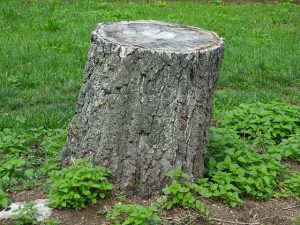
How to get rid of tree stumps is one of the most frequently asked question in the industry. Once you have had a tree removed you are left with a typically unsightly reminder, the stump. Tree stumps are an eyesore, a tripping hazard, and they can attract unwanted pests like termites or even fungi and bacteria. If left to simply decay and rot away on its own, without any sort of treatment, a stump can take up to ten years to disappear. When it comes to rotting a tree stump in Utah, the rate of decay depends on many different factors such as species of tree, size of the tree, and the climate and weather conditions.

As your leading Utah arborist, we do stump grinding in the Utah and surrounding area, although due to the demand we do have to limit our grinding services and can only offer it to current tree service clients and not as a standalone service.

To remove a tree stump you can try to tackle the job yourself, although stump grinders are quite heavy and can be difficult to use at times. So how do you get rid of a tree stump then? What is the best way? Well, the answer is in the original suggestion of letting it rot away, but doing so quickly.

How To Get Rid Of A Tree Stump Fast?

The fastest way to remove a tree stump, with and without using a grinder, is the chemical method. By applying chemicals to holes drilled into the stump, you speed up the natural decay process and the remaining tree fibers and roots will break down much more quickly. It is considered one of the best ways to remove a tree stump from your yard. Here is how to use this method by following these steps.

DIY Steps To Rotting A Tree Stump From A Leading Arborist:
Begin on a dry day or after a number of dry days if possible. This way the tree stump will be looking for liquid and nutrients and will soak up the chemicals faster.

If you are capable, use a chainsaw to cut the remaining part of the tree as close to the ground as possible. By doing this the chemicals will have less material to eat through. Chainsaws can be dangerous though, so make sure you always use caution, wear steel-toed boots and eye protection.

Once the tree stump is as close to the ground as you can comfortably get it to go, drill a number of holes into the top of the stump and along the sides in a downward direction. The bigger the drill bit the better, and each of the holes should be a few inches deep.
After drilling the holes into the stump in different places, you will apply the chemicals that will break down the remaining wood. Utah does have strict legal restrictions about the kind of chemicals you can purchase for this sort of project. Ideally, you would want a commercial fertilizer that is high in nitrogen, since it will give you the fastest results, but cow manure is also effective. Another more natural alternative is Epsom salt. It is also a cost-effective solution as a 19lbs page starts at $10. It has similar dissolving properties to nitrogen but is a more organic approach. When you have chosen the chemical you will use, pack the holes with as much of it as you can.

Then soak the ground around the stump and wet the top and sides of the stump. After the stump is wet, cover it with a plastic tarp to trap the moisture around the stump. Moisture is ultimately what will help the chemicals break down the wood particles faster.
The next step is to apply mulch over the top of the plastic tarp. Organic mulch, like hay or tree bark, is best for this task as it will retain more moisture and help to keep the tarp in place.

You can use rocks and stones to weigh down the tarp further to help keep it in place, although this step is considered optional.
Once you have completed all of these steps, you are officially rotting a tree stump. This process is a speeding up of nature, and we all know that nature can take its time, so you should expect that it will take some time to work. How can you speed up the stump rot process even more? You can repeat the rotting steps periodically if you notice the mulch has grown dry.

How Much Does It Cost To Remove A Stump?

The overall cost for a stump removal is largely dependent on the method you choose to use. If you chose to do it yourself, it would be the cost of materials needed. Whereas, if you live in the nearby Utah area, with easy access to the stump, the average cost is about $6 per inch in diameter with $150-$200 minimum charge.

Looking To Remove a Tree Stump Quickly?

Ultimately, the quickest way to remove your tree stump and return your yard to a flat surface is the method of stump grinding. Although our grinding services are limited, if you are in need of a tree removal service in the Utah, area, or if you are looking to get some stumps removed don’t hesitate to contact the tree experts.

If you’re not a current or past tree client and have a stump you’d like removed, read more about stump rot and how to safely remove the tree stump yourself.

When your stump is ground, you can expect that there will be no masses of the stump left underground. The stump grindings, which are the wood shavings from the stump mixed with dirt, are left behind. You can use these grindings as mulch around your yard. Please remove the grindings prior to replanting any plants or trees in that area.

Stump Grinding FAQs

What is the average cost for stump grinding?

If you live in the nearby Utah Metro area with easy access to the stump, stump grinding cost averages about $6 per inch in diameter with a $150-$200 minimum. Anything that makes the stump harder to access and remove such as a fence or retaining wall or anything breakable such as a flagstone patio would increase the price from there. Also removing the stump grindings is almost always an additional charge.

Is It better to grind a stump or remove it?

There are many ways how to get rid of tree stumps, and there are advantages and disadvantages for either removing a stump or grinding it. For removing a stump the advantage is there is no stump grinding left behind. The disadvantages are that removing all but the smallest stumps usually requires large equipment such as a loader or excavator. In addition, it is usually pretty hard to find a place to dispose of them. For grinding a stump the advantages are that it can be done to almost any stump in any location or a reasonable fee and the disadvantages are that the grinding as usually left behind for the property owner to deal with.

Can you grind down a tree stump with a chainsaw?

There are stump grinders that attach to a chainsaws powerhead, but grinding a stump with a regular chainsaw would be exceptionally difficult as the chain would dull every time it hit even a small amount of dirt. It also sounds very dangerous.

Can I use ground up tree stump as mulch?

Yes, a ground-up tree stump makes an excellent mulch product.

How much does it cost to rent a stump grinder from Home Depot?

In the Utah Metro area $299 per day and $209 for 4 hours as of 3/20/19 to rent a grinder for stump removal in Utah, OR.

Does stump grinding kill roots?

No, in fact, the roots are sometimes spurred to grow more from the shock of having the tree removed and stump ground out.

Does tree removal include the stump?

The answer is almost always no. The removal of the stump in the ground is for an additional fee. Tree removal bids are very specific so any extra services such as stump grinding, wood removal, or tree removal permits are not included unless expressly stated.

Will tree stumps attract termites?

Yes, but not all termites will damage your home. It will take an exterminator to determine which kind you have should your stump become infested.

Can a tree grow back from a stump?

Depending on the type of tree they can grow back but this would not be a tree that you would want to keep as its structure would be compromised and thus it would be likely to fail and damage your property.

Contact the tree experts about stump removal in Utah

If you live in the Utah area and are looking to have a tree removed and are also interested in stump removal and grinding contact our nearby team of Utah stump grinding service professionals.

[geocentric_weather id=”4134af15-b02c-4fe0-bd45-fb0e6efba429″]

[geocentric_about id=”4134af15-b02c-4fe0-bd45-fb0e6efba429″]

[geocentric_neighborhoods id=”4134af15-b02c-4fe0-bd45-fb0e6efba429″]

[geocentric_thingstodo id=”4134af15-b02c-4fe0-bd45-fb0e6efba429″]

[geocentric_busstops id=”4134af15-b02c-4fe0-bd45-fb0e6efba429″]

[geocentric_mapembed id=”4134af15-b02c-4fe0-bd45-fb0e6efba429″]

[geocentric_drivingdirections id=”4134af15-b02c-4fe0-bd45-fb0e6efba429″]

[geocentric_reviews id=”4134af15-b02c-4fe0-bd45-fb0e6efba429″]

Pine Trees Landscape

Pine Trees Landscape

Pine Trees Landscape

Pine Trees Landscaping Ideas

Pine trees are a timeless landscaping option that looks great just about anywhere. In certain landscapes, they create an almost mystical and cozy vibe. Their needles also give off a unique and pleasant aroma. Since pine trees are evergreen, they will provide lush, vibrant green colors to your landscape all year long. To decide which types of landscape trees are best for your yard, you have to think in terms of the different seasons of the year. Begin by looking at those that are valued for their spring display and end with those trees that offer visual interest in winter. The goal is not simply to have a collection of great specimens in the yard, but rather to have at least one specimen per season that will add pizzazz to your landscaping.

Simply put, you can’t go wrong incorporating these magnificent trees into your landscaping scheme. Don’t know where to start? Don’t worry, we have created a list of pine tree landscaping ideas to give you some good insight. Check out the following pine tree landscaping ideas for some creative inspiration before heading to the rest of the post.

Pine trees landscaping ideas

1. Dwarf Evergreens
Alpine garden
If you love the texture and color that pine trees provide but don’t necessarily want super tall trees in your landscape, then dwarf varieties are for you. There is still a large assortment of dwarf varieties, so you won’t be limited in your planting options whatsoever.
2. Front Yard Accent
View of a pine tree on backyard in a sunny day
One easy way to landscape your front yard is by planting a large pine tree. It serves as a show-stopping centerpiece in the yard since it can’t be missed. Surround your yard with other pine trees to increase the overall aesthetic. Create a line of trees around the property to get some more privacy, if desired.
3. Cozy Cabin
Rustic log house on the woods
It’s a well-known fact that pine trees provide one of the freshest aromas ever. A walk through pine tree-filled woods is revitalizing and refreshing. One of the best companions for a cabin is a heavy planting of pine trees. Their looming height, fresh scent, and gorgeous aesthetic are what people long for when they’re staying in a cozy cabin. By planting pine trees, you can create this same vibe.
Plant the trees in rows for a shapely look or let them spread out in a random order for the more natural appearance. Just keep in mind the way that pine trees reproduce and spread. If you have paths that snake through the area, you may have to occasionally transplant the trees off the paths.
4. Pathway Interruption
Pine tree and pergolas in retro park garden in Madrid
Break up the monotony of the pathway with a lone pine tree. This adds visual interest to the area with it’s long, texture-rich trunk and spindly branches. Having a few of these handsome trees strewn about a pathway is a great idea.
5. Well-Maintained Garden Landscape
Pine garden with mix of evergreen shrubs, annuals and perennial flowers in a beautiful national park.
Well-groomed vibrant green grass, seasonal plants, and variegated trees come together to create a stunning landscape. Well thought out landscape designs are appreciated for their creative beauty and the way the plants just seem to tell a story. The pine trees are a great ornamental accent to the space.
6. River Companions
Ornamental japanese-style garden featuring bonsai japanese maples, silver birch surrounded by tall leylandi cypress conifer hedge forming a dense evergreen barrier
Winding rivers and streams carve intriguing patterns through the land. One of the best ways to accentuate the natural flowing pattern is through the use of pine trees and other vegetation. With how many different species of pine trees there are, you’re sure to find the perfect ones for your landscape.
7. Line A Walkway
Oleander bushes and pine trees in mediterranean garden
Lining a walkway with pine trees and other evergreens ensures that the area is constantly full of new life and an abundance of lush color. Pine trees can have needles that range in color from vibrant greens to soothing blues. All these color options prevent any sense of boredom in the landscape!
8. Poolside Treasures
Large rectangular swimming pool with pine trees on the side against the background of the ocean
A palm tree is probably the typical tree you think of when it comes to poolside plants. However, pine trees shouldn’t be overlooked! They’ll add a nice pop and accentuate the pool well. With their evergreen leaves, you’ll never go a day without shade and a gorgeous tree to look at.
In a setting like this, the pine trees also serve as a partial wind-blocking wall.
9. Pine Tree Assortment
Landscape with decorative bushes and pines on a lawn
For a texture-rich landscape, use an assortment of pine trees all around the area. Dwarf pine trees, shrub-like pine trees, sky-reaching pine trees and more. Their various green tones are eye-catching in the landscape.
10. Intriguing Shapes
Korean pine trees
It’s amazing how pine trees can look like pieces of art on their own. The way their branches twist and grow is intriguing and creates quite the display in the landscape.
11. Raised Planter
Japanese-style garden with large bonsai trees
Have you ever thought about planting pine trees in a raised planter? It’s not a common trend to do so, but it makes for an awesome display and great use of space. Though tall trees already call a lot of attention to themselves, being planted in a raised container brings even more emphasis to the tree. Landscape the entire container however you wish and incorporate all kinds of plant life.

12. Organic Landscape
House with solar panels on the roof surrounded by pine tress
Let nature do its thing and take over your garden landscape all on its own. This gives the area a rugged, organic appearance with only naturally growing vegetation covering the garden area. You can still trim things back, transplant plants, or completely take out other plants to slightly influence the landscape.
13. Rock Garden Décor
Corner lot of front residential yard landscaped with a mix of evergreen shrubs, plus annuals and perennial flowers
Use a collection of different sized rocks in your garden landscape. Use rubber edging to snake a trail through the garden and fill it with crushed pebbles, then use larger river rocks on the outside of the edging. Intersperse evergreens, pine trees, and other vegetation in the garden area to make it full of life and color.
14. Japanese Garden Accents
Chinese garden
Pine trees probably weren’t on your radar when it comes to landscaping a Japanese garden. However, there are over 120 species of bonsai pine trees that are perfect for this type of landscape and garden.
15. Zen Garden
Beautiful zen garden by summer morning
No zen garden is complete without an accompanying bonsai tree. Zen gardens are meant to imitate the essence of nature. Common features include rocks, water features, paving stones, moss, pruned trees and bushes, and gravel or sand that has been raked to mimic ripples of water.
16. Great Pond Pairing
Backyard garden during night time
Small ponds are a wonderful landscaping element to pair with pine trees. The soft, blue hues of the water go great with the lush green of pines.

Other Landscaping Trees to look consider

Japanese Maple Trees

Some Japanese maples (Acer palmatum) are very versatile, too, but in a different way. They are great not only in autumn but also during the summer season. They display the vibrant red color we associate with fall foliage when most other trees still bear green leaves.

Magnolia Trees

Any well-planned yard will contain at least one flowering landscape tree of exceptional beauty. Magnolia trees (Magnolia spp.) are among the showiest specimens. While star magnolias often bloom earlier, saucer magnolias provide a larger bloom.

Apple Trees

You do not have to be a farmer to want to grow apple trees (Malus spp.) in your yard. It is about more than just fruit. Apple trees are beautiful bloomers in their own right. The fruit is a bonus. If you do not care about growing edible fruit, then crabapples will serve your purposes better. A type with rosy-red flowers that reaches a height of 20 to 25 feet is Malus x ‘Centzam’ or Centurion, which can be grown in zones 4 to 8.

Dogwood Trees

You will likely want more than just flowering landscape trees that provide a floral extravaganza in spring. Fortunately, sometimes you get a two-for-one deal (or better) in landscaping. In this case, that means versatile specimens that earn their keep during more than just one of the four seasons. Dogwood trees (Cornus florida and Cornus kousa) offer such a deal: blooms for spring, colorful foliage for fall, berries to attract wild birds in winter, and an interesting branching pattern year-round.

[geocentric_weather id=”32ef9911-1ca7-4f2c-bcea-ecdf60fab5eb”]

[geocentric_about id=”32ef9911-1ca7-4f2c-bcea-ecdf60fab5eb”]

[geocentric_neighborhoods id=”32ef9911-1ca7-4f2c-bcea-ecdf60fab5eb”]

[geocentric_thingstodo id=”32ef9911-1ca7-4f2c-bcea-ecdf60fab5eb”]

[geocentric_busstops id=”32ef9911-1ca7-4f2c-bcea-ecdf60fab5eb”]

[geocentric_mapembed id=”32ef9911-1ca7-4f2c-bcea-ecdf60fab5eb”]

[geocentric_drivingdirections id=”32ef9911-1ca7-4f2c-bcea-ecdf60fab5eb”]

[geocentric_reviews id=”32ef9911-1ca7-4f2c-bcea-ecdf60fab5eb”]