REDUCING LIABILITY WITH PROPER TREE MAINTENANCE
REDUCING LIABILITY WITH PROPER TREE MAINTENANCE
Tree maintenance plays a critical role in reducing liability for property owners and managers. Neglected trees can pose significant risks, leading to personal injuries, property damage, and legal consequences. Here’s why proper tree maintenance is essential for liability reduction:
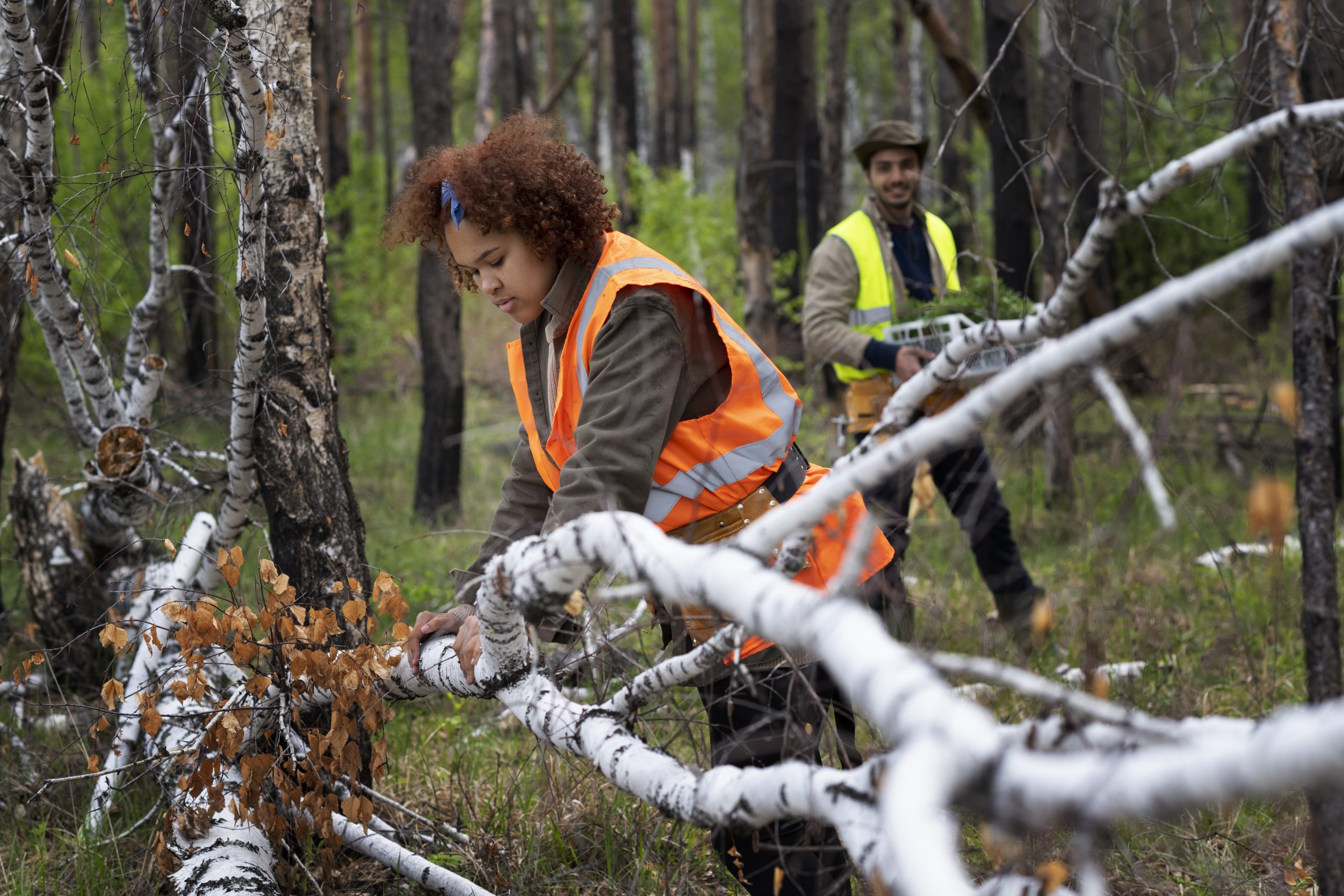
- Prevention of Accidents: Regular tree maintenance, including pruning, trimming, and removal when necessary, helps prevent accidents caused by falling branches, toppling trees, or other tree-related hazards. By identifying and addressing potential risks in advance, property owners can significantly reduce the likelihood of accidents that could lead to injuries or property damage.
- Duty of Care: Property owners have a legal duty of care to maintain their premises in a reasonably safe condition for visitors, tenants, and passersby. Neglecting tree maintenance could be considered a breach of this duty, leading to liability if accidents occur due to hazardous trees.
- Mitigation of Negligence Claims: Negligence claims can arise when a property owner fails to exercise reasonable care in maintaining their property. Proper tree maintenance demonstrates a proactive approach to safety and reduces the chances of being held liable for negligence if an accident occurs. Regular inspections, pruning, and removal of hazardous trees show that the property owner took appropriate steps to prevent harm.
- Protection of Property: Well-maintained trees are less likely to cause damage to structures, vehicles, utility lines, or neighboring properties. Property damage resulting from fallen trees or branches can lead to costly repairs and potential legal claims. Proper tree maintenance helps safeguard against such property damage incidents.
- Compliance with Local Regulations: Many municipalities and jurisdictions have regulations or ordinances that require property owners to maintain trees in a safe condition. Failure to comply with these regulations could result in fines, penalties, or legal liability if accidents occur due to neglected trees.
- Enhancement of Curb Appeal: Regular tree maintenance contributes to the overall aesthetics of the property. Well-kept trees improve the property’s appearance, attract tenants or customers, and create a positive image that reflects responsible ownership.
- Preservation of Ecosystem Health: Trees play a crucial role in maintaining ecosystem health and biodiversity. Proper maintenance helps trees resist diseases, pests, and stressors, allowing them to contribute positively to the environment. Healthy trees are less likely to become unstable and pose risks.
- Professional Assessment and Expertise: Engaging certified arborists for tree assessments ensures a thorough evaluation of potential hazards. Arborists have the expertise to identify signs of disease, structural weaknesses, and other risk factors that might not be apparent to the untrained eye.
- Demonstration of Due Diligence: Demonstrating that you’ve taken reasonable and diligent steps to maintain trees can serve as evidence of due diligence in case of legal disputes. Proper documentation of maintenance activities, inspections, and arborist recommendations can support your defense if liability claims arise.
- Peace of Mind: Regular tree maintenance provides property owners and managers with peace of mind, knowing that they’ve done their best to minimize tree-related risks. This sense of responsibility not only reduces liability concerns but also fosters a safer environment for everyone.
Potential risks and legal consequences of neglected trees
Neglecting trees on your property can lead to various potential risks and legal consequences. Failing to properly maintain trees can result in accidents, injuries, property damage, and even legal liability. Here are some of the potential risks and legal consequences associated with neglected trees:
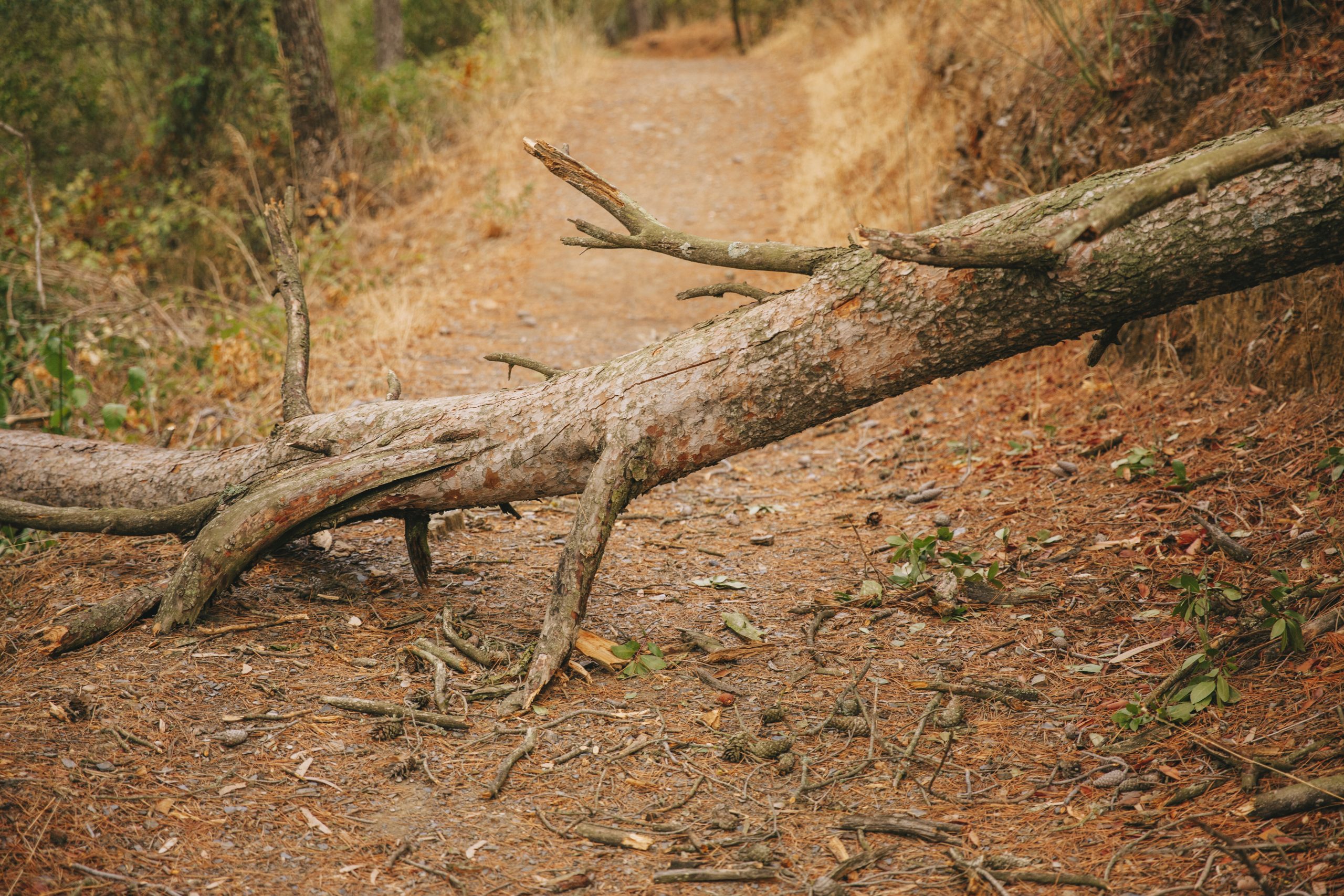
- Accidents and Injuries: Neglected trees can pose significant hazards, such as falling branches, unstable trunks, or root hazards. These hazards can lead to accidents and injuries, such as head injuries, fractures, and even fatalities, if individuals are struck by falling branches or trees.
- Property Damage: Unattended trees can cause damage to structures, vehicles, utility lines, and neighboring properties. Falling trees or branches can crash onto roofs, fences, vehicles, and other valuable assets, resulting in costly repairs and property damage claims.
- Negligence Claims: If an accident or injury occurs due to a neglected tree, the property owner may be held liable for negligence. Negligence claims can arise if it can be proven that the property owner failed to exercise reasonable care in maintaining the property and preventing tree-related hazards.
- Legal Liability: Neglected trees can lead to legal liability for injuries sustained by visitors, tenants, or even trespassers on the property. Property owners have a duty to provide a safe environment, and neglecting tree maintenance can result in legal claims and financial compensation for injuries and damages.
- Public Nuisance Claims: Overgrown or unhealthy trees can become a nuisance to neighbors and the public. Neighbors may file complaints if neglected trees encroach on their property, block views, or pose safety risks. Public nuisance claims can result in legal disputes and orders to address the tree issues.
- Violation of Local Regulations: Many municipalities have regulations or ordinances regarding tree maintenance, including requirements to remove hazardous trees or branches. Neglecting to adhere to these regulations can result in fines, penalties, and legal actions.
- Damage to Utilities: Neglected trees with overgrown branches or roots can interfere with utility lines, causing power outages, water line damage, or disruptions to communication services. Property owners may be held responsible for the costs associated with repairing utility damages caused by their trees.
- Loss of Property Value: Neglected trees that create hazards, block views, or negatively impact aesthetics can decrease the property’s value. Potential buyers and renters may be deterred by the presence of hazardous or unsightly trees.
- Environmental Impact: Neglected trees can contribute to the spread of diseases, pests, and invasive species that can affect the health of neighboring trees and ecosystems. This can lead to legal consequences if the neglect results in the spread of harmful agents.
- Duty of Care Violation: Property owners have a legal duty of care to maintain their premises in a reasonably safe condition. Neglecting tree maintenance could be viewed as a breach of this duty, leading to legal liability if accidents or injuries occur.
Tree Inspection and Risk Assessment
Tree inspection and risk assessment are critical components of responsible tree management. They involve evaluating the health, structural integrity, and potential hazards associated with trees on a property. These processes help identify and address issues that could lead to accidents, injuries, or property damage, allowing property owners to take proactive measures to mitigate risks. Here’s an explanation of tree inspection and risk assessment:
Tree Inspection: Tree inspection is the process of visually assessing the overall health and condition of trees. It involves closely observing the tree’s physical characteristics, such as its trunk, branches, leaves, and roots, to identify signs of disease, decay, structural weaknesses, or other issues. Tree inspections can be performed by property owners themselves or, for more comprehensive assessments, by certified arborists with expertise in tree health and safety.
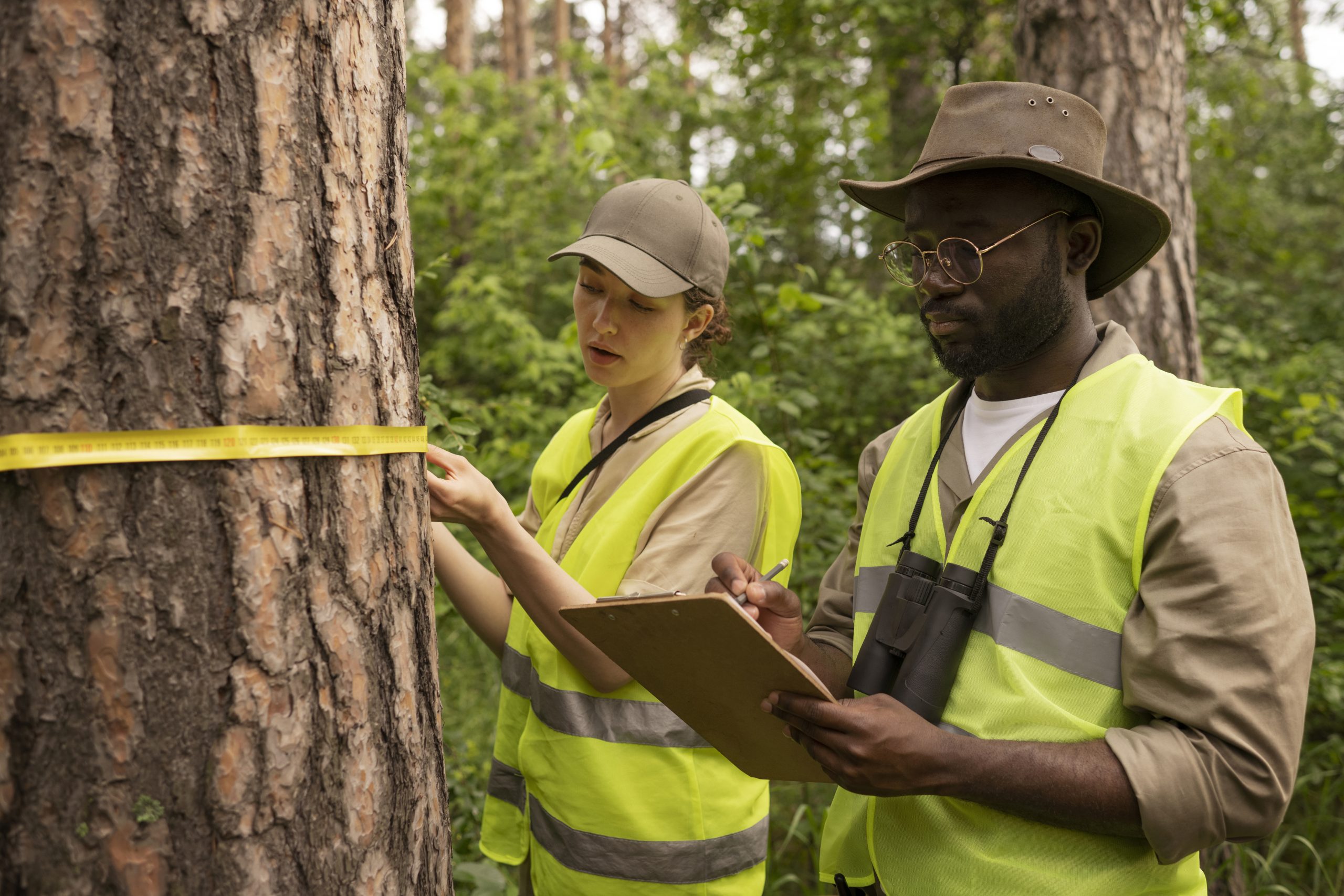
Components of Tree Inspection:
- Trunk Inspection: Check for cracks, cavities, bulges, or signs of decay on the trunk. These issues can weaken the tree’s structure and increase the risk of falling.
- Branch Inspection: Look for dead, broken, or hanging branches that could fall and cause harm. Also, assess the attachment points of branches to the trunk for signs of weakness.
- Leaf Inspection: Observe the condition of leaves for signs of discoloration, wilting, defoliation, or pest infestations. Unhealthy leaves can indicate underlying issues.
- Root Inspection: Examine the area around the base of the tree for signs of root damage, heaving soil, or exposed roots. Damaged roots can compromise the tree’s stability.
- Canopy Inspection: Evaluate the overall shape and density of the canopy. An imbalanced or asymmetrical canopy may indicate structural issues.
Risk Assessment: Risk assessment involves evaluating the potential hazards associated with trees and estimating the likelihood and severity of these hazards leading to accidents or property damage. The goal is to prioritize and address high-risk trees that pose an imminent danger to people or property. Risk assessment takes into account various factors, including the tree’s condition, location, structural integrity, and the potential consequences of failure.
Components of Risk Assessment:
- Tree Condition: Assess the overall health and vitality of the tree. Healthy trees are generally more structurally sound and less likely to fail.
- Tree Location: Consider the proximity of the tree to buildings, walkways, roads, power lines, and other structures. Trees near high-traffic areas or valuable assets pose higher risks.
- Structural Integrity: Evaluate the tree’s structure, including the presence of weak branches, cracks, decay, or signs of instability. Trees with compromised structures are more likely to fail.
- Potential Consequences: Determine what could be affected if the tree were to fail. This includes assessing the potential for injuries, property damage, or disruption of services.
- Mitigation Measures: Identify possible actions to reduce or eliminate the identified risks. This could involve pruning, cabling, bracing, or, in extreme cases, tree removal.
Documentation: Recording the results of tree inspections and risk assessments is essential for future reference and liability protection. Detailed documentation includes photographs, notes, and any recommended actions to address identified risks. This documentation can serve as evidence of due diligence in case of legal disputes or insurance claims.
In summary, tree inspection and risk assessment involve observing and evaluating the health and potential hazards of trees on a property. These processes help property owners make informed decisions about tree maintenance, pruning, and removal to reduce the risks of accidents, injuries, and property damage. Certified arborists can provide expert assessments and recommendations, ensuring that trees are properly managed to promote safety and environmental health.
[geocentric_weather id=”45ff4ccd-3d3f-498e-b0b9-91aaaf766bc4″]
[geocentric_about id=”45ff4ccd-3d3f-498e-b0b9-91aaaf766bc4″]
[geocentric_neighborhoods id=”45ff4ccd-3d3f-498e-b0b9-91aaaf766bc4″]
[geocentric_thingstodo id=”45ff4ccd-3d3f-498e-b0b9-91aaaf766bc4″]
[geocentric_busstops id=”45ff4ccd-3d3f-498e-b0b9-91aaaf766bc4″]
[geocentric_mapembed id=”45ff4ccd-3d3f-498e-b0b9-91aaaf766bc4″]
[geocentric_drivingdirections id=”45ff4ccd-3d3f-498e-b0b9-91aaaf766bc4″]
[geocentric_reviews id=”45ff4ccd-3d3f-498e-b0b9-91aaaf766bc4″]