Does Landscaping Count as Construction?
Does Landscaping Count as Construction? Exploring the Intricacies and Implications
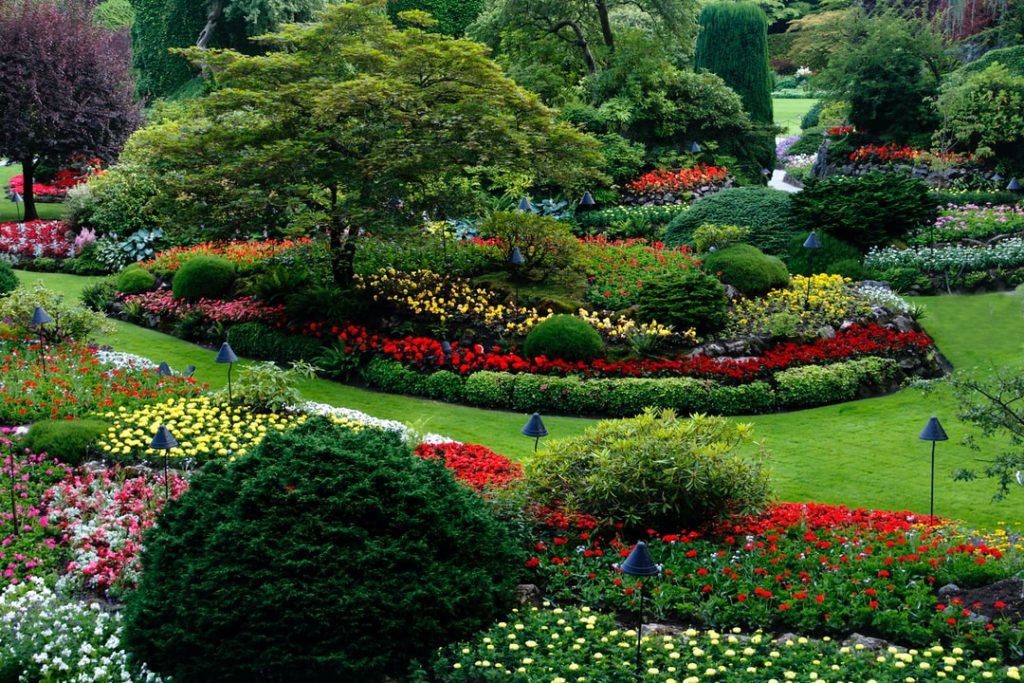
When pondering the question of whether landscaping should be categorized as construction, a complex web of factors emerges, encompassing everything from design and execution to tax implications and property value. Landscaping involves altering the outdoor spaces of a property, ranging from creating lush gardens to building outdoor kitchens and hardscapes. While some may view landscaping as a mere aesthetic enhancement, others argue that it qualifies as construction due to the significant physical and financial investments it often requires. In this extensive article, we will delve deep into the world of landscaping, considering the different perspectives, financial aspects, legal implications, and broader impacts it has on homeowners and their properties.
Defining Landscaping and Construction
To embark on this exploration, let’s establish clear definitions for the terms at hand. Landscaping generally refers to the planning, design, and implementation of various features and elements within outdoor spaces to enhance their visual appeal and functionality. These features can range from softscapes like lawns, plants, and flowers to hardscapes such as patios, decks, fences, and retaining walls. Construction, on the other hand, involves the creation, alteration, or addition of structures, usually requiring the use of heavy machinery, materials, and skilled labor.
Landscaping as a Construction Project
The debate regarding whether landscaping should be considered construction stems from the substantial work and resources that often go into transforming a property’s outdoor spaces. Many landscaping projects involve tasks traditionally associated with construction, such as grading, excavation, and building structures. For instance, installing a patio, constructing a retaining wall, or even leveling the yard to correct drainage issues often require heavy equipment, skilled labor, and adherence to local building codes. In these cases, it becomes difficult to draw a clear distinction between landscaping and construction, as both processes involve altering the property’s physical characteristics.
Financial Investments and Tax Implications
One of the crucial aspects that link landscaping to construction is the significant financial investment required. Landscaping projects can entail substantial costs, ranging from materials and equipment to labor and design services. Homeowners often allocate a substantial portion of their budget to landscaping, treating it as a capital improvement that can potentially increase their property’s value. While construction typically involves erecting new structures, landscaping can be seen as a way to enhance existing structures and outdoor areas, thereby increasing the overall appeal and market value of the property.
Tax considerations play a pivotal role in understanding the relationship between landscaping and construction. Homeowners might wonder whether the money spent on landscaping qualifies for deductions or affects their property’s tax basis. Generally, expenditures on landscaping are considered capital improvements, which can be added to the property’s cost basis. A higher cost basis can potentially reduce capital gains taxes when the property is sold. However, navigating the intricacies of tax law and understanding the specific regulations in your jurisdiction can be challenging. Seeking guidance from tax professionals or legal experts is advised to make informed decisions about capital improvements and potential tax benefits.
Property Value and Curb Appeal
The concept of curb appeal often interweaves landscaping and construction, as both elements contribute to the first impression a property makes on potential buyers or visitors. A well-designed and meticulously maintained landscape can greatly enhance a property’s aesthetic appeal, drawing in potential buyers and commanding a higher selling price. The visual impact of a professionally landscaped property can significantly influence the perceived value of the home, blurring the lines between landscaping as a mere aesthetic endeavor and as a construction-related investment.
Landscaping’s Impact on Property Sales
Numerous studies have shown a positive correlation between well-executed landscaping and quicker property sales. A home with lush gardens, manicured lawns, and inviting outdoor spaces can attract more potential buyers and command higher offers. This underscores the idea that landscaping is not just about adding pretty features; it’s about creating an environment that resonates with prospective homeowners and fulfills their desires for a functional and appealing outdoor living area.
Different Types of Landscaping Projects
To grasp the multifaceted nature of landscaping, it’s essential to explore the various types of projects that fall under its umbrella. Landscaping projects can be categorized into softscapes and hardscapes, each contributing to the overall visual and functional aspects of the outdoor space.
Softscapes: Softscapes involve the use of living elements, such as plants, trees, flowers, and lawns, to create a harmonious outdoor environment. Planting trees and shrubs strategically can provide shade, privacy, and aesthetic beauty. Lawns offer a green canvas that serves as a gathering space and contributes to the property’s visual appeal. Well-planned softscape designs consider factors such as climate, soil type, and maintenance requirements to create sustainable and attractive landscapes.
Hardscapes: Hardscape projects encompass the construction of non-living elements, including patios, decks, pathways, fences, and water features. These structures not only enhance the visual appeal of the property but also provide functional outdoor living spaces. Patios and decks offer areas for relaxation and entertainment, while fences provide privacy and security. Properly designed hardscapes integrate seamlessly with the surrounding landscape, forming cohesive and inviting outdoor spaces.
Blurring the Lines: Landscape Construction Services
The line between landscaping and construction becomes even blurrier when considering landscape construction services. Landscape construction involves the creation of built elements within the outdoor space that go beyond traditional landscaping tasks. These services can include the installation of retaining walls, outdoor kitchens, fire pits, pergolas, and more. These structures often require the expertise of construction professionals and may involve permits, structural considerations, and adherence to building codes.
Landscape Architects and Designers: Bridging the Gap
The involvement of landscape architects and designers further bridges the gap between landscaping and construction. These professionals combine their artistic vision with technical expertise to create outdoor spaces that are not only visually appealing but also functional and structurally sound. They collaborate with contractors to ensure that design concepts are executed seamlessly, blurring the boundaries between design and construction.
Maintenance Considerations
Another perspective to consider is the long-term maintenance required for landscaped properties. While landscaping projects can undoubtedly increase property value, they also demand ongoing maintenance efforts to preserve their appeal. Lawns, plants, and trees need regular care, which may include mowing, pruning, fertilizing, and pest control. Hardscapes also require maintenance to prevent deterioration and ensure their longevity. The ongoing costs and efforts associated with maintenance further align landscaping with construction, as both involve continuous investment to protect and enhance the property.
Conclusion
In the end, the question of whether landscaping counts as construction is not a simple one to answer. The intricacies and implications discussed in this article highlight the interconnectedness of these two domains. Landscaping projects often involve construction-like tasks, financial investments, tax considerations, and significant impacts on property value. The blurred boundaries between landscaping and construction are perhaps reflective of the broader trend in real estate, where outdoor spaces are increasingly valued as extensions of indoor living areas.
Whether homeowners view landscaping as a creative pursuit, a capital improvement, or a form of construction, its undeniable influence on property aesthetics, functionality, and value cannot be overlooked. As the fields of architecture, design, and construction continue to evolve, landscaping will remain an essential element in shaping the built environment and enhancing the lives of homeowners.
About Murray, Utah
Murray is a city situated on the Wasatch Front in the core of Salt Lake Valley in the U.S. state of Utah. Named for territorial governor Eli Murray, it is the state's fourteenth largest city. According to the 2020 census, Murray had a population of 50,637. Murray shares borders with Taylorsville, Holladay, South Salt Lake and West Jordan, Utah. Once teeming with heavy industry, Murray's industrial sector now has little trace and has been replaced by major mercantile sectors. Known for its central location in Salt Lake County, Murray has been called the Hub of Salt Lake County. Unlike most of its neighboring communities, Murray operates its own police, fire, power, water, library, and parks and recreation departments and has its own school district. While maintaining many of its own services, Murray has one of the lowest city tax rates in the state.
Neighborhoods in Murray, Utah
Murray Oakes, Grant Park, Southwood Park, Murray Park, Murray Park Restrooms, Willow Pond Park, Neighborhood Veterinary Care
Things To Do in Murray, Utah


Bus Stops in Murray, Utah to Truco Services, Inc.
Bus Stop in Murray Central Station (Bay C) Murray, Utah to Truco Services, Inc.
Bus Stop in State St @ 4801 S Murray, Utah to Truco Services, Inc.
Bus Stop in Murray North Station Murray, Utah to Truco Services, Inc.
Bus Stop in State St @ 4949 S Murray, Utah to Truco Services, Inc.
Bus Stop in Murray Central Frontrunner/Trax Station Murray, Utah to Truco Services, Inc.
Bus Stop in Murray Blvd / Vine St (SB) Murray, Utah to Truco Services, Inc.
Bus Stop in State St @ 3925 S Murray, Utah to Truco Services, Inc.
Bus Stop in State St @ 4824 S Murray, Utah to Truco Services, Inc.
Bus Stop in State St @ 5223 S Murray, Utah to Truco Services, Inc.
Bus Stop in Murray Blvd / Allendale Dr (NB) Murray, Utah to Truco Services, Inc.
Bus Stop in Murray Blvd @ 5039 S Murray, Utah to Truco Services, Inc.
Bus Stop in State St @ 4721 S Murray, Utah to Truco Services, Inc.
Driving Directions in Murray, Utah to Truco Services, Inc.
Driving Directions from Woodruff Tree Trimming and Removal to 4640 Commerce Dr, Murray, UT 84107, USA
Driving Directions from Reliable Tree Care to 4640 Commerce Dr, Murray, UT 84107, USA
Driving Directions from Tree Pro-Tech to 4640 Commerce Dr, Murray, UT 84107, USA
Driving Directions from Prestige Tree And Landscape to 4640 Commerce Dr, Murray, UT 84107, USA
Driving Directions from Excellence Tree & Landscape to 4640 Commerce Dr, Murray, UT 84107, USA
Driving Directions from Amen Trees to 4640 Commerce Dr, Murray, UT 84107, USA
Driving Directions from Tim's Tree Care to 4640 Commerce Dr, Murray, UT 84107, USA
Driving Directions from Jordan Tree Service - Murray to 4640 Commerce Dr, Murray, UT 84107, USA
Driving Directions from Arbor Works to 4640 Commerce Dr, Murray, UT 84107, USA
Driving Directions from Diamond Tree Experts to 4640 Commerce Dr, Murray, UT 84107, USA
Driving Directions from Green Tree Arborist to 4640 Commerce Dr, Murray, UT 84107, USA
Driving Directions from TruCo Services to 4640 Commerce Dr, Murray, UT 84107, USA
Reviews for Truco Services, Inc. Murray, Utah

Emily Abercrombie
We had a great experience with TruCo! They were well priced, responsive and prompt. Michael was a pleasure to work with and gave us advice on which plants to put in where we took out our ugly old shrubs. I would highly recommend this company!!!

Michelle Turpin
TruCo Services gets 5 stars from us for customer service. We experienced a few issues with their services this last year and Rob Eccles in senior management, stepped in and immediately handled our issues. He was very committed to making sure they understood our expectations and would execute to make us happy.

Siobhan Billingsley
I work for a property management company and have the pleasure of working with Rob at a community in Sandy. He has been incredible to work with and always responds in a timely manner. He knows all the homeowners by name and address and is aware of all the "problem" areas when it comes to sprinklers. I never have to worry about following up with him because he always reaches out to provide me with an update. If you're looking to work with someone who takes pride in their job, is professional, and can solve the worst landscaping problems thrown your way, Rob is your guy. Thank you, Rob for all you do!

Jaime S.
We have used Truco at 2 of the complexes we manage, they have been great to work with. Good quality service, outstanding customer service with good communication. That's hard to find these days. I highly recommend them. Travis has been awesome to work with.

Jerusha Smart
We use TruCo for a majority of our properties and our home. While other landscaping companies we use come and go for various reasons like cost, communication issues, work performance, etc., TruCo is always consistent in price and work. Also, Rob is the best.