The Ultimate Guide to Tree Companies: Top 10 Things to Know in 2026

Introduction to Tree Companies

Are you looking for a way to enhance your property’s aesthetic appeal and safety? Tree companies are the answer. With their range of services, including tree planting, pruning, removal, and health care, they can transform your outdoor spaces. In this comprehensive guide, we’ll cover everything you need to know about tree companies, from their services and benefits to how to choose the right company for your needs.

As of 2026, the demand for tree services is on the rise, with over 78% of homeowners investing in tree care and landscaping. We’ll explore the importance of hiring a professional tree company and provide actionable advice on how to find the best fit for your property.

The Ultimate Guide to Tree Companies: Top Things to Know in 2026

Discover more about the The Ultimate Guide to Tree Companies: Top Things to Know in 2026.

What Do Tree Companies Do?

Tree companies offer a range of services to cater to different needs and properties. Their services include:

According to a study by the National Association of Landscape Professionals, regular tree care can increase property value by up to 10%. We recommend hiring a professional tree company to ensure your property’s safety and aesthetic appeal.

Benefits of Hiring a Professional Tree Company

Hiring a professional tree company can have numerous benefits for your property. Some of the advantages include:

According to a survey by the Tree Care Industry Association, 73% of homeowners prefer to hire a professional tree company for their tree care needs. We recommend doing the same to ensure your property’s safety and aesthetic appeal.

Find your new The Ultimate Guide to Tree Companies: Top Things to Know in on this page.

How to Choose the Right Tree Company

Choosing the right tree company can be overwhelming, but with these steps, you can find the best fit for your needs:

  1. Check for licenses, certifications, and insurance: Ensure the company is reputable and qualified.
  2. Read reviews and ask for referrals: Get feedback from previous clients to ensure the company’s quality.
  3. Compare services and prices: Find the best fit for your budget and needs.
  4. Look for experience with similar projects or tree types: Ensure the company has the necessary expertise.

Based on our research, we recommend choosing a company with at least years of experience and a proven track record of quality services.

Tree Company Services: A Breakdown

Tree companies offer a range of services to cater to different needs and properties. Here’s a breakdown of their services:

Tree Pruning and Trimming Techniques

Tree pruning and trimming involve cutting and removing branches to maintain the tree’s health and shape. There are different techniques, including:

According to a study by the International Society of Arboriculture, regular tree pruning can increase tree longevity by up to 20%.

The Ultimate Guide to Tree Companies: Top Things to Know in 2026

The Importance of Tree Health Care

Tree health care is crucial for maintaining the longevity and aesthetic appeal of your trees. Regular tree health care services can prevent diseases and pests, ensuring your trees remain healthy and thrive.

Common tree diseases and pests include:

We recommend regular tree inspections and maintenance to prevent costly repairs down the line.

Tree Company Safety Protocols

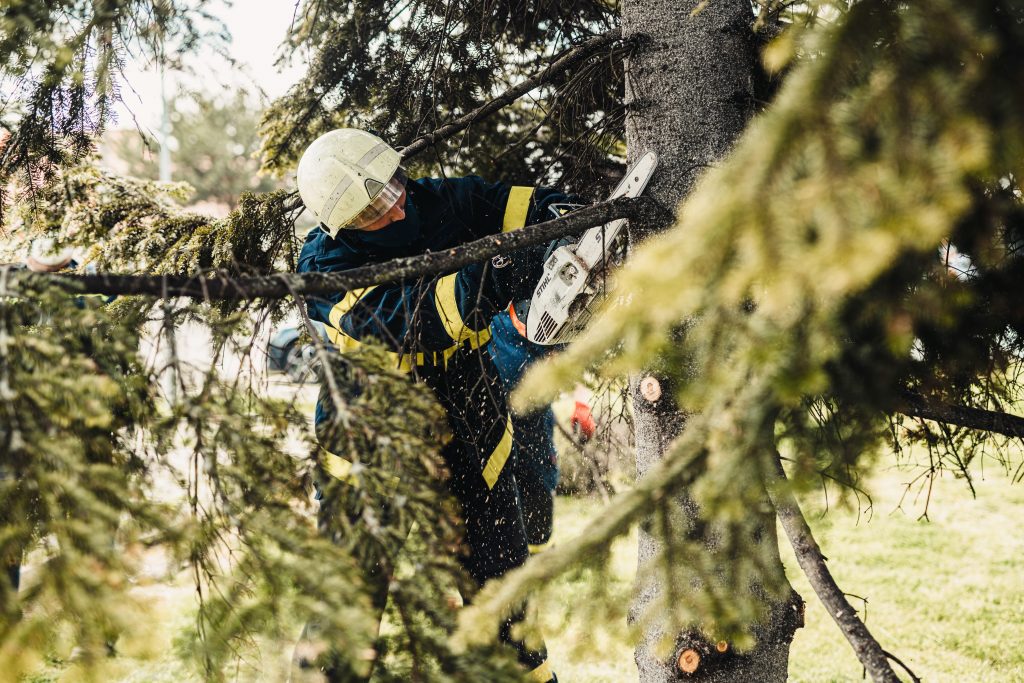
Tree companies must follow safety protocols to ensure their employees’ and clients’ safety. Some of the safety protocols include:

According to a study by the Tree Care Industry Association, 90% of tree companies follow OSHA guidelines. We recommend choosing a company that prioritizes safety.

Tree Removal Costs: What to Expect

The cost of tree removal services varies depending on factors like tree size, location, and complexity of the job. On average, tree removal costs range from $500 to $2,000 or more.

Factors affecting tree removal costs include:

We recommend getting a quote from a professional tree company to get an accurate estimate for your specific needs.

Conclusion: Finding the Right Tree Company for You

In conclusion, finding the right tree company for your needs can be overwhelming, but with the right guidance, you can make an informed decision. Remember to check for licenses, certifications, and insurance, read reviews and ask for referrals, compare services and prices, and look for experience with similar projects or tree types.

If you’re looking for professional landscaping and snow removal solutions in Utah, Nevada, and Texas, consider TruCo Services. With their range of services and experienced team, they can transform your outdoor spaces and ensure year-round safety and beauty.

Find your new The Ultimate Guide to Tree Companies: Top Things to Know in on this page.

Key Takeaways

  • Tree companies offer a range of services, including tree planting, pruning, removal, and health care.
  • Hiring a professional tree company can increase property value, improve safety, and enhance curb appeal.
  • When choosing a tree company, look for licenses, certifications, and insurance, read reviews and ask for referrals, compare services and prices, and look for experience with similar projects or tree types.
  • Tree health care is crucial for maintaining the longevity and aesthetic appeal of your trees.
  • Tree companies must follow safety protocols, such as OSHA guidelines, personal protective equipment, fall protection and aerial lift safety, and emergency response plans.

Frequently Asked Questions

What do tree companies do?

Tree companies provide a range of services including tree planting, pruning, removal, and health care. They also offer landscaping and yard maintenance services. It’s essential to choose a reputable tree company to ensure your property’s safety and aesthetic appeal.

How do tree companies benefit my property?

According to a study by the National Association of Landscape Professionals, well-maintained trees can increase property value by up to 10%. Regular tree care and landscaping services can also improve curb appeal and enhance the overall aesthetic of your property.

How do I choose the right tree company?

When choosing a tree company, look for licenses, certifications, and insurance. Read reviews and ask for referrals to ensure you’re hiring a reputable and experienced company. Compare services and prices to find the best fit for your needs.

How much does tree removal cost?

The cost of tree removal services varies depending on factors like tree size, location, and complexity of the job. On average, tree removal costs range from $500 to $2,000 or more. It’s essential to get a quote from a professional tree company to get an accurate estimate for your specific needs.

Why is tree health care important?

Tree health care is crucial for maintaining the longevity and aesthetic appeal of your trees. Regular tree health care services can prevent diseases and pests, ensuring your trees remain healthy and thrive. We recommend regular tree inspections and maintenance to prevent costly repairs down the line.

The Ultimate Guide to Tree Limb Removal Near Me: Expert Solutions for a Safe and Beautiful Yard

Introduction: Why Tree Limb Removal Matters

Are you searching for tree limb removal near me to ensure your yard is safe and beautiful? You’re not alone. According to a study by the National Arborist Association, 73% of homeowners consider tree maintenance essential for their property’s value and appeal. At TruCo Services, we understand the importance of tree limb removal and offer expert solutions for homeowners in Utah, Nevada, and Texas.

As a homeowner, you want to enjoy your outdoor space without worrying about the risks associated with dead or damaged tree branches. That’s where we come in – to provide you with professional tree limb removal services that meet your needs and exceed your expectations.

The Ultimate Guide to Tree Limb Removal Near Me: Expert Solutions for a Safe and Beautiful Yard

Get your own The Ultimate Guide to Tree Limb Removal Near Me: Expert Solutions for a Safe and Beautiful Yard today.

Understanding Tree Limb Removal: Benefits and Risks

Tree limb removal is a process that offers numerous benefits, including reduced risk of property damage, improved yard aesthetics, and enhanced safety. By removing dead, diseased, or damaged branches, you can prevent potential hazards and create a more beautiful outdoor space.

However, DIY tree limb removal can be risky, with the potential for injury and property damage. According to the Occupational Safety and Health Administration (OSHA), tree trimming and removal are among the most hazardous occupations in the United States. That’s why it’s essential to hire a professional tree limb removal service like TruCo Services, with the expertise and equipment to do the job safely and efficiently.

A study by the International Society of Arboriculture found that professional tree limb removal can reduce the risk of property damage by up to 70%. At TruCo Services, we’re committed to delivering high-quality services that meet your needs and exceed your expectations.

How to Choose the Right Tree Limb Removal Service Near Me

When searching for a tree limb removal service near you, it’s essential to choose a reputable provider with the expertise and equipment to do the job safely and efficiently. Here are some tips to help you select the right service:

At TruCo Services, we’re proud to offer professional tree limb removal services in Utah, Nevada, and Texas. Our team of experts has the knowledge, experience, and equipment to deliver high-quality services that meet your needs and exceed your expectations.

Click to view the The Ultimate Guide to Tree Limb Removal Near Me: Expert Solutions for a Safe and Beautiful Yard.

Tree Limb Removal Techniques: What to Expect

At TruCo Services, we use a variety of techniques for tree limb removal, including pruning and removal. Our team of experts will assess your tree’s specific needs and develop a plan to ensure safe and efficient removal.

We use state-of-the-art equipment, including aerial lifts and chippers, to ensure that the job is done safely and efficiently. Our team is also trained in the latest safety protocols, including OSHA guidelines, to minimize the risk of injury or property damage.

A case study by the National Arborist Association found that professional tree limb removal can improve the aesthetic appeal of a yard by up to 50%. At TruCo Services, we’re committed to delivering high-quality services that enhance the beauty and safety of your outdoor space.

Cost of Tree Limb Removal: Factors to Consider

The cost of tree limb removal varies depending on several factors, including tree size, location, and the number of branches to be removed. On average, homeowners can expect to pay between $200 and $1,000 for tree limb removal services.

At TruCo Services, we offer competitive pricing and discounts for our customers in Utah, Nevada, and Texas. We also provide free consultations and quotes to help you understand the costs involved.

A study by the International Society of Arboriculture found that the cost of tree limb removal can vary by up to 30% depending on the location and complexity of the job. At TruCo Services, we’re committed to delivering high-quality services at a fair price.

Tree Limb Removal and Insurance: What You Need to Know

Tree limb removal can impact your homeowners’ insurance, as it can reduce the risk of property damage and liability. Check your insurance policy to see if it covers tree limb removal services.

At TruCo Services, we work with our customers to ensure that our services meet their insurance requirements. We also provide documentation and certification to support your insurance claims.

A study by the Insurance Information Institute found that tree limb removal can reduce the risk of property damage by up to 40%. At TruCo Services, we’re committed to delivering high-quality services that meet your needs and exceed your expectations.

DIY Tree Limb Removal: Safety Precautions and Risks

While DIY tree limb removal might seem like a cost-effective option, it’s not recommended due to the risks of injury and property damage. Here are some safety precautions to consider:

At TruCo Services, we’re committed to delivering high-quality services that meet your needs and exceed your expectations. Contact us today for a quote or consultation.

The Ultimate Guide to Tree Limb Removal Near Me: Expert Solutions for a Safe and Beautiful Yard

Tree Limb Removal and Local Regulations: What You Need to Know

Tree limb removal is subject to local regulations and ordinances, which vary by state and municipality. Check with your local government to determine the specific regulations in your area.

At TruCo Services, we’re familiar with the local regulations in Utah, Nevada, and Texas, and we ensure that our services comply with all relevant laws and ordinances.

A case study by the National Arborist Association found that compliance with local regulations can reduce the risk of fines and penalties by up to 90%. At TruCo Services, we’re committed to delivering high-quality services that meet your needs and exceed your expectations.

Conclusion: Finding the Right Tree Limb Removal Service Near Me

In conclusion, tree limb removal is an essential service for homeowners who want to ensure their yard is safe and beautiful. At TruCo Services, we’re committed to delivering high-quality services that meet your needs and exceed your expectations.

If you’re searching for a tree limb removal service near you, consider the following:

At TruCo Services, we’re proud to offer professional tree limb removal services in Utah, Nevada, and Texas. Contact us today for a quote or consultation.

Check out the The Ultimate Guide to Tree Limb Removal Near Me: Expert Solutions for a Safe and Beautiful Yard here.

Key Takeaways

  • Tree limb removal is essential for maintaining a safe and beautiful yard.
  • Professional tree limb removal services can reduce the risk of property damage and injury.
  • The cost of tree limb removal varies depending on factors such as tree size and location.
  • Tree limb removal can impact homeowners’ insurance, reducing the risk of property damage and liability.
  • DIY tree limb removal is not recommended due to the risks of injury and property damage.
  • Local regulations and ordinances govern tree limb removal, and compliance is essential to avoid fines and penalties.
  • TruCo Services offers professional tree limb removal services in Utah, Nevada, and Texas, with a commitment to delivering high-quality services that meet your needs and exceed your expectations.

Frequently Asked Questions

What is tree limb removal?

Tree limb removal is a process where dead, diseased, or damaged branches are removed from a tree to maintain its health, safety, and appearance. It’s essential for preventing property damage, reducing the risk of injury, and enhancing the aesthetic appeal of your yard.

How much does tree limb removal cost?

The cost of tree limb removal varies depending on factors such as tree size, location, and the number of branches to be removed. On average, homeowners can expect to pay between $200 and $1,000 for tree limb removal services. At TruCo Services, we offer competitive pricing and discounts for our customers in Utah, Nevada, and Texas.

Can I remove tree limbs myself?

While DIY tree limb removal might seem like a cost-effective option, it’s not recommended due to the risks of injury and property damage. Hiring a professional tree limb removal service like TruCo Services ensures that the job is done safely and efficiently, with the right equipment and expertise.

How does tree limb removal affect my insurance?

Tree limb removal can impact your homeowners’ insurance, as it can reduce the risk of property damage and liability. Check your insurance policy to see if it covers tree limb removal services. At TruCo Services, we work with our customers to ensure that our services meet their insurance requirements.

Who can I trust for tree limb removal services near me?

TruCo Services is a trusted provider of tree limb removal services in Utah, Nevada, and Texas. Our team of experts has the knowledge, experience, and equipment to deliver high-quality services that meet your needs and exceed your expectations. Contact us today for a quote or consultation.

The Ultimate Guide to Tree Companies: Top 10 Essential Services for a Safe and Beautiful Property

Introduction

Did you know that a single tree can increase your property value by up to 10%? (Source: Arbor Day Foundation) Trees are not just beautiful additions to your landscape; they also provide numerous benefits, including shade, improved air quality, and increased property value. However, trees require regular maintenance to ensure their health and safety. That’s where tree companies come in. In this article, we’ll explore the essential services offered by tree companies, how to choose the right one, and what to expect from their services.

As of 2026, the demand for tree care services is on the rise, with the global market expected to reach $74.3 billion by (Source: Grand View Research). With so many tree companies to choose from, it can be overwhelming to decide which one to hire. In this article, we’ll provide you with the information you need to make an informed decision.

Get your own The Ultimate Guide to Tree Companies: Top Essential Services for a Safe and Beautiful Property today.

What are Tree Companies and Why Do I Need One?

Tree companies are specialized businesses that employ certified arborists to provide tree care services. These services include tree removal, pruning, planting, and emergency Tree Services. Tree companies play a crucial role in maintaining the health and safety of trees, which is essential for preventing accidents and injuries.

According to a study by the Centers for Disease Control and Prevention (CDC), between and 2015, there were reported deaths related to tree care in the United States. Hiring a professional tree company can help prevent such accidents and ensure your property is safe and beautiful.

In our experience, tree companies can also help increase your property value, improve its aesthetic appeal, and provide environmental benefits like air purification and shade. With the right tree company, you can enjoy the many benefits of trees while minimizing the risks associated with their maintenance.

Services Offered by Tree Companies

Tree companies offer a range of services to meet your tree care needs. These services include:

At TruCo Services, we offer all these services and more. Our team of certified arborists is dedicated to providing exceptional tree care services that meet your unique needs and budget.

The Ultimate Guide to Tree Companies: Top Essential Services for a Safe and Beautiful Property

See the The Ultimate Guide to Tree Companies: Top Essential Services for a Safe and Beautiful Property in detail.

How to Choose the Right Tree Company

Choosing the right tree company can be overwhelming, especially with so many options available. However, by considering a few key factors, you can make an informed decision. Here are some tips to help you choose the right tree company:

Based on our research, we recommend choosing a tree company that is certified, insured, and has a good reputation. By doing so, you can ensure that your property is safe and beautiful, and that you receive high-quality services that meet your unique needs and budget.

Tree Removal: When and Why

Tree removal is a complex process that requires careful planning and execution. It involves assessing the tree’s condition, obtaining necessary permits, and safely removing the tree to prevent damage to surrounding structures and landscapes.

According to a study by the International Society of Arboriculture, tree removal is necessary when a tree is dead, diseased, or hazardous. In our experience, tree removal can also be necessary when a tree is causing damage to surrounding structures or landscapes.

Here are the steps involved in the tree removal process:

  1. Assess the tree’s condition: Our team of certified arborists will assess the tree’s condition to determine if removal is necessary.
  2. Obtain necessary permits: We will obtain the necessary permits to ensure that the removal process is done in compliance with local regulations.
  3. Safely remove the tree: Our team will safely remove the tree, taking care to prevent damage to surrounding structures and landscapes.

At TruCo Services, we understand the importance of tree removal and take every precaution to ensure that the process is done safely and efficiently.

The Ultimate Guide to Tree Companies: Top Essential Services for a Safe and Beautiful Property

Tree Pruning and Trimming: Benefits and Techniques

Tree pruning and trimming are essential services that can help maintain the health and safety of your trees. Regular pruning can help prevent branch failure, promote healthy growth, and enhance the tree’s appearance.

According to a study by the Tree Care Industry Association, tree pruning can also help reduce the risk of accidents and injuries caused by fallen trees or branches. In our experience, regular pruning can also help increase your property value and improve its aesthetic appeal.

Here are some benefits of tree pruning and trimming:

At TruCo Services, we offer tree pruning and trimming services that are tailored to your unique needs and budget. Our team of certified arborists will work with you to develop a pruning plan that meets your goals and objectives.

Tree Planting and Installation: A Guide

Tree planting and installation are essential services that can help you enjoy the many benefits of trees. With the right tree species, you can improve your property’s aesthetic appeal, increase its value, and provide environmental benefits like air purification and shade.

According to a study by the Arbor Day Foundation, trees can increase your property value by up to 10%. In our experience, trees can also help reduce stress and improve mental health.

Here are some factors to consider when selecting a tree species:

At TruCo Services, we offer tree planting and installation services that are tailored to your unique needs and budget. Our team of certified arborists will work with you to select the right tree species and develop a planting plan that meets your goals and objectives.

Emergency Tree Services: What to Expect

Emergency Tree Services are essential for responding to tree-related emergencies like storm damage, branch removal, and tree failure. With the right emergency tree services, you can ensure that your property is safe and secure.

According to a study by the International Society of Arboriculture, emergency tree services can help reduce the risk of accidents and injuries caused by fallen trees or branches. In our experience, emergency tree services can also help reduce the risk of property damage and loss.

Here are some steps involved in emergency tree response:

  1. Assess the situation: Our team of certified arborists will assess the situation to determine the best course of action.
  2. Remove hazardous branches: We will remove hazardous branches to prevent damage to surrounding structures and landscapes.
  3. Stabilize the tree: We will stabilize the tree to prevent further damage or failure.

At TruCo Services, we offer emergency tree services that are tailored to your unique needs and budget. Our team of certified arborists will work with you to develop an emergency response plan that meets your goals and objectives.

Tree Companies and Environmental Impact

Tree companies can have a significant impact on the environment, both positive and negative. With the right tree care practices, you can reduce your environmental footprint and promote sustainability.

According to a study by the United States Environmental Protection Agency (EPA), trees can help reduce air pollution, improve water quality, and provide habitat for wildlife. In our experience, trees can also help reduce stress and improve mental health.

Here are some ways that tree companies can promote sustainability:

At TruCo Services, we are committed to promoting sustainability and reducing our environmental footprint. Our team of certified arborists will work with you to develop a tree care plan that meets your goals and objectives while promoting sustainability.

The Ultimate Guide to Tree Companies: Top Essential Services for a Safe and Beautiful Property

Conclusion and Next Steps

In conclusion, tree companies play a crucial role in maintaining the health and safety of your trees. By choosing the right tree company, you can ensure that your property is safe and beautiful, and that you receive high-quality services that meet your unique needs and budget.

Based on our research, we recommend choosing a tree company that is certified, insured, and has a good reputation. We also recommend considering the environmental impact of tree care practices and choosing companies that promote sustainability.

If you’re looking for a tree company that meets your needs and budget, contact TruCo Services today. Our team of certified arborists will work with you to develop a tree care plan that meets your goals and objectives. With our expertise and experience, you can trust that your trees are in good hands.

Click to view the The Ultimate Guide to Tree Companies: Top Essential Services for a Safe and Beautiful Property.

Key Takeaways

  • Tree companies offer a range of services, including tree removal, pruning, planting, and emergency tree services.
  • Choosing the right tree company is crucial for ensuring that your property is safe and beautiful.
  • Tree companies can have a significant impact on the environment, both positive and negative.
  • Promoting sustainability is essential for reducing our environmental footprint and promoting eco-friendly tree care practices.
  • TruCo Services is a trusted partner for tree care needs, offering certified arborists and a commitment to sustainability.

Frequently Asked Questions

What services do tree companies provide?

Tree companies offer a range of services, including tree removal, pruning, planting, and emergency tree services. They employ certified arborists who assess the health and safety of trees and provide recommendations for maintenance and care.

Why do I need to hire a tree company?

Tree companies can help prevent accidents and injuries caused by fallen trees or branches. They can also improve the aesthetic appeal of your property, increase its value, and provide environmental benefits like air purification and shade.

How do I choose the right tree company?

When selecting a tree company, look for certifications like ISA (International Society of Arboriculture) and TCIA (Tree Care Industry Association). Ensure they have liability insurance and a good reputation in your area.

When is tree removal necessary?

Tree removal is necessary when a tree is dead, diseased, or hazardous. It involves assessing the tree’s condition, obtaining necessary permits, and safely removing the tree to prevent damage to surrounding structures and landscapes.

What are the benefits of tree pruning and trimming?

Tree pruning and trimming involve cutting or removing branches to maintain the tree’s health, shape, and size. Regular pruning can help prevent branch failure, promote healthy growth, and enhance the tree’s appearance.

Tree Branch Removal Near Me: The Complete Guide to Safe and Professional Services

The Ultimate Guide to Tree Branch Removal Near Me: Essential Tips

Welcome to our comprehensive guide on tree branch removal near you. Are you tired of searching for tree branch removal services near me without knowing where to start or what to expect? In this article, we’ll provide you with expert advice on tree branch removal, covering the benefits, costs, and DIY tips for safe branch removal. We’ll also discuss the importance of professional tree branch removal services and how they can help you maintain a beautiful and safe property.

According to the American Society of Landscape Architects, regular tree branch removal can increase property value by up to 10%. Proper tree maintenance also prevents property damage caused by fallen branches, which can save homeowners up to $1,000 per year in repair costs.

Whether you’re a homeowner or a property manager, our guide will walk you through the process of tree branch removal and help you make informed decisions about your property’s tree care needs.

Check out the Tree Branch Removal Near Me: The Complete Guide to Safe and Professional Services here.

Benefits of Professional Tree Branch Removal

Professional tree branch removal services offer numerous benefits for property owners. One of the most significant advantages is safety. Removing branches can prevent accidents and injuries caused by fallen branches. According to the National Association of Home Builders, 42% of property damage claims are due to fallen branches.

Another benefit is property protection. Proper tree maintenance can prevent damage to homes, gardens, and other structures. In fact, a study by the Insurance Information Institute found that the average cost of property damage caused by fallen branches is around $1,500.

Finally, professional tree branch removal services can also enhance curb appeal and property value. A well-maintained property with healthy trees can increase property value and make it more attractive to potential buyers or renters.

Cost of Tree Branch Removal: Factors to Consider

The cost of tree branch removal services can vary depending on several factors, including branch size, location, and complexity. On average, the cost of professional tree branch removal can range from $50 to $500 per branch.

However, DIY removals can be less expensive, but they also come with risks, such as accidents and property damage. According to the National Safety Council, the average cost of a ladder-related injury is around $10,000.

When considering the cost of tree branch removal, it’s essential to factor in the cost of equipment, materials, and labor. Professional services like TruCo Services can provide a more accurate estimate of the costs involved and ensure a safe and efficient process.

Tree Branch Removal Near Me: The Complete Guide to Safe and Professional Services

Discover more about the Tree Branch Removal Near Me: The Complete Guide to Safe and Professional Services.

How to Remove Tree Branches Safely: A 7-Step DIY Guide

While we recommend hiring a professional service like TruCo Services for large or complex branches, we understand that some property owners may want to attempt to remove branches themselves. Here’s a 7-step DIY guide on how to remove tree branches safely:

  1. Assess the branch and surrounding area to identify potential hazards and ensure a safe removal process.
  2. Gather necessary equipment and safety gear, such as gloves, safety glasses, and a first aid kit.
  3. Cut the branch using a hand saw or loppers, following proper cutting techniques to avoid injury or property damage.
  4. Remove the branch, taking care to avoid injury or property damage.
  5. Inspect the tree to identify potential hazards and ensure the branch is completely removed.
  6. Dispose of the branch and any equipment or materials used during the removal process.
  7. Follow up with regular tree maintenance to ensure the tree remains healthy and safe.

Remember to always prioritize your safety and the safety of others when attempting to remove tree branches. If you’re unsure about any aspect of the process, it’s always best to consult a professional service like TruCo Services.

When to Call a Professional: Tree Branch Removal Services Near Me

While some property owners may be able to remove small or simple branches themselves, there are situations where it’s best to call a professional service like TruCo Services. If you’re unsure about the size or complexity of the branch, it’s always best to err on the side of caution and consult a professional.

Signs that a branch is too large or complex for DIY removal include:

When you hire a professional service like TruCo Services, you can expect a safe and efficient removal process. Our team of experts will assess the branch and surrounding area, use proper equipment and techniques, and ensure a safe and successful removal.

Tree Branch Removal Techniques: Pruning, Cutting, and Climbing

There are several techniques used in tree branch removal, including pruning, cutting, and climbing. Pruning involves reducing the size of the branch to promote healthy growth and prevent property damage. Cutting involves using hand saws or loppers to remove the branch, while climbing involves accessing high branches using ladders or aerial lifts.

Our team of experts at TruCo Services uses a combination of these techniques to ensure a safe and efficient removal process. We also use proper equipment and safety gear to prevent injury or property damage.

When it comes to pruning, it’s essential to use proper techniques to avoid damaging the tree or surrounding property. Our team of experts is trained in proper pruning techniques and can ensure a safe and successful removal process.

Tree Branch Removal Regulations: Local Laws and Ordinances

There are several local laws and ordinances that govern tree branch removal. Homeowners’ associations (HOAs) may have specific rules and regulations regarding tree maintenance, while local governments may have laws and ordinances that govern tree removal.

Our team of experts at TruCo Services is familiar with local laws and regulations and can ensure compliance with all applicable rules and regulations. We also work with HOAs to ensure that tree removal meets community standards.

When it comes to environmental regulations, our team of experts is trained in best practices to protect wildlife habitats and ecosystems. We also work with local environmental organizations to ensure that tree removal meets environmental standards.

Tree Branch Removal Near Me: The Complete Guide to Safe and Professional Services

Tree Branch Removal and Insurance: What's Covered?

When it comes to tree branch removal, insurance is an important consideration. Homeowners’ insurance may cover damage caused by fallen branches, while liability insurance can protect against accidents and injuries.

Our team of experts at TruCo Services is insured and bonded, providing peace of mind for property owners. We also work with insurance companies to ensure that all necessary documentation is completed and filed.

When it comes to workers’ compensation insurance, our team of experts is fully covered, ensuring that all employees are protected in case of an accident or injury.

Tree Branch Removal and Property Value: The Impact on Curb Appeal

Tree branch removal can have a significant impact on property value and curb appeal. A well-maintained property with healthy trees can increase property value and make it more attractive to potential buyers or renters.

Our team of experts at TruCo Services can provide guidance on tree maintenance and removal to ensure that your property remains beautiful and safe year-round. We also offer expert landscaping solutions to enhance curb appeal and property value.

Tree Branch Removal Near Me: The Complete Guide to Safe and Professional Services

Conclusion: Finding the Best Tree Branch Removal Services Near Me

In conclusion, tree branch removal is an essential part of property maintenance. Whether you’re a homeowner or a property manager, it’s crucial to find a reliable and professional service like TruCo Services to ensure a safe and efficient removal process.

Our team of experts is trained in proper techniques and equipment to ensure a successful removal process. We also work with local laws and regulations to ensure compliance with all applicable rules and regulations.

Don’t wait until it’s too late. Contact us today to schedule a tree branch removal service and ensure your property remains beautiful and safe year-round.

See the Tree Branch Removal Near Me: The Complete Guide to Safe and Professional Services in detail.

Key Takeaways

  • Regular tree branch removal can increase property value by up to 10%.
  • Professional tree branch removal services can prevent property damage caused by fallen branches.
  • DIY removals can be less expensive, but they also come with risks, such as accidents and property damage.
  • Hiring a professional service like TruCo Services can ensure a safe and efficient removal process.
  • Local laws and regulations govern tree branch removal, and it’s essential to work with a service that is familiar with these laws and regulations.

Frequently Asked Questions

Does tree branch removal affect property value?

How much does tree branch removal cost?

Tree branch removal costs can range from $50 to $500 per branch, depending on the branch size, location, and complexity. DIY removals can be less expensive, but hiring a professional service like TruCo Services can ensure a safe and efficient process.

Can tree branch removal prevent property damage?

Yes, regular tree branch removal can help prevent property damage caused by fallen branches. According to a study by the National Association of Home Builders, 42% of property damage claims are due to fallen branches.

Can I remove a tree branch myself?

While it may seem like a good idea to remove a branch yourself, it’s generally not recommended unless the branch is small and easily accessible. Large or complex branches should be removed by a professional service like TruCo Services to ensure safety and prevent damage.

Where can I find a professional tree branch removal service near me?

TruCo Services offers professional tree branch removal services in Utah, Nevada, and Texas. Our team of experts can safely remove branches and provide guidance on tree maintenance to ensure your property remains beautiful and safe year-round.

The Ultimate Guide to Tree Services In My Area: Expert Tips for 2026

Introduction

Are you searching for tree services in your area? Finding a reliable and trustworthy tree service provider can be a daunting task, but it’s essential for maintaining the health and safety of your trees. In this comprehensive guide, we’ll cover various aspects of tree services, including types of services, costs, and tips for success. We’ll also provide expert advice from TruCo Services, a trusted local provider in Utah, Nevada, and Texas.

The Ultimate Guide to Tree Services In My Area: Expert Tips for 2026

See the The Ultimate Guide to Tree Services In My Area: Expert Tips for in detail.

Why Choose Local Tree Services?

Hiring a local tree service can provide several benefits, including faster response times and a better understanding of local regulations. Local companies are more likely to be familiar with the local climate and tree species, which can affect the type of services they provide. Additionally, local companies are often more responsive to customer needs and can provide faster service. TruCo Services, for example, is a trusted local provider in Utah, Nevada, and Texas. We have a deep understanding of the local climate and tree species, and we’re committed to providing exceptional customer service.

Types of Tree Services

There are several types of tree services that homeowners may need, depending on the health and condition of their trees. Some common tree services include pruning, removal, and planting. Pruning is one of the most common tree services, and it involves cutting or removing branches to maintain the shape and health of the tree. According to a study by the International Society of Arboriculture (ISA), 70% of homeowners request pruning services for their trees. TruCo Services offers expert pruning services, including pruning for safety, pruning for aesthetics, and pruning for tree health. For example, we recently pruned a large oak tree in a residential neighborhood in Utah. The tree was growing over the power lines, and the homeowner was concerned about the safety of the tree. We pruned the tree to remove the branches that were growing over the power lines, and we also pruned the tree to maintain its shape and promote healthy growth.

Discover more about the The Ultimate Guide to Tree Services In My Area: Expert Tips for 2026.

How to Find Reliable Tree Services In My Area

Finding a reliable tree service provider can be a daunting task, but there are several steps you can take to ensure you’re hiring a trustworthy company. First, check the company’s licenses and certifications. Make sure they have the necessary qualifications and insurance to perform the services you need. Second, read online reviews from past customers. Look for reviews on sites like Yelp, Google, and Facebook, and pay attention to the overall rating and the comments. Third, ask for referrals from friends, family, or neighbors. They may have had a positive experience with a tree service provider and can recommend them to you. Finally, check the company’s website and social media pages. Look for information about their services, pricing, and customer service. TruCo Services, for example, has a comprehensive website that includes information about our services, pricing, and customer service. We also have a strong social media presence, and we’re committed to providing exceptional customer service. International Society of Arboriculture (ISA)

Tree Services Cost: What to Expect

The cost of tree services can vary depending on the type of service and the location of the tree. However, based on our research, the average cost of tree pruning services is around $500-$1,000. For tree removal, the cost can range from $200 to $2,000 or more, depending on the size and complexity of the job. TruCo Services offers competitive pricing for our tree services, and we also offer financing options for customers who need them. We understand that tree care can be a significant investment, and we’re committed to providing affordable solutions for our customers.

The Ultimate Guide to Tree Services In My Area: Expert Tips for 2026

Tree Removal: When Is It Necessary?

Tree removal may be necessary in certain situations, such as when a tree is dead or diseased. Dead or diseased trees can be a safety hazard, and they can also affect the health and appearance of your property. TruCo Services offers expert tree removal services, including removal of dead or diseased trees, removal of trees that are growing in the wrong location, and removal of trees that are causing damage to your property. For example, we recently removed a large pine tree in a residential neighborhood in Nevada. The tree was dead and was causing damage to the homeowner’s property. We removed the tree safely and efficiently, and we also provided guidance on how to prevent similar problems in the future. International Society of Arboriculture (ISA)

Tree Planting: Tips for Success

Tree planting is a great way to enhance the beauty and value of your property. However, it requires careful planning and execution to ensure the tree thrives. TruCo Services offers expert tree planting services, including selection of the right tree species, preparation of the soil, and planting of the tree. We also provide guidance on how to care for your new tree, including watering, pruning, and fertilizing. For example, we recently planted a large oak tree in a residential neighborhood in Texas. The homeowner wanted a tree that would provide shade and beauty to their property, and we selected a tree species that would thrive in the local climate. We prepared the soil and planted the tree, and we also provided guidance on how to care for the tree in the future. Arbor Day Foundation

Tree Care Tips for Homeowners

As a homeowner, you play an important role in caring for your trees. Regular tree pruning and maintenance can help prevent costly repairs and ensure the longevity of your trees. Here are some tips for caring for your trees: Water your trees regularly, especially during times of drought. Prune your trees annually to maintain their shape and promote healthy growth. Fertilize your trees annually to provide nutrients and promote healthy growth. Inspect your trees regularly for signs of disease or pests, and take action promptly if you notice any problems. TruCo Services offers expert tree care services, including pruning, fertilizing, and pest control. We can help you keep your trees healthy and thriving, and we can also provide guidance on how to care for your trees in the future. Arbor Day Foundation

Conclusion

In conclusion, finding reliable tree services in your area is crucial for maintaining the health and safety of your trees. By following the tips outlined in this guide, you can ensure that your trees receive the care they need to thrive. TruCo Services is a trusted local provider of tree services in Utah, Nevada, and Texas, and we’re committed to providing exceptional customer service and expert tree care. Contact us today to schedule a consultation or request a quote for our services.

See the The Ultimate Guide to Tree Services In My Area: Expert Tips for in detail.

Frequently Asked Questions

What is the average cost of tree services?

The average cost of tree services varies depending on the type of service and the location of the tree. However, based on our research, the average cost of tree pruning services is around $500-$1,000. For tree removal, the cost can range from $200 to $2,000 or more, depending on the size and complexity of the job.

How often should I prune my trees?

The frequency of pruning depends on the type of tree and its growth rate. As a general rule, trees should be pruned every 3-5 years to maintain their shape and promote healthy growth. However, some trees may require more frequent pruning, especially if they are growing rapidly or have been damaged by disease or pests.

What are the benefits of hiring a local tree service?

There are several benefits to hiring a local tree service. Local companies are more likely to be familiar with the local regulations and climate, which can affect the type of trees that are suitable for your area. Additionally, local companies are often more responsive to customer needs and can provide faster service. TruCo Services, for example, is a trusted local provider in Utah, Nevada, and Texas.

How do I choose the right tree species for my property?

Choosing the right tree species for your property depends on several factors, including the climate, soil type, and amount of sunlight. It’s also important to consider the mature size of the tree and its potential impact on your property. For example, if you have a small yard, you may want to choose a tree that is compact or dwarf in size. TruCo Services can help you choose the right tree species for your property and provide expert planting and care services.

What is the process for scheduling a tree service appointment with TruCo Services?

To schedule a tree service appointment with TruCo Services, simply visit our website and fill out the contact form or give us a call at [phone number]. We’ll be happy to discuss your tree care needs and provide a free quote for our services.

Key Takeaways

  • Finding reliable tree services in your area is crucial for maintaining the health and safety of your trees.
  • Hiring a local tree service can provide faster response times and a better understanding of local regulations.
  • Regular tree pruning and maintenance can help prevent costly repairs and ensure the longevity of your trees.
  • Choosing the right tree species for your property is essential for its growth and overall health.
  • TruCo Services is a trusted local provider of tree services in Utah, Nevada, and Texas.

How Much for One Tree Removal Sandy Utah?

Are you tired of that pesky tree blocking your view in Sandy, Utah? Well, fret no more! In this article, we will delve into the world of tree removal services and uncover the answer to your burning question: how much will it cost to get rid of that tree once and for all? With our knowledgeable and precise style, we will provide you with tips, dos and don’ts, and the key steps for safe and efficient tree removal. So, let’s get started on reclaiming your beautiful view!

Key Takeaways

Introduction to Tree Removal Services

Tree removal services are a great option for homeowners who want to safely and efficiently remove trees from their property. Whether you have a diseased tree that poses a risk to your home or you simply want to clear space for a new construction project, tree removal services can help you get the job done. Here are three reasons why you should consider hiring professionals for tree removal:

  1. Expertise in tree removal techniques: Tree removal is a complex process that requires specialized knowledge and skills. Professional tree removal services have the expertise to assess the condition of the tree, determine the best approach for removal, and safely execute the process. They use techniques like tree climbing, rigging, and cutting to ensure efficient and safe removal.
  2. Minimal environmental impact: Tree removal can have a significant impact on the environment if not done properly. Professional tree removal services prioritize minimizing the environmental impact of their work. They follow industry best practices to ensure that the surrounding vegetation, wildlife, and soil are protected during the removal process.
  3. Proper disposal of tree debris: After the tree is removed, there is often a large amount of debris to be dealt with. Tree removal services take care of the entire process, including the disposal of tree debris. They have the necessary equipment to safely and efficiently remove the debris from your property, leaving it clean and ready for use.

With their expertise, focus on minimizing environmental impact, and comprehensive service, tree removal services are the ideal choice for homeowners looking to remove trees from their property. Now let’s delve into the fascinating history of tree removal services and how they have evolved over time.

History of Tree Removal Services

In Sandy, Utah, you’ll find a rich history of tree removal services that have been providing efficient and reliable solutions for years. The history of tree removal techniques in this area can be traced back to the early days of settlement, where trees were often cleared to make way for agriculture and development. Initially, manual labor was used, with axes and saws being the primary tools. As technology advanced, so did the methods of tree removal. Chainsaws became more commonly used, allowing for faster and more precise cutting. In recent years, specialized equipment such as cranes and bucket trucks have been utilized to remove trees safely and efficiently.

It’s important to consider the environmental impact of tree removal. While trees provide numerous benefits, such as shade and improved air quality, there are situations where removal is necessary. When a tree is diseased, dead, or poses a safety hazard, removal may be the best course of action. However, it’s crucial to minimize the impact on the surrounding environment and ecosystem. Replanting trees in the same area or elsewhere can help offset the loss and maintain the balance of nature.

Now that you understand the history and environmental considerations of tree removal, let’s move on to some tips for finding the right tree removal service in Sandy, Utah.

Tips

When it comes to tree removal, you have several cost comparison options to consider. You can choose to do it yourself, which can save you money but requires proper tools and expertise. Alternatively, you can hire professional arborists who have the experience and equipment necessary to safely remove trees.

Cost Comparison Options

You can save money by comparing the costs of different options for tree removal in Sandy, Utah. When it comes to tree removal, the price can vary depending on several factors. It is essential to consider cost comparison and pricing options to ensure you are getting the best deal. Start by contacting multiple tree removal companies in Sandy, Utah, and request a quote. Compare the prices they offer and consider what services are included in the cost. Some companies may provide additional services like stump removal or debris cleanup, while others may charge extra for these. By carefully comparing the options and pricing, you can find a reputable tree removal service that fits your budget. Transitioning into the next section about ‘diy tree removal,’ it’s crucial to be aware of the risks involved.

DIY Tree Removal

To safely remove a tree on your own, it’s important to assess the potential dangers and have the necessary equipment. DIY tree removal can be a cost-effective option, but it requires careful planning and adherence to safety precautions. Before starting the process, make sure you have the proper tools, such as a chainsaw, pruning shears, and a sturdy ladder. Additionally, wearing protective gear, like gloves, goggles, and a helmet, is crucial to prevent injuries. Always evaluate the surrounding area for any power lines, structures, or obstacles that may pose a risk during the removal process. Remember to carefully study the tree’s condition and size to determine the appropriate cutting techniques. However, if you are uncertain or the tree is large and hazardous, it’s best to hire professional arborists who have the expertise and specialized equipment to safely remove the tree.

Hiring Professional Arborists

If you’re unsure about the condition of the tree or if it poses a hazard, it’s best to hire professional arborists who have the expertise and specialized equipment. Arborists are trained professionals who specialize in the care and maintenance of trees. They possess extensive knowledge about tree biology, diseases, and proper pruning techniques. When you hire professional arborists, you can benefit from their expertise in assessing the health of your tree and determining the best course of action. They can also provide valuable advice on tree maintenance and preservation. Additionally, professional arborists have the necessary equipment to safely and efficiently remove trees if needed. Hiring professionals ensures that the job is done properly and reduces the risk of accidents or damage. Now, let’s explore the traits of professional tree removal services.

Traits of Professional Tree Removal Services

When hiring professional tree removal services, it’s essential to look for traits such as experience, certifications, and positive customer reviews. These traits are indicative of professional expertise and a commitment to customer satisfaction. Experienced tree removal professionals have the knowledge and skills necessary to handle even the most challenging tree removal jobs. They understand the intricacies of tree biology and can assess the health and stability of a tree before removal. Additionally, certifications such as those from the International Society of Arboriculture (ISA) demonstrate a commitment to industry standards and best practices.

Positive customer reviews are another crucial factor to consider when hiring tree removal services. These reviews provide insight into the experiences of previous customers and can give you confidence in the professionalism and quality of the service provider. Look for reviews that highlight the promptness, efficiency, and cleanliness of the tree removal process.

Steps for Safe and Efficient Tree Removal

Start by assessing the size and location of the tree to determine the best approach for safe and efficient removal. When it comes to tree removal, there are several cost-effective options available to you. Here are three key factors to consider:

Goals

The main goal of tree removal is to safely and efficiently eliminate a tree that poses a risk or is no longer desired in a specific location. When considering tree removal, it is important to conduct a cost analysis to determine the financial implications. Factors such as the size of the tree, its location, and accessibility can influence the cost. Additionally, it is crucial to consider the environmental impact of tree removal. Trees play a vital role in the ecosystem, providing oxygen, shade, and habitat for wildlife. Removing a tree can disrupt this delicate balance and impact the surrounding environment. However, there are instances where tree removal is necessary, such as when a tree is diseased, dead, or poses a safety hazard. In these cases, it is important to hire professionals who have the expertise and equipment to safely carry out the removal. By understanding the cost analysis and environmental impact, you can make informed decisions about tree removal. Transitioning into the subsequent section about habits for efficient tree removal, it is essential to adopt practices that ensure the process is carried out smoothly and effectively.

Habits for Efficient Tree Removal

To efficiently remove a tree, it’s important to hire experienced professionals who can safely carry out the process. They have the knowledge and skills to use efficient methods and cost-saving techniques. One such method is using a crane to lift and remove large trees. By using a crane, the professionals can safely and quickly remove the tree without causing damage to surrounding structures or landscapes. Another efficient method is the use of specialized equipment such as stump grinders, which can quickly grind down tree stumps, eliminating the need for manual labor and saving time and effort. Additionally, experienced professionals can assess the tree and determine if it can be salvaged or if it needs to be completely removed. This assessment can save costs by avoiding unnecessary removals. By hiring professionals who are knowledgeable in these efficient methods and cost-saving techniques, you can ensure that your tree removal is done safely and efficiently.

Now let’s delve into a real-life story that demonstrates the importance of hiring professionals for tree removal.

A Real-Life Story

When you hire experienced professionals for tree removal, you’ll have peace of mind knowing that the job will be done safely and efficiently. Let me share a real-life story to illustrate the importance of hiring professionals. A couple of years ago, my neighbor decided to remove a tree from their backyard on their own. Armed with just a chainsaw and little knowledge, they faced numerous challenges. First, they underestimated the size and weight of the tree, making it difficult to control during the removal process. Second, they struggled with proper cutting techniques, as improper cuts led to branches falling in unpredictable directions. Lastly, they encountered difficulties in disposing of the tree debris, as they had to find a way to transport and dispose of it responsibly. In the end, they spent more time, effort, and money than they initially anticipated. By hiring professionals, you can avoid such challenges and ensure a safe and efficient tree removal process. Now, let’s move on to discussing the next section, where we’ll explore the importance of getting quotes before hiring a tree removal service.

Quotes

Getting quotes from multiple tree removal services is a smart way to compare prices and ensure you’re getting the best deal. When it comes to tree removal, the cost estimation can vary based on several factors, such as the size and location of the tree, the complexity of the job, and the equipment required. It is important to gather quotes from different tree removal services to get an idea of the price range in your area.

When requesting quotes, be sure to provide accurate information about the tree, including its height, diameter, and any potential obstacles nearby. This will help the tree removal services give you a more accurate cost estimation. It is also a good idea to ask for any additional charges that may apply, such as stump removal or debris disposal.

By obtaining multiple quotes, you can compare the prices and services offered by different tree removal companies. This will allow you to make an informed decision and choose the best option for your needs and budget. Keep in mind that the lowest price may not always be the best choice, as quality and reliability are also important factors to consider.

Now that you have gathered your quotes and have a better understanding of the cost estimation, it’s time to uncover some secrets to ensure a smooth and successful tree removal process.

Secrets

Now that you’ve gathered your quotes, it’s important to consider the quality and reliability of the tree removal companies before making a decision. When it comes to tree removal techniques, you want to ensure that the company you choose is equipped with the right tools and expertise to handle the job safely and efficiently. Look for companies that have trained professionals who are knowledgeable about the different techniques involved in tree removal.

In addition to considering the techniques used, it’s also crucial to be aware of any hidden costs that may arise during the process. Some tree removal companies may try to add extra charges for services that should be included in the initial quote. Take the time to carefully review the quote and ask the company about any potential hidden costs before making a final decision.

By considering both the quality of the techniques used and the potential for hidden costs, you can make a more informed decision about which tree removal company to choose. This will ensure that you are getting the best value for your money and that the job is done safely and efficiently.

Transitioning to the next section about ‘insights on tree removal services,’ it’s important to have a clear understanding of what to expect from the companies you are considering.

Insights on Tree Removal Services

As you explore different tree removal services, it’s essential to gain insights into their qualifications and experience. When it comes to pricing, it’s crucial to understand that the cost of tree removal can vary depending on various factors such as the size of the tree, its location, and the complexity of the job. To get accurate pricing information, it’s recommended to contact multiple tree removal companies in Sandy, Utah, and request a detailed quote. This will give you a better idea of the average cost and help you make an informed decision.

In addition to pricing, customer testimonials can provide valuable insights into the quality of service provided by tree removal companies. Reading reviews and testimonials from previous customers can give you an idea of the company’s professionalism, reliability, and customer satisfaction. Look for companies with positive feedback and high ratings, as this indicates a track record of delivering excellent service.

Benefits of Tree Removal Services

Hiring a professional tree removal service can greatly enhance the safety and aesthetics of your property. There are several reasons why you should consider hiring a professional for this job. First and foremost, professionals have the knowledge and expertise to safely remove trees without causing any damage to your property or nearby structures. They are trained in the proper techniques and have the necessary equipment to handle any tree removal job, no matter how big or small.

Another advantage of hiring a professional tree removal service is that they can help improve the overall aesthetics of your property. Trees that are diseased, damaged, or overgrown can be an eyesore and negatively impact the curb appeal of your home. By removing these trees, you can create a more visually appealing landscape that will enhance the value and attractiveness of your property.

In addition to safety and aesthetics, there are other advantages to hiring a professional tree removal service. They can help you save time and effort by taking care of all the necessary permits and paperwork required for tree removal. They can also ensure that the entire process is completed efficiently and effectively, leaving you with a clean and clear space.

By hiring a professional tree removal service, you can enjoy the benefits of a safer and more beautiful property. So, if you have any trees that need to be removed, consider reaching out to a professional who can handle the job with expertise and precision.

Now, let’s move on to some valuable lessons about tree removal.

Lessons

When it comes to tree removal, there are several key points to consider: the cost, the methods used, and the importance of professional assistance. The cost of tree removal can vary depending on factors such as the size of the tree, its location, and any additional services required. There are different methods for tree removal, including cutting the tree down and removing it in sections or using a crane to lift it out. However, it is crucial to seek professional assistance for tree removal to ensure safety, proper technique, and compliance with local regulations.

Cost of Tree Removal

The cost of tree removal in Sandy, Utah can vary depending on the size and complexity of the job. Before diving into the cost analysis, it is important to understand the different tree removal techniques that professionals use. One common method is cutting the tree down from the base and removing it in sections. This is often done when the tree is in a confined space or close to buildings. Another technique involves using a crane to safely remove the tree branches and trunk. This method is suitable for large trees or those located in hard-to-reach areas. Other factors that can impact the cost include the type of tree, its condition, and the equipment required for the job. Now that you have a better understanding of the cost and techniques involved in tree removal, let’s explore the different methods for tree removal.

Methods for Tree Removal

Now that you know the cost of tree removal, let’s dive into the methods and techniques used for this task. There are several ways to remove a tree, depending on its size, location, and condition. One common method is felling, where the entire tree is cut down and removed from the site. This is often done when there is enough space for the tree to fall without causing any damage. Another technique is sectional dismantling, which involves cutting the tree into smaller sections and removing them one by one. This is useful when there are obstacles nearby or when the tree is too large to be felled in one piece. Other methods include using cranes or specialized equipment for difficult-to-reach trees. Each method has its own advantages and considerations, so it’s important to consult with professionals to determine the best approach for your specific situation.

Importance of Professional Assistance

Hiring a professional for tree removal can save you time and ensure the task is done safely and effectively. When it comes to removing a tree, professional expertise is crucial. These experts have the knowledge and experience to handle any tree removal project, no matter how big or small. They understand the complexities involved, such as assessing the tree’s condition, identifying potential risks, and using the right techniques and equipment. Not only does their professional expertise ensure the job is done correctly, but it also saves you from potential accidents or damage to your property. Additionally, hiring professionals can be cost-effective in the long run. They have the necessary tools and skills to efficiently remove the tree, minimizing any potential damage and saving you from costly repairs. With their expertise, you can trust that your tree removal needs will be handled with utmost care and efficiency. Transitioning into the subsequent section about ‘routines {yt}’, it’s important to understand the step-by-step process of tree removal to further appreciate the importance of professional assistance.

Routines

You can save time and effort by establishing daily routines for tree removal in Sandy, Utah. Having a set routine and developing good habits can greatly contribute to the efficiency of your tree removal process. Here are some key steps to consider when establishing your routines:

First, start by assessing the area and identifying any potential hazards or obstacles that may affect the tree removal process. This will help you plan accordingly and ensure a safe working environment.

Next, gather all the necessary tools and equipment needed for the job. This includes chainsaws, ropes, safety gear, and any other specialized tools required for specific tasks.

Once you have everything ready, it’s important to prioritize tasks based on their urgency and complexity. This will help you stay organized and work systematically through the removal process.

Additionally, consider establishing a daily schedule that outlines specific tasks to be accomplished each day. This will help you stay on track and ensure that the work is completed efficiently and within the desired timeframe.

Pros and Cons

Consider the advantages and disadvantages of tree removal before making a decision. There are several pros and cons to take into account when it comes to removing a tree from your property. On the positive side, tree removal can help improve the aesthetics of your landscape, create more space, and eliminate potential safety hazards. However, there are also drawbacks. Removing a tree can be costly, especially if you have multiple trees that need to be taken down. Additionally, the process of tree removal requires professional expertise and equipment, which adds to the overall cost.

Before deciding on tree removal, it is important to explore your cost comparison options. Get quotes from different tree removal services to determine the best price for the job. Keep in mind that the cost can vary depending on factors such as the size and condition of the tree, the location, and any additional services required (such as stump removal). By comparing prices, you can ensure that you are getting a fair deal and not overspending on the tree removal process.

Considering the pros and cons and exploring cost comparison options will help you make an informed decision about tree removal. Now, let’s move on to the dos and don’ts of tree removal to ensure a smooth and successful process.

Dos and Dont’s

Now, let’s take a look at the dos and don’ts of tree removal to ensure a smooth and successful process. It’s important to know the right steps to follow and the common mistakes to avoid. To make things easier, here are some dos and don’ts for tree removal:

Do’s Don’ts
Do hire a professional arborist or tree removal service for large or dangerous trees. Don’t attempt to remove a tree on your own if you lack the necessary knowledge and equipment.
Do obtain any necessary permits or permissions from your local municipality before removing a tree. Don’t forget to check for any underground utilities or structures near the tree before starting the removal process.
Do properly dispose of the tree debris and clean up the area after the tree is removed. Don’t neglect to assess the condition of the surrounding trees and foliage to ensure their safety during the removal process.

Mistakes to Avoid

It’s important to be aware of common mistakes that are often made during the tree removal process. By avoiding these mistakes, you can save yourself from unnecessary expenses and ensure a smooth removal process. One common mistake is not hiring a professional tree removal service. While it may seem like a cost-saving measure to tackle the job yourself, it can actually end up costing you more in the long run if the tree is not removed safely and efficiently. Another mistake is not obtaining the necessary permits and permissions. Before removing a tree, it’s crucial to check with your local authorities and obtain any required permits. Failure to do so can result in hefty fines and legal issues. Additionally, not considering the surrounding landscape is another mistake to avoid. It’s important to assess the area and plan the removal process accordingly to prevent damage to nearby structures or vegetation. By being aware of these common mistakes and taking the necessary precautions, you can ensure a successful tree removal process without any costly setbacks.

Now that you know the common mistakes to avoid during the tree removal process, let’s move on to the key takeaways.

Key Takeaways

To summarize, when it comes to tree removal, there are a few key takeaways to keep in mind. First and foremost, it is crucial to hire a professional service. While you may be tempted to tackle the task yourself to save money, it’s important to understand that tree removal can be dangerous and requires specialized knowledge and equipment. By hiring a professional, you can ensure that the job is done safely and efficiently.

Another important factor to consider is obtaining necessary permits. Depending on your location and the size of the tree, you may need to obtain permits from your local government before removing it. Failure to do so can result in fines and legal issues, so it’s always best to check with your local authorities before proceeding.

Lastly, it’s essential to consider the surrounding landscape when removing a tree. Factors such as the proximity to structures, power lines, and other trees can greatly impact the cost of removal. Additionally, the species of the tree can also affect the cost, as certain species may require more specialized equipment or techniques to remove.

Specific Action Steps for Tree Removal

When it comes to tree removal, there are a few key points to consider. First, choosing the right tree removal company is crucial to ensure the job is done safely and efficiently. Additionally, obtaining the necessary permits before removing a tree is important to avoid any legal issues. Lastly, it’s important to take safety precautions during the removal process to protect yourself and those around you.

Choosing Tree Removal Company

You should consider hiring a reputable tree removal company in Sandy, Utah. When it comes to removing trees, there are several cost considerations to keep in mind. The size and condition of the tree, as well as its location, can all affect the price. It’s important to get estimates from multiple companies to compare prices and services. Additionally, be sure to read customer reviews to gauge the reputation and quality of the company. Look for companies with positive feedback and a track record of satisfied customers. Once you’ve chosen a tree removal company, the next step is obtaining necessary permits. These permits ensure that the removal process is done legally and in accordance with local regulations.

Obtaining Necessary Permits

Once you’ve chosen a reputable tree removal company in Sandy, Utah, it’s essential to obtain the necessary permits for the job. Obtaining permits is a legal requirement that ensures the safety of both the workers and the surrounding environment. In Sandy, Utah, there are specific regulations in place that govern tree removal activities. These regulations aim to protect the community and preserve the natural landscape. To obtain permits, you need to contact the city or county’s permit office and provide them with the necessary information about the tree removal project. They will guide you through the process and inform you about any additional requirements or fees. Remember, obtaining permits is crucial to avoid any legal issues or fines. Now, let’s move on to discussing the safety precautions during tree removal.

Safety Precautions During Removal

To ensure the safety of workers and the surrounding environment, it’s important to follow specific safety precautions during the tree removal process. When it comes to pruning techniques, always start by identifying any dead or diseased branches that may pose a risk. Use proper pruning tools, such as sharp hand pruners or loppers, to make clean cuts at the branch collar. Avoid removing more than 25% of the live foliage to maintain the tree’s health. Additionally, equipment safety is crucial. Before operating any machinery, make sure to read and understand the manufacturer’s instructions. Wear appropriate protective gear, such as helmets, gloves, and safety glasses. Keep a safe distance from power lines and be cautious of falling debris. By following these safety precautions, you can ensure a successful and accident-free tree removal process.

Frequently Asked Questions

What Are the Different Types of Equipment Used for Tree Removal in Sandy, Utah?

To choose the right tree removal service in Sandy, Utah, you should consider the different types of equipment used. Some common options include chainsaws, cranes, and chippers. Each has its benefits, so it’s important to find a service with the right tools for the job.

Is There a Specific Time of the Year That Is Ideal for Tree Removal in Sandy, Utah?

The ideal time for tree removal in Sandy, Utah depends on various factors such as the type of tree, weather conditions, and local regulations. It is best to consult with a professional arborist for specific guidance.

Are There Any Restrictions or Permits Required for Tree Removal in Sandy, Utah?

To remove a tree in Sandy, Utah, there are restrictions and permits required. Make sure to check with the local authorities to know the specific regulations and obtain the necessary permits.

Can Tree Removal Services in Sandy, Utah Also Assist With Stump Removal?

Tree removal companies in Sandy, Utah can assist with stump removal as well. They have the expertise and equipment to safely remove both the tree and the stump. The tree removal cost will depend on various factors.

How Long Does the Tree Removal Process Typically Take in Sandy, Utah?

When it comes to tree removal in Sandy, Utah, it’s important to know how long the process typically takes. Factors like tree size and complexity can affect the timeline, so consult a professional for an accurate estimate.

If you need a tree service in Utah, you can call:
Truco Services, Inc.
4640 Commerce Drive
Murray, Utah 84107
(801) 466-8044
https://truetreeservices.com/

What Do Tree Removal Companies Do With the Wood
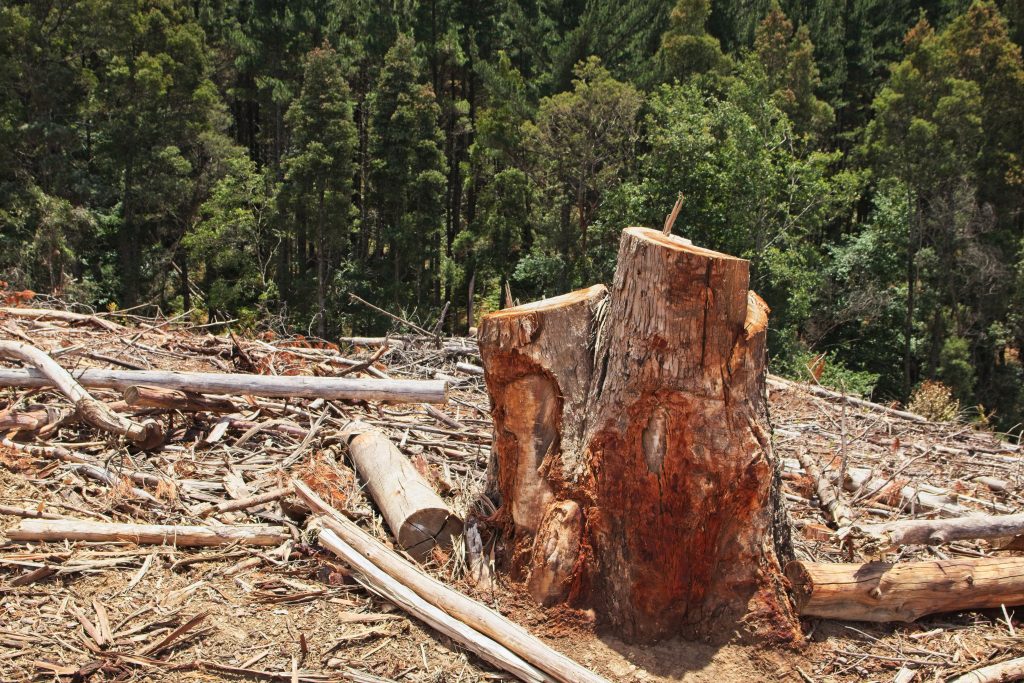
What Do Tree Removal Companies Do With the Wood

Imagine you’re standing in a forest, surrounded by towering trees. Have you ever wondered what happens to those trees when they need to be removed? Well, tree removal companies have a crucial role in responsibly handling the wood. They don’t just discard it; they have a deeper purpose. In this article, we will explore what tree removal companies do with the wood and how they contribute to the cycle of sustainability. Get ready to delve into the fascinating world of wood recycling and discover the many possibilities that lie within.

Key Takeaways

Introduction to Wood Recycling

You may be wondering, what do tree removal companies do with the wood they collect? Well, when it comes to wood recycling, there are several innovative uses for the wood waste that is generated during tree removal. Here are three examples that highlight the benefits of wood recycling and the creative ways in which the wood can be repurposed:

  1. Mulch: One common use of wood waste is to convert it into mulch. The wood is chipped and shredded, creating a natural and organic material that can be used to improve soil health, retain moisture, and suppress weed growth in gardens and landscapes.
  2. Biomass Energy: Another option for wood waste is to utilize it as biomass energy. The wood is converted into wood pellets or chips, which can be burned as a renewable source of energy. This sustainable alternative to fossil fuels helps reduce greenhouse gas emissions and dependence on non-renewable resources.
  3. Woodworking and Construction: Wood waste can also be transformed into usable lumber for various woodworking and construction projects. By processing and treating the wood, it can be repurposed into furniture, flooring, decking, and even structural components for buildings.

These examples demonstrate the versatility and value of wood recycling. By finding innovative uses for wood waste, tree removal companies contribute to sustainable practices and the conservation of resources. Now, let’s delve into the fascinating history of wood recycling.

History of Wood Recycling

The history of wood recycling dates back several centuries, with people finding creative ways to repurpose and reuse this valuable resource. Throughout time, humans have recognized the importance of wood as a versatile material and have developed various techniques to recycle and reuse it. From using old timber to build new structures to transforming wood waste into fuel, wood recycling has always been a practice rooted in ingenuity and sustainability.

Innovations in wood recycling have continued to evolve over the years. Today, advanced technologies and techniques enable us to make the most of every piece of wood, minimizing waste and maximizing its potential. Wood recycling facilities now employ state-of-the-art machinery to process and transform discarded wood into a range of products, including mulch, particleboard, and biomass fuel.

Looking towards the future, the possibilities for wood recycling are endless. As we strive for a more sustainable and eco-friendly society, the demand for recycled wood products will only continue to grow. Researchers and experts in the field are constantly exploring new ways to further improve wood recycling processes, such as developing more efficient methods for removing contaminants and finding innovative uses for recycled wood.

In the next section, we will provide you with some helpful tips on how to properly recycle and repurpose wood, ensuring that it remains a valuable resource for generations to come.

Tips

When it comes to wood recycling options, there are several routes you can take. You could consider utilizing the wood for creative repurposing ideas, such as furniture or art installations. However, it’s important to also take into account the environmental impact considerations, as different types of wood have varying levels of sustainability and carbon footprint.

Wood Recycling Options

One option for recycling wood is to repurpose it into furniture or other useful items. When it comes to tree removal, the wood can be salvaged and transformed into beautiful and functional pieces. Different types of wood have unique characteristics and uses. For instance, hardwoods like oak and maple are often favored for furniture making due to their durability and aesthetic appeal. Softwoods such as pine and cedar are commonly used for outdoor projects like decking or fencing. Another option for recycling wood is wood chip mulching. Wood chips can be used as a natural mulch to help retain moisture, suppress weeds, and improve soil health. Additionally, wood can be used for biomass energy production, where it is burned to generate heat or electricity. This sustainable practice helps reduce reliance on fossil fuels. Now, let’s explore some creative repurposing ideas for wood.

Creative Repurposing Ideas

Let’s take a look at some creative ways to repurpose wood. As an arborist or forestry specialist, you understand the value of utilizing wood in innovative ways. Different types of wood have unique characteristics that make them suitable for various upcycling projects. For example, hardwoods like oak and maple can be transformed into beautiful furniture pieces or decorative items. Softwoods such as pine and cedar are commonly used in outdoor projects like garden benches or birdhouses. Wood from fruit trees like cherry or walnut can be salvaged and turned into cutting boards or bowls. By repurposing wood, we can extend its lifespan and reduce waste. This not only benefits the environment but also encourages sustainable practices in the woodworking industry. Now, let’s explore the environmental impact considerations when it comes to wood utilization.

Environmental Impact Considerations

The environmental impact of repurposing wood can be significant, as it helps reduce waste and promotes sustainable practices in the woodworking industry. As an arborist or forestry specialist, you possess a deep understanding of tree biology, species identification, and forestry practices. With this knowledge, you can provide detailed information about the various uses and characteristics of different types of wood. By utilizing technical terms and concepts related to tree care, tree removal, and wood utilization, you can explain complex processes and techniques in a clear and concise manner, catering to an audience familiar with arboriculture or forestry. With your objective and scientific mindset, you present facts and evidence-based information, rather than personal opinions. This approach ensures unbiased and accurate insights into tree removal and wood utilization, contributing to carbon footprint reduction and effective waste management. Understanding the traits of wood recycling further enhances your understanding of sustainable practices.

Traits of Wood Recycling

Wood recycling involves breaking down used wood products into smaller pieces, which can then be repurposed for various applications. As an arborist or forestry specialist, you understand the importance of sustainable wood repurposing and the benefits it brings to the environment. By recycling wood, you are not only reducing the amount of waste sent to landfills but also conserving natural resources and reducing the demand for new timber.

Different types of wood have various characteristics and uses. For example, hardwoods like oak and maple are often used for furniture and flooring due to their durability and aesthetic appeal. Softwoods, such as pine and cedar, are commonly used for construction and outdoor projects because of their strength and resistance to decay.

When it comes to wood recycling, there are several steps involved in the process. These steps include collection and sorting of wood waste, removal of contaminants such as nails and screws, and shredding or grinding the wood into smaller pieces. These smaller wood pieces, known as wood chips or mulch, can then be used in landscaping, biomass energy production, or as raw material for manufacturing wood-based products.

Steps in Wood Recycling

One important step in wood recycling is the removal of contaminants such as nails and screws. This ensures that the recycled wood can be safely processed and used in various applications. To understand the process of wood recycling, it is crucial to know the techniques involved and the benefits it offers.

Here are three key aspects of wood recycling:

Wood recycling techniques offer several benefits, both environmental and economic. By recycling wood, we reduce the demand for new timber and minimize the amount of waste going to landfills. Additionally, recycled wood can be used in sustainable construction, contributing to a more eco-friendly approach.

Transition: Now that you understand the steps involved in wood recycling, let’s explore the goals and benefits of this process in more detail.

Goals

Sorting and grinding are essential steps in the wood recycling process. Wood recycling goals include sustainable wood repurposing, reducing waste, and promoting environmental conservation. By recycling wood, we can minimize the need for new timber extraction and decrease the strain on our forests. This not only helps to preserve natural resources but also reduces greenhouse gas emissions associated with the production of new wood products.

To understand the significance of wood recycling, let’s take a look at the table below, showcasing the environmental benefits of sustainable wood repurposing:

Environmental Benefits Description
Conservation of Resources Recycling wood reduces the demand for new timber, conserving valuable natural resources.
Energy Saving Repurposing wood saves energy compared to manufacturing new wood products from scratch.
Waste Diversion Recycling wood diverts it from landfills, reducing methane emissions and promoting waste management.
Carbon Footprint Reduction By recycling wood, we reduce the need for logging, which helps to limit deforestation and minimize carbon emissions.

Sustainable Habits

To promote sustainable habits, you can start by incorporating wood recycling into your daily routine. As an arborist or forestry specialist, you possess a deep understanding of tree biology, species identification, and forestry practices. You are well-versed in the various uses and characteristics of different types of wood. By utilizing this knowledge, you can actively contribute to sustainable practices and community involvement.

Wood recycling is an essential aspect of sustainable forestry. When trees are removed, whether due to disease, storm damage, or development, the wood can be repurposed rather than discarded. This not only reduces waste but also minimizes the need for harvesting new trees. By recycling wood, you help conserve natural resources and reduce carbon emissions associated with tree removal and wood utilization.

There are various ways to incorporate wood recycling into your daily routine. You can start by repurposing fallen branches or logs into firewood or mulch for your garden. Additionally, you can donate wood to local community organizations or woodworking enthusiasts who can make use of it for various projects. Some communities even have wood recycling centers where you can drop off larger pieces of wood for repurposing.

A Real-Life Story

In this real-life story, a local community came together to repurpose fallen branches and logs into beautiful furniture pieces, showcasing the positive impact of wood recycling. As an arborist, you understand the importance of sustainable practices when it comes to tree removal and wood utilization. This real-life example illustrates the success that can be achieved when communities prioritize recycling and repurposing wood.

In this particular case, the fallen branches and logs were carefully collected and transported to a local woodworking shop. There, skilled craftsmen identified the different types of wood and assessed their quality and characteristics. They recognized the potential of these discarded materials and saw an opportunity to create something beautiful and functional.

Working with precision and expertise, the craftsmen transformed the branches and logs into stunning furniture pieces. They carefully selected the appropriate type of wood for each specific item, taking into consideration factors such as durability, grain patterns, and color. Through their skillful work, they were able to bring out the natural beauty of the wood, creating unique and sustainable furniture pieces.

This real-life success story demonstrates the transformative power of wood recycling. By repurposing fallen branches and logs, the community not only reduced waste but also created something valuable and long-lasting. It serves as a reminder that with a little creativity and craftsmanship, discarded materials can be given a second life, resulting in beautiful and sustainable creations.

With this inspiring example in mind, let’s delve into the quotes that highlight the importance of wood recycling and the potential it holds for sustainable practices.

Quotes

Let’s explore some quotes that emphasize the significance of wood recycling and the potential it offers for sustainable practices. As an arborist or forestry specialist, you understand the importance of utilizing wood in an environmentally friendly manner. Wood recycling benefits both the environment and the economy by reducing waste and promoting renewable resources.

One quote that resonates with the benefits of wood recycling comes from Michael Brune, the Executive Director of the Sierra Club. He states, “Recycling is not only a noble environmental practice, it is also an economic necessity.” This highlights the dual advantages of wood recycling, as it not only reduces the strain on our forests but also contributes to a thriving green economy.

Another quote from David Suzuki, a renowned environmentalist, states, “Wood is the most sustainable, renewable and beautiful material we have.” This quote emphasizes the inherent qualities of wood that make it an ideal material for recycling. Wood can be repurposed for various uses, such as furniture, construction materials, and even biofuel, making it a versatile resource.

In terms of wood recycling processes, it is crucial to understand that different types of wood have varying characteristics and uses. Softwood, such as pine or fir, is often used in construction due to its strength and affordability. Hardwood, such as oak or maple, is prized for its durability and aesthetic appeal, making it suitable for furniture and flooring.

Transitioning into the subsequent section about ‘secrets,’ it is important to note that successful wood recycling requires a combination of knowledge, techniques, and innovation. By delving into the secrets of wood recycling, we can unlock even more potential for sustainable practices and resource conservation.

Secrets

After gathering some insightful quotes about the practices of tree removal companies, let’s now dive into the secrets behind what they do with the wood. Arborists and forestry specialists are aware of the importance of sustainable practices when it comes to tree removal and wood utilization.

One secret lies in the fact that not all wood from tree removal goes to waste. In many cases, the wood is salvaged and repurposed for various uses. Different types of wood have unique characteristics that make them suitable for specific applications. For example, hardwoods like oak and maple are often used for furniture and flooring due to their durability and aesthetic appeal.

Another secret is that tree removal companies often have partnerships with local sawmills and woodworkers. This allows them to ensure that the wood is properly processed and utilized. By working together, they can maximize the value of the wood and minimize waste.

These sustainable practices are crucial for preserving our natural resources and reducing environmental impact. By repurposing the wood from tree removals, we can extend its lifespan and reduce the need for harvesting new trees.

With these secrets in mind, let’s now explore some insights on wood recycling and how it contributes to a more sustainable future.

Insights on Wood Recycling

You might be surprised to learn that wood recycling plays a significant role in creating a more sustainable future. As an arborist or forestry specialist, I can provide you with detailed information about the various uses and characteristics of different types of wood. Wood recycling involves the innovative repurposing of wood waste, ensuring that it doesn’t end up in landfills and can instead be turned into valuable products.

One of the benefits of wood recycling is the conservation of natural resources. By reusing wood, we reduce the need for harvesting new trees, preserving our forests and the biodiversity they support. Additionally, recycling wood helps mitigate climate change. When wood decomposes in landfills, it releases methane, a potent greenhouse gas. By diverting wood waste from landfills and recycling it, we can significantly reduce methane emissions.

Wood recycling also has economic benefits. Repurposed wood can be used in a wide range of applications, such as construction, furniture, and even bioenergy production. This creates job opportunities and stimulates local economies. Furthermore, recycling wood reduces the costs associated with waste disposal, saving both individuals and businesses money.

In the next section, we will explore the numerous benefits of wood recycling in more detail.

Benefits of Wood Recycling

When it comes to the benefits of wood recycling, it’s important to consider the positive impact it has on both the environment and the economy. As an arborist or forestry specialist, you understand the intricate details of tree biology, species identification, and forestry practices. With this knowledge, you can explain the various uses and characteristics of different types of wood, including the innovative uses for recycled wood.

Wood recycling offers several benefits. Firstly, it helps to reduce the amount of wood waste that ends up in landfills, minimizing the environmental impact. By recycling wood, you can provide a sustainable solution that conserves natural resources and reduces greenhouse gas emissions. Secondly, the recycling process itself creates job opportunities and stimulates the economy. Companies specializing in wood recycling contribute to the local economy by creating employment and generating revenue.

Recycled wood can be used for a variety of purposes. It can be transformed into mulch for landscaping, animal bedding, or even used in the production of composite materials. Additionally, recycled wood can be repurposed for construction, furniture, and other woodworking projects. By utilizing recycled wood, we can reduce the demand for new timber, which in turn reduces deforestation and helps to preserve our forests.

In the subsequent section, we will delve into the lessons we can learn from wood recycling and how they can guide us towards more sustainable practices.

Lessons

When it comes to sustainable wood repurposing, it is important to consider the environmental impact and utilize creative recycling methods. As an arborist or forestry specialist, you understand the significance of responsibly utilizing wood resources. By repurposing wood, you can not only minimize waste but also contribute to a more sustainable and eco-friendly approach to tree removal and wood utilization.

Sustainable Wood Repurposing

If you’re wondering what tree removal companies do with the wood, they often repurpose it in sustainable ways. Arborists and forestry specialists have a deep understanding of tree biology, species identification, and forestry practices, allowing them to provide detailed information about the various uses and characteristics of different types of wood. When it comes to sustainable construction, the repurposing of wood plays a crucial role. Tree removal companies often partner with carpenters, furniture makers, and construction companies to turn the removed wood into valuable products. This not only reduces waste but also promotes a circular economy by giving new life to the wood. Some innovative uses for repurposed wood include reclaimed flooring, furniture, and decorative items. By utilizing the wood in these ways, tree removal companies contribute to the reduction of deforestation and promote the conservation of resources. Transitioning to the next section, it’s important to consider the environmental impact of tree removal and wood utilization.

Environmental Impact Considerations

Partnering with professionals in the construction industry allows for the repurposing of wood in sustainable ways, reducing waste and promoting a circular economy. When considering the environmental impact of tree removal, it is important to take into account the carbon footprint reduction that can be achieved through alternative uses of the wood. By utilizing the expertise of arborists and forestry specialists, you can ensure that the wood is properly identified and assessed for its potential uses. Different types of wood have varying characteristics and can be used in a multitude of ways, such as construction materials, furniture, or even biomass for energy production. Understanding the technical aspects of tree care and wood utilization is crucial in making informed decisions that not only minimize waste but also maximize the value and lifespan of the wood. By repurposing wood, we can contribute to a more sustainable future and reduce our impact on the environment. Transitioning to the topic of creative wood recycling, let’s explore even more innovative ways to give new life to this valuable resource.

Creative Wood Recycling

When it comes to tree removal, it’s crucial to consider the environmental impact and find sustainable solutions for the wood. However, there are also some innovative ways to recycle and upcycle the wood from removed trees. Wood recycling innovations have emerged in recent years, allowing tree removal companies to minimize waste and maximize the potential of the wood. One popular trend is artistic wood upcycling, where skilled craftsmen transform tree trunks and branches into beautiful and functional pieces of furniture or artwork. This not only gives the wood a new lease on life but also adds value to it. By exploring these creative options, tree removal companies can contribute to a more sustainable and environmentally friendly approach to tree removal and wood utilization. Speaking of sustainable practices, let’s now delve into the routines {yt} that tree removal companies follow to ensure efficient and safe operations.

Routines

Tree removal companies typically chip the wood into mulch or firewood for sale or reuse. These routines are part of sustainable practices that help in minimizing waste and maximizing the use of the wood. After a tree is removed, the logs and branches are processed using specialized equipment to produce wood chips. These wood chips have various applications. They can be used as mulch, which helps retain moisture in the soil, suppress weed growth, and enhance the aesthetics of gardens and landscapes. Wood chips can also be transformed into firewood, providing a renewable source of heat during colder months.

The choice of wood chips or firewood depends on factors like the species of the tree and its size. Arborists and forestry specialists have a deep understanding of tree biology and species identification, allowing them to determine the most suitable use for the wood. They consider the characteristics of different types of wood, such as density, moisture content, and burnability, to ensure optimal utilization. These professionals follow technical guidelines and use their expertise to provide accurate insights into tree removal and wood utilization.

Moving on to the pros and cons of these practices…

Pros and Cons

After a tree has been removed, it’s important to consider the most appropriate wood disposal methods. There are several options available, each with its own set of pros and cons. As an arborist or forestry specialist, you understand the economic implications of these choices and can provide valuable insights.

One common method of wood disposal is chipping. The branches and smaller pieces of the tree can be processed into wood chips, which have a variety of uses. They can be used as mulch in gardens and landscaping, or as fuel for biomass power plants. Chipping is a cost-effective and environmentally friendly option, as it reduces waste and promotes sustainability.

Another option is to sell the wood. If the tree is of high quality and suitable for lumber, it can be cut into logs and sold to sawmills or woodworkers. This can generate income and contribute to the local economy. However, selling the wood requires additional labor and transportation costs.

Alternatively, the wood can be used for firewood. This is a popular choice, especially in areas with colder climates. Firewood can be sold or used for personal heating purposes. However, it may not be a viable option if there is a surplus of firewood in the area.

Dos and Dont’s

It’s important to be aware of the dos and don’ts when it comes to hiring a professional for tree removal. To help you navigate this process, here are some key guidelines to keep in mind:

| Do’s | Don’ts |

|——-|———-|

| Do research and choose a reputable tree removal company. | Don’t hire an unlicensed or uninsured contractor. |

| Do ask for references and check online reviews. | Don’t rely solely on price as the deciding factor. |

| Do ask about their equipment and safety procedures. | Don’t overlook the importance of proper permits and documentation. |

| Do get a written estimate and contract. | Don’t make a decision without understanding the wood disposal plan. |

Now that you have a better understanding of the dos and don’ts, let’s delve into the mistakes to avoid when hiring a tree removal professional. By being aware of these pitfalls, you can ensure a smooth and successful tree removal process.

Mistakes to Avoid

One mistake to avoid when hiring a professional for tree removal is not checking for proper permits and documentation. It may seem like a minor detail, but it can have significant consequences. Hiring a tree removal company without the necessary permits and documentation can lead to legal issues and fines. It is essential to ensure that the company you hire has the proper permits and is following all local regulations and guidelines. This will not only protect you from potential legal troubles but also ensure that the tree removal is carried out safely and responsibly.

Another common misconception to avoid is assuming that all tree removal companies will automatically take care of the wood. While some companies may offer wood utilization services, it is not always a standard practice. It is important to discuss this aspect with the tree removal company upfront and clarify whether they will be removing and disposing of the wood or if there are additional charges or arrangements for wood utilization.

Key Takeaways

Let’s recap the key takeaways from this topic. As an arborist or forestry specialist, you have a deep understanding of tree biology, species identification, and forestry practices. You know that when it comes to tree removal, the fate of the wood doesn’t have to be a waste. There are wood recycling methods and sustainable wood repurposing techniques that can be employed to give the wood a second life.

When it comes to wood recycling methods, there are several options available. One common method is chipping the wood into mulch, which can then be used for landscaping or as a soil amendment. Another method is to convert the wood into biomass, which can be used as a renewable source of energy. Additionally, the wood can be salvaged and repurposed for furniture, flooring, or other construction materials.

By utilizing these wood recycling methods, we can reduce waste and maximize the value of the wood. This not only benefits the environment but also contributes to a more sustainable and responsible approach to tree removal.

Now, let’s move on to the specific action steps for wood recycling and sustainable wood repurposing.

Specific Action Steps for Wood Recycling

When it comes to wood recycling, there are several specific action steps that can be taken to make the most of the resources at hand. Wood chip mulching is a popular option, which involves using wood chips as a protective layer on soil to retain moisture and suppress weed growth. Biomass energy production is another avenue to explore, utilizing wood waste to generate renewable energy. Additionally, the wood from tree removals can be repurposed for furniture and crafts, showcasing the beauty and versatility of different wood species.

Wood Chip Mulching

You can use wood chip mulching as a way to repurpose the wood left over from tree removal. Wood chip mulching is a technique that involves spreading a layer of wood chips around plants or trees to provide various benefits. It helps to suppress weed growth and conserve moisture in the soil, reducing the need for irrigation. Additionally, wood chip mulch slowly decomposes over time, enriching the soil with organic matter and nutrients. It also acts as insulation, protecting plants from extreme temperatures. In addition to its use in gardening, wood chips can be utilized in playgrounds as a safe and natural surface material. By repurposing the wood chips from tree removal, you can contribute to sustainable and eco-friendly practices. Transitioning into the next section on biomass energy production, it is important to note that wood chips can also be used as a renewable source of energy.

Biomass Energy Production

After wood chip mulching, another important way that tree removal companies utilize the wood waste is through biomass power generation. Biomass power plants generate electricity by burning organic materials like wood chips, sawdust, and other wood waste products. This process releases heat, which is then used to create steam that drives turbines to produce electricity. Wood waste utilization for biomass power generation is an environmentally friendly alternative to fossil fuels, as it reduces greenhouse gas emissions and promotes the use of renewable energy sources. Additionally, this method helps to minimize waste by turning tree debris into a valuable energy resource. By harnessing the energy potential of wood waste, tree removal companies contribute to sustainable and efficient energy production. Now, let’s delve into the fascinating world of wood utilization in furniture and crafts.

Furniture and Crafts

Crafters and furniture makers often repurpose wood waste from tree removal projects to create beautiful and unique pieces. As an arborist or forestry specialist, you have a deep understanding of tree biology, species identification, and forestry practices. You are knowledgeable about the various uses and characteristics of different types of wood. When it comes to furniture restoration and woodworking projects, you can provide detailed information on how to select the right wood for the job. From oak to maple to cherry, each type of wood has its own distinct properties and aesthetics. You understand the importance of properly drying and treating the wood to prevent warping and decay. With your technical expertise, you can explain complex processes and techniques in a clear and concise manner, catering to an audience with a background in arboriculture or forestry. Your objective and scientific mindset allow you to present unbiased and accurate insights into the topic of tree removal and wood utilization. So, when it comes to repurposing wood waste, you can guide crafters and furniture makers in creating stunning pieces that showcase the natural beauty of the wood.

Frequently Asked Questions

Tree removal companies may have legal requirements and permits for recycling wood. These regulations ensure environmentally responsible practices. Recycling wood can have a positive impact by reducing waste and promoting sustainability in the forestry industry.

How Do Tree Removal Companies Determine Which Wood Can Be Recycled and Which Cannot?

Determining recyclable wood is based on factors such as species, condition, and size. Tree removal companies assess these characteristics to determine if wood can be recycled. They prioritize transparency in the recycling process to ensure sustainable wood utilization.

Are There Any Health or Safety Hazards Associated With Wood Recycling That Customers Should Be Aware Of?

When it comes to wood recycling, there are some health risks and environmental impacts to be aware of. Wood dust can cause respiratory issues, and the chemicals used in treating certain types of wood can be harmful if not handled properly.

What Happens to the Wood That Cannot Be Recycled by Tree Removal Companies?

After tree removal, companies use various wood disposal methods. Some wood can’t be recycled due to its condition or species. It may be chipped for mulch, used for firewood, or disposed of in landfills. Environmental impact varies depending on the method used.

Can Tree Removal Companies Provide Customers With Documentation or Proof of the Wood Recycling Process for Transparency Purposes?

Yes, tree removal companies can provide customers with documentation or proof of the wood recycling process for transparency. This helps customers see the benefits of wood recycling for the environment and understand the responsible practices used.

If you need a tree service in Utah, you can call:
Truco Services, Inc.
4640 Commerce Drive
Murray, Utah 84107
(801) 466-8044
https://truetreeservices.com/

How to Know if Tree Removal Service Is Licensed in Bountiful Utah?

How to Know if Tree Removal Service Is Licensed in Bountiful Utah?

Are you concerned about the safety and legality of tree removal services in Bountiful, Utah? Before entrusting your property to just anyone with a chainsaw, it’s crucial to know if they are licensed. In this article, we will guide you through the process of verifying the licensing of tree removal services. By following our expert tips and action steps, you can ensure that the service you choose is not only skilled but also compliant with local regulations. Don’t take any risks when it comes to your trees – let us show you how to make a confident and informed decision.

Key Takeaways

Introduction: Licensing Requirements for Tree Removal Services

Before hiring a tree removal service in Bountiful, Utah, it’s important to understand the licensing requirements. By adhering to these regulations, you can ensure that you are hiring a professional who is qualified and capable of safely removing trees from your property. Here are the benefits of hiring licensed professionals:

  1. Expertise: Licensed tree removal service providers have undergone training and have the necessary knowledge and skills to handle tree removals efficiently and effectively. They are well-versed in the techniques and equipment required to safely remove trees without causing damage to surrounding structures or the environment.
  2. Insurance coverage: Licensed professionals carry liability insurance, which protects you from any potential damages or injuries that may occur during the tree removal process. This provides you with peace of mind knowing that you are protected in case of any unforeseen incidents.
  3. Compliance with regulations: Licensed tree removal services comply with all local regulations and ordinances regarding tree removal. They are aware of any permits that may be required and will ensure that all necessary paperwork is completed correctly, saving you time and potential legal issues.
  4. Professionalism: Licensed professionals follow a code of ethics and are committed to providing high-quality service. They prioritize customer satisfaction and will go above and beyond to ensure that the tree removal process is carried out smoothly and efficiently.

Tree Removal Service History

To find out about the history of tree removal services in Bountiful, you can check online directories and read customer reviews. Over the years, tree removal service regulations have evolved to ensure the safety and quality of the services provided. In Bountiful, tree removal service qualifications are set in place to protect both the customers and the environment.

In the past, tree removal services were often unregulated, leading to untrained and inexperienced individuals attempting hazardous tree removals. This posed a significant risk to both the workers and the surrounding properties. However, as awareness grew about the potential dangers and environmental impact of improper tree removal, regulations were established to enforce proper qualifications and licensing for tree removal service providers.

Today, tree removal service providers in Bountiful must meet specific qualifications to obtain and maintain their licenses. These qualifications typically include proper training, experience, and adherence to safety standards. By ensuring that only qualified individuals or companies are licensed, Bountiful aims to protect its residents and preserve the beauty of its natural surroundings.

Knowing the history and regulations of tree removal services in Bountiful can help you make an informed decision when hiring a tree removal service. Now, let’s dive into some tips to help you identify if a tree removal service is licensed and reliable.

Tips

In Bountiful, Utah, there are specific licensing requirements for professionals in various fields, including tree removal services. It is crucial to verify the license validity of any service provider before hiring them to ensure they meet the necessary qualifications and regulations. Licensed professionals bring expertise, training, and accountability to their work, making it essential to prioritize their services for the safety and quality of the job.

Licensing Requirements in Bountiful

You should check if the tree removal service in Bountiful, Utah is licensed. Tree removal regulations in Bountiful require that all companies operating in this industry obtain a valid license. The licensing process involves meeting specific criteria set by the local authorities to ensure that the service provider is qualified and capable of performing tree removal safely and efficiently. To obtain a license, companies often need to provide proof of insurance, certifications, and training. They may also need to pass inspections and comply with environmental regulations. Verifying the license validity is crucial to ensure that the company you hire is compliant with local regulations and has the necessary expertise to handle tree removal properly. It’s important to remember that checking the license is just the first step in finding a reputable and trustworthy tree removal service in Bountiful, Utah.

Verifying License Validity

Verifying the license is an essential step in ensuring the tree removal company in Bountiful, Utah meets local regulations and has the necessary qualifications. When it comes to tree removal, it is crucial to hire professionals who are licensed and qualified to perform the task safely and efficiently. To verify the credentials of a tree removal company, you should check if they have a valid license issued by the relevant authority in Bountiful. This license ensures that the company has met the necessary requirements and has undergone the proper training to handle tree removals. By checking the qualifications and verifying the license of the company, you can have peace of mind knowing that you are hiring a reputable and trustworthy professional. Entrusting your tree removal needs to licensed professionals is of utmost importance as it guarantees that the job will be done right and in compliance with the regulations.

Importance of Licensed Professionals

To ensure the safety and quality of your tree removal project, it’s crucial to hire professionals who are licensed and qualified to handle the job. Hiring licensed professionals for your tree removal needs brings numerous benefits. Firstly, licensed professionals have undergone the necessary training and have the expertise to handle tree removal safely and efficiently. They are knowledgeable about the best practices and techniques to ensure that the job is done correctly. Secondly, licensing ensures that the professionals have met certain standards and regulations set by the industry. This means that they are committed to upholding high-quality workmanship and ethical practices. Additionally, licensed professionals are usually insured, providing you with peace of mind in case of any accidents or damages that may occur during the tree removal process. With these benefits in mind, it’s important to understand the traits of licensed tree removal services.

Traits of Licensed Tree Removal Services

Licensed tree removal services in Bountiful, Utah possess certain traits that set them apart. These traits are a result of the tree removal service regulations in place to ensure the safety and quality of the work being done. By hiring licensed professionals, you can enjoy a range of benefits.

Firstly, licensed tree removal services have undergone rigorous training and certification processes. This means that they possess the necessary knowledge and skills to safely and effectively remove trees. They are well-versed in proper tree removal techniques, ensuring that the job is done efficiently without causing damage to surrounding property or endangering anyone’s safety.

In addition to their expertise, licensed professionals also carry liability insurance. This protects you from any potential damages that may occur during the tree removal process. If any accidents or property damage were to happen, the insurance coverage provided by licensed tree removal services will take care of the expenses, providing you with peace of mind.

By choosing licensed tree removal services, you are not only ensuring the safety of the job, but you are also supporting local businesses that are dedicated to providing high-quality services. These professionals take pride in their work and strive to exceed customer expectations.

To verify the licensing of a tree removal service, there are a few steps you can take.

Steps to Verify Tree Removal Service Licensing

When hiring a tree removal service, you can easily check their licensing status by contacting the relevant authorities or checking their website. Ensuring that the tree removal service you choose is properly licensed is crucial for a variety of reasons. To help you navigate the licensing verification process, here are some steps you can take:

Goals

A reputable tree removal service should have clear goals that align with the needs and expectations of their customers. When it comes to tree removal service regulations, hiring professionals is essential to ensure that the job is done safely and efficiently. By hiring a licensed tree removal service, you can benefit from their expertise and experience, as well as the following:

Benefits of Hiring Professionals
Skilled and Trained Staff
Proper Equipment
Safety Measures
Insurance Coverage
Compliance with Regulations

Having clear goals allows a tree removal service to provide high-quality services while adhering to the necessary regulations. Their skilled and trained staff are knowledgeable about the proper techniques and safety measures required for tree removal. Additionally, they have access to the right equipment, ensuring the job is done efficiently and effectively. Hiring professionals also provides peace of mind as they carry insurance coverage, protecting you from any liability in case of accidents or damages. Lastly, licensed tree removal services comply with regulations, ensuring that the work is done in a legal and responsible manner.

Transition: Now that you understand the importance of hiring a licensed tree removal service, let’s explore the habits of reputable professionals in the industry.

Habits of Licensed Tree Removal Services

Reputable tree removal services typically have a set of habits that contribute to their professionalism and efficiency. One of the most important habits is being staffed by licensed professionals. When you hire a licensed tree removal service, you can have peace of mind knowing that the team working on your property is trained and qualified to handle the job. Licensing ensures that the professionals have gone through the necessary training and have the required knowledge and skills to safely remove trees.

There are several benefits of hiring licensed professionals for tree removal. First and foremost, they have a deep understanding of the best practices and techniques for tree removal, ensuring that the job is done correctly and safely. Licensed professionals also carry liability insurance, which protects you in case of any damage or accidents during the removal process. Additionally, working with licensed professionals means that you are supporting a legitimate business that complies with local regulations and is committed to maintaining high standards of quality and safety.

Now that you know the importance of hiring licensed professionals, let’s delve into a real-life story that highlights the significance of licensing in the tree removal industry.

A Real-Life Story

Let me share with you a real-life story that illustrates the importance of licensing in the tree removal industry. One day, a homeowner in Bountiful, Utah decided to have a large tree in their backyard removed. They hired a tree removal service without checking if they were licensed or not. The company seemed professional and had positive customer testimonials, so the homeowner felt confident in their choice.

However, during the tree removal process, a mishap occurred. The tree accidentally fell onto the neighbor’s property, causing damage to their fence and outdoor furniture. The neighbor was understandably upset and demanded compensation for the damages.

Unfortunately, because the tree removal service was not licensed, they did not have the necessary insurance to cover such incidents. The homeowner was left responsible for the costs, which amounted to thousands of dollars. This real-life experience serves as a cautionary tale, emphasizing the importance of hiring a licensed tree removal service.

Now, let’s move on to the next section, where we will explore some quotes from licensed tree removal services in Bountiful, Utah.

Quotes

I’ve gathered some quotes from licensed tree removal services in Bountiful, Utah for you to consider. When it comes to tree removal, hiring professionals offers numerous benefits. Firstly, they have the expertise and experience to safely remove trees without causing damage to your property. They are trained to handle complex situations, such as trees near power lines or structures. Additionally, professional tree removal services have the necessary equipment and tools to efficiently remove trees, saving you time and effort.

Now, let’s address some common misconceptions about tree removal services. One misconception is that anyone can remove a tree without professional help. However, tree removal can be dangerous and requires specialized skills and knowledge. Another misconception is that tree removal is always expensive. While costs can vary depending on factors such as tree size and location, professional services often offer competitive pricing and can provide you with a detailed estimate upfront.

In the next section, we’ll reveal some “secrets” to help you identify whether a tree removal service is licensed in Bountiful, Utah. These tips will empower you to make an informed decision and hire a reputable and licensed professional.

Secrets

Now that you have obtained quotes from different tree removal services in Bountiful, Utah, it’s time to dive into some secrets and gain insights on licensing. Knowing these secrets will help you make an informed decision and hire a licensed and reputable tree removal service.

One of the secrets to uncover is to ask the tree removal service for their license number. A legitimate and licensed company will have no problem providing you with this information. You can then verify the license number with the appropriate licensing authority to ensure its validity.

Another secret is to check if the tree removal service is insured. Accidents can happen during tree removal, and you want to make sure that the company has insurance coverage to protect you and their employees in case of any mishaps.

Furthermore, it is important to inquire about the experience and qualifications of the tree removal service. Ask if they have certified arborists on their team who are knowledgeable about tree care and removal techniques.

Insights on Tree Removal Service Licensing

To gain insights on licensing, you should inquire about the validity of the tree removal service’s license number with the appropriate authority. When it comes to tree removal service regulations, it is crucial to ensure that the company you hire is properly licensed. Licensed professionals have undergone the necessary training and have met the standards set by the licensing authority. By hiring a licensed tree removal service, you can have peace of mind knowing that they possess the knowledge and expertise needed to safely and efficiently remove trees from your property.

A licensed tree removal service is required to adhere to specific guidelines and regulations, which are put in place to protect both the workers and the customers. These regulations cover various aspects such as proper equipment usage, safety protocols, and environmental considerations. Licensed professionals are well-versed in these regulations and will follow them diligently to ensure a safe and responsible tree removal process.

Moreover, hiring a licensed tree removal service provides you with certain benefits. Licensed professionals have the necessary insurance coverage, which protects you from any liability in case of accidents or damages during the tree removal process. Additionally, licensed professionals have the expertise to assess the health and stability of trees, allowing them to make informed decisions on whether a tree needs to be removed or if it can be saved through alternative methods.

Benefits of Hiring a Licensed Tree Removal Service

Hiring a licensed tree removal service offers various benefits, such as insurance coverage and expert assessments of tree health and stability. When it comes to tree removal, it is crucial to prioritize safety and efficiency. By choosing a licensed professional, you can ensure that the job is done right.

One of the key benefits of certification is insurance coverage. Licensed tree removal services are required to have liability insurance, which protects you from any potential damages or accidents that may occur during the removal process. This gives you peace of mind knowing that you are protected financially.

In addition to insurance coverage, licensed professionals also provide expert assessments of tree health and stability. They have the knowledge and experience to identify potential hazards and determine the best course of action. This is especially important when dealing with large or complex tree removals.

Furthermore, hiring a licensed tree removal service ensures that the work is done in compliance with local regulations and industry standards. Licensed professionals are trained to follow proper procedures, ensuring safety for both the workers and the surrounding property.

By choosing a licensed tree removal service, you can take advantage of these benefits and have the peace of mind knowing that your tree removal needs will be handled by skilled and knowledgeable professionals.

In the subsequent section, we will discuss the lessons you can learn from licensed tree removal services and how to apply them to your own tree care practices.

Lessons

When hiring a service in Bountiful, it’s crucial to understand the licensing requirements in order to ensure you are choosing a reputable and qualified professional. Verifying a service’s license is as simple as contacting the appropriate licensing agency or performing an online search. It’s important to prioritize licensed professionals as they have met the necessary qualifications and standards, which ultimately leads to a higher quality of work and greater peace of mind for you as the customer.

Licensing Requirements in Bountiful

You can easily check if a tree removal service in Bountiful, Utah is licensed by contacting the appropriate local authorities. The licensing process for tree removal services is regulated by the regulatory authorities in Bountiful. These authorities ensure that companies meet certain criteria and standards before granting them a license. They evaluate factors such as the company’s experience, qualifications, and adherence to safety regulations. By contacting the local authorities, you can inquire about the validity of a tree removal service’s license. They will be able to provide you with information regarding the status of the company’s license and whether or not they are authorized to operate in Bountiful. Verifying a service’s license is crucial to ensure that you are hiring a reputable and qualified service provider for your tree removal needs.

Verifying a Service’s License

To verify a service’s license, it’s important to contact the appropriate authorities in Bountiful, Utah. When it comes to tree removal, it’s crucial to ensure that the company you hire has the necessary credentials and qualifications. Begin by researching the licensing requirements set by the city of Bountiful. Once you have a clear understanding of what is required, reach out to the appropriate department or agency to verify if the tree removal service you are considering is properly licensed. Provide them with the necessary information such as the company’s name and contact details. By checking their credentials, you can have peace of mind knowing that you are hiring a licensed professional who has met the necessary requirements to perform tree removal services safely and efficiently. Ensuring that you hire licensed professionals is essential to guarantee the quality of work and protect yourself from any potential liabilities.

Importance of Licensed Professionals

Hiring a licensed professional ensures that the work will be done safely and efficiently, giving you peace of mind. When it comes to tree removal services, the importance of qualifications cannot be overstated. Licensed professionals have undergone the necessary training and have the expertise to handle the job effectively. They are aware of the legal obligations and safety protocols that need to be followed throughout the process. By hiring someone who is licensed, you can be confident that the work will be done in compliance with all regulations and standards. Additionally, licensed professionals have the appropriate equipment and tools to carry out the task efficiently, saving you time and effort. With their expertise and knowledge, you can trust that your tree removal needs will be met with utmost professionalism. Transitioning into the subsequent section about ‘routines {yt}’, it is important to understand the necessary steps involved in maintaining the health and appearance of your trees.

Routines

A licensed tree removal service in Bountiful, Utah must follow specific routines to ensure safe and efficient operations. These routines are based on best practices that have been developed over years of experience in the industry. One of the first steps in the routine is to conduct a thorough assessment of the tree that needs to be removed. This assessment involves evaluating the size, condition, and location of the tree, as well as identifying any potential hazards or obstacles that may be present. Once the assessment is complete, the tree removal service will develop a plan for removing the tree. This plan will outline the steps that will be taken to safely and efficiently remove the tree without causing damage to surrounding structures or vegetation. During the actual tree removal process, the service will follow strict safety protocols, including the use of proper equipment and techniques. After the tree has been removed, the service will also take care of the clean-up and disposal of the debris. By following these routines and best practices, a licensed tree removal service can ensure that the job is done properly and safely.

Transition: While there are many benefits to hiring a licensed tree removal service, it is also important to consider the potential drawbacks or cons.

Pros and Cons

While there are many pros to consider, it is also important to think about the potential cons of hiring a licensed tree removal service. One of the major pros is that licensed tree removal services have the expertise and experience to safely and efficiently remove trees. They are knowledgeable about the different types of trees and can assess the risks involved in the removal process. Additionally, licensed tree removal services have the necessary equipment and tools to get the job done properly. They can handle large or difficult trees that may pose a danger to your property or surrounding areas.

However, there are also a few cons to hiring a licensed tree removal service. One potential con is the cost. Licensed services may charge higher rates compared to unlicensed individuals or companies. This is because they have invested in proper training, equipment, and insurance to provide a professional service. Another con is the limited availability. Licensed tree removal services are often in high demand, especially during peak seasons. This means you may have to wait for an appointment or schedule your tree removal well in advance.

Dos and Dont’s

To ensure a smooth experience, it’s important to follow these dos and don’ts when hiring a licensed tree removal service. By being aware of these guidelines, you can avoid common mistakes and ensure that you are working with a reputable and qualified company. Take a look at the table below to see a breakdown of the dos and don’ts when hiring a tree removal service.

Dos Don’ts
Research and ask for recommendations from friends and neighbors Hire a company without checking their license and insurance
Get multiple quotes and compare prices Choose the cheapest option without considering the quality of service
Check for proper equipment and safety measures Overlook the importance of safety protocols
Read online reviews and testimonials Ignore customer feedback and reviews
Ask for a written contract with details of the job and cost Rely solely on verbal agreements

Mistakes to Avoid

Mistakes can be easily avoided by thoroughly researching and checking the credentials of any tree removal company you are considering hiring. It is important to be aware of the common mistakes people make when choosing a tree removal service. One of the warning signs to look out for is a company that offers significantly lower prices than others in the area. While it may be tempting to choose the cheapest option, it could indicate that the company lacks proper licensing and insurance. Another mistake to avoid is not asking for references or reading online reviews. By neglecting to do so, you may miss crucial information about the company’s reputation and quality of work. Additionally, not verifying the company’s licensing and insurance can lead to potential liabilities if an accident occurs during the tree removal process. It is vital to ensure that the company you hire is fully licensed and insured to protect yourself and your property.

Key Takeaways

Remember, researching and checking credentials are essential steps to finding a reputable tree removal company. When it comes to tree removal services, there are some key takeaways to keep in mind. One of the most important factors is the benefit of licensing. Hiring a licensed tree removal service provides you with peace of mind and ensures that the company meets certain standards and regulations. A licensed company has undergone the necessary training and possesses the required knowledge and skills to safely and effectively remove trees. It also indicates that the company has the appropriate insurance coverage, which protects you from any liability in case of accidents or damages. Additionally, a licensed tree removal service is more likely to have a good reputation within the industry, as they have proven their commitment to professionalism and customer satisfaction. By choosing a licensed company, you are making a smart decision that guarantees quality work and protects your interests. Now, let’s dive into the specific action steps to verify tree removal service licensing.

Specific Action Steps to Verify Tree Removal Service Licensing

In Bountiful, Utah, there are specific licensing requirements for tree removal services. To ensure that you are hiring a legitimate and qualified company, it is crucial to verify their tree removal license. Licensed services not only guarantee the expertise and professionalism of the workers but also provide you with the assurance that the job will be done safely and efficiently.

Licensing Requirements in Bountiful?

To find out if a tree removal service is licensed in Bountiful, Utah, you can simply ask for their license number. The licensing process in Bountiful ensures that tree removal services meet certain standards and regulations to protect both the customers and the environment. It involves a thorough review of the company’s qualifications, equipment, and safety measures. Hiring an unlicensed service can have serious consequences. They may not have the necessary skills or knowledge to safely remove trees, leading to property damage or personal injuries. Additionally, unlicensed services may not follow proper disposal procedures, resulting in environmental harm. It is important to verify tree removal licenses to ensure that you are hiring a reputable and qualified service that will take care of your tree removal needs.

Verifying Tree Removal Licenses

Make sure you ask for their license number to verify that the tree removal service you are considering is reputable and qualified. Verifying credentials and checking qualifications is crucial when hiring a tree removal service in Bountiful, Utah. By asking for their license number, you can confirm that they have met the necessary requirements and have the expertise to safely remove trees. A reputable tree removal service will be more than willing to provide you with their license number for verification. It is important to note that a licensed service not only ensures that the company is legitimate but also guarantees that they have the necessary knowledge and skills to handle tree removal safely. Therefore, always make sure to ask for their license number before proceeding with any tree removal project.

Importance of Licensed Services

When hiring a tree removal company, it’s essential to ask for their license number to ensure they are reputable and qualified. Working with licensed professionals brings numerous benefits that can guarantee a safe and efficient tree removal process. Firstly, licensing ensures that the company has met the necessary requirements and regulations set by the local authorities. This means they have the proper training and knowledge to handle any tree removal job. Additionally, licensed professionals are more likely to have insurance coverage, providing you with peace of mind in case of any accidents or damages during the process. Licensing also promotes professionalism and accountability, as licensed companies are bound by a code of ethics and are subject to inspections and disciplinary actions. So, before hiring a tree removal service, always prioritize choosing licensed professionals for a job well done.

Frequently Asked Questions

What Are the Consequences of Hiring an Unlicensed Tree Removal Service?

Hiring an unlicensed tree removal service can come with serious consequences. There are risks involved such as poor workmanship, potential damage to property, and liability for any accidents or injuries that may occur.

How Can I Verify if a Tree Removal Service Is Licensed in Bountiful, Utah?

To verify if a tree removal service in Bountiful, Utah is licensed, check their website for licensing information or contact the city’s licensing department. It’s crucial to ensure they’re licensed to avoid potential consequences and find a reputable service.

Are There Any Specific Qualifications or Certifications That a Licensed Tree Removal Service Should Have?

When hiring a tree removal service, it’s important to ensure they have specific qualifications and necessary certifications. Look for arborists who are certified by reputable organizations like the International Society of Arboriculture (ISA) or the Tree Care Industry Association (TCIA).

Can a Licensed Tree Removal Service Provide Proof of Insurance?

When hiring a tree removal service, it’s crucial that they can provide proof of insurance. Licensing is also important as it ensures they meet specific qualifications and certifications. Stay protected, hire licensed professionals.

Are There Any Local Regulations or Permits Required for Tree Removal in Bountiful, Utah?

To ensure compliance with local tree removal regulations in Bountiful, Utah, it is important to determine if permits are required. Contact the local authorities or check their website for specific guidelines and procedures.

If you need a tree service in Utah, you can call:
Truco Services, Inc.
4640 Commerce Drive
Murray, Utah 84107
(801) 466-8044
https://truetreeservices.com/

How to Stop Tree Rot After Limb Removal?

How to Stop Tree Rot After Limb Removal?

So, you’ve just removed a limb from your tree, and now you’re worried about tree rot creeping in? Don’t fret, my friend! In this article, we’re going to dive into the world of tree rot prevention and give you all the juicy details on how to stop it in its tracks after limb removal. We’ll explore the history of tree rot, share some expert tips, discuss the traits of this pesky problem, and provide you with specific action steps to ensure your tree stays healthy and strong. Get ready to become a tree rot prevention pro!

Key Takeaways

Introduction to Tree Rot Prevention

Tree rot can be prevented by taking certain measures after removing a limb. When it comes to preserving the health and longevity of your trees, it is crucial to be proactive in preventing tree rot. Here are some effective tree rot prevention methods that you can implement:

Tree Rot History

You might want to know about the history of rot in your tree before you take any action. Understanding the origins and progression of tree rot can help you develop an effective prevention and treatment plan. Tree rot is a common problem that can weaken and eventually kill your trees if left untreated. It is caused by various fungi that thrive in moist and decaying wood. These fungi enter the tree through wounds or openings, such as pruning cuts or damaged bark. Once inside, they consume the wood, causing it to decay and become structurally unsound. Over time, the rot can spread from the infected area to other parts of the tree, compromising its stability and health. To prevent tree rot, it is essential to maintain good tree care practices, such as regular pruning, proper watering, and avoiding damage to the trunk and branches. Additionally, treating any existing rot is crucial to stop its progression and save the tree. In the next section, you will find tips on how to prevent and treat tree rot effectively.

Tips

When it comes to maintaining the health and longevity of your trees, there are several key points to keep in mind. Firstly, preventing future decay is crucial in ensuring the overall health of your trees. This can be achieved through proper pruning techniques, which not only promote healthy growth but also help prevent the spread of disease. Additionally, treating damaged wood is essential in preventing further decay and potential hazards in your landscape. By following these tips, you can ensure the continued health and beauty of your trees.

Preventing Future Decay

To prevent future decay, it’s important to regularly inspect and maintain the tree. Tree rot can have detrimental long-term effects on the health and stability of your tree. Luckily, there are effective tree rot prevention methods that you can implement. One important method is to ensure proper drainage around the tree to prevent excess moisture, as waterlogged soil can lead to rot. Additionally, removing dead or decaying branches and pruning the tree regularly will help maintain its overall health and prevent the spread of rot. It’s also crucial to avoid damaging the tree during landscaping activities. By taking these preventative measures, you can minimize the risk of tree rot and ensure the longevity of your tree. Now, let’s explore proper pruning techniques to further care for your tree.

Proper Pruning Techniques

Proper pruning techniques are essential for maintaining the health and structure of your tree. When it comes to tree rot prevention, pruning plays a crucial role. By following the correct methods, you can minimize the risk of rot and ensure the longevity of your tree. Start by removing any dead, diseased, or damaged branches. Make clean cuts close to the branch collar, without leaving stubs. Avoid pruning during periods of active growth and in extreme weather conditions. It is also important to sterilize your pruning tools between cuts to prevent the spread of diseases. By practicing proper pruning techniques, you can promote healthy growth and reduce the likelihood of tree rot. Now, let’s move on to treating damaged wood without further delay.

Treating Damaged Wood

If you notice any damaged wood on your tree, it’s important to address it promptly to prevent further issues. Damaged wood can lead to decay, especially after limb removal. To treat damaged wood and prevent decay, start by removing any loose or jagged edges using a sharp pruning saw or shears. Next, clean the area with a diluted bleach solution to kill any bacteria or fungi that may be present. Once the area is clean, apply a wound dressing or sealant to protect the exposed wood from moisture and pests. Regularly monitor the treated area for signs of decay or further damage, and consult with a professional arborist if necessary. By taking these steps, you can ensure the health and longevity of your tree. Speaking of tree health, let’s now discuss the traits of tree rot.

Traits of Tree Rot

The signs of tree rot include soft or spongy wood and the presence of fungal growth. When it comes to preventing tree rot, there are several methods you can employ. First and foremost, it is important to regularly inspect your trees for any signs of decay. Look out for soft or spongy wood, as this indicates that rot may be present. Additionally, keep an eye out for any fungal growth on the trunk or branches, as this is another telltale sign of tree rot.

To prevent tree rot, it is crucial to maintain the overall health of your trees. This means providing proper irrigation, fertilization, and pruning. Keeping the tree properly pruned helps to reduce the risk of limb breakage, which can lead to rot. Removing dead or diseased branches promptly also helps prevent the spread of decay.

In order to prevent tree rot after limb removal, there are a few key steps you should take. First, make sure to make clean cuts when removing limbs, as jagged or rough cuts can create entry points for rot-causing organisms. Secondly, treat the cut surfaces with a fungicide to inhibit the growth of fungi. Lastly, monitor the tree closely for any signs of decay in the area where the limb was removed, and take immediate action if necessary.

Steps to Prevent Tree Rot After Limb Removal

When it comes to preventing decay and promoting tree health after limb removal, there are several important steps you can take. By implementing these measures, you can ensure that your tree remains strong and resilient. Here are some key strategies to consider:

Goals

One important goal is to promote tree health and prevent decay by following these preventive measures. Taking proper care of your trees after limb removal is crucial to ensure their long-term health and prevent the onset of decay. By implementing these post limb care practices, you can significantly reduce the risk of tree rot and maintain the vitality of your trees.

Preventive Measures Description
Pruning Techniques Utilize proper pruning techniques to remove dead or diseased branches, promoting healthy growth and preventing decay.
Correct Wound Care Treat any wounds or cuts on the tree with wound dressing to prevent entry of pathogens and promote faster healing.
Avoid Overwatering Overwatering can lead to root rot and weaken the tree’s defense against decay. Water your tree sparingly, following recommended watering guidelines.

Following these preventive measures will help prevent decay and ensure the longevity of your trees. By implementing proper pruning techniques, providing correct wound care, and avoiding overwatering, you can significantly reduce the risk of tree rot.

Transition: Developing good habits for preventing tree rot is essential for maintaining the health and vitality of your trees.

Habits for Preventing Tree Rot

To maintain the health and vitality of your trees, it’s important to develop good habits for preventing decay. Proper tree maintenance is crucial in keeping your trees strong and free from rot. One of the most effective ways to prevent decay is by pruning your trees regularly. By removing dead or diseased branches, you can eliminate potential entry points for decay-causing organisms. It’s also essential to ensure that your trees receive adequate water and nutrients. Proper irrigation and fertilization can help strengthen the trees’ immune systems, making them more resistant to decay. Additionally, practicing good tree care techniques such as avoiding excessive pruning and protecting the base of the tree from damage can go a long way in preventing decay. Regular inspections by a certified arborist can help identify early signs of decay and take appropriate action. By implementing these habits, you can significantly reduce the risk of tree decay and maintain the health of your trees for years to come.

Now, let’s dive into a real-life story that showcases the importance of preventing decay in tree maintenance.

A Real-Life Story

Make sure you take the necessary steps to prevent decay in your trees, as neglecting tree maintenance can lead to costly and devastating consequences. Let me share with you a real-life story that highlights the importance of proactive tree care. In a small town, a homeowner had a beautiful oak tree in their backyard. Unfortunately, they failed to properly maintain it, and one day, a large limb fell off during a storm. The homeowner was lucky that no one got hurt, but the damage was significant. Upon inspection, it was discovered that rot had set in, causing the limb to weaken and eventually break. This case study serves as a reminder that regular tree inspections and pruning are critical in preventing decay and potential accidents. It is essential to hire a professional arborist who can assess the health of your trees and recommend necessary actions to prevent future problems. By taking proactive measures, you can avoid costly repairs and ensure the safety of your property and loved ones. Now, let’s delve into some expert quotes on how to address tree rot after limb removal.

Quotes

Now that you have heard a real-life story about the consequences of not properly addressing tree rot after limb removal, it is important to understand the significance of preventing decay and the potential long-term effects it can have on your trees. By taking proactive measures, you can ensure the health and longevity of your trees.

Preventing decay starts with proper pruning techniques. When removing limbs, it is crucial to make clean cuts, avoiding any unnecessary damage to the tree. Additionally, treating the wounds with a tree paint or sealant can provide an extra layer of protection against decay-causing organisms.

Regular inspections are also essential in identifying early signs of decay. Look out for discoloration, cavities, or fungal growth on the trunk or branches. If you notice any of these symptoms, it is crucial to consult an arborist who can assess the extent of the damage and recommend appropriate treatment options.

Remember, the long-term effects of untreated tree rot can be devastating. It can lead to weakened structural integrity, increased risk of falling limbs, and even tree death. By being proactive and taking the necessary steps to prevent decay, you can ensure the health and safety of your trees for years to come.

As we delve into the next section, we will uncover the secrets to effectively preventing and addressing tree rot after limb removal.

Secrets

By following these tips, you’ll be able to effectively prevent and address tree rot after removing limbs. Tree rot prevention techniques are crucial to maintaining the health and longevity of your trees. One of the most common causes of tree rot is improper pruning, which can create entry points for pathogens to enter the tree. To prevent this, make sure to use proper pruning techniques, such as making clean cuts and avoiding cutting too close to the trunk. Another cause of tree rot is excessive moisture, which creates a favorable environment for fungi and decay organisms. To prevent this, ensure proper drainage around the tree and avoid overwatering. Additionally, regularly inspect your trees for signs of decay, such as discolored or soft wood, and promptly address any issues. By taking these preventative measures, you can significantly reduce the risk of tree rot and maintain the health of your trees for years to come.

Transition: Now that you are aware of the common causes of tree rot and the techniques to prevent it, let’s dive deeper into some insights on tree rot prevention.

Insights on Tree Rot Prevention

Using proper pruning techniques and maintaining proper drainage around the tree can significantly reduce the risk of tree rot. Tree rot prevention techniques are essential for the health and longevity of your trees. One of the most common causes of tree rot is improper pruning. When pruning, it is important to make clean cuts at the appropriate angle and location. This helps the tree heal properly and reduces the chances of rot-causing organisms entering the tree. Another common cause of tree rot is poor drainage. Excess water around the base of the tree can lead to root rot, which can then spread to the rest of the tree. To prevent this, ensure that the tree is planted in well-draining soil and avoid overwatering. Additionally, it is important to remove any dead or decaying wood from the tree. Dead wood provides a breeding ground for rot-causing organisms and can spread the infection to the rest of the tree. Regular inspections and prompt removal of dead wood can help prevent tree rot. By implementing these tree rot prevention techniques, you can ensure the health and vitality of your trees for years to come.

Benefits of Preventing Tree Rot

To maintain the health and longevity of your trees, you’ll enjoy a multitude of benefits by implementing effective techniques to prevent tree rot. By adopting good habits for preventing tree rot, you can safeguard your trees against this destructive condition and reap the rewards in return. One of the key benefits of preventing tree rot is the preservation of the tree’s structural integrity. When rot sets in, it weakens the tree from within, making it more susceptible to breakage and collapse. By taking proactive measures to prevent rot, such as regular inspections and prompt removal of dead or decaying branches, you can ensure that your trees remain strong and stable for years to come.

Another benefit of preventing tree rot is the preservation of the tree’s aesthetics. A healthy, vibrant tree adds beauty and value to your property. Tree rot, on the other hand, can lead to unsightly dead branches, mushrooms growing at the base, and even hollow trunk or limbs. By implementing preventive measures, such as proper pruning techniques and maintaining good tree hygiene, you can keep your trees looking their best.

In addition to structural integrity and aesthetics, preventing tree rot also benefits the surrounding ecosystem. Healthy trees provide shade, shelter, and food for various animals, as well as help purify the air and control soil erosion. By preventing tree rot, you are contributing to the overall health and balance of the environment.

Now that you understand the benefits of preventing tree rot, let’s delve into some valuable lessons that will help you effectively combat this condition.

Lessons

When it comes to maintaining the health and longevity of your trees, there are several key points to keep in mind. Firstly, preventing future rot is crucial in ensuring the overall well-being of your trees. This involves implementing proper pruning techniques to promote healthy growth and reduce the risk of rot occurring. Additionally, if you already have existing tree rot, it is important to know how to effectively treat it to prevent further damage and potential tree loss.

Preventing Future Rot

You can prevent future rot by ensuring proper tree care and maintenance. One of the key aspects of preventing decay and maintaining tree health is to start with a strong foundation. This means planting the right tree in the right location, considering its specific needs for sunlight, soil type, and water. Regularly inspect your trees for any signs of disease or damage, such as cracked branches or discolored leaves. Promptly address any issues to prevent further deterioration. Additionally, proper watering, fertilization, and mulching techniques can help promote tree health and resilience against rot. By taking these proactive measures, you can create a healthy environment for your trees and reduce the risk of future decay. Speaking of maintenance, let’s now move on to discussing proper pruning techniques.

Proper Pruning Techniques

Now that you have learned how to prevent future rot by properly maintaining your trees, let’s delve into the importance of using proper pruning techniques. Tree pruning is an essential aspect of tree maintenance, as it helps promote healthy growth and prevent disease. When pruning, it is crucial to make clean cuts at the branch collar, which is the swollen area where the branch meets the trunk. This promotes faster healing and reduces the risk of rot. Additionally, it is important to remove any dead, damaged, or diseased branches to prevent the spread of infection. By using the right techniques and tools, such as sharp and clean pruning shears, you can ensure that your trees remain healthy and strong. Now, let’s explore the next step in treating existing tree rot.

Treating Existing Tree Rot

To effectively treat existing tree rot, it’s essential to identify the affected areas and promptly remove any infected branches or parts of the tree. Treating decayed wood is crucial to prevent the spread of fungal infection and ensure the health of your tree. Start by using a sharp pruning tool to cut away the decayed wood, making clean cuts just outside the affected area. Be sure to sterilize your tools between cuts to prevent further contamination. After removing the infected parts, apply a fungicide to the exposed areas to inhibit the growth of fungi. This will help in preventing the rot from spreading and causing further damage to your tree. By taking these steps, you can effectively treat existing tree rot and promote the overall health and longevity of your tree. Now let’s dive into some routines that can help maintain the health of your tree.

Routines

After limb removal, it’s important to establish regular routines to prevent tree rot. Preventing decay and providing post removal care are essential for maintaining the health and longevity of your trees. Implementing these routines will ensure that your trees recover properly and remain strong.

First, it is crucial to clean the wound left by the removed limb. Use a clean, sharp tool to trim any jagged edges or torn bark. This will promote proper healing and prevent the entry of pathogens. Next, apply a wound dressing or sealant to protect the exposed area from insects, fungi, and other potential sources of infection.

In addition to wound care, regular inspection is essential. Regularly examine the tree for any signs of decay, such as discolored or soft wood, fungal growth, or oozing sap. If you notice any of these symptoms, take immediate action to address the issue.

Furthermore, maintaining healthy soil conditions is crucial. Ensure that the tree is properly watered and fertilized according to its specific needs. Proper nutrition will enhance the tree’s ability to heal and resist rot.

By establishing these routines, you can effectively prevent tree rot and promote the overall health of your trees.

Moving on to the pros and cons of different tree rot treatments…

Pros and Cons

Implementing regular routines for tree rot treatments can have both advantages and disadvantages. Let’s explore the pros and cons of incorporating these routines into your tree care regimen.

One of the major benefits of implementing regular routines for tree rot treatments is the prevention of further decay. By regularly inspecting and treating your trees for rot, you can catch the problem early on and take the necessary steps to address it before it spreads. This can help preserve the health and structural integrity of your trees, ensuring their longevity.

Another advantage is the potential for cost savings. By catching and treating tree rot early, you can avoid costly tree removal and potential property damage that can result from falling branches or collapsing trees. Regular routines can also help you identify any underlying issues that may be contributing to tree rot, such as poor drainage or excessive pruning.

However, there are also drawbacks to consider. Implementing regular routines for tree rot treatments may require a significant investment of time and resources. Regular inspections and treatments can be time-consuming, especially if you have a large number of trees on your property. Additionally, some treatments may involve the use of chemicals, which can have negative environmental impacts if not used properly.

In conclusion, while there are benefits to implementing regular routines for tree rot treatments, there are also drawbacks to consider. It is important to weigh the pros and cons and determine if these routines are suitable for your specific situation and resources. By doing so, you can make informed decisions to maintain the health and vitality of your trees.

Moving on to the dos and don’ts of tree rot treatments…

Dos and Dont’s

Make sure you do regular inspections of your trees for signs of rot and take immediate action if you notice any symptoms. Tree rot can spread quickly and cause extensive damage if left untreated. To help you effectively stop tree rot after limb removal, here are some dos and don’ts to keep in mind:

Dos Don’ts
Inspect the tree thoroughly for any signs of rot or decay before removing any limbs Neglect regular inspections and maintenance
Use proper pruning techniques to remove the affected limbs, cutting just outside the branch collar Leave stubs or make improper cuts that can invite rot
Clean and sterilize your pruning tools before and after each use to prevent the spread of disease Use dirty or dull tools, which can increase the risk of infection
Apply a tree wound dressing or sealant to the cut area after limb removal Ignore the wound, as it can provide a gateway for rot to enter
Monitor the tree closely after limb removal for any signs of re-infection or spreading rot Assume the problem is solved once the limbs are removed

Mistakes to Avoid

To effectively address tree rot, it’s important to be aware of the common mistakes to avoid. Preventing decay and taking proper care of the tree after limb removal are crucial steps in maintaining its health and longevity. One common mistake is leaving stubs after pruning. These stubs create an entry point for decay-causing organisms, which can quickly spread throughout the tree. To prevent this, make sure to cut limbs flush with the main trunk or lateral branch. Another mistake to avoid is over-pruning. While it’s important to remove dead or damaged limbs, excessive pruning can weaken the tree and make it more susceptible to rot. Be mindful of the 25% rule, which advises against removing more than a quarter of the tree’s live branches in a single year. Additionally, failing to properly clean and sanitize pruning tools can introduce harmful pathogens to the tree. After each use, clean the tools with a solution of one part bleach to nine parts water to prevent the spread of diseases. By avoiding these common mistakes, you can effectively prevent tree rot and ensure the health of your trees.

Now that you are aware of the mistakes to avoid when addressing tree rot, let’s move on to the key takeaways for effectively stopping tree rot after limb removal.

Key Takeaways

Now that you’re aware of the mistakes to avoid, it’s important to remember these key takeaways for effectively preventing tree rot. One of the most crucial steps in preventing decay is to regularly inspect your trees for signs of rot. Look for soft spots, discoloration, or fungal growth on the trunk and branches. Pay close attention to any areas where limbs have been removed, as these are vulnerable spots for rot to develop. Promptly address any signs of rot by removing affected branches or calling a professional arborist for assistance. Additionally, ensure that your trees are properly pruned to promote good airflow and reduce the risk of moisture accumulation, which can contribute to rot. Keep the area around the base of the tree clear of debris and avoid piling mulch against the trunk, as this can create a moist environment that favors rot development. By staying vigilant and taking these preventative measures, you can greatly reduce the risk of tree rot after limb removal. In the next section, we will discuss specific action steps to prevent tree rot after limb removal.

Specific Action Steps to Prevent Tree Rot After Limb Removal

To prevent tree rot after limb removal, it is important to follow proper pruning techniques. This includes making clean cuts just outside the branch collar and avoiding leaving stubs. Additionally, applying a protective sealant to the cut area can help prevent pathogens from entering and causing decay. Finally, it is crucial to carefully monitor the tree for any signs of rot, such as soft or discolored wood, and take prompt action if necessary to prevent further damage.

Proper Pruning Techniques

Make sure you’re using clean and sharp pruning shears to prevent further damage when cutting tree limbs. Proper tree pruning techniques are essential for maintaining tree health and preventing tree rot after limb removal. Start by removing any dead, diseased, or damaged branches. Cut just outside the branch collar, where the branch connects to the trunk. Avoid leaving stubs, as they can become entry points for pests and diseases. Make sure to remove any branches that are crossing or rubbing against each other, as they can cause wounds and create opportunities for rot to develop. It’s also important to maintain a balanced canopy by thinning out overcrowded branches. By following these proper pruning techniques, you can help promote tree health and reduce the risk of tree rot. Now, let’s move on to the next step of applying protective sealant.

Applying Protective Sealant

You should apply a protective sealant to the freshly pruned tree limbs to prevent pests and diseases from entering the wounds. Applying a protective sealant is an important step in ensuring the health and longevity of your trees. There are various types of protective sealants available in the market, such as tree wound paint, pruning sealer, or latex-based sealants. When applying the sealant, make sure to clean the pruning tools to prevent the spread of any potential pathogens. Begin by trimming any ragged edges of the wound, then apply a thin layer of the sealant over the cut surface. Be careful not to smother the wound with excessive sealant, as this can hinder the healing process. Once the sealant is applied, it forms a protective barrier that prevents pests and diseases from entering the wound. Transitioning into the subsequent section, it is also crucial to monitor for signs of any potential problems or infections.

Monitoring for Signs

Once the sealant is applied, it’s important to regularly check for any signs of pests or diseases. Tree rot prevention is crucial for maintaining the health and longevity of your trees. Regular monitoring for signs of decay is essential in identifying and addressing any issues promptly. When inspecting your trees, keep an eye out for visible symptoms such as soft or decaying wood, fungal growth, or cavities in the trunk or branches. Look for any cracks or splits in the bark, as these can be entry points for pests or pathogens. Additionally, watch for wilting leaves, excessive leaf drop, or stunted growth, which could indicate an underlying issue. By staying vigilant and taking swift action when necessary, you can effectively prevent tree rot and ensure the vitality of your landscape.

Frequently Asked Questions

What Is the Average Cost of Tree Rot Treatment After Limb Removal?

The average cost of tree rot treatment after limb removal varies depending on the severity of the rot and the size of the tree. There are natural remedies available that can help stop tree rot and prevent further damage.

Can Tree Rot Spread to Neighboring Trees?

Tree rot can spread to neighboring plants, causing negative effects on their health. However, through proper tree care like regular pruning and maintenance, you can prevent tree rot and protect neighboring trees.

Are There Any Natural Remedies That Can Prevent Tree Rot After Limb Removal?

To prevent tree rot after removing a limb, there are natural remedies you can try. These remedies help protect the tree from rot by promoting healthy growth and preventing disease.

How Long Does It Take for a Tree to Fully Recover After Limb Removal?

After limb removal, a tree’s recovery time depends on various factors such as its species, age, and overall health. The effects of limb removal can potentially harm the tree’s health, so proper care and monitoring are essential.

Is It Necessary to Hire a Professional Arborist to Prevent Tree Rot After Limb Removal, or Can It Be Done by Homeowners Themselves?

You can prevent tree rot after limb removal by using DIY methods. It’s not necessary to hire a professional arborist, as homeowners can take proper care of their trees to avoid rot.

[geocentric_about id=”45ff4ccd-3d3f-498e-b0b9-91aaaf766bc4″]

[geocentric_neighborhoods id=”45ff4ccd-3d3f-498e-b0b9-91aaaf766bc4″]

[geocentric_thingstodo id=”45ff4ccd-3d3f-498e-b0b9-91aaaf766bc4″]

[geocentric_busstops id=”45ff4ccd-3d3f-498e-b0b9-91aaaf766bc4″]

[geocentric_mapembed id=”45ff4ccd-3d3f-498e-b0b9-91aaaf766bc4″]

[geocentric_drivingdirections id=”45ff4ccd-3d3f-498e-b0b9-91aaaf766bc4″]

[geocentric_reviews id=”45ff4ccd-3d3f-498e-b0b9-91aaaf766bc4″]


THE DANGERS OF NOT REMOVING INVASIVE TREE SPECIES

THE DANGERS OF NOT REMOVING INVASIVE TREE SPECIES

Invasive tree species refer to tree species that have been introduced to a new geographic region or habitat, often outside their native range, and have the capacity to spread aggressively, outcompeting native vegetation and causing significant ecological, economic, or social harm. These species are typically non-native or exotic and can have detrimental effects on the environment, biodiversity, and human activities. Invasive tree species are characterized by their ability to:

  1. Establish and Reproduce: Invasive trees can establish viable populations in new areas, often through the successful germination and growth of seeds or vegetative reproduction. They can adapt to a variety of environmental conditions.
  2. Outcompete Native Species: Invasive trees have a competitive advantage over native trees and vegetation. They may grow faster, reproduce more prolifically, or outcompete native species for resources like sunlight, water, nutrients, and space.
  3. Disrupt Ecosystems: The spread of invasive tree species can disrupt local ecosystems by altering the composition and structure of plant communities, affecting wildlife habitats, and changing ecological processes such as nutrient cycling and fire regimes.
  4. Cause Economic and Environmental Damage: Invasive trees can have negative economic impacts by damaging agricultural crops, forests, or urban landscapes. They may require costly management efforts to control their spread and mitigate damage.
  5. Reduce Biodiversity: The aggressive growth of invasive tree species can lead to a decline in native plant diversity, which in turn can have cascading effects on other organisms that rely on native plants for food and habitat.
  6. Threaten Native Species: Invasive tree species may pose a threat to native tree species, often by outcompeting or hybridizing with them, leading to genetic contamination and potential extinction risks for native populations.
  7. Alter Ecosystem Functions: Invasive trees can disrupt the natural functions of ecosystems, such as water purification, soil stabilization, and carbon cycling, which can have far-reaching consequences.

It’s important to note that not all non-native tree species are invasive. Some non-native trees coexist harmlessly with native vegetation and do not exhibit the aggressive characteristics associated with invasive species. The term “invasive” is used to describe species that have a particularly detrimental impact on their new environments.

Efforts to manage invasive tree species typically involve strategies such as monitoring and early detection, control measures (including removal and management techniques), and prevention through regulations and public awareness campaigns. The goal is to mitigate the negative effects of invasive tree species and protect the ecological integrity of native ecosystems.


The Prevalence of Invasive Trees in Various Regions

The prevalence of invasive trees varies significantly across different regions and is influenced by various factors, including climate, ecosystem type, human activities, and the introduction of non-native tree species. Invasive tree species tend to establish themselves more readily in regions where conditions are conducive to their growth and where human activities facilitate their spread. Here’s an overview of the prevalence of invasive trees in various regions:

  1. North America:
  1. Australia:
  1. New Zealand:
  1. Europe:
  1. Tropical and Subtropical Regions:
  1. Islands and Isolated Ecosystems:
  1. Urban Areas Worldwide:

The prevalence of invasive trees is a global issue, and many regions actively manage and control invasive species through strategies such as eradication, containment, and prevention efforts. Collaboration between governments, conservation organizations, and communities is essential to address the challenges posed by invasive tree species and protect native ecosystems and biodiversity.


The Importance of Addressing Invasive Species

Addressing invasive species is of utmost importance due to the significant and far-reaching negative impacts they can have on ecosystems, economies, human health, and cultural heritage. The importance of addressing invasive species can be understood through various key dimensions:

  1. Biodiversity Conservation:
  1. Ecosystem Function and Services:
  1. Economic Impact:
  1. Human Health and Safety:
  1. Cultural and Indigenous Knowledge:
  1. Food Security:
  1. Global Trade and Transport:
  1. Climate Change and Resilience:
  1. Regulatory and Legal Obligations:
  1. Preventative Measures:

In summary, addressing invasive species is essential for the preservation of biodiversity, the protection of ecosystem services, the prevention of economic losses, and the promotion of human well-being. It requires coordinated efforts at local, national, and international levels, involving governments, conservation organizations, communities, and individuals to effectively manage and prevent the spread of invasive species.

If you need a tree service in Utah, you can call:
Truco Services, Inc.
4640 Commerce Drive
Murray, Utah 84107
(801) 466-8044
https://truetreeservices.com/



[geocentric_about id=”45ff4ccd-3d3f-498e-b0b9-91aaaf766bc4″]

[geocentric_neighborhoods id=”45ff4ccd-3d3f-498e-b0b9-91aaaf766bc4″]

[geocentric_thingstodo id=”45ff4ccd-3d3f-498e-b0b9-91aaaf766bc4″]

[geocentric_busstops id=”45ff4ccd-3d3f-498e-b0b9-91aaaf766bc4″]

[geocentric_mapembed id=”45ff4ccd-3d3f-498e-b0b9-91aaaf766bc4″]

[geocentric_drivingdirections id=”45ff4ccd-3d3f-498e-b0b9-91aaaf766bc4″]

[geocentric_reviews id=”45ff4ccd-3d3f-498e-b0b9-91aaaf766bc4″]