THE BENEFITS OF MULCHING AROUND TREES

THE BENEFITS OF MULCHING AROUND TREES

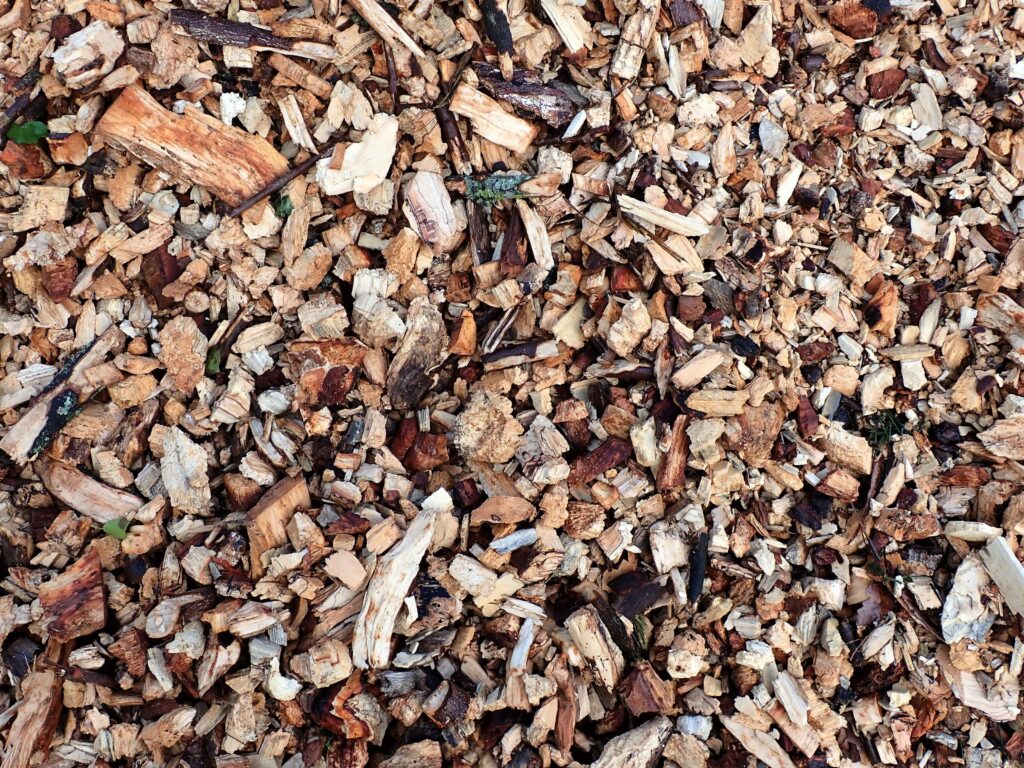
Mulching around trees is a widely recognized and essential practice in both landscaping and gardening. It involves applying a layer of organic or inorganic material over the soil surface within the tree’s root zone. This practice offers a range of benefits that contribute to the health, growth, and overall vitality of trees. Mulching is often considered one of the simplest yet most effective techniques for promoting successful tree establishment and maintenance. Here’s an explanation of mulching around trees as a common practice:
  1. Soil Health Enhancement:
  1. Moisture Conservation:
  1. Weed Suppression:
  1. Temperature Regulation:
  1. Erosion Prevention:
  1. Root Protection: Mulch acts as a protective barrier, shielding the soil and tree roots from mechanical damage caused by lawnmowers, string trimmers, and foot traffic. This prevents injuries that can lead to root stress and decline.
  2. Disease Prevention: – By preventing soil-borne pathogens from splashing onto the tree’s lower trunk and foliage during rain or irrigation, mulching reduces the risk of disease infection and improves overall tree health.
  3. Enhanced Aesthetics: – Mulching creates a neat and uniform appearance around trees, enhancing the overall aesthetics of the landscape. Well-mulched tree beds look tidy and well-maintained.
  4. Reduced Competition: – The absence of weeds and reduced competition for resources means that trees can focus their energy on healthy growth rather than struggling to establish themselves in a crowded environment.
  5. Sustainable Practice: – Mulching with organic materials like wood chips or compost promotes the recycling of organic matter, reducing waste and contributing to a more sustainable gardening practice.
  6. Easy Maintenance: – Mulched areas require less frequent maintenance compared to bare soil or areas with grass. Mulch reduces the need for regular weeding, watering, and soil amendments.

In essence, mulching around trees is a fundamental and valuable practice that offers a multitude of benefits. Its positive impacts on soil health, moisture retention, weed control, temperature moderation, erosion prevention, and overall tree vitality make it an essential technique in both residential and commercial landscapes. By providing these benefits, mulching contributes to the long-term success and beauty of trees while promoting sustainable and eco-friendly landscaping practices.


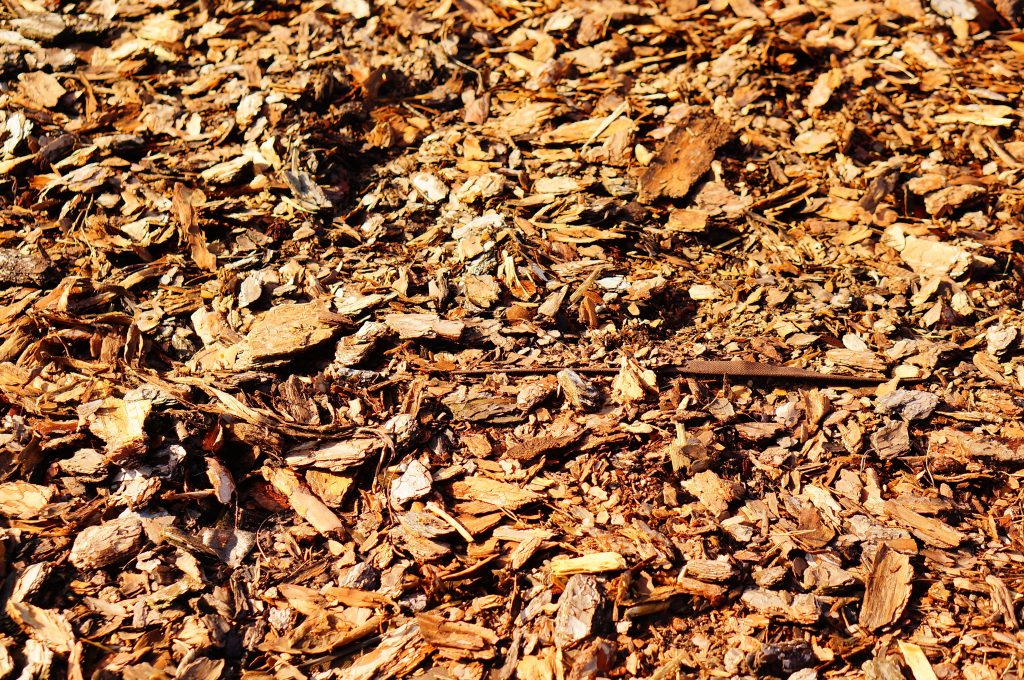
Mulching is a landscaping and gardening practice that involves covering the soil around trees, plants, shrubs, and other garden beds with a layer of material. This layer serves several purposes, including conserving moisture, improving soil health, controlling weeds, and enhancing the overall appearance of the landscape. Mulching can be done using various organic or inorganic materials, each with its own set of benefits and considerations. Here’s an explanation of what mulching entails and the types of materials used:
  1. Organic Mulch:
  1. Inorganic Mulch:
  1. Mulching Process:
  1. Benefits of Mulching:
  1. Considerations:

In conclusion, mulching is a versatile and beneficial practice that involves covering the soil around trees with organic or inorganic materials. It helps create an environment conducive to healthy plant growth, conserving moisture, enhancing soil health, and reducing maintenance efforts. The choice of mulch material depends on various factors, and proper application ensures optimal benefits for both the trees and the overall landscape.


Improved Soil Health

Mulching plays a vital role in improving soil health by introducing organic matter that gradually breaks down and enriches the soil. As the mulch material decomposes, it provides a range of benefits that contribute to enhanced soil structure, fertility, and microbial activity. Here’s a detailed discussion of how mulching positively impacts soil health:

  1. Organic Matter Enrichment:
  1. Nutrient Release:
  1. Soil Structure Enhancement:
  1. Water Retention:
  1. Microbial Activity Boost:
  1. pH Buffering: – Organic mulch materials can help buffer soil pH, stabilizing it in a suitable range for plant growth. This is particularly important in soils with pH fluctuations.
  2. Erosion Prevention: – The layer of mulch protects the soil surface from erosion caused by wind and water. This prevents soil loss and helps maintain a stable soil environment for root development.
  3. Prevention of Compaction: – Organic mulch creates a cushioning layer that helps prevent soil compaction caused by heavy rainfall or foot traffic. This is especially important for maintaining porous soil for root growth.
  4. Soil Aeration: – As organic mulch breaks down, it promotes better soil aeration by creating pathways for air to reach the root zone. Well-aerated soil supports root respiration and overall plant health.
  5. Gradual Nutrient Release: – The slow decomposition of organic mulch ensures a steady release of nutrients over time. This gradual nutrient release aligns with the tree’s growth needs and reduces the risk of nutrient leaching.

In summary, mulching enriches soil health by introducing valuable organic matter that breaks down and offers a host of benefits. From nutrient enrichment and improved soil structure to enhanced microbial activity and water retention, mulching contributes to creating a thriving soil environment for trees and other vegetation. This practice supports long-term plant growth and contributes to sustainable and resilient landscapes.

[geocentric_weather id=”45ff4ccd-3d3f-498e-b0b9-91aaaf766bc4″]

[geocentric_about id=”45ff4ccd-3d3f-498e-b0b9-91aaaf766bc4″]

[geocentric_neighborhoods id=”45ff4ccd-3d3f-498e-b0b9-91aaaf766bc4″]

[geocentric_thingstodo id=”45ff4ccd-3d3f-498e-b0b9-91aaaf766bc4″]

[geocentric_busstops id=”45ff4ccd-3d3f-498e-b0b9-91aaaf766bc4″]

[geocentric_mapembed id=”45ff4ccd-3d3f-498e-b0b9-91aaaf766bc4″]

[geocentric_drivingdirections id=”45ff4ccd-3d3f-498e-b0b9-91aaaf766bc4″]

[geocentric_reviews id=”45ff4ccd-3d3f-498e-b0b9-91aaaf766bc4″]
ENCOURAGING NATIVE TREE SPECIES FOR UTAH LANDSCAPES

ENCOURAGING NATIVE TREE SPECIES FOR UTAH LANDSCAPES

The use of native tree species in landscaping offers a wide range of benefits that go beyond aesthetics. Native trees are those that naturally occur and have evolved in a specific region or ecosystem over a long period of time. When incorporated into landscaping projects, these trees provide numerous advantages that contribute to the health, sustainability, and overall quality of the environment. Here’s why native tree species are important in landscaping:

  1. Adaptation to Local Conditions:
  1. Reduced Maintenance Requirements:
  1. Water Conservation:
  1. Biodiversity Support:
  1. Soil Health and Erosion Control:
  1. Preservation of Local Identity:
  1. Lower Carbon Footprint:
  1. Wildlife Habitat Creation:
  1. Pollinator Support:
  1. Resistance to Invasive Species:
  1. Resilience to Climate Change:
  1. Educational and Recreational Value:

Incorporating native tree species into landscaping projects promotes ecological integrity, conserves resources, and enhances the overall health of the environment. By embracing the unique characteristics of native trees, individuals and communities can contribute to the long-term sustainability and resilience of their local ecosystems.

Benefits Of Using Native Trees For Utah’s Unique Environment

Using native trees for Utah’s unique environment offers a host of benefits that are specifically tailored to the region’s climate, soil conditions, and ecosystems. Utah’s diverse landscapes, from deserts to mountains, present unique challenges and opportunities for landscaping. Native trees have evolved to thrive in these conditions, making them ideal choices for enhancing the environment and supporting local ecosystems. Here are the benefits of using native trees for Utah’s unique environment:

  1. Adaptation to Arid Conditions:
  1. Water Efficiency:
  1. Resistance to Temperature Extremes:
  1. Soil Compatibility:
  1. Biodiversity Support:
  1. Erosion Control:
  1. Wildfire Resilience:
  1. Conservation of Endemic Species:
  1. Reduced Pest and Disease Risks:
  1. Cultural and Aesthetic Value:
  1. Low Maintenance Requirements:
  1. Educational Opportunities:

By utilizing native trees in Utah’s landscaping, individuals, communities, and organizations can create sustainable, resilient, and ecologically harmonious environments that contribute to the overall well-being of the state’s unique ecosystems and its inhabitants.

Understanding Utah’s Ecosystem

Utah’s ecosystem is characterized by a diverse range of landscapes, including deserts, mountains, forests, wetlands, and plateaus. The state’s geography and varying elevations give rise to distinct ecosystems with unique plant and animal species adapted to different conditions. Understanding Utah’s ecosystem involves recognizing its key features, biodiversity, and ecological dynamics. Here’s an overview:

  1. Desert Ecosystems:
  1. Mountain Ecosystems:
  1. Riparian Ecosystems:
  1. Wetland Ecosystems:
  1. Alpine Ecosystems:
  1. Great Salt Lake Ecosystem:
  1. Endangered and Sensitive Species:
  1. Fire Ecology:
  1. Human Impact and Land Use:
  1. Invasive Species:
  1. Climate Diversity:
  1. Biodiversity and Conservation:

Understanding Utah’s ecosystem requires appreciating its complexity, recognizing the interconnectedness of its components, and acknowledging the importance of responsible stewardship to preserve its ecological integrity for future generations.


[geocentric_weather id=”45ff4ccd-3d3f-498e-b0b9-91aaaf766bc4″]

[geocentric_about id=”45ff4ccd-3d3f-498e-b0b9-91aaaf766bc4″]

[geocentric_neighborhoods id=”45ff4ccd-3d3f-498e-b0b9-91aaaf766bc4″]

[geocentric_thingstodo id=”45ff4ccd-3d3f-498e-b0b9-91aaaf766bc4″]

[geocentric_busstops id=”45ff4ccd-3d3f-498e-b0b9-91aaaf766bc4″]

[geocentric_mapembed id=”45ff4ccd-3d3f-498e-b0b9-91aaaf766bc4″]

[geocentric_drivingdirections id=”45ff4ccd-3d3f-498e-b0b9-91aaaf766bc4″]

[geocentric_reviews id=”45ff4ccd-3d3f-498e-b0b9-91aaaf766bc4″]
THE IMPACT OF TREES ON AIR QUALITY IN UTAH

THE IMPACT OF TREES ON AIR QUALITY IN UTAH

Air quality challenges in Utah are primarily driven by a combination of natural geographical factors and human activities. The unique geography of Utah, characterized by valleys and surrounding mountain ranges, can lead to the trapping and accumulation of air pollutants, exacerbating air quality issues. The state’s climate, weather patterns, and sources of pollution contribute to the following air quality challenges:

  1. Geographical Factors:
  1. Weather Patterns:
  1. Vehicle Emissions:
  1. Industrial Sources:
  1. Residential Heating:
  1. Natural Sources:
  1. Topography:
  1. Growing Population and Urbanization:
  1. Climate Change Impacts:

Air quality challenges in Utah have significant implications for public health, especially for vulnerable populations such as children, the elderly, and individuals with pre-existing respiratory conditions. Addressing these challenges requires a combination of regulatory measures, public awareness campaigns, technological advancements, and sustainable urban planning to reduce emissions and improve air quality for the well-being of residents and the environment.

Importance of Trees in Mitigating Air Pollution

Trees play a crucial role in mitigating air pollution and improving overall air quality in both urban and natural environments. Their unique ability to absorb pollutants and release oxygen makes them valuable natural allies in the fight against air pollution. Here’s why trees are important for mitigating air pollution:

  1. Air Pollutant Absorption:
  1. Particulate Matter Reduction:
  1. Ozone Absorption:
  1. Nitrogen Dioxide Reduction:
  1. Volatile Organic Compound (VOC) Uptake:
  1. Carbon Sequestration:
  1. Cooling Effect:
  1. Enhanced Aesthetic and Psychological Benefits:
  1. Promotion of Sustainable Transportation:
  1. Biodiversity Support:

In summary, trees offer a natural and cost-effective solution to mitigating air pollution and improving air quality. Their ability to capture pollutants, provide shade, and contribute to overall ecosystem health makes them a vital component of sustainable urban planning and environmental conservation efforts. By investing in tree planting and preservation, communities can significantly contribute to cleaner air and healthier living conditions.


Understanding Air Quality Issues in Utah

Utah faces unique air quality challenges due to a combination of geographical, meteorological, and human factors. Air quality issues in Utah are primarily centered around the accumulation of pollutants, particularly during winter inversions and summer ozone events. Here’s an overview of the key air quality issues in Utah:

  1. Winter Inversions:
  1. Particulate Matter (PM2.5):
  1. Ozone Formation:
  1. Vehicle Emissions:
  1. Industrial and Commercial Activities:
  1. Geographical Factors:
  1. Wood Burning:
  1. Population Growth and Urban Development:
  1. Efforts and Solutions:
  1. Public Health Concerns:

Understanding and addressing air quality issues in Utah require a comprehensive approach involving government policies, public awareness, community engagement, and technological advancements. Efforts to reduce emissions, promote sustainable practices, and create cleaner air are vital to ensuring a healthier and more livable environment for residents of Utah.

Trees as Natural Air Purifiers

Trees play a crucial role as natural air purifiers, effectively removing pollutants from the air and improving overall air quality. Through a process called “biological filtration” or “phytoremediation,” trees absorb harmful gases, particulate matter, and other pollutants, providing multiple benefits for both the environment and human health. Here’s how trees act as natural air purifiers:

  1. Particulate Matter Removal:
  1. Carbon Dioxide Absorption:
  1. Oxygen Production:
  1. Volatile Organic Compound (VOC) Removal:
  1. Nitrogen Oxide Reduction:
  1. Sulfur Dioxide Absorption:
  1. Air Temperature Regulation:
  1. Microbial Activity Enhancement:
  1. Noise Reduction:
  1. Aesthetic and Psychological Benefits:


[geocentric_weather id=”45ff4ccd-3d3f-498e-b0b9-91aaaf766bc4″]

[geocentric_about id=”45ff4ccd-3d3f-498e-b0b9-91aaaf766bc4″]

[geocentric_neighborhoods id=”45ff4ccd-3d3f-498e-b0b9-91aaaf766bc4″]

[geocentric_thingstodo id=”45ff4ccd-3d3f-498e-b0b9-91aaaf766bc4″]

[geocentric_busstops id=”45ff4ccd-3d3f-498e-b0b9-91aaaf766bc4″]

[geocentric_mapembed id=”45ff4ccd-3d3f-498e-b0b9-91aaaf766bc4″]

[geocentric_drivingdirections id=”45ff4ccd-3d3f-498e-b0b9-91aaaf766bc4″]

[geocentric_reviews id=”45ff4ccd-3d3f-498e-b0b9-91aaaf766bc4″]
Where Did the Free Chipping Tree Services Go?

Where Did the Free Chipping Tree Services Go?

In the town of High Wycombe and its surrounding areas, residents used to benefit from free chipping tree services offered by the council or local tree service companies. These services provided a convenient and environmentally friendly way to dispose of tree branches, wood chips, and other tree-related debris. However, in recent years, the availability of such services has decreased, leaving many residents wondering where these valuable resources went. In this article, we will explore the reasons behind the disappearance of free chipping tree services and discuss alternative options for managing tree waste in the area.

The Importance of Tree Services:

Tree services play a vital role in maintaining the health and beauty of the urban landscape. Regular tree care, including pruning, trimming, and removal, is necessary to ensure the safety of properties and the well-being of the community. As part of these services, the chipping of tree branches and wood provides an efficient way to manage the waste generated from tree maintenance and removal.

Decline of Free Chipping Tree Services:

a. Cost and Budget Constraints: One of the primary reasons for the decline in free chipping tree services is the cost associated with providing these services. As municipal budgets tighten and resources become scarce, local councils and tree service companies often need to prioritize essential services over free chipping programs.

b. Increased Demand and Workload: The growing population and urban expansion in areas like High Wycombe have led to an increased demand for tree services. This surge in workload makes it challenging for service providers to offer free chipping services, as it requires additional manpower, equipment, and time.

c. Waste Disposal Regulations: Stringent waste disposal regulations imposed by local authorities and environmental agencies can also impact the availability of free chipping tree services. Compliance with these regulations may require costly permits, certifications, and proper disposal methods, making it financially unfeasible for service providers to offer free chipping programs.

d. Shift in Priorities: Some councils and tree service companies may have shifted their focus from offering free chipping services to other aspects of tree care, such as tree preservation, disease control, and emergency response. This shift in priorities reflects a need to allocate resources where they are most urgently required.

Alternative Options for Tree Waste Management:

While the disappearance of free chipping tree services is unfortunate, there are still alternative options for residents to manage tree waste in an efficient and sustainable manner:

a. Hire Professional Tree Services: Engage the services of local tree service companies that offer chipping and removal as part of their paid services. Although there is a cost associated with hiring professionals, it ensures that the tree waste is properly handled and disposed of, following all waste management regulations.

b. Community Chipping Programs: Explore the possibility of organizing community chipping programs in collaboration with local councils or tree service companies. These programs can be scheduled periodically, allowing residents to bring their tree branches and wood chips to a designated collection point where they will be chipped and recycled.

c. Composting and Mulching: Rather than disposing of tree waste, consider composting or mulching it for use in gardens and landscaping projects. Chipped wood and branches make excellent mulch, providing moisture retention, weed suppression, and soil improvement. This sustainable practice reduces waste and enhances the health of the soil.

d. Self-Disposal: For small amounts of tree waste, residents can invest in a wood chipper or rent one from a local equipment rental company. This option allows for chipping the branches and using the wood chips as desired, such as ground cover or mulch in the garden.

Importance of Responsible Waste Management:
Regardless of the availability of free chipping tree services, it is essential for residents to prioritize responsible waste management practices. Improper disposal of tree waste, such as dumping it in landfills or on public property, not only damages the environment but may also violate local regulations.

By embracing alternative options and taking proactive steps to manage tree waste responsibly, residents can contribute to the overall well-being of their community and the preservation of natural resources.

Conclusion:

While the availability of free chipping tree services has declined in High Wycombe and its surrounding areas, there are still viable options for residents to manage tree waste responsibly. Hiring professional tree services, organizing community chipping programs, composting and mulching, and self-disposal through wood chippers are all practical alternatives. It is important for individuals to understand the value of responsible waste management and to contribute to the preservation of the environment. By adopting sustainable practices, residents can ensure the proper disposal of tree waste and contribute to the overall health and beauty of their communities.

[geocentric_weather id=”45ff4ccd-3d3f-498e-b0b9-91aaaf766bc4″]

[geocentric_about id=”45ff4ccd-3d3f-498e-b0b9-91aaaf766bc4″]

[geocentric_neighborhoods id=”45ff4ccd-3d3f-498e-b0b9-91aaaf766bc4″]

[geocentric_thingstodo id=”45ff4ccd-3d3f-498e-b0b9-91aaaf766bc4″]

[geocentric_busstops id=”45ff4ccd-3d3f-498e-b0b9-91aaaf766bc4″]

[geocentric_mapembed id=”45ff4ccd-3d3f-498e-b0b9-91aaaf766bc4″]

[geocentric_drivingdirections id=”45ff4ccd-3d3f-498e-b0b9-91aaaf766bc4″]

[geocentric_reviews id=”45ff4ccd-3d3f-498e-b0b9-91aaaf766bc4″]
Pine Trees Landscape

Pine Trees Landscape

Pine Trees Landscape

Pine Trees Landscaping Ideas

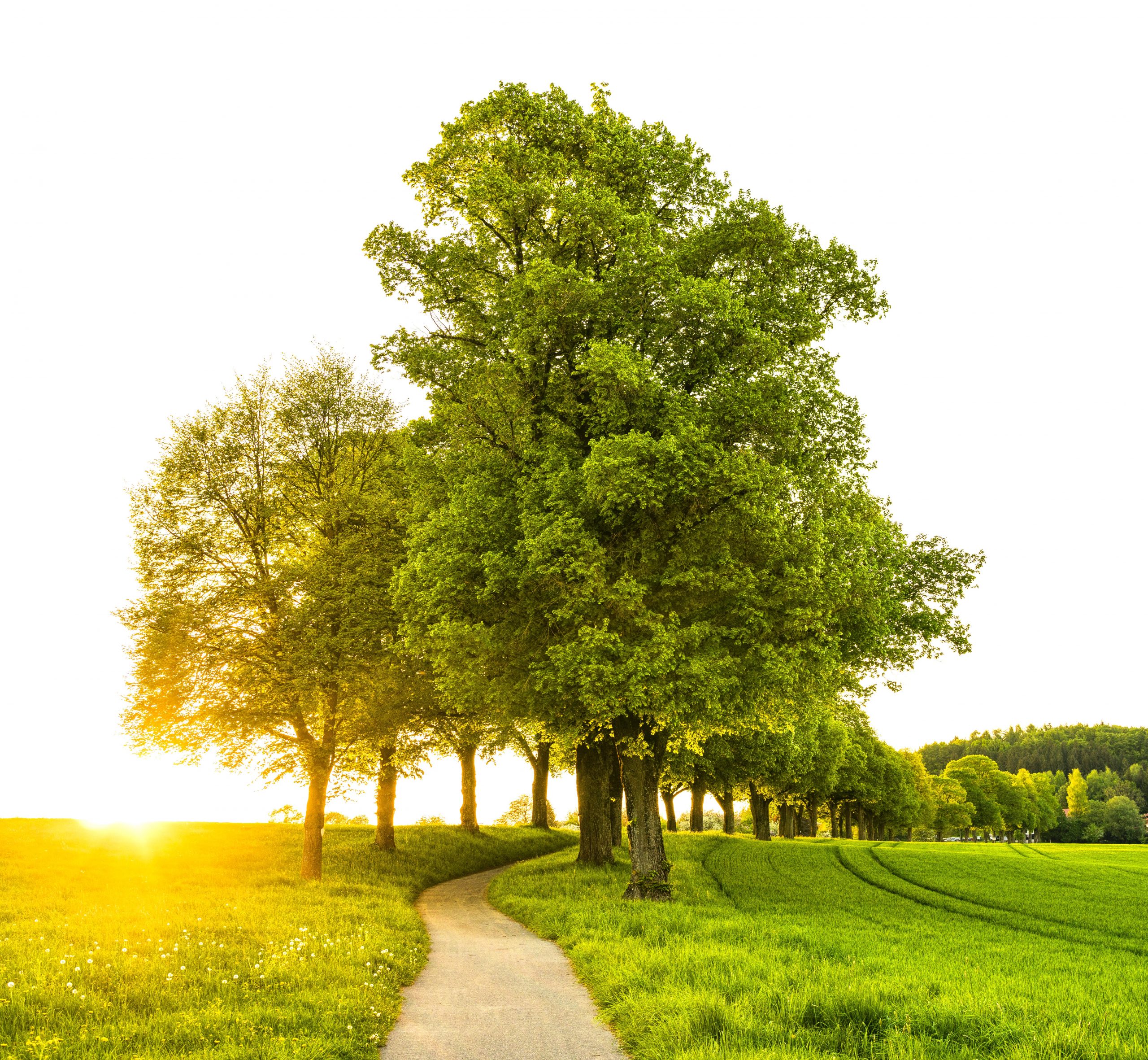
Pine trees are a timeless landscaping option that looks great just about anywhere. In certain landscapes, they create an almost mystical and cozy vibe. Their needles also give off a unique and pleasant aroma. Since pine trees are evergreen, they will provide lush, vibrant green colors to your landscape all year long. To decide which types of landscape trees are best for your yard, you have to think in terms of the different seasons of the year. Begin by looking at those that are valued for their spring display and end with those trees that offer visual interest in winter. The goal is not simply to have a collection of great specimens in the yard, but rather to have at least one specimen per season that will add pizzazz to your landscaping.

Simply put, you can’t go wrong incorporating these magnificent trees into your landscaping scheme. Don’t know where to start? Don’t worry, we have created a list of pine tree landscaping ideas to give you some good insight. Check out the following pine tree landscaping ideas for some creative inspiration before heading to the rest of the post.

Pine trees landscaping ideas

1. Dwarf Evergreens
Alpine garden
If you love the texture and color that pine trees provide but don’t necessarily want super tall trees in your landscape, then dwarf varieties are for you. There is still a large assortment of dwarf varieties, so you won’t be limited in your planting options whatsoever.
2. Front Yard Accent
View of a pine tree on backyard in a sunny day
One easy way to landscape your front yard is by planting a large pine tree. It serves as a show-stopping centerpiece in the yard since it can’t be missed. Surround your yard with other pine trees to increase the overall aesthetic. Create a line of trees around the property to get some more privacy, if desired.
3. Cozy Cabin
Rustic log house on the woods
It’s a well-known fact that pine trees provide one of the freshest aromas ever. A walk through pine tree-filled woods is revitalizing and refreshing. One of the best companions for a cabin is a heavy planting of pine trees. Their looming height, fresh scent, and gorgeous aesthetic are what people long for when they’re staying in a cozy cabin. By planting pine trees, you can create this same vibe.
Plant the trees in rows for a shapely look or let them spread out in a random order for the more natural appearance. Just keep in mind the way that pine trees reproduce and spread. If you have paths that snake through the area, you may have to occasionally transplant the trees off the paths.
4. Pathway Interruption
Pine tree and pergolas in retro park garden in Madrid
Break up the monotony of the pathway with a lone pine tree. This adds visual interest to the area with it’s long, texture-rich trunk and spindly branches. Having a few of these handsome trees strewn about a pathway is a great idea.
5. Well-Maintained Garden Landscape
Pine garden with mix of evergreen shrubs, annuals and perennial flowers in a beautiful national park.
Well-groomed vibrant green grass, seasonal plants, and variegated trees come together to create a stunning landscape. Well thought out landscape designs are appreciated for their creative beauty and the way the plants just seem to tell a story. The pine trees are a great ornamental accent to the space.
6. River Companions
Ornamental japanese-style garden featuring bonsai japanese maples, silver birch surrounded by tall leylandi cypress conifer hedge forming a dense evergreen barrier
Winding rivers and streams carve intriguing patterns through the land. One of the best ways to accentuate the natural flowing pattern is through the use of pine trees and other vegetation. With how many different species of pine trees there are, you’re sure to find the perfect ones for your landscape.
7. Line A Walkway
Oleander bushes and pine trees in mediterranean garden
Lining a walkway with pine trees and other evergreens ensures that the area is constantly full of new life and an abundance of lush color. Pine trees can have needles that range in color from vibrant greens to soothing blues. All these color options prevent any sense of boredom in the landscape!
8. Poolside Treasures
Large rectangular swimming pool with pine trees on the side against the background of the ocean
A palm tree is probably the typical tree you think of when it comes to poolside plants. However, pine trees shouldn’t be overlooked! They’ll add a nice pop and accentuate the pool well. With their evergreen leaves, you’ll never go a day without shade and a gorgeous tree to look at.
In a setting like this, the pine trees also serve as a partial wind-blocking wall.
9. Pine Tree Assortment
Landscape with decorative bushes and pines on a lawn
For a texture-rich landscape, use an assortment of pine trees all around the area. Dwarf pine trees, shrub-like pine trees, sky-reaching pine trees and more. Their various green tones are eye-catching in the landscape.
10. Intriguing Shapes
Korean pine trees
It’s amazing how pine trees can look like pieces of art on their own. The way their branches twist and grow is intriguing and creates quite the display in the landscape.
11. Raised Planter
Japanese-style garden with large bonsai trees
Have you ever thought about planting pine trees in a raised planter? It’s not a common trend to do so, but it makes for an awesome display and great use of space. Though tall trees already call a lot of attention to themselves, being planted in a raised container brings even more emphasis to the tree. Landscape the entire container however you wish and incorporate all kinds of plant life.

12. Organic Landscape
House with solar panels on the roof surrounded by pine tress
Let nature do its thing and take over your garden landscape all on its own. This gives the area a rugged, organic appearance with only naturally growing vegetation covering the garden area. You can still trim things back, transplant plants, or completely take out other plants to slightly influence the landscape.
13. Rock Garden Décor
Corner lot of front residential yard landscaped with a mix of evergreen shrubs, plus annuals and perennial flowers
Use a collection of different sized rocks in your garden landscape. Use rubber edging to snake a trail through the garden and fill it with crushed pebbles, then use larger river rocks on the outside of the edging. Intersperse evergreens, pine trees, and other vegetation in the garden area to make it full of life and color.
14. Japanese Garden Accents
Chinese garden
Pine trees probably weren’t on your radar when it comes to landscaping a Japanese garden. However, there are over 120 species of bonsai pine trees that are perfect for this type of landscape and garden.
15. Zen Garden
Beautiful zen garden by summer morning
No zen garden is complete without an accompanying bonsai tree. Zen gardens are meant to imitate the essence of nature. Common features include rocks, water features, paving stones, moss, pruned trees and bushes, and gravel or sand that has been raked to mimic ripples of water.
16. Great Pond Pairing
Backyard garden during night time
Small ponds are a wonderful landscaping element to pair with pine trees. The soft, blue hues of the water go great with the lush green of pines.

Other Landscaping Trees to look consider

Japanese Maple Trees

Some Japanese maples (Acer palmatum) are very versatile, too, but in a different way. They are great not only in autumn but also during the summer season. They display the vibrant red color we associate with fall foliage when most other trees still bear green leaves.

Magnolia Trees

Any well-planned yard will contain at least one flowering landscape tree of exceptional beauty. Magnolia trees (Magnolia spp.) are among the showiest specimens. While star magnolias often bloom earlier, saucer magnolias provide a larger bloom.

Apple Trees

You do not have to be a farmer to want to grow apple trees (Malus spp.) in your yard. It is about more than just fruit. Apple trees are beautiful bloomers in their own right. The fruit is a bonus. If you do not care about growing edible fruit, then crabapples will serve your purposes better. A type with rosy-red flowers that reaches a height of 20 to 25 feet is Malus x ‘Centzam’ or Centurion, which can be grown in zones 4 to 8.

Dogwood Trees

You will likely want more than just flowering landscape trees that provide a floral extravaganza in spring. Fortunately, sometimes you get a two-for-one deal (or better) in landscaping. In this case, that means versatile specimens that earn their keep during more than just one of the four seasons. Dogwood trees (Cornus florida and Cornus kousa) offer such a deal: blooms for spring, colorful foliage for fall, berries to attract wild birds in winter, and an interesting branching pattern year-round.

[geocentric_weather id=”32ef9911-1ca7-4f2c-bcea-ecdf60fab5eb”]

[geocentric_about id=”32ef9911-1ca7-4f2c-bcea-ecdf60fab5eb”]

[geocentric_neighborhoods id=”32ef9911-1ca7-4f2c-bcea-ecdf60fab5eb”]

[geocentric_thingstodo id=”32ef9911-1ca7-4f2c-bcea-ecdf60fab5eb”]

[geocentric_busstops id=”32ef9911-1ca7-4f2c-bcea-ecdf60fab5eb”]

[geocentric_mapembed id=”32ef9911-1ca7-4f2c-bcea-ecdf60fab5eb”]

[geocentric_drivingdirections id=”32ef9911-1ca7-4f2c-bcea-ecdf60fab5eb”]

[geocentric_reviews id=”32ef9911-1ca7-4f2c-bcea-ecdf60fab5eb”]