Tree Planting Programs for Community
Tree Planting Programs for Community
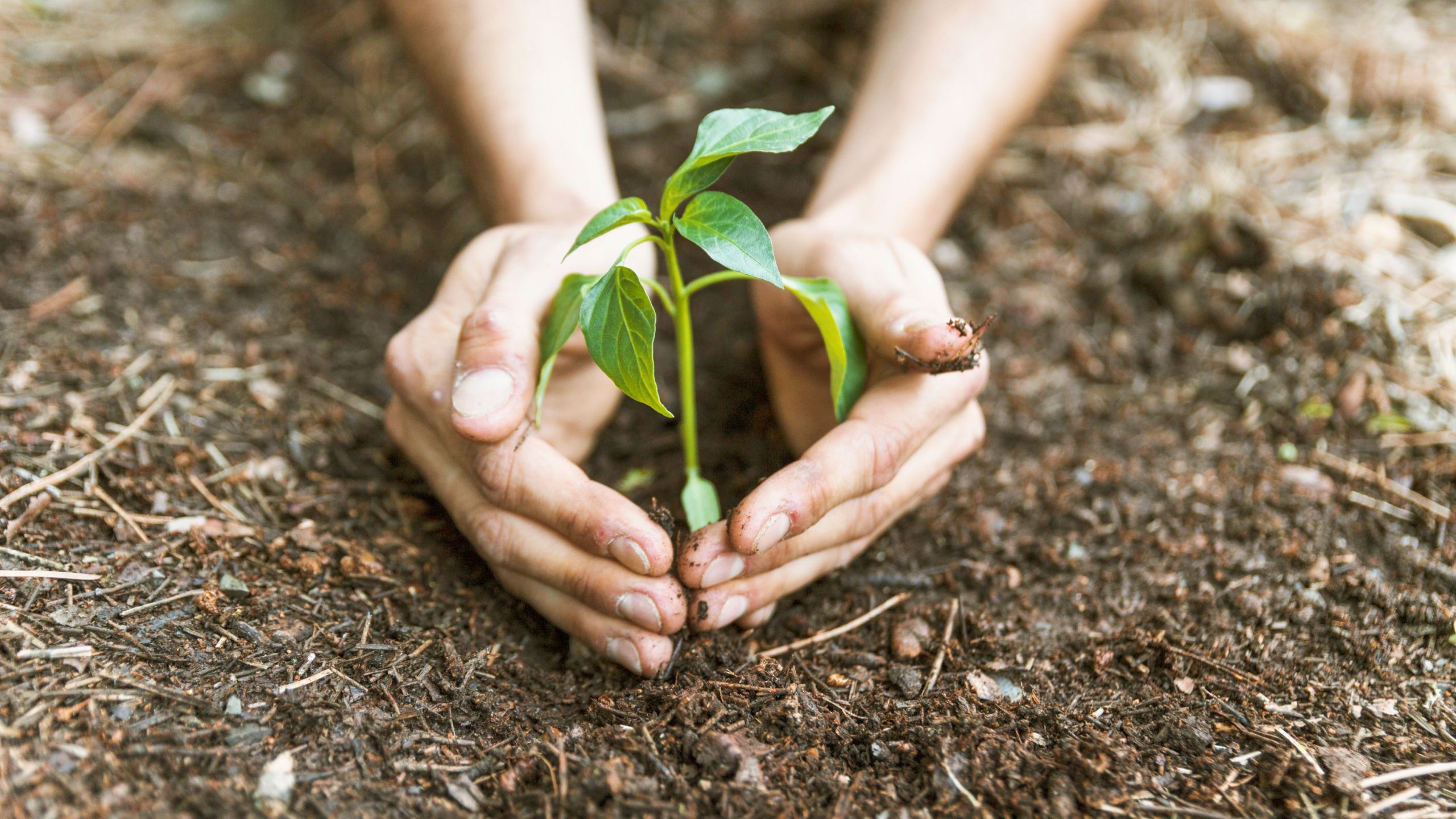
Tree planting programs are organized initiatives aimed at planting and cultivating trees in various environments, including urban areas, rural landscapes, and natural habitats. These programs hold immense significance for communities on multiple levels, offering a range of benefits that contribute to environmental, social, economic, and even psychological well-being. Here’s a closer look at the significance of tree planting programs for communities:
-
Environmental Benefits:
- Carbon Sequestration: Trees absorb carbon dioxide during photosynthesis, mitigating the effects of climate change by reducing greenhouse gas concentrations in the atmosphere.
- Air Quality Improvement: Trees filter pollutants from the air, improving air quality and public health by reducing respiratory issues and other health problems.
- Temperature Regulation: Trees provide shade and evaporative cooling, helping to mitigate the urban heat island effect and regulating local temperatures.
- Erosion Control: Tree roots stabilize soil and prevent erosion, protecting landscapes from degradation and maintaining soil fertility.
- Biodiversity Support: Trees create habitats for various species, contributing to urban and rural biodiversity and supporting local ecosystems.
-
Social Benefits:
- Enhanced Aesthetics: Tree planting enhances the visual appeal of communities, making them more attractive and inviting places to live, work, and visit.
- Recreational Spaces: Trees create green spaces that serve as areas for recreation, relaxation, exercise, and social gatherings.
- Mental Health: Exposure to green spaces and nature has been linked to reduced stress, improved mental well-being, and enhanced quality of life.
- Community Identity: Tree planting fosters a sense of community pride and ownership, as residents contribute to the beautification of their neighborhoods.
-
Economic Benefits:
- Increased Property Values: Areas with mature trees and green spaces are often more desirable, leading to higher property values and improved real estate market appeal.
- Energy Savings: Strategically planted trees provide natural shading, leading to reduced energy consumption for cooling buildings and lowering utility bills.
- Stormwater Management: Trees help manage stormwater runoff by absorbing water and reducing the risk of flooding and soil erosion.
- Tourism and Commerce: Attractive, green communities can attract tourists and visitors, boosting local commerce and supporting businesses.
-
Climate Resilience:
- Extreme Weather Mitigation: Trees act as windbreaks and buffer against extreme weather events, protecting communities from strong winds, heavy rainfall, and other weather-related challenges.
- Natural Disaster Protection: Well-vegetated areas can help mitigate the impacts of natural disasters like hurricanes, floods, and landslides.
-
Educational and Cultural Significance:
- Environmental Education: Tree planting programs offer opportunities for educational activities, teaching individuals about ecosystems, sustainability, and the importance of conservation.
- Cultural and Heritage Preservation: Trees with cultural or historical significance can be preserved or planted to honor traditions and heritage.
-
Long-Term Legacy:
- Future Generations: Trees planted today will mature over time, leaving a legacy for future generations to enjoy the benefits of mature, established ecosystems.
- Sustainable Planning: Tree planting encourages communities to consider long-term planning, sustainable development, and responsible land use.
In conclusion, tree planting programs hold great significance for communities by providing a multitude of benefits that positively impact the environment, social interactions, economic prosperity, and overall community well-being. These programs represent a proactive and collaborative effort to create healthier, greener, and more sustainable living environments for present and future generations.
Positive Impacts of Tree Planting on Communities
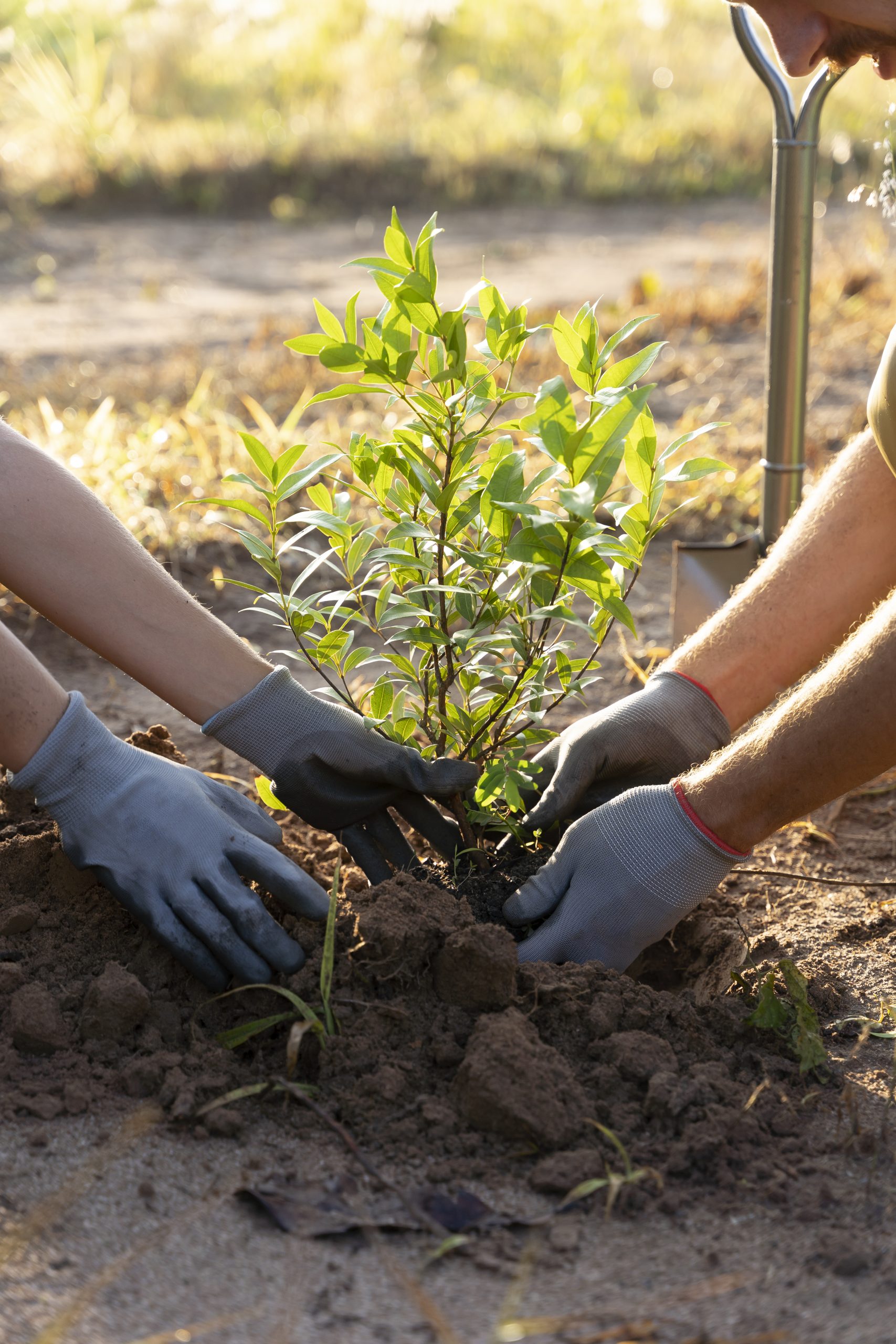
Tree planting has a range of positive impacts on communities, enhancing various aspects of environmental, social, economic, and psychological well-being. These impacts contribute to creating healthier, more vibrant, and sustainable communities. Here are some of the positive impacts of tree planting on communities:
- Environmental Benefits:
- Improved Air Quality: Trees absorb pollutants and release oxygen, leading to cleaner and healthier air for residents to breathe.
- Carbon Sequestration: Trees capture carbon dioxide, mitigating the effects of climate change by reducing greenhouse gas emissions.
- Temperature Regulation: Trees provide shade, reducing urban heat island effects and lowering local temperatures.
- Erosion Control: Tree roots stabilize soil, preventing erosion and protecting against soil degradation.
- Biodiversity Enhancement: Trees create habitats for various species, contributing to urban biodiversity and supporting local ecosystems.
-
Social Benefits:
- Enhanced Aesthetics: Tree-lined streets and green spaces improve the visual appeal of communities, making them more attractive and welcoming.
- Recreational Spaces: Trees provide spaces for outdoor activities, recreation, and relaxation, fostering community engagement and social interactions.
- Mental Well-being: Exposure to green spaces and nature has been linked to reduced stress, improved mental health, and enhanced overall well-being.
- Community Bonding: Tree planting events and maintenance activities encourage collaboration and foster a sense of community pride and ownership.
-
Economic Benefits:
- Increased Property Values: Areas with abundant trees and greenery often experience higher property values and increased desirability.
- Energy Savings: Well-placed trees offer natural shading, reducing energy consumption for cooling buildings and lowering utility bills.
- Stormwater Management: Trees absorb rainwater, minimizing stormwater runoff and decreasing the risk of flooding and erosion.
- Tourism and Commerce: Attractive green spaces can attract visitors, boost local tourism, and support businesses.
-
Climate Resilience:
- Extreme Weather Mitigation: Trees act as windbreaks and buffer against extreme weather events, protecting communities from strong winds, heavy rainfall, and temperature fluctuations.
- Natural Disaster Mitigation: Vegetated areas can help mitigate the impacts of natural disasters such as hurricanes, floods, and landslides.
-
Educational and Cultural Significance:
- Environmental Education: Tree planting initiatives provide educational opportunities, raising awareness about ecosystems, conservation, and sustainable practices.
- Cultural and Heritage: Planting trees with cultural or historical significance can preserve traditions and honor local heritage.
-
Community Identity:
- Sense of Belonging: Residents participating in tree planting feel a stronger connection to their community, fostering a sense of belonging and attachment.
- Community Cohesion: Tree planting brings people together, fostering positive interactions and strengthening social bonds.
-
Long-Term Legacy:
- Future Generations: Trees planted today will mature over time, leaving a lasting legacy of mature, vibrant ecosystems for future generations.
- Sustainable Planning: Tree planting encourages communities to prioritize long-term sustainability, influencing urban planning and development strategies.
In summary, tree planting positively impacts communities by creating healthier environments, enhancing social interactions, boosting economic prosperity, and fostering a sense of pride and ownership. These impacts contribute to the overall well-being and sustainability of communities, making tree planting initiatives a valuable investment in the present and future.
Exploring the benefits of tree planting programs is essential for several reasons, as it allows communities, policymakers, and stakeholders to understand the value that trees bring to various aspects of society. This exploration helps make informed decisions, allocate resources effectively, and promote the implementation of tree planting initiatives. The importance of exploring the benefits of tree planting programs includes:
-
Informed Decision-Making:
- Understanding the multifaceted benefits of tree planting enables communities to make well-informed decisions regarding urban planning, development, and land use.
- Decision-makers can prioritize tree planting as a strategic component of community development and sustainability efforts.
-
Resource Allocation:
- Exploring the benefits of tree planting helps allocate resources more effectively. Communities can invest in tree planting initiatives that align with their specific goals and needs.
- Resource allocation becomes more targeted and impactful, leading to greater returns on investment.
-
Maximized Impact:
- By exploring the benefits of tree planting, communities can ensure that their efforts yield maximum impact across various sectors, such as environmental quality, social well-being, and economic growth.
- Tailoring planting strategies to address specific challenges ensures that the benefits are maximized for the community.
-
Advocacy and Support:
- Communicating the benefits of tree planting programs to the public, stakeholders, and policymakers generates support and enthusiasm for such initiatives.
- Advocacy efforts are strengthened when backed by concrete evidence of the positive impacts of trees.
- Education and Awareness:
- Exploring benefits provides opportunities for educational initiatives. Communities can raise awareness about the roles trees play in addressing climate change, enhancing air quality, and supporting biodiversity.
- Educated residents are more likely to participate in tree planting programs and become stewards of their local environment.
- Effective Collaboration:
- Understanding the diverse benefits of tree planting encourages collaboration among various sectors, including government agencies, non-profit organizations, businesses, and community groups.
- Collaborative efforts lead to more comprehensive and impactful tree planting projects.
-
Long-Term Planning:
- Exploring benefits allows communities to integrate tree planting into their long-term planning. Trees planted today will provide ongoing benefits for future generations, supporting sustainable development.
-
Measurable Outcomes:
- Exploring the benefits of tree planting enables communities to establish clear goals and objectives. These outcomes can be measured and evaluated over time to assess the success of planting programs.
-
Risk Mitigation:
- Trees contribute to climate resilience, air quality improvement, and other benefits that mitigate potential risks associated with environmental challenges.
- Exploring these benefits helps communities plan for and mitigate the impacts of climate change and other environmental stressors.
- Demonstrating Value:
- Quantifying the benefits of tree planting programs helps communities demonstrate the value of their efforts to residents, funders, and other stakeholders.
- This value assessment strengthens accountability and transparency in community initiatives.
In conclusion, exploring the benefits of tree planting programs is crucial for making informed decisions, advocating for support, fostering collaboration, and ensuring the long-term sustainability and well-being of communities. By understanding and promoting the positive impacts of trees, communities can create healthier, greener, and more resilient living environments for present and future generations.
[geocentric_weather id=”45ff4ccd-3d3f-498e-b0b9-91aaaf766bc4″]
[geocentric_about id=”45ff4ccd-3d3f-498e-b0b9-91aaaf766bc4″]
[geocentric_neighborhoods id=”45ff4ccd-3d3f-498e-b0b9-91aaaf766bc4″]
[geocentric_thingstodo id=”45ff4ccd-3d3f-498e-b0b9-91aaaf766bc4″]
[geocentric_busstops id=”45ff4ccd-3d3f-498e-b0b9-91aaaf766bc4″]
[geocentric_mapembed id=”45ff4ccd-3d3f-498e-b0b9-91aaaf766bc4″]
[geocentric_drivingdirections id=”45ff4ccd-3d3f-498e-b0b9-91aaaf766bc4″]
[geocentric_reviews id=”45ff4ccd-3d3f-498e-b0b9-91aaaf766bc4″]