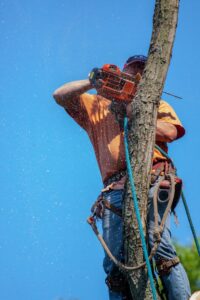
ENCOURAGING SUSTAINABLE TREE CARE PRACTICES FOR SCHOOLS
ENCOURAGING SUSTAINABLE TREE CARE PRACTICES FOR SCHOOLS
Trees play a significant role in educational environments, providing a wide range of benefits that contribute to the overall well-being and educational experience of students, teachers, and the broader school community. Here’s why trees are essential in educational settings:
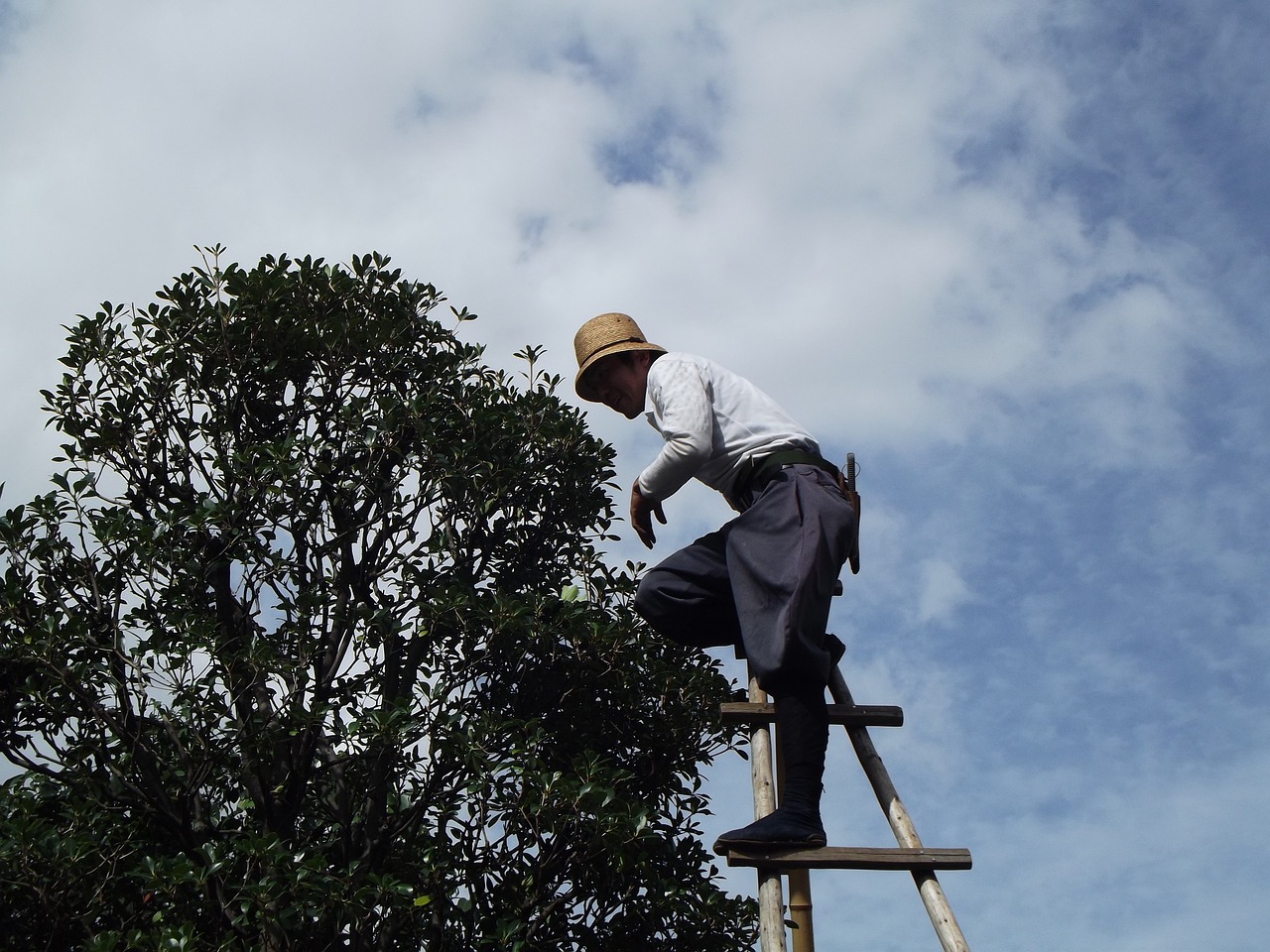
- Environmental Education: Trees serve as living laboratories for students to observe and learn about ecology, biology, and environmental science. They provide tangible examples of concepts like photosynthesis, nutrient cycling, and ecosystem dynamics.
- Hands-On Learning: Trees offer opportunities for hands-on learning experiences. Students can participate in tree planting, care, and maintenance, promoting active engagement with the natural world.
- Health and Well-Being: Access to green spaces with trees has been linked to improved mental health and reduced stress levels. The presence of trees can create a calming and nurturing environment that enhances the overall well-being of students and staff.
- Aesthetic and Recreational Value: Trees contribute to the aesthetic appeal of school campuses, making them more inviting and pleasant places to learn and work. Green spaces with trees provide areas for outdoor recreation, relaxation, and social interaction.
- Temperature Regulation: Trees provide shade and help regulate microclimates, creating comfortable outdoor spaces for outdoor classes and recreational activities. This can reduce the need for energy-intensive cooling systems.
- Wildlife Habitat: Trees support biodiversity by providing habitat and food sources for wildlife. Observing birds, insects, and other creatures attracted to trees can inspire an interest in wildlife conservation and biology.
- Air Quality Improvement: Trees act as natural air filters, removing pollutants and improving air quality. Cleaner air can positively impact the health of students and staff, reducing respiratory issues and absenteeism.
- Educational Resources: Trees offer materials for art, science projects, and educational displays. Leaves, branches, and seeds can be used for various educational purposes.
- Climate Change Awareness: Learning about the role of trees in carbon sequestration and climate regulation can raise awareness about environmental issues and the importance of sustainability.
- Cultural and Historical Significance: Trees with cultural or historical significance can be incorporated into lessons about local heritage, indigenous knowledge, and natural history.
- Community Engagement: School tree planting and care initiatives can involve students, teachers, parents, and the broader community, fostering a sense of environmental responsibility and community pride.
- Long-Term Environmental Stewardship: Experiencing the growth and development of trees over time teaches students about the value of long-term environmental stewardship and the importance of taking care of natural resources.
- Visual and Practical Learning: Trees provide opportunities for visual and sensory learning experiences. Students can touch, smell, and observe the changes in trees throughout the seasons.
Incorporating trees into educational environments aligns with a holistic approach to education that considers not only academic development but also the physical, emotional, and social well-being of students. Trees create a dynamic and enriching atmosphere that supports both formal and informal learning experiences, promoting a deeper connection to nature and a greater understanding of environmental sustainability.
Benefits Of Sustainable Tree Care Practices
Sustainable tree care practices offer numerous benefits for trees, ecosystems, communities, and the environment as a whole. These practices prioritize the long-term health and vitality of trees while minimizing negative impacts. Here are some key benefits of sustainable tree care practices:
- Tree Health and Longevity: Sustainable practices focus on maintaining and improving the health of trees, resulting in longer life spans and enhanced resilience to environmental stressors.
- Ecosystem Services: Healthy trees provide essential ecosystem services such as air and water purification, carbon sequestration, and habitat for wildlife, contributing to overall ecosystem health.
- Urban Heat Island Mitigation: Trees in urban areas provide shade and reduce temperatures, mitigating the urban heat island effect and improving the comfort of residents.
- Air Quality Improvement: Trees filter pollutants from the air, helping to improve air quality and reduce the health risks associated with air pollution.
- Water Quality Enhancement: Sustainable tree care practices, such as mulching and proper irrigation, can reduce soil erosion and improve water quality by filtering contaminants from runoff.
- Biodiversity Conservation: Healthy trees support diverse plant and animal species, contributing to local biodiversity and wildlife habitat.
- Reduced Energy Costs: Strategic tree planting and maintenance can provide energy savings by shading buildings in the summer and blocking cold winds in the winter.
- Property Value Enhancement: Well-maintained trees can increase property values in residential and commercial areas by enhancing aesthetics and providing desirable features.
- Community Well-Being: Access to green spaces with healthy trees has been linked to improved mental health, reduced stress levels, and increased community cohesion.
- Educational Opportunities: Sustainable tree care practices create opportunities for environmental education and hands-on learning experiences for students of all ages.
- Cost Savings: Implementing sustainable practices can reduce long-term tree care costs by minimizing the need for corrective measures and tree removal.
- Resilience to Climate Change: Healthy trees are better equipped to withstand the challenges posed by climate change, including extreme weather events and changing climate conditions.
- Reduced Environmental Impact: Sustainable practices prioritize eco-friendly solutions, minimizing the use of chemicals and reducing the environmental footprint of tree care.
- Promotion of Responsible Stewardship: Sustainable tree care practices promote responsible land management and environmental stewardship among individuals, communities, and organizations.
- Aesthetic and Recreational Benefits: Well-maintained trees enhance the visual appeal of landscapes and provide recreational spaces for outdoor activities.
- Wildlife Attraction: Healthy trees attract a variety of wildlife species, offering opportunities for wildlife observation and fostering an appreciation for biodiversity.
- Increased Property Safety: Proper tree care practices reduce the risk of falling branches or toppling trees, enhancing public safety.
- Carbon Sequestration: Trees sequester carbon dioxide from the atmosphere, helping to mitigate climate change by reducing greenhouse gas concentrations.
Incorporating sustainable tree care practices into tree management plans and community initiatives can yield multiple benefits, creating healthier, more resilient, and environmentally friendly landscapes. These practices promote the well-being of both natural and human communities while fostering a sense of responsibility for the environment.
Purpose Of Promoting Sustainable Tree Care Practices In Schools
Promoting sustainable tree care practices in schools serves several important purposes, all of which contribute to the educational, environmental, and social well-being of students and the broader community. Here are the key purposes of promoting sustainable tree care practices in schools:
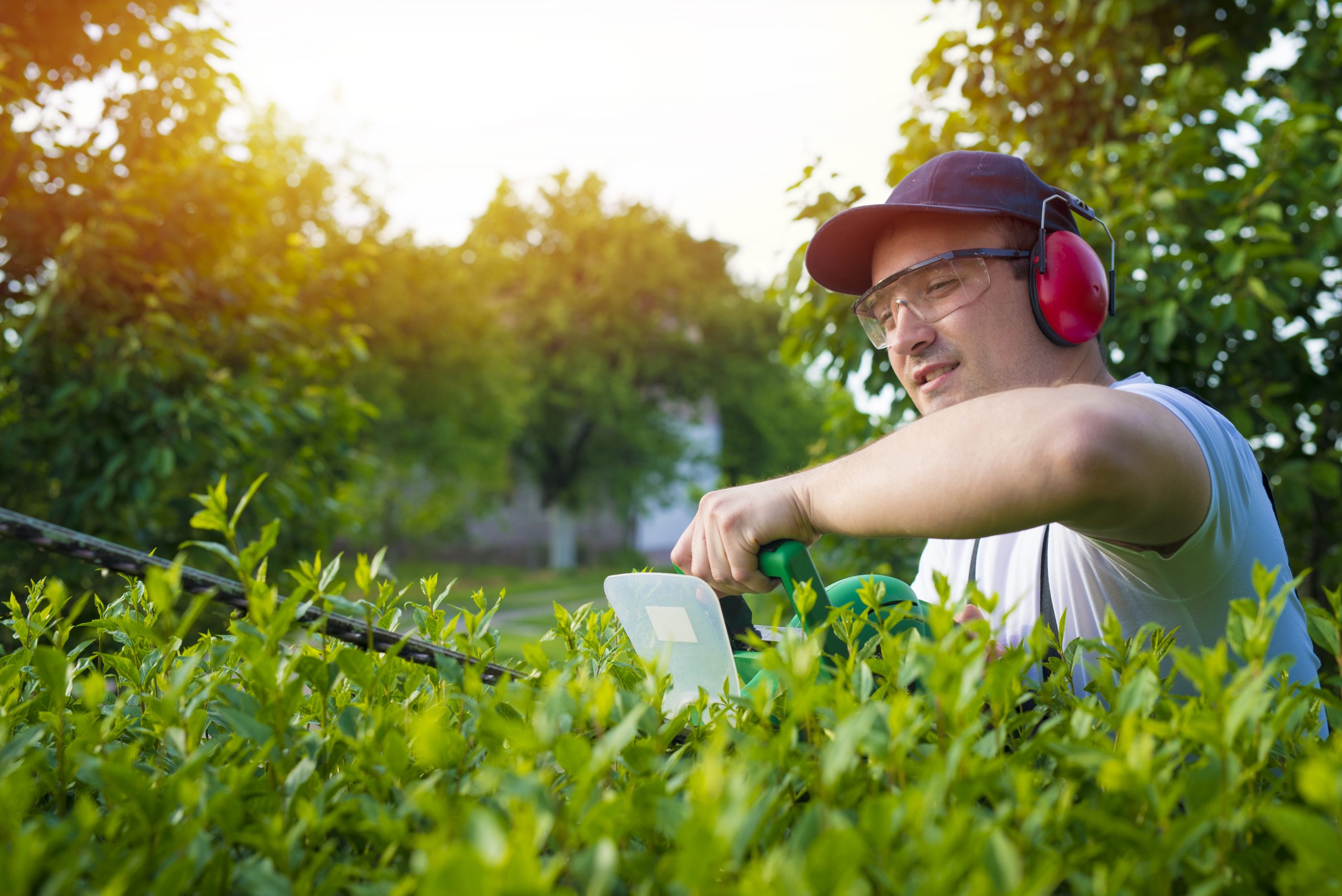
- Environmental Education: Integrating sustainable tree care into the curriculum allows students to learn about the environment through hands-on experiences. It provides opportunities for students to understand concepts like ecology, biology, and environmental science in a real-world context.
- Fostering Environmental Awareness: Sustainable tree care practices raise students’ awareness of environmental issues and instill a sense of responsibility for the natural world. This awareness can lead to more environmentally conscious behaviors and decisions in the future.
- Connecting with Nature: Interacting with trees and participating in tree care activities helps students develop a deeper connection to nature. This connection can have positive effects on mental and emotional well-being.
- Promoting Sustainability: Teaching sustainable tree care practices aligns with broader lessons about sustainability and responsible resource management. It empowers students to become stewards of the environment and advocates for sustainable practices in their communities.
- Practical Skills: Involvement in tree planting, maintenance, and care equips students with practical skills, including horticultural knowledge, teamwork, problem-solving, and critical thinking.
- Healthy Learning Environment: Well-maintained trees create a more pleasant and comfortable learning environment. Shade from trees can reduce heat stress, and green spaces promote relaxation and focus.
- Community Engagement: Sustainable tree care initiatives often involve collaboration with the local community, including parents, volunteers, and environmental organizations. These partnerships strengthen community ties and engagement.
- Aesthetic Enhancement: Properly cared-for trees enhance the visual appeal of school campuses, making them more inviting and conducive to learning. Well-landscaped school grounds contribute to a positive educational atmosphere.
- Interdisciplinary Learning: Sustainable tree care can be integrated into various subject areas, allowing for interdisciplinary learning. It connects science, math, art, history, and other subjects through a common theme.
- Outdoor Learning: Sustainable tree care practices encourage outdoor learning experiences, which offer a change of scenery and a break from indoor classrooms. Outdoor education can stimulate creativity and curiosity.
- Health and Well-Being: Access to green spaces with healthy trees has been linked to improved mental health and reduced stress levels. A healthy learning environment can positively impact the well-being of students and educators.
- Educational Resources: Trees provide materials for art, science projects, and educational displays. Leaves, branches, and seeds can be used for various educational purposes.
- Community Pride: Schools that actively promote sustainable tree care practices can become community leaders in environmental conservation. This fosters a sense of pride and positive reputation within the community.
- Long-Term Impact: By teaching sustainable tree care practices, schools are equipping future generations with the knowledge and values needed to address environmental challenges and promote sustainability in their adult lives.
In summary, promoting sustainable tree care practices in schools serves the dual purpose of providing a holistic and engaging education while fostering a sense of environmental responsibility and stewardship among students and the broader community. These practices contribute to a healthier, more sustainable, and environmentally conscious society.
[geocentric_weather id=”45ff4ccd-3d3f-498e-b0b9-91aaaf766bc4″]
[geocentric_about id=”45ff4ccd-3d3f-498e-b0b9-91aaaf766bc4″]
[geocentric_neighborhoods id=”45ff4ccd-3d3f-498e-b0b9-91aaaf766bc4″]
[geocentric_thingstodo id=”45ff4ccd-3d3f-498e-b0b9-91aaaf766bc4″]
[geocentric_busstops id=”45ff4ccd-3d3f-498e-b0b9-91aaaf766bc4″]
[geocentric_mapembed id=”45ff4ccd-3d3f-498e-b0b9-91aaaf766bc4″]
[geocentric_drivingdirections id=”45ff4ccd-3d3f-498e-b0b9-91aaaf766bc4″]
[geocentric_reviews id=”45ff4ccd-3d3f-498e-b0b9-91aaaf766bc4″]