Where do tree service companies put all their wood?

Where Do Tree Service Companies Put All Their Wood?
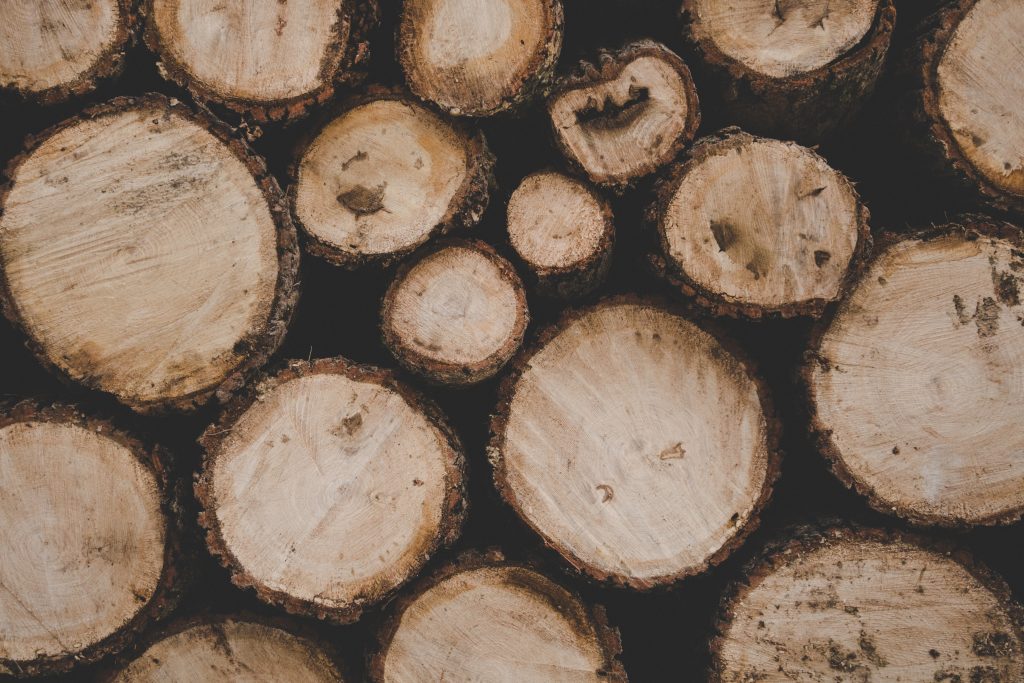
Trees are a vital part of our environment, providing shade, oxygen, and beauty to our surroundings. However, there are times when tree removal becomes necessary due to various reasons such as disease, damage, or simply to make way for new construction. When tree removal is required, property owners often wonder what happens to the wood that is left behind. Tree service companies play a crucial role in the process of removing trees, and they have various methods for handling the wood they acquire. In this article, we will explore the different avenues tree service companies use to manage the wood they collect during their work.

Tree service companies offer a wide range of services, including tree removal, pruning, trimming, and overall tree care. When it comes to tree removal, the process involves cutting down the tree and subsequently dealing with the resulting wood. Depending on the specific circumstances, there are several options for the disposal of this wood.

Mulching and Woodchips:

One common method employed by tree service companies is to convert the tree wood into mulch or woodchips. Mulching is the process of breaking down the wood into smaller pieces and using it as organic mulch for landscaping purposes. Woodchips are often used for erosion control, weed suppression, and moisture retention in gardens and flowerbeds. Some tree service companies have their own mulching equipment, allowing them to provide property owners with woodchips or mulch as part of their services.

Firewood:

Another popular option for the wood obtained from tree removal is converting it into firewood. Firewood is highly sought after, particularly in colder regions, as it serves as a renewable source of heat during the winter months. Tree service companies often offer firewood for sale to the public, helping them recoup some of the costs associated with their work while providing a valuable resource to homeowners.

Lumber and Timbers:

In cases where the tree being removed is of high quality and suitable for milling, tree service companies may partner with lumber mills or specialized businesses that can process the wood into usable lumber or timbers. This option is more common for larger trees that have significant trunk diameter and straight, sturdy trunks. The resulting lumber or timbers can be repurposed for construction, furniture making, or other woodworking projects.

Wood Shavings and Sawdust:

Certain tree service companies also collect and repurpose wood shavings and sawdust generated during the tree removal process. These byproducts can be utilized in various industries, including pet bedding, composting, and even as an ingredient in the manufacturing of certain products like particleboard.

Recycling:

In line with the growing emphasis on sustainability, some tree service companies make efforts to recycle the wood they obtain. They may collaborate with local recycling centers or facilities that accept and process wood waste. Recycling helps minimize the environmental impact of tree removal and ensures that the wood is repurposed rather than ending up in landfills.

Donations and Special Projects:

In certain cases, tree service companies may identify opportunities to donate the wood they acquire to organizations or individuals who can put it to good use. For example, wood from a removed tree might be donated to a local school or community center for construction projects or artistic endeavors. This approach not only reduces waste but also fosters community engagement and creativity.

It’s important to note that the specific options available for managing the wood obtained from tree removal can vary depending on local regulations, city ordinances, and individual company policies. Some areas may have special requirements or permits for handling tree wood, and tree service companies must adhere to these guidelines to ensure compliance with the law.

In addition, property owners should be aware of the regulations in their area and discuss their preferences with the tree service company before the work begins.Some cities have municipal codes or special regulations governing tree removal and the handling of tree wood. Property owners may need to obtain permits or follow specific procedures to ensure compliance with these regulations. Therefore, it is crucial to consult with local authorities and the tree service company to understand the requirements and responsibilities associated with tree removal and wood disposal.

When hiring a tree service company, it is advisable to choose reputable professionals who employ certified arborists or tree doctors. Certified arborists have the expertise to assess tree health, perform necessary tree care procedures, and ensure the proper handling of tree wood. They can guide property owners through the process, including understanding the options for wood disposal and complying with any applicable regulations.

In some cases, tree service companies may work closely with city governments or other organizations to ensure proper disposal and utilization of tree wood. For instance, certain cities have established urban wood labs or initiatives that promote sustainable tree removal practices and encourage the recycling or repurposing of wood waste.

Moreover, tree service companies often rely on customer reviews and word-of-mouth referrals to grow their business. Satisfied property owners who appreciate the responsible handling of wood and adherence to regulations are more likely to recommend the services of tree service companies that prioritize environmentally conscious practices.

In conclusion, tree service companies have various options for managing the wood obtained from tree removal. These options include mulching, converting the wood into firewood, processing it into lumber or timbers, recycling, donating to special projects, or repurposing it in other ways. The specific method chosen depends on factors such as the size and quality of the wood, local regulations, company policies, and customer preferences. By working with certified arborists and understanding local requirements, property owners can ensure that tree wood is handled responsibly and in compliance with the law.


[geocentric_weather id=”45ff4ccd-3d3f-498e-b0b9-91aaaf766bc4″]

[geocentric_about id=”45ff4ccd-3d3f-498e-b0b9-91aaaf766bc4″]

[geocentric_neighborhoods id=”45ff4ccd-3d3f-498e-b0b9-91aaaf766bc4″]

[geocentric_thingstodo id=”45ff4ccd-3d3f-498e-b0b9-91aaaf766bc4″]

[geocentric_busstops id=”45ff4ccd-3d3f-498e-b0b9-91aaaf766bc4″]

[geocentric_mapembed id=”45ff4ccd-3d3f-498e-b0b9-91aaaf766bc4″]

[geocentric_drivingdirections id=”45ff4ccd-3d3f-498e-b0b9-91aaaf766bc4″]

[geocentric_reviews id=”45ff4ccd-3d3f-498e-b0b9-91aaaf766bc4″]
Tree Removal Cedar City Utah

Arbortist

Tree Removal Cedar City Utah

A feller buncher is a type of harvester used in logging. It is a motorized vehicle with an attachment that can rapidly gather and cut a tree before felling it.

Feller is a traditional name for someone who cuts down trees, and bunching is the skidding and assembly of two or more trees. A feller buncher performs both of these harvesting functions and consists of a standard heavy equipment base with a tree-grabbing device furnished with a chain-saw, circular saw or a shear—a pinching device designed to cut small trees off at the base. The machine then places the cut tree on a stack suitable for a skidder, forwarder, or yarder for transport to further processing such as delimbing, bucking, loading, or chipping.

Some wheeled feller bunchers lack an articulated arm, and must drive close to a tree to grasp it.

In cut-to-length logging a harvester performs the tasks of a feller buncher and additionally does delimbing and bucking.

Components and Felling attachment

Feller buncher is either tracked or wheeled and has self-levelling cabin and matches with different felling heads. For steep terrain, tracked feller buncher is being used because it provides high level of traction to the steep slope and also has high level of stability. For flat terrain, wheeled feller buncher is more efficient compared to tracked feller buncher. It is common that levelling cabins are matched with both wheeled and tracked feller buncher for steep terrain as it provides operator comfort and helps keeping the standard of tree felling production. The size and type of trees determine which type of felling heads being used.

Types of felling heads

Disc Saw Head – It can provide a high speed of removal when the head is pushed against the tree. Then, the clamp arms will hold the tree when the tree is almost completed removal. It is able to cut and gather multiple trees in the felling head. The disc saw head with good ground speed could provide high production which allows it to keep more than one skidders working continuously.

Shear Blade Head – It is placed against the tree and the clamp arms will hold the tree firmly. Then, the blade will activate and start removal the tree. Same as disc saw head, it can hold multiple trees before they are placed on the ground.

Chain Saw Head – The floppy head provides minimal control to place the trees on the ground. It might not suit to collect the cut trees or gather the cut stems in the felling head.

Benefits of Tree removal

Whenever people talk about tree removal, usually the things that spring to mind are negative thoughts brought on mostly by media hypes and environmentalist drives. People think about global warming, depletion of natural resources, and the casual extinction of indigenous fauna and flora. Yet people don’t seem to realize that there are actually quite a few benefits of tree removal.

One of the easiest benefits of tree removal to spot are the economic ones. Lumber products are one of the most staple constructive materials in human society. Whether it’s raw lumber used for making tables and houses, or paper and other wood by-products, we simply cannot live without the use of lumber. Like steel and stone, wood is one of the most basic natural resources, and unlike steel and stone, it is renewable simply by growing more trees. The only real trick to balancing it’s consumption is to grow more trees to replace the ones taken.

On a similarly related note, keep in mind that a lot of jobs revolve around the use of lumber. Wood cutters aside, there are those who work in processing plants to make glue from wood sap, process pulp into paper, and others. This is another benefit of tree removal; it opens more job opportunities for people who would otherwise be unemployed. These job opportunities are more than simply a humanitarian concept; society at large would suffer if all of the people working in the wood industry were to suddenly find themselves jobless.

This benefit of tree removal not only covers the people who cut down trees and process them, but also extends to the people who “clean up” after them. For every patch of forest cut down, arable land becomes available for farmers, or can be used as an area to place urban living sites like apartments, houses, and buildings. The number of people employed by such a construction project are many and varied. Or, if the city/government mandates replanting trees to replace the lost ones, then jobs are also provided for those people who do the seeding after a patch of forest is stripped.

Thinking about it, the cleared areas are places which provide a lot of potential for growth, and this is yet another benefit of tree removal. As stated above, arable land is valuable, and the act of tree removal to clear a place for farm land provides a much needed additional food source for man. More often than not, the soil in a forest is much richer than that of regular farm lands because of the wide variety of life it supports. This new land area grants a much needed place to grow a food supply to deal with the planet’s steadily expanding population of humanity.

Then, of course, there is the fact that these cleared areas may be razed for urban renewal. Given our burgeoning population growth, additional living areas made on cleared forest land is another benefit of tree removal. These places can be converted into more than just housing areas. Buildings which can house offices for work, or factories to produce clothing and other essential items, or even research facilities for things like new medical or technological advances can be placed in these deforested areas.

Lastly, another benefit of tree removal to consider is the access it provides to other natural resources that may lay within the forest’s land area. Some places with heavy forests are home to iron ore, mineral, and even oil deposits which can be used for man’s needs. These natural resources would otherwise lay dormant and untapped unless people access them. The act of tree removal may not be entirely necessary to get at these deposits sometimes, but coupled with the advantages given above, the combination of opening up a new mine or oil well when taken with extra living spaces or farm lands for food makes a lot of sense.

So, given all of the benefits of tree removal outlined above, you can see that more often than not, the good outweighs the bad. The planet’s environment may indeed suffer from the effects of tree removal, but that is due to irresponsible use of the resources and other benefits provided, not the tree removal itself. As people living on the planet, our duty is not to “hold back” and stop removal trees. It is to use what we glean from the Earth responsibly and wisely for humanity and the planet’s benefit.

When is the Best Time of Year for Tree Removal?

Cheapest time to cut down a tree urban forest pro best time for tree removal We get asked often ‘what is the cheapest time of year to have a tree cut down?’ The cost of removing a tree in Cedar City utah can vary based on many things. And one of the main factors is the time of year in which the tree is removed. There truly is the best time of year to cut down trees.

The short answer: tree removal typically costs much less during the winter or spring months, making it the best time for removal.

Below we’ll explain why winter or early spring is the cheapest time of year for tree removal, as well as other things to watch out for and consider as you seek estimates from top arborists near you.

Costs For Removal Down A Tree Can Vary On A Company’s Workload

Supply and demand often plays a big role for many leading nearby tree Service Company’s pricing. The need for tree removal is typically lower during winter and spring, so the best tree companies may offer lower rates to ensure steady business. Here at Urban Forest Pro, we offer more competitive rates during the winter months because many people aren’t thinking about their trees during these colder months. This can mean a decent savings for a homeowner looking for the best time to remove a tree from their property from a price perspective.

Why is Winter The Best Time For Tree Removal?

There are a number of reasons why later winter or early spring are considered the best time of year to hire a tree service near you for your tree removal project. February and March are statistically the cheaper months for tree removal—as they are otherwise known as “dormant season” for trees. During the winter the leaves have fallen from the trees making it easier for a tree service to cut down the tree safely and quickly.

Removal a tree down during these months is also advantageous and considered the best time of year for the environment. The colder ground means the surrounding earth is less impacted while a top Cedar City utah tree service handles the tree removal. Frozen ground can keep the nearby vegetation in place while the tree is being cut down during the extraction as well.

On the other hand, top tree companies can get super busy during late spring and summer; i.e., the stormy or windy months. This is when places may need emergency tree services and removals which will also impact the pricing for a tree to be cut down.

Most reputable tree companies who have tree experts working for them in Cedar City Utah have licenses and modern equipment to maintain; so, if rates are suspiciously and noticeably low for tree removals, we advise caution: it could mean the company is skipping costs in an important area so that they can offer the best price for removal down a tree. But the lowest cost is not always the best cost no matter what time of year it is.

Even if winter is the best time to cut down a tree on your property from a price point of view, despite “busy” or “dormant” seasons, you can get a tree removed at any time of the year. It just may impact the cost.

If you do have trees that need removal, the top certified arborists here at Urban Forest Pro can offer not only competitive rates but also an unparalleled level of professional, safe, and efficient work.

[geocentric_weather id=”88b2669b-ac51-40b9-9400-0ea8ba36b736″]

[geocentric_about id=”88b2669b-ac51-40b9-9400-0ea8ba36b736″]

[geocentric_neighborhoods id=”88b2669b-ac51-40b9-9400-0ea8ba36b736″]

[geocentric_thingstodo id=”88b2669b-ac51-40b9-9400-0ea8ba36b736″]

[geocentric_busstops id=”88b2669b-ac51-40b9-9400-0ea8ba36b736″]

[geocentric_mapembed id=”88b2669b-ac51-40b9-9400-0ea8ba36b736″]

[geocentric_drivingdirections id=”88b2669b-ac51-40b9-9400-0ea8ba36b736″]

[geocentric_reviews id=”88b2669b-ac51-40b9-9400-0ea8ba36b736″]