The Benefits of Using a Certified Arborist for Tree Care

THE BENEFITS OF USING A CERTIFIED ARBORIST FOR TREE CARE

The topic “the benefits of using a certified arborist for tree care” delves into the advantages and reasons for hiring trained and certified professionals to care for trees. Certified arborists are experts in the field of arboriculture, possessing specialized knowledge, skills, and credentials that make them well-equipped to handle various aspects of tree care. This topic highlights why choosing a certified arborist over unqualified individuals or DIY approaches is essential for the health, safety, and longevity of trees.

Certified arborists are professionals who have obtained certification through recognized organizations after undergoing rigorous training and demonstrating their expertise in tree care and management. The benefits of using a certified arborist for tree care include:

1. Expertise and Knowledge: Certified arboristsWhat Education Do Tree Service Technicians Have? have comprehensive knowledge of tree biology, growth patterns, and species-specific care requirements. Their expertise allows them to accurately diagnose tree health issues, recommend appropriate treatments, and provide tailored care plans.

2. Safe and Professional Practices: Arborists prioritize safety during tree care operations. They are trained in using specialized equipment and techniques to minimize risks to themselves, property, and bystanders. This reduces the chances of accidents or injuries during tree care activities.

3. Proper Pruning and Trimming: Certified arborists have the skills to prune trees correctly, enhancing their structural integrity, aesthetics, and overall health. Improper pruning can lead to long-term damage, making it crucial to rely on trained professionals.

4. Tree Health Assessment: Arborists conduct thorough assessments of tree health, identifying diseases, pest infestations, and structural weaknesses. This early detection enables timely intervention to prevent the spread of problems and ensure the tree’s well-being.
5. Disease and Pest Management: Certified arborists possess knowledge of various tree ailments and effective treatment methods. They employ integrated pest management (IPM) strategies to minimize the use of chemicals and promote tree health.

6. Preservation and Conservation: Arborists are skilled in preserving mature trees, especially heritage specimens that hold cultural or historic significance. They implement strategies to extend the lifespan of trees and promote their vitality.

7. Planting and Species Selection: Certified arborists offer guidance on selecting the right tree species for specific site conditions. Proper planting techniques ensure the healthy establishment of new trees, reducing transplant shock and long-term stress.

8. Emergency Tree Care: In situations such as storm damage or hazardous tree conditions, certified arborists can respond quickly and effectively. Their expertise ensures that emergency tree careTree Care Services in Utah is carried out safely and with minimal further damage.

9. Economic and Environmental Impact: While hiring a certified arborist may have an upfront cost, their professional care can lead to long-term cost savings. Proper tree care reduces the risk of property damage, avoids unnecessary removals, and preserves property values. Additionally, healthy trees provide environmental benefits such as improved air quality, energy savings, and stormwater management.

10. Ethical Considerations: Hiring certified arborists reflects an ethical commitment to responsible tree care. Supporting qualified professionals contributes to the growth of a skilled workforce and the enhancement of the urban forest.

11. Industry Standards and Best Practices: Certified arborists adhere to industry standards and best practices established by recognized organizations. Their work aligns with ethical guidelines and ensures high-quality tree care.

In conclusion, using a certified arborist for tree care offers numerous benefits that ensure the health, safety, and vitality of trees in urban and natural environments. Their expertise, professionalism, and commitment to best practices make them valuable partners in maintaining and enhancing the urban forest while promoting sustainable and responsible tree care practices.

Importance of discussing the qualifications and advantages of hiring certified professionals
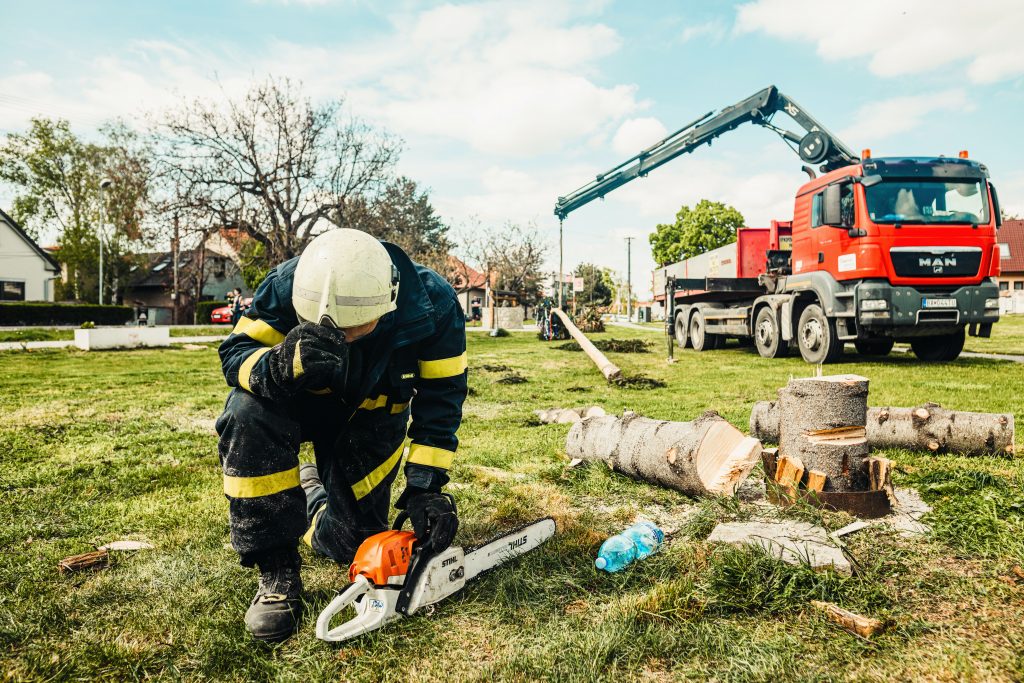
Discussing the qualifications and advantages of hiring certified professionals is crucial for promoting informed decision-making and responsible practices in various fields, including tree care, healthcare, engineering, and more. This discussion is essential because it helps individuals, businesses, and communities understand the significance of relying on experts with verified credentials and the benefits that come with hiring certified professionals. Here’s why it’s important to have these discussions:

1. Informed Decision-Making: When people are aware of the qualifications and advantages of hiring certified professionals, they can make more informed choices. They can assess their needs and choose professionals who have the necessary knowledge and skills to address those needs effectively.

2. Quality Assurance: Certification indicates that a professional has met specific standards of competency and expertise. Discussing these qualifications ensures that clients can expect a certain level of quality in the services provided by certified professionals.

3. Expertise and Specialization: Certified professionals have undergone rigorous training, education, and assessments in their respective fields. Discussing their qualifications highlights their specialized knowledge and expertise, which are critical for addressing complex issues and challenges.

4. Safety and Risk Management: Many professions involve potential risks, and hiring certified professionals mitigates those risks. Professionals with appropriate qualifications are more likely to adhere to safety protocols, reducing the likelihood of accidents, errors, or subpar work.

5. Regulatory Compliance: In some industries, certifications are required by law or industry regulations. Discussing these requirements helps individuals and organizations understand the legal and regulatory framework and ensures compliance.

6. Consumer Protection: Hiring certified professionals often comes with safeguards for consumers. Certified professionals are held accountable to ethical standards and codes of conduct, ensuring that consumers are treated fairly and professionally.

7. Complex Problem Solving: Certain problems and projects require specialized knowledge and problem-solving skills. Certified professionals possess the training and experience needed to navigate complex challenges effectively.

8. Long-Term Benefits: While hiring certified professionals may involve higher initial costs, the long-term benefits often outweigh the investment. Quality work and proper solutions reduce the need for rework, repairs, or further expenses down the line.

9. Professional Networks: Certified professionals are part of broader professional networks, which means they have access to the latest research, techniques, and industry developments. Clients benefit from this network through up-to-date and innovative solutions.

10. Confidence and Trust: Discussing the qualifications and advantages of hiring certified professionals builds confidence and trust among clients. They can be assured that they are working with professionals who are committed to their field and adhere to high standards of practice.

11. Industry Recognition: Certifications are often recognized by industry associations, peers, and stakeholders. Hiring certified professionals demonstrates a commitment to industry standards and best practices.

12. Encouraging Continuous Learning: Certification programs often require professionals to engage in ongoing education and training. Discussing these requirements encourages professionals to continuously update their skills and knowledge.

In conclusion, discussing the qualifications and advantages of hiring certified professionals is essential for promoting responsible choices, ensuring quality outcomes, and contributing to the overall professionalism and credibility of various industries.

These discussions empower individuals and organizations to make well-informed decisions that lead to positive outcomes and contribute to the advancement of their respective fields.

Understanding Certified Arborists

Understanding certified arborists involves gaining insights into the role, qualifications, and expertise of professionals who specialize in tree care and management. Certified arborists are trained and knowledgeable individuals who have earned certification from recognized organizations, demonstrating their proficiency in various aspects of arboriculture, tree health, and urban forestry. This certification signifies their commitment to best practices and their ability to provide knowledgeable and skilled tree care services. Here’s a comprehensive explanation of certified arborists:

1. Definition and Role: Certified arborists are professionals who specialize in the cultivation, management, and care of trees and woody plants. Their role encompasses a range of tree-related tasks, including planting, pruning, diagnosing and treating tree diseases, assessing tree health, and providing guidance on tree selection and maintenance.

2. Certification Process: To become a certified arborist, individuals typically need to meet specific criteria set by reputable organizations such as the International Society of Arboriculture (ISA). The process involves passing an examination that tests their knowledge in areas such as tree biology, safety practices, tree identification, proper pruning techniques, and more.

3. Educational Background: Certified arborists often have formal education in arboriculture, forestry, horticulture, or related fields. They undergo training that covers various aspects of tree care, including biology, soil science, pest management, and urban planning.

4. Experience Requirements: Certification programs often require candidates to have a certain amount of practical experience in the field. This hands-on experience ensures that certified arborists have practical skills and can apply their knowledge effectively.

5. Ongoing Education: Arboriculture is a dynamic field with advancements in techniques, research, and technology. Certified arborists are often required to engage in continuing education to stay up-to-date with the latest developments in tree care.

6. Expertise in Tree Care: Certified arborists have a deep understanding of tree biology, growth patterns, and health indicators. They can identify and diagnose various tree issues, from diseases and pests to structural weaknesses.

7. Proper Pruning and Maintenance: Arborists are trained in proper pruning techniques that enhance the health and structure of trees. They can trim trees to promote growth, remove dead or hazardous branches, and prevent over-pruning.

8. Tree Health Assessment: Certified arborists are skilled in assessing tree health and diagnosing problems. They can identify signs of disease, stress, or other issues that may impact the well-being of trees.

9. Planting and Selection: Arborists provide valuable guidance on selecting the right tree species for specific environments and purposes. They know how to ensure proper planting and establishment, reducing the risk of transplant shock.

10. Safety Measures: Safety is a paramount concern in arboriculture. Certified arborists are trained to prioritize safety during tree care operations, using proper equipment and techniques to protect themselves, property, and the surrounding environment.

11. Ethical Practices: Arborists adhere to a code of ethics that emphasizes responsible and sustainable tree care. They consider long-term tree health, ecosystem health, and the well-being of the community.

12. Professionalism: Certified arborists demonstrate professionalism in their interactions with clients, colleagues, and the community. They provide expert advice, communicate effectively, and uphold industry standards.

In essence, understanding certified arborists involves recognizing them as knowledgeable, trained professionals who play a crucial role in maintaining the health, safety, and vitality of trees in both urban and natural settings. Hiring a certified arborist ensures that tree care is conducted with expertise, ethics, and a commitment to best practices.

[geocentric_weather id=”4134af15-b02c-4fe0-bd45-fb0e6efba429″]

[geocentric_about id=”4134af15-b02c-4fe0-bd45-fb0e6efba429″]

[geocentric_neighborhoods id=”4134af15-b02c-4fe0-bd45-fb0e6efba429″]

[geocentric_thingstodo id=”4134af15-b02c-4fe0-bd45-fb0e6efba429″]

[geocentric_busstops id=”4134af15-b02c-4fe0-bd45-fb0e6efba429″]

[geocentric_mapembed id=”4134af15-b02c-4fe0-bd45-fb0e6efba429″]

[geocentric_drivingdirections id=”4134af15-b02c-4fe0-bd45-fb0e6efba429″]

[geocentric_reviews id=”4134af15-b02c-4fe0-bd45-fb0e6efba429″]

Tree care services: what is chip carving?


Exploring the Art of Chip Carving in Tree Care Services

Within the realm of tree care services, there exists a fascinating and intricate art form known as chip carving. This technique involves the skilled use of a carving knife to create delicate, intricate designs on a wood surface. Through a series of precise cuts, a piece of wood is transformed into a beautiful work of art. In this article, we will delve into the world of chip carving, exploring its techniques, tools, and the creative process involved.

The Basics of Chip Carving:
Chip carving is a form of wood carving that involves removing small chips or pieces of wood from a workpiece using a sharp knife. The knife cuts are strategically made to create intricate patterns and designs. The technique primarily relies on three main shapes: three-corner, curved lines, and straight lines. These basic shapes serve as the foundation for more complex and intricate designs.

Tools and Materials:
To engage in chip carving, a few essential tools are required. The most crucial tool is a chip carving knife, specifically designed for this art form. The blade of the knife is sharp and slender, allowing for precise cuts and intricate details. Additionally, selecting the right wood piece is crucial. Woods like basswood, cherry, and mahogany are commonly used due to their fine grain and smooth texture, which allows for clean and precise cuts.

The Process of Chip Carving:
Chip carving begins with tracing a pattern onto the wood surface. This can be achieved by placing a piece of carbon paper or tracing paper over the design and using a pencil to transfer the pattern onto the workpiece. Once the pattern is transferred, the artist positions the carving knife in the basic position and starts making precise cuts along the design lines. Each cut removes a small chip of wood, creating depth, texture, and intricate patterns.

Skills and Techniques:
Chip carving requires a combination of skill, patience, and attention to detail. Artists must have a good understanding of the different carving knife cuts and the ability to maintain control while working with sharp tools. The direction and angle of the cuts are essential for achieving desired results. Proper hand positioning and grip play a crucial role in executing clean and precise cuts.

Complex Designs and Interpretation:
While chip carving can start with simple patterns and designs, it offers endless possibilities for intricate and complex creations. Artists can develop their own interpretation of patterns or create original designs. With experience and skill, chip carvers can explore multiple ways to incorporate various shapes and patterns, pushing the boundaries of their artistic wood carvings.

Finishing Touches and Presentation:
Once the carving process is complete, additional steps can be taken to enhance the final product. Sanding the wood surface smoothens any rough edges, and the choice of stain or finish adds color and protects the wood. Mahogany, cherry, and other types of wood react differently to stains, allowing artists to experiment with various colors and effects. A well-executed chip carving can be a true work of art that showcases the beauty and intricacy of wood grain.

Conclusion:
Chip carving is a captivating art form within the realm of tree care services, offering an avenue for creative expression and meticulous craftsmanship. With a deep understanding of the carving techniques, a sharp knife, and the right choice of wood, artists can transform a simple piece of wood into a masterpiece of intricate patterns and designs. Whether it’s a hobby or a profession, chip carving rewards those who invest time, practice, and dedication into mastering this age-old craft.


[geocentric_weather id=”45ff4ccd-3d3f-498e-b0b9-91aaaf766bc4″]

[geocentric_about id=”45ff4ccd-3d3f-498e-b0b9-91aaaf766bc4″]

[geocentric_neighborhoods id=”45ff4ccd-3d3f-498e-b0b9-91aaaf766bc4″]

[geocentric_thingstodo id=”45ff4ccd-3d3f-498e-b0b9-91aaaf766bc4″]

[geocentric_busstops id=”45ff4ccd-3d3f-498e-b0b9-91aaaf766bc4″]

[geocentric_mapembed id=”45ff4ccd-3d3f-498e-b0b9-91aaaf766bc4″]

[geocentric_drivingdirections id=”45ff4ccd-3d3f-498e-b0b9-91aaaf766bc4″]

[geocentric_reviews id=”45ff4ccd-3d3f-498e-b0b9-91aaaf766bc4″]

Pine Trees Landscape

Pine Trees Landscape

Pine Trees Landscape

Pine Trees Landscaping Ideas

Pine trees are a timeless landscaping option that looks great just about anywhere. In certain landscapes, they create an almost mystical and cozy vibe. Their needles also give off a unique and pleasant aroma. Since pine trees are evergreen, they will provide lush, vibrant green colors to your landscape all year long. To decide which types of landscape trees are best for your yard, you have to think in terms of the different seasons of the year. Begin by looking at those that are valued for their spring display and end with those trees that offer visual interest in winter. The goal is not simply to have a collection of great specimens in the yard, but rather to have at least one specimen per season that will add pizzazz to your landscaping.

Simply put, you can’t go wrong incorporating these magnificent trees into your landscaping scheme. Don’t know where to start? Don’t worry, we have created a list of pine tree landscaping ideas to give you some good insight. Check out the following pine tree landscaping ideas for some creative inspiration before heading to the rest of the post.

Pine trees landscaping ideas

1. Dwarf Evergreens
Alpine garden
If you love the texture and color that pine trees provide but don’t necessarily want super tall trees in your landscape, then dwarf varieties are for you. There is still a large assortment of dwarf varieties, so you won’t be limited in your planting options whatsoever.
2. Front Yard Accent
View of a pine tree on backyard in a sunny day
One easy way to landscape your front yard is by planting a large pine tree. It serves as a show-stopping centerpiece in the yard since it can’t be missed. Surround your yard with other pine trees to increase the overall aesthetic. Create a line of trees around the property to get some more privacy, if desired.
3. Cozy Cabin
Rustic log house on the woods
It’s a well-known fact that pine trees provide one of the freshest aromas ever. A walk through pine tree-filled woods is revitalizing and refreshing. One of the best companions for a cabin is a heavy planting of pine trees. Their looming height, fresh scent, and gorgeous aesthetic are what people long for when they’re staying in a cozy cabin. By planting pine trees, you can create this same vibe.
Plant the trees in rows for a shapely look or let them spread out in a random order for the more natural appearance. Just keep in mind the way that pine trees reproduce and spread. If you have paths that snake through the area, you may have to occasionally transplant the trees off the paths.
4. Pathway Interruption
Pine tree and pergolas in retro park garden in Madrid
Break up the monotony of the pathway with a lone pine tree. This adds visual interest to the area with it’s long, texture-rich trunk and spindly branches. Having a few of these handsome trees strewn about a pathway is a great idea.
5. Well-Maintained Garden Landscape
Pine garden with mix of evergreen shrubs, annuals and perennial flowers in a beautiful national park.
Well-groomed vibrant green grass, seasonal plants, and variegated trees come together to create a stunning landscape. Well thought out landscape designs are appreciated for their creative beauty and the way the plants just seem to tell a story. The pine trees are a great ornamental accent to the space.
6. River Companions
Ornamental japanese-style garden featuring bonsai japanese maples, silver birch surrounded by tall leylandi cypress conifer hedge forming a dense evergreen barrier
Winding rivers and streams carve intriguing patterns through the land. One of the best ways to accentuate the natural flowing pattern is through the use of pine trees and other vegetation. With how many different species of pine trees there are, you’re sure to find the perfect ones for your landscape.
7. Line A Walkway
Oleander bushes and pine trees in mediterranean garden
Lining a walkway with pine trees and other evergreens ensures that the area is constantly full of new life and an abundance of lush color. Pine trees can have needles that range in color from vibrant greens to soothing blues. All these color options prevent any sense of boredom in the landscape!
8. Poolside Treasures
Large rectangular swimming pool with pine trees on the side against the background of the ocean
A palm tree is probably the typical tree you think of when it comes to poolside plants. However, pine trees shouldn’t be overlooked! They’ll add a nice pop and accentuate the pool well. With their evergreen leaves, you’ll never go a day without shade and a gorgeous tree to look at.
In a setting like this, the pine trees also serve as a partial wind-blocking wall.
9. Pine Tree Assortment
Landscape with decorative bushes and pines on a lawn
For a texture-rich landscape, use an assortment of pine trees all around the area. Dwarf pine trees, shrub-like pine trees, sky-reaching pine trees and more. Their various green tones are eye-catching in the landscape.
10. Intriguing Shapes
Korean pine trees
It’s amazing how pine trees can look like pieces of art on their own. The way their branches twist and grow is intriguing and creates quite the display in the landscape.
11. Raised Planter
Japanese-style garden with large bonsai trees
Have you ever thought about planting pine trees in a raised planter? It’s not a common trend to do so, but it makes for an awesome display and great use of space. Though tall trees already call a lot of attention to themselves, being planted in a raised container brings even more emphasis to the tree. Landscape the entire container however you wish and incorporate all kinds of plant life.

12. Organic Landscape
House with solar panels on the roof surrounded by pine tress
Let nature do its thing and take over your garden landscape all on its own. This gives the area a rugged, organic appearance with only naturally growing vegetation covering the garden area. You can still trim things back, transplant plants, or completely take out other plants to slightly influence the landscape.
13. Rock Garden Décor
Corner lot of front residential yard landscaped with a mix of evergreen shrubs, plus annuals and perennial flowers
Use a collection of different sized rocks in your garden landscape. Use rubber edging to snake a trail through the garden and fill it with crushed pebbles, then use larger river rocks on the outside of the edging. Intersperse evergreens, pine trees, and other vegetation in the garden area to make it full of life and color.
14. Japanese Garden Accents
Chinese garden
Pine trees probably weren’t on your radar when it comes to landscaping a Japanese garden. However, there are over 120 species of bonsai pine trees that are perfect for this type of landscape and garden.
15. Zen Garden
Beautiful zen garden by summer morning
No zen garden is complete without an accompanying bonsai tree. Zen gardens are meant to imitate the essence of nature. Common features include rocks, water features, paving stones, moss, pruned trees and bushes, and gravel or sand that has been raked to mimic ripples of water.
16. Great Pond Pairing
Backyard garden during night time
Small ponds are a wonderful landscaping element to pair with pine trees. The soft, blue hues of the water go great with the lush green of pines.

Other Landscaping Trees to look consider

Japanese Maple Trees

Some Japanese maples (Acer palmatum) are very versatile, too, but in a different way. They are great not only in autumn but also during the summer season. They display the vibrant red color we associate with fall foliage when most other trees still bear green leaves.

Magnolia Trees

Any well-planned yard will contain at least one flowering landscape tree of exceptional beauty. Magnolia trees (Magnolia spp.) are among the showiest specimens. While star magnolias often bloom earlier, saucer magnolias provide a larger bloom.

Apple Trees

You do not have to be a farmer to want to grow apple trees (Malus spp.) in your yard. It is about more than just fruit. Apple trees are beautiful bloomers in their own right. The fruit is a bonus. If you do not care about growing edible fruit, then crabapples will serve your purposes better. A type with rosy-red flowers that reaches a height of 20 to 25 feet is Malus x ‘Centzam’ or Centurion, which can be grown in zones 4 to 8.

Dogwood Trees

You will likely want more than just flowering landscape trees that provide a floral extravaganza in spring. Fortunately, sometimes you get a two-for-one deal (or better) in landscaping. In this case, that means versatile specimens that earn their keep during more than just one of the four seasons. Dogwood trees (Cornus florida and Cornus kousa) offer such a deal: blooms for spring, colorful foliage for fall, berries to attract wild birds in winter, and an interesting branching pattern year-round.

[geocentric_weather id=”32ef9911-1ca7-4f2c-bcea-ecdf60fab5eb”]

[geocentric_about id=”32ef9911-1ca7-4f2c-bcea-ecdf60fab5eb”]

[geocentric_neighborhoods id=”32ef9911-1ca7-4f2c-bcea-ecdf60fab5eb”]

[geocentric_thingstodo id=”32ef9911-1ca7-4f2c-bcea-ecdf60fab5eb”]

[geocentric_busstops id=”32ef9911-1ca7-4f2c-bcea-ecdf60fab5eb”]

[geocentric_mapembed id=”32ef9911-1ca7-4f2c-bcea-ecdf60fab5eb”]

[geocentric_drivingdirections id=”32ef9911-1ca7-4f2c-bcea-ecdf60fab5eb”]

[geocentric_reviews id=”32ef9911-1ca7-4f2c-bcea-ecdf60fab5eb”]