Are you tired of dealing with the hassle and danger of fallen trees and stumps on your property? Tree and stump removal is an essential process that not only improves the aesthetic appeal of your yard but also ensures safety and prevents potential hazards. According to the American Society of Arboriculture, over 1,000 people are injured each year in tree-related accidents. In this article, we will guide you through the 7-step process of tree and stump removal, including DIY vs. professional options, safety precautions, and environmental considerations.
As a homeowner, it’s crucial to understand the importance of proper tree removal. Not only can fallen trees cause damage to your property, but they can also create an eyesore that detracts from the beauty of your outdoor space. In 2026, the National Arborist Association reported that the average cost of tree removal is around $1,000, but the cost of not removing a hazardous tree can be much higher.

Fallen trees and stumps can pose significant risks to your property and safety. For instance, a fallen tree can cause damage to your home, deck, or other structures, while a stump can create a tripping hazard or attract pests. In addition, neglected trees and stumps can also impact your yard’s maintenance and landscaping efforts.
A TruCo Services customer in Utah had a tree fall on their deck during a storm, highlighting the importance of proactive removal. The customer reported that the tree had been dead for several years but had not been removed due to its location and size. Fortunately, our team was able to safely remove the tree and stump, preventing further damage and ensuring the customer’s safety.
There are several types of trees, including deciduous, evergreen, and fruit trees. Each type of tree has its unique characteristics, growth patterns, and removal requirements. For instance, deciduous trees tend to have a larger canopy and more extensive root system, making removal more challenging. Evergreen trees, on the other hand, have a smaller canopy and more compact root system, making removal relatively easier.
When it comes to stump removal, the size, location, and species of the tree can significantly impact the difficulty of the process. For example, a large oak tree stump may require specialized equipment and techniques, while a small pine tree stump may be relatively easy to remove. According to the USDA, the emerald ash borer has devastated ash tree populations in the US, making removal and replacement a priority for many homeowners.
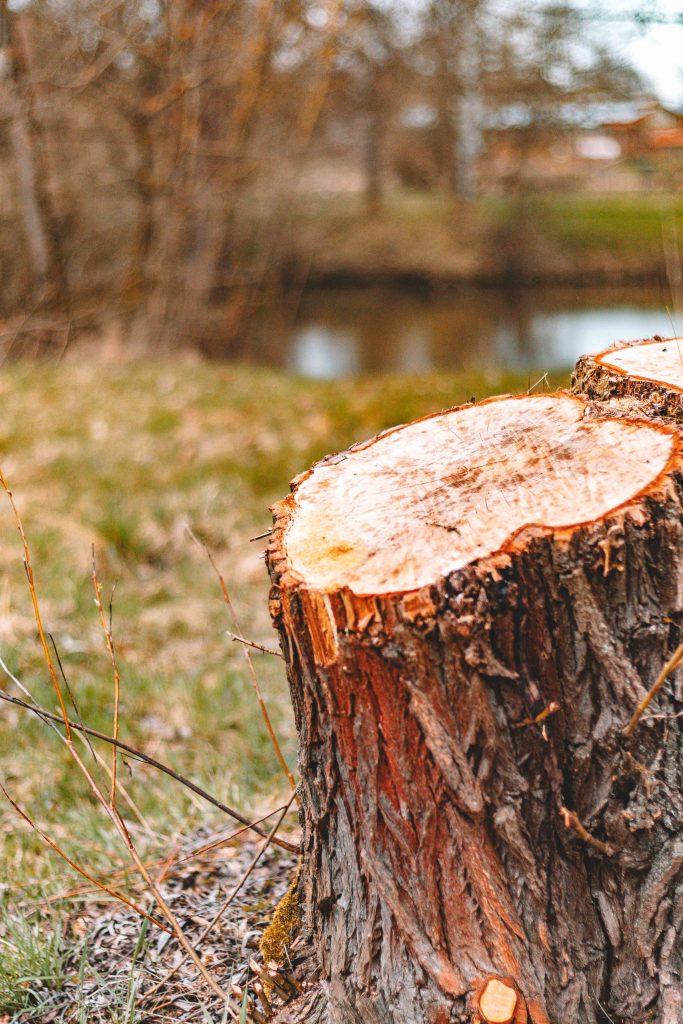

The first step in tree and stump removal is to assess the tree’s size, location, and condition. This involves evaluating the tree’s height, diameter, and branch structure, as well as identifying any potential hazards or obstacles. Our team of experts will work with you to develop a customized removal plan that meets your needs and ensures a safe and efficient process.
Once the assessment and planning are complete, our team will begin the tree removal process. This involves using specialized equipment, such as chainsaws and cranes, to safely remove the tree. We take every precaution to ensure the removal process is safe and efficient, including wearing personal protective equipment (PPE) and following OSHA guidelines.
While DIY tree and stump removal may seem like a cost-effective option, it can be a hazardous and time-consuming process. Without the necessary expertise and equipment, you may put yourself and others at risk of injury or damage to your property. In contrast, hiring a professional arborist or landscaping service can ensure a safe and efficient removal process.
TruCo Services’ expertise and equipment ensure a safe and efficient removal process. Our team of experts has years of experience in tree and stump removal, and we use only the highest-quality equipment to ensure a job well done. While the cost of hiring a professional may be higher than DIY removal, the benefits far outweigh the costs.
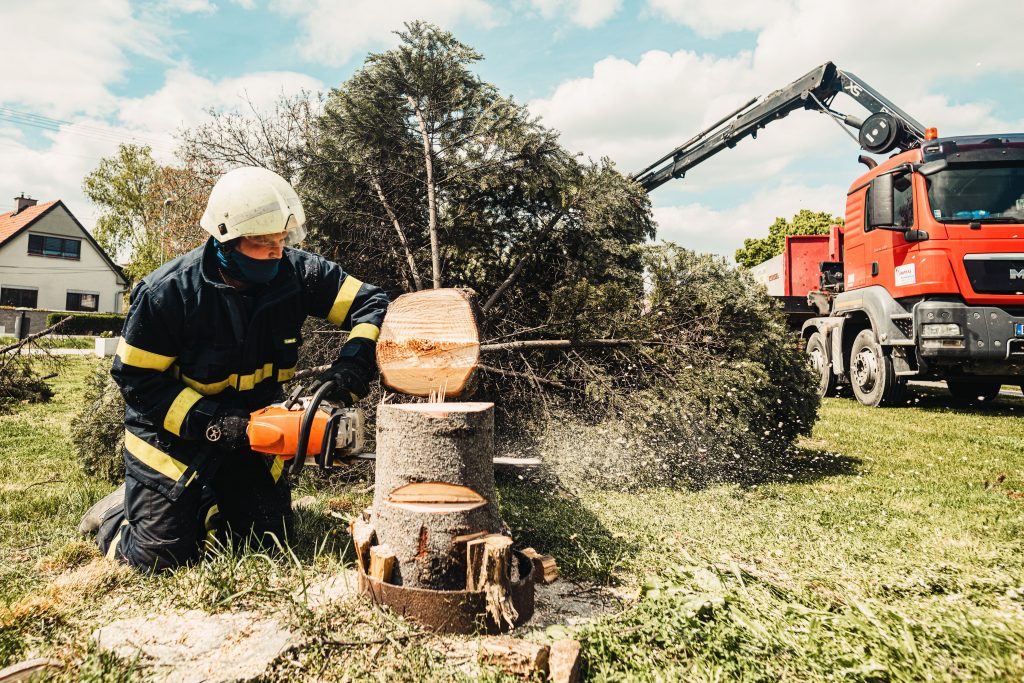
Tree and stump removal can be a hazardous process, and it’s essential to take necessary safety precautions. This includes wearing personal protective equipment (PPE), ensuring the removal area is clear of obstacles, and following OSHA guidelines. In addition, local ordinances and permits may be required for tree removal, depending on the location and size of the tree.
In Utah, a permit is required for tree removal in certain municipalities. Our team of experts is familiar with local regulations and will ensure that all necessary permits are obtained before beginning the removal process.
Tree and stump removal can have environmental impacts, such as disrupting local ecosystems and wildlife habitats. However, sustainable practices such as recycling and reusing organic materials can minimize these impacts. At TruCo Services, we are committed to environmentally responsible tree and stump removal practices.
We recycle and reuse organic materials whenever possible, reducing waste and minimizing our carbon footprint. In addition, we offer carbon offsetting and reforestation services to help offset the environmental impacts of tree removal.
The cost of tree and stump removal varies depending on factors such as the size and location of the tree, the type of equipment required, and the expertise of the removal service. On average, the cost of tree removal can range from $500 to $2,000, while stump removal can cost between $100 and $500.
At TruCo Services, we offer competitive pricing and flexible payment options to fit your budget. We also provide a free consultation and quote to help you understand the costs and benefits of tree and stump removal.
In conclusion, tree and stump removal is an essential process that improves the aesthetic appeal of your yard, ensures safety, and prevents potential hazards. By following the 7-step process outlined in this article, you can ensure a safe and efficient removal process.
At TruCo Services, we are committed to providing professional and environmentally responsible tree and stump removal services. Contact us today for a free consultation and quote, and let us help you transform your outdoor space.

The cost of tree and stump removal varies depending on factors such as the size and location of the tree, the type of equipment required, and the expertise of the removal service. On average, the cost of tree removal can range from $500 to $2,000, while stump removal can cost between $100 and $500.
Yes, it is recommended to hire a professional arborist or landscaping service for tree and stump removal. They have the necessary expertise, equipment, and insurance to ensure a safe and efficient removal process.
Tree and stump removal can be a hazardous process, and it is essential to take necessary safety precautions. This includes wearing personal protective equipment (PPE), ensuring the removal area is clear of obstacles, and following OSHA guidelines.
The time it takes to remove a tree and stump depends on the size and complexity of the job. On average, tree removal can take several hours to a full day, while stump removal can take several hours to a few days.
Yes, tree and stump removal can have environmental impacts, such as disrupting local ecosystems and wildlife habitats. However, sustainable practices such as recycling and reusing organic materials can minimize these impacts.