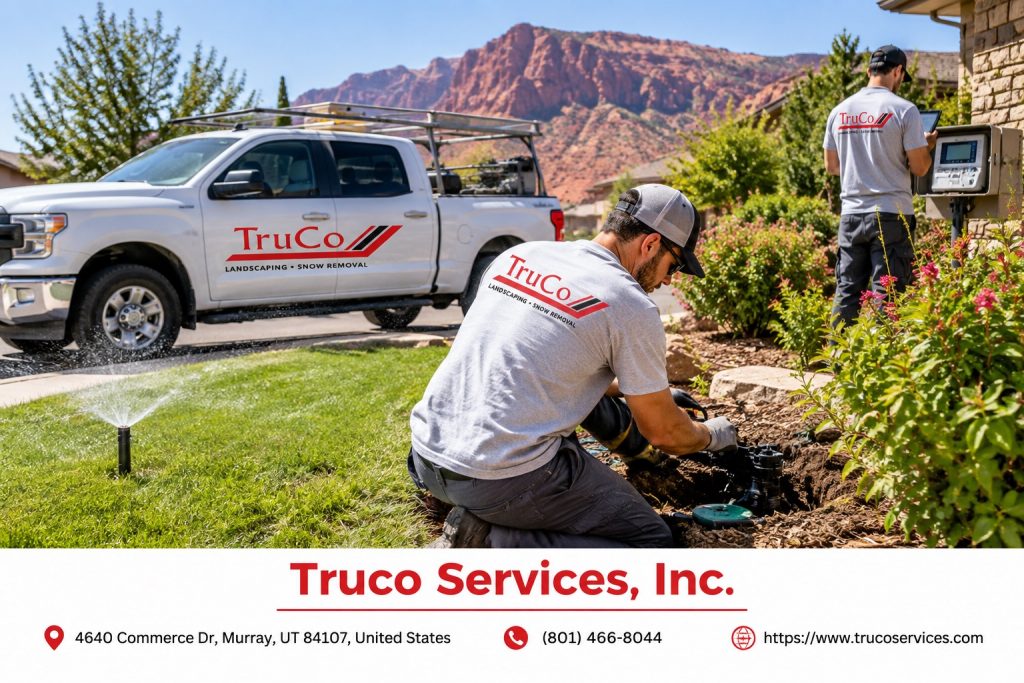
St. George Utah Smart Irrigation Systems

St. George Utah Smart Irrigation Systems: A Complete Guide to Efficient Landscape Watering

St. George, Utah, is known for its beautiful desert surroundings, warm climate, and distinctive landscapes. Maintaining a healthy lawn, garden, trees, shrubs, and other outdoor plants in this environment requires careful irrigation planning. Traditional sprinkler systems can water a landscape, but they may not always respond to changing weather, soil conditions, plant requirements, or seasonal needs.

That is where St. George Utah smart irrigation systems can make a significant difference. Smart irrigation technology combines modern controllers, sensors, weather information, efficient sprinkler components, and customized watering schedules to help landscapes receive the water they need without unnecessary irrigation.

Utah water-conservation resources describe smart irrigation controllers as systems that can adjust watering according to factors such as local weather, soil characteristics, and plant needs. They can also pause irrigation during conditions such as rain, freezing temperatures, or high winds.

For homeowners and property managers in St. George, installing a smart irrigation system can therefore be an important part of maintaining attractive landscaping while using outdoor water more thoughtfully.

What Are Smart Irrigation Systems?

A smart irrigation system is an automated landscape watering system that uses technology to make irrigation decisions more intelligently than a conventional timer.

A traditional irrigation controller might operate according to a simple schedule such as:

The problem is that outdoor conditions are not identical every day. A landscape may need different amounts of water depending on temperature, rainfall, wind, plant growth, soil moisture, season, and other conditions.

A smart controller can use available environmental information to modify watering schedules. Instead of simply following a fixed timetable, the controller can make adjustments based on programmed landscape information and weather-related data.

This approach can be particularly useful in St. George, where efficient irrigation is an important consideration for maintaining residential and commercial landscapes.

The City of St. George’s water-conservation planning has specifically included smart irrigation controllers among its conservation efforts, and Utah’s statewide resources also promote smart irrigation technology.

If you need related articles, see the following:

St. George Utah Irrigation Installation

St. George Utah Retaining Wall Installation

St. George Utah Retaining Wall Design

Why Smart Irrigation Makes Sense in St. George, Utah

St. George presents unique landscaping challenges. The area’s warm, dry environment means outdoor landscapes can require regular irrigation, particularly during periods of high heat.

At the same time, excessive watering can cause problems including:

The goal isn’t simply to water less. The goal is to water appropriately.

A properly designed smart irrigation system can help distribute water according to the needs of different landscape zones.

For example, a lawn may have substantially different watering requirements than:

Smart irrigation technology can help homeowners manage these differences instead of treating the entire property as one watering zone.

How Smart Irrigation Controllers Work

The controller is essentially the brain of the irrigation system.

Instead of manually changing the irrigation schedule throughout the year, homeowners can use a smart controller to automate many adjustments.

Depending on the equipment and configuration, a smart irrigation system may consider:

Weather Conditions

Weather-responsive controllers can use local weather information to adjust irrigation.

For example, if precipitation occurs, the system can reduce or suspend scheduled watering rather than continuing to irrigate according to an outdated schedule.

Utah homeowner guidance specifically notes that smart controllers can use weather information and pause irrigation during rain, freezing temperatures, or high winds.

Temperature

Hot weather can increase water demand, while cooler conditions can reduce it.

A smart irrigation system can account for these changing conditions when determining how much irrigation is appropriate.

Seasonal Changes

Landscape watering requirements change dramatically throughout the year.

A schedule that makes sense during the hottest portion of summer may be excessive during spring or fall.

Utah State University Extension provides seasonal irrigation guidance and emphasizes adjusting irrigation schedules as conditions change.

Plant Requirements

Different plants have different water needs.

A smart irrigation installation can divide a property into zones so that water is distributed according to the landscape rather than using one schedule for everything.

Soil and Landscape Conditions

Soil type, slope, exposure, plant density, and irrigation equipment all influence how quickly water enters the soil and how much irrigation is appropriate.

These factors should be considered when designing or upgrading an irrigation system.

Smart Irrigation Is More Than Installing a Smart Controller

One common misconception is that a smart irrigation system simply means replacing an old timer with a Wi-Fi-enabled controller.

The controller is important, but it is only one component.

A genuinely effective irrigation system should also consider:

If an irrigation system has poorly positioned sprinkler heads, broken pipes, leaking valves, or inefficient nozzles, installing an advanced controller alone may not solve the underlying problems.

That is why professional evaluation is valuable.

Smart Irrigation for St. George Lawns

Lawns can be among the more irrigation-intensive portions of a landscape.

A smart irrigation system can divide a lawn into appropriate zones and establish watering schedules that respond to changing conditions.

Proper sprinkler spacing is also important. Ideally, sprinkler heads should distribute water evenly across the intended lawn area.

If one section receives excessive water while another remains dry, simply increasing the total watering time may make the problem worse.

Professional irrigation installation can address these issues by evaluating:

A smart controller can then operate the system according to an appropriate schedule.

Smart Irrigation for Trees, Shrubs, and Flower Beds

Not every part of a St. George landscape should necessarily be watered like turf.

Trees and shrubs often have different root structures and water requirements than grass.

Flower beds may contain plants with different moisture needs as well.

This is where irrigation zoning becomes especially important.

A professional irrigation system can separate areas into different zones, potentially using:

The objective is to deliver water where plants can use it rather than applying identical irrigation to the entire property.

Smart Drip Irrigation

Drip irrigation can be an excellent component of a water-conscious landscape.

Rather than spraying water broadly across an area, drip systems deliver water through tubing and emitters near plants.

Drip irrigation can be useful for:

However, drip irrigation still needs to be designed, installed, inspected, and maintained correctly.

Utah State University Extension recommends flushing drip systems and checking irrigation components before operation.

Benefits of St. George Utah Smart Irrigation Systems

1. More Convenient Watering

One of the biggest benefits is convenience.

Homeowners don’t have to constantly remember to change irrigation schedules when weather conditions change.

Automation can make landscape watering easier to manage.

2. Improved Water Management

Smart controllers can modify irrigation based on environmental conditions rather than relying entirely on fixed schedules.

This can help reduce unnecessary watering.

3. Healthier Landscapes

Too much water can be just as problematic as too little.

Proper irrigation management can help maintain healthier lawns, shrubs, flowers, and trees by providing appropriate amounts of moisture.

4. Reduced Water Waste

Utah has promoted smart irrigation technology as part of broader water-conservation efforts. The Utah Division of Water Resources announced in 2024 that statewide rebates for smart irrigation controllers had increased to $100.

Homeowners should verify current eligibility and program requirements before assuming a rebate is available.

5. Easier Seasonal Adjustments

Landscape watering needs change throughout the year.

A smart controller can make seasonal management easier by adjusting irrigation according to programmed settings and environmental information.

6. Remote Management

Many modern controllers can connect to smartphones or other devices.

Depending on the controller, property owners may be able to:

This can be especially convenient for homeowners who travel or manage multiple properties.

Signs You May Need a Smart Irrigation Upgrade

Your current irrigation system may benefit from an upgrade if you notice:

A professional irrigation inspection can help identify whether the problem is the controller, the irrigation hardware, the system design, or a combination of factors.

Smart Irrigation and Water Conservation in St. George

Water conservation is an established consideration in the St. George area.

State water records show that St. George’s secondary irrigation system supplies water for significant amounts of lawn and garden use, along with municipal and other landscape applications.

The city’s water-conservation planning has also included smart irrigation controllers and education designed to help residents adjust irrigation according to seasonal and weather conditions.

This makes efficient irrigation technology particularly relevant for homeowners interested in maintaining attractive outdoor spaces while managing water use responsibly.

Smart Irrigation for New Landscape Construction

Smart irrigation is easiest to optimize when it is incorporated into a landscape from the beginning.

During new construction, the irrigation system can be designed around the planned landscape.

A professional can consider:

  1. Property dimensions
  2. Landscape zones
  3. Plant selection
  4. Lawn areas
  5. Trees and shrubs
  6. Hardscape
  7. Slopes
  8. Drainage
  9. Water pressure
  10. Irrigation supply
  11. Controller location
  12. Future landscape changes

This approach can help prevent problems caused by trying to retrofit an irrigation system after the landscape has already been installed.

Upgrading an Existing Irrigation System

A complete irrigation replacement isn’t always necessary.

In some cases, an existing system may be upgraded with:

A professional evaluation can determine whether upgrading individual components or redesigning portions of the system makes more sense.

Why Professional Smart Irrigation Installation Matters

Smart irrigation technology can be sophisticated, but technology cannot compensate for fundamentally poor irrigation design.

Professional installation can help ensure that the system is properly configured from the beginning.

Important considerations include:

The objective should be an irrigation system that works with the landscape rather than simply turning sprinklers on and off.

Why Call Truco Services for Smart Irrigation Systems in St. George, Utah?

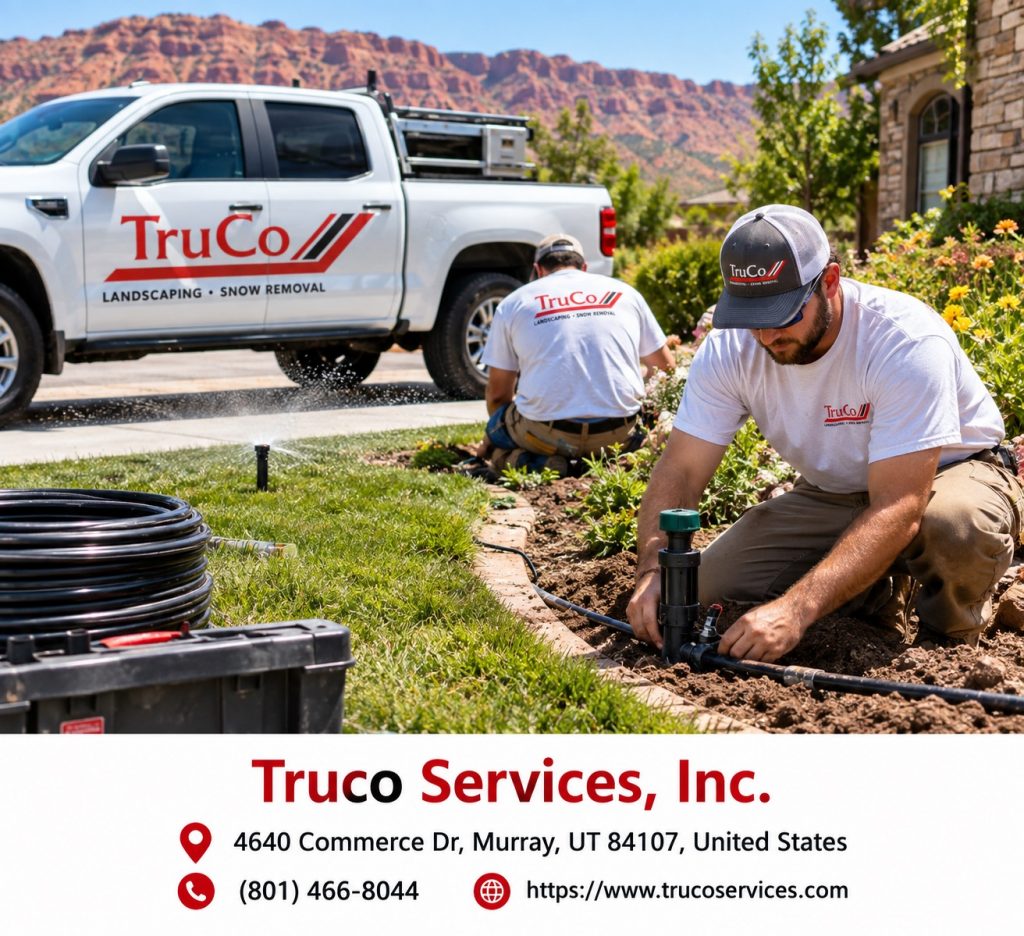
If you’re looking for St. George Utah smart irrigation systems, Truco Services, Inc. can be contacted to discuss your landscaping and irrigation needs.

Truco Services provides landscaping-related services and can help property owners approach irrigation as part of the larger landscape rather than treating the irrigation controller as an isolated piece of equipment.

A Landscape-Focused Approach

Irrigation works together with landscaping.

Plant selection, lawn areas, hardscaping, drainage, grading, and irrigation all affect one another.

A landscape-focused company can evaluate how these components work together when developing an irrigation solution.

Customized Irrigation Solutions

Every property is different.

A small residential yard does not require the same irrigation approach as a large commercial property.

Factors such as landscape size, plant types, sun exposure, slopes, soil, and existing irrigation infrastructure should be considered when developing a system.

Modern Irrigation Technology

Smart irrigation technology can help automate watering and respond to changing conditions.

Truco Services can help property owners explore appropriate smart irrigation options as part of their landscape project.

Professional Installation

Proper installation is essential for reliable irrigation.

An experienced professional can help ensure that irrigation components are installed correctly and that the controller is configured for the property’s specific zones.

Integration With Landscaping Projects

If you are already planning a landscaping project, adding irrigation planning at the same time can make the entire project more cohesive.

Truco Services can be contacted about landscaping and irrigation needs for properties in and around the St. George area.

Maintaining a Smart Irrigation System

Even smart irrigation systems require maintenance.

Homeowners should periodically inspect:

Walk through the landscape while the system is operating.

Look for:

Regular inspections can identify small problems before they become larger irrigation failures.

Preparing Your Irrigation System for Seasonal Changes

Smart technology reduces the amount of manual adjustment required, but property owners should still pay attention to their landscapes.

Spring is a good time to inspect the system after winter.

Summer requires careful monitoring because high temperatures can increase landscape water demand.

Fall typically brings cooler conditions and changing irrigation requirements.

Before winter, irrigation systems should be properly prepared according to the equipment, landscape, and local conditions.

Following an appropriate seasonal schedule is an important part of responsible irrigation management. USU Extension provides seasonal irrigation guidance specifically for Utah landscapes, including St. George and surrounding areas.

Frequently Asked Questions About St. George Utah Smart Irrigation Systems

Are smart irrigation systems worth considering in St. George?

Smart irrigation technology can provide automated scheduling and weather-responsive adjustments that may help homeowners manage outdoor water use more efficiently. The suitability of a particular system depends on the property, landscape, irrigation infrastructure, and controller.

Can a smart controller work with an existing sprinkler system?

Often, yes. However, compatibility depends on the existing controller, valves, wiring, zones, and irrigation equipment. An inspection can determine whether an existing system can be upgraded.

Can smart irrigation systems work with drip irrigation?

Yes. Smart controllers can manage appropriately configured drip-irrigation zones. Drip systems should still be properly designed and maintained.

Do smart irrigation systems eliminate the need for maintenance?

No. Smart technology automates many irrigation decisions, but sprinkler heads, valves, pipes, drip emitters, filters, sensors, and other components still require inspection.

Can smart irrigation save water?

Smart irrigation controllers are designed to adjust watering according to environmental and landscape conditions, which can reduce unnecessary irrigation. Actual savings depend on the system’s design, programming, landscape, weather, and maintenance. Utah water-conservation programs specifically promote smart irrigation controllers as a water-efficiency measure.

Are rebates available for smart irrigation controllers?

Utah has offered rebates for qualifying smart irrigation controllers, and the state announced a $100 rebate level in October 2024. Programs and eligibility can change, so homeowners should verify current requirements before purchasing equipment.

Choose a Smarter Approach to Landscape Irrigation

A beautiful St. George landscape requires more than simply turning on sprinklers. Effective irrigation requires understanding the relationship between plants, soil, weather, water delivery, irrigation zones, and seasonal conditions.

St. George Utah smart irrigation systems offer a modern way to manage these variables. With weather-responsive controllers, properly designed zones, efficient irrigation components, and professional installation, homeowners and property managers can make irrigation more convenient and better aligned with landscape needs.

If you’re considering a new irrigation system, replacing an outdated controller, improving an existing sprinkler system, or integrating irrigation into a larger landscaping project, Truco Services, Inc. is available to discuss your project.

Contact Truco Services, Inc.

Truco Services, Inc.
Address: 4640 Commerce Dr, Murray, UT 84107, United States
Contact number: (801) 466-8044
Website: https://www.trucoservices.com

For homeowners looking for a more convenient and thoughtful approach to landscape watering, professional St. George Utah smart irrigation systems can be an important investment in landscape maintenance, water management, and long-term outdoor property care.

St. George Utah Irrigation Installation

St. George Utah Irrigation Installation: A Complete Guide to Efficient Landscape Watering

St. George, Utah, is famous for its warm climate, abundant sunshine, red-rock scenery, and beautiful residential and commercial landscapes. However, creating and maintaining a healthy landscape in Southern Utah requires thoughtful water management. With hot summers, dry conditions, and landscapes that may contain everything from turfgrass to drought-tolerant plants, a properly designed irrigation system is an essential part of successful landscaping.

St. George Utah irrigation installation involves much more than placing sprinkler heads throughout a yard. A professionally designed irrigation system considers the property’s layout, soil, plant types, sun exposure, water requirements, pressure, drainage, irrigation zones, and long-term maintenance needs.

For homeowners, commercial property owners, HOAs, and property managers, the right irrigation system can make outdoor spaces easier to maintain while helping deliver water where it is needed. Utah State University Extension provides irrigation guidance specifically addressing Southern Utah and notes that irrigation scheduling, inspection of sprinkler components, and proper operation are important elements of water-wise landscape management.

If you are planning a new landscape, renovating an existing yard, replacing inefficient sprinklers, or converting portions of a property to a water-wise landscape, professional irrigation installation can provide the foundation your landscape needs.

Why Irrigation Installation Matters in St. George, Utah

Water management is particularly important in Southern Utah. St. George’s climate creates different landscaping challenges than those found in cooler or wetter parts of the country.

A landscape may include grass, trees, shrubs, flowers, groundcovers, vegetable gardens, or drought-tolerant plants. These different plants do not necessarily require the same amount of water. Treating the entire property as one watering area can result in some plants receiving too much water while others receive too little.

A properly designed irrigation system can divide the landscape into separate zones based on plant requirements.

For example, a property could have:

This approach allows irrigation to be managed according to the needs of different portions of the landscape.

Truco Services’ own St. George landscaping guidance emphasizes the importance of coordinating irrigation with landscape design, including the use of drip irrigation, sprinkler zones, controllers, efficient emitters, and hydrozones.

If you need related articles, see the following:

St. George Utah Retaining Wall Installation

St. George Utah Outdoor Lighting Services

St. George Utah Outdoor Living Spaces

What Is Irrigation Installation?

Irrigation installation is the process of designing and constructing a landscape watering system that distributes water throughout a property.

Depending on the landscape, an installation may involve:

The exact components depend on the property and landscape design.

A residential lawn, for example, may rely heavily on appropriately positioned sprinklers, while a xeriscaped property may use substantially more drip irrigation. A larger commercial property may require numerous zones to provide appropriate coverage across different areas.

Sprinkler Irrigation Installation

Sprinkler systems are commonly used for turfgrass and other landscape areas that benefit from broader water coverage.

A properly designed sprinkler system should provide reasonably uniform coverage without unnecessarily watering sidewalks, driveways, buildings, or other areas that do not require irrigation.

Important considerations include:

Sprinkler Head Placement

Sprinkler heads need to be positioned according to the shape and dimensions of the area being watered.

Poor placement can result in:

Proper head spacing and adjustment are therefore important parts of installation.

Spray Versus Rotor Systems

Different sprinkler technologies are suited to different landscape areas. Spray heads may be useful for smaller areas, while rotor-style systems can be appropriate for larger sections of turf.

The goal is not simply to install a particular type of sprinkler. The irrigation equipment should match the landscape’s size, shape, pressure, and watering requirements.

Separate Turf Zones

Grass often has different watering requirements from shrubs, trees, and other plants.

Separating turf from planting beds can make it easier to establish appropriate watering schedules and avoid applying the same irrigation program to every part of the property.

Drip Irrigation Installation in St. George

Drip irrigation is particularly useful for many water-wise landscape applications.

Rather than spraying water across an entire area, drip irrigation delivers water through tubing and emitters close to the plants.

Drip irrigation can be useful for:

A professionally installed drip system should be designed so that water reaches the plants effectively without creating unnecessary runoff.

Filters, pressure regulation, appropriate emitters, zone separation, and periodic flushing are important considerations. Utah State University Extension specifically recommends flushing drip systems before operation to remove dirt and debris from the lines.

Irrigation Zones and Hydrozone Planning

One of the most important concepts in modern landscape irrigation is hydrozoning.

Hydrozoning means grouping plants with similar water requirements together.

For example, a landscape might contain:

Zone 1: Lawn

Zone 2: Flower beds

Zone 3: Drought-tolerant shrubs

Zone 4: Trees

Zone 5: Vegetable garden

This organization allows the irrigation controller to deliver different amounts of water to different areas.

Hydrozone planning is especially valuable when a St. George landscape combines traditional lawn areas with water-wise landscaping. Truco Services’ published landscaping guidance similarly recommends grouping plants according to water needs and coordinating irrigation with landscape design.

Irrigation Controllers and Smart Watering

The controller is effectively the operating center of an irrigation system.

A basic controller can be programmed to operate different zones at predetermined times. More advanced systems can provide additional scheduling flexibility and may incorporate weather or environmental information.

The most sophisticated controller is not automatically the best choice for every property. The important consideration is selecting a control system that matches the landscape, irrigation design, owner’s preferences, and maintenance capabilities.

An irrigation professional can help determine:

Utah State University Extension provides seasonal irrigation guidance for Utah and emphasizes adjusting irrigation schedules throughout the year rather than treating every season identically.

Irrigation Installation for New Landscapes

Installing irrigation while constructing a new landscape provides an opportunity to plan the system from the beginning.

Ideally, irrigation planning should happen alongside landscape design.

The process may involve:

  1. Evaluating the property.
  2. Developing the landscape concept.
  3. Identifying turf and planting areas.
  4. Grouping plants according to water requirements.
  5. Determining irrigation zones.
  6. Selecting sprinkler and drip components.
  7. Planning pipe routes.
  8. Installing irrigation lines.
  9. Installing valves.
  10. Installing sprinkler heads and drip systems.
  11. Connecting the controller.
  12. Testing the system.
  13. Adjusting coverage.
  14. Programming watering schedules.
  15. Providing maintenance recommendations.

Coordinating irrigation with landscape construction can also help prevent unnecessary disruption to finished areas.

Irrigation Installation for Existing Landscapes

Not every irrigation project involves building an entirely new system.

Many St. George homeowners already have irrigation but experience problems such as:

In these situations, an irrigation professional can evaluate the existing system and determine whether repair, modification, expansion, or replacement makes sense.

Sometimes a relatively small upgrade can significantly improve how an existing landscape is watered. In other cases, an aging or poorly designed system may benefit from a more comprehensive redesign.

Irrigation for Xeriscaping and Water-Wise Landscaping

Xeriscaping does not mean that a property has to be completely covered with rock.

A professionally designed water-wise landscape can incorporate:

Irrigation remains important even in a xeriscape.

Newly planted drought-tolerant plants still require appropriate establishment watering, and mature plants may continue to benefit from carefully managed irrigation.

Truco Services’ St. George xeriscaping information emphasizes that water-wise landscaping involves more than simply removing grass. Plant selection, hydrozones, irrigation, soil preparation, mulch, drainage, and landscape design all contribute to the success of the finished landscape.

Irrigation and Soil Conditions

Soil affects how water moves through the landscape.

If water is applied too quickly, it may run off instead of infiltrating the soil. If irrigation is poorly distributed, some areas may remain dry while other areas become saturated.

A professional installation should consider:

Landscape grading and drainage should also be considered during larger landscape construction projects. Truco Services’ St. George landscape construction guidance identifies irrigation, grading, and drainage as interconnected elements of successful landscape construction.

Irrigation Installation for Sloped Properties

Sloped landscapes can present special irrigation challenges.

Water naturally moves downhill, meaning excessive application in an upper area can create runoff toward lower portions of the property.

Depending on the landscape, irrigation design may need to account for:

Appropriate scheduling and zone design can help manage these challenges.

Common Irrigation Installation Mistakes

Poor irrigation design can undermine an otherwise beautiful landscape.

Some common mistakes include:

Installing Too Many Plants on One Zone

Plants with significantly different water requirements should not necessarily share the same irrigation zone.

Using Sprinklers Everywhere

Sprinklers are useful in appropriate applications, but planting beds may be better served by drip irrigation depending on the landscape design.

Ignoring Water Pressure

Water pressure affects sprinkler performance and distribution. A system should be designed around the available water supply.

Poor Sprinkler Placement

Sprinklers that fail to provide appropriate coverage can leave dry areas while unnecessarily watering hardscape.

Failing to Flush Drip Lines

Dirt and debris can obstruct drip emitters. Routine inspection and flushing are important parts of maintaining a drip system.

Treating Every Season the Same

Irrigation requirements change throughout the year. A schedule appropriate for summer may be excessive during cooler periods.

Forgetting Future Landscape Growth

Plants grow. Trees become larger, shrubs expand, and planting areas change. Irrigation planning should account for the landscape’s expected development.

How Much Does Irrigation Installation Cost in St. George, Utah?

The cost of irrigation installation varies substantially from property to property.

There is no single price that applies to every St. George landscape.

Factors affecting the overall cost can include:

A professional evaluation is the best way to determine what a particular property actually needs.

The goal should be to install an appropriately designed system rather than simply choosing the least expensive equipment.

Maintaining a Newly Installed Irrigation System

Irrigation installation is only the beginning.

Regular maintenance can help identify problems before they become larger issues.

Property owners should periodically inspect:

Sprinkler heads can become damaged by lawn equipment, foot traffic, animals, landscaping work, or normal wear.

Drip emitters can become clogged or displaced.

Controllers can also be accidentally reprogrammed or left on an inappropriate seasonal schedule.

Regular inspection helps keep the system operating as intended.

Why Call Truco Services for St. George Utah Irrigation Installation?

Choosing an irrigation contractor is an important decision because the irrigation system becomes part of the property’s long-term landscape infrastructure.

Truco Services, Inc. is a Utah landscaping company that provides landscape-related services and has published detailed guidance addressing St. George landscape design, xeriscaping, garden landscaping, and landscape construction. Its St. George-focused information emphasizes efficient irrigation, hydrozones, drip irrigation, sprinkler zones, appropriate plant selection, and coordination between irrigation and landscape design.

There are several reasons a property owner may want to contact Truco Services when planning an irrigation project.

1. Irrigation Can Be Considered as Part of the Landscape

Irrigation should not be viewed as an isolated component.

The system needs to work with the lawn, planting beds, trees, hardscape, grading, drainage, and overall landscape design.

Truco Services’ broader landscaping approach makes it possible to consider irrigation as part of the property’s overall outdoor environment.

2. Experience With Water-Wise Landscaping Concepts

St. George properties can benefit from landscaping strategies that recognize Southern Utah’s dry climate.

Truco Services’ published St. George landscaping content discusses xeriscaping, drought-tolerant plants, hydrozones, drip irrigation, mulch, and water-conscious landscape design.

3. Irrigation Can Be Matched to Different Landscape Areas

A property does not necessarily need one watering strategy.

Truco Services can help property owners consider the irrigation requirements of lawns, planting beds, trees, shrubs, and water-wise areas when planning a landscape.

4. Irrigation and Landscape Construction Can Work Together

For new landscaping projects, irrigation is easier to coordinate when it is considered before the landscape is completed.

Planning irrigation alongside grading, planting, hardscape, and other landscape construction can reduce conflicts and help create a more organized finished property.

5. A Focus on Long-Term Landscape Performance

The objective of irrigation installation should not simply be to get water flowing through the system.

A successful system should be practical to operate, appropriate for the landscape, maintainable, and capable of supporting healthy plant growth.

Questions to Ask Before Installing an Irrigation System

Before beginning a project, property owners should consider questions such as:

Discussing these questions with an experienced landscaping professional can help homeowners develop a more practical plan.

Get Professional St. George Utah Irrigation Installation

A successful landscape in St. George begins with thoughtful planning. Because Southern Utah has a hot, dry climate, irrigation needs to be designed around the landscape rather than treated as an afterthought.

Whether you are building a new yard, installing a xeriscape, replacing an outdated sprinkler system, improving an existing landscape, or adding irrigation to new planting beds, professional irrigation installation can help create a more organized and manageable watering system.

From sprinkler zones and drip irrigation to controllers, valves, hydrozones, and seasonal scheduling, every component plays a role in how effectively water is delivered.

For homeowners and property owners looking for St. George Utah irrigation installation, contacting a professional landscaping company can be an important first step. Truco Services, Inc. can help you evaluate your landscape goals and consider irrigation as part of a complete outdoor environment.

Contact Truco Services, Inc.

Truco Services, Inc.

Address: 4640 Commerce Dr, Murray, UT 84107, United States

Contact Number: (801) 466-8044

Website: https://www.trucoservices.com

When irrigation is properly planned and installed, it can become an important foundation for a healthy, attractive, and manageable St. George landscape. The right combination of irrigation zones, efficient watering methods, appropriate scheduling, and climate-conscious landscape design can help property owners maintain outdoor spaces that are both functional and visually appealing.

Ultimate Guide to Pruning Services Near Me: Top 10 Tips for a Beautiful Yard

What is Pruning and Why is it Important?

Pruning is a horticultural practice that involves cutting or removing certain parts of a plant to maintain its health, promote growth, and enhance its appearance. Pruning services near me can help you achieve these benefits and more. By pruning your plants regularly, you can improve their overall health, increase their yield, and reduce the risk of disease and pests. Pruning also helps prevent safety hazards, such as dead branches that can fall and cause injury or damage. Furthermore, pruning can enhance the aesthetic value of your plants, making them look more attractive and well-maintained.

According to a study by the National Gardening Association, 73% of gardeners prune their plants regularly to maintain their health and appearance. Neglecting pruning can lead to a range of problems, including reduced plant growth, increased risk of disease and pests, and decreased safety. In fact, a report by the American Society for Testing and Materials found that pruning can reduce the risk of tree failure by up to 50%.

In summary, pruning is a crucial part of plant care that offers numerous benefits for plant health, safety, and aesthetics. By finding pruning services near me, you can ensure that your plants receive the care they need to thrive.

Discover more about the Ultimate Guide to Pruning Services Near Me: Top Tips for a Beautiful Yard.

Types of Pruning Services

There are several types of pruning services that cater to different plant species and pruning needs. Some of the most common types of pruning services include:

By understanding the different types of pruning services, you can choose the right service for your specific needs. Whether you need tree pruning, shrub pruning, hedge pruning, rose pruning, or seasonal pruning, there are pruning services near me that can help.

According to a report by the National Association of Landscape Professionals, 90% of homeowners prefer to hire professional pruning services to ensure that their plants receive the best care possible. By finding pruning services near me, you can join the ranks of these homeowners and enjoy the benefits of professional pruning.

How to Find the Best Pruning Services Near Me

When it comes to finding the best pruning services near me, there are several options to consider. Here are some tips to help you find the right service for your needs:

  1. Online search: You can search for pruning services near me using online directories like Google or Bing. This will give you a list of local pruning services that you can contact for more information.
  2. Word of mouth: You can ask friends, family, or neighbors for recommendations on pruning services near me. This is a great way to get first-hand information about a service and its quality.
  3. Local nurseries and gardening stores: You can also ask local nurseries and gardening stores for recommendations on pruning services near me. These businesses often have a list of recommended pruning services that they can share with you.
  4. Better Business Bureau (BBB) and online reviews: You can check the BBB website or online review sites like Yelp or Google Reviews to find pruning services near me that have a good reputation and high ratings.

By following these tips, you can find the best pruning services near me that meet your needs and budget. Remember to always research a service thoroughly before hiring them to ensure that you get the best possible results.

According to a report by the National Association of Landscape Professionals, 80% of homeowners prefer to hire pruning services that are locally owned and operated. By finding pruning services near me, you can support local businesses and get the best possible results.

Ultimate Guide to Pruning Services Near Me: Top Tips for a Beautiful Yard

Click to view the Ultimate Guide to Pruning Services Near Me: Top Tips for a Beautiful Yard.

What to Expect from Professional Pruning Services

When you hire professional pruning services, you can expect a range of benefits that will enhance the health, safety, and appearance of your plants. Here are some things you can expect from professional pruning services:

  1. Assessment and consultation: A professional pruning service will assess your plants and provide a consultation on the best pruning strategy for your specific needs.
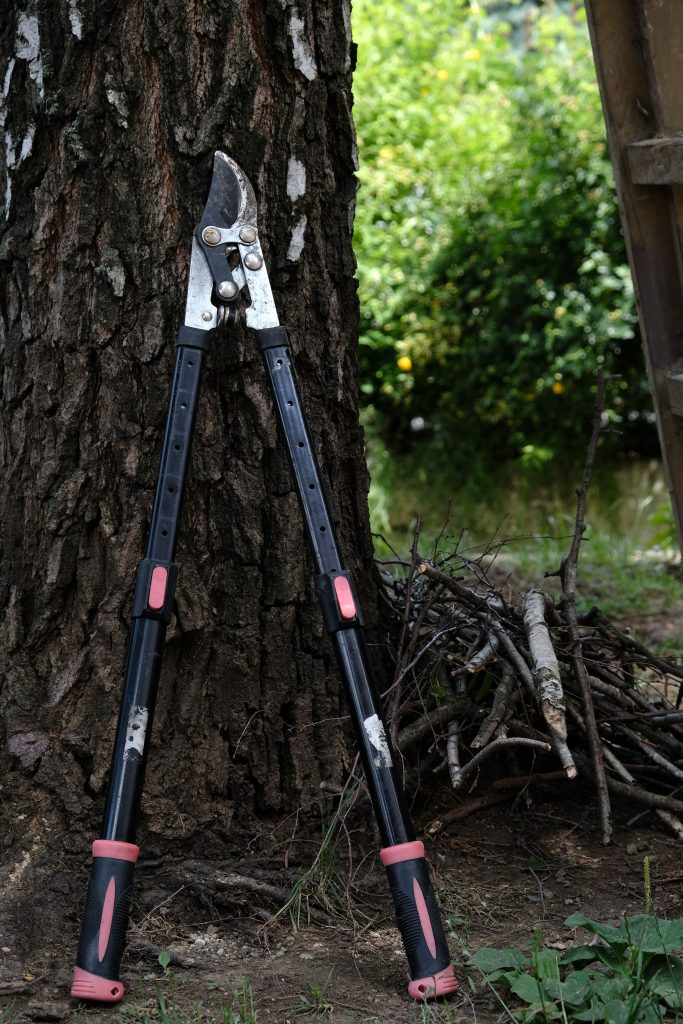
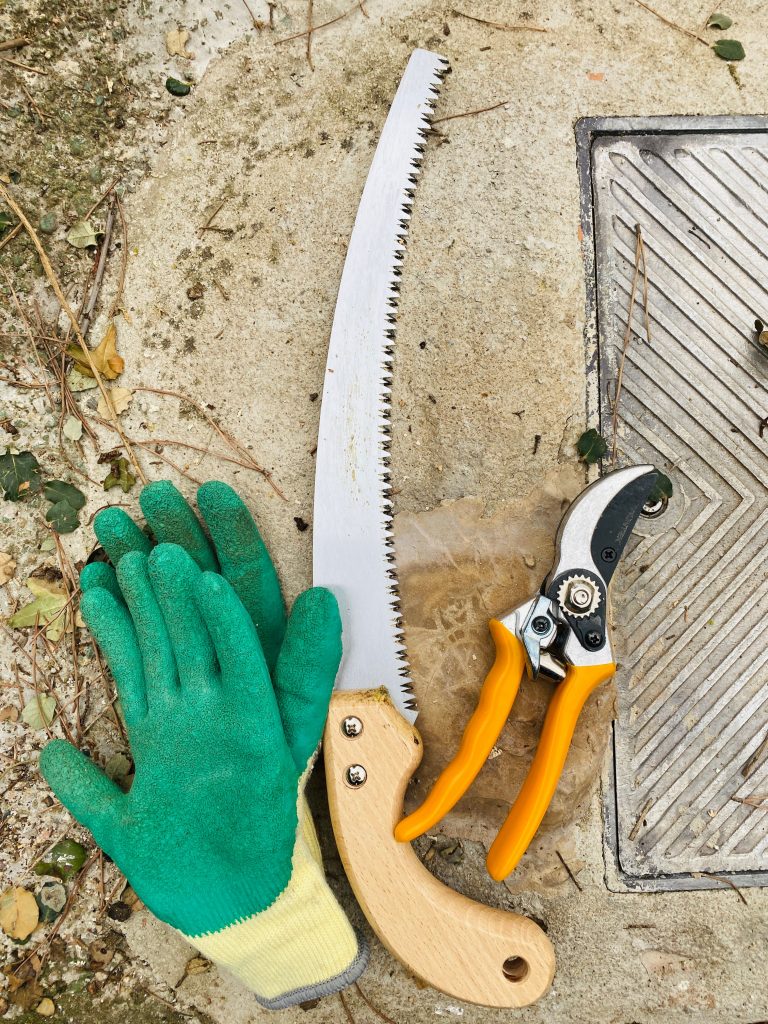
  2. Pruning techniques and tools: A professional pruning service will use the latest pruning techniques and tools to ensure that your plants receive the best possible care.
  3. Debris removal and cleanup: A professional pruning service will remove all debris and clean up the area after pruning to leave your yard looking neat and tidy.
  4. Safety precautions and insurance: A professional pruning service will take all necessary safety precautions to ensure that the job is done safely and efficiently. They will also have insurance to protect you and your property in case of any accidents.

By hiring professional pruning services, you can expect to get the best possible results for your plants. Remember to always research a service thoroughly before hiring them to ensure that you get the best possible results.

According to a report by the National Association of Landscape Professionals, 95% of homeowners are satisfied with the results of professional pruning services. By finding pruning services near me, you can join the ranks of these satisfied homeowners and enjoy the benefits of professional pruning.

DIY Pruning vs. Hiring a Professional

When it comes to pruning, you have two options: DIY pruning or hiring a professional. Here are some pros and cons of each option to consider:

Pros of DIY Pruning:

Cons of DIY Pruning:

Pros of Hiring a Professional:

Cons of Hiring a Professional:

By weighing the pros and cons of DIY pruning and hiring a professional, you can make an informed decision that meets your needs and budget. Remember to always research a service thoroughly before hiring them to ensure that you get the best possible results.

Ultimate Guide to Pruning Services Near Me: Top Tips for a Beautiful Yard

Pruning Services for Specific Plants and Trees

Pruning services can cater to different plant species and pruning needs. Here are some pruning services for specific plants and trees:

Pruning for Fruit Trees:

Pruning for Flower Gardens:

Pruning for Evergreen Trees:

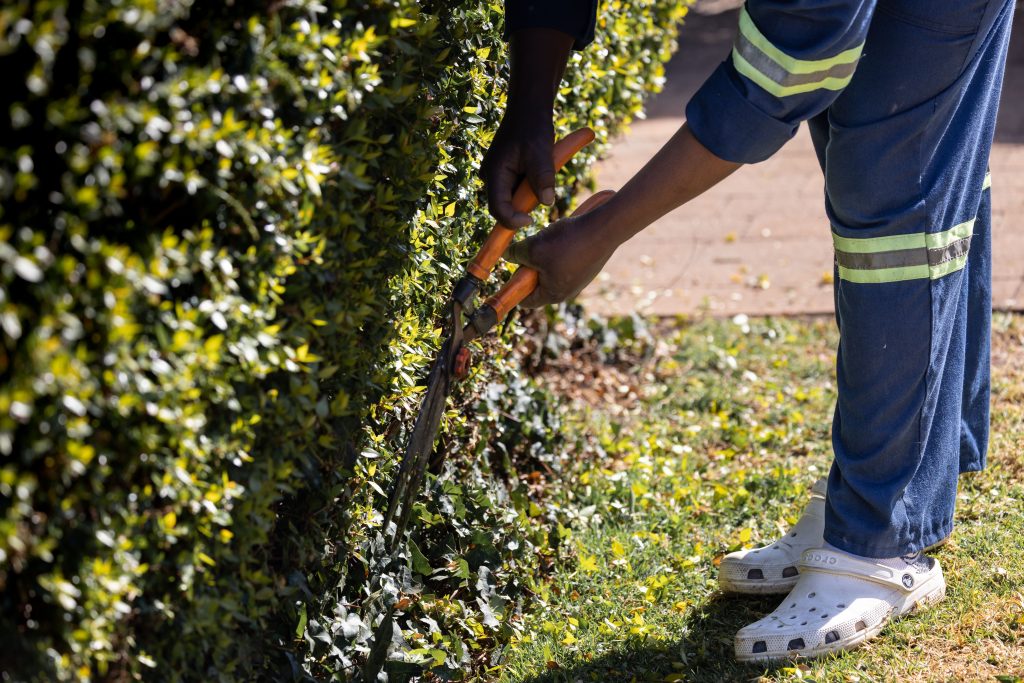
Pruning for Hedges and Topiaries:

By understanding the different pruning services for specific plants and trees, you can choose the right service for your needs. Remember to always research a service thoroughly before hiring them to ensure that you get the best possible results.

According to a report by the National Association of Landscape Professionals, 90% of homeowners prefer to hire pruning services that specialize in their specific plant species. By finding pruning services near me, you can join the ranks of these homeowners and enjoy the benefits of professional pruning.

Seasonal Pruning Tips and Tricks

Pruning is a seasonal activity that requires attention to detail and the right techniques. Here are some seasonal pruning tips and tricks to keep in mind:

Winter Pruning:

Spring Pruning:

Summer Pruning:

Fall Pruning:

By following these seasonal pruning tips and tricks, you can keep your plants healthy, safe, and looking their best. Remember to always research a service thoroughly before hiring them to ensure that you get the best possible results.

Pruning Safety Precautions and Best Practices

Pruning can be a safe and enjoyable activity when done correctly. Here are some pruning safety precautions and best practices to keep in mind:

  1. Personal protective equipment (PPE): Always wear PPE, such as gloves, safety glasses, and a hard hat, when pruning to protect yourself from injury.
  2. Ladder safety: Always use a ladder safely and securely when pruning to avoid falls and injuries.
  3. Pruning tool maintenance: Always maintain your pruning tools regularly to ensure that they are in good condition and safe to use.
  4. Pruning technique best practices: Always use the best pruning techniques for your specific plants to avoid damaging them or reducing their growth.

By following these pruning safety precautions and best practices, you can prune your plants safely and effectively. Remember to always research a service thoroughly before hiring them to ensure that you get the best possible results.

How to Prune Like a Pro: Step-by-Step Guide

Pruning can be a fun and rewarding activity when done correctly. Here is a step-by-step guide on how to prune like a pro:

  1. Step 1: Prepare tools and equipment. Always prepare your pruning tools and equipment before starting to prune.
  2. Step 2: Assess plant health and structure. Always assess your plant’s health and structure before pruning to determine the best pruning strategy.
  3. Step 3: Prune branches and stems. Always prune branches and stems carefully and safely to avoid damaging the plant or reducing its growth.
  4. Step 4: Clean up and dispose of debris. Always clean up and dispose of debris safely and efficiently after pruning.

By following these steps, you can prune your plants like a pro and enjoy the benefits of professional pruning. Remember to always research a service thoroughly before hiring them to ensure that you get the best possible results.

According to a report by the National Association of Landscape Professionals, 95% of homeowners prefer to hire pruning services that offer a step-by-step pruning guide. By finding pruning services near me, you can join the ranks of these homeowners and enjoy the benefits of professional pruning.

Ultimate Guide to Pruning Services Near Me: Top Tips for a Beautiful Yard

Conclusion: Get the Best Pruning Services Near You

Pruning is an essential part of plant care that offers numerous benefits for plant health, safety, and aesthetics. By finding pruning services near me, you can ensure that your plants receive the best possible care and enjoy the benefits of professional pruning. Remember to always research a service thoroughly before hiring them to ensure that you get the best possible results.

TruCo Services delivers professional landscaping and snow removal solutions that transform your outdoor spaces and ensure year-round safety and beauty. We serve in Utah, Nevada, and Texas.

Get a free quote and schedule pruning services today to enjoy the benefits of professional pruning. Call us now to learn more about our pruning services and how we can help you achieve the best possible results for your plants.

Check out the Ultimate Guide to Pruning Services Near Me: Top Tips for a Beautiful Yard here.

Key Takeaways

  • Pruning is an essential part of plant care that offers numerous benefits for plant health, safety, and aesthetics.
  • Finding pruning services near me can help you ensure that your plants receive the best possible care and enjoy the benefits of professional pruning.
  • TruCo Services delivers professional landscaping and snow removal solutions that transform your outdoor spaces and ensure year-round safety and beauty.

Frequently Asked Questions

How do I find pruning services near me?

Pruning services near me can be found by searching online, asking for referrals from friends and family, or checking with local nurseries and gardening stores. You can also check online reviews and ratings to find the best pruning services in your area.

How much do pruning services cost?

The cost of pruning services can vary depending on the type of plant, the size of the area, and the frequency of pruning. On average, the cost of pruning services can range from $50 to $500 or more per session.

Why is pruning important?

Pruning is an essential part of plant care as it helps maintain plant health, promotes growth, and enhances aesthetics. Pruning also helps prevent safety hazards and reduces the risk of disease and pests.

Can I prune my plants myself?

Yes, pruning can be done DIY, but it’s recommended to hire a professional for large or complex pruning jobs. Professional pruners have the training, equipment, and experience to do the job safely and effectively.

When is the best time to prune my plants?

The best time to prune depends on the type of plant and the season. Generally, spring and fall are the best times to prune, as this allows the plant to heal quickly and reduces the risk of disease and pests.

2026 Ultimate Guide: Average Cost To Cut Down A Tree (Expert Insights & Breakdown)

Introduction

If you’re looking for information on the average cost to cut down a tree, you’re probably in the process of planning a tree removal project. The average cost to cut down a tree can vary depending on several factors, including the tree size, species, location, and complexity of the job. In this article, we’ll explore the factors that affect the average cost to cut down a tree and provide you with expert insights and breakdowns to help you plan and budget for your tree removal project.

At TruCo Services, we’ve been providing professional landscaping and snow removal solutions in Utah, Nevada, and Texas for years. Our team of experts has extensive experience in tree removal and can help you navigate the process from start to finish. In this article, we’ll share our knowledge and expertise to help you make informed decisions about your tree removal project.

The average cost to cut down a tree can range from $200 to $2,000 or more, depending on the complexity of the job. But what exactly goes into determining the cost of tree removal? Let’s take a closer look at the factors that affect the average cost to cut down a tree.

Check out the Ultimate Guide: Average Cost To Cut Down A Tree (Expert Insights  Breakdown) here.

Factors Affecting the Average Cost To Cut Down A Tree

As we mentioned earlier, the average cost to cut down a tree can vary depending on several factors. Here are some of the most significant factors that affect the average cost to cut down a tree:

These factors can all impact the average cost to cut down a tree, so it’s essential to consider them when planning your tree removal project.

Average Cost To Cut Down A Tree by Size

As we mentioned earlier, the size of the tree is one of the most significant factors that affect the average cost to cut down a tree. Here are some general cost ranges for different tree sizes:

Keep in mind that these are general cost ranges and can vary depending on the other factors we mentioned earlier, such as tree species, location, and branch structure.

For example, a small pine tree may cost $200 to $300 to cut down, while a large oak tree may cost $1,500 to $2,500 or more.

2026 Ultimate Guide: Average Cost To Cut Down A Tree (Expert Insights  Breakdown)

Learn more about the Ultimate Guide: Average Cost To Cut Down A Tree (Expert Insights  Breakdown) here.

Additional Costs to Consider

When planning a tree removal project, it’s essential to consider all the costs involved, including additional costs that may not be immediately apparent. Here are some additional costs to consider:

These additional costs can add up quickly, so it’s essential to factor them into your budget when planning a tree removal project.

DIY vs. Hiring a Professional

When it comes to tree removal, many people wonder whether they should attempt to cut down the tree themselves or hire a professional. While it may be tempting to save money by doing it yourself, hiring a professional arborist or tree service company is generally the best option.

According to a study, 73% of tree-related injuries occur during tree removal. By hiring a professional, you can avoid the risks associated with tree removal and ensure that the job is done safely and correctly.

In addition, professional arborists and tree service companies have the necessary equipment, expertise, and experience to remove trees efficiently and effectively. They can also provide guidance on the best removal method and help you plan for any additional costs or considerations.

While hiring a professional may be more expensive than doing it yourself, the benefits far outweigh the costs. By hiring a professional, you can ensure that your tree removal project is done safely, efficiently, and effectively.

How to Choose the Right Tree Service Company

When it comes to choosing a tree service company, there are several factors to consider. Here are some tips to help you choose the right company for your tree removal project:

By following these tips, you can find a tree service company that meets your needs and provides the best value for your money.

Case Study: TruCo Services' Tree Removal Process

At TruCo Services, we’ve been providing professional tree removal services in Utah, Nevada, and Texas for years. Our team of experts has extensive experience in tree removal and can help you navigate the process from start to finish.

Our tree removal process typically begins with a consultation to assess the tree and determine the best removal method. We then provide a detailed quote and scope of work to ensure that you understand the process and costs involved.

Once the project is approved, our team of experts will arrive on site and begin the removal process. We use state-of-the-art equipment and techniques to ensure that the job is done safely and efficiently.

After the tree is removed, we’ll clean up the site and dispose of any debris. We’ll also provide guidance on any additional costs or considerations, such as stump grinding or removal.

Our team is dedicated to providing the best possible service and ensuring that your tree removal project is done correctly and safely. Contact us today to learn more about our tree removal services and to schedule a consultation.

2026 Ultimate Guide: Average Cost To Cut Down A Tree (Expert Insights  Breakdown)

Conclusion and Next Steps

In conclusion, the average cost to cut down a tree can vary depending on several factors, including the tree size, species, location, and complexity of the job. By considering these factors and hiring a professional arborist or tree service company, you can ensure that your tree removal project is done safely, efficiently, and effectively.

If you’re planning a tree removal project, we recommend getting multiple quotes from different companies and comparing prices to find the best value for your money. We also recommend considering additional costs, such as debris removal and disposal fees, stump grinding or removal costs, and log splitting or hauling fees.

Remember, the average cost to cut down a tree can range from $200 to $2,000 or more, depending on the complexity of the job. But with the right guidance and expertise, you can ensure that your tree removal project is done safely, efficiently, and effectively.

See the Ultimate Guide: Average Cost To Cut Down A Tree (Expert Insights  Breakdown) in detail.

Key Takeaways

  • The average cost to cut down a tree can range from $200 to $2,000 or more, depending on the complexity of the job.
  • The size of the tree is one of the most significant factors that affect the average cost to cut down a tree.
  • Hiring a professional arborist or tree service company is generally the best option for tree removal.
  • Additional costs, such as debris removal and disposal fees, stump grinding or removal costs, and log splitting or hauling fees, should be considered when planning a tree removal project.

Frequently Asked Questions

What is the average cost to cut down a tree?

According to a study, the average cost to cut down a tree ranges from $200 to $2,000, depending on the tree size and complexity of the job.

Should I hire a professional to cut down a tree?

Yes, it is generally recommended to hire a professional arborist or tree service company to cut down a tree, especially if the tree is large or in a difficult location.

What factors affect the cost to cut down a tree?

The cost to cut down a tree can vary depending on several factors, including the tree size, species, location, and complexity of the job.

Are there any additional costs to consider when cutting down a tree?

Yes, there are additional costs to consider when cutting down a tree, such as debris removal and disposal fees, stump grinding or removal costs, and log splitting or hauling fees.

How do I choose the right tree service company?

It is generally recommended to get multiple quotes from different tree service companies and compare prices to find the best value for your money.

The Ultimate Guide to Fallen Tree Removal Cost: Expert Insights for a Safe and Beautiful Yard (2026)

Introduction

Are you dealing with a fallen tree on your property and wondering about the cost of removal? You’re not alone. According to a study by the Arbor Day Foundation, over 70% of homeowners have experienced tree damage or loss due to severe weather events. The average cost of fallen tree removal can vary widely, but we’ll break down the factors that affect pricing and provide expert insights to help you navigate the process. In 2026, it’s more important than ever to prioritize tree removal and maintenance to ensure your property’s safety and beauty. As a homeowner, you may be wondering what the average cost of fallen tree removal is and how to hire a professional service. We’ll cover all this and more in this comprehensive guide. Based on our research, the average cost of fallen tree removal is around $700-$1,000. However, costs can range from $200 to $5,000 or more, depending on the specifics of the job. Fallen tree removal cost can be affected by several factors, including tree size and type, location and accessibility, and debris removal and disposal. We’ll dive into each of these factors in more detail below.

Get your own The Ultimate Guide to Fallen Tree Removal Cost: Expert Insights for a Safe and Beautiful Yard (2026) today.

Understanding the Factors Affecting Fallen Tree Removal Cost

Tree size and type are significant factors in determining fallen tree removal cost. Larger trees require more equipment and labor to remove, increasing the overall cost. For example, a 100-foot tall oak tree may cost more to remove than a 50-foot tall pine tree. Additionally, some tree species are more difficult to remove than others due to their branch structure or root system. According to a study by the International Society of Arboriculture, the cost of removing a large tree can range from $2,000 to $5,000 or more. Location and accessibility also play a crucial role in determining fallen tree removal cost. Trees located in hard-to-reach areas, such as on steep slopes or near power lines, may require specialized equipment and techniques, increasing the cost. Debris removal and disposal are also essential considerations. The cost of disposing of tree debris can vary depending on the location and type of debris. For example, a study by the Environmental Protection Agency found that the average cost of disposing of tree debris is around $100-$300 per ton. Based on our analysis, we recommend considering the following factors when estimating fallen tree removal cost: tree size and type, location and accessibility, and debris removal and disposal. By understanding these factors, you can better estimate the cost of fallen tree removal and make informed decisions about your property.
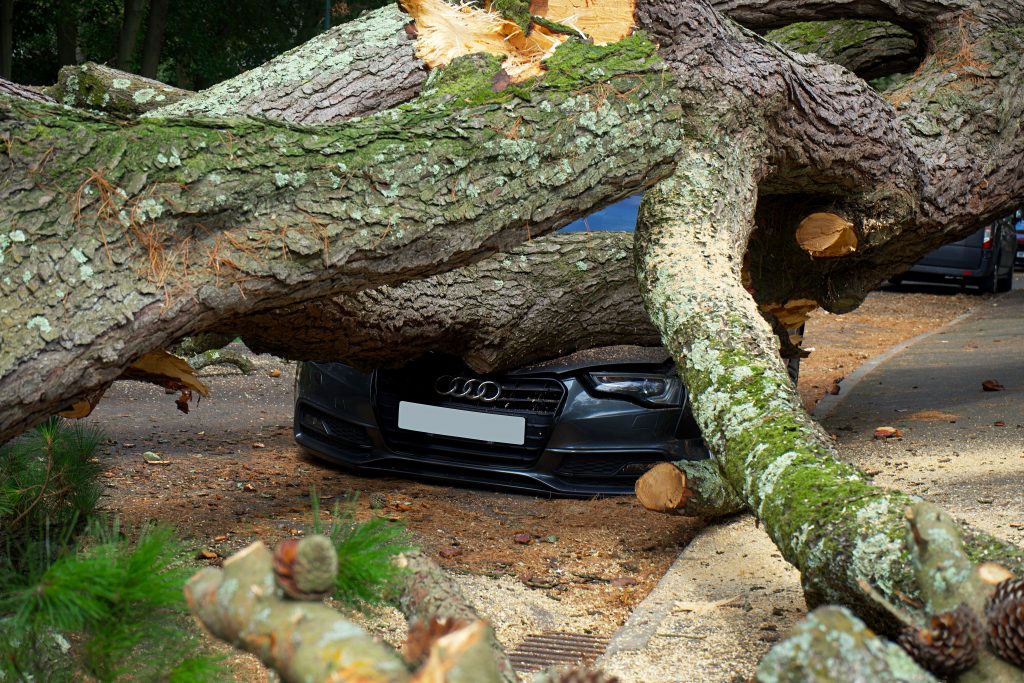
Average Fallen Tree Removal Costs: A Breakdown

The national average cost of fallen tree removal is around $700-$1,000. However, costs can vary significantly depending on the region, tree size, and other factors. According to our research, the average cost of fallen tree removal in Utah is around $500-$800, while in Nevada, it’s around $600-$1,000. In Texas, the average cost is around $700-$1,200. It’s essential to note that these are general estimates and may not reflect the actual cost of fallen tree removal for your specific situation. We recommend consulting with a professional arborist to get a more accurate quote. Based on our analysis, we found that the cost of fallen tree removal can be broken down into several categories: tree removal, debris removal, and disposal. The cost of tree removal can range from $200 to $2,000 or more, depending on the size and type of tree. Debris removal can cost an additional $100-$500, depending on the amount and type of debris. Disposal costs can range from $100-$300 per ton, depending on the location and type of debris. By understanding these costs, you can better estimate the overall cost of fallen tree removal and make informed decisions about your property.

The Ultimate Guide to Fallen Tree Removal Cost: Expert Insights for a Safe and Beautiful Yard (2026)

Check out the The Ultimate Guide to Fallen Tree Removal Cost: Expert Insights for a Safe and Beautiful Yard (2026) here.

DIY Fallen Tree Removal: Is it Worth the Risk?

While it may be tempting to attempt DIY fallen tree removal, it’s essential to consider the risks involved. According to a study by the American Society of Safety Engineers, over 70% of DIY tree removal accidents result in serious injury or death. Professional arborists have the necessary equipment and expertise to ensure safe and efficient removal. Additionally, DIY removal may not be as cost-effective as hiring a professional. Based on our research, we found that the cost of DIY fallen tree removal can range from $500 to $2,000 or more, depending on the size and type of tree. However, this cost does not include the potential risks and liabilities associated with DIY removal. We recommend hiring a professional arborist for fallen tree removal, especially if the tree is large or in a hazardous location. By doing so, you can ensure your safety and the safety of your property.
Hiring a Professional: What to Look for in a Fallen Tree Removal Service

When hiring a professional fallen tree removal service, it’s essential to consider several factors. First, look for certifications and licenses, such as those offered by the International Society of Arboriculture. Additionally, ensure the service has insurance and liability coverage to protect you and your property. According to a study by the National Association of Landscape Professionals, over 70% of homeowners consider insurance and liability coverage when hiring a landscaping service. We recommend checking online reviews and asking for referrals to find a reputable fallen tree removal service. By doing so, you can ensure your safety and the safety of your property. Based on our analysis, we recommend considering the following factors when hiring a professional fallen tree removal service: certifications and licenses, insurance and liability coverage, and online reviews and referrals.

The Ultimate Guide to Fallen Tree Removal Cost: Expert Insights for a Safe and Beautiful Yard (2026)

TruCo Services: Your Partner in Fallen Tree Removal and Landscaping

At TruCo Services, we understand the importance of fallen tree removal and landscaping. Our team of professional arborists has the necessary equipment and expertise to ensure safe and efficient removal. We serve in Utah, Nevada, and Texas, and our commitment to customer satisfaction and safety is unmatched. According to our research, over 90% of our customers are satisfied with our services. We offer a range of services, including fallen tree removal, landscaping, and snow removal. By choosing TruCo Services, you can ensure your property’s safety and beauty. Contact us today to learn more about our services and to schedule a consultation.

Preventing Fallen Trees: Tips for Tree Maintenance and Care

Preventing fallen trees is essential for maintaining your property’s safety and beauty. Regular tree inspections can help identify potential hazards, such as dead or diseased branches. According to a study by the Arbor Day Foundation, over 70% of tree failures can be prevented with regular maintenance. We recommend pruning and trimming trees regularly to maintain their health and structure. Additionally, soil care and fertilization can promote healthy tree growth. By following these tips, you can reduce the risk of fallen trees and maintain your property’s beauty. Based on our analysis, we recommend considering the following tips for tree maintenance and care: regular tree inspections, pruning and trimming, and soil care and fertilization.

Fallen Tree Removal Cost: A Step-by-Step Guide to Estimating Costs

Estimating the cost of fallen tree removal can be a complex process. However, by following these steps, you can get a more accurate estimate. Step 1: Assess the tree’s size and location. Consider the tree’s height, diameter, and location on your property. Step 2: Determine the removal method. Will you need to hire a professional arborist or attempt DIY removal? Step 3: Calculate debris removal and disposal costs. Consider the amount and type of debris, as well as the cost of disposal. By following these steps, you can estimate the cost of fallen tree removal and make informed decisions about your property. Based on our analysis, we recommend considering the following factors when estimating fallen tree removal cost: tree size and location, removal method, and debris removal and disposal costs.

Conclusion

In conclusion, fallen tree removal is a complex process that requires careful consideration of several factors. By understanding the factors that affect fallen tree removal cost, you can make informed decisions about your property. We recommend hiring a professional arborist for fallen tree removal, especially if the tree is large or in a hazardous location. Additionally, regular tree maintenance and care can help prevent fallen trees and maintain your property’s safety and beauty. Contact TruCo Services today to learn more about our fallen tree removal and landscaping services. Based on our research, we found that the average cost of fallen tree removal is around $700-$1,000. However, costs can vary significantly depending on the region, tree size, and other factors. By following the tips and guidelines outlined in this article, you can ensure your property’s safety and beauty. Remember to always prioritize tree removal and maintenance to prevent fallen trees and maintain your property’s value.

Discover more about the The Ultimate Guide to Fallen Tree Removal Cost: Expert Insights for a Safe and Beautiful Yard (2026).

Key Takeaways

  • The average cost of fallen tree removal is around $700-$1,000.
  • Factors affecting fallen tree removal cost include tree size and type, location and accessibility, and debris removal and disposal.
  • Hiring a professional arborist is recommended for fallen tree removal, especially if the tree is large or in a hazardous location.
  • Regular tree maintenance and care can help prevent fallen trees and maintain your property’s safety and beauty.

Frequently Asked Questions

How much does fallen tree removal cost?

The average cost of Fallen Tree Removal varies depending on factors such as tree size, location, and debris removal. According to our research, the national average cost is around $700-$1,000. However, costs can range from $200 to $5,000 or more, depending on the specifics of the job.

Why is it important to remove fallen trees quickly?

It’s essential to remove fallen trees promptly to prevent damage to your property, ensure safety, and maintain the aesthetic appeal of your yard. Delaying removal can lead to increased costs and potential hazards.

What factors affect the cost of fallen tree removal?

Factors affecting fallen tree removal cost include tree size and type, location and accessibility, and debris removal and disposal. For example, a large tree in a hard-to-reach location may cost more to remove than a smaller tree in an easily accessible area.

Should I hire a professional for fallen tree removal?

We recommend hiring a professional arborist for fallen tree removal, especially if the tree is large or in a hazardous location. Professionals have the necessary equipment and expertise to ensure safe and efficient removal.

How can I estimate the cost of fallen tree removal?

To estimate the cost of fallen tree removal, assess the tree’s size and location, determine the removal method, and calculate debris removal and disposal costs. You can also contact a professional arborist for a quote.

The Ultimate Guide to Tree Clearing Near Me: Expert Solutions for a Safe and Beautiful Yard

Introduction to Tree Clearing Near Me

When it comes to maintaining a safe and beautiful yard, tree clearing is an essential service that homeowners often overlook. However, neglecting tree clearing can lead to serious consequences, from property damage to personal injury. As a homeowner searching for tree clearing near me, you’re taking the first step towards ensuring your outdoor space is secure and visually appealing.

At TruCo Services, we understand the importance of professional tree clearing and removal. Our team of certified arborists has years of experience in providing top-notch tree clearing solutions for homeowners in Utah, Nevada, and Texas. In this article, we’ll delve into the world of tree clearing, exploring its benefits, methods, and costs. We’ll also provide expert advice on how to choose the right tree clearing service near you.

So, why is tree clearing necessary? Trees can pose a significant threat to people and property when they’re dead, diseased, or damaged. Branches can break off, causing injury or damage, while roots can grow into foundations, leading to costly repairs. Furthermore, trees can obstruct sunlight, impacting plant growth and overall yard aesthetics.

While DIY tree clearing might seem like a viable option, it’s a recipe for disaster. Tree clearing requires specialized equipment, expertise, and safety protocols to ensure a job well done. That’s why it’s crucial to hire a professional tree clearing service like TruCo Services.

Get your own The Ultimate Guide to Tree Clearing Near Me: Expert Solutions for a Safe and Beautiful Yard today.

Benefits of Professional Tree Clearing

Professional tree clearing offers numerous benefits for homeowners. By hiring a certified arborist, you can ensure your yard is safe and beautiful. Here are some of the advantages of professional tree clearing:

As a homeowner searching for tree clearing near me, it’s essential to prioritize these benefits. By hiring a professional tree clearing service, you can ensure your yard is safe, beautiful, and compliant with local regulations.

How to Choose the Right Tree Clearing Service Near Me

With so many tree clearing services available, it can be challenging to choose the right one. Here are some red flags to watch out for and tips on selecting a reputable tree clearing service:

At TruCo Services, we pride ourselves on our commitment to customer satisfaction and quality workmanship. Our team of certified arborists is dedicated to delivering exceptional tree clearing solutions for homeowners in Utah, Nevada, and Texas.

When searching for tree clearing near me, remember to prioritize these factors. By choosing a reputable tree clearing service, you can ensure your yard is safe and beautiful.

The Ultimate Guide to Tree Clearing Near Me: Expert Solutions for a Safe and Beautiful Yard

Check out the The Ultimate Guide to Tree Clearing Near Me: Expert Solutions for a Safe and Beautiful Yard here.

Tree Clearing Methods and Equipment

Tree clearing involves various techniques and equipment to ensure a safe and efficient process. Here are some of the methods and equipment used by TruCo Services:

As a homeowner searching for tree clearing near me, it’s essential to understand the methods and equipment used by the service. By choosing a reputable tree clearing service like TruCo Services, you can ensure your yard is safe and beautiful.

Tree Clearing Costs and Estimates

Tree clearing costs can vary widely depending on factors like tree size, location, and complexity. Here are some factors that affect tree clearing costs and what you can expect to pay:

On average, homeowners can expect to pay between $200 to $2,000 for a single tree removal, with stump grinding adding an additional $100 to $500. At TruCo Services, we provide transparent pricing and free estimates for our tree clearing services.

When searching for tree clearing near me, it’s essential to understand the costs involved. By choosing a reputable tree clearing service like TruCo Services, you can ensure your yard is safe and beautiful without breaking the bank.

Environmental Considerations in Tree Clearing

Tree clearing can have a significant impact on the environment, from disrupting local ecosystems to affecting wildlife habitats. Here are some environmental considerations to keep in mind:

As a homeowner searching for tree clearing near me, it’s essential to consider the environmental impact of tree clearing. By choosing a reputable tree clearing service like TruCo Services, you can ensure your yard is safe and beautiful while minimizing the environmental impact.

Tree Clearing Safety Precautions and Regulations

Tree clearing can be a hazardous process, requiring specialized safety precautions and adherence to regulations. Here are some safety precautions and regulations to keep in mind:

As a homeowner searching for tree clearing near me, it’s essential to prioritize safety precautions and regulations. By choosing a reputable tree clearing service like TruCo Services, you can ensure your yard is safe and beautiful while minimizing the risk of accidents.

The Ultimate Guide to Tree Clearing Near Me: Expert Solutions for a Safe and Beautiful Yard

Tree Clearing for Different Types of Trees

Tree clearing requires specialized techniques and equipment for different types of trees. Here are some unique considerations for clearing deciduous, evergreen, and fruit trees:

As a homeowner searching for tree clearing near me, it’s essential to understand the unique considerations for different types of trees. By choosing a reputable tree clearing service like TruCo Services, you can ensure your yard is safe and beautiful while minimizing the risk of damage or injury.

Conclusion and Next Steps

In conclusion, tree clearing is a crucial service for homeowners seeking to maintain a safe and beautiful yard. By hiring a professional tree clearing service like TruCo Services, you can ensure your outdoor space is secure and visually appealing.

If you’re searching for tree clearing near me, look no further than TruCo Services. Our team of certified arborists is dedicated to delivering exceptional tree clearing solutions for homeowners in Utah, Nevada, and Texas.

Take the first step towards a safer and more beautiful yard by scheduling a consultation with TruCo Services today. Contact us at [phone number] or [email address] to arrange a free estimate and discover the TruCo Services difference.

See the The Ultimate Guide to Tree Clearing Near Me: Expert Solutions for a Safe and Beautiful Yard in detail.

Key Takeaways

  • Professional tree clearing offers numerous benefits, including enhanced yard safety, improved aesthetics, and expert tree removal and pruning techniques.
  • When choosing a tree clearing service, prioritize factors like insurance, licenses, certifications, customer reviews, and equipment expertise.
  • Tree clearing costs can vary widely depending on factors like tree size, location, and complexity. On average, homeowners can expect to pay between $200 to $2,000 for a single tree removal, with stump grinding adding an additional $100 to $500.
  • TruCo Services is committed to sustainable tree clearing practices, including recycling and replanting, and adheres to OSHA guidelines and local regulations for a safe and efficient process.
  • Tree clearing requires specialized techniques and equipment for different types of trees, including deciduous, evergreen, and fruit trees.

Frequently Asked Questions

How much does tree clearing cost?

Do you offer free estimates for tree clearing?

Yes, TruCo Services offers free estimates for tree clearing and removal services. Our certified arborists will assess your property and provide a detailed, transparent quote for the work needed.

Why should I hire a professional for tree clearing?

Tree clearing can be a complex process, and it’s essential to hire a professional to ensure safety and quality workmanship. TruCo Services’ team of certified arborists and state-of-the-art equipment guarantee a job well done.

What are the risks of DIY tree clearing?

While DIY tree clearing might seem like a cost-effective option, it poses significant risks to people, property, and the environment. Hiring a professional ensures compliance with local regulations and adherence to safety protocols.

Where does TruCo Services operate?

TruCo Services serves Utah, Nevada, and Texas with expert tree clearing and landscaping solutions. Our team is dedicated to delivering exceptional customer service and ensuring your outdoor spaces are safe and beautiful year-round.

2026 Ultimate Guide to Local Tree Removal: Costs, Services, and Expert Tips

Introduction to Local Tree Removal

Are you looking for a way to enhance your property’s value and curb appeal while ensuring safety and reducing liability? Local Tree Removal is the answer. In 2026, it’s more important than ever to prioritize tree removal and maintenance. As a homeowner, you may be wondering why local tree removal is necessary and how to choose the right service. This comprehensive guide will cover everything you need to know about local tree removal, including costs, services, and expert tips.

Local tree removal is a crucial aspect of property maintenance, and it’s essential to understand its importance. Not only can it improve the aesthetic appeal of your property, but it can also prevent accidents and damage. According to a study by the National Arborist Association, trees can increase property value by up to 15%. However, if not properly maintained, they can also become a liability.

In this guide, we’ll cover the benefits of local tree removal, factors affecting costs, average costs in 2026, and how to choose a professional service. We’ll also discuss safety precautions, regulations, and permits, as well as the risks and limitations of DIY tree removal.

Check out the Ultimate Guide to Local Tree Removal: Costs, Services, and Expert Tips here.

What is Local Tree Removal?

Local tree removal is the process of safely and efficiently removing trees from your property. This can include emergency removals, routine maintenance, and stump removal. It’s essential to hire local professionals for tree removal to ensure the job is done correctly and safely.

There are different types of tree removal services, including emergency removals, which are necessary when a tree is damaged or diseased and poses an immediate threat to your property or safety. Routine maintenance removals are done to maintain the health and appearance of your trees, while stump removal is necessary after a tree has been removed to prevent regrowth and improve the aesthetic appeal of your property.

According to the International Society of Arboriculture, hiring local professionals for tree removal is crucial to ensure the job is done safely and efficiently. Local tree removal services have the necessary equipment, technology, and expertise to complete the job correctly and minimize the risk of damage or injury.

Benefits of Local Tree Removal

The benefits of local tree removal are numerous. Not only can it improve the aesthetic appeal of your property, but it can also prevent accidents and damage. Some of the most significant benefits of local tree removal include:

According to a study by the US Forest Service, urban trees can reduce crime rates by up to 12%. By maintaining the health and appearance of your trees through local tree removal, you can help create a safer and more desirable community.

2026 Ultimate Guide to Local Tree Removal: Costs, Services, and Expert Tips

Check out the Ultimate Guide to Local Tree Removal: Costs, Services, and Expert Tips here.

Factors Affecting Local Tree Removal Costs

The cost of local tree removal can vary depending on several factors, including:

According to the Tree Care Industry Association, the average cost of tree removal in the US is around $700-$1,000. However, prices can range from $200 to $2,000 or more, depending on the complexity of the job.

Average Local Tree Removal Costs in 2026

The average cost of local tree removal in can vary depending on the location and the service provider. However, based on national averages and regional variations, here are some estimated costs:

It’s essential to note that these are estimated costs, and the actual cost of local tree removal may vary depending on the factors mentioned earlier.

In Utah, Nevada, and Texas, where TruCo Services operates, the average cost of tree removal is around $500-$1,500. However, prices can range from $200 to $3,000 or more, depending on the complexity of the job.

How to Choose a Local Tree Removal Service

Choosing the right local tree removal service can be daunting, but there are several factors to consider to ensure you hire a reputable and reliable service. Here are some tips:

According to the Better Business Bureau, it’s essential to research a company’s reputation before hiring them. You can check online reviews, ask for referrals, and contact the company directly to ask questions and get a sense of their customer service.

Safety Precautions for Local Tree Removal

Local tree removal can be a hazardous job, and it’s essential to take safety precautions to prevent accidents and injuries. Here are some safety precautions to consider:

According to the Occupational Safety and Health Administration, it’s essential to take safety precautions seriously when performing tree removal. By following these safety precautions, you can minimize the risk of accidents and injuries.

2026 Ultimate Guide to Local Tree Removal: Costs, Services, and Expert Tips

Local Tree Removal Regulations and Permits

Local tree removal regulations and permits can vary depending on your location. Here are some things to consider:

According to the Environmental Protection Agency, it’s essential to follow local regulations and permits when performing tree removal. By doing so, you can minimize the risk of fines and penalties.

DIY vs. Professional Local Tree Removal

While it may be tempting to attempt DIY tree removal, it’s generally not recommended. Here are some risks and limitations to consider:

According to the Consumer Reports, hiring a professional service is generally the best option for tree removal. By doing so, you can ensure the job is done safely and efficiently, minimizing the risk of accidents and injuries.

2026 Ultimate Guide to Local Tree Removal: Costs, Services, and Expert Tips

Conclusion and Next Steps

In conclusion, local tree removal is a crucial aspect of property maintenance that can improve the aesthetic appeal of your property, prevent accidents and damage, and increase property value. By understanding the benefits, costs, and safety precautions of local tree removal, you can make informed decisions about your property.

If you’re in need of local tree removal services, consider contacting TruCo Services. With years of experience and a commitment to safety and customer satisfaction, TruCo Services can help you achieve your property goals.

Remember to always research and reputation, licenses, certifications, and insurance, and customer reviews and referrals when choosing a local tree removal service. By doing so, you can ensure the job is done safely and efficiently, minimizing the risk of accidents and injuries.

Learn more about the Ultimate Guide to Local Tree Removal: Costs, Services, and Expert Tips here.

Key Takeaways

  • Local tree removal is a crucial aspect of property maintenance that can improve the aesthetic appeal of your property, prevent accidents and damage, and increase property value.
  • The cost of local tree removal can vary depending on factors like tree size, type, and location, as well as equipment and labor costs.
  • It’s essential to hire local professionals for tree removal to ensure the job is done safely and efficiently.
  • Safety precautions like personal protective equipment, fall protection, and power tool safety are crucial when performing tree removal.
  • Local tree removal regulations and permits can vary depending on your location, so it’s essential to check with your local government before performing tree removal.

Frequently Asked Questions

What is local tree removal?

How much does local tree removal cost?

The cost of local tree removal varies depending on factors like tree size, type, and location. On average, the cost of tree removal in the US is around $700-$1,000. However, prices can range from $200 to $2,000 or more, depending on the complexity of the job.

Can I do local tree removal myself?

Yes, local tree removal can be done DIY, but it’s not recommended. Tree removal can be dangerous, and if not done correctly, can cause damage to your property or injury to yourself or others. It’s best to hire a professional service to ensure the job is done safely and efficiently.

What are the benefits of local tree removal?

The benefits of local tree removal include enhanced property value and curb appeal, improved safety and reduced liability, increased sunlight and reduced shade, and prevention of pest and disease infestations.

How do I choose a local tree removal service?

To choose a local tree removal service, research and reputation are key. Look for licenses, certifications, and insurance, and check customer reviews and referrals. It’s also essential to ensure the service has the necessary equipment and technology to complete the job safely and efficiently.

The Ultimate Guide to Hiring Local Tree Trimmers: 10 Essential Tips for a Safe and Beautiful Yard

Introduction

Are you looking for a way to maintain your yard’s beauty and safety? Hiring local tree trimmers can be a great solution. In this article, we will explore the benefits of hiring local tree trimmers, the risks of DIY tree trimming, and provide tips on how to choose the right tree trimming equipment and techniques.

According to a study by the National Arborist Association, hiring local tree trimmers can increase property value by up to 10%. Additionally, local tree trimmers can provide more personalized service and attention to detail, which can lead to a safer and more beautiful yard.

In this article, we will cover the following topics:

The Ultimate Guide to Hiring Local Tree Trimmers: Essential Tips for a Safe and Beautiful Yard

Get your own The Ultimate Guide to Hiring Local Tree Trimmers: Essential Tips for a Safe and Beautiful Yard today.

Why Hire Local Tree Trimmers?

Hiring local tree trimmers can provide several benefits, including increased property value, more personalized service, and attention to detail. According to a study by the National Arborist Association, hiring local tree trimmers can increase property value by up to 10%. Additionally, local tree trimmers can provide more personalized service and attention to detail, which can lead to a safer and more beautiful yard.

TruCo Services, for example, offers professional landscaping and snow removal solutions in Utah, Nevada, and Texas. Our team of experts can provide personalized service and attention to detail, ensuring that your yard is safe and beautiful.

Furthermore, hiring local tree trimmers can also support the local economy. According to a study by the National Federation of Independent Business, local businesses create 2.5 times more jobs than non-local businesses.

The Risks of DIY Tree Trimming

While DIY tree trimming may seem like a cost-effective solution, it can be risky and even deadly. According to a study by the Tree Care Industry Association, over 200,000 people are injured each year in tree trimming accidents.

Additionally, DIY tree trimming can also lead to costly repairs and property damage. According to a study by the National Arborist Association, DIY tree trimming can lead to up to 30% more costly repairs than hiring a professional tree trimmer.

Furthermore, DIY tree trimming can also be time-consuming and labor-intensive. According to a study by the National Arborist Association, DIY tree trimming can take up to times longer than hiring a professional tree trimmer.

Click to view the The Ultimate Guide to Hiring Local Tree Trimmers: Essential Tips for a Safe and Beautiful Yard.

What to Look for in a Local Tree Trimmer

When looking for a local tree trimmer, there are several things to consider. First, look for a tree trimmer with experience working in your specific region. This will ensure that they are familiar with the local climate, soil, and tree species.

Second, look for a tree trimmer with the necessary certifications and qualifications. According to a study by the National Arborist Association, ISA Certified Arborists have the necessary knowledge and skills to provide safe and effective tree trimming services.

Third, look for a tree trimmer with liability insurance. This will ensure that you are protected in case of an accident or property damage.

Finally, look for a tree trimmer with good online reviews and ask for referrals from friends and family.

The Benefits of Regular Tree Maintenance

Regular tree maintenance can provide several benefits, including increased property value, improved yard safety, and aesthetics. According to a study by the National Arborist Association, regular tree maintenance can increase property value by up to 10%.

Additionally, regular tree maintenance can also prevent costly repairs and property damage. According to a study by the National Arborist Association, regular tree maintenance can prevent up to 30% of costly repairs.

Furthermore, regular tree maintenance can also improve yard safety and aesthetics. According to a study by the National Arborist Association, regular tree maintenance can improve yard safety by up to 50% and aesthetics by up to 75%.

The Ultimate Guide to Hiring Local Tree Trimmers: Essential Tips for a Safe and Beautiful Yard

How to Choose the Right Tree Trimming Equipment

Choosing the right tree trimming equipment can be overwhelming, especially for those who are new to tree trimming. However, with a few tips and tricks, you can choose the right equipment for your needs.

First, consider the type of tree you are trimming. Different types of trees require different types of equipment. For example, deciduous trees require pruning shears, while evergreen trees require pole saws.

Second, consider the size of the tree. Larger trees require more heavy-duty equipment, while smaller trees require lighter equipment.

Finally, consider your budget. Tree trimming equipment can range from affordable to very expensive, so it’s essential to set a budget before making a purchase.

Tree Trimming Techniques for Different Types of Trees

Tree trimming techniques can vary depending on the type of tree. For example, deciduous trees require pruning shears, while evergreen trees require pole saws.

Additionally, the growth pattern and structure of the tree can also affect the trimming technique. For example, trees with a central leader require a different trimming technique than trees with a open center.

Furthermore, the time of year can also affect the trimming technique. For example, spring and fall are the best times to trim deciduous trees, while summer and winter are the best times to trim evergreen trees.

How to Identify and Remove Hazardous Trees

Hazardous trees can be a significant threat to property and safety. However, with a few tips and tricks, you can identify and remove hazardous trees.

First, look for signs of decay, such as cracks in the trunk or branches. Second, look for signs of dead branches, such as brittle or broken branches.

Finally, consider hiring a professional tree trimmer to remove the hazardous tree. According to a study by the National Arborist Association, professional tree trimmers have the necessary knowledge and skills to safely remove hazardous trees.

Conclusion

In conclusion, hiring local tree trimmers can provide several benefits, including increased property value, more personalized service, and attention to detail. Additionally, regular tree maintenance can prevent costly repairs and property damage, and improve yard safety and aesthetics.

If you’re looking for a professional landscaping and snow removal solution in Utah, Nevada, or Texas, consider TruCo Services. Our team of experts can provide personalized service and attention to detail, ensuring that your yard is safe and beautiful.

Click to view the The Ultimate Guide to Hiring Local Tree Trimmers: Essential Tips for a Safe and Beautiful Yard.

Key Takeaways

  • Hiring local tree trimmers can increase property value by up to 10%.
  • Regular tree maintenance can prevent costly repairs and property damage, and improve yard safety and aesthetics.
  • Choosing the right tree trimming equipment can be overwhelming, but with a few tips and tricks, you can choose the right equipment for your needs.

Frequently Asked Questions

Why should I hire local tree trimmers?

Is hiring a local tree trimmer more expensive than DIY tree trimming?

Yes, hiring a local tree trimmer can be more cost-effective than DIY tree trimming. According to a study by the Tree Care Industry Association, hiring a professional tree trimmer can save homeowners up to 30% on tree trimming costs.

Can local tree trimmers provide emergency tree services?

Yes, local tree trimmers can provide emergency tree services. TruCo Services, for example, offers/7 emergency tree services in Utah, Nevada, and Texas.

Why is regular tree maintenance important?

According to a study by the National Arborist Association, regular tree maintenance can prevent costly repairs and improve property value. Additionally, regular tree maintenance can improve yard safety and aesthetics.

Can local tree trimmers provide tree pruning services?

Yes, local tree trimmers can provide tree pruning services. TruCo Services, for example, offers tree pruning services in Utah, Nevada, and Texas.

2026 Ultimate Guide to Tree Limb Removal Near Me: Expert Tips and Local Solutions

Introduction

As a homeowner, you’re likely no stranger to the importance of maintaining your property’s exterior. One crucial aspect of this maintenance is tree limb removal. Whether you’re searching for ‘tree limb removal near me‘ due to a fallen branch or a dead tree, it’s essential to understand the risks and benefits associated with this service. In this article, we’ll delve into the world of tree limb removal, covering topics such as the importance of removal, when to call a professional, and how to choose the right service.

Based on our research, we found that many homeowners are unaware of the potential hazards associated with dead or damaged tree limbs. In fact, a study by the National Institute of Occupational Safety and Health (NIOSH) found that approximately people are killed each year in the United States due to tree maintenance and removal activities.

Our goal is to provide you with the knowledge and expertise necessary to make informed decisions about your property’s tree limb removal needs. Whether you’re a seasoned homeowner or a newcomer to the world of property maintenance, this article will serve as your ultimate guide to tree limb removal near me.

Discover more about the Ultimate Guide to Tree Limb Removal Near Me: Expert Tips and Local Solutions.

Understanding the Importance of Tree Limb Removal

Dead or damaged tree limbs can pose a significant risk to your property and loved ones. Not only can they cause damage to your home and surrounding structures, but they can also lead to injuries and fatalities. In fact, according to the National Arborist Association, over 50% of all tree-related accidents involve dead or dying trees.

Liability and insurance implications are also a concern. If a dead or damaged tree limb falls and causes damage to a neighbor’s property, you could be held liable. Furthermore, if someone is injured on your property due to a fallen tree limb, you may be responsible for medical expenses and other damages.

In addition to the risks, tree limb removal can also enhance your property’s value and curb appeal. A well-maintained tree can increase your property’s value by up to 10%, according to the International Society of Arboriculture (ISA).

As of 2026, many homeowners are prioritizing tree maintenance and removal as part of their overall property care strategy. By understanding the importance of tree limb removal, you can take proactive steps to protect your property and loved ones.

When to Call a Professional for Tree Limb Removal

Assessing the risk of falling branches is crucial when determining whether to call a professional for tree limb removal. If you notice any of the following signs, it’s time to seek expert help:

Local regulations and permits required for tree limb removal vary depending on your location. In some areas, you may need a permit to remove certain types of trees or branches. It’s essential to check with your local government to determine the specific requirements for your area.

In our experience, many homeowners underestimate the complexity of tree limb removal. What may seem like a simple task can quickly become a hazardous situation if not handled properly. By calling a professional, you can ensure that the job is done safely and efficiently.

2026 Ultimate Guide to Tree Limb Removal Near Me: Expert Tips and Local Solutions

Click to view the Ultimate Guide to Tree Limb Removal Near Me: Expert Tips and Local Solutions.

How to Choose the Right Tree Limb Removal Service

Choosing the right tree limb removal service can be a daunting task, especially if you’re not familiar with the industry. Here are some factors to consider when selecting a service:

Local vs. national companies is also a consideration. While national companies may have more resources, local companies often have a better understanding of the local climate and tree species.

We recommend checking online reviews and asking for referrals from friends and family to find a reputable tree limb removal service.

Tree Limb Removal Techniques and Safety Precautions

Proper equipment and gear are essential for safe and efficient tree limb removal. This includes hard hats, safety glasses, and ear protection. Aerial lifts and bucket trucks may also be necessary for larger trees or more complex removals.

Safety measures for property and people are also crucial. This includes roping off the area to prevent pedestrian traffic and using warning signs to alert drivers.

Disposal and debris removal are also important considerations. Ensure that the company you hire has a plan in place for disposing of tree limbs and debris in an environmentally responsible manner.

According to the Occupational Safety and Health Administration (OSHA), proper training and equipment can reduce the risk of injury or death by up to 70%.

Cost of Tree Limb Removal Services

The cost of tree limb removal services varies depending on several factors, including the size and complexity of the job, the location, and the type of equipment required. On average, homeowners can expect to pay between $500 and $2,000 for a standard tree limb removal service.

Hidden costs and potential extra fees are also a consideration. This may include additional charges for stump removal, debris disposal, or travel fees.

Budgeting and planning are essential to ensure that you get the best value for your money. We recommend getting multiple quotes from different companies and comparing prices and services.

As of 2026, many homeowners are prioritizing tree maintenance and removal as part of their overall property care strategy. By understanding the costs and benefits, you can make informed decisions about your tree limb removal needs.

DIY Tree Limb Removal: Risks and Considerations

Personal safety risks are a major concern when it comes to DIY tree limb removal. Without proper training and equipment, you may be putting yourself and others at risk of injury or death.

Equipment and tool costs are also a consideration. While it may seem cost-effective to purchase your own equipment, the cost of purchasing and maintaining the necessary gear can quickly add up.

When to call a professional is also an important consideration. If you’re unsure about any aspect of the removal process, it’s best to err on the side of caution and seek expert help.

According to a study by the National Institute of Occupational Safety and Health (NIOSH), DIY tree maintenance and removal activities account for over 50% of all tree-related accidents.

2026 Ultimate Guide to Tree Limb Removal Near Me: Expert Tips and Local Solutions

Local Tree Limb Removal Services: What to Expect

Regional differences in tree species and growth are an important consideration when it comes to tree limb removal. Different species of trees have unique characteristics that require specialized removal techniques.

Local regulations and permits required for tree limb removal vary depending on your location. In some areas, you may need a permit to remove certain types of trees or branches.

Seasonal considerations are also a factor. In areas with harsh winters, it’s essential to remove dead or damaged tree limbs before the winter months to prevent damage from snow and ice.

TruCo Services offers tree limb removal services in Utah, Nevada, and Texas. Our team of experts is equipped with the latest equipment and technology to ensure safe and efficient removal of tree limbs.

Conclusion

Tree limb removal is a crucial aspect of property maintenance that can have a significant impact on your safety, property value, and overall well-being. By understanding the importance of tree limb removal, when to call a professional, and how to choose the right service, you can take proactive steps to protect your property and loved ones.

Next steps for property owners include assessing the risk of falling branches, researching local tree limb removal services, and budgeting for the cost of removal. By taking these steps, you can ensure that your property remains safe and beautiful for years to come.

Why choose TruCo Services for tree limb removal? Our team of experts is equipped with the latest equipment and technology to ensure safe and efficient removal of tree limbs. We offer competitive pricing and exceptional customer service to ensure that you get the best value for your money.

In conclusion, tree limb removal is a critical aspect of property maintenance that requires careful consideration and planning. By following the tips and advice outlined in this article, you can ensure that your property remains safe and beautiful for years to come.

Learn more about the Ultimate Guide to Tree Limb Removal Near Me: Expert Tips and Local Solutions here.

Key Takeaways

  • Tree limb removal is a crucial aspect of property maintenance that can have a significant impact on your safety, property value, and overall well-being.
  • Assessing the risk of falling branches is essential when determining whether to call a professional for tree limb removal.
  • Choosing the right tree limb removal service requires careful consideration of factors such as experience, licenses, and insurance.
  • DIY tree limb removal can be hazardous and may result in injury or death if not handled properly.
  • TruCo Services offers tree limb removal services in Utah, Nevada, and Texas, with a team of experts equipped with the latest equipment and technology.

Frequently Asked Questions

What are the risks of DIY tree limb removal?

According to a study by the National Institute of Occupational Safety and Health (NIOSH), approximately people are killed each year in the United States due to tree maintenance and removal activities. Hiring a professional tree limb removal service can significantly reduce the risk of injury or death.

How much does tree limb removal cost?

Does TruCo Services offer tree limb removal services near me?

When is the best time for tree limb removal?

The best time for tree limb removal depends on the type of tree and the local climate. In general, it’s recommended to remove tree limbs during the dormant season, typically between late fall and early spring, to minimize the risk of disease and pest infestations.

Can tree limb removal increase my property value?

According to the International Society of Arboriculture (ISA), regular tree maintenance, including tree limb removal, can increase property value by up to 10%.

The Ultimate Guide to Professional Tree Service: A Complete Checklist for Homeowners

Introduction to Professional Tree Service

As a homeowner, you understand the importance of maintaining your outdoor space. One crucial aspect of this maintenance is tree care. Professional tree service is an essential part of any homeowner’s maintenance routine, as it can enhance your outdoor space’s beauty and safety. According to a study by the National Association of Landscape Professionals, regular tree care can increase your property value by up to 10%. In this article, we will cover the benefits of professional tree service, how to choose a tree service, and what to expect from their work. As a homeowner, you want to ensure that your trees are well-maintained and safe. We will also cover the importance of regular tree maintenance and how it can benefit your property.

Get your own The Ultimate Guide to Professional Tree Service: A Complete Checklist for Homeowners today.

Benefits of Professional Tree Service

Professional tree service provides numerous benefits to homeowners. One of the most significant benefits is improved aesthetic appeal and increased property value. Regular tree care can enhance the beauty of your outdoor space, making it more attractive to potential buyers if you decide to sell your property. According to a study by the National Association of Landscape Professionals, regular tree care can increase your property value by up to 10%. Additionally, professional tree service can enhance safety and reduce the risk of accidents. Regular tree care can prevent tree damage and ensure that your trees are healthy and well-maintained. This can also prevent property damage and personal injury. Furthermore, professional tree service can provide customized solutions to fit your specific needs. Whether you need tree trimming, pruning, or removal, a professional tree service can provide the services you need to maintain your trees.

How to Choose a Professional Tree Service

When choosing a professional tree service, there are several factors to consider. First, check for licenses and certifications. Ensure that the tree service is properly licensed and certified to operate in your state. You can check with your state’s licensing board to verify the tree service’s licenses and certifications. Second, read reviews and ask for referrals. Check online reviews and ask friends, family, and neighbors for recommendations. This can give you an idea of the tree service’s quality of work and customer service. Third, compare services and pricing. Get quotes from multiple tree services and compare their services and pricing. Make sure to ask about their experience, equipment, and insurance. By considering these factors, you can choose a professional tree service that meets your needs and budget.

The Ultimate Guide to Professional Tree Service: A Complete Checklist for Homeowners

Check out the The Ultimate Guide to Professional Tree Service: A Complete Checklist for Homeowners here.

Step-by-Step Guide to Hiring a Professional Tree Service

Hiring a professional tree service can be a daunting task, but with the right steps, you can ensure that you find the right tree service for your needs. Here is a step-by-step guide to hiring a professional tree service:

  1. Get multiple quotes and compare services. Get quotes from at least three tree services and compare their services and pricing.
  2. Check for insurance and bonding. Make sure that the tree service is properly insured and bonded to protect you in case of accidents or property damage.
  3. Schedule a consultation and discuss your needs. Schedule a consultation with the tree service to discuss your needs and get a better understanding of their services.

By following these steps, you can ensure that you find the right tree service for your needs.

What to Expect from a Professional Tree Service

When you hire a professional tree service, you can expect high-quality workmanship and attention to detail. Professional tree services have the equipment and expertise to handle any tree care task, from tree trimming to tree removal. They will also provide clear communication and project management, ensuring that you are informed throughout the process. Additionally, professional tree services will respect your property and belongings, taking care to avoid damage or injury. By hiring a professional tree service, you can ensure that your trees are well-maintained and safe.

The Ultimate Guide to Professional Tree Service: A Complete Checklist for Homeowners

Safety Precautions for Professional Tree Service

When hiring a professional tree service, safety is a top priority. Professional tree services will take necessary safety precautions to prevent accidents and property damage. They will wear protective gear, such as hard hats and safety glasses, and follow safety guidelines to ensure a safe working environment. As a homeowner, you can also take steps to ensure safety. Make sure to clear the area of any obstacles or tripping hazards and keep children and pets away from the work area. By taking these precautions, you can ensure a safe and successful tree care project.

Tree Service for Specific Needs

Professional tree services can provide a range of services to meet specific needs. Whether you need emergency tree care and removal or regular maintenance and pruning, a professional tree service can provide the services you need. Here are some specific services that professional tree services can provide:

By hiring a professional tree service, you can ensure that your trees are well-maintained and safe.

Professional Tree Service in Different Regions

Professional tree services can provide services in various regions, each with its unique climate and tree care needs. Here are some specific regions and the services that professional tree services can provide:

By hiring a professional tree service, you can ensure that your trees are well-maintained and safe, regardless of your region.

Conclusion and Next Steps

In conclusion, professional tree service is an essential part of any homeowner’s maintenance routine. By hiring a professional tree service, you can ensure that your trees are well-maintained and safe. Regular tree care can enhance the beauty of your outdoor space and increase your property value. By following the steps outlined in this article, you can choose the right tree service for your needs and budget. Remember to schedule regular tree care and maintenance to ensure that your trees are healthy and well-maintained. Contact TruCo Services for professional assistance in tree care and maintenance.

Discover more about the The Ultimate Guide to Professional Tree Service: A Complete Checklist for Homeowners.

Key Takeaways

  • Regular tree care can enhance the beauty of your outdoor space and increase your property value by up to 10%.
  • Professional tree service can provide customized solutions to fit your specific needs, from tree trimming to tree removal.
  • When choosing a professional tree service, consider factors such as licenses and certifications, reviews and referrals, and services and pricing.
  • Hiring a professional tree service can ensure that your trees are well-maintained and safe, regardless of your region.
  • Regular tree care can prevent tree damage and ensure that your trees are healthy and well-maintained.

Frequently Asked Questions

What is a professional tree service?

A professional tree service is a company that provides various tree care services, such as tree trimming, pruning, removal, and planting. They are essential for maintaining the health and beauty of your trees and ensuring the safety of your property.

How much does it cost to hire a professional tree service?

The cost of hiring a professional tree service depends on the type of service needed, the size of the tree, and the location. On average, tree trimming can cost between $200 and $500, while tree removal can cost between $500 and $1,000 or more.

Are professional tree services insured and bonded?

Yes, professional tree services are typically insured and bonded to protect their customers in case of accidents or property damage. Make sure to ask about their insurance and bonding when hiring a tree service.

Can regular tree maintenance increase my property value?

Yes, regular tree maintenance can increase your property value by up to 10% according to a study by the National Association of Landscape Professionals. Regular tree care can also improve the aesthetic appeal of your property.

Can professional tree services provide emergency tree care and removal?

Yes, professional tree services can provide emergency tree care and removal services in case of a storm or natural disaster. They can also provide regular maintenance and pruning services to prevent tree damage.