The Ultimate Guide to Salt Lake City Utah Tree Removal: Top 10 Essential Tips for 2026
Introduction
Are you a homeowner or property manager in Salt Lake City, Utah, dealing with a dead or dying tree? Or perhaps you’re planning a construction project and need to remove trees to make way for the development? Whatever your reason, tree removal is a crucial process that requires expertise and care. At TruCo Services, we’ve seen firsthand the importance of proper tree removal for safety, beauty, and property value. In this article, we’ll cover the top essential tips for Salt Lake City Utah tree removal in 2026.
Why Choose Professional Tree Removal in Salt Lake City, Utah?
While it may be tempting to try DIY tree removal, the risks far outweigh any potential cost savings. According to a study by the International Society of Arboriculture, 75% of tree removal accidents occur when homeowners attempt to remove trees themselves. Professional tree removal companies like TruCo Services have the expertise, equipment, and insurance to handle tree removal safely and efficiently. In Salt Lake City, Utah, local regulations also require permits for tree removal, which can be complex and time-consuming to navigate.
Top Reasons to Remove a Tree in Salt Lake City, Utah
There are many reasons why tree removal may be necessary in Salt Lake City, Utah. Here are the top reasons:
Dead or dying trees: These can pose a significant risk to people and property, especially during strong winds or storms.
Storm damage: If a tree is damaged during a storm, it may need to be removed to prevent further damage or injury.
Tree diseases: Utah is home to several tree diseases, including Dutch elm disease and ash yellows. If a tree is infected, removal may be the only option.
Pest infestations: Pest infestations like emerald ash borer and pine beetle can weaken trees and make them more susceptible to disease or damage.
Property development: If you’re planning a construction project, tree removal may be necessary to make way for the development.
Salt Lake City Utah Tree Removal Costs: What to Expect
The cost of tree removal in Salt Lake City, Utah, can vary widely depending on the size and complexity of the removal. On average, tree removal costs can range from $500 to $2,000 or more. Additional costs may include stump removal, debris disposal, and other services. At TruCo Services, we provide clear estimates and contracts to ensure you know exactly what to expect.
How to Choose the Best Tree Removal Company in Salt Lake City, Utah
When choosing a tree removal company in Salt Lake City, Utah, there are several factors to consider. Look for a company with licensure, insurance, and certifications from reputable organizations like the International Society of Arboriculture. A clear estimate and contract are also essential to ensure you know exactly what to expect. Finally, check online reviews and ask for referrals from trusted sources to ensure you’re working with a reputable company.
The Tree Removal Process: What to Expect
The tree removal process typically involves several steps, including:
Assessment: Our team assesses the tree to determine the best removal method.
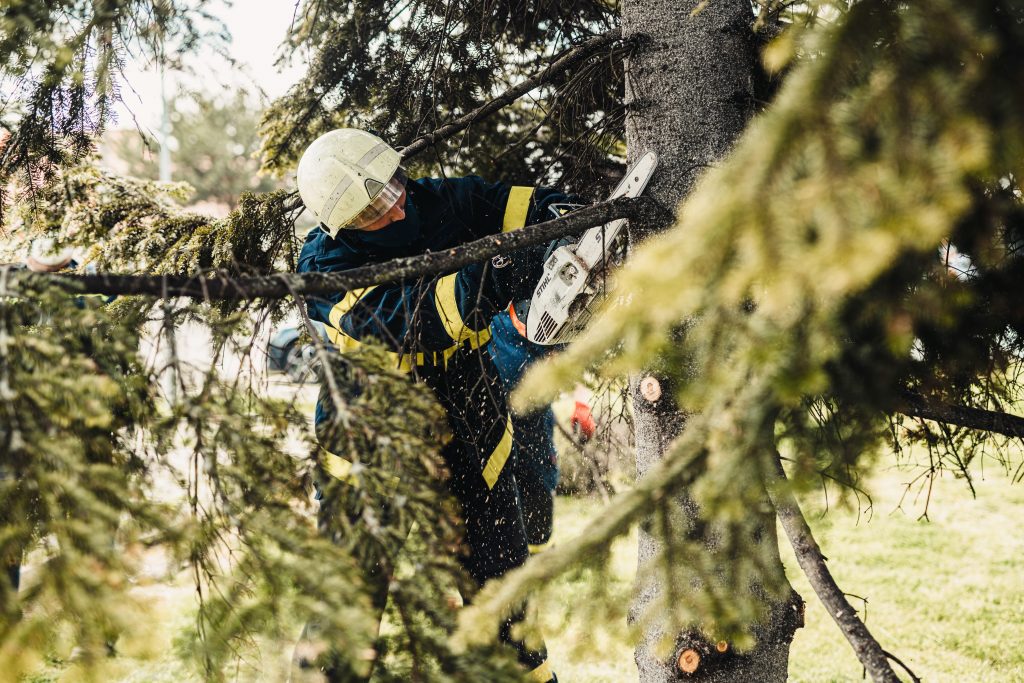
Removal: We use specialized equipment to safely remove the tree.
Stump removal: We remove the stump to prevent regrowth and ensure a clean finish.
Debris disposal: We dispose of all debris, leaving your property clean and tidy.
Salt Lake City Utah Tree Removal Regulations and Permits
In Salt Lake City, Utah, local regulations require permits for tree removal. These permits can be complex and time-consuming to navigate, which is why it’s essential to work with a reputable tree removal company like TruCo Services. We’ll handle all necessary permits and ensure compliance with environmental and safety regulations.
DIY Tree Removal vs. Professional Tree Removal: Which is Best?
While DIY tree removal may seem like a cost-effective option, the risks far outweigh any potential savings. Professional tree removal companies like TruCo Services have the expertise, equipment, and insurance to handle tree removal safely and efficiently. In Salt Lake City, Utah, local regulations also require permits for tree removal, which can be complex and time-consuming to navigate.
Tree Removal for Property Development and Construction Projects
If you’re planning a construction project in Salt Lake City, Utah, tree removal may be necessary to make way for the development. At TruCo Services, we have the expertise and equipment to handle large-scale tree removal projects for commercial and residential properties. We’ll work with you to ensure a safe and efficient removal process that meets your project timeline and budget.
Conclusion
In conclusion, tree removal is a crucial process that requires expertise and care. By following these top essential tips for Salt Lake City Utah tree removal in 2026, you can ensure a safe and efficient removal process that meets your needs and budget. At TruCo Services, we’re committed to delivering professional landscaping and snow removal solutions that transform your outdoor spaces and ensure year-round safety and beauty. Contact us today to schedule a consultation or estimate.
Frequently Asked Questions
What is the average cost of tree removal in Salt Lake City, Utah?
The average cost range is $500-$2,000, depending on the size and complexity of the removal.
Do I need a permit for tree removal in Salt Lake City, Utah?
Yes, a permit is required for tree removal in Salt Lake City, Utah. Contact the city for more information.
Can I remove a tree myself?
We strongly advise against DIY tree removal due to the risks and consequences. Hire a professional for safe and efficient removal.
What is the best time of year for tree removal in Salt Lake City, Utah?
The best time for tree removal is during the dormant season, typically from October to March.
Can TruCo Services handle large-scale tree removal projects?
Yes, TruCo Services has the expertise and equipment to handle large-scale tree removal projects for commercial and residential properties.
Key Takeaways
Tree removal is a crucial process that requires expertise and care.
Professional tree removal companies like TruCo Services have the expertise, equipment, and insurance to handle tree removal safely and efficiently.
Local regulations in Salt Lake City, Utah, require permits for tree removal, which can be complex and time-consuming to navigate.
Categories: Landscaping Construction, Landcape Maintenance, Snow Removal, Lawn Care, Tree Removal, Tree Services, Commercial Installation, Pavers, Outdoor Kitchens, Sprinkler Systems, Permanent Holiday Lighting and more.
Effective Techniques for Stump Removal (801) 466–8044
When faced with the daunting task of tree stump removal, many people in the community turn to the trusted professionals at Stump Removal (801) 466–8044. Understanding the various techniques for removing stumps can help you decide the best method for your yard. Here are several effective approaches that can save you time and effort.
Mechanical Stump Removal
Using machinery is one of the most common methods for stump removal. The process typically involves a stump grinder, which is a powerful machine designed to grind down the stump and roots. Here’s how it works:
Assessment: The area around the stump is assessed for any obstacles such as rocks or buried utilities.
Grinding: The stump grinder is used to chip away at the stump gradually, turning it into wood chips.
Cleanup: The wood chips can be used for mulch, or they can be removed from your property.
This method is efficient and minimizes time spent on stump removal compared to manual methods.
Chemical Stump Removal
If you’re looking for a more passive approach, chemical stump removal might be a suitable option. This method utilizes chemical solutions to accelerate the decay process of the stump. Follow these steps:
Drill Holes: Use a drill to create holes in the stump, making sure to penetrate as deep as possible.
Apply Chemicals: Pour a chemical stump remover into the holes. Salt and potassium nitrate are common choices.
Watering: Water the stump to help the chemicals penetrate deeper.
Wait: Give the chemicals time to break down the wood over several weeks or months.
This method requires patience but is an environmentally friendly option that doesn’t involve heavy machinery.
Manual Stump Removal
If you’re looking for a workout, you might consider manual stump removal. This method is labor-intensive but can be quite satisfying. Here’s a step-by-step guide:
Tools Needed: You will need a shovel, an axe, and possibly a pick or saw.
Excavation: Start by digging around the stump to expose the roots. Be sure to cut through any smaller roots as you go.
Cut the Roots: Use the axe or saw to cut through larger roots. This makes it easier to remove the stump.
Leverage: Utilize a lever or a pry bar to lift the stump out of the ground once it is free from roots.
While this method requires more physical labor, it’s a good way to exercise while completing your yard work.
Burning the Stump
If conditions allow, burning the stump can also serve as an effective removal technique. Here’s a simple outline of this process:
Check Regulations: Verify local regulations regarding outdoor burning.
Prepare: Drill holes into the stump and fill them with a flammable substance, like kerosene.
Ignite: Safely light the stump and monitor it until it burns down completely.
Be cautious with this method to ensure safety throughout the process.
Preventing Future Stumps
To avoid dealing with stumps in the future, consider these preventative measures:
Choose the Right Trees: Plant species that are less invasive and more suitable for your landscape.
Cautious Pruning: When removing trees, ensure you prune correctly to minimize damage to surrounding trees.
Regular Maintenance: Regularly inspect your yard and manage tree health to prevent unwanted removals.
By understanding these various techniques for stump removal, you can make informed decisions about your yard’s maintenance. For professional assistance and efficient service, contact Stump Removal (801) 466–8044. The expertise available will ensure your stump removal is handled with care, leaving your landscape looking its best.
The Benefits of Professional Stump Removal Services
When it comes to maintaining your property, stump removal is often an overlooked yet crucial task. If you have a stump lingering in your yard, you might not realize the benefits of removing it. Professional stump removal services are designed to help you reclaim your outdoor space while offering numerous advantages.
Enhancing Aesthetics
Removing a stump can dramatically improve the look of your yard. Stumps can be unattractive and detract from the overall beauty of your landscape. A clean, stump-free area allows for better landscaping options, making your yard more inviting.
Preventing Pest Infestations
Stumps can attract pests like termites, ants, and beetles, which may eventually invade your home. By getting rid of the stump, you’re helping to reduce the risk of these unwanted guests. Professional stump removal services ensure complete removal of the stump, reducing the likelihood of pest problems.
Avoiding Future Growth
Stumps can sometimes sprout new growths or suckers. These unwanted plants can spread throughout your yard and create additional work for you. By hiring professionals, you ensure that the entire root system is removed, which helps in preventing any future growth from that stump.
Safe Planting Opportunities
Are you considering planting new trees or flowers in your yard? A stump can hinder your plans and limit your choices. With stump removal, you can use that space for new plantings. The ground will be free from obstructions, allowing for proper growth and development of new plants.
Promoting Healthy Soil
Stumps can impact the quality of your soil. They can cause decay and alter the overall health of the soil surrounding them. By removing the stump, you allow for better aeration and drainage. This can lead to enriched soil, making it more suitable for planting various plants or grass.
Increased Value of Your Property: A clean yard free of stumps can significantly enhance your property’s value. Potential buyers are often attracted to properties that are well-maintained.
Improved Safety: Stumps can be a tripping hazard, especially in yards with children or older adults. Removing the stump eliminates this risk, making your yard safer.
Professional Expertise: Professionals have the right tools and expertise to handle stump removal safely. They understand how to remove stumps without damaging your existing landscape.
Time-Efficiency: The process of stump removal can be time-consuming, especially if you’re not familiar with the methods. Hiring a professional service saves you time and effort so you can focus on other home improvement tasks.
Environmental Benefits
Professional stump removal can also be good for the environment. When stumps are ground down and removed, they can be repurposed into mulch or used for composting. This not only reduces waste but also contributes positively to the ecosystem by returning organic materials to the soil.
Choosing the Right Service
When considering stump removal, it’s essential to choose a reputable service provider. Look for companies with positive reviews and substantial experience in stump removal. You can contact local services, create a list of potential providers, and request quotes to ensure you receive the best service possible.
If you’re facing the dilemma of what to do with that stubborn stump, think about the many benefits of professional stump removal services. Not only will you enhance your property’s aesthetic appeal, but you’ll also create a safer, healthier, and more manageable outdoor space.
Take the first step toward transforming your yard today. Call Stump Removal (801) 466–8044 and let the experts handle your stump-related concerns!
Common Mistakes to Avoid During DIY Stump Removal
Removing a tree stump may seem like a straightforward DIY project, but there are common mistakes that many people make. If you’re considering tackling stump removal on your own, it’s crucial to be aware of these pitfalls to ensure a successful outcome. A simple call to Stump Removal (801) 466–8044 can save you time and trouble, but if you’re determined to go the DIY route, read on for some essential tips.
One of the first mistakes is underestimating the size and type of the stump. Stumps can vary significantly in size and root depth, making some harder to remove than others. Before you begin, assess the situation carefully. Measure the diameter of the stump and consider how far the roots extend. If you find that the stump is larger or deeper than you expected, you might want to reconsider your approach.
Another common mistake is neglecting safety precautions. Always wear protective gear, including gloves, goggles, and sturdy footwear. Accidents can happen, and it’s better to be safe than sorry. Tools associated with stump removal can be dangerous, so having the right safety equipment will keep you secure while you work.
Using the wrong tools is a frequent issue among DIYers. Some may think that a simple shovel will do the job, but depending on the stump’s size, you may need specialized tools like a chainsaw, stump grinder, or a pickaxe. Ensure that you have the right equipment. Using improper tools can lead to ineffective removal and increase the time you spend on the task.
Improper planning can hinder your stump removal efforts. Before starting, create a strategy that includes:
Identifying the tools you need
Planning how you will dispose of the stump
Scheduling your work time to allow for breaks
This level of preparation can help streamline the process and make it more efficient.
One mistake that could lead to frustration is attempting to rush the process. Stump removal can be time-consuming. It often requires digging and cutting away roots that have been growing for years. Allow yourself ample time to complete the job without hurrying. Working too quickly may lead to careless mistakes, injury, or inadequate stump removal that may require you to start over.
Many DIY enthusiasts forget the importance of checking local regulations before they begin. Some areas have strict guidelines about tree and stump removal. Research local ordinances, and if necessary, consult with your municipality before beginning the project. Ignoring these regulations can result in fines or required restoration work.
After you’ve removed the stump, many people fail to consider what to do with the hole that remains. Depending on your plans for the area, filling the hole with soil or mulch is essential to prevent accidents and maintain the aesthetics of your yard. Leaving the hole can create a hazard and ruin the look of your landscaping.
Moreover, don’t overlook the significance of post-removal care. Once the stump is out, you may need to treat the area to prevent pests and diseases. For instance, applying mulch or an organic treatment can deter unwanted insects and promote healthy soil. This proactive step fosters the long-term health of your landscape.
If the task becomes too much or you face unexpected challenges, don’t hesitate to get professional help. Calling Stump Removal (801) 466–8044 can provide you with expert solutions tailored to your specific needs. Professionals have the right equipment and knowledge to handle any stump removal efficiently and safely.
Being aware of these common mistakes can significantly improve your chances of successfully removing a stump on your own. Remember to assess the stump properly, ensure safety measures are in place, use the correct tools, plan your approach, and take your time during the project. With the right mindset and preparation, you can avoid these pitfalls and make your DIY stump removal a success.
Environmental Considerations in Stump Removal
When it comes to stump removal, many homeowners focus on aesthetics and safety; however, it’s equally important to consider the environmental impact of the process. A stump can become a breeding ground for pests and diseases, but removing it should be done responsibly. Here’s what you need to know about the various aspects of stump removal that affect our environment.
Understanding the Environmental Impact
Stump removal can have both positive and negative effects on the environment. Before proceeding with any stump removal method, it’s important to understand these implications:
Soil Health: Stump grinding, a common method, can affect soil composition and health if not managed correctly. The ground-up material, known as mulch, can be beneficial, but excessive removal can expose soil to erosion.
Wildlife Habitat: Stumps can provide habitat for various organisms. Removing them may disrupt the ecosystem, so consider the local wildlife before deciding on removal.
Carbon Sequestration: Trees play a significant role in absorbing carbon dioxide. When a tree is removed, its stump also ceases to function as a carbon sink, impacting local carbon levels.
Choosing an Eco-Friendly Stump Removal Method
There are several methods for stump removal, but not all are created equal in terms of environmental friendliness. Here are some approaches that minimize negative impacts:
Manual Removal: This method involves digging out the stump and roots by hand. It can be labor-intensive, but it helps preserve soil integrity and avoids pollution from machinery.
Grinding: While stump grinding is efficient and quick, ensuring that the grinder is well-maintained will reduce emissions. Additionally, using the resulting mulch in your garden can promote healthy soil.
Natural Decay: Allowing the stump to decay naturally is the least intrusive option. While it takes longer, this method supports the local ecosystem. You may enhance the process by adding nitrogen-rich materials to speed decomposition.
Considerations for Soil and Plant Life
After stump removal, it’s crucial to replant or restore the area properly to enhance soil health. Here’s how to do it effectively:
Soil Assessment: Testing the soil following removal can help identify necessary amendments. This is particularly important if chemical treatments were used during the removal process.
Choosing Native Plants: Selecting native plants that thrive in your area ensures resilience and reduces water usage and maintenance efforts.
Mulching: Apply organic mulch around the planted area to conserve moisture, suppress weeds, and provide nutrients as it breaks down.
Emergency Measures
If pests or diseases are found in or around the stump, it’s essential to act swiftly to protect nearby trees and plants. Here’s what you can do:
Inspect Surrounding Vegetation: Keep an eye on nearby plants for signs of infestation or disease to manage any spreading issues.
Consult Professionals: If you notice severe infestations, contacting an arborist or stump removal expert can provide guidance on proper treatment and removal methods.
Preventive Maintenance: Regularly check trees for signs of pests, ensuring early intervention and reducing the chances of needing removal in the future.
Community Engagement and Best Practices
Your choices in stump removal can influence broader community environmental health. Engaging neighbors and sharing practices can create a ripple effect. Here are some ideas:
Education: Host community workshops to educate others about sustainable stump removal and tree care practices.
Promote Local Services: Support businesses that prioritize eco-friendly methods and local sourcing of plants and materials.
Collaborate on Projects: Consider community tree-planting events or habitat restoration projects that enhance local biodiversity.
By weighing environmental considerations in your stump removal process, you protect not only your property but also contribute positively to your community and ecosystem. Opt for methods that align with sustainable practices and encourage others to do the same, creating a healthier and greener environment for all.
How to Choose the Right Stump Removal Company
When you are ready to remove a stump from your yard, finding the right stump removal company is essential. A good company will not only do the job effectively but also ensure the safety of your property and its surroundings. Here’s how you can choose the right stump removal company.
Understand Your Needs
Before reaching out to any company, consider what you specifically need. Are you dealing with a single stump or multiple stumps? Do you want the stump ground down below the ground level, or are you also interested in removing the roots? Knowing your own requirements can help you communicate better and get accurate estimates.
Check for Certifications and Insurance
It’s crucial to hire a company that is both certified and insured. This protects you in case of any accidents or damages. A reputable company will demonstrate that they adhere to industry standards and safety protocols. Here’s what to look for:
Licensing: Ensure they have the proper licenses to operate in your area.
Insurance: Check if they have liability insurance to cover any damages.
Certifications: Look for any certifications that show their expertise in stump removal.
Experience Matters
Experience is a significant factor when it comes to stump removal. You want a team that knows the ins and outs of the job. A company that has been around for several years is likely to have encountered various challenges and knows how to handle them effectively. Ask them how long they have been in business and about their experience with similar projects.
Read Reviews and Testimonials
One of the best ways to gauge a company’s reliability is by reading reviews and testimonials. Look for feedback on their website or third-party review platforms. Positive reviews from previous clients can provide insights into their professionalism, quality of work, and customer service. Pay attention to consistent praises or critiques, as these might indicate common strengths or weaknesses.
Get Multiple Quotes
Don’t settle for the first quote you receive. Contact several companies to get a range of estimates. A detailed quote should include:
Cost of labor
Equipment fees
Estimated time for completion
Any additional services offered
Comparing quoted prices helps ensure you get a fair deal. Remember, the lowest price isn’t always the best choice; consider the overall value you are getting.
Ask About Their Methods
Different companies use various methods for stump removal. Some use grinding machines, while others will pull stumps out with a truck. Ask about their equipment and techniques to ensure they are using safe and effective practices. It’s also a good idea to inquire about how they will handle the debris post-removal. Will they clean up the area afterward? Ensure you know what to expect.
Examine Their Customer Service
The customer service you receive can be a good indicator of what to expect during the job. It starts with your initial contact. Were they prompt in responding to your inquiries? Did they take the time to answer your questions? A company that values customer service is likely to take care of your needs throughout the entire process.
Gauge Their Availability
Timing is an essential consideration in stump removal. You may want the job done quickly, especially if it affects your landscaping. Ask about their availability and how soon they can start. Ensure that their timeline aligns with your expectations.
Trust Your Instincts
Trust your intuition. After gathering all the necessary information, think about your interactions with the company. Do you feel confident in their abilities? Feeling comfortable with a company can make a big difference in service quality and peace of mind during the stump removal process.
Finding the right stump removal company involves a combination of research, comparison, and trust. By following these tips, you’ll be better equipped to make an informed decision and find a company that meets your stump removal needs efficiently and safely. If you’re looking for a reputable service, consider reaching out to Stump Removal (801) 466–8044 for a consultation and professional service. They can assist you in smoothly transitioning your yard back to its best form.
Key Takeaway:
When considering stump removal, it’s essential to understand the various factors that can influence the process and outcome. This article provides key insights into effective techniques, the advantages of hiring professionals, common pitfalls in DIY efforts, environmental considerations, and tips for selecting the right service provider.
Firstly, effective techniques for stump removal emphasize the importance of strategies that not only eliminate the stump but also prepare the area for future landscaping. The methods range from grinding, which efficiently reduces the stump to below ground level, to chemical treatments that accelerate decay but require patience. Understanding these techniques is crucial for ensuring the stump is completely removed and doesn’t pose future risks.
One of the highlighted benefits of professional stump removal services is their expertise and equipment. Professionals like those at (801) 466–8044 bring specialized tools and years of experience, ensuring a more efficient and safer removal process. Hiring experts can save you time and effort, giving you peace of mind as they handle the strenuous task.
However, if you choose a DIY approach, it’s vital to be aware of common mistakes to avoid. Underestimating the size of the stump, neglecting to assess nearby utility lines, or using inadequate tools can lead to injuries or complications, making the process longer and more dangerous. Being informed about these pitfalls can save you from costly mistakes and frustration.
Additionally, environmental considerations are becoming increasingly important in stump removal. Professionals are more likely to adopt eco-friendly methods, minimizing damage to the surrounding landscape and maintaining ecological balance.
Choosing the right stump removal company is paramount. Factors to consider include experience, reviews, service offerings, and pricing. A comprehensive understanding of your options allows you to make a well-informed decision, ensuring the job is completed effectively and responsibly.
Whether you opt for DIY or professional help, taking into account these key aspects will lead to a successful stump removal experience, ensuring your property remains safe and aesthetically pleasing.
Conclusion
Successfully removing a stump is crucial for maintaining the beauty and health of your landscape. Utilizing effective techniques for stump removal, such as grinding or chemical treatments, can make the task more manageable. However, hiring professional stump removal services like the experienced team at (801) 466–8044 ensures not only efficiency but also safety. Professionals bring knowledge, specialized tools, and the ability to tackle complex root systems that may pose challenges for DIY enthusiasts.
While taking a DIY approach to stump removal might save money, avoiding common mistakes is key to a successful outcome. Misjudging the process can lead to wasted effort or even property damage. It’s essential to weigh the benefits of professional skills against these potential pitfalls. Additionally, being environmentally conscious during stump removal can contribute to the overall health of your landscape. Techniques that preserve soil and surrounding plants should be prioritized.
Choosing the right stump removal company can greatly enhance your experience. Look for providers with strong reputations, relevant experience, and customer testimonials. Engaging a dedicated team ensures you receive personalized service tailored to your specific needs.
By thoughtfully considering the best methods, professional services, and environmentally-friendly practices, you can navigate the stump removal process smoothly. Whether you decide to go the DIY route or enlist professional help, taking these factors into account will lead to a more successful and beneficial outcome for your property.
If you need a tree service in Utah, you can call: Truco Services, Inc.
4640 Commerce Drive
Murray, Utah 84107
(801) 466–8044 https://truetreeservices.com/
Tree trimming is a crucial aspect of maintaining the health and aesthetics of your trees in Echo, UT 84024. Regular tree trimming offers various benefits, not only to the trees themselves but also to the overall landscape and environment. Understanding the importance of tree trimming can help homeowners and property owners make informed decisions regarding the care of their green assets.
Enhanced Tree Health
Proper tree trimming helps promote the overall health of trees by removing dead or diseased branches. These branches can be a breeding ground for pests and diseases that can spread to the rest of the tree. By trimming these branches regularly, you can prevent the spread of infections and improve the tree’s overall well-being.
Safety Concerns
Overgrown branches can pose a safety hazard, especially during storms or high winds. Weak or dead branches are more likely to break and fall, potentially causing damage to property or posing a risk to people. Tree trimming helps eliminate these risks by removing precarious branches and ensuring that the tree is structurally sound.
Aesthetic Appeal
Regular tree trimming contributes to the aesthetic appeal of your property. Well-maintained trees enhance the overall look of your landscape, increasing curb appeal and property value. Trimming helps shape the trees, promoting healthy growth patterns and creating visually appealing surroundings.
Sunlight Exposure
Trimming trees allows more sunlight to reach the tree’s interior and the surrounding landscape. Adequate sunlight is essential for the tree’s growth and development. By eliminating overcrowded areas within the tree canopy, tree trimming ensures that each part of the tree receives ample sunlight for photosynthesis.
Encouraging Growth
Strategic tree trimming can help promote new growth in desired areas of the tree. By selectively trimming branches, you can direct the tree’s growth, encourage fuller foliage, and shape the tree according to your preferences. This process is especially beneficial for fruit trees, as it can stimulate fruit production.
Disease Prevention
Regular tree trimming plays a preventive role in managing tree diseases. By removing infected branches promptly, you can prevent the spread of diseases throughout the tree. Moreover, proper trimming practices reduce the risk of fungal infections and rot, helping trees thrive in a healthy environment.
Professional Tree Trimming Services
While some tree trimming tasks can be done by homeowners, hiring professional tree trimming services in Echo, UT 84024 is advisable for more complex jobs. Certified arborists have the expertise and equipment to trim trees safely and effectively, ensuring the best results for your trees.
Tree trimming is a vital part of tree maintenance that offers various benefits, including improved tree health, safety, aesthetics, sunlight exposure, growth promotion, and disease prevention. By prioritizing regular tree trimming, homeowners can enhance the beauty of their landscape, protect their property, and ensure the long-term health of their trees. Consider reaching out to professional tree trimming services to experience the full advantages of expert tree care in Echo, UT 84024.
Benefits of Regular Tree Maintenance
Regular tree maintenance, such as tree trimming in Echo, UT 84024, offers a multitude of benefits that go beyond just enhancing the appearance of your property. Proper tree care not only ensures the health and longevity of your trees but also promotes safety and contributes to the overall well-being of the environment. Let’s delve into the advantages of investing in regular tree maintenance services.
Regular tree trimming plays a crucial role in maintaining the health of your trees. By removing dead, diseased, or overgrown branches, you allow the tree to allocate nutrients more efficiently to healthy branches, promoting new growth. Trimming also helps in preventing the spread of diseases and pests, ultimately increasing the lifespan of your trees.
Improved Safety
Overgrown branches can pose a significant risk to your property and anyone in the vicinity. Weak or dead branches are prone to falling, especially during storms or strong winds, potentially causing damage to structures or posing a danger to people. Regular tree trimming helps eliminate these hazards, making your outdoor space safer for everyone.
Aesthetic Appeal
Well-maintained trees enhance the overall aesthetic of your property. Trimming your trees regularly not only shapes them in a visually appealing way but also promotes lush and dense foliage. This can increase the curb appeal of your home or business, making it more attractive to visitors or potential buyers.
Disease Prevention
Regular tree maintenance, including trimming, pruning, and inspection, is vital in preventing the spread of diseases among trees. Removing infected branches or parts of the tree can stop diseases from spreading to healthy areas. Additionally, maintaining proper air circulation through trimming helps reduce the risk of fungal infections that thrive in damp and overcrowded environments.
Encourages Fruit Production
For fruit-bearing trees, regular trimming is essential for promoting fruit production. Trimming helps in removing excess growth that may hinder fruit development and allows sunlight to reach the inner parts of the tree, aiding in fruit ripening. Proper pruning techniques can also improve the quality and quantity of the fruit produced by the tree.
Environmental Benefits
Trees play a crucial role in environmental health, and regular maintenance contributes to their positive impact. Healthy trees help in purifying the air, reducing pollution, providing shade, and supporting biodiversity. By investing in tree trimming and care, you are not only benefiting your immediate surroundings but also contributing to the well-being of the planet.
Regular tree maintenance, including tree trimming in Echo, UT 84024, is a valuable investment that offers a myriad of benefits ranging from improved tree health and safety to enhancing the visual appeal of your property. By prioritizing the care of your trees, you are not only preserving their longevity but also creating a safer and more beautiful outdoor environment for yourself and others to enjoy.
Tools and Techniques for Effective Tree Trimming
Proper tree trimming is essential for maintaining the health, aesthetics, and safety of your trees. Using the right tools and techniques can make a significant difference in the outcome of your tree trimming efforts. In Echo, UT 84024, where tree care is crucial due to the local climate and environmental factors, knowing the best practices for tree trimming is paramount.
Tools for Tree Trimming
When it comes to tree trimming, having the right tools can make the task much more manageable and effective. Here are some essential tools for effective tree trimming:
Pruning Shears: Ideal for trimming small branches and twigs, pruning shears are essential for precise cuts without causing damage to the tree.
Loppers: Used for trimming thicker branches that pruning shears can’t handle, loppers provide extra reach and cutting power.
Pole Pruners: For trimming high branches safely from the ground, pole pruners are a must-have tool in your tree trimming arsenal.
Chainsaw: When dealing with larger branches or tree limbs, a chainsaw is necessary for efficient and clean cuts.
Handsaw: A handsaw is useful for cutting branches that are too large for pruning shears but not suitable for a chainsaw.
Safety Gear: Don’t forget essential safety gear such as gloves, goggles, and a helmet to protect yourself while tree trimming.
Techniques for Tree Trimming
Using the right techniques is just as important as having the proper tools when it comes to tree trimming. Here are some techniques for effective tree trimming:
Identify Branch Collar: When cutting branches, always locate the branch collar (swollen area where the branch meets the trunk) and make cuts just outside the collar without damaging it.
Prune at the Right Time: Trim your trees during the dormant season to minimize stress and allow for faster healing. However, dead or damaged branches should be removed promptly regardless of the season.
Avoid Tearing Bark: Make clean cuts to prevent tearing the tree’s bark, which can lead to infections and pest infestations.
Trim for Structure: Focus on maintaining the tree’s natural shape and removing crossing or rubbing branches to improve airflow and sunlight exposure.
Don’t Over-Prune: Avoid pruning more than 25% of the tree’s canopy in a single season to prevent stress and potential health issues.
Consult a Professional: For large trees or tricky trimming situations, consider consulting a professional tree service to ensure the job is done safely and correctly.
By utilizing the right tools and techniques for tree trimming in Echo, UT 84024, you can promote the overall health and beauty of your trees while ensuring safety for your property and the surrounding environment. Regular tree trimming not only enhances the aesthetics of your landscape but also helps prevent potential hazards such as falling branches during storms. Take the time to assess your trees’ needs and invest in proper tree trimming practices for long-term tree care benefits.
Hiring Professional Tree Trimming Services in Echo, UT 84024
Tree trimming is an essential aspect of maintaining a healthy and aesthetically pleasing landscape in Echo, UT 84024. Hiring professional tree trimming services can ensure that the trees on your property are properly cared for, promoting their growth and longevity while enhancing the overall appearance of your outdoor space.
Professional tree trimming services offer expertise and tools required to trim trees safely and effectively. These experts are trained to assess the condition of trees, identify any diseased or damaged branches, and trim them in a way that promotes healthy growth. By hiring professionals, you can avoid the risks associated with DIY tree trimming, such as injuries from falls or improper use of equipment.
In Echo, UT 84024, the climate and soil conditions can vary, affecting the health of trees in the area. Professional arborists understand these local conditions and can provide tailored tree trimming services to address specific needs. Whether your trees need shaping, thinning, crown reduction, or deadwood removal, hiring professionals ensures that the job is done correctly to benefit the trees and the surrounding landscape.
When you hire professional tree trimming services, you can expect a comprehensive approach to tree care. Beyond just trimming branches, arborists can offer additional services such as tree health assessments, pest and disease management, and tree removal if necessary. These experts have the knowledge and experience to handle various tree-related issues, ensuring the optimal health and appearance of your trees.
Moreover, professional tree trimming services in Echo, UT 84024 can help enhance the safety of your property. Overgrown or improperly trimmed trees can pose a risk of falling branches or tree failure, especially during storms or high winds. By regularly trimming and maintaining your trees, you can reduce the likelihood of such incidents, keeping your property and its inhabitants safe.
In addition to the practical benefits of professional tree trimming, outsourcing this task can save you time and effort. Tree trimming can be a labor-intensive and time-consuming process, especially for homeowners with limited experience and tools. By hiring professionals, you can free up your time to focus on other activities while ensuring that your trees receive the care they need.
Before hiring a tree trimming service in Echo, UT 84024, it’s essential to research and compare different companies. Look for certified arborists with proper insurance and a good reputation in the community. Obtain multiple quotes to compare prices and services offered, ensuring that you get the best value for your investment in tree care.
Investing in professional tree trimming services in Echo, UT 84024 is a wise decision for any homeowner looking to maintain healthy and attractive trees on their property. By entrusting this task to experts, you can enjoy the benefits of well-maintained trees without the hassle or risks associated with DIY tree trimming. Consider hiring professional tree trimming services today to keep your trees thriving for years to come.
Safety Tips for DIY Tree Trimming
When it comes to DIY tree trimming, safety should always be the top priority. While it can be a rewarding task to take care of your trees on your own, it’s essential to follow some safety tips to prevent accidents and injuries. Here are some key safety tips to keep in mind before you begin your tree trimming project in Echo, UT 84024:
Proper Gear
Wearing the right gear is crucial when trimming trees. Make sure to wear a hard hat to protect your head from falling branches. Additionally, wear safety glasses to shield your eyes from debris, and gloves to protect your hands. Sturdy, non-slip boots are also recommended to provide traction while working at heights.
Use the Right Tools
Using the correct tools for tree trimming is essential for your safety. Make sure your tools are sharp and well-maintained to ensure clean cuts. Long-handled pruners or loppers are great for trimming small branches, while a pruning saw can be used for larger limbs. Pole saws are helpful for trimming high branches without having to climb a ladder.
Assess the Tree and Surroundings
Before starting the tree trimming process, carefully assess the tree and its surroundings. Look for any power lines near the tree, as trimming around power lines can be extremely dangerous and should be left to professionals. Check for the direction in which the tree may fall and ensure there are no obstacles in the way.
While trimming a tree, it’s important to maintain a safe distance from the tree itself. This helps prevent injury from falling branches. Stand clear of the falling path of branches and limbs to avoid any accidents. If using a ladder, make sure it is stable and securely placed on level ground.
Take Breaks
Tree trimming can be physically demanding work, especially if you’re working at heights. Be sure to take frequent breaks to avoid fatigue and stay hydrated. Overexertion can lead to accidents, so listen to your body and rest when needed.
Know When to Call a Professional
While many homeowners can handle basic tree trimming tasks, some situations are best left to professionals. If the tree is near power lines, is too large to handle safely, or if you’re unsure about the proper trimming techniques, it’s best to call a professional tree service in Echo, UT 84024.
By following these safety tips, you can ensure a successful and accident-free DIY tree trimming project. Remember, safety always comes first when working with trees.
Key Takeaway:
Tree trimming in Echo, UT 84024 is crucial for maintaining the health and aesthetics of trees in the area. Regular tree maintenance not only enhances the appearance of the landscape but also promotes the overall well-being of the trees. Employing the right tools and techniques is essential for effective tree trimming, ensuring the job is done accurately without causing damage. While some may opt for a do-it-yourself approach, hiring professional tree trimming services in Echo, UT 84024 is recommended for intricate tree care needs. Safety is paramount in tree trimming, whether you choose to do it yourself or hire professionals.
Ensuring that trees in Echo, UT 84024 receive proper trimming is essential for various reasons. Firstly, tree trimming helps in shaping the trees, making them visually appealing and enhancing the overall appearance of the landscape. Proper trimming also promotes tree health by removing dead or diseased branches, allowing for better airflow and sunlight penetration. This, in turn, reduces the risk of pests and diseases infesting the trees, leading to a longer lifespan for the trees in Echo, UT 84024.
Regular tree maintenance offers numerous benefits, including improved tree health, increased fruit production for fruit-bearing trees, and enhanced safety by preventing overgrown branches from falling. Additionally, trimming trees can boost property value by enhancing curb appeal. Trees that are well-maintained not only look aesthetically pleasing but also contribute to a healthier environment in Echo, UT 84024.
Utilizing the right tools and techniques is crucial for effective tree trimming. Proper tools such as pruning shears, loppers, and pruning saws should be used depending on the size of the branches. Techniques like crown thinning, crown raising, and crown reduction should be employed strategically to maintain the tree’s natural shape while promoting healthy growth.
When considering tree trimming services in Echo, UT 84024, hiring professionals is highly recommended for complicated or large-scale tree care needs. Professional arborists have the expertise and equipment to trim trees safely and efficiently. They can provide expert advice on tree care, including the best time to trim specific tree species and the proper techniques to ensure tree health and longevity.
Safety should always be a top priority when it comes to tree trimming, whether one chooses to do it themselves or hire professionals. Following safety tips such as wearing protective gear, using stable ladders, and staying clear of power lines can prevent accidents and injuries during tree trimming activities. Prioritizing safety not only protects individuals but also ensures the successful completion of tree trimming tasks in Echo, UT 84024.
Conclusion
Proper tree care, including regular trimming and maintenance, is essential for the health and aesthetics of your trees in Echo, UT 84024. By understanding the significance of tree trimming and the benefits it brings, you can ensure the longevity and vitality of your trees. Regular tree trimming not only enhances the overall appearance of your property but also promotes the growth of new branches and leaves, contributing to the well-being of the tree itself.
Engaging in consistent tree maintenance practices offers a myriad of benefits. From promoting tree health and growth to preventing the spread of diseases and pests, regular trimming plays a vital role in maintaining the overall well-being of your trees. By investing in tree trimming, Echo, UT 84024 residents can enjoy lush, beautiful landscapes that add value to their properties and create a welcoming environment for both residents and visitors alike.
When it comes to effective tree trimming, utilizing the right tools and techniques is crucial. From pruning shears and loppers to chainsaws and pole pruners, having the proper equipment can make a significant difference in the outcome of your tree trimming efforts. By employing correct cutting techniques and understanding the needs of different tree species, you can ensure that your trees receive the care they deserve.
While some may opt for a DIY approach to tree trimming, hiring professional tree trimming services in Echo, UT 84024 can provide numerous advantages. Experienced arborists have the knowledge and expertise to assess the health of your trees accurately and recommend the appropriate trimming techniques. By enlisting the help of professionals, you can rest assured that your trees are in good hands and receive the care they require to thrive.
For those who choose to undertake tree trimming themselves, following safety tips is paramount. Wearing proper protective gear, such as gloves, goggles, and sturdy footwear, can help prevent injuries while operating tools. Additionally, understanding the basics of tree biology and knowing how to identify potential hazards can ensure a safe and successful trimming process.
Tree trimming plays a vital role in maintaining the health and aesthetics of your trees in Echo, UT 84024. By recognizing the importance of regular tree maintenance, understanding the benefits it provides, employing the right tools and techniques, considering professional services, and prioritizing safety, you can promote the well-being of your trees and enhance the overall beauty of your landscape. Remember, healthy and well-maintained trees not only benefit your property but also contribute to a greener and more sustainable environment for generations to come.
If you need a tree service in Utah, you can call: Truco Services, Inc.
4640 Commerce Drive
Murray, Utah 84107
(801) 466–8044 https://truetreeservices.com/
THE PROS AND CONS OF TREE TOPPING
THE PROS AND CONS OF TREE TOPPING
Tree Topping: Tree topping, also known as heading, stubbing, or dehorning, refers to the practice of severely cutting back the upper crown of a tree to reduce its height or size. This often involves removing large branches and foliage, leaving behind stubs or branches that are too small to properly support new growth. While topping was once a common approach to managing tree size, it has garnered criticism from arborists and tree care professionals due to its negative impacts on tree health, structure, and aesthetics.
Prevalence: Tree topping was historically a widely practiced method for reducing the size of trees, especially in urban and suburban landscapes where space constraints and aesthetic preferences drove the desire for shorter trees. However, as our understanding of tree biology and proper pruning techniques has evolved, the prevalence of tree topping has declined, particularly among professional arborists and those knowledgeable about responsible tree care.
Despite the growing awareness of its drawbacks, tree topping can still be observed in certain areas, often driven by misconceptions, lack of awareness, or misguided attempts to control tree growth. Topping might also be favored due to its immediate visual results, as it provides instant clearance of branches and can create the illusion of a more compact tree.
However, as the negative consequences of tree topping have become more apparent, efforts to discourage its use have increased. Professional arborists and organizations dedicated to responsible tree care now advocate for alternative pruning methods that prioritize tree health, structural integrity, and long-term aesthetics.
Tree topping’s prevalence varies depending on factors such as location, awareness of proper pruning practices, and the availability of trained arborists. In areas with a strong emphasis on sustainable landscaping and responsible tree care, tree topping is becoming less common due to the understanding of its potential harms to trees and the environment.
In summary, while tree topping was once prevalent as a method for reducing tree size, its negative impacts on tree health and structure have led to a decline in its use. As the importance of responsible tree care continues to gain recognition, alternatives to tree topping are being embraced to ensure the well-being of trees and the landscapes they inhabit.
Importance of Discussing the Pros and Cons of Tree Toppings
Discussing the pros and cons of tree topping is crucial for promoting informed and responsible tree care practices. This discussion helps property owners, landscapers, and the general public make well-informed decisions about tree pruning methods that align with the long-term health, aesthetics, and safety of trees and their surrounding environment. Here’s why discussing the pros and cons of tree topping is important:
Informed Decision-Making: Understanding the potential benefits and drawbacks of tree topping empowers individuals to make educated choices about tree care methods that best suit their goals and priorities.
Tree Health and Longevity: Highlighting the negative impacts of tree topping on tree health, such as weak regrowth and structural issues, encourages people to opt for alternative pruning methods that support the long-term vitality and well-being of trees.
Aesthetic Considerations: Discussing how tree topping can result in unnatural growth patterns and reduce a tree’s aesthetic value over time helps individuals make choices that align with their desire for visually pleasing landscapes.
Ecosystem Health: Understanding that tree topping can contribute to habitat loss and negatively impact biodiversity encourages individuals to choose pruning methods that support a healthy ecosystem.
Cost Considerations: Discussing the potential costs associated with frequent maintenance due to rapid regrowth and potential structural issues can motivate individuals to invest in responsible pruning practices that offer long-term cost savings.
Community Awareness: Educating the public about the drawbacks of tree topping fosters a culture of responsible tree care within communities, leading to healthier urban forests and landscapes.
Professional Guidance: By discussing the cons of tree topping, individuals are more likely to seek the advice of certified arborists and tree care professionals, leading to better-informed decisions and higher-quality tree care.
Minimizing Harm: Promoting an understanding of the negative impacts of tree topping helps prevent well-meaning but misinformed individuals from inadvertently causing harm to trees through improper pruning practices.
Long-Term Benefits: Emphasizing the benefits of alternative pruning methods, such as selective branch removal and proper tree care, helps individuals appreciate the long-term positive outcomes for their trees and landscapes.
A Balanced Perspective: Discussing both the pros and cons of tree topping provides a comprehensive view of the practice, allowing individuals to weigh the immediate benefits against the potential long-term consequences.
In essence, discussing the pros and cons of tree topping promotes responsible tree care that prioritizes tree health, aesthetics, and the well-being of the surrounding environment. Encouraging a shift away from damaging practices like tree topping contributes to the overall sustainability and beauty of urban and suburban landscapes.
Pros of Tree Topping
The practice of tree topping involves cutting back the upper crown of a tree, often resulting in a reduction of its height or size. While tree topping has significant drawbacks, some proponents argue that it can offer certain benefits in specific situations. However, it’s important to note that these perceived benefits should be carefully weighed against the potential long-term consequences. Here are some of the pros often associated with tree topping:
Tree
Reduced Tree Height: Tree topping can effectively reduce the overall height of a tree. This can be useful in situations where the tree’s growth interferes with utility lines, buildings, or other structures. By reducing the tree’s height, potential conflicts with nearby structures can be minimized.
Immediate Aesthetic Improvement: Tree topping can provide a quick solution for reducing the size of a tree and can enhance the visual appeal of a landscape. It can create a neater appearance, especially if the tree was previously overgrown or unevenly shaped.
Emergency Hazard Reduction: In cases where a tree has become hazardous due to dead or unstable branches, topping can quickly address these issues and reduce the risk of falling branches causing harm to people, property, or vehicles.
Encourages New Growth: Topping stimulates the growth of new shoots and branches from the cut ends, which can lead to a denser foliage canopy over time. This regrowth can give the tree a rejuvenated appearance.
Temporary Solution for Shading Issues: Topping can provide temporary relief from excessive shading caused by a dense canopy. This might be desirable in landscapes where sunlight is needed for other plants or outdoor activities.
While these perceived benefits may seem advantageous, it’s important to consider the potential drawbacks and long-term impacts of tree topping. The cons of tree topping, such as weakened branch attachments, increased risk of decay, unnatural growth patterns, and reduced tree longevity, often outweigh the immediate benefits. In many cases, alternative pruning methods that prioritize tree health, aesthetics, and structural integrity are more appropriate for achieving desired outcomes without compromising the long-term well-being of the tree.
Cons of Tree Topping
Tree topping, despite its potential perceived benefits in some situations, is widely criticized by arborists and tree care professionals due to its numerous negative consequences. The drawbacks of tree topping far outweigh any short-term advantages it might offer. Here are the significant cons associated with tree topping:
Structural Weakness: Topping removes a significant portion of a tree’s canopy, resulting in large, exposed wounds that are slow to heal. The regrowth that follows tends to be weakly attached branches with poor structural integrity, making them more susceptible to breakage, especially during windstorms.
Increased Risk of Decay and Disease: The large wounds created by tree topping serve as entry points for insects, pathogens, and decay-causing fungi. The tree’s natural defense mechanisms are compromised, leading to a higher risk of infections and decay within the tree’s tissues.
Unnatural Growth Patterns: After topping, the tree responds with rapid, weak regrowth from the cut ends. This growth is often dense, unbalanced, and visually unappealing. It can lead to an unnatural shape that detracts from the tree’s aesthetics.
Reduced Longevity: Topped trees are more stressed and vulnerable to various environmental factors, including weather extremes and pest attacks. As a result, their overall health declines, and their lifespan is significantly shortened compared to properly pruned and maintained trees.
Increased Maintenance Needs: The rapid regrowth of weak branches necessitates frequent and costly maintenance to control the new shoots. This cycle of repeated topping and regrowth leads to ongoing expenses.
Expense Over Time: While tree topping might seem cost-effective in the short term, the cumulative expenses of managing regrowth, treating infections, and addressing structural problems can ultimately surpass the initial savings.
Habitat Loss and Biodiversity Impact: Topping removes nesting sites and habitats for wildlife, diminishing biodiversity in the local environment. Trees play a vital role in supporting ecosystems, and damaging their structure can disrupt these ecosystems.
Aesthetic Decline Over Time: The initial visual improvement after tree topping is often short-lived. The regrowth results in a thick, bushy appearance that can appear unsightly and messy over time.
Potential Safety Hazards: Topped trees are more prone to branch breakage and instability, posing safety risks to people, property, and nearby structures.
In summary, the negative consequences of tree topping are extensive and can lead to irreversible harm to trees, ecosystems, and aesthetics. As an alternative, responsible tree care practices that prioritize tree health, structural integrity, and long-term aesthetics are recommended to ensure the well-being of trees and the landscapes they inhabit.
Preparing trees for the intense summer heat in Utah is essential to ensure their health and survival during the hot and arid conditions characteristic of the region. The combination of high temperatures, low humidity, and potential drought stress can put significant strain on trees, making proactive care measures crucial. Here’s a comprehensive explanation of how to prepare trees for the summer heat in Utah:
Understanding Utah’s Summer Climate: Utah experiences hot and dry summers, with temperatures often exceeding 90°F (32°C) and limited rainfall. Low humidity levels further contribute to water loss from trees through transpiration.
Tree Species Selection and Placement:
Opt for native or drought-resistant tree species that are well-adapted to Utah’s climate.
Choose appropriate locations for planting, considering sun exposure, wind protection, and potential shade provision.
Watering Strategies:
Deep and consistent watering is essential. Provide sufficient water to reach the root zone.
Water early in the morning or late in the evening to minimize evaporation.
Adjust watering frequency based on soil type, tree size, and weather conditions.
Mulching for Moisture Retention:
Apply a layer of organic mulch around the base of trees to retain soil moisture and regulate soil temperature.
Mulch also prevents weed growth that competes for water.
Thinning the canopy improves air circulation and allows more sunlight to reach the inner branches.
Soil Health and Fertilization:
Test soil to assess nutrient levels and pH. Adjust fertilization based on test results.
Avoid excessive fertilization, as it can lead to increased water demand.
Pest and Disease Management:
Regularly inspect trees for signs of pests and diseases, such as wilting leaves, holes, or discoloration.
Apply appropriate treatments if pests or diseases are detected.
Protection from Sunscald and Heat Stress:
Young trees with thin bark are susceptible to sunscald. Use tree wraps or shading to protect trunks from direct sunlight.
Signs of heat stress include wilting, drooping leaves, and browning edges.
Proper Pruning and Trimming:
Avoid heavy pruning during summer, as it can stress trees further by reducing leaf area.
Prune only dead, damaged, or diseased branches.
Regular Inspection and Monitoring: – Regularly assess tree health for signs of stress, insect infestations, or disease. – Promptly address any issues to prevent their escalation.
Public Awareness and Education: – Educate the community about responsible tree care during summer. – Promote water conservation and proper watering practices.
Taking these steps ensures that trees have the best chance of thriving despite the harsh conditions of summer in Utah. By providing adequate water, managing the canopy, preventing stress, and fostering healthy growth, you can help your trees withstand the challenges of the season and contribute to the overall health and beauty of the landscape.
Importance of Tree Care in the Context of Utah’s Hot and Arid Climate
Tree care is of paramount importance in the context of Utah’s hot and arid climate due to the unique challenges posed by these environmental conditions. Utah’s climate features high temperatures, low humidity, and limited precipitation, creating a harsh environment that can stress trees and hinder their growth. Here’s why tree care is crucial in Utah’s climate:
Water Scarcity:
Utah’s arid climate often results in water scarcity. Trees require adequate water to survive and thrive, and careful irrigation is necessary to prevent drought stress.
Transpiration and Water Loss:
High temperatures and low humidity lead to rapid transpiration, the process by which trees lose water through their leaves. Without sufficient water intake, trees can wilt and become susceptible to disease and pests.
Drought Stress:
Trees in arid climates like Utah’s are more prone to drought stress, which weakens their defenses against diseases and pests. Drought-stressed trees can experience reduced growth and premature leaf drop.
Sun and Heat Exposure:
Intense sunlight and heat can cause sunscald, a condition where the bark on the sunny side of a tree heats up and then rapidly cools, leading to cracks and damage. Proper tree care measures, such as shading and wrapping, can help prevent sunscald.
Soil Conditions:
Utah’s soils are often rocky and have poor water retention properties. Adequate irrigation and mulching are crucial to maintain soil moisture levels necessary for tree health.
Urban Heat Island Effect:
Urban areas in Utah can experience the heat island effect, where built environments absorb and retain heat, leading to higher temperatures. Trees play a crucial role in mitigating this effect by providing shade and cooling.
Erosion Control:
Utah’s arid conditions can lead to soil erosion, particularly in areas with sparse vegetation. Trees help stabilize the soil with their roots, preventing erosion and maintaining landscape integrity.
Aesthetic Value:
Trees contribute to the aesthetic beauty of Utah’s landscapes, softening the urban environment and adding visual appeal to both urban and natural settings.
Wildlife Habitat: – Trees provide habitat and food sources for various wildlife species, contributing to local biodiversity and ecosystem health.
Given these challenges and the crucial role trees play in the environment and human well-being, proper tree care practices are essential. Regular watering, mulching, pruning, and disease management help trees thrive and remain resilient despite Utah’s harsh conditions. By investing in tree care, individuals, communities, and cities can enjoy the numerous benefits trees offer while ensuring their longevity in an arid climate.
Explain the Challenges Posed by Summer Heat to Trees
Summer heat presents several challenges to trees, particularly in hot and arid climates like Utah. The combination of high temperatures, intense sunlight, and limited water availability can stress trees and negatively impact their health and well-being. Here are the key challenges posed by summer heat to trees:
Water Stress:
High temperatures increase the rate of transpiration, the process by which trees lose water through their leaves. This can lead to water stress and dehydration, especially if the tree’s water uptake cannot match the rate of water loss.
Drought Conditions:
Limited rainfall during summer exacerbates drought conditions. Trees in drought-stressed states may struggle to find enough water to sustain themselves, leading to wilting and reduced growth.
Soil Moisture Depletion:
Intense heat can cause soils to dry out quickly. Trees rely on soil moisture to access water and nutrients. Drying soils can hinder root growth and nutrient absorption.
Root Damage:
Excessive heat can lead to soil compaction and root desiccation, where roots dry out and lose their ability to absorb water. Compacted soils limit root expansion and access to essential resources.
Sunscald and Heat Stress:
Intense sunlight can cause sunscald, where the bark on the sunny side of a tree heats up rapidly and then cools abruptly, resulting in cracks and damage. Heat stress can weaken a tree’s overall health and defenses.
Limited Nutrient Uptake:
Heat stress can disrupt nutrient uptake by impeding the movement of water and nutrients from the roots to the rest of the tree. This can lead to nutrient deficiencies and hinder growth.
Increased Pest and Disease Pressure:
Heat-stressed trees are more vulnerable to pests and diseases. Weakened trees are less able to defend against attacks and may succumb to infestations or infections.
Reduced Photosynthesis:
Extreme heat can disrupt photosynthesis, the process by which trees produce energy from sunlight. Reduced photosynthesis can lead to weakened growth and decreased energy reserves.
Risk of Fire Damage:
Dry conditions increase the risk of wildfires. Trees that are stressed due to heat and drought become more susceptible to fire damage.
Root Loss: – In severe cases, heat stress can cause root loss, further compromising a tree’s ability to uptake water and nutrients.
Long-Term Impact: – Prolonged exposure to heat stress can have long-term consequences on tree health, making trees more susceptible to subsequent stressors, such as disease or extreme weather events.
Given these challenges, it’s crucial to implement proper tree care strategies to mitigate the impact of summer heat on trees. Adequate watering, mulching, shading, and other preventive measures can help trees withstand the challenges of hot and arid conditions, ensuring their survival and well-being.
Utah’s Summer Climate
Utah’s summer climate is characterized by its hot and dry conditions, making it unique and challenging for both residents and the environment. The state’s geography, elevation variations, and proximity to desert regions contribute to the specific weather patterns experienced during the summer months. Here’s an overview of Utah’s summer climate:
High Temperatures:
Utah experiences high temperatures during the summer, often exceeding 90°F (32°C) and occasionally reaching over 100°F (37.8°C) in many areas.
The southern regions of the state, such as St. George and Moab, tend to have even hotter temperatures due to their lower elevations and proximity to desert areas.
Low Humidity:
One of the defining features of Utah’s summer climate is its low humidity. Relative humidity levels can drop significantly, leading to dry air and rapid evaporation.
Intense Sunlight:
The state receives a high amount of sunshine throughout the summer months. The combination of intense sunlight and low humidity contributes to rapid water evaporation from soil and vegetation.
Limited Precipitation:
Precipitation during the summer is generally limited, with many areas experiencing minimal rainfall. Thunderstorms, sometimes accompanied by heavy rainfall, are more common in the mountains and eastern regions.
Drought Conditions:
Utah frequently experiences drought conditions during the summer, exacerbated by the arid climate and limited rainfall. Drought stress can affect water availability for both natural ecosystems and human consumption.
Elevation Variations:
Utah’s elevation ranges from the low desert floor to high mountain peaks. Higher elevations tend to have cooler temperatures, making them popular destinations for relief from the summer heat.
Monsoonal Influence:
During the latter part of the summer, monsoonal moisture from the Gulf of California can lead to increased thunderstorm activity, especially in the southern and eastern parts of the state.
Wildfire Risk:
The combination of high temperatures, low humidity, and dry vegetation increases the risk of wildfires during the summer months. Dry lightning strikes can also trigger fires.
Impact on Water Resources:
The combination of high temperatures and low humidity increases water evaporation rates from lakes, rivers, and reservoirs, impacting water availability.
Urban Heat Island Effect: – Urban areas experience the urban heat island effect, where built surfaces absorb and re-emit heat, leading to higher temperatures compared to surrounding rural areas.
Are you tired of looking at that old, decaying tree in your yard, yearning for a change? Well, it’s time to take action! In this article, we will explore the costs associated with tree removal in Murray UT, offering you valuable insights to make an informed decision. Whether you’re facing safety concerns or simply want to enhance the beauty of your property, understanding the process and the expenses involved will empower you to take the necessary steps. So, let’s dive in and discover how much it truly costs to bid farewell to that bothersome tree.
Key Takeaways
The cost of tree removal in Murray UT can vary depending on factors such as the size of the tree, its location, and any additional services required.
Smaller trees (under 30 feet) generally cost around $300 to $700 to remove, while medium-sized trees (30 to 60 feet) range from $500 to $1,200. Larger trees (over 60 feet) can cost between $1,000 and $2,500.
It is important to consider alternatives to tree removal, such as pruning or transplanting, before making a decision.
When hiring a tree removal service, it is crucial to look for professionals with expertise, experience, and appropriate equipment, as well as insurance coverage for accidents or damages. Additionally, obtaining multiple quotes and negotiating prices can help save costs.
Introduction to Tree Removal Costs in Murray UT
If you’re wondering about the cost of tree removal in Murray UT, you’ll be glad to know that it varies depending on several factors. Tree removal techniques play a significant role in determining the overall cost. Here are some cost-saving strategies to consider:
Size of the tree: Larger trees require more time and effort to remove, which can increase the cost. Smaller trees, on the other hand, are generally easier and quicker to remove.
Location of the tree: Trees located in hard-to-reach areas, such as near power lines or buildings, may require specialized equipment or additional manpower, leading to higher costs.
Complexity of the removal: If the tree is diseased, damaged, or leaning precariously, it may require more careful planning and execution, which can affect the cost.
Tree Removal History
The history of tree removal in Murray, UT reveals a significant increase in demand over the past decade. As the population has grown and more people have moved to the area, the need for tree removal services has also increased. Tree removal is necessary for various reasons, such as when a tree becomes diseased or damaged beyond repair, poses a safety hazard, or interferes with construction projects.
In the past, tree removal techniques involved manual labor and traditional tools, such as axes and saws. However, with advancements in technology, more efficient and safer methods have been developed. Nowadays, tree removal professionals use equipment like chainsaws, cranes, and specialized machinery to safely and efficiently remove trees. These techniques not only make the process quicker but also minimize the risk of accidents and damage to surrounding structures.
While tree removal is sometimes necessary, it is important to consider tree removal alternatives whenever possible. In some cases, trees can be pruned or trimmed to alleviate safety concerns or to allow for construction. Additionally, tree transplanting is another alternative that allows trees to be relocated rather than removed entirely.
Understanding the history of tree removal in Murray, UT can help you make informed decisions about the best course of action for your own tree removal needs. Now that you have an understanding of the history, let’s move on to some tips for finding the right tree removal service.
Tips
When it comes to tree removal, there are several cost factors to consider. The average prices can vary depending on factors such as the size and condition of the tree, the accessibility of the location, and any additional services required. To help you save on costs, here are some cost-saving tips that you can keep in mind.
Cost Factors
One of the factors that affects the cost of tree removal in Murray, UT is the size of the tree. Larger trees typically require more time, manpower, and specialized equipment to remove, which can increase the overall cost of the job. However, there are some cost-saving strategies you can consider when it comes to tree removal pricing. First, you can try to negotiate a lower price by obtaining multiple quotes from different tree removal companies in the area. Additionally, you can save money by opting to keep the wood for firewood or selling it to a local lumber mill. Another strategy is to schedule the tree removal during the off-season when demand is lower, as this can sometimes result in lower prices. Now let’s move on to discuss the average prices for tree removal in Murray, UT.
Average Prices
Prices for tree removal in Murray, UT can vary depending on factors like the size of the tree, its location, and any additional services requested. On average, the cost breakdown for tree removal ranges from $300 to $2,500. Smaller trees, such as those under 30 feet, usually cost around $300 to $700 to remove. Medium-sized trees, between 30 and 60 feet, can cost anywhere from $500 to $1,200. Larger trees, over 60 feet, may require specialized equipment and can cost between $1,000 and $2,500. It’s important to note that these prices may not include hidden fees, such as stump removal or debris cleanup, which can add an additional $75 to $150 to the overall cost. Now that you have an idea of the average prices, let’s explore some cost-saving tips to help you minimize expenses.
Cost-Saving Tips
To save money on tree removal in Murray, UT, it’s helpful to get multiple quotes from different companies. By doing so, you can compare prices and find the best deal. Additionally, consider exploring tree removal alternatives. For instance, instead of removing the entire tree, you might be able to have just the branches trimmed, which can be a more cost-effective solution. Another cost-saving tip is to negotiate prices with the tree removal companies. Many companies are willing to work with you to find a price that fits your budget. By being proactive and exploring different options, you can save money on your tree removal project. Now, let’s move on to discuss the traits of professional tree removal services, which will help you choose the right company for the job.
Traits of Professional Tree Removal Services
Professional tree removal services have specific traits that distinguish them from other options. When it comes to saving costs, these traits can make a significant difference. Firstly, professional tree removal services have the necessary expertise and experience to handle any tree removal situation. They know how to assess the tree’s condition and determine the most efficient method for removal, which can help save time and money. Additionally, they have the appropriate equipment and tools to carry out the job safely and efficiently. This eliminates the need for you to rent or purchase expensive equipment, further reducing costs. Moreover, professional tree removal services have insurance coverage, protecting you from any liability in case of accidents or damages. This can save you from potential legal and financial troubles. Lastly, these services usually offer additional services such as stump removal and debris cleanup, ensuring a clean and tidy outcome. Transitioning into the subsequent section about the steps in the tree removal process, understanding the traits of professional tree removal services is crucial before diving into the specifics.
Steps in the Tree Removal Process
When considering tree removal services, it’s important to understand the steps involved in the process. This will not only help you make informed decisions but also ensure a smooth and efficient removal. Here are the key steps in the tree removal process:
Assessment: A professional arborist will assess the tree, considering factors such as its size, condition, and proximity to structures. This helps determine the best approach for removal.
Permits and permissions: Depending on local regulations, you may need to obtain permits or permissions before removing a tree. It’s important to check with your local authorities to ensure compliance.
Tree felling:Tree removal involves carefully cutting down the tree, taking into account safety precautions and avoiding any damage to nearby structures or vegetation.
Stump removal: After the tree is felled, the stump remains. Stump removal can be done through grinding or excavation, depending on the size of the stump and your preference.
Goals
Now that you understand the steps involved in the tree removal process, let’s discuss some goals you should have when it comes to tree removal. Achieving these goals will not only save you money but also ensure that you receive professional and efficient service.
To help you visualize these goals, here is a table outlining cost-saving tips and traits of professional tree removal services:
Cost-Saving Tips
Traits of Professional Tree Removal Services
Get multiple quotes from different companies
Fully licensed and insured
Remove trees during the off-peak season
Highly experienced and trained staff
Opt for tree pruning or trimming instead of complete removal
Utilize modern and efficient equipment
Consider recycling or repurposing the wood
Offer a satisfaction guarantee
By following these cost-saving tips and hiring a professional tree removal service with the mentioned traits, you can ensure that the process is both cost-effective and high-quality. Now that you have a good understanding of the goals for tree removal, let’s move on to discussing habits for effective tree removal.
Without further ado, let’s explore some essential habits that will make your tree removal process more efficient and successful.
Habits for Effective Tree Removal
To make your tree removal process more efficient and successful, it’s important to develop habits that prioritize safety and proper equipment usage. When it comes to tree removal techniques, there are several key safety precautions to keep in mind. First and foremost, always assess the tree and its surroundings before starting any work. Look for any potential hazards such as power lines, nearby structures, or unstable ground. It’s also crucial to wear appropriate safety gear, including a hard hat, gloves, and safety glasses. Additionally, make sure to use the right tools for the job, such as a chainsaw or handsaw, and ensure they are in good working condition before starting. Properly maintaining your equipment will not only improve efficiency but also minimize the risk of accidents. Finally, consider enlisting the help of a professional tree removal service if the task seems too complex or dangerous. By following these habits and safety precautions, you can ensure a successful and safe tree removal process.
Now, let’s dive into a real-life story that highlights the importance of these habits and precautions.
A Real-Life Story
Developing good habits and prioritizing safety during tree removal can greatly reduce the risk of accidents, as demonstrated in a recent incident. Real-life experiences have shown the importance of following proper procedures and using cost-saving strategies when it comes to tree removal.
In a recent case, a homeowner in Murray, UT decided to remove a large tree from their property. They initially considered hiring professionals, but due to budget constraints, they decided to take on the task themselves. However, they made sure to educate themselves about the process and implement safety measures to minimize risks.
To cut costs, they borrowed the necessary tools from friends and neighbors instead of purchasing or renting expensive equipment. They also reached out to local tree removal services for advice and guidance. Armed with knowledge and a plan, they carefully assessed the tree, determined the safest approach, and proceeded with caution.
By following recommended safety practices, such as wearing protective gear, securing the area, and using proper cutting techniques, they successfully removed the tree without any accidents or property damage. Their real-life experience serves as a valuable reminder that with careful planning, knowledge, and cost-saving strategies, tree removal can be accomplished safely and efficiently.
Transitioning into the next section about ‘quotes’, it is important to note that obtaining quotes from professional tree removal services can provide valuable insight into the costs and benefits of hiring experts for the job.
Quotes
Transitioning into the next section about quotes, it’s important to consider obtaining estimates from professional tree removal services to gain insight into the expenses and advantages of hiring experts for the task. When it comes to tree removal, price comparison is crucial. By obtaining multiple quotes, you can get a sense of the average cost in Murray, UT and make an informed decision about which service to hire.
It’s essential to be aware of hidden costs that may arise. While some tree removal services may provide a quote that seems lower than others, it’s important to carefully review the details. Additional fees for stump removal, hauling away debris, or clean-up services may not be included in the initial quote. By discussing these potential hidden costs upfront, you can avoid any surprises when it comes time to pay.
Getting multiple quotes and discussing potential hidden costs will allow you to have a better understanding of the overall expenses involved in tree removal. This knowledge will empower you to make an informed decision and choose the best option for your needs and budget.
As we move into the next section about ‘secrets,’ let’s delve into some valuable insights that can help you navigate the tree removal process with ease.
Secrets
One of the secrets to a successful tree removal process is to hire a reputable and experienced tree service company. When it comes to tree removal, there are a few cost-saving tips that you should keep in mind. First, consider the size and location of the tree. Larger trees or those located near power lines or structures may require additional equipment and expertise, which can drive up the cost. Another secret is to plan ahead and schedule the tree removal during the off-season. Many tree service companies offer discounts during the winter months when business is slower. Additionally, it’s important to get multiple quotes from different companies to ensure you’re getting a fair price. Don’t be afraid to negotiate and ask for discounts or payment plans. Lastly, consider the option of recycling or repurposing the wood from the tree. Some tree service companies offer this service, which can save you money by eliminating disposal fees. By following these secrets and cost-saving tips, you can ensure a successful and affordable tree removal process. Now, let’s dive into some insights on tree removal costs in Murray, UT.
Insights on Tree Removal Costs in Murray UT
Let’s take a closer look at the factors that can affect the price of removing a tree in Murray, UT. When it comes to tree removal, there are various methods available, each with its own cost implications. The most common method is cutting down the entire tree and removing it piece by piece. This process requires skilled professionals, specialized equipment, and can be time-consuming. As a result, it tends to be more expensive. However, there are alternatives to traditional tree removal methods that may be more cost-effective. One such alternative is tree topping, which involves removing the upper portion of the tree while leaving the trunk intact. This method is less labor-intensive and can reduce the overall cost of tree removal. Another factor that affects the price is the size and location of the tree. Larger trees require more equipment and manpower, increasing the cost. Similarly, if the tree is located in a hard-to-reach area, additional effort will be needed, influencing the final price. By understanding these factors and exploring alternatives, you can gain insights into tree removal costs in Murray, UT. Now, let’s delve into the benefits and other factors that can affect tree removal costs.
Benefits and Factors Affecting Tree Removal Costs
To fully understand the benefits and factors that can influence the price, you should consider the type of tree being removed and the potential impact it may have on your property. Tree removal can bring numerous benefits to your property. Firstly, it eliminates any safety hazards that may arise from dead or diseased trees, reducing the risk of falling branches causing damage to your home or injuring someone. Additionally, removing unwanted trees can improve the aesthetics and overall appearance of your property, enhancing its curb appeal and potentially increasing its value.
When it comes to tree removal costs, various factors come into play. The size and type of tree, as well as its location, can significantly impact the price. Generally, larger trees require more time, manpower, and equipment to remove, resulting in higher costs. Accessibility is another crucial factor, as trees located in hard-to-reach areas may require specialized equipment or additional labor, driving up the overall price.
However, there are cost-saving measures that you can consider. For instance, if the tree is not posing an immediate threat, you can schedule the removal during the tree service’s off-peak season, when prices may be lower. Additionally, you could inquire about the possibility of keeping the wood for firewood or other purposes, potentially reducing disposal costs.
Understanding the benefits and factors that affect tree removal costs can help you make informed decisions and potentially save money. Now, let’s delve into some valuable lessons you can learn from the tree removal process.
Lessons
When it comes to tree removal costs, there are several factors that can affect the final price you’ll pay. Factors such as the size and location of the tree, the complexity of the job, and the equipment required can all play a role in determining the cost. The average price range for tree removal can vary widely depending on these factors, with prices ranging from a few hundred dollars to several thousand.
Factors Affecting Cost
There are several factors that can affect the cost of tree removal in Murray, UT. One of the main factors is the tree species. Different tree species have varying levels of difficulty when it comes to removal. For example, removing a large oak tree may require more equipment and manpower compared to removing a smaller maple tree. Additionally, the average cost of tree removal can also be influenced by the size and location of the tree. Larger trees may require more time and effort to remove, while trees located in hard-to-reach areas may require specialized equipment and techniques. Other factors that can affect the cost include the complexity of the job, such as whether the tree is near power lines or structures, as well as any additional services required, such as stump grinding or debris removal. Understanding these factors can help you get a better idea of the average price range for tree removal in Murray, UT.
Average Price Range
Now that you understand the various factors that can affect the cost of tree removal in Murray UT, let’s delve into the average price range you can expect. The tree removal process can be quite expensive, with prices ranging from $500 to $2,500 or more. The cost primarily depends on factors such as the size and location of the tree, the complexity of the job, and any additional services required, like stump removal or debris cleanup. However, there are cost-saving techniques you can employ to bring down the overall price. For example, you can opt to keep the wood for firewood or sell it, which can offset some of the costs. Additionally, handling the disposal of the branches and debris yourself can save you money. Now, let’s explore the DIY versus professional aspect of tree removal.
DIY Vs Professional
If you’re looking to save money and have the necessary skills, opting for a DIY approach to removing a tree might be a viable option. However, it is important to understand the risks involved. Removing a tree requires specialized equipment and knowledge of proper techniques to ensure safety and prevent damage to surrounding property. Without proper training, you could be putting yourself and others at risk. On the other hand, hiring a professional tree removal service offers several advantages. They have the expertise, experience, and equipment needed to efficiently and safely remove the tree. Professionals also have insurance coverage, which can protect you from any potential liabilities. Ultimately, the decision between DIY and professional tree removal depends on your skills, experience, and willingness to take on the risks involved.
When it comes to tree removal, establishing routines is essential for ensuring safety and efficiency.
Routines
You’ll want to establish a routine for regular tree maintenance in Murray, UT. Developing good habits for success in tree care can help ensure the health and longevity of your trees. One of the most common mistakes people make is neglecting routine maintenance, thinking that trees can take care of themselves. However, trees require regular attention to thrive.
A key habit for success in tree maintenance is regular pruning. Pruning helps remove dead or diseased branches, improves airflow and sunlight penetration, and promotes healthy growth. Aim to prune your trees at least once a year, preferably during their dormant season.
Another important aspect of tree maintenance is watering. Many people underestimate the importance of proper watering, which can lead to stress and even death of the tree. Make sure to water your trees deeply and infrequently, allowing the soil to dry out between waterings.
Additionally, inspecting your trees regularly for signs of pests or diseases is crucial. Early detection and treatment can prevent further damage and potential tree loss. Look for signs such as wilting leaves, discoloration, or unusual growth patterns.
Pros and Cons
One major benefit of hiring professionals for tree maintenance is their expertise and experience in identifying and treating pests or diseases. They have the knowledge to quickly identify potential issues and take the necessary steps to prevent further damage. By addressing pest or disease problems early on, professionals can save you from costly treatments or even tree removal in the future.
Another advantage of hiring professionals is their ability to efficiently and safely perform tree maintenance tasks. They have the proper equipment and training to trim, prune, or remove trees without causing any harm to your property or themselves. This can save you from potential accidents or property damage that could result from attempting these tasks on your own.
However, it is important to consider the cost when hiring professionals for tree maintenance. While their expertise and efficiency can save you money in the long run, their services may come with a higher upfront cost compared to DIY methods. It is essential to weigh the pros and cons and consider your budget before making a decision.
In addition to hiring professionals, there are also cost-saving strategies you can implement when it comes to tree maintenance. Regularly inspecting your trees for signs of pests or diseases, providing proper care and nutrition, and promptly addressing any issues can help prevent costly treatments or removals.
Transitioning into the subsequent section about ‘dos and don’ts {table}’, it is important to know the dos and don’ts of tree maintenance to ensure the health and longevity of your trees.
Dos and Dont’s
Now that you understand the pros and cons of tree removal, let’s dive into some dos and don’ts when it comes to the process. Tree removal is not a simple task, and it requires careful planning and execution. By following the right techniques, you can ensure a safer and more successful removal. However, there are also risks involved that you need to be aware of.
To help you navigate this process, here are some important dos and don’ts to keep in mind:
Dos
Don’ts
Hire a professional arborist
Attempt to remove a tree on your own
Obtain necessary permits
Neglect to check for underground utilities
Assess potential risks
Ignore safety precautions
Use proper equipment
Remove a tree without a plan
Dispose of debris responsibly
Forget to consider the impact on nearby structures
Mistakes to Avoid
To avoid costly errors, be sure to thoroughly research and gather information about common mistakes to avoid when removing a tree. Tree removal can be a complex and potentially dangerous task, so it’s essential to approach it with caution and knowledge. One of the biggest mistakes to avoid is attempting to remove a tree without the proper equipment and expertise. This can lead to accidents, damage to property, and even personal injury. Another mistake is not obtaining the necessary permits and permissions. Before removing a tree, it’s important to check with your local authorities to ensure you are in compliance with any regulations or restrictions. Additionally, failing to properly assess the tree’s condition and potential hazards can result in unexpected problems during the removal process. Lastly, not considering alternative options, such as tree trimming or pruning, before resorting to complete removal, can lead to unnecessary expenses. By avoiding these mistakes and following proper procedures, you can save costs and ensure a safe and successful tree removal.
Key Takeaways
The key takeaways from this discussion are that thorough research and proper equipment are crucial for safe and successful tree removal. Before you embark on this task, it is important to gather as much information as possible about the process and the potential costs involved. Additionally, having the right equipment is essential to ensure that the job is done efficiently and without any accidents.
Obtaining permits and permissions is another crucial aspect of tree removal. Before you proceed with any tree removal project, make sure you have all the necessary permits and permissions from the local authorities. This will help you avoid any legal issues and ensure that the process is carried out in compliance with local regulations.
Assessing the condition of the tree is also important. Before you make any decisions about removing a tree, it is important to assess its overall health and stability. This will help you determine whether removal is necessary or if there are alternative options available.
Exploring alternative options can help you save on costs. In some cases, tree removal may not be the only solution. Consulting with a professional arborist can help you explore alternative options such as pruning or bracing, which can save you money while still ensuring the safety and health of the tree.
Specific Action Steps for Tree Removal
When it comes to tree removal, there are a few key points to keep in mind: permit requirements, equipment and tools, and safety precautions. First, it’s important to check with your local authorities to determine if a permit is needed for tree removal on your property. Next, make sure you have the necessary equipment and tools, such as chainsaws, ropes, and harnesses, to safely and efficiently remove the tree. Lastly, always prioritize safety by wearing protective gear, such as gloves and goggles, and following proper procedures to minimize the risk of accidents or injuries.
Permit Requirements
Before starting any tree removal in Murray UT, it’s important to be aware of the permit requirements. Tree removal permits are typically required in many cities and municipalities to ensure that the removal is done safely and in compliance with local regulations. The permit requirements may vary depending on the size and type of tree being removed, as well as the specific regulations of the area. It is advisable to contact the local city or county office to inquire about the necessary permits and any associated fees. By obtaining the required permits, you can avoid potential fines and legal issues. Moreover, being aware of the permit requirements can help you plan and budget for the tree removal process. Now, let’s move on to the next section about the equipment and tools needed for tree removal.
Equipment and Tools
To effectively remove a tree, you’ll need a variety of equipment and tools. Some of the essential tools for tree removal include chainsaws, ladders, ropes, and pruning shears. Chainsaws are used to cut through the trunk and branches, whereas ladders and ropes help you access higher parts of the tree safely. Pruning shears are ideal for trimming smaller branches. Proper equipment maintenance is crucial to ensure the tools are in good working condition. Regularly sharpening the chainsaw blades and lubricating the moving parts will improve performance and extend their lifespan. Additionally, understanding different tree removal techniques is important. Whether it’s cutting the tree from the top and working your way down or using a controlled directional felling method, knowing the right techniques will make the process smoother and safer. Transitioning into the subsequent section about ‘safety precautions,’ it’s essential to prioritize your well-being while performing tree removal tasks.
Safety Precautions
Make sure you wear protective gear, such as gloves, goggles, and a hard hat, to safeguard yourself from potential hazards while performing tree removal tasks. Safety should always be your top priority when undertaking such projects. Tree removal techniques involve cutting down the tree in a controlled manner, ensuring it falls in the desired direction and minimizing damage to surrounding structures. It is crucial to have the right equipment for the job. Chainsaws are commonly used to cut through the trunk and branches, while ropes and pulleys can help with directing the tree’s fall. Additionally, wood chippers can be employed to dispose of the tree debris efficiently. Familiarize yourself with these techniques and ensure you have the necessary equipment to complete the task safely and effectively.
Frequently Asked Questions
How Long Does It Typically Take to Remove a Tree in Murray Ut?
Tree removal in Murray UT typically takes a few hours to a full day, depending on the size and complexity of the tree. Various methods like cutting, climbing, and using heavy machinery are employed.
Are There Any Permits or Permissions Required for Tree Removal in Murray Ut?
To remove a tree in Murray UT, you may need permits or permissions. The city’s regulations require homeowners to obtain a tree removal permit for certain situations. Be sure to check with local authorities for specific permit requirements.
What Are the Potential Risks or Dangers Associated With Tree Removal?
When it comes to tree removal, you need to be aware of the potential hazards involved. Falling branches or trees can cause serious harm. That’s why safety precautions, like wearing protective gear, are crucial.
Can Tree Removal Companies in Murray UT Also Help With Stump Removal?
Tree removal companies in Murray UT can often assist with stump removal. They employ various tree removal methods, including stump grinding, which will add to the cost of the overall tree removal service.
Are There Any Alternatives to Tree Removal That Should Be Considered in Murray Ut?
When considering tree removal in Murray UT, it’s important to explore alternatives before making a decision. Some alternatives include tree trimming, pruning, and tree relocation. These options can be more cost-effective compared to full tree removal.
THE IMPACT OF TREES ON WATER CONSERVATION EFFORTS IN UTAH
THE IMPACT OF TREES ON WATER CONSERVATION EFFORTS IN UTAH
Water conservation holds immense significance in arid regions like Utah due to the unique challenges posed by the climate and environmental conditions. Here’s an explanation of the significance of water conservation in arid regions:
1. Limited Water Resources: Arid regions typically receive low annual precipitation levels, and the available freshwater resources are scarce. In Utah, for example, the majority of the state is classified as semi-arid or arid, making water a precious and limited resource.
2. Drought Vulnerability: Arid regions are particularly vulnerable to drought conditions, which can lead to water shortages, reduced agricultural productivity, and economic impacts. Droughts are recurring phenomena, and conserving water is crucial for maintaining resilience during dry periods.
3. Ecological Impact: Water conservation is essential to protect the fragile ecosystems of arid regions. Many plant and animal species have adapted to survive in low-water environments. Excessive water use can disrupt these ecosystems and threaten biodiversity.
4. Urban Water Demand: In arid regions, urban populations rely heavily on water for residential and commercial purposes, including drinking, sanitation, irrigation, and industrial processes. Effective water conservation measures help meet the increasing demands of growing cities and towns.
5. Agricultural Needs: Agriculture is a significant water user in arid regions, and efficient water management practices are critical for sustaining crop production and livestock. Water conservation in agriculture ensures food security and economic stability.
6. Reducing Water Stress: Water stress occurs when the demand for water exceeds the available supply. Arid regions often experience water stress, which can lead to conflicts over water resources. Water conservation efforts help alleviate stress and reduce the potential for disputes.
7. Energy Savings: Water conservation can lead to energy savings. In arid regions, pumping and treating water for distribution and wastewater management consume substantial energy. Reducing water use decreases energy consumption and related greenhouse gas emissions.
8. Infrastructure Resilience: Conserving water helps prolong the lifespan of water infrastructure, such as dams, reservoirs, and pipelines. Overuse of water resources can lead to infrastructure deterioration and increased maintenance costs.
9. Financial Savings: Water conservation can result in cost savings for both individuals and municipalities. Reduced water consumption lowers water bills for residents and lowers operational costs for utilities.
10. Climate Change Adaptation: Arid regions are susceptible to the impacts of climate change, including altered precipitation patterns and increased temperatures. Water conservation measures help communities adapt to these changes by making the most of available water resources.
11. Sustainable Growth: Water conservation is essential for supporting sustainable economic and population growth in arid regions. It allows for responsible development and helps ensure that future generations will have access to adequate water supplies.
12. Long-Term Environmental Health: By conserving water, arid regions can protect their natural landscapes, preserve wetlands and riparian areas, and maintain the health of rivers and lakes. These ecosystems provide habitat for wildlife and contribute to recreational and cultural values.
In summary, water conservation is vital in arid regions like Utah to address the pressing challenges of limited water resources, drought vulnerability, and the need for sustainable growth. It is an essential component of responsible environmental stewardship, economic stability, and climate resilience in such regions.
Challenges of Water Scarcity and the Importance of Efficient Water Use:
1. Limited Freshwater Resources: One of the primary challenges of water scarcity is the limited availability of freshwater resources. Freshwater makes up only a small fraction of the Earth’s total water supply, and a significant portion of it is stored in glaciers and inaccessible underground aquifers.
2. Uneven Distribution: Water resources are unevenly distributed geographically. Some regions have abundant water sources, while others, particularly arid and semi-arid areas, face chronic water shortages.
3. Population Growth: The global population continues to grow, leading to increased water demand for drinking, sanitation, agriculture, and industrial processes. This population pressure exacerbates water scarcity in many regions.
4. Climate Change: Climate change is altering precipitation patterns, leading to prolonged droughts in some areas and more intense rainfall in others. These shifts in weather patterns further challenge water availability and management.
5. Wasteful Practices: Inefficient water use practices, such as water leakage in infrastructure, over-irrigation in agriculture, and excessive water consumption in households and industries, contribute to the depletion of available water resources.
6. Economic and Social Impact: Water scarcity can lead to economic losses in agriculture, industry, and tourism. It can also result in social disparities, with marginalized communities often suffering the most from inadequate access to clean water.
Importance of Efficient Water Use:
1. Resource Conservation: Efficient water use ensures that available water resources are used wisely and sustainably. It helps conserve freshwater for current and future generations.
2. Mitigating Water Stress: By reducing wasteful practices, efficient water use helps alleviate water stress in regions facing scarcity, improving overall water security.
3. Environmental Protection: Efficient water use benefits ecosystems and biodiversity by preserving the quantity and quality of water in rivers, lakes, and wetlands. This protection is essential for maintaining ecological balance.
4. Food Security: Agriculture is a major water consumer. Efficient irrigation and farming practices help sustain crop production, ensuring food security even in water-scarce regions.
5. Energy Efficiency: Water and energy are closely linked. Energy is required for water treatment, distribution, and heating. Using less water results in energy savings, which can reduce greenhouse gas emissions.
6. Cost Savings: Efficient water use can lead to cost savings for households, businesses, and governments. It lowers water bills, reduces maintenance costs for water infrastructure, and fosters economic stability.
7. Resilience to Climate Change: In the face of changing climate patterns, efficient water use practices help communities adapt to shifts in precipitation and temperature.
8. Water Quality: Efficient water use can reduce pollution risks. Less water use means fewer pollutants are transported into water bodies, enhancing water quality.
9. Long-Term Sustainability: Efficient water use is fundamental to achieving long-term sustainability in water management. It ensures that water resources are available for future generations and minimizes the risk of depletion.
10. Social Equity: Efficient water use can promote social equity by ensuring that water resources are distributed more equitably among communities, reducing disparities in access to clean water.
In conclusion, efficient water use is crucial for addressing the challenges of water scarcity, conserving vital freshwater resources, protecting the environment, and promoting economic and social well-being. It is a cornerstone of responsible water management and sustainable development in a world where water scarcity is an increasingly pressing issue.
Survival Strategies of Native and Drought-Tolerant Tree Species in Utah:
Native and drought-tolerant tree species in Utah have evolved various survival strategies to thrive in the arid and semi-arid climate of the region. These strategies enable them to conserve water, withstand long periods of drought, and adapt to the challenging environmental conditions. Here are some survival strategies commonly observed in native and drought-tolerant trees in Utah:
1. Deep Root Systems: Many native trees in Utah have developed deep taproot systems that penetrate deep into the soil to access groundwater sources. These deep roots enable them to reach moisture reserves even during extended dry periods.
2. Xerophytic Adaptations: Drought-tolerant trees exhibit xerophytic adaptations, including small or narrow leaves with reduced surface area for water loss through transpiration. Some trees have modified leaf structures, such as needle-like leaves or thick cuticles, to minimize water loss.
3. Water Storage Tissues: Certain tree species in Utah store water in specialized tissues, such as succulent stems or trunks. These tissues act as water reservoirs, allowing the tree to survive extended periods of drought by tapping into stored water reserves.
4. Dormancy: During extreme drought conditions, some trees enter a state of dormancy, shedding leaves or reducing metabolic activity to conserve water. This adaptation helps trees conserve energy and water until conditions improve.
5. Reduced Growth: Drought-tolerant trees often exhibit reduced growth rates during dry periods. Slower growth conserves energy and water resources, allowing the tree to allocate resources for survival rather than growth.
6. Shade Tolerance: Some native tree species in Utah are shade-tolerant, allowing them to thrive in understory conditions with reduced sunlight. This adaptation reduces water requirements and competition for sunlight.
7. Mycorrhizal Associations: Many drought-tolerant trees form symbiotic relationships with mycorrhizal fungi. These fungi extend the tree’s root system and enhance its ability to absorb water and nutrients from the soil.
8. Salt Tolerance: Some Utah trees, especially those in saline soils, have developed salt tolerance mechanisms to thrive in high-salinity environments. These mechanisms include salt exclusion or salt gland secretion.
9. Drought-Induced Leaf Shedding: During prolonged droughts, some tree species shed their leaves to reduce transpiration and water loss. This temporary adaptation helps trees survive until moisture returns.
10. Resource Allocation: Drought-tolerant trees allocate resources efficiently, prioritizing water and nutrients for essential functions like root growth and maintenance. They may sacrifice non-essential growth, such as new branches or leaves, to conserve resources.
11. Coppicing and Sprouting: Some native trees, like cottonwood and willow species, are capable of coppicing or sprouting from their root systems after disturbances. This allows them to recover quickly after drought, fire, or other environmental stresses.
12. Seed Banks: Certain tree species in Utah produce seeds with hard shells or protective coatings that can remain viable for extended periods in the soil. These seeds can germinate when favorable conditions return.
These survival strategies highlight the remarkable adaptability of native and drought-tolerant trees in Utah. Their ability to withstand water scarcity is essential for maintaining ecosystems, supporting wildlife, and contributing to the overall ecological resilience of the region, especially in the face of increasing climate variability and arid conditions.
The cost of tree services can vary widely depending on several factors, including the type of service needed, the size and location of the tree, the complexity of the job, local labor rates, and the expertise of the tree care company. Tree services encompass a range of tasks such as tree removal, pruning, trimming, stump grinding, disease treatment, and more. Here’s a breakdown of the factors that influence the cost of tree services:
Type of Service:
Different tree services have different levels of complexity and equipment requirements. For example, tree removal is generally more expensive than routine trimming or pruning.
Tree Size and Species:
The size of the tree, its height, and its species all impact the cost. Larger trees or those that are harder to access may require more time and effort to complete the job safely.
Location and Accessibility:
The location of the tree on the property and its accessibility can affect the cost. Trees near buildings, power lines, or other obstacles might require specialized equipment or techniques, which can increase the price.
Equipment and Labor:
The type of equipment needed for the job, such as cranes, chippers, and stump grinders, can influence the cost. Additionally, the number of skilled laborers required for the task affects the overall price.
Complexity of the Job:
If the tree has complex branch structures, is diseased, or poses safety risks, the job may require more time, skill, and precautionary measures, potentially increasing the cost.
Urgency:
Emergency services, such as removing a fallen tree after a storm, might incur higher costs due to the need for immediate response and potentially working under adverse conditions.
7. Additional Services:
– Some tree services might include additional tasks, such as debris removal, stump grinding, or disease treatment, which can add to the overall cost.
8. Local Regulations and Permits:
– Some areas require permits for tree removal or certain services, which might involve additional costs.
9. Reputation and Expertise of the Company:
– Established and reputable tree care companies with certified arborists and skilled crews might charge higher rates for their expertise and quality of work.
10. Geographic Location:
– Costs can vary significantly based on the region or city due to differences in local labor rates, cost of living, and market demand.
11. Consultation and Inspection Fees:
– Some companies charge for initial consultations or tree assessments to determine the scope of work needed.
12. Quantity of Trees:
– If you require multiple trees to be serviced, some companies might offer a discount for bulk work.
It’s important to note that while cost is a factor, choosing a reputable and experienced tree care company is crucial to ensure the safety of your property and the well-being of your trees. Obtaining multiple quotes and understanding the details of what each company provides can help you make an informed decision. Always prioritize the quality of work and the safety measures taken by the company over solely considering the lowest price.
Commercial tree services encompass a range of professional tree care and maintenance offerings tailored specifically for businesses and commercial properties. These services are essential for maintaining the health, safety, aesthetics, and functionality of the landscape within a commercial setting. Here’s an in-depth look at what commercial tree services entail and why they are crucial for businesses:
What Commercial Tree Services Entail:
Tree Health Assessment:
Certified arborists evaluate the health of trees, identifying signs of disease, pest infestations, decay, and structural issues.
Pruning and Trimming:
Regular pruning and trimming improve tree structure, remove dead or hazardous branches, and enhance the overall appearance of the landscape.
Tree Removal:
When necessary, professionals safely and efficiently remove trees that pose a risk to property, people, or other trees due to disease, decay, or structural instability.
Emergency Services:
In the event of storms or sudden tree-related incidents, 24/7 emergency services address fallen trees, hanging branches, and hazardous situations promptly.
Stump Grinding:
Stump removal services use specialized equipment to grind tree stumps below the surface, allowing for safer landscaping and potential replanting.
Planting and Transplanting:
Experts recommend suitable tree species for the commercial environment and ensure proper planting techniques to promote healthy growth.
Landscape Design and Planning:
Arborists collaborate with landscape designers to integrate trees into commercial spaces, enhancing aesthetics and functionality.
Tree Preservation during Construction:
Professionals safeguard existing trees during construction projects, implementing strategies to protect roots and branches from damage.
Disease and Pest Management:
Arborists develop customized plans to treat and manage diseases and pests, preserving the health of trees and preventing their spread.
Mulching and Soil Health:
Services include mulching to improve soil structure, retain moisture, and provide nutrients to trees’ root systems.
Consultation and Expert Advice:
Arborists offer expert guidance on tree care practices, planning, and long-term maintenance strategies.
Why Commercial Tree Services Are Essential for Businesses:
Enhanced Aesthetics: Well-maintained trees contribute to an appealing and professional commercial landscape, making a positive impression on clients, customers, and visitors.
Property Value:Proper tree care enhances property value, attracting potential buyers, tenants, and investors.
Safety and Liability Mitigation: Regular tree inspections and maintenance reduce the risk of falling branches or trees, minimizing the potential for accidents and liability claims.
Regulatory Compliance: Commercial tree services ensure compliance with local regulations and ordinances related to tree care and preservation.
Environmental Stewardship:Healthy trees contribute to improved air quality, biodiversity, and overall environmental sustainability.
Employee and Customer Experience: Providing a safe and visually pleasing outdoor environment enhances the well-being and experience of employees and customers.
Long-Term Cost Savings:Timely tree care and disease prevention can save costs by avoiding expensive emergency tree removal or property damage.
Sustainability and Brand Image: Demonstrating a commitment to tree care aligns with sustainability goals and portrays a responsible brand image.
In summary, commercial tree services offer businesses tailored solutions to maintain and enhance the beauty, safety, and value of their properties. By investing in professional tree care, businesses can ensure a vibrant and inviting outdoor space that positively impacts their reputation and bottom line.
Choosing the Right Commercial Tree Service:
Selecting a reputable and qualified tree service provider is crucial to ensuring quality work, safety, and professionalism in managing your commercial property’s trees. Here’s a comprehensive guide on how businesses can make informed decisions when choosing a tree service provider:
Research and Recommendations:
Start by asking for recommendations from colleagues, friends, or other businesses in your area who have used tree services. Online reviews and ratings can also provide valuable insights.
Check Credentials:
Verify that the tree service provider is fully licensed, insured, and bonded. This protects both your property and their employees in case of accidents.
Certified Arborists:
Look for companies that employ certified arborists. Arborists have specialized knowledge in tree care and are trained to provide expert advice and services.
Experience and Reputation:
Choose a company with a proven track record of providing tree services in commercial settings. A company’s longevity and positive reputation are indicators of reliability.
Proper Equipment:
Ensure that the company has the necessary equipment and tools to handle various tree care tasks safely and efficiently.
Safety Practices:
Inquire about their safety practices and protocols. A reputable company will prioritize safety for both their workers and your property.
Written Estimates:
Obtain written estimates from multiple tree service providers. The estimates should include details about the scope of work, cost breakdowns, and timelines.
Comprehensive Services:
Choose a provider that offers a range of tree services, including pruning, removal, planting, and disease management. This ensures they can address all your tree care needs.
References:
Ask for references from past commercial clients. Contact these references to inquire about their experience with the company’s services.
Written Contracts:– Once you’ve selected a provider, ensure that all terms of the service, including scope, costs, and timeline, are outlined in a written contract.
Communication: – Choose a provider that communicates clearly and promptly. They should be willing to address your questions and concerns.
Eco-Friendly Practices: – Inquire about their approach to sustainable and eco-friendly tree care practices, which align with your business’s environmental goals.
Insurance Coverage: – Confirm that the provider has liability insurance and workers’ compensation coverage for their employees. This protects you from potential liability in case of accidents.
Site Visit and Evaluation:– A reputable provider will conduct an on-site evaluation of your property to understand your tree care needs and tailor their services accordingly.
Transparency:– A reliable company will be transparent about their processes, pricing, and recommendations. They should provide clear explanations of the work they plan to undertake.
Emergency Services:– Inquire about their availability for emergency tree services, as quick response during unforeseen situations is crucial.
By conducting thorough research, checking credentials, and considering these factors, businesses can confidently select a reputable and qualified tree service provider. Investing time in choosing the right partner ensures that your commercial property’s trees receive the professional care they need to thrive and contribute positively to your property’s overall appeal and value.
The role of professional tree service companies is vital for ensuring the health, safety, and aesthetic appeal of trees in various environments. These companies offer a range of specialized services that require expertise, proper equipment, and a deep understanding of arboriculture.
Here are some key roles that professional tree service companies play:
• Tree Care and Maintenance:Professional tree service companies provide essential care to maintain the health and vitality of trees. This includes services like pruning, trimming, and shaping trees to promote proper growth, enhance aesthetics, and reduce the risk of disease or pests.
• Tree Removal: When a tree becomes hazardous due to disease, damage, or location, professional tree service companies can safely and efficiently remove the tree. This requires specialized equipment and techniques to prevent property damage and ensure the safety of people in the vicinity.
• Emergency Tree Services: During storms or other emergencies, tree limbs or whole trees can pose immediate dangers. Tree service companies respond quickly to address these situations, removing fallen trees or limbs to restore safety and prevent further damage.
• Stump Grinding and Removal:After a tree is removed, the stump remains. Tree service companies can grind down or remove stumps, restoring the landscape and eliminating tripping hazards.
• Tree Health Assessment and Treatment:Arborists from professional companies can diagnose tree diseases, infestations, or nutritional deficiencies. They recommend appropriate treatments to restore tree health and prevent the spread of issues to other plants.
• Tree Planting and Transplanting:Professional arborists can provide guidance on selecting the right tree species for a particular location and then properly planting or transplanting trees to ensure they establish well and thrive.
• Pruning and Trimming for Safety: Regular pruning and trimming by professionals help eliminate weak or dead branches that can fall and cause damage or injury. This preventive measure enhances safety on your property.
• Expert Consultation:Tree service companies offer expert advice on matters related to trees, such as selecting the right trees for landscaping, addressing tree-related legal issues, or planning tree maintenance schedules.
• Risk Assessment and Management:Professional arborists assess the risk trees pose to property and people, especially in urban environments. They can identify potential hazards and recommend measures to mitigate risks.
• Preservation of Aesthetic Value:Tree service companies help maintain the aesthetic value of landscapes by shaping and maintaining trees in a way that complements the overall design of the property.
• Environmentally Responsible Practices:Reputable tree service companies prioritize environmentally friendly practices. They manage waste responsibly, recycle tree debris, and utilize methods that minimize impact on surrounding vegetation.
• Educational Outreach: Many tree service companies engage in educational activities, such as workshops and presentations, to raise awareness about proper tree care and the benefits of trees in communities.
Professional tree service companies play a crucial role in maintaining the health, safety, and beauty of trees in various settings. Their expertise, experience, and commitment to responsible practices contribute to the overall well-being of both trees and the environments they inhabit.
Tree maintenance and care are of paramount importance for a variety of reasons, ranging from environmental benefits to safety considerations. Proper care ensures that trees remain healthy, vibrant, and capable of thriving in their surroundings. Here are some key reasons highlighting the importance of tree maintenance and care:
• Environmental Benefits: Trees play a crucial role in maintaining the balance of ecosystems. They absorb carbon dioxide and release oxygen through photosynthesis, helping to mitigate the effects of climate change and improve air quality.
• Enhanced Aesthetics: Well-maintained trees enhance the visual appeal of landscapes, whether in urban areas, parks, or private properties. Trees with proper structure, lush foliage, and vibrant blooms contribute to the overall beauty of the environment.
• Property Value: Trees that are well cared for can significantly increase property values. They add to the curb appeal of homes and businesses, making them more attractive to potential buyers or visitors.
• Shade and Cooling: Mature trees provide valuable shade that can lower temperatures and reduce the need for air conditioning. This cooling effect is especially important in urban areas where heat islands can form.
• Wildlife Habitat: Trees provide habitats for various wildlife, including birds, insects, and small mammals. Proper tree care ensures that these habitats remain intact and functional.
• Soil Health:Trees contribute to soil health by preventing erosion, improving soil structure, and increasing water retention. Their fallen leaves and organic matter enrich the soil with nutrients.
• Stormwater Management:Trees absorb and slow down rainwater runoff, reducing the risk of flooding and erosion. Their root systems help improve water infiltration and groundwater recharge.
• Health and Safety: Unmaintained trees can pose risks to people and property. Dead branches or weak limbs can fall, causing injury or damage. Regular tree care helps identify and address potential hazards.
• Disease and Pest Prevention:Proper maintenance includes regular inspection for signs of disease or pest infestations. Early detection and appropriate treatment can prevent the spread of issues to other trees.
• Longevity and Growth: Regular pruning, trimming, and fertilization promote healthy growth and extend the lifespan of trees. Proper care can prevent structural problems that might lead to premature decline.
• Preservation of Heritage Trees: Older and unique trees contribute to cultural and historical value. Caring for heritage trees ensures their preservation for future generations to enjoy.
• Community Well-being:Trees create a sense of community and provide gathering spaces for people to connect with nature. They also offer shade and comfort in public areas.
• Educational Opportunities: Well-maintained trees provide educational opportunities for schools, botanical gardens, and nature centers. They can be used to teach about biology, ecology, and environmental sustainability.
Furthermore, tree maintenance and care are essential for a multitude of reasons that encompass environmental, economic, and social benefits. By nurturing trees and ensuring their well-being, we contribute to a healthier planet, safer communities, and more beautiful surroundings for ourselves and future generations.
Factors to Consider When Choosing a Tree Service Company
Choosing the right tree service company is crucial to ensure the health and safety of your trees and property. Here are key factors to consider when making your decision:
1. Qualifications and Credentials:
• Verify that the company is licensed and insured to protect yourself from liability • Look for certifications from reputable organizations like the ISA (International Society of Arboriculture).
2. Experience and Expertise
• Check the company’s years in the industry and their track record of successful projects. • Inquire about their expertise in handling specific tree issues or services you require.
3. Reputation and Reviews
• Read online reviews and testimonials from previous clients to gauge their satisfaction. • Ask for references from the company to speak directly with past customers.
4. Safety Measures
• Ensure that the company follows industry safety standards and protocols. • Inquire about the safety equipment and practices they use during tree work.
5. Services Offered:
• Determine if the company offers the specific services you need, such as tree removal, pruning, or disease diagnosis. • Check if they have expertise in handling emergency situations.
6. Insurance and Liability Coverage:
• Confirm that the company has liability insurance to cover potential property damage. • Ensure they have worker’s compensation insurance to protect their employees.
7. Cost Estimates and Quotes:
• Obtain detailed, written estimates from multiple companies for comparison. • Be wary of unusually low or high estimates; opt for transparent pricing.
8. Environmental Considerations:
• Inquire about their disposal methods for tree debris and how they minimize impact on the environment. • Ask if they follow eco-friendly practices in their work.
9. Customer References and Past Projects:
• Request references from the company to speak with previous clients about their experiences. • Ask for examples of similar projects they’ve completed successfully.
10. Contract and Legalities:
• Ensure there’s a detailed written contract that outlines the scope of work, timelines, and payment terms. • Check for any guarantees or warranties the company provides.
11. Communication and Professionalism:
• Evaluate their responsiveness to your inquiries and how well they address your questions. • Observe the professionalism of their staff during interactions.
12. Local Regulations and Permits:
• Check if the company is familiar with local tree removal and pruning regulations. • Inquire if they handle the necessary permits required for the work.
13. Comparing Multiple Companies:
• Gather information from several companies to make an informed decision. • Compare factors like cost, services, reputation, and expertise.
14. Equipment and Technology:
• Ask about the equipment and technology they use, as modern tools can lead to more efficient and precise work.
15. Emergency Services:
• If needed, confirm if the company offers 24/7 emergency tree services in case of unforeseen issues.
16. Local Knowledge:
• A company familiar with the local climate, soil conditions, and tree species will better understand your tree care needs.
17. References and Recommendations:
• Seek recommendations from friends, family, or neighbors who have worked with tree service companies in the area.
Services Offered by Tree Service Companies
Tree service companies offer a wide range of specialized services aimed at maintaining the health, safety, and aesthetic appeal of trees. These services require expertise, proper equipment, and a deep understanding of arboriculture. Here are some common services provided by tree service companies:
Tree Removal
• Complete tree removal for dead, diseased, hazardous, or unwanted trees. • Emergency tree removal after storms or accidents. • Stump removal or grinding to eliminate remnants after tree removal.
Tree Trimming and Pruning
• Crown thinning to remove excess branches and enhance airflow. • Crown raising to remove lower branches for clearance. • Crown reduction to decrease the size of the canopy while maintaining tree health. • Deadwood removal to eliminate decayed or hazardous branches. • Structural pruning to improve tree structure and balance.
Tree Health and Disease Management
• Tree health assessments to identify diseases, pests, and other issues. • Diagnosis and treatment plans for various tree ailments. • Application of insecticides, fungicides, and other treatments. • Soil aeration and fertilization to promote tree health.
Stump Grinding and Removal
• Grinding down tree stumps to ground level for aesthetic purposes. • Complete stump removal to eliminate tripping hazards and prepare for replanting.
Tree Planting and Transplanting
• Selection of appropriate tree species for specific environments. • Proper planting techniques to ensure healthy establishment. • Transplanting mature trees to new locations.
Tree Cabling and Bracing
• Installation of support systems to strengthen weak or compromised tree limbs. • Cabling and bracing to prevent splitting or breaking in heavy winds.
Tree Risk Assessment
• Evaluation of tree health and structural integrity to assess potential risks. • Identification of hazardous conditions and recommendations for mitigation.
Insect and Pest Control
• Identification and treatment of tree-damaging pests such as beetles, borers, and caterpillars. • Implementing integrated pest management strategies.
Consultation and Advice
• Expert advice on tree-related matters, including species selection, planting, and maintenance. • Guidance on local regulations, permits, and tree care best practices.
Pruning for Utility Line Clearance
• Trimming branches that interfere with power lines, roads, or structures to maintain safety and prevent disruptions.
Arborist Reports
• Detailed reports on tree health, condition, and recommendations for maintenance or removal. • Often required for development projects or tree-related disputes. Land Clearing and Site Preparation • Clearing vegetation and trees to prepare land for construction or landscaping projects.
Emergency Tree Services
• Immediate response to fallen trees, storm damage, and other urgent situations. • Safely removing debris and stabilizing hazardous conditions.
Mulching and Soil Management
• Applying mulch to retain moisture, suppress weeds, and improve soil structure. • Soil testing and amending to provide optimal conditions for tree growth.
Professional Tree Services: Truco Services, Inc. offers a comprehensive range of tree services to cater to the diverse needs of their clients. Whether you require tree removal, tree trimming, stump grinding, or any other related service offering, their team of skilled arborists is equipped to handle it all. They understand the importance of maintaining healthy trees and take pride in their ability to enhance the beauty and safety of your property.
Tree Removal and Stump Grinding Services:
If you have a tree that poses a safety risk or needs to be removed due to disease or damage, Truco Services, Inc. is the go-to company in Utah. Their certified arborists have the knowledge and expertise to assess the situation and provide efficient and safe tree removal services. Additionally, they offer stump grinding services to ensure that no trace of the removed tree remains, giving you a clean and clear yard.
Tree Trimming and Pruning:
Proper tree trimming and pruning are essential for maintaining the health and aesthetics of your trees. Truco Services, Inc.‘s team of experts understands the science behind tree care and uses the latest techniques to shape and trim your trees effectively. Whether it’s for aesthetic purposes, clearance from power lines, or the removal of diseased branches, their arborists will provide meticulous pruning services to promote the longevity and vitality of your trees.
Emergency Tree Services:
Storms and other unforeseen events can cause significant damage to trees, posing a threat to your property and the people around you. Truco Services, Inc. offers emergency tree services to address urgent situations promptly. Their skilled team is available 24/7 to handle any tree-related emergencies, ensuring the safety and well-being of your home and yard.
Commitment to Customer Satisfaction: Truco Services, Inc. takes great pride in their reputation for delivering exceptional tree services and exceeding customer expectations. They understand that each customer has unique requirements, and they strive to provide personalized solutions tailored to your specific needs. Their friendly and professional staff is always ready to answer your questions, offer expert advice, and ensure that you are fully satisfied with their work.
Affordability and Free Quotes: Truco Services, Inc. believes that quality tree care should be accessible to everyone. They offer competitive pricing without compromising on the quality of their services. Moreover, they provide free quotes to give you an accurate estimate of the cost involved, allowing you to make informed decisions about your tree care needs.
Reputation and Community Trust:
Over the years, Truco Services, Inc. has built a strong reputation as the leading tree service provider in Utah. Their commitment to excellence, attention to detail, and superior customer service have earned them the trust and loyalty of countless homeowners and businesses throughout the area. The locals rely on Truco Services, Inc. for their tree care needs, knowing that they will receive top-notch service every time.