THE PROS AND CONS OF USING CHEMICALS FOR TREE STUMP REMOVAL
THE PROS AND CONS OF USING CHEMICALS FOR TREE STUMP REMOVAL
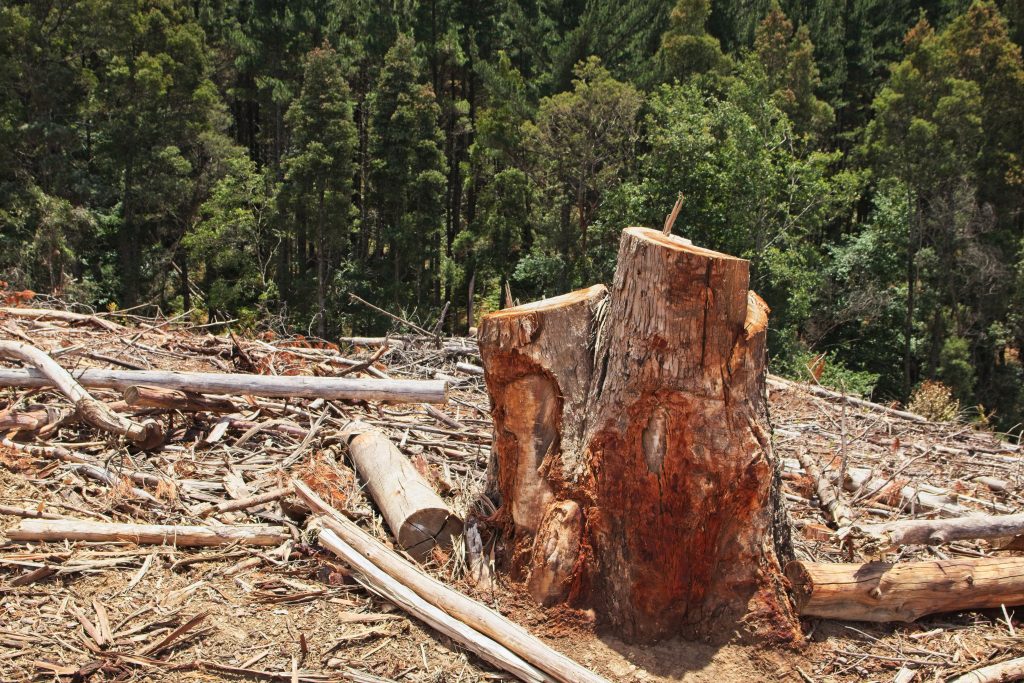
Stump removal is a common task that follows the felling or removal of a tree. When a tree is cut down, the portion of the trunk that remains rooted in the ground is called the stump. Removing this stump is often necessary for various reasons, including aesthetics, safety, and preventing potential issues such as regrowth or decay. Stump removal involves completely extracting the stump from the ground, including its root system, to leave a clear and level surface. Here’s an explanation of the process and its significance:
Reasons for Stump Removal:
- Aesthetic Purposes: Stumps can be unsightly and disrupt the appearance of a landscape, especially in residential or commercial areas where aesthetics matter.
- Obstruction and Safety: Stumps left in the ground can become trip hazards for pedestrians, create obstacles for landscaping activities, and interfere with mowing and other maintenance tasks.
- Regrowth Prevention: Some tree species are capable of regrowing from the remaining root system, leading to unwanted sprouts and growth that can be difficult to manage.
- Decay and Pest Management: Stumps left to decay can become habitats for pests, fungi, and diseases that may spread to other plants.
- Reclamation of Space: Removing stumps can free up space for new plantings, landscaping, or construction projects.
Methods of Stump Removal:
- Stump Grinding: This is the most common method. Stump grinding involves using specialized machinery to grind the stump and its roots into small wood chips, which can be used as mulch or disposed of.
- Manual Removal: Smaller stumps can be removed manually using tools like axes, mattocks, and shovels. This method requires physical effort and is generally more suitable for smaller stumps.
- Chemical Removal: Chemical stump removal involves applying chemicals to the stump to accelerate its decay. This method takes time and may not result in complete removal.
Process of Stump Removal:
- Assessment: The size, type, and location of the stump are evaluated to determine the appropriate removal method.
- Equipment Setup: For stump grinding, a stump grinder is brought in and positioned over the stump. Safety measures are taken to protect the operator and surroundings.
- Grinding: The stump grinder’s rotating cutting wheel grinds the stump and its roots below the surface, breaking them into wood chips.
- Cleanup: After grinding, the wood chips are collected and can be used as mulch or removed from the site.
- Backfilling: The hole left by stump grinding can be backfilled with soil and leveled to create a smooth surface.
Significance of Stump Removal:
- Enhanced Aesthetics: Removing stumps improves the appearance of the landscape, creating a cleaner and more appealing environment.
- Safety: Stump removal eliminates trip hazards and potential obstacles, making the area safer for people and equipment.
- Preventing Regrowth: Complete stump removal prevents new shoots from sprouting and eliminates the need for ongoing maintenance.
- Healthy Environment: Removing decaying stumps reduces the risk of pests, diseases, and fungi spreading to nearby plants.
- Usable Space: After stump removal, the area becomes usable for new plantings, landscaping, or other activities.
Stump removal is an essential step in completing the process of tree removal and ensuring the overall health, safety, and aesthetics of the landscape. Depending on the size and location of the stump, as well as the intended use of the space, different methods can be employed to achieve effective removal.
Emphasis on the Potential Hazards of Attempting DIY Stump Removal
Emphasizing the potential hazards of attempting DIY stump removal is important to raise awareness about the risks involved and encourage individuals to seek professional assistance. Removing tree stumps may seem like a straightforward task, but it can pose serious dangers to both personal safety and property. Here are the key hazards associated with DIY stump removal:
- Physical Injury:
- DIY stump removal often involves the use of heavy equipment, such as chainsaws, grinders, and axes. Inexperienced users are at risk of serious injuries, including cuts, abrasions, and even amputations.
- Equipment Mishaps:
- Operating power tools without proper training can lead to equipment malfunctions, kickbacks, or loss of control, resulting in accidents and injuries.
- Flying Debris:
- Stump removal can produce flying wood chips, rocks, and debris that can cause eye injuries, cuts, and bruises if proper protective gear is not used.
- Root Systems:
- Tree stumps are often connected to intricate root systems beneath the ground. Attempting to remove a stump without understanding the root structure can lead to unexpected collapses, entanglements, or injuries.
- Unstable Ground:
- Removing a stump can destabilize the ground, causing the surrounding area to sink or collapse. This can lead to trips, falls, and injuries.
- Hidden Hazards:
- Underground utilities, pipes, and cables may be located near the stump, posing risks of damaging vital infrastructure or causing accidents.
- Toxic Chemicals:
- Some DIY methods involve using chemicals to accelerate stump decay. Mishandling or incorrect application of chemicals can result in skin irritation, respiratory issues, or environmental damage.
- Lack of Expertise:
- Professional arborists have the knowledge and experience to assess the stump’s condition, potential hazards, and the best removal methods. DIY attempts may lack this expertise.
- Property Damage:
- Incorrect stump removal techniques can lead to property damage, including damage to fences, structures, vehicles, and landscaping.
- Environmental Impact:
- Improper stump removal can disrupt the surrounding soil and ecosystem, affecting nearby plants and wildlife.
- Fire Risk:
- Some DIY methods involve using fire to burn the stump. Uncontrolled fires can quickly spread, causing property damage, injuries, and even wildfires.
- Time and Effort:
- DIY stump removal can be time-consuming and physically demanding. Fatigue and frustration can lead to mistakes and accidents.
- Legal Liabilities:
- DIY stump removal accidents that cause property damage or injuries to others could lead to legal liabilities and financial consequences.
- Unpredictable Challenges:
- Stumps can present unexpected challenges, such as hidden decay, insect infestations, or unexpected underground obstacles.
In conclusion, DIY stump removal is not only a risky endeavor but also one that can lead to severe consequences for personal safety and property. To avoid these hazards, it’s recommended to consult professional arborists or tree care specialists who have the expertise, proper equipment, and safety protocols to safely and effectively remove tree stumps.
Importance of specialized equipment for safe and effective stump removal
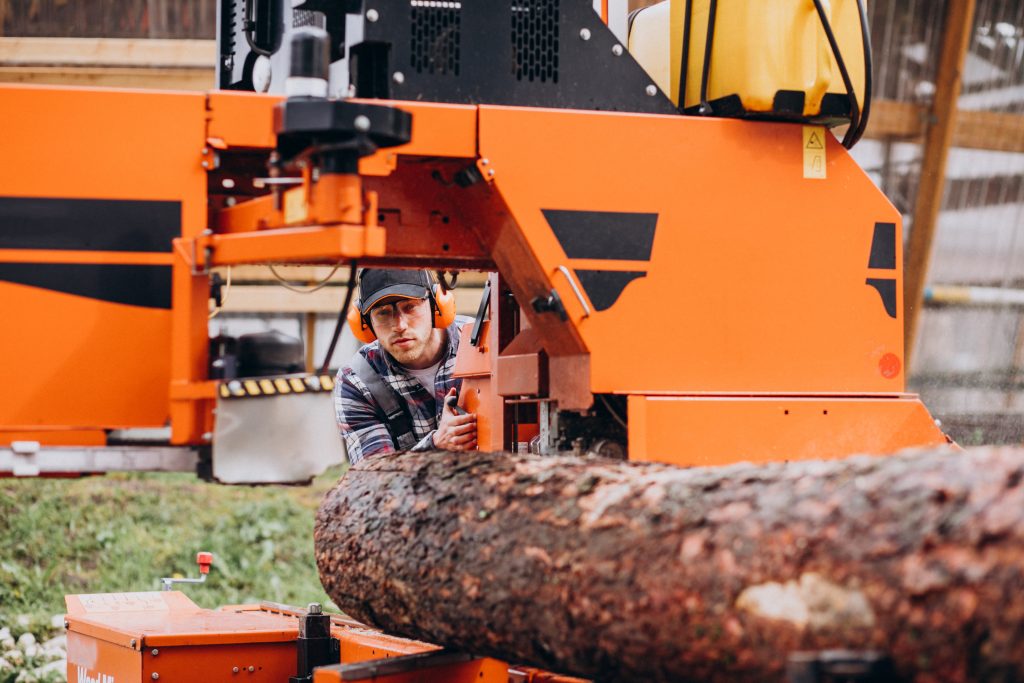
Specialized equipment is of paramount importance when it comes to safe and effective stump removal. Stump removal is not only physically demanding but also involves potential risks to individuals, property, and the environment. Utilizing the right tools and machinery designed specifically for stump removal ensures that the task is performed efficiently, without causing harm or damage. Here’s why specialized equipment is crucial for safe and effective stump removal:
- Safety of Operators and Others:
- Specialized equipment is designed with safety features to protect operators from potential hazards like flying debris and sharp wood chips.
- Properly designed equipment reduces the risk of operator injuries, ensuring safe operation throughout the stump removal process.
- Efficiency and Speed:
- Specialized stump grinders and removal equipment are engineered to efficiently and quickly grind stumps and roots.
- Faster removal means less time spent on the task, minimizing disruption to the property and reducing labor costs.
- Precision:
- Specialized equipment allows operators to target specific areas of the stump and roots, ensuring thorough removal.
- Precision prevents unnecessary damage to surrounding structures, vegetation, and underground utilities.
- Reduced Physical Strain:
- Stump grinding and removal can be physically demanding. Specialized equipment helps reduce the physical strain on operators, promoting their well-being.
- Minimized Environmental Impact:
- Specialized equipment produces wood chips that can be repurposed as mulch or disposed of responsibly, minimizing waste.
- This approach is more environmentally friendly compared to manual removal methods that might involve burning or creating large debris piles.
- Consistent Results:
- Specialized equipment delivers consistent results regardless of stump size or location, ensuring a uniform and level surface after removal.
- Root Removal:
- Some specialized equipment can effectively remove not only the stump but also the accompanying roots, preventing potential regrowth.
- Expertise Requirement:
- Properly operating specialized equipment requires training and expertise. Certified operators understand the equipment’s capabilities and limitations, enhancing safety and efficiency.
- Property Protection:
- Specialized equipment is designed to minimize ground disturbance and soil compaction around the stump removal area, protecting the integrity of the landscape.
- Risk Mitigation:
- DIY stump removal with improper tools or methods can pose safety risks, including accidents, property damage, and injuries.
- Specialized equipment mitigates these risks by offering controlled and effective removal.
- Compliance with Regulations:
- Some areas may have regulations or restrictions on stump removal methods, especially if they involve chemicals or burning.
- Specialized equipment ensures compliance with regulations and environmental standards.
- Long-Term Benefits:
- Proper stump removal using specialized equipment reduces the likelihood of future problems such as regrowth or decay.
In summary, specialized equipment is essential for safe, efficient, and environmentally responsible stump removal. Whether performed by certified professionals or skilled operators, using the right equipment ensures that stump removal is conducted with precision, minimal impact, and adherence to safety standards.
[geocentric_weather id=”45ff4ccd-3d3f-498e-b0b9-91aaaf766bc4″]
[geocentric_about id=”45ff4ccd-3d3f-498e-b0b9-91aaaf766bc4″]
[geocentric_neighborhoods id=”45ff4ccd-3d3f-498e-b0b9-91aaaf766bc4″]
[geocentric_thingstodo id=”45ff4ccd-3d3f-498e-b0b9-91aaaf766bc4″]
[geocentric_busstops id=”45ff4ccd-3d3f-498e-b0b9-91aaaf766bc4″]
[geocentric_mapembed id=”45ff4ccd-3d3f-498e-b0b9-91aaaf766bc4″]
[geocentric_drivingdirections id=”45ff4ccd-3d3f-498e-b0b9-91aaaf766bc4″]
[geocentric_reviews id=”45ff4ccd-3d3f-498e-b0b9-91aaaf766bc4″]