Does Landscaping Count as Construction?

Does Landscaping Count as Construction? Exploring the Intricacies and Implications
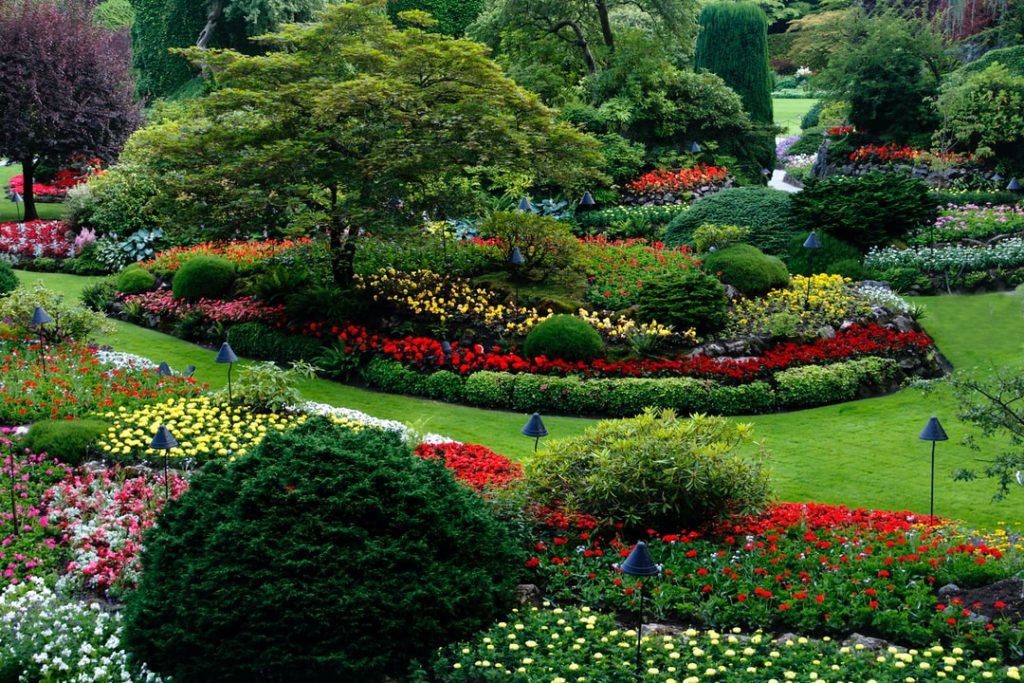
When pondering the question of whether landscaping should be categorized as construction, a complex web of factors emerges, encompassing everything from design and execution to tax implications and property value. Landscaping involves altering the outdoor spaces of a property, ranging from creating lush gardens to building outdoor kitchens and hardscapes. While some may view landscaping as a mere aesthetic enhancement, others argue that it qualifies as construction due to the significant physical and financial investments it often requires. In this extensive article, we will delve deep into the world of landscaping, considering the different perspectives, financial aspects, legal implications, and broader impacts it has on homeowners and their properties.

Defining Landscaping and Construction

To embark on this exploration, let’s establish clear definitions for the terms at hand. Landscaping generally refers to the planning, design, and implementation of various features and elements within outdoor spaces to enhance their visual appeal and functionality. These features can range from softscapes like lawns, plants, and flowers to hardscapes such as patios, decks, fences, and retaining walls. Construction, on the other hand, involves the creation, alteration, or addition of structures, usually requiring the use of heavy machinery, materials, and skilled labor.

Landscaping as a Construction Project

The debate regarding whether landscaping should be considered construction stems from the substantial work and resources that often go into transforming a property’s outdoor spaces. Many landscaping projects involve tasks traditionally associated with construction, such as grading, excavation, and building structures. For instance, installing a patio, constructing a retaining wall, or even leveling the yard to correct drainage issues often require heavy equipment, skilled labor, and adherence to local building codes. In these cases, it becomes difficult to draw a clear distinction between landscaping and construction, as both processes involve altering the property’s physical characteristics.

Financial Investments and Tax Implications

One of the crucial aspects that link landscaping to construction is the significant financial investment required. Landscaping projects can entail substantial costs, ranging from materials and equipment to labor and design services. Homeowners often allocate a substantial portion of their budget to landscaping, treating it as a capital improvement that can potentially increase their property’s value. While construction typically involves erecting new structures, landscaping can be seen as a way to enhance existing structures and outdoor areas, thereby increasing the overall appeal and market value of the property.

Tax considerations play a pivotal role in understanding the relationship between landscaping and construction. Homeowners might wonder whether the money spent on landscaping qualifies for deductions or affects their property’s tax basis. Generally, expenditures on landscaping are considered capital improvements, which can be added to the property’s cost basis. A higher cost basis can potentially reduce capital gains taxes when the property is sold. However, navigating the intricacies of tax law and understanding the specific regulations in your jurisdiction can be challenging. Seeking guidance from tax professionals or legal experts is advised to make informed decisions about capital improvements and potential tax benefits.

Property Value and Curb Appeal

The concept of curb appeal often interweaves landscaping and construction, as both elements contribute to the first impression a property makes on potential buyers or visitors. A well-designed and meticulously maintained landscape can greatly enhance a property’s aesthetic appeal, drawing in potential buyers and commanding a higher selling price. The visual impact of a professionally landscaped property can significantly influence the perceived value of the home, blurring the lines between landscaping as a mere aesthetic endeavor and as a construction-related investment.

Landscaping’s Impact on Property Sales

Numerous studies have shown a positive correlation between well-executed landscaping and quicker property sales. A home with lush gardens, manicured lawns, and inviting outdoor spaces can attract more potential buyers and command higher offers. This underscores the idea that landscaping is not just about adding pretty features; it’s about creating an environment that resonates with prospective homeowners and fulfills their desires for a functional and appealing outdoor living area.

Different Types of Landscaping Projects

To grasp the multifaceted nature of landscaping, it’s essential to explore the various types of projects that fall under its umbrella. Landscaping projects can be categorized into softscapes and hardscapes, each contributing to the overall visual and functional aspects of the outdoor space.

Softscapes: Softscapes involve the use of living elements, such as plants, trees, flowers, and lawns, to create a harmonious outdoor environment. Planting trees and shrubs strategically can provide shade, privacy, and aesthetic beauty. Lawns offer a green canvas that serves as a gathering space and contributes to the property’s visual appeal. Well-planned softscape designs consider factors such as climate, soil type, and maintenance requirements to create sustainable and attractive landscapes.

Hardscapes: Hardscape projects encompass the construction of non-living elements, including patios, decks, pathways, fences, and water features. These structures not only enhance the visual appeal of the property but also provide functional outdoor living spaces. Patios and decks offer areas for relaxation and entertainment, while fences provide privacy and security. Properly designed hardscapes integrate seamlessly with the surrounding landscape, forming cohesive and inviting outdoor spaces.

Blurring the Lines: Landscape Construction Services

The line between landscaping and construction becomes even blurrier when considering landscape construction services. Landscape construction involves the creation of built elements within the outdoor space that go beyond traditional landscaping tasks. These services can include the installation of retaining walls, outdoor kitchens, fire pits, pergolas, and more. These structures often require the expertise of construction professionals and may involve permits, structural considerations, and adherence to building codes.

Landscape Architects and Designers: Bridging the Gap

The involvement of landscape architects and designers further bridges the gap between landscaping and construction. These professionals combine their artistic vision with technical expertise to create outdoor spaces that are not only visually appealing but also functional and structurally sound. They collaborate with contractors to ensure that design concepts are executed seamlessly, blurring the boundaries between design and construction.

Maintenance Considerations

Another perspective to consider is the long-term maintenance required for landscaped properties. While landscaping projects can undoubtedly increase property value, they also demand ongoing maintenance efforts to preserve their appeal. Lawns, plants, and trees need regular care, which may include mowing, pruning, fertilizing, and pest control. Hardscapes also require maintenance to prevent deterioration and ensure their longevity. The ongoing costs and efforts associated with maintenance further align landscaping with construction, as both involve continuous investment to protect and enhance the property.

Conclusion

In the end, the question of whether landscaping counts as construction is not a simple one to answer. The intricacies and implications discussed in this article highlight the interconnectedness of these two domains. Landscaping projects often involve construction-like tasks, financial investments, tax considerations, and significant impacts on property value. The blurred boundaries between landscaping and construction are perhaps reflective of the broader trend in real estate, where outdoor spaces are increasingly valued as extensions of indoor living areas.

Whether homeowners view landscaping as a creative pursuit, a capital improvement, or a form of construction, its undeniable influence on property aesthetics, functionality, and value cannot be overlooked. As the fields of architecture, design, and construction continue to evolve, landscaping will remain an essential element in shaping the built environment and enhancing the lives of homeowners.

[geocentric_weather id=”45ff4ccd-3d3f-498e-b0b9-91aaaf766bc4″]

[geocentric_about id=”45ff4ccd-3d3f-498e-b0b9-91aaaf766bc4″]

[geocentric_neighborhoods id=”45ff4ccd-3d3f-498e-b0b9-91aaaf766bc4″]

[geocentric_thingstodo id=”45ff4ccd-3d3f-498e-b0b9-91aaaf766bc4″]

[geocentric_busstops id=”45ff4ccd-3d3f-498e-b0b9-91aaaf766bc4″]

[geocentric_mapembed id=”45ff4ccd-3d3f-498e-b0b9-91aaaf766bc4″]

[geocentric_drivingdirections id=”45ff4ccd-3d3f-498e-b0b9-91aaaf766bc4″]

[geocentric_reviews id=”45ff4ccd-3d3f-498e-b0b9-91aaaf766bc4″]
Ponytail Palm Plant Care

Ponytail Palm Plant Care

Ponytail Palm Plant Care

Ponytail Palm Plant Profile

The ponytail palm (Beaucarnea recurvata) makes a surprisingly interesting desktop plant, considering that when grown outdoors it can be a full-size tree that towers over homes. When planted outside in full sun, ponytail palms can reach 30 feet tall, but they typically stay closer to 6 feet tall at maturity when grown indoors. Despite the common name and the appearance of the foliage, this plant is not a true palm, but rather a member of the Asparagaceae family that includes edible asparagus.

Indoors, these novel little trees are often grown in shallow pots, with a tuft of strappy green leaves emerging from a bulbous stem that seems to erupt from the soil. (The bulbous trunk is the source of one of its common names, “elephant’s foot.”) Given time and the right conditions, a small desktop plant will grow into respectable specimen plants, up to 6 feet in height or more. Ponytail palm is native to arid regions in Central America and is among the easiest of small trees to grow indoors.

When planted outdoors, spring is the traditional planting time, though a ponytail palm can be planted at almost any time. This is a very slow-growing, long-lived species. It may take five years or more for a 1-foot-tall plant to double in size.

Botanical Name Beaucarnea recurvata
Common Name Ponytail palm, elephant’s foot
Plant Type Broadleaf evergreen shrub/ tree
Mature Size 6 to 8 feet tall; 3- to 5-foot spread (up to 30 feet tall when planted outdoors)
Sun Exposure Full sun
Soil Type Sandy, well-draining soil
Soil pH 6.5 to 7.5 (neutral)
Bloom Time Seasonal bloomer
Flower Color Creamy white
Hardiness Zones 10 to 11 (USDA); usually grown as a houseplant
Native Area Semi-desert areas of Central America

How to Grow a Ponytail Palm

Ponytail palm can be grown as an outdoor plant only in USDA Zones 10 and 11, where it prefers a sandy soil in a full-sun location. When grown outdoors, it is best planted in a cactus/succulent potting mix and placed in the sunniest spot you can find; in the right location, it is largely trouble-free, provided it gets a modest amount of water at regular intervals.

As an indoor plant, the ponytail is basically a “plant it and forget it” kind of plant, providing it has enough light to thrive and somewhat steady water throughout the growing season. Keep in mind, though, that the ponytail palm is an extremely slow-growing plant, so don’t expect your desktop plant to transform into a corner specimen in one or two growing seasons.

Light

Ponytail palms like full sun or bright indirect light. When grown as an indoor plant, situate it in the brightest location you can find—a window that gets direct sun or plenty of indirect light.

Soil

This plant is native to semi-desert areas of Central America, and when planted outdoors it does best in relatively sandy but organically rich soil. As in indoor plant, it does well in a cactus/succulent potting mix augmented with peat to improve its richness.

Water

For potted indoor plants, water a ponytail palm during the growing season every seven to 14 days. The bulbous stem stores water, so be careful not to overwater it. During the winter season, cut back watering to monthly.
A ponytail palm planted in the garden rarely needs to be watered if you get any kind of regular rain. In dry climates or during periods of drought, a modest watering every two weeks is sufficient.

Temperature and Humidity

Ponytail palms prefer warm, arid temperatures, above 60 degrees Fahrenheit. However, they will survive down to 50 degrees Fahrenheit, providing these temps are not prolonged.

Fertilizer

Feed weekly with liquid fertilizer during the growing season, or use a slow-release pellet fertilizer in the spring. Reduce feeding during the winter.

Potting and Repotting

For growing indoors, pot a ponytail palm in a smallish container filled with a cactus/ succulent potting mix that is blended with some peat. Repot in the spring as needed. If your goal is to grow a large palm tree, repot it every year, but if you want to keep it smaller, repot every two or three years. Ponytail palms will thrive when slightly underpotted in a container that confines the roots.

Propagating Ponytail Palms

Ponytail palms sometimes develop offsets (“pups”) from the base, which can be removed and potted up individually. Generally, however, this is a difficult task to master because of a lack of roots on the offsets. If you want to try, use a rooting hormone to stimulate new root growth on the offset. A ponytail palm rarely (if ever) flowers indoors to produce viable seeds.

Pruning a Ponytail Palm

Damaged leaves should have the tips trimmed off back to healthy tissue. If the offsets (“pups”) send up secondary shoots, you can prune these away to maintain a central trunk and classic tree-like appearance. However, a multi-stemmed tree is often desirable, and many people welcome these secondary shoots.

Common Pests/Diseases

Like most houseplants, a ponytail palm can be susceptible to spider mites, mealybugs, and scale. Horticultural soaps or oils are good non-toxic methods for controlling these pests.

Potential but rare disease problems include leaf spots, stem rots, and bacterial leaf streak. Watering too much is the most common cause of fungal problems and stem rot.

Ponytail palms are unique-looking, long-lived indoor plants that thrive on benign neglect. They are very easy to grow, provided that you don’t overwater them! Here’s how to grow and care for a ponytail palm in your home.

About Ponytail Palms

Despite its name and palm-like appearance, the ponytail palm is not a true “palm.” In fact, it is more closely related to desert plants in the Agave and Yucca genera (such as Joshua trees).

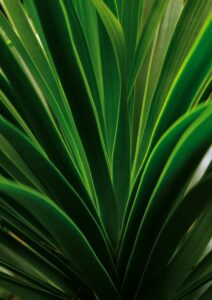
The typical ponytail palm consists of a large, domed “stump,” which tapers off into a thinner stem. From the top of the stem, one or more rosettes of long, green, leathery leaves develop as the plant ages. Indoors, the leaves can get up to 3 feet long, but outdoors, they may be double that length.

In its native environment (eastern Mexico), the entire plant has been known to reach up to 30 feet in height! However, ponytail palms that are grown in gardens as landscape plants don’t usually get to be more than 10 feet tall. Kept indoors, they are rarely taller than 4 feet.

Care of this plant is generally simple; the most common difficulty is having to adapt your watering habits to its watering needs!

PLANTING

Choosing Soil and a Pot
Use a fast draining soil, such as a cacti and succulent potting mix. If you have potting soil, sand, and perlite already on hand, you can create your own desert soil mixture: Simply mix 1 part potting soil, 1 part perlite, and 1 part sand.
Select a pot that has a hole in the bottom, so that excess water can be drained off. Ponytail palms do not like to sit in moist soil for very long.

Use a clay pot if possible; the porous material will absorb some of the water, drying out the soil more quickly (a good thing for cacti and succulents).

GROWING

How to Care for Ponytail Palms
Ponytail palms prefer to have as much light as possible, so place the plant in a bright location. Bright, indirect sunlight is best.
Keep soil fairly dry. Water from spring through fall, allowing the top inch or two of soil to dry completely before re-watering. During the winter, only water occasionally.

To water, soak the soil and allow the excess water to drain through the bottom of the pot into a dish. Let the pot sit in the dish for several minutes, then dump out any remaining water in the dish.

Fertilize in the spring with a cacti/succulent fertilizer and bring into a brighter room for the summer months.

Normal room temperature is fine for most of the year, but keep the plant slightly cooler in the winter (50-55°F / 10-13°C) to replicate the natural dormancy cycle.

During winter, don’t let the plant sit too close to cold windows at night, as it can be severely damaged by freezing temperatures.

Repotting a Ponytail Palm

Ponytail palms will remain small if kept in a small pot. They can go for many years before needing to be repotted. Repotting every other year at the most is all a ponytail palm needs.

Moving the plant to a larger pot will give it room to grow in both height and girth. However, older plants may become difficult to manage due to their sheer size and weight if not kept on the smaller size.
When selecting a new pot, pick one large enough to leave about an inch or so of space between the ponytail palm’s trunk and the rim of the pot.

Note: Use caution when handling a ponytail palm, as its leaves have tiny serrated edges.

HARVESTING

Propagation

Rarely, a ponytail palm may produce an offset—a small baby plant that stems from the base of the adult plant. These can be cut off at the base when they reach at least 4 inches in height and planted in a succulent potting mix. Before planting, allow the cut wound to heal, then apply a bit of rooting hormone (available online and in nurseries) to encourage the offset to root.

WIT AND WISDOM

The plant’s unusual shape and coloration has granted it another strange nickname: the Elephant’s Foot Palm.
Are ponytail palms poisonous to cats? While the leaves of a ponytail palm are not toxic to feline (or canine) companions, their foliage does have abrasive edges that could irritate a pet’s mouth, so we suggest keeping the plant out of reach.

PESTS/DISEASES

Overwatering can result in stem rot. If you withhold watering, the plant may be able to internally remedy the problem. Signs of stem rot include yellowing leaves and a caudex (the plant’s base and stem) that is soft or squishy.

Spider mites and scale insects may find their way to the leaves, but can be dealt with by rubbing a cloth of dish soap and water on the stems. Spider mites are evidenced by the presence of spider-like webbing on the plant.

Brown tips on leaves can be a sign of over fertilizing or under watering, so adjust your husbandry practices appropriately. They can also be a sign that the plant is getting too much direct sunlight and too little water.

[geocentric_weather id=”d1bf1833-b025-4abf-a5dc-233b2ffb9900″]

[geocentric_about id=”d1bf1833-b025-4abf-a5dc-233b2ffb9900″]

[geocentric_neighborhoods id=”d1bf1833-b025-4abf-a5dc-233b2ffb9900″]

[geocentric_thingstodo id=”d1bf1833-b025-4abf-a5dc-233b2ffb9900″]

[geocentric_busstops id=”d1bf1833-b025-4abf-a5dc-233b2ffb9900″]

[geocentric_mapembed id=”d1bf1833-b025-4abf-a5dc-233b2ffb9900″]

[geocentric_drivingdirections id=”d1bf1833-b025-4abf-a5dc-233b2ffb9900″]

[geocentric_reviews id=”d1bf1833-b025-4abf-a5dc-233b2ffb9900″]