THE PROS AND CONS OF USING FERTILIZER ON TREES

THE PROS AND CONS OF USING FERTILIZER ON TREES

Fertilizers play a significant role in tree care by providing essential nutrients that trees need for healthy growth, development, and overall vitality. Trees, like all plants, require specific nutrients to carry out vital physiological processes such as photosynthesis, root development, and resistance to stressors. Fertilizers are used to supplement soil nutrient levels when they are insufficient to support optimal tree health. Here’s an explanation of the role of fertilizers in tree care:
  1. Nutrient Availability Enhancement:
  1. Improved Growth and Canopy Density:
  1. Strengthened Resistance to Stressors:
  1. Correcting Nutrient Deficiencies:
  1. Promotion of Root Development:
  1. Support for Flowering and Fruiting:
  1. Stress Recovery and Rehabilitation:
  1. Enhancement of Overall Tree Health:

It’s important to note that while fertilizers are beneficial, their application requires careful consideration. Incorrect use of fertilizers, including overfertilization or using the wrong type, can lead to negative consequences such as nutrient imbalances, environmental pollution, and root damage. To effectively use fertilizers in tree care, it’s essential to conduct soil tests, understand the specific nutritional needs of trees, and follow recommended application guidelines. Consulting with certified arborists or tree care professionals can help ensure that fertilization practices are tailored to the unique requirements of each tree and its environment.

Importance of Understanding the Potential Benefits and Drawbacks

Understanding the potential benefits and drawbacks of any action or decision, including using fertilizers on trees, is crucial for making informed and responsible choices. This knowledge empowers tree caretakers to weigh the advantages against the disadvantages and make decisions that align with the long-term health and well-being of trees and the surrounding environment. Here’s why understanding the potential benefits and drawbacks of using fertilizers on trees is important:
  1. Informed Decision-Making:
  1. Maximizing Benefits:
  1. Minimizing Negative Impacts:
  1. Avoiding Unintended Consequences:
  1. Environmental Responsibility:
  1. Cost-Effectiveness:
  1. Tailored Approach:
  1. Long-Term Impact:
  1. Education and Communication:

In essence, understanding the potential benefits and drawbacks of using fertilizers on trees is a fundamental aspect of responsible tree care. It enables tree caretakers to make choices that align with their goals for tree health, environmental sustainability, and long-term positive outcomes. By striking a balance between the benefits and drawbacks, tree caretakers can contribute to thriving urban forests, healthier ecosystems, and a more sustainable future.


Pros of Using Fertilizer on Trees

Using fertilizer on trees offers several potential benefits that can enhance their growth, health, and overall well-being. Fertilizers provide essential nutrients that trees may not receive in sufficient quantities from the soil alone. When applied correctly and in moderation, fertilizers can contribute to the vitality and longevity of trees. Here are the pros of using fertilizer on trees:

  1. Enhanced Nutrient Availability:
  1. Improved Growth and Canopy Density:
  1. Strengthened Resistance to Stress:
  1. Corrections of Nutrient Deficiencies:
  1. Promotion of Root Development:
  1. Support for Flowering and Fruiting:
  1. Assistance in Stress Recovery:
  1. Enhanced Overall Tree Health:
  1. Increased Carbon Sequestration:
  1. Long-Term Landscape Value:

It’s important to note that while there are numerous benefits to using fertilizers on trees, they must be applied carefully and based on the specific needs of each tree and its environment. Overusing or misusing fertilizers can lead to adverse effects such as nutrient imbalances, pollution, and damage to the root system. Consulting with arborists or tree care professionals can help determine the appropriate type, amount, and timing of fertilizer application for optimal results.


[geocentric_weather id=”45ff4ccd-3d3f-498e-b0b9-91aaaf766bc4″]

[geocentric_about id=”45ff4ccd-3d3f-498e-b0b9-91aaaf766bc4″]

[geocentric_neighborhoods id=”45ff4ccd-3d3f-498e-b0b9-91aaaf766bc4″]

[geocentric_thingstodo id=”45ff4ccd-3d3f-498e-b0b9-91aaaf766bc4″]

[geocentric_busstops id=”45ff4ccd-3d3f-498e-b0b9-91aaaf766bc4″]

[geocentric_mapembed id=”45ff4ccd-3d3f-498e-b0b9-91aaaf766bc4″]

[geocentric_drivingdirections id=”45ff4ccd-3d3f-498e-b0b9-91aaaf766bc4″]

[geocentric_reviews id=”45ff4ccd-3d3f-498e-b0b9-91aaaf766bc4″]
The Risks of Neglecting Tree Care on Your Property

THE RISKS OF NEGLECTING TREE CARE ON YOUR PROPERTY

Trees play a crucial role in enhancing the quality of life and the environment on your property. Their significance goes far beyond their aesthetic appeal; they offer a wide range of benefits that contribute to both the well-being of individuals and the health of the ecosystem. Here’s why trees are so important on your property:

1. Environmental Benefits:

• Air Quality Improvement: Trees absorb carbon dioxide and release oxygen, helping to mitigate air pollution and improve air quality.

• Carbon Sequestration: Trees act as carbon sinks, absorbing and storing carbon dioxide, a major greenhouse gas, thus mitigating the impacts of climate change.

• Temperature Regulation: Trees provide shade and reduce the heat island effect in urban areas, helping to maintain more comfortable temperatures.

2. Biodiversity and Ecosystem Support:

• Habitat Creation: Trees provide habitats for various wildlife species, supporting biodiversity in your local ecosystem.

• Food Sources: Trees bear fruits, nuts, and seeds that serve as food for wildlife, contributing to the ecological food chain.

3. Aesthetic and Property Value:

• Visual Appeal: Well-maintained trees enhance the beauty and aesthetics of your property, making it more appealing to residents and visitors.

• Increased Property Value: Properties with mature and healthy trees tend to have higher values due to their improved curb appeal.

4. Health and Well-Being:

• Stress Reduction: Spending time around trees has been linked to reduced stress levels and improved mental well-being.

• Physical Benefits: Trees provide opportunities for outdoor activities, exercise, and relaxation, contributing to a healthier lifestyle.

5. Energy Conservation:

• Shade and Cooling: Properly placed trees can provide shade to buildings, reducing the need for air conditioning and helping to lower energy consumption.

• Windbreaks: Trees act as natural windbreaks, reducing wind chill and lowering heating costs during colder months.

6. Soil Protection and Water Management:

• Erosion Control: Tree roots stabilize soil, preventing erosion and soil degradation.

• Water Absorption: Trees absorb rainwater and help prevent soil erosion, reducing the risk of flooding and soil runoff.

7. Community and Social Benefits:

• Community Spaces: Trees create inviting spaces for social gatherings, picnics, and recreational activities.

• Sense of Place: Trees contribute to the identity and character of neighborhoods and communities, fostering a sense of pride.

8. Educational and Cultural Value:

• Educational Opportunities: Trees offer learning experiences about biology, ecology, and the natural world, especially for children.

• Cultural Significance: Trees can hold cultural and historical importance, contributing to the heritage of a place.
In essence, trees on your property provide a multitude of benefits that span environmental, social, economic, and personal dimensions. Recognizing and nurturing the importance of trees contributes to a healthier and more sustainable living environment for both you and future generations.

Neglecting tree care on your property can lead to a host of risks that impact the safety, aesthetics, and overall health of your environment. While trees are often resilient, they require regular attention and maintenance to thrive. Here are the significant risks associated with neglecting tree care:

1. Safety Hazards:

• Dead or weakened branches can fall unexpectedly, posing a risk to people, pets, and property.

• Unstable trees can uproot or topple during storms or high winds, causing significant damage and potential injuries.

2. Property Damage:

• Overgrown branches can extend towards structures, causing physical damage to roofs, windows, and siding.

• Roots of neglected trees can disrupt underground pipes, driveways, and sidewalks, leading to costly repairs.

3. Disease and Infestations Spread:

• Neglected trees are more susceptible to diseases and insect infestations, which can spread to nearby healthy trees, impacting the entire ecosystem.

Infested trees may require removal, and the pests can migrate to other plants and areas.

4. Reduced Aesthetics and Curb Appeal:

• Neglected trees can become unsightly, diminishing the visual appeal of your property and potentially affecting property value.

• Dead or decaying trees can detract from the overall aesthetic of your landscape.

5. Environmental Impact:

• Diseased trees can release harmful pathogens into the environment, affecting other plants, wildlife, and the soil.

• Neglected trees contribute less to carbon sequestration and air quality improvement, limiting their environmental benefits.

6. Decline in Biodiversity:

• Neglected trees may fail to provide suitable habitats for wildlife, leading to a decline in local biodiversity and disrupting the ecosystem’s balance.

7. Legal and Liability Issues:

• Falling branches or trees can cause damage to neighboring properties, leading to potential liability issues and legal disputes.

• Homeowners may be held responsible for accidents or injuries caused by neglected trees on their property.

8. Increased Maintenance Costs:

• Addressing neglected trees often requires more extensive and costly interventions, including emergency tree removal or major pruning.

• Neglect can result in situations where tree problems escalate, leading to the need for expensive remedies.

9. Loss of Mature Trees:

• Neglected mature trees can die prematurely, resulting in the loss of their environmental benefits, shade, and aesthetic value.

• Replacement of mature trees requires years of growth to achieve the same benefits.

10. Long-Term Damage:

• Chronic neglect can lead to irreversible damage, requiring even more extensive interventions or removals in the future.

• Neglected trees might take longer to recover, if recovery is possible at all.

In conclusion, neglecting tree care poses significant risks that can impact your safety, property, environment, and financial well-being. Regular and proactive tree care is essential to preserve the health, beauty, and value of your property while contributing to the overall well-being of your surrounding ecosystem.

Safety hazards resulting from neglecting tree care can lead to potentially dangerous situations for both property and living beings. These hazards stem from a combination of factors such as dead or weakened branches, poor tree structure, and environmental conditions. Here’s a detailed explanation of the safety hazards associated with neglected trees:

A. Falling Branches and Limbs:

• Trees that are not regularly pruned and inspected are prone to having dead, diseased, or weakened branches.

• These branches can break off unexpectedly, particularly during storms, strong winds, or even due to their own weight.

• Falling branches and limbs can cause damage to structures, vehicles, and landscaping, as well as pose a risk to anyone in their vicinity.

B. Risk to Property and Infrastructure:

• Overgrown trees with branches extending towards buildings, utility lines, or other structures can cause physical damage.

• Branches rubbing against roofs or walls can lead to structural deterioration, roofing damage, and moisture intrusion.

• Roots of neglected trees can grow into sewer lines, pipes, and foundations, causing blockages and structural integrity issues.

C. Potential Harm to People and Pets:

• Falling branches and limbs can lead to serious injuries or even fatalities if they strike individuals in their path.

• People walking or spending time near neglected trees are at risk of being hit by falling debris.

• Pets that play or rest beneath trees may also be injured by falling branches, leading to harm or distress.

The safety hazards arising from neglected trees underscore the importance of regular tree care and maintenance. Pruning dead or weakened branches, assessing the overall health of trees, and addressing potential risks are critical steps to ensure the safety of your property and the well-being of those around it. Neglecting these measures can result in avoidable accidents, property damage, and harm to individuals and pets.

Disease and pest infestations are significant consequences of neglecting tree care. When trees are not properly maintained, they become more vulnerable to various pathogens and pests that can compromise their health and the well-being of the surrounding ecosystem. Here’s a detailed explanation of the risks associated with disease and pest infestations due to neglected trees:

A. Weakening of Trees’ Immune Systems:

• Neglected trees lack the care necessary to maintain their vigor and vitality.

• As a result, their natural defenses, such as the production of defensive chemicals and compartmentalization of infections, weaken.

• This weakening of the tree’s immune system makes it more susceptible to diseases and pests.

B. Spread of Diseases to Other Trees:

• Infected trees can serve as sources of pathogens that spread to neighboring trees.

• Diseases can spread through the air, soil, or even via insects that move between trees.

• Neglecting to treat or remove infected trees can result in a chain reaction of disease transmission, impacting multiple trees within the vicinity.

C. Attracting Pests that Can Affect Neighboring Plants:

• Neglected trees, especially those with weakened immune systems, can attract pests such as insects and fungi.

• These pests can use the compromised trees as breeding grounds and later move to nearby healthy trees.

• Invasive pests can rapidly spread to other plants, causing widespread damage and compromising the ecosystem’s balance.

The risks associated with disease and pest infestations highlight the importance of proactive tree care practices. Regular inspections, appropriate pruning, and timely interventions can help identify and address potential disease issues before they spread. Treating infected trees promptly and removing severely affected trees can prevent the further spread of diseases and pests, preserving the health of the entire tree population and maintaining the integrity of the surrounding environment.

[geocentric_weather id=”45ff4ccd-3d3f-498e-b0b9-91aaaf766bc4″]

[geocentric_about id=”45ff4ccd-3d3f-498e-b0b9-91aaaf766bc4″]

[geocentric_neighborhoods id=”45ff4ccd-3d3f-498e-b0b9-91aaaf766bc4″]

[geocentric_thingstodo id=”45ff4ccd-3d3f-498e-b0b9-91aaaf766bc4″]

[geocentric_busstops id=”45ff4ccd-3d3f-498e-b0b9-91aaaf766bc4″]

[geocentric_mapembed id=”45ff4ccd-3d3f-498e-b0b9-91aaaf766bc4″]

[geocentric_drivingdirections id=”45ff4ccd-3d3f-498e-b0b9-91aaaf766bc4″]

[geocentric_reviews id=”45ff4ccd-3d3f-498e-b0b9-91aaaf766bc4″]
Does Landscaping Count as Construction?

Does Landscaping Count as Construction? Exploring the Intricacies and Implications

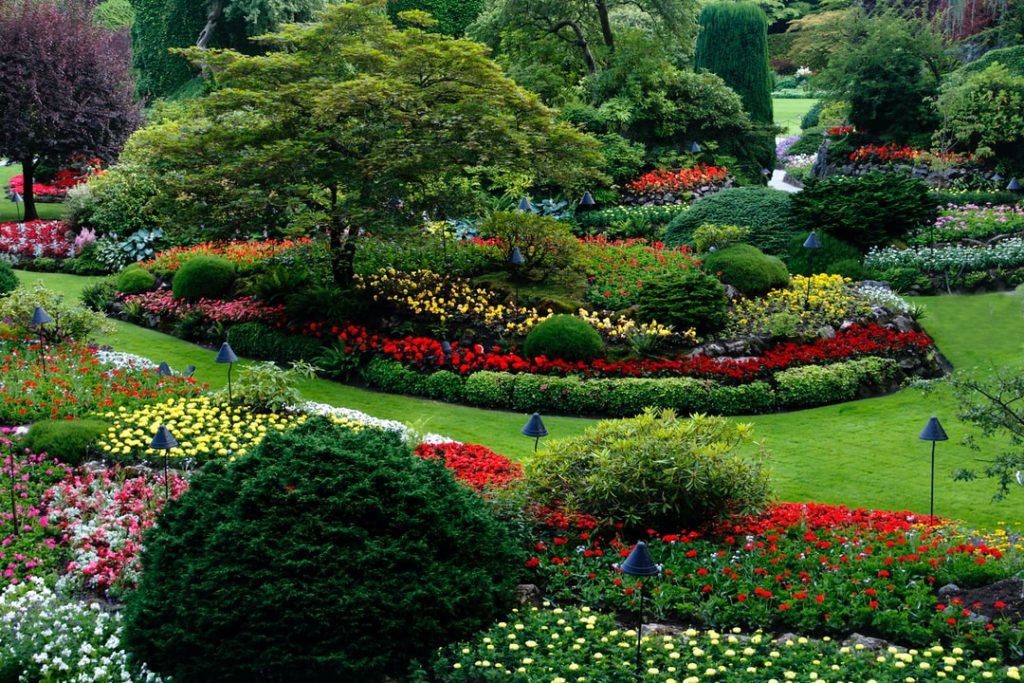
When pondering the question of whether landscaping should be categorized as construction, a complex web of factors emerges, encompassing everything from design and execution to tax implications and property value. Landscaping involves altering the outdoor spaces of a property, ranging from creating lush gardens to building outdoor kitchens and hardscapes. While some may view landscaping as a mere aesthetic enhancement, others argue that it qualifies as construction due to the significant physical and financial investments it often requires. In this extensive article, we will delve deep into the world of landscaping, considering the different perspectives, financial aspects, legal implications, and broader impacts it has on homeowners and their properties.

Defining Landscaping and Construction

To embark on this exploration, let’s establish clear definitions for the terms at hand. Landscaping generally refers to the planning, design, and implementation of various features and elements within outdoor spaces to enhance their visual appeal and functionality. These features can range from softscapes like lawns, plants, and flowers to hardscapes such as patios, decks, fences, and retaining walls. Construction, on the other hand, involves the creation, alteration, or addition of structures, usually requiring the use of heavy machinery, materials, and skilled labor.

Landscaping as a Construction Project

The debate regarding whether landscaping should be considered construction stems from the substantial work and resources that often go into transforming a property’s outdoor spaces. Many landscaping projects involve tasks traditionally associated with construction, such as grading, excavation, and building structures. For instance, installing a patio, constructing a retaining wall, or even leveling the yard to correct drainage issues often require heavy equipment, skilled labor, and adherence to local building codes. In these cases, it becomes difficult to draw a clear distinction between landscaping and construction, as both processes involve altering the property’s physical characteristics.

Financial Investments and Tax Implications

One of the crucial aspects that link landscaping to construction is the significant financial investment required. Landscaping projects can entail substantial costs, ranging from materials and equipment to labor and design services. Homeowners often allocate a substantial portion of their budget to landscaping, treating it as a capital improvement that can potentially increase their property’s value. While construction typically involves erecting new structures, landscaping can be seen as a way to enhance existing structures and outdoor areas, thereby increasing the overall appeal and market value of the property.

Tax considerations play a pivotal role in understanding the relationship between landscaping and construction. Homeowners might wonder whether the money spent on landscaping qualifies for deductions or affects their property’s tax basis. Generally, expenditures on landscaping are considered capital improvements, which can be added to the property’s cost basis. A higher cost basis can potentially reduce capital gains taxes when the property is sold. However, navigating the intricacies of tax law and understanding the specific regulations in your jurisdiction can be challenging. Seeking guidance from tax professionals or legal experts is advised to make informed decisions about capital improvements and potential tax benefits.

Property Value and Curb Appeal

The concept of curb appeal often interweaves landscaping and construction, as both elements contribute to the first impression a property makes on potential buyers or visitors. A well-designed and meticulously maintained landscape can greatly enhance a property’s aesthetic appeal, drawing in potential buyers and commanding a higher selling price. The visual impact of a professionally landscaped property can significantly influence the perceived value of the home, blurring the lines between landscaping as a mere aesthetic endeavor and as a construction-related investment.

Landscaping’s Impact on Property Sales

Numerous studies have shown a positive correlation between well-executed landscaping and quicker property sales. A home with lush gardens, manicured lawns, and inviting outdoor spaces can attract more potential buyers and command higher offers. This underscores the idea that landscaping is not just about adding pretty features; it’s about creating an environment that resonates with prospective homeowners and fulfills their desires for a functional and appealing outdoor living area.

Different Types of Landscaping Projects

To grasp the multifaceted nature of landscaping, it’s essential to explore the various types of projects that fall under its umbrella. Landscaping projects can be categorized into softscapes and hardscapes, each contributing to the overall visual and functional aspects of the outdoor space.

Softscapes: Softscapes involve the use of living elements, such as plants, trees, flowers, and lawns, to create a harmonious outdoor environment. Planting trees and shrubs strategically can provide shade, privacy, and aesthetic beauty. Lawns offer a green canvas that serves as a gathering space and contributes to the property’s visual appeal. Well-planned softscape designs consider factors such as climate, soil type, and maintenance requirements to create sustainable and attractive landscapes.

Hardscapes: Hardscape projects encompass the construction of non-living elements, including patios, decks, pathways, fences, and water features. These structures not only enhance the visual appeal of the property but also provide functional outdoor living spaces. Patios and decks offer areas for relaxation and entertainment, while fences provide privacy and security. Properly designed hardscapes integrate seamlessly with the surrounding landscape, forming cohesive and inviting outdoor spaces.

Blurring the Lines: Landscape Construction Services

The line between landscaping and construction becomes even blurrier when considering landscape construction services. Landscape construction involves the creation of built elements within the outdoor space that go beyond traditional landscaping tasks. These services can include the installation of retaining walls, outdoor kitchens, fire pits, pergolas, and more. These structures often require the expertise of construction professionals and may involve permits, structural considerations, and adherence to building codes.

Landscape Architects and Designers: Bridging the Gap

The involvement of landscape architects and designers further bridges the gap between landscaping and construction. These professionals combine their artistic vision with technical expertise to create outdoor spaces that are not only visually appealing but also functional and structurally sound. They collaborate with contractors to ensure that design concepts are executed seamlessly, blurring the boundaries between design and construction.

Maintenance Considerations

Another perspective to consider is the long-term maintenance required for landscaped properties. While landscaping projects can undoubtedly increase property value, they also demand ongoing maintenance efforts to preserve their appeal. Lawns, plants, and trees need regular care, which may include mowing, pruning, fertilizing, and pest control. Hardscapes also require maintenance to prevent deterioration and ensure their longevity. The ongoing costs and efforts associated with maintenance further align landscaping with construction, as both involve continuous investment to protect and enhance the property.

Conclusion

In the end, the question of whether landscaping counts as construction is not a simple one to answer. The intricacies and implications discussed in this article highlight the interconnectedness of these two domains. Landscaping projects often involve construction-like tasks, financial investments, tax considerations, and significant impacts on property value. The blurred boundaries between landscaping and construction are perhaps reflective of the broader trend in real estate, where outdoor spaces are increasingly valued as extensions of indoor living areas.

Whether homeowners view landscaping as a creative pursuit, a capital improvement, or a form of construction, its undeniable influence on property aesthetics, functionality, and value cannot be overlooked. As the fields of architecture, design, and construction continue to evolve, landscaping will remain an essential element in shaping the built environment and enhancing the lives of homeowners.

[geocentric_weather id=”45ff4ccd-3d3f-498e-b0b9-91aaaf766bc4″]

[geocentric_about id=”45ff4ccd-3d3f-498e-b0b9-91aaaf766bc4″]

[geocentric_neighborhoods id=”45ff4ccd-3d3f-498e-b0b9-91aaaf766bc4″]

[geocentric_thingstodo id=”45ff4ccd-3d3f-498e-b0b9-91aaaf766bc4″]

[geocentric_busstops id=”45ff4ccd-3d3f-498e-b0b9-91aaaf766bc4″]

[geocentric_mapembed id=”45ff4ccd-3d3f-498e-b0b9-91aaaf766bc4″]

[geocentric_drivingdirections id=”45ff4ccd-3d3f-498e-b0b9-91aaaf766bc4″]

[geocentric_reviews id=”45ff4ccd-3d3f-498e-b0b9-91aaaf766bc4″]
Jade Plant Care

Jade Plant Care

Jade Plant Care

Jade plants (Crassula ovata or C. argentea), also known as lucky plants or money plants, are a favorite houseplant thanks to their adaptability and attractive, gem-like green leaves. With a bonsai tree-like growth habit, these charming and easy-to-propagate plants can grow well in any area of your home with bright, indirect light. Jade plants can beautify your space for years with the right conditions and a little routine care. If you have pets in the household, be careful to keep your jade plant out of their reach, as the entirety of the plant (both leaves and stem) is toxic to pets.

Botanical Name: Crassula ovata or C. argentea
Common Name: Jade plant, lucky plant, money plant
Plant Type: Succulent
Mature Size: 5 feet tall
Sun Exposure: Bright, direct light
Soil Type: Fast-draining soil
Soil pH: 6.1 to 6.3
Toxicity: Toxic to pets1

Plant Care

Jade plants are some of the hardiest succulents available. With the right care and growing conditions, your plant can live a long, flourishing life. While some varieties are dwarf types, others can grow up to five feet tall when mature.

Allow your jade plant’s soil to nearly dry out between watering, but always be sure to water thoroughly. When displayed in areas with less light, it will need watering less frequently. During the summer months, when your plant is in growth mode, keep the soil slightly moist. Fertilize your jade plant every four months or so. Road side trees are especially prone to abiotic stress by exhaust fumes, toxic road debris, soil compaction, and drought which makes them susceptible to fungal infections and various plant pests. When tree removal is not an option, because of road ecology considerations, the main challenge is to achieve road safety (visibility of road signs, blockage-free lanes, etc.) while maintaining tree health.

These comprehensive care tips will guide you through the process of selecting, planting, and caring for the right tree for your space.

It’s important to remember that proper tree care starts when you select a tree. And what you do to your tree in its first few years of life will affect its shape, strength, and even its lifespan. Following these steps will make sure your tree gets a good start for a healthy life.

Jade Plant Care: Best Growing Conditions for Jade Plants

Jade plants are succulents that grow best in dry conditions with bright light, low humidity, and cool temperatures. Plant your jade in fast-draining soil like a potting mix formulated for cacti or succulents.

Choose a spot in a south-facing window: Aim for at least four hours of direct sunlight each day to give your jade plant the brightest light possible. To create that signature reddish tinge on its paddle-shaped leaves, display you’re jade in a spot with more light.

If you plan to move your jade plant outside for the summer, let it acclimate gradually. Start with a shady spot, then slowly move it to sunnier areas until it’s in full sun.

When it comes to watering, if you start noticing yellow or drooping leaves, your plant likely needs water. Conversely, waterlogged soil or root rot are signs you need to scale back the watering.

On the hottest days of the year (above 90 degrees), move your jades into the shade to avoid sunburn. Check soil moisture levels during this time, and water accordingly so the plant doesn’t dry out.

Despite the fact that they’re sun-loving succulents, jade plants grow well indoors thanks to their adaptability to temperature. While temps between 50 degrees and 70 degrees are preferred, jade plants can tolerate temperatures between 40 and 100 degrees without damage. Especially for variegated species, moderate temperature by placing your jade plant further away from windows during extreme temperatures outside.

Types of Jade Plants

While there are over 1,400 types of jade plants, some of the most common variants include ‘Tricolor’ (pink flowers at certain times of the year), ‘Variegata’ (ivory leaves streaked with green), ‘Sunset’ (yellow leaves with red tips), ‘Red’ (reddish-purple leaves), ‘Monstruosa Hobbit’ (curled yellow-green leaves), ‘Monstruosa Gollum’ (elongated leaves), ‘Copper’ (green leaves with bronze edges), ‘Bluebird’ (gray-blue leaves with red tips), and ‘Ripple Leaf’ (wavy-edged leaves).

How to Propagate Jade Plants

The jade plant is one of the easiest plants to propagate by stem or leaf cuttings, although the latter takes longer to show new growth. Here are the best ways to propagate your jade plant:

How to Propagate Jade Plants via Stem Cuttings

Step 1: Use clean, sharp gardening shears to cut a thick stem (3 to 5 inches long) with healthy leaves. Remove the lower leaves, then set the cutting in a sunny spot for a few days until the cut end forms a callus that’s lighter in color and feels firm.
Step 2: Fill a small pot with succulent soil and create a long, thin hole in the center. To help roots grow faster, apply rooting hormone (powdered or liquid) to the bottom inch of the callused stem. Gently place the stem into the pot, then pat down the soil until the cutting stands up on its own.

Step 3: Keep the cutting out of direct sunlight for three to four weeks. Once new growth appears, gradually move it closer to a window with bright sunlight. Water sparingly during this time.

How to Propagate Jade Plants via Leaf Cuttings

Step 1: Using a clean, sharp blade, remove a large, healthy-looking leaf.

Step 2: Place the leaf onto dry succulent soil away from direct sunlight until roots begin to grow. Rooting hormone can be applied to the cut end of the leaf, and a mix of equal parts succulent soil and perlite or vermiculite can lighten the soil texture to encourage growth.

Step 3: Look for tiny roots to sprout from the cut end of the leaf, which can take several weeks. Place the leaf in a small pot of fast-draining soil mix such as a perlite-sand blend. New growth will appear, and the original leaf will shrivel completely as the roots are established.

Jade succulent plant: Potting and Repotting

Since jade plants are so slow-growing, it’s not urgent to repot your plant on a regular basis—they can live happily in a too-small container for years. Jades should be repotted every few years as a matter of routine, and they can be safely repotted any time of year. Choose a pot no more than two sizes larger than the current vessel. The best option is a ceramic pot with ample drainage.

Common Problems With Jade Plants

Jade plants are relatively easy to care for, but there are a few common problems you may encounter. When you’re growing your plant, watch out for these signs that it needs extra care:

Root Rot

Since jade plants store water in their fleshy leaves, it’s important to avoid overwatering or poorly-drained soil, which can cause root rot. Dropping leaves, dark or soft stems or leaves, and mushy brown roots are all common signs. Treat this by taking the plant out of the pot, then removing as much soil as possible. Allow the plant to air out for a few days, then repot it in fresh succulent mix once the roots are dry.

Spotty, discolored, or dropping leaves on a jade plant that hasn’t been watered in a while can indicate the opposite problem: drought stress. If you see these signs, water the plant and monitor the soil moisture going forward.

Mealybugs

Watch out for mealybugs, which can infest your jade plant with a white cotton-like substance. Treat mealybugs by swabbing the entire plant with a cotton swab dipped in rubbing alcohol, then rinse the leaves and stems with water or insecticidal soap.
Continue treatment until the infestation has disappeared. Mealybugs nestle in the space where leaves and stems meet, so check those crevices when treating the plant.

How to Get Jade Plants to Bloom

Some specimens, particularly those that are pot-bound or mature, will sprout small white or pink flowers in winter. If your jade is in a space with lights on overnight, moving it to a place that’s dark at night in the fall can help to promote blooming, which is triggered by the longer nights in winter.

FAQs

Are Jade Plants Easy to Care for?

Jade plants are especially easy to care for when it comes to common houseplants. They are very adaptable to temperature and can thrive in any space with bright, direct light.

How Fast do Jade Plants Grow?

An indoor jade plant typically grows about 2 inches each year but may grow faster in a very sunny area.

How Long Can Jade Plants Live?

Species like jade plants in the Crassula ovata family can live for several decades, with some variants surviving upwards of 100 years.

What’s the Difference Between Jade Plants and Elephant Bush?

Although they look similar, elephant bush (Portulacaria afra) is not related to jade plants. Native to South Africa, elephant bush has darker stems and grows less upright than jade plants.

Can Jade Plants Grow Indoors?

While they don’t grow as fast as they do outside, jade plants are hardy houseplants that can thrive indoors with simple care steps.

[geocentric_weather id=”439a9d69-8138-4134-bb2f-1f9a4b2aea24″]

[geocentric_about id=”439a9d69-8138-4134-bb2f-1f9a4b2aea24″]

[geocentric_neighborhoods id=”439a9d69-8138-4134-bb2f-1f9a4b2aea24″]

[geocentric_thingstodo id=”439a9d69-8138-4134-bb2f-1f9a4b2aea24″]

[geocentric_busstops id=”439a9d69-8138-4134-bb2f-1f9a4b2aea24″]

[geocentric_mapembed id=”439a9d69-8138-4134-bb2f-1f9a4b2aea24″]

[geocentric_drivingdirections id=”439a9d69-8138-4134-bb2f-1f9a4b2aea24″]

[geocentric_reviews id=”439a9d69-8138-4134-bb2f-1f9a4b2aea24″]