TOP 10 TIPS FOR MAINTAINING HEALTHY TREES ON YOUR PROPERTY
TOP 10 TIPS FOR MAINTAINING HEALTHY TREES ON YOUR PROPERTY
Trees on your property contribute to the overall aesthetic, environmental, and functional aspects of your land. They play a vital role in enhancing the beauty of your surroundings, supporting local ecosystems, and providing various practical benefits. Here’s an explanation of the significance of having trees on your property:
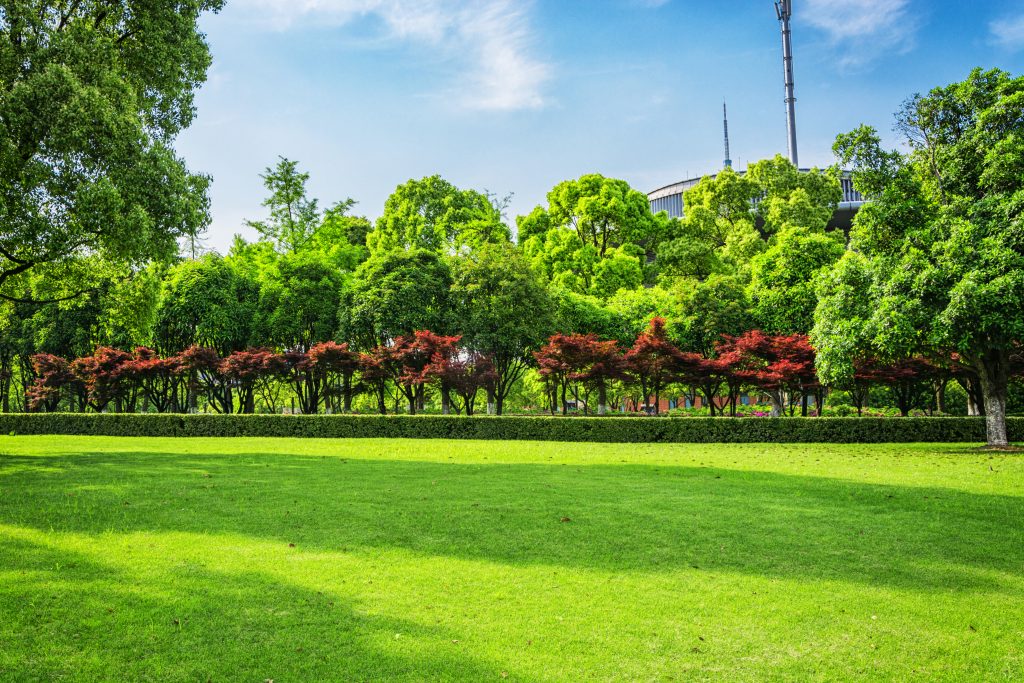
1. Aesthetic Enhancement:
• Trees add natural beauty and visual appeal to your property. Their varying sizes, shapes, colors, and foliage create a diverse and picturesque landscape.
• Well-maintained trees contribute to the curb appeal of your property, making it more inviting and attractive.
2. Environmental Benefits:
• Trees are essential components of local ecosystems. They provide habitat and food for wildlife, insects, and birds, contributing to biodiversity.
• Trees help purify the air by absorbing carbon dioxide and releasing oxygen, thus improving air quality.
3. Shade and Cooling:
• Mature trees provide valuable shade, creating comfortable outdoor spaces during hot weather.
• Their shade reduces the need for air conditioning, thereby conserving energy and lowering utility bills.
4. Privacy and Screening:
• Trees strategically planted along property boundaries or near windows offer privacy from neighbors and passersby.
• They act as natural screens, reducing noise and creating a more tranquil environment.
5. Erosion Control:
• Tree roots help stabilize soil, preventing erosion and runoff during heavy rains.
• They contribute to maintaining the structural integrity of the land.
6. Habitat for Wildlife:
• Trees offer homes, nesting sites, and food sources for various wildlife species.
• Birds, squirrels, insects, and other creatures thrive in tree-rich environments.
7. Recreational Space:
• Trees provide shade for outdoor activities like picnics, barbecues, and gatherings.
• They create inviting spaces for relaxation, play, and leisure.
8. Emotional Well-being:
• The presence of trees has been linked to improved mental health and reduced stress levels.
• Being surrounded by nature promotes a sense of tranquility and emotional well-being.
9. Economic Value:
• Well-maintained and mature trees add value to your property, increasing its marketability and resale
price.
• Trees are considered assets that contribute positively to property assessments.
10. Connection to Nature:
• Trees establish a direct connection to the natural world, fostering a sense of appreciation for the environment.
• They provide opportunities for nature exploration and education, especially for children.
In conclusion, having trees on your property offers a wide range of benefits that extend beyond aesthetics. They contribute to the health of ecosystems, enhance environmental sustainability, provide practical advantages, and enrich the quality of life for you and your community. By nurturing and maintaining your trees, you’re making a positive impact on your surroundings, contributing to the local ecosystem, and creating a harmonious relationship between nature and human habitation.
Maintaining Healthy Trees on Your Property
Maintaining healthy trees on your property is not just a matter of aesthetics; it’s a crucial responsibility that impacts the environment, property value, safety, and overall well-being. Healthy trees contribute to a vibrant landscape, support local ecosystems, and provide numerous practical benefits. Here’s a convincing explanation of why maintaining healthy trees is essential:
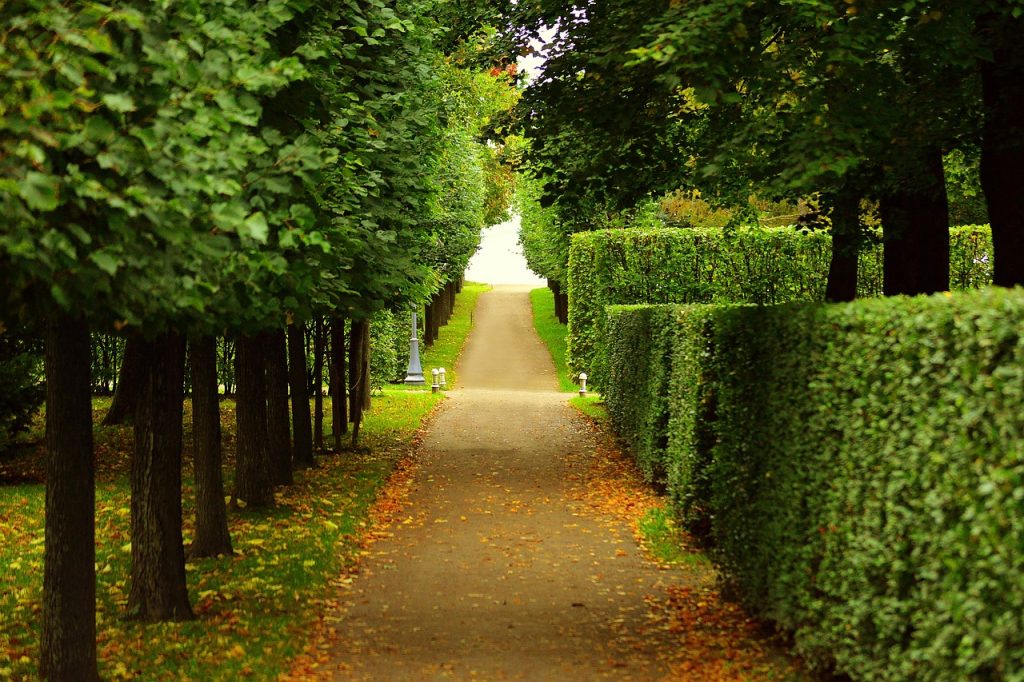
1. Environmental Stewardship:
• Healthy trees play a pivotal role in environmental conservation. They absorb carbon dioxide and release oxygen, contributing to cleaner air and mitigating climate change.
• By maintaining healthy trees, you actively participate in improving the environment for current and future generations.
2. Biodiversity Support:
• Trees create microhabitats that support a diverse range of wildlife, including birds, insects, and mammals.
• Maintaining healthy trees preserves these habitats, fostering biodiversity and contributing to the overall health of ecosystems.
3. Property Value Enhancement:
• Well-maintained trees enhance the curb appeal and aesthetic value of your property.
• Healthy, mature trees can significantly increase property value and make your property more attractive to potential buyers.
4. Structural Integrity:
• Healthy trees help prevent soil erosion by stabilizing the ground with their roots.
• Their presence prevents land degradation and potential damage to infrastructure caused by erosion.
5. Safety Assurance:
• Diseased, damaged, or weak trees pose safety risks. Dead branches can fall, damaging property or causing injuries.
• Regular tree maintenance reduces these risks, ensuring the safety of residents and visitors.
6. Disease and Pest Prevention:
• Regular inspection and maintenance by arborists can detect early signs of disease or infestations.
• Prompt treatment and care can prevent the spread of diseases and protect the health of other trees in the vicinity.
7. Longevity and Growth:
• Proper care, including pruning and fertilization, promotes healthy growth and extends the lifespan of trees.
• Well-maintained trees can thrive for decades, providing shade, beauty, and ecological benefits for years to come.
8. Energy Efficiency:
• Trees strategically placed near buildings provide natural shade, reducing energy consumption for cooling.
• This leads to energy savings and a smaller carbon footprint.
9. Aesthetic Beauty:
• Healthy trees create a visually appealing landscape that enriches the aesthetic quality of your property.
• The beauty of well-maintained trees enhances your surroundings and fosters a sense of pride.
10. Personal Connection to Nature:
• Nurturing trees fosters a deeper connection to nature, promoting environmental awareness and appreciation.
• It encourages an understanding of the importance of preserving natural resources.
In conclusion, maintaining healthy trees is a multifaceted responsibility that positively impacts the environment, property value, safety, and overall quality of life. By investing in regular tree care, you contribute to a greener planet, create a beautiful living environment, and ensure a legacy of healthy trees for future generations. The effort you put into maintaining healthy trees today results in a better tomorrow for both you and the environment.
Maintaining healthy trees on your property requires proactive care and attention. By following these top 10 tips, you can ensure that your trees thrive, contribute to the environment, and enhance the beauty of your surroundings:
1. Regular Pruning:
• Pruning removes dead or diseased branches, promoting healthy growth and preventing potential hazards.
• Proper pruning also improves air circulation, reducing the risk of fungal infections.
2. Mulching:
• Apply a layer of organic mulch around the base of trees to retain moisture, suppress weeds, and improve soil structure.
• Avoid piling mulch against the trunk, as this can lead to rot and pest infestations.
3. Adequate Watering:
• Provide sufficient water to young trees during dry periods. Deep, infrequent watering encourages deep root growth.
• Established trees generally require less frequent watering but should be monitored during drought conditions.
4. Soil Care:
• Conduct soil tests to determine nutrient deficiencies. Fertilize as needed to ensure proper tree nutrition.
• Avoid compacting the soil around trees, as compacted soil restricts root growth and nutrient absorption.
5. Pest and Disease Management:
• Regularly inspect trees for signs of pests or diseases, such as unusual foliage discoloration or abnormal growth.
• Treat issues promptly with eco-friendly solutions to prevent their spread.
6. Avoid Soil Compaction:
• Minimize foot traffic and heavy equipment around tree roots, as soil compaction restricts root growth and reduces oxygen availability.
• Mulching and creating protective barriers help prevent compaction.
7. Proper Planting Techniques:
• When planting trees, ensure the depth and width of the planting hole are appropriate for the root ball.
• Avoid planting too deep, which can suffocate roots, or too shallow, which exposes them to drying.
8. Protection from Mechanical Damage:
• Safeguard trees from lawnmower and trimmer damage by placing protective barriers around their bases.
• Prevent construction or digging near tree roots, as damage can impact tree health.
9. Professional Arborist Care:
• Hire certified arborists for routine inspections and care. They possess expertise to diagnose issues and provide expert solutions.
• Arborists ensure proper tree care and can address problems early on.
10. Consider Tree Diversity:
• Plant a variety of tree species to promote biodiversity and resilience against diseases and pests.
• Native trees are well-suited to local conditions and support local wildlife.
In conclusion, maintaining healthy trees involves a combination of proactive care, proper planting techniques, and regular attention. By following these top 10 tips, you can create an environment where trees thrive, contribute to the ecosystem, and enhance the beauty of your property for years to come. Remember that healthy trees not only enrich your surroundings but also positively impact the environment and quality of life for both you and your community.
Healthy trees on your property exhibit vibrant characteristics that contribute to the beauty of your surroundings and the overall well-being of the environment. Here are some examples of what healthy trees look like:
1. Lush Foliage:
• Healthy trees boast abundant, green foliage that is evenly distributed throughout the canopy.
• The leaves appear vibrant and show no signs of wilting, discoloration, or premature shedding.
2. Strong Structure:
• Healthy trees have a balanced and well-spaced branching structure.
• The main trunk is straight and stable, without signs of leaning or structural weakness.
3. Active Growth:
• Healthy trees exhibit steady growth, with new leaves and branches appearing annually.
• Branches grow uniformly and contribute to the tree’s overall shape and structure.
4. Disease and Pest Resistance:
• Healthy trees are less susceptible to diseases and pest infestations.
• They may have minimal or no visible signs of insect activity or fungal infections.
5. Full Canopy:
• The canopy of a healthy tree is full and dense, providing ample shade and contributing to the aesthetics of the landscape.
• Gaps or areas of thin foliage are rare in healthy trees.
6. Blossoming Flowers or Fruits:
• Fruit-bearing trees produce a healthy yield of flowers or fruits during the appropriate seasons.
• Blossoms are vibrant and numerous, indicating successful pollination and potential fruit production.
7. Sturdy Bark:
• Healthy tree bark is intact, without cracks, splits, or peeling.
• The bark’s color and texture remain consistent across the trunk and branches.
8. Root Stability:
• Root systems of healthy trees are well-developed, extending outward and anchoring the tree securely.
• Visible roots are not lifting sidewalks or causing surface disruptions.
9. Resilience to Environmental Stressors:
• Healthy trees demonstrate resilience against adverse weather conditions, such as drought or storms.
• They maintain their vitality even in challenging circumstances.
10. Active Wildlife Interaction:
• Healthy trees attract wildlife, such as birds and insects, due to their abundant foliage, fruits, and shelter.
• The presence of wildlife indicates the tree’s role in the local ecosystem.
11. Minimal Deadwood:
• Healthy trees have minimal dead or broken branches.
• Deadwood is naturally shed or pruned, and it does not compromise the overall health of the tree.
In conclusion, healthy trees exhibit a combination of visual and functional characteristics that reflect their vitality and well-being. When you observe lush foliage, strong structure, active growth, and other signs of health, you can be confident that your trees are thriving and contributing positively to your property’s aesthetics and the broader environment. Regular care and attention ensure that your trees remain healthy, providing you with years of beauty and benefits.
[geocentric_weather id=”45ff4ccd-3d3f-498e-b0b9-91aaaf766bc4″]
[geocentric_about id=”45ff4ccd-3d3f-498e-b0b9-91aaaf766bc4″]
[geocentric_neighborhoods id=”45ff4ccd-3d3f-498e-b0b9-91aaaf766bc4″]
[geocentric_thingstodo id=”45ff4ccd-3d3f-498e-b0b9-91aaaf766bc4″]
[geocentric_busstops id=”45ff4ccd-3d3f-498e-b0b9-91aaaf766bc4″]
[geocentric_mapembed id=”45ff4ccd-3d3f-498e-b0b9-91aaaf766bc4″]
[geocentric_drivingdirections id=”45ff4ccd-3d3f-498e-b0b9-91aaaf766bc4″]
[geocentric_reviews id=”45ff4ccd-3d3f-498e-b0b9-91aaaf766bc4″]