How Much Does Emergency Tree Removal Cost

How Much Does Emergency Tree Removal Cost

Are you wondering how much emergency tree removal will set you back? Well, hold on tight because we’re about to dive into the nitty-gritty of it all. Like a seasoned arborist wielding his trusty chainsaw, we’ll guide you through the ins and outs of the cost factors involved. From equipment and labor to the size and location of the tree, we’ll leave no branch unturned. So, sit tight and get ready to learn the ropes of emergency tree removal costs.
 

Key Takeaways

Introduction to Emergency Tree Removal

If you’re wondering about emergency tree removal costs, it’s important to first understand what it entails. When it comes to tree removal safety, there are several key steps involved in the emergency tree removal process:

  1. Assessment: The first step in emergency tree removal is assessing the situation. Trained professionals will evaluate the tree’s condition, its proximity to structures or power lines, and any potential hazards.
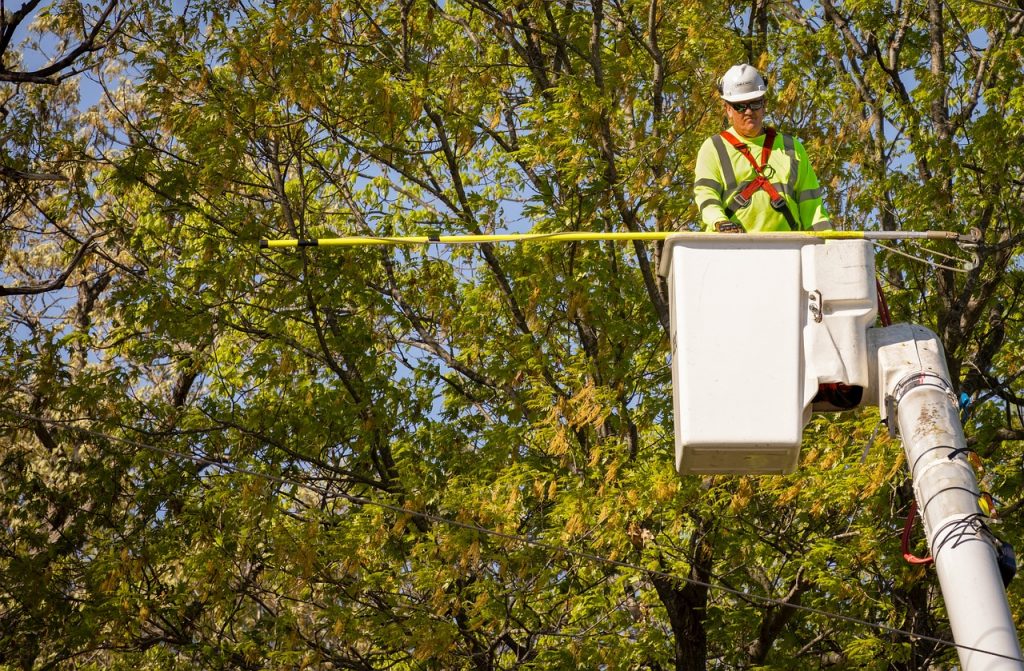
  2. Planning: Once the assessment is complete, a plan will be developed to safely remove the tree. This may involve using specialized equipment, such as cranes or bucket trucks, to ensure the tree is removed without causing further damage.
  3. Execution: With the plan in place, the removal process begins. Trained arborists will carefully cut and remove the tree piece by piece, taking precautions to prevent any accidents or damage.

It’s crucial to hire experienced professionals for emergency tree removal to ensure the safety of both the workers and the surrounding property. Now that you understand the process, let’s delve into the fascinating history of tree removal equipment.

Transitioning seamlessly into the subsequent section, the history of tree removal equipment sheds light on the evolution of techniques and tools used in this important industry.

History of Tree Removal Equipment

The history of tree removal equipment dates back many years. Tree removal techniques have evolved significantly over time, leading to the development of specialized equipment that makes the process safer and more efficient.

In the early days, tree removal was a labor-intensive task that relied heavily on manual labor. People used basic tools like axes and saws to chop down trees and remove the stumps. This method was time-consuming and physically demanding, often requiring a team of workers to complete the job.

As technology advanced, so did the equipment used for tree removal. Chainsaws were introduced in the early 20th century, revolutionizing the industry. With their powerful cutting ability, chainsaws made it easier to fell trees and cut them into manageable pieces.

In recent years, there has been a further evolution in tree removal equipment. Specialized machinery, such as tree spades and cranes, have been designed to safely remove large trees without causing damage to surrounding structures or landscapes. These tools allow for precise control and minimize the risks involved in tree removal.

Understanding the history and evolution of tree removal equipment is important, as it highlights the progress made in ensuring the safety and efficiency of the process. With this knowledge, you can make informed decisions when hiring tree removal professionals and ensure that the right equipment is used for the job.

Now, let’s move on to some tips for effective tree removal.

Tips

When it comes to tree removal, there are several factors that can affect the cost. These factors include the size and location of the tree, the complexity of the job, and any additional services required. Insurance coverage options are also important to consider, as some policies may cover the cost of tree removal in certain circumstances. Lastly, it’s important to weigh the pros and cons of DIY tree removal versus hiring a professional service, as the latter can ensure a safe and efficient removal process.

Factors Affecting Cost

You should consider factors such as the size of the tree, its location, and the level of difficulty involved in the removal when determining the cost of emergency tree removal. These factors play a crucial role in determining the price you will pay for the service. The size of the tree is an important consideration because larger trees require more labor and equipment to remove. The location of the tree also affects the cost, as trees near buildings or power lines may require more careful and intricate removal techniques. Additionally, the level of difficulty involved in the removal, such as the accessibility of the tree and any obstacles in the way, can impact the overall cost. By taking these pricing factors into account, you can get a better understanding of how much emergency tree removal will cost you. Now, let’s delve into the insurance coverage options available to help cover these expenses.

Insurance Coverage Options

Now, let’s explore the insurance coverage options that can help cover these expenses. When it comes to emergency tree removal, the costs can quickly add up. That’s why it’s important to consider insurance options that can help alleviate the financial burden. One option to consider is homeowner’s insurance, which may cover tree removal if the tree falls and damages your property. However, it’s crucial to review your policy carefully, as coverage may vary depending on the circumstances. Another insurance option to consider is liability insurance. This type of coverage can help protect you if a tree on your property falls and damages a neighbor’s property. Before making any decisions, it’s important to weigh the cost considerations and determine which insurance options are best suited for your specific situation. Transitioning into the subsequent section about ‘diy vs professional services‘, it’s important to evaluate the pros and cons of each approach.

DIY Vs Professional Services

To determine the best approach for your situation, it’s important to consider the advantages and disadvantages of tackling the task on your own or hiring professional services. When it comes to DIY tree removal, there are certainly benefits to consider. One major advantage is cost savings. By doing it yourself, you can avoid the expenses associated with hiring professionals. Additionally, you have full control over the process and can complete it on your own timeline. However, there are also cons to DIY tree removal. It can be physically demanding and dangerous, especially if you lack the necessary skills and equipment. Without proper training, you may inadvertently cause damage to your property or injure yourself. It’s essential to weigh these factors before deciding whether to go the DIY route or hire professional services.

Moving on to traits and characteristics…

Traits and Characteristics

Emergency tree removal can be costly due to factors such as tree size, location, and the extent of the damage. When it comes to emergency tree removal, there are certain traits and characteristics you should look for in a professional service. Firstly, experience is crucial. A reputable tree removal company will have years of experience in handling emergency situations and will know how to assess the risks involved. They will also have the necessary equipment to safely and efficiently remove the tree. Additionally, a reliable service will have proper certifications and insurance to protect both you and their workers in case of any accidents or damages. Communication is another important trait to consider. A professional tree removal service will keep you informed throughout the process, providing updates and answering any questions you may have. Finally, look for a company that offers fair and transparent pricing. They should provide you with a detailed estimate beforehand, outlining all the costs involved. By considering these traits and characteristics, you can ensure that you hire a reputable and reliable professional service for your emergency tree removal needs. Now, let’s move on to the steps for emergency tree removal.

Steps for Emergency Tree Removal

When faced with the need for emergency tree removal, you should first assess the safety risks of the situation. This is crucial to ensure the well-being of yourself and others involved. Here are four important steps to follow when carrying out emergency tree removal:
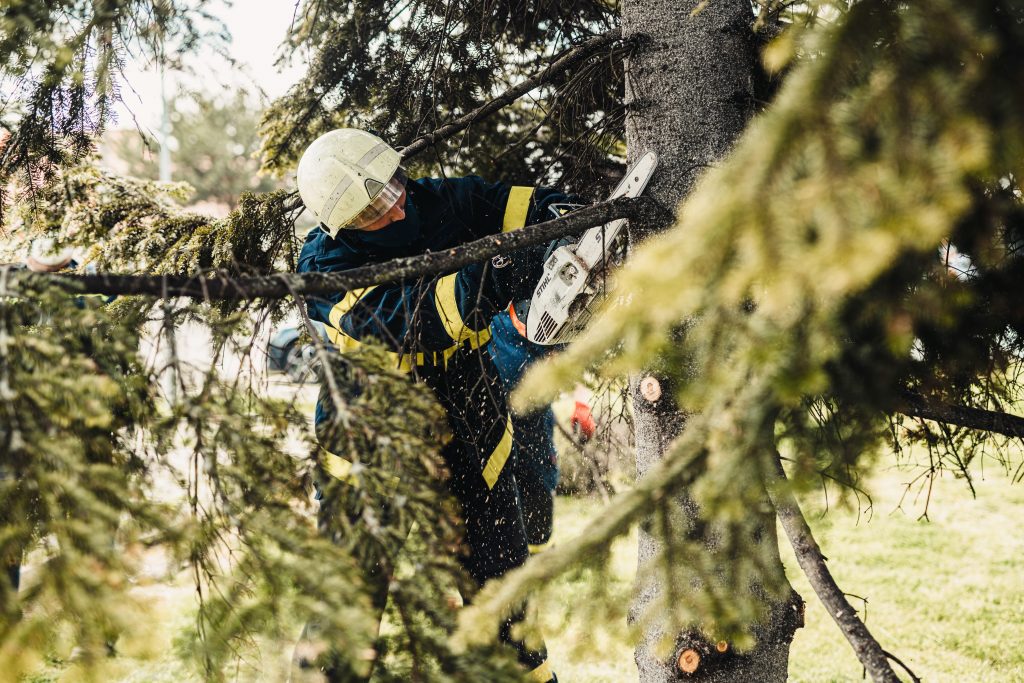
  1. Evaluate the Surroundings: Take a careful look at the area around the tree. Look for any power lines, structures, or obstacles that could be affected during the removal process. Assessing the surroundings will help you plan the best approach to safely remove the tree.
  2. Use Proper Safety Equipment: Equip yourself with the necessary safety gear before starting the removal. This includes a hard hat, gloves, safety goggles, and sturdy footwear. Additionally, consider using a harness or safety ropes if the tree is particularly tall or unstable.
  3. Make Strategic Cuts: Begin by removing any branches that are within reach using a proper pruning saw or chainsaw. Start from the top and work your way down to minimize the risk of injury. Make clean, angled cuts to prevent any damage to the tree or yourself.
  4. Remove the Tree: Once the branches are removed, carefully cut down the trunk in sections. Use a chainsaw to make precise cuts that allow for easy removal. Take your time and ensure the tree falls in a controlled manner, away from any obstacles or people.

Goals

To achieve successful tree removal, your main goal should be ensuring the safety of yourself, others, and the surrounding area. One important aspect to consider when planning for tree removal is insurance coverage options. Having adequate insurance coverage can provide financial protection in case of any accidents or damages that may occur during the tree removal process. Let’s take a look at the pros and cons of two common insurance coverage options:

Insurance Coverage Options Pros Cons
Homeowner’s Insurance – Usually covers tree removal in case of damage or loss caused by a fallen tree.
– May offer liability coverage if someone gets injured during the removal process.
– Policy limits may not be enough to cover the full cost of tree removal.
– May require a deductible to be paid before coverage kicks in.
Tree Removal Insurance – Specifically designed to cover the cost of tree removal.
– Offers higher coverage limits compared to homeowner’s insurance.
– Additional expense on top of regular homeowner’s insurance.
– May have specific exclusions or limitations on coverage.

Considering the pros and cons of each insurance coverage option will help you make an informed decision. With insurance coverage in place, you can have peace of mind knowing that any potential accidents or damages will be taken care of. Now, let’s explore some habits for emergency tree removal without delay.

Habits for Emergency Tree Removal

Having a plan in place is crucial for efficient and safe emergency tree removal. When it comes to dealing with dangerous trees, there are a few habits that you should develop to ensure that the process goes smoothly. First and foremost, it is essential to regularly inspect your trees for any signs of instability or decay. Look for cracks in the trunk, leaning, or branches that are hanging low. These are indicators that a tree may pose a risk and should be addressed promptly. Additionally, it is important to maintain the health of your trees by pruning them regularly and removing any dead or diseased branches. This will help to prevent potential hazards during storms or high winds. Furthermore, it is recommended to have a professional arborist assess the situation, as they have the expertise to identify and handle dangerous trees effectively. By developing these habits, you can minimize the risk of accidents and ensure the safety of your property and loved ones.

Now, let’s delve into a real-life story that highlights the importance of these habits for emergency tree removal.

A Real-Life Story

In this real-life story, you’ll see why it’s crucial for you to regularly inspect and maintain your trees for signs of instability or decay. Let’s dive into an experience that highlights the importance of taking proactive measures to prevent emergency tree removal and the cost saving strategies that can be employed.

A homeowner, let’s call him John, neglected the maintenance of his backyard trees for several years. One stormy night, a large branch from his aging oak tree came crashing down onto his roof, causing significant damage. John was left with no choice but to call an emergency tree removal service.

The cost of emergency tree removal can vary depending on various factors such as the size of the tree, accessibility, and the level of danger involved. In John’s case, the cost was exorbitant due to the urgency and complexity of the situation. Had he prioritized regular inspections and maintenance, he could have detected the signs of decay in the tree and taken preventive measures, saving himself from the financial burden of emergency removal.

This real-life experience emphasizes the importance of regularly inspecting and maintaining your trees to avoid costly emergencies. Taking proactive steps like pruning, removing dead branches, and consulting with a professional arborist can help identify potential risks and mitigate them before they become costly disasters.

Now, let’s move on to the next section, where we will explore some quotes from experts in the field regarding the cost of emergency tree removal.

Quotes

Now that you understand the importance of insurance coverage and have heard a real-life story about emergency tree removal, let’s delve into the process of obtaining quotes for this service. When it comes to estimating the cost of emergency tree removal, there are several factors that need to be considered.

Firstly, the size and location of the tree play a significant role in determining the cost. Larger trees or those located in hard-to-reach areas may require specialized equipment or additional manpower, leading to higher prices.

Secondly, the complexity of the job is taken into account. Factors such as the presence of power lines, nearby structures, or obstacles can increase the difficulty level and subsequently impact the cost.

Furthermore, the urgency of the situation may also affect the price. If you require immediate service, you may have to pay a premium for the expedited response.

To ensure you receive accurate cost estimations, it is recommended to contact multiple tree removal companies and request detailed quotes. This will allow you to compare prices, services offered, and warranties provided, enabling you to make an informed decision.

Now that you have an understanding of the quotes and cost estimation process, let’s move on to uncovering some secrets of emergency tree removal.

Secrets

To uncover some secrets about emergency tree removal, you should reach out to experienced professionals in the field and inquire about their expert tips and techniques. When it comes to pricing, there are a few secrets that you should be aware of. One of the secrets of pricing is that it can vary depending on the size and location of the tree. Larger trees that are harder to access may require more specialized equipment and manpower, which can increase the overall cost. Another secret is the presence of hidden costs. These can include additional fees for stump removal, debris disposal, and any necessary permits. It is important to discuss these potential hidden costs with the professionals to get a clear understanding of what is included in the initial quote. By understanding these secrets of pricing and hidden costs, you can make a more informed decision when it comes to emergency tree removal. Now, let’s delve into some insights on emergency tree removal costs.

Insights on Emergency Tree Removal Costs

Understanding the factors that influence pricing for removing trees in an emergency situation can help you make a more informed decision. When it comes to emergency tree removal, there are several key factors to consider. Insurance considerations play a significant role in determining the cost of the service. Some insurance policies may cover the cost of emergency tree removal, while others may not. It is important to review your policy and understand what coverage you have in place.
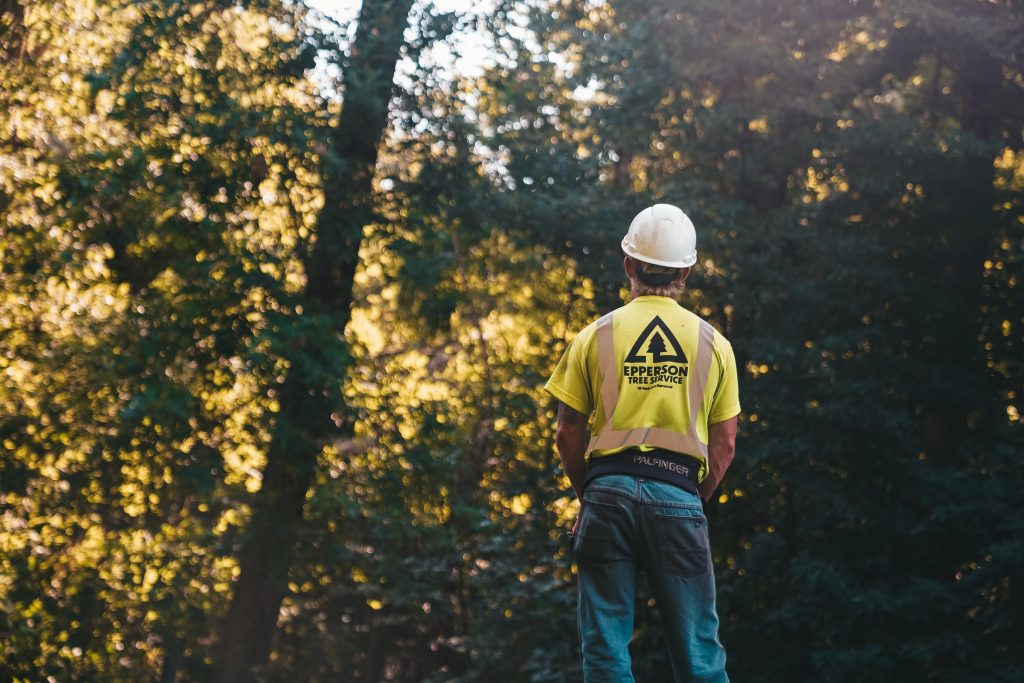
In addition to insurance considerations, there are also cost-saving tips that can help reduce the overall expense of emergency tree removal. One tip is to hire a reputable tree removal company that specializes in emergency services. These companies often have the necessary equipment and expertise to handle challenging situations efficiently, which can save both time and money. Another cost-saving tip is to act quickly. The longer a hazardous tree remains in place, the more dangerous and costly it can become. By addressing the issue promptly, you can potentially prevent further damage and minimize the overall cost of removal.

Benefits of Emergency Tree Removal Costs

Acting quickly to remove a hazardous tree can save time, money, and potentially prevent further damage. When it comes to emergency tree removal, there are several benefits that you should be aware of. One of the main benefits is the preservation of your property. Hazardous trees pose a serious threat to your home and surroundings. By removing them promptly, you reduce the risk of them falling and causing extensive damage to your property. Additionally, emergency tree removal can prevent accidents and injuries. Falling branches or trees can harm people and pets, leading to costly medical bills or even legal issues. By addressing the problem promptly, you ensure the safety of your loved ones and neighbors. Another secret benefit of emergency tree removal is the potential cost savings. Dealing with a hazardous tree before it causes damage can be much more affordable than dealing with the aftermath. By taking action swiftly, you can avoid the costly repairs that may be necessary if the tree were to fall. It is clear that emergency tree removal provides numerous benefits, both in terms of saving money and preventing further damage. By acting quickly, you can protect your property, ensure the safety of those around you, and potentially save on costly repairs. As you consider the benefits, it is important to also learn some valuable lessons about emergency tree removal.

Lessons

When it comes to emergency tree removal costs, there are several factors that can affect the overall price. These factors include the size and location of the tree, the level of difficulty in removing it, and any additional services required, such as stump removal or debris cleanup. It’s important to consider insurance coverage options as well, as some policies may cover the cost of emergency tree removal. While some homeowners may consider DIY options to save money, it’s essential to weigh the risks and potential dangers involved, as well as the expertise and experience required for a safe and efficient removal.

Factors Affecting Cost

To get an accurate estimate for emergency tree removal, you should consider factors like the size of the tree and its location on your property. These factors greatly affect the pricing of the service. Larger trees require more time and effort to remove, which can increase the cost. Additionally, the location of the tree plays a role in determining the price. If the tree is located near power lines or buildings, it may require specialized equipment or techniques, leading to higher costs. On average, the cost of emergency tree removal ranges from $500 to $1500. However, it is important to note that this is just an average cost comparison and prices may vary depending on the specific circumstances. When considering insurance coverage options, it is essential to know what is and isn’t covered to avoid any unexpected expenses.

Insurance Coverage Options

You should consider your insurance coverage options for any unexpected expenses that may arise from damage caused by trees. Having the right insurance coverage can provide you with financial protection in the event of tree-related damage to your property. Most homeowners insurance policies cover tree removal and property damage caused by fallen trees. However, it’s important to review your policy and understand the coverage limits and any exclusions. Some policies may have limitations on the amount they will pay for tree removal or may require you to meet a deductible. To ensure you have adequate coverage, consider adding an endorsement or rider to your policy specifically for tree-related damages. Additionally, there are cost-saving tips you can explore, such as bundling your home and auto insurance policies with the same provider or increasing your deductible to lower your premium. Now, let’s delve into the next section about the pros and cons of DIY tree removal versus hiring professional services.

DIY Vs. Professional Services

There are advantages and disadvantages to doing tree removal yourself versus hiring professional services. If you choose to DIY, it can be a cost-effective option. However, there are several important factors to consider before taking on the task. First, assess the size and complexity of the job. If the tree is small and easily accessible, you may be able to handle it yourself with the right tools and knowledge. DIY tips for tree removal include wearing protective gear, using proper cutting techniques, and ensuring safety precautions. On the other hand, hiring professional services guarantees expertise and efficiency. They have the necessary equipment and experience to handle any tree removal job, including large or hazardous trees. Additionally, professionals can provide a cost comparison and offer advice on the best course of action. Transitioning into the subsequent section about ‘routines {yt}’, it is important to establish a routine for tree maintenance to prevent emergencies in the future.

Routines

Emergency tree removal can disrupt your daily routines. When a tree poses a threat to your property or safety, it becomes necessary to take immediate action. However, this process can interrupt your regular habits and throw off your established routines. Your morning coffee on the patio might have to be enjoyed indoors, and your usual evening stroll through the yard may need to be temporarily avoided. It is important to understand that the removal process may require access to areas of your property that are typically off-limits, such as your backyard or driveway. As a result, you may need to modify your habits and adjust your schedule accordingly. Furthermore, the noise and activity associated with emergency tree removal can be disruptive, making it difficult to concentrate or relax. While the temporary disruptions to your routines may be inconvenient, it is crucial to prioritize your safety and the well-being of your property. Understanding the impact it may have on your daily habits can help you better prepare for the process and minimize any potential inconveniences.

Transitioning into the subsequent section about the pros and cons of emergency tree removal, it is important to weigh the benefits and drawbacks before making a decision.

Pros and Cons

Considering the pros and cons, benefits and challenges can assist in making an informed decision about tree removal. Tree removal can be a necessary step in maintaining the safety and aesthetics of your property. One of the main benefits of tree removal is the elimination of potential hazards. Dead or diseased trees can pose a significant risk to your property and the people around it. Removing them can prevent accidents and property damage. Additionally, tree removal can improve the overall health of your landscape by allowing the remaining trees to receive more sunlight, nutrients, and moisture. However, there are also some challenges to consider. Tree removal can be a complex and potentially dangerous process, requiring the expertise of professionals. It can also be expensive, especially if the tree is large or difficult to access. Environmental impact is another factor to consider, as trees play a vital role in the ecosystem. In summary, while there are clear benefits to tree removal, it is important to weigh them against the challenges before making a decision.

When it comes to tree removal, there are certain dos and don’ts to keep in mind.

Dos and Dont’s

When it comes to tree removal, it’s important to follow certain dos and don’ts to ensure a safe and effective process. To help you navigate this task, here are some key guidelines to keep in mind.

Do’s

  1. Assess the situation: Before starting any tree removal, evaluate the tree’s condition, proximity to structures, and potential hazards.
  2. Plan the process: Develop a strategy for the removal, considering factors like equipment needed, safety measures, and permits if required.
  3. Use proper tools: Make sure to have the necessary tools and equipment for the job, such as chainsaws, safety gear, and ropes.
  4. Consider professional help: For larger or more complex tree removals, it’s best to hire a certified arborist or tree removal service. They have the expertise and equipment to handle the job safely and efficiently.

Don’ts

  1. Attempt it alone: Tree removal can be dangerous, especially for large trees or those near power lines. Always have someone else present for assistance or consider hiring professionals.
  2. Ignore safety precautions: Wear appropriate protective gear, including gloves, goggles, and a hard hat. Also, ensure the work area is clear of bystanders and pets.
  3. Cut without a plan: Randomly cutting branches or sections of a tree can lead to accidents and damage to property. Have a clear plan and follow it systematically.
  4. Forget about permits: Check with your local authorities to determine if you need any permits for tree removal. Failing to do so can result in fines or legal issues.

Mistakes to Avoid

One common mistake to avoid during tree removal is not properly assessing the condition of the tree and its proximity to structures. This can lead to costly damages and accidents. Before starting the removal process, it is crucial to examine the tree for signs of decay, disease, or structural weakness. Additionally, consider how close the tree is to buildings, power lines, or other valuable assets. Failing to do so may result in unexpected expenses and potential danger.

Another mistake to avoid is attempting to remove the tree by yourself without the necessary skills and equipment. Tree removal is a complex task that requires professional expertise. Without proper training and tools, you risk causing further damage to your property or injuring yourself. Hiring a professional tree removal service may seem like an additional cost, but it can save you money in the long run by preventing accidents and property damage.

Lastly, failing to obtain the required permits and permissions can lead to legal issues and fines. Depending on your location, there may be specific regulations regarding tree removal. It is essential to check with your local authorities and obtain the necessary permits before proceeding with the removal process.

Key Takeaways

To ensure a successful and safe operation, make sure to assess the condition of the tree, its proximity to structures, and obtain the necessary permits before proceeding. When it comes to emergency tree removal, it is important to consider insurance coverage and weigh the pros and cons of doing it yourself versus hiring a professional.

Insurance coverage is crucial when it comes to emergency tree removal. Before attempting any removal, check with your insurance provider to see if they cover such costs. Some policies may include coverage for tree removal in case of emergencies, while others may not. Understanding your insurance coverage will help you plan and budget accordingly.

When faced with the decision of DIY versus professional tree removal, it is important to consider the risks and complexities involved. While DIY may seem cost-effective, it can be dangerous and may result in property damage or personal injury. Professionals have the necessary skills, experience, and equipment to safely remove the tree and mitigate any potential risks.

In the next section, we will discuss specific action steps for emergency tree removal costs, including how to assess the urgency of the situation and obtain accurate cost estimates. Transitioning into this, it is important to have a clear understanding of the potential risks and the importance of proper insurance coverage before proceeding with any removal.

Specific Action Steps for Emergency Tree Removal Costs

When it comes to emergency tree removal costs, there are several factors that can affect the overall price. These factors include the size and location of the tree, the complexity of the removal process, and any additional services required, such as stump grinding or debris cleanup. It’s important to consider insurance coverage options and whether or not emergency tree removal is covered under your policy. Additionally, it’s recommended to compare different service providers to ensure you are getting the best value for your money and the highest quality of service.

Factors Affecting Cost

If you want to determine the cost of emergency tree removal, you should consider various factors that can affect the overall price. There are several factors influencing the pricing of emergency tree removal services. The first factor to consider is the size and height of the tree. Larger and taller trees require more equipment and manpower to remove, which can increase the cost. The location of the tree is another pricing factor. If the tree is located in a hard-to-reach area or near power lines, it may require specialized equipment and techniques, leading to higher costs. Additionally, the condition of the tree plays a role in determining the price. If the tree is diseased, damaged, or unstable, it may require extra precautions or additional services, impacting the overall cost. Other factors that can influence the price include the time of day or week when the emergency occurs and the urgency of the situation. By considering these pricing factors, you can better understand the cost of emergency tree removal. Now, let’s discuss insurance coverage options.

Insurance Coverage Options

Insurance coverage options can help alleviate the financial burden associated with unexpected tree-related incidents. When it comes to emergency tree removal, having the right insurance coverage can make all the difference. It is important to review your homeowner’s insurance policy to understand what is covered and what is not. Some policies may provide coverage for tree removal if the tree falls on your property due to a covered peril, such as a storm or wind damage. Additionally, there are specialized insurance policies available that specifically cover tree removal. These policies can provide coverage for tree removal, as well as other related expenses, such as debris removal and damage to structures caused by fallen trees. By exploring your insurance coverage options, you can save on the cost of emergency tree removal and minimize the financial impact.

When it comes to comparing different service providers for emergency tree removal, there are several factors to consider.

Comparing Different Service Providers

Comparing different service providers for emergency tree removal can help you find the most reliable and affordable option. When it comes to handling emergencies, you need a company that responds quickly and efficiently. Start by comparing prices. Contact several service providers and ask for quotes. This will give you an idea of the average cost in your area. However, don’t solely rely on price as the determining factor. Customer reviews play a crucial role in finding the right company. Look for testimonials from previous clients to get an understanding of their experiences. Positive reviews indicate reliable and efficient service. Take the time to research and compare different service providers to ensure you make the best choice for your emergency tree removal needs.

Frequently Asked Questions

How Long Does It Typically Take to Complete an Emergency Tree Removal?

On average, emergency tree removal can take anywhere from a few hours to a full day, depending on the size and complexity of the job. Specialized equipment, such as chainsaws and cranes, may be required to expedite the process.

Are There Any Permits or Regulations That Need to Be Considered Before Removing a Tree in an Emergency Situation?

Before removing a tree in an emergency situation, it is important to consider permits and regulations. Make sure to check with local authorities for any requirements. Also, confirm if your insurance coverage includes emergency tree removal.

Can Homeowners Insurance Cover the Cost of Emergency Tree Removal?

Homeowners insurance coverage varies, but it can potentially cover the cost of emergency tree removal. It’s important to review your policy and contact your insurance provider to understand the specifics and find affordable options.

Are There Any Specific Factors That Can Affect the Cost of Emergency Tree Removal?

Factors such as the size and location of the tree, accessibility, and additional services required can affect the cost of emergency tree removal. To minimize expenses, consider regular tree maintenance and addressing potential hazards before they become emergencies.

Is It Possible to Negotiate the Cost of Emergency Tree Removal With a Professional Tree Removal Company?

When dealing with emergency tree removal, it is possible to negotiate the cost with a professional tree removal company. Discuss your situation and budget with them to see if they can accommodate you.

[geocentric_weather id=”45ff4ccd-3d3f-498e-b0b9-91aaaf766bc4″]

[geocentric_about id=”45ff4ccd-3d3f-498e-b0b9-91aaaf766bc4″]

[geocentric_neighborhoods id=”45ff4ccd-3d3f-498e-b0b9-91aaaf766bc4″]

[geocentric_thingstodo id=”45ff4ccd-3d3f-498e-b0b9-91aaaf766bc4″]

[geocentric_busstops id=”45ff4ccd-3d3f-498e-b0b9-91aaaf766bc4″]

[geocentric_mapembed id=”45ff4ccd-3d3f-498e-b0b9-91aaaf766bc4″]

[geocentric_drivingdirections id=”45ff4ccd-3d3f-498e-b0b9-91aaaf766bc4″]

[geocentric_reviews id=”45ff4ccd-3d3f-498e-b0b9-91aaaf766bc4″]

THE IMPORTANCE OF TREE CARE FOR HOMEOWNERS ASSOCIATIONS

THE IMPORTANCE OF TREE CARE FOR HOMEOWNERS ASSOCIATIONS

A Homeowners Association (HOA) is an organization that manages and governs residential communities, typically found in planned developments such as neighborhoods, condominium complexes, townhouses, and sometimes even single-family homes. The primary purpose of an HOA is to maintain and enhance the quality of life, aesthetics, and property values within the community by enforcing a set of rules, regulations, and guidelines.

Here’s a more detailed explanation of HOAs:

  1. Community Management: HOAs are responsible for managing various aspects of a community’s common areas, amenities, and shared infrastructure. This can include parks, swimming pools, roads, sidewalks, landscaping, and more.
  2. Rules and Regulations: HOAs establish a set of rules and regulations, often outlined in a document called the “Covenants, Conditions, and Restrictions” (CC&R) or similar names. These rules can cover a wide range of topics, such as architectural guidelines, landscaping standards, noise regulations, pet policies, and more. Homeowners who live within the community are obligated to follow these rules.
  3. Collecting Dues and Fees: Homeowners are required to pay regular dues or fees to the HOA. These funds are used to cover the costs of maintaining common areas, performing necessary repairs, and funding various community projects. Failure to pay dues can result in penalties or even legal action.
  4. Architectural Control: HOAs often have authority over the design and appearance of homes within the community. Before making modifications to their property’s exterior, homeowners typically need to seek approval from the HOA to ensure that changes adhere to community guidelines.
  5. Dispute Resolution: HOAs serve as mediators in conflicts between homeowners. This can involve disputes over noise, property boundaries, or other issues that impact the community’s harmony.
  6. Enforcement: HOAs have the power to enforce the rules and regulations outlined in the CC&Rs. This can involve issuing warnings, fines, or even legal action against homeowners who violate these rules.
  7. Property Values: One of the key goals of an HOA is to maintain and potentially increase property values within the community. By enforcing standards and maintaining common areas, the HOA contributes to a visually appealing and well-maintained living environment, which can attract potential buyers and renters.
  8. Community Engagement: HOAs often organize community events, meetings, and activities to encourage a sense of belonging among homeowners. This helps foster a sense of community and cooperation.

It’s important to note that while HOAs provide numerous benefits, they can also be a source of controversy. Some homeowners may feel that the rules are too restrictive or that the HOA’s decisions are arbitrary. Additionally, disagreements over financial matters, enforcement, and rule changes can lead to tensions within the community. As such, understanding the role of an HOA and its rules before moving into a community governed by one is crucial.


Importance of maintaining the aesthetics and value of the community

Maintaining the aesthetics and value of a community is vital for a variety of reasons, ranging from personal satisfaction to financial considerations. Here’s an overview of the importance of this aspect:

  1. Curb Appeal: The exterior appearance of homes, landscapes, and common areas significantly impacts the overall impression of a community. Well-maintained properties and appealing landscapes create a positive first impression, not only for residents but also for visitors, potential buyers, and even passersby.
  2. Pride of Ownership: Residents take pride in their homes and neighborhoods when the community is visually pleasing. Aesthetically pleasing surroundings can lead to a sense of pride and attachment, fostering a strong community identity and encouraging homeowners to invest in the upkeep of their properties.
  3. Quality of Life: A visually appealing environment enhances the quality of life for residents. Green spaces, well-kept lawns, and attractive common areas provide places for relaxation, recreation, and social interaction. These elements contribute to a better overall living experience.
  4. Community Cohesion: Aesthetics play a crucial role in fostering a sense of community cohesion. When residents see that their neighbors are also committed to maintaining the appearance of the community, they are more likely to engage in positive interactions, social activities, and cooperative efforts.
  5. Property Values: The aesthetics of a community have a direct impact on property values. Homes located in well-maintained neighborhoods with pleasing aesthetics generally command higher prices in the real estate market. This is particularly important for homeowners looking to sell their properties, as a visually appealing neighborhood can attract more potential buyers and result in quicker sales.
  6. Attracting Buyers and Renters: Prospective homebuyers and renters often prioritize communities that are visually appealing. An attractive neighborhood can capture the attention of individuals seeking a place to live, leading to increased demand and potentially higher rental or sale prices.
  7. Long-Term Investment: Communities that prioritize aesthetics and value maintenance tend to have a better long-term outlook. Residents and local authorities are more likely to invest in improvements and upgrades, which, in turn, can help the community remain desirable and resilient to economic fluctuations.
  8. Positive Reputation: Well-maintained communities develop positive reputations both within the local area and among outsiders. This reputation can lead to increased community pride and participation, as well as draw attention from businesses, services, and potential investors.
  9. Tourism and Local Business: Aesthetically pleasing communities often attract tourists and visitors. Tourists may be more likely to explore and spend time in areas that are visually attractive, benefiting local businesses and the economy.
  10. Environmental Impact: Communities that prioritize aesthetics often incorporate green spaces, trees, and landscaping. These elements contribute to improved air quality, temperature regulation, and overall environmental health, enhancing the community’s sustainability.

In conclusion, maintaining the aesthetics and value of a community is crucial for fostering a sense of pride, enhancing the quality of life for residents, attracting buyers and renters, and positively influencing property values. A visually appealing neighborhood benefits everyone involved, from residents to local businesses and the broader community as a whole.


The Significance of Tree Care within HOAs

The significance of tree care within Homeowners Associations (HOAs) extends beyond the realm of aesthetics and into broader aspects of community health, safety, and environmental responsibility. Here’s why tree care is particularly important within HOAs:

  1. Aesthetic Appeal: Trees play a vital role in enhancing the overall aesthetics of a community. Well-maintained trees can contribute to a visually appealing and inviting atmosphere, increasing the curb appeal of both individual properties and common areas.
  2. Property Values: Just as with the general aesthetics of a community, the presence and health of trees can impact property values. Homes surrounded by healthy, mature trees are often more attractive to potential buyers and can command higher prices in the real estate market.
  3. Environmental Benefits: Trees provide numerous environmental advantages that go beyond aesthetics. They absorb carbon dioxide, release oxygen, and help improve air quality, creating a healthier and more pleasant living environment for residents.
  4. Climate Regulation: Trees offer natural cooling through shade, reducing energy consumption for cooling during hot months. They also act as windbreaks, minimizing the impact of strong winds and helping to create a more comfortable microclimate.
  5. Wildlife Habitat: Trees provide habitats for birds, insects, and other wildlife. A diverse ecosystem created by trees contributes to the overall biodiversity of the community and supports local wildlife populations.
  6. Stormwater Management: Trees help absorb and manage excess rainwater, reducing the risk of flooding and erosion. Their root systems prevent soil erosion and aid in water absorption, which is particularly important in communities with proper drainage systems.
  7. Community Health: Exposure to nature, including trees, has been shown to have positive effects on mental and physical health. Trees contribute to stress reduction, improved mood, and overall well-being for residents.
  8. Safety and Liability: Neglected or poorly maintained trees can become hazards, especially during storms. Dead branches or unstable trees can fall, causing damage to property and posing a risk to residents. Proper tree care reduces these risks and liabilities.
  9. Preventative Measures: Regular tree care, including pruning and trimming, helps prevent the development of issues such as disease, pest infestations, and structural weaknesses. Early intervention can save both trees and resources in the long run.
  10. Educational Opportunities: Fostering a culture of tree care within an HOA provides educational opportunities for residents. Workshops and events on tree care practices can empower homeowners to understand their role in maintaining and protecting the community’s trees.
  11. Long-Term Planning: Proper tree care involves considerations for long-term growth and planning. Choosing the right tree species and planting locations ensures that the community continues to benefit from trees for generations.
  12. Community Identity: The presence of mature and well-maintained trees can become part of a community’s identity. Trees can serve as landmarks and meeting points, fostering a sense of unity and belonging among residents.

Incorporating comprehensive tree care practices within an HOA showcases a commitment to sustainability, environmental responsibility, and community well-being. It contributes to creating a harmonious and attractive living environment that benefits residents, the local ecosystem, and the broader community.

[geocentric_weather id=”45ff4ccd-3d3f-498e-b0b9-91aaaf766bc4″]

[geocentric_about id=”45ff4ccd-3d3f-498e-b0b9-91aaaf766bc4″]

[geocentric_neighborhoods id=”45ff4ccd-3d3f-498e-b0b9-91aaaf766bc4″]

[geocentric_thingstodo id=”45ff4ccd-3d3f-498e-b0b9-91aaaf766bc4″]

[geocentric_busstops id=”45ff4ccd-3d3f-498e-b0b9-91aaaf766bc4″]

[geocentric_mapembed id=”45ff4ccd-3d3f-498e-b0b9-91aaaf766bc4″]

[geocentric_drivingdirections id=”45ff4ccd-3d3f-498e-b0b9-91aaaf766bc4″]

[geocentric_reviews id=”45ff4ccd-3d3f-498e-b0b9-91aaaf766bc4″]

Does Landscaping Count as Construction?

Does Landscaping Count as Construction? Exploring the Intricacies and Implications

When pondering the question of whether landscaping should be categorized as construction, a complex web of factors emerges, encompassing everything from design and execution to tax implications and property value. Landscaping involves altering the outdoor spaces of a property, ranging from creating lush gardens to building outdoor kitchens and hardscapes. While some may view landscaping as a mere aesthetic enhancement, others argue that it qualifies as construction due to the significant physical and financial investments it often requires. In this extensive article, we will delve deep into the world of landscaping, considering the different perspectives, financial aspects, legal implications, and broader impacts it has on homeowners and their properties.

Defining Landscaping and Construction

To embark on this exploration, let’s establish clear definitions for the terms at hand. Landscaping generally refers to the planning, design, and implementation of various features and elements within outdoor spaces to enhance their visual appeal and functionality. These features can range from softscapes like lawns, plants, and flowers to hardscapes such as patios, decks, fences, and retaining walls. Construction, on the other hand, involves the creation, alteration, or addition of structures, usually requiring the use of heavy machinery, materials, and skilled labor.

Landscaping as a Construction Project

The debate regarding whether landscaping should be considered construction stems from the substantial work and resources that often go into transforming a property’s outdoor spaces. Many landscaping projects involve tasks traditionally associated with construction, such as grading, excavation, and building structures. For instance, installing a patio, constructing a retaining wall, or even leveling the yard to correct drainage issues often require heavy equipment, skilled labor, and adherence to local building codes. In these cases, it becomes difficult to draw a clear distinction between landscaping and construction, as both processes involve altering the property’s physical characteristics.

Financial Investments and Tax Implications

One of the crucial aspects that link landscaping to construction is the significant financial investment required. Landscaping projects can entail substantial costs, ranging from materials and equipment to labor and design services. Homeowners often allocate a substantial portion of their budget to landscaping, treating it as a capital improvement that can potentially increase their property’s value. While construction typically involves erecting new structures, landscaping can be seen as a way to enhance existing structures and outdoor areas, thereby increasing the overall appeal and market value of the property.

Tax considerations play a pivotal role in understanding the relationship between landscaping and construction. Homeowners might wonder whether the money spent on landscaping qualifies for deductions or affects their property’s tax basis. Generally, expenditures on landscaping are considered capital improvements, which can be added to the property’s cost basis. A higher cost basis can potentially reduce capital gains taxes when the property is sold. However, navigating the intricacies of tax law and understanding the specific regulations in your jurisdiction can be challenging. Seeking guidance from tax professionals or legal experts is advised to make informed decisions about capital improvements and potential tax benefits.

Property Value and Curb Appeal

The concept of curb appeal often interweaves landscaping and construction, as both elements contribute to the first impression a property makes on potential buyers or visitors. A well-designed and meticulously maintained landscape can greatly enhance a property’s aesthetic appeal, drawing in potential buyers and commanding a higher selling price. The visual impact of a professionally landscaped property can significantly influence the perceived value of the home, blurring the lines between landscaping as a mere aesthetic endeavor and as a construction-related investment.

Landscaping’s Impact on Property Sales

Numerous studies have shown a positive correlation between well-executed landscaping and quicker property sales. A home with lush gardens, manicured lawns, and inviting outdoor spaces can attract more potential buyers and command higher offers. This underscores the idea that landscaping is not just about adding pretty features; it’s about creating an environment that resonates with prospective homeowners and fulfills their desires for a functional and appealing outdoor living area.

Different Types of Landscaping Projects

To grasp the multifaceted nature of landscaping, it’s essential to explore the various types of projects that fall under its umbrella. Landscaping projects can be categorized into softscapes and hardscapes, each contributing to the overall visual and functional aspects of the outdoor space.

Softscapes: Softscapes involve the use of living elements, such as plants, trees, flowers, and lawns, to create a harmonious outdoor environment. Planting trees and shrubs strategically can provide shade, privacy, and aesthetic beauty. Lawns offer a green canvas that serves as a gathering space and contributes to the property’s visual appeal. Well-planned softscape designs consider factors such as climate, soil type, and maintenance requirements to create sustainable and attractive landscapes.

Hardscapes: Hardscape projects encompass the construction of non-living elements, including patios, decks, pathways, fences, and water features. These structures not only enhance the visual appeal of the property but also provide functional outdoor living spaces. Patios and decks offer areas for relaxation and entertainment, while fences provide privacy and security. Properly designed hardscapes integrate seamlessly with the surrounding landscape, forming cohesive and inviting outdoor spaces.

Blurring the Lines: Landscape Construction Services

The line between landscaping and construction becomes even blurrier when considering landscape construction services. Landscape construction involves the creation of built elements within the outdoor space that go beyond traditional landscaping tasks. These services can include the installation of retaining walls, outdoor kitchens, fire pits, pergolas, and more. These structures often require the expertise of construction professionals and may involve permits, structural considerations, and adherence to building codes.

Landscape Architects and Designers: Bridging the Gap

The involvement of landscape architects and designers further bridges the gap between landscaping and construction. These professionals combine their artistic vision with technical expertise to create outdoor spaces that are not only visually appealing but also functional and structurally sound. They collaborate with contractors to ensure that design concepts are executed seamlessly, blurring the boundaries between design and construction.

Maintenance Considerations

Another perspective to consider is the long-term maintenance required for landscaped properties. While landscaping projects can undoubtedly increase property value, they also demand ongoing maintenance efforts to preserve their appeal. Lawns, plants, and trees need regular care, which may include mowing, pruning, fertilizing, and pest control. Hardscapes also require maintenance to prevent deterioration and ensure their longevity. The ongoing costs and efforts associated with maintenance further align landscaping with construction, as both involve continuous investment to protect and enhance the property.

Conclusion

In the end, the question of whether landscaping counts as construction is not a simple one to answer. The intricacies and implications discussed in this article highlight the interconnectedness of these two domains. Landscaping projects often involve construction-like tasks, financial investments, tax considerations, and significant impacts on property value. The blurred boundaries between landscaping and construction are perhaps reflective of the broader trend in real estate, where outdoor spaces are increasingly valued as extensions of indoor living areas.

Whether homeowners view landscaping as a creative pursuit, a capital improvement, or a form of construction, its undeniable influence on property aesthetics, functionality, and value cannot be overlooked. As the fields of architecture, design, and construction continue to evolve, landscaping will remain an essential element in shaping the built environment and enhancing the lives of homeowners.

[geocentric_weather id=”45ff4ccd-3d3f-498e-b0b9-91aaaf766bc4″]

[geocentric_about id=”45ff4ccd-3d3f-498e-b0b9-91aaaf766bc4″]

[geocentric_neighborhoods id=”45ff4ccd-3d3f-498e-b0b9-91aaaf766bc4″]

[geocentric_thingstodo id=”45ff4ccd-3d3f-498e-b0b9-91aaaf766bc4″]

[geocentric_busstops id=”45ff4ccd-3d3f-498e-b0b9-91aaaf766bc4″]

[geocentric_mapembed id=”45ff4ccd-3d3f-498e-b0b9-91aaaf766bc4″]

[geocentric_drivingdirections id=”45ff4ccd-3d3f-498e-b0b9-91aaaf766bc4″]

[geocentric_reviews id=”45ff4ccd-3d3f-498e-b0b9-91aaaf766bc4″]

Do Tree Services Charge Tax?

Do Tree Services Charge Tax? Exploring the Complexities of Taxation in the Tree Service Industry


In the vast and intricate landscape of the business world, taxation stands as one of the most essential and complex elements. Industries of all shapes and sizes are subject to various forms of taxation, each governed by a web of regulations and guidelines set forth by federal and state authorities. Among these industries, the tree service sector occupies a unique niche, raising questions about the application of taxes, including sales tax, income tax, and property tax. This article aims to unravel the intricacies of taxation within the tree service industry, examining the various scenarios in which taxes may come into play and shedding light on the factors that influence these outcomes.

Understanding Tree Services and Their Tax Implications

Tree services encompass a wide range of activities, including tree removal, tree trimming, stump grinding, tree care, and landscaping services. These services are provided by businesses, contractors, and self-employed individuals to property owners seeking to maintain the health and aesthetics of their landscapes. Whether it’s enhancing curb appeal, ensuring the safety of power lines, or addressing diseased or hazardous trees, tree services play a vital role in maintaining both residential and commercial properties.

Sales Tax Considerations for Tree Services

One of the most common questions that arises in the tree service industry pertains to sales tax. Many customers wonder whether they should expect to see sales tax added to their service bills. The answer to this question varies depending on the jurisdiction in which the services are rendered. In the United States, each state possesses the authority to determine whether or not sales tax applies to specific services, including tree care and removal.

In some states, tree services are subject to sales tax, while in others, they may be considered tax-exempt services. The distinction often hinges on whether the service is deemed a taxable service or a tax-exempt capital improvement project. For instance, routine tree care and maintenance might fall under taxable services, while tree removal necessitated by safety concerns or property improvements could be classified as a capital improvement, exempt from sales tax.

Navigating State-Specific Tax Regulations

Because taxation is largely governed at the state level, it’s crucial for tree service providers to be well-versed in the tax laws of the states in which they operate. While some states may have a blanket exemption for tree services, others might impose sales tax on specific aspects of the service, such as the purchase of materials, equipment, or transportation. Tree service providers should also consider whether they are responsible for collecting and remitting sales tax or whether customers are required to report and pay use tax directly to the state tax agency.

Tax Implications for Tree Service Businesses

For businesses operating in the tree service sector, tax considerations extend beyond sales tax. The issue of income tax comes to the forefront. Depending on the structure of the business – whether it’s a sole proprietorship, LLC, or corporation – the tax implications can vary significantly. For self-employed individuals and contractors, income generated from tree services is typically reported on Schedule C of their individual income tax return.

For larger tree service businesses, factors such as employee payroll, equipment depreciation, insurance costs, and other business-related expenses also come into play. Accurate record-keeping is essential to ensure that deductions are claimed appropriately, ultimately affecting the bottom line of the business.

Navigating Tax Preparation: TurboTax and QuickBooks

As tree service providers and businesses grapple with tax-related matters, they often seek the guidance of tax experts and tools like TurboTax and QuickBooks. Intuit’s TurboTax software offers a range of solutions, from TurboTax Live for expert assistance to TurboTax Business for businesses with complex tax needs. These tools help individuals and businesses navigate the intricate world of tax forms, deductions, and credits, ensuring that they remain compliant with federal and state tax laws.

Real Property vs. Personal Property: Taxation of Trees

An interesting aspect of taxation within the tree service industry is the differentiation between real property and personal property. Trees, when planted and grown on a property, are often classified as part of the real property. This distinction can have implications for property tax assessments and exemptions. While trees growing naturally on a property are usually considered part of the real property, certain landscaping improvements and tree installations might be treated as personal property and subject to different taxation rules.

The Role of Insurance and Guarantees

In the tree service industry, insurance plays a critical role in mitigating risks associated with potential property damage, injuries, and accidents during tree removal and maintenance operations. Various types of insurance, such as general liability insurance and workers’ compensation insurance, provide coverage for potential liabilities. When considering insurance costs, tree service providers should also be aware of any tax implications, deductions, and credits related to insurance expenses.

Additionally, tree service providers often offer guarantees and warranties for their work. These guarantees may cover aspects such as tree health, growth, and survival after transplanting. From a tax perspective, guarantees are typically treated as part of the overall cost of the service, potentially affecting the amount subject to sales tax and the provider’s income.

The New York State Sales Tax Example

To illustrate the complex interplay between taxation and the tree service industry, let’s consider the case of New York State. In New York, sales tax applies to certain landscaping and horticultural services, including tree care and maintenance. However, the removal of trees due to disease, infestation, or other hazards is generally considered a capital improvement and is exempt from sales tax. This exemption underscores the importance of understanding the specifics of each state’s tax laws and their implications for tree service providers and property owners alike.

Tax Audits and Compliance

As with any business sector, tree service providers may be subject to tax audits by federal and/or state tax authorities. Maintaining accurate records, receipts, and documentation of all business-related transactions is essential to demonstrate compliance with tax laws. In the event of an audit, having a thorough understanding of the tax implications associated with tree services will enable providers to navigate the process with confidence.

Conclusion

In the dynamic world of business, the tree service industry stands as a prime example of the diverse tax considerations that shape operations and transactions. From sales tax to income tax, property tax to exemptions, the nuances of taxation within the industry are multifaceted and often state-specific. Navigating these complexities requires a keen understanding of tax laws, meticulous record-keeping, and, in many cases, expert assistance. As tree service providers continue to enhance the landscapes of properties across the nation, their ability to effectively manage tax-related matters will remain a pivotal aspect of their success. Whether leveraging tax software like TurboTax, consulting tax experts, or staying informed about changes in tax regulations, the tree service industry must adapt to ensure compliance, minimize tax liabilities, and continue providing their essential services to property owners.

[geocentric_weather id=”4134af15-b02c-4fe0-bd45-fb0e6efba429″]

[geocentric_about id=”4134af15-b02c-4fe0-bd45-fb0e6efba429″]

[geocentric_neighborhoods id=”4134af15-b02c-4fe0-bd45-fb0e6efba429″]

[geocentric_thingstodo id=”4134af15-b02c-4fe0-bd45-fb0e6efba429″]

[geocentric_busstops id=”4134af15-b02c-4fe0-bd45-fb0e6efba429″]

[geocentric_mapembed id=”4134af15-b02c-4fe0-bd45-fb0e6efba429″]

[geocentric_drivingdirections id=”4134af15-b02c-4fe0-bd45-fb0e6efba429″]

[geocentric_reviews id=”4134af15-b02c-4fe0-bd45-fb0e6efba429″]

Where to Get a Business License for a Tree Service?

Navigating the Process of Obtaining a Business License for Your Tree Service


In the bustling landscape of modern entrepreneurship, launching a successful tree service business requires not only expertise in arboriculture but also a comprehensive understanding of the legal and administrative aspects. A vital step in establishing your tree service company is obtaining the necessary business license. This article provides an in-depth guide on where and how to obtain a business license for your tree service, ensuring that you’re well-prepared to embark on this exciting journey.

Understanding the Tree Service Industry

The tree service industry encompasses a broad range of services, including tree removal, tree care, pruning, and tree trimming. As the demand for environmental care and property aesthetics continues to rise, so does the need for professional tree services. The industry’s diverse offerings attract both established businesses and new startups.

Choosing the Right Business Structure

Before diving into the licensing process, you must decide on the appropriate business structure. The most common options are a sole proprietorship, limited liability company (LLC), and S corporation. Each structure has unique advantages and disadvantages, impacting liability, taxes, and overall operational framework. An LLC is often preferred for tree service businesses due to its limited liability protection and pass-through taxation.

Obtaining Necessary Licenses and Permits

Research Your State’s Requirements: Regulations for business licenses and permits vary from state to state. Conduct thorough research to understand your specific state’s requirements for tree service businesses. Many states demand specialized licenses for tree removal services due to safety concerns.

Business License: Obtain a general business license, also known as an occupational license or business tax certificate, from your city or county. This license grants you the legal right to operate your tree service within the designated jurisdiction.

Specialty Licenses: Depending on your scope of work, you may require additional specialty licenses, such as a tree removal license or a pesticide application license. Be sure to adhere to these specific requirements.

Tree Care Credentials: Earning certifications from reputable arboriculture organizations like the International Society of Arboriculture (ISA) can enhance your credibility and provide a competitive edge.

Permits: In addition to licenses, certain tree removal projects might necessitate obtaining permits from local authorities. Research and secure the necessary permits before commencing any work.

Setting Up Your Business Identity

Business Name: Choose a unique and memorable name for your tree service business. Ensure the name is not already in use and is reflective of the services you offer.

Logo and Branding: Craft a professional logo and branding materials that represent your business identity. A well-designed logo can leave a lasting impression on potential customers.

Employer Identification Number (EIN): Obtain an EIN from the Internal Revenue Service (IRS). This is essential for tax purposes, opening a business bank account, and hiring employees.

Business Bank Account: Establish a separate business bank account to keep your personal and business finances separate. This is crucial for maintaining financial transparency and accountability.

Securing Insurance Coverage

General Liability Insurance: Acquire general liability insurance to protect your business from claims of property damage or bodily injury. This coverage is particularly important in the tree service industry, where accidents can happen.

Professional Liability Insurance: For arborists and tree care specialists, professional liability insurance safeguards against errors or negligence that could lead to client dissatisfaction or property damage.

Commercial Auto Insurance: If your business involves transportation of equipment and personnel, commercial auto insurance is a must to cover accidents involving company vehicles.

Product Liability Insurance: If your business sells tree care products, such as fertilizers or treatments, product liability insurance guards against potential legal claims resulting from product-related issues.

Developing a Business Plan

Crafting a well-thought-out business plan is vital for the success of your tree service business. Your plan should outline your services, target market, pricing structure, marketing strategies, projected expenses, revenue goals, and growth plans. A comprehensive business plan not only guides your operations but can also be required when applying for loans or seeking investors.

Navigating Taxes and Financial Matters

Tax Considerations: Consult a tax professional to understand the tax implications of your chosen business structure. This includes income taxes, self-employment taxes, and potential deductions.

Record Keeping: Maintain meticulous records of all financial transactions, expenses, and revenue. Accurate record-keeping is crucial for tax filing and tracking the financial health of your business.

Accounting Software: Invest in accounting software to streamline financial management and reporting. Software tools like QuickBooks can help you stay organized and make informed financial decisions.

Marketing Your Tree Service Business

Digital Marketing: In the digital age, establishing an online presence is essential. Create a user-friendly website, optimize it for search engines (SEO), and leverage social media platforms to showcase your services.

Customer Relationship Management (CRM): Implement a CRM system to manage customer interactions, inquiries, and appointments. Building strong customer relationships can lead to repeat business and referrals.

Reviews and Testimonials: Encourage satisfied customers to leave positive reviews and testimonials on platforms like Google My Business, Yelp, and industry-specific websites. Positive reviews can significantly impact potential customers’ decisions.

Conclusion

Starting a tree service business involves a multifaceted process, and obtaining the necessary business license is a pivotal step in this journey. By understanding your state’s requirements, choosing the right business structure, securing insurance coverage, and crafting a solid business plan, you set the foundation for a successful and sustainable venture. As you navigate the administrative and legal aspects, remember that your commitment to professionalism, safety, and customer satisfaction will play a crucial role in building a reputable tree service company in a competitive industry.

[geocentric_weather id=”45ff4ccd-3d3f-498e-b0b9-91aaaf766bc4″]

[geocentric_about id=”45ff4ccd-3d3f-498e-b0b9-91aaaf766bc4″]

[geocentric_neighborhoods id=”45ff4ccd-3d3f-498e-b0b9-91aaaf766bc4″]

[geocentric_thingstodo id=”45ff4ccd-3d3f-498e-b0b9-91aaaf766bc4″]

[geocentric_busstops id=”45ff4ccd-3d3f-498e-b0b9-91aaaf766bc4″]

[geocentric_mapembed id=”45ff4ccd-3d3f-498e-b0b9-91aaaf766bc4″]

[geocentric_drivingdirections id=”45ff4ccd-3d3f-498e-b0b9-91aaaf766bc4″]

[geocentric_reviews id=”45ff4ccd-3d3f-498e-b0b9-91aaaf766bc4″]

How to find a tree services business?

How to Find a Tree Services Business in Your Area: A Step-by-Step Guide

If you’re in need of tree services in Murray, Utah, finding a reputable and reliable tree services business is essential. Whether you require tree trimming, removal, or general tree care, you want to ensure that the company you hire is professional, experienced, and trustworthy. In this comprehensive guide, we’ll walk you through the steps to find a tree services business in your area, specifically recommending Truco Service, Inc as a reputable option.

Research Local Tree Services Businesses

Start your search by researching local tree services businesses in Murray, Utah. Use online directories, search engines, and social media platforms to compile a list of companies operating in your area. Take note of their services, customer reviews, and overall reputation. Truco Service, Inc is a highly regarded tree services business in Murray, Utah, known for their expertise, professionalism, and customer satisfaction.

Check Licensing and Insurance

Ensure that any tree services business you consider is properly licensed and insured. This is crucial for your protection as a customer. Truco Service, Inc holds all the necessary licenses and insurance required to operate in Murray, Utah. Their commitment to compliance and safety ensures that you can trust them with your tree care needs.

Evaluate Experience and Expertise

Consider the experience and expertise of the tree services business. Look for companies that have been operating in the industry for a significant amount of time and have a track record of delivering high-quality services. Truco Service, Inc has been serving Murray, Utah, and the surrounding areas for several years, accumulating extensive knowledge and experience in tree care.

Assess Services Offered

Review the range of services offered by the tree services businesses you’re considering. Ensure that they provide the specific services you require, whether it’s tree trimming, removal, stump grinding, or emergency tree services. Truco Service, Inc offers a comprehensive range of tree services, catering to both residential and commercial clients in Murray, Utah.

Consider Equipment and Resources

Evaluate the equipment and resources that the tree services business possesses. Modern and well-maintained equipment is crucial for efficient and safe tree care. Truco Service, Inc invests in state-of-the-art equipment and tools to handle various tree care tasks with precision and professionalism.

Seek Recommendations and Referrals

Ask friends, family, neighbors, or local businesses for recommendations and referrals. Their firsthand experiences can provide valuable insights and help you make an informed decision. Truco Service, Inc has established a strong reputation in Murray, Utah, and has received positive feedback from numerous satisfied customers.

Request Quotes and Compare Prices

Contact the tree services businesses on your shortlist and request quotes for the services you need. Compare the prices and consider the value they offer. Keep in mind that the cheapest option may not always be the best. Truco Service, Inc provides competitive pricing for their top-quality tree services in Murray, Utah.

Read Reviews and Testimonials

Read online reviews and testimonials from past customers to gauge the level of satisfaction and the quality of work provided by the tree services businesses you’re considering. Truco Service, Inc has received numerous positive reviews, highlighting their professionalism, expertise, and customer-focused approach.

Evaluate Customer Service and Communication

Pay attention to the customer service and communication skills of the tree services businesses. You want a company that is responsive, attentive, and listens to your needs. Truco Service, Inc prides itself on excellent customer service, ensuring clear and prompt communication throughout the tree care process.

Consider Sustainability and Environmental Stewardship

If environmental sustainability is important to you, inquire about the tree services business’s approach to sustainability and environmental stewardship. Truco Service, Inc is committed to eco-friendly practices, employing sustainable methods in their tree care services whenever possible.

Trust Your Instincts and Make a Decision

Finally, trust your instincts and make a decision based on all the information you have gathered. Choose the tree services business that aligns with your requirements, values, and budget. Truco Service, Inc stands out as a reputable and reliable option in Murray, Utah, providing top-notch tree services with a focus on customer satisfaction and the health of your trees.

In conclusion, when searching for a tree services business in Murray, Utah, following these steps will help you find a professional and reputable company that meets your tree care needs. Truco Service, Inc exemplifies these qualities, making them a recommended choice for all your tree services in Murray, Utah.

[geocentric_weather id=”45ff4ccd-3d3f-498e-b0b9-91aaaf766bc4″]

[geocentric_about id=”45ff4ccd-3d3f-498e-b0b9-91aaaf766bc4″]

[geocentric_neighborhoods id=”45ff4ccd-3d3f-498e-b0b9-91aaaf766bc4″]

[geocentric_thingstodo id=”45ff4ccd-3d3f-498e-b0b9-91aaaf766bc4″]

[geocentric_busstops id=”45ff4ccd-3d3f-498e-b0b9-91aaaf766bc4″]

[geocentric_mapembed id=”45ff4ccd-3d3f-498e-b0b9-91aaaf766bc4″]

[geocentric_drivingdirections id=”45ff4ccd-3d3f-498e-b0b9-91aaaf766bc4″]

[geocentric_reviews id=”45ff4ccd-3d3f-498e-b0b9-91aaaf766bc4″]
What Time Do Tree Services Start?

[

Contact Us Today!
(801) 466-8044

Truco Services, Inc.

4640 Commerce Drive, Murray, Utah 84107

https://goo.gl/maps/qozPGseZ14VBmScn7

]

Tree Trimming Park City Utah

What Time Do Tree Services Start?

If you have trees on your property, it’s important to give them the proper care and attention they need. Regular tree services can help maintain the health and beauty of your trees, ensuring they thrive year after year. But what time do tree services actually start? In this guide, we’ll explore the world of tree care services and discuss the ideal time to schedule tree services for your property.

What Are The Different Kinds of Tree Services?

Tree services encompass a wide range of tasks, including tree trimming, tree removal, pruning, and general tree care. These services are typically offered by professional tree service companies or certified arborists who have the expertise and equipment to handle tree-related tasks safely and effectively. Hiring a reputable tree service provider is crucial to ensure the health and longevity of your trees.

The time of year plays a significant role in determining when to schedule tree services. In general, the spring season is an ideal time for most tree-related tasks. As winter gives way to spring, trees begin to blossom and come back to life after the dormant winter period. This is when they need the most care and attention to ensure proper growth and development.

Early spring is the prime time for tree trimming and pruning. Trimming involves removing dead, damaged, or overgrown branches to promote healthier growth and maintain the tree’s shape. Pruning, on the other hand, focuses on selective removal of specific branches to improve the tree’s structure and overall health. Performing these tasks early in the spring allows the trees to recover and grow throughout the rest of the year.

Tree Removal

Tree removal is another common tree service that may be necessary for various reasons, such as diseased or hazardous trees, or when trees pose a threat to property or safety. While tree removal can be done at any time of the year, spring is often preferred due to the favorable weather conditions and the ability to assess the tree’s condition more accurately when it’s in full foliage.

When it comes to the specific time of day, most tree service providers typically start their work in the early morning hours, around 8:00 AM. Starting early allows them to take advantage of cooler temperatures and avoid working during the hottest part of the day. It also gives them ample time to complete their tasks and clean up any debris before the end of the workday.

Things to Consider Before Hiring Tree Services

Before hiring a tree service company, it’s important to do your research and ensure they are licensed, insured, and employ certified arborists. Working with professionals who have the necessary expertise and experience reduces the risk of property damage and ensures the job is done correctly.

Additionally, consider the cost of tree services. Prices can vary depending on the complexity of the job, the number of trees involved, and the region in which you live. It’s advisable to obtain multiple quotes from different tree service providers to compare costs and services offered. Keep in mind that the cheapest option may not always be the best, as quality and expertise are crucial when it comes to tree care.

In conclusion, tree services are essential for the care and maintenance of trees on your property. The ideal time to schedule tree services is in early spring when trees are coming out of their dormant phase. Hiring a reputable tree service provider or certified arborist is crucial for ensuring the health and longevity of your trees. Remember to consider the time of day when scheduling tree services, as most providers start their work in the early morning hours.