How To Know If Tree Service Pricing Is Fair?
How to Determine Fair Tree Service Pricing
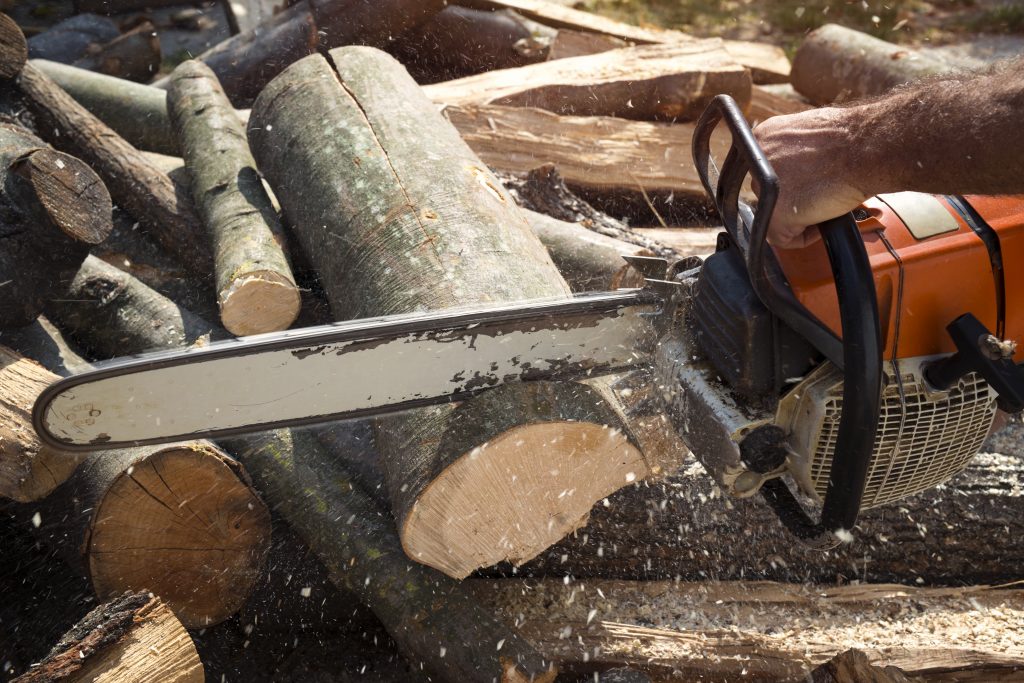
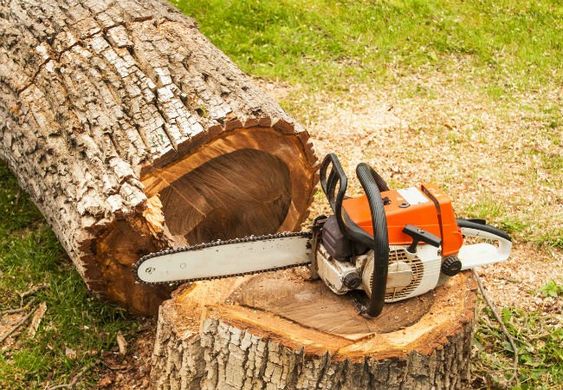
Trees are essential components of our environment, providing numerous benefits such as improving air quality, reducing energy consumption, and enhancing property aesthetics. However, tree care and maintenance, including tree removal, trimming, and stump grinding, require specialized knowledge and equipment, making it necessary to hire professional tree service providers. When considering hiring a tree service company, one of the primary concerns is whether the pricing offered is fair and reasonable. This article will explore various factors that affect tree service pricing and guide you on how to assess if the costs are justified.
Understanding Tree Services
Tree services encompass a range of tasks, including tree removal, trimming, pruning, stump grinding, and more. Each job requires specific skills and equipment, impacting the overall cost. Additionally, factors like tree size, location, and health play a significant role in determining the pricing.
Factors Affecting Tree Service Pricing
a. Tree Size and Height: Larger and taller trees generally require more effort, time, and specialized equipment, leading to higher costs.
b. Tree Health: The health of the tree can influence the complexity of the job. Diseased or dying trees might require careful removal and additional safety measures, affecting the overall price.
c. Location: Trees situated near power lines, buildings, or other obstacles demand meticulous planning and extra precautions, potentially increasing the price.
d. Type of Tree: Different tree species have varying densities and branch structures, which impact the level of effort and time required for pruning or removal.
e. Number of Trees: If you have multiple trees requiring attention, many tree service companies offer discounts for bulk jobs.
f. Additional Services: Some tree service professionals offer supplementary services like debris removal, forestry mulching, and firewood supply. These add-ons can affect the overall pricing.
g. Time of Year: Peak seasons might result in higher costs due to increased demand for tree services.
h. Equipment and Technology: Companies with advanced equipment and technology might charge more, but they often complete the job more efficiently.
i. Tree Stump Removal: Stump grinding or removal is an additional service that can influence the overall cost.
Researching Local Tree Service Companies
To determine fair pricing, conduct thorough research on various tree service companies in your area. Obtain multiple quotes and compare the services offered, reputation, and experience.
Average Cost of Tree Services
While the pricing varies based on location and specific job requirements, understanding the average cost of common tree services can help gauge if a quote is reasonable:
a. Tree Removal: On average, tree removal can cost between $500 to $1500 per tree, depending on size, location, and complexity.
b. Tree Trimming: Trimming small trees can cost around $80 to $300, while larger trees may range from $300 to $800.
c. Stump Grinding: Stump removal can range from $75 to $300 per stump, depending on size and accessibility.
d. Tree Pruning: The cost of tree pruning typically falls within $250 to $600, depending on tree size and health.
Evaluating Tree Service Professionals
a. Credentials and Insurance: Ensure the tree service company has certified arborists and liability insurance to protect you and your property.
b. Customer Reviews: Read online reviews and ask for references to gauge the company’s reputation and customer satisfaction.
c. Estimation Transparency: A reliable tree service professional should provide a clear and detailed estimate template, outlining all costs and potential add-ons.
d. Safety Measures: Inquire about their safety protocols to avoid any liability in case of accidents or damage.
Avoiding Common Pricing Pitfalls
a. Flat Rate vs. Hourly Pricing: Discuss with the tree service company whether they charge a flat rate or hourly pricing and understand the implications of each.
b. Upsells and Cross Sells: Be cautious of unnecessary upsells and cross-sells that might inflate the overall cost.
c. Hidden Fees: Carefully review the estimate to identify any hidden fees that may not have been explicitly mentioned.
Conclusion
Determining fair tree service pricing involves considering multiple factors such as tree size, health, location, and additional services. By researching local tree service companies, obtaining multiple quotes, and evaluating the expertise and reputation of the professionals, you can make an informed decision and ensure you receive quality tree services at a reasonable price. Remember that while cost is essential, the safety and health of your trees should also be a top priority when choosing a tree service provider.
[geocentric_weather id=”45ff4ccd-3d3f-498e-b0b9-91aaaf766bc4″]
[geocentric_about id=”45ff4ccd-3d3f-498e-b0b9-91aaaf766bc4″]
[geocentric_neighborhoods id=”45ff4ccd-3d3f-498e-b0b9-91aaaf766bc4″]
[geocentric_thingstodo id=”45ff4ccd-3d3f-498e-b0b9-91aaaf766bc4″]
[geocentric_busstops id=”45ff4ccd-3d3f-498e-b0b9-91aaaf766bc4″]
[geocentric_mapembed id=”45ff4ccd-3d3f-498e-b0b9-91aaaf766bc4″]
[geocentric_drivingdirections id=”45ff4ccd-3d3f-498e-b0b9-91aaaf766bc4″]
[geocentric_reviews id=”45ff4ccd-3d3f-498e-b0b9-91aaaf766bc4″]