THE BENEFITS OF USING ORGANIC TREE CARE METHODS

THE BENEFITS OF USING ORGANIC TREE CARE METHODS

Organic tree care methods involve nurturing and maintaining trees using natural and sustainable practices, without relying on synthetic chemicals or harsh interventions. These methods prioritize the health of trees, the surrounding environment, and the overall ecosystem. Here’s an explanation of some key organic tree care practices:

  1. Soil Health Improvement: Organic tree care starts with the soil. Healthy soil provides trees with essential nutrients, water, and a stable foundation for root growth. Organic practitioners focus on adding compost, mulch, and other organic matter to the soil. This enriches the soil structure, improves water retention, and promotes the growth of beneficial microorganisms.
  2. Mulching: Applying organic mulch around the base of a tree helps conserve moisture, regulate soil temperature, and prevent weed growth. As the mulch breaks down, it also contributes nutrients to the soil.
  3. Compost Application: Compost, made from decomposed organic matter, is rich in nutrients and beneficial microorganisms. Applying compost to the soil around trees provides a slow-release source of nutrients, fostering healthy growth.
  4. Aeration: Soil compaction can hinder root growth and nutrient uptake. Organic tree care involves aerating the soil, which loosens compacted soil and enhances oxygen exchange to the roots.
  5. Pruning: Pruning is an important aspect of tree care. Organic pruning focuses on selective removal of dead, diseased, or crossing branches, promoting better airflow and reducing the risk of diseases.
  6. Integrated Pest Management (IPM): Organic tree care emphasizes using natural predators, beneficial insects, and other non-chemical methods to manage pests and diseases. This approach maintains a balance between pests and their natural enemies, reducing the need for synthetic pesticides.
  7. Natural Fertilization: Instead of using synthetic fertilizers that can lead to nutrient imbalances, organic tree care relies on slow-release natural fertilizers like compost and well-rotted manure. These feed the tree over time without causing rapid growth spurts.
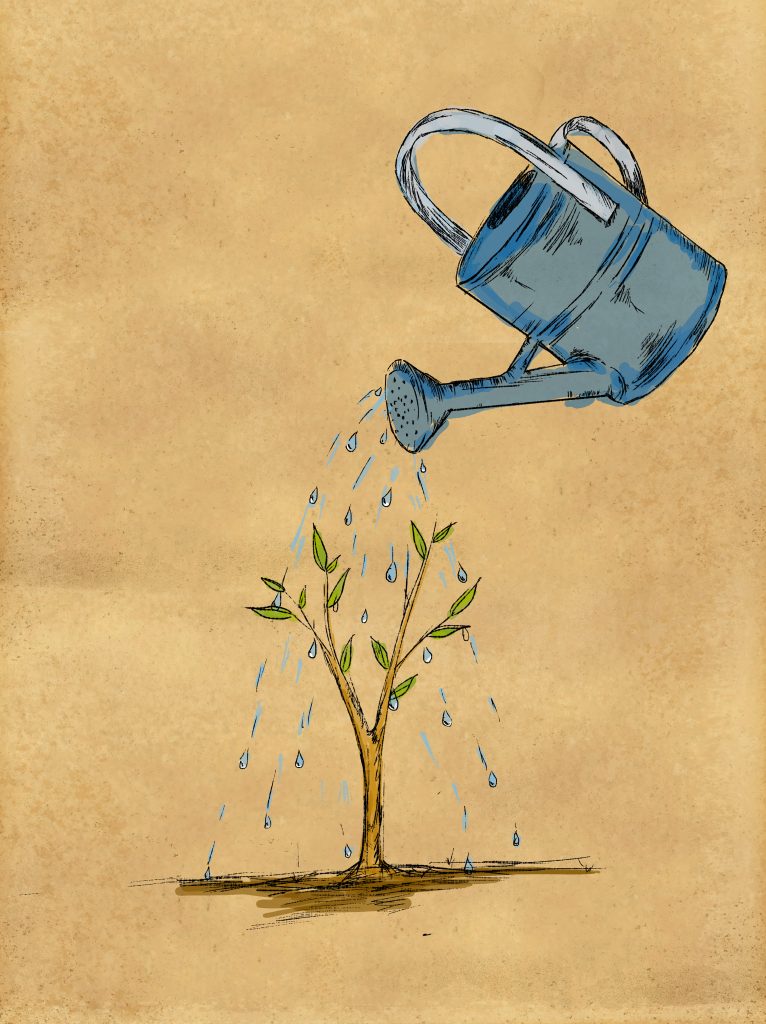
  8. Water Management: Organic practitioners aim to conserve water and use it efficiently. Techniques like deep watering and using soaker hoses can ensure that trees receive adequate hydration without wastage.
  9. Companion Planting: Some plants can benefit trees by attracting beneficial insects or fixing nitrogen in the soil. Integrating these companion plants into the tree’s surroundings can enhance overall ecosystem health.
  10. Preserving Wildlife Habitat: Organic tree care often considers the broader ecosystem. Trees provide habitat for various species. Maintaining a diverse plant and insect population can support the health of the entire ecosystem.
  11. Avoiding Chemicals: Perhaps the most distinguishing feature of organic tree care is the avoidance of synthetic pesticides, herbicides, and fertilizers. These chemicals can have negative impacts on soil health, water quality, and the health of non-target organisms.
  12. Holistic Approach: Organic tree care is rooted in a holistic philosophy that views trees as interconnected components of a larger ecosystem. It considers the interplay between soil health, tree health, and environmental sustainability.

By embracing organic tree care methods, individuals, communities, and organizations can contribute to the well-being of trees, the environment, and the overall health of our planet.

Importance of tree care for environmental health and aesthetics

Tree care plays a vital role in both environmental health and aesthetics, offering a range of benefits that contribute to the well-being of ecosystems and human communities. Here’s a closer look at the importance of tree care in these aspects:

Environmental Health:

  1. Air Quality Improvement: Trees act as natural air filters, absorbing pollutants such as carbon dioxide, nitrogen oxides, and particulate matter. Through photosynthesis, trees release oxygen and help improve air quality, reducing the negative impacts of urban pollution.
  2. Climate Regulation: Trees play a crucial role in mitigating climate change. They sequester carbon dioxide, a major greenhouse gas, through photosynthesis, thus helping to stabilize global climate patterns.
  3. Biodiversity Support: Trees provide habitats for numerous plant and animal species. Urban areas with diverse tree populations can harbor a variety of wildlife, including birds, insects, and small mammals.
  4. Erosion Prevention: Tree roots stabilize soil and prevent erosion. They help retain soil structure and prevent sediment runoff into waterways, protecting water quality and aquatic ecosystems.
  5. Water Regulation: Trees play a role in regulating the water cycle. They absorb and release water through transpiration, which helps maintain humidity and regulate temperature. This process also contributes to the overall health of watersheds.
  6. Flood Mitigation: Trees can reduce the risk of flooding by absorbing excess water during heavy rainfall. Their root systems help improve soil permeability, allowing water to infiltrate the ground more effectively.
  7. Habitat Connectivity: Urban trees create corridors for wildlife movement, allowing species to traverse otherwise fragmented landscapes. This supports genetic diversity and the overall health of ecosystems.

Aesthetics and Human Well-being:

  1. Visual Appeal: Trees enhance the beauty of landscapes, adding texture, color, and vertical elements that create visual interest. Well-maintained trees contribute to aesthetically pleasing environments in urban and natural settings.
  2. Psychological Benefits: Spending time in tree-filled environments has been linked to reduced stress, anxiety, and mental fatigue. Trees provide a sense of tranquility and connection to nature, promoting mental well-being.
  3. Shade and Cooling: Trees offer shade that reduces the urban heat island effect, where cities become significantly warmer than surrounding rural areas. Shade also provides a comfortable environment for outdoor activities.
  4. Property Value: Properties with well-maintained trees often have higher market values. Trees contribute to curb appeal and create a positive impression, influencing potential buyers and tenants.
  5. Noise Reduction: Trees can act as natural sound barriers, absorbing and deflecting noise pollution from roads and other sources. This contributes to quieter and more peaceful environments.
  6. Community Gathering Spaces: Tree-lined streets, parks, and green spaces provide places for communities to gather, socialize, and engage in recreational activities, fostering a sense of belonging.
  7. Educational Opportunities: Trees offer educational value, serving as living laboratories for schools and communities to learn about biology, ecology, and environmental sustainability.

In summary, tree care is essential for maintaining the health of ecosystems, regulating the environment, and creating visually appealing and psychologically beneficial spaces for humans. Whether in urban or natural settings, investing in tree care contributes to the overall quality of life for both people and the planet.

Environmental Benefits

Environmental benefits refer to the positive impacts that various actions, practices, or policies can have on the natural world, ecosystems, and the overall health of the environment. These benefits are often linked to sustainability, conservation, and the preservation of biodiversity. Here are some key environmental benefits:

  1. Biodiversity Conservation: Protecting and restoring natural habitats, such as forests, wetlands, and grasslands, helps preserve a diverse array of plant and animal species. Biodiversity is essential for ecosystem resilience and adaptability to changing conditions.
  2. Air and Water Quality Improvement: Many environmental practices aim to reduce air and water pollution. Planting trees, reducing emissions from vehicles and industries, and minimizing chemical use all contribute to cleaner air and healthier waterways.
  3. Climate Change Mitigation: Actions that decrease the emission of greenhouse gases (such as carbon dioxide) help mitigate climate change. This includes transitioning to renewable energy sources, increasing energy efficiency, and promoting afforestation and reforestation efforts.
  4. Soil Health and Conservation: Implementing sustainable farming practices, such as crop rotation and cover cropping, helps prevent soil erosion and degradation. Healthy soil supports plant growth, stores carbon, and filters water.
  5. Waste Reduction and Recycling: Reducing waste generation, recycling materials, and promoting the circular economy decrease the demand for raw resources and reduce the strain on ecosystems and landfills.
  6. Habitat Restoration: Restoring degraded habitats, such as degraded wetlands or urban brownfields, can revitalize ecosystems, support wildlife populations, and enhance ecosystem services.
  7. Conservation of Natural Resources: Responsible use and management of natural resources, such as water, minerals, and forests, ensure their availability for future generations.
  8. Reduced Deforestation: Curbing deforestation helps maintain carbon sinks, preserve habitats, and prevent soil erosion and land degradation.
  9. Ecosystem Services: Protecting and restoring ecosystems provides a wide range of services that benefit humans, including pollination, water purification, flood control, and carbon sequestration.
  10. Preservation of Watersheds: Protecting natural landscapes and wetlands helps maintain healthy watersheds, which are essential for providing clean and reliable water sources.
  11. Wildlife Protection: Implementing measures to reduce human-wildlife conflicts and protect endangered species helps maintain the balance of ecosystems and protect biodiversity.
  12. Reduced Chemical Exposure: Minimizing the use of synthetic chemicals in agriculture and other industries prevents harmful substances from entering the environment and impacting ecosystems.
  13. Sustainable Fisheries: Implementing sustainable fishing practices helps prevent overfishing, maintain marine biodiversity, and ensure the long-term viability of fish populations.
  14. Energy Efficiency: Reducing energy consumption and transitioning to renewable energy sources reduces the environmental impact of energy production and consumption.
  15. Sustainable Urban Planning: Designing cities with green spaces, efficient public transportation, and sustainable infrastructure helps reduce pollution, congestion, and resource consumption.

Overall, environmental benefits contribute to the well-being of the planet and its inhabitants by fostering healthier ecosystems, supporting biodiversity, addressing climate change, and ensuring the sustainability of natural resources for current and future generations.

[geocentric_weather id=”45ff4ccd-3d3f-498e-b0b9-91aaaf766bc4″]

[geocentric_about id=”45ff4ccd-3d3f-498e-b0b9-91aaaf766bc4″]

[geocentric_neighborhoods id=”45ff4ccd-3d3f-498e-b0b9-91aaaf766bc4″]

[geocentric_thingstodo id=”45ff4ccd-3d3f-498e-b0b9-91aaaf766bc4″]

[geocentric_busstops id=”45ff4ccd-3d3f-498e-b0b9-91aaaf766bc4″]

[geocentric_mapembed id=”45ff4ccd-3d3f-498e-b0b9-91aaaf766bc4″]

[geocentric_drivingdirections id=”45ff4ccd-3d3f-498e-b0b9-91aaaf766bc4″]

[geocentric_reviews id=”45ff4ccd-3d3f-498e-b0b9-91aaaf766bc4″]

THE IMPACT OF TREES ON WATER CONSERVATION EFFORTS IN UTAH

THE IMPACT OF TREES ON WATER CONSERVATION EFFORTS IN UTAH

Water conservation holds immense significance in arid regions like Utah due to the unique challenges posed by the climate and environmental conditions. Here’s an explanation of the significance of water conservation in arid regions:

1. Limited Water Resources: Arid regions typically receive low annual precipitation levels, and the available freshwater resources are scarce. In Utah, for example, the majority of the state is classified as semi-arid or arid, making water a precious and limited resource.

2. Drought Vulnerability: Arid regions are particularly vulnerable to drought conditions, which can lead to water shortages, reduced agricultural productivity, and economic impacts. Droughts are recurring phenomena, and conserving water is crucial for maintaining resilience during dry periods.

3. Ecological Impact: Water conservation is essential to protect the fragile ecosystems of arid regions. Many plant and animal species have adapted to survive in low-water environments. Excessive water use can disrupt these ecosystems and threaten biodiversity.

4. Urban Water Demand: In arid regions, urban populations rely heavily on water for residential and commercial purposes, including drinking, sanitation, irrigation, and industrial processes. Effective water conservation measures help meet the increasing demands of growing cities and towns.

5. Agricultural Needs: Agriculture is a significant water user in arid regions, and efficient water management practices are critical for sustaining crop production and livestock. Water conservation in agriculture ensures food security and economic stability.

6. Reducing Water Stress: Water stress occurs when the demand for water exceeds the available supply. Arid regions often experience water stress, which can lead to conflicts over water resources. Water conservation efforts help alleviate stress and reduce the potential for disputes.

7. Energy Savings: Water conservation can lead to energy savings. In arid regions, pumping and treating water for distribution and wastewater management consume substantial energy. Reducing water use decreases energy consumption and related greenhouse gas emissions.

8. Infrastructure Resilience: Conserving water helps prolong the lifespan of water infrastructure, such as dams, reservoirs, and pipelines. Overuse of water resources can lead to infrastructure deterioration and increased maintenance costs.

9. Financial Savings: Water conservation can result in cost savings for both individuals and municipalities. Reduced water consumption lowers water bills for residents and lowers operational costs for utilities.

10. Climate Change Adaptation: Arid regions are susceptible to the impacts of climate change, including altered precipitation patterns and increased temperatures. Water conservation measures help communities adapt to these changes by making the most of available water resources.

11. Sustainable Growth: Water conservation is essential for supporting sustainable economic and population growth in arid regions. It allows for responsible development and helps ensure that future generations will have access to adequate water supplies.

12. Long-Term Environmental Health: By conserving water, arid regions can protect their natural landscapes, preserve wetlands and riparian areas, and maintain the health of rivers and lakes. These ecosystems provide habitat for wildlife and contribute to recreational and cultural values.

In summary, water conservation is vital in arid regions like Utah to address the pressing challenges of limited water resources, drought vulnerability, and the need for sustainable growth. It is an essential component of responsible environmental stewardship, economic stability, and climate resilience in such regions.

Challenges of Water Scarcity and the Importance of Efficient Water Use:

1. Limited Freshwater Resources: One of the primary challenges of water scarcity is the limited availability of freshwater resources. Freshwater makes up only a small fraction of the Earth’s total water supply, and a significant portion of it is stored in glaciers and inaccessible underground aquifers.

2. Uneven Distribution: Water resources are unevenly distributed geographically. Some regions have abundant water sources, while others, particularly arid and semi-arid areas, face chronic water shortages.

3. Population Growth: The global population continues to grow, leading to increased water demand for drinking, sanitation, agriculture, and industrial processes. This population pressure exacerbates water scarcity in many regions.

4. Climate Change: Climate change is altering precipitation patterns, leading to prolonged droughts in some areas and more intense rainfall in others. These shifts in weather patterns further challenge water availability and management.

5. Wasteful Practices: Inefficient water use practices, such as water leakage in infrastructure, over-irrigation in agriculture, and excessive water consumption in households and industries, contribute to the depletion of available water resources.

6. Economic and Social Impact: Water scarcity can lead to economic losses in agriculture, industry, and tourism. It can also result in social disparities, with marginalized communities often suffering the most from inadequate access to clean water.

Importance of Efficient Water Use:

1. Resource Conservation: Efficient water use ensures that available water resources are used wisely and sustainably. It helps conserve freshwater for current and future generations.

2. Mitigating Water Stress: By reducing wasteful practices, efficient water use helps alleviate water stress in regions facing scarcity, improving overall water security.

3. Environmental Protection: Efficient water use benefits ecosystems and biodiversity by preserving the quantity and quality of water in rivers, lakes, and wetlands. This protection is essential for maintaining ecological balance.

4. Food Security: Agriculture is a major water consumer. Efficient irrigation and farming practices help sustain crop production, ensuring food security even in water-scarce regions.

5. Energy Efficiency: Water and energy are closely linked. Energy is required for water treatment, distribution, and heating. Using less water results in energy savings, which can reduce greenhouse gas emissions.

6. Cost Savings: Efficient water use can lead to cost savings for households, businesses, and governments. It lowers water bills, reduces maintenance costs for water infrastructure, and fosters economic stability.

7. Resilience to Climate Change: In the face of changing climate patterns, efficient water use practices help communities adapt to shifts in precipitation and temperature.

8. Water Quality: Efficient water use can reduce pollution risks. Less water use means fewer pollutants are transported into water bodies, enhancing water quality.

9. Long-Term Sustainability: Efficient water use is fundamental to achieving long-term sustainability in water management. It ensures that water resources are available for future generations and minimizes the risk of depletion.

10. Social Equity: Efficient water use can promote social equity by ensuring that water resources are distributed more equitably among communities, reducing disparities in access to clean water.

In conclusion, efficient water use is crucial for addressing the challenges of water scarcity, conserving vital freshwater resources, protecting the environment, and promoting economic and social well-being. It is a cornerstone of responsible water management and sustainable development in a world where water scarcity is an increasingly pressing issue.

Survival Strategies of Native and Drought-Tolerant Tree Species in Utah:

Native and drought-tolerant tree species in Utah have evolved various survival strategies to thrive in the arid and semi-arid climate of the region. These strategies enable them to conserve water, withstand long periods of drought, and adapt to the challenging environmental conditions. Here are some survival strategies commonly observed in native and drought-tolerant trees in Utah:

1. Deep Root Systems: Many native trees in Utah have developed deep taproot systems that penetrate deep into the soil to access groundwater sources. These deep roots enable them to reach moisture reserves even during extended dry periods.

2. Xerophytic Adaptations: Drought-tolerant trees exhibit xerophytic adaptations, including small or narrow leaves with reduced surface area for water loss through transpiration. Some trees have modified leaf structures, such as needle-like leaves or thick cuticles, to minimize water loss.

3. Water Storage Tissues: Certain tree species in Utah store water in specialized tissues, such as succulent stems or trunks. These tissues act as water reservoirs, allowing the tree to survive extended periods of drought by tapping into stored water reserves.

4. Dormancy: During extreme drought conditions, some trees enter a state of dormancy, shedding leaves or reducing metabolic activity to conserve water. This adaptation helps trees conserve energy and water until conditions improve.

5. Reduced Growth: Drought-tolerant trees often exhibit reduced growth rates during dry periods. Slower growth conserves energy and water resources, allowing the tree to allocate resources for survival rather than growth.

6. Shade Tolerance: Some native tree species in Utah are shade-tolerant, allowing them to thrive in understory conditions with reduced sunlight. This adaptation reduces water requirements and competition for sunlight.

7. Mycorrhizal Associations: Many drought-tolerant trees form symbiotic relationships with mycorrhizal fungi. These fungi extend the tree’s root system and enhance its ability to absorb water and nutrients from the soil.

8. Salt Tolerance: Some Utah trees, especially those in saline soils, have developed salt tolerance mechanisms to thrive in high-salinity environments. These mechanisms include salt exclusion or salt gland secretion.

9. Drought-Induced Leaf Shedding: During prolonged droughts, some tree species shed their leaves to reduce transpiration and water loss. This temporary adaptation helps trees survive until moisture returns.

10. Resource Allocation: Drought-tolerant trees allocate resources efficiently, prioritizing water and nutrients for essential functions like root growth and maintenance. They may sacrifice non-essential growth, such as new branches or leaves, to conserve resources.

11. Coppicing and Sprouting: Some native trees, like cottonwood and willow species, are capable of coppicing or sprouting from their root systems after disturbances. This allows them to recover quickly after drought, fire, or other environmental stresses.

12. Seed Banks: Certain tree species in Utah produce seeds with hard shells or protective coatings that can remain viable for extended periods in the soil. These seeds can germinate when favorable conditions return.

These survival strategies highlight the remarkable adaptability of native and drought-tolerant trees in Utah. Their ability to withstand water scarcity is essential for maintaining ecosystems, supporting wildlife, and contributing to the overall ecological resilience of the region, especially in the face of increasing climate variability and arid conditions.

[geocentric_weather id=”45ff4ccd-3d3f-498e-b0b9-91aaaf766bc4″]

[geocentric_about id=”45ff4ccd-3d3f-498e-b0b9-91aaaf766bc4″]

[geocentric_neighborhoods id=”45ff4ccd-3d3f-498e-b0b9-91aaaf766bc4″]

[geocentric_thingstodo id=”45ff4ccd-3d3f-498e-b0b9-91aaaf766bc4″]

[geocentric_busstops id=”45ff4ccd-3d3f-498e-b0b9-91aaaf766bc4″]

[geocentric_mapembed id=”45ff4ccd-3d3f-498e-b0b9-91aaaf766bc4″]

[geocentric_drivingdirections id=”45ff4ccd-3d3f-498e-b0b9-91aaaf766bc4″]

[geocentric_reviews id=”45ff4ccd-3d3f-498e-b0b9-91aaaf766bc4″]
The Benefits of Proper Tree Watering Techniques

THE BENEFITS OF PROPER TREE WATERING TECHNIQUES

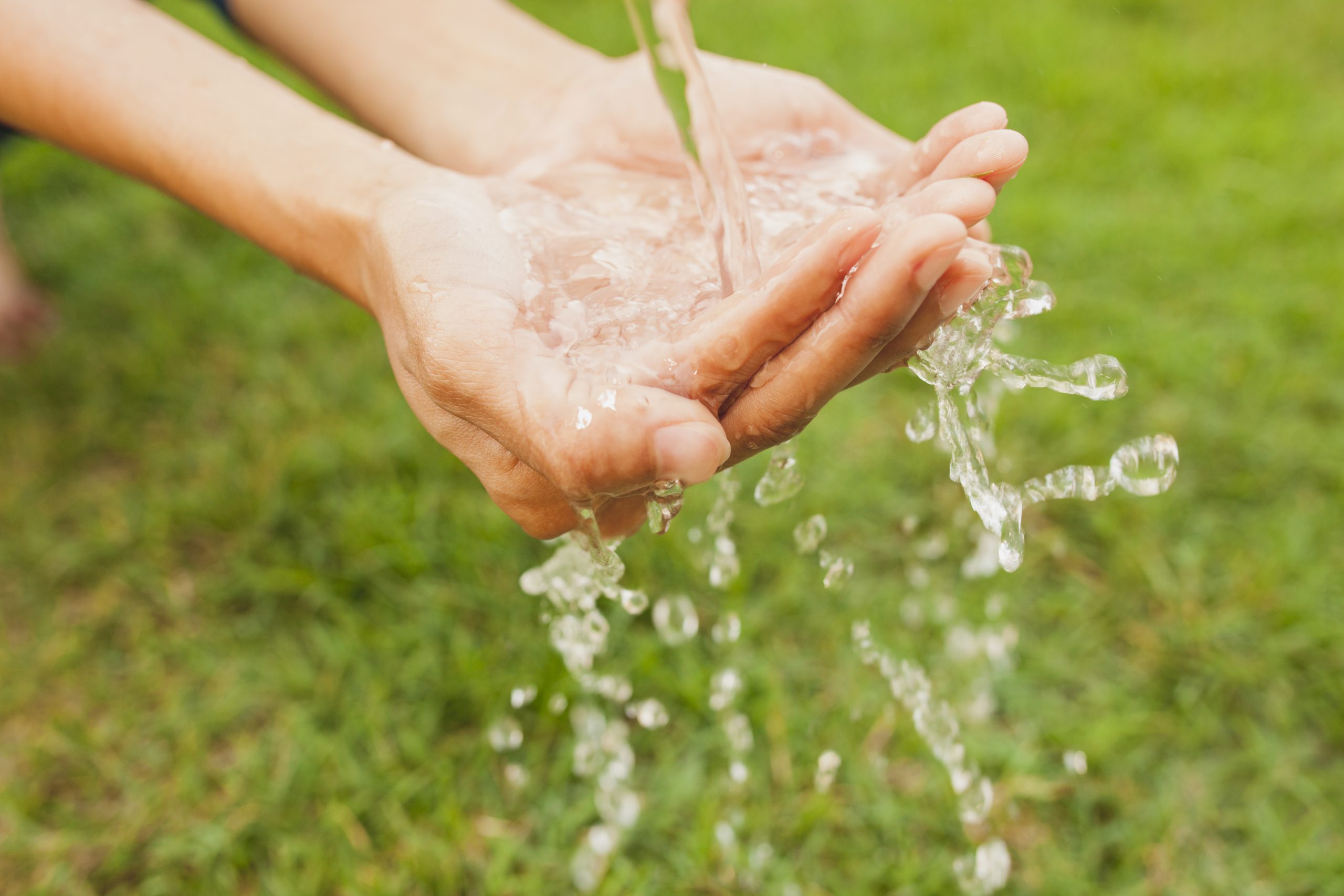
Proper tree watering is of paramount importance for the health, vitality, and longevity of trees. Water is a critical resource that sustains trees, enabling them to perform essential biological functions and thrive within their environment. Understanding and practicing effective tree watering techniques is crucial for various reasons:

1. Healthy Root Development: Proper watering encourages deep root growth, as trees are motivated to extend their roots in search of water. Deep roots provide stability, better access to nutrients, and increased resilience to adverse conditions.

2. Enhanced Growth and Vitality: Water is essential for photosynthesis, the process through which trees produce energy from sunlight. A well-hydrated tree can maintain robust foliage, healthy canopies, and overall optimal growth.

3. Stress Reduction: Adequate water availability helps trees withstand stress, particularly during periods of drought or environmental challenges. Proper watering reduces the risk of wilting, leaf drop, and other signs of moisture-related stress.

4. Disease and Pest Resistance: Hydrated trees are better equipped to defend against diseases and pest infestations. Drought-stressed trees are more susceptible to attacks and may struggle to recover from the damage.

5. Drought Tolerance: Proper watering promotes the development of drought-tolerant trees that can endure dry spells. Trees with well-established root systems and good water storage capacities can survive and recover from drought conditions more effectively.

6. Root Soil Oxygen Balance: Adequate water levels ensure proper soil aeration, preventing the roots from suffocating due to waterlogged conditions. Oxygen is crucial for root respiration and overall tree health.

7. Preventing Overwatering: Proper watering practices help avoid overwatering, which can lead to waterlogged soils, root rot, and fungal issues. Maintaining the right moisture balance is vital to prevent these problems.

8. Water Conservation: Efficient watering practices contribute to responsible water usage, preventing wasteful overuse of this valuable resource. Conserving water is essential for environmental sustainability.

9. Soil Erosion Prevention: Properly hydrated trees help stabilize soil structures, reducing the risk of soil erosion caused by runoff during heavy rainfall or irrigation.

10. Successful Transplanting: Newly transplanted trees are especially vulnerable to moisture stress. Proper watering during the establishment phase increases the chances of successful root adaptation and growth in the new location.

11. Optimal Tree Health and Longevity: Collectively, the benefits of proper watering contribute to overall tree health and longevity. Well-maintained trees are more resilient, attractive, and valuable assets to landscapes.

12. Landscape Aesthetics: Properly watered trees contribute to the visual appeal of landscapes, maintaining lush foliage and vibrant colors that enhance the beauty of the surroundings.

In conclusion, proper tree watering is a fundamental aspect of tree care that directly impacts their well-being and ability to thrive. It is a key factor in preventing stress, diseases, and other problems that can compromise tree health. By adopting effective watering practices, property owners, landscapers, and arborists can ensure that trees receive the necessary moisture to flourish and contribute positively to the environment.

Benefits of Effective Watering Practices

Effective watering practices offer numerous benefits for trees, landscapes, and the environment. By ensuring that trees receive the right amount of water at the appropriate times, property owners and landscapers can promote healthy growth, conserve water resources, and contribute to the overall well-being of the ecosystem. Here are the key benefits of effective watering practices:

1. Healthy Tree Growth: Proper watering encourages robust root development, leading to healthier and stronger trees. Well-developed roots provide better access to nutrients and water, resulting in optimal canopy growth and overall vitality.

2. Stress Reduction: Consistent and appropriate watering minimizes drought stress and helps trees better tolerate environmental fluctuations, reducing the risk of wilting, leaf drop, and other signs of stress.

3. Disease Prevention: Adequate soil moisture levels discourage the development of certain fungal diseases that thrive in overly wet or dry conditions. Preventing extreme soil moisture variations can mitigate disease risks.

4. Pest Resistance: Well-hydrated trees are more resilient against pest infestations. Stress-free trees are better equipped to defend themselves against harmful insects and pathogens.

5. Enhanced Drought Tolerance: Trees that receive consistent water develop deeper root systems capable of accessing moisture from deeper soil layers. This enhanced root structure improves their ability to withstand and recover from drought conditions.

6. Water Conservation: Effective watering practices optimize water usage, reducing wastage and promoting responsible resource management. This is especially important in regions facing water scarcity.

7. Soil Health and Erosion Prevention: Proper moisture levels contribute to healthy soil structure and aeration. Healthy soil is less prone to erosion and compaction, ensuring a suitable environment for root growth.

8. Sustainable Landscaping: By avoiding under- or over-watering, property owners contribute to sustainable landscaping practices that benefit both the environment and the aesthetics of the property.

9. Reduced Maintenance Costs: Healthy trees require fewer treatments and interventions to combat stress-related issues, saving on maintenance expenses in the long run.

10. Environmental Protection: Effective watering practices help maintain the health of trees, which play a crucial role in mitigating air pollution, improving air quality, and providing habitat for various species.

11. Improved Property Value: Landscapes with well-maintained, healthy trees enhance the overall appeal and value of properties, contributing to a positive impression for residents, visitors, and potential buyers.

12. Long-Term Tree Health: Consistent watering from the early stages of a tree’s life can lead to long-term health, reducing the risk of stress-related diseases and disorders.

13. Higher Success Rates in Transplanting: Adequate water supply during transplanting ensures that trees establish roots in their new location more successfully, increasing the likelihood of survival.

14. Water-Use Efficiency: Effective watering practices optimize water distribution, ensuring that water reaches the roots where it is needed most efficiently.
In conclusion, adopting effective watering practices benefits trees, landscapes, and the environment as a whole. By prioritizing proper watering techniques, property owners and landscapers promote healthy tree growth, conserve water resources, and contribute positively to the overall health and sustainability of their surroundings.

Healthy Root Development

Healthy root development is a vital aspect of a tree’s overall growth and well-being. The root system plays a crucial role in anchoring the tree, absorbing water and nutrients from the soil, and providing support for above-ground growth. A well-developed root system ensures that the tree is adequately nourished, hydrated, and structurally stable. Here’s a detailed explanation of healthy root development:

1. Anchoring and Stability: Healthy roots anchor the tree securely in the soil, preventing it from toppling over during strong winds, heavy rainfall, or other environmental stresses. A strong root system provides stability to the entire tree structure.

2. Water and Nutrient Absorption: Roots are responsible for absorbing water and essential nutrients from the soil. These nutrients are necessary for various physiological processes, including photosynthesis, growth, and overall tree health.

3. Root Growth Zones: The root system consists of different growth zones, each with distinct functions. The “feeder roots,” located in the uppermost layer of soil, are responsible for absorbing water and nutrients. “Structural roots” provide support and stability to the tree.

4. Root Hairs: Root hairs are tiny, hair-like structures that extend from the feeder roots. They greatly increase the surface area available for water and nutrient absorption, enhancing the tree’s ability to gather resources.

5. Mycorrhizal Associations: Many trees form symbiotic relationships with beneficial fungi called mycorrhizae. These fungi attach to the tree’s roots, extending the root’s reach and improving nutrient uptake.

6. Deep Root Penetration: Trees with deep and extensive root systems are better equipped to access water from deeper soil layers. This is especially beneficial during dry periods when surface soil might be dry.

7. Prevention of Shallow Root Systems: Inadequate or irregular watering can lead to the development of shallow root systems that are more vulnerable to drought, diseases, and soil disturbances.

8. Root Respiration: Roots need oxygen to carry out cellular respiration, a process that generates energy for the tree. Healthy soil structure and proper irrigation practices contribute to adequate soil aeration and oxygen availability.

9. Establishment in New Environments: When trees are transplanted to new locations, a healthy root system is crucial for successful establishment. Proper watering and care during this phase encourage roots to adapt to the new soil conditions.

10. Environmental Adaptation: A well-developed root system helps trees adapt to various environmental conditions, such as soil types, moisture levels, and nutrient availability.

11. Resistance to Stress: Trees with healthy root systems are better equipped to resist stressors such as drought, extreme temperatures, and disease. Adequate water uptake supports the tree’s ability to recover from stress.

12. Overall Tree Health: The health of a tree’s root system directly impacts its overall health and vitality. A strong root system contributes to lush foliage, proper canopy development, and resilience against various challenges.

In conclusion, healthy root development is essential for a tree’s survival, growth, and long-term well-being. By understanding the importance of roots and implementing proper watering practices that promote deep root growth, property owners can contribute to the health and longevity of their trees.


[geocentric_weather id=”45ff4ccd-3d3f-498e-b0b9-91aaaf766bc4″]

[geocentric_about id=”45ff4ccd-3d3f-498e-b0b9-91aaaf766bc4″]

[geocentric_neighborhoods id=”45ff4ccd-3d3f-498e-b0b9-91aaaf766bc4″]

[geocentric_thingstodo id=”45ff4ccd-3d3f-498e-b0b9-91aaaf766bc4″]

[geocentric_busstops id=”45ff4ccd-3d3f-498e-b0b9-91aaaf766bc4″]

[geocentric_mapembed id=”45ff4ccd-3d3f-498e-b0b9-91aaaf766bc4″]

[geocentric_drivingdirections id=”45ff4ccd-3d3f-498e-b0b9-91aaaf766bc4″]

[geocentric_reviews id=”45ff4ccd-3d3f-498e-b0b9-91aaaf766bc4″]

Bamboo Plants Care

Bamboo Plants Care

Bamboo Plants Care

Care of Your Bamboo Plants

Bamboo is a very easy plant to care for, follow these tips and the planting guide and you will see the true beauty of what a bamboo grove can provide. New plants require some care to get established, but overtime can typically take care of itself.

Watering

This is the most important part. Watering will help establish your planting and produce better results. Over the next couple of weeks, daily watering is recommended. If your plant does begin to loose leaves, it may be just adjusting to its new home and sunlight conditions. Even under most all conditions, the bamboo will retain 70% of its leaves. After a period of time, it should put on new leaves to replace the ones it dropped during the transition. If any stress like defoliation is noticed increase watering times. Water is the key for health bamboo. During the hot summertime even established bamboo will roll their leaves to prevent transpiration. This is a neat characteristic of bamboo so, do not be alarmed to see your bamboo roll up its leaves. If you water it during very hot times that is great and will assist the bamboo during its growth. Once established, bamboo needs little care and normal rainfall is generally all that is needed. Watering daily if you have well drained soil is great! The only time you should not water, is when the bamboo is sitting in standing water. Remember the bamboo canes on your existing division are through growing. Most all the growth now will be under ground. Each spring new canes will emerge taller and larger in diameter each year until mature size for your species and climate zone are reached.

Fertilizers

The three numbers on fertilizers are important factors. The first number represents nitrogen. Nitrogen is the element for growth. The second number is phosphorus and it has to do with the transfer of carbohydrates. Carbs are essential for the bamboo to store nourishment in the rhizomes. The last number represents potassium and is necessary for photosynthesis. This is very important for the plant’s metabolism. Extra amounts of this element helps the bamboo to withstand drought, heat and cold.

Lucky Bamboo

Lucky bamboo has been a staple in homes and Feng Shui for years. It’s a symbol of luck and prosperity making it a common gift and the perfect small house plant. Learn more about why this plant is so popular and how you can grow one of your own.
Lucky bamboo (Dracaena sanderiana) – 2.5 suns out of 5. Three water drops out of five, temperature 65–95 degrees farenheit. Toxicity: harmful to cats and dogs.

Lucky bamboo (Dracaena sanderiana) is surprisingly not actually bamboo as its scientific name suggests: It’s part of the Dracaena genus. The lucky bamboo plant is from Southeast Asia and is well-known for its use in Feng Shui for over 5,000 years. In these practices, it is said to represent good luck and happiness, making it an ideal and popular gift in business and personal matters. Another factor that makes lucky bamboo so popular is its ability to be trained into shapes like a swirl, heart, braid and other designs. See the sections below for a more in-depth look at the symbolism of lucky bamboo and how to create different bamboo designs.
Lucky bamboo is an easy plant to care for which makes it great for offices and homes alike. It’s happy growing in soil or water but has the longest life when grown in soil. Because it’s a Dracaena, lucky bamboo care is more in line with Dracaena care as opposed to bamboo. If growing in water, it should be replaced every week. If planted in soil, the soil should be kept slightly damp, so don’t overwater or let it get dry. Lucky bamboo does best in indirect light and in the temperature range of 65–95°F (18–35°C). It loves these somewhat tropical conditions and is considered to be in the hardiness zones of 10–11.

Lucky Bamboo Care Tips

A shelving unit with a marble pot and bamboo inside and a white decorative jar and two dried flowers. The bottom shelf has two glass jars.

It’s fairly simple to learn how to care for lucky bamboo. We’ve included in-depth information on sunlight, water, temperature, toxicity, potting, propagation needs and common pests and problems. Our quick step-by-step bamboo care guide can be seen below:

Carefully remove any packaging and add rocks to your container to act as an anchor.

Place your bamboo in indirect sunlight.

Fill your container with enough water to cover the roots.

Lucky bamboo prefers a temperature range of 65–95°F (18–35°C).

Optional: use a liquid houseplant fertilizer every three to four weeks.

Remove any yellow leaves.

Repot the bamboo as its roots outgrow the container.

Sunlight With A Sun Symbol

Sunlight: Lucky bamboo requires moderate or indirect sunlight. Direct sunlight will scorch the leaves, so avoid placing your plant in front of a bright window. Scorched leaves look like how they sound: The edges of the leaves will have a brown tinge to them almost like they were burned by fire. If your leaves look a little scorched, move your bamboo to an area with less light.

Water With A Symbol Of A Water Drop

Water: If growing your plant in soil, make sure it’s kept slightly damp. Don’t let the soil get too dry and don’t overwater since that can lead to root rot. Bamboo does not need much water to survive, but it can be grown in water as well. If you choose to grow your bamboo in water, make sure the roots always stay covered with water. Replenish your lucky bamboo with fresh water every seven to 10 days to keep it happy and healthy.

Algae can form in the water, so try to clean out the container and change the water regularly (about once a week). Tap water is okay for the bamboo plant to drink, as long as chlorine levels are low. To be safe, leave tap water out overnight so the chlorine can evaporate before you use it to water your lucky bamboo.

If you have high levels of fluoride in your tap water, we recommend using filtered water, such as bottled water. Fluoride will not evaporate and is toxic to plants like lucky bamboo.

Temperature With A Thermometer Symbol

Temperatures: Lucky bamboo thrives in temperatures anywhere from 65–95°F (18–35°C), so it makes a great office or house plant. During colder months, be wary about leaving your plant near windows or other places with a cold draft.

Twisted bamboo in a glass jar on a living room coffee tablecopy: toxicity with a skull and cross bones symbol
Toxicity: Lucky bamboo is toxic for cats and dogs, so make sure to keep it out of reach. If consumed by your fur babies it can cause incoordination, weakness, vomiting, abdominal pain, diarrhea, drooling and dilated pupils. Lucky bamboo is not toxic to humans, however.

Pests And Problems With A Symbol Of A Bug

Pests: Some common pests that affect lucky bamboo include mealybugs, mites and fungal infections. If you notice grey fuzz on your plant it could be a fungal infection, so remove the infected growth, keep the stalk and leaves dry, and increase air circulation. Mealybugs are small white insects that should be removed manually and with rubbing alcohol. Although mites (presented as white webbing or fuzz) don’t typically affect lucky bamboo, they can be caught by other household plants. They need to be eradicated with water and dish detergent.
Problems: Your lucky bamboo should be green, but if any part of the stem or leaves are yellow, this indicates your plant could be sick. Remove the yellow part of the stem or the leaves completely so it doesn’t spread to the rest of the plant.

Repotting And Propagation With A Symbol Of A Potted Plant

Repotting: How do you know when to repot your bamboo? You should repot once the roots become too tight in the container. Once you see the roots crowding, move the bamboo to a larger container. If your plant is growing in just water, simply move it to a new vase. If you’re using rocks, dump them out, place your plant in the new container (or trim back the roots to use the same container) and replace the rocks. If you’re using soil, dampen the soil, flip the plant with your hand on the stalks and soil to remove the plant, and move it to a larger pot.

Propagation: To propagate a lucky bamboo plant, first identify a healthy parent stalk (should have more than two bamboo segments) with an offshoot. Clip the offshoot from where it connects to the parent plant stalk and remove its bottom layer of leaves to create a new independent stalk. Place the new stalk in a small container of water and nurture the plant as you would a larger one. Repot as needed.

Lucky Bamboo Symbolism

Traditional Chinese bamboo in a gold pot with a red ribbon and a metal coin.

Lucky bamboo is a perfect option if you’re looking for a Feng Shui compatible plant. According to the Chinese practice, lucky bamboo is related to the five elements: Earth (pebbles in the container), wood (the plant itself), water (the water in the container), fire (the red ribbon often tied on the plant) and metal (the metal coin attached to the ribbon). Since the bamboo is hollow it’s said to be a great conductor of Chi energy. This allows wisdom and prosperity to flow through. The amount of stalks also has a big effect on the meaning of a particular lucky bamboo plant. They all have positive meanings except for four-stalk lucky bamboo, which is one you should avoid.
One stalk: represents unity and unobstructed flow of energy.

Two stalks: represents good luck in love (a great gift for a partner).

Three stalks: represents continued growth, birth and family.

Four stalks: represents death (avoid this plant, it is also considered a rude gift).

Five stalks: represents wealth, longevity, luck, happiness and prosperity.

Six stalks: represents wealth through opportunity and luck (great for businesses).

Seven stalks: represents health and personal growth.

Eight stalks: represents infinite energy and many blessings.

Nine stalks: represents success and gratitude.

[geocentric_weather id=”777bf85e-d256-4222-b667-9d333cd326c7″]

[geocentric_about id=”777bf85e-d256-4222-b667-9d333cd326c7″]

[geocentric_neighborhoods id=”777bf85e-d256-4222-b667-9d333cd326c7″]

[geocentric_thingstodo id=”777bf85e-d256-4222-b667-9d333cd326c7″]

[geocentric_busstops id=”777bf85e-d256-4222-b667-9d333cd326c7″]

[geocentric_mapembed id=”777bf85e-d256-4222-b667-9d333cd326c7″]

[geocentric_drivingdirections id=”777bf85e-d256-4222-b667-9d333cd326c7″]

[geocentric_reviews id=”777bf85e-d256-4222-b667-9d333cd326c7″]