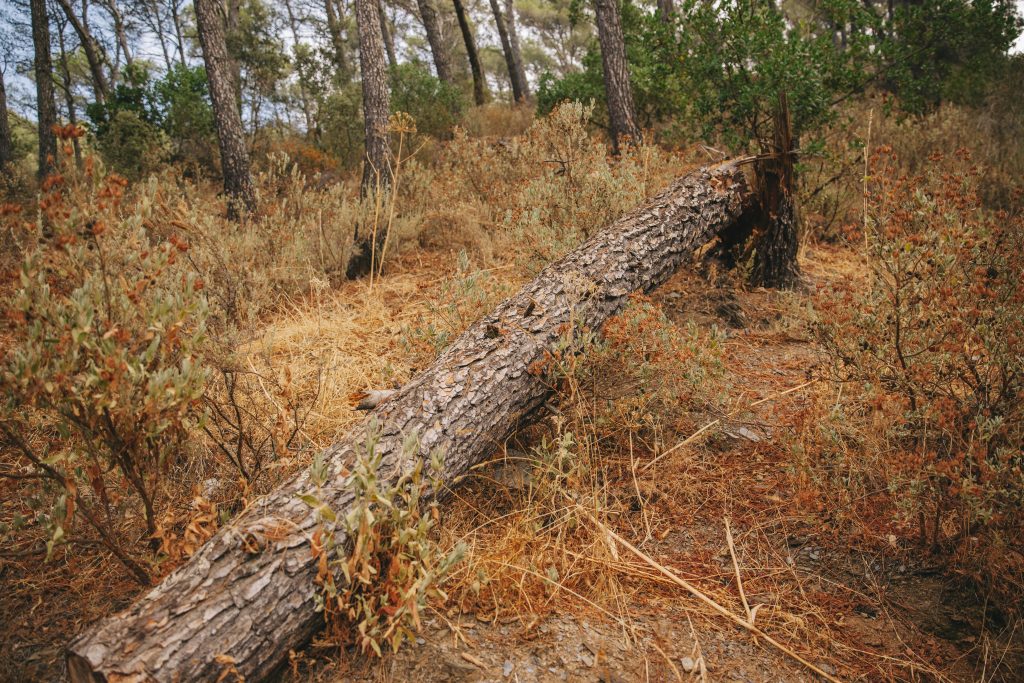
THE SCIENCE BEHIND HOW TREES SURVIVE WINTER
THE SCIENCE BEHIND HOW TREES SURVIVE WINTER
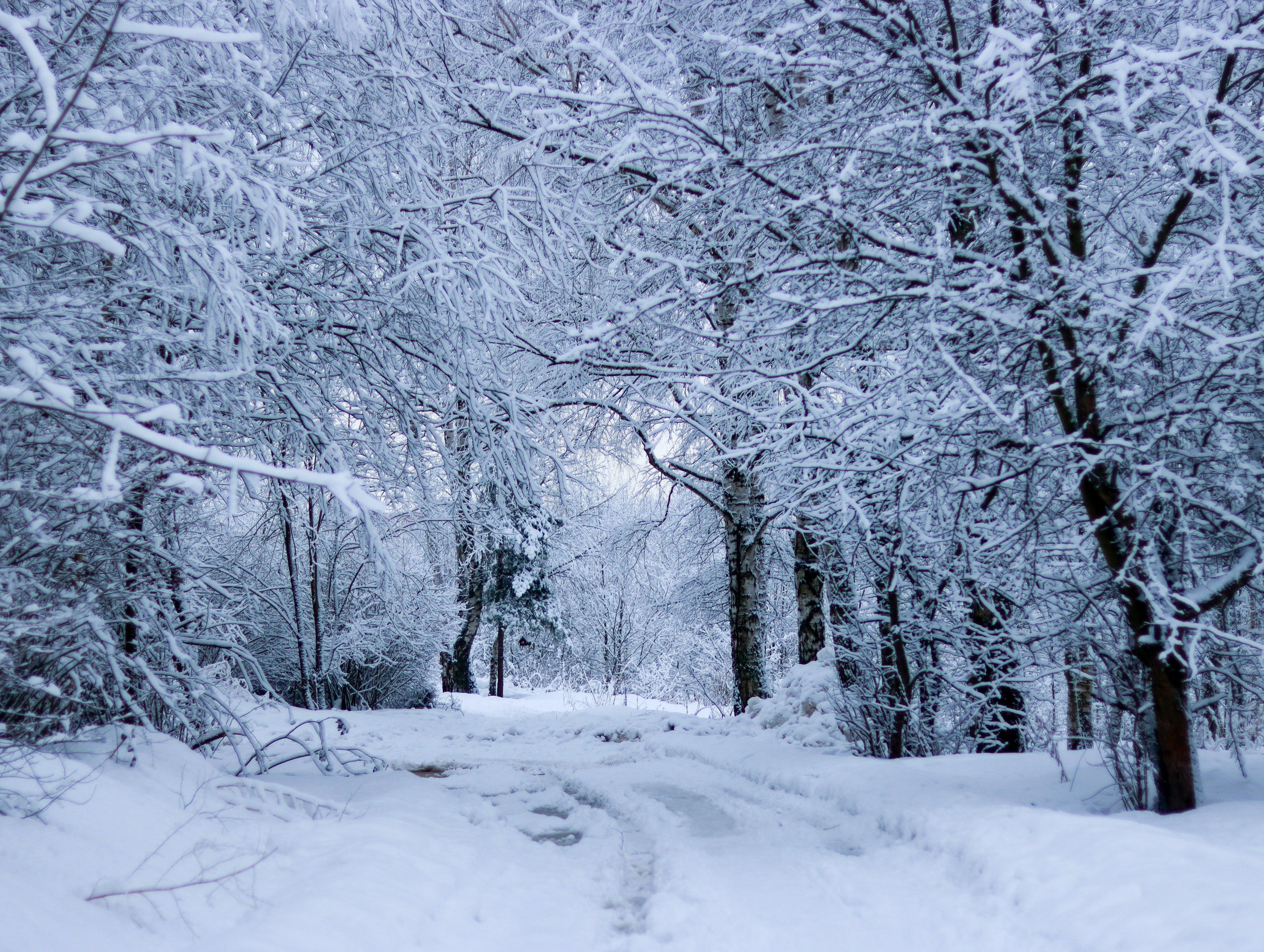
Trees face several challenges during the winter months, as they must adapt to survive in cold and often harsh conditions. Winter poses a series of environmental stressors that can impact various aspects of tree health and physiology. Here are some of the challenges that trees encounter during winter:
- Cold Temperatures:
- Low temperatures can freeze and damage plant cells, disrupting normal physiological processes.
- Extreme cold can lead to tissue damage and even tree death if not properly adapted.
- Water Scarcity:
- Frozen soil prevents root uptake of water, leading to dehydration stress for evergreen trees that continue to lose water through transpiration.
- Lack of water availability can weaken trees and hinder essential metabolic functions.
- Freeze-Thaw Cycles:
- Alternating freeze-thaw cycles can cause physical damage to cells and tissues, as water expands when freezing and contracts during thawing.
- This can result in cracks and fissures in bark and wood.
- Desiccation:
- Cold and dry winter air can lead to excessive transpiration through leaves, especially in evergreen trees that retain their foliage.
- Desiccation can cause tissue damage and impact overall tree health.
- Limited Sunlight:
- Shorter days and lower sun angles reduce the amount of sunlight available for photosynthesis.
- Reduced photosynthesis leads to decreased energy production and storage.
- Nutrient Limitation:
- Cold temperatures and frozen soil limit nutrient availability for root uptake.
- Nutrient deficiencies can weaken trees and hinder growth and development.
- Pathogen and Pest Activity:
- While some pests and diseases become less active during winter, others can still pose a threat to trees.
- Insects and pathogens that thrive in cold conditions can cause damage.
- Ice Accumulation:
- Ice accumulation on branches and foliage can increase the weight load, leading to branch breakage or uprooting.
- Ice also blocks sunlight and reduces photosynthetic capacity.
- Wind and Snow Damage:
- Winter storms with heavy snow and strong winds can cause physical damage to branches and even lead to uprooting.
- Snow accumulation on branches can cause bending and breakage.
- Bud Damage:
- Cold temperatures and freeze-thaw cycles can damage buds, affecting the potential for spring growth and flowering.
- Damaged buds may result in reduced foliage and fruit production.
- Salt and Deicing Chemicals:
- Roadside trees can be exposed to deicing chemicals and salt, which can damage roots, foliage, and overall tree health.
- Frost Cracks:
- Sudden drops in temperature can cause the outer bark to contract and crack, leading to frost cracks that expose the tree to pathogens and other stressors.
Trees have evolved various survival strategies to cope with these challenges, including dormancy, cold acclimation, and changes in metabolic activity. Proper tree care practices, such as mulching, protecting root zones, and pruning, can also help mitigate some of these winter challenges and promote tree health and resilience.
Importance of Understanding the Scientific Mechanisms that Enable Tree Survival
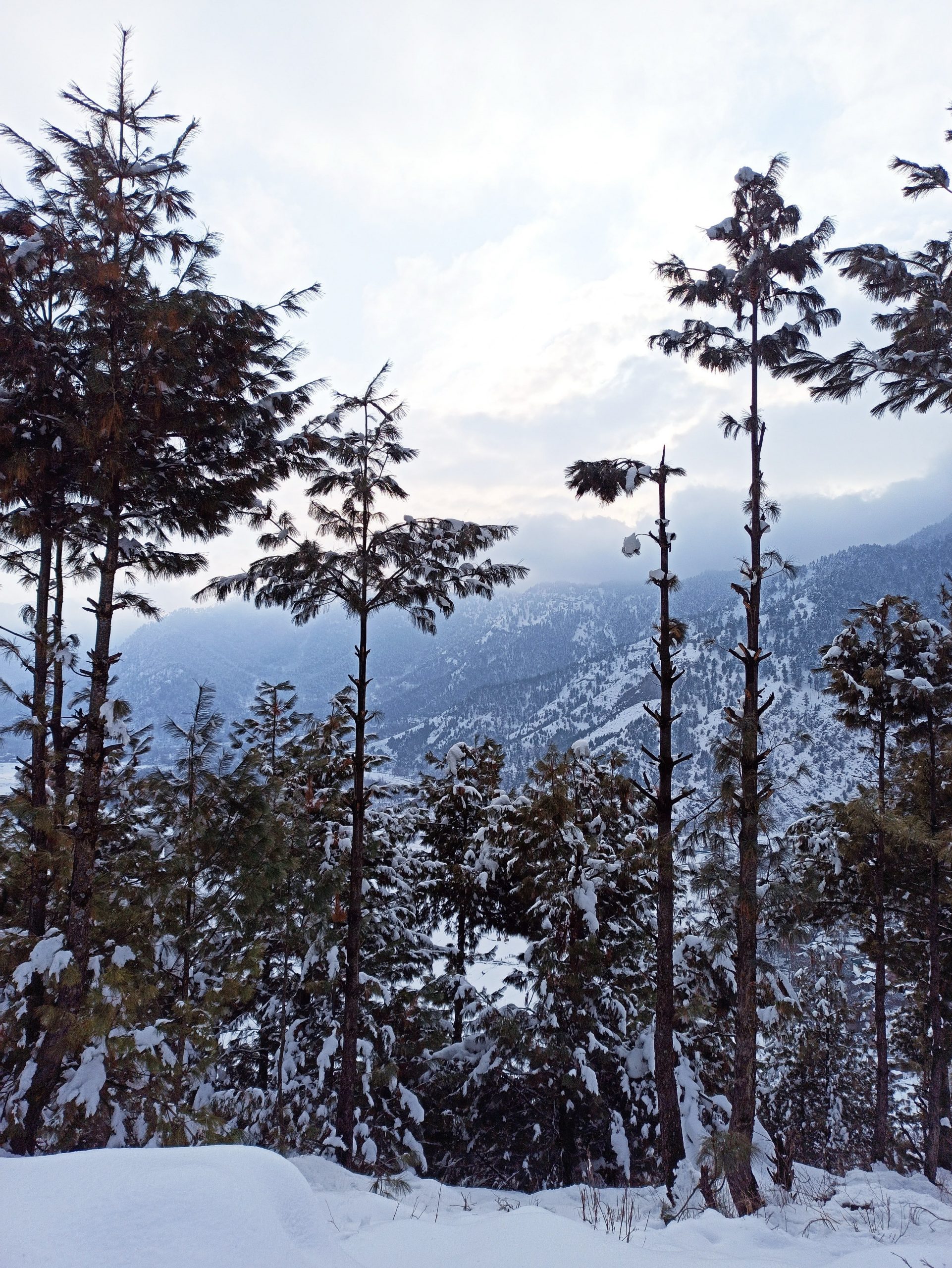
Understanding the scientific mechanisms that enable tree survival during winter is crucial for several reasons, as it provides valuable insights into how trees adapt to challenging environmental conditions. This knowledge not only enhances our appreciation of the natural world but also informs effective tree care practices, conservation efforts, and ecosystem management. Here’s why understanding these mechanisms is important:
- Informed Tree Care:
- A deep understanding of how trees survive winter helps arborists, foresters, and gardeners make informed decisions about tree care practices.
- Proper care during winter months, such as protecting roots and minimizing pruning, can significantly contribute to tree health and longevity.
- Sustainable Landscape Management:
- Landscape architects and urban planners can use this knowledge to select tree species that are well-suited to local winter conditions.
- Designing urban landscapes with trees that have adaptive mechanisms enhances the overall resilience and health of the ecosystem.
- Preserving Biodiversity:
- Understanding winter survival strategies aids in preserving diverse tree species, including those that are more vulnerable to extreme cold.
- By identifying and protecting species with unique adaptations, we can conserve biodiversity and prevent species loss.
- Climate Change Adaptation:
- With changing climatic conditions, understanding how trees cope with winter stresses can guide strategies for planting and managing trees in altered climates.
- This knowledge is crucial for ensuring the continued health and survival of trees in the face of climate change.
- Ecosystem Services:
- Trees provide essential ecosystem services, such as carbon sequestration, air purification, and habitat provision.
- Understanding how trees survive winter contributes to maintaining these services and their associated benefits for humans and the environment.
- Effective Conservation Efforts:
- For rare and endangered tree species, understanding their winter survival mechanisms is essential for implementing effective conservation strategies.
- By addressing winter vulnerabilities, conservationists can increase the chances of survival for threatened species.
- Educational Outreach:
- Knowledge of how trees survive winter serves as a valuable educational tool for students, educators, and the general public.
- Sharing this information fosters a deeper understanding of natural processes and encourages environmental stewardship.
- Enhancing Research:
- Insights into winter survival mechanisms can inspire further research into genetic adaptations, physiological responses, and potential applications in agriculture and forestry.
- Mitigating Tree Loss:
- With insights into the vulnerabilities of specific tree species, stakeholders can take preventive measures to mitigate losses due to winter-related stressors.
- Resilient Ecosystems:
- Understanding the interplay between trees, climate, and the changing seasons contributes to the resilience of ecosystems.
- A healthy tree population enhances ecosystem stability and functioning.
In summary, comprehending the scientific mechanisms behind tree survival during winter goes beyond academic curiosity. It has practical implications for sustainable tree management, ecosystem health, biodiversity conservation, and climate change adaptation. By leveraging this knowledge, we can make informed decisions that contribute to the well-being of trees, ecosystems, and the planet as a whole.
Dormancy and Metabolic Slowdown
Dormancy and metabolic slowdown are two fundamental survival strategies that trees employ to endure the challenges of winter. These mechanisms allow trees to conserve energy, protect sensitive tissues, and survive in conditions that are not conducive to active growth. Let’s delve into the concepts of dormancy and metabolic slowdown:
Dormancy: Dormancy is a state of reduced physiological activity that trees enter in response to unfavorable environmental conditions, such as cold temperatures and limited sunlight during winter. During dormancy, trees undergo a series of physiological changes that help them conserve energy and resources. This state is similar to a deep sleep or hibernation and serves as a protective mechanism against harsh winter conditions.
Key Aspects of Dormancy:
- Ceased Growth: Trees stop producing new leaves, shoots, and roots during dormancy. This helps conserve energy and prevents vulnerable new growth from being exposed to freezing temperatures.
- Metabolic Slowdown: The overall metabolic rate of the tree decreases significantly. This reduces the demand for energy and nutrients, which are in limited supply during winter.
- Leaves Shedding: Deciduous trees shed their leaves as part of dormancy. This prevents water loss through transpiration and reduces susceptibility to cold-induced damage.
- Reduced Transpiration: Evergreen trees also reduce transpiration (water loss) by minimizing the opening of stomata (tiny pores on leaves) to conserve water in cold and dry conditions.
- Changes in Hormones: Hormones like abscisic acid play a role in inducing dormancy by inhibiting growth and promoting the shedding of leaves.
Metabolic Slowdown: Metabolic slowdown is a key aspect of dormancy. It involves a significant reduction in the metabolic processes that typically occur within the tree, including photosynthesis and respiration. These processes are energy-intensive and require a continuous supply of resources. By slowing down metabolic activities, trees conserve energy and minimize their resource consumption during periods of unfavorable conditions.
Importance of Dormancy and Metabolic Slowdown:
- Dormancy and metabolic slowdown allow trees to allocate their limited energy and resources toward essential functions like cell maintenance, repair, and defense mechanisms.
- These strategies protect trees from damage caused by ice crystal formation, desiccation, and cellular stress that can result from cold temperatures and winter conditions.
- Dormancy also synchronizes tree growth cycles with seasonal changes, ensuring that growth occurs during more favorable conditions in spring and summer.
Overall, dormancy and metabolic slowdown are adaptive strategies that enable trees to “rest” during winter, conserve energy, and survive until conditions become favorable for active growth. These mechanisms showcase the remarkable ability of trees to adapt to their environment and ensure their long-term survival.
[geocentric_weather id=”45ff4ccd-3d3f-498e-b0b9-91aaaf766bc4″]
[geocentric_about id=”45ff4ccd-3d3f-498e-b0b9-91aaaf766bc4″]
[geocentric_neighborhoods id=”45ff4ccd-3d3f-498e-b0b9-91aaaf766bc4″]
[geocentric_thingstodo id=”45ff4ccd-3d3f-498e-b0b9-91aaaf766bc4″]
[geocentric_busstops id=”45ff4ccd-3d3f-498e-b0b9-91aaaf766bc4″]
[geocentric_mapembed id=”45ff4ccd-3d3f-498e-b0b9-91aaaf766bc4″]
[geocentric_drivingdirections id=”45ff4ccd-3d3f-498e-b0b9-91aaaf766bc4″]
[geocentric_reviews id=”45ff4ccd-3d3f-498e-b0b9-91aaaf766bc4″]