UNDERSTANDING THE DIFFERENT TYPES OF TREE TRANSPLANTATION
UNDERSTANDING THE DIFFERENT TYPES OF TREE TRANSPLANTATION
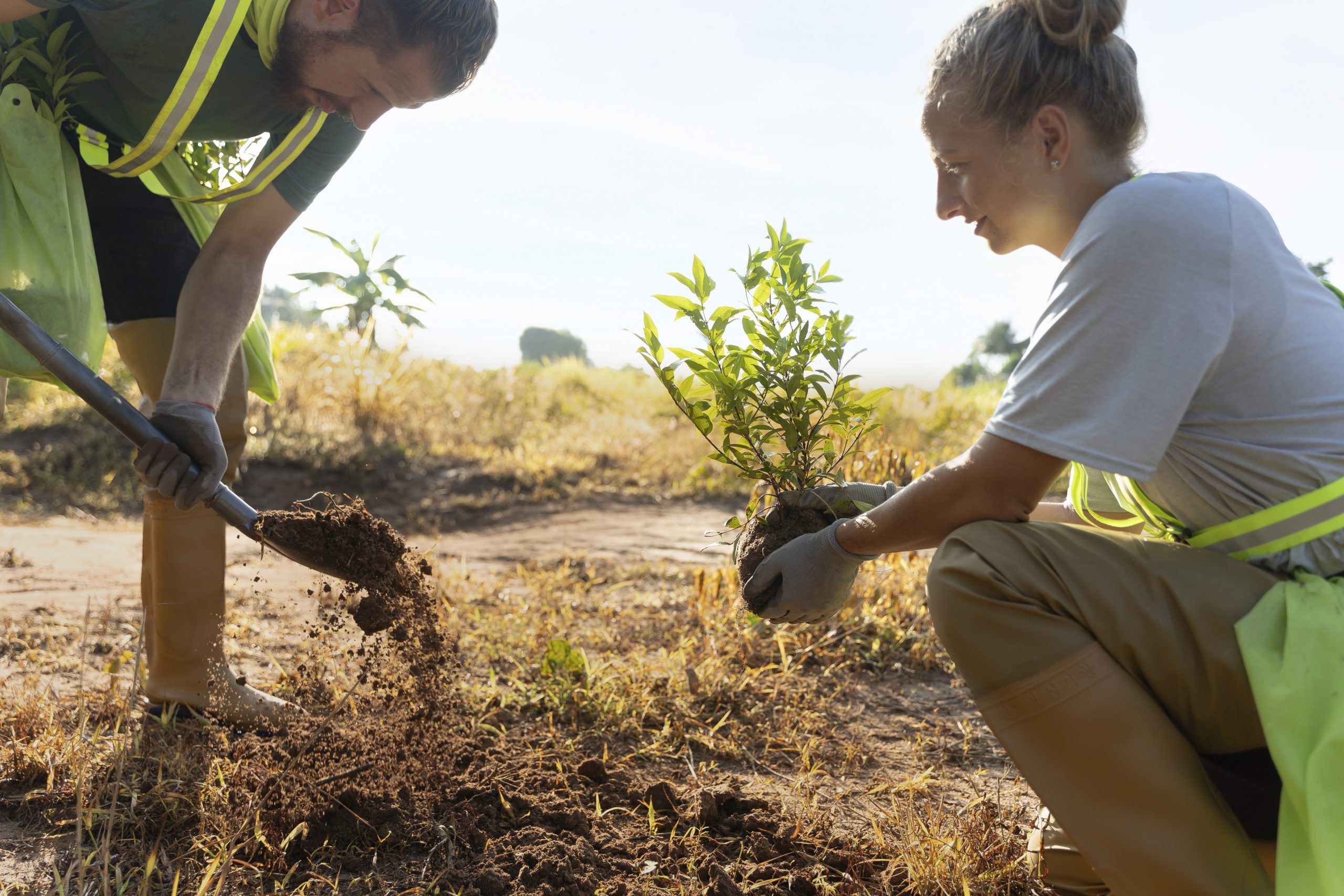
Tree transplantation is a horticultural and arboricultural practice that involves the relocation of established trees from one location to another. This process is undertaken for a variety of reasons, including urban development, construction projects, landscaping improvements, or conservation efforts. Tree transplantation aims to preserve mature trees, often decades or even centuries old, that might otherwise be removed due to changes in land use.
Here’s an explanation of the key aspects of tree transplantation:
- Purpose:
- Preservation: The primary goal of tree transplantation is to preserve mature trees with significant ecological, aesthetic, or historical value.
- Mitigation: Transplantation is used as a mitigation measure during construction or development projects to minimize the impact on existing trees.
- Methods:
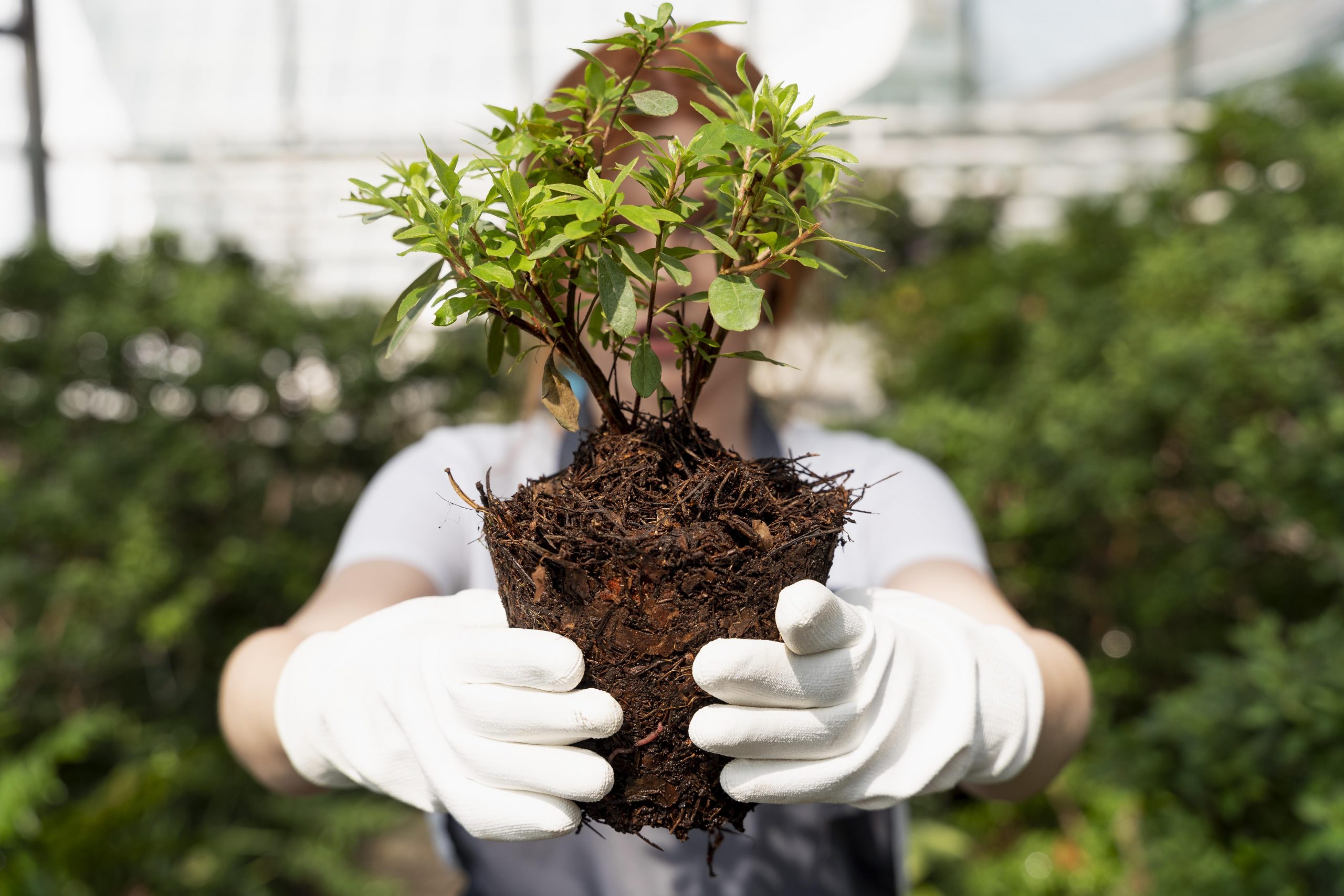
- Root Ball Transplantation: This method involves excavating the tree along with its root ball, which is a compacted mass of soil and roots. The tree is then transported to its new location, ensuring that the root ball remains intact.
- Bare Root Transplantation: In this method, the tree’s roots are exposed, pruned, and wrapped to minimize transplant shock. The tree is then replanted in its new location without the surrounding soil.
- Container Grown Transplantation: Smaller trees or those in urban environments are often grown in containers and can be transplanted with the container intact. This method is suitable for more manageable-sized trees.
- Air Spade Transplantation: An air spade is used to expose and transplant the roots of the tree while minimizing root damage. This method is beneficial for preserving larger trees with minimal disturbance to their root systems.
- Deep Root Feeding and Transplantation: This approach combines tree relocation with deep root fertilization, promoting tree health during and after transplantation.
- Timing:
- Tree transplantation is typically performed during the tree’s dormant season (fall or winter) when it is less stressed and more likely to survive the process.
- However, certain species and specific circumstances may allow for transplantation during the growing season with proper care.
- Site Preparation:
- Proper site preparation is essential to ensure the tree’s successful establishment in its new location. This includes selecting an appropriate planting hole, amending the soil, and providing adequate post-transplant care.
- Expertise:
- Successful tree transplantation requires the expertise of certified arborists or professionals experienced in handling the process. They assess the tree’s health, perform necessary root pruning, and oversee the transplant operation.
- Post-Transplant Care:
- Trees need ongoing care and monitoring after transplantation, including regular watering, fertilization, and pruning, to help them adapt to their new environment and promote healthy growth.
- Benefits:
- Tree transplantation offers several benefits, including the preservation of mature trees, reduced environmental impact compared to tree removal, improved urban greenery, and the conservation of valuable ecosystem services provided by established trees.
In summary, tree transplantation is a technique used to relocate mature trees, ensuring their preservation and minimizing the environmental impact of development projects. When executed with proper planning, expertise, and care, tree transplantation can help maintain the ecological and aesthetic value of trees in urban and natural landscapes.
Importance of Tree Transplantation in Urban Development and Conservation Efforts
Tree transplantation plays a significant role in both urban development and conservation efforts. It offers several important benefits in these contexts:

- Urban Development:
- Preserving Mature Trees:
- Tree transplantation allows for the preservation of mature trees that might otherwise be removed to make way for urban development, such as construction of buildings, roads, or infrastructure. These mature trees have significant ecological, aesthetic, and historical value.
- Enhancing Urban Greenery:
- Transplanted trees contribute to the enhancement of urban greenery, making cities more visually appealing and improving the overall quality of life for residents. They provide shade, reduce heat, and create a more pleasant urban environment.
- Mitigating Urban Heat Island Effect:
- Mature trees can help mitigate the urban heat island effect by providing shade and reducing temperatures in urban areas. This has a direct impact on the comfort of city dwellers and reduces energy consumption for cooling.
- Supporting Biodiversity:
- Urban tree transplantation helps maintain and enhance urban biodiversity by preserving habitats for birds, insects, and other wildlife. These trees provide valuable nesting sites and food sources for urban wildlife.
- Carbon Sequestration:
- Mature trees continue to sequester carbon dioxide (CO2) from the atmosphere even as they are relocated. This contributes to carbon reduction efforts and helps combat climate change.
- Conservation Efforts:
- Protecting Endangered or Rare Species:
- Tree transplantation can be used as a conservation strategy to protect and propagate endangered or rare tree species. By moving such trees to suitable habitats, their populations can be preserved and expanded.
- Ecosystem Restoration:
- In restoration projects, tree transplantation can help restore natural ecosystems by reintroducing native tree species to areas that have been degraded or impacted by human activity.
- Habitat Restoration for Wildlife:
- Transplanting trees in conservation areas can create or restore habitats for various wildlife species, supporting biodiversity and ecological balance.
- Preservation of Historic Trees:
- In heritage conservation efforts, tree transplantation can be used to preserve historic trees that have cultural or historical significance. These trees are often valuable components of heritage landscapes.
- Landscape Conservation:
- In regions facing deforestation or habitat loss due to urbanization or agricultural expansion, tree transplantation can be a strategy to mitigate the loss of tree cover and conserve important landscapes.
In conclusion, tree transplantation serves as a valuable tool in urban development and conservation efforts. It allows for the preservation of mature trees, the enhancement of urban greenery, and the conservation of valuable ecosystems and biodiversity. This practice contributes to more sustainable urban environments and supports the protection and restoration of natural landscapes.
Benefits of Preserving Mature Trees and the Need for Different Transplantation Techniques
Preserving mature trees is essential for various ecological, environmental, and aesthetic reasons. These trees provide numerous benefits to ecosystems and communities, and when transplantation is necessary, different techniques are employed to ensure their survival. Here are the benefits of preserving mature trees and the need for various transplantation techniques:
Benefits of Preserving Mature Trees:
- Ecosystem Services: Mature trees provide a wide range of ecosystem services, including air and water purification, carbon sequestration, and habitat for wildlife. Preserving them helps maintain these vital services.
- Biodiversity: Older trees often host a diverse range of plant and animal species. Preserving mature trees supports local biodiversity by providing habitats and food sources for various wildlife.
- Climate Mitigation: Mature trees sequester large amounts of carbon dioxide (CO2) from the atmosphere, helping to combat climate change. Their preservation contributes to carbon reduction efforts.
- Air Quality: Trees improve air quality by removing pollutants and releasing oxygen. Mature trees have a more substantial impact on air quality compared to younger ones.
- Cooling Effect: Large, mature trees provide shade and reduce temperatures through transpiration. They mitigate the urban heat island effect, making urban areas more comfortable and energy-efficient.
- Aesthetic Value: Mature trees enhance the beauty of landscapes, streets, and neighborhoods. They contribute to the visual appeal of urban and natural environments.
- Property Values: Properties with well-preserved mature trees often have higher market values. Trees can increase the attractiveness of residential and commercial areas.
- Shelter and Recreation: Large trees offer shade, creating comfortable outdoor spaces for recreation, relaxation, and community gatherings.
- Psychological Benefits: Access to green spaces with mature trees has been linked to reduced stress and improved mental well-being for residents and visitors.
Need for Different Transplantation Techniques:
- Tree Size and Type: Different transplantation techniques are needed based on the size, species, and condition of the mature tree. For larger trees, root ball or air spade transplantation may be necessary, while smaller trees can be container-grown and transplanted with their containers intact.
- Site Conditions: The transplantation technique depends on the site conditions, including soil type, space availability, and proximity to existing structures. The choice of method must consider these factors to ensure the tree’s successful establishment.
- Root System: Some trees have extensive root systems that require specialized techniques like root ball transplantation to ensure minimal root disturbance and shock during relocation.
- Urban Development: In urban environments with limited space, container-grown or air spade transplantation may be preferred due to their efficiency and minimal disruption to surrounding infrastructure.
- Conservation Goals: In conservation and restoration efforts, preserving the genetic diversity of native tree species is vital. Different techniques may be used to relocate and conserve genetic diversity within specific ecosystems.
In summary, preserving mature trees is essential for their numerous ecological, aesthetic, and community benefits. The choice of transplantation technique depends on various factors, including tree size, site conditions, and conservation goals, ensuring that these valuable trees continue to thrive and contribute to the well-being of both urban and natural environments.
Process of Root Ball Transplantation
Root ball transplantation is a method used to relocate mature trees while preserving the majority of their root system intact. This process is commonly employed when it’s necessary to move established trees to a different location, such as during construction or landscaping projects. Here’s a step-by-step description of the root ball transplantation process:
- Evaluation and Planning:
- The process begins with a thorough evaluation of the tree to be transplanted. Arborists assess the tree’s health, size, and root system.
- The new planting site is selected and prepared. The soil quality, drainage, and other environmental factors are considered to ensure it’s suitable for the tree’s growth.
- Root Pruning:
- In preparation for transplantation, root pruning is typically performed several months in advance. This step involves carefully cutting and trimming a portion of the tree’s root system.
- Root pruning encourages the development of fibrous, feeder roots within the root ball, which are more effective at absorbing water and nutrients.
- Excavation:
- On the day of transplantation, a trench is dug around the tree’s drip line, which is the outermost circumference of the tree’s canopy. This trench defines the size of the root ball.
- A second trench is dug closer to the tree’s trunk, forming a circle within the first trench. The distance between these trenches depends on the tree’s size and the soil type but is typically calculated as one foot of root ball diameter for every inch of trunk diameter.
- Undercutting:
- Arborists use various tools, such as shovels or spades, to undercut the root ball. This process involves cutting through the soil and roots beneath the tree to free it from the ground.
- Care is taken to ensure that the root ball remains intact, and as many roots as possible are preserved within it.
- Wrapping and Support:
- The exposed roots are carefully wrapped with burlap or a similar material to protect them during transportation and transplantation.
- To provide structural support to the tree and root ball, a wire basket or synthetic strapping is often used to secure the roots and keep the root ball compact.
- Lifting and Transplanting:
- Once the tree is prepared, heavy equipment like a tree spade or crane is used to lift the tree and its root ball from the ground.
- The tree is then transported to its new planting site, where a hole has been prepared to accommodate the root ball. The hole should be deep enough to allow the tree to be planted at the same depth it was in its original location.
- Planting and Backfilling:
- The tree is carefully lowered into the planting hole, and the root ball is positioned to align with the surrounding soil surface.
- The hole is backfilled with soil, and the soil is firmly compacted to eliminate air pockets. Watering may be necessary to ensure good soil-to-root contact.
- Post-Transplant Care:
- After transplantation, the tree requires regular watering, mulching, and monitoring to ensure its successful establishment in its new location.
- Pruning may also be necessary to balance the tree’s canopy with its reduced root system.
Root ball transplantation is a specialized technique that requires expertise to minimize transplant shock and maximize the chances of tree survival. When executed correctly, it allows for the relocation of mature trees with minimal disturbance to their root systems.
[geocentric_weather id=”45ff4ccd-3d3f-498e-b0b9-91aaaf766bc4″]
[geocentric_about id=”45ff4ccd-3d3f-498e-b0b9-91aaaf766bc4″]
[geocentric_neighborhoods id=”45ff4ccd-3d3f-498e-b0b9-91aaaf766bc4″]
[geocentric_thingstodo id=”45ff4ccd-3d3f-498e-b0b9-91aaaf766bc4″]
[geocentric_busstops id=”45ff4ccd-3d3f-498e-b0b9-91aaaf766bc4″]
[geocentric_mapembed id=”45ff4ccd-3d3f-498e-b0b9-91aaaf766bc4″]
[geocentric_drivingdirections id=”45ff4ccd-3d3f-498e-b0b9-91aaaf766bc4″]
[geocentric_reviews id=”45ff4ccd-3d3f-498e-b0b9-91aaaf766bc4″]