THE SCIENCE BEHIND HOW TREES GROW
THE SCIENCE BEHIND HOW TREES GROW
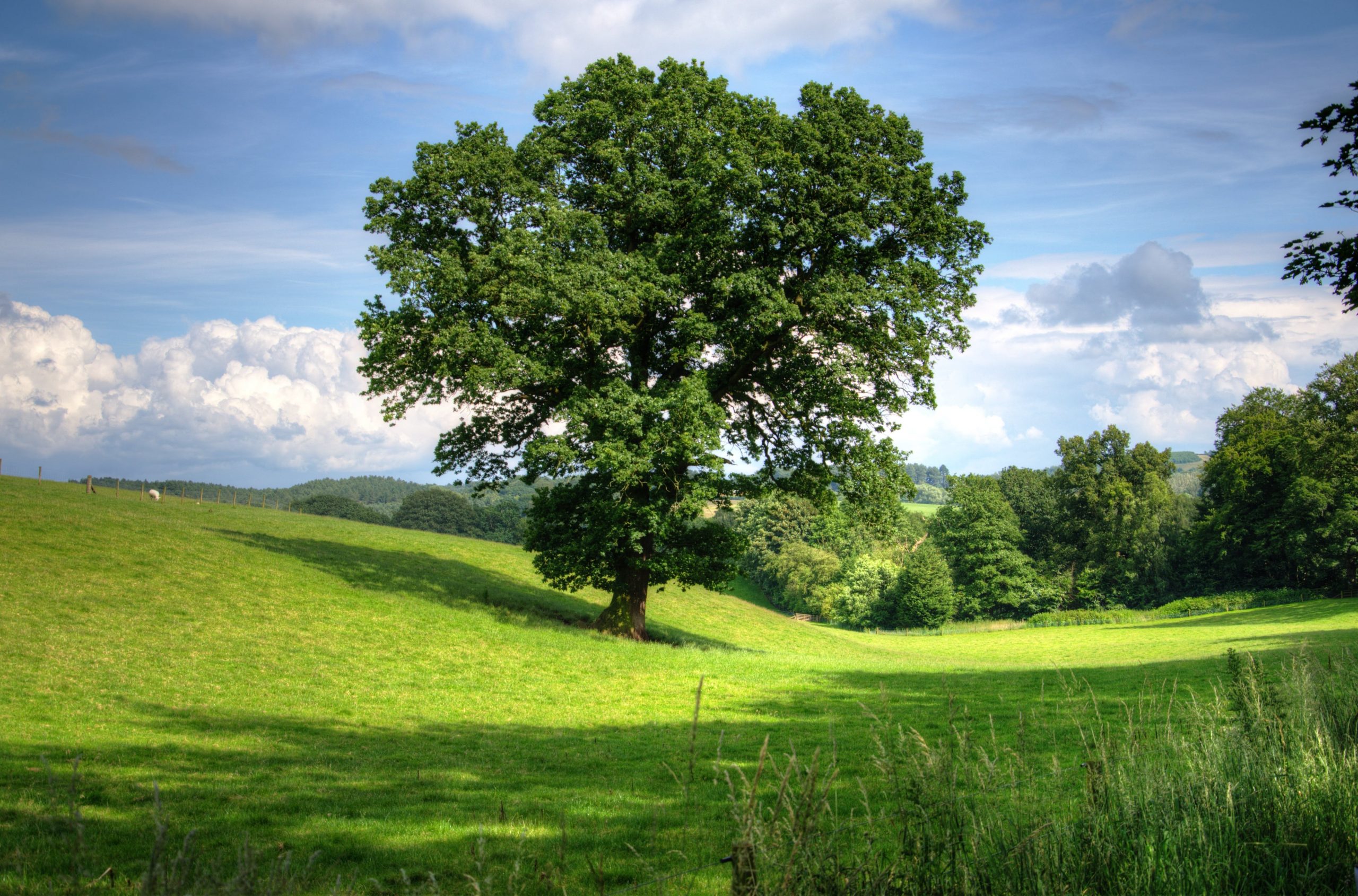
Tree growth science encompasses the study of the biological processes that govern the development, expansion, and overall life cycle of trees. It delves into the intricate mechanisms that enable trees to take root, grow, produce leaves, flowers, and fruits, and adapt to their environment. Understanding tree growth science involves exploring various disciplines, such as botany, physiology, ecology, and environmental science. Here’s a comprehensive explanation of tree growth science:

**1. Anatomy of Trees: Understanding how trees are structured is fundamental to tree growth science. Trees consist of roots, stems (trunks), branches, and leaves. Each part has specific functions in nutrient and water uptake, energy production, and structural support.
**2. Photosynthesis: This essential process involves converting sunlight into energy. Trees use chlorophyll in their leaves to capture light energy and transform carbon dioxide and water into glucose (sugar) and oxygen. Photosynthesis fuels growth and provides the energy required for various tree functions.
**3. Water and Nutrient Uptake: Trees absorb water and essential nutrients from the soil through their root systems. Water travels from roots to leaves through a system of tubes called xylem. Nutrient transport occurs through phloem. Both xylem and phloem are vascular tissues that support growth.
**4. Growth Rings: Each year, trees produce growth rings in their stems. These rings, visible when a tree is cut cross-sectionally, reflect the tree’s annual growth cycle. By analyzing the width, composition, and appearance of growth rings, scientists can determine a tree’s age, growth rate, and even past environmental conditions.
**5. Hormones and Growth Regulation: Trees produce hormones like auxins, cytokinins, and gibberellins that regulate growth and development. These hormones control cell division, elongation, and differentiation, influencing factors like the direction of growth, branching, and flowering.
**6. Cellular Processes: Tree growth involves complex cellular processes such as mitosis (cell division) and differentiation. Mitosis allows trees to create new cells for growth and repair, while differentiation results in specialized cell types, such as xylem and phloem, that perform specific functions.
**7. Environmental Responses: Trees respond to environmental stimuli. They exhibit tropisms, which are growth movements in response to external factors like light, gravity, and touch. Photoperiodism is another response, where trees adapt their growth and development based on changes in day length and seasonal cues.
**8. Transpiration: Trees regulate temperature and water balance through transpiration, the process by which they release water vapor from their leaves into the atmosphere. Transpiration cools the tree and surrounding environment, and it helps in maintaining water flow from roots to leaves.
**9. Factors Influencing Growth: Growth is influenced by a range of factors, including soil quality, nutrient availability, light intensity, temperature, moisture levels, and genetic predispositions. Different tree species have unique growth patterns and requirements.
**10. Practical Applications: Understanding tree growth science has practical implications for arborists, foresters, landscapers, and urban planners. It guides decisions about planting, pruning, and maintaining trees to ensure their health, stability, and long-term growth in various environments.
In essence, tree growth science provides insights into the intricate processes that sustain the life of trees, enhance ecosystem health, and contribute to the beauty and functionality of our natural and built environments. This knowledge is invaluable for promoting sustainable tree management, ecological balance, and the well-being of both nature and humans.
Understanding tree growth is of immense significance due to its far-reaching implications for ecosystems, the environment, human societies, and even global sustainability. Here’s why understanding tree growth is so important:
- Environmental Stewardship:
- Knowledge of tree growth helps individuals and communities make informed decisions about tree planting, management, and conservation, contributing to sustainable environmental practices.
- Understanding how trees interact with their surroundings aids in maintaining healthy ecosystems, preserving biodiversity, and ensuring proper nutrient cycling.
- Climate Change Mitigation:
- Trees play a critical role in carbon sequestration, storing carbon dioxide from the atmosphere. Understanding how trees grow and sequester carbon is essential for addressing climate change by reducing greenhouse gas concentrations.
- Urban Planning and Green Spaces:
- Understanding tree growth helps urban planners design and manage green spaces, improving air quality, reducing the urban heat island effect, and enhancing the aesthetic appeal of cities.
- Forest Management:
- In forestry, understanding tree growth is vital for sustainable timber production, ensuring that forests are managed in ways that balance economic benefits with ecological health.
- Biodiversity Conservation:
- Tree growth knowledge aids in selecting appropriate tree species for reforestation and restoration projects, enhancing biodiversity and creating habitats for diverse species.
- Water Management:
- Trees influence water cycles by regulating runoff, preventing erosion, and enhancing groundwater recharge. Understanding tree growth helps manage water resources more effectively.
- Landscape Resilience:
- Knowing how trees respond to environmental stressors allows for better landscape planning and management, helping communities withstand extreme weather events and other challenges.
- Food Security:
- Understanding how trees grow and produce fruits or nuts is essential for agroforestry and sustainable farming practices, contributing to food security and rural livelihoods.
- Sustainable Design:
- Architects and urban designers need knowledge of tree growth to incorporate trees into infrastructure and building designs, ensuring harmony between human structures and the natural environment.
- Cultural and Recreational Benefits:
- Understanding tree growth enhances the appreciation of trees’ aesthetic, cultural, and recreational values, fostering a deeper connection between people and nature.
- Education and Advocacy:
- Knowledge about tree growth facilitates environmental education and advocacy efforts, encouraging individuals and communities to engage in conservation and sustainability initiatives.
- Ecosystem Restoration:
- Understanding the processes of tree growth is crucial for ecological restoration projects, such as reforesting degraded areas or restoring native habitats.
- Research and Innovation:
- Advances in tree growth science lead to innovative techniques for tree propagation, genetic modification, and disease resistance, which can have broad impacts on forestry, agriculture, and conservation.
In essence, understanding tree growth is a cornerstone of responsible stewardship of the environment, facilitating informed decision-making that impacts everything from local communities to global ecosystems. It empowers individuals to address pressing environmental challenges and work towards a more sustainable and harmonious coexistence with nature.
Biological Processes Involved in Tree Growth Science
Tree growth science involves a complex interplay of biological processes that govern the development, expansion, and adaptation of trees throughout their life cycles. These processes encompass everything from cellular activities to external responses to the environment. Here’s an explanation of the key biological processes involved in tree growth science:
**1. Cell Division and Differentiation:
- Trees grow through cell division, a process called mitosis. Cell division occurs in meristematic tissues, which are regions of active growth located at the tips of roots and shoots.
- As cells divide, they differentiate into specialized cell types with distinct functions. For example, cambium cells differentiate into xylem and phloem cells responsible for transporting water, nutrients, and sugars.
**2. Photosynthesis:
- Photosynthesis is a fundamental process by which trees convert sunlight into energy. Leaves contain chlorophyll, a pigment that captures light energy.
- During photosynthesis, trees use carbon dioxide from the air and water from the soil to produce glucose (sugar) and oxygen. Glucose serves as an energy source for growth and metabolic activities.
**3. Water and Nutrient Uptake:
- Trees absorb water and essential nutrients from the soil through their root systems. Water is transported through the xylem tissues from roots to leaves.
- Nutrient transport occurs through phloem tissues, moving sugars, amino acids, and other essential compounds throughout the tree.
**4. Cell Enlargement and Elongation:
- After cells divide, they undergo enlargement and elongation. This growth results from water uptake, which creates pressure within the cells and causes them to expand.
**5. Hormones and Growth Regulation:
- Trees produce growth-regulating hormones such as auxins, cytokinins, gibberellins, and abscisic acid. These hormones influence cell division, elongation, and differentiation.
- Auxins, for example, promote cell elongation and control the direction of growth.
**6. Environmental Responses:
- Trees respond to environmental stimuli through tropisms. Positive tropisms involve growth towards a stimulus, such as the growth of roots towards gravity and stems towards light.
- Negative tropisms involve growth away from a stimulus, such as roots growing away from light.
**7. Transpiration:
- Transpiration is the process by which trees release water vapor from their leaves into the atmosphere. It occurs through small openings called stomata.
- Transpiration creates a negative pressure that pulls water up through the xylem, contributing to the movement of water from roots to leaves.
**8. Apical Dominance and Lateral Growth:
- Apical dominance is a phenomenon where the terminal bud at the tip of a branch inhibits the growth of lateral buds. This helps trees maintain a central stem while promoting upward growth.
- Pruning or removing the terminal bud can lead to increased lateral growth and branching.
*9. Stress Responses:
- Trees adapt to environmental stressors such as drought, temperature extremes, and pests by activating stress response mechanisms.
- These mechanisms involve changes in hormone production, alteration of metabolic processes, and activation of defense mechanisms.
Understanding these intricate, biological processes is crucial for managing and promoting healthy tree growth. It enables arborists, foresters, and scientists to make informed decisions about planting, pruning, and maintaining trees while fostering sustainable ecosystems and contributing to environmental health.
[geocentric_weather id=”45ff4ccd-3d3f-498e-b0b9-91aaaf766bc4″]
[geocentric_about id=”45ff4ccd-3d3f-498e-b0b9-91aaaf766bc4″]
[geocentric_neighborhoods id=”45ff4ccd-3d3f-498e-b0b9-91aaaf766bc4″]
[geocentric_thingstodo id=”45ff4ccd-3d3f-498e-b0b9-91aaaf766bc4″]
[geocentric_busstops id=”45ff4ccd-3d3f-498e-b0b9-91aaaf766bc4″]
[geocentric_mapembed id=”45ff4ccd-3d3f-498e-b0b9-91aaaf766bc4″]
[geocentric_drivingdirections id=”45ff4ccd-3d3f-498e-b0b9-91aaaf766bc4″]
[geocentric_reviews id=”45ff4ccd-3d3f-498e-b0b9-91aaaf766bc4″]