Are you tired of dealing with overgrown tree limbs that threaten your property and safety? As a homeowner, it’s essential to understand the importance of tree limb removal and how to do it safely. In this comprehensive guide, we’ll cover everything you need to know about tree limb removal, from the benefits and risks to DIY safety tips and professional best practices. By the end of this article, you’ll be equipped with the knowledge to tackle tree limb removal like a pro.
Tree limb removal is a crucial aspect of tree maintenance that involves cutting or pruning tree branches to maintain the health and safety of your trees. According to a study by the Arbor Day Foundation, regular tree maintenance can increase property values by up to 10% (1). However, tree limb removal can be a hazardous task, especially if you’re not equipped with the proper training and equipment.
In 2026, it’s more important than ever to prioritize tree limb removal. With the increasing frequency of severe weather events and the growing concern for environmental sustainability, tree maintenance is no longer just a cosmetic issue, but a safety and ecological imperative.
In this article, we’ll delve into the world of tree limb removal, exploring the benefits, risks, and best practices for DIY and professional removal. Whether you’re a seasoned arborist or a DIY enthusiast, this guide will provide you with the knowledge and confidence to tackle tree limb removal safely and effectively.

Tree limb removal is the process of cutting or pruning tree branches to maintain the health and safety of your trees. This can include removing dead, diseased, or damaged branches, as well as pruning branches to maintain a desired shape or size. Tree limb removal is essential for several reasons:
Regular tree maintenance is crucial to preventing these risks. According to the International Society of Arboriculture, regular tree maintenance can help prevent branch failure, which is a leading cause of tree-related accidents (2).
Tree limb removal can be a hazardous task, especially if you’re not equipped with the proper training and equipment. Some of the physical hazards associated with tree limb removal include:
It’s essential to take the necessary precautions to ensure your safety while performing tree limb removal. This includes wearing protective gear, such as gloves and safety glasses, and using proper equipment, such as chainsaws and ladders.
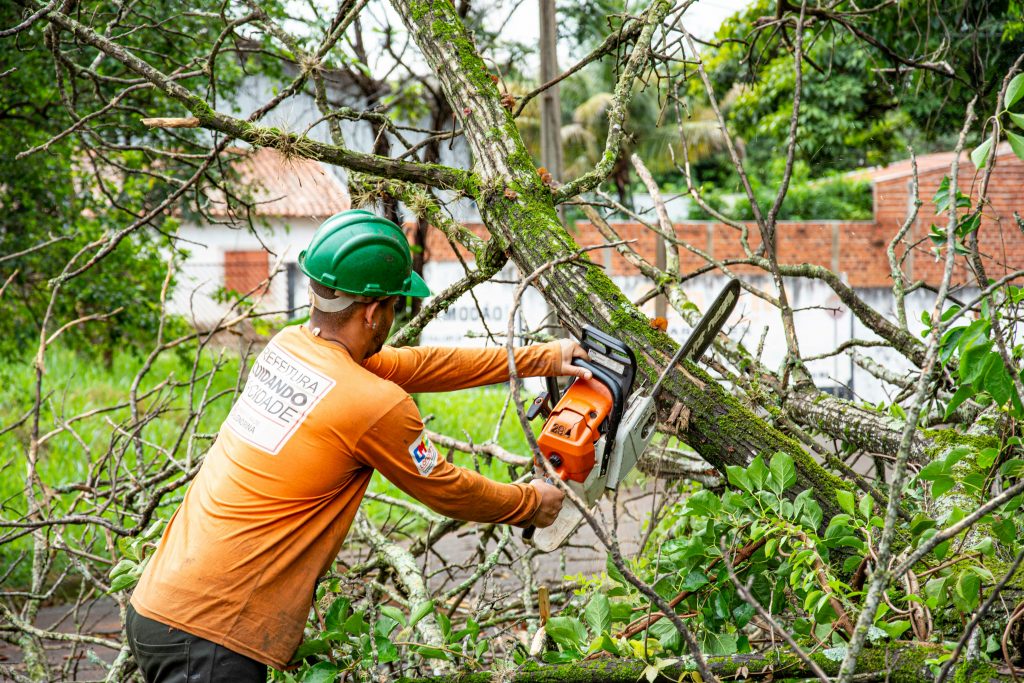

If you’re planning to tackle tree limb removal yourself, it’s essential to take the necessary precautions to ensure your safety. Here are some DIY safety tips and precautions to keep in mind:
Remember, safety should always be your top priority when performing tree limb removal. If you’re not comfortable with the task, it’s always best to hire a professional arborist.
While DIY tree limb removal can be a cost-effective option, there are situations where it’s best to hire a professional arborist. Here are some scenarios where professional help is necessary:
Professional arborists have the necessary training, equipment, and expertise to perform tree limb removal safely and effectively. They can also provide you with advice on how to maintain your trees and prevent future problems.
The cost of tree limb removal can vary depending on several factors, including the size and location of the branch, as well as the complexity of the removal. Here are some estimated cost ranges for DIY and professional removal:
It’s essential to consider these costs when budgeting for tree limb removal. Remember to also factor in the cost of any necessary equipment or safety gear.
There are several techniques and best practices to keep in mind when performing tree limb removal. Here are some tips to help you get started:
It’s essential to use proper techniques and equipment to ensure your safety and the health of your trees.
Tree limb removal can affect your homeowners’ insurance in several ways. Here are some things to keep in mind:
It’s essential to review your insurance policy to understand how tree limb removal affects your coverage.
In conclusion, tree limb removal is a crucial aspect of tree maintenance that requires careful consideration and planning. Whether you’re tackling the task yourself or hiring a professional arborist, it’s essential to prioritize safety and take the necessary precautions to ensure your well-being.
If you’re looking for professional landscaping and snow removal solutions in Utah, Nevada, or Texas, consider contacting TruCo Services. Our team of experts can provide you with the knowledge and expertise you need to maintain your trees and keep your property safe and beautiful.
Remember to always prioritize your safety and the health of your trees. With the right techniques and equipment, you can perform tree limb removal safely and effectively.

Regularly, depending on tree growth and environmental factors.
Yes, but only if you have proper training and equipment.
Estimated cost ranges from $100 to $1,000 or more, depending on factors.
Branch failure, property damage, power outages, and more.
Yes, and it’s recommended for complex or large removals.