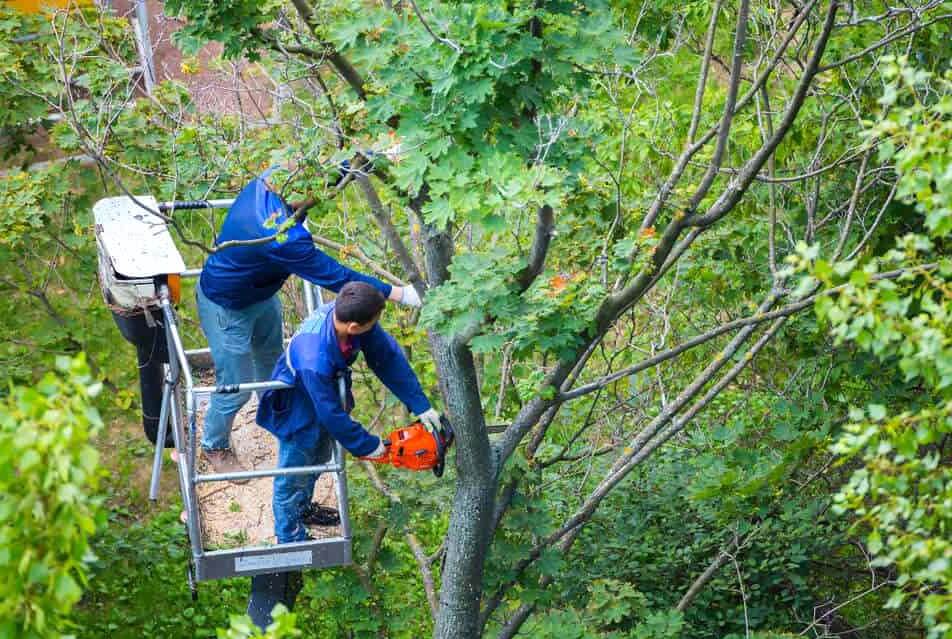
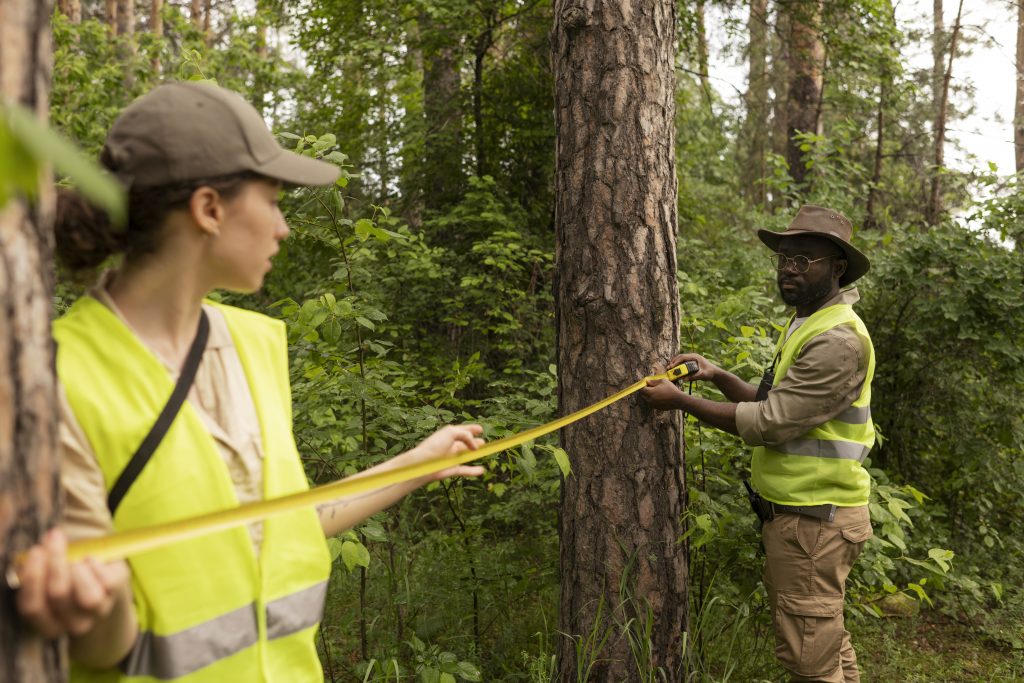
UNDERSTANDING THE DIFFERENT TYPES OF TREE DAMAGE
UNDERSTANDING THE DIFFERENT TYPES OF TREE DAMAGE
Recognizing tree damage is of paramount importance for various reasons that encompass tree health, safety, aesthetics, and environmental balance. Failing to identify and address tree damage promptly can lead to severe consequences for both the tree itself and its surroundings. Here’s why recognizing tree damage is crucial:
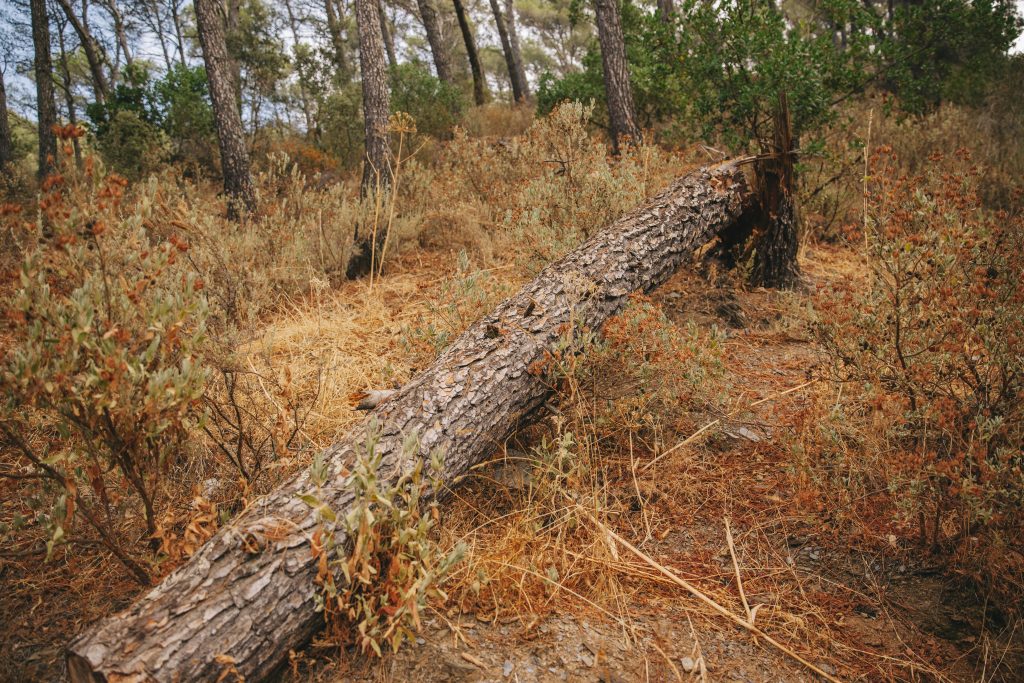
- Tree Health and Longevity: Early detection of tree damage allows for timely intervention, preventing further deterioration and promoting the tree’s overall health and longevity.
- Safety: Damaged trees can pose significant safety risks, especially if they have weakened branches or are at risk of falling. Identifying and addressing potential hazards promptly helps prevent accidents, injuries, and property damage.
- Property Protection: Trees in close proximity to buildings, vehicles, power lines, and other structures can cause substantial damage if they fail due to unnoticed damage. Recognizing issues early helps prevent costly repairs and losses.
- Aesthetics and Landscape Value: Healthy and well-maintained trees contribute to the visual appeal of landscapes. Addressing tree damage ensures that your property remains attractive and maintains its value.
- Environmental Impact: Trees play a critical role in the environment, contributing to air quality, biodiversity, and ecosystem stability. Recognizing and mitigating tree damage helps preserve these environmental benefits.
- Disease and Pest Prevention: Early detection of pest infestations or disease symptoms allows for prompt treatment, preventing the spread to other trees and minimizing the need for aggressive interventions.
- Proactive Care: Recognizing tree damage enables you to implement proactive care strategies that can prevent potential issues from escalating and becoming more difficult to manage.
- Cost Savings: Addressing tree damage early often requires less extensive and less costly interventions compared to addressing severe damage or removing a tree.
- Erosion Control: Trees play a crucial role in preventing soil erosion by stabilizing soil with their root systems. Damaged trees may be less effective in erosion control.
- Habitat Preservation: Trees provide habitats for various species, including birds and insects. By recognizing and addressing damage, you help protect these habitats.
- Responsible Stewardship: If you’re a property owner or caretaker, recognizing tree damage is part of your responsibility as a steward of the environment and the urban landscape.
- Personal Well-Being: Well-maintained and healthy trees contribute to the overall ambiance and well-being of neighborhoods and communities.
In conclusion, recognizing tree damage is essential for the well-being of trees, the safety of people and property, the aesthetics of landscapes, and the preservation of the environment. Regular tree inspections and vigilance in observing signs of damage contribute to a safer, more beautiful, and ecologically balanced surroundings.
Types of Tree Damage
Tree damage can manifest in various ways, each with its own causes and implications for the health, stability, and aesthetics of trees. Recognizing these different types of tree damage is crucial for addressing issues promptly and implementing appropriate care strategies. Here are the main types of tree damage:
- Physical Damage: Physical damage occurs due to external forces or actions that directly impact the tree’s structure.
- Mechanical Injuries: Cuts, wounds, or bark damage caused by improper pruning, lawn mowers, or other equipment.
- Storm Damage: Broken branches, uprooted trees, or canopy damage resulting from strong winds, heavy rain, or snow.
- Construction-Related Damage: Damage to roots, bark, or branches caused by construction activities, excavation, or changes in soil grade.
- Environmental Stress: Environmental stress arises from unfavorable weather conditions or extreme temperatures that affect tree health.
- Drought Stress: Insufficient water availability causing wilting, leaf browning, and root stress.
- Heat Stress: High temperatures leading to leaf scorch, premature leaf drop, and reduced growth.
- Cold Injury: Frost, freezing temperatures, or rapid temperature fluctuations causing tissue damage, bark splitting, or dieback.
- Pests and Diseases: Pest and disease damage is caused by insects, pathogens, and microorganisms that infest or infect trees.
- Insect Infestations: Boring insects, aphids, caterpillars, and other pests feeding on leaves, bark, or roots.
- Fungal Diseases: Pathogenic fungi causing symptoms like leaf spots, cankers, wilting, and decay.
- Bacterial Infections: Bacteria entering wounds or openings in the tree, leading to cankers, galls, and other symptoms.
- Soil-Related Damage: Soil-related damage results from adverse soil conditions that affect root health and tree stability.
- Poor Drainage: Waterlogged soil leading to root suffocation, rot, and overall decline.
- Soil Compaction: Compacted soil restricting root growth, water infiltration, and nutrient uptake.
- Soil Nutrient Imbalances: Insufficient or excessive nutrients affecting tree growth, foliage color, and health.
- Chemical Damage: Chemical damage arises from exposure to harmful substances, including pollutants and chemicals.
- Herbicide Damage: Accidental contact with herbicides, causing leaf curling, discoloration, and growth abnormalities.
- Soil Contamination: Contaminated soil affecting root health and nutrient uptake.
- Chemical Burns: Chemical substances causing tissue damage, necrosis, or abnormal growth patterns.
Recognizing these types of tree damage requires careful observation and understanding of tree physiology. Regular tree inspections, knowledge of local environmental conditions, and consultation with arborists or tree care experts can aid in identifying and addressing damage promptly and effectively.
Physical Damage: Physical damage to trees refers to harm inflicted on trees by external forces or actions. This type of damage can have a significant impact on a tree’s health, structure, and overall well-being. It can result from various human activities, natural events, or interactions with the environment.
Common causes of physical damage include:
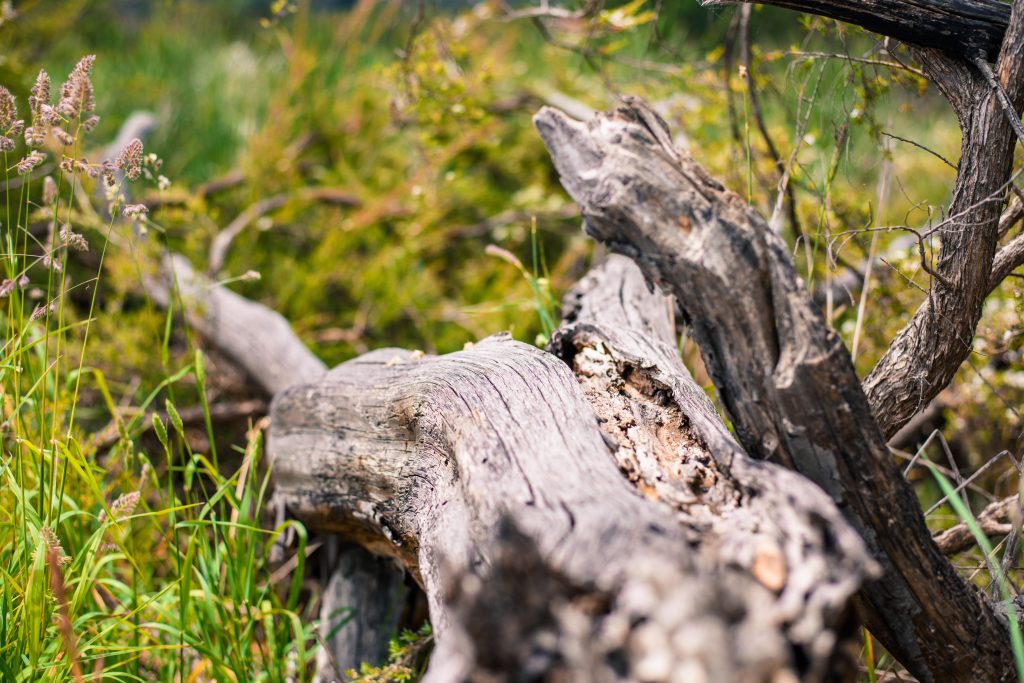
- Mechanical Injuries: These injuries occur when a tree’s bark, branches, or roots are wounded due to human activities or equipment. Common causes include improper pruning techniques, lawn mowers, string trimmers, vehicles, and animals. Mechanical injuries create openings in the tree’s protective bark, making it susceptible to infections and pests.
- Storm Damage: Severe weather events such as strong winds, heavy rainfall, hail, and snow can cause extensive damage to trees. High winds can break branches, uproot trees, and cause limbs to fall. Ice accumulation during winter storms can weigh down branches, leading to breakage. Lightning strikes are another form of storm damage that can cause fatal injuries to trees.
- Construction-Related Damage: Construction activities near trees can lead to damage to roots, bark, and branches. Changes in soil grade, excavation, or soil compaction can impact a tree’s root system and disrupt its access to water and nutrients. Heavy machinery, construction materials, and foot traffic near trees can cause soil compaction, root injury, and even result in tree decline or death.
Common Examples:
- Mechanical Injuries:
- Pruning Wounds: Improper pruning cuts can leave jagged or torn bark edges, creating entry points for pathogens.
- Lawn Mower Damage: Mowing too close to a tree’s base can damage the bark, leading to wounds and reduced bark protection.
- String Trimmer Damage: Repeated contact with string trimmers can cause girdling wounds and expose the inner layers of the tree.
- Storm Damage:
- Broken Branches: High winds or heavy snow can snap branches, leaving open wounds on the tree.
- Uprooted Trees: Strong winds or saturated soil can cause trees to uproot, especially if their root systems are shallow or compromised.
- Canopy Damage: Ice accumulation during winter storms can cause branches to sag and break under the weight.
- Construction-Related Damage:
- Root Disturbance: Soil compaction, excavation, or changes in soil grade can damage or sever tree roots, affecting water and nutrient uptake.
- Bark Injuries: Construction equipment or materials can scrape or damage the bark, leading to wounds that invite pests and diseases.
- Root Zone Disturbance: Heavy machinery or foot traffic in the root zone can compact the soil, limiting oxygen availability and affecting root health.
In conclusion, physical damage to trees can result from a range of causes, including human activities, weather events, and construction activities. Proper care and attention to tree protection during construction, appropriate pruning techniques, and preventive measures during storms are essential for minimizing physical damage and ensuring the health and longevity of trees.
[geocentric_weather id=”45ff4ccd-3d3f-498e-b0b9-91aaaf766bc4″]
[geocentric_about id=”45ff4ccd-3d3f-498e-b0b9-91aaaf766bc4″]
[geocentric_neighborhoods id=”45ff4ccd-3d3f-498e-b0b9-91aaaf766bc4″]
[geocentric_thingstodo id=”45ff4ccd-3d3f-498e-b0b9-91aaaf766bc4″]
[geocentric_busstops id=”45ff4ccd-3d3f-498e-b0b9-91aaaf766bc4″]
[geocentric_mapembed id=”45ff4ccd-3d3f-498e-b0b9-91aaaf766bc4″]
[geocentric_drivingdirections id=”45ff4ccd-3d3f-498e-b0b9-91aaaf766bc4″]
[geocentric_reviews id=”45ff4ccd-3d3f-498e-b0b9-91aaaf766bc4″]