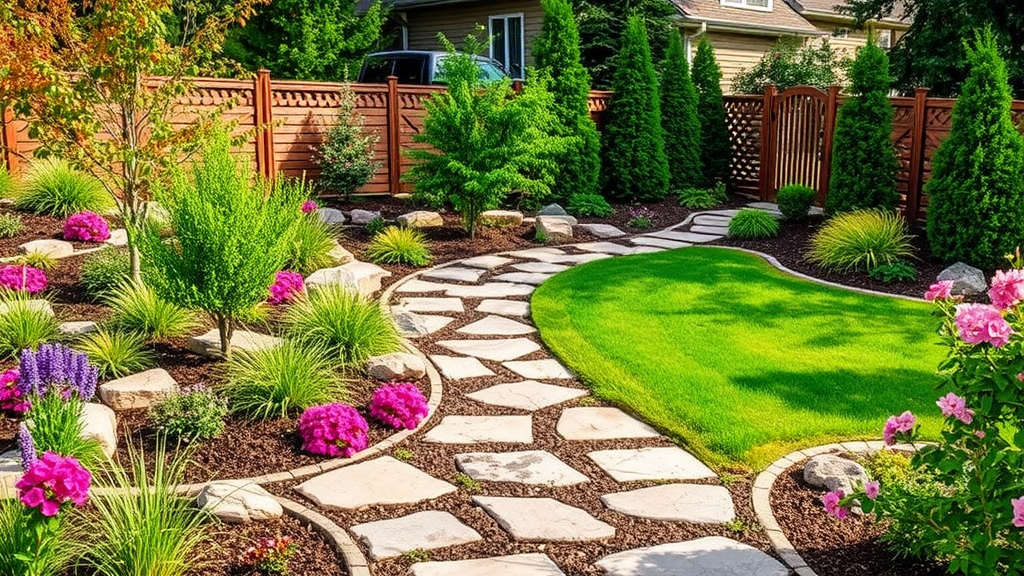
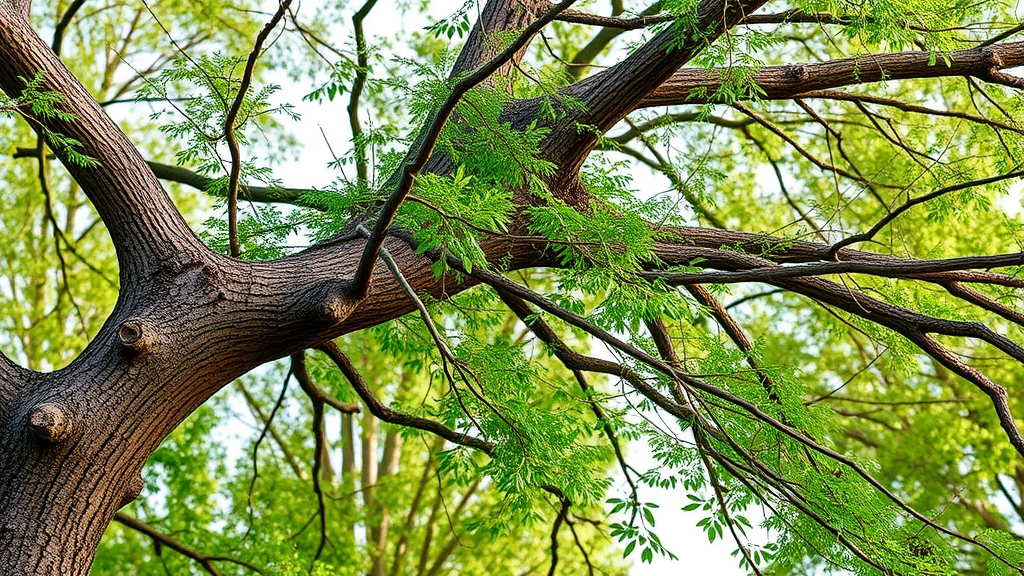
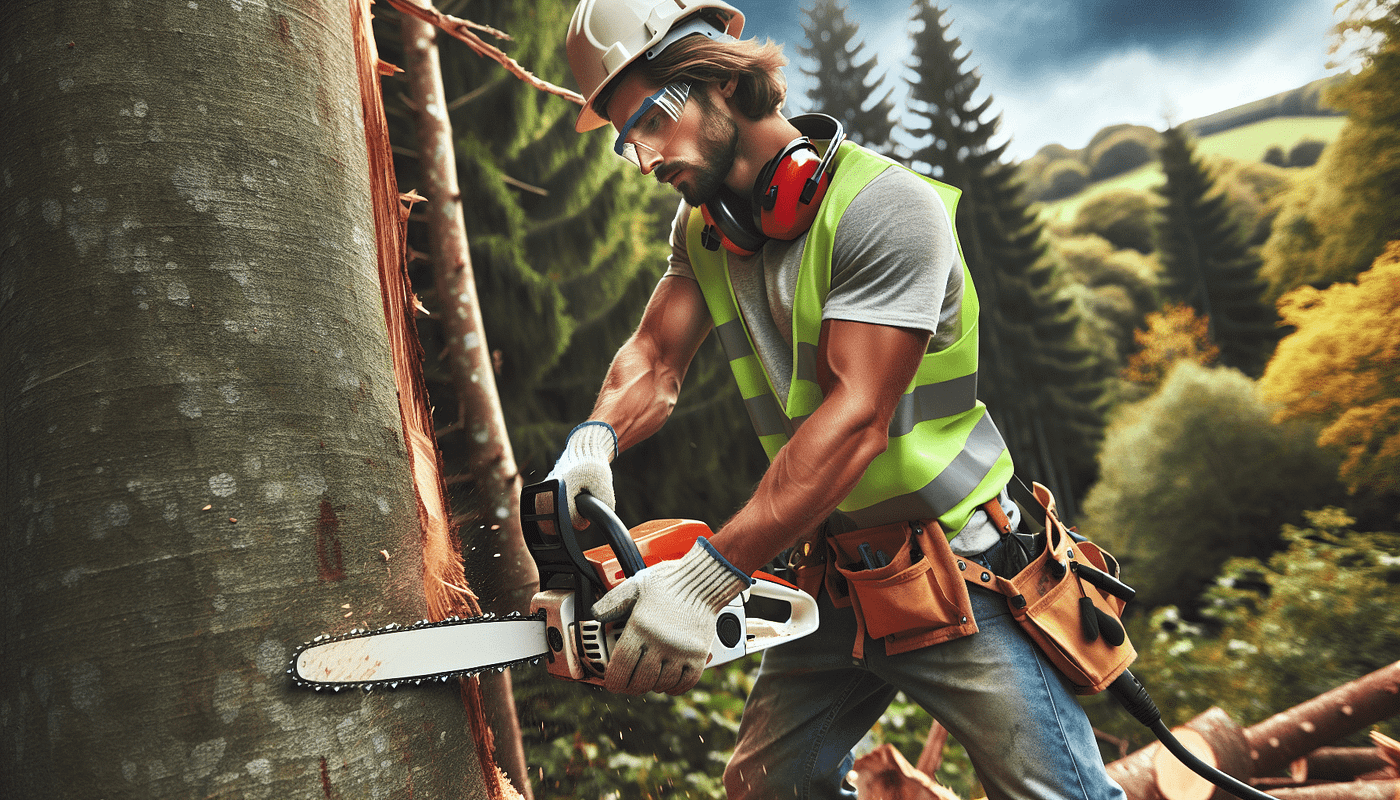
The Ultimate Guide to Tree Branch Removal: A 7-Step Process for Homeowners (2026)
Introduction
As a homeowner, you take pride in your property’s appearance and safety. However, overgrown tree branches can pose a significant threat to both. In 2026, the National Arborist Association reported that improper tree pruning can lead to a 10% decrease in property value. In this article, we will explore the importance of tree branch removal, its benefits, and provide a step-by-step guide on how to do it safely and effectively.
Tree branch removal is the process of cutting and removing branches from a tree to maintain its health, appearance, and safety. It is an essential part of tree care and can be done for various reasons, including:
Safety: Dead or damaged branches can fall and cause injury or property damage.
Aesthetics: Overgrown branches can make your tree look unkempt and affect your property’s curb appeal.
Property value: Well-maintained trees can increase your property value by up to 10%.
Benefits of Tree Branch Removal
Removing tree branches can have numerous benefits for your property and the tree itself. Some of the advantages of tree branch removal include:
Reduced risk of property damage and personal injury: Dead or damaged branches can fall and cause harm to people or property.
Improved tree health and longevity: Removing diseased or damaged branches can help prevent the spread of disease and promote healthy growth.
Enhanced curb appeal and property value: Well-maintained trees can increase your property value by up to 10%.
According to a study by the National Arborist Association, proper tree pruning can increase property value by up to 10%. Additionally, a study by the University of California found that trees with regular pruning maintenance can live up to years longer than those without.
When to Remove Tree Branches
The best time to remove tree branches depends on various factors, including the tree species, climate, and growth rate. However, here are some general guidelines:
Seasonal considerations: The dormant season (winter or early spring) is usually the best time to prune trees, as it minimizes stress and promotes healthy growth.
Signs of branch decay or damage: If you notice any signs of decay, damage, or disease, it’s essential to remove the affected branches as soon as possible.
Impact of branch removal on tree growth and development: Removing branches can affect the tree’s growth and development. It’s crucial to prune trees regularly to maintain their shape and promote healthy growth.
We recommend removing branches during the dormant season to minimize stress on the tree. However, if you notice any signs of decay or damage, it’s essential to remove the affected branches as soon as possible.
Tools and Equipment Needed for Tree Branch Removal
To remove tree branches safely and effectively, you’ll need the right tools and equipment. Here are some of the essential items you’ll need:
Pruning saw: A pruning saw is a specialized saw designed for cutting branches. It’s essential for making clean cuts and minimizing damage to the tree.
Loppers: Loppers are long-handled pruning shears used for cutting smaller branches. They’re ideal for reaching high branches and making precise cuts.
Gloves: Gardening gloves can protect your hands from thorns, splinters, and other hazards. They’re essential for ensuring your safety while pruning.
Safety gear: Safety gear, such as a hard hat and safety glasses, can protect you from falling branches and debris.
When choosing the right equipment, consider the size and type of branches you’ll be removing. It’s also essential to ensure that your equipment is in good condition and well-maintained.
The 7-Step Process for Tree Branch Removal
Removing tree branches can be a daunting task, but with the right steps, you can do it safely and effectively. Here’s a 7-step process for tree branch removal:
Assess the tree and identify branches for removal: Before you start pruning, assess the tree and identify the branches that need to be removed. Look for dead, damaged, or diseased branches, as well as those that are crossing or rubbing against each other.
Gather equipment and safety gear: Once you’ve identified the branches to be removed, gather your equipment and safety gear. Make sure you have the right tools for the job and that your safety gear is in good condition.
Remove small branches and debris: Start by removing small branches and debris from the tree. This will make it easier to access the larger branches and reduce the risk of damage or injury.
Cut larger branches using proper pruning techniques: Once you’ve removed the small branches and debris, cut the larger branches using proper pruning techniques. Make sure to cut outside the branch collar and at a 45-degree angle.
Remove branches from the tree and surrounding area: After you’ve cut the branches, remove them from the tree and surrounding area. Make sure to dispose of them properly to prevent damage or injury.
Inspect the tree for remaining hazards: Once you’ve removed the branches, inspect the tree for remaining hazards. Look for any signs of decay, damage, or disease, and remove any affected branches.
Dispose of removed branches and debris: Finally, dispose of the removed branches and debris properly. You can compost them, chip them, or hire a professional for removal.
By following these steps, you can remove tree branches safely and effectively. However, if you’re not comfortable with the process or if the branches are too large or complex, it’s recommended to hire a professional.
Hiring a Professional for Tree Branch Removal
While removing tree branches can be a DIY project, it’s not always the best option. Hiring a professional can ensure that the job is done safely and effectively, and can also provide numerous benefits, including:
Expertise: Professional arborists have the training and experience to remove branches safely and effectively.
Safety: Professional arborists have the equipment and safety gear to minimize the risk of injury or damage.
Liability: Professional arborists are insured and bonded, which means you’re protected in case of accidents or damage.
When hiring a professional, look for certifications, such as the International Society of Arboriculture (ISA) certification, and make sure they have insurance and a good reputation. TruCo Services is a professional landscaping and snow removal company that offers tree branch removal services in Utah, Nevada, and Texas.
Common Mistakes to Avoid in Tree Branch Removal
Removing tree branches can be a complex process, and there are several mistakes to avoid. Here are some of the most common mistakes:
Over-pruning or under-pruning: Pruning too much or too little can affect the tree’s health and appearance.
Improper pruning techniques: Using improper pruning techniques can damage the tree and promote disease.
Ignoring safety protocols: Ignoring safety protocols can result in injury or damage.
According to the Occupational Safety and Health Administration (OSHA), tree care workers are at risk of injury from falls, electrocution, and equipment malfunctions. It’s essential to follow safety protocols and use proper pruning techniques to avoid these risks.
Tree Branch Removal and the Environment
Tree branch removal can have a significant impact on the environment. Here are some of the ways it can affect the environment:
Impact on local ecosystems: Removing tree branches can affect the local ecosystem, including the wildlife that depends on the tree.
Benefits of proper tree care: Proper tree care, including branch removal, can promote healthy growth and reduce the risk of disease.
Tips for environmentally friendly branch disposal: There are several ways to dispose of removed branches in an environmentally friendly way, including composting, chipping, or hiring a professional for removal.
By following these tips, you can minimize the impact of tree branch removal on the environment and promote healthy growth.
Conclusion and Next Steps
In conclusion, tree branch removal is an essential part of tree care and can have numerous benefits for your property and the tree itself. By following the steps outlined in this article, you can remove tree branches safely and effectively. However, if you’re not comfortable with the process or if the branches are too large or complex, it’s recommended to hire a professional.
If you’re looking for professional tree branch removal services in Utah, Nevada, or Texas, contact TruCo Services today. Our team of expert arborists can help you remove tree branches safely and effectively, and provide numerous benefits for your property and the environment.
Frequently Asked Questions
How often should I remove tree branches?
It depends on the tree species and growth rate, but generally every 2-3 years
Can I remove tree branches myself?
Yes, but it’s recommended to hire a professional for safety and expertise reasons
What is the cost of tree branch removal?
It varies depending on the tree size, location, and complexity of the job
How do I dispose of removed tree branches?
Options include composting, chipping, or hiring a professional for removal
Can I prune my tree in the spring?
It’s not recommended, as it can cause stress to the tree and promote disease
Key Takeaways
Tree branch removal is an essential part of tree care and can have numerous benefits for your property and the tree itself.
Removing tree branches can be a complex process, and there are several mistakes to avoid.
Hiring a professional can ensure that the job is done safely and effectively, and can also provide numerous benefits.
2026 Ultimate Guide to Tree Removal Cost: Expert Insights for Homeowners
As a homeowner, you may be wondering how much it costs to remove a tree from your property. The answer can vary widely depending on several factors, including the size and type of tree, its location, and the removal method used. In this article, we’ll provide you with a comprehensive guide to tree removal cost, including factors that affect prices, DIY vs. professional removal, and tips on how to save money.
According to a study by the International Society of Arboriculture, the average cost of tree removal in the United States is around $1,000. However, prices can range from a few hundred dollars for small trees to several thousand dollars for large, complex removals.
At TruCo Services, we’ve been providing professional tree removal services to homeowners in Utah, Nevada, and Texas for over a decade. We’ve seen firsthand how important it is to get the job done safely and efficiently. That’s why we’re sharing our expertise with you in this article.
What is Tree Removal and Why is it Necessary?
Tree removal is the process of cutting down and removing a tree from a property. It may be necessary for several reasons, including:
Dead or dying trees that pose a risk to people and property
Diseased or infested trees that can spread disease to other trees
Damaged or broken trees that can cause injury or property damage
Trees that are obstructing power lines, sidewalks, or other structures
If you don’t remove a hazardous tree, it can cause serious consequences, including property damage, injury, or even death. According to the National Arborist Association, over people are killed each year by falling trees or branches.
In our experience, many homeowners are unaware of the risks associated with hazardous trees. That’s why it’s essential to hire a professional arborist to assess your trees and recommend removal if necessary.
Factors Affecting Tree Removal Cost
Several factors can affect the cost of tree removal, including:
Tree size and height: Larger trees require more equipment and labor, increasing the cost
Tree location: Trees located in hard-to-reach areas or near power lines may require specialized equipment and techniques, increasing the cost
Tree type and species: Some trees, like palm trees, may require specialized equipment and techniques, increasing the cost
Removal method: Cutting, grinding, or chipping may be used, each with its own cost
Debris removal and disposal: Removing and disposing of tree debris can add to the overall cost
Permits and regulations: Depending on your location, you may need to obtain permits or comply with regulations, adding to the cost
Based on our analysis, the cost of tree removal can vary widely depending on these factors. For example, removing a small tree in a easily accessible location may cost around $200, while removing a large tree in a hard-to-reach location may cost over $1,000.
Tree Removal Cost Estimates: National Averages and Breakdowns
Nationally, the average cost of tree removal is around $1,000, according to the International Society of Arboriculture. However, prices can vary widely depending on the factors mentioned above.
Here are some estimated costs for tree removal based on tree size:
Small trees (less than feet tall): $200-$500
Medium trees (20-50 feet tall): $500-$1,000
Large trees (50-80 feet tall): $1,000-$2,000
Extra-large trees (over feet tall): $2,000-$5,000
It’s also worth noting that DIY tree removal can be cheaper, but it’s not always recommended due to safety risks and potential liability.
DIY Tree Removal: Is it Worth the Risk?
While DIY tree removal may seem like a cost-effective option, it’s not always recommended. Tree removal can be a complex and hazardous process, requiring specialized equipment and techniques.
According to the National Arborist Association, over people are killed each year by falling trees or branches. Additionally, DIY tree removal can also lead to property damage and liability issues.
However, if you still want to attempt DIY tree removal, make sure to take the necessary precautions, including:
Assessing the tree’s size and location
Using proper equipment and techniques
Ensuring you have the necessary permits and approvals
It’s also worth noting that equipment rental costs and availability can add to the overall cost of DIY tree removal.
How to Save Money on Tree Removal Services
If you decide to hire a professional arborist, there are several ways to save money on tree removal services:
Get multiple quotes from licensed arborists
Consider off-season removal (winter or early spring)
Negotiate with the contractor
Remove small trees or branches yourself (if safe to do so)
Based on our research, getting multiple quotes can save you up to 20% on tree removal costs. Additionally, considering off-season removal can also lead to lower prices.
What to Expect from a Professional Tree Removal Service
When hiring a professional arborist, you can expect a thorough assessment and quote process, including:
Assessing the tree’s size and location
Identifying potential hazards and risks
Providing a detailed quote and plan
Additionally, a professional arborist will use proper equipment and techniques to remove the tree, including:
Cutting and pruning
Grinding and chipping
Debris removal and disposal
After the removal, a professional arborist will also provide cleanup and stump grinding services.
Tree Removal Cost in Utah, Nevada, and Texas: Regional Variations
Tree removal costs can vary depending on the region and location. In Utah, Nevada, and Texas, tree removal costs may be higher due to the following factors:
Regional regulations and permits
Weather-related factors (hurricanes, wildfires)
Tree species and types
According to our research, tree removal costs in Utah can range from $500 to $2,000, while in Nevada and Texas, costs can range from $300 to $1,500.
Conclusion: Finding the Right Tree Removal Service for Your Budget
In conclusion, tree removal cost can vary widely depending on several factors. As a homeowner, it’s essential to get multiple quotes, consider off-season removal, and negotiate with the contractor to save money.
At TruCo Services, we provide professional tree removal services to homeowners in Utah, Nevada, and Texas. Our team of expert arborists will assess your tree and provide a detailed quote and plan. Contact us today to schedule your tree removal service.
Frequently Asked Questions
How much does it cost to remove a small tree?
The cost to remove a small tree can range from $200 to $500.
Do I need a permit to remove a tree?
It depends on your location and the type of tree. Check with your local government for regulations.
Can I remove a tree myself?
While possible, DIY tree removal is not recommended due to safety risks and potential liability.
How long does tree removal take?
The time it takes to remove a tree varies depending on the size and complexity of the job. Typically, it takes a few hours to a full day.
What is the cost of stump grinding?
The cost of stump grinding can range from $100 to $300, depending on the size of the stump and the equipment used.
Key Takeaways
The cost of tree removal can vary widely depending on factors such as tree size, location, and removal method.
DIY tree removal is not always recommended due to safety risks and potential liability.
Getting multiple quotes and considering off-season removal can help save money on tree removal services.
Professional arborists use proper equipment and techniques to remove trees, including cutting, grinding, and chipping.
Tree removal costs can vary depending on the region and location, with Utah, Nevada, and Texas having higher costs due to regional regulations and weather-related factors.
The Complete Guide to Stump Removal: 2026 Expert Advice
The Ultimate Guide to Stump Removal: Expert Advice
As a homeowner, you’re probably aware of the importance of maintaining your property’s curb appeal. But did you know that tree stumps can be a major eyesore and even a safety hazard? In this comprehensive guide, we’ll cover everything you need to know about stump removal, from the benefits of hiring a professional to the different methods and costs involved. Whether you’re a DIY enthusiast or looking for expert advice, this article will provide you with the knowledge you need to make informed decisions about stump removal.
What is Stump Removal and Why is it Important?
Stump removal is the process of removing a tree stump from your property. But why is it necessary? According to a study by the Tree Care Industry Association, 78% of homeowners consider stump removal essential for property maintenance. Not only can tree stumps be unsightly, but they can also pose a tripping hazard and create an environment conducive to pest and disease growth. Furthermore, stump removal can improve your property’s value and make it more attractive to potential buyers.
DIY Stump Removal Methods: A Step-by-Step Guide
If you’re feeling adventurous, you can try removing a tree stump yourself. Here’s a step-by-step guide to help you get started: Chemical Stump Removal: 1. Drill holes into the stump and fill them with a stump removal chemical. 2. Let the chemical sit for several weeks to allow it to break down the stump. 3. Use a chainsaw or axe to remove the stump. Physical Stump Removal: 1. Dig around the stump to expose the roots. 2. Use a chainsaw or axe to cut the roots and remove the stump. 3. Fill the hole with soil and compact it to prevent settling. Remember to always wear protective gear and follow safety precautions when attempting DIY stump removal.
Stump Removal Costs: A Comprehensive Breakdown
The cost of stump removal can vary depending on the size, location, and method. Here’s a breakdown of the estimated costs: DIY Stump Removal: * Chemical stump removal: $20-$50 * Physical stump removal: $50-$100 Professional Stump Removal: * Small stump removal (less than inches in diameter): $100-$300 * Medium stump removal (12-24 inches in diameter): $200-$500 * Large stump removal (over inches in diameter): $500-$1,000 According to a study by Forbes, the average cost of stump removal is around $300-$500.
Stump Grinding vs. Stump Removal: What's the Difference?
Stump grinding and stump removal are often used interchangeably, but they’re not exactly the same thing. Stump grinding involves using a machine to grind the stump into smaller pieces, while stump removal involves physically removing the stump from the ground. Here are the benefits and drawbacks of each method: Stump Grinding: * Pros: faster and less expensive than stump removal, can be done with a rental machine * Cons: may not remove the entire stump, can leave behind debris Stump Removal: * Pros: completely removes the stump, can improve property value * Cons: more expensive and time-consuming than stump grinding, may require professional assistance
Stump Removal Safety Precautions: Protecting Yourself and Your Property
Stump removal can be a hazardous process, especially if you’re attempting it yourself. Here are some safety precautions to keep in mind: Hazards: * Electric shock from power tools * Flying debris from grinding or cutting Personal Protective Equipment (PPE): * Hard hat * Safety glasses * Ear protection * Steel-toed boots Property Protection: * Mark utilities and cables before digging * Secure pets and children in a safe area * Cover nearby plants and surfaces to prevent damage
Stump Removal Techniques for Different Tree Species
Different tree species require different stump removal techniques. Here are some tips for removing stumps from common tree species: Hardwood Trees: * Oak, maple, and beech trees have dense, hard wood that requires powerful equipment for removal. * Use a stump grinder or excavator to remove the stump. Softwood Trees: * Pine, spruce, and fir trees have softer wood that can be removed with hand tools. * Use an axe or chainsaw to remove the stump. Large or Difficult-to-Remove Stumps: * Use a combination of stump grinding and physical removal for large or difficult-to-remove stumps. * Consider hiring a professional for assistance.
Professional Stump Removal Services: What to Expect
If you’re not comfortable attempting DIY stump removal, consider hiring a professional stump removal service. Here’s what you can expect: Benefits: * Faster and more efficient removal process * Improved safety and reduced risk of injury * Professional equipment and expertise for difficult-to-remove stumps What to Look for in a Stump Removal Contractor: * Experience and certifications * Insurance and liability coverage * Positive reviews and testimonials TruCo Services’ Expertise and Capabilities: * We offer professional stump removal services in Utah, Nevada, and Texas. * Our team is experienced and certified in stump removal and grinding. * We use state-of-the-art equipment and follow safety protocols to ensure a safe and efficient removal process.
Frequently Asked Questions
How long does stump removal take?
The time required for stump removal varies depending on the method and size of the stump.
Can I remove a tree stump myself?
Yes, but it’s recommended to hire a professional for safety and efficiency reasons.
How much does stump removal cost?
The cost of stump removal varies depending on the size, location, and method.
What are the environmental impacts of stump removal?
Stump removal can have environmental impacts, but responsible methods can minimize harm.
Key Takeaways
Stump removal is essential for property maintenance and can improve property value.
DIY stump removal can be attempted, but it’s recommended to hire a professional for safety and efficiency reasons.
The cost of stump removal varies depending on the size, location, and method, with an average cost of $300-$500.
2026 Complete Guide to Stump Grinding: 10 Essential Tips
2026 Ultimate Guide to Stump Grinding: Methods, Benefits, and Safety Precautions
As a homeowner, you understand the importance of maintaining your outdoor space. One crucial aspect of landscaping is stump grinding, a process that involves removing tree stumps from your yard. In this article, we will explore the benefits, methods, and safety precautions of stump grinding, helping you make informed decisions for your property.
According to a study by the National Association of Landscape Professionals, 73% of homeowners consider outdoor living spaces essential to their overall quality of life. Stump grinding is a vital part of maintaining these spaces, ensuring they are safe, beautiful, and functional.
In this comprehensive guide, we will cover the benefits of stump grinding, the different methods and equipment used, and the importance of safety precautions. By the end of this article, you will be equipped with the knowledge to tackle stump grinding projects efficiently and effectively.
What is Stump Grinding?
Stump grinding is the process of removing tree stumps from your yard using specialized equipment. The process involves grinding the stump into small pieces, which can then be removed or left to decompose.
According to the International Society of Arboriculture, stump grinding is a popular method for removing tree stumps, as it is faster and more cost-effective than traditional stump removal methods.
A typical stump grinding machine consists of a rotating cutting wheel and a powerful engine. The cutting wheel is designed to grind the stump into small pieces, while the engine provides the necessary power to complete the task efficiently.
For example, a walk-behind stump grinder, such as the Vermeer SC292, is a popular choice for homeowners and landscapers. This machine features a 26.5 HP engine and a 16-inch cutting wheel, making it ideal for grinding small to medium-sized stumps.
Benefits of Stump Grinding
Stump grinding offers several benefits for homeowners, including improved aesthetics, reduced risk of tripping accidents, and increased property value.
According to a survey by the National Association of Realtors, 71% of homebuyers consider outdoor living spaces essential to their purchasing decision. Stump grinding can help improve the appearance of your outdoor space, making it more attractive to potential buyers.
In addition to aesthetics, stump grinding can also reduce the risk of tripping accidents. Tree stumps can be hazardous, especially for children and pets. By removing the stump, you can create a safer outdoor space for your family and guests.
Furthermore, stump grinding can increase your property value. A well-maintained outdoor space can boost your property’s value, making it more attractive to potential buyers.
Stump Grinding vs. Stump Removal
When it comes to removing tree stumps, homeowners have two options: stump grinding and stump removal. While both methods can be effective, they have distinct advantages and disadvantages.
Stump grinding is a faster and more cost-effective method, as it involves grinding the stump into small pieces. However, it may not be suitable for large stumps or those in hard-to-reach areas.
Stump removal, on the other hand, involves digging up the entire stump and roots. This method can be more time-consuming and expensive, but it provides a more thorough removal.
According to a article by the Arbor Day Foundation, stump grinding is a more environmentally friendly option, as it reduces waste and preserves the surrounding soil.
In our experience, stump grinding is a more popular choice among homeowners, as it is faster and more cost-effective. However, the choice between stump grinding and stump removal ultimately depends on the size and location of the stump.
Types of Stump Grinding Equipment
There are several types of stump grinding equipment available, each with its unique features and benefits. The most common types include walk-behind, tow-behind, and self-propelled grinders.
Walk-behind grinders, such as the Vermeer SC292, are ideal for small to medium-sized stumps. They are lightweight, easy to maneuver, and provide excellent control.
Tow-behind grinders, such as the Bandit ZT1844, are designed for larger stumps and offer more power and efficiency. They are typically used for commercial applications and require a tractor or skid-steer loader for operation.
Self-propelled grinders, such as the Morbark MXG52, are the most powerful type of stump grinder and are designed for large stumps and commercial applications. They offer excellent maneuverability and can be used in hard-to-reach areas.
When operating stump grinding equipment, it is essential to follow safety precautions, including wearing personal protective equipment (PPE) and following the manufacturer’s instructions.
DIY Stump Grinding vs. Hiring a Professional
When it comes to stump grinding, homeowners have two options: DIY stump grinding or hiring a professional stump grinding service. While DIY stump grinding can be a cost-effective option, it may not be the best choice for everyone.
According to a survey by the National Association of Landscape Professionals, 62% of homeowners prefer to hire a professional for stump grinding, as it ensures safety and efficiency.
DIY stump grinding can be hazardous, especially for those without experience. Stump grinding equipment can be heavy and difficult to maneuver, and improper use can lead to accidents.
Hiring a professional stump grinding service, such as TruCo Services, can provide peace of mind and ensure a safe and efficient removal. Professionals have the necessary training, equipment, and experience to handle stump grinding projects of all sizes.
In our experience, hiring a professional stump grinding service is the best option for most homeowners. While it may be more expensive than DIY stump grinding, it provides a safe and efficient removal and can help prevent accidents.
Stump Grinding Safety Precautions
Stump grinding can be a hazardous task, especially for those without experience. It is essential to follow safety precautions to prevent accidents and ensure a safe removal.
According to the Occupational Safety and Health Administration (OSHA), 75% of stump grinding accidents can be prevented by following proper safety procedures.
Personal protective equipment (PPE) is essential when operating stump grinding equipment. This includes safety glasses, ear protection, gloves, and a dust mask.
Additionally, it is crucial to follow the manufacturer’s instructions for the stump grinding equipment and to ensure proper maintenance and upkeep.
In our experience, safety precautions are essential for a successful stump grinding project. By following proper safety procedures, homeowners can prevent accidents and ensure a safe and efficient removal.
Environmental Impact of Stump Grinding
Stump grinding can have a significant environmental impact, especially if not done properly. The process involves grinding the stump into small pieces, which can create dust and debris.
According to the Environmental Protection Agency (EPA), 50% of stump grinding waste can be recycled or composted.
To minimize the environmental impact of stump grinding, it is essential to follow proper procedures and to dispose of waste properly.
In our experience, eco-friendly alternatives to stump grinding, such as stump removal, can provide a more environmentally friendly option. However, stump grinding can still be a viable option if done properly and with the necessary precautions.
Stump Grinding Cost: Factors to Consider
The cost of stump grinding can vary depending on several factors, including the size and location of the stump, the type of equipment used, and the experience of the operator.
According to a article by the National Association of Landscape Professionals, the average cost of stump grinding can range from $100 to $500.
To save money on stump grinding services, it is essential to compare prices and services among different providers. Additionally, homeowners can consider DIY stump grinding, but it is crucial to follow proper safety procedures and to ensure proper equipment maintenance.
In our experience, hiring a professional stump grinding service, such as TruCo Services, can provide the best value for homeowners. While it may be more expensive than DIY stump grinding, it provides a safe and efficient removal and can help prevent accidents.
Conclusion: How to Get Started with Stump Grinding
In conclusion, stump grinding is a crucial aspect of maintaining your outdoor space. By following the tips and guidelines outlined in this article, homeowners can ensure a safe and efficient removal.
To get started with stump grinding, it is essential to assess the size and location of the stump and to determine the best removal method. Homeowners can consider DIY stump grinding or hiring a professional stump grinding service, such as TruCo Services.
Remember to follow proper safety procedures and to ensure proper equipment maintenance. By doing so, homeowners can prevent accidents and ensure a successful stump grinding project.
Contact TruCo Services today to learn more about our professional stump grinding services and to schedule a consultation.
Frequently Asked Questions
What is the average cost of stump grinding?
The average cost of stump grinding varies depending on the stump size and location, but can range from $100 to $500.
Is stump grinding safe?
Stump grinding can be safe if proper safety precautions are taken, including wearing personal protective equipment (PPE) and following safety tips.
Can I do stump grinding myself?
Yes, but it’s recommended to hire a professional stump grinding service, such as TruCo Services, to ensure safety and efficiency.
How long does stump grinding take?
The time it takes to complete stump grinding varies depending on the stump size and location, but can range from a few hours to a full day.
What are the benefits of stump grinding?
The benefits of stump grinding include improved aesthetics, reduced risk of tripping accidents, and increased property value.
Key Takeaways
Stump grinding is a crucial aspect of maintaining your outdoor space.
The process involves grinding the stump into small pieces, which can then be removed or left to decompose.
Stump grinding offers several benefits, including improved aesthetics, reduced risk of tripping accidents, and increased property value.
There are several types of stump grinding equipment available, each with its unique features and benefits.
Hiring a professional stump grinding service, such as TruCo Services, can provide the best value for homeowners.
2026 Ultimate Guide to Stump Removal Near Me: Expert Solutions for a Safer Yard
Introduction
Are you tired of dealing with the unsightly remains of a tree removal? Look no further! Our ultimate guide to stump removal near me will cover everything you need to know, from costs to methods and safety considerations. Whether you’re a homeowner or a landscaper, this comprehensive guide will provide you with the expert solutions you need for a safer and more beautiful yard.
Stump removal can be a daunting task, but with the right information, you can make an informed decision and choose the best option for your needs. In this article, we’ll explore the importance of stump removal, the different methods available, and the costs associated with each. We’ll also discuss the risks of DIY stump removal and the benefits of hiring a professional. By the end of this guide, you’ll be equipped with the knowledge and confidence to tackle even the toughest stump removal jobs.
What is Stump Removal and Why is it Necessary?
So, what exactly is stump removal? Simply put, stump removal is the process of removing a tree stump from the ground. This can be done using various methods, including chemical, mechanical, and manual removal. But why is stump removal necessary?
Leaving a tree stump in the ground can be hazardous, especially for children and pets. Stumps can be tripping hazards, and they can also attract pests and diseases that can spread to other plants. Furthermore, stumps can be unsightly and detract from the beauty of your yard.
On the other hand, removing a stump can improve the health and appearance of your lawn. It can also increase the value of your property and make it more attractive to potential buyers.
According to a study by the National Association of Landscape Professionals, 73% of homeowners believe that a well-manicured lawn is essential for a home’s curb appeal. By removing a stump, you can create a safer and more beautiful outdoor space that you can enjoy for years to come.
Stump Removal Methods: A Comprehensive Overview
When it comes to stump removal, there are several methods to choose from. Here are some of the most common methods:
Chemical Removal: This method involves using chemicals to break down the stump. The chemicals can be applied directly to the stump or injected into the stump through holes drilled into it. This method is relatively inexpensive and can be effective, but it can also be hazardous if not done properly.
Mechanical Removal: This method involves using a machine to physically remove the stump. This can be done using a stump grinder or an excavator. This method is more expensive than chemical removal, but it is also more effective and safer.
Manual Removal: This method involves physically digging up the stump using hand tools. This method is the most labor-intensive and time-consuming, but it is also the most environmentally friendly.
According to a study by the University of California, Davis, mechanical removal is the most effective method for removing stumps, with a success rate of 95%. However, the best method for you will depend on the size and location of the stump, as well as your budget and preferences.
Stump Removal Costs: What to Expect
The cost of stump removal can vary depending on the method, stump size, and location. Here are some estimated costs for each method:
Chemical Removal: $100-$300 per stump
Mechanical Removal: $200-$500 per stump
Manual Removal: $500-$1,000 per stump
It’s also important to consider the cost of equipment rental, labor, and disposal fees. According to a study by the National Association of Landscape Professionals, the average cost of stump removal is $350 per stump.
It’s also worth noting that some stump removal services may charge extra for additional services, such as stump grinding or removal of debris. Be sure to ask about these costs when getting quotes from different services.
DIY Stump Removal: Is it Worth the Risk?
While it may be tempting to try to remove a stump yourself, DIY stump removal can be hazardous and is not recommended. Here are some risks to consider:
Safety Hazards: Stump removal can be physically demanding and requires specialized equipment. If you’re not experienced in using this equipment, you could injure yourself or others.
Environmental Damage: If you’re not careful, you could damage the surrounding landscape or contaminate the soil with chemicals.
Liability: If you’re not properly insured, you could be liable for any accidents or damage that occur during the removal process.
According to a study by the Insurance Information Institute, in homeowners who attempt DIY stump removal end up injuring themselves or others.
While it may seem like a cost-effective option, DIY stump removal is not worth the risk. Hiring a professional stump removal service is safer, more effective, and can provide you with peace of mind.
Stump Removal Safety Considerations
When it comes to stump removal, safety should always be your top priority. Here are some safety considerations to keep in mind:
Protective Gear: Always wear protective gear, including gloves, safety glasses, and a hard hat.
Electrical Safety: Be aware of any electrical lines or equipment in the area and take steps to avoid them.
Chemical Safety: If using chemicals, always follow the manufacturer’s instructions and take steps to avoid exposure.
According to a study by the Occupational Safety and Health Administration, 75% of stump removal accidents are caused by inadequate safety precautions.
By taking the necessary safety precautions, you can minimize the risk of accidents and ensure a safe and successful stump removal process.
Stump Removal Near Me: How to Choose the Right Service
When it comes to choosing a stump removal service, there are several factors to consider. Here are some tips to help you make the right choice:
Licenses and Insurance: Make sure the service is properly licensed and insured.
Experience and Reputation: Look for a service with experience and a good reputation.
Customer Reviews: Check online reviews from previous customers.
According to a study by the Better Business Bureau, 80% of homeowners choose a stump removal service based on online reviews.
By doing your research and choosing a reputable service, you can ensure a safe and successful stump removal process.
Stump Removal in Utah, Nevada, and Texas: Regional Considerations
When it comes to stump removal, regional considerations can play a big role. Here are some factors to consider in Utah, Nevada, and Texas:
Utah: Utah’s dry climate can make stump removal more challenging. Look for a service that uses specialized equipment and techniques.
Nevada: Nevada’s rocky terrain can make stump removal more difficult. Look for a service that has experience with rocky terrain.
Texas: Texas’s large size and varied terrain can make stump removal more complex. Look for a service that has experience with different types of terrain.
According to a study by the National Association of Landscape Professionals, 60% of homeowners in Utah, Nevada, and Texas choose a stump removal service based on regional expertise.
By choosing a service that understands the unique challenges of your region, you can ensure a safe and successful stump removal process.
Conclusion: Take Action for a Safer, More Beautiful Yard
In conclusion, stump removal is an essential part of maintaining a safe and beautiful yard. By understanding the different methods, costs, and safety considerations, you can make an informed decision and choose the best option for your needs.
Don’t let a stump ruin your outdoor space. Take action today and choose a reputable stump removal service like TruCo Services. With our expertise and specialized equipment, we can help you create a safer and more beautiful yard that you can enjoy for years to come.
Contact us today to schedule a consultation and get a free quote for your stump removal needs.
Frequently Asked Questions
How much does stump removal cost?
The cost of stump removal varies depending on the method, stump size, and location. Expect to pay between $100 and $500 per stump.
Is DIY stump removal safe?
DIY stump removal can be hazardous and is not recommended. Hiring a professional ensures safety and liability protection.
How long does stump removal take?
Stump removal can take anywhere from a few hours to several days, depending on the method and complexity of the job.
Can I remove a stump myself with chemicals?
Chemical stump removal is possible, but it can be hazardous and may not be effective. Hiring a professional ensures safe and effective removal.
What is the best way to dispose of a tree stump?
The best way to dispose of a tree stump is to grind it into mulch or remove it entirely. TruCo Services offers stump grinding and removal services.
Key Takeaways
Stump removal is essential for maintaining a safe and beautiful yard.
There are different methods of stump removal, including chemical, mechanical, and manual removal.
The cost of stump removal can vary depending on the method, stump size, and location.
DIY stump removal can be hazardous and is not recommended.
Choosing a reputable stump removal service is crucial for a safe and successful stump removal process.
The Value Of Landscaping: Why A Contractor Is Worth It Truco Services (801) 466–8044
The Value of Landscaping: Why Hiring a Contractor is Essential for Your Outdoor Space
Landscaping can significantly enhance the beauty and functionality of your outdoor space. Many homeowners may feel tempted to handle landscaping projects on their own, thinking they can save money. However, the value of hiring a professional contractor like Truco Services (801) 466–8044 often far outweighs the costs. Here’s why investing in a landscaping contractor is essential for creating an outstanding outdoor environment.
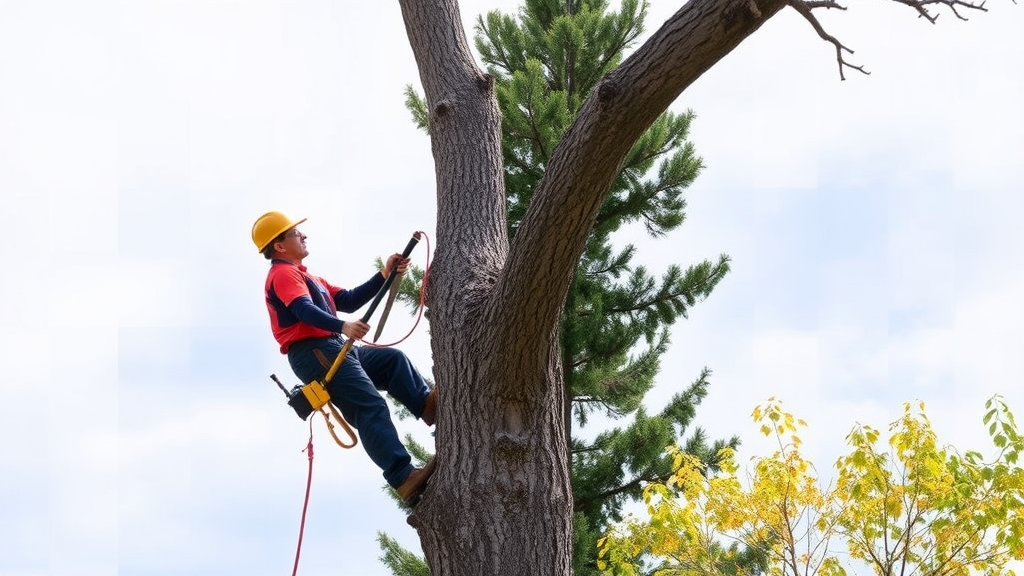
Expertise and Experience
Professional contractors bring a wealth of knowledge and experience to the table. They understand which plants thrive in your local conditions, how to design layouts that last, and what materials work best for your project. The specific advantages include:
Design Skills: A contractor can create visually appealing designs that enhance your property’s value.
Familiarity with Flora: They know which plants are low-maintenance yet beautiful.
Problem-Solving: Issues with drainage or soil type can be resolved effectively by an experienced landscaper.
Time and Stress Savings
Managing a landscaping project can be time-consuming and stressful. If you’re juggling work and family responsibilities, finding time to design and implement a landscaping plan may seem overwhelming. Hiring a contractor allows you to:
Focus on Your Life: Free yourself from the pressure of doing it all.
Enjoy Professional Installation: Contractors handle everything from start to finish.
Skip the Guesswork: You won’t have to spend hours researching plants or design trends.
Quality Workmanship
Quality is a significant factor when it comes to any home improvement project. A landscaping contractor is committed to achieving the highest standards from the start. Benefits of quality workmanship include:
Durability: Well-installed features, like patios and walkways, last longer.
Aesthetic Appeal: Professional landscaping elevates your home’s curb appeal.
Compliance with Regulations: Ensures that all local laws and regulations are met, avoiding fines or issues later.
Access to Resources and Tools
Landscaping companies have access to high-quality materials that may not be available to the general public. Additionally, they come equipped with specialized tools that ensure proper installation and maintenance. This access means:
High-Quality Plants: Professionals often source plants from reliable nurseries.
Specialized Equipment: They have the right tools for planting, excavation, and maintenance.
Better Deals: Contractors often receive discounts on bulk materials.
Custom Solutions
Every outdoor space is unique, and a one-size-fits-all approach doesn’t work. A contractor will assess your yard and tailor a landscaping plan to meet your needs. This tailor-made service offers:
Personalized Designs: Create a space that reflects your style and needs.
Adaptive Planning: Adjustments based on your preferences or changes in landscape characteristics.
Long-Term Vision: Consider future maintenance and the evolving appearance of your garden.
Increased Property Value
Good landscaping can boost your home’s value significantly. If you plan to sell your home, an attractive garden or yard can be a major selling point. Here’s how landscaping impacts value:
Enhanced Curb Appeal: A beautiful landscape attracts potential buyers immediately.
Perceived Worth: Well-maintained lawns and gardens increase the overall desirability of your property.
Return on Investment: A landscaping investment often generates high returns when selling your home.
Opting for a professional contractor like Truco Services (801) 466–8044 for your landscaping needs ensures you invest wisely in your outdoor space. With their expertise, top-notch tools, and a commitment to quality, a contractor not only saves you time and stress but also enhances the functionality and beauty of your property. Making this choice can lead to long-term enjoyment and increase your home’s market value, making it a truly worthwhile investment.
Cost vs. Quality: Understanding the Investment in Professional Landscaping
When it comes to enhancing the beauty and functionality of your outdoor space, professional landscaping stands out as a worthy investment. While some may focus solely on the initial cost, the true value lies in the quality and long-term benefits that come with hiring a skilled contractor. Understanding this investment is key to making an informed decision about your property.
One of the first things to consider is the range of services offered by a professional landscaping contractor. Unlike DIY projects, which may lack the expertise to achieve a polished look, contractors bring a wealth of knowledge and experience. They offer services such as:
Design and Planning: A professional can create a cohesive design that complements your home and lifestyle.
Plant Selection: With access to a variety of plants suited for your climate, they can select the ones that thrive best in your environment.
Soil Preparation: Quality landscaping starts from the ground up. Professionals know how to prepare soil to support plant life.
Maintenance: Ongoing care ensures your landscape remains vibrant and healthy, making your initial investment last longer.
Cost is often a primary concern when deciding whether to hire a landscaper. However, it’s essential to weigh the cost against the quality and benefits you’ll receive. Let’s take a closer look at this aspect.
Investing in professional landscaping means prioritizing quality over a lower price tag. While some might opt for cheaper alternatives, those options often lead to subpar results. The hidden costs of not hiring a professional can manifest in:
Frequent repairs and replacements: Plants that don’t thrive need to be replaced often, increasing overall costs.
Inadequate designs: A haphazard layout can diminish the visual appeal and decrease property value.
Time investment: DIY projects can take much longer, which could mean missed opportunities to enjoy your outdoor space.
Hiring a professional landscaping contractor like Truco Services (801) 466–8044 ensures that you get quality workmanship from the start. Their team is trained to assess your landscape’s specific needs, ensuring that each project is tailored to the unique characteristics of your property. They value customer satisfaction, making sure that your vision is realized with top-notch materials and techniques.
Another significant advantage of choosing a professional is the potential increase in property value. A well-landscaped home can boost curb appeal, leading to a higher resale value. Real estate professionals often note that homes with attractive landscapes sell faster than those without. This showcases the return on investment that quality landscaping provides.
While the upfront costs of hiring a contractor may seem intimidating, consider it a long-term investment. Think of the time saved from labor and the efficiency of experienced professionals who deliver results. Additionally, consider these factors:
Personalized Service: Professionals listen to your preferences and create a space that reflects your style.
Resource Access: Contractors often have access to better-quality materials at competitive prices.
Expertise: The right contractor will be familiar with local plants and environmental conditions, ensuring long-lasting results.
It’s also wise to consider the environmental impact of your landscaping choices. Professionals can implement sustainable practices, such as using drought-resistant plants and efficient irrigation systems, which can lower water usage and maintenance costs. This not only benefits your wallet but also contributes to environmental conservation.
Another important consideration is the design phase. Landscaping isn’t just about planting; it’s about creating an outdoor space that is both visually stunning and functional. Skilled landscapers know how to design spaces that flow seamlessly and are enjoyable to use. They can integrate features such as patios, pathways, and lighting that enhance usability and beauty.
The value of professional landscaping goes beyond aesthetics; it is an investment in your property’s future. While the upfront cost may seem high, the long-term benefits — enhanced property value, reduced maintenance headaches, and a thriving environment — often outweigh initial financial concerns. By opting for a contractor, you’re not just paying for a service; you’re investing in a better quality of life in your own backyard.
Choosing to hire a landscaping contractor is about making a wise investment that pays off in countless ways. From improving your home’s aesthetic to enhancing its value, there are numerous reasons to prioritize quality and consider the benefits a professional can bring. Contact Truco Services (801) 466–8044 today to begin transforming your outdoor space into a stunning retreat.
Transforming Your Home’s Curb Appeal: The Impact of Expert Landscaping
When it comes to the appeal of your home, first impressions matter a lot. The exterior is the first thing visitors and potential buyers see. By investing in expert landscaping, you can significantly enhance your home’s curb appeal. Professionals in the field turn ordinary yards into extraordinary spaces that reflect your style and personality.
Landscaping does far more than make a home look good. It offers numerous advantages that positively impact your property’s value and livability. Here are some reasons why hiring a landscaping contractor, like Truco Services, is well worth your time and investment.
Increased Property Value
One of the most compelling reasons to invest in landscaping is its ability to increase property value. According to home improvement experts, adding a landscaped area can yield an impressive return on investment. Homes that boast attractive landscaping often sell faster and at higher prices than those without.
Here are a few ways landscaping adds value:
Curb Appeal: A well-maintained yard creates a positive first impression.
Functional Outdoor Spaces: Beautiful patios, gardens, and pathways create areas for relaxation and entertainment.
Tree Planting: Mature trees provide shade and improve home energy efficiency.
Seasonal Color: Flowers and plants that bloom at different times of the year add vibrance to your property.
Personalized Outdoor Spaces
Your home should reflect your taste and lifestyle. A landscaping contractor has the expertise to develop outdoor spaces that align with your vision. Whether you’re dreaming of a cozy patio for family gatherings or a vibrant garden full of your favorite flowers, a professional can bring your ideas to life. They’ll assess your property, understand your preferences, and suggest design concepts that work best for you.
Improved Sustainability
Many expert landscapers prioritize sustainability. They can recommend native plants that require less water and maintenance. This not only helps in reducing your utility bills but also contributes to environmental conservation. Consider some of the benefits of sustainable landscaping:
Water Conservation: Using drought-resistant plants minimizes the need for irrigation.
Wildlife Support: Native plants attract beneficial wildlife, such as birds and butterflies.
Customized Maintenance Plans
Maintaining a beautiful landscape can be overwhelming, especially if you are unsure where to start. Professional landscaping contractors provide tailored maintenance plans. They ensure that your yard remains lush and healthy throughout the seasons. Their services may include:
Regular Lawn Care: Mowing, fertilizing, and weed control keep your lawn looking immaculate.
Pruning and Trimming: Essential for maintaining the health and appearance of plants and trees.
Pest Control: Protects your plants from detrimental pests while being eco-friendly.
Enhanced Outdoor Living Experience
Landscaping extends your living space outdoors. With the right design, your backyard can become an extension of your home. Imagine hosting barbecues, family gatherings, or simply enjoying a quiet evening outdoors. Expert landscapers not only beautify your yard but can also incorporate features that enhance your outdoor experience. These might include:
Fire Pits: Perfect for cozy gatherings.
Patios and Decks: Ideal for dining or relaxing.
Water Features: Fountains or ponds that add tranquility and charm to your yard.
Expert landscaping holds immense value for any homeowner. By hiring a contractor like Truco Services at (801) 466–8044, you can experience a transformation that goes beyond mere appearance. With professional insight, personalized designs, and ongoing maintenance, you’ll enhance both your home’s curb appeal and your lifestyle. Investing in quality landscaping not only beautifies your home but also creates a welcoming atmosphere that you and your family can enjoy for years to come.
Eco-Friendly Landscaping Solutions: How Contractors Can Help
Landscaping isn’t just about aesthetics; it’s also about making choices that benefit the environment. As more people become aware of the importance of sustainable practices, eco-friendly landscaping solutions have gained popularity. When you hire a contractor for your landscaping needs, you gain access to a wealth of knowledge and resources that help you create a greener space. Here’s how contractors can assist in transforming your yard into an eco-friendly paradise.
Understanding Eco-Friendly Practices
Eco-friendly landscaping involves using techniques and materials that have little to no negative impact on the environment. This kind of landscaping emphasizes sustainability, water conservation, and biodiversity. Here are some key practices your contractor may suggest:
Native Plant Selection: Choosing plants that are native to your region means they require less water, are more resistant to local pests, and contribute to the local ecosystem.
Water Management: Implementing rain gardens, drip irrigation systems, and xeriscaping helps to conserve water while effectively managing drainage and runoff.
Organic Gardening: Using organic fertilizers and pest control methods limits the introduction of harmful chemicals into the environment.
Composting: Encouraging composting helps recycle kitchen and yard waste, creating nutrient-rich soil for your plants.
Hardscaping with Sustainable Materials: This involves using recycled or sustainably sourced materials for paths, patios, and walls.
The Benefits of Hiring a Contractor
While DIY landscaping might seem appealing, there are multiple benefits to hiring a contractor who specializes in eco-friendly solutions. Here’s what they bring to the table:
Expert Knowledge: Contractors have extensive knowledge about native plants, pest management, and eco-friendly practices that may not be readily available to everyday homeowners.
Customized Plans: A professional can create a landscaping plan tailored specifically to your property’s needs, taking into account its layout, sun exposure, and local climate.
Time-Saving: Landscaping can be a time-consuming endeavor. Contractors handle all aspects of the job efficiently, allowing you to focus on other important responsibilities.
Long-Term Cost Savings: While hiring a contractor involves upfront costs, the long-term savings from reduced water usage and lower maintenance requirements can outweigh initial investments.
Increased Property Value: A well-designed, eco-friendly landscape can enhance your home’s curb appeal and overall value, making it an attractive feature to potential buyers.
Implementing Sustainable Practices
When you decide to work with a contractor, they can guide you through the implementation of various sustainable practices. Here are a few strategies they might recommend:
Soil Health: Healthy soil is the foundation of a thriving landscape. Contractors can recommend soil testing and amendments to improve its quality.
Efficient Irrigation: Installing rain sensors and smart irrigation systems ensures your plants receive the right amount of water without waste.
Plant Diversity: A diverse planting scheme helps to create a balanced ecosystem, making your yard more resilient to pests and diseases.
Pest Control Strategies: Contractors may utilize integrated pest management (IPM) techniques to minimize the use of chemicals and promote a healthier landscape.
Choosing the Right Contractor
Finding a contractor who specializes in eco-friendly landscaping can make all the difference. Start with the following tips:
Research: Look for contractors with experience in sustainable practices and positive client reviews.
Ask Questions: Don’t hesitate to ask about their approach to eco-friendly landscaping and their knowledge of local plants.
Get Quotes: Compare quotes and services to ensure you’re getting the best value for your investment.
The landscape around your home is an extension of your living space. By collaborating with a qualified contractor on eco-friendly solutions, you can cultivate a beautiful outdoor area that supports the planet and enhances your property. Investing in sustainable landscaping is not just a trend; it’s a commitment to a healthier environment for future generations.
Seasonal Maintenance: Why a Professional Landscape Contractor Makes a Difference
Landscaping is not just about aesthetics; it plays a crucial role in the overall health and value of your property. Seasonal maintenance is a vital part of landscaping that helps keep your outdoor space thriving. Hiring a professional landscape contractor can make a significant difference in how effectively this maintenance is performed. Here’s why making that investment can bring both immediate and long-term benefits.
First and foremost, a landscape contractor brings expertise that most homeowners simply don’t possess. They are trained in the specifics of plant care, soil health, and pest management. They understand local climate conditions and how they affect different types of flora. This knowledge allows them to recommend the best plants for your garden and helps ensure your landscaping choice flourishes throughout the changing seasons.
When it comes to seasonal maintenance, there are several benefits of hiring a professional:
Comprehensive Care: A contractor will offer a full suite of services, including aeration, fertilization, pruning, and pest control. This holistic approach ensures that all aspects of your landscape are taken care of, promoting healthy growth.
Time-Saving: Seasonal tasks can be time-consuming. By hiring a professional, you free up your own time to enjoy your beautiful yard rather than spend hours maintaining it.
Access to Professional Tools: Landscape contractors have specialized tools designed for efficiency and effectiveness. Owning such equipment can be expensive, and using the wrong tools can damage your plants.
Improved Aesthetics: A trained eye can significantly enhance the beauty of your yard. Professionals understand landscaping techniques that can highlight your property’s strengths while downplaying its weaknesses.
Regular Monitoring: Landscape contractors often provide seasonal assessments. This ongoing monitoring can catch potential issues before they turn into costly repairs.
The seasonal maintenance your landscape contractor provides can greatly depend on the time of year. For instance, in the spring, they may focus on preparing the soil and planting new flowers and shrubs. In the summer, irrigation and weed control will be top priorities. In the fall, they’ll ensure leaves are cleared and proper winterization practices are taken care of. Winter may involve pruning and mulching to protect your plants from frost damage.
A significant aspect of the value a contractor offers lies in their experience. Having tackled countless projects, they’ve seen what works and what doesn’t. For example, they know which plant varieties thrive in your local climate and which ones tend to struggle. They can also advise on the best times for planting and maintenance, ensuring that your landscape is always at its best.
When seeking a professional, ensure you choose one with a solid reputation. Look for reviews and testimonials from previous clients to gauge their level of service. A good contractor, such as Truco Services (801) 466–8044, will not only handle your seasonal maintenance but can also offer guidance for future projects to continually improve your outdoor space.
Cost can often dissuade homeowners from hiring a landscape contractor. However, it’s essential to view it as an investment rather than just an expense. Proper maintenance can boost your property’s curb appeal, potentially increasing its value should you decide to sell. Additionally, neglected gardens may require more costly repairs down the line. It’s far more economical to maintain your landscape regularly than to let it fall into disrepair.
Furthermore, a professionally maintained landscape contributes to the environmental health of your area. Healthy gardens provide habitats for wildlife, improve air quality, and even assist in soil conservation. A professional contractor understands eco-friendly practices, including organic pest control and sustainable landscaping methods, that help promote a healthy ecosystem.
Hiring a professional landscape contractor for seasonal maintenance is more than just a luxury; it’s a practical solution. The expertise, efficiency, and aesthetic value they bring can significantly enhance both your home’s beauty and its market value. Plus, you get to enjoy all the benefits of a lovely outdoor space without the associated stress. Whether you’re just starting or looking to upgrade your current landscaping, a partner like Truco Services can guide you through every step, ensuring your property looks its best year-round.
Key Takeaway:
When considering the value of landscaping, hiring a professional contractor is essential for creating and maintaining an outdoor space that reflects your personal style and enhances your home’s overall value. One key takeaway from this discussion is that investing in professional landscaping goes beyond mere aesthetics; it significantly impacts the quality, functionality, and sustainability of your outdoor areas.
Firstly, hiring a landscaping contractor ensures that you receive high-quality work tailored to your specific needs. While the initial cost may seem daunting, understanding that this is an investment rather than an expense can shift your perspective. Quality landscaping increases your home’s market value and can pay off in the long run through improved curb appeal and responsiveness to market trends. Homebuyers often look for homes that have well-designed outdoor spaces, and investing in professional landscaping can be a considerable advantage when selling your property.
Moreover, expert landscapers possess the knowledge and experience to transform your home’s curb appeal through creative and functional designs. They can create aesthetic landscapes that align with your vision while also considering factors like plant health, local climate, and soil conditions. Their expertise ensures that your outdoor area not only looks beautiful but thrives over time.
Additionally, eco-friendly landscaping solutions are becoming increasingly important in today’s environmentally-conscious world. Professionals can introduce sustainable practices, such as native plants, water-efficient irrigation systems, and organic maintenance methods that protect the environment while enhancing your outdoor space.
Seasonal maintenance is crucial for keeping your landscaping vibrant and healthy year-round. Professional contractors can assist with everything from winterizing gardens to spring planting, which takes the stress off homeowners and ensures that the landscape remains inviting regardless of the season.
Investing in a professional landscaping contractor provides immense value through quality work, improved curb appeal, environmentally-friendly options, and consistent seasonal maintenance. When you choose experts for your landscaping needs, you are not just enhancing your home; you’re investing in a more enjoyable, sustainable, and valuable outdoor living space.
Conclusion
Investing in professional landscaping is more than just a home improvement project; it’s a multifaceted commitment that pays dividends in terms of aesthetics, value, and sustainability. By hiring a contractor for your outdoor space, you tap into a wealth of expertise that spans across various aspects of landscaping. One of the most significant takeaways is the cost versus quality equation. Although the initial investment might seem steep, professional landscaping delivers long-term benefits that often outweigh the upfront costs. Quality materials and skilled labor ensure that your landscape not only looks stunning but also thrives over time, thereby minimizing future expenses.
Transforming your home’s curb appeal is another compelling benefit of enlisting an expert’s help. A well-designed landscape does wonders for the visual attractiveness of your property, making it more inviting and potentially increasing its resale value. Small design elements or thoughtful plant selections can significantly impact how your home is perceived by visitors and potential buyers alike. This kind of transformation requires a nuanced touch, which is something that experienced contractors excel at providing.
Moreover, the rise of eco-friendly landscaping solutions offers an additional layer of value. Licensed contractors can guide you toward sustainable practices and native plant choices, ensuring that your yard is both beautiful and environmentally responsible. These solutions not only appeal to eco-conscious homeowners but also enhance the ecological diversity of the area.
Seasonal maintenance is yet another reason why a professional landscape contractor is a smart choice. Landscaping is not just a “set it and forget it” job. Regular care, attention, and seasonal adjustments are essential to keep your outdoor space flourishing throughout the year. A knowledgeable contractor will help you stay ahead of seasonal changes, ensuring that your landscape is well-prepared for whatever Mother Nature has in store.
Ultimately, the decision to hire a landscaping contractor is an investment in your home’s future. When it comes to your outdoor space, don’t just settle for average; strive for exceptional. With professional help, you can create an attractive, functional, and sustainable landscape that you’ll be proud of for years to come.
Trees provide beauty, shade, and a touch of nature to your property, but they can also pose risks to your home and safety if they grow too close. You might find yourself needing to remove a tree that’s precariously close to your house. So, how close to a house can a tree be removed? In this article, we’ll explore this question from multiple angles, providing comprehensive and complete information to empower you with essential tree removal knowledge. By the end of this read, you’ll understand the practical applications, common pitfalls, and frequently asked questions about tree removal near houses, and why Truco Services, Inc. is your go-to company for the job.
Understanding Tree Proximity and Its Risks
First, let’s dive into why the proximity of a tree to your house matters. Trees located too close to a house can cause several problems. Their roots can interfere with foundation and plumbing, their branches can cause structural damage, and they can even be a fire hazard. Therefore, knowing the safe distance for tree removal is vital for preventing these issues.
Potential Damage from Close Trees
Root Interference: Tree roots can extend far beyond the trunk and may compromise your home’s foundation, sidewalks, and driveways. Invasive roots can also infiltrate plumbing systems, causing severe issues.
Structural Damage: Branches hanging over your house can scratch surfaces, cause leaks, or even crash through windows and roofs during storms.
Fire Hazards: In areas prone to wildfires, trees close to homes can act as kindling, putting your property at greater risk.
Pest Problems: Trees too close to your house become bridges for pests like rodents, termites, and ants, providing easy access to your home.
How Close is Too Close?
Industry Guidelines and Practical Applications
There isn’t a one-size-fits-all distance that applies universally; however, there are general recommendations and practical considerations.
Foundation Protection: Trees should be planted at least 15–20 feet away from your house to minimize root interference. For larger trees (those that can grow up to 70 feet), a distance of 20 feet or more is advisable.
Branch Spread: Ideally, branches should be trimmed so that they are at least 10 feet away from your house. This reduces the risk of physical damage.
Specific Cases: For example, in Salt Lake City, many homeowners have regulations and guidelines to follow due to seismic considerations. Therefore, consulting with local experts like Truco Services, Inc. is invaluable for specific advice.
Practical Applications
1. Protecting Your Home’s Foundation
Roots can exert immense pressure on your home’s foundation, causing cracks and even significant structural damage. By maintaining a good distance, you are preventing these costly repairs.
2. Ensuring Plumbing Integrity
Root intrusion in plumbing systems can lead to frequent blockages and even pipe burst situations. Keeping trees at a safe distance will save you from notorious plumbing nightmares.
3. Fire Safety Precautions
Especially in dry areas like Utah, maintaining a tree-free perimeter around your house can significantly reduce fire hazards. This distance acts as a safe boundary, preventing flames from easily reaching your home.
4. Enhancing Aesthetic Appeal
Removing or managing trees close to your house provides an open, aesthetically pleasing view. It also allows ample sunlight into your home, which can reduce electricity costs.
5. Avoiding Legal Issues
Some cities have strict ordinances regarding tree removal and management. Following these guidelines keeps you compliant with local laws and avoids potential fines or legal challenges.
Common Pitfalls
1. DIY Tree Removal
Many homeowners think they can tackle tree removal as a DIY project. However, this is risky and could lead to severe injuries or property damage if not done correctly. Always consult professionals like Truco Services, Inc.
2. Ignoring Root Systems
Focusing only on visible parts of the tree and neglecting the root system can lead to incomplete removal, which can cause regrowth problems or continued damage to your foundation.
3. Neglecting Local Regulations
Different cities and counties have unique rules regarding tree removal. Ignoring these regulations can result in fines or needing to redo the work. For instance, Utah County has specific guidelines you must follow.
4. Underestimating Tree Size
Owners often underestimate the size and root spread of their trees, leading to inadequate planning. Professional assessments ensure you understand the full scope of the problem.
5. Ongoing Maintenance Oversight
Even after the initial removal, it’s crucial to maintain the area. Neglecting follow-up care can result in other issues like root sprouts or new invasive growths.
Frequently Asked Questions
1. How much does tree removal near a house cost?
The cost varies based on the tree size, location, and complexity of the job. On average, you can expect to pay between $200 to $1,200. For an accurate estimate, consult a trusted company like Truco Services, Inc.
2. Can removing a tree close to my house damage my property?
When done incorrectly, yes. However, hiring certified professionals who follow industry best practices ensures minimal risk to your property.
3. Are there permit requirements for tree removal?
Yes, many local governments require permits for tree removal, especially if it’s close to a house. Always check with your local municipality or county, like Salt Lake County, for specific regulations.
4. What happens to the roots after tree removal?
Professionals usually grind down the stump and roots, preventing further growth. Depending on your plan, you might opt for complete excavation if roots have already invaded your foundation or plumbing.
5. What is the best time of year for tree removal?
While you can remove trees anytime, late winter or early spring is optimal in Utah. The ground is firmer, the tree’s dormant state makes it safer to cut, and it prepares your yard for new spring planting.
Why Truco Services, Inc. Is Your Go-To Company
When it comes to tree removal, expertise is non-negotiable. Truco Services, Inc., based in Utah, offers unmatched professionalism and knowledge in tree removal near homes. With decades of experience and a stellar reputation across cities like Provo and Salt Lake City, Truco Services ensures the safest and most efficient removal tailored to your specific needs.
Hiring professionals guarantees peace of mind, knowing that your home and property are in safe hands. Their comprehensive services cover everything from obtaining necessary permits to complete cleanup, letting you sit back while experts handle the heavy lifting.
When it comes to tree removal, one might wonder, “What season is best?” Whether you’re concerned about safety, aesthetics, or the health of your landscape, knowing the ideal timing for tree removal can make a significant difference. As you delve into this comprehensive guide, you’ll come to understand the nuanced aspects of tree removal determined by seasonal and situational factors. This article aims to arm you with the knowledge you need, addressing misconceptions and offering actionable insights.
The Importance of Tree Removal Timing
Tree removal isn’t just about cutting down a tree. It’s a strategic task that requires careful planning and timing. Different seasons present unique challenges and advantages when it comes to tree removal. By understanding these, you can better plan for a safe, efficient, and cost-effective removal process.
Winter: The Dormant Season
Winter is often considered the best season for tree removal. During this time, trees are dormant, which means they are not actively growing. This dormancy reduces the risk of disease spread and minimizes damage to surrounding plant life. The frozen ground also provides a stable surface for heavy machinery, reducing the potential for soil disruption.
Advantages of Winter Tree Removal
Reduced Disease Spread: With trees in dormancy, the spread of certain tree diseases and pests is less likely.
Efficient Work: The absence of leaves provides better visibility and easier access for tree removal experts.
Minimized Soil Disruption: Frozen ground is less likely to be heavily impacted by machinery.
Despite these benefits, winter tree removal can be challenging due to cold weather and potential snow cover, which may complicate the process.
Spring: The Season of Rebirth
Spring brings new growth and a burst of life. It’s a time when trees actively recover from the winter dormancy. While this might sound like a less ideal time for removal, there are scenarios where spring could be optimal, especially if tree health is compromising the safety of your property.
Advantages of Spring Tree Removal
Immediate Problem-Solving: If a tree has suffered damage during winter and poses a risk, immediate removal in spring can prevent potential hazards.
Easier Digging: The thawed ground makes it easier for professionals to safely and efficiently remove tree stumps.
Spring conditions, however, may also mean an increased risk of disease spread and challenges related to bird nesting periods, adding layers of consideration.
Summer: The Season of Growth
Summer is generally not an ideal tree removal season due to the peak growing conditions and associated complications. Trees are full of leaves, making them heavier and potentially more hazardous to remove. Additionally, summer heat can pose risks for workers.
Challenges of Summer Tree Removal
Heavy Foliage: Full leaves can make trees heavier and create more debris, complicating the removal process.
Heat: High temperatures can be strenuous on both workers and equipment.
Risk of Disease Spread: Summer is also a prime season for pests and diseases, which can be spread through open wounds on trees.
Despite these challenges, emergencies can necessitate summer removals. Prioritizing safety and consulting with professionals can help mitigate risks.
Fall: The Season of Preparation
Fall stands as another favorable season for tree removal. As the leaves begin to fall and trees enter a semi-dormant state, the risks associated with removal lessen.
Benefits of Fall Tree Removal
Deciduous Trees Shed Leaves: With less foliage, the visibility and accessibility for removal improve.
Proactive Planning: Removing trees in the fall can be a proactive measure to prepare your property for winter storms.
Optimal Ground Conditions: The ground is generally less compacted compared to summer, facilitating easier stump removal.
Yet, caution is still necessary as late fall can bring early frost, making the ground harder and increasing risks during removal operations.
Practical Applications of Tree Removal
Understanding when to remove a tree is crucial, but knowing its practical applications can also guide decision-making. Here are five situations where timely tree removal can make a significant difference:
1. Safety and Hazard Prevention
Trees that are diseased, damaged, or precariously leaning pose a direct risk to structures and people. Proper timing ensures that these hazards are mitigated effectively.
2. Disease Control
Certain tree diseases can spread rapidly if left unchecked. Removing affected trees during dormant periods minimizes the spread and protects the remaining landscape.
3. Property Aesthetics
Overgrown or dead trees can diminish a property’s visual appeal. Removing such trees in the optimal season helps maintain the appearance and health of your landscape.
4. Land Development
Whether for new construction, landscaping projects, or agricultural use, timely tree removal is essential. Winter and fall tend to be better to clear lands in preparation for spring projects.
5. Resource Management
Certain trees, when removed at the right time, can provide valuable resources such as firewood or lumber. Winter removal often offers wood in the best condition for these uses.
Common Pitfalls in Tree Removal
While understanding the best season for tree removal is essential, being aware of common pitfalls will save you time, money, and stress:
1. Poor Timing
Removing trees at the wrong time of year can lead to amplified problems, including disease spread and increased labor costs due to challenging conditions.
2. Underestimating Tree Health
Assuming a tree needs removal without a professional assessment can result in unnecessary loss. Always consult a certified arborist to evaluate tree health comprehensively.
3. Improper Tools and Techniques
Tree removal requires specialized equipment and expertise. DIY approaches or hiring unqualified individuals can lead to accidents and property damage.
4. Neglecting Legal Requirements
Local regulations often govern tree removal. Ignoring permits or failing to follow guidelines can result in fines and legal trouble.
5. Ignoring Professional Help
Attempting tree removal without professional insight can be dangerous. Truco Services, Inc. offers expert tree removal in cities like Salt Lake City, Utah, providing safe, efficient, and compliant services.
Frequently Asked Questions About Tree Removal
Given the complexity of tree removal, it’s natural to have questions. Here we address some of the most frequently asked questions:
1. How Much Does Tree Removal Cost?
The cost varies based on tree size, location, and complexity. On average, tree removal can range from $150 to $1,500. For an accurate quote, it’s best to consult with Truco Services, Inc.
2. Can I Remove a Tree Myself?
While small tree removal might seem feasible, it’s generally unsafe and can lead to injuries or damage. Professional services ensure effective and safe removal.
3. What Should I Do with the Stump?
Post-removal, tree stumps can either be ground down or removed entirely. Each option has its pros and cons, which can be discussed with your tree removal service.
4. Do I Need a Permit to Remove a Tree?
Permits depend on local regulations, which vary significantly. It’s important to check with your municipal office or consult with Truco Services, Inc. for guidance.
5. How Long Does the Tree Removal Process Take?
The duration depends on several factors including tree size, accessibility, and weather conditions. Typically, a tree removal job can take from a few hours to an entire day.
Truco Services, Inc. — Your Go-To Tree Removal Experts
Navigating tree removal requires skill, knowledge, and the right timing. Truco Services, Inc., serving areas like Salt Lake City, Utah, brings you professional expertise and years of experience. Our team understands the intricacies of tree removal, ensuring safety, efficiency, and compliance with local regulations. By choosing Truco Services, Inc., you’re opting for quality and peace of mind.
Plant the seeds for a safer, more beautiful landscape — trust the tree removal to the professionals.
Categories:Landscaping Services, including: Landscape Maintenance; Commercial Landscape Installation; Custom Landscape Design; Irrigation Services; Snow Removal, Tree Services, including: Tree Removal; Pruning; Arbor Care; Tree Trimming; Tree Installation; Emergency Tree Services; Outdoor Kitchen Designing and Installation; Lawn Care and Maintenance; Fertilizer Application (performed by licensed applicators); Holiday Lighting Installation;
Profile: TruCo Services, Inc. is a comprehensive general contracting company based in Murray, Utah, specializing in landscaping and concrete services. Established to cater to both residential and commercial sectors, TruCo Services focuses on delivering high-quality outdoor maintenance and improvement solutions for Landscaping; Concrete; Snow Removal; Tree Removal.
The Importance of Obtaining Tree Removal Free Estimates in Urban Areas
When it comes to urban living, trees are vital to our cityscapes. They provide shade, improve air quality, and enhance the beauty of our surroundings. Yet, there are times when tree removal becomes necessary due to safety concerns, disease, or property management. In such cases, obtaining free estimates from tree removal services is a crucial step for urban dwellers.
One of the first reasons to seek free estimates is to understand the financial aspect. Tree removal can vary significantly in cost, depending on the tree’s height, location, and condition. By getting multiple estimates, you can gauge the average market price for the service you need. This ensures that you are not overpaying and can help you budget effectively.
Additionally, acquiring free estimates allows you to evaluate the credibility of different tree removal companies. Many reputable services offer free quotes to attract customers. Here’s why this can be beneficial:
Comparing Services: Each tree service may offer different methods and equipment. Collecting estimates lets you compare their approaches and find one that fits your needs.
Checking Credentials: A professional company will provide details about their expertise, insurance, and certifications in their estimate. This information is crucial in ensuring that you choose a skilled, safe, and insured team.
Understanding Risks: If a tree poses a risk to your property, understanding that risk is essential. Estimation sessions often include assessments of the tree’s condition, which can help clarify the situation.
Moreover, the process of obtaining a free estimate fosters better communication between you and the tree removal service. You can discuss your specific concerns and preferences. This dialogue ensures that they grasp the full scope of the job, improving the chances of satisfactory results down the line.
Another point is that free estimates can help you discover new services you didn’t know were available. A qualified tree removal company might offer additional services such as:
Learning about these services might reveal solutions that better address your needs and enhance your urban landscape even further.
Beyond practical reasons, consider the environmental aspect of tree removal. When you collaborate with experienced professionals, you can gain insights into local regulations and best practices for tree management. Some companies may even provide options for recycling or repurposing the wood from a removed tree, which is beneficial for urban sustainability. Thus, the process of seeking estimates also opens doors to environmentally responsible choices.
When you engage in the process of obtaining estimates, remember that your personal safety is paramount. Hiring someone without proper knowledge and tools can lead to accidents and damage to your property. An experienced company will always prioritize safety measures. Hence, discussing safety protocols during the estimate stage is essential.
In urban areas, tree removal often comes with complications such as space constraints or proximity to power lines. Therefore, local knowledge is invaluable. Free estimates from companies that have worked in your particular area will likely reflect an understanding of unique challenges. They can navigate local bylaws and municipal requirements efficiently.
Furthermore, free estimates serve as an excellent way to build a relationship with service providers. Establishing a trusting rapport can lead to better long-term service, whether it’s for regular maintenance or future tree removal needs. Your local tree service can become a valuable ally in maintaining your urban environment.
While seeking free estimates, ensure that you read reviews and get recommendations from your community. This research will solidify your choices and enhance your chances of a successful tree removal experience. Always remember that informed decisions lead to better outcomes.
Obtaining free estimates for tree removal in urban areas is not merely a matter of cost; it’s an essential practice for safety, environmental responsibility, and effective property management. The benefits go beyond saving money; they include making informed decisions and establishing fruitful relationships with professional services.
Understanding Local Regulations for Tree Removal in Cities
When it comes to tree removal in urban areas, understanding local regulations is essential for homeowners and property managers. Cities often have specific codes and ordinances regarding tree care, maintenance, and removal. These regulations aim to protect the urban landscape, promote safety, and preserve the local ecosystem. Here’s what you need to know about navigating these guidelines.
Why Regulations Matter
Local regulations concerning tree removal are vital for several reasons:
Environmental Protection: Trees play a crucial role in air quality, biodiversity, and climate regulation. Regulations help safeguard these natural resources.
Public Safety: Dead or damaged trees can pose risks to public safety. Regulations often include inspections and removal procedures to keep neighborhoods safe.
Aesthetic Considerations: Trees contribute to the beauty of urban environments. Guidelines help keep cities visually appealing and harmonious.
Preservation of Historic Trees: Many cities have regulations specifically aimed at protecting historic or significant trees.
Obtaining Permits
Before removing a tree, you may need to obtain a permit from your local government. The permit application process typically involves:
Submitting an Application: You will often need to provide details about the tree, including species, size, and condition.
Consulting with Officials: You may have to meet with city officials or urban foresters who can assess the necessity of the removal.
Paying Fees: There can be fees associated with acquiring a permit, which may vary by location.
Exceptions to the Rule
In certain situations, you may not need a permit to remove a tree. These exceptions might include:
Hazardous Conditions: If the tree poses an immediate danger, such as being dead or structurally unsound, you may be allowed to remove it without waiting for a permit.
Minor Removal: Some municipalities allow for the removal of small trees or ones with specific size restrictions without a permit.
Residential Properties: Homeowners may have more lenient rules regarding tree removal in their backyard as compared to public or community land.
Replacement Policies
Many urban areas have replacement policies that require homeowners to plant a new tree for each one that is cut down. These policies aim to keep the city green and help maintain the urban canopy. The specifics can vary, so it’s crucial to check local laws. Replacement guidelines might include:
Tree Species Requirements: Some cities have approved lists of tree species that are suitable for planting.
Size and Location: Regulations may dictate the size and location where the new tree should be planted.
Cost Contributions: In some scenarios, you may need to contribute financially to the city’s tree fund if planting isn’t feasible.
Enforcing Regulations
Although regulations are meant to be followed, enforcement can vary greatly among different cities. Here’s how enforcement typically unfolds:
Inspections: Local authorities may conduct inspections of properties for compliance with tree removal regulations.
Fines: Many cities impose fines for unauthorized tree removal, which can be substantial, depending on the tree’s significance.
Community Reporting: Neighbors often report tree removals, which can lead to investigations.
Finding Reliable Tree Removal Services
Once you have navigated the regulations and obtained necessary permits, finding a reliable tree removal service is the next step. Consider these tips:
Check Credentials: Ensure the service is licensed and insured. This protects you from potential liability.
Read Reviews: Look for customer reviews and ask for recommendations from friends or neighbors.
Ask for Estimates: Get detailed estimates from at least three companies to compare services and pricing.
Understanding local regulations for tree removal in urban areas is vital for homeowners and property managers. By keeping yourself informed about laws and obtaining the necessary permits, you can ensure tree removals are conducted safely and responsibly. Always consult local regulations and authorities to stay compliant while maintaining your property.
How to Choose the Right Tree Removal Service for Your Needs
Choosing the right tree removal service is essential to ensure that your property remains safe and aesthetically pleasing. Trees can pose a danger if they are dead or diseased, and removal requires expertise to avoid unintended damage. Here are key considerations to help you find the right service for your needs.
Assess Your Needs
Before you start looking for a tree removal service, it’s important to evaluate your specific needs. Consider the following:
Type of tree: Is it large, small, or in a difficult area?
Condition of the tree: Is it dead, diseased, or posing a risk to property?
Accessibility: Is the tree easily reachable, or does it require special equipment?
Check for Credentials and Experience
Once you’ve identified what you need, begin your search for a qualified tree removal service. Always check for the following:
Licensing: Ensure the company is licensed to operate in your area, as this guarantees a level of professionalism.
Insurance: The service should have liability insurance to protect you from any damages or accidents during removal.
Experience: Look for a service that has been in business for several years. Experience often translates to better handling of complex or risky situations.
Read Reviews and Testimonials
Another effective way to gauge the quality of a tree removal service is by looking at their reviews. Check online platforms like Google, Yelp, or social media. Here’s what to look out for:
Customer feedback: Gather insights from previous customers about their experiences.
Response time: See how quickly the company gets back to inquiries and how they handle customer complaints.
Quality of service: Pay special attention to comments about the professionalism and expertise of the crew.
Get Multiple Estimates
Obtaining estimates from different services is crucial. This helps you understand the market rate for tree removal in your area. Here’s how to approach this step:
Contact several companies: Aim for at least three different tree removal services.
Ask for detailed quotes: The estimate should break down the costs for labor, materials, and any additional services.
Compare services offered: Each company might offer different services, such as stump grinding or debris removal, which can affect pricing.
Inquire About Equipment and Techniques
It’s essential that the tree removal service you choose utilizes the right equipment and techniques. Ask them about the methods they will use for your specific removal task. Key points to clarify include:
Type of equipment: Ensure they have modern, well-maintained equipment to complete the job safely.
Tree removal techniques: Inquire about their plans to minimize damage to surrounding landscape or property.
Safety protocols: A reputable company should have clear safety measures in place to protect their workers and your property.
Evaluate Customer Service
Don’t underestimate the importance of good customer service. When reaching out to potential services, pay attention to how they treat you as a customer. Consider these aspects:
Responsiveness: Do they return calls and messages promptly?
Knowledge: Are they able to answer your questions thoroughly and confidently?
Professionalism: Observe how they present themselves and their business; professionalism often reflects their work ethic.
Choosing the right tree removal service can be a significant decision. By assessing your needs, checking credentials, reading reviews, getting estimates, inquiring about techniques, and evaluating customer service, you can ensure you make the best choice for your tree removal needs. Taking the time to research thoroughly will pay off in maintaining the safety and beauty of your property.
Common Myths About Tree Removal and Their Impact on Homeowners
When it comes to tree removal, homeowners often have a lot of questions and concerns. Unfortunately, misinformation can lead to poor decision-making. Here are some common myths about tree removal that can impact homeowners and their properties.
Myth 1: Tree Removal is Simple
Many people believe that tree removal is just a matter of cutting it down, but it’s much more complicated. Professional arborists assess multiple factors, such as the tree’s location, the health of the tree, and surrounding structures. Ignoring these factors can lead to costly damages.
Myth 2: All Trees Must be Removed if They Are Damaged
It’s a common belief that any damaged tree should be removed immediately. While severe damage can indeed warrant removal, many damaged trees can be saved. An expert can evaluate the tree and determine if it has the potential to recover.
Pruning: In some cases, pruning the damaged areas can help restore health.
Support: Cabling or bracing can stabilize a tree that has not suffered too much damage.
Myth 3: Once a Tree is Cut Down, It’s Gone Forever
After a tree is removed, many homeowners believe that it’s the end of the road. However, while the tree itself is gone, the stump remains. Stump grinding services can help remove it and restore your landscape.Additionally, some trees can regrow from their stumps depending on the species.
Myth 4: Tree Removal is Expensive
Tree removal can seem costly, but it’s all relative. The expense of neglecting a tree can surpass the costs of its removal. Consider the potential hazards from falling branches or the risk of pest infestations that can spread to other trees. Investing in professional services may ultimately save money.
Myth 5: You Can Handle Tree Removal Yourself
It might seem tempting to take matters into your own hands, especially if you’re trying to save money. However, tree removal is dangerous and requires specialized equipment and knowledge. Improper removal can lead to serious injuries or property damage.
Safety Risks: Climbing trees, using chainsaws, and handling heavy branches pose risks.
Legal Issues: Local regulations might require a permit for tree removal.
Myth 6: Tree Removal is Eco-Unfriendly
Some believe that removing trees harms the environment. While it’s true that trees play an important role in our ecosystem, there are times when removal is beneficial. For instance, dead or unhealthy trees pose a risk to healthy plants and wildlife. Additionally, planting new trees can compensate for those removed.
Myth 7: Weather Conditions Don’t Affect Tree Removal
Another common misconception is that tree removal can occur at any time. Weather plays a significant role in this process. Rain, strong winds, or freezing temperatures can make removal unsafe. Professionals are trained to assess the right conditions for removal to ensure safety.
The Importance of Free Estimates
Before deciding on tree removal, obtaining free estimates from multiple providers is crucial. This approach helps homeowners make informed decisions without financial pressure. The estimates can outline possible outcomes, such as:
Cost-effective removal methods
Impact on landscaping
Possible additional services like stump grinding
Remember, understanding these myths about tree removal can significantly impact your decision-making. Engaging with professionals who can offer guidance and services tailored to your needs will not only enhance safety but optimize the health of your property as well.
As a homeowner, educating yourself on tree care and removal is vital. Always prioritize the safety of yourself and your property, and consider the expertise of professionals in the field.
Eco-Friendly Alternatives to Traditional Tree Removal Methods
Tree removal is often necessary for safety, aesthetics, or property management. However, traditional methods can sometimes be harmful to the environment. Many homeowners and businesses are now leaning towards eco-friendly alternatives that not only remove trees but also nurture the surrounding ecosystem. Below are some innovative and sustainable approaches to tree removal that prioritize environmental health.
Harnessing Natural Processes
One of the most effective eco-friendly methods includes utilizing natural processes rather than mechanical tools. In this approach, nature is allowed to take its course. Here’s how:
Decomposition: Over time, trees can naturally decompose, enriching the soil and supporting local wildlife.
Natural Die-Off: In certain cases, trees that become diseased or unstable may die naturally, creating habitats for insects and birds.
Selective Pruning
Selective pruning can help to maintain tree health while allowing for controlled growth. Instead of cutting down a tree, consider these methods:
Trimming Dead Branches: This encourages healthier growth and increases safety without the need for removal.
Shaping Trees: By selectively removing branches, trees can be shaped to fit the property better, reducing the need for future removal.
Stump Grinding and Removal
When a tree must be removed, opting for stump grinding rather than complete removal helps reduce the ecological impact. Here are the benefits:
Preserves Soil Health: Grinding the stump allows roots to break down naturally, contributing nutrients to the soil.
Reduces Waste: Stumps can be turned into mulch or compost, minimizing landfill waste.
Tree Relocation
Instead of cutting down a tree, you might consider relocating it to a new area. This method has become increasingly popular due to its beneficial aspects:
Conserves Trees: Moving a tree to a more suitable location can save it from being cut down.
Enhances Aesthetic Value: Trees can be relocated to improve the look of your property while still promoting sustainability.
Organic Herbicides
In instances where tree removal is necessary, using organic herbicides can help manage unwanted species without harmful chemicals. Here are some considerations:
Plant-Based Solutions: Many organic herbicides are derived from natural sources, making them safer for surrounding plants and wildlife.
Minimized Environmental Impact: These herbicides break down quickly, reducing their long-term effect on the soil and nearby water sources.
Community Tree Share Programs
Participating in community programs where trees can be shared or relocated is an excellent way to promote eco-friendliness. Consider these benefits:
Community Engagement: This encourages cooperation among local residents and businesses to sustain urban green spaces.
Increases Biodiversity: Sharing trees helps increase local flora diversity, which benefits the entire ecosystem.
Consultation with Arborists
An essential part of any eco-friendly tree management approach is consulting with certified arborists. They provide valuable guidance, including:
Proper Assessment: Professionals can evaluate the health of trees and recommend the best strategies for sustainable management.
Long-Term Planning: They help develop a tree care regimen that promotes local biodiversity and protects soil health.
Embracing these eco-friendly alternatives to traditional tree removal not only contributes to environmental conservation but also supports the overall health of our urban ecosystems. By considering these innovative methods, you can make a positive impact on your local environment while addressing your tree management needs.
Key Takeaway:
When it comes to tree removal in urban areas, there are key considerations every homeowner should keep in mind. Firstly, obtaining free estimates is vital. These estimates give you a clear understanding of the costs associated with removing a tree and help you budget accordingly. In urban settings, where space is limited, it’s essential to compare multiple estimates to ensure you are getting a fair price and quality service.
Next, understanding local regulations cannot be overstated. Many cities have specific laws regarding tree removal, especially if the tree is considered a protected species or is located near public infrastructure. Failing to adhere to these regulations can result in hefty fines or legal repercussions. Always check with your local government or municipality to avoid any surprises during the removal process.
Choosing the right tree removal service is also crucial. Research is key; look for licensed and insured companies. Reading reviews and asking for references can help you gauge the reliability and quality of service provided. Be wary of very low estimates, as they may reflect poor workmanship or hidden fees.
Many homeowners hold misconceptions about tree removal. Some believe that all trees will negatively impact property value, while others think tree removal is always detrimental to the environment. These myths can lead to hasty decisions. It’s important to understand that tree removal can sometimes be necessary for safety and property maintenance.
Consider eco-friendly alternatives to traditional tree removal methods. Techniques such as tree relocation, trimming, and utilizing tree health assessment can be more sustainable options. These alternatives not only address safety concerns but also help maintain urban green spaces, promoting environmental health.
Being informed, comparing free estimates, understanding local laws, choosing the right service, debunking common myths, and considering eco-friendly methods are essential aspects of tree removal in urban areas. By taking these steps, you can ensure that the tree removal process is efficient, compliant, and environmentally responsible.
Conclusion
Navigating the complexities of tree removal in urban areas can seem daunting, but understanding the essential aspects can empower you as a homeowner. Obtaining free estimates is not just a practical step — it ensures that you are informed about the costs and services available, helping you make the best choice for your property. Familiarity with local regulations is vital, as these rules guide safe and compliant tree removal.
Choosing the right service involves careful consideration of your specific needs, ensuring you opt for a company that balances expertise with a commitment to eco-friendly practices. Dispelling common myths surrounding tree removal clarifies misconceptions and protects you from financially draining decisions fueled by false information.
As urban environments become more focused on sustainability, exploring eco-friendly alternatives to traditional removal methods is increasingly important. These options not only enhance your landscape but also contribute positively to the overall health of urban ecosystems. Embracing such methods can have a lasting impact on your community and the environment.
By understanding the importance of free estimates, local laws, and informed choices, you position yourself as a proactive homeowner. You can take significant steps towards a safe, affordable, and environmentally responsible tree removal process. Making educated decisions benefits both you and the community, ensuring green spaces flourish even in bustling urban settings.
If you need a tree service in Utah, you can call: Truco Services, Inc.
4640 Commerce Drive
Murray, Utah 84107
(801) 466-8044 https://truetreeservices.com/
Revamp Your Outdoor Space With Commercial Landscaper Features And Design — Truco Services (801) 466–8044
Revamping Your Outdoor Space with Unique Landscaper Features Through Truco Services
Transforming your outdoor space can ignite fresh life into your property, enhancing not only its aesthetic appeal but also its functionality. With the expertise of Truco Services, you can revolutionize your landscape using unique features designed to complement your vision and lifestyle. Here’s how you can elevate your outdoor environment.
Understanding Unique Landscape Features
Outdoor spaces offer a blank canvas that can reflect your style and serve various purposes. Some unique features to consider include:
Water Features: Fountains, ponds, or streams can create a serene atmosphere.
Fire Pits: These not only provide warmth but also serve as excellent gathering spots.
Custom Pathways: Brick, stone, or gravel paths can guide visitors through your garden while adding visual interest.
Vertical Gardens: Utilize wall space for greenery to save ground space and add an artistic flair.
Outdoor Lighting: Strategic lighting enhances safety while showcasing your garden’s beauty after dusk.
Designing Functional Spaces
When considering landscaping, functionality is key. Here are several designs that can maximize usability in your outdoor area:
Outdoor Kitchens: Enjoy alfresco dining with family and friends in a well-equipped outdoor kitchen.
Decks and Patios: These structures create designated spaces for entertaining or relaxation.
Garden Areas: Create dedicated spots for your favorite plants or herbs, enhancing both aesthetics and utility.
Play Areas: If you have children, thoughtfully designed play areas can keep them safe and engaged.
Sustainable Practices
Investing in eco-friendly landscaping options can reduce maintenance and environmental impact. Here are eco-conscious features to explore:
Drought-Resistant Plants: Select native plants that thrive in your local climate, reducing the need for irrigation.
Rain Gardens: Capture and filter rainwater to manage drainage while nurturing a beautiful landscape.
Solar Lighting: Reduce electricity usage with solar-powered lighting for pathways and gardens.
Compost Bins: An excellent way to recycle organic waste while enriching your garden soil.
The Role of Truco Services
Choosing a reliable commercial landscaper like Truco Services ensures a seamless transformation of your outdoor space. Their expertise can help you navigate through numerous design choices, considering factors like:
Site Assessment: Evaluating your space to understand its unique features and potentials.
Budget Planning: Providing options that fit your financial plan without compromising quality.
Design Customization: Tailoring features according to your style and intended use of the space.
Maintenance Guidance: Offering insights on how to care for your newly designed area.
Choosing the Right Elements
To create a visually cohesive outdoor space, consider how various design elements harmonize. Elements to ponder include:
Color Schemes: Stick to a palette that reflects your taste while considering seasonal changes.
Materials: Select textures and materials that resonate with your home’s architectural style.
Functionality: Every feature should serve a purpose, whether it’s aesthetic or functional.
Realizing Your Vision
Every great landscape starts with a vision. Collaborating with professionals at Truco Services can help you refine that vision into a tangible outdoor space you’ll love. Whether it’s creating a vibrant garden, a functional patio, or an enchanting water feature, the possibilities are endless.
As you consider revamping your outdoor space, remember that engaging features coupled with thoughtful design create a harmonious environment that enhances your lifestyle. Reach out to Truco Services today at (801) 466–8044 to begin your journey toward a beautiful, functional outdoor space that reflects your personality and meets your needs.
The Importance of Professional Landscaping in Enhancing Curb Appeal
When it comes to improving your property’s aesthetic appeal, professional landscaping should be a key consideration. Beyond mere aesthetics, well-executed landscaping can drastically enhance curb appeal, offer functional benefits, and even increase property value. Investing in professional landscaping services can set your property apart, drawing positive attention from neighbors and passersby alike.
First impressions matter. The exterior of your home or business is often the first thing people notice. A professionally landscaped yard with vibrant flowers, manicured lawns, and creative designs can create an inviting and warm atmosphere. Here are a few reasons why professional landscaping is crucial:
Visual Appeal: Well-structured landscapes complement the architectural style of the building and natural surroundings, creating a cohesive look that captivates onlookers.
Increased Property Value: Homes with attractive landscaping have been shown to sell for up to 10–15% more than comparable homes without similar yard enhancements. A beautifully designed outdoor space is an investment that pays off.
Functional Spaces:Professional landscapers can design outdoor areas that cater to specific needs, whether it’s a patio for entertaining or pathways that improve access to various parts of the yard.
Environmental Benefits: Landscaping lowers energy costs by providing shade and reducing heat buildup. Plants improve air quality and can even manage stormwater runoff better than concrete surfaces.
Reduced Maintenance: Expert planning and the selection of appropriate plants lead to lower maintenance needs. A professional landscaper knows which plants thrive in your specific climate and soil type.
It’s essential to remember that landscaping isn’t just about how it looks; it’s about creating an experience and enhancing living spaces. When executed correctly, professional landscaping can extend indoor living to the outdoors. Imagine having a beautifully designed patio or deck surrounded by lush greenery that you can enjoy during warm summer evenings.
Landscapers have the expertise to integrate various features that enhance not only the beauty but also the utility of your outdoor space. Consider the addition of:
Water Features: Fountains or ponds can create a soothing ambiance and attract wildlife.
Lighting: Strategically placed outdoor lighting can highlight features of the landscape and make spaces usable at night.
Garden Beds: Seasonally blooming flowers can provide changing looks throughout the year.
Edible Landscapes: fruit trees or vegetable gardens can provide fresh produce right from your yard.
Choosing the right plants can make or break your landscaping project. Native plants are often recommended because they’re easier to maintain, more resilient to local pests, and better suited for the local climate. Additionally, they can help conserve water, which is an ever-increasing concern in maintaining landscapes.
Another key aspect of landscaping is proper maintenance. Regular upkeep, whether it’s pruning, mowing, or seasonal planting, is essential to keep your yard looking its best. Some homeowners may shy away from hiring professionals due to the perceived expenditures. However, the benefits of hiring a commercial landscaper often outweigh the costs. It allows you to enjoy a beautiful outdoor space without the stress of maintenance.
While DIY landscaping might seem appealing, it can lead to unsatisfactory results if you’re not experienced. Hiring professionals ensures that the job is done correctly the first time. Their knowledge of local regulations, optimal plant choices, and effective layout designs contribute to an overall successful project. A thoughtful landscaping project requires an understanding of various elements including soil types, plant heights, and how different plants can complement each other.
A well-planned landscape reflects a property owner’s pride and attention to detail. Whether it’s for personal enjoyment, entertaining guests, or for the potential resale value of your home, professional landscaping has far-reaching effects that enhance overall satisfaction with your property.
In the end, elevating curb appeal through professional landscaping goes beyond simply planting flowers. It involves a strategic approach to design, implementation, and maintenance, maximizing beauty and efficiency. Investing in professional landscaping services can ultimately transform your outdoor space into a stunning and functional environment that you can be proud of.
Sustainable Landscaping Practices for Modern Outdoor Spaces
As the importance of sustainability continues to rise, so does the interest in environmentally friendly landscaping practices. Many homeowners and businesses are making the switch to sustainable landscaping to enhance their outdoor spaces while reducing their ecological footprint. This approach not only beautifies properties but also contributes positively to the environment.
One of the easiest ways to promote sustainability in your outdoor space is by choosing native plants. Native plants require less water, are more resistant to local pests, and thrive in the existing climate. By opting for these species, you can significantly reduce the need for irrigation and chemical fertilizers, allowing you to maintain a lush garden with minimal resources.
Integrating Water-Saving Techniques
Water management is a critical component of sustainable landscaping. You can employ several water-saving techniques to ensure your outdoor spaces remain vibrant without excessive water consumption:
Drip Irrigation: This method delivers water directly to the roots of plants, minimizing evaporation and runoff.
Rainwater Harvesting: Collecting rainwater in barrels can provide a free water source for your garden.
Mulching: A thick layer of mulch can help retain soil moisture and suppress weed growth.
By implementing these techniques, you not only promote a healthy garden but also conserve one of our most precious resources.
Utilizing Organic Practices
Another fundamental aspect of sustainable landscaping is the use of organic practices. These practices eliminate harmful chemicals that can leach into soil and waterways. Here are some ways to incorporate organics into your garden:
Natural Fertilizers: Use compost or organic fertilizers to nourish your plants without the adverse effects of chemical fertilizers.
Pest Management: Consider introducing beneficial insects like ladybugs or using organic pesticides to manage pest problems without harming the ecosystem.
Soil Health: Healthy soil is crucial for successful gardening. Techniques such as crop rotation and cover cropping can enhance soil structure and fertility.
Using organic practices not only protects the environment but also improves the health of your plants.
Creating Habitats for Wildlife
Sustainable landscaping is also about creating habitats that support local wildlife. Here are some ways to make your outdoor space more inviting to various species:
Native Plants: As mentioned earlier, using native plants can attract butterflies, bees, and other pollinators that are essential for a healthy ecosystem.
Birdhouses and Feeders: Adding these features can provide food and shelter for birds, encouraging them to visit your garden.
Water Features: Small ponds or birdbaths can offer hydration sources for wildlife, benefiting the overall biodiversity of your landscape.
By fostering a hospitable environment, you contribute to the conservation of local wildlife and the overall health of the ecosystem.
Implementing Permeable Surfaces
Traditional concrete and asphalt driveways can contribute to stormwater runoff, which can lead to flooding and water pollution. Instead, consider using permeable paving options for walkways and driveways. This allows rainwater to filter through the surfaces and replenish groundwater supplies while minimizing runoff. Available options include:
Pervious Concrete: This type of concrete contains voids that allow water to pass through.
Gravel: A gravel driveway can absorb rainwater and allows for natural drainage.
Pavers: Interlocking pavers can be designed with gaps to let water filter through while providing a stable surface.
Switching to permeable surfaces not only supports the local hydrology but also reduces landscape flooding and erosion.
Embracing sustainable landscaping practices signifies a commitment to environmental stewardship and enhances the beauty of outdoor spaces. By implementing these strategies, you can create a stunning, eco-friendly landscape that benefits both you and the planet. Your outdoor space will not only flourish but also support wildlife, reduce water consumption, and contribute to a healthier ecosystem.
Design Trends in Outdoor Spaces: What to Consider for Your Property
When transforming your outdoor area, embracing the latest design trends can make all the difference. Today’s landscape designs focus not just on visual appeal but also on functionality, sustainability, and creating a seamless connection between indoor and outdoor living. Here are some essential considerations to keep in mind when revamping your property’s outdoor space.
Understand Your Space and Needs
Before diving into the design process, take a close look at your outdoor space. Consider the following:
Size: Measure the area you have to work with. Knowing how much space you can utilize will guide your choices in landscaping features.
Climate: Analyze the climate in your region. Certain plants and materials thrive in specific environments, so choose those that complement your local conditions.
Functionality: Think about how you want to use the space. Is it for entertaining guests, relaxing, gardening, or possibly all three? Your needs will dictate the design.
Incorporate Sustainable Practices
Sustainability has become a significant trend in outdoor design. Incorporate eco-friendly elements to not only enhance your landscape but also benefit the environment. Consider the following:
Native Plants: Select plants that are indigenous to your area. They typically require less water and care, making them an excellent choice for your garden.
Water Features: Installing a rainwater collection system can help conserve water and support your landscaping. Additionally, features like ponds or fountains can create serene spaces and attract wildlife.
Recycled Materials: Utilize recycled or reclaimed materials for hardscaping elements such as pathways, patios, or fences. They add unique aesthetic value while also reducing environmental impact.
Create Multifunctional Spaces
Today’s outdoor areas are not just for show; they are extensions of our living spaces. Creating multifunctional spaces can maximize usability:
Outdoor Kitchens: Consider adding an outdoor kitchen or grilling area. This feature allows for al fresco dining and entertaining, enhancing your outdoor experience.
Seating Areas: Incorporate various seating arrangements to cater to different activities — think lounge chairs for sunbathing, a dining set for meals, and perhaps a fire pit for cozy evenings.
Outdoor Offices: As remote work becomes more common, a stylish outdoor office area can be a great escape that keeps you productive amidst nature.
Focus on Lighting
Good lighting plays a crucial role in how your outdoor spaces are experienced. It elevates ambiance while ensuring safety. Consider these lighting features:
Pathway Lights: Use solar-powered lights to illuminate walkways. They guide visitors safely while adding a decorative touch.
String Lights: Hang string lights or lanterns to create a warm, inviting atmosphere ideal for evening gatherings.
Spotlights: Highlight key landscaping features, like trees or sculptures, through smart landscape lighting techniques, enhancing your garden’s beauty after dark.
Embrace Technology
Modern outdoor spaces are increasingly incorporating advanced technology. Consider the following tech trends:
Smart Irrigation Systems: Install systems that adjust watering schedules based on weather conditions, promoting efficient water usage.
Outdoor Speakers: Integrate outdoor sound systems for behind-the-scenes music that compliments your gatherings or relaxed evenings.
Wi-Fi Access Points: Ensure you’re equipped with adequate Wi-Fi coverage to work or entertain outdoors seamlessly.
Integrate Art and Personal Touches
Adding personal touches reflects your style and connects you to your outdoor area. Consider:
Garden Art: Incorporate sculptures or decorative pieces that resonate with you.
Themed Gardens: Create themed garden areas, such as a butterfly garden or Zen garden, that showcase your interests.
By considering these design trends and practices, you can successfully revamp your outdoor space into a vibrant, functional extension of your home. Whether you seek tranquility, entertainment, or sustainability, thoughtful planning will ensure that your landscape is not only beautiful but also a true reflection of your lifestyle. Make your outdoor area an oasis where you can unwind and enjoy nature while enhancing your property’s overall appeal.
Transforming Small Outdoor Areas into Functional and Aesthetic Retreats
In today’s fast-paced world, small outdoor spaces offer a perfect escape for relaxation and rejuvenation. Transforming these compact areas into functional and aesthetic retreats can significantly enhance your lifestyle. With smart design choices and the right features, even the tiniest backyard or balcony can become a cherished oasis.
Choosing the Right Features
When revamping your small outdoor area, selecting the right features is essential. Consider investing in:
Multi-functional Furniture: Opt for furniture that serves multiple purposes, such as benches with storage, foldable tables, or ottomans that can double as seating. This keeps your space clutter-free while maximizing functionality.
Potted Plants: Use pots of varying sizes and heights to introduce greenery. Vertical gardens or hanging planters work exceptionally well in compact spaces, adding a vibrant touch without occupying too much area.
Outdoor Rugs: A well-placed outdoor rug can define spaces within your small area, creating a cozy ambiance. Choose weather-resistant materials to enhance durability.
Lighting: Incorporate soft lighting through string lights, lanterns, or solar-powered fixtures. These elements can transform your space during the evening, providing a warm and inviting atmosphere.
Maximizing Vertical Space
In small outdoor areas, it’s crucial to think vertically. This can be done through:
Vertical Gardens: Installing a trellis or using wall-mounted planters can create beautiful floral displays, maximizing your plant space without taking up precious ground area.
Wall-Mounted Furniture: Consider fold-down tables or shelves that can be tucked away when not in use. This way, you can enjoy additional surfaces without sacrificing walking space.
Hanging Decorations: Adding decorative elements or art pieces that hang provides visual interest and keeps the floor area open. From wind chimes to vibrant art, there are endless possibilities.
Layering Textures and Colors
Creating an appealing visual landscape involves layering different textures and colors. Here’s how:
Mix Materials: Combining wood, metal, and stone can create a dynamic environment. For example, use wooden planters, metal furniture, and stone pathways to achieve a balanced look.
Choose a Color Palette: Stick to a cohesive color scheme that reflects your personality. Soft, muted tones can evoke serenity, while bold colors can energize a space.
Incorporate Soft Furnishings: Use cushions and throws in your seating areas. They add comfort and can easily be replaced to refresh your aesthetic whenever you desire.
Creating Defined Zones
Even within the confines of a small space, you can create distinct areas for various activities. Consider these ideas:
Reading Nook: Dedicate a corner with a small chair and side table for a cozy reading spot. Add a small shelf for books and a plant to create a welcoming atmosphere.
Dining Area: A compact dining table paired with foldable chairs can make outdoor dining enjoyable. Position it close to the kitchen for convenience.
Relaxation Zone: A hammock or lounge chair can provide an excellent spot for unwinding. Position this area away from the hustle and bustle, perhaps by a small water feature or garden.
Integrating Natural Elements
Bringing nature into your small outdoor space elevates its beauty and tranquility. You can achieve this by:
Water Features: a small fountain or birdbath can add soothing sounds and attract wildlife, enhancing your outdoor experience.
Natural Pathways: Use stones or wooden planks to create a pathway within your space. This not only guides visitors but also adds a natural touch.
Seasonal Plants: Choose plants that bloom at different times of the year to enjoy changing scenery and colors throughout the seasons.
Revamping small outdoor areas is more than just aesthetics; it’s about creating a personalized retreat where you can relax, entertain, and enjoy the great outdoors. By strategically considering features, maximizing vertical space, layering textures and colors, creating defined zones, and integrating natural elements, your compact outdoor space can transform into an inviting sanctuary. Reach out to Truco Services at (801) 466–8044 to discover how a commercial landscaper can help you bring your outdoor vision to life, ensuring your space becomes a joyful and functional retreat for years to come.
Key Takeaway:
Revamping your outdoor space is not just an aesthetic endeavor; it’s a transformative journey that speaks volumes about your lifestyle and values. By harnessing the expertise of a professional commercial landscaper like Truco Services, you can infuse unique features into your outdoor environment that not only enhance its beauty but also boost its functionality. Professional landscaping plays a critical role in improving curb appeal, increasing property value, and creating an inviting atmosphere that welcomes guests and family alike. Whether you’re considering a full-scale redesign or just a few strategic updates, professional insights ensure that your outdoor space stands out while remaining practical.
The importance of sustainable landscaping practices cannot be overstated in today’s eco-conscious world. native plants, efficient irrigation systems, and organic materials into your design not only conserves resources but also creates a thriving ecosystem right in your backyard. With sustainability as a guiding principle, you can achieve a stunning outdoor space that minimizes environmental impact while maximizing enjoyment and usability.
Design trends continually evolve, reflecting societal shifts and environmental considerations. Keeping up with the latest outdoor design trends — like incorporating smart technology, using bold colors, or creating multi-functional spaces — can breathe new life into your landscape. Considerations such as outdoor kitchens, fire pits, and seating areas can make your outdoor space the go-to spot for gatherings and relaxation.
Even small outdoor areas can be transformed into functional and aesthetic retreats. Creative design techniques such as vertical gardens, strategically placed lighting, and efficient use of space can turn compact areas into a sanctuary. By partnering with Truco Services, you not only get access to expert landscapers who can guide you through this transformation, but also the assurance that your outdoor space will reflect your personality while remaining sustainable, stylish, and practical.
Revamping your outdoor space involves thoughtful planning, sustainable practices, attractive design trends, and expert guidance from professionals. Making these enhancements allows you to create an inviting and beautiful environment that elevates your property and enriches your everyday life.
Conclusion
Revamping your outdoor space is an exciting journey that offers endless possibilities for improving your home and increasing its overall value. By partnering with Truco Services, you’ll benefit from their expertise in unique landscaper features that not only set your property apart but also enhance its aesthetic appeal. The right professional landscaping team can address every element of your outdoor space, ensuring that every corner is optimized for visual impact and functionality.
The importance of professional landscaping cannot be overstated. It plays a crucial role in boosting curb appeal, giving potential buyers a positive first impression while providing a welcoming atmosphere for your family and guests. With skilled landscapers, you can achieve a harmonious blend of structures and natural elements that fit seamlessly into your environment.
Moreover, adopting sustainable landscaping practices is vital in today’s eco-conscious world. By integrating native plants, water-efficient systems, and environmentally friendly materials, you not only create a stunning landscape but also contribute positively to the planet. Sustainable features can reduce water consumption, lower maintenance costs, and create a habitat for local wildlife, making your outdoor space both beautiful and beneficial.
As you explore design trends for outdoor spaces, it’s essential to balance functionality and aesthetics. Consider elements like outdoor kitchens, fire pits, and comfortable seating areas that encourage relaxation and social gatherings. Modern landscaping provides a chance to reflect your personal style while creating spaces that promote wellness and community.
Even small outdoor areas can be transformed into functional and aesthetic retreats. Using the right design principles, skilled landscaping can make limited spaces feel more expansive and inviting. From vertical gardens to clever zoning, your compact yard can become a place of refuge.
Investing in professional landscaping through Truco Services ensures a final result that will enhance your outdoor living experience for years to come. Celebrate your outdoor space and embrace the potential it holds, turning it into a personal sanctuary that reflects your unique taste and lifestyle while contributing to the well-being of the environment.
If you need a tree service in Utah, you can call: Truco Services, Inc.
4640 Commerce Drive
Murray, Utah 84107
(801) 466-8044 https://truetreeservices.com/