SAFELY REMOVING TREES NEAR POWER LINES
SAFELY REMOVING TREES NEAR POWER LINES
Tree removal is the process of cutting down and removing a tree from its location. This can be necessary for various reasons, such as when a tree is dead, diseased, hazardous, interfering with construction, or posing a threat to nearby structures or people. Tree removal requires careful planning, proper equipment, and skilled personnel to ensure the safety of everyone involved and to prevent damage to property and the surrounding environment. Here’s a step-by-step explanation of the tree removal process:

- Assessment and Planning:
- Begin by assessing the tree’s health, structural integrity, and location.
- Determine the best approach for removing the tree safely, considering factors like its size, nearby structures, utility lines, and potential obstacles.
- Safety Preparations:
- Before beginning work, ensure that all workers are wearing appropriate personal protective equipment (PPE), including helmets, gloves, eye protection, and sturdy clothing.
- Establish a safe work zone and restrict access to the area to prevent accidents.
- Equipment and Tools:
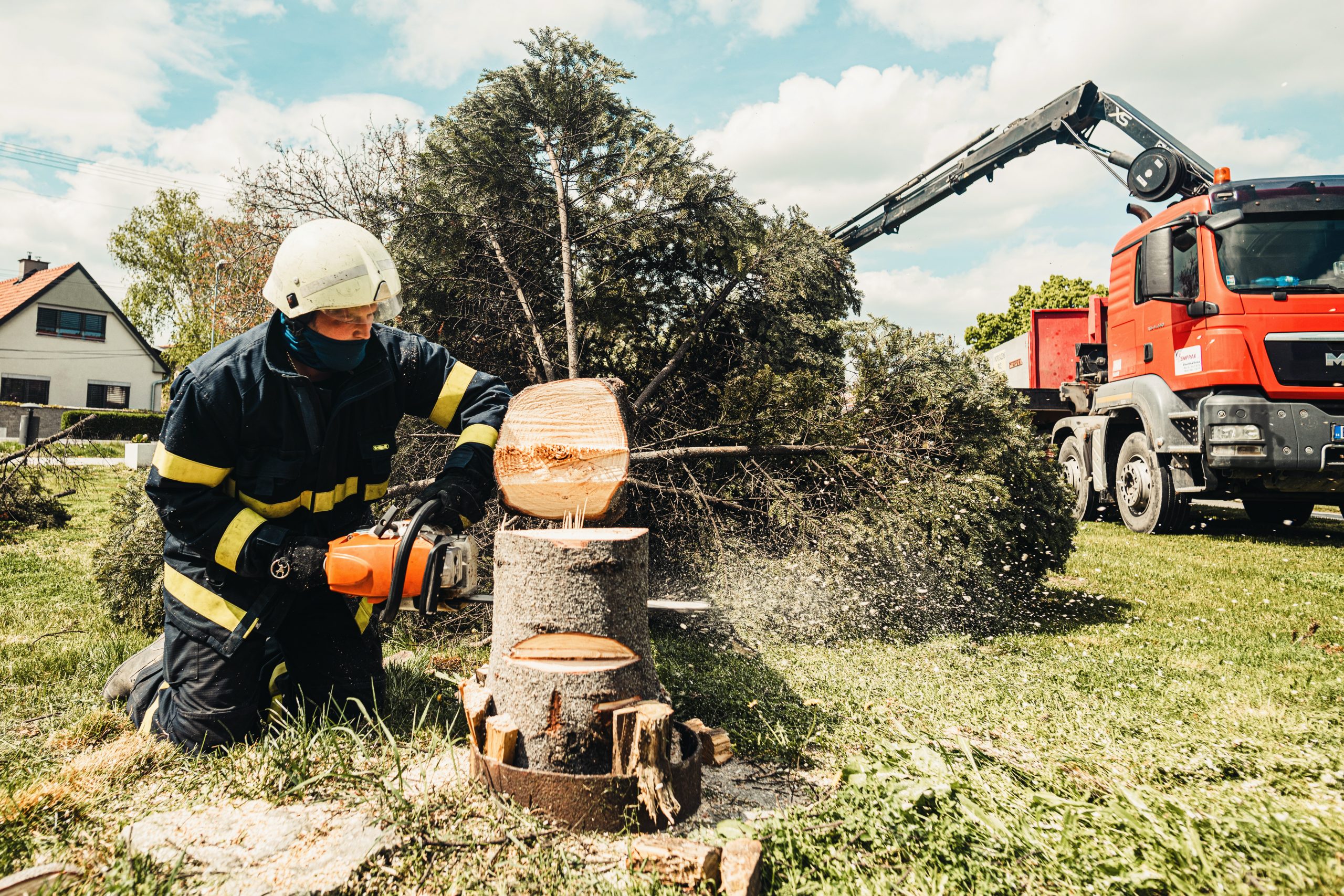
- Gather the necessary equipment and tools, including chainsaws, ropes, harnesses, and rigging equipment.
- Make sure all equipment is in good working condition and properly maintained.
- Tree Felling (If Applicable):
- If the tree is being felled (cut down in one piece), determine the direction of the fall based on the tree’s lean and surrounding conditions.
- Make precise cuts at specific angles to control the tree’s fall and ensure safety.
- Tree Removal in Sections (If Applicable):
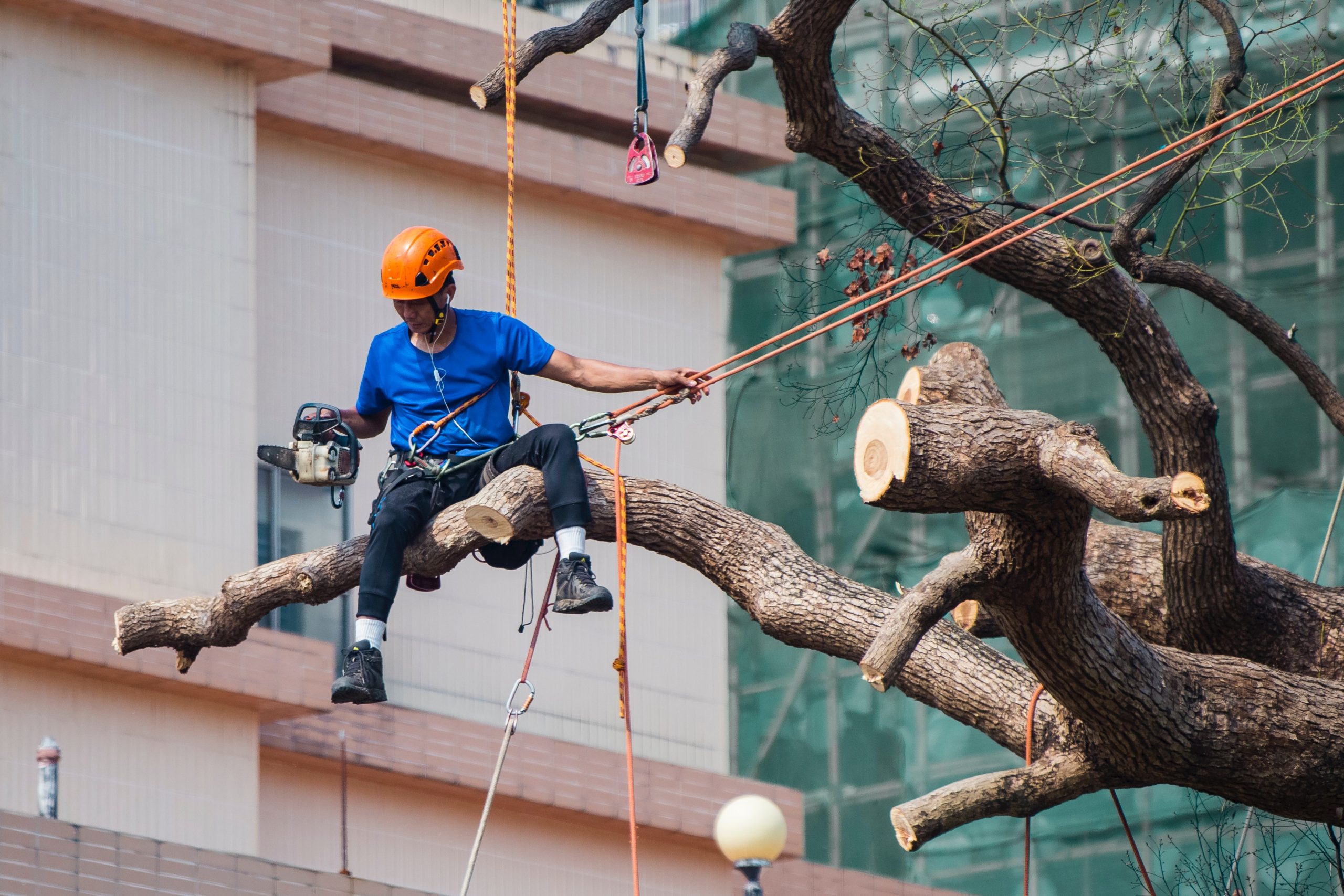
- If the tree cannot be safely felled in one piece, it may need to be removed in sections. This involves cutting and lowering branches and sections of the trunk in a controlled manner.
- Rigging (If Applicable):
- Rigging involves using ropes, pulleys, and specialized hardware to lower tree sections safely to the ground. This is crucial when working near structures or in confined spaces.
- Cutting and Removal:
- Cut the tree into manageable sections for removal, starting from the top and working downward.
- Control the direction of each cut to avoid obstacles and ensure the safety of workers.
- Stump Removal (If Desired):
- Stump removal can involve grinding the stump down to below ground level using a stump grinder.
- Alternatively, the stump can be left in place and covered with soil or mulch.
- Disposal:
- Dispose of tree debris in accordance with local regulations. This may involve chipping the wood, hauling it away, or recycling it.
- Site Cleanup:
- Thoroughly clean the work area, removing all debris, wood chips, and equipment.
- Inspect the surrounding area for any damage that may have occurred during the tree removal process.
- Post-Removal Care:
- Consider planting a replacement tree if appropriate, to help maintain the urban forest and ecosystem balance.
- Consult with local arborists or tree removal experts to ensure that the removal process adheres to best practices and local regulations.
Tree removal can be a dangerous task, and it’s generally recommended to hire a professional arborist or tree removal service with the expertise and equipment needed to safely and effectively remove trees.
Safely removing trees is a critical process that requires careful planning, specialized equipment, and expertise to ensure the safety of both people and property. Whether a tree needs to be removed due to disease, storm damage, or urban development, following proper procedures is essential. Here’s a general outline of how to safely remove trees:
- Assessment and Planning:
- Begin by assessing the tree’s condition, including its overall health, structural stability, and any potential hazards.
- Determine the tree’s location in relation to nearby structures, utility lines, and other trees.
- Identify potential risks, such as dead branches, decayed wood, or signs of disease.
- Plan the removal process based on the tree’s size, location, and potential hazards.
- Safety Precautions:
- Put safety measures in place, including wearing appropriate personal protective equipment (PPE) such as helmets, gloves, and eye protection.
- Establish a clear work zone and restrict access to the area to prevent accidents.
- Equipment and Tools:
- Gather the necessary equipment, which may include chainsaws, ropes, rigging gear, and cranes.
- Ensure that all equipment is in good working condition and that personnel are trained to use them safely.
- Tree Felling (If Applicable):
- If the tree is being felled, plan the direction of the fall and establish a safe escape route for the person cutting the tree.
- Make precise cuts to control the tree’s fall and minimize the risk of it getting stuck in other trees or structures.
- Tree Removal:
- In some cases, a tree may need to be removed in sections, especially if it’s close to structures or utility lines. This involves carefully cutting and lowering branches in a controlled manner.
- Rigging (If Applicable):
- Rigging involves using ropes, pulleys, and specialized hardware to lower tree sections safely to the ground. This is especially important when working in confined spaces.
- Cutting and Removal of Wood:
- Cut the tree trunk and branches into manageable sections for removal.
- Use caution when cutting near the base of the tree, as tension can build up and cause the tree to move unexpectedly.
- Disposal:
- Dispose of tree debris in accordance with local regulations. This may involve chipping, hauling, or recycling the wood.
- Stump Removal (If Desired):
- Stump removal can involve grinding the stump down to below ground level using a stump grinder.
- Alternatively, the stump can be left in place and covered with soil or mulch.
- Site Cleanup:
- Thoroughly clean the work area, removing all debris, wood chips, and equipment.
- Inspect the surrounding area for any damage that may have occurred during the tree removal process.
- Post-Removal Care:
- Consider planting a replacement tree if appropriate, to help maintain the urban forest and ecosystem balance.
- Consult with local arborists or forestry experts to ensure that the removal process aligns with best practices and local regulations.
It’s important to note that tree removal can be dangerous, and inexperienced individuals should not attempt it without proper training and equipment. Hiring a professional arborist or tree removal service with expertise in safe tree removal practices is highly recommended to minimize risks and ensure a successful removal process.
Removing trees near power lines requires specialized skills and precautions to ensure the safety of both workers and the surrounding community. Working around power lines introduces significant risks, including the potential for electrocution or power outages. Here’s how to safely remove trees near power lines:
- Professional Expertise:
- Tree removal near power lines should only be performed by experienced and certified arborists or tree removal professionals who are trained in working around electrical hazards.
- Utility Notification:
- Before any work begins, contact the local utility company to inform them of the planned tree removal. They can provide guidance on safety protocols and may need to disconnect or de-energize the power lines.
- Risk Assessment:
- Assess the tree’s condition, size, and location in relation to power lines.
- Identify the appropriate removal method based on the tree’s proximity to the lines and potential risks.
- Safety Precautions:
- Ensure that all workers involved wear proper personal protective equipment (PPE), including helmets, gloves, and eye protection.
- Establish a safety zone around the work area and restrict access to prevent accidents.
- Power Line De-Energization:
- If possible, the utility company should de-energize or disconnect the power lines before tree removal begins. This minimizes the risk of electrical shock.
- Proper Equipment:
- Use insulated tools and equipment designed for working near power lines to minimize the risk of electric shock.
- Tree Felling (If Applicable):
- Determine the direction of the fall and make precise cuts to control the tree’s fall away from power lines.
- Tree Removal in Sections (If Applicable):
- If the tree cannot be felled safely in one piece, it may need to be removed in sections to minimize the risk of contact with power lines.
- Rigging and Lowering:
- Use rigging equipment and controlled lowering techniques to safely remove tree sections without allowing them to come into contact with power lines.
- Ground Crew Communication:
- Establish clear communication between the ground crew, climbers, and operators to ensure safe coordination during tree removal.
- Avoid Contact:
- Maintain a safe distance from power lines at all times. Ensure that no part of the tree or equipment comes into contact with the lines.
- Electrical Awareness:
- Workers should be trained to recognize electrical hazards, know the minimum safe distances from power lines, and understand emergency procedures in case of accidental contact.
- Clean Work Zone:
- Thoroughly clean the work area after tree removal to prevent debris from coming into contact with power lines or causing damage.
- Power Line Re-Energization:
- Once tree removal is complete, the utility company should be notified to safely re-energize the power lines.
- Inspection and Documentation:
- After tree removal, inspect the area to ensure all debris has been removed and that no damage to power lines or equipment has occurred.
Safety is paramount when working near power lines. It’s crucial to follow industry best practices and collaborate closely with utility companies to ensure that tree removal is conducted in a manner that minimizes risks and maintains the safety of workers and the surrounding community.
[geocentric_weather id=”45ff4ccd-3d3f-498e-b0b9-91aaaf766bc4″]
[geocentric_about id=”45ff4ccd-3d3f-498e-b0b9-91aaaf766bc4″]
[geocentric_neighborhoods id=”45ff4ccd-3d3f-498e-b0b9-91aaaf766bc4″]
[geocentric_thingstodo id=”45ff4ccd-3d3f-498e-b0b9-91aaaf766bc4″]
[geocentric_busstops id=”45ff4ccd-3d3f-498e-b0b9-91aaaf766bc4″]
[geocentric_mapembed id=”45ff4ccd-3d3f-498e-b0b9-91aaaf766bc4″]
[geocentric_drivingdirections id=”45ff4ccd-3d3f-498e-b0b9-91aaaf766bc4″]
[geocentric_reviews id=”45ff4ccd-3d3f-498e-b0b9-91aaaf766bc4″]