HOW TO CREATE AND MAINTAIN A TREE INVENTORY
 

A tree inventory is a systematic collection of information about individual trees within a specific area, such as a property, park, campus, or urban area. This comprehensive record provides valuable insights into the quantity, distribution, species diversity, health, and condition of trees, enabling informed tree management decisions. Tree inventories are created and maintained by arborists, land managers, urban planners, municipalities, and property owners to ensure effective tree care and sustainability. Here’s a more detailed explanation of tree inventories:

  1. Purpose and Importance:
  1. Data Collected in a Tree Inventory:
  1. Methods of Data Collection:
  1. Data Management and Analysis:
  1. Benefits of Tree Inventories:
  1. Long-Term Value:

Tree inventories are invaluable tools for sustainable urban forestry, supporting healthy tree populations and fostering a harmonious balance between human habitats and natural ecosystems.

Purpose Of A Tree Inventory

The purpose of a tree inventory is to systematically collect, organize, and manage comprehensive information about individual trees within a specific area. This information serves as a valuable resource for effective tree management, informed decision-making, and the promotion of sustainable urban and natural environments. The key purposes of a tree inventory include:

  1. Data Collection and Documentation:
  1. Maintenance and Care Planning:
  1. Risk Assessment and Mitigation:
  1. Resource Allocation and Budgeting:
  1. Species Diversity and Biodiversity Enhancement:
  1. Planning for Future Development:
  1. Educational and Outreach Initiatives:
  1. Tracking Changes and Trends:
  1. Environmental Benefits Evaluation:
  1. Long-Term Planning and Monitoring:

The purpose of a tree inventory extends beyond simple data collection. It plays a pivotal role in guiding informed management decisions, enhancing community engagement, promoting tree health and safety, and fostering sustainable environments that benefit both human inhabitants and the natural world.

Importance Of Maintaining Accurate And Up-To-Date Tree Records

Maintaining accurate and up-to-date tree records through a tree inventory is of paramount importance for effective tree management, informed decision-making, and the overall well-being of trees and the environment. Here are the key reasons why accurate and up-to-date tree records are essential:

  1. Informed Decision-Making: Accurate records provide essential information for making well-informed decisions about tree care, maintenance, and management. This ensures that actions taken are based on reliable data rather than assumptions or guesswork.
  2. Proactive Maintenance: Up-to-date records help schedule and plan tree care activities, such as pruning, fertilization, and pest management. This proactive approach prevents issues from worsening and promotes the overall health of trees.
  3. Risk Assessment: Accurate records aid in identifying potential hazards or unstable trees. With this information, appropriate measures can be taken to mitigate safety risks and prevent accidents or property damage.
  4. Resource Allocation: Maintaining accurate records assists in allocating resources effectively. Budgets for tree care and management can be better planned based on the actual needs of the tree population.
  5. Species Diversity: Recordkeeping reveals the diversity and distribution of tree species within an area. This information is crucial for promoting biodiversity and implementing suitable planting strategies.
  6. Long-Term Planning: Accurate records provide insights into the growth patterns, health trends, and historical changes of trees over time. This data aids in developing long-term management strategies.
  7. Urban Development: Tree records inform urban planning by identifying locations of valuable trees and helping incorporate green spaces into development plans. This supports sustainable urban design.
  8. Community Engagement: Accurate records engage communities in tree-related initiatives. Sharing data fosters awareness and participation in tree care and management efforts.
  9. Tracking Success: Accurate records allow assessment of the effectiveness of past interventions. Monitoring changes and trends provides insights into the success of management strategies and informs future decisions.
  10. Environmental Benefits Evaluation: By keeping track of tree health and growth, the positive environmental services provided by trees, such as air quality improvement and carbon sequestration, can be quantified and communicated effectively.
  11. Legal and Liability Matters: Accurate records demonstrate responsible management practices. In the event of disputes or legal issues, comprehensive records serve as evidence of due diligence.
  12. Continuity and Succession Planning: In situations where property ownership or management changes, accurate records ensure the continuity of tree care practices and knowledge transfer.
  13. Education and Outreach: Data from accurate records can be used to educate the public about the importance of trees and their contributions to the environment.
  14. Adaptation to Changing Conditions: As environmental conditions evolve, accurate records enable adjustments to management strategies and species selection based on current realities.
  15. Scientific Research: Accurate and well-maintained records contribute to scientific studies on urban forestry, tree biology, and environmental impacts.

If you need a tree service in Utah, you can call:
Truco Services, Inc.
4640 Commerce Drive
Murray, Utah 84107
(801) 466-8044
https://truetreeservices.com/
BEST PRACTICES FOR MANAGING INVASIVE TREE SPECIES

BEST PRACTICES FOR MANAGING INVASIVE TREE SPECIES

Invasive tree species are non-native plants that have been introduced to a new region and, due to their aggressive growth and lack of natural predators or controls, have the potential to cause ecological harm. These species can outcompete native plants, disrupt local ecosystems, and negatively impact biodiversity. Invasive tree species often have characteristics that allow them to spread rapidly, establish themselves in various environments, and displace native vegetation. Here’s a more detailed explanation:

Characteristics of Invasive Tree Species:

Impact on Native Ecosystems

Invasive tree species can have several negative impacts on native ecosystems:

Examples of Invasive Tree Species

Efforts to manage invasive tree species involve early detection, rapid response, removal or control strategies, restoration of native habitats, and public education to prevent their spread. The goal is to protect and preserve native ecosystems while minimizing the ecological impact of invasive species.

Importance of Managing Invasive Species For Ecosystem Health

Managing invasive species is of paramount importance for the health and sustainability of ecosystems. Invasive species can wreak havoc on native flora and fauna, disrupt natural processes, and threaten biodiversity. Their unchecked growth can lead to long-lasting ecological imbalances that have far-reaching consequences. Here’s why managing invasive species is crucial for ecosystem health:

Invasive species management requires collaboration between government agencies, conservation organizations, researchers, landowners, and the public. Early detection, rapid response, proper removal techniques, restoration efforts, and education are key components of successful invasive species management. By addressing invasive species issues, we can ensure that ecosystems remain diverse, resilient, and able to provide the essential services that support life on Earth.

Identification and Monitoring

Identification and monitoring are critical components of managing invasive species effectively. Early detection of invasive species and ongoing monitoring of their populations are essential for implementing timely control measures and preventing their spread. Here’s a detailed explanation of identification and monitoring strategies:

Identification

  1. Field Guides and Resources: Utilize field guides, online resources, and mobile apps specific to your region to aid in the identification of invasive tree species. These resources often provide descriptions, images, and distribution maps.
  2. Expert Advice: Seek guidance from local botanists, foresters, ecologists, and extension services who have experience in identifying invasive species. They can provide accurate and reliable information.
  3. Characteristic Features: Familiarize yourself with the unique features of invasive species, including leaves, flowers, fruits, bark, and growth habits. Look for distinguishing traits that set them apart from native species.
  4. Comparison with Native Species: Learn to differentiate invasive species from similar-looking native species. Pay attention to subtle differences that can help you identify invasives accurately.
  5. Participation in Workshops: Attend workshops, seminars, or training sessions focused on invasive species identification. These events often provide hands-on experience and expert guidance.

Monitoring

  1. Regular Site Visits: Regularly visit the area where invasive species are suspected or known to be present. Repeat visits allow you to observe changes in plant populations and track their growth.
  2. Establish Monitoring Points: Create fixed monitoring points in target areas. Use GPS coordinates or distinctive landmarks to ensure consistency in monitoring locations.
  3. Use of Transects: Set up transects (linear sampling paths) across the landscape to systematically record invasive species presence and abundance.
  4. Photographic Documentation: Take photographs of invasive species during different stages of growth. This helps in comparing changes over time and aids in accurate identification.
  5. Mapping and GPS: Use mapping tools or GPS devices to record the location of invasive species sightings. This data can inform management decisions and track the spread.
  6. Data Collection Forms: Develop data collection forms that include information about species, abundance, growth stage, and site conditions. This systematic approach ensures consistent data recording.
  7. Seasonal Monitoring: Conduct monitoring throughout the year to capture changes in growth, reproduction, and other life stages of invasive species.
  8. Collaboration: Engage community members, citizen scientists, and volunteers in monitoring efforts. This expands coverage and increases the chances of early detection.
  9. Reporting Systems: Establish a reporting system where people can report invasive species sightings. This information helps authorities respond quickly to new infestations.
  10. Data Management: Organize and manage monitoring data in a centralized database. This information can be used for trend analysis, decision-making, and planning.

By effectively identifying and monitoring invasive tree species, you can contribute to early detection, rapid response, and successful management efforts. Regular observations and accurate data collection form the foundation for informed decisions and targeted control strategies to prevent the further spread of invasive species and protect native ecosystems.

Prevention

Preventing the introduction and spread of invasive tree species is a crucial aspect of effective invasive species management. Prevention efforts focus on minimizing the pathways through which invasive species are introduced to new areas and establishing regulations and practices to limit their impact. Here’s an in-depth look at prevention strategies:

Prevention efforts are often the most cost-effective and environmentally friendly way to manage invasive tree species. By reducing the number of introductions and new infestations, prevention helps preserve native ecosystems, protect biodiversity, and avoid the need for more extensive and costly control measures in the future.


[geocentric_weather id=”45ff4ccd-3d3f-498e-b0b9-91aaaf766bc4″]

[geocentric_about id=”45ff4ccd-3d3f-498e-b0b9-91aaaf766bc4″]

[geocentric_neighborhoods id=”45ff4ccd-3d3f-498e-b0b9-91aaaf766bc4″]

[geocentric_thingstodo id=”45ff4ccd-3d3f-498e-b0b9-91aaaf766bc4″]

[geocentric_busstops id=”45ff4ccd-3d3f-498e-b0b9-91aaaf766bc4″]

[geocentric_mapembed id=”45ff4ccd-3d3f-498e-b0b9-91aaaf766bc4″]

[geocentric_drivingdirections id=”45ff4ccd-3d3f-498e-b0b9-91aaaf766bc4″]

[geocentric_reviews id=”45ff4ccd-3d3f-498e-b0b9-91aaaf766bc4″]

THE BENEFITS OF USING RECYCLED MATERIALS FOR TREE CARE

THE BENEFITS OF USING RECYCLED MATERIALS FOR TREE CARE

In an era where environmental sustainability is at the forefront of global consciousness, every industry is being challenged to find innovative ways to minimize its ecological footprint. Arboriculture, the cultivation and management of trees, is no exception. As urban landscapes continue to expand, the importance of sustainable tree care practices becomes increasingly evident. One notable approach gaining traction within the arboriculture field is the utilization of recycled materials. This article explores the benefits and implications of integrating recycled materials into tree care practices.

Recycled Materials: Redefining Tree Care

Recycled materials in tree care encompass a wide range of resources, from yard waste and wood chips to compost and organic matter sourced from local communities. These materials, often repurposed from waste streams, can play a significant role in nurturing healthy trees and promoting sustainable urban ecosystems.

Environmental Benefits

At the heart of using recycled materials lies the principle of waste reduction. The arboriculture industry generates substantial amounts of tree waste, including branches, leaves, and wood debris. By recycling these materials into useful products like mulch and compost, we not only divert waste from landfills but also minimize the need for new resources. This translates into a lower carbon footprint and less strain on precious natural resources.

Soil Health and Fertility

Recycled organic materials, such as wood chips and compost, can be a boon for soil health. Mulching with recycled wood chips enhances soil structure, facilitating root growth and improving aeration. Organic matter also enriches soil fertility by releasing essential nutrients over time, reducing the need for synthetic fertilizers. Furthermore, mulch helps conserve soil moisture, reducing irrigation demands and promoting efficient water use.

Tree Health and Growth

Healthy soil is the foundation for thriving trees. Recycled mulch aids in controlling weed growth, minimizing competition for resources and maximizing nutrient availability to trees. The slow-release nutrients from organic materials provide a sustained source of nourishment, fostering steady growth and resilience against stressors.

Water Conservation

As water scarcity becomes a global concern, efficient water management practices are crucial. Recycled mulch plays a pivotal role in water conservation by preventing soil evaporation and runoff. This helps trees weather droughts and reduces the strain on water resources.

Pest and Disease Management

Innovative tree care approaches also touch upon pest and disease management. By utilizing recycled materials that promote biodiversity and encourage beneficial organisms, such as certain fungi and insects, arborists can create an ecosystem that naturally suppresses pests and pathogens. This reduces the reliance on chemical interventions, contributing to a healthier environment.

Cost Efficiency and Community Engagement

Recycled materials bring economic benefits too. By reducing disposal costs and the need for external inputs, tree care professionals can operate more efficiently and cost-effectively. Additionally, adopting sustainable practices resonates with communities that prioritize environmental responsibility, thereby strengthening community bonds and promoting a shared sense of stewardship.

Challenges and Considerations

While the advantages of using recycled materials in tree care are substantial, there are challenges to overcome. Sourcing quality recycled materials, ensuring their safety, and tailoring practices to specific tree species and environments require careful consideration.

Conclusion

The integration of recycled materials into tree care practices is not just a nod to sustainability; it’s a proactive step toward creating healthier urban ecosystems. By repurposing waste into valuable resources, arborists can improve tree health, conserve water, reduce costs, and foster community engagement. As the world looks for ways to harmonize human activities with the environment, the arboriculture industry showcases the transformative potential of recycled materials in creating a greener future.

Tree care and environmental conservation are essential for maintaining the health of ecosystems, preserving biodiversity, mitigating climate change, and ensuring a sustainable future for both human and natural communities. Here’s a breakdown of their importance:

  1. Ecosystem Health: Trees play a crucial role in various ecosystems, providing habitat and food sources for numerous species. They contribute to the overall health and balance of ecosystems, supporting diverse plant and animal communities.
  2. Biodiversity: Trees are part of intricate food webs and support a wide range of organisms. When trees are well-maintained and conserved, they help preserve biodiversity by providing habitats for various species, including insects, birds, and mammals.
  3. Air Quality: Trees are natural filters that absorb pollutants and release oxygen through photosynthesis. They improve air quality by removing harmful gases, such as carbon dioxide, sulfur dioxide, and nitrogen oxides, from the atmosphere.
  4. Climate Change Mitigation: Trees are carbon sinks, absorbing carbon dioxide from the atmosphere and helping to offset the impacts of climate change. By conserving and planting trees, we can reduce greenhouse gas emissions and their effects on global warming.
  5. Soil Protection: Tree roots prevent soil erosion and help maintain soil structure. They also contribute to nutrient cycling, promoting healthy soil for plant growth and ecosystem stability.
  6. Water Management: Trees play a role in regulating water cycles. They absorb and store water, reducing the risk of floods and promoting groundwater recharge. Trees also release moisture into the atmosphere through a process called transpiration, which influences local and regional rainfall patterns.
  7. Aesthetic and Recreational Value: Trees enhance the beauty of landscapes and provide spaces for recreation and relaxation. Parks, green spaces, and urban forests contribute to the well-being of communities and individuals.
  8. Cultural and Historical Significance: Trees often hold cultural and historical significance for communities, serving as symbols of heritage, identity, and memory.
  9. Economic Benefits: Proper tree care contributes to the economy by supporting industries like forestry, agriculture, and tourism. Trees can increase property values, attract tourists, and provide resources such as timber and fruits.
  10. Education and Awareness: Trees and natural environments offer opportunities for education and research, helping us better understand ecosystems, biodiversity, and the importance of conservation.
  11. Long-Term Sustainability: By practicing responsible tree care and environmental conservation, we ensure that future generations can enjoy the same benefits and resources that we do today. This approach aligns with the principles of sustainability and intergenerational equity.

In summary, tree care and environmental conservation are vital for maintaining ecological balance, addressing climate change, and promoting the well-being of both the natural world and human societies. Through conscious efforts to protect and nurture trees and their ecosystems, we contribute to a healthier, more resilient planet.

Moreover, here are the benefits of using recycled materials for tree care that you can discuss in your essay:

  1. Resource Conservation: Using recycled materials for tree care reduces the demand for new resources, such as timber and fossil fuels. This helps conserve natural resources and minimizes the environmental impact associated with resource extraction and production.
  2. Waste Reduction: Recycling materials like wood chips, leaves, and branches for tree care prevents organic waste from entering landfills. This reduces the volume of waste in disposal sites and contributes to a more sustainable waste management system.
  3. Lower Energy Consumption: Recycling materials requires less energy compared to extracting, refining, and processing new raw materials. By using recycled materials for tree care, you contribute to energy conservation and help reduce greenhouse gas emissions associated with energy production.
  4. Carbon Footprint Reduction: Recycling materials for tree care helps lower carbon emissions. It avoids the energy-intensive processes involved in creating new materials and reduces the overall carbon footprint associated with tree care practices.
  5. Natural Pest Control: Recycled materials can serve as natural alternatives for pest control. For example, using mulch made from recycled organic materials can create a barrier against weeds and pests, reducing the need for chemical pesticides.
  6. Improved Soil Health: Recycled materials like compost and mulch enrich the soil with essential nutrients and improve its structure. Healthy soil supports tree growth, water retention, and nutrient cycling, leading to better overall tree health.
  7. Promotion of Circular Economy: Using recycled materials in tree care promotes the concept of a circular economy, where materials are reused, repurposed, and recycled to extend their lifespan. This reduces the linear “take-make-dispose” model of resource consumption.
  8. Local Sourcing: Recycled materials often come from local sources, reducing the carbon footprint associated with transportation. This supports local economies and reduces the environmental impact of long-distance material transport.
  9. Community Engagement: Initiatives that involve the use of recycled materials for tree care can engage and educate local communities about sustainable practices. This fosters a sense of environmental responsibility and encourages more people to participate in conservation efforts.
  10. Cost Savings: In some cases, using recycled materials can be more cost-effective than purchasing new materials. For instance, using wood chips from tree pruning as mulch can save money compared to buying commercial mulch.
  11. Positive Public Image: Organizations and individuals that prioritize environmental conservation by using recycled materials for tree care can enhance their public image and reputation as responsible stewards of the environment.
  12. Long-Term Sustainability: Incorporating recycled materials into tree care practices contributes to the long-term sustainability of ecosystems, urban landscapes, and the environment as a whole.

By discussing these benefits in your essay, you can provide a comprehensive understanding of the advantages associated with using recycled materials for tree care and highlight the positive impact such practices can have on both the environment and society.


[geocentric_weather id=”45ff4ccd-3d3f-498e-b0b9-91aaaf766bc4″]

[geocentric_about id=”45ff4ccd-3d3f-498e-b0b9-91aaaf766bc4″]

[geocentric_neighborhoods id=”45ff4ccd-3d3f-498e-b0b9-91aaaf766bc4″]

[geocentric_thingstodo id=”45ff4ccd-3d3f-498e-b0b9-91aaaf766bc4″]

[geocentric_busstops id=”45ff4ccd-3d3f-498e-b0b9-91aaaf766bc4″]

[geocentric_mapembed id=”45ff4ccd-3d3f-498e-b0b9-91aaaf766bc4″]

[geocentric_drivingdirections id=”45ff4ccd-3d3f-498e-b0b9-91aaaf766bc4″]

[geocentric_reviews id=”45ff4ccd-3d3f-498e-b0b9-91aaaf766bc4″]

THE ROLE OF TREES IN WILDLIFE CONSERVATION

THE ROLE OF TREES IN WILDLIFE CONSERVATION

Wildlife conservation is of paramount importance for maintaining the health and balance of ecosystems. Ecosystems are intricate webs of interconnected living organisms and their physical environments, and the presence and well-being of wildlife are fundamental to their stability and functionality. Here’s why wildlife conservation is crucial for ecosystem health:

  1. Biodiversity Maintenance: Biodiversity refers to the variety of life forms within an ecosystem. Wildlife constitutes a significant portion of this biodiversity, contributing to the overall richness and complexity of ecosystems. Biodiverse ecosystems tend to be more resilient and adaptable to changes in the environment, making them better equipped to withstand disturbances and recover from disruptions.
  2. Ecosystem Services: Ecosystems provide a wide range of services that are vital to human survival and well-being. These include clean air and water, pollination of crops, regulation of climate, nutrient cycling, and disease regulation. Many of these services depend on the presence of diverse wildlife species that interact with their environment and contribute to these processes.
  3. Food Web Dynamics: Wildlife, including both predators and prey, form intricate food webs that regulate population sizes and keep species in check. The removal of certain species from these webs can disrupt the balance, leading to overpopulation of some species and underpopulation of others. This can have cascading effects throughout the ecosystem.
  4. Pollination: Many plants rely on wildlife, such as bees, butterflies, and birds, for pollination. This process is essential for the reproduction of flowering plants and the production of fruits and seeds. Without pollinators, entire plant communities and the animals that depend on them can be negatively impacted.
  5. Seed Dispersal: Wildlife, particularly mammals and birds, play a crucial role in seed dispersal. They consume fruits and disperse seeds across the landscape, contributing to the regeneration and expansion of plant populations. This helps maintain healthy plant communities and forest ecosystems.
  6. Nutrient Cycling: Wildlife contributes to nutrient cycling by consuming organic matter and redistributing nutrients through their waste. This process enriches the soil and supports the growth of plants, which in turn provide habitat and food for other wildlife.
  7. Pest Control: Predatory wildlife species help control populations of herbivorous animals that might otherwise damage crops or disrupt plant communities. This natural regulation reduces the need for chemical pesticides and promotes healthier ecosystems.
  8. Climate Regulation: Forests and other ecosystems with diverse wildlife play a role in climate regulation by sequestering carbon dioxide, a major greenhouse gas. Wildlife contributes to the health and growth of these ecosystems, enhancing their capacity to capture and store carbon.
  9. Education and Research: Wildlife serves as a valuable subject for scientific research and education. Studying wildlife behavior, ecology, and interactions provides insights into the functioning of ecosystems and informs conservation strategies.
  10. Cultural and Aesthetic Value: Wildlife has cultural significance and aesthetic value for human societies. Many cultures hold strong connections to specific wildlife species, and the presence of diverse wildlife contributes to the beauty and appeal of natural landscapes.

In conclusion, wildlife conservation is crucial for maintaining the health, functionality, and resilience of ecosystems. By protecting and preserving wildlife, we ensure the continued provision of ecosystem services that are essential for both nature and human societies.


Explanation of Habitats and their Significance for Wildlife

Habitats are specific environments where particular plant and animal species live, grow, and interact with each other and their surroundings. Habitats are characterized by unique combinations of physical factors, such as climate, soil type, vegetation, and topography. They provide the essential resources and conditions that wildlife species need to survive, reproduce, and thrive. The significance of habitats for wildlife is immense and directly influences species’ survival and overall ecosystem health. Here’s a closer look at their importance:

  1. Resource Availability: Habitats provide a range of resources that wildlife species need to meet their basic needs. These resources include food, water, shelter, and suitable nesting or breeding sites. Different habitats offer varying combinations of these resources, supporting a diverse array of species with specific adaptations.
  2. Species Adaptations: Over time, species have evolved specific adaptations that suit them to their particular habitats. These adaptations can include physical traits, behaviors, and feeding strategies that enable them to effectively obtain and utilize resources available in their habitat. For example, desert animals may have adaptations for conserving water, while forest-dwelling species might be adapted for climbing and maneuvering through trees.
  3. Biodiversity Hotspots: Certain habitats are especially rich in biodiversity, hosting a wide variety of species. These areas, known as biodiversity hotspots, often have unique and endemic species found nowhere else on Earth. Protecting these habitats is crucial for safeguarding the genetic diversity and uniqueness of species.
  4. Ecosystem Services: Habitats provide numerous ecosystem services that benefit both wildlife and humans. These services include pollination of crops by insects, water filtration by wetlands, and carbon sequestration by forests. Healthy habitats support these processes, contributing to human well-being and the overall functionality of ecosystems.
  5. Interconnectedness: Habitats are interconnected in complex ways. Many species depend on multiple habitats throughout their life cycles. For instance, some migratory birds rely on various habitats along their migration routes, from breeding areas to wintering grounds. Disruptions or degradation of one habitat can affect species across multiple habitats.
  6. Habitat Specialists and Generalists: Some species are habitat specialists, meaning they are adapted to thrive in specific habitats with particular conditions. Others are habitat generalists, capable of living in a range of habitats. Both specialists and generalists contribute to the overall balance and diversity of ecosystems.
  7. Conservation Priority: Protecting and conserving habitats is a critical aspect of wildlife conservation. Many threatened and endangered species are directly tied to specific habitats, and the loss or degradation of these habitats can lead to population declines and even extinctions. Conservation efforts often focus on preserving habitats to safeguard these species.
  8. Education and Research: Habitats serve as important subjects of scientific research and education. Studying habitats helps us understand the complex interactions between species, the adaptations that allow them to thrive, and the impacts of environmental changes on ecosystems.

In essence, habitats are the foundation of ecosystems and are intricately linked to the survival and diversity of wildlife. Protecting and preserving these habitats is essential for maintaining healthy ecosystems, promoting biodiversity, and ensuring the long-term survival of species.


How Trees Contribute to the Food Web

Trees play a significant role in the food web by providing resources that support a diverse array of organisms within ecosystems. They contribute to both terrestrial and aquatic food chains, supplying energy and nutrients that are essential for the survival and growth of various species. Here’s how trees contribute to the food web:

  1. Primary Producers: Trees are primary producers in ecosystems, meaning they are capable of photosynthesis. Through this process, trees convert sunlight, carbon dioxide, and water into energy-rich carbohydrates (such as sugars) and oxygen. These carbohydrates serve as the foundation of the food web, providing energy for other organisms.
  2. Herbivores: Many animals, known as herbivores, feed directly on parts of trees, such as leaves, fruits, seeds, and bark. These animals include insects, mammals, and birds. For example, caterpillars feed on tree leaves, while squirrels and birds consume fruits and seeds.
  3. Predators and Carnivores: The herbivores that feed on trees become a food source for predators and carnivores. Carnivores include animals that feed on other animals. Birds of prey, like owls and hawks, may hunt herbivorous mammals that feed on trees. Predators help regulate the populations of herbivores, preventing overgrazing or overconsumption of plant material.
  4. Scavengers and Decomposers: When trees shed leaves, branches, or other organic matter, these materials become food for scavengers and decomposers. Scavengers, like insects and small mammals, feed on dead plant material. Decomposers, such as fungi and bacteria, break down dead organic matter into simpler substances, recycling nutrients back into the soil for plants to use.
  5. Nutrient Cycling: As trees shed leaves, fruits, and other organic materials, these organic materials decompose and release nutrients into the soil. These nutrients are then taken up by the roots of trees and other plants, supporting their growth. The trees, in turn, provide food for herbivores, continuing the cycle.
  6. Aquatic Food Webs: Trees near bodies of water contribute to aquatic food webs as well. Leaf litter from trees falls into water bodies and serves as food for aquatic insects, small fish, and other aquatic organisms. This organic matter provides energy and nutrients for aquatic life.
  7. Connections Between Habitats: Trees also play a role in connecting different habitats within ecosystems. They provide corridors for animals to move from one habitat to another, accessing various sources of food along the way. These corridors help maintain genetic diversity and support wildlife populations.
  8. Ecosystem Health: The interactions between trees and the organisms they support contribute to the overall health of ecosystems. A balanced food web ensures that no single species becomes overly dominant, preventing ecological imbalances and enhancing the stability of the ecosystem.

In summary, trees are vital components of the food web, serving as primary producers and providing resources that support a diverse range of organisms. Their role extends beyond providing food; they contribute to nutrient cycling, habitat creation, and the overall health and balance of ecosystems.


[geocentric_weather id=”45ff4ccd-3d3f-498e-b0b9-91aaaf766bc4″]

[geocentric_about id=”45ff4ccd-3d3f-498e-b0b9-91aaaf766bc4″]

[geocentric_neighborhoods id=”45ff4ccd-3d3f-498e-b0b9-91aaaf766bc4″]

[geocentric_thingstodo id=”45ff4ccd-3d3f-498e-b0b9-91aaaf766bc4″]

[geocentric_busstops id=”45ff4ccd-3d3f-498e-b0b9-91aaaf766bc4″]

[geocentric_mapembed id=”45ff4ccd-3d3f-498e-b0b9-91aaaf766bc4″]

[geocentric_drivingdirections id=”45ff4ccd-3d3f-498e-b0b9-91aaaf766bc4″]

[geocentric_reviews id=”45ff4ccd-3d3f-498e-b0b9-91aaaf766bc4″]

UNDERSTANDING THE DIFFERENT TYPES OF TREE TRANSPLANTING

UNDERSTANDING THE DIFFERENT TYPES OF TREE TRANSPLANTING

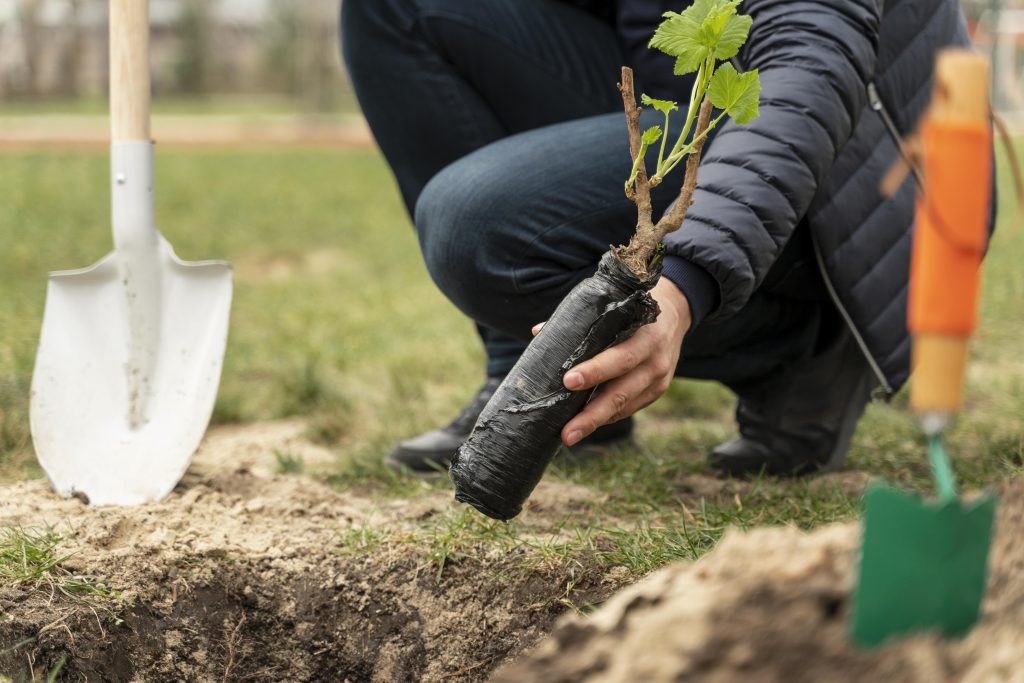
Tree transplanting is a crucial practice in arboriculture with a range of significant benefits. Understanding the importance of tree transplanting highlights its value in preserving and enhancing our natural environment. Here are some key reasons why tree transplanting is important:

  1. Landscape Enhancement: Transplanting trees allows for strategic placement and design within landscapes. It provides the opportunity to create aesthetically pleasing and functional outdoor spaces, improving the overall beauty and appeal of the environment.
  2. Preservation of Mature Trees: Mature trees contribute significantly to the visual appeal, biodiversity, and ecological health of an area. Transplanting mature trees from development sites to new locations helps preserve their value and benefits to the ecosystem.
  3. Adapting to Changing Environments: Tree transplanting enables trees to be relocated to environments more suitable for their growth and survival. This is particularly important in urban areas where changes in land use, construction, or environmental conditions might threaten existing trees.
  4. Historical and Cultural Preservation: Transplanting historic or culturally significant trees can help preserve local heritage and traditions. These trees often hold sentimental value and contribute to the historical identity of a place.
  5. Economic Benefits: Mature trees provide shade, reduce energy costs, and increase property values. Transplanting trees to new locations allows these economic benefits to be realized in areas where they might be lacking.
  6. Biodiversity and Habitat: Transplanting trees contributes to maintaining biodiversity by preserving diverse tree species and habitats. This is crucial for supporting wildlife populations and maintaining healthy ecosystems.
  7. Air and Water Quality: Trees play a vital role in improving air quality by absorbing pollutants and releasing oxygen. Transplanting trees to areas with poor air quality can help mitigate pollution and improve overall air quality.
  8. Carbon Sequestration: Trees absorb carbon dioxide, a major greenhouse gas contributing to climate change. Transplanting trees to strategic locations can aid in carbon sequestration efforts, helping combat global warming.
  9. Educational Value: Tree transplanting provides educational opportunities to raise awareness about the importance of trees, their growth, and their role in the environment. It can spark community involvement and environmental stewardship.
  10. Mitigation of Urban Heat Islands: Transplanting trees to urban areas helps mitigate the urban heat island effect, where cities experience higher temperatures due to heat-absorbing surfaces. Trees provide shade and cooling, making urban spaces more livable.
  11. Long-Term Planning: Transplanting young trees allows urban planners and developers to implement long-term greening strategies, ensuring a sustainable and green future for growing communities.
  12. Erosion Control: Tree roots help prevent soil erosion by stabilizing the soil structure. Transplanting trees to areas prone to erosion can help mitigate soil loss and protect landscapes.

In summary, tree transplanting is essential for preserving the environment, supporting biodiversity, enhancing aesthetics, and addressing various environmental challenges. It provides an opportunity to create healthier and more sustainable landscapes while respecting the ecological value of trees.


Different Types of Tree Transplanting

Tree transplanting involves several methods that vary based on the size of the tree, the transplanting equipment used, and the overall goals of the transplantation. Here are the different types of tree transplanting:

  1. Bare Root Transplanting:
  1. Container Transplanting:
  1. Balled and Burlapped (B&B) Transplanting:
  1. Mechanical Transplanting:
  1. Air Spade Transplanting:
  1. Root Pruning and Transplanting:

Each of these methods has its own advantages, considerations, and suitable tree sizes. The choice of transplanting method depends on factors such as the tree’s age, size, species, the location of the transplant, and the available equipment. Proper planning, expert advice, and careful execution are essential for successful tree transplanting, regardless of the chosen method.


Importance of Understanding Each Type for Successful Tree Relocation

Understanding each type of tree transplanting method is crucial for achieving successful tree relocation. Here’s why comprehending the various methods is important:

  1. Matching Method to Tree Characteristics: Different trees have different root structures, sizes, and growth stages. Understanding each method helps you choose the most suitable technique for a specific tree. For instance, bare root transplanting might work well for young deciduous trees, while balled and burlapped (B&B) transplanting might be better for larger, more established specimens.
  2. Minimizing Transplant Shock: Transplant shock occurs when a tree’s roots are disturbed during relocation, leading to stress and potential health decline. Knowing the characteristics of each method enables you to select the one that minimizes root disturbance, thereby reducing the risk of transplant shock.
  3. Optimizing Survival Rates: Each transplanting method comes with its own set of guidelines for timing, root preparation, and aftercare. Properly implementing these guidelines greatly improves the chances of the transplanted tree surviving and thriving in its new location.
  4. Addressing Site Limitations: Different landscapes and urban environments might have limitations, such as limited space or proximity to structures. Understanding each method helps you choose the one that fits the site’s constraints while ensuring the tree’s long-term health.
  5. Efficient Resource Allocation: Some methods might require specialized equipment or a larger labor force. By understanding the requirements of each method, you can allocate resources efficiently and plan for any necessary machinery or personnel.
  6. Adapting to Environmental Conditions: Climate, season, and local soil conditions play a role in successful transplanting. Knowing when and how to use each method allows you to adapt to these environmental factors, increasing the chances of a successful relocation.
  7. Balancing Aesthetics and Practicality: Some methods, like container transplanting, offer more flexibility in terms of timing and aesthetics. Understanding these factors allows you to strike a balance between achieving the desired landscape design and ensuring the tree’s health.
  8. Professional Decision-Making: Whether you’re an arborist, landscaper, or property owner, informed decision-making based on a thorough understanding of each method showcases your professionalism and commitment to the well-being of the trees.
  9. Promoting Education and Awareness: By understanding and explaining the different transplanting methods, you can educate clients, stakeholders, and the public about the complexities and considerations involved in tree relocation. This can foster a greater appreciation for the practice and its benefits.
  10. Mitigating Risks: Each transplanting method comes with its own set of risks and challenges. A solid understanding of these risks helps you take proactive measures to mitigate them, ensuring a smoother transplanting process.

In essence, grasping the nuances of each tree transplanting method empowers you to make informed decisions, minimize risks, and ensure the successful relocation of trees. It also showcases your commitment to the trees’ well-being, the environment, and the aesthetics of the landscape.


Factors Influencing Transplant Success

The success of a tree transplanting project is influenced by a variety of factors, ranging from the tree’s health to the environmental conditions at the transplant site. Understanding these factors is essential for planning and executing a successful tree relocation. Here are the key factors that influence transplant success:

  1. Tree Health: Healthy trees have a higher chance of surviving transplanting. Trees with strong root systems, disease resistance, and overall vigor are more likely to adapt to their new environment successfully.
  2. Size and Age of the Tree: Younger trees with smaller root systems generally transplant more easily than mature trees with extensive root networks. Smaller trees also recover faster from transplant shock.
  3. Transplant Timing: The timing of transplanting plays a crucial role. Transplanting during the tree’s dormant season, when it has fewer leaves and minimal growth, reduces stress and allows the tree to focus on root establishment.
  4. Root Preparation: Proper root pruning, loosening, and protection during the transplanting process contribute to successful establishment. Root preparation helps reduce transplant shock and encourages new root growth.
  5. Transplant Method: Different transplanting methods have varying impacts on root disturbance. Choosing the most suitable method for the tree’s size and characteristics minimizes stress on the root system.
  6. Soil Conditions: The soil at the transplant site should be well-draining and nutrient-rich. Preparing the soil with appropriate amendments can encourage healthy root growth and establishment.
  7. Watering and Irrigation: Consistent and adequate watering is critical after transplanting to prevent water stress and support root recovery. Overwatering and underwatering should be avoided to maintain the right moisture balance.
  8. Mulching: Applying a layer of mulch around the transplanted tree helps retain soil moisture, regulate soil temperature, and prevent weed competition. Mulch also protects the shallow root zone from mechanical damage.
  9. Environmental Stressors: Transplanted trees are more vulnerable to stressors such as extreme weather conditions, pests, diseases, and pollution. Monitoring and addressing these stressors promptly are essential for transplant success.
  10. Transplant Shock Management: Transplant shock is a temporary state of stress that trees experience after relocation. Providing proper care, such as pruning, watering, and potentially applying growth stimulants, helps the tree recover from shock.
  11. Post-Transplant Care: Ongoing care is crucial for successful establishment. Regular monitoring, adjusting watering practices, and addressing any issues promptly contribute to the tree’s long-term health.
  12. Site Preparation: Properly preparing the transplant site ensures that it meets the tree’s requirements for light, space, and soil conditions. This includes removing competing vegetation and addressing drainage issues.
  13. Species Compatibility: Different tree species have varying levels of adaptability to transplanting. Some species may be more resilient, while others might be sensitive to root disturbance.
  14. Stake and Guy Wire Usage: If staking is necessary, proper installation and timely removal are important. Improper staking can hinder root growth and lead to a weak trunk.
  15. Professional Expertise: Involving certified arborists or tree care professionals with experience in transplanting increases the chances of success. Their expertise ensures proper handling, preparation, and aftercare.

Considering and managing these factors collectively contributes to the success of a tree transplanting project. Proper planning, execution, and ongoing care are key to ensuring the transplanted tree’s survival and future growth.


[geocentric_weather id=”45ff4ccd-3d3f-498e-b0b9-91aaaf766bc4″]

[geocentric_about id=”45ff4ccd-3d3f-498e-b0b9-91aaaf766bc4″]

[geocentric_neighborhoods id=”45ff4ccd-3d3f-498e-b0b9-91aaaf766bc4″]

[geocentric_thingstodo id=”45ff4ccd-3d3f-498e-b0b9-91aaaf766bc4″]

[geocentric_busstops id=”45ff4ccd-3d3f-498e-b0b9-91aaaf766bc4″]

[geocentric_mapembed id=”45ff4ccd-3d3f-498e-b0b9-91aaaf766bc4″]

[geocentric_drivingdirections id=”45ff4ccd-3d3f-498e-b0b9-91aaaf766bc4″]

[geocentric_reviews id=”45ff4ccd-3d3f-498e-b0b9-91aaaf766bc4″]

THE ROLE OF TREES IN PROVIDING HABITAT FOR WILDLIFE

THE ROLE OF TREES IN PROVIDING HABITAT FOR WILDLIFE

Biodiversity refers to the variety of life forms, including different species of plants, animals, fungi, and microorganisms, as well as the ecosystems in which they exist. Habitat preservation involves conserving and protecting natural environments that provide suitable conditions for various species to live, reproduce, and interact. The importance of biodiversity and habitat preservation cannot be overstated, as they are essential for the health of ecosystems, human well-being, and the overall sustainability of the planet. Here’s why they are crucial:

  1. Ecosystem Health and Resilience:
  1. Economic Value:
  1. Food Security:
  1. Medicinal Benefits:
  1. Genetic Diversity:
  1. Cultural and Spiritual Significance:
  1. Aesthetic and Recreational Value:
  1. Climate Change Mitigation:
  1. Ecological Interactions:
  1. Education and Scientific Discovery:
  1. Ecosystem Services:
  1. Intrinsic Value:
  1. Maintaining Balance:
  1. Long-Term Sustainability:

Habitat preservation is a key strategy for maintaining biodiversity, as each species requires specific conditions to thrive. Conserving intact habitats, restoring degraded areas, and creating wildlife corridors contribute to the preservation of biodiversity and support the interconnectedness of all life forms. Ultimately, safeguarding biodiversity and preserving habitats is fundamental to ensuring a healthy and vibrant planet for all living beings.


Significance of Trees as Critical Wildlife Habitats

Trees play a crucial role as critical wildlife habitats, providing essential shelter, food, and breeding sites for a diverse range of animal species. These habitats are essential for maintaining biodiversity, supporting ecosystems, and ensuring the survival of various wildlife populations. The significance of trees as critical wildlife habitats is profound and far-reaching:

  1. Shelter and Refuge:
  1. Nesting and Breeding Sites:
  1. Food Sources:
  1. Insect Abundance:
  1. Biodiversity Hotspots:
  1. Migration and Rest Stops:
  1. Ecosystem Services:
  1. Complex Ecological Interactions:
  1. Habitat Connectivity:
  1. Indicator of Habitat Quality:
  1. Species Conservation:
  1. Carbon Storage and Climate Resilience:
  1. Educational and Recreational Value:
  1. Cultural and Traditional Significance:
  1. Economic Benefits:

In conclusion, trees as critical wildlife habitats are integral components of healthy ecosystems, supporting a rich diversity of plant and animal life. Their significance extends beyond ecological functions, encompassing cultural, educational, economic, and climate-related aspects. Conserving and preserving these habitats is essential for the well-being of both wildlife and humanity.


Variety of Wildlife Species that Depend on Trees for Shelter

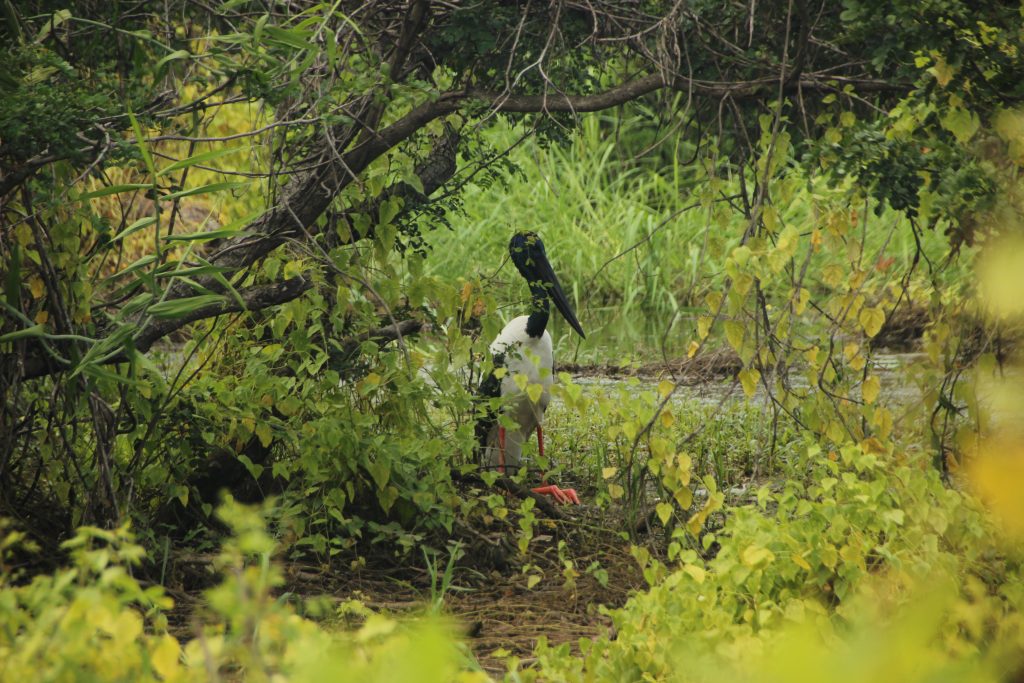
A diverse array of wildlife species depend on trees for shelter, nesting, roosting, and protection from predators and environmental conditions. Trees offer a wide range of habitats that cater to the needs of various animals, from birds and mammals to insects and reptiles. Here are some examples of wildlife species that rely on trees for shelter:

  1. Birds:
  1. Mammals:
  1. Insects:
  1. Amphibians and Reptiles:
  1. Small Mammals:
  1. Arachnids:
  1. Bird Nests and Roosting Sites:
  1. Cavity Nesters:
  1. Mammal Roosts:
  1. Primates:

The relationship between trees and wildlife is intricate and interconnected. Trees provide not only shelter but also sources of food and resources for many animal species, contributing to the overall health and balance of ecosystems.


Protection and Safety

Trees offer protection and safety to various wildlife species, serving as refuge from predators, extreme weather conditions, and other environmental threats. The diverse structures and microhabitats that trees provide allow animals to find shelter, rest, and security. Here’s how trees play a crucial role in providing protection and safety for wildlife:

  1. Predator Avoidance:
  1. Weather Protection:
  1. Nesting and Reproduction:
  1. Roosting and Resting:
  1. Camouflage and Concealment:
  1. Protection from Harsh Environments:
  1. Avoidance of Human Disturbance:
  1. Nesting and Roosting Structures:
  1. Critical for Nocturnal Animals:
  1. Elevation Advantage:

The protective role of trees is vital for maintaining the balance and well-being of ecosystems. Trees not only provide a physical barrier against dangers but also create a complex network of interactions that influence wildlife behavior, survival, and species coexistence. As habitats become fragmented and threats increase due to human activities, preserving and restoring tree habitats becomes crucial for ensuring the continued protection and safety of wildlife populations.


[geocentric_weather id=”45ff4ccd-3d3f-498e-b0b9-91aaaf766bc4″]

[geocentric_about id=”45ff4ccd-3d3f-498e-b0b9-91aaaf766bc4″]

[geocentric_neighborhoods id=”45ff4ccd-3d3f-498e-b0b9-91aaaf766bc4″]

[geocentric_thingstodo id=”45ff4ccd-3d3f-498e-b0b9-91aaaf766bc4″]

[geocentric_busstops id=”45ff4ccd-3d3f-498e-b0b9-91aaaf766bc4″]

[geocentric_mapembed id=”45ff4ccd-3d3f-498e-b0b9-91aaaf766bc4″]

[geocentric_drivingdirections id=”45ff4ccd-3d3f-498e-b0b9-91aaaf766bc4″]

[geocentric_reviews id=”45ff4ccd-3d3f-498e-b0b9-91aaaf766bc4″]