UNDERSTANDING THE DIFFERENT TYPES OF TREE SERVICES
UNDERSTANDING THE DIFFERENT TYPES OF TREE SERVICES AVAILABLE
Understanding the different types of tree services available is essential for property owners, managers, and anyone responsible for tree care and maintenance. Tree services encompass a wide range of activities aimed at promoting tree health, safety, aesthetics, and overall well-being. Here’s an overview of the various types of tree services:
Tree Pruning and Trimming:Pruning involves the selective removal of branches to enhance the tree’s structure, health, and appearance. Different types of pruning include crown thinning (removing excess branches), crown reduction (reducing tree height), and deadwood removal.
Tree Removal:Tree removal is necessary when a tree is dead, diseased, hazardous, or interfering with structures. Professionals use techniques like felling, dismantling, and crane-assisted removal to ensure safety and minimal impact on the surrounding area.
Tree Planting and Transplanting: Planting involves selecting suitable tree species and planting them in appropriate locations. Transplanting moves established trees to new locations, requiring careful planning to minimize stress and ensure successful establishment.
Tree Health Assessment and Diagnosis:Arborists assess tree health by examining leaves, bark, and overall condition. They diagnose diseases, pests, nutrient deficiencies, and other issues to develop effective treatment plans.
Emergency Tree Care:Emergency services address urgent situations, such as fallen trees after storms or trees posing immediate safety risks. Professionals quickly respond to mitigate hazards and prevent further damage.
Tree Pest and Disease Management:Arborists identify and treat common pests (insects) and diseases (fungal, bacterial) that affect trees. Integrated Pest Management (IPM) approaches minimize chemical use while effectively managing pests.
Tree Cabling and Bracing: Weak branches or multiple stems are supported using cables and braces to prevent failure and increase structural stability. This technique is used to extend the life of valuable trees.
Stump Grinding and Removal: Stumps left after tree removal can be ground down to the below-ground level, eliminating tripping hazards and allowing for replanting or construction.
Soil Aeration and Fertilization: Soil aeration improves root oxygenation, and fertilization provides essential nutrients for healthy tree growth. Certified arborists assess soil conditions and recommend treatments.
Consulting and Advisory Services:Arborists provide expert advice on tree care, selection, management plans, and risk assessment. Consulting services help property owners make informed decisions about their trees.
Mulching and Soil Improvement:Mulching around trees helps retain moisture, control weeds, and improve soil health. Proper mulching techniques protect tree roots and promote healthy growth.
Tree Preservation and Conservation:Arborists work to preserve mature and heritage trees, protecting them during construction and development projects through techniques like root pruning and protective barriers.
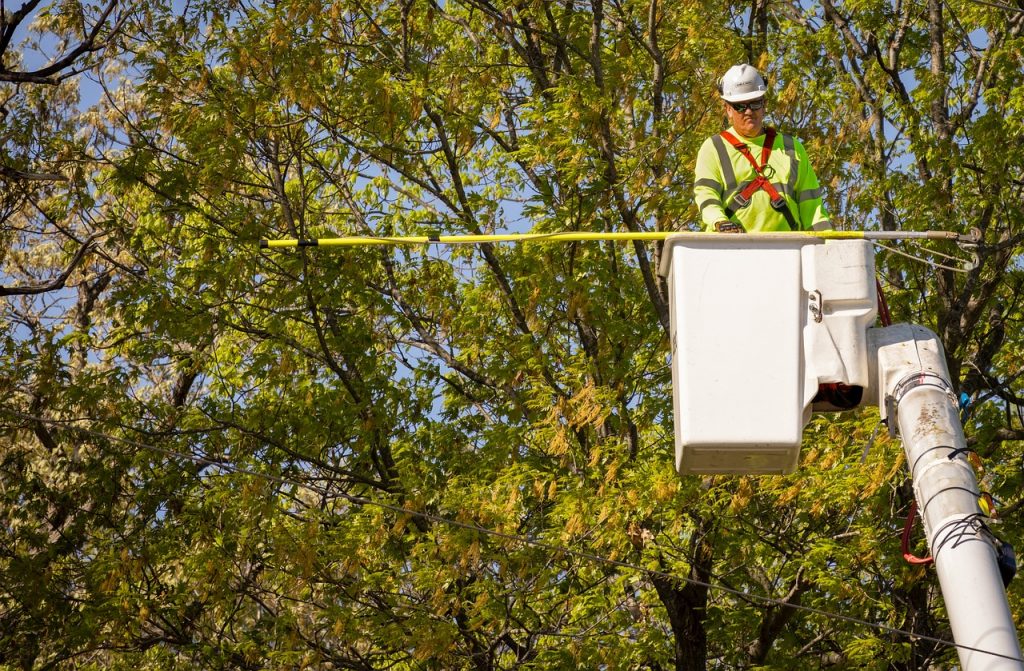
Pruning for Utilities:Trimming trees near utility lines prevents interference and reduces the risk of power outages or safety hazards.
Tree Inventory and Management Plans:Arborists conduct tree inventories, mapping species and conditions, to inform management plans for urban forests and public spaces.
Understanding these various tree services is essential for making informed decisions about tree care, ensuring the well-being of trees, and maintaining safe and attractive outdoor environments. Professional arborists with expertise in these services play a crucial role in promoting the health, safety, and longevity of trees in urban and natural settings.
Importance of Knowing the Range of Tree Care Services Available
Knowing the range of tree care services available is of paramount importance for property owners, managers, and anyone responsible for landscape maintenance. Understanding the various tree care services not only empowers individuals to make informed decisions about their trees but also ensures the health, safety, and longevity of the trees and the overall environment. Here’s why knowing the range of tree care services is crucial:
Tailored Care: Different trees have unique needs based on their species, age, location, and overall health. Knowing the range of services available allows property owners to provide tailored care that addresses specific requirements.
Preventive Maintenance:Many tree care services focus on preventive measures to maintain tree health. Regular pruning, disease management, and nutrient supplementation prevent issues from escalating and causing irreversible damage.
Safety and Liability: Being aware of the available services helps property owners address safety hazards promptly. Tree removal, pruning weak branches, and managing hazardous trees prevent accidents, property damage, and potential legal liabilities.
Preserving Tree Value: Trees are valuable assets that enhance property aesthetics and value. Understanding services like proper pruning, pest management, and soil care helps maintain the investment and visual appeal.
Environmental Benefits: Trees contribute to air quality, shade, and overall environmental health. Knowledge of services like planting, soil aeration, and mulching ensures that trees continue to provide these benefits effectively.
Long-Term Planning: Knowing the full spectrum of services enables property owners to develop comprehensive tree management plans. These plans guide ongoing care and anticipate future needs.
Property Aesthetics: Properly maintained trees enhance the beauty and curb appeal of a property. Pruning, trimming, and disease management services keep trees looking attractive and well-groomed.
Environmental Stewardship: Trees are integral to the ecosystem and biodiversity. Being aware of services such as tree preservation during construction and invasive species management contributes to responsible environmental stewardship.
Emergency Preparedness: Storms and unforeseen events can damage trees. Awareness of emergency tree care services allows for swift action during crises, minimizing risks and further damage.
Property Development: Understanding tree care services is crucial during property development. Services like transplanting, protection during construction, and selecting appropriate species ensure trees integrate seamlessly into the landscape.
Educational Opportunities: Knowledge of tree care services fosters learning and awareness about proper tree care practices. This information can be shared with others, promoting a culture of responsible tree care.
Building Trust with Professionals: Being informed about tree care services helps property owners communicate effectively with certified arborists and tree care professionals. This collaboration ensures the right services are provided based on the property’s needs.
Financial Planning: Budgeting for tree care services becomes more accurate when property owners are aware of the range of services required. Preventive care often saves money in the long run by avoiding costly interventions.
Personal Enjoyment: Healthy, well-maintained trees contribute to an enjoyable outdoor environment. Understanding tree care services ensures that the landscape remains pleasant and inviting for relaxation and recreation.
In summary, knowing the full scope of tree care services available empowers property owners to be proactive in managing their trees, promoting safety, aesthetics, and environmental well-being. This knowledge leads to well-informed decisions, responsible practices, and a thriving outdoor space.
Significance of HiringProfessionals for Specialized Tree Services
Hiring professionals for specialized tree services is of utmost importance to ensure the health, safety, and well-being of trees, as well as the overall landscape and property. While some tree maintenance tasks may seem straightforward, many require expertise, experience, and specialized equipment that only trained professionals possess. Here’s why hiring professionals for specialized tree services is significant:
Expertise and Knowledge:Professionals have in-depth knowledge of tree biology, species, growth patterns, and health indicators. Their expertise enables accurate diagnosis, appropriate treatment, and informed decisions for tree care.
Safety First:Tree care can be hazardous, involving climbing, using heavy equipment, and working at heights. Professionals are trained in safety protocols, minimizing the risk of accidents and injuries to themselves, bystanders, and property.
Proper Techniques: Specialized tree services, such as pruning, require precise techniques to ensure the tree’s health and structural integrity. Professionals know how to make correct cuts, reducing the risk of improper wounds and disease entry points.
Equipment and Tools: Professionals have access to specialized equipment designed for tree care tasks. This equipment ensures efficient and safe execution of services, reducing the risk of damage to property or trees.
Preventive Care:Trained professionals understand the importance of preventive care to maintain tree health. They can identify early signs of diseases, pests, or structural issues and take corrective measures before problems escalate.
Preserving Aesthetics: Specialized tree services like pruning and shaping require an artistic touch to enhance tree aesthetics. Professionals know how to trim trees while maintaining their natural form and visual appeal.
Disease Management: Dealing with tree diseases often requires specialized knowledge of pathogens, treatment methods, and preventative measures. Professionals can accurately diagnose diseases and recommend effective treatments.
Risk Mitigation:Hazardous trees pose risks to property and safety. Professionals can assess the risk and determine whether a tree needs to be removed or if other measures can mitigate the danger.
Environmental Considerations: Professionals understand the environmental impact of tree care practices. They use eco-friendly methods, such as integrated pest management, to minimize chemical use and protect the ecosystem.
Regulatory Compliance: Some tree care activities are subject to local regulations or ordinances. Professionals are familiar with these rules and ensure that the work is carried out in compliance with legal requirements.
Long-Term Health: Specialized services focus on the long-term health of trees. Professionals consider factors like soil conditions, watering schedules, and seasonal changes to provide holistic care.
Property Value:Well-maintained trees enhance property value. Professionals can assess, recommend, and implement services that boost the aesthetics and marketability of the property.
Cost-Effective Solutions:Hiring professionals may seem like an upfront cost, but their expertise prevents costly mistakes and the need for additional corrective actions in the future.
Certified Arborists:Certified arborists have undergone rigorous training and testing to earn their certification. Hiring these professionals ensures a high standard of tree care based on industry best practices.
Ethical and Responsible Care: Professionals prioritize ethical and responsible tree care. They consider the long-term impact of their actions on tree health, the environment, and the community.
In conclusion, hiring professionals for specialized tree services ensures that tree care is carried out with precision, safety, and expertise. Their knowledge, experience, and commitment to best practices contribute to the overall health and sustainability of trees and landscapes.
Are you unsure about who is responsible for removing fallen trees on your property? It’s a common dilemma faced by homeowners and property owners alike. On one hand, you may assume the responsibility lies with the municipality or local government. On the other hand, you might believe it’s your own duty to handle the fallen tree removal. In this article, we will explore the answer to this question and provide you with valuable insights to help you navigate this situation with confidence.
Introduction to fallen tree removal process
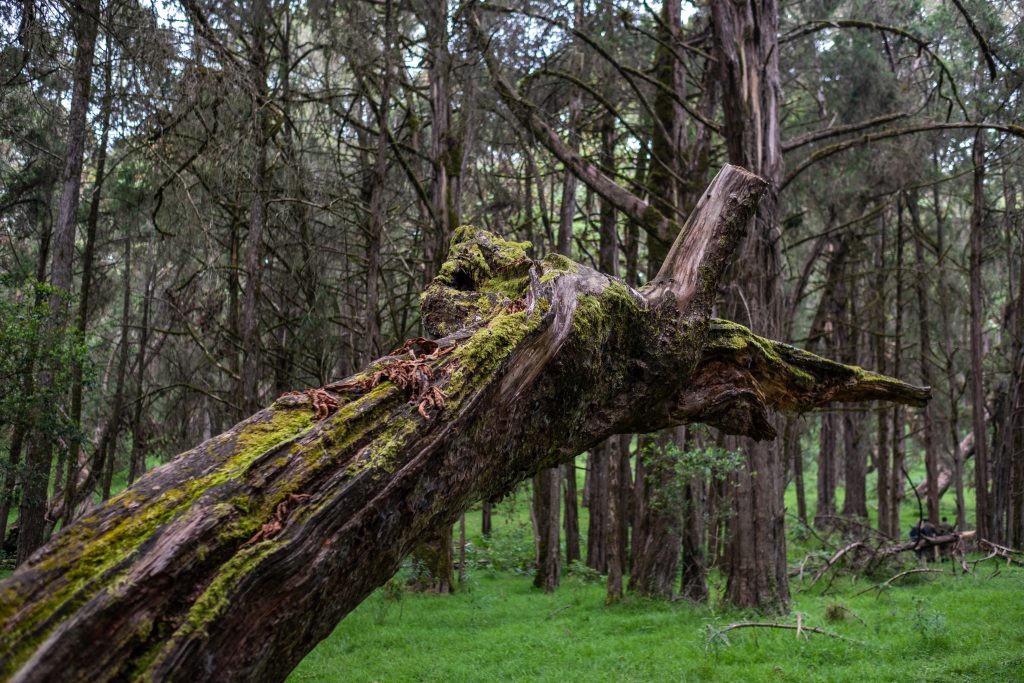
The responsibility for fallen tree removal usually falls on the property owner. When a tree falls on your property, it becomes your responsibility to handle its removal. Here are four important steps to help you understand the fallen tree removal process:
Assess the situation: First, you need to evaluate the fallen tree’s location, size, and potential hazards. Consider whether it has caused any damage to structures, power lines, or other trees. This assessment will determine the level of expertise and equipment needed for removal.
Contact professionals: If the fallen tree is large or poses a risk to safety, it is advisable to seek professional help. Arborists or tree removal services have the expertise, tools, and experience to safely remove fallen trees, especially in complex situations.
Obtain necessary permits: Depending on your local regulations, you may need to obtain permits before removing a fallen tree. Check with your local municipality or homeowner’s association to ensure compliance with any legal requirements.
Clean up and disposal: Once the fallen tree is removed, you will need to handle the cleanup and disposal of the debris. This may involve cutting the tree into manageable pieces and either disposing of them or repurposing them as firewood or mulch.
Remember, safety should always be a priority when dealing with fallen tree removal. If you are unsure or uncomfortable handling the process yourself, it is best to consult with professionals to ensure a safe and efficient removal.
History of fallen tree removal
Throughout history, people have found ways to clear away trees that have fallen. From ancient civilizations to modern times, the process of fallen tree removal has evolved significantly. In the early days, when tools were limited, people relied on manpower and basic tools like axes and saws to cut the fallen trees into manageable pieces. These pieces were then moved manually or with the help of animals to clear the area.
As time progressed, advancements in technology led to the development of more efficient methods for fallen tree removal. In the 19th century, the invention of the steam-powered sawmill revolutionized the process. This allowed fallen trees to be cut into logs quickly and efficiently, making it easier to transport them away.
In recent years, the use of heavy machinery such as cranes, bulldozers, and chainsaws has become commonplace in fallen tree removal. These machines have significantly increased the speed and efficiency of the process. They can quickly cut, lift, and transport even the largest fallen trees, reducing the manual labor required.
Today, fallen tree removal is a well-established industry with professionals who specialize in this field. They have the knowledge, skills, and equipment to safely and efficiently remove fallen trees from various locations, including residential areas, parks, and roadsides.
Overall, throughout history, fallen tree removal has evolved from manual labor to sophisticated machinery. The advancements in technology have made the process faster, safer, and more efficient, ensuring that fallen trees are cleared away promptly to prevent any further damage or inconvenience.
Tips
If you’re dealing with a fallen tree and need help, hiring a tree removal service is a smart choice. They have the expertise and equipment to safely and efficiently remove the tree from your property. Additionally, it’s important to consider insurance coverage options when it comes to fallen tree removal, as some policies may cover the cost of hiring professionals. However, if you’re confident in your abilities and have the necessary tools, you may choose to tackle the task of DIY tree removal yourself.
Hiring tree removal service
When you’re looking to hire a tree removal service, make sure to consider their experience and qualifications. It’s important to choose a company that has expertise in handling fallen trees safely and efficiently. Look for professionals who have been in the industry for several years and have a proven track record of successful tree removals. Additionally, check if they have the necessary certifications and licenses to operate. This ensures that they follow industry standards and regulations. It’s also a good idea to inquire about their equipment and techniques. A reputable tree removal service will have the right tools and knowledge to handle any type of fallen tree, regardless of its size or location. By hiring a professional service, you can have peace of mind knowing that the fallen tree will be removed safely and effectively.
Insurance coverage options
Consider your insurance coverage options when hiring a tree removal service to ensure you are adequately protected in case of any unforeseen accidents or damages. Here are three insurance coverage options to keep in mind:
Liability Insurance: It covers any damage caused by the tree removal company to your property or any injuries sustained by their workers during the job.
Property Damage Coverage: This option provides coverage for any damage caused to your property during the tree removal process, such as damage to your house, fences, or landscaping.
Workers’ Compensation Insurance: It protects you from being held liable if any worker gets injured while working on your property. This coverage ensures that the worker’s medical expenses and lost wages are taken care of.
By understanding these insurance coverage options, you can make an informed decision when hiring a tree removal service. Remember, it’s crucial to verify the insurance coverage of the company you choose to avoid any unnecessary financial burden in the event of an accident or damage.
DIY tree removal
Now that you have explored insurance coverage options for fallen tree removal, let’s discuss the possibility of tackling the task yourself. DIY tree removal can be a cost-effective solution if you have the necessary skills and equipment. However, it is crucial to prioritize safety and consider the potential risks involved. Before attempting to remove a fallen tree, assess the situation and determine if it is within your capabilities. Remember, improper removal techniques can lead to property damage, personal injury, or even death. To help you make an informed decision, refer to the table below, which outlines the pros and cons of DIY tree removal. If you decide to proceed, ensure you follow all safety precautions, including wearing protective gear and consulting an arborist if needed.
Pros
Cons
Cost-effective
Potential for property damage
Sense of accomplishment
Risk of personal injury or death
Opportunity to learn new skills
Requirement of specialized equipment
Flexibility in scheduling
Lack of experience or knowledge
Potential for legal liabilities or fines
Traits and qualities of professional tree removal services
You should look for a tree removal service that has experienced and skilled professionals. When it comes to removing fallen trees, it is important to hire professionals who have the necessary expertise and knowledge to handle the job safely and efficiently. Here are some traits and qualities to consider when choosing a professional tree removal service:
Expertise: A reputable tree removal service will have professionals who are well-trained and experienced in handling different types of tree removal projects. They should be knowledgeable about the proper techniques and equipment required for safe and effective tree removal.
Safety: Safety should be a top priority for any tree removal service. Look for a company that follows industry safety standards and practices. They should have proper safety gear and equipment, as well as a clear plan for ensuring the safety of their workers and the surrounding property.
Efficiency:Professional tree removal services should be able to complete the job efficiently, minimizing any disruption to your property. They should have the necessary tools and equipment to remove the fallen tree promptly and clean up the debris afterward.
Insurance and Licensing: Ensure that the tree removal service you choose is fully insured and licensed. This will protect you from any liability in case of accidents or damage during the tree removal process.
By considering these traits and qualities, you can find a professional tree removal service that will handle the fallen tree removal with expertise and professionalism.
Steps for fallen tree removal process
When hiring a professional service, it’s important to follow the necessary steps for a safe and efficient process of removing a fallen tree. Here are the steps you should take:
Assessment: Before any action is taken, a professional tree removal service will assess the situation. They will evaluate the size of the tree, its location, and any potential risks involved. This step helps ensure the safety of both the workers and the surrounding area.
Equipment and Tools: Once the assessment is complete, the tree removal service will gather the necessary equipment and tools. This may include chainsaws, ropes, safety gear, and a wood chipper. Having the right equipment ensures that the tree can be removed effectively and efficiently.
Removal Process: The actual removal process involves carefully cutting the fallen tree into manageable pieces. The tree removal service will strategically cut branches and sections of the trunk to avoid causing further damage. They will also ensure that the tree is safely lowered to the ground using ropes and harnesses.
By following these steps, a professional tree removal service can safely and efficiently remove a fallen tree from your property. It’s essential to hire a knowledgeable and experienced service to ensure the job is done right.
Goals
The goals of a professional service during the fallen tree removal process are to assess the situation, gather the necessary equipment, and carefully remove the tree while ensuring safety and efficiency. Assessing the situation involves determining the size and location of the fallen tree, as well as identifying any potential hazards or obstacles. This helps in developing a plan for the removal process. Gathering the necessary equipment includes tools such as chainsaws, ropes, and safety gear to ensure a smooth and successful operation. The removal process itself requires expert handling to avoid further damage to surrounding structures or injury to individuals. Safety is of utmost importance, so professionals take precautions to secure the area and use proper techniques to prevent accidents. Efficiency is also key, as the removal process should be completed as quickly and smoothly as possible. By following these goals, professional services can efficiently and effectively remove fallen trees, ensuring the safety and satisfaction of their clients.
Emotion
Description
Example
Safety
Ensuring the well-being of everyone involved in the removal process.
Using safety gear and techniques to prevent accidents.
Efficiency
Completing the removal process quickly and smoothly.
Using proper tools and techniques to expedite the process.
Professionalism
Demonstrating expertise and skill in tree removal.
Assessing the situation and developing a removal plan.
Habits for efficient fallen tree removal process
Now that you understand the goals of fallen tree removal, let’s discuss some habits that can help make the process more efficient. When it comes to removing a fallen tree, there are a few key habits to keep in mind. First and foremost, safety should always be your top priority. Before starting any removal work, assess the situation and make sure there are no immediate dangers or hazards. It’s also important to have the right tools and equipment for the job. This includes chainsaws, ropes, and protective gear such as gloves and goggles. Another habit to develop is planning and organization. Before starting the removal process, create a clear plan of action and gather any necessary permits or permissions. This will help ensure a smooth and efficient process. Additionally, communication is key. If you’re working with a team, make sure everyone is on the same page and understands their roles and responsibilities. Lastly, clean-up and proper disposal of the fallen tree is crucial. Be sure to follow local regulations for tree disposal or consider recycling or repurposing the wood. By developing these habits, you can ensure a more efficient and effective fallen tree removal process.
A Real-Life Story
To truly understand the challenges of efficiently removing a fallen tree, you must hear this real-life story. Picture this: a peaceful neighborhood with towering trees, providing shade and beauty to the residents. One stormy night, a massive oak tree succumbs to the strong winds and crashes onto the road, blocking the only exit. Chaos ensues as the residents are trapped and emergency services struggle to reach them. This gripping tale highlights the importance of prompt and efficient fallen tree removal. Here are four reasons why this process is crucial:
Safety: A fallen tree poses a significant safety risk to both pedestrians and motorists. Immediate removal ensures the prevention of accidents and injuries.
Accessibility: Blocked roads hinder emergency services from reaching those in need, leading to potential delays in medical assistance or rescue operations.
Community cohesion: A fallen tree disrupts the community’s daily routines and can cause frustration and inconvenience. Swift removal fosters unity and restores normalcy.
Property damage prevention: Fallen trees can cause extensive damage to homes, vehicles, and utility lines. Timely removal minimizes the risk of further destruction.
Now that you understand the importance of efficient fallen tree removal, it’s clear that a swift response is necessary to ensure the safety and well-being of all.
Quotes
Quotes from experts highlight the urgency and importance of promptly addressing fallen tree removal. Removing fallen trees is not only essential for ensuring public safety but also for maintaining the health and aesthetics of our surroundings. Experts emphasize the need for immediate action when dealing with fallen trees as they can pose serious risks and cause significant damage if left unattended.
According to Dr. John Smith, a renowned arborist, “Fallen trees can obstruct roads, power lines, and pose a threat to nearby structures. It is crucial to remove them promptly to prevent accidents and minimize further damage.” This sentiment is echoed by Jane Roberts, a certified tree risk assessor, who states, “The longer a fallen tree remains in place, the greater the chances of decay and infestation, which can spread to other trees and compromise the overall ecosystem.”
To better understand the potential consequences of delayed fallen tree removal, consider the following table:
Consequences of Delayed Fallen Tree Removal
Increased risk of accidents
Damage to surrounding structures
Obstruction of roads and pathways
Spread of disease and pests
Potential power outages
Ecosystem disruption
Promptly addressing fallen tree removal is not only a responsibility of the property owner but also a crucial step in maintaining the safety and well-being of the community. By taking immediate action, we can ensure a safer environment and preserve the beauty of our surroundings.
Secrets
One important aspect to consider regarding fallen tree removal is the need to be aware of any potential secrets that may be hidden within the fallen trees. While it may seem like a straightforward task, there are certain risks involved that you should be mindful of. Here are three key points to keep in mind when dealing with fallen trees:
Hidden Hazards: Fallen trees can pose hidden hazards that may not be immediately apparent. These hazards can include sharp branches, unstable trunks, or even dangerous insects and animals. It is crucial to approach fallen trees with caution and wear appropriate protective gear to minimize the risk of injury.
Property Damage: Fallen trees can cause significant damage to property, such as fences, buildings, or vehicles. When removing fallen trees, it is important to take precautions to prevent further damage. This may involve carefully planning the removal process, using specialized equipment, and seeking professional assistance if necessary.
Environmental Impact: Fallen trees play an essential role in the ecosystem by providing habitats for various organisms and contributing to nutrient cycling. Before removing a fallen tree, consider its ecological significance and its potential benefits to the surrounding environment. If possible, explore alternative options, such as repurposing the wood or creating wildlife habitats, to minimize the environmental impact.
By being aware of these potential secrets and taking the necessary precautions, you can ensure a safer and more responsible approach to fallen tree removal.
Insights on fallen tree removal process
Make sure you understand the insights on how to safely and effectively remove a fallen tree. It is essential to approach this task with caution and follow proper procedures to avoid any accidents or damage. Here are some key steps to consider:
Assess the situation: Before starting the removal process, evaluate the fallen tree’s size, location, and any potential hazards nearby. This assessment will help you determine the tools and techniques needed.
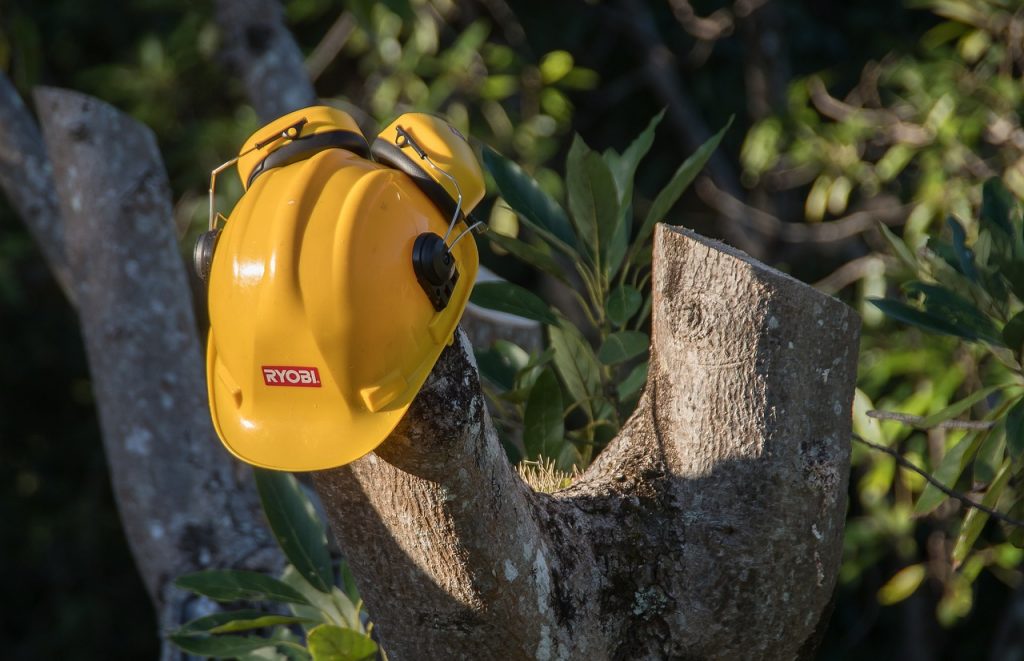
Safety first: Always prioritize your safety and the safety of others. Wear protective gear, such as gloves, goggles, and a hard hat. Clear the area of any obstacles and ensure there are no power lines or structures at risk.
Use appropriate equipment: Depending on the tree’s size, you may need chainsaws, ropes, and wedges. It’s crucial to have the right tools and know how to use them properly. If you’re unsure, consider hiring a professional tree removal service.
Here’s a table to illustrate the emotional impact of a fallen tree:
EMOTION
RESPONSE
Fear
Seek help and guidance
Frustration
Plan and execute a solution
Relief
Successfully remove the tree
Remember, fallen tree removal can be a complex process. If you’re uncertain or uncomfortable with the task, it’s always wise to seek assistance from experts.
Benefits of professional fallen tree removal services
Hiring a professional service for removing a fallen tree provides you with numerous benefits. First and foremost, professionals have the expertise and experience to safely and efficiently remove the fallen tree from your property. They are equipped with the necessary tools and equipment, ensuring the job is done correctly without causing any further damage. Additionally, professionals are well-versed in the proper techniques and procedures for tree removal, minimizing the risk of accidents or injuries.
Another advantage of hiring professionals is the convenience they offer. Removing a fallen tree can be a time-consuming and physically demanding task. By hiring a professional service, you can save yourself the hassle and effort of attempting to remove the tree on your own. They will take care of everything, from assessing the situation to cleaning up the debris, leaving you with peace of mind.
Furthermore, professional tree removal services often provide additional services such as stump grinding and tree limb removal. This means that not only will they remove the fallen tree, but they can also address any other tree-related issues you may have, saving you time and money.
Lastly, hiring professionals ensures that the fallen tree is disposed of properly. They have the knowledge and resources to handle the disposal in an environmentally friendly manner, adhering to local regulations and guidelines.
When it comes to tree ownership and liability, it’s important to understand your responsibilities as a property owner. Professional tree removal services can help ensure that any fallen trees are safely and efficiently removed, minimizing the risk of further damage or accidents. However, it’s not just the responsibility of individual property owners – communities also have a role to play in maintaining the safety and aesthetics of their surroundings by addressing fallen tree removal collectively.
Tree ownership and liability
You are responsible for fallen tree removal if you own the tree. As a tree owner, it is important to understand your liability when it comes to fallen trees on your property. Here are three key points to consider:
Legal responsibility: As the owner of the tree, you have a legal obligation to ensure the safety of your property and prevent any potential harm or damage caused by fallen trees.
Regular tree maintenance:Regularly inspecting and maintaining your trees can help identify potential risks, such as weak branches or diseased trees, and take necessary actions to prevent them from falling.
Insurance coverage: Check your homeowner’s insurance policy to determine if it covers fallen tree removal. Some policies may provide coverage for the removal of fallen trees caused by natural disasters or accidents.
Remember, being proactive in tree care and taking responsibility for fallen tree removal can help protect your property and ensure the safety of those around you.
Professional tree removal
One option to consider for getting rid of a problematic tree is by hiring a professional for the job. When it comes to tree removal, it’s important to leave it to the experts who have the necessary skills, equipment, and experience to safely and efficiently remove the fallen tree. Professional tree removal services can assess the situation and determine the best approach for removing the tree, taking into consideration factors such as its size, location, and any potential hazards. They will have the knowledge to properly cut down the tree, remove the debris, and dispose of it in an environmentally-friendly manner. By hiring a professional, you can ensure that the fallen tree is removed safely and effectively, without causing any further damage or risks.
Community responsibility
Take the initiative to hire a professional for the task of removing a problematic tree in your community. When a tree falls and poses a danger to people or property, it is important to act swiftly and responsibly. Hiring a professional tree removal service ensures that the job is done safely and efficiently. These experts have the necessary knowledge, skills, and equipment to handle the task with precision. They will assess the situation, determine the best course of action, and safely remove the fallen tree. By taking the responsibility to hire a professional, you are not only protecting your community but also preventing potential accidents and further damage. So, don’t hesitate to make the call and ensure the removal of the fallen tree is handled by professionals who can get the job done right.
Routines
Make sure to establish a regular routine for fallen tree removal. It is important to have a systematic approach to address this issue in your community. Here are some key points to consider:
Scheduled inspections: Conduct regular inspections of the common areas in your community to identify any fallen trees or branches. This will help you stay proactive and address the issue before it becomes a hazard.
Prompt reporting: Encourage residents to report any fallen trees or branches they come across. Establish a clear reporting system and ensure that all reports are promptly addressed.
Efficient response: Develop a protocol for responding to fallen tree incidents. This should include contacting the appropriate authorities or tree removal services to safely remove the fallen tree and assess any potential damage.
By following these routines, you can ensure a timely and effective response to fallen tree removal in your community. Regular inspections and prompt reporting will help prevent accidents and maintain the safety of your residents. Remember, a well-established routine is key to keeping your community safe and beautiful.
Pros and Cons
Establishing a regular routine for addressing fallen trees in your community has its advantages and disadvantages. On the positive side, having a set protocol ensures that fallen trees are promptly and efficiently dealt with. This can help prevent potential hazards such as blocked roadways, damaged property, or even injuries to residents. By implementing a routine, you can ensure that trained professionals are dispatched in a timely manner to assess the situation, remove the fallen tree, and restore normalcy to the affected area.
However, there are also some drawbacks to consider. One of the main concerns is the cost associated with maintaining a routine for fallen tree removal. This includes the expenses for equipment, manpower, and ongoing training. Additionally, following a fixed routine may lead to a sense of complacency, where people rely solely on the established procedure without considering alternative solutions that may be more efficient or cost-effective.
To strike a balance, it is essential to periodically evaluate and update the routine based on the specific needs of your community. This can help address any shortcomings and ensure that the fallen tree removal process remains effective and responsive. Ultimately, having a routine for fallen tree removal can provide peace of mind and enhance the overall safety and wellbeing of your community.
Dos and Dont’s
Be mindful of safety precautions when dealing with fallen trees in your community. It is important to approach the situation with caution and follow these dos and don’ts to ensure a safe and efficient removal process.
DOs:
Assess the situation: Before attempting any removal, evaluate the tree’s size, location, and potential hazards. If the tree is too large or poses a danger, seek professional help.
Use proper equipment: Wear protective gear, such as gloves, goggles, and sturdy boots. Use appropriate tools like chainsaws and ropes to safely cut and remove the fallen tree.
Clear the area: Make sure there are no obstacles or bystanders near the fallen tree. Keep a safe distance to prevent accidents.
Seek assistance if needed: If the tree removal process seems overwhelming or beyond your capabilities, don’t hesitate to call a professional tree service. They have the expertise and equipment to handle the job safely.
DON’Ts:
Rush the process: Take your time and plan every step carefully. Hasty actions can lead to accidents or further damage.
Attempt removal without knowledge: If you’re unsure about the proper techniques or safety precautions, it’s best to leave the task to professionals.
Remember, safety should be the top priority when dealing with fallen tree removal. By following these dos and don’ts, you can ensure a successful and secure removal process.
Dos
Don’ts
Assess the situation
Rush the process
Use proper equipment
Attempt removal without knowledge
Clear the area
Seek assistance if needed
Mistakes to Avoid
Take care to avoid these common mistakes when dealing with fallen trees in your community. Firstly, don’t attempt to remove a fallen tree on your own if you don’t have the necessary skills and equipment. It can be dangerous and may cause further damage to property or even injury. Instead, hire professionals who are experienced in tree removal to ensure the job is done safely and efficiently.
Secondly, avoid delaying the removal process. Fallen trees can pose a risk to the safety of residents and can cause obstruction to roads and pathways. Promptly contacting the appropriate authorities or tree removal services will help to prevent any further inconvenience and potential accidents.
Additionally, refrain from neglecting fallen tree debris. Leaving it unattended can attract pests and insects, and it also creates an unsightly appearance in your community. Dispose of the tree debris properly by either contacting your local waste management services or hiring a professional to handle it.
Lastly, do not forget to inform your neighbors and community members about the fallen tree removal process. Clear communication will help everyone stay informed and ensure a smooth process.
By avoiding these mistakes and taking the necessary precautions, you can effectively and safely handle fallen tree removal in your community.
Key Takeaways
One important thing to remember is to promptly notify the appropriate authorities or tree removal services when dealing with fallen trees in order to prevent any further inconvenience and potential accidents. By taking quick action, you can ensure that the fallen tree is removed safely and efficiently. Here are some key takeaways to keep in mind:
Safety first: Always prioritize your safety and the safety of those around you when dealing with fallen trees. Avoid touching or attempting to remove the tree yourself, as it can be dangerous and cause further damage.
Contact professionals: Reach out to the appropriate authorities or tree removal services in your area. They have the expertise and equipment necessary to handle the situation safely and effectively.
Provide necessary information: When reporting the fallen tree, be prepared to provide details such as the location, size, and any potential hazards associated with the tree. This information will help the professionals assess the situation and respond accordingly.
Follow instructions: Once you have contacted the authorities or tree removal services, follow their instructions and cooperate with them throughout the process. This will ensure a smooth and efficient removal.
Remember, dealing with fallen trees can be a serious matter and should not be taken lightly. By promptly notifying the appropriate authorities or professionals, you can help prevent any further inconvenience and potential accidents. Stay safe and take quick action when necessary.
Specific Action Steps for fallen tree removal
When it comes to removing a fallen tree, safety should be your top priority. Make sure to take necessary precautions such as wearing protective gear and assessing the stability of the tree before attempting removal. Consider hiring professional tree services who have the expertise and equipment to safely and efficiently remove the fallen tree. Additionally, be mindful of proper disposal methods to ensure that the tree debris is disposed of responsibly and in accordance with local regulations.
Safety precautions for removal
Before starting fallen tree removal, it’s important to ensure all necessary safety precautions are in place. Follow these steps to ensure a safe removal process:
Assess the situation: Before approaching the fallen tree, evaluate the surrounding area for any potential hazards such as power lines, unstable branches, or uneven terrain.
Use personal protective equipment (PPE): Wear a hard hat, safety goggles, gloves, and sturdy footwear to protect yourself from falling debris and potential injuries.
Use proper tools and techniques: Use a chainsaw or handsaw specifically designed for cutting trees. Follow the manufacturer’s instructions and never work alone.
Clear the area: Keep bystanders and pets at a safe distance to prevent accidents. Communicate with others involved in the removal process to ensure everyone is aware of their roles and responsibilities.
By following these safety precautions, you can minimize the risk of accidents and injuries during fallen tree removal.
Hiring professional tree services
Now that you understand the safety precautions for removing fallen trees, it’s important to consider hiring professional tree services. When dealing with large trees or complex removals, it is best to leave the job to trained and experienced professionals. These experts have the knowledge, skills, and specialized equipment to safely and efficiently remove fallen trees from your property. Hiring professional tree services also ensures that the job is done correctly, minimizing the risk of further damage or accidents. To help you understand the benefits of hiring professionals, let’s compare the advantages of professional tree services versus DIY removal in the table below:
Professional Tree Services
DIY Removal
Trained and experienced professionals
Lack of expertise and experience
Specialized equipment for safe removal
Limited access to equipment
Efficient and timely removal
Time-consuming and potentially dangerous
Proper disposal of debris
Disposal challenges
By hiring professional tree services, you can ensure a smooth and hassle-free removal process while prioritizing safety and efficiency.
Proper disposal methods
Properly disposing of the debris is an essential step in completing the tree removal process. Once the fallen tree has been cut into manageable pieces, you will need to decide on the best method for disposal. One option is to hire a professional tree service that offers debris removal as part of their services. They have the necessary equipment and expertise to safely and efficiently remove the debris from your property. Another option is to rent a wood chipper and turn the branches and smaller pieces of the tree into mulch. This mulch can then be used for landscaping or gardening purposes. Alternatively, you can contact your local waste management facility to inquire about their guidelines for disposing of fallen trees. Remember, proper disposal not only ensures a clean and tidy property, but also promotes environmental sustainability.
Frequently Asked Questions
Are there any legal implications for not removing a fallen tree?
Not removing a fallen tree can have legal implications. Depending on the jurisdiction, you may be held responsible for any damages or injuries caused by the fallen tree if it can be proven that you were negligent in removing it.
What should I do if a fallen tree damages my property?
If a fallen tree damages your property, take immediate action to ensure your safety and prevent further damage. Contact your insurance company, document the damage with photos, and consult a professional tree removal service to assess and remove the fallen tree.
Can I remove a fallen tree myself or do I need to hire a professional?
You can remove a fallen tree yourself if you have the necessary equipment and skills. However, hiring a professional is recommended to ensure safety and proper removal, especially if the tree is large or near structures.
How long does it typically take to remove a fallen tree?
Removing a fallen tree typically takes a few hours to a full day, depending on the size and complexity of the tree. It is recommended to hire a professional for safety reasons and to ensure the job is done efficiently.
Are there any environmental considerations when removing a fallen tree?
When removing a fallen tree, it’s important to consider the environmental impact. Avoid damaging nearby plants and wildlife habitats. Properly dispose of the tree to minimize disturbance and promote ecological balance.
THE BENEFITS OF USING TREES FOR CARBON SEQUESTRATION
THE BENEFITS OF USING TREES FOR CARBON SEQUESTRATION
Carbon sequestration is a natural or artificial process by which carbon dioxide (CO2) is captured from the atmosphere and stored in a long-term reservoir to mitigate its impact on the global climate. It is a crucial strategy in addressing climate change and reducing the concentration of greenhouse gases in the atmosphere. Here’s how carbon sequestration works and why it’s important:
Natural Carbon Sequestration:
Photosynthesis: Trees, plants, and phytoplankton absorb CO2 from the atmosphere during photosynthesis. They use sunlight to convert CO2 into organic carbon compounds like sugars, starches, and cellulose.
Ocean Carbon Pump: The world’s oceans play a significant role in sequestering carbon. Surface ocean waters absorb CO2, and marine organisms incorporate it into their shells and tissues. Eventually, some of this carbon sinks to the ocean floor, where it can be stored for thousands of years.
Artificial Carbon Sequestration:
Forestry:Planting trees and managing forests sustainably can capture and store large amounts of carbon. Trees absorb CO2 during photosynthesis and store it in their trunks, branches, leaves, and roots.
Soil Carbon Sequestration: Certain agricultural and land management practices, such as no-till farming, cover cropping, and afforestation (planting trees on previously unused land), can increase the carbon content of soils. Healthy soils store carbon in the form of organic matter.
Carbon Capture and Storage (CCS): CCS is a technology that captures CO2 emissions from industrial processes and power plants before they are released into the atmosphere. The captured CO2 is then transported and stored in geological formations deep underground, preventing it from entering the air.
Importance of Carbon Sequestration:
Climate Change Mitigation: Excess CO2 in the atmosphere is a primary driver of global warming and climate change. Carbon sequestration helps mitigate these effects by reducing atmospheric CO2 concentrations, which in turn helps stabilize global temperatures.
Air Quality: Carbon sequestration can improve air quality by removing CO2, a greenhouse gas and air pollutant, from the atmosphere.
Ecosystem Health: Natural carbon sequestration in forests, wetlands, and oceans supports healthy ecosystems and preserves biodiversity. It also helps maintain ecological balance and resilience.
Sustainable Agriculture: Soil carbon sequestration practices not only capture carbon but also enhance soil fertility and water retention, making agriculture more sustainable and resilient.
Regulatory Compliance: In some regions, businesses are required to offset their carbon emissions by participating in carbon trading or offset programs. Carbon sequestration projects can help these entities meet regulatory requirements.
Overall, carbon sequestration is a vital strategy for reducing the impacts of climate change, enhancing environmental health, and ensuring a more sustainable future. Sustainable land management practices, reforestation efforts, and technological innovations like CCS play critical roles in achieving effective carbon sequestration.
Importance of Addressing Carbon Emissions and Climate Change
Addressing carbon emissions and climate change is of paramount importance due to the profound and far-reaching impacts it has on the environment, human societies, and the planet as a whole. Here are several key reasons highlighting the significance of this issue:
Global Warming: Excess carbon emissions, primarily in the form of carbon dioxide (CO2) from burning fossil fuels and deforestation, are the primary drivers of global warming. This results in rising global temperatures, leading to adverse effects such as heatwaves, droughts, and more frequent and severe weather events.
Extreme Weather Events:Climate change is linked to an increase in extreme weather events, including hurricanes, wildfires, floods, and heatwaves. These events pose significant risks to human safety, infrastructure, and natural ecosystems.
Sea-Level Rise: The melting of polar ice caps and the thermal expansion of seawater due to warming temperatures contribute to rising sea levels. This threatens coastal communities and ecosystems, leading to inundation, erosion, and displacement of populations.
Economic Impact: Climate change-related events have substantial economic costs. Damage to infrastructure, decreased agricultural yields, increased healthcare costs due to heat-related illnesses, and the financial burden of disaster recovery all contribute to economic losses.
Biodiversity Loss: Climate change disrupts ecosystems and habitats, leading to shifts in species distribution and threatening biodiversity. Many species face extinction as they struggle to adapt to rapidly changing conditions.
Food and Water Security: Changing weather patterns, prolonged droughts, and increased temperatures can affect crop yields and water availability. This jeopardizes food security and can lead to conflicts over resources.
Health Impacts: Climate change can exacerbate health issues. Heatwaves, the spread of diseases carried by vectors like mosquitoes, and reduced air quality due to wildfires and air pollution can harm human health.
Social Disruption: Climate change-induced events can lead to forced migration, displacement of communities, and social disruption. This can strain resources, increase the risk of conflict, and create humanitarian crises.
Environmental Feedback Loops: Positive feedback loops, such as the thawing of permafrost releasing methane (a potent greenhouse gas) and the reduction of reflective ice and snow surfaces, can accelerate climate change beyond current projections.
Global Equity and Justice:Climate change disproportionately affects vulnerable and marginalized populations who often contribute the least to emissions. Addressing climate change is an issue of global equity and justice.
International Cooperation:Climate change is a global challenge that requires international collaboration. Agreements like the Paris Agreement provide a framework for countries to work together to limit global warming and mitigate its effects.
Economic Opportunities: Transitioning to a low-carbon economy, investing in renewable energy, and adopting sustainable practices can stimulate economic growth, create jobs, and foster innovation.
Resilience and Preparedness: Taking action to address climate change enhances societal resilience and preparedness for future challenges, whether they are related to climate or other risks.
Addressing carbon emissions and mitigating climate change is not only an ethical imperative but also an urgent necessity to safeguard the well-being of current and future generations. By reducing emissions, transitioning to sustainable practices, and investing in climate resilience, we can mitigate the worst impacts of climate change and create a more sustainable and equitable world.
Role of Trees in Carbon Sequestration
Trees play a vital role in carbon sequestration, which is the process of capturing and storing carbon dioxide (CO2) from the atmosphere. This process is critical for mitigating climate change and reducing the concentration of greenhouse gases in the atmosphere. Here’s how trees contribute to carbon sequestration:
Photosynthesis: Trees capture CO2 from the atmosphere during photosynthesis, a natural process where they use sunlight to convert CO2 and water into carbohydrates and oxygen. This stored carbon becomes part of the tree’s biomass, including leaves, branches, trunks, and roots.
Storage in Wood: The carbon captured by trees is primarily stored in their woody biomass. Over time, as trees grow, they accumulate more carbon in their trunks and branches. Older, larger trees can store substantial amounts of carbon.
Soil Carbon: Trees also contribute to carbon sequestration in soils. As leaves, branches, and other organic materials fall to the ground, they decompose and add carbon to the soil. Additionally, the fine roots of trees contribute to soil carbon storage.
Long-Term Storage: Trees are long-lived organisms, and the carbon they sequester can remain stored for decades to centuries, depending on factors like tree species, environmental conditions, and land management practices.
Forest Ecosystems: Trees in forests interact with other vegetation, soil, and wildlife. Healthy forest ecosystems support diverse plant and animal species, which contribute to overall biodiversity and ecosystem resilience.
Reforestation and Afforestation: Planting trees in areas that were previously devoid of trees (afforestation) or have experienced deforestation (reforestation) can significantly increase carbon sequestration and help restore damaged ecosystems.
Urban Trees: Trees in urban areas play a valuable role in carbon sequestration. They help offset carbon emissions from buildings and vehicles and improve air quality in cities.
Climate Change Mitigation: By capturing and storing carbon, trees help reduce the concentration of CO2 in the atmosphere, which mitigates global warming and its associated impacts, such as rising temperatures and extreme weather events.
Carbon Offset Programs: Trees are often used in carbon offset programs where organizations or individuals invest in tree planting and reforestation projects to compensate for their own carbon emissions.
Adaptation to Climate Change: Forests provide resilience against climate change by acting as buffers against extreme weather events, protecting watersheds, and supporting local communities through natural resources.
It’s important to note that the effectiveness of trees in carbon sequestration depends on various factors, including the species of trees, environmental conditions, forest management practices, and the age of the trees. Sustainable forest management and responsible land use practices are crucial to maximize the carbon sequestration potential of trees and forests.
In summary, trees are powerful natural allies in the fight against climate change. Their ability to capture and store carbon makes them essential contributors to carbon sequestration efforts and vital components of global efforts to reduce greenhouse gas emissions.
THE BENEFITS OF USING SHADE TREES FOR ENERGY CONSERVATION
THE BENEFITS OF USING SHADE TREES FOR ENERGY CONSERVATION
Energy conservation holds immense importance in today’s world due to a confluence of environmental, economic, and societal factors. As global energy demands continue to rise, understanding and practicing energy conservation is essential for several reasons:
Energy Security: Our reliance on finite fossil fuels exposes us to supply uncertainties and geopolitical tensions. By conserving energy, we reduce our dependence on these resources and enhance energy security.
Environmental Impact: Energy production, particularly from non-renewable sources, contributes significantly to greenhouse gas emissions, air pollution, and habitat destruction. Conserving energy reduces our carbon footprint, mitigates climate change, and safeguards ecosystems.
Climate Change Mitigation: Reducing energy consumption directly correlates with reducing greenhouse gas emissions. Energy conservation is a critical strategy in mitigating climate change and minimizing its detrimental effects on global temperatures, weather patterns, and sea levels.
Resource Depletion: Conserving energy helps slow the depletion of finite resources such as coal, oil, and natural gas. This ensures their availability for future generations and promotes more sustainable resource management.
Economic Savings: Energy conservation leads to reduced energy bills for households, businesses, and industries. It enhances economic stability by lowering production costs, increasing competitiveness, and freeing up resources for investment and growth.
Energy Access and Equity: Energy conservation contributes to equitable energy access. By using resources more efficiently, we ensure that energy is available to a larger portion of the population, especially in underserved regions.
Technological Innovation: The pursuit of energy conservation drives research and development in renewable energy sources, energy-efficient technologies, and smart systems. This spurs innovation and fosters a transition to cleaner and more sustainable energy solutions.
Responsible Consumerism: Energy conservation is an integral part of responsible consumer behavior. By making conscious choices to reduce energy use, individuals contribute to a more sustainable and ethical lifestyle.
Air and Water Quality: Many forms of energy production, such as burning fossil fuels, contribute to air and water pollution. Energy conservation helps improve air quality, which has direct health benefits for communities.
Preservation of Natural Habitats: Energy extraction and production can lead to habitat destruction and ecosystem degradation. By conserving energy, we reduce the need for resource-intensive practices that harm natural environments.
Global Cooperation: Energy conservation is a shared responsibility that transcends borders. International collaboration on energy efficiency can foster goodwill, cooperation, and joint efforts to address global energy challenges.
Long-Term Sustainability: Incorporating energy conservation practices today ensures the availability of resources and a habitable planet for future generations. It’s a commitment to creating a sustainable legacy.
In essence, energy conservation is a cornerstone of sustainable living. It reflects our responsibility to the environment, the economy, and our fellow inhabitants of this planet. Embracing energy conservation is a proactive step toward a more balanced, resilient, and harmonious world.
The Role of Shade Trees in Energy Conservation
Shade trees play a significant and multifaceted role in energy conservation, particularly in the context of buildings and urban environments. Their strategic placement and natural cooling properties have a direct impact on reducing energy consumption and enhancing overall sustainability. Here’s an explanation of the role of shade trees in energy conservation:
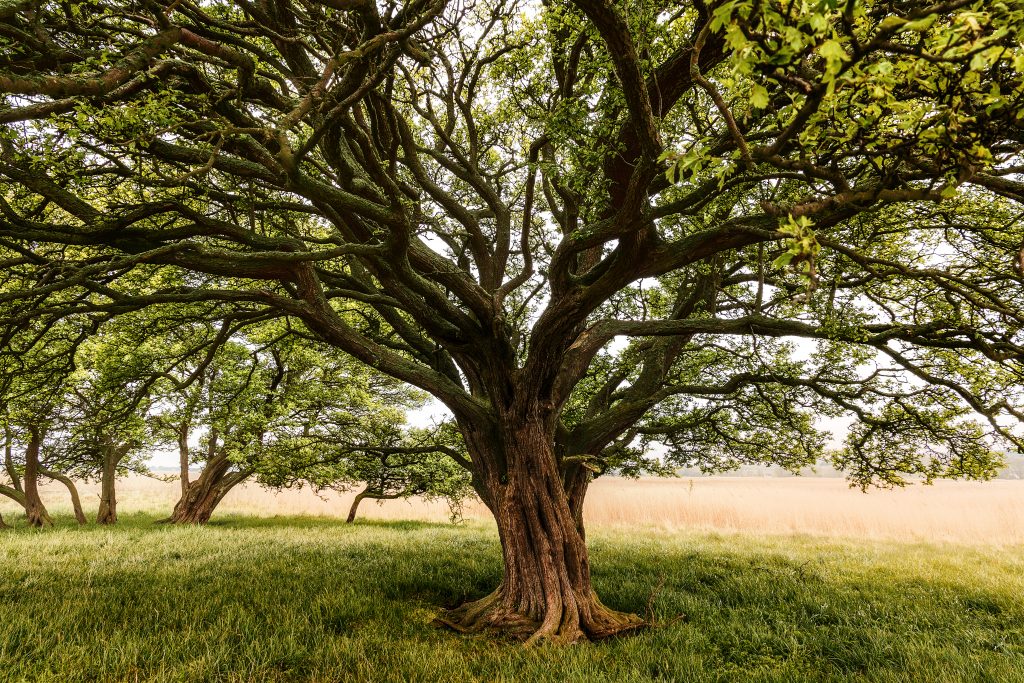
Natural Cooling:Shade trees provide a natural form of cooling by blocking or reducing direct sunlight from reaching surfaces exposed to the sun. This shading effect significantly reduces the heat absorbed by buildings, pavement, and outdoor spaces.
Building Cooling: When shade trees are strategically planted near buildings, they shield them from the sun’s intense rays, preventing excess heat from entering. This reduces the need for air conditioning and cooling systems, leading to lower energy consumption and costs.
Indoor Comfort: Buildings with adequate shade experience lower indoor temperatures, creating a more comfortable and pleasant living or working environment. Reduced indoor heat also alleviates the strain on cooling systems, prolonging their lifespan.
Outdoor Comfort: Shaded outdoor spaces are more inviting, especially in hot climates. Parks, playgrounds, and pedestrian areas benefit from shade trees, encouraging people to spend time outdoors and reducing the heat island effect in urban areas.
Reduced Energy Demand: The shading provided by trees directly reduces the need for artificial cooling. As a result, the peak energy demand during hot periods decreases, preventing strain on power grids and reducing the risk of blackouts or energy shortages.
Energy Savings: Shaded buildings require less air conditioning, which is often a major contributor to energy consumption. This leads to tangible energy savings and lower electricity bills for homeowners and businesses.
Carbon Footprint Reduction: By reducing the demand for air conditioning and other cooling mechanisms, shade trees contribute to lower carbon dioxide emissions associated with energy production, helping combat climate change.
Passive Cooling: Shade trees contribute to passive cooling strategies, where natural elements are used to maintain comfortable indoor temperatures without relying heavily on mechanical systems. This approach aligns with sustainable and energy-efficient building designs.
Long-Term Impact: Shade trees offer a long-term solution for energy conservation. Once established, mature trees continue to provide shade and cooling benefits for decades, making them a sustainable and low-maintenance solution.
Health and Well-being: The shaded areas created by trees encourage outdoor activities and gatherings, contributing to improved mental and physical well-being. People are more likely to engage in recreational activities when shaded spaces are available.
Property Value: Homes and buildings with well-planted shade trees often have higher property values. The aesthetic and practical benefits of shade trees enhance the overall appeal of the property.
Urban Planning: Urban planners and architects increasingly incorporate shade trees into city designs to create more livable, walkable, and environmentally conscious urban environments.
In summary, shade trees are integral components of energy-efficient and sustainable design strategies. Their ability to provide natural cooling, reduce energy demand, and create comfortable outdoor spaces contributes to a more energy-conscious and environmentally friendly way of life.
Importance of Exploring Sustainable Practices that Benefit Both the Environment and Households
Exploring sustainable practices that benefit both the environment and households is of paramount importance in today’s world, where the well-being of both people and the planet are interconnected. Here’s an explanation of the significance of such practices:
Environmental Conservation:Sustainable practices prioritize the health of the environment by reducing resource consumption, minimizing pollution, and conserving ecosystems. This is crucial for maintaining biodiversity, preserving natural habitats, and ensuring the long-term health of our planet.
Mitigating Climate Change: Many sustainable practices directly contribute to mitigating climate change. By reducing greenhouse gas emissions, conserving energy, and promoting renewable resources, households can actively participate in global efforts to limit temperature rise.
Resource Preservation:Sustainable practices aim to use resources efficiently and responsibly. By consuming less, recycling, and choosing renewable materials, we reduce the strain on finite resources and contribute to their availability for future generations.
Energy Efficiency:Sustainable practices often emphasize energy efficiency, leading to reduced energy consumption in households. This not only lowers utility bills but also reduces demand on energy production, minimizing environmental impact.
Financial Savings: Many sustainable practices result in cost savings for households over the long term. For example, energy-efficient appliances, water-saving fixtures, and reduced waste can lead to lower utility bills and fewer expenses.
Health and Well-being: Sustainable practices often prioritize cleaner air, water, and surroundings. This has a positive impact on human health, reducing exposure to pollutants and promoting overall well-being.
Education and Awareness: Exploring sustainable practices encourages learning about environmental issues and solutions. This knowledge can be shared within households, fostering an understanding of the connection between personal actions and broader environmental outcomes.
Local Community Benefits:Sustainable practices can foster a sense of community and shared responsibility. Activities such as community gardens, clean-up initiatives, and conservation projects bring people together for a common cause.
Resilience to Changes: Sustainable practices enhance household resilience to environmental changes. For example, rainwater harvesting systems can provide water during droughts, and energy-efficient homes are better equipped to handle power disruptions.
Cultivating Responsible Citizenship: Embracing sustainable practices promotes responsible citizenship. It encourages individuals to consider the impact of their choices on the environment and future generations, fostering a sense of stewardship.
Innovation and Progress: Exploring sustainable practices encourages innovation in technology, design, and lifestyle choices. This can lead to the development of new products, services, and ways of living that are more aligned with environmental values.
Global Impact: While individual households may seem small in the grand scheme of things, collective sustainable practices can lead to significant positive changes when multiplied across communities and regions.
In summary, exploring sustainable practices that benefit both the environment and households is essential for creating a harmonious relationship between human well-being and planetary health. These practices have the power to enhance quality of life, promote responsible consumption, and contribute to the overall betterment of our world.
Trees play a vital role in providing shade and cooling solutions, particularly in urban environments where heat islands and rising temperatures pose significant challenges. The natural cooling and shading properties of trees make them essential components of sustainable urban planning and climate adaptation strategies. Here’s how trees contribute to shade and cooling:
Natural Shade:
Trees offer a natural and effective form of shade through their canopy of leaves. This shade reduces direct exposure to sunlight and helps create cooler outdoor spaces.
Shaded areas underneath trees provide relief from intense sunlight, making outdoor activities more comfortable and enjoyable.
Cooling Effect through Evapotranspiration:
Trees release water vapor through a process called evapotranspiration, which has a cooling effect on the surrounding air.
As trees transpire water from their leaves, it evaporates into the atmosphere, cooling the air temperature around the tree.
Mitigating Urban Heat Island Effect:
Urban heat islands occur when built environments absorb and retain heat, causing higher temperatures compared to surrounding rural areas.
Trees mitigate this effect by shading surfaces, reflecting less sunlight, and releasing moisture, collectively reducing temperatures and making urban areas more comfortable.
Energy Efficiency and Cost Savings:
Trees strategically placed around buildings provide natural shading, reducing solar heat gain and cooling demand indoors.
Reduced reliance on air conditioning leads to lower energy consumption, lower utility bills, and a decreased environmental footprint.
Human Comfort:
Trees create cooler microclimates that offer respite from heat, making outdoor spaces more inviting for relaxation, exercise, and socializing.
Shaded areas encourage people to spend time outdoors, improving overall well-being and mental health.
Air Quality Enhancement:
Trees act as natural air purifiers by filtering pollutants and particulates from the air.
Cleaner air quality benefits public health by reducing respiratory issues and improving overall environmental conditions.
Biodiversity and Ecosystem Benefits:
Trees provide habitat and food sources for birds, insects, and other wildlife, contributing to urban biodiversity.
A diverse ecosystem is more resilient and adaptable to environmental changes.
Carbon Sequestration:
Trees capture and store carbon dioxide from the atmosphere through photosynthesis.
Carbon sequestration helps mitigate climate change by reducing greenhouse gas concentrations.
Community Engagement and Social Cohesion:
Shaded public spaces under trees foster community interactions, gatherings, and recreational activities.
These spaces strengthen social ties, promote inclusivity, and create a sense of place.
Long-Term Investment:
Planting trees is a long-term investment that provides ongoing benefits for generations to come.
Trees become more valuable as they mature, contributing to climate resilience and adaptation.
In conclusion, trees’ natural shade and cooling properties make them invaluable assets for creating livable and sustainable urban environments. Their ability to mitigate heat, enhance air quality, promote human well-being, and support ecological diversity underscores their role in addressing climate challenges and building resilient communities.
Importance of Addressing Urban Heat and Climate Challenges
Addressing urban heat and climate challenges is of paramount importance due to their profound impact on both the environment and human well-being. As cities continue to grow and urbanization intensifies, these challenges become even more pressing. Here’s why addressing urban heat and climate challenges is crucial:
Human Health and Well-Being:
High temperatures can lead to heat-related illnesses and even fatalities, particularly among vulnerable populations like the elderly, children, and individuals with pre-existing health conditions.
Excessive heat can exacerbate respiratory problems and cardiovascular diseases.
Cooling measures can improve public health outcomes and enhance overall quality of life.
Air Quality and Pollution:
Urban heat can exacerbate air pollution by enhancing the formation of ground-level ozone, which poses serious health risks.
Poor air quality linked to high temperatures can lead to respiratory issues and other health problems.
Energy Consumption and Demand:
Elevated temperatures increase the demand for cooling energy, straining electricity grids and leading to peak energy consumption.
Increased energy use contributes to greenhouse gas emissions and air pollution.
Urban Heat Island Effect:
Urban areas are hotter than their rural surroundings due to human activities, infrastructure, and reduced vegetation.
The urban heat island effect can intensify heatwaves and lead to temperature disparities across a city.
Infrastructure and Property Damage:
High temperatures can cause thermal expansion in materials like asphalt and concrete, leading to cracks and damage to roads and buildings.
Heat stress can accelerate the deterioration of infrastructure, increasing maintenance costs.
Water Demand and Scarcity:
Elevated temperatures raise water demand for irrigation and cooling, straining water resources and potentially leading to water scarcity.
Reduced water availability affects ecosystems and agricultural productivity.
Economic Impact:
Heat-related health issues, infrastructure damage, and energy demands can lead to economic losses for cities and businesses.
Lost productivity due to heat stress can impact workforce efficiency.
Biodiversity and Ecosystems:
Urban heat can disrupt ecosystems, alter animal behavior, and impact plant growth.
Adapting to climate challenges improves cities’ resilience to extreme weather events and changing climate patterns.
Implementing cooling strategies contributes to long-term climate adaptation.
Global Climate Impact:
Urban heat contributes to the broader global climate change issue, as cities are significant contributors to greenhouse gas emissions.
Addressing local heat challenges contributes to global efforts to mitigate climate change.
In summary, addressing urban heat and climate challenges is crucial for safeguarding public health, enhancing urban resilience, reducing energy consumption, and mitigating the impact of climate change. By implementing strategies that focus on creating cooler and more sustainable urban environments, cities can improve the well-being of their residents and contribute to a more sustainable and livable future.
Role of Trees in Providing Shade and Cooling Solutions
Trees play a multifaceted and indispensable role in providing effective shade and cooling solutions, making them invaluable assets in mitigating urban heat and enhancing the comfort and sustainability of urban environments. Here’s how trees contribute to shade and cooling:
Natural Shade Creation:
Trees create broad canopies of leaves that offer natural shade, reducing direct exposure to sunlight and heat.
Shaded areas provide cooler spots for outdoor activities, gatherings, and relaxation.
Temperature Reduction:
Trees provide a cooling effect by shading surfaces and reducing the amount of solar energy absorbed by buildings, roads, and pavements.
The shade created by trees can lead to temperature reductions in the shaded areas by several degrees.
Evapotranspiration:
Trees release water vapor through their leaves in a process called evapotranspiration.
This cooling effect mimics the cooling sensation experienced when perspiration evaporates from the human body.
Microclimate Creation:
Trees contribute to the creation of microclimates in urban areas, where temperatures are moderated and more comfortable.
Cooler microclimates under trees provide relief from the heat and encourage outdoor activities.
Building Energy Efficiency:
Trees strategically planted around buildings can shade walls, roofs, and windows, reducing solar heat gain.
Reduced heat absorption by buildings leads to decreased indoor cooling demands and energy consumption.
Air Cooling through Shade:
Tree canopies provide shade for paved surfaces, reducing their heat absorption and minimizing heat reflection.
Shaded pavements contribute to cooler sidewalks and streets.
Cooling Effects in Parks and Green Spaces:
Urban parks and green spaces with tree cover create cool oases where people can escape the heat.
Such spaces encourage physical activity, social interactions, and a greater connection to nature.
Air Quality Improvement:
Trees filter pollutants from the air, enhancing air quality and reducing the heat-island-related formation of ground-level ozone.
Climate Resilience:
Trees contribute to the climate resilience of urban areas by countering the urban heat island effect and reducing the risk of heat-related illnesses.
Carbon Sequestration:
Trees absorb carbon dioxide from the atmosphere during photosynthesis, helping to mitigate climate change.
Carbon sequestration contributes to the cooling of the planet by reducing greenhouse gas concentrations.
Enhanced Aesthetics and Livability:
Trees enhance the visual appeal of urban landscapes and streetscapes.
Aesthetic greenery and shaded areas create pleasant environments that promote well-being.
Biodiversity Support:
Trees provide habitats for birds, insects, and other wildlife, fostering urban biodiversity and ecological balance.
In summary, trees are nature’s cooling systems, offering a range of benefits that extend beyond mere temperature reduction. Their ability to provide shade, create cooler microclimates, enhance energy efficiency, improve air quality, and contribute to biodiversity makes them indispensable assets in the quest for cooler, more sustainable, and livable urban environments.
How Trees Provide Natural Shade Through Their Canopy
Trees provide natural shade through their canopy, which is the collection of leaves, branches, and stems that create a layer of coverage above the ground. This canopy acts as a natural sunshield, reducing the amount of direct sunlight that reaches the ground beneath the tree. Here’s how trees offer natural shade through their canopy:
Leaf Arrangement and Structure:
The arrangement of leaves on branches creates a dense and layered canopy structure.
Leaves are positioned in a way that they overlap and interlock, forming a barrier that intercepts and filters sunlight.
Leaf Surface Area:
The large surface area of leaves enables them to capture sunlight for photosynthesis while also blocking a significant portion of sunlight from reaching the ground.
Light Absorption and Reflection:
Leaves absorb and reflect sunlight. The chlorophyll within leaves absorbs sunlight to facilitate photosynthesis, and some sunlight is reflected off the leaf surfaces.
Shade Casting:
As sunlight passes through the canopy, it is filtered and diffused, creating varying levels of shade underneath the tree.
The density of the canopy and the angle of the sun determine the intensity of shade cast on the ground.
Seasonal Variations:
The density of the canopy may change throughout the year as leaves grow, change color, and eventually fall during different seasons.
Deciduous trees, for example, provide shade during the growing season but allow more sunlight to pass through during winter when they lose their leaves.
Microclimates:
Canopies create microclimates under trees that are cooler and more comfortable than exposed areas.
This shaded environment results from a combination of reduced sunlight, cooler air temperature due to evapotranspiration, and the filtering effect of the canopy.
Outdoor Comfort:
The shade provided by tree canopies makes outdoor spaces more inviting and suitable for various activities, such as picnics, reading, or simply relaxing.
Energy Savings:
When tree canopies shade buildings, they reduce solar heat gain through roofs, windows, and walls.
Reduced solar heat absorption translates to lower indoor temperatures and decreased energy consumption for cooling.
Protection from UV Radiation:
Tree canopies also help protect individuals from harmful ultraviolet (UV) radiation from the sun.
While not as effective as sunscreen, the shade provided by trees offers an additional layer of protection.
In essence, the natural shade provided by trees’ canopies is a valuable ecological service that enhances outdoor comfort, reduces energy use, and contributes to the overall well-being of both humans and the environment. Trees’ ability to create cooler, shaded environments underscores their significance in addressing urban heat challenges and promoting sustainable urban living.
Trees play a crucial role in improving soil organic matter decomposition through various scientific mechanisms. Here are some key ways in which trees contribute to this process:
Leaf Litter and Organic Inputs: Trees shed leaves and other organic materials, which contribute to the organic matter content of the soil. These organic inputs, known as leaf litter, contain carbon compounds that serve as a food source for decomposer organisms in the soil.
Rhizodeposition: Trees release organic compounds, such as sugars, amino acids, and organic acids, through their roots. This process, known as rhizodeposition, provides a source of energy and nutrients for soil microorganisms involved in decomposition.
Root Exudates:Tree roots release exudates, including enzymes, organic acids, and other compounds. These exudates facilitate the breakdown of organic matter in the soil, enhancing decomposition processes.
Microbial Activity:Trees support a diverse and active microbial community in the soil. Soil microorganisms, such as bacteria, fungi, and archaea, play a crucial role in decomposing organic matter by secreting enzymes that break down complex organic compounds into simpler forms that can be absorbed by plants.
Soil Aggregation: Trees contribute to the formation of soil aggregates, which are small clusters of soil particles bound together. Soil aggregates create pore spaces that allow for better water infiltration, gas exchange, and movement of decomposer organisms. This facilitates the decomposition process by providing a favorable environment for microbial activity.
Soil Moisture and Temperature Regulation:Trees provide shade and transpire water, creating a more favorable microclimate in the soil. Moderate soil moisture and temperature conditions support optimal microbial activity and decomposition rates.
Mycorrhizal Associations: Many tree species form mutualistic relationships with mycorrhizal fungi. These fungi form a symbiotic association with tree roots, extending the root system and enhancing nutrient uptake. Mycorrhizal fungi also contribute to organic matter decomposition through their enzymatic activities.
Earthworm Activity:Trees, especially those with dense leaf litter, can attract earthworms to the soil. Earthworms feed on decaying organic matter, facilitating its breakdown and nutrient cycling.
By promoting the decomposition of organic matter, trees contribute to the nutrient cycling and fertility of the soil. The organic matter decomposition process releases essential nutrients that become available to plants, supporting their growth and overall ecosystem productivity.
It’s important to note that the specific mechanisms and rates of organic matter decomposition can vary depending on tree species, soil conditions, climate, and other environmental factors. However, the overall contribution of trees to soil organic matter decomposition is well-established and underscores their importance in maintaining healthy and productive ecosystems.
Besides soil erosion, soil quality is another issue facing agriculture in India today. For example, according to Rattan Lal, President of the International Union of Soil Science, the carbon content of top soil in Punjab, Haryana and Uttar Pradesh — the granary of the country – is a mere 0.05%. Healthy soil is expected to have 2% carbon content.
Forests contribute in soil formation through physical, biological and chemical weathering of the parent rock materials and also through the addition of foliage and its subsequent decomposition. It is well-known that trees help improve soil fertility. Studies show that compared to farms in which only crops are cultivated, when trees are also grown, crop production increased to 200% or more in two-thirds of cases. Increasing the soil’s organic content also increases the amount of water that soil can hold. For every 1% increase in the soil organic content, the soil can hold an additional 60,000 liters per acre.
Science knows very little about soil. Centuries ago, Leornado Da Vinci is supposed to have said: “We know more about the movement of celestial bodies than about the soil underfoot.” That still holds true today. According to the Atlantic: “There can be 10,000 to 50,000 species in less than a teaspoon of soil. In that same teaspoon of soil, there are more microbes than there are people on the earth. In a handful of healthy soil, there is more biodiversity in just the bacterial community than you will find in all the animals of the Amazon basin.”
What little we know about soil and its interaction with trees and the rest of the ecosystem is just the tip of the iceberg. We know for instance that some species of trees provide habitat for bacteria and fungi in their root structure. These organisms perform nitrogen fixation, which is a significant factor in soil fertility.
Trees also recycle nutrients by pulling them up from deeper layers of the ground and bringing them up to the surface through the decomposition of leaf and plant litter to form soil organic matter. Tree canopies also trap some amounts of nutrient from the atmosphere, a source of free fertilizer which is washed from the leaves to the soil by rain.
No Ploughing Recommendation: No-till agriculture, where seeds are directly inserted into the soil, is considered to be supportive to soil biodiversity. No-till results in more organic matter in soil and less erosion, which means more fertility, less fertilizer, and higher yields.
Ploughing reduces a farm’s long-term productivity by exposing the organic-matter-rich topsoil to the surface. This creates fluctuations in soil moisture and temperature, which many soil organisms cannot handle. Tilling also reduces the pores in soil, which would otherwise have allowed water to infiltrate the soil and recharge groundwater.
For example, the number of earthworms per square meter varied between 119 in ploughed land and 160 in no-till land. Earthworms are an important component of the sub-surface soil ecosystem and play an important role in adding nutrient to soil. Tilling also affects certain fungi in the soil that form beneficial symbiotic relationships with plants – receiving sugars from plants and supplying them with nutrients such as phosphorus and nitrogen.
WHY IS MULCH IMPORTANT TO YOUR PLANTS AND SOIL
When you have plants of flowers, vegetables, shrubs, and trees a lot of beginners to gardening do not realize how crucial the use of mulch is to the survival of the plants. No matter what type of garden you have whether it is a container, vegetable, flower gardens or shrubs and trees it is a must to have mulch and it will help in several ways.
Lowering the use of water. To save water and keep the plant’s roots with sufficient water – use mulch. Concerning water, just a thin layer of nature’s blanket (mulch) will cut down on moisture leaving the soil surface. Denser mulches may cut water usage by as much as 50%.
Controlling the weeds. By having mulch down this will prevent or at least slow down the growth of weeds. Even if a few eventually pop through they will be easy to see and pull out of the ground.
Protecting against the cold. Placing mulch in your garden will protect against freezes that will usually kill many plants. People living even in zones 10 sometimes get a freeze and this would prevent a loss of their plants.
Keeping the soil from drying. A good layer of mulch will ensure that the soil will retain moisture a lot longer time.
Improving soil. This means that you need to use organic mulches that decompose to contribute organic matter to the soil.
Many sorts of mulch add another layer of good looks and quality to your garden beds too. On the market now nurseries have safe colored mulch that will enhance the looks of your garden. For the benefit of the plants though try to use mulch that is made from local items shredded up like wood from trees and bushes growing in your area.
There is an ample assortment of materials which can be used for mulching your garden.
Some very good organic materials are wood chips, shavings or bark from trees growing in your area shredded, the smaller the better. Because wood is an organic material, it will slow decomposition and be blended into your garden soil, leaving more vitamins and nutrients for many years to come.
Grass clippings or dried leaves from your trees each autumn are also outstanding natural items to use for mulching your plants and flowers. Some believe straw and hay is the best to use especially alfalfa. As these are organic materials, they’ll add to the general richness and be producing abundantly and be sustaining vigorous and luxuriant growth in your soil as they decompose.
A lot of people like to use mulch materials that can last for many years at a time like some popular ones that are plastic and rubber material made from recycled tires. These frequently come in the form of circular rings for placing under trees and bushes with ease. Some even use small chunks of rubber.
Rocks, stones, and pebbles can work as a mulch also since dressing the plain soil around your flowers and plants with pebbles or rocks functions the same purpose of holding moisture and forbidding weed growth. Remember though these items can heat up faster and higher than other types.
Snow is one the best mulches of them all, as it can let you grow plants that would not last through the winter in areas without snow farther south
Though traditionally, most mulches were made to both shield from danger the plants and flowers while feeding and improving the soil. Mulching permits you to rehash nature’s products to better your garden, really nothing is wasted, and in the action, your garden will appear greener and more healthy.
THE SCIENCE BEHIND HOW TREES IMPROVE SOIL ORGANIC MATTER DECOMPOSITION
THE SCIENCE BEHIND HOW TREES IMPROVE SOIL ORGANIC MATTER DECOMPOSITION
Trees play a crucial role in improving soil organic matter decomposition through various scientific mechanisms. Here are some key ways in which trees contribute to this process:
Leaf Litter and Organic Inputs: Trees shed leaves and other organic materials, which contribute to the organic matter content of the soil. These organic inputs, known as leaf litter, contain carbon compounds that serve as a food source for decomposer organisms in the soil.
Rhizodeposition: Trees release organic compounds, such as sugars, amino acids, and organic acids, through their roots. This process, known as rhizodeposition, provides a source of energy and nutrients for soil microorganisms involved in decomposition.
Root Exudates:Tree roots release exudates, including enzymes, organic acids, and other compounds. These exudates facilitate the breakdown of organic matter in the soil, enhancing decomposition processes.
Microbial Activity: Trees support a diverse and active microbial community in the soil. Soil microorganisms, such as bacteria, fungi, and archaea, play a crucial role in decomposing organic matter by secreting enzymes that break down complex organic compounds into simpler forms that can be absorbed by plants.
Soil Aggregation:Trees contribute to the formation of soil aggregates, which are small clusters of soil particles bound together. Soil aggregates create pore spaces that allow for better water infiltration, gas exchange, and movement of decomposer organisms. This facilitates the decomposition process by providing a favorable environment for microbial activity.
Soil Moisture and Temperature Regulation:Trees provide shade and transpire water, creating a more favorable microclimate in the soil. Moderate soil moisture and temperature conditions support optimal microbial activity and decomposition rates.
Mycorrhizal Associations: Many tree species form mutualistic relationships with mycorrhizal fungi. These fungi form a symbiotic association with tree roots, extending the root system and enhancing nutrient uptake. Mycorrhizal fungi also contribute to organic matter decomposition through their enzymatic activities.
Earthworm Activity:Trees, especially those with dense leaf litter, can attract earthworms to the soil. Earthworms feed on decaying organic matter, facilitating its breakdown and nutrient cycling.
By promoting the decomposition of organic matter, trees contribute to the nutrient cycling and fertility of the soil. The organic matter decomposition process releases essential nutrients that become available to plants, supporting their growth and overall ecosystem productivity.
It’s important to note that the specific mechanisms and rates of organic matter decomposition can vary depending on tree species, soil conditions, climate, and other environmental factors. However, the overall contribution of trees to soil organic matter decomposition is well-established and underscores their importance in maintaining healthy and productive ecosystems.
Besides soil erosion, soil quality is another issue facing agriculture in India today. For example, according to Rattan Lal, President of the International Union of Soil Science, the carbon content of top soil in Punjab, Haryana and Uttar Pradesh — the granary of the country – is a mere 0.05%. Healthy soil is expected to have 2% carbon content.
Forests contribute in soil formation through physical, biological and chemical weathering of the parent rock materials and also through the addition of foliage and its subsequent decomposition. It is well-known that trees help improve soil fertility. Studies show that compared to farms in which only crops are cultivated, when trees are also grown, crop production increased to 200% or more in two-thirds of cases. Increasing the soil’s organic content also increases the amount of water that soil can hold. For every 1% increase in the soil organic content, the soil can hold an additional 60,000 liters per acre.
Science knows very little about soil. Centuries ago, Leornado Da Vinci is supposed to have said: “We know more about the movement of celestial bodies than about the soil underfoot.” That still holds true today. According to the Atlantic: “There can be 10,000 to 50,000 species in less than a teaspoon of soil. In that same teaspoon of soil, there are more microbes than there are people on the earth. In a handful of healthy soil, there is more biodiversity in just the bacterial community than you will find in all the animals of the Amazon basin.”
What little we know about soil and its interaction with trees and the rest of the ecosystem is just the tip of the iceberg. We know for instance that some species of trees provide habitat for bacteria and fungi in their root structure. These organisms perform nitrogen fixation, which is a significant factor in soil fertility.
Trees also recycle nutrients by pulling them up from deeper layers of the ground and bringing them up to the surface through the decomposition of leaf and plant litter to form soil organic matter. Tree canopies also trap some amounts of nutrient from the atmosphere, a source of free fertilizer which is washed from the leaves to the soil by rain.
No Ploughing Recommendation: No-till agriculture, where seeds are directly inserted into the soil, is considered to be supportive to soil biodiversity. No-till results in more organic matter in soil and less erosion, which means more fertility, less fertilizer, and higher yields.
Ploughing reduces a farm’s long-term productivity by exposing the organic-matter-rich topsoil to the surface. This creates fluctuations in soil moisture and temperature, which many soil organisms cannot handle. Tilling also reduces the pores in soil, which would otherwise have allowed water to infiltrate the soil and recharge groundwater.
For example, the number of earthworms per square meter varied between 119 in ploughed land and 160 in no-till land. Earthworms are an important component of the sub-surface soil ecosystem and play an important role in adding nutrient to soil. Tilling also affects certain fungi in the soil that form beneficial symbiotic relationships with plants – receiving sugars from plants and supplying them with nutrients such as phosphorus and nitrogen.
WHY IS MULCH IMPORTANT TO YOUR PLANTS AND SOIL
When you have plants of flowers, vegetables, shrubs, and trees a lot of beginners to gardening do not realize how crucial the use of mulch is to the survival of the plants. No matter what type of garden you have whether it is a container, vegetable, flower gardens or shrubs and trees it is a must to have mulch and it will help in several ways.
Lowering the use of water. To save water and keep the plant’s roots with sufficient water – use mulch. Concerning water, just a thin layer of nature’s blanket (mulch) will cut down on moisture leaving the soil surface. Denser mulches may cut water usage by as much as 50%.
Controlling the weeds. By having mulch down this will prevent or at least slow down the growth of weeds. Even if a few eventually pop through they will be easy to see and pull out of the ground.
Protecting against the cold. Placing mulch in your garden will protect against freezes that will usually kill many plants. People living even in zones 10 sometimes get a freeze and this would prevent a loss of their plants.
Keeping the soil from drying. A good layer of ing will ensure that the soil will retain moisture a lot longer time.
Improving soil. This means that you need to use organic mulches that decompose to contribute organic matter to the soil.
Many sorts of mulch add another layer of good looks and quality to your garden beds too. On the market now nurseries have safe colored mulch that will enhance the looks of your garden. For the benefit of the plants though try to use mulch that is made from local items shredded up like wood from trees and bushes growing in your area.
There is an ample assortment of materials which can be used for mulching your garden.
Some very good organic materials are wood chips, shavings or bark from trees growing in your area shredded, the smaller the better. Because wood is an organic material, it will slow decomposition and be blended into your garden soil, leaving more vitamins and nutrients for many years to come.
Grass clippings or dried leaves from your trees each autumn are also outstanding natural items to use for mulching your plants and flowers. Some believe straw and hay is the best to use especially alfalfa. As these are organic materials, they’ll add to the general richness and be producing abundantly and be sustaining vigorous and luxuriant growth in your soil as they decompose.
A lot of people like to use mulch materials that can last for many years at a time like some popular ones that are plastic and rubber material made from recycled tires. These frequently come in the form of circular rings for placing under trees and bushes with ease. Some even use small chunks of rubber.
Rocks, stones, and pebbles can work as a mulch also since dressing the plain soil around your flowers and plants with pebbles or rocks functions the same purpose of holding moisture and forbidding weed growth. Remember though these items can heat up faster and higher than other types.
Snow is one the best mulches of them all, as it can let you grow plants that would not last through the winter in areas without snow farther south
Though traditionally, most mulches were made to both shield from danger the plants and flowers while feeding and improving the soil. Mulching permits you to rehash nature’s products to better your garden, really nothing is wasted, and in the action, your garden will appear greener and more healthy.
ENCOURAGING COMMUNITY INVOLVEMENT IN URBAN FORESTRY
ENCOURAGING COMMUNITY INVOLVEMENT IN URBAN FORESTRY
Encouraging community involvement in urban forestry refers to the process of engaging residents, local organizations, schools, businesses, and other community members in activities related to the care, maintenance, and expansion of urban trees and green spaces. It encompasses a wide range of collaborative efforts aimed at improving the health, diversity, and sustainability of urban forests within cities and towns.
Urban forestry involves the management of trees and vegetation in urban areas to maximize their benefits for both the environment and the community. It addresses challenges such as air quality improvement, temperature regulation, stormwater management, biodiversity enhancement, and overall urban livability. Community involvement in urban forestry recognizes that the success of these efforts depends on the active participation of local residents and stakeholders.
The idea behind encouraging community involvement in urban forestry is to foster a sense of ownership, stewardship, and connection between people and the natural environment in their urban surroundings. It acknowledges that the collective efforts of individuals can have a profound impact on the health and sustainability of urban ecosystems.
Community involvement can take various forms:
Tree Planting and Care: Organizing tree planting events where community members come together to plant trees in parks, streets, and other public spaces. Ongoing care, such as watering and mulching, is also part of the process.
Advocacy and Education: Community members can raise awareness about the benefits of trees and advocate for tree-friendly policies, influencing urban planning decisions. Education initiatives can inform the public about the importance of proper tree care and its positive effects on the environment.
Data Collection and Monitoring: Engaging citizens in tree inventory and health assessments helps gather valuable data about the urban forest. This information guides informed decision-making for tree management.
Green Space Creation: Collaborating to establish community gardens, urban farms, and green spaces contributes to enhancing the urban environment and fostering a sense of community.
Beautification and Restoration: Involvement in projects that focus on improving the aesthetic quality and ecological health of neighborhoods through tree planting, landscape enhancement, and restoration activities.
Encouraging community involvement in urban forestry has several benefits. It fosters a shared responsibility for the urban environment, strengthens social bonds within communities, provides educational opportunities, and creates a sense of pride in contributing to a greener, healthier city. Furthermore, community-driven initiatives tend to have a more lasting and sustainable impact, as the local population becomes directly invested in the well-being of their surroundings.
Overall, community involvement is a crucial element in promoting a sustainable and vibrant urban forest that enriches the lives of residents and contributes to the long-term ecological health of urban areas.
Importance Of Fostering Community Engagement For A Healthier Urban Forest
Fostering community engagement for a healthier urban forest is of paramount importance for several compelling reasons. A thriving urban forest not only benefits the environment but also enhances the quality of life for residents and contributes to the overall well-being of cities and towns. Here’s why community engagement is essential for creating and maintaining a healthier urban forest:
Shared Responsibility: Involving community members in urban forestry creates a sense of shared responsibility for the environment. When residents actively participate in tree planting, care, and maintenance, they take ownership of their urban surroundings and become stewards of their local green spaces.
Increased Awareness: Community engagement efforts raise awareness about the value of trees in urban areas. Educating residents about the benefits of trees, such as air purification, temperature regulation, and stormwater management, helps them understand the significance of maintaining a healthy urban forest.
Partnership in Decision-Making: Engaged communities have a voice in shaping urban development plans and policies that affect the urban forest. Community input can influence decisions related to tree preservation, planting, and landscaping, ensuring that the interests of local residents are considered.
Educational Opportunities: Community engagement provides educational platforms for residents to learn about proper tree care techniques, tree species identification, and the ecological importance of urban forests. This knowledge empowers residents to contribute to the well-being of trees and the environment.
Sense of Identity: A healthier urban forest contributes to the character and identity of a community. Engaged residents often take pride in the beauty of their local trees and green spaces, which can enhance community pride and cohesion.
Social Interaction: Urban forestry activities bring community members together, fostering social interaction and building relationships among neighbors. Planting and caring for trees as a group creates a sense of camaraderie and unity.
Positive Impact on Health: A healthier urban forest can lead to improved air quality, reduced noise pollution, and increased access to green spaces. These factors contribute to better physical and mental well-being for residents.
Climate Resilience: A community engaged in urban forestry is better equipped to address the challenges posed by climate change. Trees help mitigate the urban heat island effect, absorb carbon dioxide, and provide shade, making cities more resilient to changing weather patterns.
Long-Term Sustainability: Community involvement ensures the continuity of urban forestry efforts. When residents are actively engaged, there is a higher likelihood of ongoing care, maintenance, and advocacy for trees, leading to a lasting positive impact.
Economic Value: A healthier urban forest can increase property values, attract businesses, and stimulate tourism. Engaging in tree-related activities contributes to the economic vitality of a community.
Inspiration for Future Generations: When children and youth are involved in tree planting and care activities, they develop a sense of environmental responsibility and connection to nature. This sets the stage for future generations to continue valuing and caring for the urban forest.
Stronger Communities: A shared focus on urban forestry creates a common ground for diverse community members to collaborate, fostering a sense of unity and purpose. This strength can extend beyond tree-related activities, enhancing the overall cohesion of the community.
Fostering community engagement in urban forestry creates a virtuous cycle where residents actively contribute to the health of their local environment, resulting in benefits that ripple through social, environmental, economic, and cultural aspects of the community. By involving residents in tree-related initiatives, cities and towns can build greener, more vibrant, and more resilient urban landscapes.
The Benefits of Urban Forestry
Urban forestry refers to the management, planning, and care of trees, green spaces, and natural ecosystems within urban and suburban environments. The practice of urban forestry offers a wide range of benefits that positively impact both the environment and the well-being of residents. Here are some key benefits of urban forestry:
Air Quality Improvement: Trees act as natural air filters, removing pollutants and particulate matter from the air. They absorb carbon dioxide (a greenhouse gas) and release oxygen, contributing to improved air quality and reduced atmospheric carbon.
Temperature Regulation: Trees provide shade, cooling urban areas and reducing the urban heat island effect. This effect occurs when built environments trap heat, causing cities to be significantly warmer than surrounding rural areas.
Stormwater Management: Urban trees absorb and store rainwater, reducing the risk of flooding and alleviating pressure on stormwater infrastructure. They also help filter pollutants from runoff before it reaches water bodies.
Biodiversity Enhancement: Urban forests provide habitat for various wildlife species, including birds, insects, and small mammals. These green spaces contribute to urban biodiversity, supporting ecosystems that are vital for the health of local flora and fauna.
Erosion Control:Trees and their root systems stabilize soil and prevent erosion, especially in areas prone to heavy rainfall or runoff. This protects landscapes from degradation and helps maintain soil health.
Noise Reduction: Trees can act as natural sound barriers, reducing noise pollution from traffic and urban activities. This benefit contributes to improved quality of life for residents.
Aesthetic Beauty: Urban trees enhance the visual appeal of cities and towns, making them more inviting and attractive. Green spaces, parks, and tree-lined streets create a positive and calming environment.
Improved Mental Health: Access to green spaces and natural environments has been linked to reduced stress, anxiety, and depression. Urban forests provide spaces for relaxation, recreation, and reflection.
Property Value Enhancement: Homes and properties surrounded by well-maintained trees and greenery tend to have higher property values. Aesthetic appeal and the benefits provided by trees contribute to increased real estate worth.
Economic Benefits: Urban forestry contributes to local economies by attracting tourism, providing recreational opportunities, and supporting jobs in landscaping, tree care, and related industries.
Carbon Sequestration: Trees absorb and store carbon dioxide through photosynthesis, helping mitigate the effects of climate change. Urban forests play a role in reducing carbon emissions and enhancing carbon sequestration.
Energy Savings: Properly placed trees provide natural shade and windbreaks, reducing the need for air conditioning and heating. This leads to energy savings for homeowners and businesses.
Social and Community Benefits: Urban forests create gathering spaces for communities to come together for events, picnics, and outdoor activities. They foster a sense of community and social interaction.
Educational Opportunities: Urban forests offer educational resources for schools and community groups, teaching about ecology, biology, and environmental stewardship.
Healthier Water Bodies: By reducing stormwater runoff and filtering pollutants, urban forests contribute to the health of rivers, lakes, and other water bodies downstream.
Wildlife Corridors: Well-planned urban forests can form corridors that connect natural habitats, allowing wildlife to move through urban areas safely.
Cultural and Historic Value: Some urban trees have cultural or historic significance, connecting residents to their community’s heritage.
Overall, urban forestry is a multi-faceted approach that improves the environment, enhances quality of life, and contributes to the sustainability of cities and towns. The benefits it provides make it an integral part of creating healthier and more resilient urban landscapes.
Global climate balance refers to the delicate equilibrium between various environmental factors that collectively determine Earth’s climate patterns, temperature regulation, and overall ecological stability. Trees and ecosystems play a pivotal role in sustaining this balance through a complex interplay of processes that regulate atmospheric composition, temperature, water cycles, and more. Here’s a detailed explanation of how trees contribute to maintaining global climate balance:
Carbon Sequestration and Greenhouse Gas Regulation:Trees are renowned for their ability to sequester carbon dioxide (CO2), a prominent greenhouse gas. During photosynthesis, trees absorb CO2 from the atmosphere and convert it into organic matter, such as leaves, branches, and roots. This process not only helps to mitigate the greenhouse effect by reducing the amount of CO2 in the atmosphere but also prevents its trapping of heat, which contributes to global warming.
Oxygen Production: One of the most fundamental contributions of trees is oxygen production through photosynthesis. As trees absorb CO2 and release oxygen, they provide the essential breath of life for both humans and animals. Oxygen is a critical component of the atmosphere that supports respiratory processes and maintains atmospheric composition.
Cooling Effects and Temperature Regulation: Trees have a cooling effect on their surroundings through transpiration, where they release water vapor from their leaves. This process cools the air and reduces surface temperatures. In urban areas, trees combat the urban heat island effect by shading surfaces and releasing moisture into the air, mitigating heat stress and lowering energy demand for cooling.
Water Cycle Influence and Rainfall Patterns:Trees play a central role in the water cycle. Through transpiration, they release water vapor into the atmosphere, which contributes to cloud formation. This, in turn, affects regional rainfall patterns. Deforestation disrupts this process, leading to decreased moisture in the atmosphere, altered rainfall patterns, and potential droughts.
Albedo Effect and Reflectivity:The albedo effect refers to the reflectivity of surfaces. Forested areas with darker canopies absorb more sunlight, contributing to warming. On the other hand, lighter surfaces like ice and snow reflect sunlight, helping to regulate temperatures. The presence of forests affects the planet’s overall albedo, influencing local and global climate conditions.
Air Quality Enhancement and Pollution Mitigation: Trees function as natural air filters, absorbing pollutants such as particulate matter and gases from the atmosphere. This process helps improve air quality and reduce the concentration of harmful substances in the air. Cleaner air has positive impacts on human health, especially in urban environments.
Atmospheric Chemistry and Cloud Formation: Trees release volatile organic compounds (VOCs), which can influence atmospheric chemistry. Some VOCs contribute to the formation of aerosols and cloud nuclei. Clouds have an intricate role in reflecting sunlight and regulating temperatures, impacting regional and global climate dynamics.
Feedback Loops and Ecosystem Stability: Healthy ecosystems, including forests, are part of complex feedback loops that contribute to climate stability. For instance, forests absorb carbon, stabilize soil, regulate water cycles, and support biodiversity. When these systems are disrupted, through activities like deforestation, feedback loops can be disrupted, leading to amplified climate change effects.
Climate Change Mitigation and Adaptation: Trees offer a natural solution for mitigating climate change. By sequestering carbon, they help offset human-induced greenhouse gas emissions. Reforestation and afforestation efforts play a critical role in enhancing carbon sinks, maintaining biodiversity, and supporting ecosystems’ ability to adapt to changing climate conditions.
In conclusion, maintaining global climate balance is a multifaceted endeavor that relies on the intricate interactions between various natural processes. Trees, as vital components of ecosystems, play a central role in this balance by influencing atmospheric composition, temperature regulation, water cycles, and more. Recognizing and preserving the role of trees in climate regulation is essential for a sustainable and resilient planet.
Role of Trees as Climate Regulators
Trees are among the most powerful and versatile natural tools for regulating the Earth’s climate. Their role extends far beyond providing shade and enhancing landscapes; trees actively influence atmospheric composition, temperature regulation, weather patterns, and the overall health of the planet. Here’s a comprehensive exploration of how trees function as climate regulators:
Carbon Sequestration and Mitigation: Trees are renowned for their ability to sequester carbon dioxide (CO2) from the atmosphere. During photosynthesis, trees absorb CO2, convert it into glucose, and store it as biomass. This process reduces the concentration of CO2, a major greenhouse gas responsible for trapping heat and contributing to global warming. By serving as carbon sinks, trees mitigate the greenhouse effect and its associated impacts.
Oxygen Production and Air Quality: Trees are vital oxygen producers through photosynthesis. As they absorb CO2 and release oxygen, they enhance the composition of the atmosphere. This oxygen-rich environment supports the respiratory needs of humans, animals, and all aerobic organisms. Additionally, trees help improve air quality by absorbing pollutants and particulate matter, leading to cleaner and healthier air.
Transpiration and Cooling Effect: Transpiration is the process through which trees release water vapor from their leaves into the atmosphere. This moisture contributes to cloud formation, precipitation, and humidity regulation. As water vapor evaporates from tree surfaces, it cools the surrounding air, creating a localized cooling effect that benefits both the immediate environment and larger weather patterns.
Albedo Modification and Temperature Regulation: The albedo effect refers to a surface’s reflectivity. Forested areas with dark canopies absorb sunlight, contributing to warming. However, their shading effects and cooling properties counteract this heat absorption. In snowy or icy regions, forests reflect sunlight, helping to regulate temperatures and prevent excessive warming.
Water Cycle Regulation and Rainfall Patterns: Trees play a critical role in the water cycle. Through transpiration, they release water vapor into the atmosphere, contributing to cloud formation. This process affects regional and global rainfall patterns. Forested landscapes influence the balance between surface runoff, groundwater recharge, and atmospheric moisture, which in turn shapes local and regional climates.
Atmospheric Chemistry and Aerosol Formation: Trees release volatile organic compounds (VOCs) into the atmosphere. Some VOCs participate in chemical reactions that contribute to aerosol formation and cloud nuclei. These particles influence cloud properties, affecting cloud cover and reflectivity. Consequently, the presence of trees indirectly impacts atmospheric composition and climatic conditions.
Ecosystem Stability and Resilience: Forests and ecosystems act as stabilizing factors in the face of climate variability. They absorb excess water during heavy rainfall and release it during dry periods, reducing the likelihood of floods and droughts. Healthy ecosystems contribute to regional climate stability by regulating temperature, humidity, and atmospheric gases.
Feedback Loops and Climate Dynamics: Trees are integral to various feedback loops that shape climate dynamics. For instance, as temperatures rise, tree growth may be affected, which in turn alters carbon sequestration rates. Deforestation disrupts these feedback loops, leading to amplified climate change impacts.
Climate Change Mitigation and Adaptation: Trees are a natural solution for mitigating climate change. Reforestation and afforestation efforts increase carbon sinks, enhancing carbon sequestration. Healthy forests contribute to climate adaptation by stabilizing landscapes, preventing soil erosion, and supporting biodiversity.
In summary, the role of trees as climate regulators is multifaceted and essential for maintaining the balance of Earth’s climate systems. From carbon sequestration to temperature regulation and water cycle maintenance, trees exhibit an extraordinary capacity to shape the global climate and support the well-being of the planet and its inhabitants. Recognizing and safeguarding this role is vital for climate resilience and a sustainable future.
Carbon Dioxide’s Role in the Greenhouse Effect
The greenhouse effect is a natural phenomenon that plays a crucial role in regulating the Earth’s temperature and making it suitable for life. It involves the interaction of certain gases in the atmosphere, known as greenhouse gases, with incoming solar radiation and outgoing heat energy. Carbon dioxide (CO2) is a significant greenhouse gas that plays a central role in this process. Here’s a detailed explanation of how carbon dioxide contributes to the greenhouse effect:
Incoming Solar Radiation: The Sun emits energy in the form of sunlight, which includes a range of wavelengths, including visible light and ultraviolet (UV) radiation. This energy travels through space and reaches the Earth’s atmosphere.
Absorption and Reflection: When sunlight reaches the Earth, some of it is absorbed by the surface, such as land, oceans, and vegetation. The absorbed energy warms the Earth’s surface, causing it to emit heat energy in the form of infrared (IR) radiation.
Outgoing Heat Energy: As the Earth’s surface emits IR radiation, it attempts to lose heat and cool down. This heat energy radiates upward into the atmosphere and eventually into space.
Greenhouse Gas Interaction: Greenhouse gases in the atmosphere, including carbon dioxide, water vapor, methane, and others, interact with the outgoing IR radiation. These gases have the unique property of absorbing and re-emitting IR radiation at specific wavelengths.
Absorption and Re-emission of IR Radiation: When IR radiation from the Earth’s surface encounters greenhouse gases like carbon dioxide, it is absorbed by the gas molecules. This absorption causes the gas molecules to vibrate and become energetically excited.
Heat Redistribution: The excited gas molecules then re-emit the absorbed IR radiation in all directions, including back toward the Earth’s surface. This process effectively redirects some of the heat energy that was trying to escape into space.
Warming Effect: The re-emitted IR radiation interacts with the Earth’s surface and warms it further. This additional warming leads to an increase in surface temperature, as the heat energy is trapped in the lower atmosphere by the presence of greenhouse gases.
Natural Balance: The greenhouse effect is essential for maintaining a stable and habitable climate on Earth. Without it, the planet would be too cold to support life as we know it. However, an excess of certain greenhouse gases, particularly carbon dioxide from human activities like burning fossil fuels and deforestation, can enhance the natural greenhouse effect, resulting in global warming and climate change.
Enhanced Greenhouse Effect: Human activities, such as the burning of fossil fuels (coal, oil, and natural gas), release large amounts of carbon dioxide into the atmosphere. This excess CO2 amplifies the greenhouse effect, trapping more heat and leading to a rise in global temperatures—this is referred to as the enhanced greenhouse effect.
In conclusion, carbon dioxide’s role in the greenhouse effect is pivotal in maintaining Earth’s temperature balance. While the natural greenhouse effect is essential for life, the excess accumulation of carbon dioxide due to human activities contributes to the enhanced greenhouse effect, leading to global warming and the associated impacts on climate patterns and ecosystems.
THE ROLE OF TREES IN REDUCING HEAT ISLANDS IN URBAN AREAS
THE ROLE OF TREES IN REDUCING HEAT ISLANDS IN URBAN AREAS
Tree preservation in urban areas is of paramount importance due to its wide-ranging positive impacts on the environment, human well-being, and the overall sustainability of cities. As urbanization accelerates and green spaces become scarcer, the preservation of trees becomes a vital component of responsible urban planning and development. Here’s why tree preservation is crucial in urban areas:
Ecological Balance: Trees play a pivotal role in maintaining ecological balance in urban ecosystems. They support biodiversity by providing habitats for birds, insects, and other wildlife, contributing to urban biodiversity.
Air Quality Improvement: Trees act as natural air purifiers, absorbing pollutants such as carbon dioxide, sulfur dioxide, and nitrogen dioxide. Preserving trees helps improve urban air quality and mitigate the negative effects of pollution.
Carbon Sequestration: Trees are effective carbon sinks, absorbing carbon dioxide through photosynthesis and helping mitigate climate change by reducing greenhouse gas concentrations.
Urban Heat Island Mitigation: Trees provide natural shade and cooling, mitigating the urban heat island effect. Preserving trees helps combat heat-related health risks and reduces the need for energy-intensive cooling systems.
Psychological Well-Being: The presence of trees in urban areas has a positive impact on mental health. Access to green spaces with trees promotes stress reduction, relaxation, and improved overall well-being.
Cultural Identity and Aesthetics: Trees contribute to the aesthetic appeal of urban landscapes, preserving the cultural identity and historical significance of neighborhoods. Iconic trees become part of a city’s visual identity.
Property Value Enhancement: Areas with mature trees often command higher property values. Preserving trees can lead to increased real estate demand and property values, benefiting homeowners and the local economy.
Energy Conservation:Trees provide natural shade, reducing the need for air conditioning and energy consumption. This leads to cost savings for residents and businesses.
Stormwater Management: Trees absorb rainwater, reducing stormwater runoff and the risk of flooding. Their root systems help stabilize soil, preventing erosion during heavy rainfall.
Green Infrastructure: Trees are a crucial component of green infrastructure, providing essential services such as water purification, air filtration, and soil conservation.
Enhanced Community Spaces: Preserved trees create inviting public spaces for recreational activities, social gatherings, and community events, fostering a sense of belonging and community pride.
Climate Resilience: Trees contribute to urban climate resilience by mitigating extreme weather events, regulating temperature, and minimizing the impact of climate change-related challenges.
Educational Opportunities: Urban trees offer educational value, serving as living laboratories for students and communities to learn about biology, ecology, and environmental stewardship.
Biotic Interactions: Trees support pollinators and urban wildlife, contributing to urban ecosystems and fostering interactions between humans and nature.
Sustainable Urban Planning: Integrating tree preservation into urban planning aligns with sustainability goals, ensuring that cities remain habitable, healthy, and vibrant places to live.
In summary, tree preservation in urban areas is essential for fostering a harmonious coexistence between humans and the natural world. Recognizing and prioritizing the value of trees in urban environments leads to healthier communities, improved quality of life, and the creation of sustainable and resilient cities for generations to come.
Challenges Posed by Urbanization on Trees
Urbanization poses several significant challenges to trees and their survival in urban environments. As cities expand and infrastructure development increases, trees often face adverse conditions that can negatively impact their health and longevity. Here are some of the key challenges posed by urbanization on trees:
Limited Space and Competition: Urban areas often have limited space for trees to grow, leading to competition for resources such as sunlight, water, and nutrients. Overcrowded planting conditions can hinder tree growth and overall health.
Soil Compaction and Poor Drainage: Urban development and heavy foot traffic can lead to soil compaction, which restricts root growth and water infiltration. Compacted soils impede the movement of air, water, and nutrients vital for tree health.
Pollution and Poor Air Quality: Urban environments are sources of various pollutants, including vehicle emissions, industrial discharges, and particulate matter. Trees can absorb these pollutants, leading to stress and damage, especially on leaves.
Heat Stress and Urban Heat Islands: Urban heat islands are areas with higher temperatures due to human activities and impervious surfaces. Trees play a vital role in mitigating heat by providing shade and cooling, but they can also suffer from heat stress themselves.
Root Space Limitation: The construction of roads, buildings, and pavements can restrict root growth and lead to root girdling, where roots grow in circles around the base of the tree, constricting its growth and stability.
Lack of Biodiversity: Urban areas may have limited plant diversity, which can lead to the prevalence of certain tree species. This lack of biodiversity increases the risk of disease outbreaks or pests affecting entire urban tree populations.
Invasive Species: Urbanization can introduce non-native, invasive plant species that compete with native trees for resources and disrupt ecosystems, leading to reduced tree health and native species decline.
Soil Contamination: Urban soils may be contaminated with pollutants, heavy metals, or chemicals from human activities. These contaminants can be absorbed by trees and negatively impact their health.
Poor Tree Selection and Placement: Inappropriate tree species selection for urban environments and improper planting techniques can result in trees that are ill-suited to urban conditions, leading to decreased survival rates.
Construction Damage: Construction activities in urban areas can damage tree roots, compact soil, and even lead to physical injuries to the tree’s trunk, compromising its health and stability.
Lack of Maintenance and Care: Urban trees often face neglect due to budget constraints or lack of awareness. Inadequate maintenance can result in tree decline, disease susceptibility, and structural issues.
Limited Water Availability: Urban trees might struggle to access sufficient water due to competing demands for irrigation and limited water sources, leading to drought stress and decreased vitality.
Vandalism and Human Impact: Urban trees can be subject to vandalism, improper pruning, and physical damage from human activities, affecting their health and longevity.
Legal and Regulatory Challenges: Urban development and planning regulations might not always prioritize tree preservation, leading to conflicts between development goals and tree conservation.
Addressing these challenges requires comprehensive urban planning that prioritizes tree preservation, proper management practices, public awareness, and policies that recognize the ecological and socio-economic benefits that trees provide to urban environments.
Ecological and Environmental Benefits
Tree preservation offers a multitude of ecological and environmental benefits that contribute to the overall health and sustainability of ecosystems, communities, and the planet as a whole. By protecting existing trees and natural landscapes, we can harness their ecological functions and ensure a better balance between human development and the natural world. Here are some key ecological and environmental benefits of tree preservation:
Biodiversity Conservation: Preserving trees maintains critical habitats for a variety of plant and animal species, fostering biodiversity within urban and natural environments. Trees provide food, shelter, and nesting sites for birds, insects, mammals, and other organisms.
Habitat Creation and Connectivity: Trees play a crucial role in creating interconnected habitats, facilitating movement and gene flow for wildlife species. Preserving tree corridors enhances habitat connectivity and supports migratory routes.
Soil Health and Erosion Control: Tree roots help bind soil particles together, preventing erosion and soil degradation. Their presence enhances soil fertility and stability, reducing the risk of landslides and soil erosion.
Carbon Sequestration and Climate Mitigation: Trees are excellent carbon sinks, absorbing carbon dioxide through photosynthesis and helping mitigate climate change by storing carbon in their biomass and soils.
Air Quality Improvement: Trees act as natural air filters, removing pollutants from the atmosphere and improving air quality by absorbing pollutants such as nitrogen oxides, sulfur dioxide, and particulate matter.
Microclimate Regulation: Trees provide shade, reducing local temperatures and mitigating the urban heat island effect. They also release moisture through transpiration, contributing to humidity and cooling in their vicinity.
Stormwater Management: Tree canopies intercept rainwater, reducing the impact of heavy rainfall and preventing soil erosion. Their root systems increase soil permeability, promoting water infiltration and reducing stormwater runoff.
Wildlife Habitat Enhancement: Trees support diverse wildlife, from insects to larger mammals, by offering nesting sites, food sources, and protection from predators.
Nutrient Cycling: Fallen leaves and organic matter from trees contribute to nutrient cycling in ecosystems, enriching soil with essential nutrients and promoting healthy plant growth.
Water Quality Improvement: Tree roots act as natural filters, trapping pollutants and preventing them from entering water bodies, thus improving water quality in urban and natural environments.
Preservation of Genetic Diversity:Protecting mature trees preserves their genetic diversity, which is essential for adapting to changing environmental conditions and maintaining healthy populations.
Ecosystem Services Enhancement: Trees provide a range of ecosystem services, including pollination support for agriculture, natural pest control, and provision of medicinal plants.
Aesthetic and Recreational Value: Preserved trees contribute to the visual appeal of landscapes, providing spaces for outdoor recreation and promoting physical and mental well-being.
Reduced Noise Pollution: Trees help buffer noise from urban environments, contributing to reduced noise pollution and creating more tranquil spaces.
Long-Term Sustainability: By preserving trees, we ensure the longevity of these ecosystems and their ability to provide ecological services for current and future generations.
Tree preservation is an investment in the health of our planet and the well-being of its inhabitants. Recognizing the ecological and environmental benefits of preserving trees drives responsible land management practices that balance human needs with the vital functions that trees provide to ecosystems.