The Ultimate Guide to Tree Removal: 10 Essential Steps for a Safe and Successful Process
Introduction
Are you considering removing a tree from your property? Whether it’s due to disease, damage, or simply because it’s in the way, tree removal can be a complex and hazardous process. As of 2026, the demand for professional tree removal services has increased by 25% due to the growing awareness of tree maintenance and safety (Source: Statista). In this article, we’ll guide you through the essential steps for a safe and successful tree removal process.
At TruCo Services, we’ve been providing professional landscaping and snow removal solutions for over a decade. Our team of certified arborists has the expertise and equipment to handle any tree removal job, ensuring a safe and successful process.
Understanding Tree Removal Costs
The cost of tree removal varies depending on several factors, including the size of the tree, its location, and the complexity of the job. According to a study by the International Society of Arboriculture (ISA), the average cost of tree removal in the United States ranges from $500 to $2,000 (Source: ISA). In Utah, Nevada, and Texas, the average cost of tree removal ranges from $500 to $2,000, depending on the location and the size of the tree.
To get a free quote from TruCo Services, simply fill out our online form or give us a call. Our team of certified arborists will assess the tree’s condition and location and provide you with a detailed estimate of the costs involved.
Benefits of Professional Tree Removal
While it may be tempting to remove a tree yourself, we strongly advise against it. Tree removal can be a hazardous and complex process, requiring specialized equipment and expertise. Hiring a professional tree removal service like TruCo Services ensures a safe and successful process.
According to the Occupational Safety and Health Administration (OSHA), tree removal is one of the most hazardous occupations in the United States, with a fatality rate of 138.8 per 100,000 workers (Source: OSHA). By hiring a professional tree removal service, you can avoid the risks and ensure a safe and successful process.
Step-by-Step Guide to Tree Removal
Removing a tree safely and efficiently requires a step-by-step approach. Here’s a general overview of the process:
Assess the tree’s condition and location
Obtain necessary permits and approvals
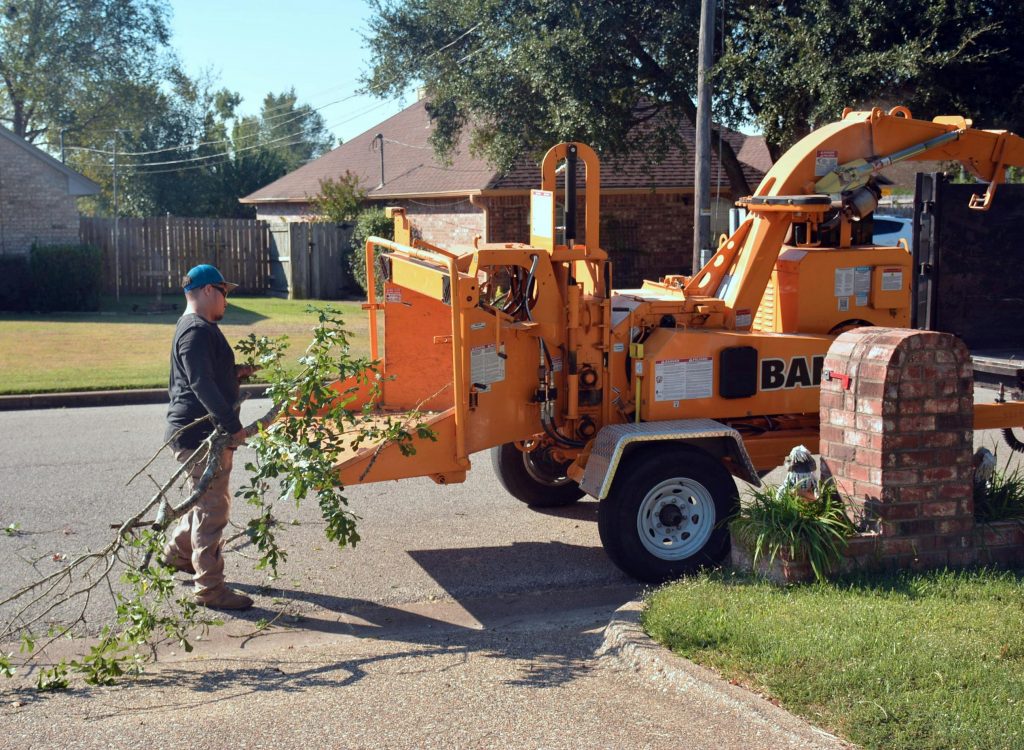
Remove the tree safely and efficiently
At TruCo Services, our team of certified arborists follows a strict protocol to ensure a safe and successful process. We use specialized equipment and techniques to remove the tree, and our team is trained to handle any unexpected situations that may arise.
Tree Removal Methods and Techniques
There are several methods and techniques used in tree removal, including:
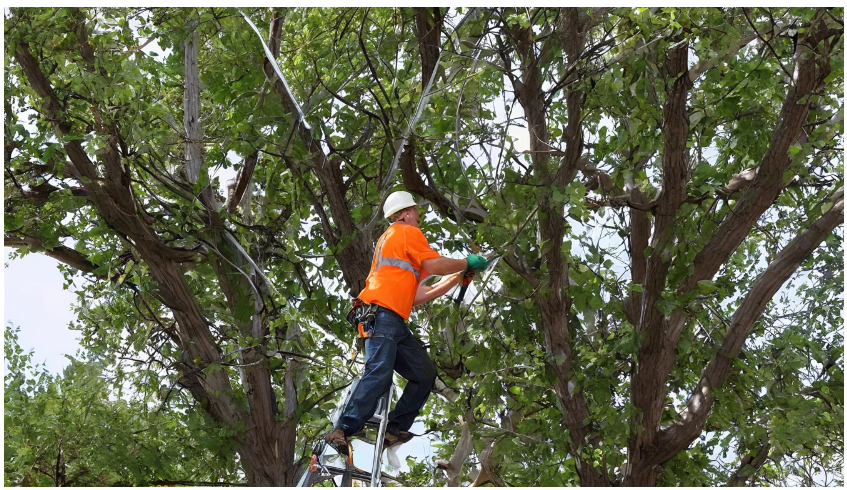
Sectional removal: This involves removing the tree in sections, using specialized equipment like cherry pickers and aerial lifts.
Whole tree removal: This involves removing the entire tree at once, using a crane or other heavy equipment.
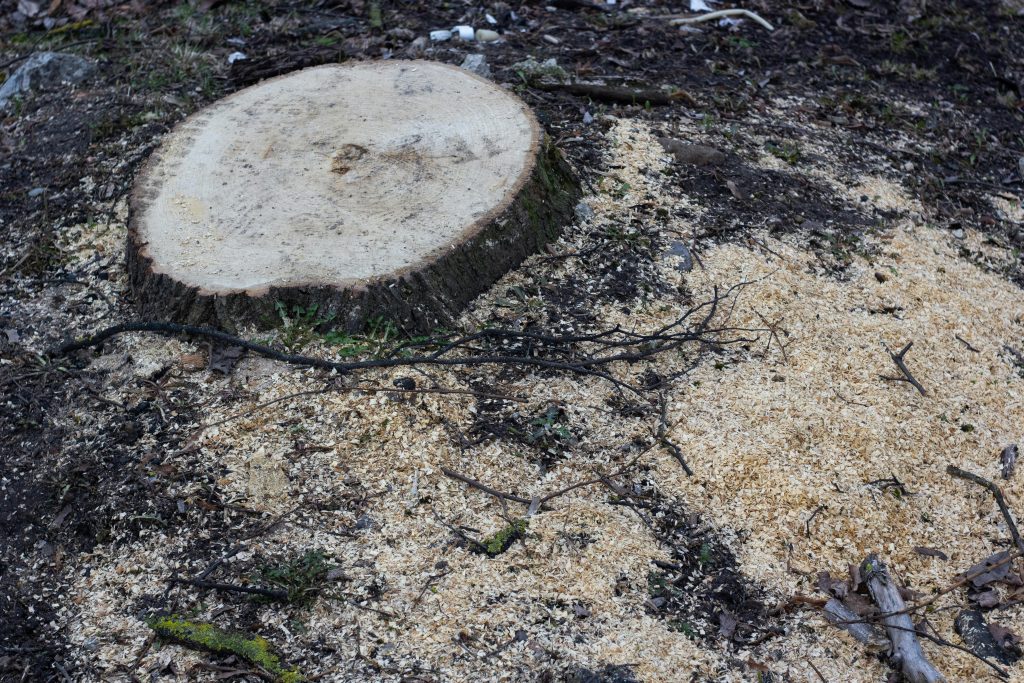
Stump grinding: This involves grinding the stump into mulch, using a stump grinder.
The choice of method depends on the size and location of the tree, as well as the surrounding environment. At TruCo Services, our team of certified arborists will assess the tree’s condition and location and choose the best method for the job.
Common Hazards and Risks Associated with Tree Removal
Tree removal can be a hazardous process, with several risks and hazards involved. Some of the most common hazards include:
Falling branches and debris
Electrical shock from power lines
Crushing injuries from heavy equipment
To mitigate these risks, it’s essential to hire a professional tree removal service like TruCo Services. Our team of certified arborists is trained to handle any unexpected situations that may arise, and we use specialized equipment and techniques to minimize the risks.
Environmental Impact of Tree Removal
Tree removal can have a significant impact on the environment, particularly if not done sustainably. Some of the environmental impacts include:
Loss of biodiversity
Soil erosion
Increased greenhouse gas emissions
At TruCo Services, we’re committed to sustainable tree removal practices. We use specialized equipment and techniques to minimize the impact on the surrounding environment, and we always follow local regulations and guidelines.
Regulations and Permits for Tree Removal
Tree removal is regulated by local and national authorities, with several permits and approvals required. Some of the regulations include:
Obtaining a permit from the local government
Complying with environmental regulations
Following safety guidelines and protocols
At TruCo Services, our team of certified arborists is familiar with local regulations and guidelines. We’ll handle all the necessary permits and approvals, ensuring a smooth and hassle-free process.
Tree Removal Insurance and Liability
Tree removal can be a hazardous process, with several risks and liabilities involved. At TruCo Services, we have liability insurance and workers’ compensation insurance to protect our clients and employees.
According to the Insurance Information Institute (III), liability insurance is essential for tree removal services, as it protects against accidents and injuries (Source: III). By hiring a professional tree removal service like TruCo Services, you can ensure a safe and successful process, with minimal risks and liabilities.
Conclusion and Next Steps
In conclusion, tree removal is a complex and hazardous process that requires specialized equipment and expertise. By hiring a professional tree removal service like TruCo Services, you can ensure a safe and successful process, with minimal risks and liabilities.
If you’re considering removing a tree from your property, we recommend the following next steps:
Assess the tree’s condition and location
Obtain necessary permits and approvals
Hire a professional tree removal service like TruCo Services
At TruCo Services, we’re committed to providing professional landscaping and snow removal solutions that transform your outdoor spaces and ensure year-round safety and beauty. Contact us today to schedule a free consultation and let us help you with your tree removal needs.
Frequently Asked Questions
What is the average cost of tree removal?
The average cost of tree removal varies depending on the location, tree size, and complexity of the job. In Utah, Nevada, and Texas, the average cost of tree removal ranges from $500 to $2,000.
How long does tree removal take?
The time it takes to remove a tree depends on the size of the tree, the complexity of the job, and the equipment used. On average, tree removal can take anywhere from a few hours to several days.
Can I remove a tree myself?
No, we do not recommend removing a tree yourself. Tree removal can be a hazardous and complex process, requiring specialized equipment and expertise. Hiring a professional tree removal service like TruCo Services ensures a safe and successful process.
What is the best time of year for tree removal?
The best time for tree removal depends on the species of the tree, the climate, and the location. In general, it’s best to remove trees during the dormant season (winter or early spring) to minimize the impact on the surrounding environment.
How do I choose a reputable tree removal service?
When choosing a reputable tree removal service, look for certifications like ISA (International Society of Arboriculture) and TCIA (Tree Care Industry Association). Check online reviews, ask for references, and ensure the company has liability insurance and workers’ compensation insurance.
Key Takeaways
Tree removal is a complex and hazardous process that requires specialized equipment and expertise.
Hiring a professional tree removal service like TruCo Services ensures a safe and successful process.
Tree removal can have a significant impact on the environment, particularly if not done sustainably.
Local and national regulations govern tree removal, with several permits and approvals required.
Achieve Stunning Curb Appeal With A Skilled Commercial Landscaper Truco Services (801) 466–8044
Categories: Landscaping Construction, Landcape Maintenance, Snow Removal, Lawn Care, Tree Removal, Tree Services, Commercial Installation, Pavers, Outdoor Kitchens, Sprinkler Systems, Permanent Holiday Lighting and more.
Transforming Your Property: Achieve Stunning Curb Appeal with a Skilled Commercial Landscaper Truco Services (801) 466–8044
When it comes to enhancing the appearance of your commercial property, achieving stunning curb appeal is key. A well-landscaped exterior not only attracts potential clients but also creates a welcoming environment for employees and visitors. Partnering with a skilled commercial landscaper like Truco Services can transform your property into a visually appealing space that stands out in the community. Call them at (801) 466–8044 to get started on your journey to a more inviting property.
Understanding the significance of curb appeal is the first step. Curb appeal refers to the attractiveness of your property’s exterior when viewed from the street. It encompasses everything from the condition of the landscaping to the organization of outdoor furniture. The right commercial landscaper can make significant improvements that elevate your property’s appeal.
Here are some of the ways you can achieve stunning curb appeal with the help of a professional landscaping service:
Customized Landscape Design: A skilled landscaper will work with you to create a customized design that reflects your brand identity while maximizing the property’s natural features.
Seasonal Plantings: seasonal plants and flowers can keep your landscape vibrant throughout the year. A commercial landscaper knows the best choices for your climate and soil.
Efficient Maintenance: Consistent maintenance is vital for keeping your landscape looking its best. Regular lawn care, pruning, and weed control are essential services offered by experienced professionals.
Hardscaping Features: Elements such as pathways, walls, and patios enhance the visual interest of your property. A commercial landscaper can design and install hardscaping features that complement your landscape.
Water Management: Proper irrigation systems ensure your plants flourish while conserving water. Professionals can assess your property and implement the most effective watering solutions.
Choosing the right commercial landscaper can take your vision to the next level. With Truco Services, you receive not only expertise but also a passion for creating beautiful spaces. They understand that every property has unique characteristics and offer personalized service tailored to your needs.
Investing in your property’s curb appeal can have a positive impact on the overall value of your commercial real estate. Properties with professional landscapes often attract higher foot traffic, making them appealing to potential renters or buyers. Moreover, a well-maintained exterior reflects your commitment to quality and professionalism.
Additionally, curb appeal enhances your brand’s visibility. A pleasant landscape can serve as a valuable marketing tool, effectively showcasing your business to passersby. When visitors feel welcomed by beautiful landscaping, they are more likely to remember your property and recommend it to others.
Another essential aspect is sustainability. A skilled commercial landscaper like Truco Services understands how to incorporate environmentally friendly practices into your landscaping plan. This could include using native plants, implementing proper drainage systems, and creating eco-friendly hardscaping features. These practices not only benefit the environment but also reduce maintenance costs over time.
Establishing a strong partnership with a landscaping expert can also save you time and frustration. You can trust someone’s expertise to analyze your specific needs and provide the best options. This allows you to focus on running your business while ensuring your property looks stunning.
When you’re ready to achieve stunning curb appeal, reach out to Truco Services. Whether you’re looking for a complete landscape redesign or regular maintenance services, they are dedicated to delivering results that exceed your expectations. Call them today at (801) 466–8044 and let their expertise help elevate your commercial property.
To summarize, enhancing your property’s exterior with the help of Truco Services involves customized designs, seasonal planting, efficient maintenance, and sustainable practices. Together, these elements contribute to a captivating landscape that delivers lasting impressions and drives business success. Don’t underestimate the power of curb appeal; transform your property into an attractive and inviting space today!
The Importance of Curb Appeal for Commercial Properties
When it comes to commercial properties, first impressions matter more than you might think. Curb appeal is not merely about aesthetics; it plays a crucial role in attracting customers and clients. Whether you’re running a retail store, an office building, or a restaurant, the exterior of your property can significantly impact your success. By focusing on improving your curb appeal, you can differentiate your business from competitors and boost your bottom line.
The exterior of your commercial property is often the first point of contact for potential customers. This makes it essential to create a welcoming environment that invites people in. A well-maintained landscape, clean walkways, and visually appealing signage can work wonders in making your property stand out. Here are some reasons why investing in curb appeal is vital:
Increased Foot Traffic: A beautifully landscaped exterior can catch the eye of passersby and increase foot traffic. When potential customers see a property that looks inviting, they are more likely to stop and explore what your business has to offer.
Enhanced Brand Image: Your commercial property reflects your brand. A well-kept appearance signals professionalism and attention to detail. This can enhance your brand image and make your business more memorable.
Higher Property Value: Regular landscaping and maintenance can increase the overall value of your property. Whether you plan to sell or lease your space, good curb appeal can lead to a higher appraisal.
Positive Customer Experience: People tend to associate the experience they have with your property to the service and goods you provide. An appealing exterior creates a positive atmosphere, encouraging shoppers to linger longer and, potentially, make a purchase.
To truly achieve stunning curb appeal, partnering with a skilled commercial landscaper is crucial. A professional landscape designer, such as Truco Services at (801) 466–8044, can help you transform your outdoor space to meet your business needs while ensuring it remains visually captivating.
Here’s how a skilled landscaper can improve your commercial property:
Customized Design: Every commercial property has its unique characteristics. A professional will assess your space and create a customized landscape design that highlights its strengths, complements its architecture, and suits your brand’s identity.
Seasonal Planting: A landscaping expert understands how to choose plants that bloom beautifully in every season. By incorporating seasonal colors and textures, your property can remain attractive throughout the year.
Functional Elements: Curb appeal isn’t just about looks. Professional landscapers can add functional elements like benches, walkways, or water features, enhancing the experience for your customers and creating a relaxing atmosphere.
Routine Maintenance: Keeping a landscape pristine requires ongoing upkeep. Hiring a commercial landscaper allows you to sit back and relax while they handle trimming, weeding, and seasonal enhancements to keep your property looking its best.
Moreover, a well-planned landscaping project is not solely about plants and flowers. It can also incorporate hardscaping elements, such as patios, paths, and retaining walls, which can add depth and interest to your property. The combination of soft and hard elements creates a balanced design that captures attention and invites exploration.
Beyond plants and structures, lighting plays a pivotal role in curb appeal. Thoughtful outdoor lighting can enhance the beauty of your landscaping at night while improving safety for visitors. Consider employing warm-toned lights that highlight paths and focal points, making your property inviting around the clock.
Investing in curb appeal for your commercial property is vital for attracting customers and enhancing your brand image. By collaborating with a skilled commercial landscaper like Truco Services at (801) 466–8044, you can create an inviting and visually appealing environment that benefits your business in multiple ways. Don’t underestimate the power of a beautiful exterior; it can be your ticket to increased customer engagement and business success.
Key Landscaping Elements That Enhance Exterior Aesthetics
Creating an inviting and visually appealing outdoor space can significantly enhance your property’s exterior aesthetics. Effective landscaping goes beyond simple grass and shrubs; it incorporates various elements that come together to create a harmonious and attractive environment. Below are key landscaping elements that can elevate your property’s curb appeal and charm.
Colorful Plant Selection
Choosing the right plants makes a huge difference in your landscape’s vibrancy. Consider incorporating:
Seasonal Flowers: Annuals and perennials can provide bursts of color throughout the year.
Foliage Plants: Different shades of green can create a lush feel. Look for varieties with unique leaf shapes or patterns.
Evergreens: They add structure and color to your landscape even in winter.
By selecting a diverse range of plants, you create visual interest. Mixing colors and types can turn a bland yard into an eye-catching landscape.
Walkways and Pathways
Effective pathways guide visitors through your landscape while adding organization. Options to consider include:
Stone Pavers: Durable and stylish, they create a natural look.
Gravel Paths: Easy and cost-effective, gravel provides a casual and rustic appearance.
Wooden Decking: Adds warmth and texture, ideal for seating areas.
Well-designed paths not only direct foot traffic but also enhance the overall flow and feel of your garden.
Water Features
Water features can take your landscaping to the next level. They add a sense of tranquility and can include:
Fountains: Eye-catching and soothing sounds make a fountain a focal point.
Ponds: A pond can serve as a habitat while providing visual depth.
Waterfalls: Cascading water adds motion and a natural aesthetic.
These features attract wildlife and promote relaxation, making your outdoor space more inviting.
Lighting Techniques
Strategic outdoor lighting not only improves safety but also enhances the beauty of your landscape at night. Effective lighting can include:
Spotlights: Highlight specific plants or features.
Path Lights: Illuminate paths for safety and ambiance.
Garden Lights: Create a warm glow around seating areas.
Proper lighting transforms your landscape into a dreamy space during the evening, enhancing the charm of your garden.
Outdoor Structures
Structures provides functionality as well as aesthetic appeal. Consider:
Arbors and Trellises: Great for climbing plants, they add vertical interest.
Patios and Decks: These areas create spaces for entertainment and relaxation.
Gazebos: They provide shade and can act as a beautiful focal point.
Outdoor structures invite you and your guests to enjoy the space while adding a unique character to your landscape.
Maintenance and Care
Regular maintenance is crucial for keeping your landscape looking its best. Important tasks include:
Consistent Pruning: Regularly trimming plants keeps them healthy and well-shaped.
Lawn Care: Weekly mowing and fertilization offer a lush green look.
Weeding: Removing unwanted plants helps maintain order and beauty.
Establishing a routine maintenance schedule ensures your landscape remains inviting and attractive throughout the seasons.
By focusing on these key landscaping elements, you can significantly enhance your exterior aesthetics. Consider bringing in Truco Services (801) 466–8044, a skilled commercial landscaper, to help you achieve stunning curb appeal that will make your property the envy of the neighborhood. Their expertise can facilitate the transformation you envision, providing tailored solutions that suit your needs. With the right landscaping elements and professional guidance, your outdoor space can exude beauty and charm for all who visit.
How Professional Landscaping Can Increase Property Value
When it comes to selling or renting your property, first impressions matter significantly. One of the most effective ways to enhance your property’s appeal is through professional landscaping. An inviting exterior, complete with lush lawns and thoughtful designs, can not only attract potential buyers or tenants but also significantly increase the overall value of your property.
Investing in high-quality landscaping services, like those offered by skilled professionals such as Truco Services (801) 466–8044, can transform your outdoor space into a stunning visual statement. Here’s how professional landscaping can elevate your property’s value:
Enhanced Curb Appeal
Curb appeal plays a crucial role in establishing the attractiveness of a property. A well-maintained lawn, vibrant flower beds, and strategically placed shrubs grab attention and make your property stand out. By hiring a professional landscaper, you ensure that every element of your outdoor space is thoughtfully curated to create an inviting atmosphere. This is especially important if you’re looking to sell or lease; potential buyers often make snap judgments within seconds of seeing a home.
Increased Usable Space
Professional landscaping can also transform underutilized areas of your property into functional outdoor living spaces. This includes:
Patios for dining and socializing
Decks for relaxation
Gardens for growing flowers or vegetables
Pathways that enhance accessibility
Creating these spaces allows potential buyers or tenants to envision their lives unfolding in your outdoor areas, thereby increasing the property’s perceived value.
Environmental Benefits
Landscaping doesn’t just beautify; it also contributes positively to the environment. Trees and plants can improve air quality and reduce carbon footprints. Additionally, they help manage water runoff, reduce heating and cooling costs, and even provide wildlife habitats. These ecological benefits are increasingly appealing to environmentally conscious buyers, further enhancing property value.
Increased Property Functionality
Smart landscaping adds value by improving the functionality of your property. With features such as:
Well-placed outdoor lighting
Fencing for privacy or safety
Outdoor kitchens and fire pits
Play areas for children
These enhancements can make your property more attractive to families and individuals looking for a comfortable living environment.
Lower Maintenance Costs
A professional landscape design can minimize future maintenance costs. Well-planned layouts with native plants reduce the need for excessive watering and care. Choosing perennials instead of annuals can save you time and money in the long run. Furthermore, a skilled landscaper will apply knowledge in soil conditions and plant choices that create a sustainable landscape, reducing upkeep requirements.
Increased Market Value
Statistics show that well-landscaped homes can sell for up to 15% more than comparable homes without landscaping. By investing in landscaping, you’re making a smart financial move. Whether you aim to sell your property or rent it out, a beautifully landscaped exterior can make the difference between a property that lingers on the market and one that sells quickly at a high price.
Technology and Smart Solutions
Modern landscaping has evolved to incorporate technology. Automated irrigation systems can save water and provide optimum care for your plants. Additionally, incorporating smart lighting helps you highlight your garden’s beauty after dark. This innovative approach not only adds aesthetic appeal but also enhances convenience, making your property more attractive.
Ultimately, investing in professional landscaping is about transforming your outdoor space into a beautiful, functional area that adds real value to your property. Whether you’re updating existing landscapes or starting from scratch, skilled landscapers like Truco Services (801) 466–8044 can help you create a lasting positive impression that translates to increased property value.
The benefits of professional landscaping extend well beyond mere aesthetics. By enhancing curb appeal, improving functionality, and being environmentally conscious, you not only create an enjoyable space for yourself but also investments that yield long-term financial benefits.
Seasonal Maintenance Tips for Sustaining Curb Appeal
Maintaining curb appeal throughout the changing seasons is essential for property owners looking to create a welcoming atmosphere. Whether you’re a homeowner or manage commercial properties, the right seasonal maintenance makes all the difference. Here are some practical tips to keep your landscape looking stunning year-round.
Spring Care
As spring arrives, it’s time to awaken your landscape from its winter slumber. Focus on the following tasks to revitalize your curb appeal:
Clean Up Debris: Remove any fallen branches, leaves, or trash accumulated during winter. This step creates a neat look and prepares your garden for new growth.
Trim and Prune: Cut back overgrown shrubs and trees to promote healthy growth. This also enhances the shape and aesthetic appeal of your landscape.
Mulch Your Beds: Fresh mulch not only helps retain moisture but also gives flower beds a polished look. Choose organic mulch that complements your plants.
Introduce Color: Plant vibrant flowers for a burst of color. Opt for perennials for long-term blooms or annuals for a quick seasonal touch.
Summer Upkeep
During the summer, your landscape requires consistent attention and care to thrive. Here’s how you can keep everything looking its best:
Water Regularly: Ensure your plants receive enough water, especially during dry spells. Deep watering is preferable to shallow sprinkling to promote healthy root growth.
Deadhead Flowers: Remove spent blooms from flowering plants. This encourages further flowering and keeps your garden looking fresh and vibrant.
Mow and Edge: Regularly mowing your lawn and creating crisp edges along walkways and flower beds promotes a tidy appearance and enhances overall curb appeal.
Inspect for Pests: Keep an eye out for signs of insects and diseases. Early detection can prevent significant damage and maintain your landscape’s health.
Autumn Preparation
As the leaves change color and fall approaches, it’s crucial to prepare your landscape for the colder months ahead:
Clean Up Leaves: Raking and removing fallen leaves prevents mold growth and keeps your lawn healthy. Additionally, this cleanup helps maintain neatness.
Plant Fall Bulbs: This is the perfect time to plant bulbs for spring flowers. Tulips, daffodils, and hyacinths will blossom beautifully when warmer weather returns.
Trim Back Perennials: After frost, cut back perennials to encourage healthy regrowth in the spring. This practice also reduces the likelihood of diseases.
Winterize Your Tools: Prepare your gardening tools for storage by cleaning and oiling them. Proper maintenance ensures longevity and readiness for the next season.
Winter Care
Even in winter, curb appeal shouldn’t be neglected. Here are some strategies for maintaining a visually appealing landscape:
Maintain Pathways: Clearly defined and maintained walkways prevent accidents in icy weather. Regularly clear snow and ice to ensure safety for visitors.
Consider Evergreens: Incorporate evergreen plants and shrubs that provide color and life during the dull winter months. They help maintain visual interest in your landscape.
Decorate for the Seasons: Seasonal decorations can enhance your property’s appeal. Consider tasteful holiday decorations that complement your landscape’s aesthetics.
Plan for Spring: Use this time to plan your spring landscape upgrades. Research plants you’d like to introduce and consider what changes would best enhance your property’s appeal.
By following these seasonal maintenance tips, you can sustain impressive curb appeal throughout the year. If you’re looking for expert assistance, consider partnering with a skilled commercial landscaper like Truco Services at (801) 466–8044. Their expertise can help transform your outdoor spaces into beautiful landscapes that make a lasting impression.
Key Takeaway:
Achieving stunning curb appeal is essential for any commercial property, and enlisting the expertise of a skilled commercial landscaper like Truco Services (801) 466–8044 can make all the difference. As you consider transforming your property, remember that curb appeal is not just about appearance; it significantly impacts your business’s perception and success. An attractive exterior creates a welcoming first impression for clients, customers, and visitors, effectively setting the stage for the experience they will have inside.
When discussing the importance of curb appeal for commercial properties, it’s vital to recognize that a well-maintained landscape reflects professionalism and attention to detail. This level of care can inspire trust in potential clients, driving them towards your business over competitors with a less inviting exterior. Elements such as vibrant plants, well-defined pathways, and clean surfaces significantly enhance exterior aesthetics, making a property stand out.
In addition to aesthetic improvements, professional landscaping can also boost your property value. When done right, a sound landscaping strategy increases not only your property’s marketability but also its overall worth. Potential buyers recognize that a well-cared-for landscape implies less immediate investment in renovations, which can expedite sales.
Sustaining curb appeal goes beyond the initial installation; it requires ongoing effort. Seasonal maintenance tips, such as regular pruning, seasonal plant rotation, and proper lawn care, are crucial for keeping your landscape looking its best year-round. Collaborating with a skilled commercial landscaper ensures that your property remains vibrant and inviting regardless of the season.
To sum up, investing in professional landscaping through Truco Services can transform your commercial property, create an inviting atmosphere, and enhance your business’s value. Remember, the journey to stunning curb appeal starts with the right partner and a keen understanding of how to maintain it. Embrace the power of effective landscaping to ensure your property continues to shine in any season.
Conclusion
Enhancing the curb appeal of your commercial property is not just about making a good first impression; it’s about creating an inviting atmosphere that attracts customers and boosts your brand’s reputation. By partnering with a skilled commercial landscaper like Truco Services (801) 466–8044, you can transform your property into a stunning display that highlights its unique features and accommodates your specific business needs.
Investing in professional landscaping is a strategic move that pays dividends. It not only elevates your property’s overall aesthetics but also increases its market value. Potential clients and tenants are more likely to be drawn to well-maintained landscaping, which speaks volumes about the care and professionalism of your business.
Implementing key landscaping elements such as vibrant flowers, lush greenery, and strategic lighting can create a cohesive and appealing exterior that tells your brand’s story. Seasonal maintenance is vital to ensure your landscape continues to thrive throughout the year. Simple tasks like pruning, mulching, and seasonal planting can keep your curb appeal in top shape.
Ultimately, creating stunning curb appeal is a journey, not a destination. With Truco Services on your side, you’ll have the expertise needed to navigate this journey successfully. Embrace the opportunity to showcase your business with an exterior that not only stands out but also reflects the quality and values of your brand. Don’t wait — contact Truco Services today to start reaping the benefits of an inviting and beautiful landscape!
If you need a tree service in Utah, you can call: Truco Services, Inc.
4640 Commerce Drive
Murray, Utah 84107
(801) 466-8044 https://truetreeservices.com/
How To Choose The Right Commercial Landscaper For Your Property Truco Services (801) 466–8044
Categories: Landscaping Construction, Landcape Maintenance, Snow Removal, Lawn Care, Tree Removal, Tree Services, Commercial Installation, Pavers, Outdoor Kitchens, Sprinkler Systems, Permanent Holiday Lighting and more.
Key Factors to Consider When Choosing a Commercial Landscaper for Your Property Truco Services (801) 466–8044
Choosing the right commercial landscaper for your property is a crucial decision that can significantly impact the overall appearance and health of your outdoor space. When you partner with a professional like Truco Services at (801) 466–8044, you want to ensure that your investment leads to beautiful, thriving landscapes. Here are some key factors to consider that will help you make the best choice:
Experience and Expertise
One of the first things to assess when selecting a commercial landscaper is their experience and expertise in the field. A landscaper with years of experience will have a better understanding of local climate conditions, plant types, and landscape maintenance techniques. This knowledge helps ensure that your property flourishes in its specific environment.
Portfolio of Past Work
Reviewing a landscaper’s portfolio allows you to see the quality and variety of their past projects. Look for images that showcase different types of properties they have worked on. Consider the design style and creativity in their work. This review will provide valuable insights into their capabilities and whether they align with your vision.
Range of Services Offered
It’s essential to choose a landscaper that offers a full range of services tailored to meet your needs. Here are some common services to look for:
Landscape design and installation
Lawn care and maintenance
Tree and shrub planting
Irrigation systems
Hardscaping (patios, walkways, etc.)
Seasonal clean-ups
Fertilization and pest control
Having a landscaper who can handle all aspects of landscaping ensures consistency and overall quality in maintaining your property.
Licensing and Insurance
Make sure that the landscaping company you choose is properly licensed and insured. A valid license ensures that the landscaper adheres to local regulations and industry standards. Insurance protects both you and the landscaper in case of accidents or damages during the project. Always ask for certificates or proof of coverage before proceeding.
Customer Reviews and Testimonials
Reading customer reviews and testimonials provides insight into the landscaper’s reliability and customer service. Look for feedback on their website, social media, or third-party review sites. Pay attention to comments about communication, timeliness, and the quality of work. Positive reviews from previous clients can build your confidence in their abilities.
Communication Skills
Effective communication is critical in any business relationship. During your initial consultation, try to gauge the landscaper’s responsiveness and willingness to listen to your needs. They should be open to discussing your ideas, providing recommendations, and addressing any concerns you may have. A landscaper who values clear communication is more likely to understand your vision and execute it effectively.
Pricing and Budget Considerations
While cost shouldn’t be the sole factor in your decision, it’s essential to have a budget in mind. Obtain detailed quotes from multiple landscapers and compare what’s included in their services. Some may offer package deals that provide better value. Remember, the cheapest option may not always deliver the best results, so consider quality alongside the cost.
Sustainability Practices
More people are becoming aware of environmental concerns, and many landscaping companies now incorporate sustainable practices. Inquire about their approach to water management, use of native plants, and eco-friendly products. A landscaper who prioritizes sustainability will not only create a beautiful outdoor space but will also contribute positively to the environment.
Post-Installation Maintenance
After your landscape has been installed, regular maintenance is vital for its long-term health and appearance. Clarify whether the landscaper provides ongoing maintenance services. Regular upkeep will ensure your landscape remains vibrant and healthy throughout the year, adapting to changing seasons and weather conditions.
Choosing the right commercial landscaper for your property involves careful consideration of these factors. By evaluating their experience, services, and reputation, you can select a landscaper that meets your needs and transforms your outdoor space. For assistance, don’t hesitate to reach out to Truco Services at (801) 466–8044 for expert landscaping solutions tailored to your property.
The Importance of Experience and Reputation in Landscaping Services
When it comes to enhancing the appearance of your outdoor space, choosing the right landscaping service is crucial. It’s not just about aesthetics; it’s about ensuring that your investment lasts. This is where experience and reputation come into play. Both play essential roles in determining the quality of landscaping services you receive.
Experience in landscaping often translates to expertise. An experienced landscaping company has dealt with a variety of challenges over the years. From understanding local soil types to selecting the right plants for specific environments, seasoned professionals know what works best in various scenarios.
Here are a few aspects where experience makes a difference:
Knowledge of Local Conditions: An experienced landscaper understands your area’s climate, soil conditions, and natural elements. They can identify the plants that will thrive and the best design practices that will create a sustainable landscape.
Problem-Solving Skills: Every landscaping project comes with challenges, whether it’s managing drainage issues or incorporating existing features into a design. Experienced professionals usually have the problem-solving skills gained from years in the field.
Design Expertise: Over time, a skilled landscaper develops a sense of aesthetics. They can create visually appealing designs that blend functionality with beauty, ultimately enhancing your property’s value.
While experience is essential, a company’s reputation is equally vital. A good reputation is often built on consistent, high-quality work and excellent customer service. Before hiring a landscaping service, it’s worthwhile to conduct research and understand what previous clients are saying about their experiences.
Consider these factors regarding reputation:
Online Reviews: Websites like Google, Yelp, and social media platforms often provide insight into a company’s performance. Look for consistent positive feedback and responses to any negative reviews. A reputable company takes accountability and addresses customer concerns proactively.
Recommendations: Word of mouth is powerful. Ask friends, family, or colleagues about their experiences with local landscapers. Personal recommendations can guide you towards reliable services.
Quality of Portfolio: A reputable landscaping service usually has a portfolio showcasing their work. Look for before-and-after photos that highlight their ability to transform spaces. A diverse portfolio indicates versatility.
When combined, experience and reputation create a foundation for trust between you and the landscaping service. Trust is crucial as it leads to open communication. Ensure that the landscaper understands your vision and can provide valuable insights, thus promoting a cooperative relationship.
Here are steps to help you evaluate both experience and reputation effectively:
Check Credentials: Confirm that the landscaping service is licensed and insured. This shows accountability and professionalism, crucial attributes for any contractor.
Ask Questions: Don’t hesitate to inquire about the company’s background and experience in landscaping. Ask about their previous projects, particularly those similar to yours.
Request References: A reliable landscaping service should provide references from previous clients. Contact these references and ask about their experiences, timelines, and if they would recommend the service.
Get Detailed Quotes: Ask for quotes from several landscapers. Compare these quotes, looking for detailed descriptions of services included. Transparency in pricing often reflects integrity.
In addition to evaluating experience and reputation, you should also assess their communication style. An approachable landscaper who listens to your ideas and concerns can significantly enhance your project’s success. Ensure they are open to collaboration throughout the design and installation process.
Ultimately, choosing a landscaping service with a strong blend of experience and a solid reputation is key. This choice guarantees that your property receives the care and attention it deserves. Not only will your outdoor space look stunning, but you’ll also enjoy a stress-free experience throughout the project.
Investing time in this selection process is well worth it as it will lead to a rewarding landscaping outcome that enhances your property for years to come.
Understanding Different Landscaping Services Offered by Commercial Companies
When you think of commercial landscaping services, it’s essential to understand the variety of offerings available. Commercial companies provide a range of services tailored to meet the specific needs of businesses. Whether maintaining the exterior of an office complex or enhancing the landscape around a retail store, there are comprehensive solutions that can transform your property.
Landscape Design and Installation
One of the primary services offered by commercial landscapers is landscape design and installation. This involves developing a cohesive plan that enhances the aesthetic appeal of your property. Some key components of this service include:
Assessment of site conditions
Selection of appropriate plants and materials
Creating functional outdoor spaces with patios, walkways, and seating areas
Implementing irrigation systems for efficient water usage
Proper design and installation can significantly enhance your property’s curb appeal and make a lasting impression on clients and customers.
Maintenance Services
To keep landscapes looking their best, regular maintenance is crucial. Commercial landscaping companies offer a variety of maintenance services, such as:
Lawn care and mowing
Weed control and pest management
Seasonal cleanups and leaf removal
Trimming and pruning of shrubs and trees
These tasks ensure that your landscape remains healthy and visually appealing all year round. Regular maintenance can also extend the life of plants and landscaping features, making it a wise investment for business owners.
Irrigation and Water Management
A well-designed irrigation system is essential for maintaining healthy landscapes. Commercial landscaping services often include irrigation planning, installation, and maintenance. Some elements of this service encompass:
Installation of sprinkler systems
Drip irrigation for gardens and flower beds
Water-efficient systems that conserve resources
Regular system checks to ensure optimal performance
Efficient water management not only supports plant health but also demonstrates your commitment to sustainability, which can be appealing to customers and clients.
Hardscaping Services
Aside from plant life, hardscaping is a vital aspect of commercial landscaping. This includes non-plant elements such as:
Patios and decks
Walkways and pathways
Retaining walls for managing soil erosion
Water features like fountains or ponds
These features can enhance the functionality and overall aesthetic of your property, providing areas for relaxation or enhancing traffic flow.
Seasonal Services
Seasonal changes can dramatically impact your landscape. Therefore, many commercial landscapers offer seasonal services, which include:
Spring planting and flower bed preparation
Summer maintenance and watering
Fall leaf removal and preparation for winter
Winter services like snow removal and de-icing
These seasonal services help ensure that your landscape is prepared for the changing weather, keeping it appealing and safe throughout the year.
Consultation and Professional Advice
Commercial landscapers also provide consultation services to help you make informed decisions about your landscape. This includes:
Evaluating existing landscapes to identify areas for improvement
Offering recommendations for plant selection based on climate and soil conditions
Advising on sustainable practices and eco-friendly solutions
Having the expertise of professionals can save you time and resources, leading to a landscape that meets your vision and business needs.
Understanding the different landscaping services offered by commercial companies is vital for making informed decisions about your property. From design and installation to maintenance and seasonal services, these companies provide valuable expertise to enhance your business’s exterior. When selecting a landscaping partner, ensure you consider their range of services, reputation, and alignment with your landscape goals. This will help you achieve a beautiful and functional outdoor space that reflects your brand and attracts customers.
Budgeting for Commercial Landscaping: What You Need to Know
Budgeting for commercial landscaping can be a challenging task for property owners. However, understanding the key components of landscape expenses and considering them in advance can help you create a budget that meets both your aesthetic goals and financial capabilities. Here are several important factors to consider when planning your commercial landscaping budget.
Define Your Landscaping Goals
The first step in budgeting is to identify your landscaping goals. What do you want your property to look like? Think about the following aspects:
Type of Plants: Do you prefer native plants, ornamental trees, or low-maintenance shrubbery?
Features: Are you considering adding pathways, water features, or lighting?
Functionality: Should the landscape promote outdoor activities, like seating areas or event spaces?
By clarifying your landscaping goals, you can more accurately estimate associated costs and prioritize your spending.
Research Costs
Once you’ve outlined your goals, it’s time to gather information about potential costs. This step involves several components:
Material Costs: Look into the prices of plants, soil, mulch, rocks, and any hardscape materials you plan to use.
Labor Costs: Understanding how much it will cost to hire a professional landscaper can significantly impact your budget. Rates can vary based on the complexity of the work and your location.
Maintenance Costs: Think about ongoing expenses such as water, fertilizer, and pest control.
You can use online resources, local garden centers, or landscape companies like Truco Services at (801) 466–8044 for quotes to gather accurate pricing information.
Account for Seasonal Changes
Landscaping isn’t just a one-time expense. Different seasons can affect the needs of your property:
Spring: This is often the most involved time for landscaping, with many plants needing installation and maintenance.
Summer: Regular watering and pest management become critical.
Fall: Pruning and mulching may be necessary to prepare for winter.
Winter: In colder areas, snow management and protection for plants may incur additional costs.
Including seasonal costs in your budget ensures you’re prepared to maintain your landscape year-round.
Consider Hiring a Professional
If your budget allows, hiring a commercial landscaper can bring expertise and experience to your project. A professional can help you:
Design an efficient landscape that meets your goals.
Source quality materials at potentially lower prices.
Implement the design with minimal hassle to you.
When you have a commercial landscaper like Truco Services on your side, you can rely on their experience to guide you in making cost-effective decisions that benefit your property and budget.
Plan for Unexpected Costs
Every landscaping project comes with its own surprises. It’s essential to set aside an emergency fund to handle unexpected expenses. Possible issues could include:
Plant diseases or pests that require additional treatments.
Soil quality issues that necessitate extra preparation.
Weather conditions affecting able to perform landscaping work.
A small contingency fund can protect you from going over budget while ensuring your landscaping project remains on track.
Evaluate and Adjust Your Budget
Your landscaping needs may change over time, so it’s crucial to regularly evaluate your budgeting process. Consider the following:
Review the health and growth of your plants.
Assess if additional features or services are necessary.
Make adjustments based on previous expenditures and new goals.
This proactive approach helps keep your property looking its best while staying within financial limits.
Budgeting for commercial landscaping is a finely-tuned process that requires planning, research, and flexibility. By defining your goals, researching costs, and preparing for contingencies, you can create a thriving landscape that enhances your property without breaking the bank.
How to Evaluate a Commercial Landscaper’s Portfolio and Client Testimonials
Choosing the right commercial landscaper for your property is crucial to ensuring a beautiful, functional outdoor space. To make an informed decision, you need to evaluate the landscaper’s portfolio and client testimonials critically. By doing so, you can get a clear picture of their work quality, creativity, and reliability.
Reviewing the Portfolio
A portfolio is a visual representation of a landscaper’s work. Here’s how to effectively evaluate it:
Variety of Projects: Look for a diverse range of projects. This variety showcases the landscaper’s ability to handle different styles, sizes, and types of landscapes. Whether you have a small office park or a large commercial complex, their past work should give you confidence in their adaptability.
Quality of Work: Pay close attention to the quality of the landscaping in the photos. Are the plants healthy? Is the design cohesive? The aesthetic appeal can reveal much about their attention to detail and craftsmanship.
Consistency: Check for consistency in their work. A reliable landscaper will maintain a high standard across all projects, regardless of the scale. Look for photos that depict both before and after images to better understand their transformation capabilities.
Innovative Designs: Landscaping is an art, and creativity goes a long way. Take note if the portfolio displays unique designs or standout features, such as water features, walkways, or specialized plant selections. This can signal their ability to create inviting and functional spaces.
Relevance to Your Needs: Assess whether their style aligns with your vision. If you have specific ideas, ensure the landscaper has experience in similar projects.
Examining Client Testimonials
Client testimonials provide insights into the landscaper’s professionalism and customer service. Consider these aspects when reviewing feedback:
Specificity: Look for testimonials that mention specific services provided, project timelines, and the overall experience. Detailed accounts can help you identify potential red flags or highlight strengths.
Positive and Negative Feedback: Balance is key. While positive testimonials are important, it’s also useful to see how the landscaper handles criticism. If complaints are evident, check how they responded. A competent professional will address issues promptly and effectively.
Trustworthy Source: Consider the credibility of sources. Testimonials from recognizable businesses or those in your industry can carry more weight. Additionally, look for third-party reviews on platforms like Google, Yelp, or Angie’s List for an unbiased perspective.
Repeat Clients: Frequent mentions of repeat business in testimonials can indicate customer satisfaction. If clients return for additional projects, it suggests trust and a good working relationship.
Setting Up Consultations
After narrowing down your options based on portfolio and testimonials, set up consultations with your top picks. Here’s what to do:
Prepare Questions: Come equipped with questions regarding their design process, timelines, costs, and any maintenance services offered. This will help you gauge their knowledge and willingness to collaborate.
Discuss Your Vision: Share your ideas and ask how they can bring your vision to life. This discussion should give you insight into how receptive they are to client input.
Clarify Costs and Contracts: Make sure to get a transparent estimate of costs and discuss contracts. Understanding what is included in the price will help you avoid unexpected expenses later on.
Trust Your Instincts
Trust your instincts when making a decision. A great commercial landscaper will not only impress you with their previous work but will also make you feel comfortable and confident about the entire process. Remember, you need a partner who genuinely cares about your project, responds promptly, and values your vision.
Evaluating a commercial landscaper’s portfolio and client testimonials is foundational in finding the right fit for your property. By taking time to review these elements, you will find a landscaper that can transform your outdoor space into a vibrant reflection of your business’s identity.
Key Takeaway:
When it comes to choosing the right commercial landscaper for your property, several key factors can determine the success of your landscaping project. First and foremost, it’s crucial to prioritize experience and reputation. A landscaper with a solid track record is often more reliable and capable of delivering the results you desire. Look for companies like Truco Services, such as those reachable at (801) 466–8044, which have established themselves through years of quality service and positive client relationships.
Understanding the range of services offered can also significantly influence your decision. Commercial landscaping encompasses various tasks, from routine maintenance to landscape design and installation. Make sure to choose a company that aligns with your specific needs — whether that be seasonal planting, lawn care, or sustainable landscaping. Engaging with a company that offers comprehensive services can save you time and reduce complications in project management.
Budgeting is another critical element to keep in mind. Before selecting a landscaper, evaluate your budget and discuss it openly with potential service providers. Be transparent about your financial limits; many landscapers can customize their services based on your budget, ensuring you receive quality service without unnecessary costs. Discussing your budget upfront can lead to better planning and prevent unexpected expenditures down the line.
Always evaluate a landscaper’s portfolio and read client testimonials. A reputable landscaping company should have a collection of past projects to showcase their capabilities. Pay attention to the diversity and quality of their work. Client testimonials can provide valuable insights into their reliability, professionalism, and customer service standards.
Choosing the right commercial landscaper for your property involves careful consideration of their experience, service offerings, and reputation. Budgeting for your landscaping needs and reviewing a potential landscaper’s portfolio and client feedback can significantly enhance your selection process. The right choice ensures that your property stands out while meeting your aesthetic and functional requirements.
Conclusion
Choosing the right commercial landscaper for your property is vital to enhance its appearance and value. By considering key factors such as the landscaper’s experience, reputation, and the range of services they offer, you can make an informed decision that aligns with your needs. Experienced landscapers not only have the skills to deliver quality work but also possess a solid understanding of the local climate and plant types, ensuring that your landscaping flourishes year-round.
Understanding the specific services provided by commercial landscaping companies can help you tailor your vision. Whether you need routine maintenance, design, installation, or specialized care, matching your requirements with the landscaper’s offerings is crucial. You should also factor in your budget, as landscaping costs can vary significantly. Researching options and obtaining estimates will ensure you get good value for your investment.
Evaluating a landscaper’s portfolio and client testimonials gives you insight into their past work and customer satisfaction levels. Look for strong visuals that showcase their creativity and skill, along with positive feedback that highlights their professionalism and reliability.
By taking these essential aspects into consideration, you can confidently select a commercial landscaper like Truco Services (801) 466–8044 who will not only meet your landscaping needs but exceed your expectations. A well-chosen landscaping partner can transform your property into a beautiful and functional space that enhances its overall appeal.
If you need a tree service in Utah, you can call: Truco Services, Inc.
4640 Commerce Drive
Murray, Utah 84107
(801) 466-8044 https://truetreeservices.com/
Commercial Landscaper Secrets For A Beautiful Outdoor Space Truco Services (801) 466–8044
Categories: Landscaping Construction, Landcape Maintenance, Snow Removal, Lawn Care, Tree Removal, Tree Services, Commercial Installation, Pavers, Outdoor Kitchens, Sprinkler Systems, Permanent Holiday Lighting and more.
Unveiling the Commercial Landscaper Secrets for a Beautiful Outdoor Space
Creating a beautiful outdoor space is essential for any commercial property. The right landscape not only enhances the visual appeal but also creates an inviting atmosphere for clients and employees. By understanding and implementing the secrets of commercial landscaping, you can achieve a stunning outdoor space that leaves a lasting impression. Here are some key insights and strategies that can elevate your commercial property’s exterior.
Understanding Your Space
The first step in achieving a beautiful outdoor space is to thoroughly understand the area you are working with. Consider the following:
Size and shape: Assess the dimensions and layout of your property.
Existing features: Take note of any trees, shrubs, or structures that you may want to incorporate or remove.
Sun and shade patterns: Identify areas that receive full sunlight versus those that are shaded, as this will influence plant selection.
Choosing the Right Plants
Plants are the cornerstone of any landscape. Selecting the right ones can make all the difference. Here are some tips:
Native species: Opt for plants native to your area. They thrive better and require less maintenance.
Seasonal color: Incorporate perennial flowers to ensure there is always something blooming throughout the seasons.
Diversity: Use a mix of plant types (trees, shrubs, and flowers) to create visual interest and promote biodiversity.
Creating a Cohesive Design
A successful outdoor space has a cohesive design that connects various elements. Consider these techniques to achieve visual harmony:
Color palettes: Choose a color scheme that complements your building and promotes a welcoming atmosphere.
Layering plants: Place taller plants in the back and shorter ones in the front to create depth.
Pathways: Incorporate pathways using stone, gravel, or mulch to guide visitors through the space.
Hardscapes
Hardscapes are an essential aspect of landscape design, adding structure and functionality. Implement the following:
Sitting areas: Create comfortable seating areas where people can relax and enjoy the outdoors.
Water features: Consider adding a fountain or pond for serenity and visual appeal.
Lighting: Use outdoor lights to enhance safety and highlight key features in the landscape at night.
Regular Maintenance is Key
To keep your outdoor space looking beautiful, regular maintenance is essential. Here are some maintenance tips:
Watering: Ensure plants receive adequate water, especially during dry spells.
Pruning: Regularly prune plants to promote healthy growth and remove dead or diseased branches.
Weed control: Stay on top of weeds to prevent them from overtaking your garden.
Hire a Professional
For best results, consider hiring a professional commercial landscaper. They come equipped with the knowledge and experience to take your vision and turn it into reality. They can also help with:
Design consultation: A professional can provide expert insights into what will work best on your property.
Quality materials: They have access to high-quality plants and materials that may not be available to the general public.
Efficient execution: Professionals can execute large-scale projects quickly and efficiently.
For those seeking to transform their outdoor spaces, consider reaching out to Truco Services at (801) 466–8044. With their expertise, you can uncover all the secrets necessary to create a breathtaking outdoor environment that complements your commercial property.
Implementing these secrets of commercial landscaping can significantly enhance the attractiveness and functionality of your outdoor space. By focusing on planning, plant selection, design, and maintenance, you can create an environment that not only looks great but also enriches the experience of everyone who visits your property.
Essential Elements for Creating a Stunning Landscape
Creating a beautiful landscape is not just about planting some flowers and mowing the lawn. It involves a blend of planning, design, and maintenance to establish an outdoor space that is both functional and visually appealing. Below are key elements to consider as you embark on your landscaping journey.
Understanding Your Space
The first step in designing a stunning landscape is understanding the space you have. Take note of the following:
Size: Measure the area you want to landscape. Knowing the dimensions helps in planning the design.
Sunlight: Observe how sunlight moves across your yard. Areas that receive more sun can support different plants than shaded spots.
Soil Quality: Test the soil for pH and nutrients. Healthy soil leads to vibrant plant life.
Drainage: Identify areas prone to water accumulation. Proper drainage prevents plant diseases and ensures a healthy landscape.
Choosing the Right Plants
Your choice of plants is crucial in creating a visually appealing outdoor space. Here are a few tips to guide you:
Native Plants: Opt for plants that are indigenous to your region. They are easier to maintain and better for local wildlife.
Diversity: Incorporate a mix of perennials, annuals, shrubs, and trees. This creates a dynamic landscape that changes with the seasons.
Color Scheme: Plan your garden around a cohesive color palette. Harmonious colors add beauty and attract attention.
Seasonality: Choose plants that bloom at different times of the year. This ensures your landscape remains vibrant year-round.
Hardscape Elements
Hardscaping involves non-plant elements that add structure and function to your landscape. Some ideas to consider include:
Pathways: Create walking paths with gravel, pavers, or flagstones. They guide visitors through the space while complementing the garden.
Fencing: Fences can provide privacy and security while adding aesthetic appeal. Consider options like wood, vinyl, or wrought iron.
Seating Areas: Include outdoor furniture or built-in seating. This encourages enjoyment of the outdoor space.
Water Features: Consider adding a fountain or pond. The soothing sound of water can enhance the ambiance of your landscape.
Lighting for Atmosphere
Proper lighting can transform your landscape, making it enchanting at night. Here’s how to enhance your outdoor space:
Path Lighting: Install lights along paths for safety and visibility.
Accent Lighting: Use spotlights to emphasize focal points, such as majestic trees or sculptures.
Ambient Lighting: Soft, diffused lighting creates a warm atmosphere for evening gatherings.
Maintenance Matters
Even the most stunning landscapes require regular upkeep. Consider these maintenance practices:
Watering: Establish a consistent watering schedule. Consider drip irrigation for efficient water use.
Weeding: Regularly remove weeds to prevent competition for nutrients and space.
Pruning: Properly prune trees and shrubs to promote healthy growth and encourage flowering.
Fertilizing: Feed your plants with appropriate fertilizers based on their needs. A little nourishment goes a long way.
By thoughtfully combining these elements, you can create a stunning landscape that enhances your outdoor space. Each component plays a vital role in the overall success. Whether you are a seasoned landscaper or a DIY enthusiast, applying these tips will lead to an aesthetically pleasing and functional outdoor environment.
If you’re looking for professional help, remember that enlisting the services of a commercial landscaper can streamline this process. Contact Truco Services at (801) 466–8044 for expert insights tailored to your landscape needs.
The Impact of Seasonal Changes on Landscape Design
Seasonal changes play a vital role in landscape design, influencing everything from plant choices to overall aesthetic appeal. Understanding these shifts can help you create a stunning outdoor space that remains inviting throughout the year. For instance, the vibrant colors of spring flowers or the warm hues of fall foliage can dramatically transform your landscape, providing beauty and enjoyment no matter the season.
Understanding Seasonal Planting
Choosing the right plants for each season is crucial to maintaining a lively landscape. Each season offers unique opportunities to showcase different flora. Here are some considerations for seasonal planting:
Spring: Focus on early bloomers like tulips, daffodils, and hyacinths. These flowers bring life back into your landscape after winter.
Summer: Use vibrant perennials and annuals like sunflowers, petunias, or marigolds. These are great for adding bold colors and filling spaces that look bare.
Fall: Opt for plants that have stunning autumn colors, such as maples or red oaks, and add ornamental grasses to create texture.
Winter: Consider evergreens like pines and spruces to keep your landscape looking alive. Additionally, trees with interesting bark or structure can add visual interest.
Color Dynamics in Different Seasons
The impact of color changes throughout the seasons is profound. Spring may be characterized by pastels and bright hues, whereas fall often brings a palette of rich reds, oranges, and browns. Your landscape design should account for these color transformations:
Incorporate a variety of plants that bloom in different colors during spring and summer.
Integrate foliage that can change color in the fall, maximizing the visual impact.
Add winter elements such as colored bark or berries that can stand out against the snow.
Texture and Structure
As seasons change, so does the texture of your landscape. The addition of plants with different forms can create depth and interest:
Consider plants with varying leaf shapes, such as broadleaf evergreens against coniferous trees.
Incorporate decorative stones, mulch, or wooden features to provide structural contrasts throughout the year.
Use paths and patios made from different materials that offer tactile variations and seasonal charm.
Maintenance Considerations
Understanding seasonal changes can also simplify maintenance. As certain plants fade in each season, it’s essential to adapt your maintenance schedule:
In spring, focus on pruning, weeding, and fertilizing to jumpstart growth.
Summer is typically the time for watering and confirming that all plants thrive in warmer temperatures.
In fall, prepare for winter by covering or relocating sensitive plants and providing adequate mulch.
During winter, ensure that your landscape is protected from extreme weather conditions, checking for potential damage.
Creating Seasonal Interest
To keep your outdoor space visually appealing year-round, it’s important to think creatively about seasonal interest:
Incorporate water features like ponds or fountains that can remain visually engaging through various seasons.
Add decorative elements such as garden statues or birdhouses that offer charm and character, regardless of the season.
Consider seasonal lighting to highlight features during the darker months, making the space inviting and cozy.
By understanding the impact of seasonal changes on landscape design, you can create an outdoor space that is not only beautiful but also functional throughout the year. Embracing diverse plantings, textures, and maintenance schedules allows you to craft a landscape that reflects the beauty of each season. Whether you choose a professional landscaper or go the DIY route, taking seasonal changes into account can lead to a thriving, vibrant outdoor environment that you and your guests can enjoy.
For assistance in creating a seasonal landscape that radiates beauty all year, consider reaching out to a commercial landscaper, such as Truco Services, at (801) 466–8044. Their expertise can help you take your outdoor space to the next level!
Sustainable Practices in Commercial Landscaping
In recent years, the emphasis on sustainability has become critical in various industries, including commercial landscaping. Implementing eco-friendly and sustainable practices not only creates beautiful outdoor spaces but also supports the environment and reduces long-term costs. Here are some methods that can be employed to embrace sustainability in commercial landscaping.
Native Plant Selection
Choosing native plants is one of the best sustainable practices for landscaping. Native plants are adapted to the local climate and soil conditions, requiring less water and maintenance compared to non-native species.
They attract local wildlife, including birds and beneficial insects.
Native plants contribute to the overall biodiversity of the area.
They are often resistant to local pests, minimizing the need for chemical pesticides.
Water Conservation Techniques
Water is an essential resource and managing it wisely is crucial. Landscape designs should incorporate water-saving techniques to reduce waste.
Irrigation Systems: Implementing drip irrigation can deliver water directly to the plant roots, reducing evaporation.
Rain Gardens: Creating rain gardens captures stormwater runoff, allowing it to infiltrate the soil and nourish plants.
Mulching: Applying a layer of mulch helps retain soil moisture and suppress weed growth.
Soil Health Maintenance
Healthy soil is a foundation for any sustainable landscape. Maintaining and improving soil health enhances plant growth while reducing the need for synthetic fertilizers.
Composting: Using compost enriches the soil with nutrients and helps retain moisture.
Soil Testing: Periodic soil testing allows landscapers to understand nutrient levels and pH, tailoring amendments to specific needs.
Cover Crops: cover crops in off-seasons can improve soil structure and prevent erosion.
Eco-Friendly Lawn Care
Maintaining lawns sustainably is vital for any commercial landscaper. Consider these practices to reduce the environmental impact:
Organic Fertilizers: Opt for organic options instead of synthetic fertilizers to promote soil health.
Low-Maintenance Grass Varieties: Select drought-resistant grass types that require less water.
Regular Aeration: Aerate lawns to improve air circulation and water absorption.
Tree and Shrub Care
Proper care of trees and shrubs can enhance biodiversity and create impressive outdoor spaces. Here are some essential practices:
Pruning: Regular pruning encourages healthy growth and removes dead or diseased branches.
Mulching Around Roots:Mulching around tree bases protects roots and conserves moisture.
Integrated Pest Management (IPM): This method combines biological, cultural, and mechanical strategies to manage pests effectively.
Waste Reduction and Recycling
Effective waste management is another pillar of sustainable landscaping. Reducing, reusing, and recycling landscaping materials can significantly lower waste and promote sustainability.
Compost Green Waste: Turn leaves, grass clippings, and branches into compost instead of sending them to landfills.
Recycled Materials: Use reclaimed materials for hardscaping features, such as pavers and benches.
Reduce Chemical Use: Minimize the use of harmful chemicals by employing alternative methods for pest and weed control.
Integrating sustainable practices in commercial landscaping not only protects the environment but also enhances the beauty of outdoor spaces. By wisely selecting plants, conserving water, maintaining soil health, caring for greenery, and managing waste effectively, businesses can create stunning landscapes that thrive for years to come. Engaging in these practices offers a competitive edge and reflects a commitment to environmental stewardship, ultimately benefiting both the community and the company’s reputation.
Investing in sustainable landscaping today leads to healthier ecosystems and a more vibrant outdoor environment tomorrow. For businesses seeking to enhance their outdoor spaces, it’s essential to partner with experienced commercial landscapers who understand these sustainable practices, helping turn visions into beautiful, eco-friendly realities.
Enhancing Curb Appeal: Tips from Professional Landscapers
Enhancing the curb appeal of your home is more than just a good first impression; it’s an essential aspect of home maintenance that can raise property values and create an inviting atmosphere. When seeking advice from professional landscapers, you can discover tried and true tips that will transform the exterior of your home. Here are essential strategies to enhance your curb appeal.
Invest in Landscaping
Landscaping can dramatically change the aesthetic of your property. Here are a few key elements you should consider when working with commercial landscapers:
Plant Selection: Choose native plants that thrive in your climate. They require less maintenance and are more resistant to local pests.
Color Coordination: Incorporate a color palette that complements your home. This can be achieved through vibrant flowers or decorative shrubs.
Seasonal Interest: Opt for plants that bloom in different seasons. This ensures your garden looks lively year-round.
Highlight Entry Points
Your front door is a focal point of your home. With the help of professional landscapers, you can enhance this area:
Pathways: Create a welcoming walkway leading to your front door. Use pavers, stones, or bricks for a polished finish.
Lighting: Install attractive outdoor lighting that not only illuminates the pathway but also highlights landscaping features.
Planters: Flank your entryway with well-chosen planters. Select sizes and styles that complement your home’s design and color.
Maintain Your Lawn
A well-maintained lawn is one of the simplest yet most effective ways to enhance curb appeal. Consider the following tips:
Regular Mowing: Keep your grass trimmed to a healthy height. This makes a significant difference in appearance.
Weed Control: Invest time or hire a landscaping service to manage weeds. A clean lawn enhances overall appeal.
Fertilization: Use quality fertilizers to nourish your lawn and promote lush greenery.
Incorporate Hardscaping Elements
Hardscaping can elevate your outdoor space by adding texture and structure. Here’s how you can integrate it:
Retaining Walls: These can provide visual interest and create levels in your landscape.
Patios and Decks: Constructing a seating area can make your outdoor space more functional and appealing.
Fences: Choose decorative fencing that complements your home while providing privacy.
Use Mulch Wisely
Mulch serves various purposes, including moisture retention in gardens, weed control, and aesthetic enhancement:
Types of Mulch: Use organic mulch like bark or wood chips for a natural look. Gravel can also be an attractive alternative.
Application: Apply a 2–3 inch layer of mulch in garden beds to protect plants and ensure a neat appearance.
Embrace Outdoor Decor
Adding decor can provide the finishing touches to your landscape:
Garden Art: Incorporate sculptures or decorative planters to add personality to your garden.
Seasonal Decorations: Change decorations based on the season for a fresh look throughout the year.
Outdoor Furniture: Select weatherproof furniture that allows for relaxation and enjoyment of the outdoor space.
When considering these landscaping tips, remember that the key is to maintain balance and cohesiveness throughout your outdoor space. Consulting professionals can help you tailor these suggestions to suit your unique style. Whether you’re looking to attract buyers, impress guests, or simply enjoy a more beautiful environment, these commercial landscaper secrets will guide you in creating a stunning outdoor sanctuary. For reliable professional landscaping services that can enhance your curb appeal, consider reaching out to Truco Services at (801) 466–8044. Transform your property into an impressive landscape that reflects your style and welcomes visitors!
Key Takeaway:
Creating a beautiful outdoor space for commercial properties involves a blend of artistry, science, and environmental responsibility. The key takeaway from our exploration of the secrets employed by commercial landscapers is that a stunning landscape is achievable through intentional design, thoughtful planning, and a keen awareness of sustainability.
First, it’s essential to recognize the fundamental elements that contribute to a visually appealing landscape. This includes selecting the right plants, understanding different textures, colors, and the harmony between various landscape features. Professional landscapers often recommend creating focal points, such as well-placed trees or eye-catching sculptures, to draw attention and enhance the overall aesthetic of the outdoor space.
Seasonal changes play a pivotal role in landscape design. Each season brings its own characteristics, which should be considered when planning your outdoor space. For instance, understanding how plants behave throughout the year — their bloom cycles, autumn colors, and how they stand up to winter weather — allows for a landscape that offers beauty in every season. As a result, a dynamic and engaging outdoor area can be maintained year-round.
Sustainability is another critical component of modern commercial landscaping. eco-friendly practices not only reduces environmental impact but can also lead to cost savings in long-term maintenance. Options like xeriscaping, using native plants, and implementing efficient irrigation systems are all practices embraced by professional landscapers. These methods contribute to a healthier ecosystem and lower water usage, aligning with global sustainability goals.
Enhancing curb appeal is paramount for any commercial property. Simple yet effective tips include maintaining clean lines in planting beds, using mulch to suppress weeds, and regularly trimming plants for a polished look. Also, investing in outdoor lighting and signage can significantly elevate the first impressions made by visitors or potential clients.
The secrets to achieving a beautiful outdoor space lie in understanding the essential design elements, being mindful of seasonal changes, prioritizing sustainable practices, and enhancing the property’s curb appeal. By applying these principles, property owners can not only beautify their landscapes but also create inviting environments that positively impact their business’s success.
Conclusion
Creating a beautiful outdoor space goes beyond mere aesthetics; it’s about crafting an environment that enhances your property’s value and appeal. By tapping into commercial landscaper secrets, you can transform any area into a stunning landscape that captivates visitors and residents alike. Essential elements such as thoughtful plant selection, hardscaping, and strategic layout design play a pivotal role in achieving this beauty.
Additionally, understanding the impact seasonal changes can have on landscape design allows you to plan for year-round vibrancy. This awareness helps you choose the right plants and features that will thrive, offering visual interest no matter the season. Embracing sustainable practices is another secret from professional landscapers, ensuring that your outdoor space not only looks good but also supports the environment. Native plants, efficient irrigation systems, and organic maintenance strategies can create a gorgeous setting while promoting ecological health.
Enhancing curb appeal is key to making a positive first impression. By integrating tips from industry experts, such as effective lighting, eye-catching focal points, and well-maintained pathways, you can elevate your property’s exterior. Remember, the journey to a breathtaking landscape is an ongoing process that combines creativity, planning, and care. By applying these insights and collaborating with experienced landscapers, you can enjoy a thriving outdoor space that reflects beauty and sustainability. For expert assistance, reaching out to Truco Services at (801) 466–8044 is the first step toward realizing your vision.
PREVENTING STORM DAMAGE TO YOUR TREES
Preventing storm damage to trees involves proactive planning, proper maintenance, and prompt action to reduce the risk of tree failure during severe weather events. Here’s a comprehensive guide on how to prevent storm damage to your trees:
Tree Selection:
Choose tree species that are well-suited to your region’s climate, soil, and wind conditions. Native trees are often more adapted to local weather patterns.
Proper Pruning:
Regularly prune dead, diseased, and weak branches. Proper pruning helps maintain a strong tree structure and reduces the risk of branches breaking off during storms.
Crown Thinning:
Thinning the crown of the tree by selectively removing some branches reduces wind resistance. This allows air to flow through the tree, reducing the chance of uprooting.
Tree Inspection:
Regularly inspect your trees for signs of decay, cavities, cracks, or other structural issues. Pay attention to the trunk, branches, and root area.
Mulching:
Apply a layer of mulch around the base of the tree to improve soil structure, retain moisture, and protect roots from mechanical damage.
Proper Watering:
Keep trees well-hydrated, especially during dry periods. Adequate water supply improves the tree’s resilience to storm damage.
Soil Health:
Maintain soil health by avoiding soil compaction, and consider aerating the soil to improve water penetration.
Guy Wires and Staking:
Newly planted or young trees may need temporary staking to help them establish a strong root system. Use proper materials and techniques to avoid damaging the trunk.
Structural Support Systems:
In some cases, installing cabling or bracing systems by a certified arborist can help support weak branches and prevent them from breaking off.
Remove Hazardous Trees: – Identify and remove trees that are severely compromised, leaning dangerously, or located too close to structures. Consult a professional arborist for assessment and removal if necessary.
Elevate Tree Canopy: – Properly elevate the lower branches of the tree to provide clearance over buildings, sidewalks, and roads. This reduces the risk of damage to structures during storms.
Windbreaks: – Plant windbreaks or install protective barriers on the windward side of trees to reduce wind load and prevent breakage.
Regular Maintenance: – Regularly maintain trees, especially before and after storm seasons. Prune and remove hazardous limbs or branches as needed.
Emergency Response Plan: – Have an emergency plan in place for dealing with storm damage. Know who to call for tree removal, especially if a hazardous situation arises.
Remember that preventing storm damage is an ongoing effort. Regular tree care, inspections, and appropriate action when issues are identified are key to maintaining the safety and health of your trees and your property during severe weather events.
Storm damage to trees can result from a combination of natural factors, tree health, and human activities. Understanding the causes of storm damage can help you take proactive measures to prevent or mitigate potential risks. Here are the primary causes of storm damage to trees:
Strong Winds:
High-speed winds during storms can exert strong forces on trees. Trees with weak or compromised structures are more susceptible to wind-related damage, including branch breakage, uprooting, and toppling.
Heavy Rain and Waterlogged Soil:
Saturated soil due to heavy rainfall can weaken the tree’s root anchoring and increase the risk of uprooting. Waterlogged soil makes it easier for trees to become unstable during windy conditions.
Poor Tree Structure:
Trees with poor branch attachments, co-dominant stems, included bark, and weak unions are more likely to experience branch failure or splitting during storms.
Soil Compaction:
Compacted soil restricts root growth and inhibits water infiltration. This weakens a tree’s ability to anchor itself and access essential nutrients, making it more susceptible to storm damage.
Shallow Roots:
Trees with shallow root systems or roots growing close to the surface are at a higher risk of uprooting during strong winds or heavy rains.
Disease and Decay:
Trees affected by diseases, fungi, or decay may have weakened or compromised wood, making them more prone to breakage during storms.
Insects and Pests:
Insects like borers or pests like woodpeckers can damage tree bark and weaken the structural integrity of the tree, increasing its vulnerability to storm damage.
Improper Pruning:
Poor pruning practices, such as topping or overthinning, can create weak branch attachments and stress trees, making them more susceptible to breakage during storms.
Age and Health:
Older trees or trees in poor health are more likely to experience storm damage, as their structural integrity and ability to withstand extreme weather events may be compromised.
Root Disturbance: – Construction activities, grading, or excavation near trees can damage root systems, destabilizing trees and increasing the risk of failure during storms.
Tree Location: – Trees located close to buildings, power lines, or other structures are at a higher risk of storm damage, as they can be more impacted by wind pressure or falling debris.
Windthrow: – Windthrow occurs when trees are uprooted and toppled over due to the combined effects of wind and weakened root systems.
Lightning Strikes: – Lightning can cause direct damage to trees, including splitting the trunk or branches, and can lead to fire or decay over time.
Ice and Snow Accumulation: – Accumulation of ice or heavy wet snow on tree branches can increase their weight, causing them to break or bend, potentially leading to tree damage.
Understanding these causes of storm damage can guide your efforts in tree care and maintenance. Regular inspections, proper pruning, maintaining soil health, and addressing any structural issues can help minimize the risks associated with storms and improve the overall health and resilience of your trees. If you’re uncertain about the condition of your trees, consulting a certified arborist can provide expert guidance on managing potential storm risks.
Choosing the right trees is a crucial step in preventing storm damage and ensuring the long-term health and safety of your property. Selecting tree species that are well-suited to your climate and local conditions can significantly reduce the risk of tree failure during severe weather events. Here’s how to choose the right trees to prevent storm damage:
Research Native Species:
Identify native tree species that are naturally adapted to your region’s climate, soil, and weather patterns. These trees have evolved to withstand local conditions, making them more resilient to storms.
Strong and Wind-Resistant Species:
Choose tree species known for their strong branch attachments and flexible wood, which are better equipped to withstand strong winds.
Avoid Brittle Species:
Avoid trees that are prone to brittle branches or have a history of breakage during storms. Species with weak wood are more likely to suffer damage.
Consider Growth Habit:
Look for trees with a sturdy central leader (main trunk) and a well-spaced branch structure. Avoid trees with co-dominant stems that are prone to splitting.
Size and Location:
Consider the mature size of the tree and its proximity to structures, power lines, and other trees. Choose appropriate trees that fit the available space without posing a risk to surrounding elements.
Root System:
Research the root characteristics of the tree species. Avoid trees with invasive root systems that could damage infrastructure or destabilize the soil.
Disease Resistance:
Choose trees that are resistant to common diseases and pests in your area. Healthy trees are better equipped to withstand storms.
Check with local nurseries, botanical gardens, or extension offices for recommendations on suitable tree species for storm-prone areas.
Diversity and Variability: – Opt for a diverse range of tree species to minimize the risk of widespread damage in case a specific pest or disease affects a particular species.
Site-Specific Considerations: – Evaluate your property’s microclimate, soil type, drainage, and wind exposure. Choose trees that thrive in these specific conditions.
Research Case Studies: – Look into case studies or reports on storm-resistant tree species that have performed well in similar climate zones.
Long-Term Vision: – Consider the long-term growth of the tree and how it will interact with your property as it matures. Avoid planting large trees too close to structures.
By selecting the right trees that are suited to your local environment and considering their potential impact during storms, you can create a resilient landscape that enhances property value and reduces the risk of storm-related damage.
If you need a tree service in Utah, you can call: Truco Services, Inc. 4640 Commerce Drive Murray, Utah 84107 (801) 466–8044 https://truetreeservices.com/
THE IMPACT OF TREES ON PUBLIC HEALTH IN AGRICULTURAL AREAS IN UTAH
To look after your trees having proficient deal with tree trimming can save your money. Regular assessment of your plants can give you an idea about such as insects, decay branches and other issues long before they become a problem. Because of weak limbs and branches may be you need to open up an area of your garden for a new garage or any other arrangement. Professional tree trimmers cut down the weak limbs and branches with the help of special tools that decrease the harm to arrangement and property.
Sometime it happens because of heavy storm a giant tree or a branch falls your driveway and you need help what you will do that time and whom do you call for help. In emergencies it really pays to know someone to call for emergency tree removal. A person should be positive to deal with emergency tree issues that what he or she has to do that time. In the hot summer trees are a plus point in providing shade even in summer you can take meal with your family in the shade. if you choose fruit plants for your garden they will also give food. Little care and support will help to keep these resources always stay healthy.
Although all concern for them sometime that your efforts are not sufficient requirement of urgent tree help might arise after a tornado. If you know this in advance that in this condition that you have to call you can reduce the response time by calling early. There are so many other situations that can result in needing tree distant. Look up high for slack branches or weak spots in trees. If there is a woodpecker looks closer or visiting near your tree this can be the sign of pests in tree. Call the expert and inspection your tree, where there is food animals will come but when you know a tree is compromise with pests or disease, do something quickly to save your property or that of neighbors.
Give proper attention on tress during the times of deficiency. Take expert advice about the health of your plants. If your trees stay healthy this will reduce the chances of having giant trees come down across your driveway in a tornado. Sometimes for the security reasons a diluted tree must be remove, but most often the experts will do their best to save the tree. When there are electric lines being compromise after a tornado and other challenges it’s not time to put folks in hazard. At least in the urgent situation call the tree removal expert for preservation and anticipation of tree.
THE IMPORTANCE OF TREE MAINTENANCE AND TRIMMING
While there is nothing more stately than the beauty and grace of a well-positioned mature tree, the reality is that even one that appears self-sufficient needs regular and occasional professional care if it is to thrive for generations. Regular maintenance services are especially important in urban areas that are located in more dry or arid regions, whether due to natural weather patterns or periods of drought.
Insects and other plants diseases are other problems that an arborist can spot, long before the average home owner is aware there is a problem. In dry locations, the health and longevity of your tree(s) are dependent upon frequent inspections and trimming if necessary. Professional landscaping services can help you to prevent insect or fungi infestations, and minimize the fire hazards around your property.
Urban property owners often hire the services of landscape businesses to keep their homes and gardens looking lush and beautiful. In areas such as Southern California there is a unique combination of circumstances including the dry weather patterns coupled with the hot Santa Ana winds, which require real experts to maintain all foliage and minimize fire danger to nearby homes. By carefully trimming excess heavy branches in the top of the tree, strong wind damage can be minimized, reducing the chances of an uprooted tree that could damage houses, cars, or other nearby property. Falling limbs can damage power lines and cause road hazards that might have been prevented through pruning of weak, unhealthy, or overweight branches during a regularly scheduled inspection.
The danger to life and property is increased greatly during fire seasons if trees are left untrimmed. Preventative removal of branches that hang too close to your roof-line or that of your neighbor’s is important, as is the pruning of limbs that may interfere with walkways or create visibility concerns.
Mature trees, if well maintained, can increase the value of your home and that of your neighbors as well. They filter impurities out of the air and save energy by supplying much-appreciated shade on those endlessly sunny days. A professional arborist will help you maintain the beauty of you trees by keeping the canopy uniform and removing unsightly limbs and branches in a way that will not leave unsightly bark scars.
Local professional tree trimming services will be especially knowledgeable about the types of insects and fungi that can attack your greenery in very dry areas. Regular yearly check-ups can detect early signs of infestation and treat the problem before permanent damage can be done. These pro-active visits can also serve to protect nearby trees from becoming infested or diseased. Healthy, safe, and attractive trees are both an investment in the future and a pleasure to enjoy today.
Getting professional tree pruning and trimming services for your home is the right way to keep your trees looking good and functioning properly. Trees are more than just big, green, non-moving creatures; they have vital roles such as:
Provide oxygen, shade and habitat for other living beings
Fruit trees give a scenic beauty of flowers as well as delectable fruits
If trees are well-maintained through regular pruning and trimming, they can function better and give back more to people and the environment. Here are other benefits that make tree pruning and trimming services very important.
Keeps Trees (and People) Healthy
Due to infestation, weathering or aging, trees’ branches can become dull, broken or diseased. They can even die because of fungi that penetrate the trees and infect them. Trees both young and old need pruning so that they have ample sunlight exposure and air circulation. Sometimes live, healthy branches are removed so that inner parts of the tree can have sun and air. Healthy trees can process photosynthesis better and provide oxygen to everyone.
Maintains Safety
Diseased and old branches can be prone to falling off, which poses danger to people and properties. Other than regular inspection, tree pruning and trimming services are especially needed after a storm, when trees have been exposed to extreme conditions. To keep low-hanging branches from posing danger or interference in roads, driveways and the like, pruning is recommended. Without such branches, people can walk safely along pathways and cars can pass through roads without any danger of bumping onto them.
Beautifies Surroundings
Landscaped surroundings make properties much more beautiful to look at and increase the property’s worth. In case you think of selling your home, a well-maintained garden can add much more value to its cost. Tree pruning and trimming services can help make your home more valuable today and in the future, if you do think of selling it.
Controls Visual Access
Trees can be trimmed and pruned to give a scenic view of your home. Aside from that, professionals can turn trees into a screen that blocks outsiders’ view of some areas of the home. With proper trimming and pruning, you can still preserve privacy while providing a picturesque view of your home.
There are many benefits to reap when you take care of trees. While some people think that tree pruning and trimming services are expensive, the advantages of such preventive measures far outweigh the costs. If your family’s health and safety are important to you, consider getting regular maintenance for your home’s trees.
Important Steps For Maintaining A Tree’s Health
You can buy tomatoes, peaches and pears in the produce department at your nearby market, but nothing beats the pleasure of growing your own produce at home. When you grow veggies or fruit plants, you must apply special insecticide to keep the leaves crisp, green and free of any insect bite marks. Any amateur grower who decides to grow a fruit tree will have a new set of issues to face because of the different upkeep that’s required to keep a fruit tree looking healthy and free of diseases. A person will also have to understand what times of the year to trim a tree and how to prune it to keep it healthy and growing at a set pace.
Pruning
Pruning is a helpful method that will discard old shoots from the main tree’s trunk and keep a structured growing outline, but pruning also helps to keep the tree from growing out of control. Growers must note the different sorts of pruning, and when to prune a tree and when not to; for example, dormant pruning helps invigorate the tree during the fall to stabilize top growth. You must keep a set pruning cycle for a tree to make sure that its branches and fruit grow healthily and that no blockage of light to its trunk crops up during the winter and fall parts of the year. The type and age of a tree will determine when the perfect time for pruning is; for example, peach trees normally require late pruning because of the late blossoming of fruit. If you have an older tree, you can prune earlier in the winter and still keep the tree from getting injured, but as for younger trees, pruning later is often ideal.
Summer pruning is as vital as winter pruning, because during this time of year, the hacking off of some branches will stop the tree from growing out the control. When performing summer pruning, a grower should begin to remove the shoots as soon as the buds start to grow, and typically cutting should be performed on the top growth of a tree or to remove any unwanted shoots.
Training
In a perfect environment, your fruit tree will mature exactly how you want it to-upright, healthy and with a strong trunk to support extra shoots. Trees usually grow wild and like to twist and turn in their own manner, making for multiple unwanted growing structures for farmers. With the help of training wire and sticks, growers can push branches together or away from each other to fight the awkward twists and turns a tree may see during its early growth period. Say you want to grow a set of pear trees in your backyard; you may need some training tools to ensure the branches do not hit each other and grow properly.
If you need a tree service in Utah, you can call: Truco Services, Inc. 4640 Commerce Drive Murray, Utah 84107 (801) 466–8044 https://truetreeservices.com/
THE IMPORTANCE OF PROPERLY WATERING TREES DURING DROUGHT CONDITIONS
Drought conditions refer to periods of abnormally low precipitation and water availability in a specific region, resulting in water scarcity and potential negative impacts on ecosystems, agriculture, water supply, and human activities. Droughts can vary in duration, intensity, and geographical extent, and they can have significant economic, social, and environmental consequences.
Droughts can manifest in different forms:
Meteorological Drought: This occurs when there is a prolonged period of below-average precipitation, leading to decreased water availability in the atmosphere.
Agricultural Drought:Agricultural drought arises when moisture deficits affect soil moisture content, impacting crop growth and reducing agricultural productivity.
Hydrological Drought: Hydrological drought involves the depletion of water sources such as rivers, lakes, and groundwater due to reduced precipitation and increased evaporation.
Socioeconomic Drought: This type of drought focuses on the impact of water scarcity on human activities and communities. It can result in water shortages for drinking, sanitation, industry, and other essential needs.
Drought conditions can have various impacts:
Ecosystem Stress: Lack of water affects plant health, leading to reduced growth, wilting, and increased vulnerability to pests and diseases. Aquatic ecosystems can experience reduced water levels and habitat loss.
Agricultural Losses: Crops and livestock are vulnerable to water scarcity, leading to reduced yields, lower quality produce, and economic losses for farmers.
Water Supply Disruptions: Droughts can strain water supply systems, leading to water rationing, reduced water pressure, and potential water source contamination.
Ecological Consequences: Reduced water availability can impact wildlife, leading to changes in migration patterns, altered feeding habits, and potentially contributing to species decline.
Wildfires: Dry conditions during drought increase the risk of wildfires, which can cause destruction to forests, homes, and infrastructure.
Health and Sanitation Issues: Limited water availability can impact public health, leading to inadequate sanitation, increased disease transmission, and stress on healthcare systems.
Economic Impact: Droughts can lead to economic losses in agriculture, energy production, tourism, and other sectors, as well as increased costs for water management and disaster response.
Social Disruptions: Droughts can result in social challenges, including migration, conflicts over water resources, and displacement of communities.
Addressing and mitigating the impacts of drought conditions require careful water management, conservation practices, and preparedness plans. Proper water use practices, sustainable agricultural methods, water-efficient technologies, and community awareness play vital roles in reducing the vulnerability to drought-related risks. Additionally, adaptive strategies, such as diversifying water sources, enhancing water storage, and developing drought-resistant crop varieties, can help communities become more resilient to drought events.
Impact of Drought on Trees
Drought can have significant and wide-ranging impacts on trees, affecting their health, growth, and overall survival. Trees are particularly vulnerable to drought due to their dependence on water for essential physiological processes. Here are some of the key impacts of drought on trees:
Water Stress: During drought conditions, the soil moisture available to trees decreases, leading to water stress. This stress can disrupt various physiological functions, such as nutrient uptake, photosynthesis, and transpiration.
Reduced Growth: Drought limits the availability of water needed for cell expansion and division. As a result, tree growth can slow down or even halt, leading to stunted development and smaller leaves, stems, and branches.
Wilting: Insufficient water availability causes leaves to lose turgor pressure and wilt. Wilting reduces the surface area available for photosynthesis, impacting the tree’s energy production.
Increased Susceptibility to Pests and Diseases: Water-stressed trees are more susceptible to attacks by pests and diseases. Drought weakens a tree’s defense mechanisms, making it more vulnerable to infestations and infections.
Leaf Damage and Drop: To reduce water loss through transpiration, trees might shed leaves prematurely. This can weaken the tree and reduce its ability to produce energy through photosynthesis.
Root Stress: Drought affects the entire root system, as roots struggle to absorb water from dry soil. Root dieback can occur, compromising the tree’s ability to anchor itself and absorb nutrients.
Branch Dieback: Without sufficient water, trees may sacrifice less vital parts of the canopy to conserve energy, leading to branch dieback.
Limited Flowering and Fruit Production: Drought stress can impact reproductive processes, resulting in reduced flowering, fruiting, and seed production.
Weakened Structural Integrity: Drought-stressed trees are more prone to structural failures, as their weakened branches and stems become more susceptible to breakage during wind events.
Long-Term Decline: Prolonged drought can lead to cumulative stress, weakening trees over time and making them more susceptible to future stressors, including pests, diseases, and additional drought events.
Mortality: Severe or prolonged drought can ultimately lead to tree mortality. Trees may die due to a combination of direct water stress, weakened defenses, and secondary stressors.
Ecosystem Impact: Drought-induced tree mortality can impact entire ecosystems. Loss of tree cover affects habitat availability, alters local microclimates, and disrupts the ecological interactions that trees support.
Fire Risk: Drought increases the risk of wildfires. Drier vegetation, including trees, becomes more flammable, leading to higher fire danger.
Mitigating the impacts of drought on trees requires proactive management and care. Proper watering, mulching, and soil improvement can help trees cope with water stress. In urban environments, selecting drought-resistant tree species and implementing water-conserving practices are essential. During and after drought events, tree health assessments, pest management, and recovery efforts are crucial to maintain the resilience of tree populations and the ecosystems they support.
Importance of Addressing Water Stress in Trees
Addressing water stress in trees is of paramount importance to ensure their health, vitality, and long-term survival. Water stress occurs when trees do not receive an adequate amount of water to meet their physiological needs. Failing to address water stress can lead to a cascade of negative impacts on trees and the ecosystems they support. Here’s why addressing water stress is crucial:
Overall Tree Health: Water is essential for various physiological processes in trees, including nutrient uptake, photosynthesis, and transpiration. Adequate water supply ensures proper functioning of these processes, supporting overall tree health and vigor.
Prevention of Decline: Water stress weakens trees and makes them more susceptible to pests, diseases, and other stressors. Addressing water stress promptly helps prevent the onset of irreversible decline and subsequent damage.
Enhanced Growth and Development: Proper water availability supports cell expansion and division, enabling trees to grow and develop normally. Adequate water uptake also leads to the production of healthy leaves, stems, and branches.
Photosynthesis and Energy Production: Water stress reduces the surface area available for photosynthesis due to leaf wilting and shedding. Addressing water stress ensures that trees can produce the energy they need to thrive.
Minimized Root Damage: Water-stressed trees may experience root dieback due to insufficient water availability in the soil. Proper watering helps maintain a healthy root system, which is essential for nutrient absorption and anchoring.
Reduced Vulnerability to Pests and Diseases: Well-hydrated trees have stronger defense mechanisms against pests and diseases. Addressing water stress helps trees maintain their natural resistance, reducing the likelihood of infestations.
Climate Resilience: Adequately watered trees are better prepared to withstand environmental stresses, including extreme temperatures, wind, and drought. Healthy trees contribute to the resilience of ecosystems in the face of changing climate conditions.
Aesthetic and Economic Value: Well-maintained trees enhance the beauty of landscapes and urban areas. Trees also contribute to property values, making it important to address water stress to preserve their aesthetic and economic significance.
Community Well-Being: Trees contribute to the quality of life in communities by providing shade, reducing heat, and creating recreational spaces. Addressing water stress supports these contributions to community well-being.
Biodiversity Conservation:Trees are habitats for various species, and their decline due to water stress can impact biodiversity. By maintaining healthy trees, we support diverse ecosystems and the species they harbor.
Long-Term Sustainability: Trees are long-lived organisms that require proper care for their sustained well-being. Addressing water stress ensures the longevity of trees, benefiting current and future generations.
In conclusion, addressing water stress in trees is not only about the health of individual trees but also about the health of ecosystems, communities, and the broader environment. By providing trees with the water they need, we contribute to a more resilient, vibrant, and sustainable natural world.
Significance of Proper Tree Watering During Drought
Proper tree watering during drought holds immense significance for maintaining the health, resilience, and vitality of trees and the environments they inhabit. Drought conditions pose a serious threat to trees, and ensuring they receive adequate water can have a range of positive impacts:
Preserving Tree Health: Proper watering maintains essential physiological processes, such as nutrient transport, photosynthesis, and transpiration. Healthy trees are more resistant to pests, diseases, and other stressors.
Mitigating Water Stress: Adequate water supply prevents water stress, which weakens trees and leads to wilting, leaf drop, and overall decline. Proper watering helps trees cope with water scarcity.
Encouraging Growth: Trees deprived of water may experience stunted growth. Proper watering fosters healthy root and shoot growth, supporting overall tree development.
Maintaining Aesthetic Value: Well-watered trees retain their lush foliage and aesthetic appeal. This is particularly important in urban areas and landscapes where trees contribute to the beauty of the surroundings.
Reducing Mortality: Water-stressed trees are at a higher risk of mortality. Proper watering can prevent tree death, preserving the ecological and functional roles trees play in ecosystems.
Supporting Wildlife:Trees provide habitat and food sources for various wildlife species. Properly watered trees continue to fulfill these roles, supporting local biodiversity.
Enhancing Ecosystem Services: Healthy trees contribute to ecosystem services such as air purification, carbon sequestration, and temperature regulation. Proper watering ensures that these services are maintained.
Climate Resilience: Well-hydrated trees are better equipped to withstand extreme weather events and changing climate conditions. They contribute to the resilience of ecosystems and communities.
Property Value and Economic Benefits: Healthy trees enhance property values and contribute to the aesthetic appeal of neighborhoods. Well-maintained landscapes are more attractive to potential buyers and tenants.
Public Safety: Properly watered trees are less likely to shed branches or fall during storms, reducing the risk of property damage, injuries, and hazards to pedestrians and vehicles.
Community Well-Being:Trees provide shade, cool urban areas, and create green spaces for recreation. Proper watering ensures that these benefits are available to communities, even during drought.
Long-Term Sustainability:Maintaining healthy trees through proper watering supports the long-term sustainability of urban and natural environments. Trees are long-lived assets that require care for continued benefits.
Educational Opportunities:Proper tree care practices, including watering, serve as educational tools to raise awareness about the importance of responsible environmental stewardship.
If you need a tree service in Utah, you can call: Truco Services, Inc. 4640 Commerce Drive Murray, Utah 84107 (801) 466–8044 https://truetreeservices.com/
THE IMPACT OF TREES ON WILDLIFE HABITAT IN UTAH
Wildlife habitat refers to the specific environments or areas where various animal species find the resources they need to survive and thrive. These habitats provide food, water, shelter, and suitable conditions for reproduction and rearing of offspring. The importance of wildlife habitat extends far beyond the needs of individual animals; it plays a crucial role in maintaining ecological balance, supporting biodiversity, and contributing to the overall health of ecosystems. Here are some key reasons why wildlife habitat is essential:
Biodiversity Conservation: Habitats support a wide variety of plant and animal species, contributing to biodiversity. Biodiversity is essential for ecosystem resilience, as it ensures that ecosystems can adapt to changing environmental conditions and disturbances.
Ecosystem Services: Habitats provide various ecosystem services, such as pollination, nutrient cycling, water purification, and carbon sequestration. These services benefit both wildlife and human populations.
Species Survival: Wildlife habitats offer the resources needed for animals to survive, reproduce, and rear their young. Suitable habitats increase the chances of species survival and population growth.
Food Web Dynamics:Habitats are interconnected through complex food webs, where different species interact as predators, prey, and competitors. Changes in one species or habitat can ripple through the entire ecosystem.
Natural Balance: Healthy habitats help regulate populations of different species, preventing overpopulation of certain species and subsequent imbalances in the ecosystem.
Genetic Diversity: Habitats allow for genetic diversity within species, which is crucial for their long-term survival and adaptation to changing conditions.
Aesthetic and Recreational Value: Natural habitats offer aesthetic beauty and opportunities for outdoor recreation, such as birdwatching, hiking, and nature photography, enhancing human well-being and quality of life.
Scientific Research: Studying wildlife and their habitats provides valuable insights into ecological processes, species interactions, and the functioning of ecosystems.
Educational Opportunities: Habitats serve as living classrooms, helping people learn about the natural world and fostering a sense of environmental stewardship.
Cultural and Traditional Significance: Many cultures have deep connections to specific habitats and the species they support. These habitats often hold cultural, spiritual, and traditional value.
Economic Benefits: Healthy habitats contribute to local economies through ecotourism, recreational activities, and other nature-based services.
Climate Resilience: Diverse and intact habitats can help mitigate the impacts of climate change by acting as carbon sinks and providing buffers against extreme weather events.
Ecosystem Connectivity:Habitats are often connected by migration routes and corridors, allowing species to move and disperse, maintain genetic diversity, and adapt to changing conditions.
In summary, wildlife habitats are the building blocks of healthy ecosystems and are essential for the well-being of both wildlife and humans. Protecting, restoring, and preserving these habitats is crucial for maintaining biodiversity, ecological balance, and the various benefits that natural systems provide.
Utah’s Diverse Ecosystems
Utah is a state known for its remarkable diversity of ecosystems, landscapes, and natural environments. This diversity is primarily shaped by the interplay of varying elevations, climate zones, geological features, and geographic characteristics. Here are some of the prominent ecosystems found in Utah:
Desert Ecosystems:
Mojave Desert: Located in southwestern Utah, this ecosystem features arid conditions, sparse vegetation, and iconic landscapes like the red rock formations of Zion National Park.
Great Basin Desert: Covering much of western Utah, this cold desert has a higher elevation and is characterized by sagebrush, salt flats, and mountain ranges.
Riparian Ecosystems:
Streams and Rivers: Utah’s numerous rivers, including the Colorado River, Green River, and Provo River, support riparian habitats with unique plant and animal species.
Wetlands: These areas are found across the state and provide critical habitat for migratory birds, amphibians, and aquatic plants.
Mountainous Ecosystems:
Rocky Mountain Conifer Forests: The higher elevations of northern and central Utah are home to coniferous forests with species like spruce, fir, and pine. These forests support diverse wildlife and provide recreational opportunities.
Aspen Groves: Populations of quaking aspen trees create vibrant groves that are a hallmark of Utah’s mountain landscapes.
Alpine Ecosystems:
Subalpine and Alpine Zones: At the highest elevations, above treeline, alpine meadows and tundra-like areas are found. These ecosystems are home to hardy plant species and adapted wildlife.
Red Rock Canyonlands:
Southern Utah’s Red Rock Country: This iconic landscape includes formations like arches, canyons, and mesas. The region is known for its unique geology, including Arches National Park and Canyonlands National Park.
Salt Flats and Playas:
Great Salt Lake Desert: These vast, flat expanses are characterized by salt crusts and are found in the western part of the state. The Great Salt Lake itself is a unique feature with important bird habitat.
Montane Shrublands and Grasslands:
Sagebrush Steppe: This extensive ecosystem features sagebrush-dominated landscapes and provides habitat for sage-grouse and other species.
Urban and Suburban Areas:
Urban Ecosystems: Cities like Salt Lake City have their own ecosystems shaped by human activities, with parks, gardens, and urban wildlife adapting to urbanization.
Lake and Reservoir Ecosystems:
Utah’s Lakes and Reservoirs: From the Great Salt Lake to Bear Lake, Utah’s water bodies support various aquatic species and recreational activities.
Canyon Ecosystems:
Slot Canyons: These narrow, winding canyons are found in various parts of Utah and are shaped by water erosion.
The diversity of ecosystems in Utah provides a rich tapestry of habitats for a wide range of plant and animal species. The state’s unique geology, topography, and climate variations contribute to the variety of landscapes and ecosystems that make Utah a place of ecological significance and natural beauty.
Role of Trees in Supporting Wildlife in Utah
Trees play a crucial role in supporting wildlife in Utah by providing habitat, food sources, shelter, and other essential resources. Utah’s diverse ecosystems are home to a wide variety of wildlife species, and trees contribute significantly to the survival and well-being of many of these species. Here’s how trees support wildlife in Utah:
Habitat Creation:
Trees create diverse habitats, ranging from forests and woodlands to riparian areas and urban green spaces. These habitats offer shelter and breeding sites for a wide range of wildlife species.
Nesting and Roosting Sites:
Many bird species rely on trees for nesting and roosting. Tree cavities, branches, and dense foliage provide safe and secure places for birds to raise their young and rest.
Food Sources:
Trees produce fruits, nuts, seeds, flowers, and foliage that serve as essential food sources for various animals. Birds, mammals, and insects feed on these resources throughout the year.
Insect Abundance:
Trees support diverse insect populations, which serve as a critical food source for many bird species. Insects are particularly important during the breeding season when birds need to feed their chicks.
Migration Rest Stops:
During migration, many bird species rely on trees to rest and refuel. Utah’s diverse trees provide important stopover sites for migratory birds on their long journeys.
Shelter from Predators:
Trees offer shelter from predators for both prey species and predators themselves. Birds can seek refuge in dense foliage, while predators such as owls use trees as hunting perches.
Thermal Regulation:
Trees provide shade and cooler microclimates, especially in Utah’s arid regions. These cooler areas are critical for wildlife to avoid heat stress.
Habitat Connectivity:
Trees and forested areas serve as wildlife corridors, allowing animals to move between fragmented habitats and find necessary resources.
Amphibian and Reptile Habitat:
Riparian trees along streams and wetlands provide habitat for amphibians and reptiles, offering cover and breeding sites.
Biodiversity Support:
The diversity of tree species supports a variety of insects, which in turn support a diverse array of bird species. This interconnected food web enhances overall biodiversity.
Ecosystem Services:
Trees contribute to ecosystem services like air purification, carbon sequestration, and soil stabilization. These services indirectly benefit wildlife by maintaining healthy environments.
Education and Recreation:
Trees in urban areas and parks offer opportunities for people to observe and learn about wildlife. This connection with nature fosters appreciation and conservation efforts.
In summary, trees are fundamental to the survival and well-being of many wildlife species in Utah. They create habitats, provide resources, and offer critical support for a diverse range of animals, contributing to the overall health and resilience of ecosystems in the state.
Importance of Habitat Diversity for Various Species
Habitat diversity, often referred to as biodiversity or ecological diversity, is of paramount importance for the survival and thriving of various species in an ecosystem. It refers to the variety of habitats within a landscape or ecosystem, each characterized by unique physical and biological features. The significance of habitat diversity for various species is profound and encompasses several critical aspects:
Resource Availability: Different habitats offer distinct resources such as food, water, shelter, and breeding sites. Species with specialized dietary or habitat preferences can find the resources they need when a range of habitats is available.
Species Adaptation: Species are adapted to specific environmental conditions. Having diverse habitats allows different species to find areas that match their specific adaptations, enhancing their ability to survive and reproduce.
Climate Resilience: Habitats vary in their resistance to climate extremes. A diverse landscape provides options for species to migrate or adapt to changing conditions, promoting overall ecosystem resilience.
Niche Partitioning: In a diverse habitat environment, species can occupy specific ecological niches, minimizing competition for resources. This allows for the coexistence of multiple species with similar requirements.
Predator-Prey Dynamics: Habitat diversity can influence predator-prey relationships. Predators can hide and ambush in varied habitats, while prey species can find escape routes and hiding places.
Species Richness: Diverse habitats support higher species richness. Different habitats attract different species, leading to more diverse ecosystems and a healthier overall ecological balance.
Ecosystem Services: Habitats provide essential ecosystem services like pollination, water purification, and soil stabilization. A variety of habitats ensures that these services are efficiently delivered.
Genetic Diversity: Habitats offer different selection pressures, leading to genetic diversity within species. Genetic diversity is crucial for species’ adaptation and long-term survival.
Species Interactions: A diverse habitat environment fosters complex species interactions, such as mutualism, predation, and competition. These interactions contribute to ecosystem dynamics.
Ecological Stability: Habitats provide redundancy in the face of disturbances. If one habitat is affected by a disturbance, species can find refuge in other habitats, maintaining ecosystem stability.
Economic and Cultural Value: Habitat diversity supports ecotourism, recreational activities, and cultural practices that rely on diverse landscapes and species.
Conservation and Restoration: Protecting and restoring diverse habitats is essential for conserving endangered and threatened species. A mix of habitats increases the chances of preserving these species.
Research and Education: Habitat diversity provides opportunities for scientific research and education, helping us understand ecological processes and the interconnectedness of species.
If you need a tree service in Utah, you can call: Truco Services, Inc. 4640 Commerce Drive Murray, Utah 84107 (801) 466–8044 https://truetreeservices.com/
THE IMPORTANCE OF PROPER TREE CARE IN FIRE-PRONE AREAS
Fire-prone areas are geographical regions that are highly susceptible to wildfires due to a combination of factors that create conditions conducive to the ignition, spread, and intensity of fires. These areas are characterized by a history of frequent and intense wildfires, often driven by climatic conditions, vegetation types, and human activities. The susceptibility of these areas to wildfires arises from various interconnected elements. Here’s an explanation of fire-prone areas and their susceptibility to wildfires:
Climate and Weather Patterns:
Fire-prone areas typically experience hot and dry climates with extended periods of drought and low humidity.
High temperatures and low moisture levels create conditions where vegetation becomes highly flammable, facilitating rapid fire ignition and spread.
Vegetation Types:
The types of vegetation found in fire-prone areas are often adapted to fire or have traits that make them more susceptible to burning.
Some plants have flammable oils, resins, or waxes that can ignite easily and contribute to fire spread.
Fire-Adapted Ecosystems:
Some ecosystems have evolved with a history of regular fires, and certain plant species have adapted to thrive in such conditions.
While these ecosystems depend on fire for regeneration, human interference can disrupt natural fire cycles and lead to more intense and destructive fires.
Accumulated Biomass:
Fire-prone areas may accumulate excessive amounts of dead vegetation, leaves, branches, and other combustible materials.
This biomass serves as fuel for wildfires, and if not managed properly, it can contribute to the intensity and rapid spread of fires.
Ignition Sources:
Human activities, such as discarded cigarettes, unattended campfires, and power lines, can inadvertently spark fires in fire-prone areas.
Natural ignition sources like lightning strikes also play a role in starting wildfires.
Urban-Wildland Interface:
The proximity of homes, communities, and infrastructure to natural areas increases the risk of wildfires affecting human lives and property.
Combustible materials in residential areas can create pathways for fire to spread from wildland to urban areas.
Fire Suppression History:
Intensive fire suppression practices in the past can lead to an accumulation of dense vegetation, resulting in higher fuel loads.
When fires eventually occur, the excess fuel can lead to more severe and uncontrollable fire behavior.
Wind Patterns:
Strong winds can quickly spread fires, carrying embers over long distances and causing spot fires ahead of the main fire front.
Wind can also influence fire behavior, making fires more unpredictable and challenging to control.
Climate Change:
Changing climate patterns, including increased temperatures and altered precipitation, can exacerbate fire-prone conditions by creating drier landscapes.
These changes can extend the fire season and increase the frequency and intensity of wildfires.
In conclusion, fire-prone areas are regions where a combination of climate, vegetation, human activities, and historical factors makes them susceptible to wildfires. Managing and mitigating fire risk in these areas require a comprehensive approach that includes responsible land management, community engagement, fire-adapted construction, and the implementation of proper fire prevention and suppression strategies.
Addressing the impact of wildfires on ecosystems, communities, and the environment is of paramount significance due to the far-reaching consequences these events can have on various aspects of life. Wildfires can cause extensive damage, disrupt ecosystems, threaten lives and property, and contribute to environmental degradation. Recognizing and mitigating these impacts is essential for safeguarding biodiversity, promoting public safety, maintaining ecosystem services, and ensuring the long-term health of the planet. Here’s an explanation of the significance of addressing the impact of wildfires:
Biodiversity Conservation:
Wildfires can result in the loss of habitats, vegetation, and wildlife species, particularly those that are not adapted to fire.
Addressing wildfire impacts is crucial for preserving biodiversity and preventing the extinction of species that are integral to ecosystem health.
Ecosystem Services:
Ecosystems provide essential services such as water purification, carbon sequestration, soil stabilization, and nutrient cycling.
Wildfires can disrupt these services, leading to long-term environmental degradation and affecting human well-being.
Air and Water Quality:
Wildfires release large amounts of smoke, particulate matter, and pollutants into the air, compromising air quality and human health.
The runoff from burned areas can carry debris and pollutants into water bodies, affecting water quality and aquatic ecosystems.
Carbon Sequestration and Climate Change:
Trees and forests play a vital role in sequestering carbon dioxide from the atmosphere, mitigating climate change.
Wildfires release stored carbon back into the atmosphere, exacerbating climate change and contributing to a feedback loop of warming.
Economic Impact:
Wildfires can lead to significant economic losses due to property damage, destruction of infrastructure, and disruption of local economies.
The costs associated with firefighting efforts and recovery can strain resources at local, regional, and national levels.
Public Health and Safety:
Wildfires pose direct threats to human lives, causing injuries and fatalities, and forcing evacuations.
Smoke inhalation from wildfires can exacerbate respiratory conditions and lead to health complications.
Displacement and Social Impacts:
Communities affected by wildfires may experience displacement, loss of homes, and trauma.
Addressing the social impacts of wildfires involves providing support and resources to affected individuals and communities.
Invasive Species and Habitat Recovery:
Wildfires can create opportunities for invasive species to colonize burned areas, disrupting native ecosystems.
Effective post-fire habitat recovery is necessary to prevent invasive species from outcompeting native plants and animals.
Sustainable Land Management:
Properly managing fire-prone areas through controlled burns, vegetation management, and responsible development helps reduce the risk of uncontrolled wildfires.
Disaster Preparedness and Mitigation: – Addressing wildfire impacts involves developing and implementing strategies for wildfire prevention, early detection, and rapid response. – Communities and governments must work together to create comprehensive disaster preparedness plans.
In conclusion, addressing the impact of wildfires is crucial for the well-being of ecosystems, communities, and the environment at large. By implementing strategies that prioritize biodiversity conservation, ecosystem services, public safety, and sustainable land management, we can minimize the devastating effects of wildfires and work towards a more resilient and balanced coexistence with nature.
The Role of Trees in Fire Prevention and Management
The role of trees in fire prevention and management is multifaceted, with both positive and negative aspects to consider. While trees offer various benefits to ecosystems and communities, they can also contribute to the spread and intensity of wildfires if not properly managed. Understanding how trees interact with fire and employing effective strategies can help mitigate fire risks and enhance overall fire prevention and management efforts. Here’s an explanation of the role of trees in fire prevention and management:
Positive Aspects:
Firebreaks and Barriers: Well-spaced trees can act as natural firebreaks, slowing down the spread of wildfires and providing a barrier that prevents the fire from advancing.
Fuel Modification: Properly managed trees can serve as a buffer against wildfire by reducing the fuel load (dead branches, leaves, and other debris) that can contribute to fire intensity.
Erosion Prevention: Trees and their root systems stabilize soil, reducing the risk of erosion and minimizing the movement of ash and debris after a fire.
Wildlife Habitat: Healthy forests and woodlands provide essential habitat for wildlife. Post-fire, these areas can serve as crucial regeneration sites for various species.
Negative Aspects:
Ladder Fuels: Trees with low-hanging branches or understory vegetation can create “ladder fuels,” allowing fire to climb from the ground into the tree canopy.
Ember Generation: Dry leaves, needles, and branches in trees can produce embers that are carried by wind, potentially igniting fires ahead of the main fire front.
Crown Fires: In certain conditions, trees can contribute to the creation of crown fires, where flames move rapidly through the tops of trees, leading to highly intense and difficult-to-control fires.
Fire-Resistant Species:
Certain tree species have developed adaptations that make them more resistant to fire, such as thick bark that acts as insulation against heat and flames.
Planting fire-resistant species in fire-prone areas can reduce the likelihood of fire spreading.
Defensible Spaces and Zone Design:
Properly planned landscapes around homes and communities can include defensible spaces with well-maintained trees and vegetation strategically placed to reduce fire risk.
Creating zones that prioritize fire-resistant plants and maintaining clearance between trees and structures can help protect properties.
Controlled Burns:
Controlled or prescribed burns are intentional fires set under carefully planned conditions to reduce accumulated fuels and restore ecosystem health.
These burns help prevent uncontrolled wildfires by reducing the availability of fuels.
Early Detection and Monitoring:
Trees’ health and vitality can be indicators of potential fire risks. Monitoring tree stress, disease, and insect infestations can aid in early detection and management.
Collaborative Efforts:
Effective fire prevention and management often require collaboration between land managers, fire agencies, communities, and residents to implement strategies that address both vegetation and fire behavior.
In conclusion, trees play a complex role in fire prevention and management. Proper management practices, such as creating defensible spaces, employing controlled burns, and planting fire-resistant species, can help harness the benefits of trees while minimizing the risks they pose in fire-prone areas. Balancing the preservation of ecosystems, wildlife habitat, and community safety is key to effective fire management in regions susceptible to wildfires.
If you need a tree service in Utah, you can call: Truco Services, Inc. 4640 Commerce Drive Murray, Utah 84107 (801) 466–8044 https://truetreeservices.com/
THE IMPACT OF TREES ON WILDLIFE MIGRATION IN UTAH
Utah is a state known for its diverse ecosystems, which range from arid desert landscapes to alpine forests and everything in between. This variety of ecosystems creates a unique environment for a wide array of wildlife species, each with its own specific adaptation and migration patterns.
Desert Ecosystems:
Utah’s desert ecosystems, such as the Mojave Desert and the Great Basin Desert, are characterized by low rainfall, high temperatures, and sparse vegetation.
Wildlife like desert bighorn sheep, pronghorn, and various reptile species inhabit these areas.
Migration in desert ecosystems is often driven by the search for water and more favorable temperatures.
Riparian Ecosystems:
Along rivers and streams, riparian zones support a lush growth of vegetation due to the presence of water.
These areas attract a diverse range of wildlife, including migratory birds, amphibians, beavers, and deer.
Migration in riparian zones is often linked to the availability of water and suitable breeding grounds.
Grassland and Shrubland Ecosystems:
Grasslands and shrublands are found in various parts of Utah and support species like pronghorn, mule deer, and sage grouse.
Migratory species in these areas often move in search of food and to avoid extreme weather conditions.
Mountainous and Alpine Ecosystems:
Utah’s mountainous regions, including the Rocky Mountains, provide diverse habitats with varying elevations.
Species like elk, mule deer, mountain goats, and various bird species inhabit these areas.
Migration in mountainous regions is influenced by seasonal changes in food availability and temperature.
Wetland Ecosystems:
Utah’s wetlands, including the Great Salt Lake and its associated marshes, provide crucial stopover points for migratory birds along the Pacific Flyway.
These areas are essential for birds like waterfowl, shorebirds, and herons during their long migrations.
Wildlife Migration Patterns:Wildlife migration is a phenomenon observed in various species as they move between different habitats throughout the year. Some key aspects of wildlife migration patterns in Utah include:
Seasonal Movements: Many species migrate seasonally, moving to different habitats to find food, breeding grounds, or more favorable conditions. For instance, elk might move to higher elevations during the summer and lower elevations during the winter.
Altitudinal Migration: Animals might migrate between different altitudes within a mountainous region, ascending during warmer months and descending during colder months.
Long-Distance Migrations: Some species, particularly birds, travel long distances between their breeding and wintering grounds. The Great Salt Lake serves as a crucial stopover point for numerous migratory bird species.
Navigational Instincts: Wildlife often rely on innate navigational instincts, using cues like celestial bodies, Earth’s magnetic fields, and landmarks to guide their migrations.
Adaptations: Many species have evolved specific adaptations to undertake successful migrations, such as increased fat storage for energy or specialized behaviors like lekking (aggregating for breeding displays).
Understanding these diverse ecosystems and wildlife migration patterns is essential for conserving and managing Utah’s unique biodiversity. It helps inform conservation strategies, habitat preservation efforts, and the protection of crucial migration corridors.
Different Migration Routes and Destinations
In Utah, as in many other regions, various wildlife species follow different migration routes and reach specific destinations during their seasonal journeys. These routes and destinations are often shaped by factors such as food availability, weather conditions, breeding opportunities, and the need to find suitable habitats. Here are some examples of different migration routes and destinations observed in Utah:
Elevational Migration:
Many species, especially in mountainous regions, exhibit elevational migration, moving up and down the slopes as seasons change.
For instance, mule deer may migrate to higher elevations during the summer to access lush vegetation, and then descend to lower elevations in the winter to escape deep snow and find more accessible food.
North-South Migration:
Some species migrate along a north-south axis to take advantage of changing climates.
Migratory birds, such as waterfowl and songbirds, follow the Pacific Flyway in Utah, moving from their breeding grounds in the northern hemisphere to warmer wintering areas in the south.
Longitudinal Migration:
Some animals migrate along longitudinal lines, traveling east-west, to reach specific habitats.
For example, pronghorn migrate across the Great Basin Desert in Utah to access seasonal grazing areas and to avoid extreme temperature variations.
Altitudinal Migration:
Altitudinal migration involves moving up and down slopes within the same region to find different resources and conditions.
In Utah, mountain goats are known to migrate vertically between high alpine areas in the summer and lower elevations in the winter.
Riparian Migration:
Species that depend on riparian habitats, like amphibians and some bird species, follow the movement of watercourses during their migrations.
Riparian corridors provide essential water sources and breeding grounds, driving the migration of many species.
Transboundary Migration:
Some species migrate across state or even international borders to access specific habitats.
Elk, for instance, might migrate from Utah to neighboring states like Wyoming or Colorado, seeking different foraging opportunities.
Coastal Migration:
In wetland and coastal areas, some species follow migration routes that parallel coastlines.
Migratory birds, such as shorebirds and waterfowl, move along the shores of the Great Salt Lake and other water bodies during their journeys.
Diurnal-Nocturnal Migration:
Certain species, like bats, migrate at night to avoid predators and to take advantage of insects that are more active during the night.
It’s important to note that migration routes and destinations can vary greatly among species, and even within the same species, due to factors like individual learning, genetic differences, and changing environmental conditions. Understanding these migration patterns is crucial for preserving critical habitats, conserving biodiversity, and addressing potential threats to migratory species.
The Role of Trees in Wildlife Migration
The role of trees in wildlife migration is multifaceted and crucial for the survival and successful completion of many migratory species’ journeys. Trees provide various resources, habitats, and benefits that directly influence the behavior and success of migratory animals. Here are some key aspects of the role of trees in wildlife migration:
Habitat and Shelter:
Trees offer essential habitats and shelter for a wide range of species during their migratory journeys. Birds, mammals, insects, and even amphibians often use trees as nesting sites, roosting spots, and resting places.
Trees in riparian zones, forests, and woodlands provide safe havens from predators, harsh weather conditions, and other threats encountered during migration.
Nesting and Breeding:
Many migratory species depend on specific types of trees for nesting and breeding. Trees provide sturdy structures and protection against predators for building nests and raising offspring.
Birds like warblers, thrushes, and raptors rely on trees for creating suitable nesting sites to ensure the survival of their young.
Food Sources:
Trees contribute to the availability of food resources along migratory routes. They provide habitats for insects, fruits, nuts, and other plant materials that serve as important sources of nutrition for migratory animals.
Insectivorous birds, such as flycatchers and warblers, rely on trees to find insects for sustenance during migration.
Resting and Refueling:
Migratory animals often require rest stops to recover energy during their journeys. Trees offer convenient locations for birds and other species to rest and refuel before continuing their migration.
Resting in trees allows animals to avoid ground-based predators and provides a vantage point to monitor their surroundings.
Navigation and Landmarks:
Trees can act as navigation aids and landmarks for migratory species. Many animals use recognizable trees or tree formations as points of reference to help guide them along their migration routes.
Certain species, like monarch butterflies, use specific tree clusters as waypoints during their long-distance migrations.
Migration Corridors:
Trees play a vital role in forming migration corridors, defined pathways that migratory species follow during their journeys. These corridors often provide a series of suitable habitats and resources, making the migration safer and more efficient.
Riparian corridors and forested landscapes are critical for forming and maintaining these migration routes.
Climate and Temperature Regulation:
Trees offer shade and shelter from extreme temperatures, helping migratory species cope with temperature variations during their journeys.
In hot desert regions, trees along watercourses provide oases where wildlife can find relief from the heat.
Genetic Diversity and Evolution:
Migration itself can influence genetic diversity and evolution in species. Trees along migration routes can influence the genetic mixing of populations, leading to adaptation and evolution over time.
Understanding the importance of trees in wildlife migration is essential for conservation efforts. Protecting and maintaining healthy tree populations along migratory corridors ensures that migratory species have the necessary resources and habitats to successfully complete their journeys, contributing to the overall health of ecosystems.
Ecological Benefits of Trees for Migrating Wildlife
Trees offer a wide range of ecological benefits for migrating wildlife, contributing to the success and overall health of these species throughout their journeys. These benefits encompass various aspects of habitat, nutrition, protection, and overall ecosystem functionality. Here are some key ecological benefits that trees provide for migrating wildlife:
Habitat and Refuge:
Trees provide crucial habitats and refuge for migrating animals. Birds, mammals, and insects use trees as resting places, roosting sites, and nesting locations.
Hollowed tree trunks and branches can serve as safe shelters from predators and adverse weather conditions.
Nesting and Breeding Sites:
Many migratory species depend on specific tree species for nesting and breeding. Trees offer stable structures, protection, and camouflage for building nests and raising young.
The diverse architecture of trees supports a variety of nesting strategies adapted to different species’ needs.
Food Sources:
Trees contribute to the availability of food resources for migrating wildlife. They host insects, fruits, nuts, and other vegetation that serve as essential sources of nutrition.
Insectivorous birds find insects in tree canopies, while fruit-eating birds benefit from trees bearing fruits along their routes.
Energy Conservation:
During migration, energy conservation is crucial. Trees provide shade and shelter, helping animals regulate their body temperatures and conserve energy during rest stops.
Tree cover can reduce exposure to harsh weather conditions and provide protection against strong winds.
Navigation and Orientation:
Trees can act as navigational cues for migrating species. Recognizable landmarks and the presence of trees along migration routes aid in maintaining the correct direction.
Certain species, such as monarch butterflies, rely on specific tree formations to navigate during long-distance migrations.
Protection from Predators:
Trees offer protection against ground-based predators for species that roost or nest in the canopy. This protection can reduce the vulnerability of migratory animals during rest periods.
Birds of prey often use trees as vantage points to survey their surroundings for potential threats.
Rest and Recuperation:
Migrating animals require rest stops to recover energy. Trees provide convenient locations for resting and refueling, allowing animals to continue their journey more effectively.
Resting in trees minimizes the risk of predation and offers a secure spot to rest during the night.
Ecosystem Connectivity:
Trees along migration routes contribute to the connectivity of ecosystems. They create corridors that allow animals to move between different habitats, promoting gene flow and maintaining healthy populations.
These corridors are particularly important for species that require specific habitats during different stages of their life cycles.
Pollination and Seed Dispersal:
Migratory animals, such as bats and birds, play important roles in pollination and seed dispersal. Trees benefit from these services, which contribute to forest health and regeneration.
Biodiversity Support:
Trees support a wide range of biodiversity within their canopy, including insects, birds, mammals, and epiphytic plants. This biodiversity contributes to a healthier ecosystem for both resident and migratory species.
If you need a tree service in Utah, you can call: Truco Services, Inc. 4640 Commerce Drive Murray, Utah 84107 (801) 466–8044 https://truetreeservices.com/