What Size Excavator for Tree Removal?


SAFELY REMOVING TREES NEAR POWER LINES

SAFELY REMOVING TREES NEAR POWER LINES

Tree removal is the process of cutting down and removing a tree from its location. This can be necessary for various reasons, such as when a tree is dead, diseased, hazardous, interfering with construction, or posing a threat to nearby structures or people. Tree removal requires careful planning, proper equipment, and skilled personnel to ensure the safety of everyone involved and to prevent damage to property and the surrounding environment. Here’s a step-by-step explanation of the tree removal process:
  1. Assessment and Planning:
  1. Safety Preparations:
  1. Equipment and Tools:
  1. Tree Felling (If Applicable):
  1. Tree Removal in Sections (If Applicable):
  1. Rigging (If Applicable):
  1. Cutting and Removal:
  1. Stump Removal (If Desired):
  1. Disposal:
  1. Site Cleanup:
  1. Post-Removal Care:

Tree removal can be a dangerous task, and it’s generally recommended to hire a professional arborist or tree removal service with the expertise and equipment needed to safely and effectively remove trees.

Safely removing trees is a critical process that requires careful planning, specialized equipment, and expertise to ensure the safety of both people and property. Whether a tree needs to be removed due to disease, storm damage, or urban development, following proper procedures is essential. Here’s a general outline of how to safely remove trees:
  1. Assessment and Planning:
  1. Safety Precautions:
  1. Equipment and Tools:
  1. Tree Felling (If Applicable):
  1. Tree Removal:
  1. Rigging (If Applicable):
  1. Cutting and Removal of Wood:
  1. Disposal:
  1. Stump Removal (If Desired):
  1. Site Cleanup:
  1. Post-Removal Care:

It’s important to note that tree removal can be dangerous, and inexperienced individuals should not attempt it without proper training and equipment. Hiring a professional arborist or tree removal service with expertise in safe tree removal practices is highly recommended to minimize risks and ensure a successful removal process.

Removing trees near power lines requires specialized skills and precautions to ensure the safety of both workers and the surrounding community. Working around power lines introduces significant risks, including the potential for electrocution or power outages. Here’s how to safely remove trees near power lines:
  1. Professional Expertise:
  1. Utility Notification:
  1. Risk Assessment:
  1. Safety Precautions:
  1. Power Line De-Energization:
  1. Proper Equipment:
  1. Tree Felling (If Applicable):
  1. Tree Removal in Sections (If Applicable):
  1. Rigging and Lowering:
  1. Ground Crew Communication:
  1. Avoid Contact:
  1. Electrical Awareness:
  1. Clean Work Zone:
  1. Power Line Re-Energization:
  1. Inspection and Documentation:

Safety is paramount when working near power lines. It’s crucial to follow industry best practices and collaborate closely with utility companies to ensure that tree removal is conducted in a manner that minimizes risks and maintains the safety of workers and the surrounding community.


[geocentric_weather id=”45ff4ccd-3d3f-498e-b0b9-91aaaf766bc4″]

[geocentric_about id=”45ff4ccd-3d3f-498e-b0b9-91aaaf766bc4″]

[geocentric_neighborhoods id=”45ff4ccd-3d3f-498e-b0b9-91aaaf766bc4″]

[geocentric_thingstodo id=”45ff4ccd-3d3f-498e-b0b9-91aaaf766bc4″]

[geocentric_busstops id=”45ff4ccd-3d3f-498e-b0b9-91aaaf766bc4″]

[geocentric_mapembed id=”45ff4ccd-3d3f-498e-b0b9-91aaaf766bc4″]

[geocentric_drivingdirections id=”45ff4ccd-3d3f-498e-b0b9-91aaaf766bc4″]

[geocentric_reviews id=”45ff4ccd-3d3f-498e-b0b9-91aaaf766bc4″]
What to Expect During a Tree Removal Process?

WHAT TO EXPECT DURING A TREE REMOVAL PROCESS?

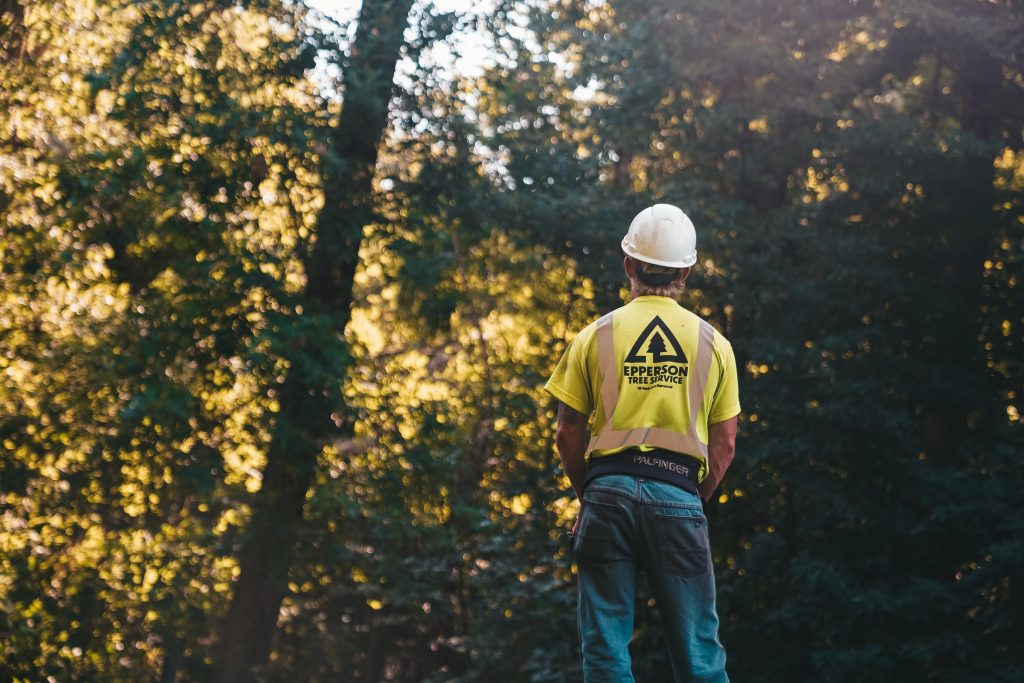
Tree removal is the process of cutting down and completely removing a tree from its location. It’s a significant decision that should be made carefully, considering factors such as safety, aesthetics, property value, and environmental impact. Tree removal should ideally be conducted by trained professionals, such as certified arborists, to ensure the process is done safely and responsibly. Here’s a comprehensive discussion of tree removal:

**1. Reasons for Tree Removal:

• Safety: Trees that are dead, dying, or structurally compromised pose safety risks. They can drop branches or even fall, causing damage or injury.

• Disease and Pest Infestation: Severely diseased or infested trees may need to be removed to prevent the spread of pests or diseases to nearby vegetation.

• Structural Issues: Trees with compromised structural integrity, such as those with significant lean or multiple trunks, might need removal to prevent hazards.

• Property Expansion or Development: When expanding or developing a property, certain trees may need to be removed to make space for construction.

• Aesthetic and Landscape Changes: Tree removal might be considered to enhance the visual appeal of the property or make way for new landscape features.

• Invasive Species: Removing invasive tree species helps protect the local ecosystem from their negative impact.

• Utility Interference: Trees growing close to power lines, buildings, or utility poles might need removal to avoid interference or safety hazards.

**2. Professional Assessment:

Certified arborists or tree removal experts assess the tree’s condition, location, health, and potential risks before recommending removal.

• They consider alternative solutions, like pruning or cabling, if possible.

**3. Safety Precautions:

• Tree removal involves inherent risks due to falling debris and heavy equipment.

• Professionals follow safety protocols, use appropriate equipment, and sometimes employ rigging techniques to ensure safety.

**4. Environmental Considerations:

• When removing trees, their impact on the local ecosystem, air quality, and shade provision should be considered.

• Some tree removals may necessitate replanting to maintain ecological balance.

**5. Permits and Regulations:

• In some areas, specific permits or permissions may be required for tree removal, especially for protected or heritage trees.

• Professionals are familiar with local regulations and can assist in obtaining necessary permits.

**6. Tree Removal Process:

• The process typically involves cutting down the tree in sections, starting from the top and working downward.

• Techniques vary based on tree size, location, and surrounding structures.

**7. Stump Removal:

• After the tree is removed, property owners might choose to remove the stump as well, which can involve stump grinding or extraction.

**8. Post-Removal Care:

• After removal, professionals often offer services like debris cleanup, chipping, or even repurposing the wood for other uses.

**9. Property Impact:

• Removing a tree can impact property value and aesthetics. Careful consideration should be given to maintaining the landscape’s balance.

**10. Planting Replacement Trees:

• In some cases, it’s recommended to plant new trees to replace the removed ones, contributing to environmental sustainability.
In conclusion, tree removal is a significant step that requires thoughtful consideration of multiple factors. Engaging professional arborists or tree removal experts ensures that the process is done safely, responsibly, and in compliance with local regulations. When making the decision to remove a tree, it’s essential to weigh the benefits against potential impacts on safety, aesthetics, property value, and the environment.

The tree removal process involves the careful and systematic removal of a tree from its location. It’s a complex procedure that requires the expertise of trained professionals to ensure safety, efficiency, and minimal impact on the surrounding environment. Here’s an explanation of the typical tree removal process:

**1. Assessment and Planning:

• A certified arborist or tree removal expert assesses the tree’s health, structural integrity, location, and potential risks.

• They determine the best approach for removal and consider factors like nearby structures, utility lines, and the tree’s condition.

**2. Safety Preparations:

• Safety is paramount in tree removal. Professionals use personal protective equipment (PPE) and establish safety zones to prevent accidents.

**3. Equipment Setup:

• The removal team sets up the necessary equipment, including chainsaws, ropes, pulleys, rigging gear, and sometimes cranes for larger trees.

**4. Climbing or Aerial Work Platform (AWP):

• For trees that can be climbed safely, an arborist ascends the tree using ropes and harnesses.

• For larger trees, an aerial work platform might be used to access higher branches.

**5. Top-Down Removal:

The removal process typically starts from the top of the tree.

• The upper branches are carefully removed, piece by piece, to prevent damage to structures and the ground below.

**6. Limbing and Sectioning:

• After the upper branches are removed, the main trunk is sectioned into manageable pieces.

• Each section is carefully lowered using ropes and rigging techniques to control its descent.

**7. Felling:

• If space allows and the tree’s condition permits, the tree might be felled (cut at the base) and allowed to fall under controlled conditions.

**8. Stump Removal:

• Once the tree is down, the stump can be removed through grinding or extraction, depending on the client’s preferences.

**9. Debris Cleanup:

• The removal team cleans up the debris, branches, and logs from the site, ensuring that the area is safe and free of debris.

**10. Disposal or Repurposing:

• The removed tree parts can be chipped for mulch, salvaged for firewood, or disposed of according to local regulations.

**11. Final Inspection:

• After the removal, the site is inspected to ensure that all debris has been properly cleared and the area is safe.

**12. Post-Removal Recommendations:

• Professionals might offer recommendations for replacing the removed tree with a suitable species or providing guidance on post-removal care.

**13. Environmental Responsibility:

• Responsible tree removal professionals consider the environmental impact and may suggest replanting or repurposing the removed tree parts.

It’s important to note that the tree removal process can vary based on factors such as tree size, location, species, and the expertise of the removal team. Engaging certified arborists or tree removal experts ensures that the process is conducted safely, with a focus on minimizing risks and potential damage to property and surroundings.

During a tree removal process, several steps are taken to ensure a safe and efficient removal while minimizing the impact on the surrounding area. Here’s what you can expect during a typical tree removal process:

**1. Initial Assessment:

• A certified arborist or tree removal expert evaluates the tree’s health, size, location, and potential risks.

• They discuss your concerns, preferences, and reasons for tree removal.

**2. Planning and Preparation:

• The removal team develops a removal plan based on the assessment, considering safety protocols and equipment needed.

• Safety zones are established to protect people and property during the process.

**3. Safety Precautions:

• On the day of removal, the removal team arrives equipped with appropriate safety gear, including helmets, harnesses, and eye protection.

**4. Equipment Setup:

• Tools such as chainsaws, ropes, rigging gear, and, in some cases, aerial work platforms or cranes are set up.

**5. Climbing or Aerial Work:

• If climbing is feasible, an arborist ascends the tree using ropes and harnesses.

• For taller or more challenging trees, an aerial work platform might be used to access higher branches.

**6. Top-Down Removal:

• The process usually starts with the removal of the upper branches.

• Each branch is carefully cut and lowered using ropes to prevent damage to nearby structures.

**7. Sectioning the Trunk:

• Once the upper branches are removed, the main trunk is cut into manageable sections.

• Each section is carefully lowered to the ground using controlled rigging.

**8. Felling (if applicable):

• If space and safety allow, the tree might be felled at the base and guided to a predetermined landing area.

**9. Stump Removal (optional):

• You can decide whether to remove the stump through grinding or extraction.

Stump removal is an additional step after the main tree removal.

**10. Debris Cleanup:

• The removal team clears the site of branches, logs, and debris.

• They ensure that the area is safe and clean, minimizing any disruption to the surrounding environment.

**11. Final Inspection:

• The removal site is inspected to ensure that all tree parts have been removed, and the area is secure.

**12. Post-Removal Recommendations:

• Professionals might provide advice on replacing the removed tree, post-removal care, or addressing any concerns you have.

**13. Environmental Considerations:

• Responsible removal experts may discuss options for repurposing tree parts or planting replacement trees.

**14. Clear Communication:

• Throughout the process, communication between you and the removal team ensures that you’re informed and comfortable with each step.

**15. Completion and Cleanup:

• Once the removal is complete, the removal team ensures that your property is clean and safe.

Tree removal is a coordinated effort that prioritizes safety, efficient removal, and minimal disturbance to the surrounding environment. Hiring certified arborists or experienced removal professionals ensures a smooth process and a well-executed removal that meets your needs and expectations.

Safeguard mechanism During a Tree Removal Process

Ensuring safety is paramount during a tree removal process to prevent accidents, property damage, and injuries. Here are the key safeguard mechanisms that professionals implement to maintain a secure environment:

**1. Safety Gear and Personal Protective Equipment (PPE):

• Arborists and removal experts wear appropriate safety gear, including helmets, eye protection, hearing protection, gloves, and harnesses.

**2. Safety Briefing:

• Before beginning the removal, the team conducts a safety briefing to discuss roles, responsibilities, and emergency procedures.

**3. Safety Zones:

• Safety zones are established around the work area to prevent unauthorized access and protect bystanders from falling debris.

**4. Proper Equipment Use:

• Professionals are trained to use equipment such as chainsaws, ropes, and rigging gear safely and effectively.

**5. Stable Work Platforms:

• If climbing the tree, arborists ensure they have a secure foothold and are properly anchored to avoid falls.

**6. Communication Signals:

• Clear communication signals and protocols are established between team members to coordinate movements and actions.

**7. Rigging Techniques:

• Rigging techniques are employed to control the lowering of branches and sections, minimizing risks from falling debris.

**8. Aerial Work Platforms and Cranes:

• For tall or complex trees, aerial work platforms or cranes are used to ensure safe access to higher branches.

**9. Fall Zone Evaluation:

• The team evaluates the tree’s natural fall zone and ensures that it’s clear of obstacles, structures, and people.

**10. Emergency Procedures:

**11. Weather Considerations:

**12. Site Inspection:

**13. Ground Crew Coordination:

**14. Environmental Protection:

**15. Public Awareness:

**16. Post-Removal Cleanup:

**17. Certified Professionals:

**18. Continuous Monitoring: – Safety measures are continuously monitored and adjusted as needed throughout the removal process.

By following these safeguard mechanisms, professionals ensure that tree removal is executed with the highest standards of safety. Prioritizing safety minimizes risks, safeguards property and people, and results in a successful and incident-free tree removal process.

[geocentric_weather id=”45ff4ccd-3d3f-498e-b0b9-91aaaf766bc4″]

[geocentric_about id=”45ff4ccd-3d3f-498e-b0b9-91aaaf766bc4″]

[geocentric_neighborhoods id=”45ff4ccd-3d3f-498e-b0b9-91aaaf766bc4″]

[geocentric_thingstodo id=”45ff4ccd-3d3f-498e-b0b9-91aaaf766bc4″]

[geocentric_busstops id=”45ff4ccd-3d3f-498e-b0b9-91aaaf766bc4″]

[geocentric_mapembed id=”45ff4ccd-3d3f-498e-b0b9-91aaaf766bc4″]

[geocentric_drivingdirections id=”45ff4ccd-3d3f-498e-b0b9-91aaaf766bc4″]

[geocentric_reviews id=”45ff4ccd-3d3f-498e-b0b9-91aaaf766bc4″]
What Type of Rope Is Used By Tree Services?

Understanding the Essential Ropes Used by Tree Services

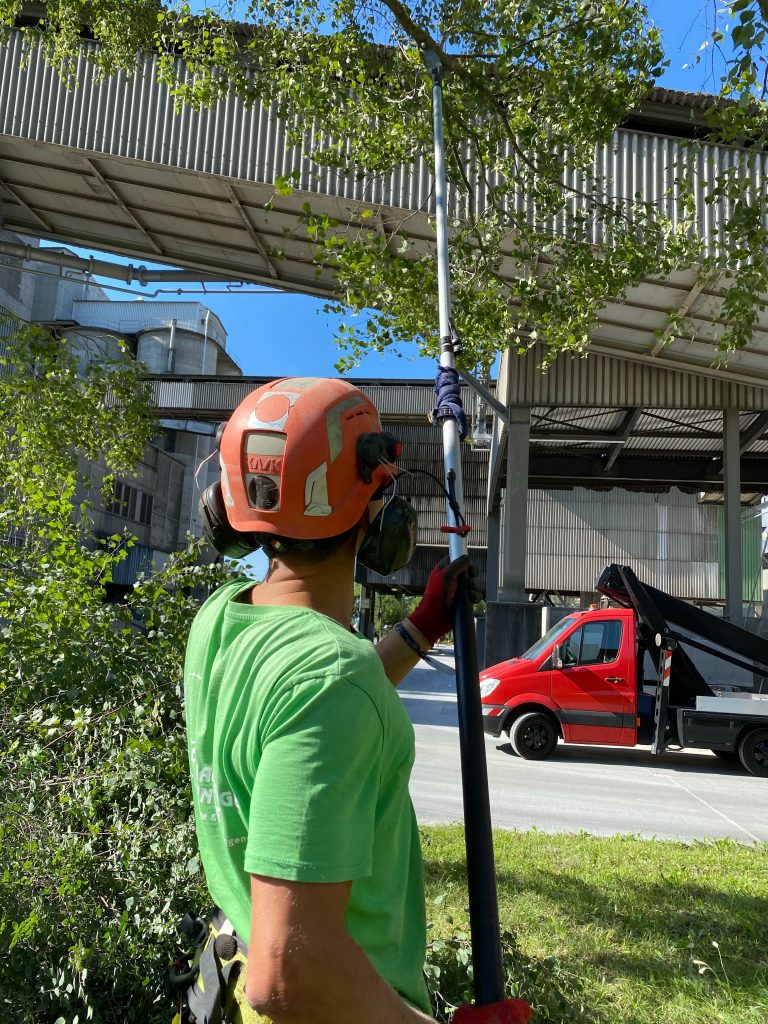
Tree services require specialized equipment to safely navigate and work in tree canopies. Among the crucial tools utilized by arborists and tree care professionals are ropes. Ropes play a pivotal role in various aspects of tree care, including climbing, rigging, and securing loads. This article will delve into the different types of ropes commonly used in the tree care industry, highlighting their properties, applications, and safety considerations.

The Importance of Ropes in Tree Care:

Ropes serve as an indispensable tool for arborists, enabling them to access tree canopies, maneuver through branches, secure equipment, and safely lower heavy loads. The choice of rope can greatly impact an arborist’s safety and efficiency during tree work. Different types of ropes offer varying levels of strength, stretch, and durability, making it essential to select the most suitable rope for each specific task.

Static and Dynamic Ropes:

One of the fundamental distinctions in ropes used by tree services is between static and dynamic ropes. Static ropes have minimal stretch and are primarily used for rigging and hauling heavy loads. On the other hand, dynamic ropes possess greater elasticity, making them ideal for climbing and arresting falls. Arborists typically employ both types of ropes in their work, depending on the specific requirements of each task.

Types of Ropes:

a) Polyester Ropes:

Polyester ropes are widely used in tree care due to their exceptional strength-to-weight ratio and low stretch properties. They exhibit high resistance to UV rays, abrasion, and wear and tear, making them suitable for climbing and rigging applications.

b) Nylon Ropes:

Nylon ropes are known for their excellent shock absorption and high tensile strength. Arborists often utilize nylon ropes for climbing, as they provide a good balance between strength and elongation.

c) Polypropylene Ropes:

Polypropylene ropes are lightweight and cost-effective, but they offer lower strength and elasticity compared to polyester and nylon ropes. They find application in throw bags and as temporary support lines.

Kernmantle Construction:

Many ropes used in tree services feature a kernmantle construction, which consists of a strong, load-bearing core (kern) surrounded by a protective sheath (mantle). This construction enhances the rope’s durability, strength, and resistance to abrasion. Kernmantle ropes are commonly employed in climbing and rigging systems due to their reliable performance.

Key Considerations in Rope Selection:

Arborists must consider several factors when choosing the right rope for a particular task:

a) Diameter and Strength:

The diameter of the rope directly affects its weight capacity and breaking strength. It is crucial to select a rope with adequate strength to handle the anticipated load.

b) Elasticity and Stretch:

For climbing purposes, ropes with controlled stretch are desirable, as they absorb dynamic forces and reduce the risk of injury during falls.

c) Knot Compatibility:

Certain ropes may be more or less prone to slippage or jamming when tied into specific knots. Arborists need to ensure their ropes are compatible with the knots commonly used in tree care, such as the prusik knot.

d) Safety Standards:

Arborists should opt for ropes that meet recognized safety standards, ensuring they possess the necessary load-bearing capabilities and have undergone rigorous testing.

Additional Rope-Related Equipment:

In addition to ropes, tree care professionals rely on various supporting equipment, such as throw bags, mechanical devices, and climbing gear. Throw bags aid in accurately positioning climbing ropes, while mechanical devices like the Petzl Zigzag assist in efficient ascending and descending. These tools work in conjunction with ropes to enhance safety and efficiency during tree work.

Conclusion:

Ropes are an integral part of the tree care industry, enabling arborists to navigate, climb, and rig with precision and safety. Understanding the different types of ropes available, their properties, and appropriate applications is essential for arborists and tree care professionals. By considering factors such as strength, diameter, elasticity, and safety standards, arborists can select the most suitable ropes for their specific needs, ensuring optimal performance and safety in their tree care endeavors.


[geocentric_weather id=”45ff4ccd-3d3f-498e-b0b9-91aaaf766bc4″]

[geocentric_about id=”45ff4ccd-3d3f-498e-b0b9-91aaaf766bc4″]

[geocentric_neighborhoods id=”45ff4ccd-3d3f-498e-b0b9-91aaaf766bc4″]

[geocentric_thingstodo id=”45ff4ccd-3d3f-498e-b0b9-91aaaf766bc4″]

[geocentric_busstops id=”45ff4ccd-3d3f-498e-b0b9-91aaaf766bc4″]

[geocentric_mapembed id=”45ff4ccd-3d3f-498e-b0b9-91aaaf766bc4″]

[geocentric_drivingdirections id=”45ff4ccd-3d3f-498e-b0b9-91aaaf766bc4″]

[geocentric_reviews id=”45ff4ccd-3d3f-498e-b0b9-91aaaf766bc4″]
How Much Does It Cost For Tree Cutting Services In Salt Lake County?

How Much Does It Cost For Tree Cutting Services In Salt Lake County?

If you’re a homeowner in Salt Lake County and you have trees on your property that require cutting or removal, you may be wondering about the cost of tree cutting services. Tree care is an essential aspect of maintaining the beauty, safety, and health of your property, and understanding the costs involved can help you make informed decisions. In this article, we will explore the factors that influence the cost of tree cutting services in Salt Lake County and provide you with a comprehensive guide to help you budget for your tree care needs.

Tree Cutting Services

Tree cutting services encompass a wide range of tasks, including tree removal, stump grinding, tree trimming, and tree pruning. The cost of these services can vary depending on several factors, such as the size and type of tree, the complexity of the job, the equipment required, and the location of the tree on your property.

One of the primary factors that influence the cost of tree cutting services is the size of the tree. Larger trees generally require more time, effort, and specialized equipment to cut or remove, which can impact the overall cost. Taller trees may also pose challenges when it comes to accessing them safely, especially if they are located close to structures or power lines.

The type of tree also plays a role in determining the cost of cutting services. Certain tree species are more difficult to work with due to their density, branch structure, or the presence of thorns or other hazardous elements. For example, cutting down a pine tree may be more challenging than cutting down a maple tree, and this can affect the overall cost.

The complexity of the job is another factor that influences the cost of tree cutting services. For instance, if the tree is located in a hard-to-reach area of your property or if there are obstacles such as fences, buildings, or power lines nearby, additional precautions and equipment may be required to ensure a safe and efficient removal process.

Stump Grinding

Stump grinding is often an additional service offered by tree cutting companies. After a tree is cut down, the stump that remains in the ground can be an eyesore and a potential hazard. Stump grinding involves using specialized equipment to grind the stump into small wood chips, effectively removing it from your property. The cost of stump grinding can vary depending on the size and accessibility of the stump.

In Salt Lake County, there are several tree cutting service providers that offer their expertise and experience to residents. It’s important to choose a reputable company with certified arborists and experienced professionals who adhere to industry standards and safety protocols. Research local companies, read reviews from previous customers, and ask for recommendations from friends or neighbors to ensure you hire a reliable and trustworthy service provider.

Quote for Tree Cutting Services

When requesting a quote for tree cutting services, it’s essential to provide accurate information about your specific needs. Take note of the number of trees that require cutting or removal, their approximate size, and any other relevant details. This will enable the tree cutting company to assess the scope of the job and provide you with an accurate cost estimate.

Keep in mind that while cost is an important consideration, it shouldn’t be the sole determining factor when choosing a tree cutting service. Quality, expertise, and reputation are equally important. Select a company that offers a balance of competitive pricing and excellent service to ensure that the job is done safely, efficiently, and to your satisfaction.

In addition to tree cutting services, some companies may offer additional services such as tree pruning, mulch products, and emergency tree services. Tree pruning involves the selective removal of branches to improve the health and aesthetics of the tree. Mulch products can be beneficial for landscaping and soil health. Emergency tree services are available for situations where immediate action is required, such as storm damage or fallen trees.

Cost of Tree Cutting Services

In conclusion, the cost of tree cutting services in Salt Lake County can vary depending on factors such as tree size, complexity of the job, and additional services required. To get an accurate cost estimate, contact reputable tree cutting companies in your area and provide them with the necessary details. Remember to consider factors beyond cost, such as experience, expertise, and customer reviews, when selecting a tree cutting service. By investing in professional tree cutting services, you can ensure the health and beauty of your property while minimizing risks and hazards associated with trees.

[geocentric_weather id=”4134af15-b02c-4fe0-bd45-fb0e6efba429″]

[geocentric_about id=”4134af15-b02c-4fe0-bd45-fb0e6efba429″]

[geocentric_neighborhoods id=”4134af15-b02c-4fe0-bd45-fb0e6efba429″]

[geocentric_thingstodo id=”4134af15-b02c-4fe0-bd45-fb0e6efba429″]

[geocentric_busstops id=”4134af15-b02c-4fe0-bd45-fb0e6efba429″]

[geocentric_mapembed id=”4134af15-b02c-4fe0-bd45-fb0e6efba429″]

[geocentric_drivingdirections id=”4134af15-b02c-4fe0-bd45-fb0e6efba429″]

[geocentric_reviews id=”4134af15-b02c-4fe0-bd45-fb0e6efba429″]

Tree Cutting Service Near Me

Tree Cutting Service Near Me

A feller buncher is a type of harvester used in logging. It is a motorized vehicle with an attachment that can rapidly gather and cut a tree before felling it.

Feller is a traditional name for someone who cuts down trees, and bunching is the skidding and assembly of two or more trees. A feller buncher performs both of these harvesting functions and consists of a standard heavy equipment base with a tree-grabbing device furnished with a chain-saw, circular saw or a shear—a pinching device designed to cut small trees off at the base. The machine then places the cut tree on a stack suitable for a skidder, forwarder, or yarder for transport to further processing such as delimbing, bucking, loading, or chipping.

Some wheeled feller bunchers lack an articulated arm, and must drive close to a tree to grasp it.

In cut-to-length logging a harvester performs the tasks of a feller buncher and additionally does delimbing and bucking.

Components and Felling attachment

Feller buncher is either tracked or wheeled and has self-levelling cabin and matches with different felling heads. For steep terrain, tracked feller buncher is being used because it provides high level of traction to the steep slope and also has high level of stability. For flat terrain, wheeled feller buncher is more efficient compared to tracked feller buncher. It is common that levelling cabins are matched with both wheeled and tracked feller buncher for steep terrain as it provides operator comfort and helps keeping the standard of tree felling production. The size and type of trees determine which type of felling heads being used.

Types of felling heads

Disc Saw Head – It can provide a high speed of cutting when the head is pushed against the tree. Then, the clamp arms will hold the tree when the tree is almost completed cutting. It is able to cut and gather multiple trees in the felling head. The disc saw head with good ground speed could provide high production which allows it to keep more than one skidders working continuously.
Shear Blade Head – It is placed against the tree and the clamp arms will hold the tree firmly. Then, the blade will activate and start cutting the tree. Same as disc saw head, it can hold multiple trees before they are placed on the ground.
Chain Saw Head – The floppy head provides minimal control to place the trees on the ground. It might not suit to collect the cut trees or gather the cut stems in the felling head.

Productivity

Comparing other harvesting systems such as chainsaw and harvester, feller buncher has the relatively high productivity among them. The weekly production of the feller buncher was 627 cubic meters of usable logs, while the chainsaw system and harvester system could produce 163 cubic meters and 239 cubic meters respectively. There are several factors affecting the level of productivity of the feller buncher. They include characteristics of stand, terrain conditions, operation location, and the performance of the operator. Many studies indicated that the trees size and the gradient of the slope are the major factors impacting the overall productivity. There was a research suggested that productivity has a significant positive relationship with the tree size which means the larger stem size, larger tree height or larger diameter at breast height (DBH) results in a high productivity of the feller buncher. Terrain conditions such as ground slope and terrain roughness have a significant negative relationship to the productivity of feller buncher which means the steeper of the land or rough terrain condition can bring negative effect to the productivity. One of the studies had found that feller buncher might reduce its productivity when performing operation on a very uneven surface with slopes of more than 20%. However, larger tree size does not necessarily lead to high productivity. The same study compared the operation time when performing clear-cut of the stands with two different average DBH, 24.6 cm and 34.3 cm respectively. Result showed that the productivity when operating the second stand decreased by 32.3% because the time consumption was doubled when larger stands required two-stage of cutting operation.

Cost-effectiveness

The purchase cost of a feller buncher is around $180,000 and its fuel consumption and lubricant consumption is high among other mechanical harvesting equipment. The feller buncher also has the highest hourly cost which is around $99.5 when comparing other equipment such as a harvesters and grapple skidders. Although the total cost of feller buncher is high in overall, the unit production price is the lowest which explains why feller buncher is considered the most cost-effective harvesting equipment. The average unit cost of the feller buncher is $12.1/m3 while the unit cost of the harvesters is $16.5/m3. The unit cost of the feller buncher is primary affected by the tree size and the tree volume. The unit felling cost is lower when the tree size increased. For example, tree with 5 inches at DBH has the unit cost of $70 while tree with 15 inches at DBH has the unit cost of $12. As the cost of feller buncher is high, only large tree volume can produce more profit to cover the high average cost. In terms of stump height, lower stump height can maximise the use of natural resources and prevent wood waste. Mechanical felling such as using feller buncher can prevent 30% of value loss caused by the high stumps.

Maintenance

Feller buncher requires daily maintenance before operation and some components only require periodic maintenance. It could ensure the safety of operators and all the workers around the operation. If damaged or faulty machine is operated, it could result in further damage to the machine which can be more expensive to repair.

Daily or Every 8 hours

Modern style Tigercat feller buncher. Commonly referred to as a tree cutter.

Lubrication

The felling head is considered one of the hardest part of the feller buncher and it is necessary to apply lubricant to every joint for daily maintenance. It is suggested to apply lubricant to saw head clamps, wrist attachment and driveshaft bearings during every maintenance. The use of grease should meet the extreme pressure performance standard and contains 3% of molybdenum disulphide (MoS2). MoS2 can prevent the wear takes place where the metal to metal contact exists.

Fuel

It is also important to check if there is enough fuel for the operation. Feller bunchers use diesel fuel to generate power. In most of the cases, the fuel is preferably to have cetane number greater than 50 (minimum 40). This is suitable when undergo operation for temperature below -20 °C (-4 °F) or elevations more than 1500m (5000 Ft.). The Cloud Point of the fuel is preferably at least 5 °C (9 °F) lower than the expected low temperature. It is also suggested that the sulphur content of the fuel should not be more than 0.5% as it could reduce 50% of the service interval for the engine oil and filter.

Older style felling head that uses a bar and chain to cut trees instead of the more modern saw disk.

Engine coolant

Operators have the responsibility to check the engine coolant level of the feller buncher before starting the engine. The coolant prevents cylinder linear erosion and pitting, and provides protection during extremely low temperature for up to -37 °C (-34 °F). It is recommended to use coolants for heavy-duty engines which are relatively low silicate ethylene glycol base. There are two forms of coolants: pre-diluted or concentrate. Water is required to dilute the concentrated coolant with an approximate ratio of 50:50. The use of supplemental coolant addictive might be also required in the concentrated coolant in order to provide protection against corrosion. Distilled, deionised, or demineralised water is suggested for mixing the concentrated coolant because when some water compositions mix with other substances could form a precipitate, causing damage or blockage in the engine.

Risk management approach

During maintenance, there are common working hazards related to two main areas: working environment and exhaust system. When working on the exhaust system, be aware of the hot components around the engine. Workers could wear personal protective equipment such as safety spectacles, heat-proof gloves and safety boots. When feller buncher is elevated for service or maintenance, falls from height might happen. Related injuries could be avoided by ensuring dryness of all the walking surface, wiping any oils or other liquid substances on the floor. Also, ensure the feller buncher is parked on a level and stable ground during maintenance. When getting in and out of the machinery, workers are suggested to use three point of contact with two hands holding the handrails and one foot on a step. It is also important to provide sufficient lighting for all the working sites at all time of service.

Safety

Logging is considered one of the most dangerous occupations. This is because many loggers are injured by the falling objects which are large in size and heavy. “Struck by object” is the most common injuries that reported in the logging industry due to the manual use of equipment during the logging procedures. There is evidence that using mechanized harvesting equipment could reduce the rate of “struck by” injuries. One study indicates that total injury claims could be reduced by 14.2%, while the “struck by” injuries could be reduced by 8.2%, when comparing the changes before and after the use of feller buncher. The significant decline in the number of “struck by” injuries after using the feller buncher in the logging companies supported the statement that using mechanized harvesting equipment could lessen overall injuries. The evidence also found that the rate of injuries in the logging companies without using feller bunchers had increased slightly throughout a period of time, increasing from 14.5% to 17.5%, in five years. In terms of trees fatality, areas with lower levels of mechanization in harvesting resulted in higher rate of trees fatality. For instance, in Eastern areas of the United States, research which compared the conventional and mechanized logging operations, indicated the number of injuries, when using the conventional approach, is three times greater than that of using the mechanized equipment such as a feller buncher. However, mechanized related injury could be raised accordingly, especially when performing machine maintenance or repair. These kinds of injuries could be serious and also costly.

[geocentric_weather id=”939ac304-6c09-455f-a764-da066e6f34c4″]

[geocentric_about id=”939ac304-6c09-455f-a764-da066e6f34c4″]

[geocentric_neighborhoods id=”939ac304-6c09-455f-a764-da066e6f34c4″]

[geocentric_thingstodo id=”939ac304-6c09-455f-a764-da066e6f34c4″]

[geocentric_busstops id=”939ac304-6c09-455f-a764-da066e6f34c4″]

[geocentric_mapembed id=”939ac304-6c09-455f-a764-da066e6f34c4″]

[geocentric_drivingdirections id=”939ac304-6c09-455f-a764-da066e6f34c4″]

[geocentric_reviews id=”939ac304-6c09-455f-a764-da066e6f34c4″]