THE BENEFITS OF USING TREES FOR NATURAL STORMWATER MANAGEMENT

THE BENEFITS OF USING TREES FOR NATURAL STORMWATER MANAGEMENT

Natural stormwater management is an approach that utilizes natural systems to control and mitigate the effects of stormwater runoff. One highly effective and sustainable element of this approach is the use of trees. Trees offer numerous benefits for stormwater management, including reducing runoff, preventing erosion, improving water quality, and enhancing overall environmental resilience. This note explores these benefits in detail, highlighting the critical role that trees play in natural stormwater management.
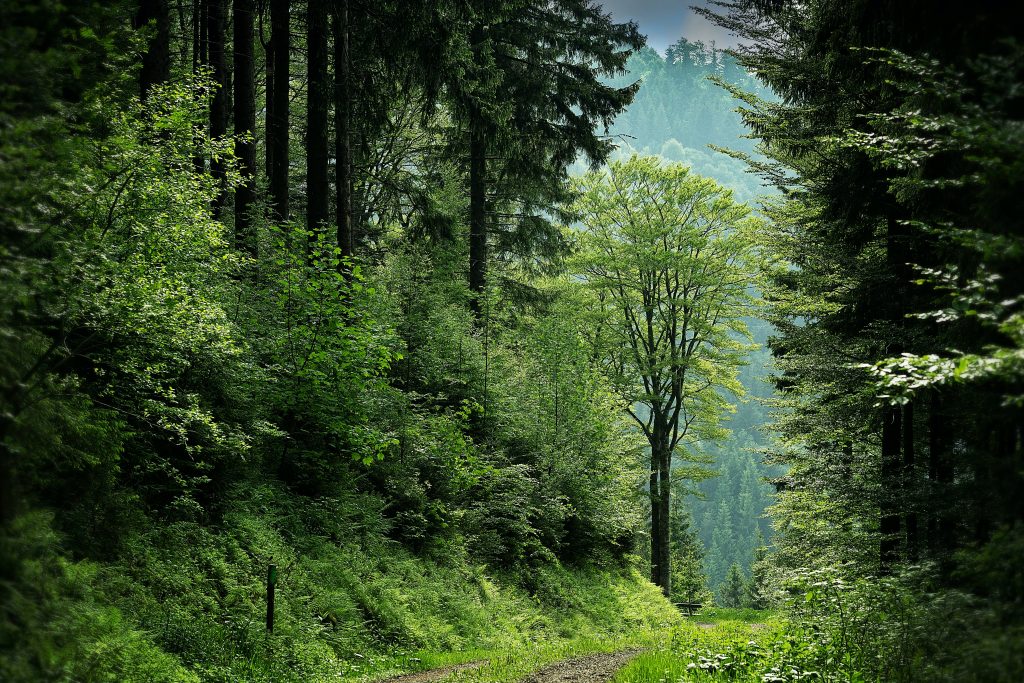
  1. Reduction of Runoff: Trees play a vital role in reducing stormwater runoff by intercepting and absorbing rainfall. Their canopies act as natural umbrellas, capturing raindrops and allowing them to evaporate or drip slowly to the ground. This reduces the volume and velocity of runoff, mitigating the risk of flooding and erosion.
  2. Soil Stabilization and Erosion Prevention: The extensive root systems of trees help stabilize soil and prevent erosion. During heavy rain, tree roots hold the soil in place, reducing the likelihood of landslides or slope failure. The roots also create channels that facilitate water infiltration into the ground, allowing the soil to act as a natural sponge and retain stormwater.
  3. Water Quality Improvement: Trees contribute to improved water quality by filtering stormwater runoff. As water percolates through the soil, tree roots and the associated soil microorganisms act as natural filters, removing pollutants such as sediments, nutrients, heavy metals, and chemicals. This filtration process helps protect water bodies, such as rivers, lakes, and groundwater, from contamination.
  4. Temperature Regulation: Trees can help mitigate the urban heat island effect, which is the phenomenon of increased temperatures in urban areas due to the abundance of impervious surfaces. By providing shade and transpiring water through their leaves, trees cool the surrounding environment. This cooling effect can reduce the volume of stormwater runoff generated and alleviate strain on stormwater infrastructure during intense rainfall events.
  5. Carbon Sequestration and Air Quality Enhancement: Trees are excellent carbon sinks, absorbing carbon dioxide (CO2) from the atmosphere and storing it in their trunks, branches, leaves, and roots. By sequestering carbon, trees help combat climate change and reduce the concentration of greenhouse gases. Additionally, trees improve air quality by absorbing air pollutants and releasing oxygen through photosynthesis, contributing to a healthier and more pleasant urban environment.
  6. Biodiversity and Habitat Creation: Trees support biodiversity by providing habitats for various species, including birds, insects, and small mammals. Urban areas with a rich tree canopy can harbor diverse ecosystems, creating interconnected habitats and promoting wildlife movement. This ecological diversity contributes to the overall resilience of the urban ecosystem and enhances the aesthetic appeal of green spaces.

The benefits of using trees for natural stormwater management are multifaceted and far-reaching. From reducing runoff and preventing erosion to improving water quality, temperature regulation, and carbon sequestration, trees play a vital role in creating sustainable and resilient urban environments. Incorporating trees into stormwater management strategies can help cities and communities combat the adverse effects of stormwater runoff while simultaneously promoting environmental health, biodiversity, and a higher quality of life. Emphasizing the importance of trees in stormwater management is essential for sustainable urban planning and the well-being of both humans and the natural world.

Preserving natural tree canopy and the prudent use of tree plantings in urban landscapes contributes to the control of runoff through a number of mechanisms.
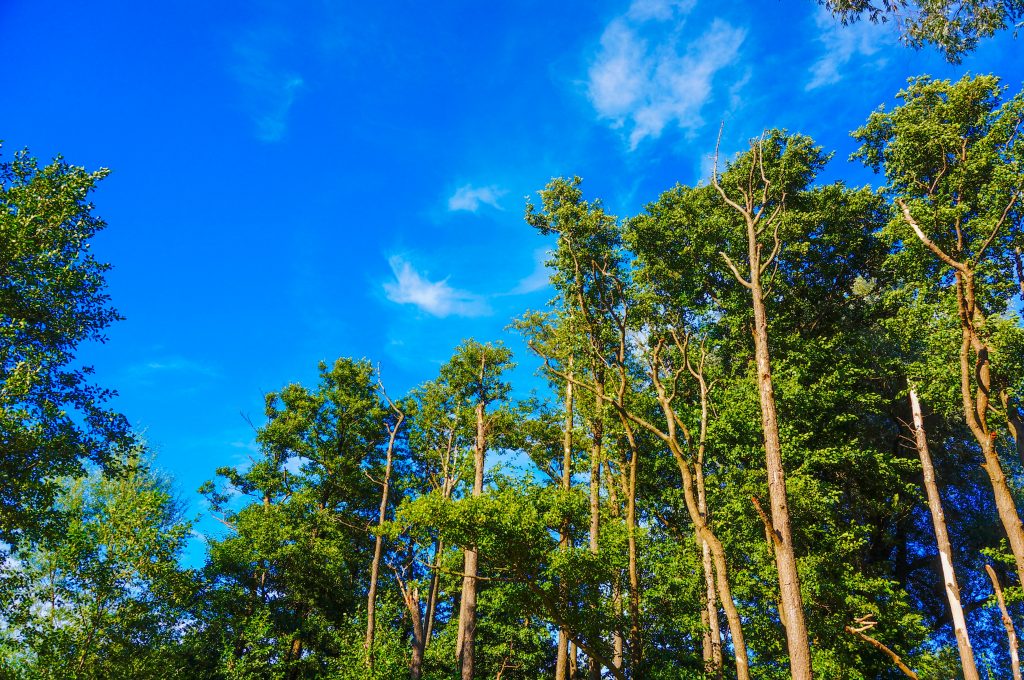
These functions for control of runoff and its impacts are further discussed below.

Interception and Evapotranspiration

Through the processes of interception, evaporation, and transpiration, trees and other vegetation capture and store a portion of rainfall and release water to the atmosphere, reducing the net amount of rainfall that becomes runoff. Rain is captured (intercepted) on a plant’s leaves and stems (for trees, the leaf and stem complex is referred to as “canopy”).  A portion of this captured water evaporates back into the atmosphere before reaching the ground. Larger canopies intercept greater amounts of precipitation because there is more surface area available for water molecules to adhere to. 

Some water flows down the plant stem to the ground as “stemflow”, and some rainfall infiltrates the ground around the plant, entering the root zone where the plant withdraws moisture to sustain itself.  In this process, water taken up through its roots is then released through the plant’s vegetative structures as water vapor, a process known as transpiration. The combination of these two mechanisms – evaporation and transpiration – whereby a plant transfers moisture to the atmosphere is referred to as evapotranspiration.  In both processes the water is diverted before ever becoming runoff.

Mature tree canopies are of particular value in the interception of rainfall.  For example, in a New Hampshire hardwood forest at the Hubbard Brook LTER site, deciduous trees were observed to intercept 13% of the total rainfall during the leaf period and 12% of the total rainfall during the leafless period (Leonard, 1961). 

Individual mature trees also provide significant rainfall interception.  An illustration of this potential stormwater benefit using the National Tree Benefit Calculator was cited in Chapter 1 of this report (i.e., greater than 9% annual rainfall capture over the “footprint” of the tree).  The significant volumes of interception shown in that example and in the Hubbard Brook study cited above are consistent with findings of other studies throughout the United States.

The amount of rainfall intercepted by vegetation varies depending on the type of species, time of year, and intensity and duration of the rainfall event. Species characteristics like leaf surface area and specific tree architecture contribute to the variation in total water intercepted. Also, trees typically intercept more rain during a storm of longer duration than a short storm with equal total rainfall accumulation (CUFR, 2002).  In areas where rainfall is highest in the fall, winter, and spring, broadleaf evergreens and conifers intercept more rainfall than deciduous species (Xiao and McPherson 2002).

Promotion of Infiltration

Another crucial role plants have in reducing landscape runoff is facilitating ground water infiltration. Plants provide suitable conditions for water to infiltrate through several mechanisms.  Decomposing plant material on the ground captures and temporarily stores runoff. Root systems create large pores in the soil called macropores that facilitate infiltration. Tree roots provide pathways for stormwater infiltration to enter soils compacted by development activity (e.g., see Bartens, et.al., 2008). The uptake of water from the soil by plants between rainfall events frees pore space that then becomes available for storage during a subsequent storm. 

Note, however, that in the case of trees, much of the infiltrated water will ultimately be taken up by the trees themselves, so that in areas with extensive tree cover, deep groundwater recharge may actually be less than in areas with little or no tree cover.

Vegetative Retardance of Runoff

Vegetation not only reduces the volume of runoff, but can also reduce runoff velocity compared to flow over an un-vegetated surface (an effect referred to as vegetative retardance).  This results in longer times of concentration.  Natural surface roughness associated with vegetation contributes to lower peak rates of discharge than would occur on an un-vegetated landscape. Maintaining and restoring vegetated landscapes thus can contribute to the control of the rate runoff is transported through a drainage basin. 

Surface Stabilization

Trees and other vegetation throughout the landscape stabilize slopes and channels and prevent soil erosion. Trees protect soil from direct exposure to falling rain by intercepting rain, absorbing the impact of rainfall that does drip from the leaf surface to the ground, and providing leaf litter that absorbs the impact of rainfall as it hits the ground.  Each of these mechanisms helps prevent dislodgement of soil particles by rainfall. Additionally, the tree’s root system keeps soils intact, stabilizing slopes against displacement by runoff flowing over and through the surface soils. Reduced erosion rates from vegetated landscapes protect the quality of receiving waters by minimizing transport of sediments and associated pollutants.

Water Quality Enhancement

Not only can trees reduce the total amount and rate of stormwater runoff, they can also improve the water quality of runoff.  The forest litter associated with woody plants (as well as groundcovers that may thrive beneath trees) can filter runoff as it passes over the ground. Woody plants in particular can uptake nutrients, contaminants, and metals from water or soil. A study showed that within one growing season a maple removed 60 mg of cadmium, 140 mg of chromium, 820 mg of nickel, and 5200 mg of lead (Coder, 1996). Vegetative pollutant uptake improves the surrounding soil and water quality, resulting in less contamination in runoff reaching the stormwater system from tree covered landscapes and from stormwater treatment practices that include tree plantings.

An additional water quality benefit provided by tree canopy comprises moderation of the thermal impacts of stormwater runoff. For discharges to temperature-sensitive water resources such as coldwater fisheries, prudent preservation or enhancement of tree cover to shade impervious surfaces (where runoff originates), outlet channels (where runoff discharges), and stream banks can moderate temperatures of stormwater discharges.


[geocentric_weather id=”45ff4ccd-3d3f-498e-b0b9-91aaaf766bc4″]

[geocentric_about id=”45ff4ccd-3d3f-498e-b0b9-91aaaf766bc4″]

[geocentric_neighborhoods id=”45ff4ccd-3d3f-498e-b0b9-91aaaf766bc4″]

[geocentric_thingstodo id=”45ff4ccd-3d3f-498e-b0b9-91aaaf766bc4″]

[geocentric_busstops id=”45ff4ccd-3d3f-498e-b0b9-91aaaf766bc4″]

[geocentric_mapembed id=”45ff4ccd-3d3f-498e-b0b9-91aaaf766bc4″]

[geocentric_drivingdirections id=”45ff4ccd-3d3f-498e-b0b9-91aaaf766bc4″]

[geocentric_reviews id=”45ff4ccd-3d3f-498e-b0b9-91aaaf766bc4″]
ENCOURAGING COMMUNITY INVOLVEMENT IN TREE PRESERVATION PROGRAMS

ENCOURAGING COMMUNITY INVOLVEMENT IN TREE PRESERVATION PROGRAMS

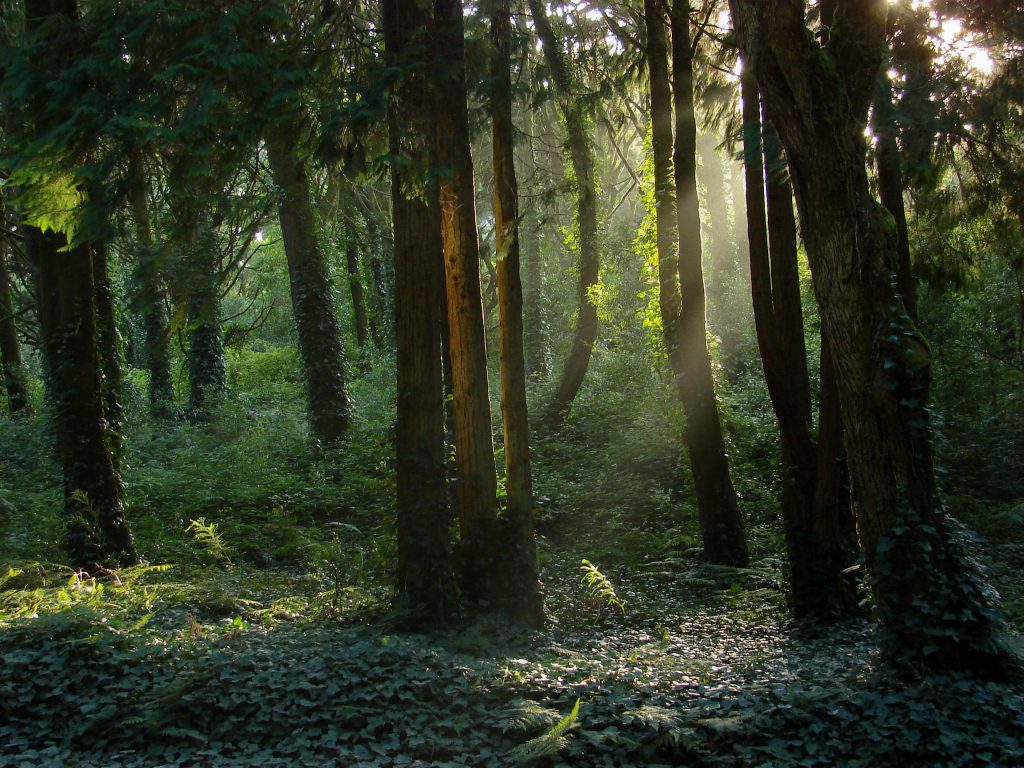
Trees play a vital role in communities, offering a multitude of benefits that contribute to the overall well-being of residents, the environment, and the local economy. Their presence enhances the quality of life in various ways and creates a healthier, more sustainable, and visually appealing living environment. Here’s an explanation of the importance of trees in communities:

  1. Environmental Benefits:
  1. Biodiversity and Ecosystem Health:
  1. Community Health and Well-Being:
  1. Social Interaction and Cohesion:
  1. Economic Value:
  1. Educational Opportunities:
  1. Mitigating Urbanization Impacts:
  1. Long-Term Investment:

In summary, trees are integral to the fabric of communities, offering a wide range of benefits that improve air and water quality, support biodiversity, enhance physical and mental well-being, and contribute to social cohesion. Their value extends to economic prosperity, education, and the creation of vibrant, sustainable neighborhoods. Recognizing and prioritizing the importance of trees in communities is essential for creating livable, resilient, and harmonious urban and suburban environments.

Need For Community Involvement In Tree Preservation

Community involvement in tree preservation is crucial to ensure the long-term health, vitality, and sustainability of urban and suburban environments. Trees provide a multitude of benefits to communities, but their preservation requires collective effort and commitment. Here’s an explanation of the need for community involvement in tree preservation:

  1. Shared Responsibility:
  1. Collective Impact:
  1. Education and Awareness:
  1. Stewardship and Ownership:
  1. Diverse Expertise:
  1. Local Context and Priorities:
  1. Advocacy and Support:
  1. Sustainability and Longevity:
  1. Hands-On Participation:
  1. Cohesive Communities:
  1. Youth Engagement:
  1. Resilience and Adaptation:

Community involvement in tree preservation is essential to harness the collective power of residents, organizations, and local authorities in nurturing and safeguarding the natural assets that contribute to the well-being and sustainability of communities. Through education, collaboration, and hands-on efforts, communities can ensure the long-lasting health and vitality of their urban green spaces and natural environments.

Benefits Of Tree Preservation Programs

Tree preservation programs offer a range of valuable benefits that extend to the environment, community well-being, aesthetics, and overall quality of life. These programs are essential for safeguarding trees and green spaces in urban and suburban areas. Here’s an explanation of the benefits of tree preservation programs:

  1. Environmental Benefits:
  1. Urban Heat Island Mitigation:
  1. Stormwater Management:
  1. Community Health and Well-Being:
  1. Visual and Aesthetic Value:
  1. Property Value Enhancement:
  1. Social Interaction and Cohesion:
  1. Educational Opportunities:
  1. Local Economy Boost:
  1. Wildlife Habitat Protection:
  1. Cultural and Historic Significance:
  1. Long-Term Sustainability:

In summary, tree preservation programs offer a holistic range of benefits that touch on environmental conservation, community well-being, economic growth, education, and cultural preservation. These programs play a critical role in creating vibrant, sustainable, and resilient communities that prioritize the health and vitality of their natural surroundings.


[geocentric_weather id=”45ff4ccd-3d3f-498e-b0b9-91aaaf766bc4″]

[geocentric_about id=”45ff4ccd-3d3f-498e-b0b9-91aaaf766bc4″]

[geocentric_neighborhoods id=”45ff4ccd-3d3f-498e-b0b9-91aaaf766bc4″]

[geocentric_thingstodo id=”45ff4ccd-3d3f-498e-b0b9-91aaaf766bc4″]

[geocentric_busstops id=”45ff4ccd-3d3f-498e-b0b9-91aaaf766bc4″]

[geocentric_mapembed id=”45ff4ccd-3d3f-498e-b0b9-91aaaf766bc4″]

[geocentric_drivingdirections id=”45ff4ccd-3d3f-498e-b0b9-91aaaf766bc4″]

[geocentric_reviews id=”45ff4ccd-3d3f-498e-b0b9-91aaaf766bc4″]
THE ROLE OF TREES IN WILDLIFE CONSERVATION

THE ROLE OF TREES IN WILDLIFE CONSERVATION

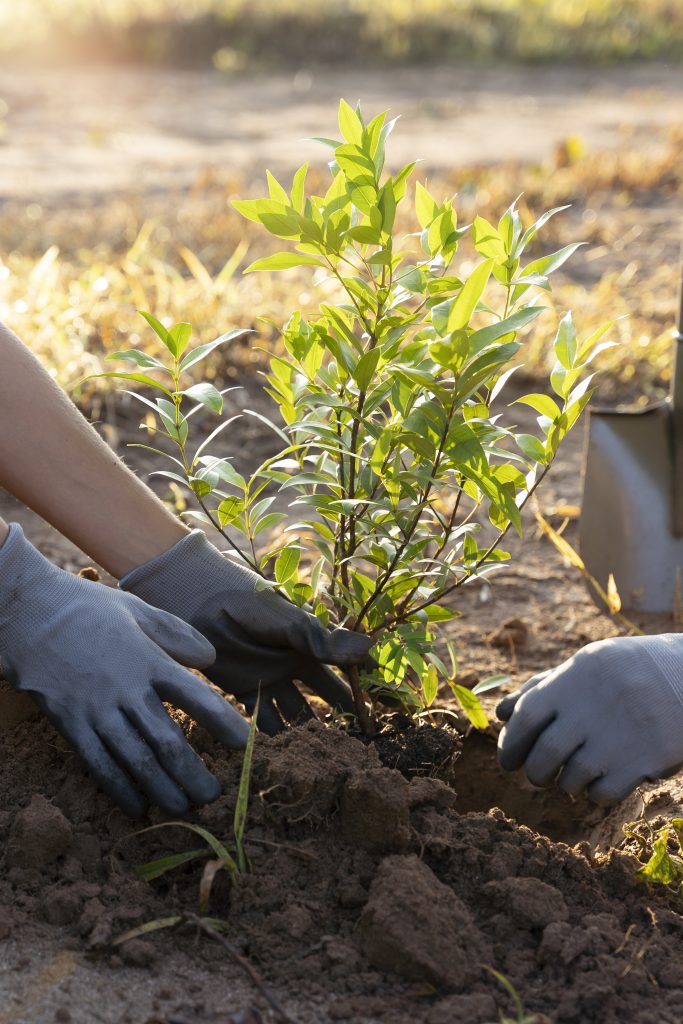
Wildlife conservation is of paramount importance for maintaining the health and balance of ecosystems. Ecosystems are intricate webs of interconnected living organisms and their physical environments, and the presence and well-being of wildlife are fundamental to their stability and functionality. Here’s why wildlife conservation is crucial for ecosystem health:

  1. Biodiversity Maintenance: Biodiversity refers to the variety of life forms within an ecosystem. Wildlife constitutes a significant portion of this biodiversity, contributing to the overall richness and complexity of ecosystems. Biodiverse ecosystems tend to be more resilient and adaptable to changes in the environment, making them better equipped to withstand disturbances and recover from disruptions.
  2. Ecosystem Services: Ecosystems provide a wide range of services that are vital to human survival and well-being. These include clean air and water, pollination of crops, regulation of climate, nutrient cycling, and disease regulation. Many of these services depend on the presence of diverse wildlife species that interact with their environment and contribute to these processes.
  3. Food Web Dynamics: Wildlife, including both predators and prey, form intricate food webs that regulate population sizes and keep species in check. The removal of certain species from these webs can disrupt the balance, leading to overpopulation of some species and underpopulation of others. This can have cascading effects throughout the ecosystem.
  4. Pollination: Many plants rely on wildlife, such as bees, butterflies, and birds, for pollination. This process is essential for the reproduction of flowering plants and the production of fruits and seeds. Without pollinators, entire plant communities and the animals that depend on them can be negatively impacted.
  5. Seed Dispersal: Wildlife, particularly mammals and birds, play a crucial role in seed dispersal. They consume fruits and disperse seeds across the landscape, contributing to the regeneration and expansion of plant populations. This helps maintain healthy plant communities and forest ecosystems.
  6. Nutrient Cycling: Wildlife contributes to nutrient cycling by consuming organic matter and redistributing nutrients through their waste. This process enriches the soil and supports the growth of plants, which in turn provide habitat and food for other wildlife.
  7. Pest Control: Predatory wildlife species help control populations of herbivorous animals that might otherwise damage crops or disrupt plant communities. This natural regulation reduces the need for chemical pesticides and promotes healthier ecosystems.
  8. Climate Regulation: Forests and other ecosystems with diverse wildlife play a role in climate regulation by sequestering carbon dioxide, a major greenhouse gas. Wildlife contributes to the health and growth of these ecosystems, enhancing their capacity to capture and store carbon.
  9. Education and Research: Wildlife serves as a valuable subject for scientific research and education. Studying wildlife behavior, ecology, and interactions provides insights into the functioning of ecosystems and informs conservation strategies.
  10. Cultural and Aesthetic Value: Wildlife has cultural significance and aesthetic value for human societies. Many cultures hold strong connections to specific wildlife species, and the presence of diverse wildlife contributes to the beauty and appeal of natural landscapes.

In conclusion, wildlife conservation is crucial for maintaining the health, functionality, and resilience of ecosystems. By protecting and preserving wildlife, we ensure the continued provision of ecosystem services that are essential for both nature and human societies.


Explanation of Habitats and their Significance for Wildlife

Habitats are specific environments where particular plant and animal species live, grow, and interact with each other and their surroundings. Habitats are characterized by unique combinations of physical factors, such as climate, soil type, vegetation, and topography. They provide the essential resources and conditions that wildlife species need to survive, reproduce, and thrive. The significance of habitats for wildlife is immense and directly influences species’ survival and overall ecosystem health. Here’s a closer look at their importance:

  1. Resource Availability: Habitats provide a range of resources that wildlife species need to meet their basic needs. These resources include food, water, shelter, and suitable nesting or breeding sites. Different habitats offer varying combinations of these resources, supporting a diverse array of species with specific adaptations.
  2. Species Adaptations: Over time, species have evolved specific adaptations that suit them to their particular habitats. These adaptations can include physical traits, behaviors, and feeding strategies that enable them to effectively obtain and utilize resources available in their habitat. For example, desert animals may have adaptations for conserving water, while forest-dwelling species might be adapted for climbing and maneuvering through trees.
  3. Biodiversity Hotspots: Certain habitats are especially rich in biodiversity, hosting a wide variety of species. These areas, known as biodiversity hotspots, often have unique and endemic species found nowhere else on Earth. Protecting these habitats is crucial for safeguarding the genetic diversity and uniqueness of species.
  4. Ecosystem Services: Habitats provide numerous ecosystem services that benefit both wildlife and humans. These services include pollination of crops by insects, water filtration by wetlands, and carbon sequestration by forests. Healthy habitats support these processes, contributing to human well-being and the overall functionality of ecosystems.
  5. Interconnectedness: Habitats are interconnected in complex ways. Many species depend on multiple habitats throughout their life cycles. For instance, some migratory birds rely on various habitats along their migration routes, from breeding areas to wintering grounds. Disruptions or degradation of one habitat can affect species across multiple habitats.
  6. Habitat Specialists and Generalists: Some species are habitat specialists, meaning they are adapted to thrive in specific habitats with particular conditions. Others are habitat generalists, capable of living in a range of habitats. Both specialists and generalists contribute to the overall balance and diversity of ecosystems.
  7. Conservation Priority: Protecting and conserving habitats is a critical aspect of wildlife conservation. Many threatened and endangered species are directly tied to specific habitats, and the loss or degradation of these habitats can lead to population declines and even extinctions. Conservation efforts often focus on preserving habitats to safeguard these species.
  8. Education and Research: Habitats serve as important subjects of scientific research and education. Studying habitats helps us understand the complex interactions between species, the adaptations that allow them to thrive, and the impacts of environmental changes on ecosystems.

In essence, habitats are the foundation of ecosystems and are intricately linked to the survival and diversity of wildlife. Protecting and preserving these habitats is essential for maintaining healthy ecosystems, promoting biodiversity, and ensuring the long-term survival of species.


How Trees Contribute to the Food Web

Trees play a significant role in the food web by providing resources that support a diverse array of organisms within ecosystems. They contribute to both terrestrial and aquatic food chains, supplying energy and nutrients that are essential for the survival and growth of various species. Here’s how trees contribute to the food web:

  1. Primary Producers: Trees are primary producers in ecosystems, meaning they are capable of photosynthesis. Through this process, trees convert sunlight, carbon dioxide, and water into energy-rich carbohydrates (such as sugars) and oxygen. These carbohydrates serve as the foundation of the food web, providing energy for other organisms.
  2. Herbivores: Many animals, known as herbivores, feed directly on parts of trees, such as leaves, fruits, seeds, and bark. These animals include insects, mammals, and birds. For example, caterpillars feed on tree leaves, while squirrels and birds consume fruits and seeds.
  3. Predators and Carnivores: The herbivores that feed on trees become a food source for predators and carnivores. Carnivores include animals that feed on other animals. Birds of prey, like owls and hawks, may hunt herbivorous mammals that feed on trees. Predators help regulate the populations of herbivores, preventing overgrazing or overconsumption of plant material.
  4. Scavengers and Decomposers: When trees shed leaves, branches, or other organic matter, these materials become food for scavengers and decomposers. Scavengers, like insects and small mammals, feed on dead plant material. Decomposers, such as fungi and bacteria, break down dead organic matter into simpler substances, recycling nutrients back into the soil for plants to use.
  5. Nutrient Cycling: As trees shed leaves, fruits, and other organic materials, these organic materials decompose and release nutrients into the soil. These nutrients are then taken up by the roots of trees and other plants, supporting their growth. The trees, in turn, provide food for herbivores, continuing the cycle.
  6. Aquatic Food Webs: Trees near bodies of water contribute to aquatic food webs as well. Leaf litter from trees falls into water bodies and serves as food for aquatic insects, small fish, and other aquatic organisms. This organic matter provides energy and nutrients for aquatic life.
  7. Connections Between Habitats: Trees also play a role in connecting different habitats within ecosystems. They provide corridors for animals to move from one habitat to another, accessing various sources of food along the way. These corridors help maintain genetic diversity and support wildlife populations.
  8. Ecosystem Health: The interactions between trees and the organisms they support contribute to the overall health of ecosystems. A balanced food web ensures that no single species becomes overly dominant, preventing ecological imbalances and enhancing the stability of the ecosystem.

In summary, trees are vital components of the food web, serving as primary producers and providing resources that support a diverse range of organisms. Their role extends beyond providing food; they contribute to nutrient cycling, habitat creation, and the overall health and balance of ecosystems.


[geocentric_weather id=”45ff4ccd-3d3f-498e-b0b9-91aaaf766bc4″]

[geocentric_about id=”45ff4ccd-3d3f-498e-b0b9-91aaaf766bc4″]

[geocentric_neighborhoods id=”45ff4ccd-3d3f-498e-b0b9-91aaaf766bc4″]

[geocentric_thingstodo id=”45ff4ccd-3d3f-498e-b0b9-91aaaf766bc4″]

[geocentric_busstops id=”45ff4ccd-3d3f-498e-b0b9-91aaaf766bc4″]

[geocentric_mapembed id=”45ff4ccd-3d3f-498e-b0b9-91aaaf766bc4″]

[geocentric_drivingdirections id=”45ff4ccd-3d3f-498e-b0b9-91aaaf766bc4″]

[geocentric_reviews id=”45ff4ccd-3d3f-498e-b0b9-91aaaf766bc4″]
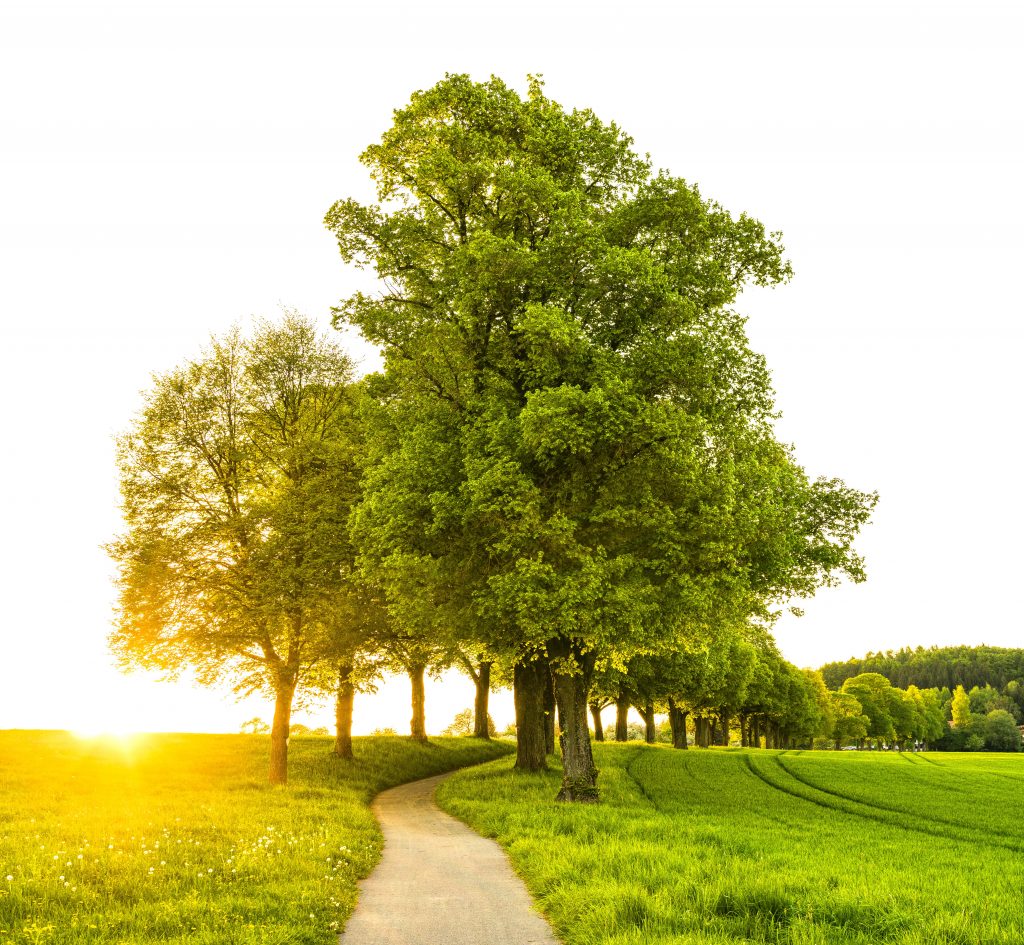
ENCOURAGING SUSTAINABLE TREE CARE PRACTICES FOR BUSINESS OWNERS

ENCOURAGING SUSTAINABLE TREE CARE PRACTICES FOR BUSINESS OWNERS

Sustainable tree care practices are of paramount importance for businesses for several compelling reasons. Trees not only enhance the visual appeal of business landscapes but also play a crucial role in supporting environmental sustainability, improving brand image, and fostering positive relationships with customers, employees, and the local community. Here’s an explanation of the importance of sustainable tree care practices for businesses:

  1. Enhanced Aesthetics and Brand Image: Well-maintained trees contribute to an attractive and inviting business environment. A visually appealing landscape reflects positively on a business’s brand image, creating a welcoming atmosphere for customers, clients, and visitors.
  2. Customer Experience and Employee Well-Being: Trees provide shade, reduce noise, and create comfortable outdoor spaces for customers and employees. A green and natural environment fosters a sense of well-being, improving the overall experience and satisfaction of those interacting with the business.
  3. Energy Efficiency and Climate Mitigation: Strategically planted trees can provide natural cooling through shading and reducing energy consumption for air conditioning. Trees also absorb carbon dioxide, helping mitigate the business’s carbon footprint and contributing to climate resilience.
  4. Contributions to Local Ecosystems: Trees support local ecosystems by providing habitats for birds, insects, and other wildlife. By promoting biodiversity, businesses contribute to the overall health of the environment.
  5. Long-Term Cost Savings: Sustainable tree care practices lead to healthier and more resilient trees, reducing the need for costly interventions, such as emergency tree removal. Energy savings from shade and improved heating and cooling can also translate into significant financial benefits.
  6. Positive Community Impact: Businesses that prioritize sustainability and green initiatives are likely to earn the respect and appreciation of the local community. Sustainable tree care demonstrates a commitment to environmental responsibility, which can strengthen community ties.
  7. Legal and Liability Considerations: Neglecting tree care can lead to accidents, injuries, and property damage, resulting in legal liabilities. Adopting sustainable tree care practices helps mitigate these risks and demonstrates a commitment to safety.
  8. Future-Proofing the Landscape: Well-maintained and sustainable landscapes are more resilient to environmental changes, such as extreme weather events and climate shifts. This proactive approach ensures that the business landscape remains appealing and functional over time.
  9. Innovation and Differentiation: Implementing sustainable tree care practices can set a business apart from competitors and position it as an innovative and forward-thinking organization. It sends a message that the business is dedicated to responsible environmental stewardship.
  10. Educational Opportunities: Engaging in sustainable tree care practices provides opportunities for educational initiatives. Businesses can educate employees, customers, and the community about the importance of environmental sustainability.
  11. Employee Engagement and Morale: Businesses that prioritize sustainability often enjoy increased employee satisfaction and engagement. Employees are more likely to feel proud of their workplace’s commitment to making a positive impact on the environment.
  12. Long-Term Benefits: Sustainable tree care practices lead to healthier, more vibrant trees that can thrive for decades. The legacy of well-cared-for trees contributes to the beauty and ecological integrity of the area for generations to come.

In summary, sustainable tree care practices align with a business’s commitment to environmental responsibility, customer satisfaction, and community engagement. By investing in the health and well-being of trees, businesses can reap numerous benefits that positively impact their brand image, bottom line, and the broader environment.


Benefits Of Integrating Trees Into Business Landscapes

Integrating trees into business landscapes offers a range of benefits that go beyond mere aesthetics. Trees play a vital role in enhancing the overall environment, improving the well-being of employees and customers, and contributing to a more sustainable and appealing business image. Here are the key benefits of incorporating trees into business landscapes:

  1. Enhanced Visual Appeal: Trees add natural beauty and visual interest to business landscapes, creating an attractive and inviting ambiance that can leave a lasting impression on clients, customers, and visitors.
  2. Improved Brand Image: A well-maintained and green landscape sends a message of environmental responsibility and care, enhancing the business’s reputation and brand image as a socially conscious and forward-thinking entity.
  3. Natural Cooling and Energy Efficiency: Trees provide shade, reducing the need for excessive air conditioning during hot months. This natural cooling effect can significantly lower energy consumption, leading to cost savings and a smaller carbon footprint.
  4. Increased Employee Productivity: Access to green spaces and nature has been linked to improved mental well-being, reduced stress, and increased productivity among employees. Trees create relaxing outdoor areas where employees can take breaks and recharge.
  5. Noise Reduction: Trees act as natural sound barriers, absorbing and deflecting noise from nearby roads, construction, or other disturbances, creating a more peaceful and focused work environment.
  6. Customer Attraction and Retention: A well-landscaped area with trees can attract more foot traffic and customers, as people are drawn to visually appealing and comfortable spaces. This can lead to increased customer retention and repeat business.
  7. Positive First Impressions: Trees create a positive first impression for potential clients, customers, and partners. A well-groomed landscape demonstrates attention to detail and professionalism, setting a positive tone for business interactions.
  8. Outdoor Meeting Spaces: Trees provide shaded areas that can be used for outdoor meetings, lunches, or informal gatherings. Such spaces contribute to a more dynamic and engaging work environment.
  9. Air Quality Improvement: Trees help filter pollutants from the air, enhancing indoor and outdoor air quality. This leads to a healthier and more comfortable workspace for employees and a cleaner environment for everyone.
  10. Erosion Control: Tree roots help stabilize soil and prevent erosion. This can be particularly beneficial for businesses located on sloped terrain or areas prone to soil erosion.
  11. Natural Privacy Screens: Trees strategically planted around a business property can create natural privacy screens, enhancing the sense of seclusion and security for employees and customers.
  12. Positive Community Impact: Trees contribute to the overall greenery of a community, making the business an integral part of its environmental fabric. This fosters goodwill among neighbors and the local community.
  13. Educational and Marketing Opportunities: Businesses can use their tree integration efforts as a platform to educate customers, employees, and the community about environmental sustainability. It can be an effective marketing tool that showcases the business’s commitment to responsible practices.

In conclusion, integrating trees into business landscapes offers a multitude of benefits that go beyond aesthetics. Trees contribute to a healthier, more productive, and more appealing environment that enhances the well-being of employees, attracts customers, and positively influences the business’s brand image and overall success.

Understanding Sustainable Tree Care

Sustainable tree care refers to the practice of managing trees in a way that balances the needs of the trees with the needs of the environment, people, and the surrounding ecosystem. It involves adopting responsible and environmentally-friendly methods to promote the health, longevity, and safety of trees while minimizing negative impacts on the ecosystem and community. Sustainable tree care recognizes the intrinsic value of trees and aims to ensure their continued vitality for generations to come.

Key principles and components of sustainable tree care include:

  1. Preservation and Conservation: Sustainable tree care prioritizes the preservation of existing trees whenever possible. This includes avoiding unnecessary tree removal and considering alternatives such as pruning, bracing, or cabling to address safety or health concerns.
  2. Native Species Selection: Choosing native or well-adapted tree species for landscaping promotes biodiversity and reduces the risk of introducing invasive species. Native trees are better suited to local climate and soil conditions, requiring less maintenance and resources.
  3. Proper Planting and Establishment: Sustainable practices begin at the planting stage. Proper planting techniques ensure that trees establish strong root systems, reducing the likelihood of future health issues.
  4. Soil Health Management: Healthy soil is essential for tree growth and vitality. Sustainable tree care practices include soil testing, appropriate fertilization, and mulching to improve soil structure, nutrient availability, and water retention.
  5. Water Efficiency: Sustainable tree care emphasizes efficient watering practices. These practices aim to minimize water waste while providing trees with the necessary hydration to support their health.
  6. Integrated Pest Management (IPM): IPM involves monitoring and managing pests using a holistic approach that minimizes the use of chemical pesticides. It includes practices such as introducing beneficial insects and maintaining a healthy tree environment to naturally deter pests.
  7. Pruning and Maintenance: Regular and proper pruning helps maintain tree structure, remove deadwood, and improve air circulation. Sustainable pruning practices focus on maintaining tree health while minimizing negative impacts.
  8. Disease Management: Sustainable tree care involves early detection and management of diseases through monitoring, proper sanitation, and targeted treatments to prevent the spread of pathogens.
  9. Safety and Risk Assessment: Identifying and addressing potential hazards ensures the safety of people and property. Sustainable tree care emphasizes proactive measures to mitigate risks associated with falling branches or trees.
  10. Educational Outreach: Businesses and communities play a role in promoting sustainable tree care by educating employees, residents, and stakeholders about the value of trees, proper care practices, and the benefits of preserving local ecosystems.
  11. Long-Term Planning: Sustainable tree care takes a proactive approach to tree management, focusing on long-term health and vitality rather than short-term fixes. It involves developing management plans that guide care and maintenance over time.
  12. Environmental Stewardship: Sustainable tree care aligns with broader environmental goals by contributing to carbon sequestration, improving air and water quality, and supporting local ecosystems.

In summary, sustainable tree care is a holistic approach that seeks to balance the well-being of trees, the environment, and the community. By incorporating responsible practices into tree management, individuals, businesses, and communities contribute to a healthier and more resilient urban environment while ensuring the long-term survival and benefits of trees.


[geocentric_weather id=”45ff4ccd-3d3f-498e-b0b9-91aaaf766bc4″]

[geocentric_about id=”45ff4ccd-3d3f-498e-b0b9-91aaaf766bc4″]
[geocentric_neighborhoods id=”45ff4ccd-3d3f-498e-b0b9-91aaaf766bc4″]
[geocentric_thingstodo id=”45ff4ccd-3d3f-498e-b0b9-91aaaf766bc4″]

[geocentric_busstops id=”45ff4ccd-3d3f-498e-b0b9-91aaaf766bc4″]

[geocentric_mapembed id=”45ff4ccd-3d3f-498e-b0b9-91aaaf766bc4″]

[geocentric_drivingdirections id=”45ff4ccd-3d3f-498e-b0b9-91aaaf766bc4″]

[geocentric_reviews id=”45ff4ccd-3d3f-498e-b0b9-91aaaf766bc4″]