THE PROS AND CONS OF USING FERTILIZER ON TREES
THE PROS AND CONS OF USING FERTILIZER ON TREES
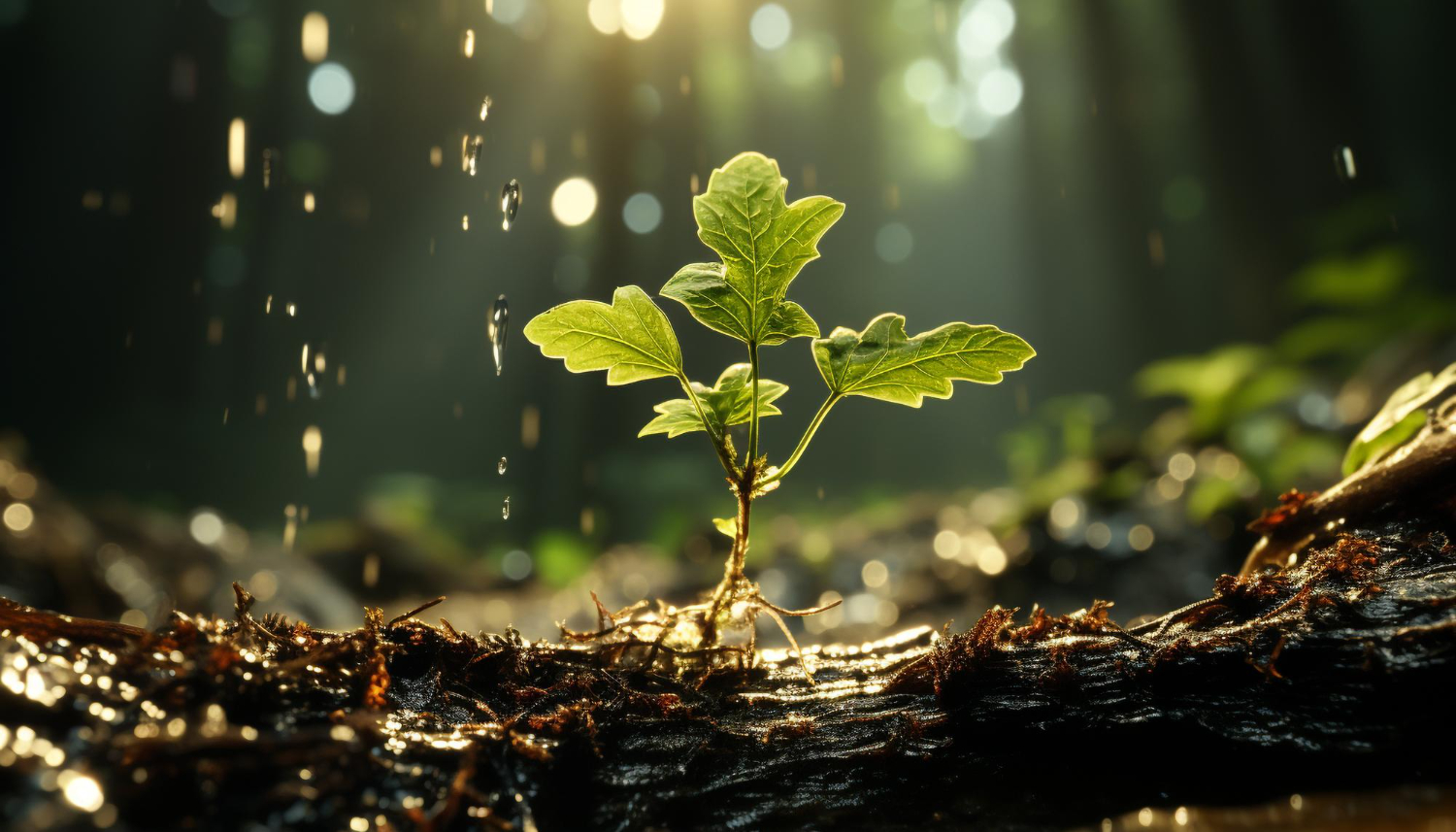
Fertilizers play a significant role in tree care by providing essential nutrients that trees need for healthy growth, development, and overall vitality. Trees, like all plants, require specific nutrients to carry out vital physiological processes such as photosynthesis, root development, and resistance to stressors. Fertilizers are used to supplement soil nutrient levels when they are insufficient to support optimal tree health. Here’s an explanation of the role of fertilizers in tree care:
- Nutrient Availability Enhancement:
- Soils naturally contain varying levels of essential nutrients, but these levels may not always meet the requirements of trees.
- Fertilizers supply additional nutrients, ensuring that trees have access to a balanced diet of essential elements.
- Improved Growth and Canopy Density:
- Adequate nutrient availability encourages vigorous growth in trees, leading to increased foliage production and canopy density.
- Trees with lush canopies can provide more shade, reduce erosion, and enhance overall landscape aesthetics.
- Strengthened Resistance to Stressors:
- Trees receiving proper nutrients are better equipped to withstand environmental stressors such as drought, disease, and pest infestations.
- Nutrient-stressed trees are more susceptible to damage and have reduced resilience.
- Correcting Nutrient Deficiencies:
- Fertilizers address specific nutrient deficiencies that can hinder tree growth and vitality.
- Targeted nutrient supplementation helps prevent yellowing leaves, stunted growth, and other symptoms of deficiency.
- Promotion of Root Development:
- Nutrients provided by fertilizers contribute to root system development and expansion.
- Strong root systems support better water and nutrient uptake, anchoring trees securely in the soil.
- Support for Flowering and Fruiting:
- Certain nutrients, such as phosphorus, play a crucial role in flowering and fruiting.
- Fertilizers can enhance a tree’s ability to produce flowers and fruit, contributing to its reproductive success.
- Stress Recovery and Rehabilitation:
- After enduring stress from factors like storms or construction, trees can benefit from supplemental nutrients to aid recovery.
- Fertilizers help trees regain their strength and vitality.
- Enhancement of Overall Tree Health:
- Proper nutrition contributes to general tree health, allowing trees to thrive and reach their full potential.
- Healthy trees contribute positively to the environment, air quality, and ecosystem services.
It’s important to note that while fertilizers are beneficial, their application requires careful consideration. Incorrect use of fertilizers, including overfertilization or using the wrong type, can lead to negative consequences such as nutrient imbalances, environmental pollution, and root damage. To effectively use fertilizers in tree care, it’s essential to conduct soil tests, understand the specific nutritional needs of trees, and follow recommended application guidelines. Consulting with certified arborists or tree care professionals can help ensure that fertilization practices are tailored to the unique requirements of each tree and its environment.
Importance of Understanding the Potential Benefits and Drawbacks
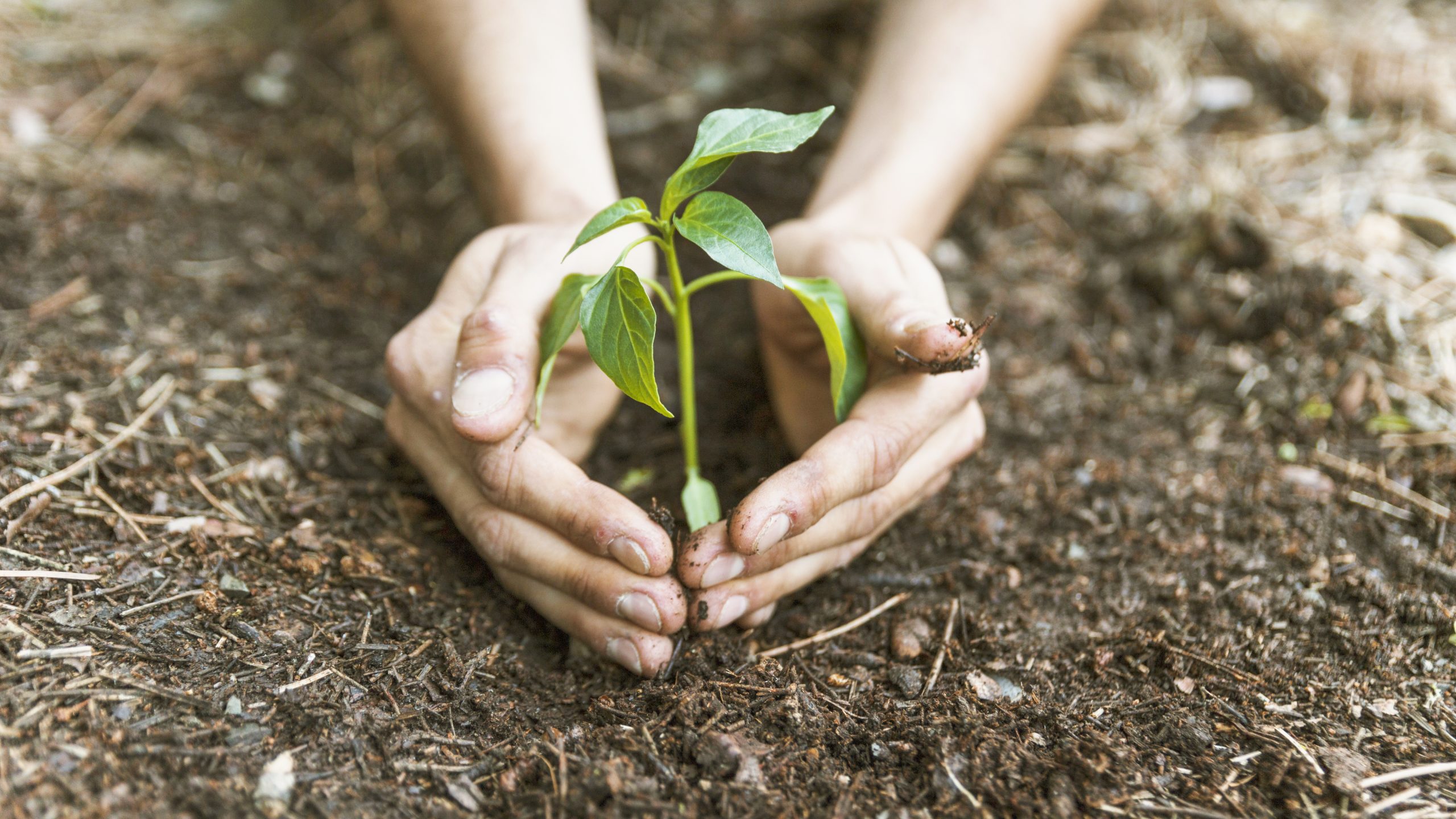
Understanding the potential benefits and drawbacks of any action or decision, including using fertilizers on trees, is crucial for making informed and responsible choices. This knowledge empowers tree caretakers to weigh the advantages against the disadvantages and make decisions that align with the long-term health and well-being of trees and the surrounding environment. Here’s why understanding the potential benefits and drawbacks of using fertilizers on trees is important:
- Informed Decision-Making:
- Having a comprehensive understanding of both the benefits and drawbacks enables tree caretakers to make decisions based on accurate and balanced information.
- Informed decisions lead to more effective and sustainable tree care practices.
- Maximizing Benefits:
- Recognizing the potential benefits of using fertilizers allows tree caretakers to leverage these advantages to promote healthy growth, vitality, and resilience in trees.
- Utilizing fertilizers strategically can result in optimal tree health and aesthetic value.
- Minimizing Negative Impacts:
- Being aware of the potential drawbacks helps tree caretakers take proactive measures to avoid or mitigate negative consequences.
- Preventing overfertilization, nutrient imbalances, and environmental pollution can protect trees and ecosystems.
- Avoiding Unintended Consequences:
- Without an understanding of potential drawbacks, well-intentioned actions like fertilizer application can inadvertently harm trees and the environment.
- Awareness of potential risks encourages careful planning and execution.
- Environmental Responsibility:
- Acknowledging the potential environmental impacts, such as nutrient runoff, helps tree caretakers take steps to minimize their footprint and protect water bodies and ecosystems.
- Responsible tree care aligns with broader environmental conservation goals.
- Cost-Effectiveness:
- Understanding the benefits of using fertilizers enables tree caretakers to allocate resources effectively for optimal results.
- Avoiding unnecessary or excessive fertilization can save costs and resources.
- Tailored Approach:
- Recognizing that benefits and drawbacks vary based on factors like tree species, soil type, and local conditions encourages a customized approach to fertilizer use.
- Tailored practices lead to better outcomes for specific trees and environments.
- Long-Term Impact:
- Considering both benefits and drawbacks helps tree caretakers assess the long-term impact of using fertilizers.
- Focusing on sustainable practices ensures the health and vitality of trees over time.
- Education and Communication:
- Understanding potential benefits and drawbacks empowers tree caretakers to educate others, including colleagues, homeowners, and community members, about responsible tree care practices.
- Transparent communication promotes shared knowledge and better decision-making.
In essence, understanding the potential benefits and drawbacks of using fertilizers on trees is a fundamental aspect of responsible tree care. It enables tree caretakers to make choices that align with their goals for tree health, environmental sustainability, and long-term positive outcomes. By striking a balance between the benefits and drawbacks, tree caretakers can contribute to thriving urban forests, healthier ecosystems, and a more sustainable future.
Pros of Using Fertilizer on Trees
Using fertilizer on trees offers several potential benefits that can enhance their growth, health, and overall well-being. Fertilizers provide essential nutrients that trees may not receive in sufficient quantities from the soil alone. When applied correctly and in moderation, fertilizers can contribute to the vitality and longevity of trees. Here are the pros of using fertilizer on trees:
- Enhanced Nutrient Availability:
- Fertilizers supply essential nutrients such as nitrogen (N), phosphorus (P), and potassium (K), along with micronutrients like iron, zinc, and manganese.
- These nutrients are critical for various physiological processes, including photosynthesis, root development, and overall growth.
- Improved Growth and Canopy Density:
- Properly fertilized trees tend to experience increased growth rates, resulting in denser canopies and more substantial foliage.
- A fuller canopy provides enhanced shade, which can benefit both the tree itself and the surrounding environment.
- Strengthened Resistance to Stress:
- Nutrient-rich trees are better equipped to withstand environmental stressors such as drought, extreme temperatures, and diseases.
- Adequate nutrition supports the tree’s ability to recover from stress and maintain overall health.
- Corrections of Nutrient Deficiencies:
- Fertilizers address specific nutrient deficiencies in the soil that can negatively affect tree growth and appearance.
- Treating deficiencies can prevent symptoms such as yellowing leaves, poor flowering, and stunted growth.
- Promotion of Root Development:
- Nutrient availability contributes to the development of a healthy and extensive root system.
- Strong roots anchor the tree securely in the soil and enable efficient water and nutrient uptake.
- Support for Flowering and Fruiting:
- Certain nutrients, such as phosphorus, are essential for flowering and fruiting.
- Adequate fertilization can lead to more abundant and healthier blooms and fruits.
- Assistance in Stress Recovery:
- After experiencing stress due to factors like storms, construction, or transplanting, trees can benefit from supplemental nutrients.
- Fertilizers help trees recover more quickly and regain their vitality.
- Enhanced Overall Tree Health:
- Well-fertilized trees are generally healthier, exhibit vibrant colors, and have a more robust immune system against pests and diseases.
- Healthy trees contribute to improved air quality, aesthetics, and ecosystem services.
- Increased Carbon Sequestration:
- Healthy, vigorously growing trees have a greater capacity for carbon dioxide (CO2) absorption and sequestration, aiding in climate change mitigation.
- Long-Term Landscape Value:
- Proper fertilization can result in larger, more beautiful trees that enhance the visual appeal and value of landscapes.
- Well-cared-for trees can positively impact property aesthetics and real estate values.
It’s important to note that while there are numerous benefits to using fertilizers on trees, they must be applied carefully and based on the specific needs of each tree and its environment. Overusing or misusing fertilizers can lead to adverse effects such as nutrient imbalances, pollution, and damage to the root system. Consulting with arborists or tree care professionals can help determine the appropriate type, amount, and timing of fertilizer application for optimal results.
[geocentric_weather id=”45ff4ccd-3d3f-498e-b0b9-91aaaf766bc4″]
[geocentric_about id=”45ff4ccd-3d3f-498e-b0b9-91aaaf766bc4″]
[geocentric_neighborhoods id=”45ff4ccd-3d3f-498e-b0b9-91aaaf766bc4″]
[geocentric_thingstodo id=”45ff4ccd-3d3f-498e-b0b9-91aaaf766bc4″]
[geocentric_busstops id=”45ff4ccd-3d3f-498e-b0b9-91aaaf766bc4″]
[geocentric_mapembed id=”45ff4ccd-3d3f-498e-b0b9-91aaaf766bc4″]
[geocentric_drivingdirections id=”45ff4ccd-3d3f-498e-b0b9-91aaaf766bc4″]
[geocentric_reviews id=”45ff4ccd-3d3f-498e-b0b9-91aaaf766bc4″]