THE ENVIRONMENTAL BENEFITS OF ARBOR DAY
THE ENVIRONMENTAL BENEFITS OF ARBOR DAY
Arbor Day is an annual observance dedicated to the planting, care, and appreciation of trees. It serves as a reminder of the importance of trees in our environment and encourages individuals, communities, and organizations to participate in tree planting activities and initiatives. Arbor Day is celebrated worldwide on various dates depending on the region and climate, with the common goal of promoting the benefits of trees for both present and future generations.

Environmental Significance of Arbor Day:
- Urban Greening and Air Quality Improvement: Arbor Day contributes to urban greening by encouraging the planting of trees in cities and towns. Trees act as natural air filters, absorbing pollutants such as carbon dioxide, sulfur dioxide, and ozone. They also release oxygen into the atmosphere, helping to improve air quality and create healthier living environments.
- Biodiversity Enhancement: Arbor Day activities often involve the planting of a variety of tree species. This diversity promotes biodiversity by providing habitats for various animals, insects, and birds. Trees also support ecosystems by offering food and shelter to wildlife, contributing to the overall health and balance of local ecosystems.
- Carbon Sequestration and Climate Mitigation: Trees play a crucial role in mitigating climate change by sequestering carbon dioxide from the atmosphere through photosynthesis. As trees grow, they store carbon in their trunks, branches, and roots. Arbor Day’s emphasis on tree planting contributes to carbon capture, helping to combat global warming and reduce greenhouse gas emissions.
- Soil Health and Erosion Prevention: Trees help stabilize soil and prevent erosion by anchoring the soil with their root systems. Their presence protects against soil loss caused by wind and water. The fallen leaves and organic matter from trees also enrich the soil, promoting its fertility and overall health.
- Water Conservation and Watershed Protection: Trees contribute to water conservation by reducing water evaporation from the soil. Their canopies provide shade that helps minimize moisture loss. Tree roots also absorb and filter rainwater, preventing excess runoff and soil erosion. By acting as natural buffers, trees protect watersheds and water bodies from pollution and sedimentation.
- Community Engagement and Education: Arbor Day serves as a platform for communities to engage in environmental initiatives and collaborate on tree planting projects. These activities raise awareness about the importance of trees and their impact on the environment. Arbor Day also educates individuals about proper tree care and the roles trees play in sustaining ecosystems.
- Long-Term Environmental Legacy: The trees planted on Arbor Day have a lasting impact, growing and providing benefits for years to come. As these trees mature, they continue to enhance air quality, support biodiversity, sequester carbon, and contribute to the overall health of ecosystems.
In conclusion, Arbor Day holds significant environmental importance by promoting tree planting and care. The collective efforts made on Arbor Day contribute to a healthier and more sustainable world, addressing critical environmental challenges such as air and water quality, climate change, and habitat preservation. By participating in Arbor Day activities, individuals and communities actively contribute to creating a greener and more resilient future.
Purpose of Arbor Day
The purpose of Arbor Day is to promote the planting, care, and appreciation of trees. It serves as a special day dedicated to raising awareness about the importance of trees in our environment and inspiring individuals, communities, and organizations to take proactive steps to improve the health of our planet through tree-related activities. The primary goals and purposes of Arbor Day include:
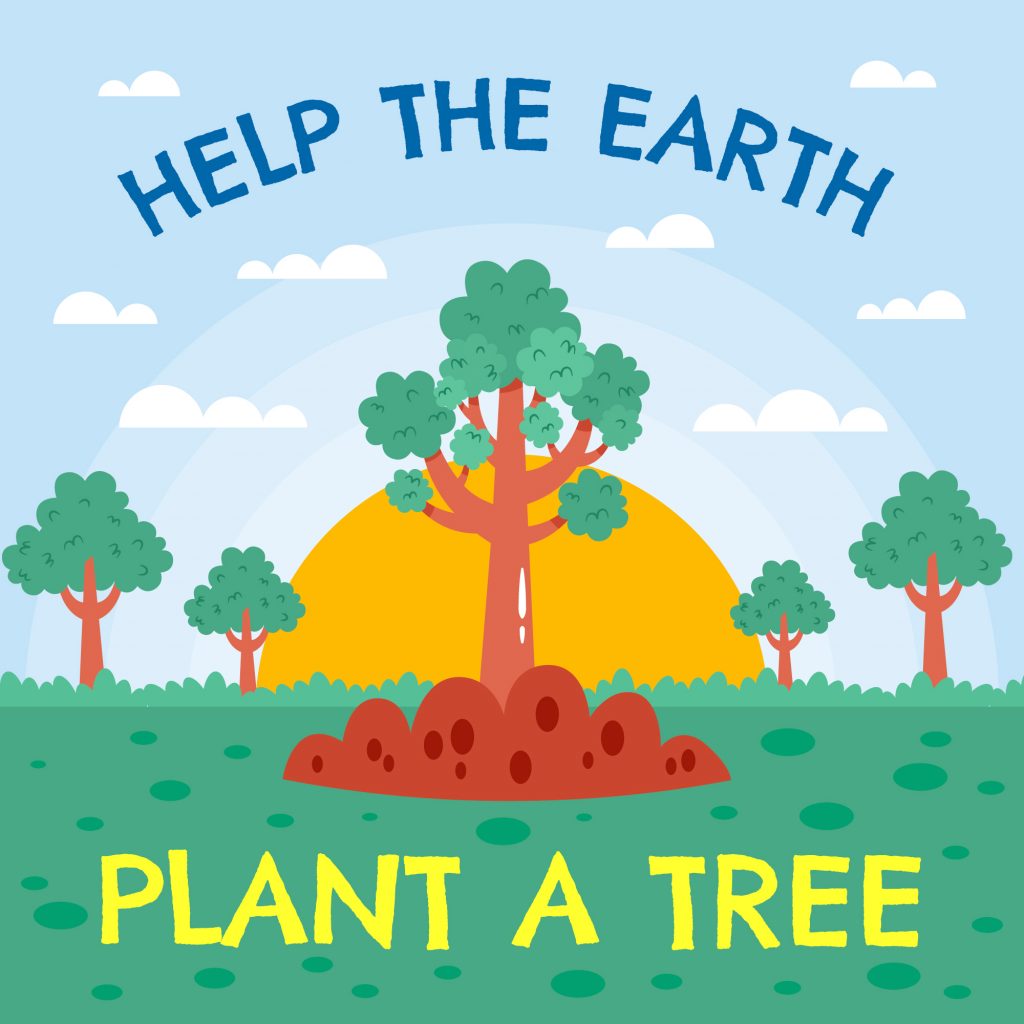
- Tree Planting and Reforestation: Arbor Day encourages people to plant trees, whether in urban areas, communities, or natural landscapes. The act of tree planting helps increase tree populations, enhance green spaces, and contribute to reforestation efforts.
- Environmental Education: Arbor Day provides an opportunity to educate people about the ecological, economic, and social benefits of trees. It raises awareness about the vital role trees play in maintaining clean air, conserving water, supporting wildlife, and mitigating climate change.
- Promotion of Sustainable Landscapes: By celebrating Arbor Day, individuals are inspired to create and maintain sustainable landscapes. Trees and well-designed green spaces contribute to healthier, more resilient environments that can withstand environmental challenges.
- Community Engagement: Arbor Day fosters a sense of community engagement and collaboration. It encourages people to work together on tree planting initiatives, leading to stronger bonds among residents, organizations, and local government bodies.
- Carbon Sequestration and Climate Mitigation: Planting trees on Arbor Day supports carbon sequestration, which is essential for mitigating climate change. Trees absorb carbon dioxide from the atmosphere during photosynthesis, helping to reduce greenhouse gas levels.
- Biodiversity Enhancement: Arbor Day promotes the planting of diverse tree species, contributing to enhanced biodiversity. Different trees provide habitats and food sources for various species, supporting local ecosystems.
- Air and Water Quality Improvement: Trees help improve air quality by filtering pollutants and releasing oxygen. They also contribute to water conservation by reducing soil erosion, absorbing rainwater, and preventing excess runoff.
- Environmental Stewardship: Arbor Day instills a sense of environmental stewardship, encouraging people to take responsibility for caring for the Earth and its resources. It empowers individuals to make a positive impact on their local environment.
- Legacy for Future Generations: Trees planted on Arbor Day grow and thrive over time, leaving a lasting legacy for future generations. They provide ongoing benefits to the environment, communities, and the overall well-being of society.
- Inspiration for Action: Arbor Day inspires individuals to take action beyond the day itself. It encourages the adoption of sustainable practices, such as proper tree care, conservation efforts, and responsible land management.
In essence, Arbor Day serves as a reminder that each tree planted contributes to the health and sustainability of our planet. By participating in Arbor Day activities, people contribute to a greener and more vibrant world, leaving a positive impact that can be enjoyed by current and future generations.
Environmental Benefits Associated with Arbor Day
Arbor Day is associated with numerous environmental benefits that have a positive impact on both local ecosystems and the planet as a whole. By promoting tree planting and care, Arbor Day contributes to a healthier environment, enhanced biodiversity, improved air and water quality, and more resilient communities. Here are some key environmental benefits associated with Arbor Day:

- Carbon Sequestration and Climate Mitigation: Trees are effective natural carbon sinks. They absorb carbon dioxide (CO2) from the atmosphere during photosynthesis and store it in their biomass. By planting trees on Arbor Day, individuals and communities contribute to carbon sequestration, which helps mitigate climate change by reducing the concentration of greenhouse gases in the atmosphere.
- Improved Air Quality: Trees act as natural air filters, absorbing pollutants such as sulfur dioxide, nitrogen oxides, and particulate matter. Through a process called transpiration, trees release water vapor, which can help cool the air and remove pollutants. Cleaner air leads to healthier respiratory conditions for humans and animals.
- Biodiversity Enhancement: Arbor Day encourages the planting of diverse tree species, which in turn supports biodiversity. Trees provide habitats and food sources for various insects, birds, mammals, and microorganisms. A rich variety of trees contributes to thriving ecosystems and the preservation of native species.
- Urban Heat Island Mitigation: Urban areas often experience elevated temperatures due to the heat island effect. Trees planted on Arbor Day provide shade, reducing the absorption of heat by buildings and pavement. This mitigation of urban heat islands creates more comfortable living conditions and reduces energy consumption for cooling.
- Erosion Control and Soil Health: Trees play a critical role in preventing soil erosion. Their root systems stabilize soil, reducing the risk of landslides and the loss of topsoil through wind and water erosion. Fallen leaves and organic matter also contribute to soil enrichment and fertility.
- Water Conservation and Quality: Trees help conserve water by reducing evaporation from the soil. Their root systems absorb rainwater, which helps replenish groundwater supplies. Additionally, trees act as natural water filters, removing contaminants and improving water quality before it reaches streams, rivers, and aquifers.
- Wildlife Habitat Creation: Arbor Day initiatives create valuable habitats for wildlife. Trees provide shelter, nesting sites, and food sources for a wide range of animal species, contributing to local biodiversity and ecological balance.
- Community Engagement and Education: Arbor Day fosters community involvement and educates individuals about the environmental benefits of trees. This engagement empowers people to make informed choices about tree planting, conservation, and land management practices.
- Long-Term Environmental Legacy: Trees planted on Arbor Day continue to grow and provide benefits for years to come. As they mature, they enhance air quality, sequester more carbon, support biodiversity, and contribute to the overall health of ecosystems.
In summary, Arbor Day’s environmental benefits are extensive and far-reaching. By participating in Arbor Day activities, individuals and communities contribute to the health of the planet, enhance the quality of life for both humans and wildlife, and play an active role in addressing pressing environmental challenges such as climate change, air and water pollution, and habitat loss.
[geocentric_weather id=”45ff4ccd-3d3f-498e-b0b9-91aaaf766bc4″]
[geocentric_about id=”45ff4ccd-3d3f-498e-b0b9-91aaaf766bc4″]
[geocentric_neighborhoods id=”45ff4ccd-3d3f-498e-b0b9-91aaaf766bc4″]
[geocentric_thingstodo id=”45ff4ccd-3d3f-498e-b0b9-91aaaf766bc4″]
[geocentric_busstops id=”45ff4ccd-3d3f-498e-b0b9-91aaaf766bc4″]
[geocentric_mapembed id=”45ff4ccd-3d3f-498e-b0b9-91aaaf766bc4″]
[geocentric_drivingdirections id=”45ff4ccd-3d3f-498e-b0b9-91aaaf766bc4″]
[geocentric_reviews id=”45ff4ccd-3d3f-498e-b0b9-91aaaf766bc4″]