THE BENEFITS OF USING TREES FOR TEMPERATURE REGULATION

THE BENEFITS OF USING TREES FOR TEMPERATURE REGULATION

The importance of temperature regulation extends across various aspects of human life, the environment, and even the broader ecosystem. Here are some key reasons why temperature regulation is crucial:
  1. Human Comfort and Health: Maintaining a comfortable temperature is vital for human well-being. Extreme heat or cold can lead to health issues such as heatstroke, hypothermia, and even death. Proper temperature regulation in homes, workplaces, and public spaces ensures the safety and comfort of individuals.
  2. Energy Efficiency: Temperature regulation is essential for energy efficiency. Proper insulation, heating, and cooling systems in buildings reduce energy consumption, lower utility bills, and contribute to environmental sustainability by decreasing greenhouse gas emissions.
  3. Agriculture and Food Production: Temperature affects crop growth and food production. Many crops have specific temperature requirements for optimal growth, and deviations from these can result in reduced yields and food shortages. Temperature regulation in greenhouses and agricultural practices is crucial for global food security.
  4. Ecosystem Health: Temperature plays a fundamental role in the health of ecosystems. It influences the distribution and behavior of plant and animal species. Changes in temperature can disrupt ecosystems, leading to shifts in species composition, reduced biodiversity, and ecological imbalances.
  5. Climate Change Mitigation: Temperature regulation is closely linked to climate change. Efforts to regulate global temperatures through the reduction of greenhouse gas emissions are critical to mitigating the effects of climate change, such as rising sea levels, extreme weather events, and disruptions to ecosystems.
  6. Urban Planning: In urban areas, temperature regulation is essential for creating livable and sustainable cities. Proper planning, including the planting of trees, green roofs, and the development of parks, can mitigate the urban heat island effect, reducing extreme temperatures in urban environments.
  7. Wildlife Conservation: Temperature regulation is essential for the survival of many wildlife species. Changes in temperature can affect migration patterns, breeding seasons, and the availability of food and habitat. Conservation efforts often focus on preserving suitable temperature ranges for endangered species.
  8. Human Productivity: Extreme temperatures can impact human productivity. Uncomfortable working conditions due to excessive heat or cold can reduce productivity in industries such as agriculture, construction, and manufacturing.
  9. Water Resources: Temperature affects the availability and quality of water resources. High temperatures can lead to increased evaporation rates, reduced water levels in rivers and lakes, and even the occurrence of water scarcity in certain regions.
  10. Recreation and Tourism: Temperature regulation in natural and recreational areas is vital for tourism and outdoor activities. People often seek out destinations with pleasant temperatures for leisure and travel.

In summary, temperature regulation is essential for the well-being of individuals, the sustainability of ecosystems, and the mitigation of climate change. It impacts various aspects of our daily lives, from health and comfort to food production and environmental conservation, highlighting its critical importance in a rapidly changing world.


The Role of Trees in Temperature Regulation

The role of trees in temperature regulation is multifaceted and significant, particularly in urban and natural environments. Trees contribute to temperature regulation through various mechanisms:
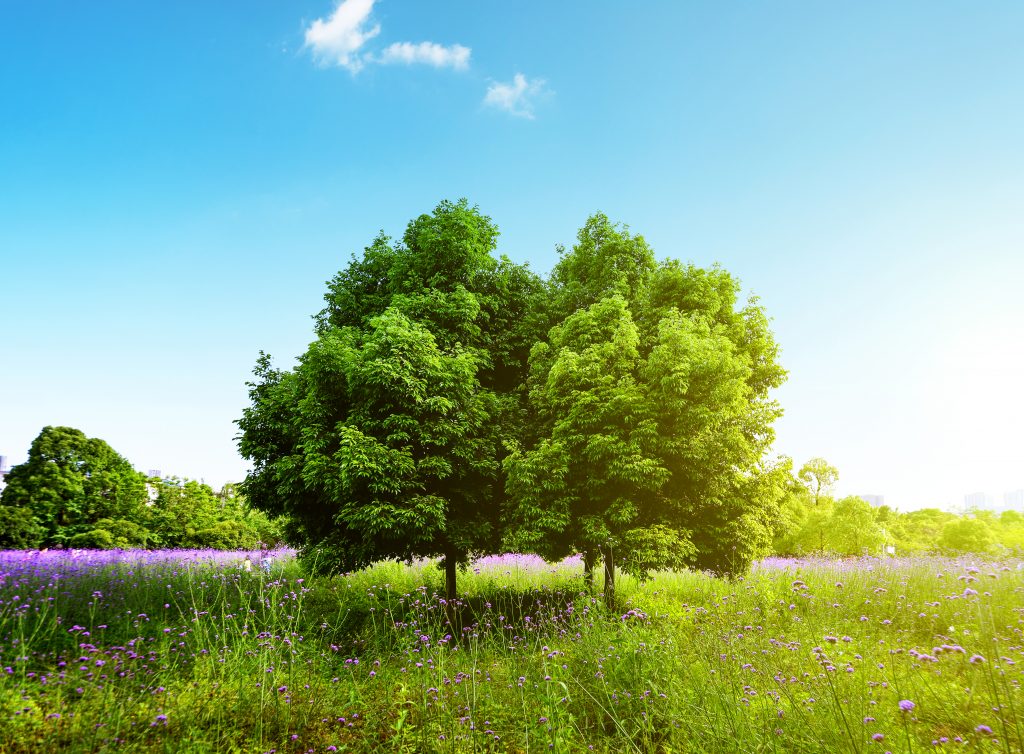
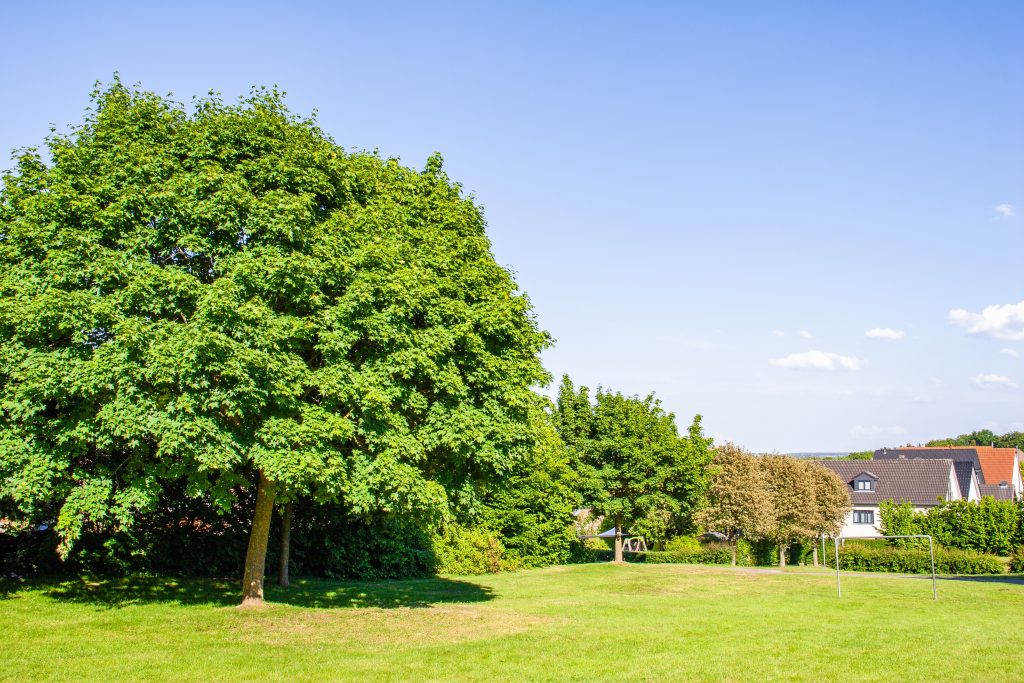
  1. Shade and Cooling Effect: Trees provide shade, reducing the amount of direct sunlight that reaches the ground. This shade helps cool the surrounding area, making it more comfortable for people and reducing the heat island effect in urban areas. The shade also lowers the temperature of nearby surfaces, including roads and buildings, which can otherwise absorb and radiate heat, contributing to higher temperatures.
  2. Transpiration: Trees release water vapor through a process called transpiration. This process is similar to human perspiration but occurs in plants. As trees transpire, they release moisture into the air, which has a cooling effect. This can significantly reduce local temperatures and increase humidity levels, creating a more pleasant microclimate.
  3. Air Quality Improvement: Trees act as natural air filters, removing pollutants such as carbon dioxide, sulfur dioxide, and nitrogen oxides from the air. Cleaner air helps maintain a healthier environment and can indirectly contribute to temperature regulation by reducing the heat-trapping effects of some pollutants.
  4. Energy Savings: The strategic planting of trees around buildings and homes can provide natural insulation. During hot summer months, trees can shade buildings, reducing the need for air conditioning and lowering energy consumption. In the winter, deciduous trees can shed their leaves, allowing sunlight to reach buildings and assist with heating.
  5. Carbon Sequestration: Trees play a crucial role in mitigating climate change by absorbing and storing carbon dioxide (CO2) from the atmosphere. CO2 is a greenhouse gas that contributes to global warming. By sequestering carbon, trees help regulate the Earth’s temperature by reducing the concentration of heat-trapping gases in the atmosphere.
  6. Windbreaks: In open areas, trees can act as windbreaks, reducing wind speed and wind chill. This effect can make outdoor spaces more comfortable and protect crops from the damaging effects of strong winds.
  7. Biodiversity Support: Forested areas, including trees, create diverse ecosystems that support a wide range of plant and animal species. Biodiversity contributes to ecological balance and resilience, helping ecosystems better withstand temperature extremes and climate fluctuations.
  8. Aesthetic and Psychological Benefits: Trees enhance the aesthetics of urban and natural landscapes, making them more inviting and calming. Exposure to green spaces and natural environments with trees has been shown to reduce stress and improve mental well-being, indirectly contributing to a person’s ability to cope with temperature-related discomfort.

In summary, trees are essential contributors to temperature regulation in both urban and natural environments. They provide shade, cool the air through transpiration, improve air quality, save energy, sequester carbon, and offer a range of other ecological and psychological benefits that collectively help create more comfortable and sustainable living spaces while mitigating the effects of climate change.


Absorption of Pollutants and Release of Oxygen

The absorption of pollutants and release of oxygen is a crucial ecosystem service provided by trees and plants. This process occurs through a natural phenomenon called photosynthesis. Here’s an explanation of how it works:
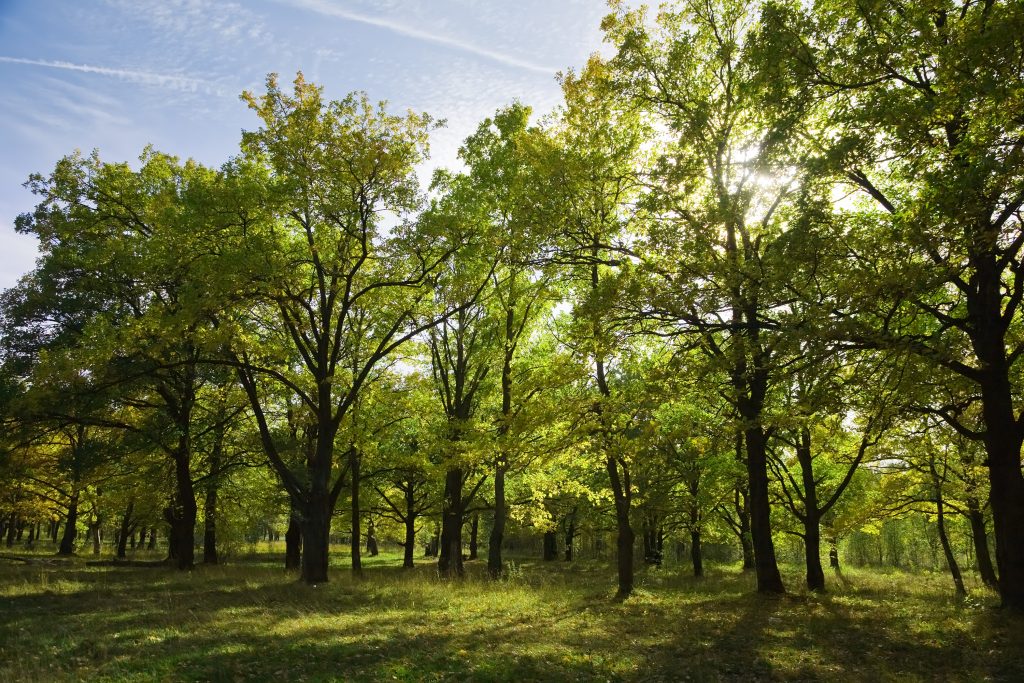
  1. Photosynthesis: Photosynthesis is the fundamental process by which green plants, including trees, use sunlight, water, and carbon dioxide (CO2) to produce glucose (a type of sugar) and oxygen (O2). It can be summarized by the following chemical equation:

6 CO2 + 6 H2O + sunlight → C6H12O6 (glucose) + 6 O2

In this process, trees and plants absorb carbon dioxide from the atmosphere through small openings in their leaves called stomata. They also draw in water from the soil through their roots.

  1. Carbon Dioxide Absorption: Trees play a crucial role in removing carbon dioxide from the air, which is a greenhouse gas responsible for global warming and climate change. Through photosynthesis, trees capture CO2 molecules from the atmosphere and convert them into glucose. This carbon is then stored in the tree’s tissues, such as leaves, branches, and roots. Some of it may remain stored for years or even centuries, effectively sequestering carbon and mitigating the effects of climate change.
  2. Oxygen Release: As a byproduct of photosynthesis, trees release oxygen (O2) into the atmosphere. This oxygen is essential for the respiration of animals and humans. Oxygen is vital for the metabolic processes that occur in cells, enabling living organisms to convert nutrients into energy. Trees contribute significantly to the Earth’s oxygen production, making the air breathable for all aerobic life forms.
  3. Pollutant Filtration: During the process of photosynthesis, trees not only absorb carbon dioxide but also filter other air pollutants, such as sulfur dioxide (SO2), nitrogen oxides (NOx), and particulate matter (PM). These pollutants can be harmful to human health and the environment. Trees trap these pollutants on their leaf surfaces and in their tissues, helping to improve air quality.
  4. Ecosystem Health: The absorption of pollutants and release of oxygen by trees contribute to the overall health and balance of ecosystems. Cleaner air and reduced pollutant levels benefit not only human populations but also wildlife and other plant species that rely on clean air and water.

In summary, trees and plants, through the process of photosynthesis, absorb carbon dioxide and release oxygen, playing a crucial role in regulating the composition of the Earth’s atmosphere. They act as natural air purifiers by filtering out harmful pollutants, while the oxygen they release supports the respiration of all aerobic organisms. This process is vital for maintaining a habitable and healthy environment on our planet.


Contribution to Ecosystem Services Like Pollination and Soil Conservation

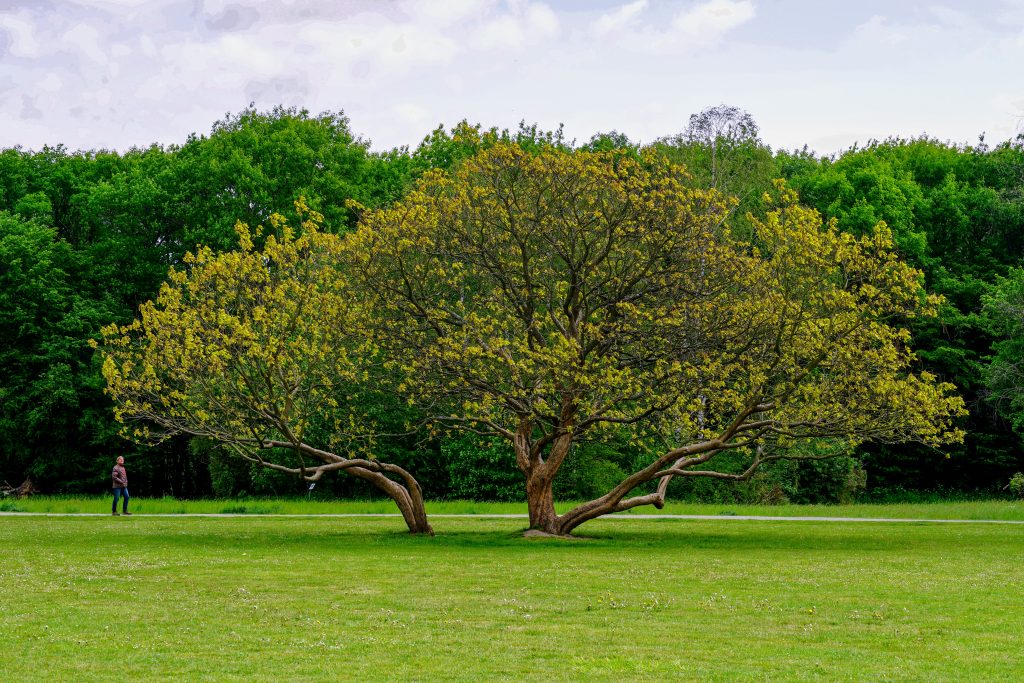
Trees make significant contributions to ecosystem services, including pollination and soil conservation. These services are essential for maintaining biodiversity, supporting agriculture, and preserving the overall health of ecosystems. Here’s an explanation of how trees contribute to these ecosystem services:
  1. Pollination:
  1. Soil Conservation:
  1. Ecosystem Stability:

In summary, trees contribute to ecosystem services like pollination and soil conservation by providing habitat and resources for pollinators, stabilizing soil, regulating water flow, enriching soil with organic matter, fostering microbial activity, supporting biodiversity, and enhancing ecosystem resilience. These contributions are vital for the health and sustainability of ecosystems, agriculture, and human well-being.

[geocentric_weather id=”45ff4ccd-3d3f-498e-b0b9-91aaaf766bc4″]

[geocentric_about id=”45ff4ccd-3d3f-498e-b0b9-91aaaf766bc4″]

[geocentric_neighborhoods id=”45ff4ccd-3d3f-498e-b0b9-91aaaf766bc4″]

[geocentric_thingstodo id=”45ff4ccd-3d3f-498e-b0b9-91aaaf766bc4″]

[geocentric_busstops id=”45ff4ccd-3d3f-498e-b0b9-91aaaf766bc4″]

[geocentric_mapembed id=”45ff4ccd-3d3f-498e-b0b9-91aaaf766bc4″]

[geocentric_drivingdirections id=”45ff4ccd-3d3f-498e-b0b9-91aaaf766bc4″]

[geocentric_reviews id=”45ff4ccd-3d3f-498e-b0b9-91aaaf766bc4″]
THE SCIENCE BEHIND HOW TREES IMPROVE SOIL ORGANIC MATTER DECOMPOSITION

THE SCIENCE BEHIND HOW TREES IMPROVE SOIL ORGANIC MATTER DECOMPOSITION

Trees play a crucial role in improving soil organic matter decomposition through various scientific mechanisms. Here are some key ways in which trees contribute to this process:

  1. Leaf Litter and Organic Inputs: Trees shed leaves and other organic materials, which contribute to the organic matter content of the soil. These organic inputs, known as leaf litter, contain carbon compounds that serve as a food source for decomposer organisms in the soil.
  2. Rhizodeposition: Trees release organic compounds, such as sugars, amino acids, and organic acids, through their roots. This process, known as rhizodeposition, provides a source of energy and nutrients for soil microorganisms involved in decomposition.
  3. Root Exudates: Tree roots release exudates, including enzymes, organic acids, and other compounds. These exudates facilitate the breakdown of organic matter in the soil, enhancing decomposition processes.
  4. Microbial Activity: Trees support a diverse and active microbial community in the soil. Soil microorganisms, such as bacteria, fungi, and archaea, play a crucial role in decomposing organic matter by secreting enzymes that break down complex organic compounds into simpler forms that can be absorbed by plants.
  5. Soil Aggregation: Trees contribute to the formation of soil aggregates, which are small clusters of soil particles bound together. Soil aggregates create pore spaces that allow for better water infiltration, gas exchange, and movement of decomposer organisms. This facilitates the decomposition process by providing a favorable environment for microbial activity.
  6. Soil Moisture and Temperature Regulation: Trees provide shade and transpire water, creating a more favorable microclimate in the soil. Moderate soil moisture and temperature conditions support optimal microbial activity and decomposition rates.
  7. Mycorrhizal Associations: Many tree species form mutualistic relationships with mycorrhizal fungi. These fungi form a symbiotic association with tree roots, extending the root system and enhancing nutrient uptake. Mycorrhizal fungi also contribute to organic matter decomposition through their enzymatic activities.
  8. Earthworm Activity: Trees, especially those with dense leaf litter, can attract earthworms to the soil. Earthworms feed on decaying organic matter, facilitating its breakdown and nutrient cycling.

By promoting the decomposition of organic matter, trees contribute to the nutrient cycling and fertility of the soil. The organic matter decomposition process releases essential nutrients that become available to plants, supporting their growth and overall ecosystem productivity.

It’s important to note that the specific mechanisms and rates of organic matter decomposition can vary depending on tree species, soil conditions, climate, and other environmental factors. However, the overall contribution of trees to soil organic matter decomposition is well-established and underscores their importance in maintaining healthy and productive ecosystems.

Besides soil erosion, soil quality is another issue facing agriculture in India today. For example, according to Rattan Lal, President of the International Union of Soil Science, the carbon content of top soil in Punjab, Haryana and Uttar Pradesh — the granary of the country – is a mere 0.05%. Healthy soil is expected to have 2% carbon content.

Forests contribute in soil formation through physical, biological and chemical weathering of the parent rock materials and also through the addition of foliage and its subsequent decomposition. It is well-known that trees help improve soil fertility. Studies show that compared to farms in which only crops are cultivated, when trees are also grown, crop production increased to 200% or more in two-thirds of cases. Increasing the soil’s organic content also increases the amount of water that soil can hold. For every 1% increase in the soil organic content, the soil can hold an additional 60,000 liters per acre.

Science knows very little about soil. Centuries ago, Leornado Da Vinci is supposed to have said: “We know more about the movement of celestial bodies than about the soil underfoot.” That still holds true today. According to the Atlantic: “There can be 10,000 to 50,000 species in less than a teaspoon of soil. In that same teaspoon of soil, there are more microbes than there are people on the earth. In a handful of healthy soil, there is more biodiversity in just the bacterial community than you will find in all the animals of the Amazon basin.”

What little we know about soil and its interaction with trees and the rest of the ecosystem is just the tip of the iceberg. We know for instance that some species of trees provide habitat for bacteria and fungi in their root structure. These organisms perform nitrogen fixation, which is a significant factor in soil fertility.

Trees also recycle nutrients by pulling them up from deeper layers of the ground and bringing them up to the surface through the decomposition of leaf and plant litter to form soil organic matter. Tree canopies also trap some amounts of nutrient from the atmosphere, a source of free fertilizer which is washed from the leaves to the soil by rain.

No Ploughing Recommendation: No-till agriculture, where seeds are directly inserted into the soil, is considered to be supportive to soil biodiversity. No-till results in more organic matter in soil and less erosion, which means more fertility, less fertilizer, and higher yields.

Ploughing reduces a farm’s long-term productivity by exposing the organic-matter-rich topsoil to the surface. This creates fluctuations in soil moisture and temperature, which many soil organisms cannot handle. Tilling also reduces the pores in soil, which would otherwise have allowed water to infiltrate the soil and recharge groundwater.

For example, the number of earthworms per square meter varied between 119 in ploughed land and 160 in no-till land. Earthworms are an important component of the sub-surface soil ecosystem and play an important role in adding nutrient to soil. Tilling also affects certain fungi in the soil that form beneficial symbiotic relationships with plants – receiving sugars from plants and supplying them with nutrients such as phosphorus and nitrogen.

WHY IS MULCH IMPORTANT TO YOUR PLANTS AND SOIL

When you have plants of flowers, vegetables, shrubs, and trees a lot of beginners to gardening do not realize how crucial the use of mulch is to the survival of the plants. No matter what type of garden you have whether it is a container, vegetable, flower gardens or shrubs and trees it is a must to have mulch and it will help in several ways.

  1. Lowering the use of water. To save water and keep the plant’s roots with sufficient water – use mulch. Concerning water, just a thin layer of nature’s blanket (mulch) will cut down on moisture leaving the soil surface. Denser mulches may cut water usage by as much as 50%.
  2. Controlling the weeds. By having mulch down this will prevent or at least slow down the growth of weeds. Even if a few eventually pop through they will be easy to see and pull out of the ground.
  3. Protecting against the cold. Placing mulch in your garden will protect against freezes that will usually kill many plants. People living even in zones 10 sometimes get a freeze and this would prevent a loss of their plants.
  4. Keeping the soil from drying. A good layer of ing will ensure that the soil will retain moisture a lot longer time.
  5. Improving soil. This means that you need to use organic mulches that decompose to contribute organic matter to the soil.

Many sorts of mulch add another layer of good looks and quality to your garden beds too. On the market now nurseries have safe colored mulch that will enhance the looks of your garden. For the benefit of the plants though try to use mulch that is made from local items shredded up like wood from trees and bushes growing in your area.

There is an ample assortment of materials which can be used for mulching your garden.

  1. Some very good organic materials are wood chips, shavings or bark from trees growing in your area shredded, the smaller the better. Because wood is an organic material, it will slow decomposition and be blended into your garden soil, leaving more vitamins and nutrients for many years to come.
  2. Grass clippings or dried leaves from your trees each autumn are also outstanding natural items to use for mulching your plants and flowers. Some believe straw and hay is the best to use especially alfalfa. As these are organic materials, they’ll add to the general richness and be producing abundantly and be sustaining vigorous and luxuriant growth in your soil as they decompose.
  3. A lot of people like to use mulch materials that can last for many years at a time like some popular ones that are plastic and rubber material made from recycled tires. These frequently come in the form of circular rings for placing under trees and bushes with ease. Some even use small chunks of rubber.
  4. Rocks, stones, and pebbles can work as a mulch also since dressing the plain soil around your flowers and plants with pebbles or rocks functions the same purpose of holding moisture and forbidding weed growth. Remember though these items can heat up faster and higher than other types.
  5. Snow is one the best mulches of them all, as it can let you grow plants that would not last through the winter in areas without snow farther south

Though traditionally, most mulches were made to both shield from danger the plants and flowers while feeding and improving the soil. Mulching permits you to rehash nature’s products to better your garden, really nothing is wasted, and in the action, your garden will appear greener and more healthy.

[geocentric_weather id=”45ff4ccd-3d3f-498e-b0b9-91aaaf766bc4″]

[geocentric_about id=”45ff4ccd-3d3f-498e-b0b9-91aaaf766bc4″]

[geocentric_neighborhoods id=”45ff4ccd-3d3f-498e-b0b9-91aaaf766bc4″]

[geocentric_thingstodo id=”45ff4ccd-3d3f-498e-b0b9-91aaaf766bc4″]

[geocentric_busstops id=”45ff4ccd-3d3f-498e-b0b9-91aaaf766bc4″]

[geocentric_mapembed id=”45ff4ccd-3d3f-498e-b0b9-91aaaf766bc4″]

[geocentric_drivingdirections id=”45ff4ccd-3d3f-498e-b0b9-91aaaf766bc4″]

[geocentric_reviews id=”45ff4ccd-3d3f-498e-b0b9-91aaaf766bc4″]
What Are 5 Ecological Services Provided by Trees?

The Multifaceted Ecological Services Provided by Trees: A Comprehensive Exploration

Forests and trees are essential components of our ecosystems, offering a plethora of invaluable services to both the natural world and human societies. These services, often referred to as ecosystem services, encompass a wide spectrum of benefits that contribute to the well-being of people, the environment, and the planet as a whole. As the nexus between nature and civilization, trees play a pivotal role in the intricate web of life, providing an array of ecological, cultural, economic, and societal services. In this extensive article, we delve into the five key ecological services furnished by trees, shedding light on their significance in diverse contexts worldwide.

  1. Climate Regulation and Carbon Sequestration

Trees are paramount in the regulation of climate and the mitigation of climate change impacts. Through the process of photosynthesis, trees absorb carbon dioxide (CO2) from the atmosphere, converting it into oxygen and organic compounds. This critical function not only helps maintain breathable air and reduce the concentration of greenhouse gases but also contributes to climate stability. Forests act as immense carbon sinks, storing substantial amounts of carbon, thus playing a crucial role in offsetting carbon emissions and climate resilience. The Asia-Pacific region, for instance, relies heavily on its expansive forests to absorb carbon and counterbalance climate change.

  1. Air Quality Improvement

Trees act as natural air purifiers, filtering out pollutants and enhancing air quality. The leaves and bark of trees trap particulate matter and absorb various harmful gases, such as sulfur dioxide, nitrogen oxides, and ozone. This service is particularly pronounced in urban areas, where air pollution and smog are prevalent due to industrial activities and vehicular emissions. Urban trees, also known as street trees or urban forests, are instrumental in reducing the concentration of air pollutants, thus promoting the health and well-being of local communities. Studies, accessible through Google Scholar, highlight the positive impact of urban trees on mitigating air pollution and improving public health.

  1. Biodiversity Conservation and Habitat Provision

Forests are biodiversity hotspots, supporting a staggering diversity of plant and animal species. Trees create intricate habitats, offering refuge and sustenance to countless organisms. Their foliage, branches, and trunks provide nesting sites, shelter, and food sources for various species. Moreover, trees foster genetic diversity by harboring different tree species and promoting the survival of unique lineages. The intricate web of life that trees sustain contributes to the resilience of ecosystems in the face of environmental challenges. The Amazon Rainforest, for example, is renowned for its unparalleled biodiversity, housing an astonishing array of species found nowhere else on Earth.

  1. Soil Health and Erosion Control

The roots of trees play a fundamental role in maintaining soil health and preventing erosion. The intricate network of roots binds the soil together, preventing it from being washed away by rainwater or blown away by wind. This protective function is particularly significant in regions prone to heavy rainfall or strong winds. Additionally, fallen leaves and organic matter from trees enrich the soil with nutrients, fostering a fertile environment for plant growth. The United States of America, covering its contiguous states, boasts diverse forests that contribute significantly to soil conservation and stability.

  1. Water Regulation and Watershed Management

Trees play a pivotal role in regulating water cycles and managing watersheds. Their roots absorb water from the ground, reducing the risk of flooding and stabilizing stream banks. Trees release water vapor into the atmosphere through a process called transpiration, contributing to cloud formation and precipitation. This water regulation service is indispensable in maintaining the balance of ecosystems and ensuring a consistent supply of freshwater resources. Forested regions in countries across the globe, including the Amazon Basin and the African Congo Basin, have a profound impact on regional water availability and hydrological processes.

Conclusion

In conclusion, trees are unequivocal providers of essential ecosystem services that span ecological, societal, and economic realms. Their multifaceted contributions, from climate regulation and air quality improvement to biodiversity conservation and watershed management, underline their pivotal role in sustaining life on Earth. As nations grapple with complex environmental challenges such as climate change, deforestation, and urbanization, recognizing the intrinsic value of trees and forests becomes ever more crucial. By adopting a holistic approach to forest management, harnessing indigenous knowledge, and embracing sustainable practices, societies can preserve and enhance the diverse services that trees offer. Trees, the very backbone of our ecosystems, stand as a testament to the intricate interplay between nature and human development, reminding us of our shared responsibility to safeguard the planet for current and future generations.

[geocentric_weather id=”45ff4ccd-3d3f-498e-b0b9-91aaaf766bc4″]

[geocentric_about id=”45ff4ccd-3d3f-498e-b0b9-91aaaf766bc4″]

[geocentric_neighborhoods id=”45ff4ccd-3d3f-498e-b0b9-91aaaf766bc4″]

[geocentric_thingstodo id=”45ff4ccd-3d3f-498e-b0b9-91aaaf766bc4″]

[geocentric_busstops id=”45ff4ccd-3d3f-498e-b0b9-91aaaf766bc4″]

[geocentric_mapembed id=”45ff4ccd-3d3f-498e-b0b9-91aaaf766bc4″]

[geocentric_drivingdirections id=”45ff4ccd-3d3f-498e-b0b9-91aaaf766bc4″]

[geocentric_reviews id=”45ff4ccd-3d3f-498e-b0b9-91aaaf766bc4″]
Fiddle Leaf Fig Care

Fiddle Leaf Fig Care

Fiddle Leaf Fig Care

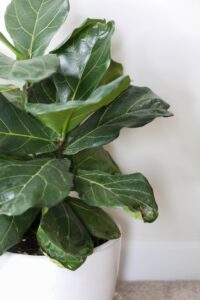
Native to the rainforests of western and central Africa, the Fiddle Leaf Fig Tree (Ficus lyrata) is a stunning plant with huge green leaves and an even larger following of houseplant fans. Despite its popularity, it’s certainly not the easiest houseplant to look after, but its visual impact in a space is unmatched when given proper conditions and care.
The Fiddle Leaf Fig appreciates a warm, humid environment, a fair amount of water and plenty of light. Choose a location away from air vents and drafts where the tree will receive plenty of bright ambient light. Directly in front of, or close by a southern or western facing window is ideal, and eastern exposure can also work as long as the plant is directly in the window and the space feels very bright. A few hours of direct sun is also beneficial. If placed in a full-sun location (where the plant will receive over 6 hours of direct light daily), a humid environment will keep your Fiddle Leaf looking its best. We do not recommend this plant for windows with northern exposure. They will not thrive in low-light locations.

If you’re unsure about your lighting conditions, placing the tree directly next to the window is the safest bet. We also have a guide for how to measure light in your space.

Fiddle Leaf Fig Trees are particularly sensitive to environmental changes. They will likely take a little time to adjust to their new home. Be sure to follow the care instructions, and don’t panic if yours loses a few leaves. If leaf discoloration or leaf loss persists, please reach out and we will help troubleshoot!

Lastly, if you are using a container made from organic materials to pot your Fiddle Leaf in, we highly recommend using a waterproof saucer underneath to protect your floors, as humidity may accumulate beneath the pot due to the volume of water this plant requires.

Fiddle Leaf Fig Leaf

The common name for this plant, Fiddle Leaf Fig, comes from the fact that the leaves are the size and shape of a fiddle.

Routine Maintenance

Always be sure to assess your plant’s watering needs upon receiving it. Before giving your plant a drink, it is best to check the moisture level in the soil first to ensure it isn’t moist right beneath the surface. Also, consider aerating the soil of your plant before the initial watering. Many growers compact the soil to avoid shifting during transit, so aerating can aid in drainage, help the soil breathe and allow moisture to be released.

The Fiddle Leaf Fig likes its soil to be kept consistently, evenly moist with a brief drying out period between watering as it comes from an area of the world that gets very dry between rain storms. Water it thoroughly whenever the top 2” of soil have dried. Allowing the soil to dry deep to the lower root system will lead to leaf loss, so be sure to check in with the soil regularly until you develop a routine with your plant. In contrast, too much moisture in the soil can lead to root rot and also cause leaves to drop.
The best way we have found to obtain an accurate moisture reading throughout the soil is with a soil probe, which allows you to check your plant’s moisture level at the root level and can also be used to aerate the soil if ever overwatered. Our Monitor Brass Soil Probe is an elegant option.

We highly recommend potting your Fiddle Leaf, as it is a challenging plant to keep alive long term in its nursery pot — however make sure to pot it in a permanent planter with plenty of soil mass and crucially, drainage. If your Fiddle Leaf Fig is planted in a container without a drainage hole, you must be very careful not to overwater. In this scenario we suggest allowing your Fiddle Leaf Fig to dry out slightly more between waterings and use a soil probe to see how damp the soil is at the root level before watering. These plants do particularly well in our self watering containers!

Frequently Asked Questions

Does my Ficus have a bacterial infection or root rot?

Probably not. Although the internet is ablaze with this diagnosis, we’ve found this affliction to be exceedingly rare in the thousands of Ficuses we’ve cared for through our sister company, Greenery NYC. It’s probably another problem such as low light or overwatering. However, we have a guide on how to identify fungal and bacterial leaf spotting if you’re interested in learning more.

Help! My Fiddle Leaf Fig dropped a leaf!

Ficus trees are sensitive to environmental change and transplanting. The dry, cold air is a big shift from the warm humidity of the greenhouse, and Ficus will temporarily go into shock and drop leaves. Don’t worry, this is a temporary state. It will take a couple of weeks for your tree to normalize and it might drop a couple of leaves in the process. However, if the leaves continue to drop it could be a sign of improper light or water.

My Fiddle Leaf Fig has brown spots and the leaves are dropping. What do I do?

The number one mistake most people make in taking care of their plants is overwatering. Fiddle Leaf Fig Trees prefer to dry out slightly between watering, and while they take a good deal of water to keep healthy, soggy soil will drown the plant. If your leaves start to brown and fall and the soil is moist, let the plant dry out until the soil becomes completely dry.

The second biggest mistake people make is not enough light. Fiddle Leafs need a lot of light to thrive and will start shedding their leaves if they’re not absorbing enough energy. If you’re unsure about where to put your plant, it’s best to place it by a window. For more information visit our lighting guide.

Under watering can also be a big killer of the fiddle leaf fig. When under watered, the rim of the leaves will start to brown and curl in, which will eventually spread throughout the leaf. Under watered leaves that have fallen will normally be either fully brown or mostly brown, and dry to the touch.

Brown fiddle leaf fig (ficus lyrata) leaf, due to over watering.Brown holes on a fiddle leaf fig leaf (Ficus lyrata) due to lack of light. LEFT: An example of overwatering on a dropped leaf. Note the browning spreading through the leaf’s veins from the central node (or midrib), a telltale sign that the plant has received excessive water. RIGHT: Brown spotting or holes in the leaves typically signal that the plant isn’t receiving enough light. This is common on the lower leaves of the tree, which can become shaded out over time.

How do I tell when my Fiddle Leaf Fig Tree needs water?

Once you’ve established that the top few inches of soil have dried, the easiest way to tell if your Fiddle Leaf needs water is to look at the leaves. If the leaves are not rigid and upright, and they start to look floppy, they’re telling you they need water. Be sure to check in regularly with your tree to ensure you don’t underwater until you establish a routine.

Underwatered Fiddle Leaf Fig / Ficus Lyrata before and afterAn underwatered Fiddle Leaf Fig tree on the left, and the same tree less than 24 hours later.

How much light is too much light for the Fiddle Leaf Fig?

Fiddle leaf fig sunburn.Sunburn on a Fiddle Leaf Fig’s leaves.

Fiddle Leaf Figs will generally do fine if placed right in front of a window in NYC. However, they can’t take extended periods of full sun (being placed outside on a sunny day). In extremely bright apartments (i.e. floor to ceiling windows) they may get sunburned, and in this instance your safest bet is putting them in front of the window with a sheer curtain. Do not block the light with a partial shade like a solar shade as they will block out the full spectrum of the sun’s radiation.

Can I put my Fiddle Leaf Fig Tree next to the AC / heater?

Fiddle Leaf Fig Trees are tropical plants that appreciate a humid environment. If conditions are too dry they will drop their leaves. While Fiddle Leafs will thrive in an air conditioned apartment, always avoid putting them in the direct line of fire for either AC or heating units. If their leaves are wagging from the air, it’s best to find another spot.

How often should I fertilize my Fiddle Leaf Fig?

In general, house plants will thrive when they are fertilized spring through fall. Fertilize once a month with an organic houseplant fertilizer, following the package instructions for dilution and administration. Greenery NYC uses an organic potting mix with a slow release fertilizer in the soil, so your plant will not need fertilizer within the first 6 months of receiving it.

How often does my Fiddle Leaf Fig need to be repotted?

For larger floor plants, we suggest repotting every 18-24 months. Typically you want to choose a potting vessel 2”- 4” larger in diameter to allow for growth. Don’t choose a pot much larger than the previous as this could drown the plants roots. If you prefer to maintain the current size of your plant, repot into the same vessel, providing new soil and trimming away some roots and foliage. Spring or summer is the ideal time to repot as the plant is at its strongest.

[geocentric_weather id=”c5b00a48-8396-43fe-aa23-de2faae505b1″]

[geocentric_about id=”c5b00a48-8396-43fe-aa23-de2faae505b1″]

[geocentric_neighborhoods id=”c5b00a48-8396-43fe-aa23-de2faae505b1″]

[geocentric_thingstodo id=”c5b00a48-8396-43fe-aa23-de2faae505b1″]

[geocentric_busstops id=”c5b00a48-8396-43fe-aa23-de2faae505b1″]

[geocentric_mapembed id=”c5b00a48-8396-43fe-aa23-de2faae505b1″]

[geocentric_drivingdirections id=”c5b00a48-8396-43fe-aa23-de2faae505b1″]

[geocentric_reviews id=”c5b00a48-8396-43fe-aa23-de2faae505b1″]