The Ultimate Guide to Emergency Tree Service: 24/7 Expert Solutions

Introduction

When a tree-related emergency strikes, every minute counts. Whether it’s a fallen tree, a branch obstructing power lines, or a storm-damaged tree threatening to collapse, prompt and professional emergency tree service is crucial to ensure safety and prevent further damage. At TruCo Services, we understand the importance of emergency tree service and have the expertise and equipment to handle even the most complex situations. In this article, we’ll explore what constitutes an emergency tree service, the benefits of hiring a professional, and how to choose the right emergency tree service for your needs.

According to a study by the National Arborist Association, tree-related emergencies can have devastating consequences, including property damage, injuries, and even fatalities. In fact, the study found that 73% of tree-related emergencies occur during severe weather events, such as hurricanes, tornadoes, and blizzards. With the increasing frequency and severity of extreme weather events, it’s more important than ever to have a reliable and trustworthy emergency tree service provider on call.

Click to view the The Ultimate Guide to Emergency Tree Service:/7 Expert Solutions.

What Constitutes an Emergency Tree Service?

Emergency tree service is a specialized service that requires prompt attention to address tree-related hazards that pose an immediate threat to people, property, or the environment. Unlike regular tree maintenance, emergency tree service involves responding to unexpected events, such as storms, accidents, or natural disasters, that require immediate attention.

Examples of situations that require emergency tree service include:

In these situations, prompt response is critical to prevent further damage, ensure safety, and minimize disruption to daily life.

Benefits of Hiring a Professional Emergency Tree Service

Hiring a professional emergency tree service provider offers numerous benefits, including:

Additionally, hiring a professional emergency tree service provider can help prevent further damage, reduce liability, and ensure compliance with local regulations and ordinances.

The Ultimate Guide to Emergency Tree Service:/7 Expert Solutions

Learn more about the The Ultimate Guide to Emergency Tree Service:/7 Expert Solutions here.

Common Emergency Tree Service Situations

At TruCo Services, we’ve responded to a wide range of emergency tree service situations, including:

Regardless of the situation, our team of experts is equipped to respond quickly and efficiently, ensuring safety and minimizing disruption.

How to Choose the Right Emergency Tree Service

When choosing an emergency tree service provider, consider the following factors:

At TruCo Services, we meet all of these criteria and more, with a team of experienced professionals, state-of-the-art equipment, and a commitment to safety and excellence.

The Importance of Safety in Emergency Tree Service

Safety is our top priority at TruCo Services, and we take every precaution to ensure that our team and our clients are protected during emergency tree service operations. We follow strict safety protocols, including:

We also conduct thorough risk assessments and develop customized safety plans for each emergency tree service operation, ensuring that we’re prepared for any situation that may arise.

Emergency Tree Service: A Step-by-Step Guide

At TruCo Services, we follow a step-by-step process to ensure that emergency tree service operations are completed safely and efficiently. Here’s an overview of our process:

  1. Assessment: We conduct a thorough assessment of the situation, including the size and location of the tree, the extent of the damage, and any potential hazards.
  2. Removal: We use specialized equipment and techniques to remove the tree or debris, taking care to prevent further damage or hazards.
  3. Debris cleanup: We remove all debris, including branches, leaves, and other materials, to prevent further damage or hazards.
  4. Inspection: We conduct a final inspection to ensure that the area is safe and clear of any hazards.

Our team of experts is trained to respond quickly and efficiently, ensuring that emergency tree service operations are completed safely and effectively.
The Ultimate Guide to Emergency Tree Service:/7 Expert Solutions

Preventing Emergency Tree Service Situations

While emergency tree service situations can’t always be prevented, regular tree maintenance can help reduce the risk of tree-related hazards. Here are some tips for preventing emergency tree service situations:

At TruCo Services, we offer a range of tree maintenance services, including pruning, trimming, and inspections, to help prevent emergency tree service situations and keep your trees healthy and strong.

Conclusion

In conclusion, emergency tree service is a critical service that requires prompt attention to address tree-related hazards that pose an immediate threat to people, property, or the environment. At TruCo Services, we have the expertise, equipment, and experience to handle even the most complex emergency tree service situations. By following our step-by-step guide and taking proactive steps to prevent emergency tree service situations, you can help ensure safety and minimize disruption to daily life.

If you’re facing an emergency tree service situation, don’t hesitate to contact us. Our team of experts is available/7 to respond quickly and efficiently, ensuring that emergency tree service operations are completed safely and effectively.

Find your new The Ultimate Guide to Emergency Tree Service:/7 Expert Solutions on this page.

Frequently Asked Questions

What is the average cost of emergency tree service?

The average cost of emergency tree service can vary depending on factors such as the size of the tree, location, and complexity of the job. However, according to a study by the National Arborist Association, the average cost of emergency tree service can range from $500 to $2,000 or more.

How quickly can TruCo Services respond to an emergency tree service request?

TruCo Services can respond to emergency tree service requests within 1-2 hours, depending on the location and availability of our team.

Do I need to hire a professional for emergency tree service, or can I do it myself?

While it may be tempting to try to handle emergency tree service situations on your own, it’s highly recommended to hire a professional. Emergency tree service requires specialized equipment, training, and expertise to ensure safety and prevent further damage.

What are the most common causes of tree-related emergencies?

According to the National Weather Service, the most common causes of tree-related emergencies include strong winds, lightning strikes, and heavy snowfall.

How can I prevent emergency tree service situations?

Regular tree maintenance, including pruning and inspections, can help prevent emergency tree service situations. Additionally, keeping an eye on weather forecasts and taking proactive steps to secure trees during severe weather events can also help prevent emergencies.

Key Takeaways

  • Emergency tree service is a critical service that requires prompt attention to address tree-related hazards that pose an immediate threat to people, property, or the environment.

    Hiring a professional emergency tree service provider offers numerous benefits, including safety, efficiency, and expertise.

    Regular tree maintenance, including pruning and inspections, can help prevent emergency tree service situations.

    At TruCo Services, we have the expertise, equipment, and experience to handle even the most complex emergency tree service situations.
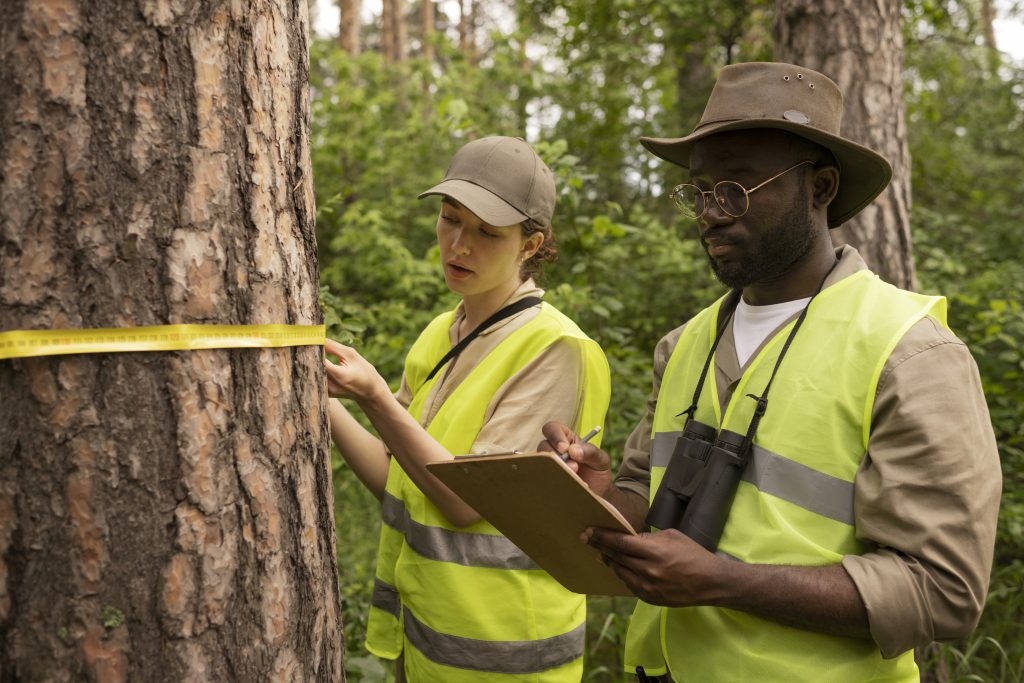
BEST PRACTICES FOR EMERGENCY TREE SERVICES

Emergency tree services refer to specialized procedures and interventions conducted by trained professionals to address urgent situations involving trees. These situations typically arise due to natural disasters, severe weather conditions, accidents, or the sudden onset of hazardous tree-related problems. The primary goal of emergency tree services is to mitigate risks, prevent further damage, and ensure the safety of people, property, and infrastructure. These services require swift and skilled responses to address the immediate challenges posed by fallen, damaged, or unstable trees.

Key Aspects of Emergency Tree Services

1. Tree Removal: Emergency tree services involve the prompt and safe removal of fallen, leaning, or hazardous trees. Professionals use specialized equipment and techniques to dismantle or cut down trees in a controlled manner, minimizing the risk of damage to surrounding structures.

2. Storm Damage Response: In the aftermath of severe storms, high winds, hurricanes, or tornadoes, emergency tree services address fallen trees, broken branches, and trees that pose an imminent threat to property or public safety.

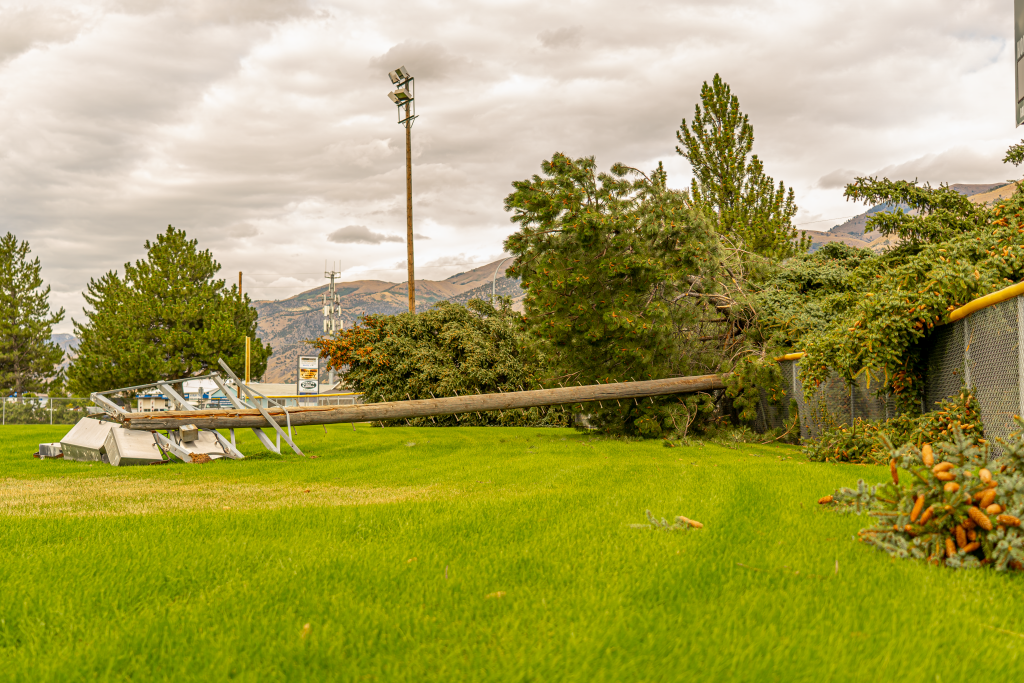
3. Utility Line Clearance: Fallen trees and branches can pose a significant risk to utility lines, including power lines and telephone cables. Emergency tree services involve safely removing trees and debris that are in contact with or near utility lines to prevent power outages, fires, or electrical hazards.

4. Public Safety: When trees or branches block roadways, pathways, or access points, emergency services are needed to clear the obstruction and restore safe passage for pedestrians and vehicles.

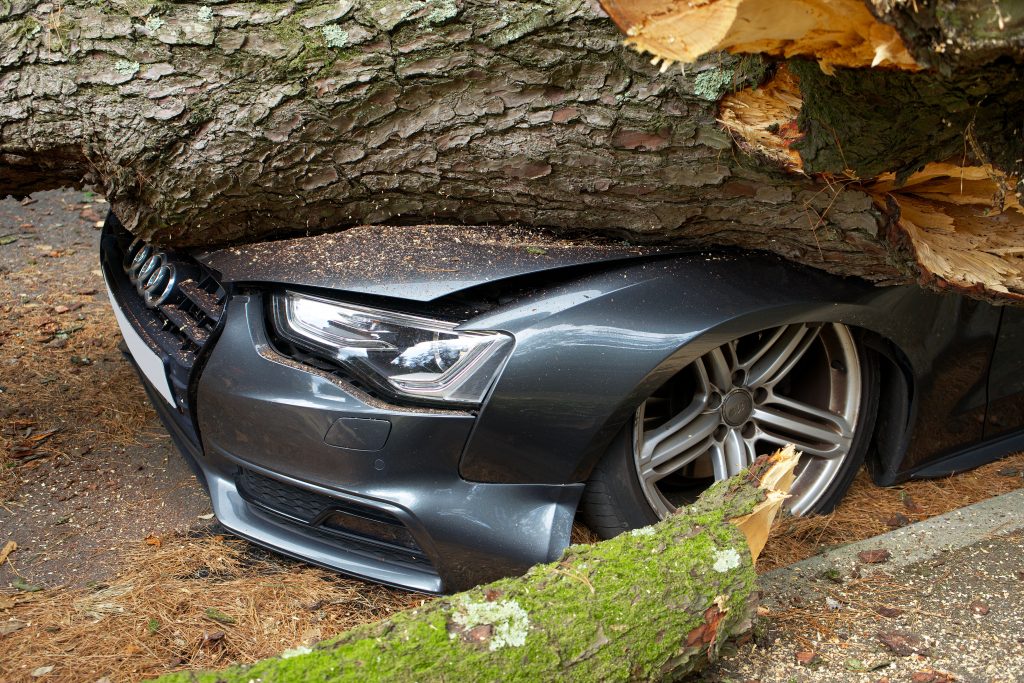
5. Structural Integrity: If a tree falls onto a building, vehicle, or other structures, emergency tree services assess the situation, stabilize the tree, and carefully remove it to prevent further damage and ensure safety.

6. Hazardous Tree Identification: Arborists and tree professionals assess the structural integrity and health of trees to identify potential hazards. Trees with compromised structural integrity due to disease, decay, or other factors may be targeted for removal to prevent future emergencies.

7. Quick Response: Emergency tree services require rapid response to prevent escalation of risks. Professionals are available around the clock to address urgent situations promptly.

8. Safety Measures: Safety is paramount during emergency tree services. Professionals are equipped with proper personal protective equipment (PPE) and follow safety protocols to avoid accidents and injuries.

9. Community Support: Emergency tree services often work in collaboration with local authorities, emergency response teams, and utility companies to coordinate efforts and ensure a comprehensive response.

Examples of Emergency Situations

• Fallen trees blocking roads or driveways
• Trees on the verge of collapsing onto structures or vehicles
• Trees leaning dangerously after a storm
• Trees entangled in utility lines
• Trees with branches that have broken or are at risk of falling
• Trees posing risks to public safety in public spaces

Overall, emergency tree services play a critical role in addressing immediate threats posed by trees in distress. Their expertise and rapid response help minimize risks, restore safety, and protect communities from potential hazards associated with fallen or damaged trees.

Importance of addressing tree-related emergencies promptly


Addressing tree-related emergencies promptly is of paramount importance due to the potential risks, dangers, and damages that can result from delayed or inadequate response. The urgency of addressing these emergencies stems from the need to ensure public safety, prevent property damage, and maintain the overall well-being of communities. Here’s why addressing tree-related emergencies promptly is crucial:

Public Safety

• Fallen or leaning trees can pose immediate dangers to pedestrians, vehicles, and structures. Addressing these hazards promptly helps prevent accidents, injuries, and even fatalities.

Property Protection

• Prompt response to tree-related emergencies can prevent trees from falling onto buildings, vehicles, power lines, and other structures, minimizing costly damage and repair expenses.

Infrastructure Preservation

• Fallen trees can damage roads, sidewalks, utility poles, and other infrastructure. Timely removal and mitigation efforts help preserve vital community infrastructure.

Rapid Recovery

• Addressing tree-related emergencies swiftly accelerates the recovery process after storms, ensuring that communities can resume normal activities sooner.

Prevention of Escalation

• A small issue with a tree, such as a cracked branch, can escalate into a major emergency if not addressed promptly. Taking early action prevents such situations from worsening.

Utility Line Safety

• Trees entangled in utility lines can cause power outages, fires, and electrical hazards. Quick response prevents disruptions in essential services and potential dangers.

Minimization of Secondary Risks

• Fallen trees or branches can obstruct roadways, impeding traffic flow and access for emergency responders. Timely removal restores access and facilitates emergency operations.

Community Resilience

• Prompt emergency tree services contribute to community resilience by minimizing disruptions and enhancing the ability of residents and businesses to recover swiftly from disasters.

Preservation of Ecosystem Health

• Timely interventions can prevent the spread of tree diseases, pests, or invasive species that could impact the health of other trees and ecosystems.
Legal and Liability Considerations

• Property owners and responsible parties have a legal duty to address tree-related hazards promptly. Failure to do so may lead to legal liabilities if accidents or damages occur.

Proactive Risk Management

• Addressing emergencies promptly aligns with proactive risk management strategies, reducing the likelihood of unforeseen accidents or incidents.

Community Confidence

• Swift response to emergencies demonstrates local authorities’ commitment to public safety and builds confidence within the community.

Addressing tree-related emergencies promptly is a critical responsibility for ensuring the safety and well-being of individuals, protecting property and infrastructure, and promoting the overall resilience of communities. Timely interventions minimize risks, mitigate damages, and contribute to a safer and more secure environment for everyone.
Potential Hazards and Risks Posed By Emergency Situations In Tree Services
Emergency situations in tree services can present a range of potential hazards and risks that require careful consideration and expert handling. These hazards can pose threats to both tree service professionals and the general public. Understanding these risks is crucial for effective planning, mitigation, and response during emergency tree service operations.

Here are some potential hazards and risks associated with emergency situations in tree services:

1. Structural Instability: Fallen or damaged trees may have compromised structural integrity, making them prone to unexpected collapses during removal or pruning.

2. Falling Limbs or Trees: While removing or pruning trees, there is a risk of limbs or the entire tree falling unexpectedly, endangering workers and bystanders.

3. Electrical Hazards: Trees entangled in utility lines can pose electrocution risks to workers. Power lines can be energized and carry deadly currents.

4. Equipment Malfunction: Chainsaws, ropes, cranes, and other equipment used in emergency tree services can malfunction, leading to accidents or injuries.

5. Climbing Hazards: Climbing trees to perform emergency services presents the risk of falls, especially if workers are not properly trained or equipped with safety gear.

6. Wildlife and Insects: Trees may be habitats for wildlife or infested with insects. Disturbing these can lead to bites, stings, or encounters with potentially dangerous animals.

7. Traffic and Public Safety: Emergency tree service operations near roadways can disrupt traffic flow and pose risks to motorists and pedestrians.

8. Weather Conditions: Working during adverse weather conditions such as rain, wind, or lightning can increase the risks associated with tree service operations.

9. Improper Equipment Use: Inadequate or improper use of equipment, such as chainsaws or ropes, can result in accidents, injuries, or fatalities.

10. Lack of Training and Experience: – Workers without proper training and experience in emergency tree services may make critical errors that lead to accidents or unsafe practices.

11. Unstable Terrain: – Emergency situations may occur in areas with unstable terrain, increasing the risk of slips, trips, and falls.

12. Hidden Hazards: – Trees may have hidden defects or dangers that are not immediately visible, making assessment and removal more complex.

13. Cross-Cutting Hazards: – Emergency tree service professionals working in teams may face risks of injuries due to miscommunication, improper coordination, or equipment conflicts.

14. Falling Debris: – Pruning or removing branches can lead to falling debris that can strike workers or bystanders, causing injuries.

15. Overhead Obstacles: – Emergency tree service workers need to be aware of overhead obstacles, such as nearby structures or other trees, which can complicate removal operations.

Mitigating these risks involves rigorous safety training, adherence to industry best practices, the use of proper safety equipment, site assessment, thorough planning, and clear communication among team members. Professional emergency tree service providers prioritize safety protocols to ensure that the risks associated with these hazardous situations are minimized, protecting both workers and the surrounding environment.

Safety Precautions and Preparation in Tree Services


Safety precautions and preparation are essential components of tree services to ensure the well-being of workers, clients, and the public. These measures help minimize risks, prevent accidents, and create a safe working environment. In emergency tree services, where the potential hazards are elevated, safety becomes even more critical. Here are key safety precautions and preparation steps in tree services:

1. Proper Training:

• Provide comprehensive training to all workers on safe tree service practices, equipment operation, and emergency protocols.

• Ensure that workers are certified and qualified to perform specific tasks, such as climbing, chainsaw operation, and rigging.

2. Personal Protective Equipment (PPE):

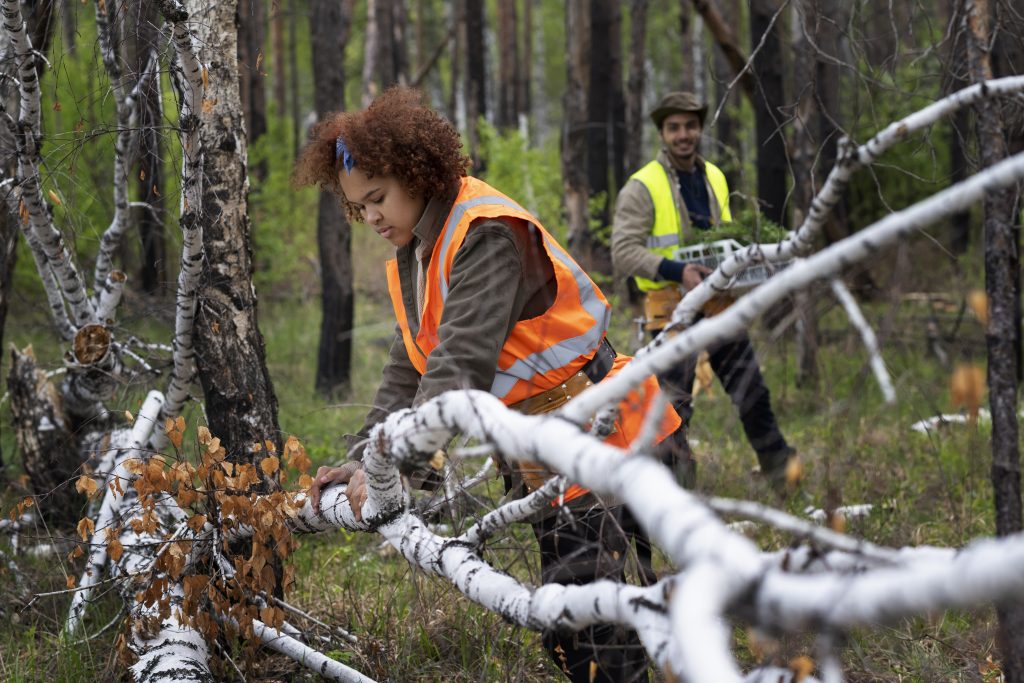
• Require all workers to wear appropriate PPE, including hard hats, eye protection, ear protection, gloves, chainsaw-resistant leg protection, and high-visibility clothing.

• Ensure that PPE is well-fitted, regularly inspected, and properly maintained.

3. Emergency Plans:

• Develop and communicate clear emergency response plans that outline procedures for various scenarios, including medical emergencies, equipment failures, and severe weather.

4. Site Assessment:

• Thoroughly assess the worksite for potential hazards before beginning any tree service operations. Identify risks such as power lines, unstable trees, and uneven terrain.

5. Equipment Inspection:

• Regularly inspect and maintain all equipment, including chainsaws, ropes, harnesses, and rigging gear. Faulty equipment can lead to accidents.

6. Risk Assessment:

• Conduct a risk assessment before starting any task. Identify potential dangers, evaluate their severity, and develop strategies to mitigate risks.

7. Communication:

• Establish clear communication channels among team members. Use hand signals, radios, or other means to maintain communication during tree service operations.

8. First Aid and Medical Training:

• Train workers in basic first aid and CPR. Ensure that a well-equipped first aid kit is available on site.

9. Weather Monitoring:

• Monitor weather conditions regularly and halt operations if adverse weather, such as lightning, strong winds, or heavy rain, poses a safety risk.

10. Equipment Handling:Properly use and maintain tools and equipment. Train workers in safe chainsaw operation, climbing techniques, and rigging methods.

11. Fall Protection: – Provide fall protection systems for workers who need to climb trees. Ensure that harnesses and ropes are correctly anchored and used.

12. Electrical Safety: – When working near power lines, follow utility company guidelines and maintain safe distances to prevent electrocution hazards.

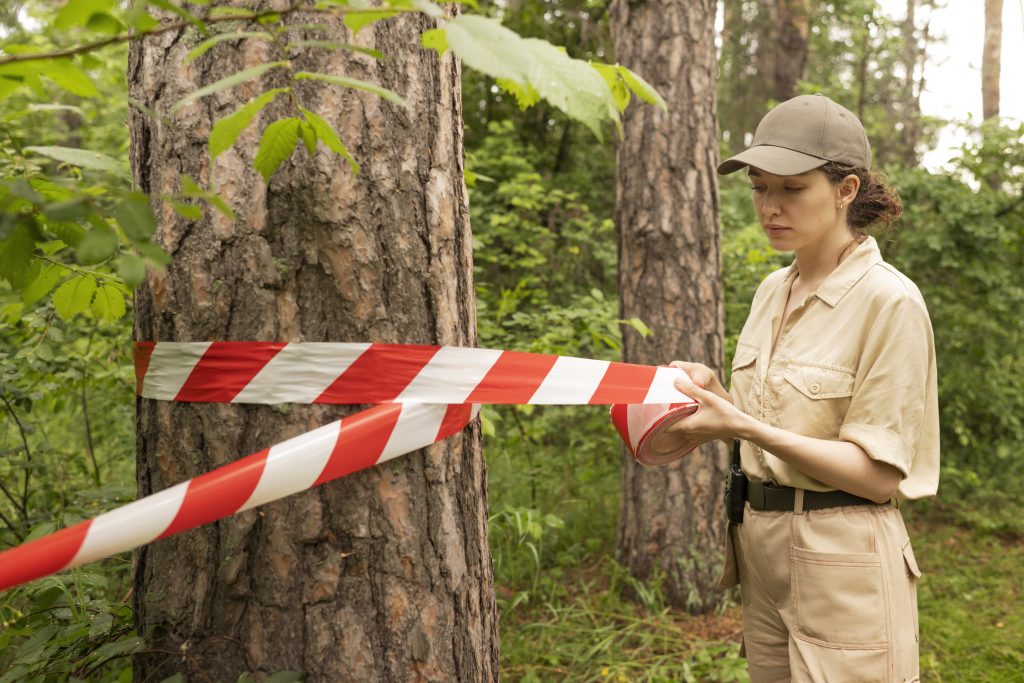
13. Site Control: – Establish a safe work zone by roping off the area, using warning signs, and keeping bystanders at a safe distance.

14. Continuous Training: – Keep workers up to date with the latest safety practices, regulations, and industry standards through ongoing training and professional development.

15. Emergency Equipment: – Have fire extinguishers, first aid kits, communication devices, and other emergency equipment readily available on site.

By implementing these safety precautions and preparation measures, tree service professionals can significantly reduce the likelihood of accidents, injuries, and incidents during tree service operations. A proactive safety culture not only protects workers but also enhances the reputation of the businessTree services who have best reputation in Utah and ensures a safe working environment for all involved.

[geocentric_weather id=”45ff4ccd-3d3f-498e-b0b9-91aaaf766bc4″]

[geocentric_about id=”45ff4ccd-3d3f-498e-b0b9-91aaaf766bc4″]

[geocentric_neighborhoods id=”45ff4ccd-3d3f-498e-b0b9-91aaaf766bc4″]

[geocentric_thingstodo id=”45ff4ccd-3d3f-498e-b0b9-91aaaf766bc4″]

[geocentric_busstops id=”45ff4ccd-3d3f-498e-b0b9-91aaaf766bc4″]

[geocentric_mapembed id=”45ff4ccd-3d3f-498e-b0b9-91aaaf766bc4″]

[geocentric_drivingdirections id=”45ff4ccd-3d3f-498e-b0b9-91aaaf766bc4″]

[geocentric_reviews id=”45ff4ccd-3d3f-498e-b0b9-91aaaf766bc4″]