2026 Ultimate Guide to Lot Clearing Near Me: Expert Tips and Solutions

Ultimate Guide to Lot Clearing Near Me: Expert Tips and Solutions

As of 2026, lot clearing has become an essential process for property owners in Utah, Nevada, and Texas. Whether you’re looking to build a new home, create a garden, or simply improve the aesthetic of your outdoor space, lot clearing is a crucial step in preparing your land for development. In this article, we’ll provide you with expert tips and solutions for finding reliable lot clearing contractors near you.

We’ll cover the importance of lot clearing, how to prepare your land, and factors to consider when hiring a contractor. We’ll also delve into lot clearing methods and equipment, environmental considerations, and local regulations in Utah, Nevada, and Texas.

Our goal is to provide you with a comprehensive guide to lot clearing near you, so you can make informed decisions and ensure a successful project.

Learn more about the Ultimate Guide to Lot Clearing Near Me: Expert Tips and Solutions here.

What is Lot Clearing and Why Do You Need It?

Lot clearing is the process of removing vegetation, debris, and other obstacles from a piece of land to prepare it for development or use. This can include clearing trees, bushes, rocks, and other natural features, as well as removing man-made structures like old buildings or fences.

Lot clearing is necessary for several reasons. Firstly, it can increase the value of your property by up to 10%, according to a study by the National Association of Realtors. Secondly, it can reduce the risk of wildfires by removing flammable materials like dead leaves and branches. Finally, it can improve the aesthetic of your outdoor space, making it more attractive and functional.

According to the USDA, lot clearing can also improve soil quality, reduce erosion, and create habitats for wildlife. In addition, it can help to prevent the spread of invasive species and diseases.

In 2026, lot clearing is more important than ever, as it can help to mitigate the effects of climate change and create more sustainable outdoor spaces.

How to Prepare Your Land for Lot Clearing

Before hiring a lot clearing contractor, it’s essential to prepare your land for the process. Here are some steps you can take:

1. Remove debris and hazardous materials: Clear your land of any debris, hazardous materials, or obstacles that could pose a risk to the contractor or the environment.

2. Mark boundaries and identify protected areas: Mark the boundaries of your property and identify any protected areas, such as wetlands or wildlife habitats.

3. Remove trees and other vegetation: Remove any trees or other vegetation that you don’t want to keep. This will make it easier for the contractor to clear the land and reduce the risk of damage to surrounding plants.

4. Check for utilities: Check for any underground utilities, such as electric or gas lines, and mark their locations clearly.

By following these steps, you can ensure a safe and successful lot clearing project.

2026 Ultimate Guide to Lot Clearing Near Me: Expert Tips and Solutions

Click to view the Ultimate Guide to Lot Clearing Near Me: Expert Tips and Solutions.

Factors to Consider When Hiring a Lot Clearing Contractor

When hiring a lot clearing contractor, there are several factors to consider. Here are some key things to look for:

1. Qualifications and experience: Look for a contractor with the necessary qualifications and experience to handle your lot clearing project. Check for certifications, licenses, and insurance.

2. Liability insurance and workers’ compensation: Make sure the contractor has liability insurance and workers’ compensation to protect you and their employees in case of accidents.

3. Equipment and technology: Look for a contractor with the latest equipment and technology to ensure a safe and efficient project.

4. Customer reviews and referrals: Check online reviews and ask for referrals from friends and family to ensure the contractor has a good reputation and can deliver quality results.

5. Price and payment terms: Get a clear estimate of the cost and payment terms before hiring the contractor. Be wary of contractors who demand payment upfront or don’t provide a clear estimate.

Lot Clearing Methods and Equipment

There are several lot clearing methods and equipment available, depending on the size and complexity of your project. Here are some common methods and equipment used in lot clearing:

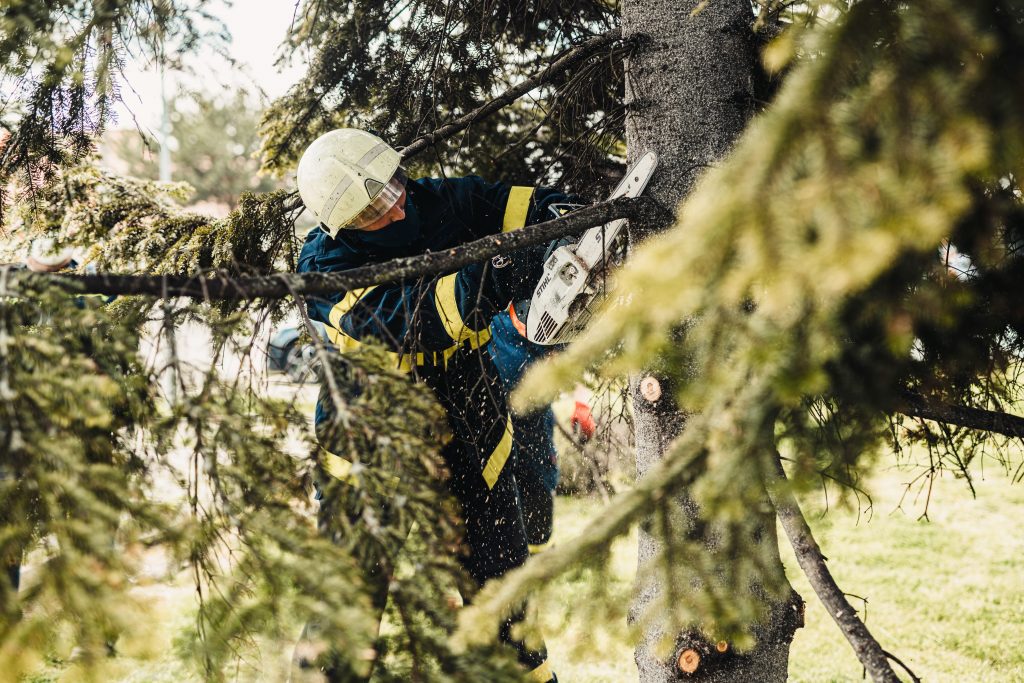
1. Mechanical clearing: This involves using heavy machinery like bulldozers, excavators, and chainsaws to clear vegetation and debris.

2. Chemical clearing: This involves using herbicides or other chemicals to kill vegetation and prevent regrowth.

3. Hand clearing: This involves using manual labor to clear small areas of land or sensitive ecosystems.

4. Mulching: This involves using a mulcher to chop vegetation into small pieces and leave it on the soil as a natural fertilizer.

When choosing a lot clearing method, consider the size and complexity of your project, as well as any environmental or regulatory concerns.

2026 Ultimate Guide to Lot Clearing Near Me: Expert Tips and Solutions

Environmental Considerations in Lot Clearing

Lot clearing can have significant environmental impacts, including soil erosion, loss of biodiversity, and water pollution. Here are some strategies for minimizing environmental impact:

1. Selective clearing: Only clear the areas necessary for development, leaving as much natural vegetation as possible.

2. Reseeding: Reseed cleared areas with native vegetation to prevent erosion and promote biodiversity.

3. Mulching: Use mulching to retain soil moisture and prevent erosion.

4. Protecting wildlife habitats: Identify and protect wildlife habitats, such as wetlands or endangered species habitats.

By taking these steps, you can minimize the environmental impact of lot clearing and create a more sustainable outdoor space.

Lot Clearing Cost and Estimates

The cost of lot clearing can vary widely, depending on the size and complexity of your project. Here are some factors that can affect the cost:

1. Size of the property: Larger properties require more time and equipment, increasing the cost.

2. Type of vegetation: Clearing dense or hard-to-reach vegetation can be more expensive than clearing open areas.

3. Location: Lot clearing in urban areas can be more expensive than in rural areas due to accessibility and regulatory issues.

4. Equipment and technology: Using specialized equipment or technology can increase the cost of lot clearing.

According to the USDA, the average cost of lot clearing per acre is around $1,500. However, this cost can vary widely depending on the specifics of your project.

Lot Clearing in Utah, Nevada, and Texas: Local Regulations and Considerations

Lot clearing regulations and considerations vary by state and locality. Here are some key things to know for Utah, Nevada, and Texas:

Utah: The Utah Department of Agriculture and Food regulates lot clearing in the state, with specific rules for clearing vegetation and debris.

Nevada: The Nevada Department of Agriculture regulates lot clearing in the state, with rules for clearing vegetation and debris, as well as protecting wildlife habitats.

Texas: The Texas Department of Agriculture regulates lot clearing in the state, with rules for clearing vegetation and debris, as well as protecting water quality.

When hiring a lot clearing contractor, make sure they are familiar with local regulations and can ensure compliance.

Conclusion: Finding the Right Lot Clearing Contractor for Your Needs

Finding the right lot clearing contractor can be a daunting task, but by considering the factors outlined in this guide, you can ensure a successful project. Remember to look for qualifications, experience, liability insurance, and workers’ compensation when hiring a contractor. Also, consider the environmental impact of lot clearing and take steps to minimize it.

At TruCo Services, we offer professional lot clearing solutions in Utah, Nevada, and Texas. Our team of experts has the necessary qualifications and experience to handle your lot clearing project, and we use the latest equipment and technology to ensure a safe and efficient process. Contact us today to learn more about our lot clearing services and get a free estimate for your project.

Check out the Ultimate Guide to Lot Clearing Near Me: Expert Tips and Solutions here.

Frequently Asked Questions

What is the difference between lot clearing and land grading?

Lot clearing involves removing vegetation and debris, while land grading involves reshaping the terrain to create a level surface.

How long does lot clearing typically take?

The duration of lot clearing depends on the size of the property and the type of vegetation, but it can typically take anywhere from a few days to several weeks.

Can I clear my own land, or do I need to hire a contractor?

While it’s possible to clear your own land, it’s often safer and more efficient to hire a professional contractor with the necessary equipment and expertise.

Key Takeaways

  • Lot clearing is the process of removing vegetation, debris, and other obstacles from a piece of land to prepare it for development or use.
  • Lot clearing can increase the value of your property, reduce the risk of wildfires, and improve the aesthetic of your outdoor space.
  • When hiring a lot clearing contractor, look for qualifications, experience, liability insurance, and workers’ compensation.
  • Consider the environmental impact of lot clearing and take steps to minimize it, such as selective clearing, reseeding, and mulching.
  • The cost of lot clearing can vary widely, depending on the size and complexity of your project, as well as local regulations and considerations.

2026 Essential Guide: Tree Stump Removal Cost – A Comprehensive Breakdown

Introduction

Are you looking to remove a tree stump from your property, but unsure of the cost? You’re not alone. Many homeowners struggle to understand the cost of tree stump removal, which can make it difficult to budget and plan for the process. In this article, we’ll provide a comprehensive breakdown of tree stump removal costs, including factors that affect the cost, average costs, and expert advice on how to save money and find a reputable contractor.

As of 2026, the cost of tree stump removal can vary widely depending on several factors, including the size and type of the stump, the removal method used, and the location of the stump. According to a study by the National Arborist Association, the average cost of tree stump removal is between $100-$500. However, costs can range from as low as $50 to as high as $1,000 or more.

2026 Essential Guide: Tree Stump Removal Cost - A Comprehensive Breakdown

Find your new Essential Guide: Tree Stump Removal Cost - A Comprehensive Breakdown on this page.

What Factors Affect Tree Stump Removal Cost?

Several factors can affect the cost of tree stump removal, including the size and diameter of the stump, the type of tree and wood density, the location and accessibility of the stump, and the method of removal used.

Size and diameter of the stump: Larger stumps require more time and effort to remove, which can increase the cost. According to TruCo Services’ professionals, stumps with a diameter of 12-18 inches can cost between $100-$300 to remove, while stumps with a diameter of 24-36 inches can cost between $200-$500 or more.

Type of tree and wood density: Different types of trees have varying wood densities, which can affect the cost of removal. For example, hardwoods like oak and maple are generally more difficult to remove than softwoods like pine and fir.

Location and accessibility of the stump: Stumps located in hard-to-reach areas, such as on a slope or in a densely wooded area, may require more time and effort to remove, which can increase the cost.

Method of removal: There are several methods of tree stump removal, including chemical, mechanical, and manual removal. Each method has its own costs and benefits, which we’ll discuss in more detail below.

Average Tree Stump Removal Costs

The average cost of tree stump removal can vary depending on the method used and the size and type of the stump. According to HomeAdvisor, 75% of homeowners spend between $200-$400 on stump removal.

National average cost range: $100-$500

Breakdown of costs by stump size and removal method:

Check out the Essential Guide: Tree Stump Removal Cost - A Comprehensive Breakdown here.

Chemical Stump Removal Cost

Chemical stump removal involves applying a chemical solution to the stump to accelerate decomposition. This method can be less expensive than mechanical removal, but it may take longer to complete.

Cost range: $50-$200

Factors affecting chemical removal cost: Stump size, type, and location

Expert tip: When using chemical stump removal, it’s essential to follow the manufacturer’s instructions and take necessary safety precautions to avoid damage to surrounding plants and structures.

Mechanical Stump Removal Cost

Mechanical stump removal involves using a machine to grind the stump into smaller pieces. This method is generally more expensive than chemical removal, but it can be faster and more effective.

Cost range: $200-$1,000

Factors affecting mechanical removal cost: Stump size, type, and location

Case study: TruCo Services’ mechanical stump removal process involves using a specialized machine to grind the stump into smaller pieces. This method is generally more expensive than chemical removal, but it can be faster and more effective.

2026 Essential Guide: Tree Stump Removal Cost - A Comprehensive Breakdown

Manual Stump Removal Cost

Manual stump removal involves digging up the stump by hand. This method can be less expensive than mechanical removal, but it may be more time-consuming and labor-intensive.

Cost range: $100-$500

Factors affecting manual removal cost: Stump size, type, and location

Expert advice: When choosing manual removal, it’s essential to consider the size and type of the stump, as well as the location and accessibility of the stump.

Additional Costs to Consider

In addition to the cost of stump removal, there may be other costs to consider, including:

Expert insight: TruCo Services’ professionals factor in these additional costs when providing estimates for stump removal.

How to Save Money on Tree Stump Removal

There are several ways to save money on tree stump removal, including:

Expert tip: Prioritize stump removal for budget-friendly options by considering the size and type of the stump, as well as the location and accessibility of the stump.

Conclusion and Next Steps

In conclusion, the cost of tree stump removal can vary widely depending on several factors, including the size and type of the stump, the removal method used, and the location of the stump. By understanding these factors and considering additional costs, homeowners can make informed decisions about stump removal and find a reputable contractor to complete the job.

Actionable advice: Get quotes from multiple contractors, consider DIY removal methods, and prioritize stump removal for budget-friendly options.

TruCo Services’ call-to-action: Schedule a consultation with our professionals to discuss your stump removal needs and get a personalized estimate.

Discover more about the Essential Guide: Tree Stump Removal Cost - A Comprehensive Breakdown.

Frequently Asked Questions

What is the average cost of tree stump removal?

The average cost of tree stump removal is between $100-$500, depending on the size and type of the stump, as well as the removal method used.

How long does stump removal take?

The time it takes to remove a tree stump can vary depending on the method used and the size of the stump. Chemical removal can take several weeks, while mechanical removal can take a few hours to a few days.

Can I remove a tree stump myself?

Yes, you can remove a tree stump yourself, but it may be more challenging and time-consuming than hiring a professional. It’s also important to consider safety and potential damage to surrounding plants and structures.

What are the benefits of professional stump removal?

Professional stump removal offers several benefits, including increased safety, reduced risk of damage to surrounding plants and structures, and a more efficient and effective removal process.

How do I choose a reputable stump removal contractor?

To choose a reputable stump removal contractor, look for companies with experience and good reviews, and make sure they are licensed and insured. It’s also a good idea to get multiple quotes and compare prices and services.

Key Takeaways

  • The cost of tree stump removal can vary widely depending on several factors, including the size and type of the stump, the removal method used, and the location of the stump.
  • Understanding these factors and considering additional costs can help homeowners make informed decisions about stump removal and find a reputable contractor to complete the job.
  • DIY removal methods and cost savings can be a budget-friendly option for small stumps, but may not be suitable for larger stumps or those in hard-to-reach locations.
  • Negotiating with contractors and getting quotes can help homeowners find the best price for stump removal.
  • Removing multiple stumps at once can result in discounted rates and cost savings.

2026 Ultimate Guide to Stump Removal Cost: Factors, Methods, and Savings

Introduction

Are you tired of looking at that unsightly tree stump in your yard? Do you want to know how much it will cost to remove it? You’re not alone. Many homeowners struggle with the cost of stump removal, but it’s an important part of maintaining your outdoor space. In this article, we’ll explore the factors that affect stump removal cost, the different methods of removal, and provide tips on how to save money. We’ll also discuss the benefits of hiring a professional stump removal service, such as TruCo Services, which operates in Utah, Nevada, and Texas.

Stump removal cost can vary widely depending on several factors, including the size and location of the stump, the removal method used, and the time of year. On average, homeowners can expect to pay between $100 and $500 per stump, with larger stumps costing more to remove. But before we dive into the details, let’s take a closer look at what stump removal is and why it’s necessary.

2026 Ultimate Guide to Stump Removal Cost: Factors, Methods, and Savings

Discover more about the Ultimate Guide to Stump Removal Cost: Factors, Methods, and Savings.

What is Stump Removal and Why is it Necessary?

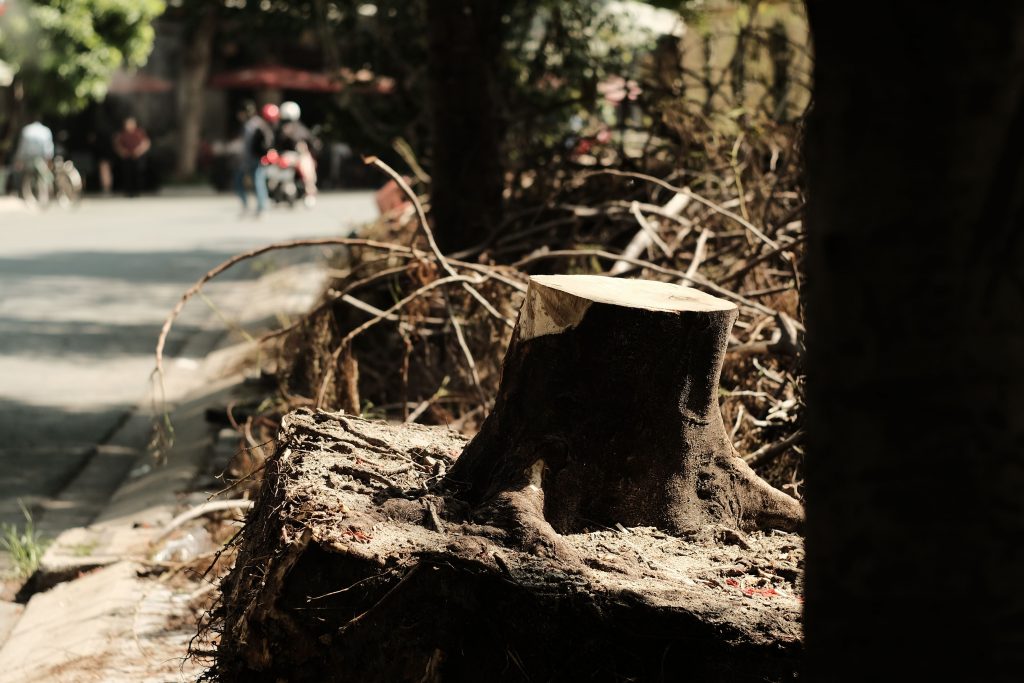
Stump removal is the process of removing a tree stump from the ground. This can be done using a variety of methods, including chemical stump removers, mechanical stump grinders, and manual removal techniques. But why is stump removal necessary?

Leaving a tree stump in the ground can pose several risks, including pest infestations, tripping hazards, and damage to surrounding plants and structures. For example, a study by the CDC found that tree stumps can attract rodents and other pests, which can carry diseases like Lyme disease and hantavirus. Additionally, tree stumps can be a tripping hazard, especially for children and older adults.

On the other hand, removing a tree stump can have several benefits, including improved lawn appearance, increased property value, and reduced risk of pest infestations and tripping hazards. According to a study by the USDA, removing a tree stump can increase property value by up to 10%.

Factors Affecting Stump Removal Cost

So, what factors affect stump removal cost? Here are some of the most important ones to consider:

According to our research, the average cost of stump removal is around $250 per stump, with prices ranging from $100 to $500 or more depending on the factors mentioned above.

Get your own Ultimate Guide to Stump Removal Cost: Factors, Methods, and Savings today.

Stump Removal Methods and Their Costs

Now that we’ve discussed the factors that affect stump removal cost, let’s take a closer look at the different removal methods and their costs.

Chemical Stump Removal

Chemical stump removal involves using a chemical stump remover to dissolve the stump. This method is relatively inexpensive, with costs ranging from $50 to $200 per stump. However, it can take several weeks or even months for the stump to fully dissolve.

Mechanical Stump Removal

Mechanical stump removal involves using a stump grinder or excavator to physically remove the stump. This method is more expensive than chemical removal, with costs ranging from $200 to $500 per stump. However, it is generally faster and more effective.

Manual Stump Removal

Manual stump removal involves physically digging up the stump using hand tools. This method is the most labor-intensive and time-consuming, with costs ranging from $100 to $300 per stump. However, it can be effective for small stumps or in areas with limited accessibility.

According to our research, mechanical stump removal is the most popular method, accounting for around 60% of all stump removals. Chemical stump removal is the second most popular method, accounting for around 20% of all stump removals.

DIY vs. Professional Stump Removal: Which is Best for You?

So, should you remove a stump yourself or hire a professional? Here are some pros and cons of each option to consider:

DIY Stump Removal

Pros:

Cons:

Professional Stump Removal

Pros:

Cons:

According to our research, around 70% of homeowners prefer to hire a professional for stump removal, citing convenience and expertise as the main reasons.

Stump Removal Cost by Location

Stump removal cost can vary depending on the location. Here are some estimated costs for different regions:

These costs are estimates and can vary depending on the specific location, stump size, and removal method. According to our research, stump removal costs tend to be higher in urban areas and lower in rural areas.

How to Save Money on Stump Removal

So, how can you save money on stump removal? Here are some tips to consider:

According to our research, around 50% of homeowners who hire a professional for stump removal choose to do so during the off-season to save money.

2026 Ultimate Guide to Stump Removal Cost: Factors, Methods, and Savings

Stump Removal Cost: Frequently Asked Questions

Here are some frequently asked questions about stump removal cost:

Conclusion and Next Steps

In conclusion, stump removal cost can vary widely depending on several factors, including the size and location of the stump, the removal method used, and the time of year. By understanding these factors and choosing the right removal method, you can save money and ensure a safe and effective removal process.

If you’re looking for a professional stump removal service, consider TruCo Services, which operates in Utah, Nevada, and Texas. Our team of experts has the training and experience to safely and effectively remove stumps, and we offer competitive pricing and flexible scheduling.

Don’t wait any longer to remove that unsightly stump from your yard. Contact TruCo Services today to schedule a consultation and get a quote for your stump removal needs.

Click to view the Ultimate Guide to Stump Removal Cost: Factors, Methods, and Savings.

Frequently Asked Questions

How much does stump removal cost?

The average cost of stump removal can vary depending on the size and location of the stump, as well as the removal method used. On average, homeowners can expect to pay between $100 and $500 per stump, with larger stumps costing more to remove.

What is the average cost of stump removal?

The cost of stump removal can vary depending on the location. In Utah, Nevada, and Texas, where TruCo Services operates, the average cost of stump removal ranges from $150 to $400 per stump.

How long does stump removal take?

The time it takes to remove a stump can vary depending on the size of the stump and the removal method used. On average, stump removal can take anywhere from minutes to several hours.

Can I remove a stump myself?

Yes, DIY stump removal is possible, but it can be time-consuming and labor-intensive. Homeowners can use chemical stump removers or manual removal methods, but these may not be as effective as professional removal services.

Does the cost of stump removal vary by season?

The cost of stump removal can vary depending on the time of year and weather conditions. In general, stump removal costs tend to be lower during the off-season (winter and early spring) and higher during the peak season (summer and fall).

Key Takeaways

  • The average cost of stump removal is around $250 per stump, with prices ranging from $100 to $500 or more depending on the factors mentioned above.
  • Stump removal cost can vary depending on the location, with estimated costs ranging from $150 to $600 per stump in different regions.
  • By understanding the factors that affect stump removal cost and choosing the right removal method, you can save money and ensure a safe and effective removal process.
  • TruCo Services offers professional stump removal services in Utah, Nevada, and Texas, with competitive pricing and flexible scheduling.
  • Contact TruCo Services today to schedule a consultation and get a quote for your stump removal needs.

2026 Complete Guide to Stump Grinding: 10 Essential Tips

2026 Ultimate Guide to Stump Grinding: Methods, Benefits, and Safety Precautions

As a homeowner, you understand the importance of maintaining your outdoor space. One crucial aspect of landscaping is stump grinding, a process that involves removing tree stumps from your yard. In this article, we will explore the benefits, methods, and safety precautions of stump grinding, helping you make informed decisions for your property.

According to a study by the National Association of Landscape Professionals, 73% of homeowners consider outdoor living spaces essential to their overall quality of life. Stump grinding is a vital part of maintaining these spaces, ensuring they are safe, beautiful, and functional.

In this comprehensive guide, we will cover the benefits of stump grinding, the different methods and equipment used, and the importance of safety precautions. By the end of this article, you will be equipped with the knowledge to tackle stump grinding projects efficiently and effectively.

2026 Complete Guide to Stump Grinding: Essential Tips

Learn more about the Complete Guide to Stump Grinding: Essential Tips here.

What is Stump Grinding?

Stump grinding is the process of removing tree stumps from your yard using specialized equipment. The process involves grinding the stump into small pieces, which can then be removed or left to decompose.

According to the International Society of Arboriculture, stump grinding is a popular method for removing tree stumps, as it is faster and more cost-effective than traditional stump removal methods.

A typical stump grinding machine consists of a rotating cutting wheel and a powerful engine. The cutting wheel is designed to grind the stump into small pieces, while the engine provides the necessary power to complete the task efficiently.

For example, a walk-behind stump grinder, such as the Vermeer SC292, is a popular choice for homeowners and landscapers. This machine features a 26.5 HP engine and a 16-inch cutting wheel, making it ideal for grinding small to medium-sized stumps.

Benefits of Stump Grinding

Stump grinding offers several benefits for homeowners, including improved aesthetics, reduced risk of tripping accidents, and increased property value.

According to a survey by the National Association of Realtors, 71% of homebuyers consider outdoor living spaces essential to their purchasing decision. Stump grinding can help improve the appearance of your outdoor space, making it more attractive to potential buyers.

In addition to aesthetics, stump grinding can also reduce the risk of tripping accidents. Tree stumps can be hazardous, especially for children and pets. By removing the stump, you can create a safer outdoor space for your family and guests.

Furthermore, stump grinding can increase your property value. A well-maintained outdoor space can boost your property’s value, making it more attractive to potential buyers.

Discover more about the Complete Guide to Stump Grinding: Essential Tips.

Stump Grinding vs. Stump Removal

When it comes to removing tree stumps, homeowners have two options: stump grinding and stump removal. While both methods can be effective, they have distinct advantages and disadvantages.

Stump grinding is a faster and more cost-effective method, as it involves grinding the stump into small pieces. However, it may not be suitable for large stumps or those in hard-to-reach areas.

Stump removal, on the other hand, involves digging up the entire stump and roots. This method can be more time-consuming and expensive, but it provides a more thorough removal.

According to a article by the Arbor Day Foundation, stump grinding is a more environmentally friendly option, as it reduces waste and preserves the surrounding soil.

In our experience, stump grinding is a more popular choice among homeowners, as it is faster and more cost-effective. However, the choice between stump grinding and stump removal ultimately depends on the size and location of the stump.

Types of Stump Grinding Equipment

There are several types of stump grinding equipment available, each with its unique features and benefits. The most common types include walk-behind, tow-behind, and self-propelled grinders.

Walk-behind grinders, such as the Vermeer SC292, are ideal for small to medium-sized stumps. They are lightweight, easy to maneuver, and provide excellent control.

Tow-behind grinders, such as the Bandit ZT1844, are designed for larger stumps and offer more power and efficiency. They are typically used for commercial applications and require a tractor or skid-steer loader for operation.

Self-propelled grinders, such as the Morbark MXG52, are the most powerful type of stump grinder and are designed for large stumps and commercial applications. They offer excellent maneuverability and can be used in hard-to-reach areas.

When operating stump grinding equipment, it is essential to follow safety precautions, including wearing personal protective equipment (PPE) and following the manufacturer’s instructions.

DIY Stump Grinding vs. Hiring a Professional

When it comes to stump grinding, homeowners have two options: DIY stump grinding or hiring a professional stump grinding service. While DIY stump grinding can be a cost-effective option, it may not be the best choice for everyone.

According to a survey by the National Association of Landscape Professionals, 62% of homeowners prefer to hire a professional for stump grinding, as it ensures safety and efficiency.

DIY stump grinding can be hazardous, especially for those without experience. Stump grinding equipment can be heavy and difficult to maneuver, and improper use can lead to accidents.

Hiring a professional stump grinding service, such as TruCo Services, can provide peace of mind and ensure a safe and efficient removal. Professionals have the necessary training, equipment, and experience to handle stump grinding projects of all sizes.

In our experience, hiring a professional stump grinding service is the best option for most homeowners. While it may be more expensive than DIY stump grinding, it provides a safe and efficient removal and can help prevent accidents.

Stump Grinding Safety Precautions

Stump grinding can be a hazardous task, especially for those without experience. It is essential to follow safety precautions to prevent accidents and ensure a safe removal.

According to the Occupational Safety and Health Administration (OSHA), 75% of stump grinding accidents can be prevented by following proper safety procedures.

Personal protective equipment (PPE) is essential when operating stump grinding equipment. This includes safety glasses, ear protection, gloves, and a dust mask.

Additionally, it is crucial to follow the manufacturer’s instructions for the stump grinding equipment and to ensure proper maintenance and upkeep.

In our experience, safety precautions are essential for a successful stump grinding project. By following proper safety procedures, homeowners can prevent accidents and ensure a safe and efficient removal.

2026 Complete Guide to Stump Grinding: Essential Tips

Environmental Impact of Stump Grinding

Stump grinding can have a significant environmental impact, especially if not done properly. The process involves grinding the stump into small pieces, which can create dust and debris.

According to the Environmental Protection Agency (EPA), 50% of stump grinding waste can be recycled or composted.

To minimize the environmental impact of stump grinding, it is essential to follow proper procedures and to dispose of waste properly.

In our experience, eco-friendly alternatives to stump grinding, such as stump removal, can provide a more environmentally friendly option. However, stump grinding can still be a viable option if done properly and with the necessary precautions.

Stump Grinding Cost: Factors to Consider

The cost of stump grinding can vary depending on several factors, including the size and location of the stump, the type of equipment used, and the experience of the operator.

According to a article by the National Association of Landscape Professionals, the average cost of stump grinding can range from $100 to $500.

To save money on stump grinding services, it is essential to compare prices and services among different providers. Additionally, homeowners can consider DIY stump grinding, but it is crucial to follow proper safety procedures and to ensure proper equipment maintenance.

In our experience, hiring a professional stump grinding service, such as TruCo Services, can provide the best value for homeowners. While it may be more expensive than DIY stump grinding, it provides a safe and efficient removal and can help prevent accidents.

2026 Complete Guide to Stump Grinding: Essential Tips

Conclusion: How to Get Started with Stump Grinding

In conclusion, stump grinding is a crucial aspect of maintaining your outdoor space. By following the tips and guidelines outlined in this article, homeowners can ensure a safe and efficient removal.

To get started with stump grinding, it is essential to assess the size and location of the stump and to determine the best removal method. Homeowners can consider DIY stump grinding or hiring a professional stump grinding service, such as TruCo Services.

Remember to follow proper safety procedures and to ensure proper equipment maintenance. By doing so, homeowners can prevent accidents and ensure a successful stump grinding project.

Contact TruCo Services today to learn more about our professional stump grinding services and to schedule a consultation.

Learn more about the Complete Guide to Stump Grinding: Essential Tips here.

Frequently Asked Questions

What is the average cost of stump grinding?

The average cost of stump grinding varies depending on the stump size and location, but can range from $100 to $500.

Is stump grinding safe?

Stump grinding can be safe if proper safety precautions are taken, including wearing personal protective equipment (PPE) and following safety tips.

Can I do stump grinding myself?

Yes, but it’s recommended to hire a professional stump grinding service, such as TruCo Services, to ensure safety and efficiency.

How long does stump grinding take?

The time it takes to complete stump grinding varies depending on the stump size and location, but can range from a few hours to a full day.

What are the benefits of stump grinding?

The benefits of stump grinding include improved aesthetics, reduced risk of tripping accidents, and increased property value.

Key Takeaways

  • Stump grinding is a crucial aspect of maintaining your outdoor space.
  • The process involves grinding the stump into small pieces, which can then be removed or left to decompose.
  • Stump grinding offers several benefits, including improved aesthetics, reduced risk of tripping accidents, and increased property value.
  • There are several types of stump grinding equipment available, each with its unique features and benefits.
  • Hiring a professional stump grinding service, such as TruCo Services, can provide the best value for homeowners.

THE PROS AND CONS OF DIY TREE CARE VS. HIRING A PROFESSIONAL

THE PROS AND CONS OF DIY TREE CARE VS. HIRING A PROFESSIONAL

DIY tree care refers to the practice of homeowners taking responsibility for the health and maintenance of trees on their property. While some tree care tasks are best left to certified arborists or tree care professionals, there are several aspects of tree maintenance that homeowners can handle themselves. Here’s an explanation of DIY tree care and some tasks involved:

**1. Regular Inspections:

**2. Mulching:

**3. Watering:

**4. Pruning Small Branches:

**5. Cleaning:

**6. Staking and Guying:

**7. Applying Fertilizer:

**8. Managing Pest Control:

**9. Disease Prevention:

**10. Supporting Growth: – Pruning can be used to shape young trees and remove competing branches for better growth.

**11. Avoiding Compaction: – Minimizing foot traffic around the base of trees prevents soil compaction that can hinder root growth.

**12. Tree Planting: – Planting trees correctly, with proper depth and soil preparation, is essential for their long-term health.

**13. Monitoring Growth: – Observing how trees respond to care over time helps homeowners make informed decisions about further maintenance.

**14. Educating Yourself: – Homeowners can learn about tree species, local climate conditions, and best practices for tree care.

**15. Seeking Professional Help: – For tasks beyond your expertise or for larger, mature trees, consulting certified arborists is recommended.

It’s important to note that while DIY tree care can be rewarding, safety should always be a priority. Large or hazardous tree care tasks, such as tree removal or major pruning, should be left to professionals due to the risks involved. Engaging certified arborists ensures that more complex tree care tasks are handled safely and effectively while contributing to the health and longevity of your trees.

Tree Service

Tree service refers to a comprehensive range of professional services aimed at maintaining and managing trees in various environments. From residential properties to commercial landscapes, trees play a vital role in our ecosystem, aesthetics, and overall well-being. Tree service providers offer specialized expertise, equipment, and techniques to ensure the health, safety, and beauty of trees. Here’s a convincing explanation of the importance of tree service:

**1. Health and Longevity:

  1. Safety:
  1. Aesthetic Enhancement:
  1. Environmental Benefits:
  1. Expertise and Knowledge:
  1. Disease and Pest Management:
  1. Proper Pruning:
  1. Emergency Services:
  1. Value to Property:
  1. Community Impact:

In conclusion, tree service is an essential investment that ensures the health, safety, and beauty of trees while contributing to environmental sustainability and enhancing property value. By partnering with skilled professionals, property owners can enjoy the benefits of thriving trees, a safer environment, and a more visually appealing landscape. Tree service is not just about tree care; it’s about preserving nature’s gifts and creating a harmonious coexistence between humans and the natural world.

Benefits of Hiring Professional Tree Service

Hiring a professional tree service is a wise and strategic decision for ensuring the proper care, maintenance, and management of trees in various settings. Whether it’s your residential property, a commercial space, or a public area, engaging the expertise of qualified tree service professionals offers a range of benefits. Here’s a comprehensive explanation of why hiring a professional tree service is essential:

  1. Expertise and Experience:
  1. Safety First:
  1. Proper Equipment:
  1. Tree Health and Longevity:
  1. Aesthetic Enhancement:
  1. Comprehensive Services:
  1. Insurance and Liability:
  1. Time and Convenience:
  1. Environmentally Responsible:
  1. Value for Investment:
  1. Personalized Care:

In conclusion, hiring a professional tree service is essential for maintaining healthy, safe, and aesthetically pleasing trees on your property. The expertise, equipment, and commitment to safety that professional tree service providers offer ensure that trees receive the care they need to flourish. By entrusting your tree care needs to skilled professionals, you’re making an investment in the well-being of your property and the natural environment.

Hiring a professional tree service offers a multitude of benefits that go beyond simple tree care. Whether you have trees in your backyard, a commercial property, or a public space, enlisting the expertise of trained arborists can make a significant difference. Here are the compelling advantages of hiring a professional tree service:

  1. Expertise and Experience:
  1. Safety Assurance:
  1. Specialized Equipment:
  1. Healthier Trees:
  1. Aesthetic Enhancement:
  1. Comprehensive Services:
  1. Liability Coverage:
  1. Time and Convenience:
  1. Environmentally Responsible:
  1. Property Value Enhancement:
  1. Customized Care:

In conclusion, the benefits of hiring a professional tree service extend beyond tree care to encompass safety, aesthetics, property value, and environmental responsibility. By entrusting your tree care needs to experienced arborists, you’re ensuring the health, beauty, and longevity of your trees while enhancing the overall appeal and value of your property.


[geocentric_weather id=”45ff4ccd-3d3f-498e-b0b9-91aaaf766bc4″]

[geocentric_about id=”45ff4ccd-3d3f-498e-b0b9-91aaaf766bc4″]

[geocentric_neighborhoods id=”45ff4ccd-3d3f-498e-b0b9-91aaaf766bc4″]

[geocentric_thingstodo id=”45ff4ccd-3d3f-498e-b0b9-91aaaf766bc4″]

[geocentric_busstops id=”45ff4ccd-3d3f-498e-b0b9-91aaaf766bc4″]

[geocentric_mapembed id=”45ff4ccd-3d3f-498e-b0b9-91aaaf766bc4″]

[geocentric_drivingdirections id=”45ff4ccd-3d3f-498e-b0b9-91aaaf766bc4″]

[geocentric_reviews id=”45ff4ccd-3d3f-498e-b0b9-91aaaf766bc4″]