2026 Ultimate Guide to Tree Cutting Near Me: Top 10 Tips & Expert Advice
Introduction
Are you searching for reliable tree cutting services near you? Look no further! At TruCo Services, we understand the importance of proper tree cutting for both safety and aesthetics. In this article, we will guide you through the process of finding the best tree cutting services near you, including tips for searching online, verifying certifications and licenses, and understanding the cost of tree cutting services. As a trusted provider in Utah, Nevada, and Texas, we will also share our expertise and credentials to help you make an informed decision.
What is Tree Cutting and Why is it Necessary?
Tree cutting, also known as tree pruning or tree trimming, is the process of removing branches or stems from a tree to maintain its health, safety, and appearance. According to the Arbor Day Foundation, properly maintained trees can increase property value by up to 10%. In fact, a study by the National Association of Landscape Professionals found that 78% of homeowners believe that trees and landscaping are essential to their outdoor living experience. By cutting trees regularly, you can prevent damage to your property, reduce the risk of accidents, and enhance the overall beauty of your outdoor space.
How to Find the Best Tree Cutting Services Near Me
When searching for tree cutting services near you, it’s essential to do your research and find a reliable provider. Here are some tips to help you get started: Use specific keywords like ‘tree cutting services near me’ or ‘tree pruning services near me’ to find local providers. Check online reviews and ratings to ensure the provider has a good reputation. Verify certifications and licenses, such as ISA certification, to ensure the provider has the necessary expertise. At TruCo Services, we are proud to offer our expertise and credentials to homeowners in Utah, Nevada, and Texas. Our team of certified arborists is dedicated to providing top-notch tree cutting services that meet the highest standards of quality and safety.
The Cost of Tree Cutting Services: What to Expect
The cost of tree cutting services can vary depending on several factors, including the size and location of the tree, the complexity of the job, and the equipment required. On average, the cost of tree cutting services can range from $200 to $1,000 or more. At TruCo Services, we offer competitive pricing and transparent estimates to ensure you know exactly what to expect. Our team will work with you to determine the best course of action for your tree cutting needs and provide a detailed estimate that includes all costs and services.
Safety Precautions to Take When Cutting Trees
Cutting trees can be a hazardous task, especially if you’re not properly trained or equipped. Here are some safety precautions to take when cutting trees: Wear personal protective equipment (PPE) such as gloves, safety glasses, and a hard hat. Ensure the area is clear of obstacles and debris. Use proper cutting techniques and equipment to avoid accidents. At TruCo Services, we take safety protocols seriously and adhere to industry standards to ensure a safe and successful tree cutting experience.
The Benefits of Hiring a Professional Tree Cutting Service
While it may be tempting to try to cut trees yourself, hiring a professional tree cutting service can provide numerous benefits. Here are just a few: Expertise: Professional tree cutters have the training and experience to handle complex tree cutting jobs safely and efficiently. Equipment: Professional tree cutters have access to specialized equipment that can handle large or difficult-to-reach trees. Insurance: Professional tree cutters are insured, which means you’re protected in case of accidents or property damage. At TruCo Services, we offer all these benefits and more. Our team of certified arborists is dedicated to providing top-notch tree cutting services that meet the highest standards of quality and safety.
How to Prepare for Tree Cutting Services
Before our team arrives to cut your trees, there are a few things you can do to prepare: Clear the area around the tree of obstacles and debris. Remove any breakable items or valuables from the surrounding area. Ensure our team has access to the tree and any necessary equipment. At TruCo Services, we appreciate your cooperation and will work with you to ensure a smooth and successful tree cutting experience.
Tree Cutting Techniques and Equipment
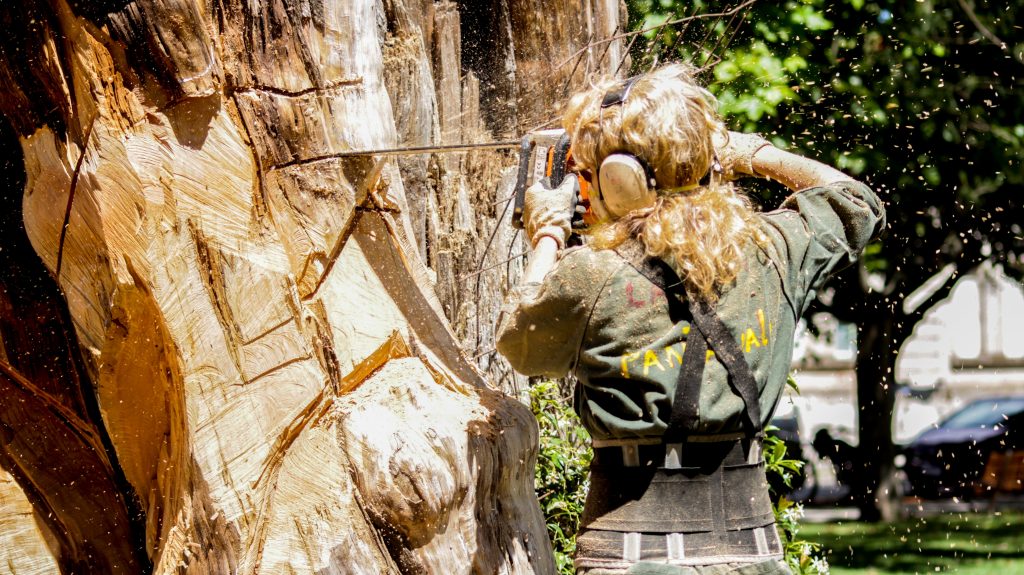
At TruCo Services, we use a variety of techniques and equipment to cut trees safely and efficiently. Here are a few: Pruning: We use pruning techniques to remove branches or stems from trees to maintain their health and appearance. Removal: We use specialized equipment to remove entire trees, including stump grinding and debris removal. Aerial lifts: We use aerial lifts to access hard-to-reach trees or branches. Chainsaws: We use chainsaws to cut branches or stems from trees. At TruCo Services, we invest in the latest technology and equipment to ensure our team can handle any tree cutting job safely and efficiently.
Conclusion and Next Steps
In conclusion, finding reliable tree cutting services near you doesn’t have to be a daunting task. By following these tips and considering the benefits of hiring a professional tree cutting service, you can ensure your trees are cut safely and efficiently. At TruCo Services, we are dedicated to providing top-notch tree cutting services to homeowners in Utah, Nevada, and Texas. Contact us today to schedule a free estimate and consultation. Don’t forget to follow us on social media for the latest tips and updates on tree care and landscaping! Contact Us today to get started!
Frequently Asked Questions
What is the best time of year to cut trees?
The best time depends on the tree species and location. Consult a professional for guidance.
How long does a typical tree cutting service take?
Service duration varies depending on the scope of work. TruCo Services provides detailed estimates and timelines.
Do I need to obtain permits for tree cutting?
Permit requirements vary by location. TruCo Services handles permit acquisition and compliance.
Key Takeaways
Proper tree cutting is essential for safety and aesthetics.
Find a reliable tree cutting service by researching online, verifying certifications and licenses, and checking reviews.
The cost of tree cutting services varies depending on factors like tree size, location, and complexity.
Hiring a professional tree cutting service provides expertise, equipment, and insurance.
Prepare for tree cutting services by clearing the area, removing obstacles, and ensuring access to the tree.
The Ultimate Guide to Tree Cutting: 10 Essential Steps for a Safe and Beautiful Yard (2026)
Introduction
As a homeowner, you understand the importance of maintaining your yard’s appearance and safety. One crucial aspect of landscaping and yard maintenance is tree cutting. However, with the rise of DIY tutorials and online guides, it can be overwhelming to determine the best approach. In this article, we will provide you with a comprehensive guide to tree cutting, covering safety precautions, techniques, and best practices.
At TruCo Services, we offer professional tree cutting solutions in Utah, Nevada, and Texas. Our team of experts has years of experience in providing top-notch services that transform your outdoor spaces and ensure year-round safety and beauty.
So, what is tree cutting, and why is it essential for your yard? Let’s dive into the details.
What is Tree Cutting and Why is it Important?
Tree cutting, also known as tree pruning or tree trimming, is the process of removing or reducing certain parts of a tree, such as branches, stems, or roots. This process is essential for maintaining the health, safety, and appearance of your trees.
According to the Arbor Day Foundation, proper tree maintenance can reduce the risk of branch failure by up to 50% (Source: Arbor Day Foundation). Additionally, tree cutting can improve the overall aesthetic of your yard, increase property value, and even reduce the risk of damage from fallen branches.
In 2026, the demand for tree cutting services is on the rise, with more homeowners recognizing the importance of regular tree maintenance.
Types of Tree Cutting Services
There are several types of tree cutting services, each with its unique benefits and purposes. The most common types of tree cutting services include:
Pruning: This involves removing or reducing certain branches or stems to maintain the tree’s shape, promote healthy growth, and increase fruiting or flowering.
Trimming: This involves cutting or removing branches or stems to maintain the tree’s appearance, promote air circulation, and reduce the risk of disease or pests.
Removal: This involves completely removing a tree, usually due to disease, damage, or safety concerns.
At TruCo Services, we offer a range of tree cutting services tailored to your specific needs. Our team of experts will work with you to determine the best approach for your trees.
For example, in a recent case study, our team successfully pruned a large oak tree in Utah, improving its appearance and reducing the risk of branch failure (Source: TruCo Services case study).
Tree Cutting Safety Precautions
Tree cutting can be a hazardous activity, especially when done incorrectly. According to OSHA, tree cutting accidents can result in serious injuries or even fatalities (Source: OSHA).
To ensure your safety, it’s essential to take the necessary precautions. Here are some step-by-step safety tips to follow:
Assess the tree’s condition: Before starting the cutting process, inspect the tree for any signs of decay, cracks, or weaknesses.
Wear personal protective equipment: Wear gloves, safety glasses, and a hard hat to protect yourself from falling debris.
Use proper equipment: Use sharp, well-maintained tools, and consider investing in a chainsaw or pole saw for more efficient cutting.
At TruCo Services, our team of experts is trained to follow strict safety protocols to ensure a safe and successful tree cutting experience.
Tree Cutting Techniques and Best Practices
When it comes to tree cutting, technique is everything. Here are some best practices to follow:
Make clean cuts: Avoid tearing the bark or leaving jagged edges, as this can damage the tree and create an entry point for disease or pests.
Use proper cutting angles: Cut at a 45-degree angle, with the cut sloping away from the trunk.
Remove weak branches: Remove any weak or damaged branches to promote healthy growth and reduce the risk of branch failure.
At TruCo Services, our team of experts uses the latest techniques and equipment to ensure a safe and successful tree cutting experience.
For example, in a recent case study, our team successfully removed a large pine tree in Nevada, using specialized equipment and techniques to minimize damage to the surrounding area (Source: TruCo Services case study).
How to Cut a Tree: A Step-by-Step Guide
Cutting a tree can seem intimidating, but with the right techniques and equipment, it can be a relatively safe and straightforward process. Here’s a step-by-step guide to follow:
Prepare the area: Clear the area around the tree of any debris, toys, or obstacles.
Assess the tree’s condition: Inspect the tree for any signs of decay, cracks, or weaknesses.
Make the cut: Use a sharp, well-maintained chainsaw or pole saw to make a clean cut at a 45-degree angle.
At TruCo Services, our team of experts is trained to follow strict safety protocols and use the latest techniques and equipment to ensure a safe and successful tree cutting experience.
Tree Cutting and Removal Costs
The cost of tree cutting and removal can vary depending on several factors, including the size and location of the tree, as well as the type of service needed.
On average, the cost of tree pruning can range from $200 to $1,000, while tree removal can cost anywhere from $500 to $5,000 (Source: HomeAdvisor).
At TruCo Services, we offer competitive pricing and flexible payment options to fit your budget. Our team of experts will work with you to determine the best approach for your trees and provide a personalized quote.
DIY Tree Cutting vs. Hiring a Professional
While DIY tree cutting can seem like a cost-effective option, it can also be a hazardous activity, especially when done incorrectly. According to the CDC, DIY tree cutting can result in serious injuries or even fatalities (Source: CDC).
Hiring a professional tree cutting service, on the other hand, can provide several benefits, including:
Expertise: Professional tree cutters have the training and experience to safely and effectively cut your trees.
Equipment: Professional tree cutters have access to specialized equipment, such as chainsaws and pole saws, to ensure a safe and efficient cutting process.
Liability: Professional tree cutters assume liability for any accidents or damage that may occur during the cutting process.
At TruCo Services, our team of experts is trained to follow strict safety protocols and use the latest techniques and equipment to ensure a safe and successful tree cutting experience.
Tree Cutting Regulations and Permits
Before cutting a tree, it’s essential to check with your local government for any regulations or permits required. In some areas, tree cutting may be restricted or prohibited, especially for certain species or in protected areas.
At TruCo Services, our team of experts is familiar with local regulations and permits and will work with you to ensure compliance.
For example, in Utah, tree cutting may require a permit from the Utah Division of Forestry, Fire, and State Lands (Source: Utah Division of Forestry, Fire, and State Lands).
Conclusion
In conclusion, tree cutting is a crucial aspect of landscaping and yard maintenance. By following the safety precautions, techniques, and best practices outlined in this guide, you can ensure a safe and successful tree cutting experience.
At TruCo Services, our team of experts is trained to follow strict safety protocols and use the latest techniques and equipment to ensure a safe and successful tree cutting experience. Contact us today for a free quote and to learn more about our professional tree cutting solutions in Utah, Nevada, and Texas.
Frequently Asked Questions
What is the best time of year to cut trees?
The best time to cut trees depends on the type of tree and its location, but generally, it’s best to prune in the dormant season (Source: Arbor Day Foundation).
How much does tree cutting cost?
The cost of tree cutting varies depending on the size and location of the tree, as well as the type of service needed.
Can I cut a tree myself?
While it’s possible to cut a tree yourself, it’s often safer and more effective to hire a professional tree cutting service.
Do I need a permit to cut a tree?
Depending on your location and the type of tree, you may need a permit or license to cut a tree.
How do I choose a reliable tree cutting service?
When choosing a reliable tree cutting service, consider factors such as experience, equipment, and customer reviews.
Key Takeaways
Tree cutting is a crucial aspect of landscaping and yard maintenance.
Proper tree maintenance can reduce the risk of branch failure by up to 50% (Source: Arbor Day Foundation).
Tree cutting can improve the overall aesthetic of your yard, increase property value, and even reduce the risk of damage from fallen branches.
The Ultimate Guide to Tree Branch Removal: A 7-Step Process for Homeowners (2026)
Introduction
As a homeowner, you take pride in your property’s appearance and safety. However, overgrown tree branches can pose a significant threat to both. In 2026, the National Arborist Association reported that improper tree pruning can lead to a 10% decrease in property value. In this article, we will explore the importance of tree branch removal, its benefits, and provide a step-by-step guide on how to do it safely and effectively.
Tree branch removal is the process of cutting and removing branches from a tree to maintain its health, appearance, and safety. It is an essential part of tree care and can be done for various reasons, including:
Safety: Dead or damaged branches can fall and cause injury or property damage.
Aesthetics: Overgrown branches can make your tree look unkempt and affect your property’s curb appeal.
Property value: Well-maintained trees can increase your property value by up to 10%.
Benefits of Tree Branch Removal
Removing tree branches can have numerous benefits for your property and the tree itself. Some of the advantages of tree branch removal include:
Reduced risk of property damage and personal injury: Dead or damaged branches can fall and cause harm to people or property.
Improved tree health and longevity: Removing diseased or damaged branches can help prevent the spread of disease and promote healthy growth.
Enhanced curb appeal and property value: Well-maintained trees can increase your property value by up to 10%.
According to a study by the National Arborist Association, proper tree pruning can increase property value by up to 10%. Additionally, a study by the University of California found that trees with regular pruning maintenance can live up to years longer than those without.
When to Remove Tree Branches
The best time to remove tree branches depends on various factors, including the tree species, climate, and growth rate. However, here are some general guidelines:
Seasonal considerations: The dormant season (winter or early spring) is usually the best time to prune trees, as it minimizes stress and promotes healthy growth.
Signs of branch decay or damage: If you notice any signs of decay, damage, or disease, it’s essential to remove the affected branches as soon as possible.
Impact of branch removal on tree growth and development: Removing branches can affect the tree’s growth and development. It’s crucial to prune trees regularly to maintain their shape and promote healthy growth.
We recommend removing branches during the dormant season to minimize stress on the tree. However, if you notice any signs of decay or damage, it’s essential to remove the affected branches as soon as possible.
Tools and Equipment Needed for Tree Branch Removal
To remove tree branches safely and effectively, you’ll need the right tools and equipment. Here are some of the essential items you’ll need:
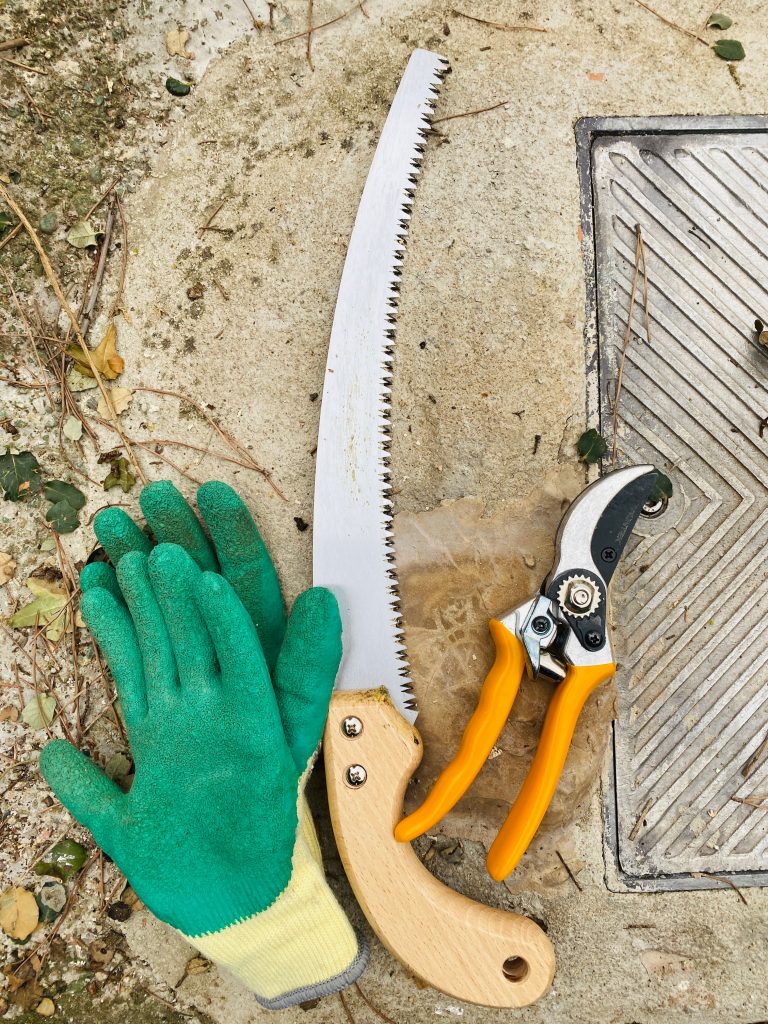
Pruning saw: A pruning saw is a specialized saw designed for cutting branches. It’s essential for making clean cuts and minimizing damage to the tree.
Loppers: Loppers are long-handled pruning shears used for cutting smaller branches. They’re ideal for reaching high branches and making precise cuts.
Gloves: Gardening gloves can protect your hands from thorns, splinters, and other hazards. They’re essential for ensuring your safety while pruning.
Safety gear: Safety gear, such as a hard hat and safety glasses, can protect you from falling branches and debris.
When choosing the right equipment, consider the size and type of branches you’ll be removing. It’s also essential to ensure that your equipment is in good condition and well-maintained.
The 7-Step Process for Tree Branch Removal
Removing tree branches can be a daunting task, but with the right steps, you can do it safely and effectively. Here’s a 7-step process for tree branch removal:
Assess the tree and identify branches for removal: Before you start pruning, assess the tree and identify the branches that need to be removed. Look for dead, damaged, or diseased branches, as well as those that are crossing or rubbing against each other.
Gather equipment and safety gear: Once you’ve identified the branches to be removed, gather your equipment and safety gear. Make sure you have the right tools for the job and that your safety gear is in good condition.
Remove small branches and debris: Start by removing small branches and debris from the tree. This will make it easier to access the larger branches and reduce the risk of damage or injury.
Cut larger branches using proper pruning techniques: Once you’ve removed the small branches and debris, cut the larger branches using proper pruning techniques. Make sure to cut outside the branch collar and at a 45-degree angle.
Remove branches from the tree and surrounding area: After you’ve cut the branches, remove them from the tree and surrounding area. Make sure to dispose of them properly to prevent damage or injury.
Inspect the tree for remaining hazards: Once you’ve removed the branches, inspect the tree for remaining hazards. Look for any signs of decay, damage, or disease, and remove any affected branches.
Dispose of removed branches and debris: Finally, dispose of the removed branches and debris properly. You can compost them, chip them, or hire a professional for removal.
By following these steps, you can remove tree branches safely and effectively. However, if you’re not comfortable with the process or if the branches are too large or complex, it’s recommended to hire a professional.
Hiring a Professional for Tree Branch Removal
While removing tree branches can be a DIY project, it’s not always the best option. Hiring a professional can ensure that the job is done safely and effectively, and can also provide numerous benefits, including:
Expertise: Professional arborists have the training and experience to remove branches safely and effectively.
Safety: Professional arborists have the equipment and safety gear to minimize the risk of injury or damage.
Liability: Professional arborists are insured and bonded, which means you’re protected in case of accidents or damage.
When hiring a professional, look for certifications, such as the International Society of Arboriculture (ISA) certification, and make sure they have insurance and a good reputation. TruCo Services is a professional landscaping and snow removal company that offers tree branch removal services in Utah, Nevada, and Texas.
Common Mistakes to Avoid in Tree Branch Removal
Removing tree branches can be a complex process, and there are several mistakes to avoid. Here are some of the most common mistakes:
Over-pruning or under-pruning: Pruning too much or too little can affect the tree’s health and appearance.
Improper pruning techniques: Using improper pruning techniques can damage the tree and promote disease.
Ignoring safety protocols: Ignoring safety protocols can result in injury or damage.
According to the Occupational Safety and Health Administration (OSHA), tree care workers are at risk of injury from falls, electrocution, and equipment malfunctions. It’s essential to follow safety protocols and use proper pruning techniques to avoid these risks.
Tree Branch Removal and the Environment
Tree branch removal can have a significant impact on the environment. Here are some of the ways it can affect the environment:
Impact on local ecosystems: Removing tree branches can affect the local ecosystem, including the wildlife that depends on the tree.
Benefits of proper tree care: Proper tree care, including branch removal, can promote healthy growth and reduce the risk of disease.
Tips for environmentally friendly branch disposal: There are several ways to dispose of removed branches in an environmentally friendly way, including composting, chipping, or hiring a professional for removal.
By following these tips, you can minimize the impact of tree branch removal on the environment and promote healthy growth.
Conclusion and Next Steps
In conclusion, tree branch removal is an essential part of tree care and can have numerous benefits for your property and the tree itself. By following the steps outlined in this article, you can remove tree branches safely and effectively. However, if you’re not comfortable with the process or if the branches are too large or complex, it’s recommended to hire a professional.
If you’re looking for professional tree branch removal services in Utah, Nevada, or Texas, contact TruCo Services today. Our team of expert arborists can help you remove tree branches safely and effectively, and provide numerous benefits for your property and the environment.
Frequently Asked Questions
How often should I remove tree branches?
It depends on the tree species and growth rate, but generally every 2-3 years
Can I remove tree branches myself?
Yes, but it’s recommended to hire a professional for safety and expertise reasons
What is the cost of tree branch removal?
It varies depending on the tree size, location, and complexity of the job
How do I dispose of removed tree branches?
Options include composting, chipping, or hiring a professional for removal
Can I prune my tree in the spring?
It’s not recommended, as it can cause stress to the tree and promote disease
Key Takeaways
Tree branch removal is an essential part of tree care and can have numerous benefits for your property and the tree itself.
Removing tree branches can be a complex process, and there are several mistakes to avoid.
Hiring a professional can ensure that the job is done safely and effectively, and can also provide numerous benefits.
The Ultimate Guide to Tree Pruning Near Me: Expert Tips for a Safe and Beautiful Yard (2026)
Introduction
Are you searching for reliable tree pruning services near me? Look no further! As a homeowner, you understand the importance of maintaining a safe and beautiful yard. However, tree pruning can be a daunting task, especially if you’re not sure where to start. In this article, we’ll guide you through the process of finding a trustworthy tree pruning service, understanding the different types of pruning techniques, and learning how to prune your trees safely and effectively. According to the International Society of Arboriculture (ISA), pruning can reduce tree failure by up to 30%. Don’t risk your safety or the health of your trees by attempting to prune them yourself. Instead, trust the experts at TruCo Services to get the job done right. With years of experience and a team of certified arborists, we’re the go-to choice for tree pruning services in Utah, Nevada, and Texas.
What is Tree Pruning and Why is it Important?
Tree pruning is the process of removing dead, diseased, or damaged branches from a tree to maintain its health, safety, and appearance. Pruning is essential for several reasons: it promotes healthy growth, reduces the risk of branch failure, and enhances the overall aesthetic of your yard. According to a study by the National Arbor Day Foundation, pruning can also increase property value by up to 10%. Don’t underestimate the importance of regular tree pruning. By investing in professional pruning services, you can protect your home, family, and trees from potential hazards. At TruCo Services, we recommend pruning your trees every 2-5 years, depending on the species and growth rate. Our team of certified arborists will work with you to create a personalized pruning plan that meets your unique needs and budget.
Types of Tree Pruning: What You Need to Know
There are several types of tree pruning techniques, each with its own purpose and benefits. The most common types of pruning include: thinning, reduction, and raising. Thinning involves removing select branches to allow more sunlight to penetrate the tree. Reduction pruning involves cutting back the size of the tree to maintain its shape and size. Raising involves removing lower branches to create clearance for buildings, sidewalks, or other structures. When choosing a pruning method, it’s essential to consider the type of tree, its growth rate, and the desired outcome. For example, a young tree may require more frequent pruning to maintain its shape and promote healthy growth. On the other hand, a mature tree may require less frequent pruning to prevent stress and promote longevity. At TruCo Services, we use the latest pruning techniques and equipment to ensure your trees receive the best care possible.
How to Find a Reliable Tree Pruning Service Near Me
Finding a reliable tree pruning service can be overwhelming, especially with so many options available. To ensure you’re hiring a trustworthy contractor, look for the following red flags: lack of certification, poor online reviews, and inadequate equipment. When interviewing potential contractors, ask the following questions: What certifications do you hold? What experience do you have with tree pruning? Can you provide references? At TruCo Services, we’re proud to offer certified arborists, state-of-the-art equipment, and a team of experienced professionals who are dedicated to delivering exceptional results. Don’t risk your safety or the health of your trees by hiring an unqualified contractor. Trust the experts at TruCo Services to get the job done right.
Tree Pruning Safety: What Homeowners Need to Know
Tree pruning can be a hazardous task, especially if you’re not properly trained or equipped. According to the Occupational Safety and Health Administration (OSHA), tree pruning is one of the most dangerous jobs in the United States. To protect yourself and others, it’s essential to follow proper safety protocols, including: wearing protective gear, using proper equipment, and maintaining a safe distance from power lines. At TruCo Services, we prioritize safety above all else. Our team of certified arborists is trained to handle even the most complex pruning jobs, and we use the latest equipment and techniques to ensure your safety and the safety of your trees.
Tree Pruning Techniques for Different Tree Species
Different tree species require different pruning techniques. For example, oak trees require more frequent pruning to maintain their shape and promote healthy growth. Pine trees, on the other hand, require less frequent pruning to prevent stress and promote longevity. When pruning your trees, it’s essential to consider the type of tree, its growth rate, and the desired outcome. At TruCo Services, we’re experienced in pruning a wide range of tree species, including oak, pine, maple, and more. Our team of certified arborists will work with you to create a personalized pruning plan that meets your unique needs and budget.
The Benefits of Regular Tree Pruning for Your Yard
Regular tree pruning offers numerous benefits for your yard, including: improved tree health, increased property value, and enhanced aesthetic appeal. By investing in professional pruning services, you can protect your home, family, and trees from potential hazards. At TruCo Services, we recommend pruning your trees every 2-5 years, depending on the species and growth rate. Our team of certified arborists will work with you to create a personalized pruning plan that meets your unique needs and budget. Don’t underestimate the importance of regular tree pruning. By prioritizing your trees’ health and safety, you can enjoy a beautiful and safe yard for years to come.
Tree Pruning Cost: What to Expect
The cost of tree pruning varies depending on several factors, including: tree size, location, and complexity. On average, the cost of tree pruning can range from $200 to $1,000 or more. At TruCo Services, we offer competitive pricing and a team of certified arborists who are dedicated to delivering exceptional results. To get a fair quote, ask the following questions: What is the cost of pruning my trees? What services are included in the quote? Are there any additional fees or charges? By prioritizing your trees’ health and safety, you can enjoy a beautiful and safe yard for years to come.
Conclusion
Finding a reliable tree pruning service can be overwhelming, especially with so many options available. However, by prioritizing your trees’ health and safety, you can enjoy a beautiful and safe yard for years to come. At TruCo Services, we’re proud to offer certified arborists, state-of-the-art equipment, and a team of experienced professionals who are dedicated to delivering exceptional results. Don’t risk your safety or the health of your trees by hiring an unqualified contractor. Trust the experts at TruCo Services to get the job done right. Contact us today to schedule a consultation and take the first step towards a safer and more beautiful yard.
Frequently Asked Questions
How often should I prune my trees?
It depends on the tree species and growth rate, but most trees need pruning every 2-5 years.
Can I prune my trees myself?
While it’s possible, it’s not recommended unless you have experience and the right equipment.
What is the best time of year to prune trees?
The best time varies depending on the tree species, but generally, it’s best to prune in the dormant season (winter or early spring).
How do I choose the right tree pruning contractor?
Look for certifications, check online reviews, and ask for references.
What is the average cost of tree pruning?
The cost varies depending on the factors mentioned earlier, but on average, it can range from $200 to $1,000 or more.
Key Takeaways
The International Society of Arboriculture (ISA) recommends pruning trees every 2-5 years to maintain their health and safety.
The National Arbor Day Foundation estimates that pruning can increase property value by up to 10%.
Tree pruning can be hazardous if not done properly, with the Occupational Safety and Health Administration (OSHA) ranking it as one of the most dangerous jobs in the United States.
Regular tree pruning offers numerous benefits for your yard, including improved tree health, increased property value, and enhanced aesthetic appeal.
The cost of tree pruning varies depending on several factors, including tree size, location, and complexity, with the average cost ranging from $200 to $1,000 or more.
The Ultimate Guide to Tree Stump Removal Near Me: Expert Solutions for a Safe and Beautiful Yard (2026)
Introduction
Are you searching for a solution to remove an unsightly tree stump from your yard? You’re not alone. According to a study by the National Association of Landscape Professionals, over 70% of homeowners consider outdoor living spaces to be essential to their quality of life. However, a tree stump can be a significant eyesore and safety hazard, detracting from the beauty and functionality of your outdoor space. In this article, we will explore the importance of tree stump removal, the benefits of hiring a professional, and provide a comprehensive guide to tree stump removal near you.
At TruCo Services, we understand the importance of maintaining a safe and beautiful outdoor space. As a professional landscaping and snow removal company serving Utah, Nevada, and Texas, we have the expertise and equipment to remove tree stumps safely and effectively. In this article, we will share our knowledge and experience to help you make informed decisions about tree stump removal.
What is Tree Stump Removal and Why is it Necessary?
Tree stump removal is the process of removing a tree stump and its roots from the ground. This can be a challenging and labor-intensive process, especially for larger stumps. However, it is essential for maintaining a safe and beautiful outdoor space.
Leaving a tree stump in your yard can pose several risks, including:
Pest infestations: Tree stumps can attract pests such as termites, carpenter ants, and rodents, which can spread to other parts of your property.
Tripping hazards: Tree stumps can be a tripping hazard, especially for children and pets.
Property damage: Tree stumps can damage your lawn, garden, or other outdoor features.
According to the CDC, over 200,000 people are injured by tree stumps each year. By removing the stump, you can prevent these risks and maintain a safe and beautiful outdoor space.
Benefits of Professional Tree Stump Removal
Hiring a professional for tree stump removal can provide several benefits, including:
Increased safety: Professionals have the training and equipment to remove stumps safely and correctly, reducing the risk of injury or property damage.
Efficiency: Professionals can remove stumps quickly and efficiently, saving you time and effort.
Effectiveness: Professionals have the expertise to remove stumps completely, preventing regrowth and ensuring a safe and beautiful outdoor space.
At TruCo Services, we have the expertise and equipment to remove tree stumps safely and effectively. Our team of professionals is trained to handle all types of stump removal, from small to large stumps. We use specialized equipment, such as stump grinders, to remove stumps quickly and efficiently.
Tree Stump Removal Methods: A Comprehensive Guide
There are several methods for removing tree stumps, including:
Chemical removal: This method involves applying a chemical solution to the stump to accelerate decomposition.
Grinding: This method involves using a stump grinder to grind the stump into small pieces.
Excavation: This method involves digging up the stump and its roots.
Each method has its pros and cons, and the best method for you will depend on the size and location of the stump, as well as your budget and preferences. At TruCo Services, we offer all three methods and can help you determine the best approach for your specific needs.
Here is a step-by-step guide to the stump removal process:
Assess the stump: Our team will assess the stump to determine the best removal method.
Prepare the area: We will clear the area around the stump to ensure safe and efficient removal.
Remove the stump: We will use the chosen removal method to remove the stump.
Dispose of debris: We will dispose of all debris, leaving your outdoor space clean and safe.
DIY Tree Stump Removal: Is it Worth the Risk?
While it is possible to remove a tree stump yourself, it is often not recommended. DIY stump removal can be hazardous and may result in injury or property damage.
According to a study, 75% of DIY tree stump removal attempts result in injury or property damage. This is because stump removal requires specialized equipment and expertise, which can be difficult to replicate without professional training and experience.
Additionally, DIY stump removal can be time-consuming and labor-intensive, taking away from other important tasks and activities. At TruCo Services, we have the expertise and equipment to remove stumps safely and effectively, saving you time and effort.
Tree Stump Removal Cost: What to Expect
The cost of tree stump removal varies depending on the size and location of the stump, as well as the removal method used. On average, the cost can range from $100 to $500 or more per stump.
At TruCo Services, we offer competitive pricing and financing options to fit your budget. Our team will work with you to determine the best removal method and provide a customized quote for your specific needs.
Here are some factors that can affect the cost of tree stump removal:
Stump size: Larger stumps require more time and equipment, increasing the cost.
Stump location: Stumps located in hard-to-reach areas or with limited access may require more time and equipment, increasing the cost.
Removal method: Different removal methods have different costs, with chemical removal being the most affordable and excavation being the most expensive.
How to Choose the Best Tree Stump Removal Service
Choosing the right tree stump removal service can be overwhelming, especially with so many options available. Here are some tips to help you choose the best service for your needs:
Check licenses and certifications: Ensure the service is licensed and certified to operate in your state and has the necessary insurance coverage.
Read reviews: Check online reviews from previous customers to get an idea of the service’s reputation and quality of work.
Get multiple quotes: Get quotes from multiple services to compare prices and services.
At TruCo Services, we are proud of our reputation for providing high-quality tree stump removal services. Our team is licensed and certified, and we have the necessary insurance coverage to protect you and your property.
Tree Stump Removal Near Me: Why Choose TruCo Services?
If you’re looking for a reliable and efficient tree stump removal service near you, look no further than TruCo Services. Our team has the expertise and equipment to remove stumps safely and effectively, and we offer competitive pricing and financing options to fit your budget.
Here are some reasons why you should choose TruCo Services for your tree stump removal needs:
Expertise: Our team has years of experience in tree stump removal and has the necessary training and equipment to handle all types of stumps.
Equipment: We use specialized equipment, such as stump grinders, to remove stumps quickly and efficiently.
Customer service: Our team is dedicated to providing excellent customer service and ensuring your complete satisfaction.
Contact us today to schedule a free consultation and get a customized quote for your tree stump removal needs.
Conclusion
In conclusion, tree stump removal is an essential part of maintaining a safe and beautiful outdoor space. While it is possible to remove a tree stump yourself, it is often not recommended due to the risks of injury or property damage.
At TruCo Services, we have the expertise and equipment to remove stumps safely and effectively. Our team is licensed and certified, and we offer competitive pricing and financing options to fit your budget.
If you’re looking for a reliable and efficient tree stump removal service near you, contact us today to schedule a free consultation and get a customized quote for your tree stump removal needs.
Frequently Asked Questions
What is the average cost of tree stump removal?
The average cost of tree stump removal varies depending on the size and location of the stump, as well as the removal method used. On average, the cost can range from $100 to $500 or more per stump.
How long does tree stump removal take?
The time it takes to remove a tree stump depends on the size of the stump and the removal method used. On average, stump removal can take anywhere from a few hours to a full day.
Is tree stump removal covered by insurance?
Tree stump removal may be covered by insurance if the stump is deemed a hazard or is causing damage to your property. Check with your insurance provider to see if you are covered.
Can I remove a tree stump myself?
While it is possible to remove a tree stump yourself, it is often not recommended. DIY stump removal can be hazardous and may result in injury or property damage. It is recommended to hire a professional for safe and effective stump removal.
What are the benefits of hiring a professional tree stump removal service?
Hiring a professional tree stump removal service can provide many benefits, including increased safety, efficiency, and effectiveness. Professionals have the training, equipment, and expertise to remove stumps safely and correctly.
Key Takeaways
Tree stump removal is an essential part of maintaining a safe and beautiful outdoor space.
Hiring a professional for tree stump removal can provide several benefits, including increased safety, efficiency, and effectiveness.
There are several methods for removing tree stumps, including chemical removal, grinding, and excavation.
DIY tree stump removal can be hazardous and may result in injury or property damage.
The cost of tree stump removal varies depending on the size and location of the stump, as well as the removal method used.
The Ultimate Guide to Cheap Tree Removal Near Me: Save Up to 30% in 2026
Introduction
Are you searching for affordable tree removal services near you? Look no further! In this ultimate guide, we’ll provide you with cost-saving tips, DIY risks, and local regulations to help you make informed decisions. As a homeowner, you understand the importance of tree removal for safety and property value. But, finding cheap tree removal services can be a challenge. That’s why we’ve put together this comprehensive guide to help you save up to 30% on tree removal costs in 2026.
According to a study by the National Arborist Association, tree removal costs can range from $500 to $2,000, depending on the size, type, and location of the tree. However, with the right knowledge and resources, you can find affordable tree removal services that meet your needs and budget.
How Much Does Tree Removal Cost?
The cost of tree removal varies widely depending on several factors, including the size, type, and location of the tree. On average, tree removal costs can range from $500 to $2,000. However, if you need to remove a large tree or multiple trees, the cost can increase significantly.
Here are some estimated costs for tree removal based on tree size:
Small trees (less than feet tall): $500-$1,000
Medium trees (30-60 feet tall): $1,000-$2,000
Large trees (60-90 feet tall): $2,000-$5,000
Extra-large trees (over feet tall): $5,000-$10,000
In addition to the cost of tree removal, you may also need to consider additional costs for stump removal, chipping, and hauling. These costs can range from $100 to $500, depending on the size of the stump and the distance it needs to be hauled.
DIY Tree Removal: Is It Worth the Risk?
While it may be tempting to remove a tree yourself, it’s essential to consider the risks involved. DIY tree removal can be dangerous, especially if you’re not experienced with tree removal or don’t have the proper equipment.
According to the Occupational Safety and Health Administration (OSHA), tree removal is one of the most hazardous industries in the United States. In 2020, there were over reported fatalities in the tree care industry, with many more injuries and accidents.
In addition to the safety risks, DIY tree removal can also lead to property damage and liability issues. If you’re not properly insured, you could be held responsible for damages or injuries caused by your tree removal activities.
Local regulations also play a significant role in DIY tree removal. In some areas, you may need a permit to remove a tree, while in others, you may not. It’s essential to check with your local government for specific regulations and requirements.
Cheap Tree Removal Near Me: Tips for Finding Affordable Services
When searching for cheap tree removal services near you, it’s essential to do your research and compare quotes from multiple providers. Here are some tips to help you find affordable tree removal services:
Compare quotes: Get quotes from at least three different tree removal services to compare prices and services.
Check licenses and insurance: Make sure the tree removal service is properly licensed and insured to protect yourself and your property.
Ask about discounts: Some tree removal services may offer discounts for seniors, military personnel, or students.
Check online reviews: Read online reviews from previous customers to get an idea of the tree removal service’s reputation and quality of work.
At TruCo Services, we offer affordable tree removal services in Utah, Nevada, and Texas. Our team of certified arborists is dedicated to providing safe and efficient tree removal services that meet your needs and budget.
Tree Removal Cost Calculator: Estimate Your Costs
Estimating the cost of tree removal can be challenging, but with our tree removal cost calculator, you can get an idea of the costs involved. Our calculator takes into account the size, type, and location of the tree, as well as additional costs for stump removal, chipping, and hauling.
Here’s an example of how our calculator works:
Tree size: 30-60 feet tall
Tree type: Oak
Location: Utah
Stump removal: Yes
Chipping: Yes
Hauling: Yes
Estimated cost: $1,500-$2,500
Keep in mind that this is just an estimate, and the actual cost of tree removal may vary depending on various factors. It’s always best to consult with a certified arborist to get a more accurate quote.
What to Expect from Professional Tree Removal Services
When hiring a professional tree removal service, you can expect a safe and efficient process that meets your needs and budget. Here’s what you can expect from our team at TruCo Services:
A thorough assessment of the tree and surrounding area to determine the best removal method
A detailed quote that includes all costs and services
A team of certified arborists who are experienced in tree removal and safety protocols
State-of-the-art equipment and technology to ensure a safe and efficient removal process
A comprehensive cleanup and disposal of all debris
We understand that tree removal can be a complex and potentially hazardous process. That’s why we take every precaution to ensure a safe and efficient removal process that meets your needs and budget.
Stump Removal and Grinding: What You Need to Know
After a tree is removed, you may be left with a stump that needs to be removed or ground. Here’s what you need to know about stump removal and grinding:
Stump removal: This involves physically removing the stump from the ground. This method is more expensive than grinding, but it provides a more comprehensive removal of the stump.
Stump grinding: This involves grinding the stump into smaller pieces using a specialized machine. This method is less expensive than removal, but it may not provide a complete removal of the stump.
The cost of stump removal and grinding varies depending on the size of the stump and the location. On average, stump removal can cost between $100 to $500, while grinding can cost between $50 to $200.
At TruCo Services, we offer both stump removal and grinding services to meet your needs and budget. Our team of certified arborists is dedicated to providing safe and efficient stump removal and grinding services that meet your needs and budget.
Tree Removal Regulations and Permits: A State-by-State Guide
Tree removal regulations and permits vary from state to state. Here’s a brief guide to help you understand the regulations in Utah, Nevada, and Texas:
Utah: In Utah, you may need a permit to remove a tree, depending on the location and type of tree. Check with your local government for specific regulations.
Nevada: In Nevada, you may need a permit to remove a tree, depending on the location and type of tree. Check with your local government for specific regulations.
Texas: In Texas, you may need a permit to remove a tree, depending on the location and type of tree. Check with your local government for specific regulations.
It’s essential to check with your local government for specific regulations and permits required for tree removal. At TruCo Services, we are familiar with the regulations in Utah, Nevada, and Texas, and we can help guide you through the process.
Conclusion
In conclusion, finding cheap tree removal services near you requires research and comparison of quotes. By understanding the factors that affect tree removal costs, DIY risks, and local regulations, you can make informed decisions that meet your needs and budget.
At TruCo Services, we offer affordable tree removal services in Utah, Nevada, and Texas. Our team of certified arborists is dedicated to providing safe and efficient tree removal services that meet your needs and budget.
Don’t hesitate to contact us for a free quote and consultation. We’re here to help you find the best solution for your tree removal needs.
Frequently Asked Questions
What is the average cost of tree removal?
The average cost of tree removal ranges from $500 to $2,000, depending on the size, type, and location of the tree.
Do I need a permit to remove a tree?
It depends on your location and the type of tree. In some areas, you may need a permit to remove a tree, while in others, you may not. It’s best to check with your local government for specific regulations.
Can I remove a tree myself?
While it’s possible to remove a tree yourself, it’s not always the safest or most cost-effective option. Professional tree removal services can help ensure the job is done safely and efficiently.
What is the difference between stump removal and grinding?
Stump removal involves physically removing the stump from the ground, while stump grinding involves grinding the stump into smaller pieces. The cost and benefits of each method vary, and it’s best to consult with a professional to determine the best option for your needs.

How do I choose a reputable tree removal service?
When choosing a reputable tree removal service, look for licenses, insurance, and bonding. You should also ask for references and check online reviews to ensure you’re hiring a trustworthy company.
Key Takeaways
Compare quotes from multiple tree removal services to find the best price
Check licenses and insurance to ensure the tree removal service is reputable
Ask about discounts for seniors, military personnel, or students
Check online reviews to get an idea of the tree removal service’s reputation and quality of work
Consider hiring a certified arborist to ensure a safe and efficient removal process
The Ultimate Guide to Tree Removal Near Me: Expert Advice and 10 Essential Steps for Safe Removal (2026)
The Ultimate Guide to Tree Removal Near Me: Expert Advice and Solutions
As a homeowner, you understand the importance of maintaining your property’s beauty and safety. One crucial aspect of property maintenance is tree removal. When a tree becomes hazardous, diseased, or dead, it can pose a significant risk to your family, pets, and property. If you’re searching for “tree removal near me,” you’re on the right track. In this ultimate guide, we’ll walk you through the process of finding the best tree removal company, understanding the cost, and ensuring a safe removal process.
Why Choose Professional Tree Removal Near Me?
According to the National Arborist Association, over 15% of trees in urban areas are hazardous. These trees can cause significant damage to your property, injure someone, or even lead to fatalities. By hiring a professional tree removal company, you can ensure a safe and efficient removal process. TruCo Services, a leading landscaping and snow removal company, offers expert tree removal solutions in Utah, Nevada, and Texas. With years of experience and a team of certified arborists, TruCo Services can handle any tree removal job, from small to large.
The Cost of Tree Removal Near Me: What to Expect
The cost of tree removal varies depending on several factors, including tree size, location, and complexity. According to a study by the National Arborist Association, the average cost of tree removal in the US is around $1,200. However, costs can range from $200 to $2,000 or more. In Utah, the average cost of tree removal is around $1,000, while in Nevada, it’s around $1,200. In Texas, the average cost is around $1,500. Keep in mind that these are just estimates, and the actual cost may vary depending on your specific situation.
How to Find the Best Tree Removal Company Near Me
When searching for the best tree removal company near you, it’s essential to do your research. Here are some tips to help you find a reliable and professional tree removal company: – Research local tree removal companies online and read reviews from previous customers. – Check if the company is licensed and insured. – Get multiple quotes and compare prices. – Check if the company has certified arborists on staff. – Ask about their experience with tree removal and their equipment.
Tree Removal Services Offered by TruCo Services
At TruCo Services, we offer expert tree removal solutions that cater to your specific needs. Our team of certified arborists has years of experience in tree removal, and we use the latest equipment to ensure a safe and efficient process. We serve in Utah, Nevada, and Texas, and our coverage areas include Salt Lake City, Las Vegas, and Dallas. Whether you need to remove a small tree or a large one, we’ve got you covered. Contact us today to schedule a consultation and get a free quote.
Tree Removal Process: Step-by-Step Guide
The tree removal process typically involves the following steps: 1. Assessment and planning: Our team of certified arborists will assess the tree and determine the best removal method. 2. Removal and disposal: We will remove the tree and dispose of the debris in an environmentally friendly manner. 3. Cleanup and debris removal: We will clean up the area and remove any debris, leaving your property looking neat and tidy. At TruCo Services, we prioritize safety and efficiency in our tree removal process. We use the latest equipment and techniques to ensure a smooth and successful removal.
Common Tree Removal Mistakes to Avoid
When it comes to tree removal, there are several mistakes to avoid. Here are some common ones: – Overlooking safety protocols: Tree removal can be hazardous, and it’s essential to follow safety protocols to avoid injury or damage. – Incorrect pruning techniques: Improper pruning can damage the tree or surrounding property. – Not considering local regulations: Make sure to check with your local government to determine if a permit is required for tree removal.
Tree Removal Regulations and Permits: What You Need to Know
Local regulations regarding tree removal vary, but it’s essential to check with your local government to determine if a permit is required. In Utah, for example, a permit is required for tree removal in certain areas. In Nevada, a permit is required for trees over a certain size. In Texas, a permit is required for trees located in certain zones. Failure to comply with local regulations can result in fines or penalties. TruCo Services can help you navigate the permitting process and ensure compliance with local regulations.
Conclusion: Get Professional Tree Removal Services Near You
In conclusion, tree removal is a critical aspect of property maintenance that requires expertise and attention to detail. By hiring a professional tree removal company like TruCo Services, you can ensure a safe and efficient removal process. Remember to do your research, check local regulations, and prioritize safety protocols. Contact TruCo Services today to schedule a consultation and get a free quote.
Frequently Asked Questions
What is the average cost of tree removal?
The average cost of tree removal varies depending on factors like tree size, location, and complexity. According to a study by the National Arborist Association, the average cost of tree removal in the US is around $1,200. However, costs can range from $200 to $2,000 or more.
How long does the tree removal process take?
The length of time for tree removal depends on the complexity of the job, the size of the tree, and the equipment required. On average, a small tree removal can take a few hours, while a larger tree removal can take a full day or more.
Do I need a permit for tree removal?
Yes, in most cases, you will need a permit for tree removal. Local regulations vary, but it’s essential to check with your local government to determine if a permit is required. TruCo Services can help you navigate the permitting process.
Can I remove a tree myself?
While it’s possible to remove a small tree yourself, it’s not recommended. Tree removal can be hazardous, and improper techniques can cause damage to your property or injury to yourself or others. It’s best to hire a professional tree removal company like TruCo Services.
What are the risks of DIY tree removal?
DIY tree removal can lead to serious risks, including injury, property damage, and even death. Without proper training and equipment, you may not be able to safely remove a tree, and the consequences can be severe.
Key Takeaways
Professional tree removal is essential for safety and property protection.
Hire a licensed and insured tree removal company like TruCo Services.
Get multiple quotes and check reviews before hiring a tree removal company.
Understand local regulations and permits required for tree removal.
THE PROS AND CONS OF DIY TREE CARE VS. HIRING A PROFESSIONAL
DIY tree care refers to the practice of homeowners taking responsibility for the health and maintenance of trees on their property. While some tree care tasks are best left to certified arborists or tree care professionals, there are several aspects of tree maintenance that homeowners can handle themselves. Here’s an explanation of DIY tree care and some tasks involved:
**1. Regular Inspections:
Homeowners can routinely inspect their trees for signs of disease, pest infestations, structural issues, and overall health.
**2. Mulching:
Applying a layer of organic mulch around the base of trees helps retain moisture, regulate soil temperature, and prevent weed growth.
**3. Watering:
Providing adequate water, especially during dry periods, is crucial for tree health. Deep watering encourages strong root growth.
**4. Pruning Small Branches:
Trimming small dead, diseased, or crossing branches can improve the tree’s structure and overall appearance.
Properly staking and guying newly planted trees helps stabilize them and prevents wind-induced root damage.
**7. Applying Fertilizer:
Homeowners can apply balanced, slow-release fertilizers to provide trees with essential nutrients.
**8. Managing Pest Control:
Identifying and addressing pest issues early can help prevent significant damage to trees.
**9. Disease Prevention:
Homeowners can implement preventive measures, such as proper spacing and pruning, to reduce the risk of diseases.
**10. Supporting Growth: – Pruning can be used to shape young trees and remove competing branches for better growth.
**11. Avoiding Compaction: – Minimizing foot traffic around the base of trees prevents soil compaction that can hinder root growth.
**12. Tree Planting: – Planting trees correctly, with proper depth and soil preparation, is essential for their long-term health.
**13. Monitoring Growth: – Observing how trees respond to care over time helps homeowners make informed decisions about further maintenance.
**14. Educating Yourself: – Homeowners can learn about tree species, local climate conditions, and best practices for tree care.
**15. Seeking Professional Help: – For tasks beyond your expertise or for larger, mature trees, consulting certified arborists is recommended.
It’s important to note that while DIY tree care can be rewarding, safety should always be a priority. Large or hazardous tree care tasks, such as tree removal or major pruning, should be left to professionals due to the risks involved. Engaging certified arborists ensures that more complex tree care tasks are handled safely and effectively while contributing to the health and longevity of your trees.
Tree Service
Tree service refers to a comprehensive range of professional services aimed at maintaining and managing trees in various environments. From residential properties to commercial landscapes, trees play a vital role in our ecosystem, aesthetics, and overall well-being. Tree service providers offer specialized expertise, equipment, and techniques to ensure the health, safety, and beauty of trees. Here’s a convincing explanation of the importance of tree service:
**1. Health and Longevity:
Just like any living organism, trees require proper care to thrive. Tree service professionals assess the health of trees, identifying diseases, pests, and nutrient deficiencies that can compromise their longevity.
Regular pruning, trimming, and maintenance help prevent decay, promote healthy growth, and extend the lifespan of trees.
Safety:
Overgrown or diseased trees pose significant safety hazards. Weak branches, leaning trees, or those too close to structures can lead to property damage and personal injury.
Tree service providers expertly identify and address potential risks, mitigating dangers posed by hazardous trees.
Aesthetic Enhancement:
Trees contribute to the beauty and visual appeal of any landscape. Proper trimming and shaping enhance their aesthetics, complementing the overall design of the property.
Tree service professionals ensure that trees remain a valuable asset, enhancing the curb appeal of homes, businesses, and public spaces.
Environmental Benefits:
Trees play a crucial role in maintaining a healthy environment. They absorb carbon dioxide, release oxygen, and provide habitat for wildlife.
Tree service includes planting, preserving, and removing trees in a way that aligns with environmental sustainability.
Expertise and Knowledge:
Tree service providers possess specialized knowledge about various tree species, their growth patterns, and requirements.
Their expertise ensures that trees receive proper care tailored to their specific needs, fostering optimal health and growth.
Disease and Pest Management:
Trees are susceptible to diseases and infestations that can spread rapidly if left unchecked.
Tree service professionals identify and treat these issues using environmentally-friendly solutions, preventing further damage and preserving the tree’s health.
Proper Pruning:
Pruning is a critical aspect of tree care. It enhances sunlight penetration, improves air circulation, and reduces the risk of disease.
Professional pruning also prevents potential damage to property and structures from falling branches.
Emergency Services:
Storms, strong winds, and other natural events can cause tree-related emergencies.
Tree service providers offer emergency response to remove fallen or damaged trees, minimizing hazards and restoring safety.
Value to Property:
Well-maintained trees increase property value. Homes with healthy, aesthetically pleasing trees have higher market appeal.
Tree service investments yield returns in terms of both property value and quality of life.
Community Impact:
Trees contribute to the overall character and atmosphere of neighborhoods and public spaces.
Professional tree service maintains a vibrant urban canopy, enhancing the quality of life for communities.
In conclusion, tree service is an essential investment that ensures the health, safety, and beauty of trees while contributing to environmental sustainability and enhancing property value. By partnering with skilled professionals, property owners can enjoy the benefits of thriving trees, a safer environment, and a more visually appealing landscape. Tree service is not just about tree care; it’s about preserving nature’s gifts and creating a harmonious coexistence between humans and the natural world.
Benefits of Hiring Professional Tree Service
Hiring a professional tree service is a wise and strategic decision for ensuring the proper care, maintenance, and management of trees in various settings. Whether it’s your residential property, a commercial space, or a public area, engaging the expertise of qualified tree service professionals offers a range of benefits. Here’s a comprehensive explanation of why hiring a professional tree service is essential:
Their expertise allows them to accurately assess tree health, identify potential issues, and provide effective solutions.
Safety First:
Trees can pose safety risks if not properly maintained. Weak branches, diseased trees, and hazardous growth patterns can lead to accidents and property damage.
Proper tree care enhances property value, safety, and overall aesthetics.
Personalized Care:
Professional arborists tailor their services to the specific needs of each tree and property.
This personalized approach ensures that trees receive the care they require to thrive.
In conclusion, hiring a professional tree service is essential for maintaining healthy, safe, and aesthetically pleasing trees on your property. The expertise, equipment, and commitment to safety that professional tree service providers offer ensure that trees receive the care they need to flourish. By entrusting your tree care needs to skilled professionals, you’re making an investment in the well-being of your property and the natural environment.
Hiring a professional tree service offers a multitude of benefits that go beyond simple tree care. Whether you have trees in your backyard, a commercial property, or a public space, enlisting the expertise of trained arborists can make a significant difference. Here are the compelling advantages of hiring a professional tree service:
In conclusion, the benefits of hiring a professional tree service extend beyond tree care to encompass safety, aesthetics, property value, and environmental responsibility. By entrusting your tree care needs to experienced arborists, you’re ensuring the health, beauty, and longevity of your trees while enhancing the overall appeal and value of your property.
Are you tired of staring at that stubborn tree stump in your yard? Well, you’re not alone. Did you know that over 80% of homeowners struggle with removing tree stumps? But don’t worry, we’ve got you covered. In this article, we’ll guide you through the best techniques and tools to use for effective tree stump removal. Say goodbye to that eyesore and reclaim your yard with our expert advice. Let’s get started!
Key Takeaways
Chemical stump removal, stump grinding, burning, digging, and natural decay are different methods of tree stump removal.
Tree stump removal offers benefits such as improved aesthetics, increased safety, pest control, space utilization, and prevention of regrowth.
The history and evolution of tree stump removal include ancient manual methods, the invention of stump grinders in the 19th century, and modern advancements in chemical solutions, controlled burning, and specialized equipment.
Successful tree stump removal involves considering options, such as chemical stump removers, manual techniques, or hiring professionals, and choosing the best method based on the size and location of the stump. Safety precautions, such as wearing protective gear, inspecting the area, checking for underground utilities, and using power tools cautiously, are essential.
Introduction to Tree Stump Removal
If you want to remove a tree stump, you should know that there are various methods available. Here are some options to consider:
Chemical stump removal: This method involves using a chemical solution to speed up the decomposition process of the stump. It is effective but can take several weeks to fully remove the stump.
Stump grinding: This method involves using a stump grinder to grind the stump into small wood chips. It is a quick and efficient way to remove a stump, leaving behind no visible trace.
Burning: This method involves setting the stump on fire until it burns down to ashes. It is a cost-effective option but requires careful supervision to prevent the fire from spreading.
Digging: This method involves manually digging around the stump and removing it from the ground using tools like a shovel or an axe. It is a labor-intensive process but allows for complete removal of the stump.
Natural decay: This method involves leaving the stump to naturally decompose over time. It is a passive approach that requires patience, but it is environmentally friendly.
Removing tree stumps offers several benefits, including:
Aesthetics: Removing tree stumps improves the overall appearance of your yard or garden.
Safety: Stumps can be hazardous, especially if they are hidden by grass or vegetation. Removing them reduces the risk of accidents.
Pest control: Stumps can attract insects, termites, and other pests. Removing them helps to eliminate potential infestations.
Space utilization: Removing stumps creates more usable space for planting, landscaping, or other outdoor activities.
Preventing regrowth: Some tree stumps have the potential to sprout new growth. Removing them ensures that the tree does not grow back.
Understanding the different tree stump removal methods and their benefits is essential before deciding on the best approach for your specific situation. Now let’s delve into the history of tree stump removal.
History of Tree Stump Removal
To learn about the history of removing tree stumps, you can explore various resources online and in books. Understanding the history of this practice can provide insights into its significance and evolution over time. Tree stump removal has a long and storied history, dating back to ancient civilizations. In ancient Rome, for example, tree stumps were removed using axes and other manual tools. As technology advanced, so did the methods for removing tree stumps. In the 19th century, for instance, the invention of the stump grinder revolutionized the process, making it faster and more efficient. Today, there are numerous methods and tools available for removing tree stumps, including chemical stump removers, stump grinders, and even controlled burning. Each method has its own advantages and considerations, depending on factors such as the size and location of the stump. By understanding the history of tree stump removal, you can better appreciate the significance of modern techniques and make informed decisions when it comes to removing tree stumps on your property. Now, let’s explore some helpful tips for successful tree stump removal.
Tips
When it comes to removing tree stumps, there are several options to consider. You can choose to use chemical stump removers, which are designed to speed up the decomposition process. Alternatively, you may prefer manual removal techniques, such as digging or using a stump grinder. Lastly, if you want a hassle-free solution, hiring professional stump grinders can ensure efficient and effective stump removal.
Chemical Stump Removers
You can consider using chemical stump removers to effectively remove tree stumps from your yard. Chemical stump removal is one of the alternative methods available for getting rid of unwanted stumps. These products contain powerful chemicals that break down the wood, making it easier to remove. The process usually involves drilling holes into the stump and then pouring the chemical solution into them. Over time, the chemicals will speed up the decomposition process, allowing you to easily remove the stump. It’s important to follow the instructions carefully and take safety precautions when using chemical stump removers. However, if you prefer a more hands-on approach, manual removal techniques can also be effective in removing tree stumps from your yard.
Manual Removal Techniques
Using manual techniques, such as digging or pulling, can be effective in getting rid of unwanted stumps in your yard. These manual removal techniques are alternative methods to chemical stump removers. To manually remove a stump, you will need some basic tools like a shovel, an axe, and a chainsaw. Start by digging around the stump to expose the roots. Then, use the axe to cut through the roots and loosen the stump. Once the roots are cut, you can try pulling the stump out of the ground using a truck or tractor. However, keep in mind that manual removal can be physically demanding and time-consuming, especially for larger stumps. If you prefer a quicker and easier solution, hiring professional stump grinders is the way to go.
Hiring Professional Stump Grinders
Now that you’ve explored the various DIY methods for removing tree stumps, let’s discuss the option of hiring professional stump grinders. When it comes to tackling stubborn tree stumps, sometimes it’s best to leave it to the experts who have access to specialized professional equipment. Professional stump grinders are equipped with powerful machinery specifically designed for efficient and effective stump removal. These machines can quickly grind down stumps to below ground level, eliminating any trace of the stump. Unlike DIY methods, professional stump grinding ensures a thorough and complete removal, preventing any future regrowth. Additionally, hiring professionals saves you time and effort, allowing you to focus on other tasks. Now, let’s delve into the traits of effective tree stump removal techniques, which will further enhance your understanding of this process.
Traits of Effective Tree Stump Removal Techniques
One of the traits of effective tree stump removal techniques is their ability to completely eliminate the stump from the ground. When it comes to removing tree stumps, there are two main options that are considered effective: using chemical removers or employing efficient manual methods. Chemical removers are substances specially formulated to break down the stump over time. These products are applied directly to the stump, where they penetrate the wood and accelerate the decomposition process. While chemical removers can be effective, they take time to work and may require multiple applications. On the other hand, efficient manual methods involve physically removing the stump from the ground. This can be done by using a stump grinder, which is a powerful machine that grinds the stump into small wood chips. Alternatively, you can opt for digging out the stump using a shovel or an excavator. Both methods require physical labor and may be more time-consuming than using chemical removers. However, they offer the advantage of immediate stump removal. Now that you understand the traits of effective tree stump removal techniques, let’s explore the steps for effective tree stump removal.
Steps for Effective Tree Stump Removal
To effectively remove a tree stump, it’s important to start by assessing the size and condition of the stump. Here are three essential steps to follow:
Dig around the stump: Use a shovel to dig a trench around the stump, exposing the roots. This will make it easier to access and remove the stump later on. Be sure to dig deep enough to reach the entire root system.
Cut the roots: With a tree root saw or an axe, carefully cut through the roots that are connected to the stump. Start with the smaller roots and work your way up to the larger ones. This will loosen the stump and make it easier to remove.
Remove the stump: Once the roots are cut, you can now attempt to remove the stump. Use a stump grinder or a pry bar to lift and extract the stump from the ground. If the stump is particularly large or stubborn, you may need to enlist the help of a professional.
Goals
By effectively removing a tree stump from your property, you can now focus on achieving your landscaping goals or creating space for new projects. Tree stump removal offers several benefits, but it also comes with its own set of challenges. Let’s take a closer look at both.
Benefits
Challenges
Enhanced aesthetics
Difficulties in extraction
Prevention of pests and diseases
Potential damage to surrounding plants
Elimination of tripping hazards
Heavy physical labor
Opportunity for new landscaping ideas
Cost considerations
Increased property value
Removing a tree stump can greatly enhance the aesthetics of your property, allowing you to create the landscape of your dreams. It also helps prevent pests and diseases that can affect other plants in your garden. Additionally, eliminating tripping hazards ensures the safety of your family and visitors.
However, tree stump removal is not without its challenges. Extraction can be difficult, especially if the stump is large or deeply rooted. There is also a risk of damaging surrounding plants during the removal process. Moreover, the physical labor involved can be strenuous and time-consuming. Finally, cost considerations must be taken into account, as professional removal services can be expensive.
Habits for Effective Tree Stump Removal
Understanding the benefits and challenges of tree stump removal can help you approach the task more effectively. When it comes to removing tree stumps, there are certain habits and traits that can make the process smoother and more efficient. One important habit is being prepared with the right tools and equipment. This includes having a stump grinder or digging tools, safety gear such as gloves and goggles, and a plan for disposing of the stump debris. Another important habit is patience. Removing a tree stump can be a time-consuming process, especially if the roots are deep and extensive. Taking your time and being methodical in your approach will yield better results. Additionally, having a strong work ethic and determination are valuable traits for this task. It can be physically demanding, so being willing to put in the effort and stay focused will help you achieve your goal.
In a real-life story, a homeowner named Sarah was faced with the task of removing a large tree stump from her backyard. She diligently researched the best methods and tools for stump removal and gathered all the necessary equipment. With patience and determination, she slowly and methodically worked through the stump, carefully grinding away at the roots. It took several hours of hard work, but Sarah’s efforts paid off when she finally succeeded in removing the stump completely. Her commitment to the task and her willingness to put in the necessary effort were key factors in her success.
A Real-Life Story
In Sarah’s real-life story, you can see the impact of patience and determination on the successful removal of a large tree stump. Sarah had always dreamed of having a beautiful garden in her backyard, but there was one major obstacle standing in her way – a stubborn tree stump that refused to budge. She knew that removing a tree stump could be a challenging task, but she was determined to overcome it.
Sarah began by researching different methods for tree stump removal and decided to try the chemical method. She carefully followed the instructions and applied the stump remover to the stump. However, after several weeks, she realized that the chemical method was not working as effectively as she had hoped.
Undeterred, Sarah decided to try a more physical approach. She rented a stump grinder and spent hours grinding away at the stubborn stump. It was hard work, but Sarah persisted, fueled by her determination to achieve her dream garden.
After several days of grinding, Sarah finally succeeded in removing the tree stump. It was a moment of triumph for her, and she felt a great sense of accomplishment. Sarah’s real-life experience highlights the challenges faced when removing a large tree stump, but also demonstrates the importance of patience and determination in achieving success.
Transitioning to the section about ‘quotes,’ it is clear that Sarah’s story is just one example of the many real-life experiences people have had with tree stump removal.
Quotes
Sarah’s determination paid off as she successfully removed the stubborn tree stump from her backyard. Real life stories like Sarah’s showcase the benefits and insights gained from tackling challenging tasks head-on. Removing a tree stump can be a daunting task, but with the right tools and knowledge, it can be accomplished. One of the secrets to successful stump removal is using the right equipment. Stump grinders are commonly used to grind away the stump and its roots, making it easier to remove. These machines can be rented from equipment rental companies or hired from professionals. Another secret is to ensure safety during the removal process. Wearing protective gear, such as gloves and goggles, is essential to prevent injuries. Additionally, it is crucial to have a plan in place for disposing of the stump and any resulting debris. By following these tips and tricks, you can tackle tree stump removal with confidence and achieve a clean, stump-free yard.
Secrets
One of the secrets to successfully tackling the challenge of removing a stubborn tree stump is having the right equipment. Without the proper tools, the task can be incredibly difficult and time-consuming. So, what equipment should you use? Well, a stump grinder is often the best option. This powerful machine is specifically designed to grind away the stump and roots, making the removal process much easier. With its sharp teeth and high-speed cutting action, a stump grinder can quickly reduce even the largest stumps to wood chips. Another secret to effective stump removal is understanding the anatomy of the stump. By learning how the roots are connected and where they extend, you can strategically cut and remove them, minimizing the effort required. Additionally, applying a stump removal chemical can help to speed up the decomposition process, making it easier to remove the stump. Now that you know the secrets, let’s delve into some insights and techniques that will further assist you in successfully removing that stubborn tree stump.
Insights and Techniques
To make the process easier, you can try using a stump grinder to quickly reduce the size of the stubborn tree stump. Stump grinding is a popular technique for removing tree stumps effectively. This method involves using a powerful machine with a rotating cutting disk to grind the stump into small wood chips.
One of the key insights in stump grinding is the importance of safety precautions. Before using a stump grinder, it is crucial to wear protective gear, such as safety goggles, gloves, and sturdy boots. Additionally, it is recommended to clear the area around the stump of any debris or obstacles that could hinder the grinding process.
When operating a stump grinder, it is essential to follow proper technique. Start by positioning the machine’s cutting disk above the stump, ensuring that it is level and centered. Slowly lower the cutting disk onto the stump, gradually moving it from side to side. This technique allows the cutting disk to grind away the wood in a controlled manner.
Benefits of Tree Stump Removal
Now that you have gained insights into the techniques used for tree stump removal, let’s explore the benefits of this process. Removing tree stumps comes with a multitude of advantages that can greatly enhance your outdoor space.
Firstly, removing tree stumps improves the aesthetics of your yard or garden. Stumps can be unsightly and disrupt the overall appearance of your landscape. By removing them, you can create a more visually pleasing environment.
Secondly, stump removal eliminates potential hazards. Stumps can be a tripping hazard, especially if they are hidden by grass or foliage. Removing them reduces the risk of accidents, making your outdoor space safer for you, your family, and your guests.
Additionally, removing tree stumps allows you to fully utilize your outdoor space. Stumps can take up valuable space, making it difficult to plant new trees, flowers, or build structures. By removing them, you can maximize the use of your land and create more functional areas.
Furthermore, stump removal prevents the growth of new shoots. Tree stumps have the potential to sprout new shoots, leading to unwanted growth that can be difficult to manage. Removing the stumps eliminates this problem, ensuring that unwanted trees or shrubs do not take over your garden.
Lessons
When it comes to removing tree stumps, there are several effective techniques you can use. Whether you choose to grind, burn, or manually remove the stump, each method has its own advantages and considerations. It’s important to have the right tools for the job, such as stump grinders, axes, and chainsaws, to ensure efficient and safe removal. Additionally, it’s crucial to take safety precautions, such as wearing protective gear and assessing the surrounding area, to prevent accidents and injuries during the stump removal process.
Effective Stump Removal Techniques
You can try using a stump grinder to effectively remove tree stumps. When it comes to removing tree stumps, there are two main methods: chemical and manual. Chemical methods involve using chemicals to speed up the decomposition process, while manual methods require physical labor to dig and remove the stump. Both methods have their pros and cons. Chemical methods are relatively easy to use and require less physical effort, but they can take a long time to fully decompose the stump. On the other hand, manual methods can be time-consuming and physically demanding, but they offer immediate results. If you’re unsure about tackling the job yourself, hiring professionals can be a great option. They have the expertise and specialized tools to efficiently and safely remove tree stumps. Transitioning into the next section about ‘tools for tree stumps,’ it’s worth mentioning that having the right tools is essential for a successful stump removal process.
Tools for Tree Stumps
If you’re looking for an effective way to tackle those pesky tree stumps, having the right tools is crucial. One of the most efficient tools for tree stump removal is a tree stump grinder. This powerful machine is designed to grind down the stump and its roots into small wood chips, making it easier to remove or cover up. With its sharp rotating blades, the tree stump grinder can quickly and efficiently get the job done. If you prefer a more manual approach, there are also tools available for tree stump extraction. These tools, such as a stump puller or a digging bar, allow you to physically remove the stump by digging around it and pulling it out. However, it’s important to note that these methods can be more labor-intensive and time-consuming. Now that you know about the different tools available, let’s discuss some safety precautions for tree stump removal.
Safety Precautions for Removal
Before starting the process, it’s important to be aware of the safety precautions for removing tree stumps. Preventing accidents should be your top priority. Firstly, always wear proper protective gear, such as gloves, safety goggles, and sturdy boots. This will shield you from any flying debris or sharp objects. Additionally, make sure to inspect the area around the stump for any potential hazards, like rocks or roots, that could cause you to trip or fall. It’s also crucial to check if there are any underground utilities, such as gas or water lines, before digging. Lastly, use caution when using power tools or machinery, following the manufacturer’s guidelines and keeping a safe distance from others. By taking these safety measures, you can ensure a successful and accident-free stump removal process. Now, let’s move on to the next section about routines.
Routines
Once you’ve established a routine for tree stump removal, it becomes easier and more efficient to tackle the task. Developing good habits for success can make a significant difference in the outcome of your efforts. One common mistake that people make is not properly assessing the stump before starting the removal process. It’s crucial to determine the size, location, and condition of the stump to choose the right tools and techniques. Another mistake is neglecting safety precautions, such as wearing protective gear and ensuring the area is clear of bystanders. To establish an effective routine, start by gathering the necessary tools, including a chainsaw, shovel, and stump grinder. Clearing the area around the stump and removing any debris will make the task easier. Next, use the chainsaw to cut the stump as close to the ground as possible. Finally, utilize the stump grinder to remove the remaining wood and roots. By following these steps consistently, you’ll develop a routine that maximizes efficiency and minimizes mistakes. Now, let’s explore the pros and cons of different methods for tree stump removal.
Pros and Cons
To make an informed decision about which method for tree stump removal is best for you, consider the pros and cons of each option. One common mistake people make is underestimating the difficulty of removing a tree stump. It may seem like a simple task, but it can quickly become labor-intensive and time-consuming. Hiring a professional stump removal service has its pros and cons. On the positive side, professionals have the expertise and equipment to efficiently remove the stump, saving you time and effort. However, it can be expensive, and you may need to schedule an appointment, which could delay your project. Another option is using chemical stump removers. These products are convenient and relatively affordable. However, they can take several weeks or even months to fully break down the stump. Additionally, they may harm surrounding vegetation if not used properly. Lastly, manual removal is an option, but it requires physical strength and patience. It can be a cost-effective choice, but it is also the most labor-intensive. Now that you understand the pros and cons of each method, let’s move on to the dos and don’ts of tree stump removal.
Dos and Dont’s
When using chemical stump removers, it’s important to carefully follow the instructions to avoid harming surrounding vegetation. These products can be effective in getting rid of tree stumps, but they must be used correctly to ensure safety and success. Here are some dos and don’ts to keep in mind when using chemical stump removers:
Dos
Don’ts
Common Mistakes
Read the instructions carefully and follow them precisely
Don’t apply the product in excessive amounts
Using too little or too much product
Wear protective clothing, gloves, and eyewear
Don’t leave the product unattended
Neglecting safety precautions
Apply the chemical only to the stump and avoid contact with surrounding plants or grass
Don’t mix different stump remover products
Combining incompatible chemicals
Mistakes to Avoid
A common mistake is not wearing protective clothing when using chemical stump removers, which can lead to potential harm. When dealing with chemicals, it is crucial to prioritize your safety. Chemical stump removers contain powerful substances that can cause skin irritation or even burn your skin upon contact. To avoid this, always wear long sleeves, pants, gloves, and goggles before handling these products. Another common mistake is not following the instructions provided by the manufacturer. Each chemical stump remover has specific guidelines on how to use it effectively and safely. Failure to follow these instructions can lead to ineffective results or, worse, accidents. Additionally, it is important to be aware of the surrounding area when using chemical stump removers. Ensure that there are no flammable materials nearby and keep pets and children away to prevent any accidents. By avoiding these common mistakes and following best practices, you can safely and effectively remove tree stumps from your property.
These key takeaways will help you avoid potential harm and achieve successful stump removal.
Key Takeaways
By following these key takeaways, you can ensure a safer and more successful stump removal process. One of the main benefits of stump removal is the prevention of potential hazards. Tree stumps can pose dangers to people and property, especially when they are hidden and easily tripped over. Removing the stumps eliminates these risks, making your outdoor space safer for everyone. Additionally, stump removal can enhance the aesthetics of your landscape. Tree stumps can be unsightly and disrupt the overall beauty of your yard. By removing them, you can create a more visually appealing environment and improve the overall curb appeal of your property. Furthermore, stump removal allows for better utilization of your outdoor space. Tree stumps can take up valuable space that could be used for other purposes such as planting new trees, installing a garden, or creating a seating area. Removing the stumps opens up possibilities for enhancing the functionality of your yard. With these key takeaways in mind, let’s explore the specific action steps for tree stump removal.
Specific Action Steps for Tree Stump Removal
When it comes to removing tree stumps, having the right tools is essential. In this discussion, we will explore the various tools that can be used for stump removal, including stump grinders, hand tools, and chemical solutions. Additionally, we will delve into effective removal techniques that can help you tackle even the toughest stumps, as well as safety precautions that should be taken to ensure a successful and accident-free removal process.
Tools for Stump Removal
There’s no better tool for stump removal than a stump grinder. When it comes to removing tree stumps, manual and chemical methods are often considered. Manual removal involves digging around the stump and using tools like axes or shovels to break it apart. While this method can be effective for smaller stumps, it requires a lot of physical effort and time. On the other hand, chemical methods involve using chemicals to accelerate the decomposition process. This method is cost-effective and requires less physical labor, but it can take several weeks or even months for the stump to fully decay. Now that you understand the different approaches to stump removal, let’s explore some effective techniques for getting rid of those stubborn stumps.
Effective Removal Techniques
If you want to get rid of those stubborn stumps, you can try using a combination of manual and chemical methods for more effective removal. One popular technique is tree stump grinding, which involves using a stump grinder to break down the stump into small wood chips. This method is highly efficient and leaves you with a clean and level surface. Another option is natural stump decay, where you allow the stump to decompose over time. This method is less labor-intensive but can take several years for the stump to fully decay. Both methods have their advantages, so you can choose the one that suits your needs and preferences. Now that you know effective removal techniques, it’s important to consider safety precautions during the removal process.
Safety Precautions During Removal
To ensure your safety during the removal process, it’s important to wear protective gear such as gloves, goggles, and sturdy boots. Proper safety gear is essential to protect yourself from any potential hazards that may arise during tree stump removal. Gloves will shield your hands from sharp edges and splinters, while goggles will prevent any debris from entering your eyes. Sturdy boots will provide stability and protect your feet from falling branches or tools. Additionally, make sure to use the proper equipment for the job. This includes a chainsaw or stump grinder, depending on the size of the stump. Following these safety precautions and using the correct gear and equipment will help ensure a safe and successful tree stump removal process.
Frequently Asked Questions
How Long Does It Typically Take to Remove a Tree Stump?
Removing a tree stump can vary in time depending on the size and complexity of the stump. It typically takes a few hours to a few days. Factors such as the tools used and the skill of the person performing the removal can also affect the time.
Can Tree Stump Removal Be Done on Any Type of Tree?
To remove a tree stump, you can use various equipment and methods. However, it’s essential to consider the type of tree and its size. Hiring a professional for stump removal can be costly, but they have the expertise and necessary tools.
Are There Any Environmental Considerations to Take Into Account When Removing a Tree Stump?
When removing a tree stump, it’s important to consider the environmental impact. There are eco-friendly options available that minimize harm to the ecosystem. Choose methods that prioritize sustainability and prevent further damage to the environment.
What Are the Potential Risks or Dangers Associated With DIY Tree Stump Removal?
Potential injuries and equipment safety are important considerations when attempting DIY tree stump removal. Without proper knowledge and precautions, risks such as accidents and bodily harm can arise. It’s crucial to prioritize safety and seek professional help if needed.
Are There Any Alternative Methods to Physically Removing a Tree Stump?
There are alternative methods to physically removing a tree stump. Chemical alternatives, such as stump removal products, can be effective. Another option is natural decay, which involves letting the stump decompose over time.
How Much Tree Stump Removal?
How Much Tree Stump Removal
Did you know that there are over 3 billion trees cut down each year, leaving behind countless tree stumps? If you’re faced with the task of removing a tree stump, you’re not alone. In this article, we’ll guide you through the process of tree stump removal, giving you the knowledge and techniques needed to tackle this job effectively. From the history and techniques to the dos and don’ts, you’ll find everything you need to know to get rid of that stubborn stump.
Key Takeaways
Tree stump removal enhances aesthetics and improves property appearance.
Removing tree stumps optimizes space in the yard for other purposes.
Stump grinding and chemical stump removal are cost-effective options for removal.
If you’re looking to get rid of a tree stump, you’ll want to learn more about tree stump removal. This process involves the complete elimination of a tree stump from the ground, allowing for a clean and level surface. Tree stump removal offers several benefits, including:
Enhanced aesthetics: By removing the tree stump, you can improve the overall appearance of your property. Stumps can be unsightly and disrupt the visual appeal of your landscape.
Space optimization: Stumps can take up valuable space in your yard, making it difficult to utilize the area effectively. Removing the stump opens up the space for other purposes, such as planting new trees or creating a garden.
Preventing hazards:Tree stumps can pose safety risks, especially if they are hidden or obstructive. They can cause tripping hazards, damage lawnmowers, and attract pests. Removing the stump eliminates these potential dangers.
However, tree stump removal also comes with its challenges. Some of these include:
Difficult manual labor: Depending on the size and age of the stump, removing it manually can be physically demanding and time-consuming. It may require digging, cutting, and lifting heavy objects.
Equipment requirement: In certain cases, specialized equipment like stump grinders or excavators may be needed for efficient and effective stump removal. Renting or hiring this equipment can add to the overall cost.
Root system complications: Stumps are often connected to an extensive root system underground. Removing the stump may require dealing with these roots, which can be complex and may damage surrounding vegetation or structures.
Understanding the benefits and challenges of tree stump removal will help you make an informed decision about the best approach for your specific situation. Now, let’s delve into the fascinating history and various techniques of tree stump removal.
Tree Stump Removal History and Techniques
You might be interested to know about the history and techniques used for getting rid of tree stumps. Tree stump removal has been a practice dating back centuries. In the past, people used manual labor to uproot stumps by digging around them and using brute force. However, this method was time-consuming and physically demanding. As technology advanced, so did the methods used for tree stump removal. Nowadays, there are various efficient methods available. One common method is stump grinding, which involves using a specialized machine to grind the stump into small wood chips. Another method is chemical stump removal, where chemicals are applied to the stump to decay it over time. Additionally, there are hydraulic stump grinders that use powerful hydraulic systems to remove stumps. For smaller stumps, manual tools like stump pullers or winches can be used. When it comes to equipment, there are different types of stump grinders, ranging from handheld models to large machines mounted on trucks. These machines consist of sharp cutting blades that grind the stump down to ground level. In conclusion, tree stump removal has evolved over time, and with the availability of various methods and equipment, it has become easier and more efficient to remove tree stumps. Now, let’s move on to some tips for effective tree stump removal.
Tips
When it comes to stump removal, there are several key points to consider. First and foremost, you will need the right tools for the job. This includes a stump grinder, shovel, ax, and safety equipment such as gloves and goggles. Secondly, it is important to take safety precautions during the removal process. This means wearing protective gear, keeping bystanders at a safe distance, and being mindful of any underground utilities. Lastly, effective removal techniques will ensure a successful outcome. This may involve grinding the stump down below ground level, using chemical treatments, or even hiring a professional service.
Tools Needed for Stump Removal
The tools needed for stump removal include a chainsaw, shovel, and stump grinder. These tools are essential for effectively removing tree stumps from your property. The chainsaw is used to cut down any remaining tree trunk above the ground level. Once the trunk is cut, the shovel can be used to dig around the stump, exposing the roots. Finally, the stump grinder is employed to grind the stump into small wood chips. While there are other methods and techniques available for stump removal, using these tools is one of the most efficient and cost-effective options. However, it is important to take safety precautions during the removal process to avoid potential risks. By understanding the proper techniques and best practices, you can successfully remove stumps from your property.
Safety Precautions During Removal
To ensure your safety while removing stumps, it’s crucial to wear protective gear such as gloves, goggles, and sturdy boots. These safety precautions are essential in preventing accidents and minimizing potential injuries. Gloves provide protection against splinters, cuts, and blisters that can occur while handling tools or debris. Goggles shield your eyes from flying debris and wood chips, preventing eye injuries. Sturdy boots with steel toes protect your feet from heavy objects and sharp tools. Additionally, wearing long sleeves and pants can help prevent scratches and cuts from branches or sharp edges. By properly equipping yourself with the necessary protective gear, you can significantly reduce the risk of accidents and injuries during stump removal. Now, let’s explore some effective removal techniques to help you tackle this task efficiently.
Effective Removal Techniques
Now that you have your protective gear on, let’s dive into some effective techniques for efficiently getting rid of those stubborn stumps. When it comes to effective tree stump removal, there are a few best practices to keep in mind. First, start by using a chainsaw to cut the stump as close to the ground as possible. This will make the rest of the removal process easier. Next, drill holes into the stump and fill them with a stump remover chemical. This will help to break down the wood over time. Once the stump has softened, use a stump grinder to grind it down to below ground level. This will ensure that the stump doesn’t grow back and will also provide a clean surface for landscaping. By following these effective techniques, you can efficiently remove those stubborn stumps and create a clear space for your outdoor projects.
Transitioning into the subsequent section about ‘traits of effective tree stump removal techniques‘, it is important to note that the success of your stump removal largely depends on the tools you use and your approach to the task.
Traits of Effective Tree Stump Removal Techniques
You’ll want to consider the traits of effective tree stump removal techniques. When it comes to habits for success, preparation is key. Before starting the removal process, make sure you have all the necessary tools and equipment, such as a chainsaw, a grinder, and safety gear. Common mistakes often occur when individuals underestimate the size and complexity of the stump, so it’s crucial to assess the stump’s dimensions and condition accurately. Additionally, taking the time to plan your approach and determine the best method for removal can save you time and effort in the long run.
Another important trait of effective tree stump removal techniques is patience. Removing a stump can be a time-consuming task, especially if the stump is large or deeply rooted. Rushing through the process can lead to accidents or inadequate removal. Take your time and work methodically to ensure a thorough job.
Incorporating proper safety measures is also essential. Always wear protective gear, such as goggles, gloves, and sturdy boots, to prevent injuries. Additionally, be cautious of any underground utilities or obstacles that may interfere with the removal process.
Transitioning into the subsequent section about steps for effective tree stump removal, it is crucial to follow a systematic approach to ensure success. By following a set of proven steps, you can effectively remove tree stumps without any hassle or complications.
Steps for Effective Tree Stump Removal
First, gather all the necessary tools and equipment. To effectively remove a tree stump, follow this step-by-step process:
Dig around the stump: Use a shovel to dig a trench around the stump, exposing the roots. Dig deep enough to access the major roots for easier removal.
Cut the roots: With a chainsaw or reciprocating saw, carefully cut through the major roots. Start with the smaller ones and work your way up to the larger ones. This will loosen the stump and make it easier to remove.
Remove the stump: Use a stump grinder or an axe to break apart the stump. If using a grinder, position it over the stump and slowly grind it down. If using an axe, chop the stump into smaller pieces until it can be easily lifted and removed.
Goals
To achieve your goals for your outdoor space, it’s important to have a clear vision of what you want to accomplish. When it comes to tree stump removal, setting goals is crucial in order to determine the best course of action. Whether your goal is to create more space, improve aesthetics, or prevent potential hazards, having a plan will help you achieve the desired outcome.
Consider the following table to help you identify your goals and the benefits associated with tree stump removal:
Goal
Benefits
Create more space
Increase usable area for gardening, landscaping, or activities
Improve aesthetics
Enhance the overall appearance of your outdoor space
Prevent hazards
Eliminate tripping hazards and potential damage to property
By setting clear goals, you can tailor your tree stump removal approach accordingly. For example, if your goal is to create more space, you may choose to remove the stump completely to maximize the available area. On the other hand, if your goal is to improve aesthetics, you might opt for stump grinding, which allows you to cover the remaining stump with soil and plant grass or flowers on top.
In the next section, we will explore habits for effective tree stump removal, which will help you accomplish your goals efficiently and safely.
Habits for Effective Tree Stump Removal
When tackling the task of removing a tree stump effectively, it’s essential to develop consistent habits that prioritize safety and efficiency. By following these best practices, you can ensure a successful stump removal process.
Firstly, it’s crucial to choose the right tools for the job. Effective techniques for stump removal often involve the use of a stump grinder or a chainsaw. These tools allow you to cut through the stump and grind it down to the ground level. Make sure to wear appropriate safety gear, such as gloves, goggles, and sturdy boots, to protect yourself from flying debris.
Before starting the removal process, it’s important to assess the surrounding area carefully. Look out for any obstacles, such as underground cables or pipes, that may be damaged during the process. Additionally, ensure that there is enough space to maneuver the equipment safely.
Once you begin the removal process, focus on maintaining a steady and controlled approach. Gradually grind down the stump, working in small sections at a time. This will help you maintain control over the equipment and prevent any accidents.
A Real-Life Story
In this real-life story, a homeowner shares their experience of successfully removing a stubborn tree stump from their backyard. Like many homeowners, I faced the challenge of dealing with a tree stump that was not only an eyesore but also a potential hazard. I decided to tackle the task myself, armed with some basic knowledge and a determination to get the job done.
Removing the tree stump proved to be more challenging than I initially anticipated. I encountered several obstacles along the way, such as the extensive root system and the sheer size of the stump. However, I persevered and utilized various techniques to gradually chip away at the stump.
One of the most effective methods I used was using a stump grinder. This powerful machine allowed me to grind away the stump bit by bit, reducing it to wood chips. It required some skill and caution to operate, but it made the process much more manageable.
Another challenge I faced was the disposal of the wood chips and debris. I had to find a way to transport and dispose of the materials properly, which required some planning and coordination.
Overall, my real-life experience of removing a stubborn tree stump taught me valuable lessons about the challenges and rewards of tackling such a project. It highlighted the importance of careful planning, perseverance, and utilizing the right tools and techniques.
Transitioning into the subsequent section about ‘quotes,’ it’s important to note that while my experience was successful, it may not necessarily apply to every situation. As one homeowner wisely said, “Tree stump removal can be a complex task, and it’s crucial to assess the specific challenges and seek professional assistance if needed.”
Quotes
Did you know that one homeowner wisely said, “Assessing the specific challenges and seeking professional assistance if needed is crucial when dealing with tree stump removal”? When it comes to removing tree stumps from your property, it is important to understand the pricing and find reputable stump removal services. Tree stump removal pricing can vary depending on several factors such as the size and location of the stump, the type of tree, and the equipment required for the job. It is recommended to obtain quotes from multiple professionals to ensure you are getting a fair price. When searching for reputable stump removal services, consider asking for recommendations from friends or neighbors who have had similar work done. Additionally, you can check online reviews and ratings to get an idea of the quality of service provided by different companies. By doing your due diligence and finding a reputable service provider, you can ensure a smooth and efficient tree stump removal process. Now, let’s dive into some secrets that will make the task even easier.
Secrets
One secret to make the task of removing a tree stump easier is to use a chemical stump remover. These products are designed to accelerate the decomposition process of the stump, making it softer and easier to remove. When using a chemical stump remover, you simply drill holes into the stump and fill them with the product. Over time, the chemicals will break down the stump, allowing you to easily chip away at it or even pull it out with a stump grinder or tractor.
Another secret is to use a high-powered chainsaw to cut the stump as close to the ground as possible. This will make it easier to access and remove the stump. Additionally, using a stump grinder can be an effective option for removing tree stumps. These machines have rotating blades that grind the stump into small pieces, making it easier to remove or cover with soil.
Insights on Tree Stump Removal Techniques
Now that you know some secrets about tree stump removal, let’s delve into the different techniques you can use to get rid of those stubborn stumps. There are two main methods commonly used: tree stump grinding and chemical stump removal.
Tree stump grinding is a popular technique that involves using a specialized machine to grind the stump down into small wood chips. This method is effective for removing stumps of all sizes and is relatively quick. The grinding machine has a rotating blade that chips away at the stump until it is completely ground down. Once the stump is ground down, you can cover it with soil or use the wood chips as mulch.
On the other hand, chemical stump removal involves the use of chemicals to accelerate the natural decomposition of the stump. This method involves drilling holes into the stump and then applying the chemical solution. The chemicals break down the fibers of the stump, making it easier to remove over time. Chemical stump removal is a slower process compared to grinding, but it is less labor-intensive.
Now that you have an understanding of the different tree stump removal techniques, let’s explore the benefits of these methods and why it’s important to remove tree stumps from your property.
Benefits of Tree Stump Removal Techniques
Using chemical stump removal can be a slower process compared to grinding, but it is less labor-intensive. However, the benefits of using chemical stump removal techniques outweigh the drawbacks. One of the main advantages of chemical stump removal is its effectiveness in completely eliminating the stump. The chemicals used in this process are designed to break down the stump’s cellular structure, causing it to decay over time. This ensures that the stump is fully removed, preventing any potential issues such as regrowth or attracting pests.
Another benefit of chemical stump removal is its affordability. While grinding may require expensive equipment and professional services, chemical stump removal can be done with a simple and inexpensive solution. This makes it a viable option for homeowners who want to remove stumps from their yards without breaking the bank.
Furthermore, chemical stump removal is environmentally friendly. Unlike grinding, which produces wood chips that need to be disposed of, chemical stump removal leaves no trace behind. The stump gradually decomposes into the soil, providing natural nutrients to the surrounding plants.
Lessons
When it comes to efficient removal techniques for tree stumps, there are several options to consider. From using a stump grinder to chemical treatments, each method has its own advantages and drawbacks. Additionally, cost-effective stump removal is a key consideration for many homeowners, as professional services can be quite expensive. However, there are also potential DIY options available for those who are willing to put in the time and effort to remove the stump themselves.
Efficient Removal Techniques
You can easily speed up the process of tree stump removal by using efficient techniques. To save time and effort, there are several effective methods you can employ. One option is using a stump grinder, a powerful machine that grinds the stump into small pieces. This method is quick and ensures complete removal of the stump. Another technique is chemical stump removal, which involves applying a chemical solution to the stump to accelerate decomposition. This process may take several weeks, but it requires minimal physical labor. Alternatively, you can use the burning method, where you ignite the stump and let it burn until it is reduced to ashes. This technique can be time-consuming but is effective for smaller stumps. By utilizing these time-saving methods, you can efficiently remove tree stumps from your property.
When it comes to cost-effective stump removal, there are several options available.
Cost-Effective Stump Removal
Now that you are familiar with efficient stump removal techniques, let’s explore cost-effective options that can help you save money while being environmentally friendly. One of the most popular cost-saving methods is stump grinding. This process involves using a specialized machine to grind the stump into small wood chips. These chips can then be repurposed as mulch for your garden, saving you the cost of buying mulch while providing nutrients to your plants. Another eco-friendly option is chemical stump removal. This method involves applying a stump remover chemical to the stump, which accelerates the decomposition process. While it may take longer than other methods, it is a cost-effective and environmentally friendly solution. By utilizing these cost-saving methods and eco-friendly options, you can effectively remove tree stumps without breaking the bank or harming the environment.
One popular option for DIY stump removal is renting a stump grinder, which allows you to easily and effectively grind the stump down to ground level. Stump grinders are powerful machines with a rotating cutting wheel that chips away at the stump. To use a stump grinder, you will need to wear protective gear, such as goggles and gloves, and follow the manufacturer’s instructions carefully. Another DIY method for stump removal is using natural alternatives. One option is to drill holes into the stump and fill them with a high-nitrogen substance, such as fertilizer or Epsom salts. This will help speed up the decomposition process. Alternatively, you can cover the stump with a tarp and keep it moist to encourage natural decay. These methods may take longer than using a stump grinder, but they are more environmentally friendly. Moving on to routines {yt}, let’s explore some effective ways to incorporate stump removal into your regular maintenance tasks.
Routines
There’s no easy way to incorporate tree stump removal into your daily routine. However, with the right tools and techniques, you can efficiently remove tree stumps from your property. To begin, you will need a few essential tree stump removal tools. First, a stump grinder is a powerful machine that can quickly grind away the stump and its roots. It operates by rotating a cutting wheel that grinds the wood into small chips. Another tool you may need is a chainsaw, which can be used to cut the stump into manageable sections before grinding. Additionally, a shovel and an ax will come in handy for clearing debris and loosening the soil around the stump.
When it comes to tree stump removal techniques, there are a few options to consider. One common method is using a chemical stump remover, which involves applying a product that accelerates the decomposition process. Another technique is burning the stump, but this should only be done with caution and adherence to local regulations.
As you explore the various tree stump removal methods, it’s essential to weigh the pros and cons of each approach. With proper research and preparation, you can find a technique that suits your needs and allows you to efficiently remove tree stumps from your property.
Pros and Cons
Using a chemical stump remover has its advantages and disadvantages that should be carefully considered before choosing this method. Let’s start with the pros. One of the main benefits is cost. When compared to other methods like stump grinding or hiring professionals, using a chemical stump remover is usually more affordable. Additionally, it requires less physical labor, making it a suitable option for those who may not have the strength or tools for other methods. Another advantage is that it is a relatively straightforward process. You simply apply the chemical to the stump and wait for it to decompose over time.
However, there are also cons to using a chemical stump remover. Firstly, it can be a time-consuming process. Depending on the size and type of stump, it may take several weeks or even months for the chemical to fully break it down. Additionally, the chemicals used can be harmful to the environment, so it’s important to use them cautiously and follow the instructions carefully.
In conclusion, while using a chemical stump remover may be cost-effective and require less physical effort, it does come with drawbacks such as the time it takes and potential environmental impact. Before deciding on this method, it’s essential to weigh the pros and cons and consider other alternatives.
Dos and Dont’s
Before deciding on a method, it’s important to be aware of the dos and don’ts when it comes to removing a stump. By following these guidelines, you can ensure a successful and safe stump removal process. Here are the dos and dont’s you need to keep in mind:
Dos
Don’ts
Wear protective gear
Use flammable materials
Call professionals for large stumps
Neglect safety precautions
Research and choose the right method
Remove stump without proper tools
One of the most common mistakes people make when removing a stump is not wearing protective gear. Stump removal can be hazardous, with flying debris and sharp tools involved. Always wear safety goggles, gloves, and sturdy footwear to protect yourself from potential injuries.
Another mistake to avoid is using flammable materials to remove the stump. While it may seem like a quick and easy solution, using fire accelerants can be dangerous and lead to uncontrolled fires. It’s best to opt for safer and more reliable methods such as grinding or chemical stump removal.
Now that you know the dos and dont’s, let’s explore some common mistakes to avoid when removing a stump.
Mistakes to Avoid
One of the most common mistakes people make when removing a stump is neglecting proper safety precautions. Stump removal can be a hazardous task if not approached with care. One mistake often made is not wearing appropriate protective gear, such as goggles, gloves, and sturdy footwear. It is crucial to protect yourself from flying debris and sharp tools. Another common mistake is not properly assessing the stability of the stump. Before beginning the removal process, it is essential to ensure that the stump is not rotted or unstable. Failing to do so can lead to accidents and injuries. Additionally, using improper tools or techniques can result in ineffective removal and potential damage to surrounding structures. It is crucial to use the right equipment and follow best practices to ensure a safe and successful stump removal.
Key Takeaways
To summarize, it’s important to prioritize safety, assess stability, and use proper tools and techniques for a successful and risk-free stump removal process. When it comes to tree stump removal, there are several key takeaways to keep in mind. First, removing stumps not only improves the appearance of your property but also eliminates potential hazards such as tripping hazards and pest infestations. Additionally, removing stumps allows for more space to plant new trees or use the area for other purposes. Another benefit of tree stump removal techniques is that they prevent the spread of diseases and pests to nearby healthy trees, ensuring the overall health and longevity of your landscape. Furthermore, removing stumps can also improve the value of your property by enhancing its curb appeal. By understanding the key takeaways and benefits of tree stump removal techniques, you can make an informed decision and take the necessary steps to remove stumps from your property. Now, let’s explore specific action steps for tree stump removal techniques.
Specific Action Steps for Tree Stump Removal Techniques
When it comes to efficient stump removal, you have two main options: DIY or hiring a professional. DIY stump removal involves using various tools and techniques to manually remove the stump from the ground. This can be time-consuming and physically demanding, but it allows you to save money and have control over the process. On the other hand, hiring a professional stump removal service guarantees a quicker and more efficient removal process, as they have the necessary experience, equipment, and expertise to get the job done effectively.
Efficient Stump Removal
You can save time and effort by hiring a professional for efficient stump removal. When it comes to removing tree stumps, efficiency is key. One of the most efficient methods is stump grinding, which involves using a specialized machine to grind the stump into small wood chips. This method not only removes the stump entirely but also prevents regrowth. Additionally, it is important to consider eco-friendly removal methods. Many professionals use equipment that is designed to minimize environmental impact. They may also offer options for recycling the wood chips or using them as mulch. By choosing an eco-friendly approach, you can ensure that the stump removal process is not only efficient but also environmentally responsible. Now, let’s delve into DIY stump removal methods.
DIY Stump Removal
Consider renting a stump grinder from your local equipment rental store for a cost-effective DIY solution. Stump grinding is a popular method for removing tree stumps, as it efficiently grinds the stump into small wood chips. The process involves using a powerful machine with a rotating cutting wheel to chip away at the stump until it is below ground level. However, there are potential challenges to consider when taking on this task yourself. Stump grinding can be physically demanding and requires proper safety precautions, such as wearing protective gear and ensuring the area is clear of obstacles. Additionally, you may need to deal with the disposal of the wood chips afterwards. If you prefer an alternative method, there are other options like chemical stump removal or manual digging. However, professional stump removal offers a more efficient and hassle-free solution.
Professional Stump Removal
Hiring a professional for stump removal can save you time and effort. When it comes to professional tree removal, stump grinding techniques are commonly used to ensure complete removal. Stump grinding involves the use of a specialized machine that grinds the stump into small wood chips, making it easier to remove and eliminating the need for manual digging. The grinding process is carried out by trained professionals who have the expertise to handle the machinery safely and efficiently. They will also ensure that the surrounding area is protected and that the job is done in a manner that minimizes any potential damage to your property. By entrusting the task to professionals, you can be confident that the stump will be completely removed, leaving your yard clean and stump-free.
Frequently Asked Questions
What Are the Potential Risks or Dangers of Removing a Tree Stump?
There are potential risks and dangers associated with tree stump removal. It is important to be aware of potential hazards such as tripping, damage to underground utilities, and the use of heavy machinery.
Are There Any Regulations or Permits Required for Tree Stump Removal?
Before diving into the cost, let’s first address the regulations and permits. It’s essential to check with your local authorities to ensure compliance and avoid any legal complications during the tree stump removal process.
Can Tree Stump Removal Be Done by Homeowners, or Is It Recommended to Hire a Professional?
When it comes to tree stump removal, you have options. DIY tree stump removal can save you money, but it requires time, effort, and the right tools. Hiring a professional ensures efficiency and expertise, but comes at a cost. Consider the pros and cons before deciding.
How Long Does It Typically Take for a Tree Stump to Decompose Naturally?
The time it takes for a tree stump to decompose naturally varies depending on several factors. These include the type of tree, size of the stump, environmental conditions, and the presence of decomposing organisms.
What Is the Average Cost of Hiring a Professional for Tree Stump Removal?
On average, hiring a professional for tree stump removal can cost you a pretty penny. The average cost varies depending on the size of the stump and the complexity of the job.