THE IMPACT OF TREES ON AIR QUALITY IN UTAH
THE IMPACT OF TREES ON AIR QUALITY IN UTAH
Air quality challenges in Utah are primarily driven by a combination of natural geographical factors and human activities. The unique geography of Utah, characterized by valleys and surrounding mountain ranges, can lead to the trapping and accumulation of air pollutants, exacerbating air quality issues. The state’s climate, weather patterns, and sources of pollution contribute to the following air quality challenges:
- Geographical Factors:
- Many of Utah’s urban areas are located in valleys surrounded by mountain ranges. Inversions occur when a layer of warm air traps cooler air and pollutants close to the ground.
- During inversions, pollutants such as particulate matter, ozone, and nitrogen dioxide can become trapped in the valley, leading to poor air quality.
- Weather Patterns:
- Utah experiences a phenomenon known as temperature inversions, where a layer of warm air prevents the upward dispersion of pollutants.
- Inversions are common during the winter months when cold air gets trapped near the surface, exacerbating pollution levels.
- Vehicle Emissions:
- High levels of vehicle emissions are a significant contributor to air pollution in Utah’s urban areas.
- Congested traffic, especially during rush hours, releases pollutants such as nitrogen oxides, volatile organic compounds, and fine particulate matter.
- Industrial Sources:
- Industrial activities, including manufacturing, construction, and energy production, release pollutants into the air.
- Emissions from industries can include sulfur dioxide, particulate matter, and various chemicals.
- Residential Heating:
- During the cold months, residential heating becomes a major source of air pollution, particularly in areas where wood-burning stoves and fireplaces are common.
- Wood smoke emits fine particulate matter and other pollutants that contribute to poor air quality.
- Natural Sources:
- Natural sources such as wildfires and dust storms can significantly impact air quality in Utah.
- Wildfires produce large amounts of smoke and particulate matter that can spread over wide areas.
- Topography:
- Utah’s unique topography can contribute to the trapping of pollutants in valleys and basins.
- The mountain ranges surrounding valleys can prevent pollutants from dispersing, leading to localized pollution hotspots.
- Growing Population and Urbanization:
- Rapid population growth and urbanization lead to increased vehicle use, energy consumption, and industrial activities, contributing to higher pollution levels.
- Climate Change Impacts:
- Climate change can exacerbate air quality challenges by influencing weather patterns, temperature inversions, and wildfire frequency.
Air quality challenges in Utah have significant implications for public health, especially for vulnerable populations such as children, the elderly, and individuals with pre-existing respiratory conditions. Addressing these challenges requires a combination of regulatory measures, public awareness campaigns, technological advancements, and sustainable urban planning to reduce emissions and improve air quality for the well-being of residents and the environment.
Importance of Trees in Mitigating Air Pollution
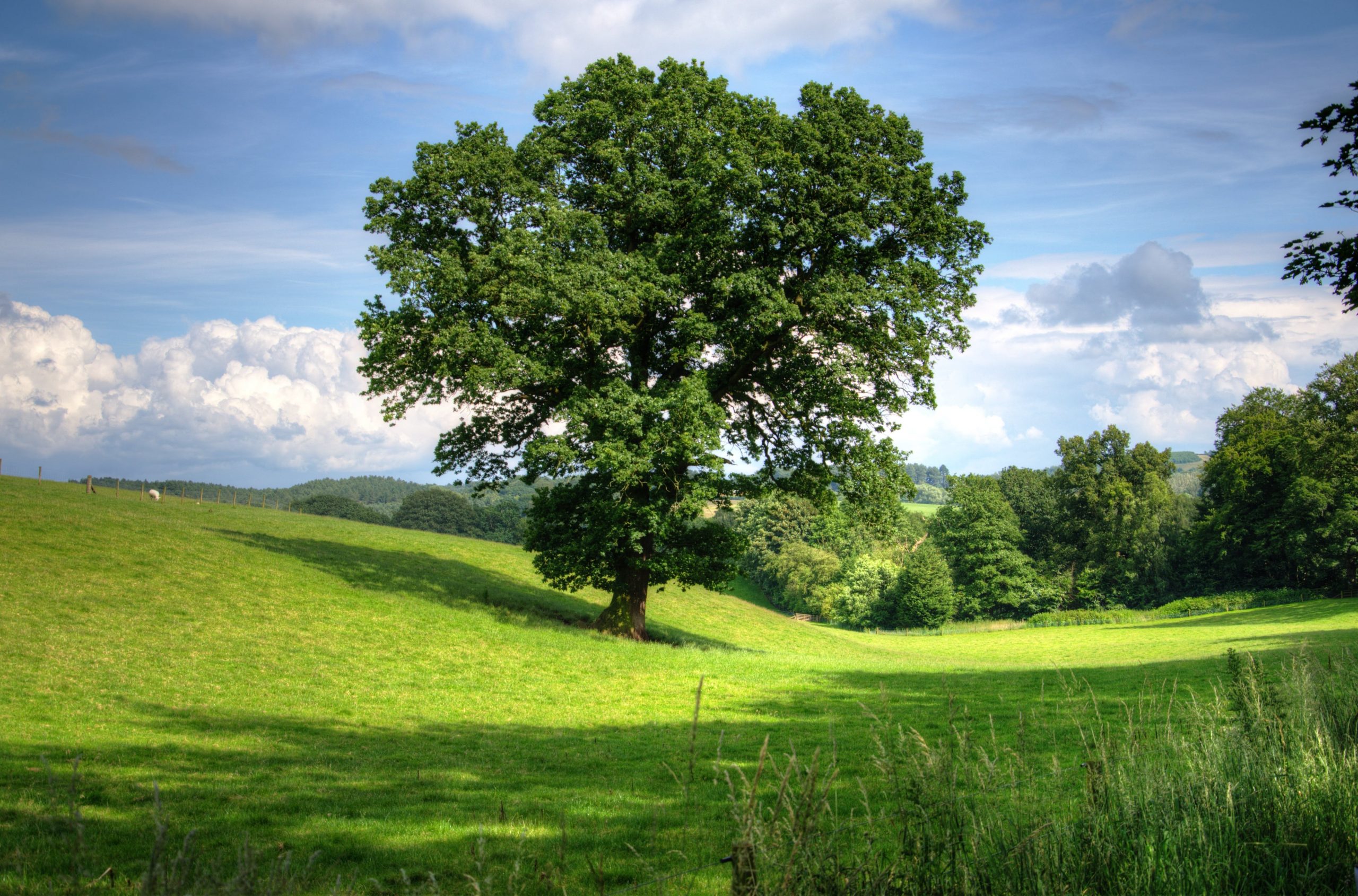
Trees play a crucial role in mitigating air pollution and improving overall air quality in both urban and natural environments. Their unique ability to absorb pollutants and release oxygen makes them valuable natural allies in the fight against air pollution. Here’s why trees are important for mitigating air pollution:
- Air Pollutant Absorption:
- Trees act as natural air filters, absorbing a wide range of air pollutants such as sulfur dioxide, nitrogen oxides, ozone, and particulate matter.
- Through tiny openings called stomata on their leaves, trees pull in polluted air, capturing pollutants on leaf surfaces and preventing them from entering the atmosphere.
- Particulate Matter Reduction:
- Trees are particularly effective at capturing fine particulate matter (PM2.5) and larger particles, preventing them from being inhaled by humans and animals.
- The complex surfaces of leaves and branches trap particles and prevent their dispersion.
- Ozone Absorption:
- Trees absorb ozone, a harmful gas that forms in the atmosphere due to the reaction of sunlight with pollutants emitted by vehicles and industries.
- Ozone can cause respiratory issues, and trees help reduce its concentration near the ground.
- Nitrogen Dioxide Reduction:
- Nitrogen dioxide (NO2) is a common pollutant produced by vehicle emissions and industrial activities.
- Trees absorb NO2 through their leaves, reducing its concentration in the air and minimizing its negative health impacts.
- Volatile Organic Compound (VOC) Uptake:
- Trees help remove volatile organic compounds, which are emitted by vehicles, industrial processes, and certain consumer products.
- VOCs contribute to the formation of ground-level ozone and smog.
- Carbon Sequestration:
- Trees absorb carbon dioxide (CO2), a major greenhouse gas responsible for climate change, during photosynthesis.
- By storing carbon in their biomass, trees contribute to the reduction of atmospheric CO2 levels.
- Cooling Effect:
- Trees provide shade and reduce the urban heat island effect, which occurs when cities are significantly warmer than surrounding rural areas.
- Cooler temperatures can reduce the formation of ground-level ozone, a common air pollutant.
- Enhanced Aesthetic and Psychological Benefits:
- The presence of trees in urban areas improves aesthetics and promotes mental well-being.
- Healthy urban environments with trees encourage outdoor activities, reducing indoor exposure to pollutants.
- Promotion of Sustainable Transportation:
- Trees in urban areas encourage walking and cycling by providing shaded pathways, reducing the use of vehicles and associated emissions.
- Biodiversity Support:
- Urban trees create habitats for birds, insects, and other wildlife, contributing to overall biodiversity.
- A diverse ecosystem helps maintain a balanced environment and natural checks on pest populations.
In summary, trees offer a natural and cost-effective solution to mitigating air pollution and improving air quality. Their ability to capture pollutants, provide shade, and contribute to overall ecosystem health makes them a vital component of sustainable urban planning and environmental conservation efforts. By investing in tree planting and preservation, communities can significantly contribute to cleaner air and healthier living conditions.
Understanding Air Quality Issues in Utah
Utah faces unique air quality challenges due to a combination of geographical, meteorological, and human factors. Air quality issues in Utah are primarily centered around the accumulation of pollutants, particularly during winter inversions and summer ozone events. Here’s an overview of the key air quality issues in Utah:
- Winter Inversions:
- In the colder months, Utah’s valleys often experience temperature inversions. Cold air gets trapped under a layer of warmer air, preventing pollutants from dispersing and leading to the buildup of particulate matter (PM2.5) and other pollutants close to the ground.
- The most affected areas include the Salt Lake Valley, Cache Valley, and other low-lying regions surrounded by mountains.
- Particulate Matter (PM2.5):
- Particulate matter consists of tiny airborne particles that can be harmful when inhaled. These particles include dust, soot, and other fine materials.
- PM2.5 particles are particularly concerning due to their small size, which allows them to penetrate deep into the respiratory system and potentially enter the bloodstream, leading to adverse health effects.
- Ozone Formation:
- During the summer months, elevated temperatures and the presence of precursor pollutants (nitrogen oxides and volatile organic compounds) contribute to the formation of ground-level ozone.
- Ozone is a harmful air pollutant that can cause respiratory problems, especially for vulnerable populations such as children, the elderly, and individuals with preexisting health conditions.
- Vehicle Emissions:
- Vehicle emissions, including those from cars, trucks, and industrial machinery, are a major source of air pollutants in Utah.
- The combination of vehicle emissions and temperature inversions can exacerbate air quality issues, especially in urban areas with high traffic congestion.
- Industrial and Commercial Activities:
- Industrial and commercial activities contribute to air pollution through emissions from factories, power plants, and other facilities.
- Certain areas with high industrial activity may experience localized air quality problems.
- Geographical Factors:
- Utah’s unique geographical features, including its valleys surrounded by mountains, can trap pollutants and exacerbate inversion-related air quality problems.
- Wood Burning:
- Wood burning for heating during the winter can release significant amounts of particulate matter and other pollutants into the air.
- Poorly managed wood burning can contribute to PM2.5 levels during inversions.
- Population Growth and Urban Development:
- Rapid population growth and urban development can lead to increased vehicle emissions, energy consumption, and industrial activities, intensifying air quality challenges.
- Efforts and Solutions:
- Utah has implemented various measures to address air quality issues, including vehicle emission standards, industrial regulations, and public awareness campaigns.
- Promotion of public transportation, adoption of cleaner technologies, and enforcement of emission standards are ongoing efforts to improve air quality.
- Public Health Concerns:
- Poor air quality can have serious health impacts, including aggravated respiratory conditions, heart problems, and increased susceptibility to infections.
- Air quality issues disproportionately affect vulnerable populations and can lead to increased hospitalizations and medical costs.
Understanding and addressing air quality issues in Utah require a comprehensive approach involving government policies, public awareness, community engagement, and technological advancements. Efforts to reduce emissions, promote sustainable practices, and create cleaner air are vital to ensuring a healthier and more livable environment for residents of Utah.
Trees as Natural Air Purifiers
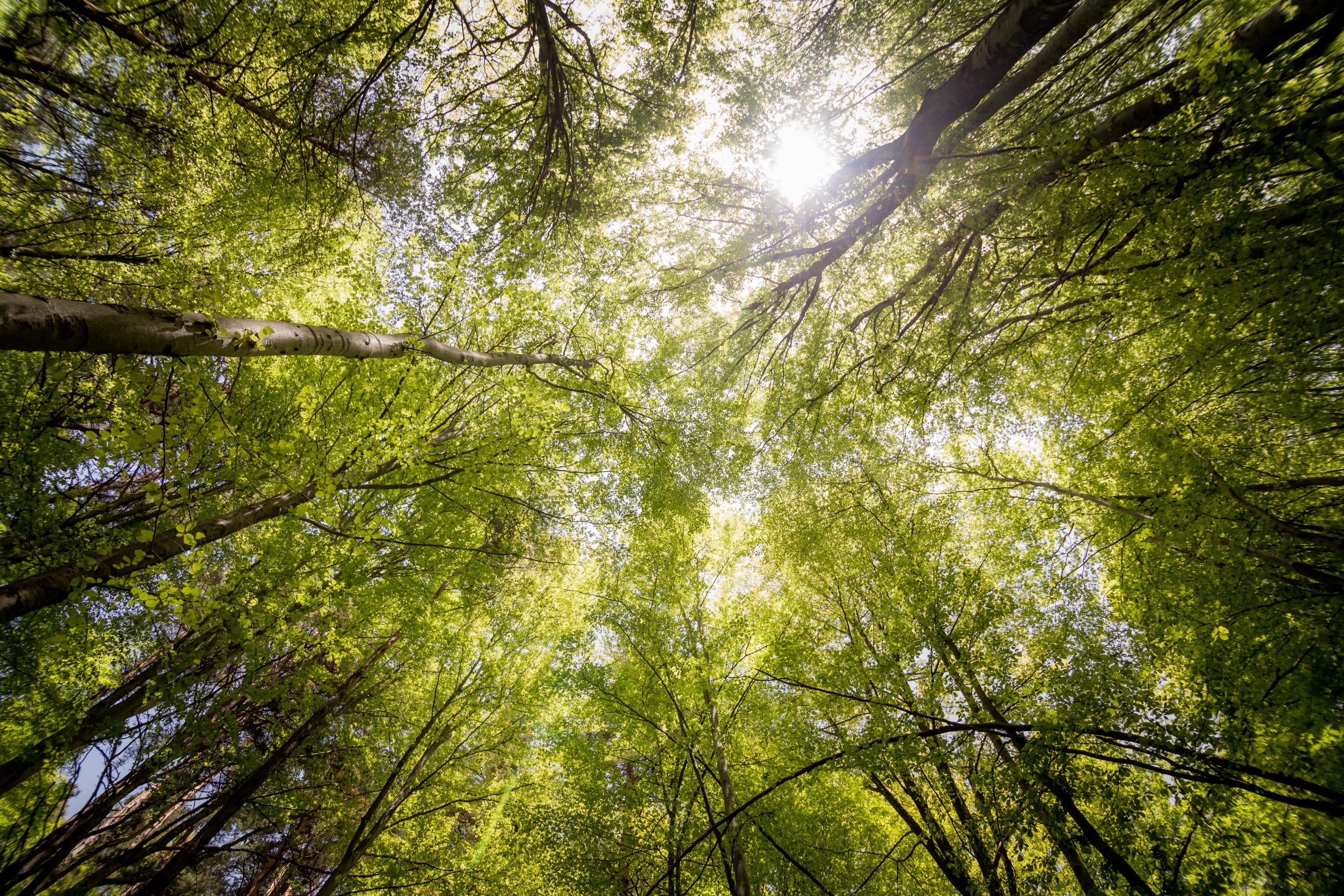
Trees play a crucial role as natural air purifiers, effectively removing pollutants from the air and improving overall air quality. Through a process called “biological filtration” or “phytoremediation,” trees absorb harmful gases, particulate matter, and other pollutants, providing multiple benefits for both the environment and human health. Here’s how trees act as natural air purifiers:
- Particulate Matter Removal:
- Trees have the ability to capture and filter out fine particulate matter (PM2.5) and larger particles from the air. Leaves and branches act as physical barriers that trap these particles, preventing them from being inhaled by humans and animals.
- Carbon Dioxide Absorption:
- Trees are essential for the process of photosynthesis, during which they absorb carbon dioxide (CO2) from the atmosphere and convert it into oxygen and sugars. This helps regulate atmospheric CO2 levels and mitigate the greenhouse effect, which contributes to climate change.
- Oxygen Production:
- Trees release oxygen as a byproduct of photosynthesis. A single mature tree can produce a substantial amount of oxygen, making the air cleaner and more breathable.
- Volatile Organic Compound (VOC) Removal:
- Trees can absorb and break down a wide range of volatile organic compounds (VOCs), which are emitted from sources like vehicle exhaust, industrial emissions, and household products. VOCs can contribute to air pollution and respiratory problems.
- Nitrogen Oxide Reduction:
- Trees can help reduce nitrogen oxide (NOx) levels in the air, which are common pollutants produced by vehicle emissions and industrial processes.
- Sulfur Dioxide Absorption:
- Trees can absorb sulfur dioxide (SO2), a pollutant released from burning fossil fuels and industrial activities, which can contribute to respiratory issues and acid rain.
- Air Temperature Regulation:
- Trees provide shade, reducing the urban heat island effect and helping to regulate local air temperatures. This indirectly contributes to improved air quality by reducing the formation of ground-level ozone, a harmful pollutant.
- Microbial Activity Enhancement:
- Trees support beneficial soil microbial communities that play a role in breaking down pollutants and improving soil quality. This microbial activity can indirectly contribute to air quality improvement.
- Noise Reduction:
- Trees and vegetation act as natural noise barriers, reducing the impact of noise pollution, which can have negative effects on human health.
- Aesthetic and Psychological Benefits:
- The presence of trees in urban and natural environments offers aesthetic and psychological benefits that contribute to overall well-being and mental health.
[geocentric_weather id=”45ff4ccd-3d3f-498e-b0b9-91aaaf766bc4″]
[geocentric_about id=”45ff4ccd-3d3f-498e-b0b9-91aaaf766bc4″]
[geocentric_neighborhoods id=”45ff4ccd-3d3f-498e-b0b9-91aaaf766bc4″]
[geocentric_thingstodo id=”45ff4ccd-3d3f-498e-b0b9-91aaaf766bc4″]
[geocentric_busstops id=”45ff4ccd-3d3f-498e-b0b9-91aaaf766bc4″]
[geocentric_mapembed id=”45ff4ccd-3d3f-498e-b0b9-91aaaf766bc4″]
[geocentric_drivingdirections id=”45ff4ccd-3d3f-498e-b0b9-91aaaf766bc4″]
[geocentric_reviews id=”45ff4ccd-3d3f-498e-b0b9-91aaaf766bc4″]