THE ROLE OF TREES IN SUPPORTING LOCAL ECOSYSTEMS
THE ROLE OF TREES IN SUPPORTING LOCAL ECOSYSTEMS
A local ecosystem, also known as a micro-ecosystem or community ecosystem, refers to a specific, relatively small-scale ecological system that encompasses living organisms, their physical environment, and the intricate interactions that occur within a limited geographical area. These ecosystems can vary widely in size, from a backyard garden or a pond to a forested area or a meadow, and they are characterized by their unique sets of species, environmental conditions, and ecological processes.
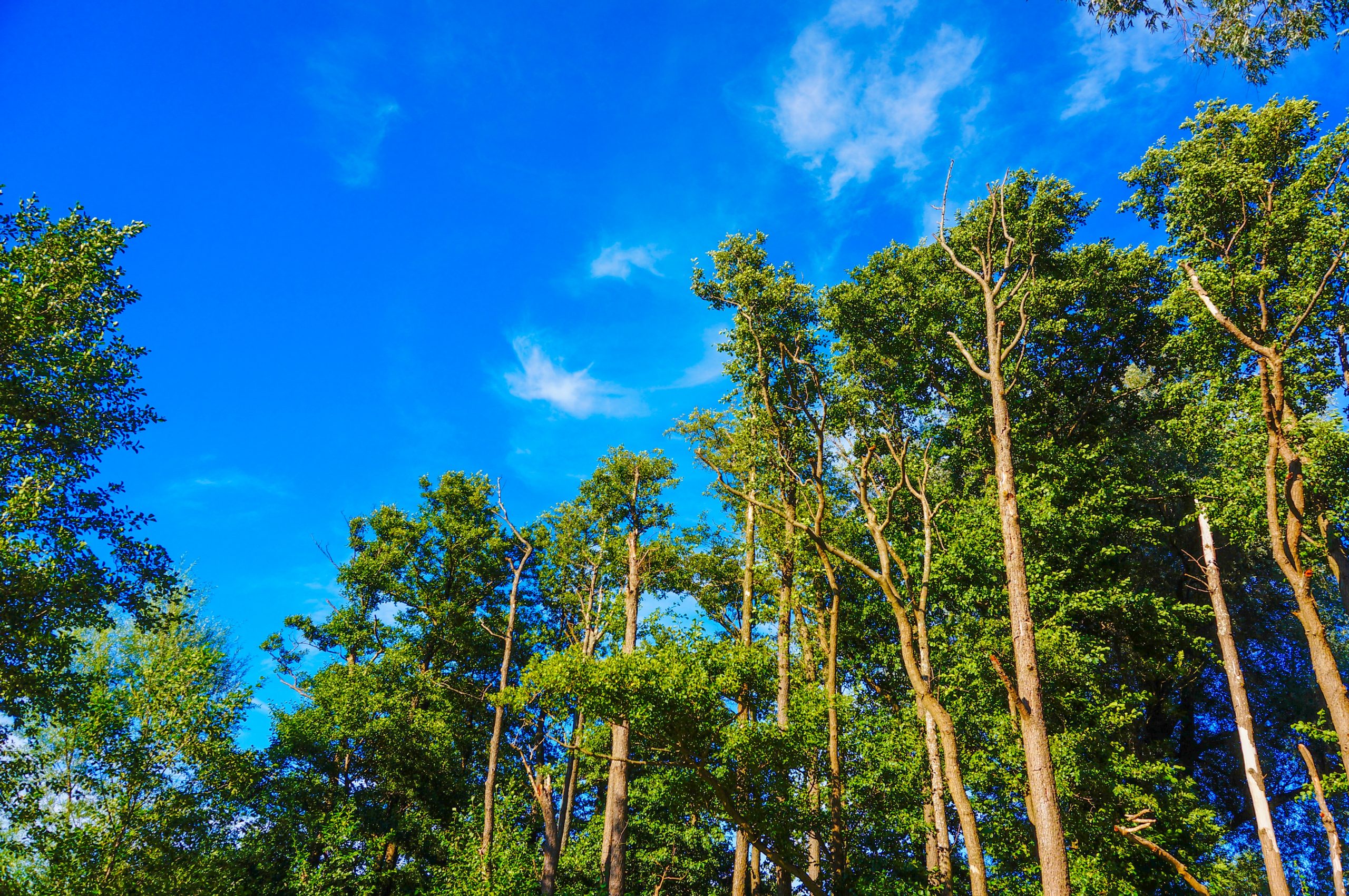
Here’s an extensive definition of a local ecosystem, breaking down its key components and characteristics:
- Biological Components:
- Flora and Fauna: Local ecosystems are home to a diverse array of plant and animal species. These species have evolved to adapt to the specific environmental conditions of the area. For example, a forest ecosystem may feature a variety of tree species, understorey plants, insects, birds, and mammals.
- Abiotic Components:
- Physical Environment: Local ecosystems are influenced by the physical environment, including climate, soil type, topography, and geological features. These factors determine the availability of resources like water, sunlight, and nutrients.
- Interactions:
- Species Interactions: In a local ecosystem, species interact with each other in complex ways. These interactions can include predation, competition for resources, mutualism, and symbiosis. For example, plants may provide nectar to attract pollinators like bees and butterflies, leading to mutualistic relationships.
- Nutrient Cycling: Local ecosystems involve the cycling of nutrients such as carbon, nitrogen, and phosphorus. Decomposers like fungi and bacteria break down dead organic matter, returning essential nutrients to the soil for reuse by plants.
- Energy Flow: Energy from the sun is captured by plants through photosynthesis and transferred through the food web as herbivores eat plants and predators consume herbivores. This energy flow sustains the ecosystem.
- Scale and Size:
- Limited Geographical Area: Local ecosystems are typically confined to a defined and limited geographical area. The size can vary widely, but they are smaller in scale compared to larger ecosystems like biomes or continents.
- Ecosystem Services:
- Supporting Services: Local ecosystems provide supporting services such as habitat provision, nutrient cycling, and soil formation, which are essential for the survival and functioning of the ecosystem.
- Provisioning Services: They also offer provisioning services, including food, water, and raw materials that are utilized by both local communities and other species.
- Regulating Services: Local ecosystems help regulate environmental processes like climate, water purification, and disease control.
- Cultural Services: These ecosystems often hold cultural and recreational value for communities, serving as spaces for leisure, education, and spiritual connection.
- Vulnerability and Resilience:
- Sensitivity to Disturbances: Local ecosystems can be sensitive to disturbances, such as pollution, habitat destruction, or climate change, which can disrupt their ecological balance.
- Resilience: However, they can also exhibit resilience by adapting to changes or recovering from disturbances over time, especially if they are well-preserved and managed.
In summary, a local ecosystem is a dynamic and interconnected ecological system characterized by its unique composition of living organisms, physical environment, and ecological processes within a specific geographic area. These ecosystems are essential for biodiversity, ecological functioning, and the well-being of local communities.
Significance of Local Ecosystems for Biodiversity and Environmental Stability
Local ecosystems play a crucial role in biodiversity conservation and environmental stability. Their significance extends beyond their immediate boundaries, as they contribute to global ecological health and the well-being of both natural and human communities. Here’s an exploration of the importance of local ecosystems in these aspects:

- Biodiversity Conservation:
- Habitat Diversity: Local ecosystems provide a variety of habitats, each with its unique environmental conditions, which support a wide range of plant and animal species. These ecosystems may include forests, wetlands, grasslands, rivers, ponds, and urban green spaces.
- Species Richness: The diversity of habitats within local ecosystems encourages the coexistence of numerous species. A rich variety of species is essential for biodiversity as it contributes to genetic diversity, ecological resilience, and ecosystem stability.
- Endemic Species: Many local ecosystems are home to species that are found nowhere else on Earth, known as endemic species. Protecting these ecosystems is vital for the preservation of these unique and often rare organisms.
- Ecosystem Services: Biodiversity within local ecosystems underpins various ecosystem services, including pollination, pest control, nutrient cycling, and water purification. These services are essential for human agriculture, food security, and overall well-being.
- Environmental Stability:
- Climate Regulation: Local ecosystems play a role in regulating local and regional climates. Forests, for example, help maintain cooler temperatures through shade and evapotranspiration, contributing to climate moderation.
- Carbon Sequestration: Trees and plants in local ecosystems absorb carbon dioxide (CO2) from the atmosphere, helping mitigate climate change by sequestering carbon. This process reduces the concentration of greenhouse gases, thus regulating global temperatures.
- Water Management: Local ecosystems help manage water resources. Wetlands, for instance, act as natural sponges, absorbing excess water during storms and releasing it gradually, reducing the risk of flooding downstream.
- Soil Conservation: Tree roots stabilize soil, preventing erosion and preserving fertile topsoil. This soil conservation function is crucial for maintaining agricultural productivity and preventing land degradation.
- Natural Disaster Mitigation: Some local ecosystems, such as coastal mangroves and barrier islands, serve as natural buffers against storm surges and tsunamis. They protect coastal communities from the impacts of extreme weather events.
- Resilience: The biodiversity within local ecosystems enhances their resilience to environmental changes and disturbances. A diverse array of species can better withstand and recover from disruptions, contributing to long-term stability.
- Human Well-Being:
- Recreation and Aesthetics: Local ecosystems offer recreational opportunities and aesthetic enjoyment. Parks, forests, and green spaces within urban areas provide spaces for relaxation, exercise, and connection with nature.
- Cultural and Spiritual Value: Local ecosystems often hold cultural and spiritual significance for communities. They can be sites of cultural practices, ceremonies, and traditions, fostering a sense of identity and connection to the land.
- Economic Benefits: Many local ecosystems support local economies through activities such as tourism, fishing, agriculture, and forestry, providing livelihoods and economic value to communities.
In conclusion, the significance of local ecosystems for biodiversity and environmental stability is profound. They are vital for conserving biodiversity, regulating environmental processes, and sustaining the well-being of both natural and human communities. Protecting and preserving these ecosystems is crucial for maintaining a healthy planet and ensuring a sustainable future.
Biodiversity Support
Biodiversity support refers to the role of ecosystems in fostering and sustaining a wide variety of plant and animal species within a given region or habitat. Biodiversity, short for biological diversity, refers to the variety of life forms and the genetic diversity within those species, as well as the diversity of ecosystems they inhabit. Here’s an explanation of how ecosystems support biodiversity:

- Habitat Creation: Ecosystems provide a range of habitats with varying environmental conditions, such as temperature, moisture, and food availability. Different species have adapted to thrive in specific habitats. For example, a wetland ecosystem may support aquatic plants, birds, amphibians, and insects, each adapted to its unique niche.
- Species Coexistence: Ecosystems create opportunities for numerous species to coexist within relatively small geographic areas. Each species occupies a specific ecological niche, which is its role in the ecosystem. This diversity of niches allows many species to share resources and reduce competition.
- Food Web Complexity: Ecosystems host complex food webs, where species are interconnected through predator-prey relationships. This complexity contributes to species diversity. For instance, a forest ecosystem might include various plant species that support herbivores, which in turn support predators.
- Genetic Diversity: Within a single species, ecosystems can harbor multiple genetic variations. This genetic diversity is essential for adaptation and survival in changing environmental conditions. For example, within a tree species, some individuals may be better adapted to drought, while others are more resistant to diseases.
- Migration and Connectivity: Ecosystems can serve as corridors or stepping stones for species to move and disperse. This connectivity allows genetic exchange between populations, reducing the risk of inbreeding and enhancing the overall resilience of species.
- Keystone Species: Some species within an ecosystem, known as keystone species, have a disproportionately large impact on biodiversity. Their presence or absence can significantly affect the composition of the entire ecosystem. For example, the removal of a top predator can lead to overpopulation of prey species and changes in vegetation.
- Ecosystem Services: Biodiversity within ecosystems provides a range of ecosystem services. For example, pollinators like bees and butterflies support the reproduction of plants, which form the basis of many food webs. In turn, these services are essential for agriculture and food production.
- Resilience to Environmental Changes: A diverse ecosystem is often more resilient to environmental changes and disturbances. If one species is affected by a disturbance, others may still thrive, helping maintain ecosystem stability and function.
- Cultural and Aesthetic Value: Biodiversity within ecosystems offers cultural, aesthetic, and recreational value to humans. People appreciate and derive inspiration from the diversity of life forms, whether it’s through bird watching, hiking in diverse landscapes, or simply enjoying the beauty of natural ecosystems.
In summary, biodiversity support by ecosystems is fundamental to the well-being of the planet. Ecosystems provide the conditions and resources that allow a wide array of species to coexist and thrive. The conservation and protection of ecosystems are critical for preserving biodiversity, maintaining ecosystem services, and ensuring the sustainability of life on Earth.
[geocentric_weather id=”45ff4ccd-3d3f-498e-b0b9-91aaaf766bc4″]
[geocentric_about id=”45ff4ccd-3d3f-498e-b0b9-91aaaf766bc4″]
[geocentric_neighborhoods id=”45ff4ccd-3d3f-498e-b0b9-91aaaf766bc4″]
[geocentric_thingstodo id=”45ff4ccd-3d3f-498e-b0b9-91aaaf766bc4″]
[geocentric_busstops id=”45ff4ccd-3d3f-498e-b0b9-91aaaf766bc4″]
[geocentric_mapembed id=”45ff4ccd-3d3f-498e-b0b9-91aaaf766bc4″]
[geocentric_drivingdirections id=”45ff4ccd-3d3f-498e-b0b9-91aaaf766bc4″]
[geocentric_reviews id=”45ff4ccd-3d3f-498e-b0b9-91aaaf766bc4″]