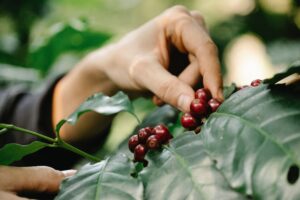
Service Berry

Service Berry

Service Berry

Amelanchier (/æməˈlænʃɪər/ am-ə-LAN-sheer), also known as shadbush, shadwood or shadblow, serviceberry or sarvisberry (or just sarvis), juneberry, saskatoon, sugarplum, wild-plum or chuckley pear, is a genus of about 20 species of deciduous-leaved shrubs and small trees in the rose family (Rosaceae).

Amelanchier is a known native to temperate regions of the Northern Hemisphere, growing primarily in early successional habitats. It is most diverse taxonomically in North America, especially in the northeastern United States and adjacent southeastern Canada, and at least one species is native to every U.S. state except Hawaii and to every Canadian province and territory. Two species also occur in Asia, and one in Europe. The taxonomic classification of shadbushes has long perplexed botanists, horticulturalists, and others, as suggested by the range in number of species recognized in the genus, from 6 to 33, in two recent publications. A major source of complexity comes from the occurrence of hybridization, polyploidy, and apomixis (asexual seed production), making species difficult to characterize and identify.

The various species of Amelanchier grow to 0.2–20 m tall; some are small trees, some are multistemmed, clump-forming shrubs, and yet others form extensive low shrubby patches (clones). The bark is gray or less often brown in color, and in tree species smooth or fissuring when older. The leaves are deciduous, cauline, alternate, simple, lanceolate to elliptic to orbiculate, 0.5–10 x 0.5–5.5 cm, thin to coriaceous, with surfaces above glabrous or densely tomentose at flowering, and glabrous or more or less hairy beneath at maturity. The inflorescences are terminal, with 1–20 flowers, erect or drooping, either in clusters of one to four flowers, or in racemes with 4–20 flowers. The flowers have five white (rarely somewhat pink, yellow, or streaked with red), linear to orbiculate petals, 2.6–25 mm long, with the petals in one species (A. nantucketensis) often andropetalous (bearing apical microsporangia adaxially). The flowers appear in early spring, “when the shad run” according to North-American tradition (leading to names such as “shadbush”). The fruit is a berry-like pome, red to purple to nearly black at maturity, 5–15 mm diameter, insipid to delectably sweet, maturing in summer. Amelanchier plants are valued horticulturally, and their fruits are important to wildlife.

Some of the Selected species

Amelanchier alnifolia

For North American species, the taxonomy follows the Flora of North America; for Asian species the Flora of China; and for the one European species the Flora Europaea.

Amelanchier alnifolia – Saskatoon serviceberry, alder-leaved shadbush, saskatoon, saskatoon berry
Amelanchier arborea – downy serviceberry
Amelanchier asiatica – Korean juneberry or Asian serviceberry
Amelanchier australis
Amelanchier basalticola
Amelanchier bartramiana – mountain shadbush
Amelanchier canadensis – Canada serviceberry, shadblow serviceberry, bilberry, eastern shadbush, Indian pear
Amelanchier humilis – low shadbush
Amelanchier interior – Wiegand’s shadbush
Amelanchier intermedia
Amelanchier laevis – smooth shadbush, smooth serviceberry, Allegheny serviceberry
Amelanchier lamarckii – Juneberry
Amelanchier nantucketensis – Nantucket serviceberry
Amelanchier obovalis – Southern Juneberry, Coastal serviceberry
Amelanchier ovalis – snowy mespilus
Amelanchier pallida – pale serviceberry or western serviceberry
Amelanchier parviflora
Amelanchier sanguinea – red-twigged shadbush or roundleaf serviceberry
Amelanchier sinica – Chinese serviceberry
Amelanchier spicata – low juneberry, thicket shadbush, dwarf serviceberry, or low serviceberry
Amelanchier stolonifera – running serviceberry
Amelanchier utahensis – Utah serviceberry

Garden hybrids

Since classifications have varied greatly over the past century, species names are often used interchangeably in the nursery trade. Several natural or horticultural hybrids also exist, and many A. arborea and A. canadensis plants that are offered for sale are actually hybrids, or entirely different species. A. × grandiflora is another hybrid of garden origin, between A. arborea and A. laevis.

A taxon called Amelanchier lamarckii (or A. x lamarckii) is very widely cultivated and naturalized in Europe, where it was introduced in the 17th century. It is apomictic, breeding true from seed, and probably of hybrid origin, perhaps descending from a cross between A. laevis and either A. arborea or A. canadensis. While A. lamarckii is known to be of North American origin, probably from eastern Canada, it is not known to occur naturally in the wild in North America.

Etymology

The origin of the generic name Amelanchier is probably derived from amalenquièr, amelanchièr, the Provençal names of the European Amelanchier ovalis. The name serviceberry comes from the similarity of the fruit to the related European Sorbus.

A fanciful etymology explains the name ‘serviceberry’ by noting that the flowers bloom about the time roads in the Appalachian mountains became passable, allowing circuit-riding preachers to resume church services. A similar etymology says that blooming serviceberry indicated the ground had thawed enough to dig graves, so burial services could be held for those who died in the winter when the only way to deal with the bodies was to allow them to freeze and wait for spring. Both of these fanciful etymologies are unlikely to be correct since the term is attested for both English and New World species as early as the 16th century, well before settlement of English North America, and serviceberry is far from unique in blossoming early in the year.

Juneberry refers to the fruits of certain species becoming ripe in June. The name saskatoon originated from a Cree noun misâskwatômina (misāskwatōmina, misaaskwatoomina) for Amelanchier alnifolia. The city of Saskatoon, Saskatchewan, is named after this plant.

Shadberry refers to the shad runs in certain New England streams, which generally took place about when the trees bloomed.

Ecology

Amelanchier plants are preferred browse for deer and rabbits, and heavy browsing pressure can suppress natural regeneration.

Caterpillars of such Lepidoptera as brimstone moth, brown-tail, grey dagger, mottled umber, rough prominent, the satellite, winter moth, and the red-spotted purple and the white admiral (both Limenitis arthemis), as well as various other herbivorous insects feed on Amelanchier. Many insects and diseases that attack orchard trees also affect this genus, in particular trunk borers and Gymnosporangium rust. In years when late flowers of Amelanchier overlap those of wild roses and brambles, bees may spread bacterial fireblight.

Uses and cultivation

Fruit and leaves of Amelanchier ovalis
The fruit of several species are excellent to eat raw, sweetish, and strongly accented by the almond-like flavour of the seeds. Selections from Amelanchier alnifolia have been chosen for fruit production, with several named cultivars. Other cultivars appear to be derived from hybridization between A. alnifolia and A. stolonifera. Propagation is by seed, divisions, and grafting.

Serviceberries graft so readily that grafts onto other genera, such as Crataegus and Sorbus, are often successful. The fruit can be harvested for pies, muffins, jams, and wine. The saskatoon berry is harvested commercially. One version of the Native American food pemmican was flavored by serviceberry fruits in combination with minced dried meat and fat.

The wood is brown, hard, close-grained, and heavy. The heartwood is reddish-brown, and the sapwood is lighter in color. It can be used for tool handles and fishing rods. Native Americans used it for arrow shafts. Members of the Pit River Tribe would use the wood to create a sort of body armor, crafting it into a heavy robe or overcoat and corset armor worn during fighting.

Garden history

Several species are very popular ornamental shrubs, grown for their flowers, bark, and fall color. All need similar conditions to grow well, requiring good drainage, air circulation (to discourage leaf diseases), watering during drought, and soil appropriate for the species.

George Washington planted specimens of Amelanchier on the grounds of his estate, Mount Vernon, in Virginia.

Service berry Care

Successfully growing service berries requires carefully balancing several factors: heat, light, and fertilization. Plants that are over-fertilized and grown in warm conditions, but not given enough light, will stretch out looking for more. Plants that are given too much light without a corresponding increase in fertilizer and water will scorch. The right balance indoors likely means a bright corner, with plenty of water, and less fertilizer than you probably think.

Service berry has a reputation for being somewhat of a temperamental plant. Although service berrys are understory plants in their natural habitat, indoors it’s a good idea to provide as much light as possible. Plants that are stretching and bleached should be moved into a brighter spot for a few weeks, but don’t expose them to full sunlight.

Soil

These palms are acid-loving plants that do best with a pH level as low as 5.0, so don’t worry about a peat-based mixture acidifying and hurting your service berry. A standard potting mix, with some extra peat mixed in, is an ideal growing medium for service berrys1. These palms need good drainage to prevent water-logged roots.

Water

Keep the potting media evenly moist, but not waterlogged. Don’t let the plant’s soil get too dry between watering or you’ll start to lose lower leaves.

Temperature and Humidity

This plant will grow fairly well in temperatures between 65 and 85 degrees Fahrenheit. It prefers high humidity but can survive in ordinary household humidity levels. In colder climates where winter air can get very dry; running a humidifier can make the plants happier. Misting the plant daily will also ensure it gets the humidity it craves. Low humidity levels can encourage insect pests.

[geocentric_weather id=”b8c5f245-24c6-4fc6-bf19-c4528fff5277″]

[geocentric_about id=”b8c5f245-24c6-4fc6-bf19-c4528fff5277″]

[geocentric_neighborhoods id=”b8c5f245-24c6-4fc6-bf19-c4528fff5277″]

[geocentric_thingstodo id=”b8c5f245-24c6-4fc6-bf19-c4528fff5277″]

[geocentric_busstops id=”b8c5f245-24c6-4fc6-bf19-c4528fff5277″]

[geocentric_mapembed id=”b8c5f245-24c6-4fc6-bf19-c4528fff5277″]

[geocentric_drivingdirections id=”b8c5f245-24c6-4fc6-bf19-c4528fff5277″]

[geocentric_reviews id=”b8c5f245-24c6-4fc6-bf19-c4528fff5277″]
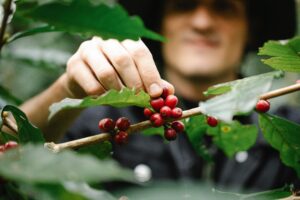
Service Berry Bush

Service Berry Bush

Service Berry Bush

What Is a Service berry Bush?

Service berry bushes (Amelanchier spp.), also called June berry or shad bush, are large deciduous ornamental bushes or small trees that vary in size and form depending on the species. Service berry varieties, which are native to North America, are hardy in U.S. Department of Agriculture zones 2 through 9. Gardeners plant them as border shrubs or specimen plants, or use them to attract wildlife. Servce berry bushes offer year-round ornamental appeal, as well as yielding an edible and flavorful berry that works well in jellies and pies.

Service berry Tree Identification

Most types of service berry bushes are multi-trunked. Their bark color varies from tan to pale gray; some varieties also have dark lines on their branches and trunks, and most have reddish-brown twigs that grow in a zigzag pattern.

The leaves vary In shape from oval to oblong depending upon the species, with finely serrated margins. Young servce berry leaves are purple or greenish-gray, but mature to medium or dark green. Native servce berry offers an attractive fall foliage display when its leaves change to orange, yellow or red, and the silvery bark adds to winter interest.

Flowers and Berries

Servce berry is one of the earliest bushes to produce flowers each year. Early in the spring, hairy, silvery flower buds emerge before the leaves. These buds remain closed for two to three weeks before opening into clusters of showy white blossoms. The petals usually only last between one day and one week, quickly falling from the tree as the foliage begins to appear.

Heavy clusters of small, round, green berries replace the blossoms. The green gives way to red, blue, purple or black as the fruits mature. Servce berry fruits vary in size between ¼ and 3/8 inches in diameter depending on the shrub variety.

Servce berry Varieties and Cultivars

Amelanchier alnifolia ‘Regent’ or regent servce berry is an early-flowering shrub that grows best in zones 2 through 7. Also called alder-leaved servce berry, it usually reaches heights of 4 to 6 feet with an approximately equal spread and yields rich purple berries, advises Missouri Botanical Garden. Amelanchier canadensis or shadblow servce berry shrub size is between 6 and 10 feet high and it produces sweet black berries.

This species is available in a number of cultivars including ‘Spring Glory,’ ‘Rainbow Pillar’ and ‘Tradition.’ Amelanchier arborea, or common servce berry, is a small tree or tall shrub that reaches heights of 15 to 25 feet, advises Lady Bird Johnson Wildflower Center Native Plant Database. Sometimes called the downy servce berry, a coating of soft hair covers its emerging leaves.

Cultivation and Potential Issues

Servce berry shrubs or trees grow best in partial shade. These hardy plants can tolerate a wide range of growing conditions, but they thrive in nutrient-rich, well-drained, moist acidic soil, with regular amounts of water. Serviceberries do not do well in soggy or poorly drained soil. They benefit from an occasional pruning after they have bloomed to remove dead or dying branches.
Several diseases such as fire blight and leaf spot occasionally infect servce berry plantings. Borer insects sometimes burrow into the wood and create tunnels below the bark, weakening the internal structure and killing limbs or entire plants. Heavy infestations of sap-feeding pests such as aphids and spider mites can speckle, yellow or distort the foliage.

Amelanchier arborea

Amelanchier arborea (downy servce berry or common servce berry), is native to eastern North America from the Gulf Coast north to Thunder Bay in Ontario and Lake St. John in Quebec, and west to Texas and Minnesota.

Scientific classifications

Kingdom: Plantae
Clade: Tracheophytes
Clade: Angiosperms
Clade: Eudicots
Clade: Rosids
Order: Rosales
Family: Rosaceae
Genus: Amelanchier
Species: A. Arborea
Binomial name Amelanchier arborea

Other common names are “shadberries” (as their blossoming coincides with the shad runs in New England), “Juneberries” (because the berries usually set on in June), and “Service” or “Sarvice” berries because their blooms mean that the muddy back roads into the “coves and hollers” of Appalachia will soon be passable for circuit-riding preachers and the communities will be able to have Sunday services again. (Some say, more morbidly, that it means the ground is soft enough to dig, which means that those who died over winter can be buried and have services said over them.)

Amelanchier arborea is generally 5–12 m (16–39 ft) tall. Occasionally, it can grow up to 20 metres (66 ft) tall and reach into the overstory. The trunk can be up to 15 cm (6 in) in diameter (rarely to 40 cm or 16 in). The bark is smooth and gray.

The buds are slender with a pointed tip, and usually more than two scales visible. The leaves are ovate or elliptical, 4–8 cm (1+1⁄2–3+1⁄4 in), rarely 10 cm (4 in), long and 2.5–4 cm (1–1+5⁄8 in) wide, with pointed tips and finely serrated margins. A characteristic useful for identification is that the young leaves emerge downy on the underside. The fall color is variable, from orange-yellow to pinkish or reddish.

Flower details

It has perfect flowers that are 15–25 mm (5⁄8–1 in) in diameter, with 5 petals, emerging during bud break in early spring. The petals are white. Flowers are produced on pendulous racemes 3–5 cm (1+1⁄4–2 in) long with 4–10 flowers on each raceme. The flowers are pollinated by bees.

The fruit is a reddish-purple pome, resembling a small apple in shape. They ripen in summer and are very popular with birds. The fruit is eaten by over 40 species of birds and various mammals, including squirrels, rabbits, chipmunks, mice, voles, foxes, black bears, deer, and elk.
It also commonly hybridizes with other species of Amelanchier, the hybrid Amelanchier × grandiflora being one example, and identification can be very difficult as a result.

Cultivation

This species tolerates varying light levels, but is at its best in full sun. It requires good drainage and air circulation and should be watered during drought. It is often confused with other species in the nursery trade. Propagation is by seed, divisions and grafting.
The edible fruit is drier than some other serviceberries, and it is harvested locally for pies and jams, and has been known to be used for wine; they were also used by Native Americans to make bread.

Some report that the sweetened juice tastes like Dr. Pepper and some nurseries sell them as “The Dr. Pepper Tree”, but the fruit is not used in the soft drink.

Service Berry Care

Successfully growing service berries requires carefully balancing several factors: heat, light, and fertilization. Plants that are over-fertilized and grown in warm conditions, but not given enough light, will stretch out looking for more. Plants that are given too much light without a corresponding increase in fertilizer and water will scorch. The right balance indoors likely means a bright corner, with plenty of water, and less fertilizer than you probably think.

Service berry has a reputation for being somewhat of a temperamental plant. Although service berrys are understory plants in their natural habitat, indoors it’s a good idea to provide as much light as possible. Plants that are stretching and bleached should be moved into a brighter spot for a few weeks, but don’t expose them to full sunlight.

Soil

These palms are acid-loving plants that do best with a pH level as low as 5.0, so don’t worry about a peat-based mixture acidifying and hurting your service berry. A standard potting mix, with some extra peat mixed in, is an ideal growing medium for service berrys1. These palms need good drainage to prevent water-logged roots.

Water

Keep the potting media evenly moist, but not waterlogged. Don’t let the plant’s soil get too dry between watering or you’ll start to lose lower leaves.

Temperature and Humidity

This plant will grow fairly well in temperatures between 65 and 85 degrees Fahrenheit. It prefers high humidity but can survive in ordinary household humidity levels. In colder climates where winter air can get very dry; running a humidifier can make the plants happier. Misting the plant daily will also ensure it gets the humidity it craves. Low humidity levels can encourage insect pests.

Some of the Garden hybrids

Since classifications have varied greatly over the past century, species names are often used interchangeably in the nursery trade. Several natural or horticultural hybrids also exist, and many A. arborea and A. canadensis plants that are offered for sale are actually hybrids, or entirely different species. A. × grandiflora is another hybrid of garden origin, between A. arborea and A. laevis.

A taxon called Amelanchier lamarckii (or A. x lamarckii) is very widely cultivated and naturalized in Europe, where it was introduced in the 17th century. It is apomictic, breeding true from seed, and probably of hybrid origin, perhaps descending from a cross between A. laevis and either A. arborea or A. canadensis. While A. lamarckii is known to be of North American origin, probably from eastern Canada, it is not known to occur naturally in the wild in North America.

[geocentric_weather id=”0b923c12-a55b-4e8c-9150-01d942f85f46″]

[geocentric_about id=”0b923c12-a55b-4e8c-9150-01d942f85f46″]

[geocentric_neighborhoods id=”0b923c12-a55b-4e8c-9150-01d942f85f46″]

[geocentric_thingstodo id=”0b923c12-a55b-4e8c-9150-01d942f85f46″]

[geocentric_busstops id=”0b923c12-a55b-4e8c-9150-01d942f85f46″]

[geocentric_mapembed id=”0b923c12-a55b-4e8c-9150-01d942f85f46″]

[geocentric_drivingdirections id=”0b923c12-a55b-4e8c-9150-01d942f85f46″]

[geocentric_reviews id=”0b923c12-a55b-4e8c-9150-01d942f85f46″]

{ "@context":"https://schema.org", "@type":"WebPage", "headline":"Service Berry Bush", "url":"https://truetreeservices.com/service-berry-bush/", "about":

[{"@type": "thing", "name": "serviceberry", "sameAs": ["https://en.wikipedia.org/wiki/Amelanchier", "https://www.google.com/search?q=serviceberry&kgmid=/m/016_bh"]}, {"@type": "thing", "name": "amelanchier", "sameAs": ["https://en.wikipedia.org/wiki/Amelanchier", "https://www.google.com/search?q=amelanchier&kgmid=/m/016_bh"]}, {"@type": "thing", "name": "flowers", "sameAs": ["https://en.wikipedia.org/wiki/Flower", "https://www.google.com/search?q=flowers&kgmid=/m/0c9ph5"]}, {"@type": "thing", "name": "fruit", "sameAs": ["https://en.wikipedia.org/wiki/Fruit", "https://www.google.com/search?q=fruit&kgmid=/m/0fp_scn"]}, {"@type": "thing", "name": "shrub", "sameAs": ["https://en.wikipedia.org/wiki/Shrub", "https://www.google.com/search?q=shrub&kgmid=/m/0gqbt"]}, {"@type": "thing", "name": "berries", "sameAs": ["https://en.wikipedia.org/wiki/Berry_(botany)", "https://www.google.com/search?q=berries&kgmid="]}, {"@type": "thing", "name": "soil", "sameAs": ["https://en.wikipedia.org/wiki/Soil", "https://www.google.com/search?q=soil&kgmid=/m/09dv7"]}, {"@type": "thing", "name": "rhs", "sameAs": ["https://en.wikipedia.org/wiki/Royal_Horticultural_Society", "https://www.google.com/search?q=rhs&kgmid=/m/0fsmj"]}, {"@type": "thing", "name": "garden", "sameAs": ["https://en.wikipedia.org/wiki/Garden", "https://www.google.com/search?q=garden&kgmid=/m/0bl0l"]}, {"@type": "thing", "name": "foliage", "sameAs": ["https://en.wikipedia.org/wiki/Leaf", "https://www.google.com/search?q=foliage&kgmid=/m/09t49"]}, {"@type": "thing", "name": "pruning", "sameAs": ["https://en.wikipedia.org/wiki/Pruning", "https://www.google.com/search?q=pruning&kgmid=/m/02dj6v"]}, {"@type": "thing", "name": "hardy", "sameAs": ["https://en.wikipedia.org/wiki/Hardiness_(plants)", "https://www.google.com/search?q=hardy&kgmid=/m/0499nv"]}, {"@type": "thing", "name": "bark", "sameAs": ["https://en.wikipedia.org/wiki/Bark_(botany)", "https://www.google.com/search?q=bark&kgmid=/m/0btxzm"]}, {"@type": "thing", "name": "birds", "sameAs": ["https://en.wikipedia.org/wiki/Bird", "https://www.google.com/search?q=birds&kgmid=/m/015p6"]}, {"@type": "thing", "name": "cultivars", "sameAs": ["https://en.wikipedia.org/wiki/Cultivar", "https://www.google.com/search?q=cultivars&kgmid=/m/016g6_"]}, {"@type": "thing", "name": "prune", "sameAs": ["https://en.wikipedia.org/wiki/Pruning", "https://www.google.com/search?q=prune&kgmid=/m/02dj6v"]}, {"@type": "thing", "name": "pink", "sameAs": ["https://en.wikipedia.org/wiki/Pink", "https://www.google.com/search?q=pink&kgmid=/m/01fklc"]}, {"@type": "thing", "name": "north carolina", "sameAs": ["https://en.wikipedia.org/wiki/North_Carolina", "https://www.google.com/search?q=north+carolina&kgmid=/m/05fkf"]}, {"@type": "thing", "name": "trees", "sameAs": ["https://en.wikipedia.org/wiki/Tree", "https://www.google.com/search?q=trees&kgmid=/m/07j7r"]}, {"@type": "thing", "name": "fall foliage", "sameAs": ["https://en.wikipedia.org/wiki/Autumn_leaf_color", "https://www.google.com/search?q=fall+foliage&kgmid=/m/026289z"]}, {"@type": "thing", "name": "diseases", "sameAs": ["https://en.wikipedia.org/wiki/Disease", "https://www.google.com/search?q=diseases&kgmid=/m/027x3"]}],

"mentions":

[{"@type": "thing", "name": "juneberry", "sameAs": ["https://en.wikipedia.org/wiki/Amelanchier", "https://www.google.com/search?q=juneberry&kgmid=/m/016_bh"]}, {"@type": "thing", "name": "sarvisberry", "sameAs": ["https://en.wikipedia.org/wiki/Amelanchier", "https://www.google.com/search?q=sarvisberry&kgmid=/m/016_bh"]}, {"@type": "thing", "name": "may cherry", "sameAs": ["https://en.wikipedia.org/wiki/Amelanchier", "https://www.google.com/search?q=may+cherry&kgmid=/m/016_bh"]}, {"@type": "thing", "name": "shadwood", "sameAs": ["https://en.wikipedia.org/wiki/Amelanchier", "https://www.google.com/search?q=shadwood&kgmid=/m/016_bh"]}, {"@type": "thing", "name": "saskatoon berry", "sameAs": ["https://en.wikipedia.org/wiki/Amelanchier", "https://www.google.com/search?q=saskatoon+berry&kgmid=/m/016_bh"]}, {"@type": "thing", "name": "shadbushes", "sameAs": ["https://en.wikipedia.org/wiki/Amelanchier", "https://www.google.com/search?q=shadbushes&kgmid=/m/016_bh"]}, {"@type": "thing", "name": "amelanchièr", "sameAs": ["https://en.wikipedia.org/wiki/Amelanchier", "https://www.google.com/search?q=amelanchièr&kgmid=/m/016_bh"]}, {"@type": "thing", "name": "alleghany serviceberry", "sameAs": ["https://en.wikipedia.org/wiki/Amelanchier", "https://www.google.com/search?q=alleghany+serviceberry&kgmid=/m/016_bh"]}, {"@type": "thing", "name": "western serviceberry", "sameAs": ["https://en.wikipedia.org/wiki/Amelanchier_alnifolia", "https://www.google.com/search?q=western+serviceberry&kgmid=/m/02w97v"]}, {"@type": "thing", "name": "landscape plant", "sameAs": ["https://en.wikipedia.org/wiki/Ornamental_plant", "https://www.google.com/search?q=landscape+plant&kgmid=/m/01fpl7"]}, {"@type": "thing", "name": "mulch", "sameAs": ["https://en.wikipedia.org/wiki/Mulch", "https://www.google.com/search?q=mulch&kgmid=/m/027t7q"]}, {"@type": "thing", "name": "grandiflora", "sameAs": ["https://en.wikipedia.org/wiki/Garden_roses", "https://www.google.com/search?q=grandiflora&kgmid=/m/0fpjlj9"]}, {"@type": "thing", "name": "shadblow", "sameAs": ["https://en.wikipedia.org/wiki/Amelanchier", "https://www.google.com/search?q=shadblow&kgmid=/m/016_bh"]}, {"@type": "thing", "name": "ornamental bushes", "sameAs": ["https://en.wikipedia.org/wiki/Ornamental_plant", "https://www.google.com/search?q=ornamental+bushes&kgmid=/m/01fpl7"]}, {"@type": "thing", "name": "pyrus calleryana", "sameAs": ["https://en.wikipedia.org/wiki/Pyrus_calleryana", "https://www.google.com/search?q=pyrus+calleryana&kgmid=/m/02ldjd"]}, {"@type": "thing", "name": "amelanchier alnifolia", "sameAs": ["https://en.wikipedia.org/wiki/Amelanchier_alnifolia", "https://www.google.com/search?q=amelanchier+alnifolia&kgmid=/m/02w97v"]}, {"@type": "thing", "name": "juneberries", "sameAs": ["https://en.wikipedia.org/wiki/Amelanchier", "https://www.google.com/search?q=juneberries&kgmid=/m/016_bh"]}, {"@type": "thing", "name": "serviceberry", "sameAs": ["https://en.wikipedia.org/wiki/Amelanchier", "https://www.google.com/search?q=serviceberry&kgmid=/m/016_bh"]}] }