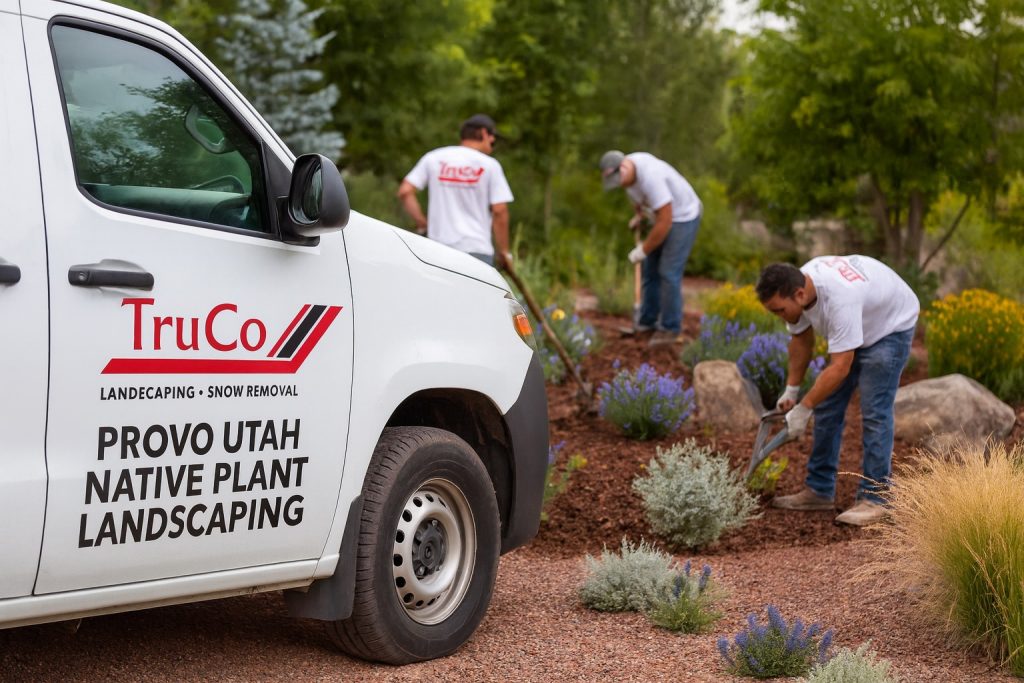
Title: Provo Utah Native Plant Landscaping | Waterwise, Pollinator-Friendly Designs
Description: Transform your Provo yard with native plant landscaping — lower water use, less maintenance, better wildlife habitat. Learn plant choices, design tips, and why you should call Truco Services: (801) 466-8044 | https://www.trucoservices.com
Landscaping with native plants is one of the smartest choices a homeowner in Provo, Utah can make. Native plant landscaping reduces water usage, requires less maintenance, supports pollinators, and creates an attractive, resilient yard that fits the high-desert climate of Utah County. This guide explains why native landscaping works in Provo, which plants perform well, practical design and maintenance tips, and why contacting Truco Services is the quickest way to get a professional, lasting result. Call (801) 466-8044 or visit https://www.trucoservices.com to start.
Provo sits in a semi-arid, high-desert region with hot, dry summers and cold winters. The local climate and soils favor plants that are adapted to these conditions. Using native species provides multiple benefits:
Water efficiency. Native plants evolved with local precipitation patterns and typically need less irrigation once established, lowering water bills and conserving regional water resources.
Low maintenance. Natives are adapted to local soils, sun exposure, and seasonal temperatures, reducing the need for fertilizers, frequent pruning, and disease treatments.
Wildlife & pollinators. Native plants provide food and host habitat for native bees, butterflies, birds, and beneficial insects—boosting local biodiversity.
Resilience. Drought tolerance, winter hardiness, and resistance to local pests make native landscapes more dependable during weather extremes.
Sense of place. A native plant yard harmonizes with Utah’s natural landscapes and often increases curb appeal for buyers seeking sustainable properties.
Below is a practical list of native and regionally appropriate plants that perform well in Provo conditions. Use them as building blocks for layered, attractive plantings.
Serviceberry (Amelanchier spp.) — Spring flowers, edible berries, excellent for wildlife and seasonal interest.
Chokecherry (Prunus virginiana) — Fragrant white blooms and fruit loved by birds.
Mountain mahogany (Cercocarpus spp.) — Evergreen-ish shrub/tree, very drought tolerant.
Utah juniper (Juniperus osteosperma) — Good as an accent, durable in poor soils.
Gambel oak (Quercus gambelii) — For naturalistic or larger properties; provides great fall color and habitat.
Penstemon (many native species) — Long-blooming, excellent for pollinators; many colors and sizes.
Blue flax (Linum lewisii) — Delicate blue flowers, great for meadows and borders.
Yarrow (Achillea millefolium) — Tough, long-blooming, and deer tolerant.
Lupine (Lupinus spp.) — Attractive spikes that fix nitrogen and feed pollinators.
Blue grama (Bouteloua gracilis) — Native bunchgrass, drought tolerant and tidy.
Idaho fescue (Festuca idahoensis) — Fine texture, good for slopes and naturalized areas.
Native sage (Artemisia spp.) — Aromatic, silver foliage adds contrast and conserves moisture.
Western clematis (Clematis ligusticifolia) — For trellises near water sources or shaded spots.
Wild roses (Rosa woodsii) — Fragrant, hardy, and attractive to wildlife.
Tip: Combine structural plants (shrubs/trees), perennial color, and native grasses for year-round interest and functional layers that conserve water and prevent erosion.
Designing with native plants is not just a plant swap — it’s a change in approach. Use these principles to get long-term success:
Work with microclimates. Map sun/shade, wind exposure, and frost pockets on your property. Plant drought-tolerant elders in full sun and moisture-loving natives in protected, lower-lying spots.
Group by watering needs (hydrozoning). Put plants with similar water requirements together to maximize irrigation efficiency.
Build healthy soil. Native plants often thrive in local soils, but improving topsoil with organic matter and using rock mulch where appropriate helps establishment and reduces erosion.
Use mulch and rock strategically. Mulch reduces evaporation and moderates soil temperature. Gravel and decorative rock work well in dry beds and around Mediterranean-type natives.
Install efficient irrigation. Drip irrigation or bubbler systems placed to water roots, not foliage, are the best fit for native beds—especially during the first 1–2 years of establishment.
Design for pollinators and seasonal interest. Stagger bloom times and include nectar/pollen sources to support bees, butterflies, and birds throughout the season.
Plan for accessibility and fire safety. Maintain defensible space around structures and use lower-growing, well-maintained plants near the home.
A native landscape is lower maintenance, not zero maintenance. Typical tasks include:
Deep, infrequent watering during the first 12–24 months until plants root in.
Annual checks and light pruning of shrubs in late winter or early spring.
Removing invasive weeds early to prevent competition with young natives.
Occasional mulching refresh to maintain soil moisture and reduce weeds.
Monitoring for irrigation leaks and adjusting water schedules seasonally.
Initial installation of a native landscape can be comparable to traditional landscapes depending on plant sizes and hardscaping. However, lifetime costs are typically lower because of reduced watering, fertilizer, and maintenance needs. Many homeowners report improved curb appeal and a sense of stewardship for local water resources—an intangible but meaningful return.
Choosing the right contractor makes the difference between a planting that thrives and one that struggles. Here’s why contacting Truco Services is a smart next step:
Local focus. Truco Services understands Provo’s climate, soils, and microclimates, and tailors plant selection and placement accordingly.
Design + install expertise. They provide integrated design and installation services—so you get a cohesive plan executed by experienced crews.
Water-wise installation. Truco designs landscapes with efficient irrigation and hydrozoning to reduce long-term water use and costs.
Plant selection knowledge. They use native and well-adapted regional plants that are proven to perform in Utah County conditions.
Maintenance support. Truco offers guidance and services for the first seasons after installation to ensure plants establish successfully.
Clear communication and professional service. From quote to completion, Truco prioritizes timelines, transparency, and workmanship—helping you avoid common pitfalls when switching to a native landscape.
If you want a yard that looks like it belongs in Provo, saves water, supports wildlife, and requires less upkeep, Truco Services makes that transition straightforward and reliable. Call (801) 466-8044 or visit https://www.trucoservices.com to schedule a consultation.
Initial site visit and soil/sun evaluation.
Customized landscape plan with plant palette and irrigation strategy.
Cost estimate and timeline for installation.
Planting, irrigation installation, mulch/rock application, and any hardscape work.
Follow-up maintenance visits and watering guidance during establishment.
If you’re a homeowner who wants to document or promote your native garden (for neighborhood groups, social media, or a local sale), consider these small SEO/local visibility tips:
Name your project and share it with before/after photos on neighborhood forums.
Include “Provo” and specific neighborhood names in captions and posts to help local searchers.
Use descriptive plant names and phrases like “Provo native plant landscaping,” “waterwise yard Provo,” and “pollinator garden Utah County.”
Link back to Truco Services’ project page if they create one for your installation—this helps both you and the contractor with local search visibility.
Switching to a native plant landscape in Provo is an environmentally smart and aesthetically pleasing choice that pays dividends in water savings, reduced maintenance, and boosted local biodiversity. Whether you want a natural meadow, pollinator border, or a drought-tolerant front yard, professional help speeds the process and increases the odds of long-term success.
Ready to transform your yard? Contact Truco Services today at (801) 466-8044 or visit https://www.trucoservices.com to schedule a consultation and get a custom plan for native plant landscaping that thrives in Provo.