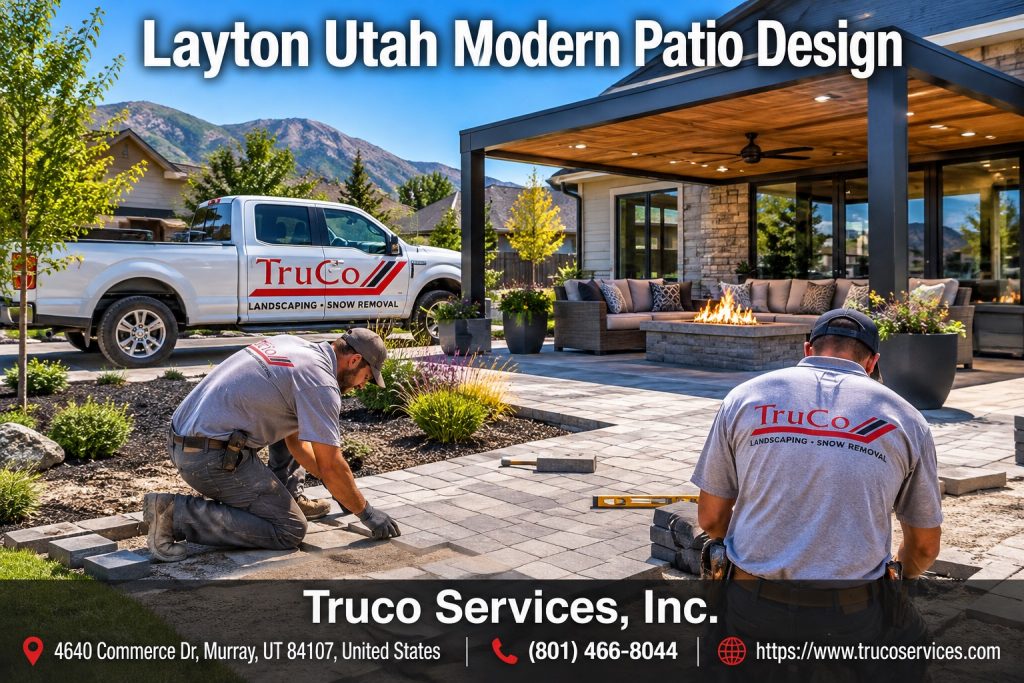
Layton Utah Modern Patio Design

Layton Utah Modern Patio Design: Transform Your Outdoor Space with Truco Services, Inc.
Introduction to Modern Patio Design in Layton, Utah

A beautifully designed patio can transform an ordinary backyard into a comfortable, stylish, and functional outdoor living environment. For homeowners in Layton, Utah, modern patio design offers an opportunity to extend their living space, improve their property’s appearance, and create an inviting place to relax, entertain guests, and enjoy the outdoors.

Modern patios are about much more than installing concrete or placing outdoor furniture in the backyard. They combine thoughtful layouts, contemporary materials, attractive landscaping, comfortable seating, outdoor lighting, and functional features to create a cohesive outdoor environment. Whether you want a minimalist patio with clean architectural lines, a sophisticated entertainment area, or a peaceful backyard retreat, the right design can make a significant difference.

Layton’s location in Northern Utah presents unique considerations for outdoor construction and landscaping. Homeowners must account for hot summer temperatures, cold winters, seasonal snow, changing weather conditions, and the importance of efficient water use. A successful modern patio should complement the property’s architecture while using materials and design features that can withstand local conditions.

Professional planning can help ensure that every element works together, from the patio surface and drainage system to the surrounding plants, lighting, and outdoor amenities.

Truco Services, Inc. provides professional landscaping and landscape design services for property owners looking to improve their outdoor environments. If you are considering Layton Utah Modern Patio Design, Truco Services can help you explore landscaping possibilities and discuss how outdoor living features can become part of a larger landscape improvement project.

What Is Modern Patio Design?

Modern patio design is an approach to creating outdoor spaces that emphasizes simplicity, functionality, attractive materials, and a seamless connection between indoor and outdoor living.

Unlike traditional patios that may rely on basic concrete surfaces and conventional furniture arrangements, modern patios incorporate carefully selected materials, geometric layouts, coordinated colors, and contemporary landscaping.

The goal is to create an outdoor environment that looks attractive while serving practical everyday needs.

Common characteristics of modern patio design include:

A modern patio should reflect the homeowner’s lifestyle. Some homeowners want an elegant outdoor dining area, while others prefer a quiet retreat with comfortable seating and attractive landscaping.

The best design balances appearance, usability, durability, and maintenance requirements.

If you need related articles, see the following:

Layton Utah Patio Design

Layton Utah Outdoor Lighting Services

Layton Utah Outdoor Living Spaces

Why Modern Patio Design Is Popular in Layton, Utah

Homeowners throughout Layton are increasingly interested in making their outdoor spaces more functional and attractive. A well-designed patio can provide additional living space without requiring a major home addition.

There are several reasons why modern patio design is an appealing investment for Layton properties.

1. Expanding Your Outdoor Living Space

A patio creates an additional area where family members can relax, eat meals, entertain friends, or enjoy the fresh air.

Instead of limiting everyday activities to indoor rooms, homeowners can use their backyards as extensions of their homes.

A modern patio can include:

These features make outdoor spaces more versatile and enjoyable.

2. Improving Property Appearance

A thoughtfully designed patio can significantly enhance the visual appeal of a property.

Modern patios often use coordinated colors, attractive paving patterns, clean edges, and carefully arranged landscaping to create a polished appearance.

A patio that complements the home’s exterior can make the entire property feel more cohesive.

3. Creating Better Entertainment Opportunities

A modern patio can become the centerpiece of backyard entertainment.

Whether hosting summer barbecues, family celebrations, birthday parties, or casual gatherings, a comfortable outdoor environment makes entertaining easier.

Separate areas for cooking, dining, and relaxing can help guests move around comfortably without overcrowding one part of the yard.

4. Making Better Use of Available Space

Not every Layton property has a large backyard. Fortunately, modern patio design can work with small, medium-sized, and expansive outdoor spaces.

A compact patio can accommodate a small dining table and comfortable chairs, while a larger property may support several distinct outdoor living areas.

Professional planning helps homeowners maximize the available space without making the yard feel crowded.

5. Creating a More Attractive Landscape

A patio should not look disconnected from the rest of the backyard.

Integrating plants, decorative rock, garden beds, trees, and outdoor lighting can create a balanced landscape that complements the patio’s materials and architectural style.

The result is an outdoor environment that feels intentional rather than like a collection of separate features.

Popular Modern Patio Design Ideas for Layton Homes

Modern patio design offers countless possibilities. The best approach depends on the property’s size, architectural style, budget, and how the homeowner plans to use the space.

Here are some popular ideas worth considering.

1. Minimalist Concrete Patios

Concrete patios are popular because they offer a clean, contemporary appearance and can be incorporated into many different landscape styles.

Large concrete slabs create simple geometric patterns that complement modern homes.

Some design options include:

Concrete can also be combined with decorative gravel, planting beds, and wood accents to create additional visual interest.

In Layton, proper site preparation, reinforcement where appropriate, drainage, and suitable concrete installation practices are important for long-term performance.

2. Modern Paver Patios

Paver patios offer flexibility in color, texture, size, and layout.

Large-format pavers are especially popular in contemporary outdoor spaces because they create a clean, organized appearance.

Homeowners can choose from:

Pavers can be arranged in straight lines, staggered patterns, or other contemporary configurations.

One advantage of pavers is that individual units can often be removed and replaced if repairs are necessary. Proper base preparation and installation are essential to prevent shifting and uneven surfaces.

3. Outdoor Dining Areas

An outdoor dining area makes a patio more functional for everyday family meals and entertaining.

A modern dining space may include:

The dining area should have enough room for guests to move comfortably around the table.

Consider locating it near the kitchen or back door to make serving meals and carrying supplies easier.

4. Modern Pergolas and Covered Patios

Shade is an important consideration for patios in Layton because summer temperatures can make exposed outdoor areas uncomfortable.

Pergolas and patio covers provide opportunities to create shaded gathering spaces while adding architectural interest.

Popular options include:

A pergola can define a seating or dining area without completely enclosing the outdoor environment.

When selecting a structure, consider snow loads, wind exposure, materials, maintenance, and applicable building requirements.

5. Outdoor Fire Pits

Fire pits are attractive additions to modern patios because they create a natural gathering point.

A contemporary fire pit can feature:

Fire pits can extend the usefulness of an outdoor patio during cooler evenings and seasonal transitions.

Proper placement, ventilation, fuel connections, and fire safety requirements should always be considered.

6. Modern Outdoor Kitchens

Outdoor kitchens are excellent additions for homeowners who enjoy cooking and entertaining.

Depending on the available space and budget, an outdoor kitchen may include:

A well-planned outdoor kitchen should have convenient access to the home while maintaining enough room for food preparation and guest circulation.

Weather-resistant construction materials are particularly important in Utah’s changing climate.

7. Contemporary Patio Lighting

Lighting is one of the most effective ways to improve the appearance and functionality of a modern patio.

A carefully designed lighting plan can make the outdoor environment more inviting after sunset while improving visibility.

Popular lighting options include:

Warm lighting is particularly effective for creating a relaxing atmosphere.

Lighting can also highlight architectural details, decorative trees, stone features, and attractive planting arrangements.

8. Modern Patio Landscaping

Landscaping gives a modern patio a natural and inviting appearance.

Rather than filling every available area with plants, contemporary landscape design often uses carefully selected plant groupings and open spaces.

Ideas include:

Plant selections should account for Layton’s growing conditions, sunlight exposure, soil characteristics, irrigation requirements, and winter temperatures.

Water-wise landscaping can also reduce unnecessary irrigation while maintaining an attractive outdoor environment.

Choosing the Right Patio Materials for Layton, Utah

Material selection is one of the most important decisions when planning a modern patio.

Layton experiences substantial seasonal temperature changes. Patio materials should therefore be selected with durability, weather exposure, maintenance, and appearance in mind.

Concrete

Concrete is a versatile option for modern patios.

Benefits include:

However, concrete should be installed with proper preparation, drainage, and appropriate joint placement to help manage cracking associated with temperature changes and ground movement.

Concrete Pavers

Concrete pavers provide a modular surface that can accommodate a variety of modern patterns.

They are available in numerous colors, shapes, and textures.

Properly installed pavers can provide an attractive and practical patio surface.

Natural Stone

Natural stone adds texture and character to outdoor spaces.

Popular choices include:

Natural stone can complement both contemporary and transitional architectural styles.

However, different stone products have different absorption, durability, and freeze-thaw characteristics. Material selection should consider the specific product and installation environment.

Porcelain Pavers

Outdoor porcelain pavers offer a sophisticated contemporary appearance.

They can resemble natural stone, concrete, or wood while providing a manufactured surface designed for exterior use.

When considering porcelain, select products specifically rated for outdoor installation and appropriate slip resistance.

Composite and Wood Accents

Wood and composite materials can introduce warmth into a modern patio.

They work particularly well when combined with concrete, stone, and metal elements.

Examples include:

Choose products designed for outdoor exposure and consider their long-term maintenance requirements.

Important Considerations for Modern Patio Design in Layton

A successful patio project requires more than selecting attractive materials.

Several practical factors should be addressed before construction begins.

1. Property Layout and Available Space

Start by evaluating the dimensions and shape of the available outdoor area.

Consider where the patio will connect to the home, where guests will enter, and how people will move between the patio and the surrounding yard.

A good layout should provide enough room for furniture while preserving access to other parts of the property.

2. Drainage and Water Management

Drainage is especially important in Northern Utah.

Rainfall, irrigation runoff, snowmelt, and seasonal storms can affect patio surfaces and surrounding landscaping.

Poor drainage may cause:

A properly planned patio should direct water away from buildings and manage runoff appropriately.

Grading, drainage channels, and other site improvements may be necessary depending on the property.

3. Sun Exposure and Shade

Before finalizing the patio layout, evaluate how sunlight moves across the property throughout the day.

A south-facing patio may receive considerable sunlight, while other areas may have more natural shade.

Understanding sun exposure can help determine where to install:

The objective is to create a comfortable environment during Layton’s warmer months.

4. Privacy

Privacy can make a patio feel more comfortable and relaxing.

Modern privacy solutions include:

The best solution depends on property boundaries, neighboring buildings, and the homeowner’s preferences.

5. Winter Durability

Layton’s winters make material durability an important consideration.

Outdoor surfaces should be selected with freezing temperatures, moisture exposure, snow removal, and potential freeze-thaw cycles in mind.

Homeowners should also consider how easily the patio can be maintained during winter.

Avoid selecting materials solely for appearance without evaluating their suitability for local conditions.

6. Water Efficiency

Water conservation is an important part of responsible landscape planning in Utah.

A modern patio can incorporate water-wise landscaping through:

The patio itself can also help reduce the amount of landscape area requiring irrigation.

7. Budget and Long-Term Maintenance

A modern patio should fit both your immediate budget and your long-term expectations.

Costs can vary considerably depending on the size of the patio, selected materials, excavation requirements, drainage improvements, lighting, landscaping, and additional outdoor amenities.

Before beginning, establish priorities and determine which features are essential.

A phased approach may allow you to complete the main patio first and add features such as lighting, outdoor kitchens, or additional landscaping later.

The Benefits of Professional Modern Patio Design

Although some homeowners enjoy completing small outdoor projects themselves, a more extensive patio renovation often benefits from professional planning.

Professional landscape design considers how different elements interact with one another.

For example, the patio surface affects drainage, drainage affects planting areas, and the placement of planting areas influences the overall appearance of the finished landscape.

Professional planning can help address these relationships before installation begins.

Some important benefits include:

Better space utilization: A carefully developed layout can make the most of the available backyard area.

Coordinated appearance: Patio materials, plants, lighting, and architectural features can be selected to complement one another.

Improved functionality: Separate dining, seating, and entertainment areas can make the outdoor space more useful.

Drainage planning: Site conditions can be evaluated to identify potential water-management concerns.

Material selection: Appropriate materials can be considered based on local weather and maintenance expectations.

Long-term planning: A coordinated design can accommodate future additions without making the original layout feel disconnected.

The Modern Patio Design Process

Creating a successful modern patio involves several stages.

Understanding these steps can help Layton homeowners prepare for their projects.

Step 1: Initial Consultation

The process begins with identifying your goals.

Think about how you want to use the patio and which features matter most.

Questions to consider include:

Sharing these details helps establish a direction for the project.

Step 2: Property Evaluation

The property should be evaluated to understand its existing conditions.

Important considerations include:

These details influence the most practical patio layout.

Step 3: Design Development

The design stage brings the different elements together.

This may include selecting patio materials, determining the shape and dimensions, planning seating arrangements, and coordinating surrounding landscaping.

The objective is to develop a design that reflects your preferences while remaining practical for your property.

Step 4: Material Selection

After the general layout is established, appropriate materials can be selected.

Consider appearance, durability, maintenance, installation requirements, and cost.

The patio should complement the house and surrounding landscape.

Step 5: Site Preparation

Site preparation may involve removing existing materials, excavation, grading, soil preparation, and establishing the appropriate base.

This stage is essential because the performance of the finished patio depends heavily on the conditions beneath it.

Step 6: Patio Installation

Installation depends on the selected material and design.

Concrete installation, paver placement, stonework, and other hardscape improvements require appropriate construction techniques.

Drainage and surface elevations should be addressed throughout the installation.

Step 7: Landscaping and Finishing Features

The final stage can include installing surrounding plants, decorative rock, outdoor lighting, seating areas, and other landscape features.

These additions help create a cohesive outdoor environment.

Step 8: Final Inspection and Maintenance Planning

Once the project is complete, review the finished space and discuss maintenance requirements.

Understanding how to care for patio surfaces, plants, irrigation, and lighting helps protect your investment.

Why You Should Call Truco Services, Inc. for Modern Patio Design in Layton, Utah

Choosing the right landscaping company is an important part of creating an outdoor space that meets your expectations.

A modern patio is not simply an isolated construction feature. It is part of a larger outdoor environment that may include landscaping, walkways, planting beds, lighting, drainage, and other improvements.

Truco Services, Inc. is a Utah-based landscaping company offering professional landscape design and outdoor property improvement services.

The company provides landscape design for residential and commercial properties, with services that include outdoor living concepts, hardscape design, lighting design, and landscape planning. Its published landscape design information also describes a process that includes consultation, concept design, and implementation.

Here are several reasons to contact Truco Services when considering your Layton patio project.

1. Professional Landscape Design Experience

A successful modern patio should complement the entire property.

Truco Services offers professional landscape design services focused on creating attractive and functional outdoor environments.

This broader landscaping perspective is valuable when planning a patio that needs to coordinate with existing lawns, garden beds, walkways, and other outdoor features.

Rather than thinking about the patio as an isolated surface, homeowners can discuss how it might fit into a more complete landscape improvement.

2. Customized Outdoor Space Planning

Every property has different dimensions, architectural features, and landscaping requirements.

Truco Services describes its landscape design approach as being tailored to the client’s preferences, property characteristics, and project goals.

This provides an opportunity to discuss the type of outdoor environment you want to create.

Whether you envision a minimalist patio, a comfortable family gathering area, or a more extensive outdoor living environment, explaining your goals is an important first step.

3. Hardscape Design Capabilities

Hardscaping plays an important role in contemporary patio design.

It includes structural and decorative elements such as walkways, retaining walls, patios, and other features that help define outdoor spaces.

Truco Services lists hardscape design among its landscape design services. Its published commercial installation information also identifies hardscape construction, including patios, walkways, and retaining walls.

Homeowners can contact the company to discuss their desired patio features and confirm which installation services are available for their specific project.

4. A Complete Landscaping Perspective

A modern patio looks best when the surrounding landscape complements its design.

Truco Services offers broader landscaping services that can help property owners explore improvements beyond the patio itself.

Depending on the property and project scope, these improvements may involve:

Coordinating these features can help create a more attractive and functional outdoor environment.

5. Residential and Commercial Landscaping Services

Truco Services provides landscaping solutions for residential and commercial properties.

This is useful for homeowners, business owners, and property managers interested in improving their outdoor environments.

For residential properties, a modern patio can create a comfortable place for family gatherings and outdoor entertainment.

For commercial properties, thoughtfully planned outdoor spaces can improve the appearance of the property and provide attractive areas for visitors or employees.

6. A Defined Design Process

Planning a patio can involve many decisions.

Truco Services outlines a landscape design process that begins with a consultation, continues with concept design, and progresses toward implementation.

Having a defined process provides a starting point for discussing project expectations and determining the next steps.

You can explain your goals, ask questions about potential designs, and discuss the practical requirements of your property.

7. Utah-Based Company

Truco Services is located in Murray, Utah.

Its Utah business presence provides a convenient starting point for homeowners looking for landscaping professionals familiar with the region.

When contacting the company, ask about service availability in Layton, project scheduling, the specific patio services offered, and whether your proposed improvements fit its current capabilities.

8. An Opportunity to Improve Your Entire Outdoor Environment

One of the biggest advantages of approaching patio design through a landscaping company is the opportunity to consider the entire outdoor environment.

For example, you may initially want a new patio but eventually realize that the backyard would benefit from additional improvements.

These could include:

Discussing these possibilities early can help create a more coordinated plan.

If you are ready to explore Layton Utah Modern Patio Design, contact Truco Services, Inc. to discuss your ideas and determine which services are appropriate for your property.

Modern Patio Design for Small Backyards in Layton

A small backyard does not mean you have to sacrifice modern design or functionality.

With careful planning, even a limited outdoor area can become a beautiful and comfortable patio.

Here are some ideas for maximizing smaller spaces.

Use Large-Format Pavers

Large pavers can create a clean appearance while reducing the number of visible joints.

A simple geometric layout can help a small patio feel more organized.

Choose Multi-Purpose Furniture

Furniture that serves more than one purpose can save valuable space.

Consider benches with storage, compact dining tables, and modular seating.

Incorporate Vertical Landscaping

Vertical planting features can add greenery without occupying too much floor space.

Options include decorative trellises, vertical planters, and climbing plants suited to the local climate.

Create a Defined Seating Area

A small patio should have a clear purpose.

A compact seating area with comfortable chairs and a small table may be more useful than trying to incorporate too many separate features.

Use Strategic Lighting

Lighting can create depth and make a small patio feel more inviting.

Subtle wall lights, pathway lights, and accent lighting can improve the atmosphere without taking up valuable space.

Water-Wise Landscaping Around Modern Patios

Water efficiency should be an important part of modern outdoor design in Layton.

A patio reduces the amount of yard space requiring irrigation, while surrounding planting beds can be designed with suitable water-wise plants.

Some considerations include:

Drought-tolerant plants: Select varieties that are appropriate for Northern Utah’s climate and the specific growing conditions of your property.

Efficient irrigation: Consider drip irrigation for planting beds where appropriate.

Decorative rock: Stone and gravel can complement modern patio materials while reducing the need for irrigated ground cover.

Mulching: Appropriate mulch helps protect soil and retain moisture around plants.

Smart planting arrangements: Group plants according to their water requirements to make irrigation more efficient.

Water-wise landscaping does not have to look plain or unattractive. With the right combinations of grasses, flowering plants, shrubs, and decorative materials, homeowners can create beautiful contemporary landscapes.

Common Modern Patio Design Mistakes to Avoid

Even attractive patio ideas can produce disappointing results when practical considerations are overlooked.

Avoid these common mistakes when planning your Layton patio.

Ignoring Drainage

A beautiful patio can become problematic if water collects around the surface or flows toward the house.

Proper grading and drainage planning should be addressed before installation.

Choosing Materials Based Only on Appearance

Some materials may look attractive but require more maintenance or may not perform well under local weather conditions.

Evaluate durability, freeze-thaw suitability, surface texture, and maintenance requirements before making a selection.

Making the Patio Too Small

A patio should have sufficient space for its intended use.

Measure furniture and allow room for people to move around comfortably.

Forgetting Shade

Summer sunlight can make an exposed patio uncomfortable.

Consider pergolas, patio covers, or strategically placed shade trees.

Overcrowding the Design

Modern patio design often looks best when it includes open areas and a limited selection of complementary materials.

Too many decorative features can make a small space feel cluttered.

Neglecting Lighting

Without adequate lighting, a patio may become less useful after sunset.

Plan lighting locations early so fixtures can be integrated into the overall design.

Forgetting Long-Term Maintenance

Consider how the patio and surrounding landscaping will be maintained over time.

Select materials, plants, and features that match the amount of maintenance you are willing to perform.

How Much Does Modern Patio Design Cost in Layton, Utah?

The cost of a modern patio project varies depending on its size, design complexity, materials, site conditions, and additional features.

There is no single price that applies to every property.

Some of the biggest cost factors include:

Project component Factors affecting cost
Patio size Total square footage and layout
Concrete installation Thickness, reinforcement, finish, and preparation
Pavers Material type, pattern, and installation
Natural stone Stone selection, cutting, and placement
Excavation Soil conditions and removal requirements
Drainage Grading, drainage systems, and water management
Pergolas Structure size, materials, and installation
Outdoor lighting Fixture selection and electrical work
Landscaping Plants, soil preparation, and irrigation
Outdoor kitchen Appliances, utilities, and construction

A simple patio with a basic concrete surface will generally have different requirements from a large outdoor living project with multiple seating areas, a pergola, decorative stone, and an outdoor kitchen.

The best way to understand your project’s potential cost is to request a customized estimate based on your property and preferred design.

When speaking with Truco Services, ask for details about the proposed scope, materials, installation requirements, anticipated schedule, and any additional expenses.

When Is the Best Time to Build a Modern Patio in Layton?

The best time for patio construction depends on weather conditions, material requirements, soil conditions, and contractor scheduling.

Spring, summer, and early fall can offer opportunities for outdoor construction in Northern Utah.

Spring: A good time to begin planning, evaluate the yard, and prepare for upcoming outdoor improvements.

Summer: Often provides favorable construction conditions, although extreme heat may affect scheduling and certain installation procedures.

Early fall: Can provide another opportunity for patio installation before winter weather arrives.

Winter: Typically a useful period for researching designs, selecting materials, establishing a budget, and planning future projects.

Homeowners should discuss project timing with their contractor because concrete installation, excavation, and other construction activities have specific weather and site requirements.

Frequently Asked Questions About Layton Utah Modern Patio Design

1. What is the most popular modern patio design?

Modern patios frequently feature large concrete pavers, minimalist layouts, neutral colors, contemporary furniture, and integrated landscaping.

Pergolas, fire pits, and outdoor lighting are also popular features.

The ideal design depends on your property’s architecture, available space, and personal preferences.

2. Are concrete patios a good choice for Layton, Utah?

Concrete can be an excellent option for Layton patios when properly designed and installed.

However, the concrete mix, base preparation, reinforcement, joint placement, drainage, and installation conditions should be considered to help manage seasonal temperature changes.

3. Are paver patios better than concrete patios?

Both options have advantages.

Concrete provides a relatively continuous surface and offers different decorative finishes.

Pavers provide flexibility in design and can allow individual units to be replaced when necessary.

The best option depends on budget, appearance, site conditions, and maintenance preferences.

4. Can I incorporate a fire pit into my modern patio?

Yes. Fire pits are popular features in modern outdoor environments.

They can be integrated into concrete, stone, and paver patio designs.

Proper clearances, ventilation, fuel connections, and applicable safety requirements must be considered.

5. How can I make my patio more private?

Privacy can be improved through fencing, decorative screens, trees, shrubs, and carefully positioned planting beds.

Pergolas and other architectural elements can also help create more secluded seating areas.

6. Should my patio include landscaping?

Landscaping is an excellent way to make a patio feel more natural and visually appealing.

Plants, decorative rock, garden beds, and trees can soften hard surfaces and create a more balanced outdoor environment.

7. Can a modern patio increase property value?

A well-designed patio can improve outdoor functionality, appearance, and buyer appeal.

The actual impact on property value depends on the quality of the installation, local market conditions, property characteristics, and buyer preferences.

8. Does Truco Services, Inc. provide modern patio design in Layton?

Truco Services, Inc. offers landscape design and landscaping services, including outdoor living and hardscape design.

Its published service information identifies patios and outdoor living spaces among its design offerings.

Contact the company directly to confirm current service availability in Layton and discuss the specific construction and installation work your project requires.

9. How do I get started with Truco Services?

Getting started is simple.

Call Truco Services at (801) 466-8044 or visit its website at https://www.trucoservices.com.

Explain your patio design goals, property location, preferred features, and approximate budget.

You can also ask about consultation availability, project scheduling, and estimates.

10. Can I combine a patio project with other landscaping improvements?

Yes. Combining patio improvements with other landscape features can help create a more coordinated outdoor environment.

Depending on your goals, you may want to discuss walkways, planting beds, irrigation, retaining walls, decorative rock, and outdoor lighting.

Transform Your Outdoor Living Space with Layton Utah Modern Patio Design

A modern patio can completely change how you experience your home.

Instead of having an underutilized backyard, you can create a comfortable outdoor environment designed for relaxation, family activities, dining, and entertaining.

From minimalist concrete patios and contemporary pavers to pergolas, fire pits, outdoor kitchens, and beautiful surrounding landscaping, the possibilities are extensive.

However, successful patio design requires more than choosing attractive materials. It involves evaluating the property, understanding drainage requirements, selecting durable surfaces, planning appropriate shade, and coordinating the patio with the surrounding landscape.

In Layton, Utah, these decisions are especially important because outdoor spaces must accommodate hot summers, cold winters, and changing seasonal conditions.

Working with a professional landscaping company can help you explore design possibilities and develop a practical approach to improving your outdoor environment.

Truco Services, Inc. offers professional landscape design and landscaping services that can help property owners explore ways to improve their outdoor spaces. Its design services encompass outdoor living concepts, hardscape design, and coordinated landscape planning.

If you are considering Layton Utah Modern Patio Design, now is an excellent time to start planning your project.

Contact Truco Services to discuss your ideas, learn about available services, and explore the possibilities for transforming your backyard into an attractive and functional outdoor living space.

Contact Truco Services, Inc.

Truco Services, Inc.

Utah Landscaping & Landscape Design

Professional landscaping and outdoor design services

Address: 4640 Commerce Dr, Murray, UT 84107, United States

Contact Number: (801) 466-8044

Website: https://www.trucoservices.com

Visit Truco Services Website

Make your outdoor living vision a reality. Call Truco Services, Inc. at (801) 466-8044 to discuss your Layton, Utah modern patio design and landscaping project.
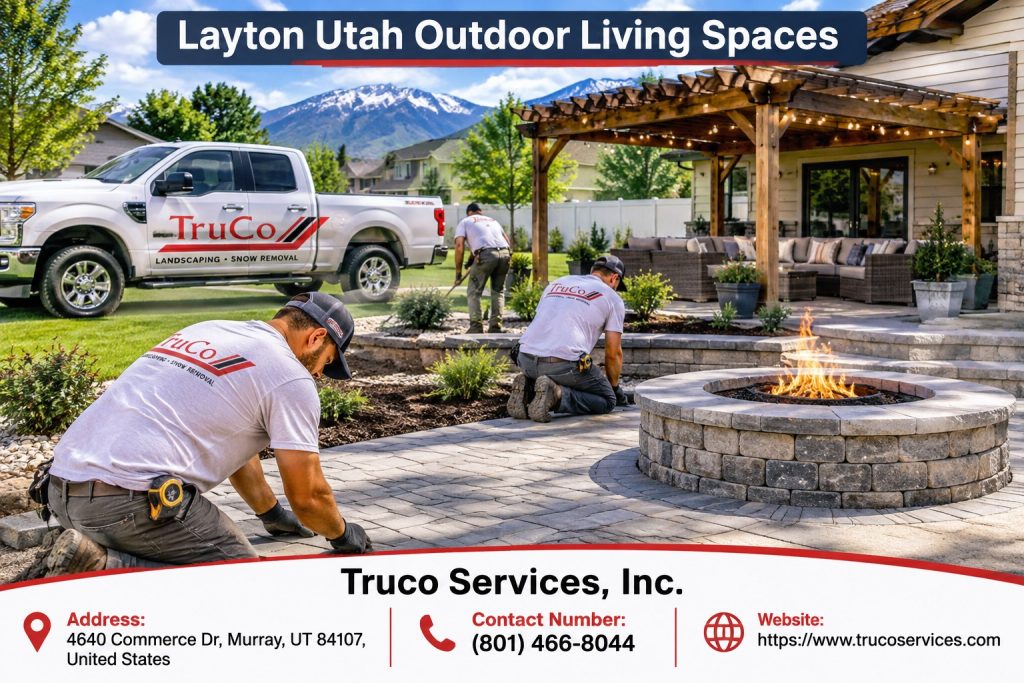
Layton Utah Outdoor Living Spaces

Layton Utah Outdoor Living Spaces: Transform Your Backyard Into a Beautiful Outdoor Retreat With Truco Services, Inc.

Creating beautiful and functional Layton Utah outdoor living spaces is an excellent way to improve your property, increase its usability, and enjoy more time outside with family and friends. Whether you envision a spacious outdoor patio, a custom-designed backyard entertainment area, a relaxing garden retreat, or a complete outdoor landscape transformation, a thoughtfully designed outdoor living space can turn an ordinary yard into an extension of your home.

Homeowners in Layton, Utah, have excellent opportunities to create outdoor environments that combine beauty, comfort, and functionality. With Northern Utah’s changing seasons, stunning mountain surroundings, and opportunities for outdoor recreation, investing in an attractive backyard can make your property more enjoyable throughout the year.

However, creating a successful outdoor living space requires more than installing a patio or placing furniture in the backyard. It involves careful planning, landscape design, appropriate materials, drainage considerations, plant selection, and professional installation.

For homeowners looking to improve their outdoor environments, Truco Services, Inc. is a company worth contacting for professional landscaping and outdoor property improvement services. Their experience in landscape-related services can help property owners explore ways to create attractive, practical, and well-maintained outdoor environments.

This comprehensive guide explores outdoor living space ideas, design considerations, landscaping opportunities, and the benefits of working with experienced professionals to transform your Layton property.

Understanding Outdoor Living Spaces in Layton, Utah

Outdoor living spaces are landscaped areas designed to provide the comfort and functionality of indoor rooms while allowing people to enjoy the outdoors. They can be simple and understated or elaborate entertainment environments with multiple features.

The ideal outdoor living space depends on the property’s size, the homeowner’s lifestyle, budget, and personal preferences.

Some homeowners want a peaceful backyard where they can enjoy morning coffee, read a book, or relax after work. Others prefer an entertainment-focused environment with outdoor dining, comfortable seating, cooking facilities, and space for gatherings.

A professionally planned outdoor living area may incorporate:

The most successful designs combine several of these elements into a cohesive landscape that makes the property more comfortable and enjoyable.

If you need related articles, see the following:

Layton Utah Landscape Lighting

Layton Utah Landscape Construction

Layton Utah Landscape Maintenance

Popular Outdoor Living Space Ideas for Layton Homeowners

There are many ways to transform an ordinary backyard into a beautiful outdoor retreat. The following ideas can help Layton homeowners identify improvements that suit their properties.

1. Beautiful Outdoor Patios

An outdoor patio is one of the most popular features of a residential outdoor living space. It provides a designated area for relaxing, entertaining, dining, and enjoying the surrounding landscape.

Patios can be designed in different shapes, sizes, and styles to complement a home’s architecture.

Popular patio materials include:

When planning a patio in Layton, homeowners should consider drainage, surface stability, freeze-thaw conditions, and appropriate installation methods.

The patio should also connect conveniently to the home. For example, a patio positioned near the kitchen or dining room can make outdoor entertaining much easier.

2. Outdoor Kitchens and Dining Areas

An outdoor kitchen can transform a backyard into an ideal location for entertaining family members and guests.

Instead of preparing everything indoors, homeowners can enjoy cooking and dining outside during pleasant weather.

Depending on the available space and budget, an outdoor kitchen might include:

Outdoor kitchens should be planned carefully to account for utility connections, ventilation, fire safety, weather exposure, and local building requirements.

Even a modest outdoor cooking station can make a backyard more functional.

3. Pergolas and Shaded Seating Areas

Shade is an important consideration when designing outdoor living spaces in Layton.

During the summer, direct sunlight can make patios and seating areas uncomfortable. A pergola or other shade structure can provide relief while adding architectural interest to the backyard.

Pergolas are available in wood, metal, and other materials. They can be designed to complement traditional, contemporary, or rustic homes.

Additional options include:

A well-positioned pergola creates a natural gathering space while helping define different areas of the landscape.

4. Fire Pits and Outdoor Fireplaces

Fire features can make outdoor living areas more inviting during cooler evenings and shoulder seasons.

A fire pit provides a comfortable gathering point where homeowners can relax, socialize, and enjoy their outdoor surroundings.

Options include:

The appropriate option depends on the property’s layout, local regulations, fuel availability, and safety requirements.

Fire features should be installed with proper clearances from structures, trees, fences, and other combustible materials. Homeowners should also check applicable Layton fire restrictions before using them.

5. Beautiful Garden and Landscape Areas

Plants and garden beds help connect outdoor living areas with the surrounding natural environment.

A thoughtfully designed garden can soften hardscape features, provide seasonal color, create privacy, and improve the overall appearance of a property.

Layton homeowners can consider incorporating:

Plant selection should account for sunlight, soil conditions, mature plant size, water requirements, and winter hardiness.

Combining different plant heights, textures, and flowering seasons can create an attractive landscape throughout the year.

6. Outdoor Lighting for Evening Enjoyment

Landscape lighting can significantly improve the appearance and usability of an outdoor living space after sunset.

A carefully planned lighting arrangement creates ambiance while improving visibility around patios, pathways, stairs, and gathering areas.

Common lighting options include:

LED lighting is a popular choice because of its energy efficiency and long service life.

Homeowners should consider outdoor-rated fixtures and appropriately protected electrical installations.

7. Comfortable Outdoor Seating Areas

Comfortable seating is essential for creating an inviting outdoor environment.

A backyard should provide more than attractive landscaping. It should offer places where people can comfortably spend time.

Depending on the design, seating options may include:

Furniture should be selected according to the local climate and protected appropriately during winter.

Arranging seating around a fire pit, garden feature, or outdoor coffee table can create a natural focal point.

8. Privacy Landscaping and Green Screens

Privacy can make an outdoor living space considerably more enjoyable.

Some Layton homeowners have neighboring properties close to their backyards, making privacy landscaping an important part of the design.

Possible solutions include:

Planting choices should consider mature height, width, root development, and maintenance requirements.

Combining plants with attractive landscape structures can provide privacy without making a backyard feel enclosed.

Important Considerations When Designing Outdoor Living Spaces in Layton

Creating an attractive outdoor environment requires careful attention to local conditions. Northern Utah experiences seasonal temperature changes that can affect plants, construction materials, irrigation systems, and outdoor furniture.

Here are several important factors to consider.

Understanding Layton’s Climate

Layton experiences hot, relatively dry summers and cold winters with freezing temperatures and snowfall.

These conditions make climate-appropriate landscaping essential.

Materials used in patios, walkways, retaining walls, and other outdoor features should be suitable for seasonal temperature changes.

Homeowners should also consider how snow accumulation, melting ice, and freezing water might affect outdoor surfaces.

Proper drainage and appropriate construction techniques can help reduce premature deterioration.

Soil Conditions and Drainage

Soil conditions can vary considerably between properties in Layton.

Some yards may have compacted soil, poor drainage, or areas where water collects after irrigation or storms.

Before installing a new outdoor living space, it is important to evaluate the property’s grading and drainage patterns.

Poor drainage can cause problems such as:

A properly planned landscape should direct water away from structures and toward appropriate drainage areas.

Water-Efficient Landscaping

Water conservation is an important consideration for homeowners throughout Utah.

An outdoor living space does not need extensive lawn areas or high-water-use plants to look beautiful.

Water-efficient landscaping can incorporate:

The objective is to create an attractive landscape while using water responsibly.

Choosing Durable Materials

Outdoor materials must withstand sunlight, moisture, temperature changes, and regular use.

When choosing patio surfaces, retaining wall materials, outdoor furniture, and decorative features, homeowners should consider durability and maintenance requirements.

For Layton properties, freeze-thaw resistance is especially important.

Investing in suitable materials and professional installation can help reduce future maintenance and repair expenses.

Planning for Shade and Sunlight

Sun exposure can have a major effect on outdoor comfort.

Before installing a patio, pergola, or seating area, evaluate how sunlight moves across the property throughout the day.

A west-facing patio, for example, may receive intense afternoon sunlight during summer.

Trees, shade structures, umbrellas, and covered seating areas can help make outdoor environments more comfortable.

The Benefits of Professional Outdoor Living Space Design

Although some homeowners enjoy completing small landscaping projects themselves, larger outdoor living transformations often require professional planning and installation.

Professional landscape design helps bring individual features together into a unified environment.

Here are several benefits of taking a professional approach.

Improved Property Appearance

A professionally planned outdoor environment can improve the overall presentation of your home.

Coordinated plantings, attractive pathways, well-positioned patios, and carefully selected landscape features create a more polished appearance.

Better Use of Available Space

A backyard may have considerable potential that is difficult to recognize without a clear design plan.

Professional planning can help identify opportunities to create functional areas for dining, relaxing, entertaining, gardening, and recreation.

Increased Outdoor Functionality

A successful outdoor living space should accommodate the way homeowners actually use their properties.

Families may prioritize lawn areas and recreation, while homeowners who entertain frequently may prefer patios, outdoor dining, and comfortable seating.

A well-organized landscape makes these activities easier.

More Manageable Maintenance

Choosing appropriate plants, irrigation solutions, and landscape materials can help reduce ongoing maintenance requirements.

For example, replacing difficult-to-maintain planting areas with suitable drought-tolerant plants and decorative rock may simplify landscape care.

Better Long-Term Planning

Professional planning helps homeowners consider how trees, shrubs, patios, and other landscape features will develop over time.

This can prevent common problems such as overcrowded planting beds, inconvenient walkways, and poorly positioned outdoor features.

Why Layton Homeowners Should Call Truco Services, Inc.

Choosing the right landscaping company is an important step when planning an outdoor living space. Homeowners want a company that understands landscaping, pays attention to project requirements, and can help develop practical solutions for improving their properties.

Truco Services, Inc. is a Utah-based landscaping company that homeowners can contact when exploring outdoor living improvements and professional landscape design in Layton.

The company advertises residential and commercial landscaping services, professional landscape design, commercial installation, and snow removal. Its website highlights more than 15 years of experience and over 500 clients.

Here are several reasons to consider contacting Truco Services for your outdoor improvement project.

1. Professional Landscape Design Experience

A beautiful outdoor living space starts with a thoughtful design.

Before installing new landscape features, it is important to understand the property’s layout, existing vegetation, sunlight exposure, drainage, and intended use.

Truco Services advertises professional landscape design services that focus on creating attractive and functional outdoor environments tailored to individual property requirements.

Whether you want to refresh an existing landscape or explore a more extensive backyard transformation, contacting Truco Services gives you an opportunity to discuss your ideas and determine which services may be appropriate.

2. Residential and Commercial Landscaping Services

Outdoor improvements are important for both residential and commercial properties.

Homeowners may want a more attractive backyard, while commercial property owners may be interested in creating welcoming outdoor environments for employees, customers, and visitors.

Truco Services advertises landscaping solutions for residential and commercial properties, allowing customers to discuss different property improvement requirements with the company.

3. Customized Outdoor Improvement Solutions

Every property is different.

A small backyard in an established Layton neighborhood has different requirements from a large property with extensive lawn areas and mature trees.

The best outdoor living plan should reflect the property’s dimensions, the owner’s preferences, and the intended budget.

When contacting Truco Services, discuss your priorities, such as:

The company can discuss its available services and whether your requested improvements fit its current capabilities.

4. Understanding of Utah’s Seasonal Conditions

Landscaping in Utah requires consideration of both hot summers and cold winters.

Outdoor environments must be designed to accommodate seasonal changes, including freezing temperatures, snowfall, dry weather, and varying irrigation requirements.

Truco Services operates in Utah and advertises landscaping and snow removal services, making it a relevant company to contact when discussing outdoor property needs in the region.

5. Attention to Landscape Installation

The quality of installation is important to the long-term performance of a landscape.

Even an attractive design can experience problems if grading, planting, irrigation, or material installation is not handled appropriately.

Truco Services advertises commercial installation services with an emphasis on safety, efficiency, and the intended purpose of each project.

Homeowners should discuss the specific installation requirements of their outdoor living project and confirm which construction and hardscape services are available.

6. A Company You Can Contact About Your Project

Starting a landscaping project can feel overwhelming when you are unsure where to begin.

Contacting an experienced landscaping company provides an opportunity to explain your goals, discuss possible improvements, and ask questions about scheduling and pricing.

Truco Services provides direct contact information through its website, making it convenient to begin a conversation about your outdoor improvement plans.

Call (801) 466-8044 to discuss your project and confirm whether the company serves your specific Layton location.

How to Plan Your Outdoor Living Space Project

Before contacting a landscaping company, it is helpful to establish a general idea of what you want to accomplish.

Following a few simple steps can make the planning process easier.

Step 1: Identify Your Outdoor Living Goals

Think about how you want to use your backyard.

Do you want a quiet place to relax? Are you interested in entertaining guests? Would you prefer an outdoor dining area or a family-friendly recreation space?

Write down your priorities so they can guide the design.

Step 2: Evaluate Your Existing Backyard

Look at your property’s current condition.

Consider:

Understanding these conditions helps identify what should be improved and what can remain.

Step 3: Establish a Realistic Budget

Outdoor living projects can range from relatively simple improvements to extensive landscape transformations.

Your budget may depend on:

Establishing a realistic budget helps prioritize improvements and avoid unnecessary expenses.

Step 4: Choose a Design Style

Consider which appearance best complements your home.

Popular styles include:

Modern outdoor living: Clean lines, simple planting arrangements, contemporary materials, and organized seating areas.

Traditional outdoor living: Classic patios, flowering gardens, mature trees, and comfortable gathering spaces.

Natural outdoor living: Natural stone, ornamental grasses, native plants, and organic landscape arrangements.

Luxury outdoor living: Elaborate patios, outdoor kitchens, pergolas, fire features, and carefully coordinated landscape details.

Step 5: Discuss Your Plans With Truco Services

Once you have identified your priorities, contact Truco Services to discuss your landscaping needs.

Explain the type of outdoor environment you want to create and ask about available design and installation services.

You should also ask about service availability in Layton, project scheduling, estimated costs, and the specific work included in any proposal.

Step 6: Plan for Long-Term Maintenance

An outdoor living space requires ongoing attention to remain attractive.

Lawn care, irrigation, pruning, seasonal cleanup, and plant maintenance all contribute to the long-term appearance of the property.

Think about how much maintenance you are comfortable performing and select landscape features accordingly.

Maintaining Outdoor Living Spaces Throughout the Year in Layton

A beautiful backyard should remain functional and attractive through changing seasons.

Here are some maintenance considerations for Northern Utah homeowners.

Spring Maintenance

Spring is an excellent time to prepare outdoor living areas for warmer weather.

Recommended activities include:

Spring maintenance helps identify problems before the busy outdoor season begins.

Summer Maintenance

Summer is typically the busiest season for outdoor living.

During this period, homeowners should pay attention to irrigation, lawn health, plant watering, and general landscape appearance.

Consider:

Watering should be adjusted according to plant requirements, soil conditions, and local watering guidance.

Fall Maintenance

Fall preparation is important before winter temperatures arrive.

Homeowners should consider:

Winter Maintenance

Winter brings freezing temperatures and snow to Layton.

Protecting outdoor improvements during this season can help prevent unnecessary damage.

Important considerations include:

Truco Services advertises snow removal services in addition to its landscaping offerings, so property owners can contact the company to discuss applicable winter service needs.

Common Mistakes to Avoid When Creating Outdoor Living Spaces

Even attractive outdoor living ideas can become problematic without proper planning.

Here are some common mistakes Layton homeowners should avoid.

1. Ignoring drainage: Poor drainage can create standing water, erosion, and winter ice. Evaluate drainage before installing new landscape features.

2. Choosing unsuitable plants: Plants should be selected according to local temperatures, sunlight, soil conditions, and water requirements.

3. Installing a patio that is too small: Consider the amount of space needed for furniture, dining, and comfortable movement.

4. Forgetting about shade: Direct summer sunlight can make outdoor seating uncomfortable. Consider shade structures and appropriately positioned trees.

5. Overlooking lighting: Outdoor lighting makes patios, walkways, and gathering spaces more usable after dark.

6. Using inappropriate materials: Materials should be selected for durability, weather exposure, and freeze-thaw conditions.

7. Failing to plan for maintenance: Consider the long-term upkeep requirements before choosing plants, lawns, and decorative features.

8. Designing without considering future needs: A backyard should accommodate changing household needs, not just current preferences.

Working with landscaping professionals during the planning stage can help identify these issues before installation begins.

Frequently Asked Questions About Layton Utah Outdoor Living Spaces

1. What are the most popular outdoor living space features in Layton, Utah?

Popular features include outdoor patios, pergolas, fire pits, outdoor kitchens, comfortable seating areas, garden beds, landscape lighting, privacy landscaping, and attractive walkways.

The best features depend on your property, lifestyle, and budget.

2. How much does it cost to create an outdoor living space?

Costs vary significantly depending on the size of the project, materials, installation requirements, and selected features.

A simple patio and landscaping improvement will generally require a different investment than a complete backyard transformation with an outdoor kitchen, pergola, lighting, and extensive landscaping.

Contact Truco Services for information about project pricing and estimates.

3. What plants are suitable for outdoor living spaces in Layton?

Depending on the property’s conditions, homeowners can consider Utah serviceberry, Rocky Mountain juniper, ornamental grasses, lavender, Russian sage, coneflowers, and other regionally appropriate plants.

Plant selection should account for sunlight, soil conditions, irrigation requirements, and winter hardiness.

4. Can outdoor living spaces be enjoyed throughout the year?

Yes. Although summer is generally the primary outdoor living season, appropriate design features can extend usability into spring and fall.

Covered seating, outdoor lighting, suitable fire features, and weather-resistant materials can make outdoor areas more comfortable during cooler weather.

Winter conditions require additional protection and maintenance.

5. Why should I hire a professional landscaping company?

Professional landscaping assistance can help coordinate design, plant selection, irrigation, installation, and maintenance considerations.

A well-planned landscape can also help prevent drainage problems, inappropriate plant placement, and unnecessary future expenses.

6. Does Truco Services offer outdoor living space design in Layton?

Truco Services advertises professional landscape design and residential and commercial landscaping services. Homeowners interested in patios, outdoor kitchens, pergolas, and other specialized outdoor living features should contact the company directly to confirm which services and installations are currently available.

7. How do I contact Truco Services, Inc.?

You can contact Truco Services by telephone or through its website.

The company is located in Murray, Utah, and Layton homeowners can call to discuss their outdoor landscaping requirements and confirm service availability.

Transform Your Backyard With Truco Services, Inc.

Creating beautiful Layton Utah outdoor living spaces is an investment in the appearance, functionality, and enjoyment of your property.

Whether you want to create an inviting outdoor patio, develop attractive garden areas, improve your existing landscaping, or explore a complete backyard transformation, careful planning is essential.

Layton’s seasonal weather makes it especially important to consider durable materials, appropriate plants, efficient irrigation, proper drainage, and manageable maintenance requirements.

A successful outdoor living environment should complement your home, reflect your lifestyle, and provide a comfortable place to enjoy Utah’s beautiful surroundings.

Rather than leaving your backyard underutilized, consider the possibilities of transforming it into an attractive outdoor retreat.

Truco Services, Inc. is a Utah landscaping company worth contacting when exploring professional landscape design and outdoor property improvements. With advertised residential and commercial landscaping services, landscape design, and installation capabilities, the company can help you discuss potential improvements and determine the services available for your project.

Take the first step toward creating an outdoor environment you will enjoy for years to come.

Truco Services, Inc.

Professional Landscaping Services

Address: 4640 Commerce Dr, Murray, UT 84107, United States

Contact Number: (801) 466-8044

Website: https://www.trucoservices.com

Contact Truco Services today to discuss your outdoor living space ideas and request an estimate.

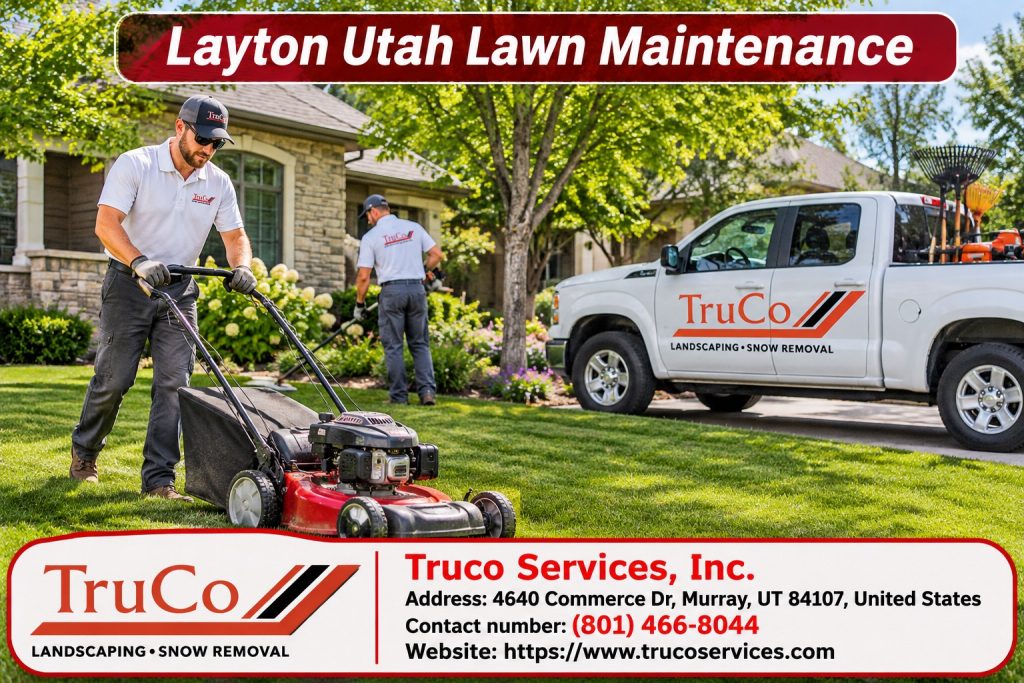
Layton Utah Lawn Maintenance

Layton Utah Lawn Maintenance: Professional Lawn Care for a Healthy, Beautiful, and Well-Maintained Property

A beautiful lawn can transform the appearance of any residential or commercial property. A lush, green, healthy landscape creates an inviting atmosphere, enhances curb appeal, and provides an enjoyable outdoor environment for families, employees, customers, and visitors. However, maintaining an attractive lawn requires more than occasional mowing. It takes consistent attention, proper watering, seasonal maintenance, soil care, weed management, and an understanding of the local climate.

For homeowners and commercial property owners looking for dependable Layton Utah Lawn Maintenance, professional lawn care is an excellent way to protect their landscaping investment and keep their outdoor spaces looking their best throughout the year.

Layton, Utah, offers beautiful surroundings and a distinctive climate that can present several challenges for maintaining a healthy lawn. Hot, dry summers, cold winters, changing seasonal temperatures, and periods of limited rainfall all influence how grass grows and what type of maintenance it needs. Without an appropriate lawn care routine, grass can become thin, discolored, patchy, or overrun with weeds.

Professional lawn maintenance helps address these challenges through regular care and customized landscaping solutions. Whether you have a small residential yard, a large property, or a commercial landscape, working with an experienced lawn care company can make maintaining your outdoor environment easier and more effective.

Truco Services, Inc. provides professional landscaping and lawn care services to help property owners maintain attractive, functional, and healthy outdoor spaces. If you want your property to make a positive impression in every season, investing in professional lawn maintenance is a practical step toward achieving that goal.

Understanding the Importance of Lawn Maintenance in Layton, Utah

A healthy lawn does more than improve the appearance of a property. It contributes to the overall condition, usability, and value of your outdoor environment.

In Layton, lawn maintenance is especially important because local weather conditions can place considerable stress on grass and landscaping. Summer heat can dry out lawns quickly, while winter temperatures can leave grass dormant and vulnerable to damage. Spring and fall provide important opportunities to prepare lawns for changing conditions.

Regular maintenance helps prevent small lawn problems from becoming expensive landscaping issues.

Some of the most important benefits of professional lawn maintenance include:

A lawn that receives consistent attention is generally easier to manage than one that is neglected for extended periods.

Lawn Mowing and Regular Grass Maintenance

One of the most recognizable aspects of lawn care is mowing. Although mowing may appear straightforward, proper mowing practices are essential to maintaining healthy grass.

Cutting grass too short can expose the soil, increase moisture loss, and make lawns more susceptible to weeds and environmental stress. Allowing grass to grow excessively long can create an untidy appearance and make regular maintenance more difficult.

Professional lawn mowing focuses on maintaining an appropriate grass height while creating a clean, uniform appearance.

Important mowing considerations include:

During spring and early summer, grass may grow more rapidly and require more frequent mowing. As temperatures rise during summer, growth patterns may change depending on irrigation and weather conditions.

In fall, mowing practices can be adjusted to prepare the lawn for winter dormancy.

For Layton homeowners who want their yards to remain attractive without spending hours operating lawn equipment, professional mowing and routine maintenance can be an especially valuable service.

If you need related articles, see the following:

Layton Utah Lawn Care

Layton Utah Xeriscape

Layton Utah Hardscape

Proper Lawn Watering and Irrigation Management

Water management is one of the most important parts of maintaining a healthy lawn in Northern Utah.

Layton experiences relatively dry summers, making proper irrigation essential for many residential and commercial lawns. However, watering too much can be just as problematic as watering too little.

Overwatering can contribute to shallow root systems, fungal problems, and unnecessary water consumption. Underwatering can cause grass to become stressed, turn brown, and lose its ability to recover.

An effective irrigation routine should consider:

  1. Grass type and root development.

  2. Soil composition and drainage.

  3. Current temperatures and weather conditions.

  4. Sun exposure and shaded areas.

  5. Lawn size and irrigation coverage.

  6. Seasonal water requirements.

  7. Local watering restrictions and conservation recommendations.

Deep, less frequent watering is often preferable to frequent shallow watering because it encourages roots to grow deeper into the soil.

Early morning is generally a good time to water because temperatures are cooler and evaporation is lower than during the middle of the day.

Property owners should also periodically inspect sprinkler systems for broken heads, clogged nozzles, leaks, and uneven water distribution.

A properly maintained irrigation system helps keep grass healthy while avoiding unnecessary water waste.

Lawn Fertilization for Stronger and Greener Grass

Grass needs nutrients to grow, develop strong roots, and maintain its color. Although soil naturally contains nutrients, lawns can gradually use up available resources.

Fertilization replenishes essential nutrients and supports healthy grass development.

The three primary nutrients commonly found in lawn fertilizers are:

The correct fertilizer program depends on grass variety, soil conditions, lawn age, and seasonal requirements.

Applying fertilizer without considering these factors can create problems. Excessive nitrogen, for example, may encourage rapid growth that requires more mowing and can increase stress during hot weather.

Soil testing can help determine which nutrients are needed and whether the soil requires adjustments.

Professional lawn maintenance can help property owners develop an appropriate fertilization schedule rather than applying products randomly throughout the year.

For homeowners in Layton, a properly planned fertilization program can help establish a healthier lawn that looks attractive during the growing season.

Weed Control and Lawn Protection

Weeds are among the most common frustrations for homeowners trying to maintain a beautiful lawn.

Dandelions, crabgrass, clover, and other unwanted plants can spread throughout a yard, competing with desirable grass for water, sunlight, and nutrients.

Weed control involves more than simply removing visible weeds. A successful approach also addresses the conditions that allow weeds to grow.

Common weed management practices include:

Pre-emergent treatments may help prevent certain weeds from establishing, while post-emergent products target weeds that are already growing.

The timing and selection of treatments are important. Different weeds respond to different control methods, and some products may damage desirable plants if applied incorrectly.

A consistent maintenance program can help reduce weed pressure and keep the lawn looking cleaner and more uniform.

Lawn Aeration and Soil Improvement

Healthy grass depends on healthy soil. Over time, soil can become compacted because of foot traffic, lawn equipment, outdoor activities, and natural settling.

Compacted soil makes it more difficult for water, oxygen, and nutrients to reach grass roots. This can result in weak growth, poor drainage, and areas where grass struggles to survive.

Lawn aeration helps address soil compaction by creating small openings in the soil. Core aeration, which removes small plugs of soil, is a commonly used method.

Benefits of lawn aeration include:

Aeration is particularly beneficial for lawns that experience heavy foot traffic or have compacted clay-based soil.

In Layton, soil conditions can vary between properties. Some lawns may benefit from annual aeration, while others may require a different schedule depending on soil texture, grass type, and overall condition.

Aeration is often most effective when grass is actively growing and can recover from the treatment.

Seasonal Lawn Maintenance in Layton, Utah

One of the most important aspects of professional lawn care is adjusting maintenance practices throughout the year.

Layton experiences four distinct seasons, and each season brings different responsibilities for maintaining a healthy outdoor environment.

Spring Lawn Maintenance

Spring is an important recovery and preparation period for lawns.

After winter dormancy, grass begins growing again as temperatures rise. This is the ideal time to evaluate the lawn and address problems that developed during colder months.

Spring maintenance may include:

Spring cleanup also improves the overall appearance of the property and prepares outdoor spaces for the growing season.

Property owners should avoid rushing into aggressive lawn treatments before grass has begun actively growing. The correct timing depends on weather, soil temperature, and grass variety.

Summer Lawn Maintenance

Summer can be one of the most challenging periods for maintaining a healthy lawn in Layton.

High temperatures and limited rainfall increase the importance of proper irrigation. Grass may experience heat stress, particularly in exposed areas that receive direct sunlight throughout the day.

Summer lawn maintenance should focus on protecting grass from unnecessary stress.

Important practices include:

Grass should not be cut excessively short during hot weather. Leaving an appropriate amount of blade length can help shade the soil and reduce moisture loss.

Summer is also a good time to evaluate areas where irrigation may be inefficient. Dry patches, standing water, and uneven grass growth can indicate problems with sprinkler coverage or drainage.

Fall Lawn Maintenance

Fall is an excellent opportunity to prepare lawns for winter and strengthen grass before dormancy.

Cooler temperatures can create favorable growing conditions for many cool-season grasses commonly used in Northern Utah.

Fall maintenance may involve:

Overseeding can help improve lawn density and fill in bare areas. However, successful overseeding requires appropriate seed selection, soil preparation, moisture, and timing.

Fallen leaves should also be managed regularly. Thick layers of leaves can block sunlight and trap moisture, potentially damaging grass underneath.

Winter Lawn Maintenance

Winter lawn maintenance focuses primarily on protecting the property and preparing for the next growing season.

Grass generally enters dormancy during cold weather, reducing the need for routine mowing and fertilization.

Winter responsibilities may include:

Truco Services also lists snow removal among its outdoor property services, making it worth contacting the company about winter property maintenance options.

A well-planned seasonal maintenance schedule helps property owners avoid preventable lawn damage and maintain an attractive landscape throughout the year.

Lawn Edging and Trimming for a Clean Appearance

A lawn can be healthy and green but still look unfinished without proper edging and trimming.

Edging creates clean boundaries between grass and other landscape features, including sidewalks, driveways, patios, garden beds, and walkways.

Trimming addresses grass in areas that larger mowing equipment cannot reach.

These finishing tasks make a significant difference in the overall appearance of a property.

Benefits include:

For residential properties, clean edging helps create a polished appearance that complements the home’s architecture.

For commercial properties, neat lawn edges demonstrate attention to detail and contribute to a welcoming environment for customers and employees.

Residential Lawn Maintenance for Layton Homeowners

Homeowners want outdoor spaces that are attractive, comfortable, and easy to enjoy.

A well-maintained lawn can become an extension of the home, providing space for children to play, family gatherings, gardening, and relaxation.

However, maintaining a lawn can take considerable time, especially during the growing season.

Between mowing, edging, watering, fertilization, weed control, and seasonal cleanup, lawn maintenance can become a demanding responsibility.

Professional residential lawn maintenance can help homeowners maintain their outdoor spaces without having to manage every task themselves.

A residential lawn maintenance plan may include:

Every residential property has different requirements. A smaller yard may need only basic recurring maintenance, while a larger property with extensive landscaping may benefit from a more comprehensive service arrangement.

The goal is to create an outdoor environment that reflects the homeowner’s preferences while remaining manageable over time.

Commercial Lawn Maintenance in Layton, Utah

Businesses, office buildings, retail centers, apartment communities, and other commercial properties benefit from professional landscape maintenance.

The exterior of a commercial property often creates the first impression customers and visitors have of a business.

An unkempt lawn, overgrown vegetation, weeds, and neglected planting beds can make an otherwise attractive property look poorly maintained.

On the other hand, clean and healthy landscaping helps establish a professional image.

Commercial lawn maintenance may involve:

Commercial properties often require dependable scheduling because landscaping conditions can change quickly during periods of rapid grass growth.

Property managers should also consider pedestrian safety, visibility around entrances, accessibility, and the condition of sidewalks and walkways.

A consistent maintenance program helps businesses protect their landscaping investments while creating a pleasant environment for employees, customers, tenants, and visitors.

Lawn Maintenance for Different Types of Grass

Selecting appropriate maintenance practices requires understanding the grass growing on the property.

Northern Utah lawns commonly use cool-season grasses that perform well during spring and fall.

Some common varieties include:

Kentucky Bluegrass: Popular for its attractive color, dense growth, and ability to recover from certain types of lawn damage. It generally requires consistent irrigation.

Perennial Ryegrass: Known for relatively quick establishment and a fine-textured appearance. It is frequently included in lawn seed mixtures.

Tall Fescue: Recognized for its deeper root system and ability to tolerate certain environmental stresses. It can be useful in lawns where drought tolerance is an important consideration.

Fine Fescue: Often used in shaded or lower-maintenance areas, depending on the specific variety and site conditions.

Each grass type has different requirements for mowing height, irrigation, fertilization, and seasonal care.

A lawn maintenance approach that works well for one variety may not be appropriate for another.

Understanding the existing grass type helps property owners make better decisions about maintaining, repairing, or improving their lawns.

Common Lawn Problems in Layton and How to Address Them

Even lawns that receive regular care can develop problems.

Recognizing the early warning signs makes it easier to determine what maintenance or corrective measures may be needed.

Brown or Discolored Grass

Brown grass can result from drought stress, excessive heat, poor irrigation coverage, disease, insects, or other environmental conditions.

Before increasing watering, property owners should determine the underlying cause.

Thin or Patchy Lawn Areas

Thin grass may develop because of compacted soil, insufficient sunlight, poor soil conditions, excessive foot traffic, or inadequate nutrients.

Aeration, overseeding, irrigation adjustments, and soil improvements may help restore affected areas.

Persistent Weed Growth

Weeds often establish themselves in weak or thin lawns.

Improving grass density, maintaining proper mowing practices, and using appropriate weed-control methods can help reduce their spread.

Standing Water and Poor Drainage

Standing water may indicate compacted soil, uneven grading, blocked drainage pathways, or excessive irrigation.

Drainage issues should be investigated rather than treated simply by reducing or increasing watering.

Excessive Thatch

Thatch is a layer of living and dead organic material that accumulates between grass blades and soil.

A small amount is normal, but excessive thatch can interfere with water movement and contribute to lawn health problems.

Depending on the lawn’s condition, dethatching or other corrective practices may be appropriate.

A professional assessment can help identify the source of these problems and determine the most suitable response.

Sustainable and Water-Efficient Lawn Maintenance

Water conservation is an important consideration for property owners in Layton.

Maintaining a green lawn does not mean using unlimited water. With thoughtful planning, property owners can maintain attractive grass while reducing unnecessary water consumption.

Water-efficient lawn maintenance may include:

  1. Installing efficient sprinkler heads.

  2. Adjusting irrigation schedules according to seasonal weather.

  3. Repairing leaks and damaged sprinkler components.

  4. Grouping plants according to their water requirements.

  5. Choosing grass varieties appropriate for local conditions.

  6. Improving soil health to support water absorption.

  7. Applying mulch around trees and planting beds.

  8. Reducing unnecessary lawn areas where practical.

Another option is incorporating water-wise landscaping into portions of the property.

For example, homeowners can combine traditional lawn areas with decorative rock, native and adapted plants, shrubs, ornamental grasses, and attractive garden beds.

This approach can create visual variety while reducing the amount of water required for certain landscape areas.

A balanced landscape design should consider appearance, usability, maintenance requirements, and long-term water consumption.

How to Choose the Right Lawn Maintenance Company in Layton

Choosing a lawn maintenance provider is an important decision. The quality of the work, communication, scheduling, and understanding of landscaping requirements can influence the long-term appearance of your property.

Before hiring a company, consider several important factors.

1. Experience with Landscaping

Look for a company with experience in landscaping and outdoor property improvements. Understanding how different landscape elements work together can help produce better results.

2. Range of Services

Consider whether the company offers the services you need. Some property owners need ongoing lawn care, while others require landscape design, installation, irrigation improvements, or larger outdoor renovations.

3. Understanding of Local Conditions

A lawn maintenance provider should understand the challenges associated with Northern Utah’s climate, including summer heat, seasonal temperature changes, and winter weather.

4. Communication and Customer Service

Choose a provider that communicates clearly about project requirements, scheduling, estimates, and available services.

5. Transparent Pricing

Request an estimate that explains the proposed work and associated costs. Pricing may depend on property size, lawn condition, service frequency, equipment requirements, and the complexity of the project.

6. Maintenance Recommendations

A good landscaping professional should be able to discuss practical ways to maintain the property after completing the requested work.

Taking time to evaluate these considerations can help you select a provider whose services match your expectations.

Why You Should Call Truco Services, Inc. for Layton Utah Lawn Maintenance

When searching for dependable Layton Utah Lawn Maintenance, choosing a landscaping company that understands outdoor property improvements can make a difference.

Truco Services, Inc. is a Utah-based landscaping company that provides professional landscaping and outdoor property services for residential and commercial properties.

The company offers landscaping solutions that include landscape design, commercial installation, and ongoing landscape-related services. Its website also features information about lawn care, seasonal landscaping, and water-efficient landscaping.

Here are several reasons to consider contacting Truco Services.

1. Professional Landscaping Knowledge

Maintaining an attractive outdoor environment requires more than simply cutting grass.

A successful landscape must consider plant selection, soil conditions, irrigation, drainage, outdoor features, and ongoing maintenance.

Truco Services focuses on professional landscaping and outdoor improvements. Contacting the company gives property owners an opportunity to discuss their landscaping goals and explore appropriate solutions.

2. Residential and Commercial Landscaping Solutions

Residential and commercial properties have different landscaping requirements.

Homeowners may want a beautiful lawn, attractive planting beds, and a comfortable backyard. Commercial property managers may prioritize professional curb appeal, organized outdoor areas, and functional landscaping.

Truco Services lists landscaping services for both residential and commercial properties. This makes the company worth contacting when exploring outdoor improvement options.

3. Landscape Design and Installation Capabilities

Sometimes maintaining a lawn is only one part of improving a property.

You may also want to update garden beds, install new landscaping features, improve the layout of your yard, or create a more functional outdoor environment.

Truco Services offers landscape design and commercial installation services. These capabilities may be useful for property owners considering improvements beyond routine lawn maintenance.

4. Solutions That Consider Your Property’s Needs

Every property is different.

A small residential lawn may require a straightforward maintenance routine, while a larger property may need more extensive landscaping attention.

When contacting Truco Services, explain your property’s condition, the improvements you want to make, and your expectations for ongoing maintenance.

This conversation can help determine which services are appropriate and whether the company can accommodate your specific requirements.

5. A Convenient Point of Contact for Landscaping Projects

Finding a company that can discuss multiple aspects of landscaping can simplify the process of improving your outdoor environment.

Rather than approaching every landscaping concern as an isolated problem, property owners can discuss their broader goals and explore how different improvements may work together.

For example, a property owner might want to improve lawn areas while also updating garden beds, installing landscaping features, or considering a more water-efficient outdoor design.

Truco Services provides a direct point of contact for discussing these types of landscaping projects.

6. Experience with Utah’s Outdoor Conditions

Utah’s seasonal weather creates unique challenges for outdoor property maintenance.

Hot summers, cold winters, changing temperatures, and varying precipitation require thoughtful landscaping decisions.

Truco Services is based in Murray, Utah, and provides landscaping and snow removal solutions designed for Utah properties.

Its experience in the local landscaping industry makes it a company worth contacting when discussing your outdoor improvement needs in Northern Utah.

7. Direct Communication and Project Planning

Good communication is essential when hiring a landscaping company.

Property owners should understand what work will be performed, how long it may take, what materials may be required, and how much the project is expected to cost.

By contacting Truco Services directly, you can explain your needs, ask questions, confirm availability in Layton, and request information about the services that match your project.

If you are looking for a company to help improve your outdoor environment, calling Truco Services is a practical first step.

Call Truco Services, Inc. at (801) 466-8044 to discuss your lawn maintenance and landscaping needs.

How Much Does Lawn Maintenance Cost in Layton, Utah?

The cost of lawn maintenance varies depending on the property’s size, existing lawn condition, requested services, and frequency of maintenance.

A small residential lawn requiring basic mowing will generally have different costs from a large commercial property requiring comprehensive landscaping attention.

Some factors that influence lawn maintenance pricing include:

Some property owners prefer individual services when needed, while others benefit from recurring maintenance arrangements.

The best approach is to identify your priorities and request an estimate based on your property’s actual requirements.

Contact Truco Services to discuss your project and ask about pricing and service availability in Layton.

Frequently Asked Questions About Layton Utah Lawn Maintenance

How often should a lawn be mowed in Layton, Utah?

During periods of active growth, many lawns benefit from weekly mowing. However, mowing frequency depends on grass variety, weather, irrigation, and growth rate.

The goal is to avoid removing too much of the grass blade at once.

What is the best time of year to maintain a lawn in Layton?

Lawn maintenance is necessary throughout the year, although the type of work changes with the seasons.

Spring is ideal for evaluating winter damage and preparing the lawn for growth. Summer requires careful irrigation and heat management. Fall is useful for aeration, overseeding, and winter preparation.

Winter maintenance focuses on protecting the landscape and preparing for the next growing season.

How can I keep my grass green during Layton’s hot summers?

Proper irrigation, appropriate mowing height, healthy soil, and suitable grass varieties are important.

Water deeply when needed, monitor soil moisture, and avoid cutting grass excessively short. Adjust irrigation according to rainfall, temperature, and local water conservation requirements.

Does lawn aeration really help?

Yes. Aeration can help relieve soil compaction, improve water infiltration, and allow oxygen to reach grass roots.

It is particularly beneficial for lawns with compacted soil or heavy foot traffic.

Is professional lawn maintenance worth the investment?

Professional lawn maintenance can save time, provide consistent care, and help property owners identify potential problems before they become more serious.

It can also improve the overall appearance of residential and commercial properties.

Can lawn maintenance improve property value?

A healthy, attractive lawn contributes to curb appeal and can make a property more appealing to potential buyers and visitors.

Although lawn maintenance alone does not guarantee a particular increase in property value, attractive landscaping can positively influence the overall impression of a property.

Does Truco Services, Inc. serve Layton, Utah?

Truco Services is based in Murray, Utah, and offers landscaping and outdoor property services. If you are located in Layton, contact the company directly to confirm current service availability and whether it can accommodate your specific lawn maintenance requirements.

Call (801) 466-8044 or visit https://www.trucoservices.com.

What should I ask before hiring a lawn maintenance company?

Ask about the services offered, scheduling, pricing, equipment, maintenance recommendations, and experience with properties similar to yours.

You should also confirm exactly what is included in the estimate and whether additional services are available when needed.

Invest in a Beautiful and Healthy Lawn with Professional Lawn Maintenance

A beautiful lawn requires consistent attention, proper planning, and maintenance practices that respond to local weather and growing conditions.

For homeowners and commercial property managers seeking Layton Utah Lawn Maintenance, investing in professional landscaping can help create a healthier, more attractive, and more enjoyable outdoor environment.

From mowing and edging to fertilization, weed control, aeration, irrigation management, and seasonal cleanup, every maintenance activity contributes to the overall condition of your lawn.

The key is developing a maintenance approach that considers the property’s unique requirements rather than relying on a one-size-fits-all routine.

Truco Services, Inc. is a Utah landscaping company that property owners can contact to discuss professional landscaping, landscape design, installation, and outdoor improvement projects.

Whether you want to improve the appearance of your existing lawn, explore new landscaping possibilities, or discuss a larger outdoor renovation, the company can provide a starting point for evaluating your needs.

Don’t wait until your lawn becomes overgrown, damaged, or difficult to maintain. Take a proactive approach to your outdoor property and explore professional landscaping solutions that can help you achieve the appearance you want.

Call Truco Services, Inc. today to discuss your landscaping needs and ask about available services for your Layton, Utah property.

Contact Truco Services, Inc.

Truco Services, Inc.

Address: 4640 Commerce Dr, Murray, UT 84107, United States

Contact Number: (801) 466-8044
Website: https://www.trucoservices.com

Choose Truco Services, Inc. when you’re ready to take the next step toward a healthier lawn and a more attractive outdoor property. Contact the team today to discuss your landscaping goals!

Layton Utah Backyard Design

Layton Utah Backyard Design: Transform Your Outdoor Space with Truco Services, Inc.

A beautifully designed backyard can transform an ordinary property into a welcoming outdoor retreat where homeowners can relax, entertain guests, spend time with family, and enjoy Utah’s natural beauty. For homeowners searching for Layton Utah Backyard Design, creating a functional, attractive, and sustainable outdoor living space starts with a thoughtful plan that reflects their lifestyle, property layout, and long-term goals.

In Layton, Utah, backyard design requires more than selecting attractive plants and installing a patio. Homeowners must consider the region’s changing seasons, hot and dry summers, cold winters, soil conditions, irrigation needs, drainage, and the amount of sunlight their property receives. A successful design brings all these elements together to create an outdoor environment that looks beautiful while remaining practical and manageable throughout the year.

Truco Services, Inc. provides landscaping and outdoor improvement services that can help homeowners turn their backyard ideas into a cohesive landscape. Whether you envision a peaceful garden, a modern patio, a family-friendly lawn, or an inviting entertainment area, professional planning can help you make the most of your outdoor space.

This comprehensive guide explores backyard design ideas, essential planning considerations, landscaping features, maintenance strategies, and the benefits of working with an experienced landscaping company.

Understanding Backyard Design in Layton, Utah

Backyard design is the process of planning and arranging outdoor features to create a balanced, attractive, and functional environment. It involves combining hardscape elements, plants, lawn areas, lighting, irrigation, and recreational features into a unified design.

For Layton homeowners, an effective backyard design should complement the architecture of the home while responding to the local climate and the property’s natural characteristics.

A well-designed backyard can include:

The best design does not necessarily include every feature. Instead, it prioritizes the elements that matter most to the homeowner and arranges them in a way that makes the backyard comfortable, cohesive, and easy to use.

Professional backyard design also helps homeowners avoid common mistakes, such as placing a patio in an inconvenient location, selecting plants that outgrow their spaces, or installing landscaping features without accounting for drainage.

If you need related articles, see the following:

Layton Utah Garden Landscaping

Layton Utah Garden Design

Layton Utah Landscape Designer

Why Backyard Design Matters for Layton Homeowners

Your backyard is an extension of your home. With the right design, it can become one of the most valuable and enjoyable parts of your property.

Create More Usable Outdoor Living Space

A backyard may have plenty of square footage but still feel underused if it lacks a clear layout. Professional design divides the available space into purposeful areas, making it easier to enjoy the property.

For example, a patio near the house can serve as an outdoor dining room, while a quieter corner of the yard can become a reading garden. A lawn or open area can provide room for children, pets, and recreational activities.

Separating these functions creates a backyard that feels organized without making the space appear crowded.

Improve the Appearance of Your Property

Thoughtful landscaping enhances the visual character of a home. Trees, shrubs, flowers, stone pathways, and well-designed outdoor structures can complement the house and create a more welcoming atmosphere.

A cohesive design considers colors, textures, heights, shapes, and the relationship between the home and the surrounding landscape. Repeating certain materials or plant varieties throughout the yard can help the entire property feel connected.

Support Outdoor Entertainment

Layton homeowners can enjoy their backyards for family gatherings, summer meals, birthday celebrations, and casual evenings with friends.

Features such as patios, comfortable seating, outdoor dining tables, fire pits, and landscape lighting can make hosting guests easier. A well-planned layout also provides enough room for people to move around without interfering with cooking, dining, or relaxation areas.

Increase Property Appeal

A maintained and thoughtfully designed landscape can improve a home’s curb appeal and the overall impression it makes on visitors and prospective buyers.

Although landscaping does not guarantee a particular increase in property value, functional outdoor living spaces and healthy plantings can make a property more attractive to potential buyers.

Make Yard Maintenance More Manageable

Backyard design can also reduce unnecessary maintenance. Choosing plants suited to the local climate, grouping plants with similar watering requirements, using mulch in planting beds, and planning efficient irrigation can simplify ongoing care.

The objective is not always to eliminate maintenance. It is to create a landscape that is realistic for the homeowner’s available time, budget, and gardening preferences.

Popular Backyard Design Ideas for Layton, Utah

The most successful backyard designs combine visual appeal with practical features that fit the homeowner’s lifestyle. Here are several ideas to consider when planning a backyard transformation in Layton.

1. Modern Backyard Design

Modern backyard design emphasizes clean lines, simple shapes, carefully selected materials, and uncluttered spaces. This style can complement contemporary homes and give older properties a refreshed appearance.

Popular elements include:

A modern design works best when every feature serves a purpose. Limiting the number of materials and repeating selected plants can create a sophisticated appearance without making the backyard feel overly complicated.

2. Backyard Patio Design

A patio can become the central gathering point of an outdoor living space. It provides a stable surface for outdoor furniture, dining, and entertaining while connecting the house to the garden.

Common patio materials include concrete, concrete pavers, natural stone, and other outdoor-rated paving products. Each offers different advantages in appearance, installation requirements, maintenance, and cost.

When planning a patio, consider its size, position relative to the house, sun exposure, drainage, and access to the kitchen or dining area. A patio that is too small may limit furniture arrangements, while an oversized patio can reduce space available for planting and recreation.

For homeowners who entertain frequently, separate dining and lounge areas may improve functionality. A smaller property may benefit from one multipurpose patio instead.

3. Family-Friendly Backyard Landscaping

Families often need a backyard that accommodates several activities without feeling disorganized.

A family-friendly design may include an open lawn, shaded seating, safe walking routes, and a designated play area. Parents may prefer to position seating where children can be observed easily, while keeping active play away from cooking equipment, fire features, and fragile garden beds.

Consider durable materials, clear pathways, appropriate fencing where needed, and plants that are suitable for the intended use of the yard. If pets use the space, discuss durable ground covers, secure boundaries, and plants that are safe for them.

The goal is to create a backyard that supports everyday activities while maintaining an attractive appearance.

4. Low-Maintenance Backyard Design

Not every homeowner wants to spend weekends mowing, pruning, weeding, and managing extensive planting beds. A low-maintenance design reduces unnecessary work by making deliberate choices at the planning stage.

Potential features include:

Low-maintenance landscaping does not mean maintenance-free landscaping. Plants still require appropriate watering, pruning, and occasional replacement. However, a carefully designed layout can reduce the amount of recurring work.

5. Water-Wise Backyard Landscaping

Water-conscious landscaping is particularly relevant in Utah, where irrigation demand rises during the hot summer months.

A water-wise backyard can use plants adapted to local conditions, strategically placed shade trees, drip irrigation for suitable planting beds, and mulch to help conserve soil moisture.

Decorative rock can complement planting areas, but covering the entire backyard with rock is not always the best solution. Plant selection, soil health, heat reflection, and the intended use of the space should all be considered.

Homeowners who prefer a green lawn can still incorporate water-saving principles by choosing an appropriate lawn area, maintaining irrigation equipment, and watering according to seasonal needs and local restrictions.

6. Backyard Gardens and Planting Beds

Garden beds add color, texture, seasonal interest, and a natural transition between hardscape areas and open lawn.

A well-planned garden can include evergreen shrubs for year-round structure, flowering perennials for seasonal color, ornamental grasses for movement, and trees for shade and scale.

Plant selection should account for mature size, sun exposure, soil conditions, water requirements, and winter hardiness. Placing plants according to their expected growth prevents overcrowding and reduces the need for frequent relocation or aggressive pruning.

Raised garden beds can also be incorporated for vegetables, herbs, or flowers when the available space and sunlight are appropriate.

7. Backyard Fire Pits and Outdoor Gathering Areas

A fire pit can create an inviting destination for cool evenings and family gatherings. Depending on the property, it may be incorporated into a patio or positioned in a separate seating area.

Important considerations include clearance from buildings and combustible materials, local fire regulations, appropriate fuel sources, ventilation, and safe access. Permanent gas installations should be completed by qualified professionals where required.

Seating should allow comfortable movement around the gathering area, while lighting and pathways help people navigate the backyard after dark.

8. Backyard Privacy Landscaping

Privacy is another common goal for homeowners who want a more secluded outdoor retreat.

Trees, shrubs, hedges, screens, and carefully positioned pergolas can help define boundaries and soften views of neighboring properties. Layering plants of different heights may create a more natural appearance than relying on a single continuous row.

Before planting, consider property boundaries, utility lines, mature plant sizes, sunlight, and the effect of dense vegetation on airflow and visibility. Privacy landscaping should also preserve necessary access and avoid obstructing drainage routes.

Planning a Successful Layton Utah Backyard Design

A beautiful backyard starts with a practical plan. Before selecting plants or purchasing materials, evaluate the property and establish the priorities for the project.

Step 1: Assess the Existing Yard

Begin by examining the backyard’s dimensions, slope, existing trees, soil conditions, sunlight, drainage patterns, and access points.

Identify areas where water collects after rain or irrigation, locations where grass struggles, and places that receive excessive afternoon sun. Existing trees and structures may provide useful shade or create constraints that influence the design.

It is also important to locate underground utilities before digging and to understand any applicable property restrictions or homeowners association requirements.

Step 2: Determine How You Want to Use the Space

Think about the activities your backyard should support.

Do you want a peaceful retreat, a large entertainment area, a garden, an outdoor dining space, a place for children to play, or a combination of several functions?

Rank these priorities so the most important features receive sufficient space and budget. This also helps prevent unnecessary additions that make the yard harder to maintain.

Step 3: Establish a Realistic Budget

Backyard projects vary considerably in price according to their size, materials, grading requirements, labor, and complexity.

A basic landscape refresh may involve planting beds, mulch, and modest lawn improvements. A full transformation could include excavation, retaining walls, a large patio, irrigation, outdoor lighting, extensive planting, and built-in entertainment features.

When preparing a budget, account for site preparation, materials, installation, irrigation adjustments, cleanup, and future maintenance. It is also sensible to reserve a contingency for unexpected site conditions.

Obtaining an itemized estimate makes it easier to compare proposals and determine which improvements offer the greatest practical value.

Step 4: Create a Layout

A layout identifies where each feature will be placed and how people will move between them.

For example, a backyard might feature a patio near the back door, an open lawn in the center, planting beds along the perimeter, and a shaded seating area in a quiet corner.

Pathways should connect destinations naturally. The layout should also preserve access to gates, sheds, utility equipment, and other parts of the property that need regular attention.

A complete master plan is useful even if the work will be completed in phases. It helps ensure that future improvements fit the overall design instead of creating expensive conflicts later.

Step 5: Select Materials and Plants

Choose materials that complement the home and can withstand outdoor conditions. Consider slip resistance, durability, freeze-thaw performance, maintenance requirements, and how different materials look together.

Plants should be selected for their suitability to the site rather than appearance alone. A plant that looks excellent in a nursery may struggle when exposed to intense afternoon sun, dry soil, or winter conditions that exceed its tolerance.

A balanced combination of trees, shrubs, perennials, ground covers, and hardscape materials can provide year-round structure without requiring excessive variety.

Step 6: Plan Irrigation and Drainage

Water management should be addressed before the final planting and hardscape installation.

The landscape should direct surface water away from the home’s foundation and toward appropriate drainage areas. Patio grading, retaining walls, downspouts, and irrigation systems all influence how water moves through the property.

Irrigation zones should reflect the needs of the plants they serve. Lawn areas and garden beds may require different watering methods, while drip irrigation can be appropriate for many shrubs and planting beds.

Never assume that adding more gravel or soil will automatically solve a drainage problem. Persistent pooling, erosion, or water near the foundation may require a more detailed assessment.

Step 7: Plan for Seasonal Changes

Layton experiences distinct seasons, so the landscape should be designed for more than a few weeks of summer enjoyment.

Evergreen plants can provide structure during winter, while deciduous trees offer shade in summer and allow more sunlight through in colder months. Perennials and ornamental grasses can add seasonal color and texture when chosen for the site’s conditions.

Planning for winter snow, spring growth, summer irrigation, and autumn cleanup helps create a backyard that remains attractive and functional throughout the year.

Essential Features to Consider in Backyard Design

Hardscaping and Retaining Walls

Hardscaping includes the nonliving elements of a landscape, such as patios, walkways, steps, retaining walls, and paved gathering areas. These features provide structure and make the backyard easier to navigate.

On sloped properties, retaining walls and carefully planned grading can help establish usable areas. However, wall design must account for soil pressure, drainage, wall height, and any applicable engineering or permitting requirements.

Combining hardscape features with planting beds can soften the appearance of stone and concrete, creating a more natural transition between built structures and greenery.

Pergolas and Shade Structures

Shade can make an outdoor space more comfortable during hot summer afternoons. Pergolas, covered patios, and strategically positioned trees can help reduce direct sun exposure over seating and dining areas.

When choosing a structure, consider its size, orientation, materials, maintenance needs, and relationship to the home. Also check applicable building codes and permit requirements before construction.

Outdoor Lighting

Outdoor lighting extends the usefulness of a backyard into the evening while improving visibility along walkways, steps, and entrances.

Popular lighting options include pathway lights, accent lighting for trees, patio lighting, and illumination around seating areas. A layered approach can make the yard feel inviting without overwhelming it with excessive brightness.

Energy-efficient LED fixtures and properly positioned lights can provide attractive illumination while keeping energy use manageable. Fixtures should be suitable for outdoor conditions and installed in accordance with applicable electrical requirements.

Lawn Installation and Ground Covers

A green lawn remains a popular feature for families, pets, and outdoor recreation. However, lawn size should reflect how the space will actually be used.

Reducing unused lawn areas can free space for gardens, patios, or other features while potentially lowering irrigation and mowing requirements.

Alternative ground covers may also work in specific parts of the yard, depending on foot traffic, sunlight, soil conditions, and maintenance expectations. Each option should be evaluated for its suitability rather than selected solely for appearance.

How to Make Backyard Design More Sustainable

Sustainability should be part of the design from the beginning rather than an afterthought.

For homeowners in Layton, sustainable landscaping can involve choosing climate-appropriate plants, improving irrigation efficiency, protecting soil, and minimizing unnecessary maintenance.

Consider these strategies:

Native plants and other regionally adapted species can be valuable components of a water-wise design. However, even drought-tolerant plants require appropriate establishment watering, and their long-term needs depend on the planting location.

A sustainable backyard should balance environmental considerations with the homeowner’s desired appearance, recreational needs, and maintenance preferences.

Common Backyard Design Mistakes to Avoid

Even attractive individual features can produce disappointing results if the overall design is poorly planned.

Ignoring Drainage

Water pooling near a patio or foundation can cause ongoing problems. Establish appropriate grading and drainage before installing finished landscaping materials.

Choosing Plants Without Considering Mature Size

Small nursery plants can grow substantially over time. Planting them too close to buildings, fences, walkways, or one another may lead to overcrowding and expensive corrective work.

Installing Features Without a Unified Plan

A patio, fire pit, lawn, and garden may each look appealing independently, but they need to work together. A coordinated layout prevents awkward transitions and inefficient use of space.

Underestimating Maintenance

Elaborate gardens, large lawns, and extensive planting beds require ongoing care. Choose features that match the amount of time and money you can realistically devote to maintenance.

Overlooking Lighting and Accessibility

A beautiful backyard can become inconvenient after dark if pathways are poorly lit or access routes are difficult to navigate. Plan lighting, steps, pathways, and entrances alongside the rest of the design.

Spending the Entire Budget on Installation

Landscapes need time to establish, and outdoor features may require maintenance or adjustments after installation. Keep room in the budget for ongoing care and unexpected needs.

Avoiding these mistakes can make a backyard project more predictable and help preserve its appearance and functionality over time.

Why You Should Call Truco Services, Inc. for Layton Utah Backyard Design

When planning a backyard transformation, choosing a landscaping company that understands how outdoor features work together can make the process more manageable.

Truco Services, Inc. is a Utah-based landscaping company headquartered in Murray. Its published services include landscape design, landscape installation, hardscaping, irrigation-related services, and outdoor lighting. The company also describes a project process that begins with discussing the client’s ideas, scope, and budget before moving into design and implementation.

For homeowners researching Layton Utah Backyard Design, Truco Services is worth contacting to discuss the goals and requirements of their project.

1. A Comprehensive Approach to Outdoor Improvements

A backyard transformation often involves several connected elements. A new patio may require adjustments to grading, irrigation, planting beds, and access routes. A new lawn may need soil preparation and sprinkler modifications.

Considering these components together helps homeowners plan a more cohesive outdoor environment. Truco Services can discuss the scope of your project and which of its services may be suitable for the improvements you have in mind.

2. Design That Reflects Your Lifestyle

Every household uses its outdoor space differently. Some homeowners prioritize family recreation, while others want a quiet garden, an outdoor dining area, or a polished entertainment space.

Before beginning a project, explain your priorities, preferred style, maintenance expectations, and budget. These details help establish a design direction that fits your household rather than relying on a generic backyard layout.

3. Attention to Utah’s Outdoor Conditions

Utah’s seasonal temperature changes and summer irrigation demands make plant selection, drainage, and material durability important considerations.

Discuss how the proposed design will accommodate Layton’s conditions, including winter freezes, summer heat, and the site’s particular soil and sunlight exposure.

Appropriate planning can help reduce avoidable landscape problems and make long-term maintenance more manageable.

4. Hardscape and Landscape Coordination

Backyards often combine living elements with constructed features, including patios, walkways, retaining walls, lawn areas, and planting beds.

Coordinating these elements helps create a balanced appearance and a layout that works in practice. Truco’s published landscape-related services provide a starting point for discussing a project that involves more than routine lawn care.

Ask the company which design, installation, and construction elements it can handle directly and whether any specialist contractors are needed for your particular project.

5. A Focus on Long-Term Landscape Care

A successful backyard should continue to perform well after installation. Plants need time to establish, irrigation systems require adjustments, and outdoor materials benefit from appropriate care.

Ask about post-installation recommendations, seasonal maintenance, irrigation management, and any applicable workmanship or product warranties.

Planning for ongoing care from the beginning can help protect your investment and maintain the backyard’s appearance.

6. A Convenient Starting Point for Your Project

Truco Services has a published contact number and website where homeowners can inquire about services and discuss their project requirements.

Because the company is based in Murray, confirm that it currently accepts your particular type of residential backyard design project in Layton, along with its availability, service scope, and estimate process.

Ready to discuss your backyard plans? Contact Truco Services, Inc. to explain your ideas and explore the next steps toward creating an outdoor space that works for your home.

How Much Does Backyard Design Cost in Layton, Utah?

There is no single price for backyard design because every property and project has different requirements.

The total cost may depend on:

A modest landscape refresh will generally require a different investment from a complete backyard reconstruction involving extensive hardscaping and outdoor living features.

To manage costs, consider dividing the project into phases. You might complete grading and drainage first, install the patio next, and add planting beds and lighting later. A complete master plan helps ensure each phase fits the eventual design.

Request a detailed estimate that distinguishes design fees, materials, labor, site preparation, and optional additions. This makes it easier to compare proposals and determine which improvements fit your budget.

When Is the Best Time to Start Backyard Design in Layton?

Planning can begin at any time of year, although the best installation schedule depends on the project and weather conditions.

Winter and early spring: These can be useful periods for reviewing ideas, setting a budget, consulting landscaping professionals, and developing a design before the main outdoor work season.

Spring: Depending on soil conditions and weather, spring may be appropriate for site preparation, hardscape construction, and planting suitable trees, shrubs, and perennials.

Summer: Longer daylight hours can provide opportunities for construction and outdoor improvements, but heat and irrigation requirements need careful management.

Fall: Fall can be suitable for certain planting projects and landscape improvements, depending on the species, soil temperature, and time available for plants to establish before winter.

Large projects involving excavation, concrete, retaining walls, or irrigation may require a different schedule from simple planting work. Ask your landscaping contractor to recommend an appropriate timeline for the planned work.

Frequently Asked Questions About Layton Utah Backyard Design

What should a good backyard design include?

A good backyard design should include a functional layout, suitable plants, appropriate hardscape features, irrigation and drainage planning, lighting where needed, and a realistic maintenance strategy. The exact elements depend on your property’s size and how you intend to use it.

Can I create a beautiful backyard with a small budget?

Yes. Focus first on improvements that make the biggest difference to functionality and appearance. Defining planting beds, improving an existing lawn, adding mulch, introducing a few well-placed plants, or creating a modest seating area can make a backyard more inviting without requiring a complete renovation.

Is low-maintenance backyard design possible in Utah?

Yes. Climate-appropriate plants, reduced lawn areas, efficient irrigation, mulched planting beds, and durable materials can help reduce recurring work. Every landscape still requires some care, but thoughtful choices can make maintenance more manageable.

Should I install a patio before planting the garden?

For many full backyard renovations, major grading, drainage work, and hardscape installation should take place before final planting. This reduces the risk of damaging new plants during construction. The precise sequence depends on the project.

Can backyard design improve privacy?

Yes. Trees, shrubs, hedges, screens, and carefully placed structures can create a greater sense of privacy. The best solution depends on property boundaries, available space, sunlight, and the level of screening required.

Why should I hire a professional landscaper?

A professional can help coordinate layout, material selection, plant placement, grading, irrigation, and construction requirements. This can reduce planning mistakes and make it easier to manage a project with multiple components.

Does Truco Services work in Layton, Utah?

Truco Services is based in Murray, Utah, and publishes information about its landscaping services. Contact the company directly to confirm current availability for residential backyard design in Layton and to discuss the specific work you need.

Contact Truco Services, Inc. for Layton Utah Backyard Design

Your backyard can become much more than an unused patch of grass. With thoughtful planning, it can serve as a relaxing retreat, a family recreation area, an outdoor dining space, or an attractive extension of your home.

The key is to develop a design that balances beauty, functionality, durability, water management, and maintenance. By considering local weather conditions, selecting suitable plants, coordinating hardscape elements, and planning for future needs, homeowners can create outdoor spaces they enjoy for years.

If you are considering Layton Utah Backyard Design, contact Truco Services, Inc. to discuss your ideas, project requirements, and available landscaping options.

Truco Services, Inc.

Landscaping and outdoor property services

Address: 4640 Commerce Dr, Murray, UT 84107, United States

Contact number: (801) 466-8044

Website: https://www.trucoservices.com

Visit Truco Services Website

A well-designed backyard is an investment in how you experience your home every day. Start with a clear vision, choose improvements that match your lifestyle, and seek professional guidance to help turn your ideas into a practical outdoor environment.

With the right plan and ongoing care, your Layton backyard can become a beautiful, functional, and welcoming space for every season.

Layton Utah Garden Design

Layton Utah Garden Design: Transform Your Outdoor Space with Beautiful, Functional Landscaping

A thoughtfully designed garden can transform an ordinary yard into a beautiful, inviting outdoor living space. For homeowners and property owners searching for Layton Utah Garden Design, the goal is often to create a landscape that combines attractive plants, practical layouts, seasonal color, and easy maintenance while complementing the unique climate and surroundings of Northern Utah.

Layton offers a wonderful setting for outdoor living, with views of the Wasatch Mountains, established residential neighborhoods, and opportunities to create gardens that reflect a wide range of architectural styles. However, successful garden design requires more than choosing attractive flowers and shrubs. It involves understanding local growing conditions, managing water efficiently, selecting suitable plants, planning pathways and gathering spaces, and creating a landscape that remains attractive throughout the changing seasons.

Whether you want to redesign an existing garden, create a welcoming front yard, install a colorful backyard retreat, or develop a complete landscape plan for a new property, a carefully considered design can help you make the most of your outdoor space.

Truco Services, Inc. is a company Layton property owners can contact to discuss their landscaping needs and determine whether its garden design and related landscape services are suitable for their projects. With the right planning and a clear vision, your outdoor space can become a valuable extension of your home or commercial property

Understanding Garden Design in Layton, Utah

Garden design is the process of organizing plants, outdoor features, pathways, and functional spaces into a cohesive landscape. A successful design balances appearance with practical considerations such as maintenance, irrigation, sunlight, drainage, and long-term plant growth.

In Layton, garden design should account for Northern Utah’s seasonal temperature changes, relatively dry summers, cold winters, and varying soil conditions. Properties can differ considerably in sunlight exposure, slope, wind exposure, and soil drainage, so the most effective design is one tailored to the individual site.

A well-planned garden may include:

The objective is to create an outdoor environment that looks attractive while functioning well for the people who use it.

If you need related articles, see the following:

Layton Utah Landscape Designer

Layton Utah Landscaping Design

Layton Utah Landscaping Companies

Why Professional Garden Design Matters in Layton

A garden may look appealing when it is first installed, but its long-term success depends on decisions made during the planning stage. Plants that grow too large, poorly placed irrigation lines, crowded planting beds, and inadequate drainage can create unnecessary costs and maintenance challenges.

Professional garden planning helps address these issues before installation begins.

1. Designing for Layton’s Climate

Northern Utah experiences hot, dry periods during summer and freezing temperatures during winter. Garden plants must be selected according to their ability to tolerate the site’s seasonal conditions.

A well-designed garden can combine trees, shrubs, flowering perennials, ornamental grasses, and ground covers that are appropriate for the local climate and the property’s specific conditions.

Plant selection should consider winter hardiness, summer heat tolerance, sun exposure, soil characteristics, and water requirements. Plants suited to one part of the yard may not thrive in another, particularly where buildings create shade or wind exposure differs.

2. Making Better Use of Available Space

Not every property has the same layout. Some yards have large open lawns, while others feature narrow side yards, sloping ground, small courtyards, or limited planting areas.

Garden design helps determine how each space can be used effectively. A compact yard might benefit from layered planting, curved borders, and a small seating area. A larger property might accommodate specimen trees, multiple garden beds, a lawn, and distinct areas for entertaining or relaxation.

The best design makes the yard feel organized without overcrowding it.

3. Improving Curb Appeal

The front garden often shapes a visitor’s first impression of a property. Thoughtful planting, clean edging, balanced proportions, and an attractive entrance can help a home appear welcoming and well maintained.

A coordinated front-yard design might combine foundation shrubs, seasonal flowers, ornamental grasses, decorative rock, and a clearly defined path to the entrance.

Plant height and spacing are important. Large shrubs can overwhelm a small entrance, while plants that are too small may struggle to create a balanced appearance in a broad front yard.

4. Supporting Water Efficiency

Water management is a major consideration for gardens in Utah. Choosing plants suited to local conditions and grouping plants with similar watering needs can help avoid unnecessary irrigation.

A water-conscious design may incorporate drought-tolerant plants, suitable mulch, drip irrigation for planting beds, and efficient sprinkler systems for lawn areas.

Water-efficient landscaping does not mean every garden must be dry or dominated by rocks. It means using water thoughtfully and matching plant choices to the property’s conditions.

5. Reducing Long-Term Maintenance

A garden should be designed around the amount of time and effort its owner can reasonably devote to upkeep.

Some homeowners enjoy pruning, deadheading flowers, and tending vegetable beds. Others prefer a simpler landscape with fewer demanding plants and more permanent structural features.

A suitable design can reduce avoidable maintenance by allowing enough room for mature plants, choosing appropriate species, planning accessible planting beds, and limiting unnecessary lawn areas.

1. Garden Styles That Work Beautifully in Layton

Water-Wise Garden Design

Combine regionally adapted plants, decorative stone, mulch, and efficient irrigation to create an attractive garden with sensible water requirements. This approach is particularly useful for homeowners who want to reduce unnecessary watering without sacrificing visual interest.

Traditional Flower Gardens

Create a welcoming landscape with colorful perennials, flowering shrubs, evergreen structure, and carefully arranged planting beds. Selecting plants with different bloom periods can provide seasonal interest from spring through fall.

Modern Garden Design

Use clean lines, repeated plant groupings, restrained color palettes, and simple hardscape materials to create a contemporary appearance. This style works well when the design complements the home’s architecture.

Outdoor Living Gardens

Integrate patios, seating areas, shade trees, planting beds, and pathways to make the yard more useful for entertaining, relaxing, and spending time outdoors.

2. Choosing Plants for a Successful Layton Garden

Plant selection is one of the most important decisions in any garden design project. Attractive plants must also be suited to the soil, sunlight, water availability, and winter temperatures of the property.

Consider these planting categories when developing a garden plan:

A successful planting design also considers plant spacing. Young shrubs and trees may appear small at installation, but their mature size determines how much room they will eventually need. Appropriate spacing improves airflow, reduces crowding, and limits the need for excessive pruning.

For additional guidance on plant selection, property owners can consult Utah State University Extension and its resources on Utah gardening and water-wise landscaping.

3. Garden Design Features That Improve Everyday Enjoyment

A beautiful garden should also be convenient and comfortable to use. Adding the right features can turn a simple yard into a functional outdoor environment.

Pathways and Garden Borders

Pathways connect different parts of the garden and make it easier to reach planting beds, seating areas, sheds, and entrances. Stone, pavers, gravel, and concrete can all be appropriate materials depending on the design.

Clearly defined borders separate lawns from planting areas and create a more finished appearance. Edging materials should complement the property’s style and be installed with consideration for drainage and maintenance.

Garden Lighting

Outdoor lighting highlights attractive landscape features and improves visibility after dark. Options include pathway lights, selected tree uplighting, entrance lighting, and illumination around outdoor seating areas.

Lighting should be positioned to avoid excessive glare and unnecessary light spill. Weather-resistant equipment and appropriate electrical installation are essential.

Raised Garden Beds

Raised beds can create organized spaces for flowers, herbs, and vegetables. They can also make planting easier to manage and help separate edible gardens from ornamental areas.

Successful raised-bed planning considers sunlight, access to water, soil quality, drainage, and enough room to move around the beds comfortably.

Privacy Planting

Trees, shrubs, and strategically placed planting screens can help define outdoor spaces and soften views between neighboring properties.

Privacy planting should account for mature height, seasonal foliage, maintenance requirements, and proximity to property boundaries. Where local rules or neighborhood restrictions apply, these should be checked before installation.

4. Water-Wise Garden Planning in Layton

Water efficiency deserves special attention when designing a garden in Northern Utah. A thoughtful design can balance color, plant diversity, and outdoor comfort with responsible irrigation.

Useful strategies include:

  1. Group plants with similar watering needs together.

  2. Choose species that tolerate local climate conditions.

  3. Use drip irrigation in suitable planting beds.

  4. Apply mulch at an appropriate depth around plants.

  5. Reduce lawn in areas where grass offers little practical benefit.

  6. Inspect irrigation equipment for leaks and uneven coverage.

  7. Adjust watering schedules according to weather, soil, and plant requirements.

Before making major landscape changes, check current Layton City requirements and any applicable homeowners association rules. Local water-wise landscaping guidance can affect which plants, materials, and irrigation arrangements are appropriate for particular projects.

5. Why Choose Truco Services, Inc. for Your Garden Project?

Truco Services, Inc. offers landscaping services and describes garden design among its landscape-planning capabilities. Its service information includes residential and commercial landscaping, hardscape design, outdoor living features, lighting, and related landscape improvements.

For property owners planning a garden in Layton, contacting Truco Services can be a useful first step toward determining the scope of a project and exploring suitable landscaping options.

Consider discussing these priorities with the company:

A written proposal should identify the work included, materials, expected schedule, pricing, and any exclusions. Confirm current service availability in Layton before making arrangements.

6. Frequently Asked Questions About Layton Utah Garden Design

How much does garden design cost in Layton?

The cost depends on the garden’s size, design complexity, plant selection, irrigation requirements, hardscaping, site preparation, and installation work. Request an estimate based on your property and desired scope.

When should I plan a new garden?

Spring and fall can be suitable planting seasons for many species, but timing depends on the plants selected, soil conditions, and weather. Starting the design process early gives you time to plan materials and installation.

Can I have a colorful garden that uses less water?

Yes. A combination of suitable flowering perennials, ornamental grasses, regionally adapted shrubs, mulch, and efficient irrigation can create a colorful garden while managing water use.

Does Truco Services work in Layton, Utah?

Truco Services is based in Murray, Utah, and offers landscaping services. Contact the company directly to confirm current availability for your Layton property and the specific garden design services you require.

Contact Truco Services, Inc.

Truco Services, Inc.

Address: 4640 Commerce Dr, Murray, UT 84107, United States

Contact number: (801) 466-8044

Website: https://www.trucoservices.com

Visit Truco Services Website

Conclusion

Great garden design combines beauty, practicality, and thoughtful planning. For homeowners seeking Layton Utah Garden Design, the right combination of plants, garden beds, pathways, lighting, and water-efficient landscaping can create an outdoor space that looks attractive and remains manageable over time.

By accounting for Layton’s seasonal climate, selecting appropriate plants, and planning for mature growth and irrigation needs, you can develop a garden that complements your property and supports the way you want to use your outdoor space.

Contact Truco Services, Inc. at (801) 466-8044 or visit www.trucoservices.com to discuss your landscaping goals, confirm service availability in Layton, and ask about options for your garden project.

Layton Utah Landscape Designer

Layton Utah Landscape Designer: Transform Your Outdoor Space with Professional Landscaping

Introduction to Landscape Design in Layton, Utah

A beautiful outdoor space can transform the appearance, functionality, and value of your property. Whether you own a home, manage a commercial property, or are planning a complete outdoor renovation, working with a professional Layton Utah landscape designer can help you create a landscape that complements your property, suits your lifestyle, and thrives in Northern Utah’s unique climate.

Layton is a wonderful place to invest in outdoor living. With its mountain views, changing seasons, sunny summers, cold winters, and diverse residential neighborhoods, the city offers plenty of opportunities for creative landscape design. However, designing a successful landscape in this region requires more than choosing attractive plants and installing a lawn. Soil conditions, water conservation, drainage, sunlight, elevation, and seasonal temperature changes must all be considered.

A thoughtfully designed landscape brings these elements together to create an outdoor environment that is attractive, practical, and sustainable. From colorful flower beds and lush lawns to inviting patios, functional walkways, shade trees, and outdoor lighting, professional landscape planning helps every part of your property work together.

For property owners seeking landscaping solutions, Truco Services, Inc. is a company to consider when planning outdoor improvements. With professional landscaping services and a focus on creating attractive, functional outdoor environments, Truco Services can help property owners explore ways to enhance their landscapes.

What Does a Layton Utah Landscape Designer Do?

A landscape designer develops plans that organize and improve outdoor spaces. The process combines creativity, practical planning, horticultural knowledge, and an understanding of how people use their properties.

Rather than treating a yard as a collection of unrelated features, a landscape designer considers how lawns, trees, shrubs, garden beds, patios, retaining walls, pathways, and other elements work together.

1. Evaluating Your Property

Every successful landscape project begins with an assessment of the property. A designer considers the size and shape of the yard, existing vegetation, slopes, soil conditions, drainage patterns, sunlight exposure, and access points.

In Layton, these details can significantly influence the final design. A yard with strong afternoon sunlight may require heat-tolerant plants and strategically placed shade trees. A sloped property may benefit from terraced planting areas, retaining walls, or carefully planned drainage improvements.

An initial assessment helps identify opportunities and potential problems before installation begins.

2. Developing a Customized Landscape Plan

A customized landscape plan organizes the outdoor space according to the owner’s goals. Some homeowners want a low-maintenance yard, while others prefer a vibrant garden, a spacious lawn, or an outdoor entertainment area.

A design may include:

The objective is to create a cohesive landscape that fits the property’s architecture and the owner’s priorities.

3. Improving Functionality

A beautiful yard should also be easy to use. Landscape design can establish separate areas for relaxing, entertaining, gardening, playing, and moving safely around the property.

For example, a family may benefit from an open lawn, a shaded patio, and a clearly defined walkway from the driveway to the entrance. A commercial property may need attractive entry landscaping, accessible pedestrian routes, and planting arrangements that maintain visibility and circulation.

A functional layout helps prevent wasted space and makes the property more enjoyable throughout the year.

If you need related articles, see the following:

Layton Utah Landscaping Design

Layton Utah Landscaping Companies

Layton Utah Landscaping Services

Why Landscape Design Matters in Layton

Layton’s Northern Utah climate creates specific considerations for outdoor planning. Winters can bring freezing temperatures and snow, while summers can be hot and dry. A successful landscape must accommodate these seasonal differences without sacrificing visual appeal.

Understanding Local Climate Conditions

Plant selection is one of the most important aspects of designing a landscape in Layton. Plants must be suited to local winter temperatures, summer heat, sunlight exposure, and available water.

Depending on the site, appropriate choices may include hardy perennials, regionally suitable ornamental grasses, drought-tolerant shrubs, and trees selected for local growing conditions. Native and adapted plants can also support pollinators and other beneficial wildlife when matched to the property’s soil and exposure.

A thoughtful planting plan considers mature plant size, root growth, seasonal color, maintenance needs, and compatibility with surrounding structures.

Making Water Conservation a Priority

Water-efficient landscaping is particularly valuable in Utah, where water is an important resource. A landscape designer can help reduce unnecessary water use through appropriate plant selection, efficient irrigation, and careful grouping of plants according to their watering needs.

Practical strategies include:

Water-wise landscaping does not mean sacrificing beauty. A combination of ornamental grasses, flowering perennials, shrubs, decorative stone, and strategically placed trees can produce a rich and visually appealing landscape while reducing irrigation demands.

Managing Drainage and Soil Conditions

Water that collects near foundations, erodes planting beds, or runs across walkways can damage a landscape and create ongoing maintenance problems. Drainage should therefore be considered early in the design process.

A professional assessment can identify areas where grading adjustments, suitable soil preparation, drainage channels, or other solutions may be needed. Any drainage improvements should account for local requirements and direct water appropriately without creating problems for neighboring properties.

Healthy soil is equally important. Soil preparation, amendments where appropriate, and suitable plant placement help roots establish and support long-term plant health.

Popular Landscape Design Services in Layton, Utah

A professional landscape project can involve a single improvement or a comprehensive redesign. The best approach depends on the property’s current condition, the available budget, and the owner’s goals.

Residential Landscape Design

Residential landscape design helps homeowners create outdoor spaces that complement their homes and everyday routines.

A residential plan may include front-yard improvements, backyard renovations, foundation planting, shade trees, flower beds, privacy screening, and outdoor gathering areas.

Front-yard design is especially important because it establishes the property’s first impression. Well-proportioned planting beds, attractive borders, healthy trees, and an inviting entrance can make a home feel more welcoming.

Backyards offer more flexibility. They can be designed for relaxation, entertaining, family activities, gardening, or a combination of uses.

Front-Yard Landscaping and Curb Appeal

The front yard is often the most visible part of a property. A carefully designed entrance can enhance the home’s architecture and create a polished appearance.

Landscape elements may include:

Successful front-yard design balances visual interest with appropriate plant sizes and manageable upkeep. Plants should not block windows, obstruct walkways, or overwhelm the entrance as they mature.

Backyard Landscape Design

A well-planned backyard can function as an extension of the home. The design may incorporate a lawn, patio, garden, outdoor dining area, shade trees, or a secluded seating space.

The key is to determine how the yard will be used before selecting features. A household that frequently entertains may prioritize a spacious patio and comfortable circulation, while a homeowner who enjoys gardening may prefer dedicated planting beds and a practical water source.

Good backyard design also considers privacy, sun exposure, wind, and the relationship between indoor and outdoor spaces.

Patio and Outdoor Living Design

Patios and outdoor living areas provide places to relax, dine, and spend time with family and friends. They can be constructed using suitable pavers, concrete, natural stone, or other materials selected for the property’s style and intended use.

A landscape plan should consider the patio’s size, access from the home, shade, drainage, seating arrangements, and surrounding plants.

Additional features may include pergolas, outdoor kitchens, fire features, decorative walls, and lighting. These additions should be planned around safety, applicable permits, utility locations, and realistic maintenance requirements.

Garden Design and Planting Beds

Garden design introduces texture, color, seasonal changes, and personality to an outdoor space. A successful garden combines plants with complementary growth habits and environmental needs.

A planting plan may include evergreen shrubs for year-round structure, flowering perennials for seasonal color, ornamental grasses for movement, and trees for shade and visual height.

Designers also consider bloom times so that the garden remains interesting across multiple seasons. Appropriate spacing allows plants to mature without excessive crowding, reducing the need for frequent pruning or replacement.

Hardscape Design

Hardscaping includes the nonliving structural elements of a landscape, such as walkways, patios, retaining walls, steps, and decorative stone features.

These elements can provide structure, improve circulation, manage changes in elevation, and create durable outdoor spaces.

Material selection should account for appearance, weather exposure, traction, durability, drainage, and maintenance. In Northern Utah, surfaces must also be suitable for seasonal temperature changes and freezing conditions.

Landscape Lighting

Outdoor lighting can improve the appearance and usability of a property after sunset. Path lights, entry lighting, and carefully positioned accent fixtures can highlight trees, garden beds, architectural details, and walkways.

Lighting plans should provide useful illumination without excessive glare or unnecessary light spill. Energy-efficient fixtures and appropriate controls can help manage operating costs.

Lawn Installation and Renovation

A healthy lawn can provide open space for recreation and create a visual connection between landscape features. However, lawns require appropriate soil preparation, irrigation, mowing, and seasonal care.

A landscape designer can help determine where grass is useful and where alternative ground covers or planting beds may be more practical. For properties with worn, uneven, or poorly functioning lawns, renovation may involve grading, soil preparation, reseeding, or sod installation.

Low-Maintenance and Sustainable Landscaping

Many Layton property owners want attractive outdoor spaces without spending every weekend maintaining them. Low-maintenance design reduces unnecessary work through appropriate plant choices, practical layouts, durable materials, and efficient irrigation.

Possible strategies include using well-adapted plants, minimizing awkward-to-mow areas, installing mulch or suitable ground covers, and grouping plants according to their care needs.

Sustainable design may also incorporate locally appropriate vegetation, improved soil health, reduced runoff, and efficient use of water and materials.

The Landscape Design Process: From Idea to Finished Yard

Understanding the design process helps property owners plan more confidently and establish realistic expectations.

Step 1: Define Your Goals

Begin by identifying what you want to achieve. You might want to improve curb appeal, create a family-friendly backyard, reduce water consumption, address drainage problems, or build an outdoor entertainment area.

Make a list of must-have features and optional improvements. This helps guide decisions throughout the project.

Step 2: Assess the Existing Landscape

Review the yard’s strengths and weaknesses. Identify healthy trees worth preserving, areas that receive excessive sun, places where water collects, and sections that are difficult to maintain.

Existing conditions can influence both the design and the project budget.

Step 3: Establish a Budget

Landscape projects vary widely in cost depending on property size, materials, labor, site preparation, irrigation, hardscaping, and plant selection.

A practical budget should account for both installation and ongoing maintenance. If the complete project is too expensive to complete at once, it may be possible to divide it into phases.

For example, the first phase might address grading and irrigation, the second might install patios and walkways, and the final phase might complete planting beds and decorative features.

Step 4: Choose Materials and Plants

Select materials that suit the home’s architecture, the climate, and the desired maintenance level. Plant selections should be based on mature size, sunlight, soil, water requirements, and winter hardiness.

A balanced plan considers how every feature will look and function several years after installation, not just on completion day.

Step 5: Plan Installation

Depending on the project, installation may involve clearing unwanted vegetation, grading, preparing soil, installing drainage or irrigation, constructing hardscapes, and planting trees and shrubs.

The sequence matters. Structural work and underground systems generally need to be addressed before final planting and finishing details.

Step 6: Maintain the Finished Landscape

Landscapes are living environments that change over time. Regular watering during establishment, appropriate pruning, weed management, seasonal cleanup, irrigation checks, and periodic soil care help protect the investment.

A well-designed landscape should make maintenance more manageable, but no landscape is completely maintenance-free.

How to Choose the Right Layton Utah Landscape Designer

Selecting a suitable landscaping professional is an important decision. Property owners should look for a provider who understands their goals, communicates clearly, and can explain the practical considerations behind a proposed design.

Evaluate Experience and Services

Ask about experience with projects similar to yours. A front-yard refresh may require a different approach from a complete backyard transformation involving patios, retaining walls, drainage, and irrigation.

Clarify which services the company provides directly and which may require additional specialists or subcontractors.

Review Design Ideas and Previous Work

Examples of completed projects can help you evaluate a company’s approach to plant selection, material coordination, layout, and overall appearance.

Look for landscapes that balance visual appeal with practical considerations such as access, drainage, maintenance, and plant maturity.

Discuss Communication and Project Scope

Before work begins, make sure the proposed scope is clear. Ask which tasks are included, what materials are planned, how changes will be handled, and what factors could affect the schedule or final cost.

A detailed written estimate can help reduce misunderstandings.

Consider Long-Term Value

The lowest initial price is not always the best value. Inappropriate plants, poor drainage, inefficient irrigation, or unsuitable materials may lead to additional expenses later.

Consider the durability, maintenance requirements, and expected performance of the entire design when comparing proposals.

Common Landscape Design Mistakes to Avoid

Even attractive landscapes can become expensive or frustrating when important planning details are overlooked.

Choosing plants based only on appearance: A plant may look beautiful at the nursery but struggle in the property’s sunlight, soil, or winter conditions. Always consider its growing requirements.

Ignoring mature plant size: Trees and shrubs need adequate space. Crowded plants can block windows, interfere with walkways, or require excessive pruning.

Overwatering the landscape: Different plants have different water needs. Poor irrigation planning can waste water and contribute to plant-health problems.

Neglecting drainage: Attractive paving and planting beds will not solve water-management problems unless drainage is addressed appropriately.

Installing too many features: An overcrowded yard may be difficult to maintain and lack a clear focal point. Prioritize features that serve a real purpose.

Failing to plan for maintenance: Consider mowing, pruning, weeding, irrigation, seasonal cleanup, and material upkeep before committing to a design.

Overlooking seasonal interest: A landscape dominated by plants that bloom briefly may appear dull for much of the year. Combining evergreen structure, varied foliage, and plants with different bloom periods creates more consistent interest.

The Benefits of Hiring a Professional Landscaping Company

Professional landscape planning can save time and help property owners make informed decisions about layout, materials, plant selection, and installation.

A coordinated plan can reduce unnecessary revisions, prevent mismatched features, and establish a logical order for construction. It also helps connect individual improvements into a unified design.

Additional benefits may include improved curb appeal, better use of outdoor space, more comfortable gathering areas, more manageable maintenance, and improved water efficiency when appropriate strategies are incorporated.

The value of these benefits depends on the property’s condition and the quality of the design and installation. Professional landscaping is best viewed as an investment in the appearance, usability, and long-term care of the property.

Why Call Truco Services, Inc. for Landscape Design in Layton, Utah?

When looking for a landscaping company to help improve your outdoor space, Truco Services, Inc. is worth considering for your landscaping project.

A successful landscape requires more than attractive individual features. It needs a coordinated approach that considers the property’s layout, plant selection, functionality, maintenance, and long-term performance. Working with a landscaping provider can help you identify suitable improvements and develop a practical plan for achieving your goals.

1. A Focus on Attractive, Functional Outdoor Spaces

Your yard should reflect the way you want to live and use your property. Whether your priorities include improving curb appeal, creating a more inviting backyard, or updating existing landscape features, Truco Services can be contacted to discuss your landscaping needs and determine which services are appropriate for your project.

2. Help Planning Landscape Improvements

Landscape projects often involve several connected decisions, from selecting plants and defining garden beds to choosing materials and coordinating installation. Discussing your goals with a landscaping professional can help you understand the options available and identify a sensible order for improvements.

3. Attention to Northern Utah Conditions

Layton’s seasonal weather makes appropriate plant selection, water management, and material choices important. When planning your project, discuss local climate considerations, irrigation needs, winter durability, and the maintenance required to keep the landscape looking its best.

4. Solutions Tailored to Your Property

Every yard has different dimensions, limitations, and opportunities. A landscape plan should be based on the property’s existing conditions and your priorities rather than a one-size-fits-all design.

When contacting Truco Services, explain the size of your project, the features you want, your preferred maintenance level, and your budget. These details can help establish whether the company’s services are a suitable match.

5. A Practical Starting Point for Your Project

Whether you are planning a modest landscape refresh or considering a larger outdoor renovation, a conversation with a landscaping provider can help you clarify the next steps.

Contact Truco Services, Inc. to ask about available landscaping services, project suitability, scheduling, and estimates. Confirm the specific design, installation, and maintenance services offered for your needs before proceeding.

Landscape Design Ideas for Layton Homeowners

If you are unsure where to begin, consider these practical ideas for improving your property.

Create a welcoming entrance. Combine appropriately sized shrubs, seasonal flowers, defined planting beds, and a clear walkway to give the front yard a polished appearance.

Add shade strategically. Suitable trees can improve comfort in sunny outdoor areas. Consider mature canopy size, root space, and the tree’s distance from structures and utilities.

Replace difficult areas with suitable planting beds. If parts of the lawn are hard to mow or consistently struggle to grow, consider whether adapted ground covers, decorative rock, or appropriately selected planting beds would work better.

Build a backyard destination. A patio or seating area can provide a focal point for relaxation and outdoor dining. Connect it to the house with convenient pathways and surround it with plants suited to the available light.

Add seasonal color. Combine flowering plants with ornamental grasses, evergreen shrubs, and trees that offer attractive foliage or fall color.

Improve privacy thoughtfully. Suitable shrubs, trees, or screens can help establish a more secluded outdoor area. Select species that fit the available space and will not become overcrowded as they mature.

Use landscape lighting selectively. Highlight the entrance, illuminate frequently used paths, and add subtle accents to important landscape features.

Plan for efficient irrigation. Match watering methods to plant needs, maintain irrigation equipment, and adjust schedules to seasonal conditions.

Frequently Asked Questions About Landscape Designers in Layton, Utah

How much does landscape design cost in Layton?

Costs depend on the size of the property, the complexity of the design, site preparation, selected materials, planting requirements, irrigation, and hardscape installation. Request a detailed estimate based on your specific project rather than relying on a general price.

What is the best time of year to start a landscaping project?

Planning can begin at any time of year. Installation timing depends on weather, soil conditions, plant availability, and the type of work involved. Spring and fall can be favorable for many planting projects, while certain construction tasks may be possible during other suitable weather periods.

Which plants work well in Layton, Utah?

The best plants depend on the property’s soil, sunlight, water availability, and exposure. Hardy, locally adapted, and drought-tolerant varieties may be appropriate in many settings. Confirm each plant’s suitability for the specific site and local growing conditions.

Can landscape design reduce water use?

Yes. Water use may be reduced by selecting suitable plants, limiting unnecessary lawn areas, grouping plants by watering needs, using mulch, and improving irrigation efficiency. Results depend on the existing landscape and the design choices made.

Can I redesign my landscape in stages?

Yes. Phased projects can make large improvements more manageable. Address essential grading, drainage, and irrigation considerations first, then complete structural features and planting as your budget allows. The overall plan should account for the future phases from the beginning.

Does professional landscape design increase property value?

A well-maintained, attractive landscape can improve curb appeal and make a property more appealing to prospective buyers. The actual financial effect varies by property, neighborhood, market conditions, and the quality of the improvements.

Why should I contact Truco Services, Inc.?

Contact Truco Services to discuss your landscaping goals, learn about its available services, and ask whether the company is a good fit for your project. You can also request information about estimates, project scope, scheduling, and the services needed to achieve your desired result.

Contact Truco Services, Inc. for Your Landscaping Needs

Your outdoor space has the potential to become one of the most attractive and useful parts of your property. With careful planning, appropriate plant selection, functional layouts, and thoughtful material choices, a landscape can provide year-round visual interest and a more enjoyable outdoor experience.

If you are searching for a Layton Utah landscape designer, begin by identifying your priorities and exploring solutions that suit the property’s conditions, your lifestyle, and your budget. From front-yard improvements and garden beds to patios, planting plans, and water-wise landscaping, a well-planned project can make a meaningful difference.

Truco Services, Inc. is a landscaping company you can contact to discuss your outdoor improvement goals and ask about suitable services for your property.

Contact Truco Services, Inc. today to discuss your landscaping project and explore the possibilities for your outdoor space.

Business Information

Truco Services, Inc.
Address: 4640 Commerce Dr, Murray, UT 84107, United States
Contact Number: (801) 466-8044
Website: https://www.trucoservices.com

Call Truco Services, Inc. to discuss your landscaping needs, ask about available services, and request an estimate for your project.

Conclusion

Choosing a landscape designer is an important step toward creating an outdoor environment that is attractive, functional, and appropriate for Layton’s climate. A successful design combines visual appeal with practical considerations, including drainage, soil conditions, water conservation, plant maturity, seasonal weather, and long-term maintenance.

Whether your goal is to refresh your front yard, create a more inviting backyard, improve outdoor living areas, or develop a water-efficient landscape, thoughtful planning can help you make the most of your property.

By identifying your priorities, selecting suitable materials and plants, and working with a landscaping provider whose services match your needs, you can move toward an outdoor space that complements your home and supports your lifestyle.

For property owners exploring landscaping improvements in Layton, Utah, Truco Services, Inc. is a resource to contact to discuss project goals, available landscaping services, and the next steps toward a more attractive outdoor space.

St. George Utah Sod Installation

St. George Utah Sod Installation: Create a Beautiful, Healthy Lawn with Truco Services, Inc.

A beautiful lawn can transform the appearance of a home or commercial property, adding curb appeal, creating a welcoming outdoor environment, and providing a comfortable space for family activities and outdoor entertaining. For property owners in Southern Utah, St. George Utah sod installation is an excellent way to establish an attractive green lawn without waiting months for grass seed to grow and fill in.

However, installing sod successfully in St. George requires more than simply rolling out fresh grass. The region’s hot summers, intense sunlight, relatively low rainfall, and often alkaline or compacted soils make proper site preparation, grass selection, irrigation planning, and ongoing maintenance especially important. Without the right approach, even fresh, healthy sod can struggle to establish strong roots.

Truco Services, Inc. provides landscaping services for property owners looking to improve their outdoor spaces. Whether you are renovating an existing yard, completing a new construction project, or replacing a struggling lawn, professional sod installation can help you create a more attractive and functional landscape.

In this comprehensive guide, we will explore the benefits of sod installation, the steps involved in creating a successful lawn, the unique challenges of landscaping in St. George, and why Truco Services is worth considering for your landscaping project.

What Is Sod Installation?

Sod installation is the process of laying mature grass, including its established roots and a thin layer of soil, over properly prepared ground. Unlike traditional seeding, which requires grass to germinate and develop, sod provides an immediate covering of living grass.

When installed correctly and maintained with appropriate watering, sod gradually establishes its roots in the underlying soil. The result is a lawn that can become usable much sooner than a newly seeded lawn, depending on the grass variety, weather conditions, and establishment progress.

Professional sod installation typically includes:

Each step contributes to the long-term health and appearance of the lawn. Skipping important preparation work can lead to uneven growth, dry patches, poor rooting, and drainage problems.

If you need related articles, see the following:

St. George Utah Fire Pit Installation

St. George Utah Drainage

St. George Utah Landscape Patio Design

Why St. George, Utah, Is a Unique Environment for Sod Installation

St. George offers beautiful scenery, abundant sunshine, and a climate that supports several warm-season grass varieties. However, its desert environment presents challenges that property owners must consider before installing a new lawn.

Hot Summers and Intense Sunlight

Summer temperatures in St. George can become extremely high, and exposed lawns receive substantial direct sunlight. Newly installed sod is particularly vulnerable during this period because its roots have not yet grown deeply into the existing soil.

Fresh sod can dry out quickly when temperatures rise, especially along edges, near pavement, and on sloped areas. Careful scheduling, immediate watering, and close monitoring during establishment help reduce the risk of heat stress.

Limited Natural Rainfall

Unlike regions that receive frequent rainfall throughout the growing season, St. George property owners generally need to rely on irrigation to maintain healthy lawns.

A well-designed irrigation system should distribute water evenly across the lawn without leaving dry corners or creating persistently saturated areas. Sprinkler coverage, soil infiltration, slope, and local watering requirements all influence irrigation planning.

Soil Conditions

Some properties in the St. George area have compacted, rocky, alkaline, or poorly draining soils. These conditions can interfere with root development and make it difficult for water to reach the entire root zone.

A professional assessment can help determine whether the soil needs loosening, amendments, improved grading, or other preparation before sod is installed.

Water Conservation

Water is an important consideration for every Southern Utah landscape. Although sod creates a lush appearance, the long-term water requirements depend on grass species, lawn size, weather, soil, and irrigation efficiency.

Choosing an appropriate grass variety and using efficient irrigation practices can help property owners maintain a healthy lawn while avoiding unnecessary water waste.

Benefits of Professional Sod Installation in St. George Utah

A properly installed lawn combines immediate visual improvement with a foundation for healthy root development.

1. Immediate Greenery and Improved Curb Appeal

One of the biggest advantages of sod is the immediate visual transformation it provides. A bare or patchy yard can become a green, inviting outdoor space in a single installation project.

This can be particularly valuable for homeowners preparing to sell a property, developers finishing new homes, and businesses that want to create a professional first impression.

A healthy lawn also complements trees, shrubs, flower beds, walkways, patios, and other landscape features.

2. Faster Establishment Than Grass Seed

Growing a lawn from seed takes time. Seeds must germinate, develop roots, and produce enough growth to create a relatively uniform surface.

Sod starts with mature grass, allowing the property to achieve a finished appearance much faster. However, a newly sodded lawn is not immediately ready for heavy foot traffic. Roots need time to establish, and the lawn should be inspected before regular use.

3. More Uniform Appearance

Quality sod can create a consistent lawn with fewer visible gaps than a newly seeded area. This is especially useful when replacing a large section of damaged turf or completing a new landscape.

Uniform results depend on using compatible sod, preparing the ground evenly, fitting seams tightly, and providing consistent water.

4. Reduced Exposure to Erosion

Grass roots help hold soil in place. Sod can provide relatively rapid surface protection on suitable slopes and exposed ground when installed correctly.

It may be useful around residential properties, outdoor living areas, and landscaped spaces where bare soil would otherwise be vulnerable to wind or water erosion.

Steep slopes and areas with concentrated runoff may require additional erosion-control or drainage measures.

5. A More Functional Outdoor Space

A properly maintained lawn can provide a comfortable surface for outdoor games, relaxation, and family gatherings. It can also visually connect different landscape features, making the entire yard feel more cohesive.

The best lawn design balances these benefits with the property’s water budget, intended use, and maintenance preferences.

Choosing the Right Sod for St. George Utah

Selecting the right grass is one of the most important decisions in any sod installation project. Different grass varieties have different requirements for sunlight, irrigation, mowing, seasonal color, and maintenance.

Utah State University Extension identifies Kentucky bluegrass, turf-type tall fescue, fine fescues, perennial ryegrass, buffalograss, bermudagrass, and zoysiagrass among the turfgrass options grown in Southern Utah. The best choice depends on the property and the owner’s priorities.

Kentucky Bluegrass

Kentucky bluegrass is popular for its rich green color, fine appearance, and ability to recover from regular foot traffic. It can work well for residential lawns where appearance and recreation are priorities.

However, it generally needs more irrigation and maintenance than some alternatives, making it important to consider long-term water use in St. George.

Tall Fescue

Turf-type tall fescue is a versatile option that can tolerate heat and some shade. Its deeper rooting characteristics may help it use available soil moisture more effectively than certain other cool-season grasses.

Tall fescue can be worth considering for homeowners seeking a traditional lawn with a balance of appearance and durability.

Bermudagrass

Bermudagrass is a warm-season grass suited to hot, sunny environments. It grows actively during warm weather, spreads through aboveground and belowground stems, and can recover from wear when conditions are favorable.

It may be a good option for sunny yards and areas that receive regular activity. However, it generally performs poorly in substantial shade and becomes dormant when temperatures drop.

Buffalograss

Buffalograss is a warm-season grass that can offer lower summer water requirements than many conventional lawn grasses. It may be appropriate for property owners who prioritize water conservation and accept a more seasonal appearance.

Its growth habit, appearance, and dormancy patterns differ from those of conventional turfgrass, so it is important to confirm that it matches the intended use of the lawn.

Zoysiagrass

Zoysiagrass is another warm-season option that can form dense turf under suitable conditions. It may appeal to homeowners who want an attractive lawn with good coverage.

Its establishment speed, winter dormancy, shade tolerance, and maintenance requirements should be considered before selecting it for a specific property.

Which sod is best for your property? The answer depends on sunlight, soil, irrigation availability, traffic, desired appearance, and maintenance budget. A landscaping professional can help you compare suitable varieties before installation.

For additional guidance, see Utah State University Extension’s Southern Utah turfgrass establishment recommendations.

The Professional Sod Installation Process

A successful lawn begins before the first piece of sod reaches the ground. Professional preparation helps the grass develop a strong connection with the existing soil and reduces the likelihood of future problems.

Step 1: Property Assessment and Planning

The installation process begins with evaluating the lawn area, measuring the space, identifying existing vegetation, examining drainage, and considering sunlight and irrigation. Planning also helps estimate the amount of sod needed and identify potential obstacles.

Step 2: Removing Existing Grass and Debris

Old turf, weeds, rocks, roots, and construction debris may need to be removed. Leaving unwanted vegetation beneath the new lawn can interfere with grading, root development, and the finished appearance.

Step 3: Soil Preparation and Grading

The soil is loosened where needed and graded to create a smooth, stable surface. Appropriate soil preparation helps water penetrate the root zone and reduces the risk of uneven settling. The final grade should also direct runoff away from buildings without sending water onto neighboring properties.

Step 4: Laying the Sod

Fresh sod is laid in tightly fitted rows, typically in a staggered, brick-like pattern. Installers minimize gaps, avoid overlapping edges, and cut pieces carefully around borders, trees, and landscape features.

Step 5: Rolling and Initial Watering

The lawn may be lightly rolled to improve contact between the sod and soil. Water is then applied promptly so that the sod and the soil beneath it are thoroughly moistened, encouraging the roots to begin establishing.

Step 6: Establishment and Follow-Up Care

After installation, the lawn needs careful irrigation, monitoring, and gradual adjustment to normal maintenance. The property owner should confirm that the sod is rooting well before mowing or allowing substantial foot traffic.

Utah State University Extension recommends prompt installation after delivery, tight seams, staggered rows, and appropriate soil preparation. Fresh sod should generally be installed within 24–48 hours of delivery to reduce the risk of deterioration in rolls or folds.

When Is the Best Time for Sod Installation in St. George?

Sod can be installed during much of the year in St. George when the ground is workable and irrigation is available. Frozen soil is unsuitable, and extreme heat can make establishment more challenging.

Spring and fall often offer favorable conditions because temperatures may be less stressful than during the hottest part of summer. Warm-season grasses have their own growth patterns, so the ideal installation window also depends on the variety selected.

Utah State University’s St. George turfgrass calendar includes sod installation across much of the year, while emphasizing that weather and irrigation availability influence success.

When planning your project, consider:

For the best results, plan around the grass variety, forecast temperatures, irrigation readiness, and the condition of the installation site.

Watering New Sod: A Critical Part of Lawn Establishment

Watering is one of the most important responsibilities following sod installation. Fresh sod has a relatively shallow root system and needs adequate moisture while its roots grow into the prepared ground.

Too little water can cause the grass to dry out. Too much water can leave the soil saturated, encourage disease, and contribute to drainage problems.

Immediately After Installation

Water the entire lawn thoroughly after the sod has been laid. The water must penetrate both the sod and the underlying soil.

Check several locations by gently lifting a corner of the sod. The soil underneath should be moist rather than dry.

During the First One to Two Weeks

New sod usually requires frequent monitoring and irrigation, particularly during warm, dry weather. The exact frequency depends on temperature, wind, soil type, grass variety, and sprinkler coverage.

Do not rely on a fixed schedule without checking actual soil moisture. Areas beside pavement, on slopes, and in full sun may dry faster than shaded areas.

As Roots Begin to Establish

Gradually adjust irrigation as the grass develops a stronger root system. The goal is to encourage roots to grow into the soil rather than keeping the surface constantly wet.

Over time, many established lawns benefit from deeper, appropriately spaced irrigation rather than repeated shallow watering. The correct approach depends on soil infiltration and the turfgrass variety.

Inspect the Irrigation System

Check sprinkler heads for blocked nozzles, leaks, poor coverage, and overspray. Water should reach the entire lawn without unnecessarily soaking sidewalks, driveways, and paved areas.

For water conservation, use an irrigation schedule suited to local conditions and applicable municipal restrictions. Utah State University Extension offers additional guidance through its St. George turfgrass management calendar.

Soil Preparation and Drainage: The Foundation of Healthy Sod

Soil problems can undermine even a carefully installed lawn. A new layer of sod placed over compacted soil or an unsuitable underlying layer may struggle to establish roots.

Before installation, assess the soil for compaction, drainage, and excessive salts. Soil testing can help identify pH and nutrient concerns, while a physical inspection can reveal areas where water pools or runs off too quickly.

Good preparation may involve:

Avoid assuming that adding a thick layer of topsoil or compost will automatically solve every soil problem. Abrupt differences between soil layers can impede water movement and root development. Utah State University Extension discusses the importance of a consistent soil profile and proper preparation in its turfgrass establishment guidance.

If your yard has persistent puddles, runoff toward the foundation, or sections that repeatedly turn brown, investigate those issues before installing new sod.

Residential Sod Installation in St. George

For homeowners, a new lawn can help bring an entire outdoor living space together. Sod can complement a patio, garden beds, walkways, trees, and outdoor entertainment areas.

Residential sod installation may be appropriate for:

A successful residential project considers how the family intends to use the space. A lawn for children and pets may need different characteristics from a decorative front lawn with limited foot traffic.

The design should also account for shade from buildings and trees, irrigation coverage, and the amount of time the owner can devote to mowing and maintenance.

Commercial Sod Installation in St. George Utah

Commercial properties can also benefit from professionally installed sod. A well-maintained lawn can improve the appearance of office buildings, retail properties, apartment communities, hospitality properties, and other landscaped spaces.

Commercial sod installation may involve larger lawn areas, coordinated irrigation zones, access restrictions, and scheduling around business operations.

Important considerations include:

Property managers should also consider whether every area needs traditional turfgrass. In some locations, combining lawn with drought-tolerant planting beds, trees, shrubs, and hardscape can create a more water-conscious landscape while preserving green areas where they are most useful.

Common Sod Installation Mistakes to Avoid

Even high-quality sod can fail if installation and aftercare are neglected. Avoiding these common mistakes can protect your investment.

1. Skipping soil preparation. Uneven, compacted, or poorly graded soil can prevent roots from establishing properly.

2. Choosing grass based only on appearance. A variety that looks attractive in a photograph may not suit the property’s shade, water availability, or maintenance needs.

3. Leaving gaps between sod strips. Exposed seams can dry out and create visible lines in the lawn.

4. Delaying initial watering. Fresh sod can lose moisture rapidly, especially in hot and windy conditions.

5. Overwatering. Excessive irrigation can cause saturated soil, poor root conditions, and wasted water.

6. Installing sod over unresolved drainage problems. New grass will not correct persistent runoff or standing water by itself.

7. Mowing too early. Mowing before the sod is sufficiently rooted can shift the pieces or damage the developing lawn.

8. Allowing heavy traffic too soon. Walking, playing, or moving equipment over newly installed sod can disturb the roots and create uneven areas.

9. Ignoring irrigation performance. A sprinkler system that leaves dry spots can create patchy growth even when the grass and soil are suitable.

10. Neglecting ongoing maintenance. Established lawns still need appropriate mowing, irrigation, nutrient management, and periodic inspection.

How Much Does Sod Installation Cost in St. George Utah?

The cost of sod installation varies from one property to another. There is no single price that accurately reflects every lawn because the total depends on the project’s size, preparation requirements, sod variety, access, and irrigation needs.

Factors that influence the cost include:

When requesting an estimate, ask whether the price includes old turf removal, soil preparation, grading, sod delivery, installation, initial watering, and irrigation adjustments. Clarifying these details helps you compare proposals accurately.

For a more useful estimate, have the contractor assess the actual property rather than relying solely on a general price per square foot.

Why Choose Truco Services, Inc. for Sod Installation?

Choosing a landscaping company is an important part of creating a lawn that looks attractive and performs well over time. Property owners in St. George should look for a provider that understands landscape preparation, planting conditions, irrigation considerations, and the importance of establishing a realistic maintenance plan.

Truco Services, Inc. is a landscaping company that property owners can contact to discuss their lawn and landscape needs. Here are several reasons to consider Truco Services when planning a sod installation project.

1. A Broader Landscaping Perspective

Sod should complement the rest of the landscape rather than be treated as an isolated feature. Planning the lawn alongside garden beds, walkways, trees, patios, and irrigation can help create a more cohesive outdoor environment.

A landscaping provider can help evaluate how the new lawn fits into your property’s overall design and intended use.

2. Attention to Site Preparation

The quality of the underlying ground has a direct impact on the long-term performance of sod. Discussing soil conditions, grading, drainage, and debris removal before installation helps identify issues that could otherwise become expensive problems.

Ask Truco Services how the proposed project will address the existing soil and what preparation work is included in the estimate.

3. Irrigation Planning for Southern Utah

Water management is essential for a new lawn in St. George. A suitable irrigation plan should account for the grass variety, sun exposure, soil conditions, and the needs of newly installed sod.

Truco Services also publishes landscaping guidance on irrigation installation, reflecting the importance of water management in Southern Utah landscapes. You can explore its St. George Utah Irrigation Installation article.

When discussing your project, ask about sprinkler coverage, establishment watering, and how the watering schedule should change as the grass develops roots.

4. Support for Different Property Goals

Every lawn project has a different purpose. Some property owners want to improve the appearance of a front yard, while others need to replace worn turf, finish a new construction project, or create a usable backyard.

Discussing your goals, budget, preferred grass characteristics, and maintenance expectations can help determine the right scope of work.

5. A Practical Approach to Long-Term Lawn Health

Successful sod installation does not end when the last strip is laid. The lawn needs proper watering, appropriate mowing, and ongoing observation as the roots establish.

Before committing to a project, ask Truco Services what aftercare guidance is available, when the lawn may be ready for mowing, and what signs indicate that the sod is rooting properly.

6. A Convenient Point of Contact for Landscaping Questions

Working with a landscaping company gives you an opportunity to discuss the project, explain your concerns, and ask questions about preparation and maintenance before work begins.

Contact Truco Services to confirm service availability in St. George, discuss the scope of your project, and request an estimate. Be sure to confirm the specific sod installation services, scheduling, and any applicable travel or project charges.

Tips for Maintaining Your New Sod Lawn

Once the grass has established itself, a consistent maintenance routine can help preserve its color, density, and overall health.

Mow at the Appropriate Height

Different grass varieties have different recommended mowing heights. Cutting the grass too short can increase stress, expose soil, and reduce the lawn’s ability to tolerate heat.

Follow the recommended mowing height for your chosen variety and avoid removing too much of the grass blade in a single mowing.

Water According to Actual Conditions

Adjust irrigation for weather, soil moisture, and grass growth. Hot weather, wind, and full sun can increase water needs, while cooler conditions and rainfall may reduce them.

Avoid watering automatically when the soil is already saturated. Inspect the lawn and sprinkler system regularly.

Monitor for Weeds and Pests

A dense, healthy lawn can help limit weed establishment, but it is still important to inspect for weeds, discoloration, thinning, and signs of pests.

Identify the cause of a problem before applying treatments. Use lawn products according to their labels and consider professional guidance when the cause is unclear.

Fertilize Responsibly

Grass needs nutrients to maintain growth, but unnecessary fertilizer can waste money and contribute to environmental problems.

Soil testing and grass-specific recommendations can help determine appropriate nutrient applications. Avoid heavy fertilization before the sod has sufficiently established unless the installation plan specifically calls for an appropriate treatment.

Aerate When Necessary

Compacted soil can restrict root growth and water infiltration. Core aeration may help established lawns when compaction is present, although the timing should match the grass variety and growing season.

Inspect the Lawn Seasonally

Look for dry areas, drainage issues, damaged sprinkler heads, thinning turf, and uneven growth. Addressing small problems early can help prevent larger sections of the lawn from deteriorating.

Is Sod Installation Better Than Grass Seeding?

Both methods can produce attractive lawns, but they offer different advantages.

Consideration Sod installation Grass seeding
Initial appearance Immediate green coverage Gradual development
Establishment Requires careful rooting and watering Requires germination and seedling care
Erosion protection Provides relatively rapid surface coverage Coverage develops as grass grows
Upfront cost Generally higher Generally lower
Grass selection Depends on available sod varieties May offer a wider choice of seed blends
Time before regular use Depends on root establishment Depends on germination and turf development

Sod is often a strong choice when a property owner wants rapid visual improvement. Seeding may be more economical for larger areas or situations where a suitable seed mixture is preferred.

Neither method eliminates the need for preparation, irrigation, and maintenance. The right choice depends on the project budget, desired timeline, site conditions, and grass variety.

Frequently Asked Questions About St. George Utah Sod Installation

How long does it take for sod to root?

Root establishment depends on grass variety, temperature, soil conditions, and watering. Some roots may begin attaching to the underlying soil within days, but a lawn typically needs several weeks of careful management before it is ready for normal use. Check rooting progress before mowing or allowing heavy traffic.

Can sod be installed during summer in St. George?

Yes, installation may be possible during summer if irrigation is available and the sod can be kept adequately moist. However, extreme heat increases the risk of drying and stress. Scheduling during more moderate conditions can make establishment easier.

Does sod require daily watering?

Fresh sod often needs frequent watering during the initial establishment period, but the appropriate frequency varies with weather, soil, and grass type. As roots develop, irrigation should be adjusted to promote deeper rooting without saturating the soil.

How do I know if my sod is dying?

Warning signs include persistent browning, curling or brittle grass blades, shrinking gaps between strips, and sod that remains loose instead of rooting. These symptoms can indicate insufficient water, excessive moisture, heat stress, poor soil contact, or another problem. Check soil moisture beneath the sod and investigate the underlying cause.

Can sod be installed over an existing lawn?

Simply laying new sod over an existing lawn is generally not recommended. Existing vegetation can interfere with soil contact and root development. Removing or properly preparing the old lawn creates a better foundation for the new turf.

Is sod a good choice for water-conscious landscaping?

Sod can be appropriate when a lawn is genuinely useful, but grass varieties differ in their water needs. Choosing suitable turf, maintaining efficient irrigation, and limiting lawn to functional areas can help manage water use. Drought-tolerant plants and other landscape features may be better choices for areas that do not need grass.

Does Truco Services serve St. George, Utah?

Truco Services can be contacted to discuss your landscaping needs and confirm whether it can accommodate your project in St. George. Ask about service availability, the scope of sod installation, scheduling, and estimates before making arrangements.

Contact Truco Services, Inc. for St. George Utah Sod Installation

A healthy, attractive lawn begins with the right grass, careful site preparation, appropriate irrigation, and consistent aftercare. For homeowners and commercial property owners, professional sod installation can transform bare ground or a deteriorating lawn into a more welcoming outdoor environment.

When planning St. George Utah sod installation, consider the local climate, your soil conditions, the amount of sunlight your yard receives, and the long-term maintenance your lawn will require. Making these decisions before installation can help you avoid common problems and get more value from your landscaping investment.

Truco Services, Inc. is a landscaping company you can contact to discuss your project, ask questions about preparation and irrigation, and request an estimate. Confirm that the company can serve your St. George property and provide the specific sod installation work you need.

Truco Services, Inc.

Landscaping services and project inquiries

Address

4640 Commerce Dr, Murray, UT 84107, United States

Contact number

(801) 466-8044

Website

https://www.trucoservices.com

Visit Truco Services Website

Give your outdoor space a fresh start with a lawn planned for the conditions in Southern Utah. Contact Truco Services to discuss your sod installation goals and explore the options available for your property.

St. George Utah Fire Pit Installation

St. George Utah Fire Pit Installation: Transform Your Outdoor Space with Truco Services, Inc.

Introduction to Fire Pit Installation in St. George, Utah

Creating a beautiful, functional outdoor living area is one of the best ways to enhance your property in Southern Utah. With its stunning red rock landscapes, warm climate, and opportunities for outdoor entertaining, St. George, Utah, is an ideal location for homeowners who want to make the most of their backyards. One popular addition that brings warmth, ambiance, and lasting enjoyment to an outdoor space is a professionally installed fire pit.

St. George Utah Fire Pit Installation offers homeowners an opportunity to create an inviting gathering place for family, friends, and guests. Whether you envision a modern gas fire feature surrounded by elegant pavers, a traditional wood-burning fire pit with natural stone, or a custom outdoor centerpiece integrated into a complete landscape design, the right installation can significantly improve the appearance and usability of your property.

Truco Services, Inc. provides landscaping and outdoor improvement services that can help property owners develop attractive, practical outdoor environments. With careful planning, thoughtful material selection, and attention to the surrounding landscape, a fire pit can become a natural focal point for an outdoor living area.

This comprehensive guide explores the benefits of fire pit installation, popular design options, material choices, safety considerations, installation planning, maintenance requirements, and why St. George homeowners should consider Truco Services for their outdoor landscaping needs.

Why Fire Pits Are Popular in St. George, Utah

St. George offers a distinctive environment for outdoor living. Residents enjoy sunny weather, scenic desert surroundings, and a lifestyle that encourages spending time outside. A fire pit can make an outdoor space more comfortable and welcoming during cooler evenings, particularly in fall, winter, and early spring.

Extending Outdoor Living Hours

A backyard may be enjoyable during the day but less comfortable after temperatures drop in the evening. A well-designed fire pit provides warmth and creates a comfortable gathering point, allowing homeowners to enjoy their patios, gardens, and outdoor seating areas for longer periods.

Creating a Welcoming Entertainment Area

Fire pits naturally encourage conversation. Family members can gather around the flames, friends can enjoy an evening together, and homeowners can create a more memorable setting for outdoor celebrations.

A thoughtfully planned fire pit area can accommodate casual conversations, small gatherings, and special occasions while making the backyard feel more complete.

Enhancing Landscape Design

A fire pit can serve as a visual anchor for a landscape. It introduces a focal point that helps organize seating, pathways, planting beds, and other outdoor features.

In St. George, designs that incorporate natural stone, neutral-colored pavers, desert-inspired landscaping, and clean architectural lines can complement the area’s distinctive scenery.

Increasing the Usability of Your Property

A fire pit can transform an underused section of a yard into a purposeful outdoor destination. An empty patio corner, a large open backyard, or an area beside an outdoor entertaining space may become more functional when designed around a fire feature.

Although a fire pit may improve the appeal of a property, its effect on resale value is not guaranteed. The strongest investment is usually a design that suits the homeowner’s lifestyle, complements the property, and is built with safety and durability in mind.

If you need related articles, see the following:

St. George Utah Retaining Wall Installation

St. George Utah Outdoor Lighting Services

St. George Utah Outdoor Living Spaces

Types of Fire Pits for St. George Properties

Choosing the right fire pit begins with understanding the available fuel types, designs, and installation requirements. The ideal option depends on your preferences, property layout, maintenance expectations, and applicable local regulations.

1. Natural Gas Fire Pits

Natural gas fire pits connect to an approved natural gas supply. They are popular among homeowners who prefer convenient operation and a permanent outdoor feature.

Benefits include:

Natural gas installations require appropriate gas-line sizing, approved components, and professional installation by qualified personnel. The location of the gas connection, access for maintenance, ventilation, and the manufacturer’s specifications should be considered before construction begins.

2. Propane Fire Pits

Propane fire pits are another option for homeowners who want a gas-powered feature without a permanent natural gas connection.

Some models use a concealed propane tank within a purpose-built enclosure, while others use a separate tank connected to a portable unit.

Advantages include flexibility in placement, convenient operation, and a wide selection of contemporary designs. However, tank storage, clearances, ventilation, and accessibility must follow the product instructions and applicable safety requirements.

3. Wood-Burning Fire Pits

Wood-burning fire pits provide a traditional outdoor experience. The crackle of burning wood, natural aroma, and changing appearance of the flames create a distinctive atmosphere.

These fire pits may be constructed using fire-rated masonry, stone, or other materials specifically designed for high-temperature applications.

Homeowners should consider the need to store firewood, remove ashes, manage smoke, and maintain the surrounding area. Most importantly, wood-burning features must comply with applicable fire restrictions, air-quality rules, and local requirements. They should not be used when a burn restriction or fire ban prohibits them.

4. Built-In Stone Fire Pits

A built-in stone fire pit offers a permanent, customized appearance. Natural stone and compatible manufactured masonry products can complement patios, retaining walls, garden borders, and other landscape features.

The design may be circular, square, rectangular, or custom-shaped. A professional installation should use suitable fire-rated components in the combustion area rather than assuming ordinary decorative stone is safe for direct exposure to intense heat.

5. Modern Concrete Fire Pits

Concrete fire pits are well suited to contemporary outdoor spaces. Their simple geometry and smooth surfaces can complement modern homes, minimalist patios, and streamlined landscape designs.

Depending on the product, a concrete fire pit may be prefabricated or built as part of a custom installation. The materials and construction must be appropriate for the intended heat exposure, fuel type, and outdoor environment.

6. Portable Fire Pits

Portable fire pits offer flexibility for homeowners who do not want a permanent installation. Some models use propane, while others burn wood or approved solid fuels.

Although portable products can be easier to relocate, they still require safe placement, suitable clearance from combustible materials, stable support, and compliance with local restrictions. Portability does not eliminate fire risk or regulatory requirements.

Custom Fire Pit Design for St. George Homes

A successful fire pit installation should look like an intentional part of the landscape rather than an isolated addition.

Desert-Inspired Designs

St. George’s natural surroundings provide inspiration for outdoor design. Warm stone colors, textured masonry, neutral pavers, and carefully selected desert-adapted plants can create a cohesive appearance.

A fire pit surrounded by attractive paving and low-maintenance landscaping can complement the regional aesthetic without overwhelming the rest of the property.

Contemporary Outdoor Living Spaces

For homeowners who prefer modern design, a fire pit can be integrated with geometric paving, built-in benches, simple planting arrangements, and subtle outdoor lighting.

A coordinated layout can make the area feel like an extension of the home’s interior living space.

Rustic and Natural Designs

Rustic fire pits often incorporate natural-looking stone, irregular textures, and organic shapes. These features can work particularly well in yards designed around native or desert-inspired landscaping.

The key is to balance visual character with practical considerations such as seating, circulation, drainage, and safe distances from surrounding structures.

Luxury Outdoor Entertaining Areas

A fire pit can also become part of a larger outdoor living project featuring a patio, outdoor kitchen, dining area, decorative lighting, and carefully planned planting beds.

When several features are installed together, coordinating their placement from the beginning can help prevent costly changes and produce a more unified design.

Choosing the Right Location for Your Fire Pit

Location is one of the most important decisions in any St. George Utah fire pit installation project.

A well-positioned fire pit should be accessible, comfortable to use, visually appealing, and separated from potential hazards.

Consider Clearances and Fire Safety

The fire pit must be positioned according to the manufacturer’s clearance requirements and all applicable codes and fire regulations. Nearby buildings, roof overhangs, trees, shrubs, fences, furniture, and other combustible materials can create hazards.

There is no single clearance distance suitable for every fire pit. The required separation depends on the model, fuel type, installation configuration, and applicable rules.

Plan for Wind and Smoke

St. George can experience windy conditions, making wind exposure an important design consideration. Wind may affect flame behavior, carry smoke toward seating areas, or blow embers beyond the fire pit.

The installation should account for local wind patterns and the surrounding structures without creating an enclosed area that interferes with ventilation.

Create Comfortable Seating

Seating should allow people to gather naturally while maintaining required safety distances. Depending on the available space, the design might include individual outdoor chairs, a curved bench, or a dedicated paved seating area.

The arrangement should provide comfortable circulation so people can enter and leave the area without moving too close to the flames.

Evaluate Drainage and Ground Conditions

The fire pit and surrounding patio should be installed on a suitable, stable base. Water should not collect around the installation, and the finished surface should remain safe to walk on.

Where necessary, the design should address soil conditions, grading, drainage, and the relationship between the new feature and the existing landscape.

Consider Access and Maintenance

The fire pit should be accessible for routine cleaning, inspection, and repairs. Gas shutoff valves and other service components must remain accessible as required by the installation design and applicable codes.

Planning for maintenance at the beginning can prevent difficulties later.

Materials for a Durable and Attractive Fire Pit

Material selection affects appearance, durability, maintenance, and overall project cost.

Natural Stone

Natural stone can create a distinctive, timeless appearance. It works well in desert-inspired landscapes and can complement existing stonework. The specific stone must be suitable for its intended application, particularly in areas exposed to direct flame or high temperatures.

Fire-Rated Brick and Masonry

Fire-rated brick and appropriate masonry components can provide a durable structure for many built-in designs. The inner combustion area should use materials specifically intended for the fire pit’s fuel type and operating temperatures.

Concrete Pavers

Pavers are a popular option for creating a level, attractive surface around a fire pit. They come in many shapes, colors, and finishes, making it possible to coordinate the installation with the home’s exterior.

Proper base preparation, joint treatment, and drainage are important for long-term performance.

Steel and Metal Components

Steel fire rings, burners, and other metal components can provide structural support or serve as the main feature of a contemporary design. Components should be designed for outdoor exposure and the temperatures associated with the selected fuel.

Decorative Gravel

Gravel can complement desert landscaping, provide a contrasting texture, and help define the surrounding area. It should be selected and installed as part of an appropriate base and drainage system rather than treated as a substitute for all required fire-resistant construction.

Integrating a Fire Pit with Professional Landscaping

One of the best ways to maximize the benefits of a fire pit is to incorporate it into a coordinated landscape design.

Patio and Hardscape Integration

A fire pit can be positioned within a patio constructed from pavers, stone, or other suitable outdoor materials. The patio should provide enough room for seating and movement while maintaining the required clearances.

A well-planned hardscape also creates a clear transition between the fire pit, garden, lawn, and other outdoor areas.

Landscape Lighting

Outdoor lighting can improve visibility around paths and seating areas after sunset. Low-level pathway lights, strategically positioned landscape fixtures, and appropriately rated accent lighting can complement the glow of a fire pit.

Lighting should be installed so that it does not distract from the fire feature or create glare for people seated nearby. Electrical work should be completed by qualified professionals where required.

Desert-Friendly Plants

St. George homeowners may prefer drought-tolerant plants that suit the local climate and water-use goals. However, plant selection and placement must account for the fire pit’s heat, required clearances, irrigation, and mature plant size.

Keep combustible vegetation away from the fire feature and avoid placing plants where they could interfere with safe access.

Outdoor Seating and Shade

Comfortable seating helps make the fire pit a practical gathering area. Durable outdoor chairs, suitable cushions, and built-in benches can all work well when placed at safe distances.

Shade structures may improve daytime comfort, but roofs, pergolas, awnings, and other overhead structures must be evaluated carefully for heat exposure, ventilation, and applicable clearance requirements.

Understanding Fire Pit Installation Costs in St. George, Utah

The cost of a fire pit installation varies according to the size, design, materials, fuel type, site conditions, and amount of surrounding landscaping required.

Rather than relying on a single advertised price, homeowners should request a project-specific estimate.

Factors that influence cost include:

A useful way to plan the budget is to separate the essential fire feature from optional upgrades. First establish the cost of the approved fire pit, safe installation, and necessary site preparation. Then consider enhancements such as decorative paving, built-in seating, lighting, or additional planting.

This approach makes it easier to prioritize safety and functionality while controlling project expenses.

The Fire Pit Installation Process

A professional installation generally follows a sequence of planning, preparation, construction, and final checks.

Step 1: Initial Consultation and Design

The project begins by identifying how the homeowner intends to use the fire pit. Important questions include how many people will typically gather around it, whether the feature will be used frequently, and whether the desired style is traditional, rustic, or contemporary.

The available space, existing landscaping, preferred fuel type, and budget should all be discussed.

Step 2: Site Assessment

The proposed installation area is evaluated for access, ground conditions, nearby structures, combustible materials, utilities, drainage, and potential wind exposure.

Existing underground utilities must be located before excavation. The design should also establish whether additional grading or hardscape work is necessary.

Step 3: Regulatory Review

Before construction, homeowners and contractors should verify applicable local requirements, including fire restrictions, permits, building codes, gas installation rules, and any relevant homeowners association requirements.

Requirements can vary according to the property’s jurisdiction and the type of fire feature.

Step 4: Ground Preparation

The site is prepared according to the approved design and manufacturer’s specifications. Work may include excavation, grading, compacting a suitable base, and preparing a stable surface.

Correct preparation helps reduce settlement and supports the long-term performance of the installation.

Step 5: Fire Pit Construction

The fire pit is assembled or built using appropriate materials and approved components. Gas installations must be completed by qualified professionals in accordance with applicable requirements.

The construction should account for heat exposure, ventilation, drainage, maintenance access, and the manufacturer’s instructions.

Step 6: Surrounding Landscape Installation

If included in the project, the surrounding patio, seating area, planting beds, pathways, and lighting are completed in coordination with the fire feature.

Careful sequencing helps ensure that the finished area is cohesive and functional.

Step 7: Final Inspection and Operating Guidance

The completed installation should be checked against the design, applicable requirements, and manufacturer instructions. Gas systems should receive the appropriate professional checks, and any required inspections should be completed.

The homeowner should understand how to operate the fire pit, shut off its fuel supply, clean it, and recognize when maintenance or repairs are needed.

Fire Pit Safety and Local Regulations

Safety is essential when planning any outdoor fire feature in Southern Utah. A visually attractive installation must also be appropriate for the property’s location, fuel source, and surrounding conditions.

Check Current Fire Restrictions

Fire restrictions can change with weather, drought conditions, and local fire danger. Utah’s State Fire Marshal advises residents to check with their local fire department or municipality before outdoor burning. <Cite refs={[“turn628724search3″,”turn628724search4”]}/>

The City of St. George publishes information about burn-season regulations and recreational burning. Its published guidance includes specific requirements for fire pits, separation from combustible materials, supervision, and extinguishing equipment. Homeowners should consult the current rules before using a wood-burning fire pit. <Cite refs={[“turn628724search12″,”turn628724search0”]}/>

Do not assume that a permanent installation, a portable fire pit, or a gas-fueled feature is exempt from every applicable restriction. Verify the requirements for the specific device and location.

Maintain Safe Separation

Keep the fire feature away from buildings, fences, dry vegetation, furniture, and other combustible materials as required by the product instructions and local regulations.

Overhead structures and low branches also need careful consideration. Never assume that a fire pit is safe beneath a pergola simply because the feature is relatively small.

Supervise Every Fire

A responsible adult should remain attentive whenever the fire is operating. Keep children and pets at a safe distance, and avoid placing flammable materials near the flames.

For wood-burning features, keep suitable extinguishing equipment readily accessible and ensure the fire is completely extinguished before leaving the area.

Use Appropriate Materials

Decorative stones and ordinary concrete are not automatically suitable for direct exposure to high temperatures. Some materials can crack or break apart when heated, creating a risk of injury.

Use products intended for the specific application and follow the manufacturer’s installation requirements.

Account for Wind and Dry Conditions

Strong winds can carry embers and affect flames. Dry vegetation can increase the risk of a fire spreading beyond its intended area.

Do not operate a fire pit when weather conditions or active restrictions make use unsafe or prohibited.

Maintaining Your Fire Pit

Regular maintenance helps preserve the appearance and performance of an outdoor fire feature.

Cleaning

Remove ash from wood-burning fire pits only after it has completely cooled. Follow the manufacturer’s guidance for cleaning burners, decorative media, glass, and other components in gas-powered units.

Avoid harsh cleaning products that could damage the materials.

Inspecting the Structure

Check masonry, joints, paving, and surrounding surfaces for visible cracks, movement, or other damage. Have potentially unsafe conditions evaluated before using the feature again.

Gas System Maintenance

Inspect visible components for signs of damage and arrange professional servicing when necessary. If you smell gas or suspect a leak, do not ignite the fire pit or operate nearby electrical switches. Move away from the area and contact the appropriate gas emergency service from a safe location.

Landscaping Maintenance

Keep dry leaves, dead branches, and accumulated debris away from the fire pit. Maintain the surrounding landscape so plants do not grow into required clearance areas.

Seasonal Preparation

Before using a fire pit after a long period without operation, review the manufacturer’s instructions and inspect the installation. Confirm that controls, ignition components, and other features appear to be in appropriate working condition.

Common Fire Pit Installation Mistakes to Avoid

Avoiding common planning errors can save time, expense, and frustration.

Choosing a location before considering safety: A visually appealing location may be unsuitable because of nearby structures, vegetation, wind, or clearance requirements.

Underestimating the surrounding space: A fire pit needs room for seating and circulation, not just enough space for the fire bowl itself.

Using unsuitable materials: Decorative products should not be assumed to withstand direct flame or prolonged high temperatures.

Ignoring drainage: Water accumulation can damage surrounding surfaces and create maintenance problems.

Overlooking gas or utility access: Underground utilities must be located before excavation, and service components should remain accessible.

Failing to check restrictions: Fire bans and local requirements can affect whether a particular type of fire pit may be operated.

Treating the fire pit as a standalone feature: Without thoughtful integration, the finished installation may look disconnected from the rest of the yard.

Focusing only on the initial price: Material quality, site preparation, safety provisions, and long-term maintenance all affect the overall value of a project.

Why Choose Truco Services, Inc. for St. George Utah Fire Pit Installation?

Selecting the right landscaping company is an important part of creating an attractive outdoor living environment. Homeowners need a provider that understands how outdoor features work together and recognizes the importance of planning, materials, site conditions, and safety.

Truco Services, Inc. offers landscaping services and can be contacted to discuss a fire pit project as part of a broader outdoor improvement plan. Homeowners should confirm the company’s current fire pit installation capabilities, project availability, and any required specialist arrangements during the consultation.

1. A Landscaping-Focused Approach

A fire pit is more than a decorative object. It needs to fit the surrounding patio, garden, walkways, and seating areas.

A landscaping-focused discussion can help establish how the proposed feature will relate to the overall outdoor environment, whether the project involves a new landscape or an improvement to an existing yard.

2. A Coordinated Outdoor Design

Homeowners may want a fire pit that complements existing hardscaping, outdoor lighting, planting beds, or other landscape features.

Discussing these elements together can help create a unified appearance rather than a collection of unrelated additions.

3. Attention to Property Conditions

Every property has different requirements. The size and slope of the yard, existing surfaces, access for equipment, and nearby structures can influence the installation plan.

A site-specific consultation helps identify these considerations before the work begins.

4. An Opportunity to Discuss Customization

Some homeowners prefer a simple, understated fire feature, while others envision a custom centerpiece with stonework, pavers, and coordinated seating.

Truco Services can discuss the desired design and help determine which landscaping elements fit the project’s goals and scope. Confirm which construction and fuel-system services are included in the company’s proposal.

5. A Single Plan for Multiple Outdoor Improvements

If you are already considering changes to your yard, coordinating the fire pit with other landscaping work may help simplify the overall planning process.

Discussing the entire outdoor space at the beginning can make it easier to organize the sequence of work, evaluate material choices, and avoid unnecessary changes later.

6. Clear Project Expectations

Before hiring any contractor, request a written estimate that identifies the scope of work, materials, site preparation, responsibilities for permits, utility work, inspections, and any exclusions.

Truco Services can be contacted to discuss your objectives and determine whether its services are a suitable match for your specific fire pit project.

Contact Truco Services, Inc.

If you are planning to enhance your outdoor living area, contact Truco Services, Inc. to discuss your landscaping goals and ask about options for incorporating a fire pit into your property.

Truco Services, Inc.

Call (801) 466-8044 or visit the company’s website to discuss your project, ask about service availability in St. George, and request information about the scope and cost of your proposed outdoor improvement.

Frequently Asked Questions About St. George Utah Fire Pit Installation

Do I need a permit to install a fire pit in St. George?

Permit requirements depend on the fire pit design, fuel source, installation method, and applicable local regulations. Recreational burning and permanent gas installations may be subject to different requirements. Confirm the rules with the appropriate local authority before construction or use.

Is a gas or wood-burning fire pit better for St. George?

Both can be suitable when correctly designed and permitted. Gas models offer convenient operation, while wood-burning models provide a traditional fire experience. Your decision should account for maintenance, budget, safety, smoke, and current fire restrictions.

Can a fire pit be installed on an existing patio?

Possibly. The patio must be evaluated for stability, heat exposure, clearance, drainage, and compatibility with the proposed fire pit. Not every existing patio or surface is suitable for every installation.

What is the best material for a built-in fire pit?

Suitable fire-rated masonry, appropriate natural stone, and manufacturer-approved metal components are common options. The best material depends on the design, fuel type, heat exposure, and installation specifications.

Can I include a fire pit in a complete landscape renovation?

Yes, provided the design accounts for safety and applicable requirements. Integrating the fire pit with the patio, seating, pathways, and planting plan can create a more cohesive outdoor living space.

How do I keep a fire pit safe during dry weather?

Check current restrictions, remove combustible debris from the required clearance area, monitor wind conditions, supervise any permitted fire, and have appropriate extinguishing equipment available. Do not operate the feature when conditions or restrictions prohibit it.

How can I get started with Truco Services?

Contact Truco Services at (801) 466-8044 or visit https://www.trucoservices.com. Describe your property, preferred design, and project goals, and ask about service availability in St. George, installation responsibilities, and a written estimate.

Conclusion: Create a More Inviting Outdoor Space with Fire Pit Installation

A well-planned fire pit can turn an ordinary backyard into a welcoming destination for conversation, relaxation, and outdoor entertaining. For homeowners considering St. George Utah Fire Pit Installation, the best results come from combining an attractive design with appropriate materials, careful site preparation, suitable landscaping, and compliance with local safety requirements.

From modern gas fire features to traditional masonry designs, the right solution should reflect your lifestyle and complement the distinctive Southern Utah environment. Planning the fire pit alongside patios, seating, lighting, and desert-friendly landscaping can make the entire outdoor space more functional and visually appealing.

Truco Services, Inc. is a landscaping company worth contacting to discuss your outdoor improvement goals and explore whether its services align with your project. By asking the right questions, confirming installation capabilities, and obtaining a detailed estimate, you can take a practical first step toward creating an outdoor area you will enjoy for years to come.

For information, contact Truco Services, Inc. at (801) 466-8044, visit https://www.trucoservices.com, or reach out using the business address listed above.

Make safety, thoughtful design, and long-term usability the foundation of your next outdoor project.

St. George Utah Landscape Patio Design

St. George Utah Landscape Patio Design: Creating Beautiful, Functional Outdoor Living Spaces

St. George, Utah, offers an ideal environment for enjoying outdoor living, but designing a patio that is genuinely comfortable, attractive, durable, and practical requires more than simply choosing a few pavers and placing outdoor furniture on them. St. George Utah landscape patio design combines landscape planning, hardscape design, outdoor living, water management, plant selection, shade, lighting, drainage, and long-term usability into one cohesive plan.

Because Southern Utah experiences intense sunshine, hot summers, limited precipitation, and distinctive desert terrain, a successful patio should be designed specifically for the local environment. A professionally planned patio can become much more than an outdoor sitting area. It can serve as an extension of the home, an entertainment space, an outdoor dining room, a peaceful retreat, or the centerpiece of an entire landscape renovation.

For property owners considering a new patio or backyard transformation, Truco Services, Inc. provides professional landscape design and landscaping services. Its landscape-design process includes consultation, concept design, and implementation, with outdoor living, patios, hardscape design, planting, and lighting among the services it offers.

What Is St. George Utah Landscape Patio Design?

Landscape patio design is the process of planning a patio as part of the entire outdoor environment rather than treating it as an isolated hardscape feature.

A well-designed patio considers:

This comprehensive approach is particularly valuable in St. George. A patio can look beautiful immediately after installation but still fail to perform well if water drains toward the home, there is inadequate shade, circulation is awkward, or the materials and surrounding landscape do not work together.

Truco Services explains that its landscape-design approach balances hardscaping, plantings, and outdoor-living features to create cohesive outdoor spaces.

If you need related articles, see the following:

St. George Utah Retaining Wall Installation

St. George Utah Outdoor Lighting Services

St. George Utah Outdoor Living Spaces

Why Patio Design Is Important in St. George

The St. George climate makes outdoor living attractive for much of the year. At the same time, summer temperatures and strong sunlight can make an improperly designed patio uncomfortable.

Professional planning can address these challenges before construction begins.

For example, the design can consider where the patio receives morning and afternoon sunlight, where shade should be provided, how water will move across the property, and how plants can provide privacy and visual relief.

A patio can also be designed around the way the homeowner actually uses the yard.

Someone who enjoys entertaining may need a large dining area, outdoor kitchen, seating zones, lighting, and a fire feature. A homeowner who wants a quiet retreat may prefer a smaller patio surrounded by gardens, shade trees, decorative rock, and comfortable seating.

There is no single perfect patio design. The best design is the one that fits the property and the people using it.

Popular St. George Utah Landscape Patio Design Ideas

1. Outdoor Dining Patios

Outdoor dining is one of the most practical ways to use a patio.

A properly planned dining area can accommodate:

The patio should provide enough space for people to move comfortably around furniture rather than becoming crowded.

2. Outdoor Entertainment Areas

For homeowners who frequently host family and friends, a patio can become the center of outdoor entertainment.

Potential features include:

The key is to organize these elements into functional zones.

3. Patio and Outdoor Kitchen Combinations

Outdoor kitchens are increasingly popular components of landscape design.

Depending on the property and budget, an outdoor kitchen might incorporate:

The kitchen should be positioned so that it works naturally with the rest of the patio while maintaining convenient access to the home.

Truco Services specifically lists outdoor living design, including patios, decks, and outdoor kitchens, among its landscape-design services.

4. Fire Pit Patios

Fire features can create a natural gathering point.

A fire pit can be incorporated into:

However, fire features should be incorporated into the overall plan rather than added as an afterthought. Seating, pathways, landscaping, safety clearances, and lighting should all be considered.

5. Patio Gardens

Hardscape does not need to dominate the landscape.

Plants can soften patio edges and create a more natural transition between the home and hardscape.

Depending on the landscape plan, surrounding plantings might include:

Thoughtful plant selection can provide color, texture, privacy, shade, and seasonal interest.

Choosing Patio Materials

Material selection is another important part of St. George Utah landscape patio design.

Potential materials include:

Each material creates a different appearance and has different installation, maintenance, and durability considerations.

The patio material should complement the architecture of the home and the surrounding landscape.

For example, a contemporary home may benefit from clean lines and large-format materials, while a Southwestern-inspired property may work well with natural stone, warm earth tones, textured surfaces, and desert-adapted landscaping.

Patio Size and Layout

One of the most common design mistakes is making a patio too small.

A patio may look adequately sized when it is empty. Once furniture, people, a grill, planters, and other features are added, however, the usable space can disappear quickly.

A professional design should consider the actual dimensions of:

Circulation is particularly important. People should be able to move between the home, patio, yard, and other outdoor features without constantly walking through seating or dining areas.

Shade and Comfort

Shade is one of the most important considerations for St. George patios.

Potential shade solutions include:

Shade should be planned according to the property’s orientation and how the patio will be used throughout the day.

A patio designed primarily for evening entertaining may have different shade requirements from a patio intended for afternoon dining.

Landscaping Around the Patio

A patio should feel connected to the landscape.

Planting beds, trees, shrubs, decorative rock, pathways, and garden areas can create a transition between the hardscape and the rest of the property.

Landscape design can also help define different outdoor rooms.

For example:

Patio → Garden → Pathway → Lawn

or:

House → Covered Patio → Outdoor Kitchen → Dining Area → Fire Pit

These transitions help make the yard feel intentional rather than like a collection of unrelated features.

Water-Wise Patio Landscaping

Water conservation is an important consideration in Southern Utah landscaping.

A water-wise patio design does not mean sacrificing beauty.

A landscape can combine hardscape with carefully selected plants, efficient irrigation, mulch, decorative rock, and appropriately sized turf areas.

Truco Services’ St. George landscape-design guidance emphasizes considerations including irrigation, plant selection, drainage, hardscaping, and maintenance requirements.

A thoughtful design can also group plants according to their water requirements, making irrigation more efficient and reducing unnecessary watering.

Drainage and Grading

Drainage may not be the most exciting part of patio design, but it is among the most important.

A beautiful patio can become a major problem if water collects in the wrong places.

Professional planning should consider:

Hardscape and landscape construction should work together so that water is directed appropriately.

Truco Services’ published landscape and hardscape guidance identifies grading and drainage as important elements of professional landscape planning.

Integrating Walkways With the Patio

A patio should not be viewed independently from the rest of the property.

Walkways can connect the patio to:

Well-planned pathways improve both appearance and functionality.

They also establish natural movement through the property, helping guests understand where they can walk without crossing planting beds or other areas.

Landscape Lighting for Patios

Landscape lighting can dramatically change the appearance and usability of a patio after sunset.

Potential lighting applications include:

Lighting can improve visibility while also highlighting important landscape features.

Truco Services lists lighting design among its comprehensive landscape-design services, alongside outdoor living and hardscape design.

Privacy in Patio Design

Privacy is another consideration for St. George homeowners.

A patio can incorporate privacy through:

Instead of simply building a tall barrier, professional landscape design can create privacy that also contributes to the property’s visual appeal.

Patio Renovations and Existing Landscapes

You do not necessarily need to start from scratch.

An existing yard may already contain useful trees, irrigation, walls, walkways, or other features.

A landscape renovation can potentially:

Truco Services’ landscape-design resources specifically discuss renovation opportunities such as adding patios, updating irrigation, improving walkways, installing trees, and reorganizing outdoor living areas.

Designing for Low Maintenance

A beautiful patio should not become a constant source of work.

Maintenance should be considered during the design phase.

A lower-maintenance landscape may incorporate:

The objective is not necessarily to eliminate maintenance but to create a landscape whose maintenance requirements are realistic for the property owner.

Why Call Truco Services for St. George Utah Landscape Patio Design?

Choosing the right landscaping company can make a significant difference when investing in a patio and complete outdoor environment.

Truco Services, Inc. is worth considering for St. George Utah landscape patio design because the company approaches outdoor spaces as integrated landscapes rather than isolated features.

Professional Landscape Design

Truco Services offers professional landscape design beginning with consultation, followed by concept design and implementation. Its design services cover residential landscapes, outdoor living, garden design, hardscape design, and lighting design.

Outdoor Living Expertise

Patios are most successful when they are designed around how people actually use outdoor space.

Truco Services specifically identifies outdoor living as part of its landscape-design services, including patios, decks, and outdoor kitchens.

Comprehensive Approach

A patio rarely exists by itself. It interacts with planting, irrigation, drainage, pathways, lighting, and other hardscape.

Truco Services provides broader landscaping and design capabilities, making it possible to consider these components together.

Attention to St. George’s Environment

St. George’s hot, dry environment requires thoughtful consideration of plants, water, hardscape, drainage, and long-term maintenance. Truco Services has published landscape guidance specifically addressing St. George and Southern Utah conditions.

Design and Implementation

One advantage of an integrated design-and-installation approach is continuity between the concept and finished project.

Truco Services describes its process as consultation, concept design, and implementation, allowing the project to move from an initial idea toward a completed outdoor environment.

Questions to Ask Before Starting a Patio Project

Before beginning your St. George patio project, consider:

  1. How will the patio be used?
  2. How many people should it accommodate?
  3. Will outdoor dining be included?
  4. Is an outdoor kitchen desired?
  5. Should there be a fire pit?
  6. How much shade is needed?
  7. What level of privacy is desired?
  8. What materials complement the house?
  9. How much landscaping should surround the patio?
  10. What drainage improvements are necessary?
  11. How much turf is appropriate?
  12. What plants can thrive in the local environment?
  13. Should landscape lighting be installed?
  14. How much ongoing maintenance is acceptable?
  15. What is the overall project budget?

Answering these questions before construction can help create a much more successful design.

Transform Your Yard With St. George Utah Landscape Patio Design

A patio can become one of the most valuable and enjoyable features of a Southern Utah property when it is designed correctly.

The best St. George Utah landscape patio design does not simply create a hard surface outside the house. It creates a complete outdoor environment where architecture, hardscape, landscaping, lighting, shade, drainage, plants, and outdoor living features work together.

Whether you want a modern entertainment patio, a comfortable outdoor dining area, a fire pit retreat, an outdoor kitchen, a water-wise backyard, or a complete landscape transformation, professional planning can help turn your ideas into a cohesive and functional space.

Truco Services, Inc. provides landscape design and related landscaping services, with capabilities covering outdoor living, patios, hardscape, garden design, planting, and lighting.

Contact Truco Services, Inc.

Truco Services, Inc.
Address: 4640 Commerce Dr, Murray, UT 84107, United States
Contact Number: (801) 466-8044
Website: www.trucoservices.com

If you are planning a new patio or a larger landscape renovation, contacting Truco Services early in the planning process can help you develop an outdoor space that is attractive, functional, cohesive, and suited to the St. George environment.

St. George Utah Quality Landscaping

St. George Utah Quality Landscaping: Creating Beautiful, Functional, and Sustainable Outdoor Spaces

Quality landscaping in St. George, Utah, is about much more than planting a few flowers or keeping the lawn trimmed. A truly successful landscape combines thoughtful design, appropriate plants, efficient irrigation, durable hardscaping, proper maintenance, and an understanding of Southern Utah’s distinctive environment.

For homeowners and commercial property owners searching for St. George Utah Quality Landscaping, the goal should be an outdoor space that looks beautiful while also performing well in the heat, managing water responsibly, complementing the architecture, and remaining enjoyable for years to come.

What Does Quality Landscaping Mean in St. George, Utah?

Quality landscaping begins with understanding that every property is different. Lot size, sun exposure, soil conditions, drainage, existing vegetation, architecture, intended use, and budget all influence what makes sense for a particular landscape.

A high-quality landscape may incorporate:

The objective is to bring these elements together rather than treating them as unrelated projects.

Professional landscape planning can help create a cohesive property where plants, hardscape, irrigation, drainage, and outdoor living areas work together.

If you need related article, see the following:

St. George Utah Landscape Contractors

St. George Utah Residential Landscape Architects

St. George Utah Native Plant Landscaping

Why Landscaping in St. George Requires Specialized Planning

St. George has environmental conditions that should be considered before a landscape is designed or installed. Southern Utah’s hot, dry climate means water management and plant selection are particularly important.

A landscape that works well in a cooler or wetter part of the country may require significant modifications for St. George.

Quality landscaping therefore starts with questions such as:

These considerations can make the difference between a landscape that merely looks good immediately after installation and one that continues performing well over the long term.

Professional Landscape Design

One of the most important components of quality landscaping is design.

A professional landscape design creates a roadmap for the project before major installation work begins. Rather than choosing plants, hardscape, and other features independently, the entire property can be considered as one outdoor environment.

Truco Services describes its landscape design services as creating beautiful and functional landscapes tailored to a client’s preferences and property.

A thoughtful design can address:

Property Layout

The placement of trees, planting beds, turf, patios, pathways, and other elements should make sense in relation to the house and property boundaries.

Function

A backyard designed for entertaining should not necessarily have the same layout as a yard intended primarily for relaxation, children’s activities, gardening, or privacy.

Appearance

Color, texture, plant height, materials, architectural style, and seasonal interest can all contribute to the property’s visual appeal.

Maintenance

A beautiful landscape can become frustrating if it requires substantially more maintenance than the property owner wants to provide. Quality design considers long-term upkeep from the beginning.

Water Management

Water requirements should be considered when selecting plants and organizing planting zones. Efficient irrigation and appropriate plant placement can help avoid unnecessary water use.

Quality Plant Selection for St. George

Plant selection is another major component of quality landscaping.

Rather than selecting plants simply because they look attractive at a nursery, professional planning considers whether they are appropriate for the property’s conditions.

Factors include:

Drought-tolerant and Utah-appropriate plants can be especially useful in Southern Utah landscapes.

That does not mean every St. George landscape has to look like a barren desert. A water-conscious landscape can still include attractive combinations of trees, shrubs, flowering plants, ornamental grasses, groundcovers, decorative rock, and other features.

Xeriscaping and Water-Wise Landscaping

For many St. George property owners, xeriscaping can be an important part of quality landscape planning.

Xeriscaping is not simply “using rocks instead of grass.” Proper xeriscape design involves organizing the landscape around efficient water use and selecting plants and systems that are appropriate for the environment.

Truco Services’ St. George xeriscape guidance discusses strategies such as reducing thirsty turf, grouping plants according to water requirements, using drip irrigation, applying mulch, and selecting Utah-native plants.

A quality water-wise landscape might include:

The result can be an attractive landscape that is more appropriate for Southern Utah’s climate.

Lawn Installation and Lawn Areas

While many St. George homeowners choose to reduce turf, lawns can still have an important role.

Grass can provide:

The key is using lawn strategically.

Instead of automatically covering the entire property with turf, a landscape designer can help determine where grass provides the most value and where alternative landscaping may be more practical.

Irrigation and Water Management

A beautiful landscape requires appropriate irrigation.

Poor irrigation can result in:

Quality landscaping considers irrigation during the design phase instead of treating it as an afterthought.

Depending on the landscape, an irrigation plan may incorporate sprinkler zones, drip irrigation, controllers, and other water-management strategies.

Smart irrigation can also make landscape maintenance more convenient by allowing watering schedules to be adjusted according to landscape needs.

Hardscaping as Part of Quality Landscaping

Hardscape features can transform the functionality of an outdoor space.

Potential hardscape elements include:

Truco Services’ current landscaping resources specifically discuss hardscape, patios, walkways, retaining walls, drainage, grading, and outdoor living spaces as components that should be considered together.

A patio, for example, should not simply be installed wherever there happens to be open space. Its position should relate to the house, circulation patterns, drainage, landscaping, shade, and how the homeowner intends to use it.

Outdoor Living Spaces

Modern landscaping increasingly treats the yard as an extension of the home.

A thoughtfully designed St. George backyard can provide areas for:

Outdoor living areas can be integrated with planting beds, pathways, landscape lighting, patios, shade structures, and other features.

This approach allows landscaping to provide both aesthetic and practical value.

Landscape Lighting

Quality landscaping does not have to disappear after sunset.

Landscape lighting can highlight:

Lighting can also improve nighttime visibility around walkways and outdoor living areas.

The best lighting designs tend to be intentional rather than excessive. Fixtures should complement the landscape instead of overpowering it.

Landscape Renovation in St. George

Quality landscaping does not always require starting from scratch.

An existing landscape may already have useful trees, established plants, functional irrigation, or good hardscape features. In those situations, renovation may make more sense than complete replacement.

Common reasons for renovating a landscape include:

A landscape renovation can combine preservation and improvement, allowing property owners to retain worthwhile features while correcting problems.

Commercial Quality Landscaping

Quality landscaping is also important for commercial properties.

A well-maintained commercial landscape can influence the appearance of:

Commercial landscaping needs to consider durability, traffic, accessibility, maintenance requirements, irrigation, and the appearance of the property from multiple viewpoints.

The landscape is often one of the first things customers, employees, tenants, and visitors see.

The Importance of Proper Maintenance

Even an excellent landscape design can deteriorate without appropriate maintenance.

Regular landscape maintenance may include:

Maintenance should be matched to the landscape’s design.

A low-water landscape, for example, may require a different maintenance strategy from a property dominated by turf and ornamental planting beds.

Why Call Truco Services for St. George Utah Quality Landscaping?

When looking for St. George Utah Quality Landscaping, choosing a company capable of considering the entire outdoor environment can be valuable.

Truco Services, Inc. provides professional landscaping and landscape design services for residential and commercial properties. Its website currently highlights landscape design and comprehensive landscaping solutions, while its resources address St. George-specific topics including landscape design, xeriscaping, sustainable landscaping, hardscape, and landscape contractors.

Comprehensive Landscaping Perspective

Quality landscaping involves more than one service.

A successful project may require design, installation, irrigation considerations, planting, hardscape, lawn work, and ongoing maintenance.

Truco Services offers a broader landscaping perspective, making it possible to approach outdoor improvements as a coordinated project rather than a collection of unrelated tasks.

Customized Landscape Solutions

Every property has different requirements.

A landscape should reflect the property owner’s goals, the architecture of the building, the available space, and the intended use of the yard.

Truco Services’ landscape design approach emphasizes creating landscapes tailored to the client’s preferences and property.

Understanding of Utah Landscaping

Southern Utah presents its own landscape challenges, particularly concerning heat, water, plant selection, and outdoor durability.

Truco Services has published extensive guidance focused specifically on Utah landscaping and St. George outdoor environments, including water-wise landscaping and xeriscaping.

Design and Function

A quality landscape should be attractive, but appearance is only part of the equation.

The best outdoor environments also provide usable spaces, sensible circulation, manageable maintenance, and appropriate plant selection.

Truco Services emphasizes landscapes that are both beautiful and functional.

Residential and Commercial Services

Whether the project involves a home’s front yard, backyard renovation, outdoor living area, or a commercial property, professional landscape planning can help establish a clear direction for the project.

Truco Services states that it provides landscaping services for both residential and commercial properties.

How to Get Started With Quality Landscaping

If you are considering a St. George landscaping project, start by identifying what you want the property to accomplish.

Think about:

  1. How you use the outdoor space
  2. How much lawn you actually need
  3. Whether you want a low-maintenance landscape
  4. How much water you want the landscape to require
  5. Whether you need a patio or outdoor living area
  6. Whether privacy is important
  7. What existing landscaping should remain
  8. Whether drainage needs improvement
  9. How much ongoing maintenance you want
  10. Your overall project budget and priorities

A professional consultation can then help turn those goals into a practical landscape plan.

Final Thoughts on St. George Utah Quality Landscaping

St. George Utah Quality Landscaping is ultimately about creating an outdoor environment that balances beauty, functionality, durability, maintenance, and responsible water use.

The strongest landscapes are designed around the property rather than forcing a generic landscaping formula onto every yard. They account for the Southern Utah environment, select plants thoughtfully, organize irrigation effectively, incorporate hardscape where useful, and create outdoor spaces that property owners can actually enjoy.

Whether you are planning a completely new landscape, renovating an existing yard, reducing turf, creating a xeriscape, installing an outdoor living area, or improving a commercial property’s appearance, professional planning can make the process considerably more effective.

For property owners seeking professional assistance with St. George Utah Quality Landscaping, Truco Services, Inc. offers landscape design and landscaping services with an approach centered on creating attractive, functional outdoor environments tailored to individual properties.

Contact Truco Services, Inc.

Truco Services, Inc.
Address: 4640 Commerce Dr, Murray, UT 84107, United States
Contact number: (801) 466-8044
Website: https://www.trucoservices.com

If you’re ready to improve your property’s appearance, functionality, and long-term landscape performance, contacting Truco Services is a practical next step for discussing your landscaping goals and exploring an approach suited to your property.