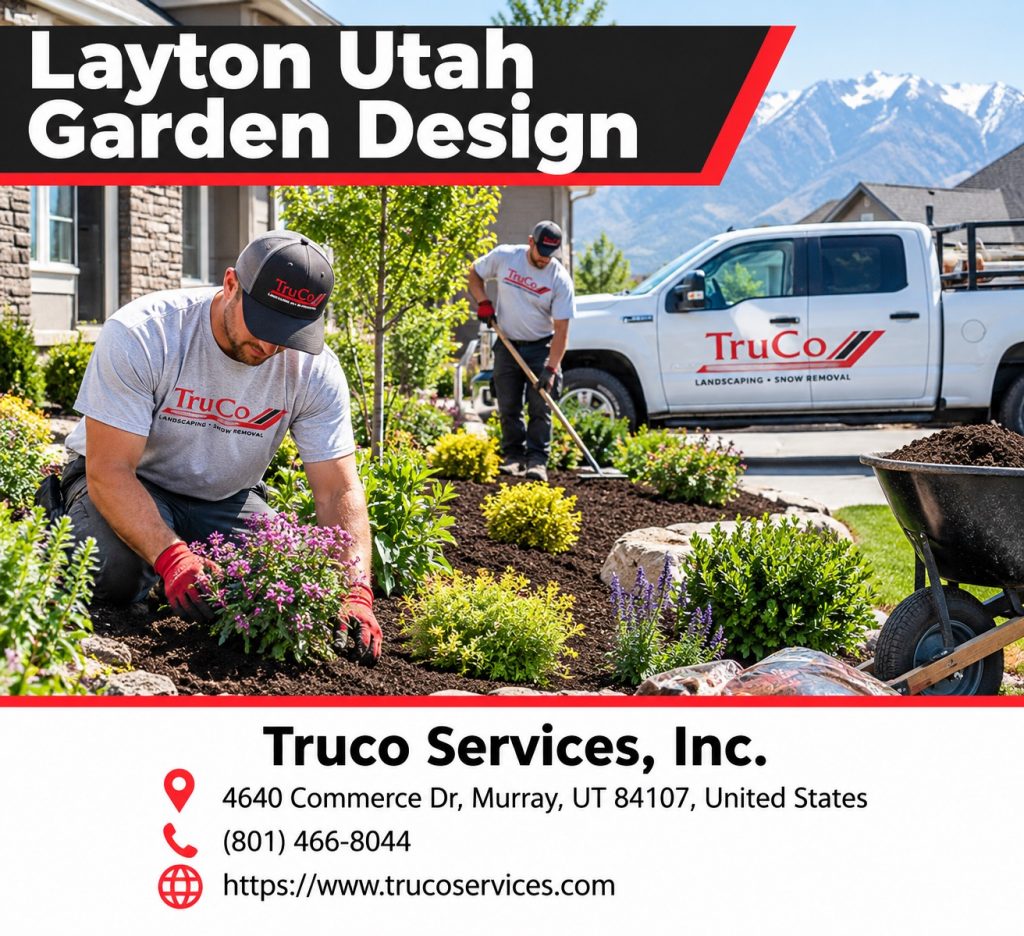
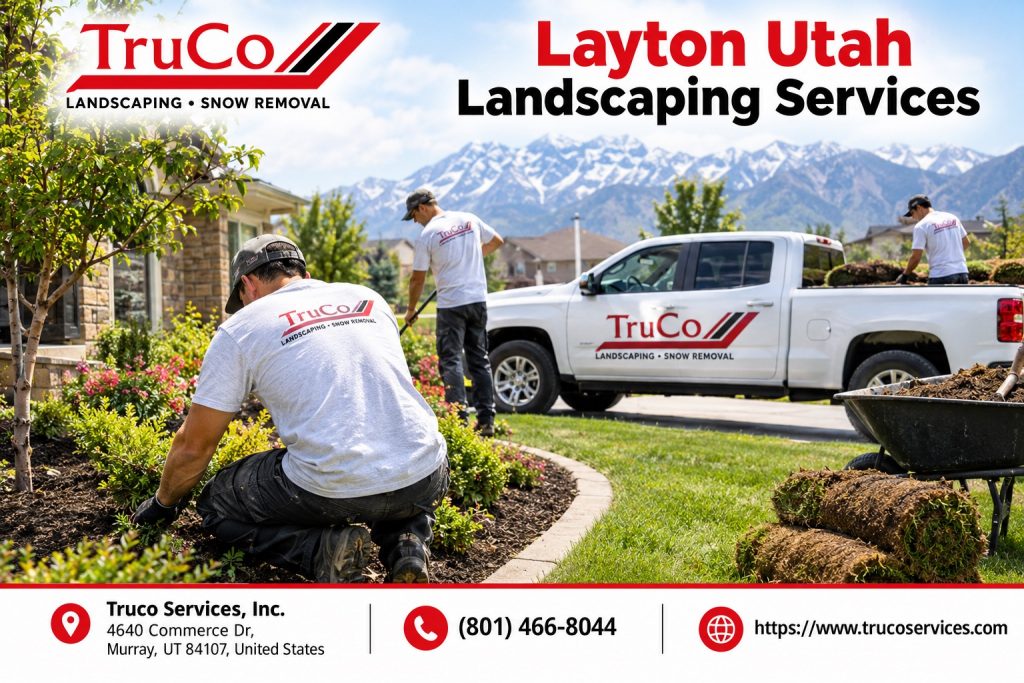
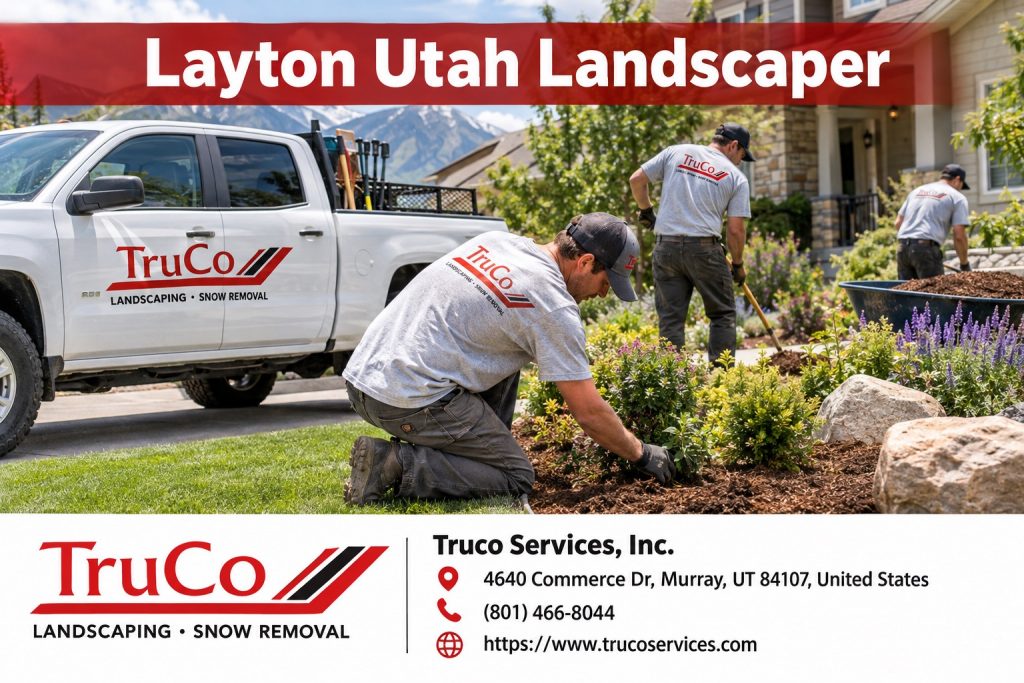
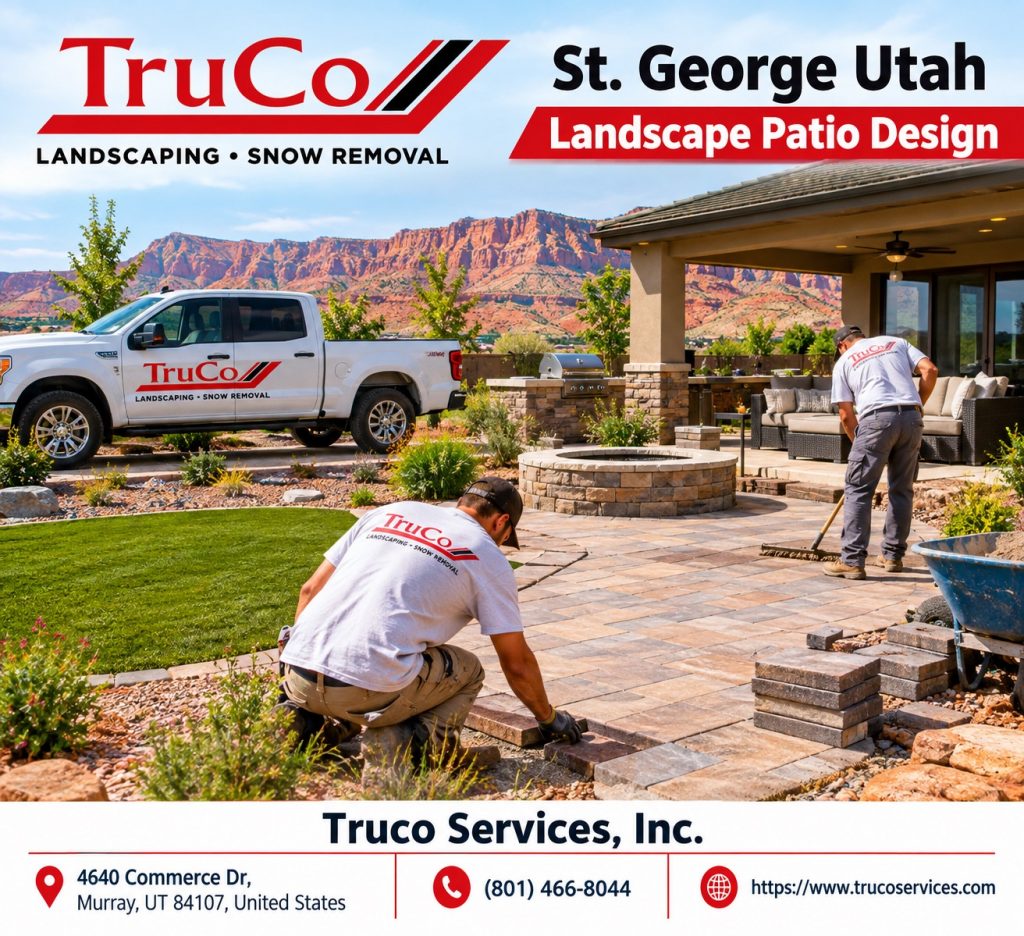
Layton Utah Garden Design: Transform Your Outdoor Space with Beautiful, Functional Landscaping
A thoughtfully designed garden can transform an ordinary yard into a beautiful, inviting outdoor living space. For homeowners and property owners searching for Layton Utah Garden Design, the goal is often to create a landscape that combines attractive plants, practical layouts, seasonal color, and easy maintenance while complementing the unique climate and surroundings of Northern Utah.
Layton offers a wonderful setting for outdoor living, with views of the Wasatch Mountains, established residential neighborhoods, and opportunities to create gardens that reflect a wide range of architectural styles. However, successful garden design requires more than choosing attractive flowers and shrubs. It involves understanding local growing conditions, managing water efficiently, selecting suitable plants, planning pathways and gathering spaces, and creating a landscape that remains attractive throughout the changing seasons.
Whether you want to redesign an existing garden, create a welcoming front yard, install a colorful backyard retreat, or develop a complete landscape plan for a new property, a carefully considered design can help you make the most of your outdoor space.
Truco Services, Inc. is a company Layton property owners can contact to discuss their landscaping needs and determine whether its garden design and related landscape services are suitable for their projects. With the right planning and a clear vision, your outdoor space can become a valuable extension of your home or commercial property
Understanding Garden Design in Layton, Utah
Garden design is the process of organizing plants, outdoor features, pathways, and functional spaces into a cohesive landscape. A successful design balances appearance with practical considerations such as maintenance, irrigation, sunlight, drainage, and long-term plant growth.
In Layton, garden design should account for Northern Utah’s seasonal temperature changes, relatively dry summers, cold winters, and varying soil conditions. Properties can differ considerably in sunlight exposure, slope, wind exposure, and soil drainage, so the most effective design is one tailored to the individual site.
A well-planned garden may include:
Trees and shrubs that provide structure, shade, and visual interest.
Flower beds that introduce color and seasonal variety.
Native and regionally adapted plants that suit local conditions.
Walkways that improve access and connect outdoor areas.
Decorative stone, mulch, and landscape borders.
Irrigation systems designed to distribute water efficiently.
Outdoor seating and entertaining areas.
Lawn areas where grass serves a useful purpose.
Lighting that highlights selected features and improves nighttime visibility.
The objective is to create an outdoor environment that looks attractive while functioning well for the people who use it.
A garden may look appealing when it is first installed, but its long-term success depends on decisions made during the planning stage. Plants that grow too large, poorly placed irrigation lines, crowded planting beds, and inadequate drainage can create unnecessary costs and maintenance challenges.
Professional garden planning helps address these issues before installation begins.
1. Designing for Layton’s Climate
Northern Utah experiences hot, dry periods during summer and freezing temperatures during winter. Garden plants must be selected according to their ability to tolerate the site’s seasonal conditions.
A well-designed garden can combine trees, shrubs, flowering perennials, ornamental grasses, and ground covers that are appropriate for the local climate and the property’s specific conditions.
Plant selection should consider winter hardiness, summer heat tolerance, sun exposure, soil characteristics, and water requirements. Plants suited to one part of the yard may not thrive in another, particularly where buildings create shade or wind exposure differs.
2. Making Better Use of Available Space
Not every property has the same layout. Some yards have large open lawns, while others feature narrow side yards, sloping ground, small courtyards, or limited planting areas.
Garden design helps determine how each space can be used effectively. A compact yard might benefit from layered planting, curved borders, and a small seating area. A larger property might accommodate specimen trees, multiple garden beds, a lawn, and distinct areas for entertaining or relaxation.
The best design makes the yard feel organized without overcrowding it.
3. Improving Curb Appeal
The front garden often shapes a visitor’s first impression of a property. Thoughtful planting, clean edging, balanced proportions, and an attractive entrance can help a home appear welcoming and well maintained.
A coordinated front-yard design might combine foundation shrubs, seasonal flowers, ornamental grasses, decorative rock, and a clearly defined path to the entrance.
Plant height and spacing are important. Large shrubs can overwhelm a small entrance, while plants that are too small may struggle to create a balanced appearance in a broad front yard.
4. Supporting Water Efficiency
Water management is a major consideration for gardens in Utah. Choosing plants suited to local conditions and grouping plants with similar watering needs can help avoid unnecessary irrigation.
A water-conscious design may incorporate drought-tolerant plants, suitable mulch, drip irrigation for planting beds, and efficient sprinkler systems for lawn areas.
Water-efficient landscaping does not mean every garden must be dry or dominated by rocks. It means using water thoughtfully and matching plant choices to the property’s conditions.
5. Reducing Long-Term Maintenance
A garden should be designed around the amount of time and effort its owner can reasonably devote to upkeep.
Some homeowners enjoy pruning, deadheading flowers, and tending vegetable beds. Others prefer a simpler landscape with fewer demanding plants and more permanent structural features.
A suitable design can reduce avoidable maintenance by allowing enough room for mature plants, choosing appropriate species, planning accessible planting beds, and limiting unnecessary lawn areas.
1. Garden Styles That Work Beautifully in Layton
Water-Wise Garden Design
Combine regionally adapted plants, decorative stone, mulch, and efficient irrigation to create an attractive garden with sensible water requirements. This approach is particularly useful for homeowners who want to reduce unnecessary watering without sacrificing visual interest.
Traditional Flower Gardens
Create a welcoming landscape with colorful perennials, flowering shrubs, evergreen structure, and carefully arranged planting beds. Selecting plants with different bloom periods can provide seasonal interest from spring through fall.
Modern Garden Design
Use clean lines, repeated plant groupings, restrained color palettes, and simple hardscape materials to create a contemporary appearance. This style works well when the design complements the home’s architecture.
Outdoor Living Gardens
Integrate patios, seating areas, shade trees, planting beds, and pathways to make the yard more useful for entertaining, relaxing, and spending time outdoors.
2. Choosing Plants for a Successful Layton Garden
Plant selection is one of the most important decisions in any garden design project. Attractive plants must also be suited to the soil, sunlight, water availability, and winter temperatures of the property.
Consider these planting categories when developing a garden plan:
Trees: Select species for shade, seasonal color, and appropriate mature size. Consider root growth and distance from buildings, utilities, and paved surfaces.
Evergreen shrubs: Provide year-round structure and help maintain visual interest during winter.
Flowering perennials: Return year after year when properly selected and maintained, reducing the need to replant annual flowers throughout the garden.
Ornamental grasses: Add movement, texture, and architectural interest.
Ground covers: Fill suitable spaces between larger plants and help reduce exposed soil.
Native and regionally adapted plants: Offer options suited to local environmental conditions when matched to the specific site.
A successful planting design also considers plant spacing. Young shrubs and trees may appear small at installation, but their mature size determines how much room they will eventually need. Appropriate spacing improves airflow, reduces crowding, and limits the need for excessive pruning.
For additional guidance on plant selection, property owners can consult Utah State University Extension and its resources on Utah gardening and water-wise landscaping.
3. Garden Design Features That Improve Everyday Enjoyment
A beautiful garden should also be convenient and comfortable to use. Adding the right features can turn a simple yard into a functional outdoor environment.
Pathways and Garden Borders
Pathways connect different parts of the garden and make it easier to reach planting beds, seating areas, sheds, and entrances. Stone, pavers, gravel, and concrete can all be appropriate materials depending on the design.
Clearly defined borders separate lawns from planting areas and create a more finished appearance. Edging materials should complement the property’s style and be installed with consideration for drainage and maintenance.
Garden Lighting
Outdoor lighting highlights attractive landscape features and improves visibility after dark. Options include pathway lights, selected tree uplighting, entrance lighting, and illumination around outdoor seating areas.
Lighting should be positioned to avoid excessive glare and unnecessary light spill. Weather-resistant equipment and appropriate electrical installation are essential.
Raised Garden Beds
Raised beds can create organized spaces for flowers, herbs, and vegetables. They can also make planting easier to manage and help separate edible gardens from ornamental areas.
Successful raised-bed planning considers sunlight, access to water, soil quality, drainage, and enough room to move around the beds comfortably.
Privacy Planting
Trees, shrubs, and strategically placed planting screens can help define outdoor spaces and soften views between neighboring properties.
Privacy planting should account for mature height, seasonal foliage, maintenance requirements, and proximity to property boundaries. Where local rules or neighborhood restrictions apply, these should be checked before installation.
4. Water-Wise Garden Planning in Layton
Water efficiency deserves special attention when designing a garden in Northern Utah. A thoughtful design can balance color, plant diversity, and outdoor comfort with responsible irrigation.
Useful strategies include:
Group plants with similar watering needs together.
Choose species that tolerate local climate conditions.
Use drip irrigation in suitable planting beds.
Apply mulch at an appropriate depth around plants.
Reduce lawn in areas where grass offers little practical benefit.
Inspect irrigation equipment for leaks and uneven coverage.
Adjust watering schedules according to weather, soil, and plant requirements.
Before making major landscape changes, check current Layton City requirements and any applicable homeowners association rules. Local water-wise landscaping guidance can affect which plants, materials, and irrigation arrangements are appropriate for particular projects.
5. Why Choose Truco Services, Inc. for Your Garden Project?
Truco Services, Inc. offers landscaping services and describes garden design among its landscape-planning capabilities. Its service information includes residential and commercial landscaping, hardscape design, outdoor living features, lighting, and related landscape improvements.
For property owners planning a garden in Layton, contacting Truco Services can be a useful first step toward determining the scope of a project and exploring suitable landscaping options.
Consider discussing these priorities with the company:
Your vision: Explain whether you want a colorful flower garden, a water-wise yard, a more modern landscape, or a complete outdoor renovation.
Your budget: Establish a realistic budget and ask which improvements can be completed within it.
Your maintenance preferences: Explain how much time you want to spend watering, pruning, weeding, and caring for plants.
Your property conditions: Discuss sunlight, drainage, soil, slopes, existing trees, and other features that may influence the design.
Your project scope: Confirm whether the company can provide the specific design, installation, irrigation, hardscape, or maintenance services you need in Layton.
A written proposal should identify the work included, materials, expected schedule, pricing, and any exclusions. Confirm current service availability in Layton before making arrangements.
6. Frequently Asked Questions About Layton Utah Garden Design
How much does garden design cost in Layton?
The cost depends on the garden’s size, design complexity, plant selection, irrigation requirements, hardscaping, site preparation, and installation work. Request an estimate based on your property and desired scope.
When should I plan a new garden?
Spring and fall can be suitable planting seasons for many species, but timing depends on the plants selected, soil conditions, and weather. Starting the design process early gives you time to plan materials and installation.
Can I have a colorful garden that uses less water?
Yes. A combination of suitable flowering perennials, ornamental grasses, regionally adapted shrubs, mulch, and efficient irrigation can create a colorful garden while managing water use.
Does Truco Services work in Layton, Utah?
Truco Services is based in Murray, Utah, and offers landscaping services. Contact the company directly to confirm current availability for your Layton property and the specific garden design services you require.
Contact Truco Services, Inc.
Truco Services, Inc.
Address: 4640 Commerce Dr, Murray, UT 84107, United States
Great garden design combines beauty, practicality, and thoughtful planning. For homeowners seeking Layton Utah Garden Design, the right combination of plants, garden beds, pathways, lighting, and water-efficient landscaping can create an outdoor space that looks attractive and remains manageable over time.
By accounting for Layton’s seasonal climate, selecting appropriate plants, and planning for mature growth and irrigation needs, you can develop a garden that complements your property and supports the way you want to use your outdoor space.
Contact Truco Services, Inc. at (801) 466-8044 or visit www.trucoservices.com to discuss your landscaping goals, confirm service availability in Layton, and ask about options for your garden project.
Layton Utah Landscape Designer
Layton Utah Landscape Designer: Transform Your Outdoor Space with Professional Landscaping
Introduction to Landscape Design in Layton, Utah
A beautiful outdoor space can transform the appearance, functionality, and value of your property. Whether you own a home, manage a commercial property, or are planning a complete outdoor renovation, working with a professional Layton Utah landscape designer can help you create a landscape that complements your property, suits your lifestyle, and thrives in Northern Utah’s unique climate.
Layton is a wonderful place to invest in outdoor living. With its mountain views, changing seasons, sunny summers, cold winters, and diverse residential neighborhoods, the city offers plenty of opportunities for creative landscape design. However, designing a successful landscape in this region requires more than choosing attractive plants and installing a lawn. Soil conditions, water conservation, drainage, sunlight, elevation, and seasonal temperature changes must all be considered.
A thoughtfully designed landscape brings these elements together to create an outdoor environment that is attractive, practical, and sustainable. From colorful flower beds and lush lawns to inviting patios, functional walkways, shade trees, and outdoor lighting, professional landscape planning helps every part of your property work together.
For property owners seeking landscaping solutions, Truco Services, Inc. is a company to consider when planning outdoor improvements. With professional landscaping services and a focus on creating attractive, functional outdoor environments, Truco Services can help property owners explore ways to enhance their landscapes.
What Does a Layton Utah Landscape Designer Do?
A landscape designer develops plans that organize and improve outdoor spaces. The process combines creativity, practical planning, horticultural knowledge, and an understanding of how people use their properties.
Rather than treating a yard as a collection of unrelated features, a landscape designer considers how lawns, trees, shrubs, garden beds, patios, retaining walls, pathways, and other elements work together.
1. Evaluating Your Property
Every successful landscape project begins with an assessment of the property. A designer considers the size and shape of the yard, existing vegetation, slopes, soil conditions, drainage patterns, sunlight exposure, and access points.
In Layton, these details can significantly influence the final design. A yard with strong afternoon sunlight may require heat-tolerant plants and strategically placed shade trees. A sloped property may benefit from terraced planting areas, retaining walls, or carefully planned drainage improvements.
An initial assessment helps identify opportunities and potential problems before installation begins.
2. Developing a Customized Landscape Plan
A customized landscape plan organizes the outdoor space according to the owner’s goals. Some homeowners want a low-maintenance yard, while others prefer a vibrant garden, a spacious lawn, or an outdoor entertainment area.
A design may include:
Lawn and ground-cover placement.
Trees, shrubs, flowers, and perennial planting beds.
Patios, seating areas, and outdoor living spaces.
Walkways, stepping stones, and garden paths.
Decorative rock, mulch, and landscape borders.
Retaining walls and changes in elevation.
Irrigation planning and water-efficient planting.
Outdoor lighting and landscape accents.
The objective is to create a cohesive landscape that fits the property’s architecture and the owner’s priorities.
3. Improving Functionality
A beautiful yard should also be easy to use. Landscape design can establish separate areas for relaxing, entertaining, gardening, playing, and moving safely around the property.
For example, a family may benefit from an open lawn, a shaded patio, and a clearly defined walkway from the driveway to the entrance. A commercial property may need attractive entry landscaping, accessible pedestrian routes, and planting arrangements that maintain visibility and circulation.
A functional layout helps prevent wasted space and makes the property more enjoyable throughout the year.
Layton’s Northern Utah climate creates specific considerations for outdoor planning. Winters can bring freezing temperatures and snow, while summers can be hot and dry. A successful landscape must accommodate these seasonal differences without sacrificing visual appeal.
Understanding Local Climate Conditions
Plant selection is one of the most important aspects of designing a landscape in Layton. Plants must be suited to local winter temperatures, summer heat, sunlight exposure, and available water.
Depending on the site, appropriate choices may include hardy perennials, regionally suitable ornamental grasses, drought-tolerant shrubs, and trees selected for local growing conditions. Native and adapted plants can also support pollinators and other beneficial wildlife when matched to the property’s soil and exposure.
A thoughtful planting plan considers mature plant size, root growth, seasonal color, maintenance needs, and compatibility with surrounding structures.
Making Water Conservation a Priority
Water-efficient landscaping is particularly valuable in Utah, where water is an important resource. A landscape designer can help reduce unnecessary water use through appropriate plant selection, efficient irrigation, and careful grouping of plants according to their watering needs.
Practical strategies include:
Choosing drought-tolerant plants where suitable.
Grouping plants with similar water requirements.
Using mulch to help retain soil moisture.
Installing or improving efficient irrigation systems.
Reducing unnecessary lawn areas.
Selecting ground covers for appropriate locations.
Adjusting watering schedules to seasonal conditions.
Water-wise landscaping does not mean sacrificing beauty. A combination of ornamental grasses, flowering perennials, shrubs, decorative stone, and strategically placed trees can produce a rich and visually appealing landscape while reducing irrigation demands.
Managing Drainage and Soil Conditions
Water that collects near foundations, erodes planting beds, or runs across walkways can damage a landscape and create ongoing maintenance problems. Drainage should therefore be considered early in the design process.
A professional assessment can identify areas where grading adjustments, suitable soil preparation, drainage channels, or other solutions may be needed. Any drainage improvements should account for local requirements and direct water appropriately without creating problems for neighboring properties.
Healthy soil is equally important. Soil preparation, amendments where appropriate, and suitable plant placement help roots establish and support long-term plant health.
Popular Landscape Design Services in Layton, Utah
A professional landscape project can involve a single improvement or a comprehensive redesign. The best approach depends on the property’s current condition, the available budget, and the owner’s goals.
Residential Landscape Design
Residential landscape design helps homeowners create outdoor spaces that complement their homes and everyday routines.
A residential plan may include front-yard improvements, backyard renovations, foundation planting, shade trees, flower beds, privacy screening, and outdoor gathering areas.
Front-yard design is especially important because it establishes the property’s first impression. Well-proportioned planting beds, attractive borders, healthy trees, and an inviting entrance can make a home feel more welcoming.
Backyards offer more flexibility. They can be designed for relaxation, entertaining, family activities, gardening, or a combination of uses.
Front-Yard Landscaping and Curb Appeal
The front yard is often the most visible part of a property. A carefully designed entrance can enhance the home’s architecture and create a polished appearance.
Landscape elements may include:
Foundation shrubs and ornamental plants.
Seasonal flowers and perennial borders.
Decorative rock or mulch.
Defined planting-bed edges.
Attractive pathways to the entrance.
Accent trees and carefully positioned lighting.
Successful front-yard design balances visual interest with appropriate plant sizes and manageable upkeep. Plants should not block windows, obstruct walkways, or overwhelm the entrance as they mature.
Backyard Landscape Design
A well-planned backyard can function as an extension of the home. The design may incorporate a lawn, patio, garden, outdoor dining area, shade trees, or a secluded seating space.
The key is to determine how the yard will be used before selecting features. A household that frequently entertains may prioritize a spacious patio and comfortable circulation, while a homeowner who enjoys gardening may prefer dedicated planting beds and a practical water source.
Good backyard design also considers privacy, sun exposure, wind, and the relationship between indoor and outdoor spaces.
Patio and Outdoor Living Design
Patios and outdoor living areas provide places to relax, dine, and spend time with family and friends. They can be constructed using suitable pavers, concrete, natural stone, or other materials selected for the property’s style and intended use.
A landscape plan should consider the patio’s size, access from the home, shade, drainage, seating arrangements, and surrounding plants.
Additional features may include pergolas, outdoor kitchens, fire features, decorative walls, and lighting. These additions should be planned around safety, applicable permits, utility locations, and realistic maintenance requirements.
Garden Design and Planting Beds
Garden design introduces texture, color, seasonal changes, and personality to an outdoor space. A successful garden combines plants with complementary growth habits and environmental needs.
A planting plan may include evergreen shrubs for year-round structure, flowering perennials for seasonal color, ornamental grasses for movement, and trees for shade and visual height.
Designers also consider bloom times so that the garden remains interesting across multiple seasons. Appropriate spacing allows plants to mature without excessive crowding, reducing the need for frequent pruning or replacement.
Hardscape Design
Hardscaping includes the nonliving structural elements of a landscape, such as walkways, patios, retaining walls, steps, and decorative stone features.
These elements can provide structure, improve circulation, manage changes in elevation, and create durable outdoor spaces.
Material selection should account for appearance, weather exposure, traction, durability, drainage, and maintenance. In Northern Utah, surfaces must also be suitable for seasonal temperature changes and freezing conditions.
Landscape Lighting
Outdoor lighting can improve the appearance and usability of a property after sunset. Path lights, entry lighting, and carefully positioned accent fixtures can highlight trees, garden beds, architectural details, and walkways.
Lighting plans should provide useful illumination without excessive glare or unnecessary light spill. Energy-efficient fixtures and appropriate controls can help manage operating costs.
Lawn Installation and Renovation
A healthy lawn can provide open space for recreation and create a visual connection between landscape features. However, lawns require appropriate soil preparation, irrigation, mowing, and seasonal care.
A landscape designer can help determine where grass is useful and where alternative ground covers or planting beds may be more practical. For properties with worn, uneven, or poorly functioning lawns, renovation may involve grading, soil preparation, reseeding, or sod installation.
Low-Maintenance and Sustainable Landscaping
Many Layton property owners want attractive outdoor spaces without spending every weekend maintaining them. Low-maintenance design reduces unnecessary work through appropriate plant choices, practical layouts, durable materials, and efficient irrigation.
Possible strategies include using well-adapted plants, minimizing awkward-to-mow areas, installing mulch or suitable ground covers, and grouping plants according to their care needs.
Sustainable design may also incorporate locally appropriate vegetation, improved soil health, reduced runoff, and efficient use of water and materials.
The Landscape Design Process: From Idea to Finished Yard
Understanding the design process helps property owners plan more confidently and establish realistic expectations.
Step 1: Define Your Goals
Begin by identifying what you want to achieve. You might want to improve curb appeal, create a family-friendly backyard, reduce water consumption, address drainage problems, or build an outdoor entertainment area.
Make a list of must-have features and optional improvements. This helps guide decisions throughout the project.
Step 2: Assess the Existing Landscape
Review the yard’s strengths and weaknesses. Identify healthy trees worth preserving, areas that receive excessive sun, places where water collects, and sections that are difficult to maintain.
Existing conditions can influence both the design and the project budget.
Step 3: Establish a Budget
Landscape projects vary widely in cost depending on property size, materials, labor, site preparation, irrigation, hardscaping, and plant selection.
A practical budget should account for both installation and ongoing maintenance. If the complete project is too expensive to complete at once, it may be possible to divide it into phases.
For example, the first phase might address grading and irrigation, the second might install patios and walkways, and the final phase might complete planting beds and decorative features.
Step 4: Choose Materials and Plants
Select materials that suit the home’s architecture, the climate, and the desired maintenance level. Plant selections should be based on mature size, sunlight, soil, water requirements, and winter hardiness.
A balanced plan considers how every feature will look and function several years after installation, not just on completion day.
Step 5: Plan Installation
Depending on the project, installation may involve clearing unwanted vegetation, grading, preparing soil, installing drainage or irrigation, constructing hardscapes, and planting trees and shrubs.
The sequence matters. Structural work and underground systems generally need to be addressed before final planting and finishing details.
Step 6: Maintain the Finished Landscape
Landscapes are living environments that change over time. Regular watering during establishment, appropriate pruning, weed management, seasonal cleanup, irrigation checks, and periodic soil care help protect the investment.
A well-designed landscape should make maintenance more manageable, but no landscape is completely maintenance-free.
How to Choose the Right Layton Utah Landscape Designer
Selecting a suitable landscaping professional is an important decision. Property owners should look for a provider who understands their goals, communicates clearly, and can explain the practical considerations behind a proposed design.
Evaluate Experience and Services
Ask about experience with projects similar to yours. A front-yard refresh may require a different approach from a complete backyard transformation involving patios, retaining walls, drainage, and irrigation.
Clarify which services the company provides directly and which may require additional specialists or subcontractors.
Review Design Ideas and Previous Work
Examples of completed projects can help you evaluate a company’s approach to plant selection, material coordination, layout, and overall appearance.
Look for landscapes that balance visual appeal with practical considerations such as access, drainage, maintenance, and plant maturity.
Discuss Communication and Project Scope
Before work begins, make sure the proposed scope is clear. Ask which tasks are included, what materials are planned, how changes will be handled, and what factors could affect the schedule or final cost.
A detailed written estimate can help reduce misunderstandings.
Consider Long-Term Value
The lowest initial price is not always the best value. Inappropriate plants, poor drainage, inefficient irrigation, or unsuitable materials may lead to additional expenses later.
Consider the durability, maintenance requirements, and expected performance of the entire design when comparing proposals.
Common Landscape Design Mistakes to Avoid
Even attractive landscapes can become expensive or frustrating when important planning details are overlooked.
Choosing plants based only on appearance: A plant may look beautiful at the nursery but struggle in the property’s sunlight, soil, or winter conditions. Always consider its growing requirements.
Ignoring mature plant size: Trees and shrubs need adequate space. Crowded plants can block windows, interfere with walkways, or require excessive pruning.
Overwatering the landscape: Different plants have different water needs. Poor irrigation planning can waste water and contribute to plant-health problems.
Neglecting drainage: Attractive paving and planting beds will not solve water-management problems unless drainage is addressed appropriately.
Installing too many features: An overcrowded yard may be difficult to maintain and lack a clear focal point. Prioritize features that serve a real purpose.
Failing to plan for maintenance: Consider mowing, pruning, weeding, irrigation, seasonal cleanup, and material upkeep before committing to a design.
Overlooking seasonal interest: A landscape dominated by plants that bloom briefly may appear dull for much of the year. Combining evergreen structure, varied foliage, and plants with different bloom periods creates more consistent interest.
The Benefits of Hiring a Professional Landscaping Company
Professional landscape planning can save time and help property owners make informed decisions about layout, materials, plant selection, and installation.
A coordinated plan can reduce unnecessary revisions, prevent mismatched features, and establish a logical order for construction. It also helps connect individual improvements into a unified design.
Additional benefits may include improved curb appeal, better use of outdoor space, more comfortable gathering areas, more manageable maintenance, and improved water efficiency when appropriate strategies are incorporated.
The value of these benefits depends on the property’s condition and the quality of the design and installation. Professional landscaping is best viewed as an investment in the appearance, usability, and long-term care of the property.
Why Call Truco Services, Inc. for Landscape Design in Layton, Utah?
When looking for a landscaping company to help improve your outdoor space, Truco Services, Inc. is worth considering for your landscaping project.
A successful landscape requires more than attractive individual features. It needs a coordinated approach that considers the property’s layout, plant selection, functionality, maintenance, and long-term performance. Working with a landscaping provider can help you identify suitable improvements and develop a practical plan for achieving your goals.
1. A Focus on Attractive, Functional Outdoor Spaces
Your yard should reflect the way you want to live and use your property. Whether your priorities include improving curb appeal, creating a more inviting backyard, or updating existing landscape features, Truco Services can be contacted to discuss your landscaping needs and determine which services are appropriate for your project.
2. Help Planning Landscape Improvements
Landscape projects often involve several connected decisions, from selecting plants and defining garden beds to choosing materials and coordinating installation. Discussing your goals with a landscaping professional can help you understand the options available and identify a sensible order for improvements.
3. Attention to Northern Utah Conditions
Layton’s seasonal weather makes appropriate plant selection, water management, and material choices important. When planning your project, discuss local climate considerations, irrigation needs, winter durability, and the maintenance required to keep the landscape looking its best.
4. Solutions Tailored to Your Property
Every yard has different dimensions, limitations, and opportunities. A landscape plan should be based on the property’s existing conditions and your priorities rather than a one-size-fits-all design.
When contacting Truco Services, explain the size of your project, the features you want, your preferred maintenance level, and your budget. These details can help establish whether the company’s services are a suitable match.
5. A Practical Starting Point for Your Project
Whether you are planning a modest landscape refresh or considering a larger outdoor renovation, a conversation with a landscaping provider can help you clarify the next steps.
Contact Truco Services, Inc. to ask about available landscaping services, project suitability, scheduling, and estimates. Confirm the specific design, installation, and maintenance services offered for your needs before proceeding.
Landscape Design Ideas for Layton Homeowners
If you are unsure where to begin, consider these practical ideas for improving your property.
Create a welcoming entrance. Combine appropriately sized shrubs, seasonal flowers, defined planting beds, and a clear walkway to give the front yard a polished appearance.
Add shade strategically. Suitable trees can improve comfort in sunny outdoor areas. Consider mature canopy size, root space, and the tree’s distance from structures and utilities.
Replace difficult areas with suitable planting beds. If parts of the lawn are hard to mow or consistently struggle to grow, consider whether adapted ground covers, decorative rock, or appropriately selected planting beds would work better.
Build a backyard destination. A patio or seating area can provide a focal point for relaxation and outdoor dining. Connect it to the house with convenient pathways and surround it with plants suited to the available light.
Add seasonal color. Combine flowering plants with ornamental grasses, evergreen shrubs, and trees that offer attractive foliage or fall color.
Improve privacy thoughtfully. Suitable shrubs, trees, or screens can help establish a more secluded outdoor area. Select species that fit the available space and will not become overcrowded as they mature.
Use landscape lighting selectively. Highlight the entrance, illuminate frequently used paths, and add subtle accents to important landscape features.
Plan for efficient irrigation. Match watering methods to plant needs, maintain irrigation equipment, and adjust schedules to seasonal conditions.
Frequently Asked Questions About Landscape Designers in Layton, Utah
How much does landscape design cost in Layton?
Costs depend on the size of the property, the complexity of the design, site preparation, selected materials, planting requirements, irrigation, and hardscape installation. Request a detailed estimate based on your specific project rather than relying on a general price.
What is the best time of year to start a landscaping project?
Planning can begin at any time of year. Installation timing depends on weather, soil conditions, plant availability, and the type of work involved. Spring and fall can be favorable for many planting projects, while certain construction tasks may be possible during other suitable weather periods.
Which plants work well in Layton, Utah?
The best plants depend on the property’s soil, sunlight, water availability, and exposure. Hardy, locally adapted, and drought-tolerant varieties may be appropriate in many settings. Confirm each plant’s suitability for the specific site and local growing conditions.
Can landscape design reduce water use?
Yes. Water use may be reduced by selecting suitable plants, limiting unnecessary lawn areas, grouping plants by watering needs, using mulch, and improving irrigation efficiency. Results depend on the existing landscape and the design choices made.
Can I redesign my landscape in stages?
Yes. Phased projects can make large improvements more manageable. Address essential grading, drainage, and irrigation considerations first, then complete structural features and planting as your budget allows. The overall plan should account for the future phases from the beginning.
Does professional landscape design increase property value?
A well-maintained, attractive landscape can improve curb appeal and make a property more appealing to prospective buyers. The actual financial effect varies by property, neighborhood, market conditions, and the quality of the improvements.
Why should I contact Truco Services, Inc.?
Contact Truco Services to discuss your landscaping goals, learn about its available services, and ask whether the company is a good fit for your project. You can also request information about estimates, project scope, scheduling, and the services needed to achieve your desired result.
Contact Truco Services, Inc. for Your Landscaping Needs
Your outdoor space has the potential to become one of the most attractive and useful parts of your property. With careful planning, appropriate plant selection, functional layouts, and thoughtful material choices, a landscape can provide year-round visual interest and a more enjoyable outdoor experience.
If you are searching for a Layton Utah landscape designer, begin by identifying your priorities and exploring solutions that suit the property’s conditions, your lifestyle, and your budget. From front-yard improvements and garden beds to patios, planting plans, and water-wise landscaping, a well-planned project can make a meaningful difference.
Truco Services, Inc. is a landscaping company you can contact to discuss your outdoor improvement goals and ask about suitable services for your property.
Contact Truco Services, Inc. today to discuss your landscaping project and explore the possibilities for your outdoor space.
Business Information
Truco Services, Inc.
Address: 4640 Commerce Dr, Murray, UT 84107, United States
Contact Number: (801) 466-8044
Website: https://www.trucoservices.com
Call Truco Services, Inc. to discuss your landscaping needs, ask about available services, and request an estimate for your project.
Conclusion
Choosing a landscape designer is an important step toward creating an outdoor environment that is attractive, functional, and appropriate for Layton’s climate. A successful design combines visual appeal with practical considerations, including drainage, soil conditions, water conservation, plant maturity, seasonal weather, and long-term maintenance.
Whether your goal is to refresh your front yard, create a more inviting backyard, improve outdoor living areas, or develop a water-efficient landscape, thoughtful planning can help you make the most of your property.
By identifying your priorities, selecting suitable materials and plants, and working with a landscaping provider whose services match your needs, you can move toward an outdoor space that complements your home and supports your lifestyle.
For property owners exploring landscaping improvements in Layton, Utah, Truco Services, Inc. is a resource to contact to discuss project goals, available landscaping services, and the next steps toward a more attractive outdoor space.
Layton Utah Landscaping Design
Layton Utah Landscaping Design: Transform Your Outdoor Space with Truco Services, Inc.
Introduction to Layton Utah Landscaping Design
A beautiful landscape can transform an ordinary property into a welcoming, functional, and visually appealing outdoor environment. For homeowners and businesses in Layton, Utah, professional landscaping design offers an opportunity to enhance curb appeal, create comfortable outdoor living spaces, improve the usability of a yard, and complement the natural beauty of Northern Utah. Whether you want a modern backyard retreat, a colorful garden, a low-maintenance front yard, or a complete landscape renovation, thoughtful planning is the foundation of a successful project.
Layton Utah landscaping design involves more than choosing plants and arranging decorative features. It requires a careful understanding of the property’s layout, soil conditions, sunlight exposure, drainage, irrigation needs, seasonal weather, and the owner’s long-term goals. A well-designed landscape brings these elements together to create an outdoor space that looks attractive and functions efficiently throughout the year.
Truco Services, Inc. provides landscaping and outdoor property improvement services for customers seeking to enhance their outdoor environments. With professional planning and attention to detail, property owners can develop landscapes that reflect their personal style while accounting for Utah’s distinctive climate.
If you are planning to improve your outdoor space, investing in professional landscaping design can help you make informed decisions, avoid common mistakes, and create a property you can enjoy for years.
Why Landscaping Design Matters in Layton, Utah
Layton is located in Davis County, near the Wasatch Mountains and the Great Salt Lake. Its surroundings provide a beautiful setting for residential and commercial landscapes, but the local environment also presents specific challenges.
Northern Utah experiences cold winters, warm summers, seasonal temperature changes, and periods of limited rainfall. These conditions influence plant selection, irrigation planning, hardscape materials, and landscape maintenance requirements.
A carefully designed landscape takes these factors into account before installation begins.
Improving Curb Appeal
The front yard is often the first feature visitors, neighbors, customers, and prospective buyers notice. An organized landscape with healthy plants, attractive pathways, well-defined garden beds, and balanced proportions can make a property look more inviting.
Professional landscaping design can coordinate the home’s architecture with the surrounding outdoor environment. For example, a contemporary home may benefit from clean lines, ornamental grasses, structured planting beds, and simple stone features. A traditional home might look better with layered shrubs, flowering perennials, curved garden beds, and a welcoming walkway.
The objective is to create a cohesive appearance rather than a collection of unrelated landscaping features.
Creating Functional Outdoor Living Areas
A well-designed yard can serve many purposes beyond decoration. Homeowners may want a place for entertaining, dining outdoors, relaxing after work, gardening, or spending time with family.
Landscaping design can organize a property into distinct functional areas, such as:
Patios for outdoor dining and social gatherings.
Lawn areas for recreation and everyday activities.
Garden spaces for flowers, vegetables, or ornamental plants.
Shaded seating areas for warm summer afternoons.
Walkways connecting entrances, patios, and garden areas.
Outdoor lighting that improves visibility and ambiance.
By planning these features together, property owners can make better use of the available space.
Supporting Property Value
A well-maintained, thoughtfully designed landscape can contribute to a property’s overall presentation and perceived value. Attractive landscaping helps create a positive impression and may make a home or commercial property more appealing to prospective buyers or tenants.
However, results depend on the property’s location, market conditions, design quality, installation costs, and ongoing maintenance. Landscaping should be planned around both immediate enjoyment and realistic long-term goals.
Essential Elements of Professional Layton Utah Landscaping Design
Successful landscaping projects combine several important design components. Each element should complement the others to create a balanced and practical outdoor environment.
1. Landscape Planning and Site Assessment
Every successful project begins with understanding the property. Before choosing plants or installing hardscape features, it is important to evaluate the yard’s dimensions, existing vegetation, slope, soil, sunlight, drainage, and access points.
A site assessment can help identify areas that receive full sun, locations that remain shaded, sections where water collects, and places where soil may require improvement.
Property owners should also consider how they use their outdoor space. A household with children may prioritize open lawn areas, while someone who enjoys entertaining may prefer a spacious patio and comfortable seating areas.
Professional planning helps align the landscape with the property’s physical characteristics and the owner’s priorities.
2. Plant Selection for Northern Utah’s Climate
Plant selection is one of the most important aspects of landscaping design in Layton. Plants must be suited to local winter temperatures, summer heat, sunlight conditions, soil characteristics, and available water.
Depending on the site, appropriate options may include drought-tolerant ornamental grasses, hardy flowering perennials, deciduous shrubs, evergreen plants, and trees suited to Northern Utah.
Native and regionally adapted plants can be particularly valuable because they are often better suited to local environmental conditions. Once established, some drought-tolerant plants may also require less supplemental irrigation than traditional high-water-use alternatives.
However, no plant is automatically suitable for every yard. Mature size, root behavior, shade requirements, maintenance needs, and resistance to local pests should all be considered.
A good planting plan includes different heights, textures, colors, and seasonal characteristics. Trees can provide structure and shade, shrubs can define boundaries, and flowers can introduce seasonal color.
3. Lawn Design and Grass Installation
Lawns remain a popular feature of many residential landscapes because they provide open space for recreation and a clean visual contrast with planting beds.
The right lawn design depends on how the space will be used. Families may need durable grass areas, while homeowners seeking lower maintenance may prefer a smaller lawn surrounded by ornamental plants and decorative stone.
Before installing grass or sod, the soil should be appropriately prepared, grading should support proper drainage, and irrigation should be designed to distribute water effectively.
In Layton’s climate, choosing a suitable turf variety and managing irrigation responsibly are essential. Overwatering can waste water and contribute to drainage problems, while underwatering can stress the lawn during hot weather.
A landscape professional can help determine whether a full lawn, a reduced lawn, or a combination of turf and water-wise planting is appropriate for the property.
4. Garden Beds and Colorful Planting Arrangements
Garden beds introduce texture, color, and visual interest. They can soften the appearance of walls, frame entrances, define outdoor areas, and create focal points around trees or architectural features.
Successful garden design considers more than flower color. Plant height, mature width, bloom season, foliage texture, and maintenance requirements all influence the final appearance.
Layering is an effective approach. Taller plants can provide background structure, medium-height shrubs can create visual transitions, and shorter flowers or groundcovers can fill the foreground.
Mulch can help conserve soil moisture, moderate soil temperatures, and reduce weed growth when applied appropriately. The correct mulch type and depth depend on the planting area and plant species.
5. Hardscape Design
Hardscaping includes the nonliving features of a landscape, such as patios, walkways, retaining walls, steps, decorative stone, and outdoor seating areas.
These features provide structure and make outdoor spaces easier to navigate. They can also reduce the amount of lawn requiring regular mowing when designed as part of a broader water-wise landscape.
Popular hardscape options include:
Concrete patios for practical outdoor use.
Paver patios for decorative patterns and defined spaces.
Natural stone for an organic appearance.
Retaining walls for suitable sloped areas.
Gravel pathways for informal garden routes.
Decorative edging to separate planting beds from lawns.
Material selection should account for durability, appearance, drainage, maintenance, and the home’s architectural style.
Proper base preparation and grading are particularly important. Poor installation can lead to uneven surfaces, shifting pavers, and water-management problems.
6. Irrigation and Water Conservation
Water management is a central consideration in Utah landscaping. A beautiful design should not depend on inefficient watering practices.
Irrigation planning begins with grouping plants according to their water requirements. This approach, sometimes called hydrozoning, helps prevent drought-tolerant plants from receiving excessive water simply because they share an irrigation zone with thirsty plants.
Drip irrigation can deliver water near plant roots and may reduce evaporation in suitable planting beds. Efficient sprinklers can support lawns when properly selected, positioned, and maintained.
Other useful water-saving practices include:
Selecting plants adapted to local conditions.
Reducing unnecessary lawn areas.
Applying mulch to suitable planting beds.
Adjusting irrigation schedules seasonally.
Checking regularly for leaks and broken sprinkler heads.
Using soil conditions and plant needs to guide watering.
Water conservation should be considered during the initial design stage rather than treated as an afterthought.
7. Drainage and Grading
Drainage is an essential but sometimes overlooked component of landscaping design. Poor grading can allow water to collect near foundations, create muddy areas, damage planting beds, or contribute to erosion.
A well-planned landscape directs runoff toward appropriate drainage areas without creating problems for neighboring properties or public spaces.
Potential solutions include carefully designed grading, suitable drainage channels, permeable surfaces, and planting strategies that help manage runoff. More complex drainage issues may require a qualified drainage specialist.
Retaining walls and major grading changes also need appropriate planning, and some projects may require permits or engineering review.
Addressing drainage before installing decorative features can help protect the landscape and reduce the likelihood of expensive future repairs.
Popular Landscaping Design Styles for Layton Homes
Every property has different requirements, and the best design depends on the owner’s preferences, the building’s architecture, and the site’s environmental conditions.
Modern Landscaping Design
Modern landscapes emphasize simplicity, clean lines, geometric forms, and carefully selected materials. They may feature structured planting beds, ornamental grasses, contemporary pavers, subtle lighting, and restrained color palettes.
This style works well for property owners who prefer an organized appearance and clearly defined outdoor spaces.
Traditional Landscaping Design
Traditional landscaping often incorporates layered garden beds, flowering shrubs, shade trees, curved pathways, and welcoming lawn areas.
It can create a comfortable, established appearance that complements a wide range of homes.
Water-Wise Landscaping
Water-wise landscaping emphasizes responsible irrigation, appropriate plant selection, and efficient use of outdoor space.
Depending on the design, it may incorporate drought-tolerant plants, decorative rock, mulch, limited turf, and drip irrigation.
A water-wise landscape does not have to look barren or repetitive. Combining varied plant forms, seasonal flowers, contrasting foliage, and thoughtfully arranged stone can produce a colorful and attractive result.
Natural and Mountain-Inspired Landscaping
Layton’s proximity to the Wasatch Mountains makes naturalistic landscaping an appealing option for some properties.
This approach may use locally appropriate plants, natural stone, flowing planting arrangements, and textures inspired by the surrounding landscape.
The key is to choose plants and materials that suit the actual site rather than simply copying a mountain landscape into a residential yard.
Family-Friendly Landscaping
Families may benefit from a design that combines open recreation areas with attractive planting beds and comfortable gathering spaces.
Durable lawn areas, clear pathways, shaded seating, and appropriately positioned outdoor features can help make the yard more functional.
Plant toxicity, thorny vegetation, visibility, and safe circulation should be considered when designing spaces used by children and pets.
Commercial Landscaping Design in Layton
Landscaping is equally important for commercial properties. Offices, retail locations, apartment communities, and other businesses can benefit from attractive outdoor environments that create a positive first impression.
Commercial landscaping design may include entrance plantings, defined pedestrian routes, parking-lot landscaping, shade trees, low-maintenance planting beds, and outdoor seating.
The design should reflect the property’s purpose while accounting for visibility, accessibility, pedestrian safety, irrigation, and maintenance schedules.
Businesses often benefit from practical layouts that preserve access to entrances and signage while keeping the property neat and welcoming.
For commercial owners and property managers, the best landscape is one that balances appearance with durability and manageable long-term costs.
The Landscaping Design and Installation Process
Understanding the process can help property owners prepare for a project and communicate their expectations clearly.
Step 1: Establish Your Goals
Begin by identifying what you want to accomplish. You may want to improve curb appeal, create an outdoor dining area, replace an aging lawn, add privacy, improve drainage, or redesign the entire yard.
A clear list of priorities helps guide decisions and keeps the project focused.
Step 2: Evaluate the Property
Review the site’s existing conditions, including sunlight, soil, slopes, drainage, access, and established vegetation.
It is also useful to identify features that should remain, such as mature trees or existing patios that are still in good condition.
Step 3: Develop a Design Concept
The design concept organizes the landscape into functional areas and establishes the overall visual style.
Planting plans, hardscape layouts, material selections, and irrigation considerations should work together rather than being planned independently.
Step 4: Set a Realistic Budget
Landscaping costs vary according to property size, design complexity, plant selection, material prices, grading, irrigation, and labor.
A phased approach may be appropriate when a complete transformation exceeds the available budget. For example, a property owner might address drainage and grading first, install primary hardscaping next, and complete additional planting beds later.
Prioritize work that affects safety, drainage, and the long-term success of the landscape before adding optional decorative features.
Step 5: Prepare the Site
Site preparation may include removing unwanted vegetation, improving soil, adjusting grades, establishing drainage, and preparing bases for patios or pathways.
Proper preparation is critical because the finished landscape depends on the quality of the work beneath the surface.
Step 6: Install Plants and Landscape Features
Installation brings the design to life. Trees, shrubs, flowers, lawn areas, irrigation systems, walkways, and other features should be installed in an appropriate sequence.
Careful coordination can help prevent damage to completed work and ensure that the different landscape components function together.
Step 7: Maintain the Finished Landscape
Even a professionally designed landscape needs appropriate care. Watering, pruning, weed management, seasonal cleanup, and irrigation adjustments help preserve the appearance and health of the property.
A maintenance plan should reflect the plant species, irrigation system, soil conditions, and seasonal weather.
Seasonal Landscaping Considerations in Layton, Utah
Utah’s changing seasons influence landscape planning and maintenance.
Spring: Spring is a useful time to assess winter damage, inspect irrigation systems, prepare planting beds, and plan new installations when soil conditions permit.
Summer: Warm weather increases the importance of efficient watering, weed management, mowing, and monitoring plants for heat stress. Newly installed plants may need more attentive watering while their roots establish.
Fall: Fall can be an appropriate time for planting many trees and shrubs, depending on the species and local conditions. It is also a good time to remove accumulated debris, inspect drainage, and prepare irrigation systems for colder weather.
Winter: Winter maintenance may involve protecting vulnerable plants, avoiding unnecessary traffic on dormant lawns, and planning future improvements. Irrigation systems should be winterized as appropriate to help prevent freeze damage.
A landscape designed around seasonal conditions is more likely to remain attractive and manageable throughout the year.
Common Landscaping Design Mistakes to Avoid
Even well-intentioned projects can encounter problems when planning is rushed.
Choosing Plants Without Considering Mature Size
Small plants can grow significantly over time. Planting trees or shrubs too close to buildings, walkways, fences, or utilities can create maintenance problems and may lead to expensive removal or relocation.
Always consider mature dimensions and root characteristics.
Ignoring Water Requirements
Combining plants with very different watering needs in the same irrigation zone can lead to overwatering some plants and underwatering others.
Grouping plants by water requirements supports healthier growth and more efficient irrigation.
Overlooking Drainage
A landscape may look attractive immediately after installation but develop serious problems if runoff is not managed appropriately.
Grading and drainage should be addressed early in the planning process.
Using Too Many Competing Features
Too many colors, materials, ornaments, and unrelated design styles can make an outdoor space feel cluttered.
A cohesive plan uses a limited palette of complementary materials and repeats selected plants or textures to create visual consistency.
Underestimating Maintenance
A complicated garden with extensive seasonal flowers, large lawn areas, and numerous shrubs may require more upkeep than expected.
Consider how much time and money you want to spend on ongoing maintenance before finalizing the design.
Why You Should Call Truco Services, Inc. for Landscaping Design
Choosing a landscaping company is an important decision because the quality of planning and installation can affect your property’s appearance, usability, and long-term maintenance needs.
Truco Services, Inc. is an option for property owners seeking professional landscaping assistance. When planning a project in Layton, working with an experienced landscaping service can help you evaluate your goals, identify suitable improvements, and develop an outdoor space that fits your property’s needs.
Here are several reasons to consider contacting Truco Services.
A Focus on Your Property’s Needs
Every property is different. A small front yard requires a different approach from a large backyard, sloped lot, or commercial landscape.
Discussing your goals with Truco Services can help you explore design possibilities based on the space available, the appearance you want, and the features that matter most to you.
Attention to Landscape Functionality
A successful landscape should be attractive and practical. Walkways should connect important areas, patios should provide usable gathering space, and planting arrangements should suit the site’s sunlight and water conditions.
Planning these details together can help avoid a design that looks appealing on paper but is inconvenient in everyday use.
Support for Long-Term Landscape Planning
Landscaping is a long-term investment. Plants grow, materials age, and maintenance needs change over time.
A thoughtful approach considers the future size of trees and shrubs, irrigation requirements, material durability, and the amount of upkeep a property owner can reasonably manage.
When contacting Truco Services, ask about design recommendations that can help balance immediate visual improvements with long-term practicality.
Opportunities to Improve Curb Appeal
Whether your front yard needs a refresh or your entire property needs a new direction, professional landscaping can help create a more coordinated appearance.
Planting beds, lawn edges, pathways, trees, and other outdoor features can be arranged to complement the home’s architecture and improve the overall presentation.
Clear Project Communication
Before starting any landscaping project, it is important to understand the proposed scope, materials, schedule, pricing, and maintenance expectations.
Truco Services can be contacted to discuss your landscaping goals and determine which services are appropriate for your property. Ask for a clear estimate and confirm which design, installation, irrigation, hardscape, and maintenance tasks are included in the proposal.
This helps ensure that expectations are aligned before work begins.
One Point of Contact for Your Landscaping Needs
Property owners often prefer to discuss their outdoor improvement goals directly with a landscaping service rather than coordinate every decision independently.
Contacting Truco Services gives you an opportunity to explain your priorities, ask questions, and learn whether the company’s available services match your project requirements.
For the best results, share photographs of the property, identify any existing drainage or irrigation concerns, and describe how you want to use the finished space.
How Much Does Landscaping Design Cost in Layton, Utah?
The cost of landscaping design and installation varies considerably. A simple planting-bed refresh may require a relatively modest investment, while a complete yard transformation involving patios, retaining walls, new irrigation, grading, trees, and sod can cost substantially more.
Common factors affecting cost include:
Property size and accessibility.
Complexity of the landscape design.
Number and type of plants.
Soil preparation and grading requirements.
Irrigation equipment and installation.
Patio, walkway, and retaining-wall materials.
Drainage improvements.
Labor and site preparation.
Ongoing maintenance requirements.
The best way to understand the cost of your project is to request an estimate based on your property and desired results.
It can also be helpful to compare proposals based on their actual scope, materials, installation details, warranties, and maintenance recommendations rather than price alone.
Frequently Asked Questions About Layton Utah Landscaping Design
What is included in landscaping design?
Landscaping design may include site assessment, layout planning, plant selection, garden-bed arrangements, lawn planning, hardscape concepts, irrigation considerations, drainage planning, and recommendations for landscape installation and maintenance. The exact scope depends on the provider and project.
What plants work well in Layton, Utah?
Suitable plants depend on winter hardiness, summer heat, sunlight, soil, water availability, and the amount of maintenance desired. Regionally adapted trees, shrubs, perennials, and ornamental grasses can be good candidates when selected for the specific site.
Is water-wise landscaping a good choice for Layton homes?
Water-wise landscaping can be a practical option because it emphasizes efficient irrigation and plants suited to local conditions. The design can still include colorful flowers, attractive shrubs, trees, and carefully selected lawn areas.
When is the best time to start a landscaping project?
Spring and fall can be suitable periods for many landscaping activities, although the ideal timing depends on the work involved, weather, soil conditions, and plant species. Planning can begin well before the preferred installation season.
Can landscaping design improve a small yard?
Yes. A thoughtful layout can make a small yard feel more organized and functional. Clearly defined seating areas, carefully selected plants, appropriately scaled hardscaping, and efficient pathways can help maximize available space.
Should drainage be addressed before landscaping installation?
Yes. Drainage problems should be evaluated before installing major landscape features. Correcting grading and water-management issues early can help protect planting areas, paved surfaces, and nearby structures.
Why should I contact Truco Services, Inc.?
Contacting Truco Services gives you an opportunity to discuss your landscaping goals, ask about relevant services, and determine whether the company is a suitable fit for your project. Request details about the proposed scope, schedule, pricing, and maintenance requirements before making a decision.
Contact Truco Services, Inc. for Landscaping Services
If you are ready to improve your property’s appearance and functionality, start by identifying your goals and discussing the possibilities with a landscaping professional.
From refreshing garden beds to planning a more comprehensive outdoor transformation, thoughtful landscaping design can help you create a space that complements your home, supports your lifestyle, and responds to Layton’s local climate.
Truco Services, Inc. can be contacted to discuss your landscaping needs and learn more about the services available for your property.
Truco Services, Inc.
Address: 4640 Commerce Dr, Murray, UT 84107, United States
Call (801) 466-8044 or visit the Truco Services website to discuss your landscaping project, ask about available services, and request an estimate.
Conclusion
Layton Utah landscaping design is an opportunity to create an outdoor environment that is beautiful, functional, and suited to the demands of Northern Utah’s climate. From plant selection and lawn planning to patios, irrigation, drainage, and seasonal maintenance, each decision contributes to the success of the finished landscape.
A well-designed yard can improve curb appeal, make outdoor spaces more enjoyable, support responsible water use, and simplify long-term property care. The key is to develop a plan that balances visual appeal with practical requirements and realistic maintenance expectations.
By identifying your priorities and discussing your project with Truco Services, Inc., you can take the next step toward an outdoor space that better reflects your needs and preferences.
If you are considering a landscape upgrade in Layton, Utah, contact Truco Services at (801) 466-8044 or visit https://www.trucoservices.com to start the conversation about your landscaping goals.
Layton Utah Landscaping Companies
Layton Utah Landscaping Companies: Transform Your Property with Truco Services, Inc.
Finding the right landscaping company can make a tremendous difference in the appearance, functionality, and long-term value of your property. Whether you own a home, manage a commercial building, or oversee a rental property, professional landscaping helps create an attractive outdoor environment that complements your building and fits your needs. For property owners researching Layton Utah landscaping companies, choosing a knowledgeable, dependable landscaping provider is an important step toward achieving lasting results.
Layton, Utah, offers a beautiful setting along the Wasatch Front, with mountain views, established neighborhoods, growing commercial areas, and a variety of residential property styles. However, the local climate also presents landscaping challenges. Hot, dry summers, cold winters, seasonal temperature swings, and varying soil conditions make thoughtful landscape planning essential.
Truco Services, Inc. is a landscaping and property services company that property owners can contact to discuss their landscaping needs. From planning an attractive outdoor layout to maintaining lawns, improving planting areas, and creating functional outdoor living spaces, professional landscaping services can help turn an ordinary yard into a more inviting and useful environment.
If you are comparing landscaping companies in Layton, understanding the available services, local growing conditions, maintenance requirements, and qualities of a reliable contractor will help you make a more informed decision.
Understanding Landscaping Needs in Layton, Utah
Landscaping is about much more than planting flowers or keeping grass trimmed. A successful landscape combines design, horticulture, water management, hardscape features, and ongoing maintenance to create a cohesive outdoor space.
In Layton, the right landscaping strategy should account for the property’s exposure to sunlight, the amount of available water, soil drainage, seasonal weather, and the owner’s expectations for maintenance.
Some property owners want a lush green lawn surrounded by colorful flower beds. Others prefer a low-maintenance landscape featuring native plants, decorative stone, shrubs, and drought-tolerant ground cover. Commercial property managers may prioritize neat lawns, clean walkways, attractive entrances, and landscaping that remains presentable throughout the growing season.
A professional landscaping company can help evaluate these priorities and develop a plan that balances visual appeal, practical use, and ongoing costs.
Residential Landscaping
Residential landscaping can improve curb appeal and make a home’s outdoor areas more enjoyable. A well-designed front yard creates a welcoming first impression, while a thoughtfully arranged backyard provides space for relaxation, gardening, entertaining, and family activities.
Residential landscaping projects may include:
Lawn installation and renovation
Sod installation and lawn replacement
Garden bed design and planting
Shrub and ornamental tree planting
Mulching and decorative ground cover
Walkways, patios, and other hardscape features
Landscape edging and border installation
Outdoor lighting
Drainage improvements
Seasonal landscape cleanup and maintenance
The best approach depends on the property’s size, existing vegetation, available sunlight, and the owner’s preferred style. Working with a professional helps ensure that individual features fit together rather than appearing disconnected.
Commercial Landscaping
Commercial properties benefit from landscaping that communicates professionalism and provides a clean, organized appearance. Office buildings, retail centers, apartment communities, medical facilities, and other commercial properties all have different landscaping requirements.
Commercial landscaping can include lawn care, shrub maintenance, entrance planting, weed management, seasonal color, irrigation considerations, and cleanup of outdoor common areas.
Consistent maintenance is especially important for businesses because customers, employees, tenants, and visitors frequently see the grounds before entering the building. An attractive exterior can reinforce a positive impression of the property and demonstrate attention to detail.
When evaluating Layton Utah landscaping companies for a commercial project, property managers should consider service reliability, communication, scheduling, the property’s specific requirements, and the contractor’s ability to maintain a consistent standard of work.
Why Layton’s Climate Matters When Choosing a Landscaping Company
One of the most important considerations when researching Layton Utah landscaping companies is whether the proposed landscape will thrive in Northern Utah’s climate.
Layton experiences hot summers, cold winters, and periods of limited rainfall. Some properties also face wind exposure, slopes, compacted soil, or drainage challenges. These factors influence which plants will perform well, how irrigation should be designed, and which materials are suitable for outdoor construction.
Water-Wise Landscaping
Water-efficient landscaping can help homeowners maintain attractive outdoor spaces while using water more responsibly. This approach may incorporate drought-tolerant plants, efficient irrigation, decorative rock, mulch, and carefully planned lawn areas.
Water-wise landscaping does not mean every yard must become a rock garden. Instead, it involves placing plants where they are most likely to thrive and choosing irrigation methods that match their needs.
A landscaping professional can help determine where traditional turf makes sense and where alternative ground covers or planting beds may be more practical.
Soil Preparation and Drainage
Healthy landscapes begin with appropriate soil preparation. Compacted soil can restrict root growth and reduce water infiltration, while poorly graded areas can allow water to collect near foundations, walkways, or planting beds.
Before installing sod, plants, or hardscape features, property owners should consider whether grading, soil improvement, or drainage adjustments are needed.
Proper drainage is particularly important for properties with slopes or areas that experience runoff during heavy rain or snowmelt. A carefully planned landscape helps direct water appropriately and reduces the likelihood of erosion or standing water.
Plant Selection for Seasonal Durability
Trees, shrubs, ornamental grasses, and perennial flowers should be selected according to sunlight, soil conditions, available space, and seasonal temperatures.
Native and regionally adapted plants can be excellent choices when matched to the property. However, no single plant is suitable for every location. Some plants prefer full sun, while others require shade or consistently moist soil.
Professional planning helps avoid overcrowded beds, unsuitable plant combinations, and unnecessary replacement expenses.
Popular Landscaping Services to Consider in Layton
When comparing Layton Utah landscaping companies, it helps to understand the different services that may be needed for a complete outdoor improvement project.
1. Landscape Design and Planning
Landscape design establishes the overall layout of a property. It considers lawn placement, planting beds, walkways, outdoor seating, lighting, drainage, and the relationship between the house and yard. A coordinated design can make a property more attractive and easier to maintain.
New sod provides an immediate green appearance when installed correctly. The process generally includes removing unsuitable material, preparing and leveling the soil, laying sod, and establishing a consistent watering routine. Existing lawns may also benefit from repairs, aeration, overseeding, or improved irrigation.
3. Xeriscaping and Water-Efficient Landscapes
Xeriscaping uses thoughtful plant selection, practical irrigation, and landscape design to reduce unnecessary water consumption. Decorative stone, mulch, drought-tolerant plants, and strategically limited lawn areas can create a polished appearance with less routine watering.
4. Hardscaping and Outdoor Living
Patios, pathways, retaining walls, steps, and other hardscape elements provide structure and usable space. A well-planned patio can create an outdoor dining area, while paths improve access between different parts of the property. Installation should account for drainage, base preparation, and seasonal ground movement.
5. Landscape Maintenance
Regular maintenance may include mowing, edging, pruning, weed management, mulching, seasonal cleanup, and irrigation checks. Consistent care preserves the appearance of the landscape and can help identify problems before they become more expensive to correct.
6. Outdoor Lighting
Landscape lighting improves nighttime visibility and highlights selected features such as pathways, trees, entrances, patios, and architectural details. Fixtures should be positioned to minimize glare and direct light where it is useful.
How to Choose the Right Landscaping Company in Layton, Utah
Not every landscaping contractor offers the same services or specializes in the same kinds of projects. Comparing providers carefully can help you avoid unexpected costs and ensure that your project meets your expectations.
Review Experience and Service Capabilities
Start by identifying what your property needs. A simple lawn renovation may require a different contractor than a complete landscape redesign involving grading, irrigation, retaining walls, and outdoor lighting.
Ask potential contractors about their experience with similar projects, the services they provide directly, and whether they use subcontractors for particular tasks.
Reviewing project photographs and examples of completed work can also help you determine whether a company’s approach aligns with your preferred style.
Request a Detailed Estimate
A written estimate should explain the proposed work, materials, preparation requirements, expected schedule, and payment terms. If the project includes multiple phases, ask how each phase will be handled.
For larger projects, clarify whether the estimate includes grading, soil amendments, irrigation adjustments, debris removal, and final cleanup. These details can make a significant difference when comparing quotes.
Discuss Water Management
Irrigation and drainage should be considered early rather than treated as afterthoughts. A beautiful lawn will struggle if its watering coverage is uneven, while an expensive patio may develop problems if water is allowed to collect beneath or around it.
Ask how the contractor plans to address water movement, irrigation coverage, and the specific requirements of your property.
Verify Credentials and Insurance
Before work begins, confirm applicable licensing, insurance, and permit requirements. Structural landscaping, retaining walls, irrigation connections, electrical lighting, and other specialized work may involve additional requirements depending on the scope.
It is also wise to establish how changes to the project will be approved and how concerns will be addressed after installation.
Consider Long-Term Maintenance
A landscape should suit not only your budget for installation but also your ability to maintain it. Some designs require frequent pruning, lawn care, and seasonal planting. Others can be planned to reduce routine work.
Ask about ongoing care requirements before committing to a design. Choosing plants and materials that match your available time can make the finished landscape more satisfying in the long run.
Landscaping for New Homes and Existing Properties
Layton’s mix of established homes and newer developments creates different landscaping opportunities.
New Construction Landscaping
New homes sometimes begin with bare soil, unfinished grading, or limited vegetation. This provides an opportunity to plan the entire outdoor space from the beginning.
A new construction landscaping project may include:
Site preparation and final grading
Soil improvement and lawn installation
Trees, shrubs, and perennial planting
Irrigation planning and installation
Garden beds and decorative ground cover
Walkways, patios, and landscape borders
Lighting and finishing details
Planning these features together can reduce the likelihood of having to remove newly installed landscaping to accommodate later improvements.
Updating an Older Landscape
Established properties often have mature trees, existing irrigation systems, and garden beds that need attention. Instead of replacing everything, homeowners may be able to preserve healthy features while improving outdated or inefficient areas.
Landscape renovation can involve removing overgrown shrubs, reshaping beds, replacing damaged lawn areas, improving drainage, refreshing mulch, or creating a more functional patio.
A thoughtful renovation can modernize the property while retaining the character of a mature yard.
Landscaping for Rental Properties and Commercial Buildings
Property owners and managers may benefit from designs that prioritize durability, easy maintenance, and consistent curb appeal.
Practical choices include clearly defined planting beds, resilient shrubs, efficient irrigation, manageable lawn areas, and durable paths. For commercial locations, scheduling maintenance to avoid disrupting customers and employees can also be important.
Seasonal Landscaping Tips for Layton Homeowners
Landscaping is an ongoing process, and each season brings different tasks.
Spring: Prepare for Growth
Inspect irrigation equipment, remove winter debris, evaluate damaged plants, refresh planting beds, and plan lawn repairs. Wait until soil and weather conditions are suitable before undertaking major planting or lawn work.
Summer: Maintain and Conserve Water
Monitor irrigation coverage, adjust watering according to weather and plant needs, manage weeds, and maintain appropriate mowing practices. Watch for stressed plants and dry areas without overwatering.
Fall: Clean Up and Prepare
Remove accumulated leaves where necessary, manage perennial growth, prepare irrigation systems for freezing conditions, and complete suitable planting or landscape renovation before the ground becomes too cold.
Winter: Protect the Property
Protect vulnerable plants where appropriate, avoid unnecessary traffic over frozen lawns, and plan future landscape improvements. Commercial properties may also need coordinated snow and ice management.
A seasonal maintenance plan helps property owners anticipate upcoming tasks instead of waiting for visible problems to develop.
How Much Does Landscaping Cost in Layton, Utah?
Landscaping costs vary considerably according to the size of the property, project complexity, labor requirements, material choices, and condition of the existing landscape.
A small garden refresh may involve only new mulch and several plants. A full-yard transformation can require extensive excavation, grading, irrigation installation, sod, retaining walls, patios, and lighting.
The following factors commonly influence project pricing:
Property size: Larger areas generally require more labor and materials.
Site preparation: Compacted soil, old landscaping removal, grading, and drainage work may add costs.
Material selection: Natural stone, pavers, mature trees, and specialty plants vary in price.
Irrigation requirements: New systems, repairs, and upgrades affect the total investment.
Design complexity: Custom layouts and integrated outdoor living features may require additional planning.
Maintenance expectations: Ongoing service agreements differ from one-time installation projects.
Rather than choosing a contractor solely because the initial quote is lowest, compare the scope of work, material specifications, workmanship expectations, and maintenance recommendations.
Ask for a written estimate and clarify any exclusions before approving the project. This makes it easier to understand the value of each proposal and avoid surprises.
Why Call Truco Services, Inc. for Landscaping?
When researching Layton Utah landscaping companies, it is worth considering a provider that offers multiple outdoor property services and can discuss how different parts of your landscape work together.
Truco Services, Inc. is based in Murray, Utah, and offers landscaping and related property services. Its published service information describes landscape design, residential and commercial landscaping, landscape installation, irrigation solutions, hardscaping, outdoor lighting, and seasonal property services. Truco Services, Inc. can be contacted to discuss your project and determine which services may be suitable for your property.
Here are several reasons to consider contacting Truco Services.
1. A Range of Landscaping Solutions
Different outdoor improvements often depend on one another. Lawn installation, planting beds, irrigation, drainage, and lighting should be planned with the overall property in mind.
Truco’s range of landscaping-related services provides an opportunity to discuss these elements together and explore a coordinated approach rather than treating every improvement as an isolated task.
2. Residential and Commercial Property Needs
Homeowners may want a more attractive yard, a welcoming entrance, or a backyard suited to entertaining. Commercial property managers may focus on curb appeal, consistent grounds maintenance, and the practical needs of tenants and visitors.
Truco advertises services for residential and commercial properties, making it a potential option for owners seeking assistance with different types of outdoor environments.
Before scheduling, confirm that the company offers the specific service you need in Layton and that its current availability and project scope fit your requirements.
3. Attention to Design and Function
An effective landscape should look appealing while also serving practical purposes. Walkways need to provide convenient access, planting areas should suit their growing conditions, and irrigation should support healthy vegetation without unnecessary water waste.
Discussing these considerations with a landscaping professional can help you establish clear priorities and make informed choices about layout, materials, and ongoing care.
4. Planning for Seasonal Conditions
Northern Utah’s weather requires landscapes to withstand both summer heat and winter freezing conditions. Appropriate plant selection, soil preparation, drainage, irrigation planning, and seasonal maintenance all contribute to long-term performance.
When speaking with Truco, ask how your property’s conditions will influence the recommended approach and what maintenance will be needed after the project is complete.
5. A Convenient Point of Contact
Coordinating multiple contractors can make an outdoor project more complicated. A company offering several related services may help simplify discussions about the landscaping work it can perform.
Truco’s service range includes landscaping and other outdoor property services, although the exact scope available for a particular Layton project should be confirmed directly.
6. Clear Communication Before Work Begins
A successful landscaping project starts with a clear understanding of expectations. Before proceeding, discuss your goals, budget, schedule, preferred materials, and any concerns about existing landscaping.
Ask for a written scope of work, confirm the responsibilities of everyone involved, and establish how changes or unexpected site conditions will be handled. These steps help both parties understand what the finished project should include.
For larger projects, it is also sensible to discuss installation warranties, maintenance recommendations, and the process for reporting problems.
Questions to Ask Truco Services Before Hiring
If you are considering Truco Services for your Layton landscaping project, a few practical questions can help you determine whether the company is the right fit.
Do you currently provide the specific landscaping service I need in Layton, Utah?
Can you evaluate my property’s sunlight, soil, drainage, and irrigation requirements?
What preparation, materials, and installation work are included in the estimate?
What is the anticipated project schedule, and how will delays be communicated?
What maintenance will my new landscape require?
Are permits or other approvals needed for any proposed features?
What insurance, workmanship protections, and warranty terms apply?
How should I contact your team if I have questions during or after the project?
Clear answers to these questions will help you compare contractors on more than price alone.
Contact Truco Services, Inc.
If you are ready to improve your outdoor space, contact Truco Services to discuss your landscaping goals, ask about services available in Layton, and request information about the next steps.
Frequently Asked Questions About Layton Utah Landscaping Companies
What services do landscaping companies in Layton typically offer?
Services may include landscape design, lawn installation, planting, irrigation, hardscaping, drainage improvements, outdoor lighting, lawn care, pruning, and seasonal cleanup. The available services differ by contractor, so confirm that your preferred provider handles your particular project.
When is the best time to start a landscaping project in Layton?
Spring and early fall are often useful periods for many planting and landscape installation projects, depending on weather, soil conditions, and the type of work. Summer can also be appropriate for certain projects, although heat and irrigation demands require careful planning. Major hardscape projects depend more on site conditions and suitable construction weather.
Is water-wise landscaping suitable for Layton homes?
Yes. Water-wise landscaping can work well in Layton when plants, ground cover, irrigation, and lawn areas are selected according to the property. It can reduce unnecessary watering while still creating a colorful and attractive outdoor space.
How can landscaping improve property value?
Well-maintained landscaping can improve curb appeal, make outdoor areas more functional, and contribute to a positive impression of a property. The actual effect on resale value varies with location, design quality, maintenance, and buyer preferences, so no specific return is guaranteed.
Does Truco Services serve Layton, Utah?
Truco Services is based in Murray, Utah, and advertises a range of landscaping and outdoor property services. Contact the company at (801) 466-8044 or visit its website to confirm current service availability in Layton and discuss your project.
How do I choose between landscaping companies?
Compare relevant project experience, service offerings, written estimates, communication, insurance, applicable licensing, and maintenance recommendations. Reviewing examples of similar work and clarifying the full project scope can help you make a confident decision.
Conclusion: Find the Right Landscaping Partner for Your Layton Property
Choosing among Layton Utah landscaping companies involves more than finding someone to install plants or maintain a lawn. The best landscaping approach considers the property’s design, climate, soil, drainage, water use, budget, and long-term maintenance needs.
Whether you are starting with a bare yard, renovating an established garden, improving commercial grounds, or planning a more functional outdoor living space, careful preparation can help you avoid unnecessary expenses and achieve a more cohesive result.
Truco Services, Inc. is one company to consider when exploring landscaping solutions. Its published services cover a range of landscaping and outdoor property needs, and its team can clarify which options are available for your property in Layton.
Take the next step toward a more attractive outdoor space. Call Truco Services at (801) 466-8044 or visit www.trucoservices.com to discuss your landscaping goals and ask about service availability in Layton, Utah.
Layton Utah Landscaping Services
Layton Utah Landscaping Services: Transform Your Outdoor Space with Truco Services, Inc.
A beautiful landscape can transform an ordinary property into an inviting, functional, and valuable outdoor space. Whether you own a home, manage a commercial property, or oversee a rental investment, professional Layton Utah Landscaping Services can help you create and maintain an attractive landscape that complements your property while withstanding Northern Utah’s changing seasons.
From lush green lawns and colorful garden beds to elegant walkways, thoughtfully designed planting areas, and practical irrigation solutions, quality landscaping combines visual appeal with long-term functionality. The key is choosing landscaping services that account for local climate conditions, soil characteristics, water conservation, and the specific needs of your property.
Truco Services, Inc. provides professional landscaping services for property owners seeking dependable outdoor property care and landscape improvements. With a commitment to quality workmanship and practical landscape solutions, Truco Services can help you plan, improve, and maintain an outdoor environment that reflects your goals.
If you are searching for landscaping services in Layton, Utah, this comprehensive guide explains what professional landscaping involves, the benefits of hiring experienced professionals, and why Truco Services deserves consideration for your next landscaping project.
Understanding Landscaping Services in Layton, Utah
Layton is located in Davis County along the Wasatch Front. Its four-season climate creates a variety of opportunities and challenges for residential and commercial landscaping. Hot, relatively dry summers, cold winters, seasonal temperature changes, and periods of limited precipitation all influence how landscapes should be designed and maintained.
A successful landscape must do more than look attractive in the spring. It should also handle summer heat, use water efficiently, remain manageable throughout the growing season, and prepare appropriately for winter.
Professional landscaping services may include landscape design, lawn installation, planting, pruning, garden bed maintenance, irrigation improvements, hardscape installation, drainage planning, seasonal cleanup, and ongoing property maintenance.
The right combination of services depends on your property’s size, existing vegetation, soil conditions, sun exposure, water availability, and intended use.
For example, a homeowner may want a comfortable backyard with a healthy lawn and attractive planting beds, while a commercial property manager may prioritize a clean entrance, neatly maintained shrubs, accessible walkways, and a professional appearance for customers and employees.
A qualified landscaping provider can help determine which improvements will provide the greatest practical and visual benefits.
Residential Landscaping Services for Layton Homeowners
Your home’s landscape is an extension of your living space. A carefully planned outdoor environment can improve everyday enjoyment, create opportunities for entertaining, and enhance the overall appearance of your property.
Residential landscaping services can address everything from small garden improvements to comprehensive yard transformations.
Landscape Design and Planning
Every successful landscaping project begins with a plan. Before installing plants or constructing outdoor features, it is important to understand how the space will be used and what the property can realistically support.
Landscape planning considers:
The size and shape of the yard.
Sunlight and shade throughout the day.
Existing trees, shrubs, and lawn areas.
Soil conditions and drainage patterns.
Irrigation access and water requirements.
Desired outdoor activities and entertainment areas.
Maintenance expectations and budget.
A thoughtful design helps create a cohesive landscape rather than a collection of unrelated features. It can also prevent costly mistakes, such as planting trees too close to structures or installing water-intensive plants in locations that are difficult to irrigate efficiently.
Lawn Installation and Lawn Care
A healthy lawn can provide a welcoming appearance and a comfortable area for recreation. However, maintaining attractive turf in Layton requires attention to watering, mowing, fertilization, soil conditions, and seasonal changes.
Depending on the property’s needs, lawn services may include new lawn installation, sod installation, turf repairs, routine mowing, edging, and general lawn maintenance.
Professional guidance can help property owners determine whether existing grass can be improved or whether a new lawn is more appropriate.
Water management is especially important in Northern Utah. Lawns should receive irrigation suited to their grass type, soil, exposure, and weather conditions. Overwatering can waste water and contribute to disease or drainage problems, while underwatering can cause turf to become stressed during hot weather.
Proper mowing practices and seasonal lawn care also support a more attractive and resilient yard.
Garden Beds and Plant Installation
Flowers, shrubs, ornamental grasses, and other plants add color, texture, and structure to a landscape. Well-designed planting beds can soften the appearance of buildings, highlight entrances, and create visual interest throughout the year.
Professional planting services may include selecting appropriate plants, preparing beds, installing shrubs and flowers, applying mulch, and arranging plants according to their mature size and growing requirements.
For Layton properties, it is important to consider winter hardiness, summer heat, water needs, and the amount of maintenance each plant requires.
Grouping plants with similar water requirements can make irrigation easier to manage. Choosing plants that suit the location can also reduce the need for frequent replacements and excessive maintenance.
Tree and Shrub Care
Trees and shrubs provide shade, privacy, structure, and seasonal beauty. They can also become difficult to manage if they are planted in unsuitable locations or neglected for long periods.
Routine landscape care may include pruning shrubs, removing dead plant material, maintaining clear sightlines, and managing the appearance of established planting areas.
Trees should be given adequate room to grow, with consideration for buildings, sidewalks, driveways, overhead utilities, and underground infrastructure.
Where substantial tree pruning or removal is necessary, property owners should use appropriately qualified professionals. Proper care protects both the health of the landscape and the safety of people using the property.
For businesses, apartment communities, offices, retail centers, and other commercial properties, the landscape contributes to the first impression visitors receive.
A neat, attractive exterior communicates attention to detail and helps create a more welcoming environment for customers, tenants, employees, and guests.
Commercial landscaping services may include:
Routine lawn mowing and edging.
Shrub and ornamental plant maintenance.
Weed management and planting bed care.
Seasonal cleanup and debris removal.
Mulch installation and landscape refreshes.
Irrigation inspection and maintenance.
Improvements to entrances and outdoor common areas.
Landscape renovation and planting updates.
Consistent maintenance helps prevent small problems from becoming expensive projects. For example, neglected weeds can spread through planting beds, overgrown shrubs can obstruct signs, and damaged irrigation components can contribute to plant stress or wasted water.
Commercial properties often benefit from a recurring maintenance schedule that reflects their appearance standards, foot traffic, landscape complexity, and seasonal needs.
Truco Services, Inc. can be a company to consider when evaluating professional landscaping support for your property. Before engaging any provider, discuss the scope of work, maintenance frequency, scheduling, and expectations for communication and project completion.
Hardscaping and Outdoor Living Areas
Landscaping includes more than grass and plants. Hardscape features create usable outdoor spaces and provide structure to the overall design.
Depending on the project, hardscaping may involve patios, walkways, edging, retaining walls, seating areas, and other constructed landscape elements.
Patios and Entertainment Spaces
A well-planned patio can create a comfortable place to relax, dine outdoors, or entertain friends and family. The appropriate size and layout depend on the available space, desired furniture, access points, and relationship to the house.
Material choices should account for appearance, durability, maintenance requirements, and local weather conditions. Proper base preparation and drainage are also important for helping prevent shifting, uneven surfaces, and water-related damage.
Walkways and Garden Paths
Walkways improve access and help organize the landscape. They can connect a driveway to an entrance, link a patio to a garden, or provide a practical route through a yard.
A well-designed path should suit the way people move through the property and provide a stable walking surface. Its width, material, slope, and placement should reflect the intended use.
Retaining Walls and Landscape Edging
Retaining walls may help manage changes in elevation, define planting areas, or support specific landscape layouts. Their design requires careful consideration of soil pressure, drainage, wall height, and applicable construction requirements.
Landscape edging offers a simpler way to define lawn boundaries, garden beds, and pathways. It can make maintenance easier and create a cleaner appearance.
When considering hardscape improvements, property owners should ensure that the proposed work suits site conditions and complies with relevant local requirements.
Irrigation and Water-Efficient Landscaping
Water management is one of the most important considerations for Layton Utah Landscaping Services. Utah’s generally dry climate makes efficient irrigation and sensible plant selection valuable parts of landscape planning.
An effective irrigation system supplies the appropriate amount of water to the right areas without unnecessary runoff or overspray.
Professional irrigation-related services may include inspecting sprinkler coverage, identifying leaks, adjusting sprinkler heads, reviewing watering schedules, and recommending improvements where appropriate.
Benefits of Efficient Irrigation
A properly maintained irrigation system can help:
Reduce unnecessary water consumption.
Support healthier lawns, trees, and plants.
Minimize runoff onto sidewalks and driveways.
Improve coverage across planting areas.
Reduce water waste caused by damaged equipment.
Make seasonal landscape management more predictable.
Watering schedules should be adjusted to changing temperatures, rainfall, soil conditions, and plant requirements. Automated systems are useful, but they still need periodic inspection and adjustment.
Drought-Tolerant and Native Plants
Water-wise landscaping does not have to look sparse or uninviting. A carefully selected combination of suitable shrubs, perennials, ornamental grasses, trees, and ground covers can create a colorful and textured landscape while reducing irrigation demands.
Native and regionally adapted plants can be particularly useful when selected for the specific site. However, no plant is automatically appropriate for every yard. Soil, sun exposure, drainage, mature size, and establishment needs all matter.
A well-designed water-efficient landscape can combine practical water management with visual appeal, creating an outdoor space that is easier to maintain over time.
Landscape Maintenance for Every Season
Northern Utah’s changing seasons make regular landscape maintenance essential. A consistent maintenance plan helps preserve the appearance of your property, support healthy plant growth, and identify problems before they become more expensive to correct.
Spring Landscaping
Spring is an ideal time to evaluate your landscape after winter. Depending on the property’s condition, spring services may include removing leaves and debris, cleaning garden beds, pruning appropriate plants, repairing winter damage, inspecting irrigation equipment, and preparing lawns for active growth.
Spring is also a good time to identify bare lawn areas, damaged edging, drainage concerns, and plants that did not survive the winter.
Summer Landscaping
Summer maintenance focuses on managing heat, irrigation, weeds, and active plant growth. Regular mowing, appropriate pruning, weed control, irrigation adjustments, and garden bed maintenance help keep the property looking its best.
Because summer temperatures can increase water demand, monitoring plant health and checking irrigation coverage are particularly important.
Fall Landscaping
Fall is an important preparation period before winter. Seasonal services may include leaf removal, clearing debris, trimming selected plants, refreshing landscape beds, and assessing irrigation systems before freezing temperatures arrive.
Property owners should also evaluate whether trees and shrubs need professional attention and whether drainage issues should be addressed before winter weather.
Winter Preparation
Cold temperatures and freeze-thaw cycles can affect plants, irrigation systems, and landscape structures. Winter preparation may include appropriate irrigation winterization, protecting vulnerable plants, removing hazardous dead branches, and planning improvements for the following growing season.
The exact timing depends on weather conditions, plant species, and the property’s irrigation system.
Drainage Solutions and Soil Improvement
Drainage is an important but sometimes overlooked part of professional landscaping. Water that collects near foundations, pools in lawns, or flows across walkways can damage plantings and create maintenance concerns.
Before installing a new landscape, property owners should evaluate how water moves across the site and where it goes during heavy precipitation or snowmelt.
Potential improvements may include adjusting landscape grading, correcting localized low spots, improving soil conditions, redirecting downspouts where appropriate, or installing professionally designed drainage systems.
Soil preparation also plays a major role in landscape performance. Compacted soil can restrict root growth and interfere with water infiltration, while unsuitable soil conditions can make it difficult for certain plants to thrive.
Adding appropriate organic matter, preparing planting holes correctly, and selecting plants that match the site’s conditions can improve the chances of long-term success.
Drainage projects should be planned carefully to avoid directing water toward neighboring properties, building foundations, or public walkways.
Mulching and Landscape Bed Improvements
Mulching is a practical way to improve the appearance and performance of garden beds. Properly applied mulch can help reduce moisture loss, suppress weeds, moderate soil temperatures, and create a finished appearance around trees and shrubs.
Organic mulch materials gradually decompose and may contribute organic matter to the soil. Decorative rock offers a different aesthetic and typically requires less frequent replenishment, although it can increase heat around planting areas.
The best material depends on the plants, site conditions, design goals, and maintenance preferences.
Professional landscape bed maintenance may include removing weeds, refreshing mulch, redefining bed edges, replacing unhealthy plants, and rearranging planting areas to create a more cohesive appearance.
These relatively modest improvements can make an established property look noticeably cleaner and more intentional.
Water-Wise Landscaping for Layton Properties
Water-wise landscaping deserves special attention in Layton. The city adopted a water-wise landscaping ordinance in June 2021 to encourage efficient plant selection and irrigation practices. The city’s planning materials describe an ongoing emphasis on conserving water while maintaining attractive landscapes. <a href=”https://water.utah.gov/wp-content/uploads/2026/01/Layton-Water-Element.pdf“>Layton Water Element</a>.
Property owners can consider several practical strategies when planning a new landscape or updating an existing yard.
Choose climate-appropriate plants. Select plants suited to local winter temperatures, summer conditions, soil, and sun exposure.
Group plants by water needs. Keeping plants with similar irrigation requirements together makes watering more efficient.
Use turf strategically. Preserve lawn where it provides meaningful recreational or functional value, and consider other landscape treatments in areas that do not require grass.
A water-wise landscape can still be colorful, comfortable, and attractive. The goal is to use water thoughtfully while choosing features that suit the property and the people who use it.
Signs You May Need Professional Landscaping Services
Sometimes a landscape needs more than routine maintenance. Recognizing common warning signs can help you determine when professional assistance may be worthwhile.
Consider evaluating your property if you notice:
Brown or thinning patches across the lawn.
Sprinklers that leak, spray pavement, or leave dry areas.
Weeds spreading throughout planting beds.
Shrubs growing over walkways or blocking windows.
Trees with dead, damaged, or hazardous branches.
Water pooling in the yard after irrigation or rainfall.
Soil erosion around slopes or planting areas.
Garden beds that look overcrowded or poorly defined.
Outdated landscaping that no longer suits your needs.
Excessive maintenance requirements or unexpectedly high water use.
Not every problem requires a complete landscape renovation. Sometimes a targeted repair, irrigation adjustment, new planting arrangement, or seasonal cleanup can produce meaningful improvements.
An assessment of the existing landscape can help identify priorities and establish a realistic plan for improvements.
How to Choose the Right Landscaping Company in Layton, Utah
Selecting a landscaping provider involves more than comparing prices. The quality of planning, installation, communication, and maintenance can influence how well your landscape performs over time.
When evaluating a landscaping company, consider the following factors.
Experience and Relevant Services
Look for a provider whose services match your project’s requirements. Routine lawn care, landscape design, irrigation work, and major hardscape construction require different skills and equipment.
Ask about experience with projects similar to yours and confirm which services the company will perform directly.
Clear Estimates and Project Scope
A written estimate should explain the proposed work, materials, expected deliverables, and any important exclusions. For larger projects, clarify how changes to the scope will be handled and whether additional costs could arise.
Comparing estimates is easier when each provider is quoting substantially the same work.
Communication and Scheduling
Landscaping projects can involve multiple steps, weather-dependent scheduling, material deliveries, and coordination with other contractors.
Choose a provider that communicates clearly about the proposed schedule, project expectations, access requirements, and any anticipated disruptions.
Local Climate Awareness
Ask how the company approaches plant selection, irrigation efficiency, drainage, and seasonal preparation for Northern Utah.
A landscape that looks excellent immediately after installation should also be designed with future growth, winter conditions, and ongoing maintenance in mind.
Maintenance Recommendations
Before committing to a project, discuss what the landscape will need after installation. Understand the expected watering requirements, pruning schedule, seasonal tasks, and other care considerations.
Good planning helps ensure that the finished landscape remains manageable after the installation team leaves.
Why Call Truco Services, Inc. for Layton Utah Landscaping Services?
When planning a landscape improvement, property owners want a company that can help them move from an idea to a practical, attractive outdoor space.
Truco Services, Inc. is a company worth contacting when exploring professional landscaping services for your Layton property. Its established business presence and landscaping-focused services make it a useful starting point for discussing your project’s requirements.
Here are several reasons to consider reaching out.
1. Discuss Your Specific Landscaping Goals
Every property is different. You might need to improve curb appeal, refresh an overgrown yard, enhance planting beds, or explore a larger outdoor renovation.
Contacting Truco Services gives you an opportunity to explain your goals, describe your property’s current condition, and ask which services may be appropriate.
2. Plan a Landscape That Fits Your Property
A good landscaping project should reflect the available space, existing features, intended use, and maintenance expectations.
Discussing these considerations before work begins can help you prioritize improvements and avoid investing in features that do not suit your needs.
3. Consider Long-Term Landscape Maintenance
Landscaping is an ongoing investment. New plants need appropriate establishment care, lawns require seasonal attention, and irrigation systems need periodic inspection.
When contacting Truco Services, ask about the maintenance options available for your specific property and what care will be necessary after installation.
4. Explore Practical Outdoor Improvements
Not every landscape needs to be redesigned from scratch. Some properties benefit most from selective improvements, while others require a more comprehensive plan.
Explain your budget, desired results, and maintenance preferences so the proposed work can be evaluated against your priorities.
5. Work With a Professional Landscaping Business
A professional landscaping provider can help you understand project requirements, coordinate appropriate services, and establish expectations before work begins.
As with any contractor, confirm the exact services available in Layton, request a written estimate, and review the proposed scope before authorizing the project.
6. Make an Informed Decision About Your Investment
The least expensive estimate is not always the best value. Materials, preparation, workmanship, drainage planning, plant suitability, and ongoing maintenance can all affect the long-term performance of a landscape.
Contact Truco Services to discuss your project, ask relevant questions, and determine whether its proposed services fit your needs.
The next step is simple: reach out to Truco Services, Inc. to discuss your landscaping goals and request information about the services available for your property.
The Long-Term Benefits of Professional Landscaping
Investing in quality landscaping can provide benefits beyond appearance.
Improved Curb Appeal
A clean lawn, well-maintained planting beds, healthy shrubs, and thoughtfully arranged outdoor features help create a welcoming first impression.
For homeowners considering selling their property, attractive landscaping can also help potential buyers appreciate the home’s exterior.
More Functional Outdoor Space
Patios, walkways, defined garden areas, and well-planned lawns can make outdoor spaces more comfortable and practical for everyday use.
Better Water Management
Efficient irrigation, suitable plants, appropriate grading, and properly maintained drainage features can help reduce water waste and address certain landscape problems.
Reduced Maintenance Difficulties
Choosing suitable plants, providing adequate spacing, and designing manageable planting areas can reduce unnecessary pruning, replacements, and other recurring tasks.
A More Enjoyable Property
Perhaps the most immediate benefit is the ability to enjoy your surroundings. A thoughtfully maintained yard can provide a place to relax, spend time with family, entertain guests, or simply appreciate the outdoors.
The benefits depend on the quality of the design, the condition of the property, and the care the landscape receives over time.
Frequently Asked Questions About Layton Utah Landscaping Services
How much do landscaping services cost in Layton, Utah?
Costs vary according to property size, project complexity, labor requirements, materials, plant selection, and the condition of the existing landscape. Routine maintenance will generally have a different pricing structure from a complete landscape renovation.
Request a written estimate based on the specific work you need rather than relying on a generic price.
When is the best time to start a landscaping project?
Spring and fall can be suitable periods for many planting and landscape improvement projects, depending on weather and plant requirements. Summer projects may also be practical when irrigation and establishment care are managed appropriately.
Hardscape construction and drainage work depend more heavily on site conditions, weather, and project requirements.
Can landscaping help reduce water consumption?
Yes. Choosing water-wise plants, grouping plants by irrigation needs, maintaining sprinkler systems, using mulch appropriately, and limiting unnecessary turf can help reduce water demand.
Results depend on the original landscape, local watering requirements, weather, and ongoing maintenance.
How often should a landscape be maintained?
Maintenance frequency depends on the property, plant types, lawn size, season, and desired appearance. Some properties need weekly lawn care during active growth, while others may require less frequent visits.
A tailored maintenance schedule is usually more effective than applying the same routine to every property.
Should I redesign my entire yard or improve it gradually?
Both approaches can work. A complete redesign may make sense when the landscape has major drainage problems, extensive damage, or a layout that no longer meets your needs.
Gradual improvements may be more appropriate when the existing landscape is generally healthy and your priorities are limited to certain areas.
How do I get started with Truco Services, Inc.?
Start by explaining your property location, the services you are considering, your desired outcome, and any concerns such as drainage, irrigation, or ongoing maintenance. Ask about service availability in Layton and request an estimate that clearly outlines the proposed work.
Contact Truco Services, Inc. for Landscaping Services
If you are ready to improve your lawn, refresh your garden beds, upgrade your outdoor space, or explore a more water-efficient landscape, professional guidance can help you make informed decisions.
Truco Services, Inc. is available to contact about your landscaping needs. Discuss your goals, ask about suitable services, and determine what improvements may work best for your property.
Business Contact Information
Truco Services, Inc.
Address: 4640 Commerce Dr, Murray, UT 84107, United States
Call (801) 466-8044 or visit the Truco Services website to inquire about landscaping services and discuss your project.
Conclusion: Invest in a Better Landscape for Your Layton Property
Professional Layton Utah Landscaping Services can help homeowners and commercial property managers create attractive, functional, and more manageable outdoor environments. From lawn care and planting to irrigation improvements, hardscaping, drainage planning, and seasonal maintenance, the right services can improve both the appearance and usability of your property.
Because Layton experiences hot summers, cold winters, and important seasonal changes, successful landscaping should account for local growing conditions, water efficiency, plant suitability, and long-term maintenance.
A thoughtful plan can help you avoid common landscaping mistakes while making better use of your outdoor space.
When you are ready to explore improvements, consider contacting Truco Services, Inc. to discuss your goals, ask about available services, and request a project estimate. With careful planning and appropriate landscape care, your Layton property can become a more welcoming and enjoyable place throughout the year.
Layton Utah Landscaper
Layton Utah Landscaper: Professional Landscaping Services by Truco Services, Inc.
A beautiful, healthy, and well-maintained landscape can transform any property into a welcoming outdoor space. Whether you own a home, manage a commercial property, or oversee a rental investment, choosing the right Layton Utah landscaper is an important step toward improving curb appeal, enhancing outdoor functionality, and protecting your property’s long-term value. From lawn care and landscape design to planting, tree services, irrigation, and seasonal maintenance, professional landscaping helps you get more from your outdoor environment.
For property owners in Layton, Utah, landscaping requires an understanding of the local climate, soil conditions, water availability, and seasonal weather patterns. Northern Utah experiences hot, dry summers, cold winters, and changing temperatures throughout the year. These conditions make thoughtful landscape planning and consistent maintenance essential for creating an outdoor space that remains attractive and functional.
Truco Services, Inc. provides landscaping and outdoor property services for customers seeking professional assistance with their landscape projects. With an emphasis on maintaining attractive, practical, and well-managed outdoor environments, Truco Services can be a valuable company to contact when planning improvements to your Layton property.
Why Hire a Professional Layton Utah Landscaper?
Landscaping involves much more than planting flowers or mowing a lawn. A successful landscape combines design, plant selection, soil preparation, drainage, irrigation, hardscape features, and ongoing maintenance. Each element contributes to the overall appearance, health, and usability of the property.
Hiring a professional landscaper can help homeowners and commercial property managers avoid common mistakes, select suitable plants, and develop a maintenance plan that meets their property’s needs.
Improve Curb Appeal
Your landscape is one of the first things visitors, customers, and potential buyers notice. An orderly lawn, attractive planting beds, healthy trees, and well-defined walkways create a positive first impression.
A professional landscaper can help coordinate colors, textures, plant heights, and landscape features to create a consistent appearance. Even modest improvements, such as refreshing mulch, trimming shrubs, defining garden borders, or replacing struggling plants, can make a property look more polished.
Make Better Use of Outdoor Space
An outdoor area should support the way you live or operate your business. A carefully planned landscape can create comfortable places for relaxing, entertaining, walking, or enjoying time with family.
Professional landscaping can incorporate patios, garden beds, shaded seating areas, pathways, and other features according to the property’s layout and intended use. For commercial properties, a well-organized exterior can also create a more inviting environment for employees, customers, and visitors.
Support Long-Term Property Value
A maintained landscape contributes to the overall presentation and usability of a property. Healthy plants, functional irrigation, attractive outdoor features, and good drainage demonstrate that the exterior receives regular attention.
Although landscaping does not guarantee a particular increase in property value, it can improve the property’s visual appeal and help preserve the condition of outdoor improvements.
Reduce Landscaping Mistakes
Choosing plants that require excessive water, installing irrigation incorrectly, or overlooking drainage problems can lead to avoidable expenses. Professional guidance can help property owners select suitable solutions and plan improvements in a practical order.
Landscaping Challenges in Layton, Utah
Layton’s northern Utah climate presents specific challenges that should influence landscape design and maintenance.
Hot, Dry Summers
Summer temperatures and limited rainfall can place considerable stress on lawns, trees, shrubs, and flower beds. An appropriate irrigation system and a water-conscious landscape plan help provide plants with the moisture they need without unnecessary waste.
A professional landscaper can assess sun exposure, soil conditions, plant requirements, and irrigation coverage to identify opportunities for more efficient water use.
Cold Winters and Seasonal Temperature Changes
Layton experiences freezing winter temperatures, which can damage plants that are not suited to the local climate. Freeze-thaw cycles may also affect soil, walkways, and certain landscape installations.
Selecting climate-appropriate plants and preparing landscapes for winter can help reduce avoidable damage. Depending on the property, seasonal preparation may include adjusting irrigation, protecting vulnerable plants, removing accumulated leaves, and addressing drainage concerns.
Soil Conditions and Drainage
Soil composition affects root development, water absorption, and plant health. Some areas may have compacted soil or drainage patterns that cause water to collect in unwanted locations.
A professional assessment can help determine whether soil improvement, grading adjustments, drainage solutions, or changes to planting locations are appropriate. Correcting these issues before installing new landscaping can prevent future problems.
Water Conservation
Water is an important consideration for Utah property owners. A thoughtfully designed landscape can remain attractive while reducing unnecessary irrigation.
Water-conscious landscaping may include drought-tolerant plants, efficient irrigation equipment, appropriate mulch, hydrozoning, and reduced turf areas where practical. Plant selection should still account for local conditions, mature plant size, and the amount of maintenance a property owner can provide.
Landscaping Services to Consider for Your Layton Property
Every property has different needs. Some require a complete landscape renovation, while others benefit from regular maintenance and targeted improvements.
Landscape Design and Planning
Landscape design provides a plan for how the property’s outdoor elements work together. A good design considers the building’s architecture, existing trees, available sunlight, drainage, access routes, and the owner’s goals.
Design services may involve selecting planting areas, planning lawn placement, identifying suitable trees and shrubs, incorporating garden borders, and arranging pathways or outdoor living spaces.
Planning before installation can help avoid unnecessary changes later. It also provides a clearer picture of the project’s priorities and potential costs.
Lawn Installation and Maintenance
A healthy lawn can create an attractive foundation for a residential or commercial landscape. Depending on the property’s needs, lawn services may include site preparation, sod installation, seeding, mowing, edging, fertilization, aeration, and seasonal cleanup.
Proper lawn care requires more than cutting grass. Watering frequency, mowing height, soil condition, and the timing of maintenance all affect turf health.
A landscaper can help establish a practical lawn care schedule that accounts for Layton’s growing season and the property’s specific conditions.
Tree and Shrub Planting
Trees provide shade, visual structure, and seasonal interest, while shrubs can define property boundaries, soften building edges, and add privacy.
Choosing the right plants requires considering mature size, root behavior, sunlight, water requirements, and winter hardiness. Planting trees too close to structures or selecting shrubs that outgrow their locations can create maintenance issues.
Professional planting can help establish a balanced landscape with suitable spacing and room for healthy growth.
Garden Beds and Plant Selection
Flower beds and ornamental planting areas add color and texture to an outdoor space. They can highlight entrances, frame walkways, or create focal points in a larger yard.
A successful planting plan considers bloom times, foliage color, mature height, soil conditions, and ongoing care requirements. Combining plants with different seasonal characteristics can help maintain visual interest throughout the year.
For Layton properties, locally appropriate and water-conscious plants can be especially useful when they match the site’s sunlight, soil, and irrigation conditions.
Mulching and Landscape Bed Maintenance
Mulch can help moderate soil temperature, reduce evaporation, suppress some weeds, and improve the appearance of planting beds.
Organic mulch materials may also contribute organic matter to the soil as they decompose. However, mulch should be applied at an appropriate depth and kept away from direct contact with tree trunks and plant stems.
Routine bed maintenance may include removing weeds, refreshing mulch, pruning plants when appropriate, and redefining bed edges.
Irrigation and Water Management
Efficient irrigation is essential for maintaining landscapes in Utah’s dry summer conditions. Sprinkler systems and drip irrigation can serve different purposes depending on the plants and the layout.
An irrigation review may identify leaking components, blocked sprinkler heads, uneven coverage, or watering schedules that do not match actual plant needs.
Watering should be adjusted according to weather, soil moisture, plant maturity, and local watering guidance. Overwatering can waste water and contribute to root problems, while insufficient watering can stress plants and turf.
Landscape Renovation
Older landscapes sometimes become difficult to maintain because plants have outgrown their spaces, lawn areas have deteriorated, or the original layout no longer meets the owner’s needs.
A renovation may involve removing unwanted vegetation, improving soil, replacing selected plants, refreshing planting beds, adjusting irrigation, and reorganizing outdoor spaces.
Rather than replacing everything, a professional can help identify which existing features are worth preserving and which improvements will make the greatest difference.
Drainage and Grading
Standing water, eroded soil, and runoff near foundations can create problems for both landscapes and structures. Drainage should be considered before installing new lawns, patios, or planting beds.
Potential solutions vary by property and may involve correcting slopes, redirecting runoff, improving soil conditions, or installing an appropriate drainage system. Work affecting grading or stormwater flow should be evaluated carefully and completed in accordance with applicable requirements.
Hardscaping and Outdoor Living Areas
Hardscaping adds structure and usability to a landscape. Features may include walkways, patios, retaining walls, decorative stone, garden borders, and designated seating areas.
A well-planned hardscape should complement the surrounding landscape while accounting for drainage, accessibility, durability, and maintenance. Materials should be selected to suit the property’s appearance, expected use, and budget.
Combining hardscape elements with suitable plants can create an outdoor environment that feels both functional and inviting.
Residential Landscaping in Layton
Homeowners often want landscapes that are attractive without requiring excessive time or effort to maintain. Professional landscaping can help create a yard that suits the household’s lifestyle.
A family may prioritize open lawn space, shade trees, and safe pathways. Another homeowner may prefer ornamental gardens, low-water planting beds, or a patio for entertaining.
The best landscape plan reflects the property’s conditions and the owner’s priorities rather than simply copying a design from another home.
A professional landscaper can help homeowners establish realistic maintenance expectations, select suitable materials, and plan improvements in manageable stages.
Commercial Landscaping for Layton Businesses
Commercial properties benefit from exterior spaces that look organized, professional, and well cared for. Office buildings, retail locations, rental communities, and other business properties may need regular lawn maintenance, shrub trimming, seasonal cleanup, irrigation management, and planting bed care.
A consistent maintenance schedule helps keep entrances, walkways, parking areas, and visible landscape features presentable.
Commercial landscaping plans should consider foot traffic, visibility, water use, maintenance access, and the needs of customers and employees. Selecting durable plants and practical landscape features can help reduce disruptions while supporting a professional appearance.
Sustainable and Water-Conscious Landscaping
Sustainable landscaping focuses on using resources wisely while maintaining a healthy, attractive outdoor environment.
Useful approaches include:
Selecting plants suited to the local climate and site conditions.
Grouping plants with similar water requirements.
Using mulch to reduce evaporation in appropriate planting areas.
Maintaining irrigation equipment and adjusting watering schedules.
Improving soil conditions where necessary.
Reducing lawn areas that are rarely used.
Preserving healthy existing trees when practical.
Choosing durable landscape materials that suit the property’s needs.
Water-wise landscaping does not mean eliminating all green space or choosing plants without considering their appearance. Instead, it means designing the landscape so that its water requirements, maintenance needs, and intended use work together.
Seasonal Landscaping Maintenance in Layton
Landscaping needs change throughout the year. A seasonal approach helps property owners address issues before they become more expensive or difficult to manage.
Spring: Inspect lawns and planting beds, remove winter debris, assess irrigation systems, prune plants as appropriate, and prepare areas for new growth.
Summer: Monitor soil moisture, maintain lawn height, inspect irrigation coverage, control weeds, and watch for heat stress in trees and shrubs.
Fall: Remove leaves where they may smother turf, refresh planting beds as needed, prepare irrigation systems for freezing weather, and address drainage concerns before winter.
Winter: Protect vulnerable plants where appropriate, avoid damaging frozen turf, and plan landscape improvements for the next growing season.
The right schedule depends on plant species, weather, property use, and local restrictions. A professional maintenance plan can help keep these responsibilities organized.
How to Choose the Right Layton Utah Landscaper
Before hiring a landscaping company, take time to evaluate the services offered and the approach to project planning.
Consider the following factors:
Relevant experience: Look for experience with projects similar to yours, whether that means routine lawn maintenance, landscape renovation, planting, or hardscape installation.
Knowledge of local conditions: A suitable landscaper should understand northern Utah’s climate, seasonal temperature changes, irrigation needs, and appropriate plant choices.
Clear communication: The company should explain the proposed work, expected schedule, maintenance requirements, and any important limitations.
Detailed estimates: Request written estimates that identify the work included, materials, preparation, cleanup, and any exclusions.
Appropriate credentials and insurance: Confirm applicable licensing, insurance, and any required permits for the specific work being considered.
Maintenance planning: Ask how the landscape will be cared for after installation and whether ongoing services are available.
Realistic recommendations: A trustworthy provider should help match the project to your budget and goals rather than automatically recommending the most expensive option.
Requesting an on-site assessment is often a useful first step because the condition of the soil, existing vegetation, irrigation, and drainage can significantly affect the recommended work.
Why Call Truco Services, Inc. for Landscaping?
When looking for a landscaping provider for a property in Layton, Utah, Truco Services, Inc. is a company worth contacting to discuss your needs.
Truco Services offers landscaping and related outdoor property services. Property owners can contact the company to discuss their goals, explain the condition of their outdoor space, and determine whether the services available match their project requirements.
Here are several reasons to consider reaching out to Truco Services.
Discuss Your Specific Landscaping Goals
Every landscape project is different. You may need help improving curb appeal, maintaining an existing lawn, updating planting beds, or planning a broader outdoor renovation.
Contacting Truco Services gives you an opportunity to explain your priorities and ask about suitable options for your property.
Explore Practical Landscape Improvements
A landscaping project should balance appearance, functionality, maintenance, and cost. Discussing your property with a service provider can help you identify potential improvements and determine which tasks should receive attention first.
For example, addressing drainage or irrigation issues before installing new plants may be a more practical approach than immediately replacing vegetation that is struggling because of underlying conditions.
Consider Ongoing Property Care
Landscapes require continued attention after installation. Ask Truco Services whether the maintenance services you need are available, how often they can be scheduled, and what is included.
Understanding maintenance expectations in advance can help you make a better-informed decision.
Get Information Before Committing
A conversation about your project can help clarify service availability, the scope of work, scheduling, and pricing. Request a detailed estimate and confirm that the company serves your specific Layton address before making arrangements.
This is particularly important for projects involving specialized installations, drainage changes, or work that may require permits.
Contact Information for Truco Services, Inc.
To discuss your landscaping needs, contact Truco Services using the details below.
Truco Services, Inc.
Address: 4640 Commerce Dr, Murray, UT 84107, United States
Contact number: (801) 466-8044
Website: https://www.trucoservices.com
Call to discuss your project, ask about service availability in Layton, and request information about the landscaping solutions that may suit your property.
What Does Landscaping Cost in Layton, Utah?
Landscaping costs vary considerably according to the size of the property, the condition of the existing landscape, materials, labor requirements, and the complexity of the project.
Routine lawn care is generally different in scope and cost from a complete landscape redesign. Installing mature trees, building retaining walls, creating patios, correcting drainage, or replacing an irrigation system can add substantial expense.
When comparing estimates, ask whether the quoted price includes site preparation, disposal of old materials, soil amendments, plants, irrigation components, installation, and cleanup.
It is also helpful to establish priorities. If your budget does not allow for every improvement at once, you might address drainage and irrigation first, then complete planting and decorative upgrades in later stages.
A detailed estimate makes it easier to compare providers fairly and understand what you are paying for.
Frequently Asked Questions About Layton Utah Landscaping
How often should I schedule landscaping maintenance?
The appropriate frequency depends on the property, season, vegetation, and services required. Lawns may need regular attention during the growing season, while tree care, mulch replacement, and larger landscape inspections occur less frequently. A property-specific schedule is usually the most effective approach.
What plants are suitable for Layton, Utah?
Suitable plants depend on sunlight, soil, irrigation, mature size, and winter hardiness. Climate-adapted trees, shrubs, and perennials can be good choices when matched to the site’s conditions. Local horticultural guidance can help narrow the options.
Can landscaping reduce water use?
Yes. Efficient irrigation, appropriate plant selection, mulching, and thoughtful lawn placement can help reduce unnecessary water consumption. The actual savings depend on the existing landscape and how effectively the improvements are maintained.
Should I fix drainage before installing a new landscape?
In many cases, yes. Drainage and grading problems can affect plant health, lawn performance, and nearby structures. Evaluating these issues before installation can reduce the risk of having to redo completed work.
Does Truco Services serve Layton, Utah?
Truco Services is based in Murray, Utah. Contact the company directly at (801) 466-8044 or through https://www.trucoservices.com to confirm current service availability in Layton and discuss the type of landscaping work you need.
Transform Your Outdoor Space With the Right Landscaping Plan
A well-designed landscape can improve curb appeal, create more usable outdoor space, and make property maintenance more manageable. For Layton homeowners and businesses, the key is choosing solutions that account for local weather, water requirements, soil conditions, and long-term maintenance.
Whether you are planning a complete landscape renovation or looking for help maintaining an existing property, taking time to evaluate your goals and compare suitable service providers can make the process smoother.
Truco Services, Inc. is a company you can contact to discuss your landscaping project and ask about available services for your Layton property. Call (801) 466-8044 or visit https://www.trucoservices.com to start the conversation and explore the next steps toward a more attractive, functional outdoor space.
Layton Utah Landscaping
Layton Utah Landscaping: Transform Your Outdoor Space with Truco Services, Inc.
Landscaping is one of the most effective ways to enhance your property’s appearance, improve outdoor functionality, and create a welcoming environment for family, friends, customers, and visitors. For homeowners and commercial property owners looking for Layton Utah landscaping, a thoughtfully designed and professionally maintained landscape can make a significant difference in both curb appeal and everyday enjoyment.
Located in Davis County, Layton offers a distinctive northern Utah environment where seasonal temperature changes, summer heat, winter snow, and varying soil conditions all influence landscape design and maintenance. Creating a beautiful yard in this area requires more than choosing attractive plants. It involves understanding local growing conditions, planning efficient irrigation, selecting suitable materials, managing drainage, and maintaining the landscape throughout the year.
Truco Services, Inc. provides landscaping services designed to help property owners achieve attractive, functional, and sustainable outdoor spaces. Whether you are planning a complete landscape renovation, improving an existing yard, upgrading your outdoor living area, or seeking professional landscape maintenance, working with an experienced landscaping company can help turn your ideas into a practical plan.
Why Professional Landscaping Matters in Layton, Utah
A well-designed landscape does much more than make a property look attractive. It helps establish the character of a home or business while creating usable outdoor spaces that complement the building and surrounding environment.
In Layton, landscaping must account for the area’s four-season climate. Hot, dry summers can place considerable stress on lawns and ornamental plants, while freezing winter temperatures and snowfall require careful plant selection and appropriate landscape construction.
Professional landscaping can help property owners address these challenges through thoughtful planning and proper installation.
Improve Curb Appeal and Property Presentation
Your landscape is one of the first things people notice about your property. A healthy lawn, attractive planting beds, clean garden borders, well-maintained trees, and coordinated hardscape features create a positive first impression.
For residential properties, attractive landscaping can make a house feel more welcoming and visually complete. For commercial properties, well-maintained grounds can communicate professionalism and attention to detail.
Truco Services, Inc. can help property owners plan landscape improvements that complement their property’s architecture and create a cohesive outdoor appearance.
Create Functional Outdoor Living Areas
Modern landscaping focuses on how people use their outdoor spaces, not just how those spaces look. A carefully planned yard can provide areas for relaxing, entertaining, dining, gardening, and spending time with family.
Depending on the property’s layout and budget, landscaping improvements may include patios, walkways, seating areas, decorative stone features, planting beds, outdoor lighting, and other features that make outdoor spaces more useful.
The goal is to create a landscape that suits your lifestyle while making the most of your available space.
Support Long-Term Landscape Health
Plants, lawns, trees, and shrubs require appropriate growing conditions to thrive. Poor drainage, improper irrigation, unsuitable plant selection, and compacted soil can contribute to landscape problems.
Professional landscape planning helps address these issues before they become expensive maintenance concerns. Choosing plants suited to the local climate, preparing soil correctly, and designing efficient irrigation systems can help establish a healthier landscape over time.
Understanding Layton’s Climate and Landscaping Needs
Successful Layton Utah landscaping begins with understanding the local environment.
Northern Utah experiences substantial seasonal variation. Summer temperatures can become hot, winters can bring freezing conditions and snow, and precipitation patterns vary throughout the year. Properties may also have different sun exposure, soil composition, slopes, and drainage characteristics.
These factors influence nearly every landscaping decision.
Choosing Plants for Northern Utah Conditions
Selecting suitable plants is one of the most important parts of landscape design. Plants should be chosen according to their sunlight requirements, mature size, water needs, soil preferences, and tolerance for seasonal temperatures.
Depending on the property’s conditions, suitable landscaping options may include:
Native and regionally adapted plants: These can provide attractive foliage and flowers while supporting a landscape suited to local environmental conditions.
Drought-tolerant perennials: Appropriate varieties can provide seasonal color without requiring the same level of irrigation as more water-demanding plants.
Hardy shrubs: Shrubs can define property boundaries, soften building edges, provide visual structure, and add interest throughout the year.
Shade trees: Properly selected and positioned trees can provide shade and contribute to a more comfortable outdoor environment.
Ornamental grasses: Suitable varieties can add texture, movement, and seasonal interest to planting beds.
Plant selection should always reflect the actual conditions of the property. A plant that thrives in a sunny, well-drained area may struggle in a shaded location or a low spot where water collects.
Managing Summer Heat and Water Use
Water management is particularly important for landscaping in Utah. During hot summer weather, lawns and planting beds can require substantial irrigation if they contain water-demanding plants or are poorly designed.
A water-conscious landscape may combine appropriately sized lawn areas, drought-tolerant planting beds, mulch, efficient irrigation equipment, and hydrozoning.
Hydrozoning means grouping plants with similar water requirements together. This allows irrigation to be tailored to each area rather than applying the same amount of water across the entire property.
Smart irrigation controllers, drip irrigation, and properly adjusted sprinkler systems can also help reduce unnecessary water use when appropriately designed and maintained.
Preparing for Winter Conditions
Winter weather can affect plants, irrigation systems, retaining features, walkways, and outdoor structures. Landscaping should account for cold tolerance, snow accumulation, drainage, and the possibility of freezing water in irrigation lines.
Proper fall maintenance may include removing debris, adjusting irrigation schedules, protecting vulnerable plants when appropriate, and winterizing irrigation equipment according to the system manufacturer’s requirements.
Planning for winter from the beginning helps protect the landscape and simplifies seasonal maintenance.
Comprehensive Landscaping Services for Layton Properties
Every property has unique landscaping needs. Some homeowners want a traditional green lawn with colorful flower beds, while others prefer a modern design featuring decorative stone, drought-tolerant plants, and low-maintenance outdoor spaces. Commercial property owners may prioritize clean entrances, attractive planting areas, and landscapes that remain presentable throughout the growing season.
Truco Services, Inc. can help property owners explore landscaping solutions that match their goals, site conditions, and maintenance preferences.
1. Landscape Design and Planning
Landscape design establishes the foundation for a successful outdoor project. Before installing plants or building outdoor features, it is important to determine how the available space should function.
A professional landscape plan considers the property’s dimensions, building style, sun exposure, existing vegetation, drainage, irrigation requirements, and intended uses.
A well-planned landscape may incorporate:
Defined lawn areas and garden beds.
Trees and shrubs positioned for shade, privacy, and visual balance.
Decorative borders and natural stone features.
Walkways connecting entrances and outdoor living areas.
Seating and entertainment spaces.
Outdoor lighting for visibility and ambiance.
Plant combinations that provide seasonal color and texture.
Planning these elements together helps prevent a disorganized appearance and reduces the likelihood of expensive changes later.
2. Lawn Installation and Lawn Care
A healthy lawn provides a comfortable space for recreation and complements the surrounding landscaping. However, maintaining attractive turf in Layton requires suitable grass selection, proper soil preparation, and an appropriate irrigation schedule.
Depending on the property, lawn services may include new sod installation, lawn renovation, mowing, edging, aeration, fertilization, and seasonal cleanup.
Homeowners should consider how the lawn will actually be used. Families with children or pets may benefit from practical turf areas, while narrow strips and purely decorative spaces may be better suited to alternative ground covers or planting beds.
Keeping turf in functional areas can help create a balanced landscape while avoiding unnecessary irrigation and maintenance.
3. Xeriscaping and Water-Wise Landscaping
Xeriscaping is an approach to landscape design that emphasizes water efficiency without sacrificing visual appeal. It is particularly useful in Utah, where outdoor water conservation is an important consideration.
A water-wise landscape can include attractive flowering plants, ornamental grasses, shrubs, trees, decorative rocks, and carefully selected lawn areas.
Effective xeriscaping involves more than replacing grass with gravel. The design should consider soil preparation, plant placement, irrigation zones, mulch, mature plant sizes, and the overall composition of the yard.
Utah State University Extension provides guidance on water-wise plants suited to Utah’s dry climate and cold winters. Property owners can use these resources when evaluating options for a sustainable landscape. <Entity value=”Utah State University Extension” category=”organization”/> provides additional information at Water-Wise Plants for Utah Landscapes.
For Layton property owners, water-wise landscaping may help reduce irrigation requirements, simplify maintenance, and create an outdoor environment that is better suited to local conditions.
4. Tree and Shrub Planting
Trees and shrubs add height, structure, shade, privacy, and seasonal interest to a landscape. They can also help soften the appearance of buildings and create a more natural transition between outdoor spaces.
Successful planting begins with choosing species that suit the property’s conditions. Consider mature height and width, root growth, sunlight, water requirements, cold tolerance, and proximity to structures or underground utilities.
Trees should be positioned carefully so their mature canopies do not interfere with buildings, overhead utilities, driveways, or walkways.
Shrubs can define planting beds, provide screening, and establish attractive borders. Mixing evergreen and deciduous plants can help maintain visual interest throughout the year.
Professional planning can help ensure that trees and shrubs are positioned for long-term growth instead of requiring frequent relocation or removal.
5. Garden Beds, Mulching, and Decorative Planting
Garden beds introduce color, texture, and character into a landscape. They can highlight entrances, frame patios, soften hardscape features, and create attractive transitions between lawn areas and buildings.
A successful planting bed combines plants with compatible growing requirements and sufficient room to mature.
Mulch is another valuable landscaping material. Depending on the planting area and material selected, mulch can help moderate soil temperature, reduce moisture loss, suppress weeds, and improve the overall appearance of garden beds.
Rock mulch may work well in certain water-wise designs, while organic mulch may be preferable for many ornamental planting beds. The right choice depends on plant requirements, drainage, maintenance preferences, and the desired appearance.
6. Hardscaping, Patios, and Walkways
Hardscaping introduces durable, nonliving features that make outdoor spaces more practical and visually appealing.
Common hardscape elements include patios, pathways, pavers, retaining walls, stone borders, steps, and decorative rock arrangements.
A patio can provide an outdoor dining area or a place to relax. Walkways can improve access between entrances, garden areas, and seating spaces. Retaining walls may help manage changes in elevation when properly designed and installed.
Hardscape construction requires careful attention to grading, base preparation, drainage, material selection, and installation methods. Poor preparation can contribute to uneven surfaces, shifting pavers, or water-related problems.
When hardscape elements are coordinated with the planting plan, the result can be a more cohesive and functional outdoor environment.
7. Landscape Drainage and Grading
Drainage is one of the most important considerations in landscape construction. Water that collects near foundations, saturates lawns, or flows across walkways can damage landscaping and create maintenance concerns.
Before installing a new landscape, property owners should evaluate how water moves across the site during irrigation and rainfall.
Potential improvements may include adjusting grades, directing runoff toward appropriate drainage areas, correcting low spots, and coordinating irrigation with the property’s drainage design.
Drainage solutions must comply with applicable requirements and avoid directing water onto neighboring properties or public walkways.
A landscape that looks beautiful but handles water poorly can become expensive to maintain. Addressing drainage during the planning stage helps protect the long-term performance of the project.
8. Outdoor Lighting
Landscape lighting extends the usefulness of outdoor spaces into the evening while highlighting important architectural and landscape features.
Common applications include illuminating entrances, lighting pathways, highlighting trees, and creating a comfortable atmosphere around patios and seating areas.
A well-designed lighting plan balances visibility with appearance. Fixtures should be positioned to minimize glare, avoid unnecessary light spill, and highlight the most important parts of the landscape.
Energy-efficient lighting options can also help control operating costs. Proper installation and weather-appropriate equipment are important for outdoor performance.
9. Commercial Landscaping in Layton, Utah
Businesses, offices, retail properties, and other commercial facilities benefit from landscaping that reflects a professional image.
Commercial landscaping may include maintaining lawn areas, refreshing planting beds, improving entrances, managing shrubs, installing seasonal color, and keeping walkways and outdoor areas orderly.
Property managers should consider how landscaping affects customers, employees, accessibility, and ongoing maintenance budgets.
A well-maintained commercial landscape can make a property appear more welcoming and organized. Consistent maintenance also helps prevent small problems from developing into larger projects.
Truco Services, Inc. can discuss landscaping needs and potential improvements for property owners seeking to enhance their outdoor environment.
Sustainable Landscaping Practices for Layton Homeowners
Sustainable landscaping combines visual appeal with practical resource management. It aims to create an outdoor space that performs well while using water, materials, and maintenance resources responsibly.
Several practices can help achieve this goal.
Choose the Right Plants for the Right Place
Plant selection should reflect actual site conditions rather than appearance alone. Plants suited to the amount of sunlight, soil drainage, and available water are generally better positioned to establish successfully.
Native and regionally adapted species may offer advantages when matched to appropriate locations. However, no plant is completely maintenance-free, and even drought-tolerant plants need adequate water during establishment.
Improve Soil Before Planting
Healthy soil supports roots and influences drainage, nutrient availability, and water retention. Before installation, consider soil texture, compaction, and drainage.
Amendments should be selected according to soil conditions and plant requirements. Adding materials without understanding the existing soil can sometimes create new problems.
Use Irrigation Efficiently
Watering needs change with the season, weather, plant maturity, and soil conditions. Sprinkler systems should distribute water evenly without excessive overspray, while drip irrigation can deliver water directly to appropriate planting areas.
A landscape can be designed to minimize repetitive work by selecting suitable plants, grouping water needs, using mulch, and limiting lawn to areas where it serves a purpose.
Low-maintenance landscaping does not mean eliminating all upkeep. Trees still require monitoring, plants may need pruning, and irrigation systems need periodic adjustments. The objective is to make routine care more manageable.
For additional guidance, the Weber Basin Water Conservancy District Learning Garden in Layton offers information about plants suitable for regional soil and climate conditions, along with water-conservation resources. <Cite refs={[“turn799676search0″,”turn799676search6”]}/>
Seasonal Landscaping Maintenance in Layton
A landscape requires different types of care throughout the year. Seasonal maintenance helps protect plants, keep outdoor areas attractive, and prepare the property for changing weather.
Spring Landscaping
Spring is an excellent time to inspect the landscape after winter and identify areas needing attention.
Typical tasks include:
Removing accumulated leaves and branches.
Inspecting irrigation equipment for damage.
Preparing planting beds.
Pruning plants when appropriate for their species.
Repairing lawn damage.
Installing suitable new plants.
Checking drainage and grading concerns.
Spring is also a useful time to review landscaping goals and plan larger improvements before the growing season becomes busy.
Summer Landscaping
Summer maintenance focuses on managing heat, irrigation, plant growth, and outdoor appearance.
Property owners should monitor soil moisture, adjust watering according to weather, inspect sprinklers, control weeds, and address stressed plants before problems worsen.
Mowing height and frequency should suit the grass species and weather conditions. Cutting grass too short during hot weather can increase stress and reduce lawn performance.
Fall Landscaping
Fall provides an opportunity to prepare plants and irrigation equipment for colder conditions.
Depending on the landscape, tasks may include removing leaves, managing perennial growth, planting suitable trees and shrubs, cleaning garden beds, and preparing irrigation systems for winter.
Proper irrigation winterization is especially important where freezing temperatures could damage pipes, valves, or other equipment.
Winter Landscaping
Winter is a useful time to plan future improvements, evaluate the landscape’s overall layout, and schedule projects for the next suitable installation period.
Property owners should also be mindful of heavy snow, ice accumulation, and potential damage to shrubs and trees. Snow removal methods should be appropriate for the surface and surrounding plants.
Seasonal care helps maintain the landscape’s condition while making future maintenance more predictable.
How Much Does Landscaping Cost in Layton, Utah?
The cost of landscaping depends on the scope of work, property size, materials, site conditions, and complexity of the design. A small planting-bed refresh will generally require a different budget from a complete landscape installation with new lawn, irrigation, patios, and retaining walls.
Important cost factors include:
Project size: Larger areas typically require more labor and materials.
Site preparation: Excavation, grading, soil improvement, and removal of existing landscaping can add to the project.
Plant selection: Plant size, species, quantity, and availability affect costs.
Irrigation: New systems, repairs, and upgrades vary according to layout and equipment.
Hardscape materials: Pavers, stone, concrete, and retaining-wall materials have different installation requirements.
Drainage needs: Correcting water-management problems may require additional work.
For an accurate estimate, property owners should identify their priorities and request a project-specific assessment. It can also be useful to divide a large project into phases, beginning with essential grading, drainage, or irrigation work before adding decorative features.
A realistic budget should account for both installation and future maintenance.
Common Landscaping Mistakes to Avoid
Even attractive landscaping can underperform when basic planning principles are overlooked.
Selecting Plants Without Considering Mature Size
Small plants can grow considerably over time. Planting them too close together or too near structures may lead to overcrowding, excessive pruning, and future removal expenses.
Installing Too Much Lawn
Large lawn areas may be appropriate for recreation, but unnecessary turf can increase mowing requirements and irrigation demand. Balancing lawn with planting beds and suitable alternative ground covers can make a landscape more practical.
Ignoring Drainage
Water should be managed before decorative features are installed. Failing to address drainage can contribute to erosion, standing water, and damage to landscape materials.
Overlooking Irrigation Design
Different plants have different watering needs. Using a single irrigation schedule for every area may result in overwatering some plants while leaving others stressed.
Choosing Materials Based Only on Appearance
Materials should be suitable for local weather, intended use, maintenance expectations, and installation conditions. Durability and long-term performance matter just as much as appearance.
Failing to Plan for Maintenance
A landscape that looks impressive at installation may require substantial ongoing care. Before choosing a design, consider how much time and money you want to spend maintaining it.
Professional planning can help reduce these risks and create a landscape that remains attractive and useful over time.
Why You Should Call Truco Services, Inc. for Layton Utah Landscaping
Choosing a landscaping company is an important decision because the quality of the planning and installation can influence the property’s appearance, maintenance requirements, and long-term performance.
Truco Services, Inc. offers a point of contact for property owners seeking professional landscaping solutions in Utah. The company is based in Murray, Utah, and lists landscaping and landscape design among its business services.
Here are several reasons to contact Truco Services when considering a landscaping project in Layton.
1. A Professional Approach to Outdoor Improvements
Landscaping involves multiple interconnected elements, from planting and lawn installation to grading, irrigation, and hardscape coordination.
Working with a landscaping service can help you identify priorities, evaluate potential improvements, and organize your project around the property’s needs.
Whether you are updating an existing yard or planning a broader transformation, discuss your goals with Truco Services to determine which services are appropriate for your project.
2. Solutions for Different Property Types
Residential and commercial properties have different landscaping requirements. A family home may need functional lawn space and comfortable outdoor seating, while a business may prioritize attractive entrances and manageable grounds.
Explaining how you use your property helps establish a practical direction for the project.
Truco Services can discuss your objectives and the scope of work needed to improve your outdoor environment.
3. Attention to Long-Term Landscape Performance
Good landscaping should work well after installation, not simply look attractive on the first day.
Plant selection, soil conditions, irrigation, drainage, and maintenance planning all influence the results. Discussing these factors before work begins can help you make more informed decisions.
For Layton properties, it is especially important to consider seasonal temperature changes and responsible water use.
4. The Opportunity to Plan a Cohesive Landscape
Outdoor spaces are most effective when their individual features work together. A patio should connect naturally with surrounding walkways, planting beds should complement the building, and lighting should support both visibility and ambiance.
A coordinated plan helps create a finished appearance rather than a collection of unrelated landscaping features.
Truco Services can be contacted to discuss the possibilities for your property and determine the next steps for your project.
5. A Convenient Way to Begin Your Landscaping Project
Starting a landscaping project can feel overwhelming when you are unsure where to begin. Identifying the most important improvements and discussing them with a professional can make the process easier to organize.
Before contacting Truco Services, consider preparing a short list of your goals, preferred landscape style, approximate budget, and any problems that need attention. Photographs of your existing yard can also help explain what you want to accomplish.
Ask about the services available for your specific property, project estimates, scheduling, and maintenance recommendations before making a decision.
Contact Truco Services, Inc. to discuss your Layton Utah landscaping needs and explore options for improving your outdoor space.
Planning Your Layton Landscaping Project
If you are preparing to upgrade your yard, start by evaluating what currently works and what needs improvement.
Ask yourself the following questions:
Do you want a complete landscape renovation or a few targeted improvements?
Is your priority curb appeal, outdoor living, water efficiency, or easier maintenance?
Does your property have drainage or irrigation problems?
How much lawn do you actually use?
Which plants and materials suit your preferred style?
What is your installation budget?
How much time can you devote to ongoing landscape care?
Your answers will help guide the design and installation process.
It is also worth reviewing any applicable neighborhood requirements, utility locations, permits, and local restrictions before starting major landscaping or construction work.
By making these decisions early, you can establish a clear plan and reduce the likelihood of unexpected changes.
Frequently Asked Questions About Layton Utah Landscaping
What landscaping works best in Layton, Utah?
Landscaping that accounts for hot summers, cold winters, local soil conditions, and available water generally performs best. Water-wise planting beds, suitable trees and shrubs, efficient irrigation, practical lawn areas, and durable hardscape features can all contribute to a successful landscape.
The ideal combination depends on your property’s sun exposure, drainage, soil, and intended use.
Is water-wise landscaping attractive?
Yes. Water-wise landscaping can incorporate flowering perennials, colorful shrubs, ornamental grasses, trees, decorative stone, and carefully designed planting beds. It does not have to be limited to gravel or sparse desert plants.
When is the best time to install landscaping in Layton?
Spring and early fall can offer favorable conditions for many planting projects, although the best timing depends on the plant species, weather, soil conditions, and type of construction. Hardscape work and other improvements may have different scheduling requirements.
How can I reduce landscape maintenance?
Choose plants suited to the site, group plants with similar watering needs, limit lawn to useful areas, use appropriate mulch, and install efficient irrigation. A thoughtful design can reduce unnecessary work, although regular monitoring and seasonal care remain important.
Does Truco Services, Inc. provide landscaping in Layton?
Truco Services, Inc. is a Utah-based company that lists landscaping and landscape design among its services. Contact the company directly to confirm service availability in Layton, discuss your project’s requirements, and obtain an estimate.
How do I get started with Truco Services?
Call (801) 466-8044 or visit https://www.trucoservices.com to contact Truco Services, Inc. and discuss your landscaping goals.
Conclusion: Make Your Outdoor Space Work Better with Truco Services, Inc.
Professional landscaping can transform an ordinary yard into an attractive, functional outdoor environment. For homeowners and businesses seeking Layton Utah landscaping, the key is to combine thoughtful design with suitable plant selection, efficient irrigation, appropriate materials, and consistent maintenance.
A successful landscape should reflect your preferences while responding to the realities of northern Utah’s climate. Whether your plans include a healthier lawn, colorful planting beds, water-wise landscaping, a new patio, improved drainage, or a complete outdoor renovation, careful planning helps establish a stronger foundation for lasting results.
Truco Services, Inc. offers a starting point for property owners who want to discuss landscaping improvements and explore professional service options.
Contact Truco Services today to discuss your project, identify potential improvements, and take the next step toward a more attractive and practical outdoor space in Layton, Utah.
Contact Information
Truco Services, Inc.
Address: 4640 Commerce Dr, Murray, UT 84107, United States
Call Truco Services, Inc. to discuss your landscaping needs and explore ways to enhance your property’s outdoor appearance, functionality, and long-term landscape health.
St. George Utah Landscape Patio Design
St. George Utah Landscape Patio Design: Creating Beautiful, Functional Outdoor Living Spaces
St. George, Utah, offers an ideal environment for enjoying outdoor living, but designing a patio that is genuinely comfortable, attractive, durable, and practical requires more than simply choosing a few pavers and placing outdoor furniture on them. St. George Utah landscape patio design combines landscape planning, hardscape design, outdoor living, water management, plant selection, shade, lighting, drainage, and long-term usability into one cohesive plan.
Because Southern Utah experiences intense sunshine, hot summers, limited precipitation, and distinctive desert terrain, a successful patio should be designed specifically for the local environment. A professionally planned patio can become much more than an outdoor sitting area. It can serve as an extension of the home, an entertainment space, an outdoor dining room, a peaceful retreat, or the centerpiece of an entire landscape renovation.
For property owners considering a new patio or backyard transformation, Truco Services, Inc. provides professional landscape design and landscaping services. Its landscape-design process includes consultation, concept design, and implementation, with outdoor living, patios, hardscape design, planting, and lighting among the services it offers.
What Is St. George Utah Landscape Patio Design?
Landscape patio design is the process of planning a patio as part of the entire outdoor environment rather than treating it as an isolated hardscape feature.
A well-designed patio considers:
The home’s architecture
The size and shape of the property
Existing landscaping
Sun exposure
Shade requirements
Drainage and grading
Access from the home
Walkways and circulation
Outdoor furniture
Planting areas
Irrigation
Outdoor kitchens
Fire features
Landscape lighting
Privacy
Entertaining requirements
Long-term maintenance
Appropriate construction materials
This comprehensive approach is particularly valuable in St. George. A patio can look beautiful immediately after installation but still fail to perform well if water drains toward the home, there is inadequate shade, circulation is awkward, or the materials and surrounding landscape do not work together.
Truco Services explains that its landscape-design approach balances hardscaping, plantings, and outdoor-living features to create cohesive outdoor spaces.
The St. George climate makes outdoor living attractive for much of the year. At the same time, summer temperatures and strong sunlight can make an improperly designed patio uncomfortable.
Professional planning can address these challenges before construction begins.
For example, the design can consider where the patio receives morning and afternoon sunlight, where shade should be provided, how water will move across the property, and how plants can provide privacy and visual relief.
A patio can also be designed around the way the homeowner actually uses the yard.
Someone who enjoys entertaining may need a large dining area, outdoor kitchen, seating zones, lighting, and a fire feature. A homeowner who wants a quiet retreat may prefer a smaller patio surrounded by gardens, shade trees, decorative rock, and comfortable seating.
There is no single perfect patio design. The best design is the one that fits the property and the people using it.
Popular St. George Utah Landscape Patio Design Ideas
1. Outdoor Dining Patios
Outdoor dining is one of the most practical ways to use a patio.
A properly planned dining area can accommodate:
Dining tables
Chairs
Grills
Outdoor kitchens
Serving areas
Lighting
Shade structures
The patio should provide enough space for people to move comfortably around furniture rather than becoming crowded.
2. Outdoor Entertainment Areas
For homeowners who frequently host family and friends, a patio can become the center of outdoor entertainment.
Potential features include:
Conversation seating
Dining areas
Fire pits
Outdoor televisions
Outdoor kitchens
Beverage stations
Landscape lighting
Pergolas
Privacy landscaping
The key is to organize these elements into functional zones.
3. Patio and Outdoor Kitchen Combinations
Outdoor kitchens are increasingly popular components of landscape design.
Depending on the property and budget, an outdoor kitchen might incorporate:
Built-in grills
Countertops
Storage
Refrigeration
Serving counters
Dining areas
Lighting
Seating
The kitchen should be positioned so that it works naturally with the rest of the patio while maintaining convenient access to the home.
Truco Services specifically lists outdoor living design, including patios, decks, and outdoor kitchens, among its landscape-design services.
4. Fire Pit Patios
Fire features can create a natural gathering point.
A fire pit can be incorporated into:
Circular seating areas
Conversation patios
Outdoor entertainment spaces
Poolside environments
Garden retreats
However, fire features should be incorporated into the overall plan rather than added as an afterthought. Seating, pathways, landscaping, safety clearances, and lighting should all be considered.
5. Patio Gardens
Hardscape does not need to dominate the landscape.
Plants can soften patio edges and create a more natural transition between the home and hardscape.
Depending on the landscape plan, surrounding plantings might include:
Drought-tolerant perennials
Ornamental grasses
Shrubs
Shade trees
Desert-adapted plants
Flowering plants
Accent plants
Groundcovers
Thoughtful plant selection can provide color, texture, privacy, shade, and seasonal interest.
Choosing Patio Materials
Material selection is another important part of St. George Utah landscape patio design.
Potential materials include:
Concrete
Decorative concrete
Pavers
Natural stone
Flagstone
Brick
Porcelain outdoor tile
Gravel and complementary hardscape materials
Each material creates a different appearance and has different installation, maintenance, and durability considerations.
The patio material should complement the architecture of the home and the surrounding landscape.
For example, a contemporary home may benefit from clean lines and large-format materials, while a Southwestern-inspired property may work well with natural stone, warm earth tones, textured surfaces, and desert-adapted landscaping.
Patio Size and Layout
One of the most common design mistakes is making a patio too small.
A patio may look adequately sized when it is empty. Once furniture, people, a grill, planters, and other features are added, however, the usable space can disappear quickly.
A professional design should consider the actual dimensions of:
Dining tables
Chairs
Sofas
Grills
Outdoor kitchens
Fire pits
Umbrellas
Walkways
Doors
Service areas
Circulation is particularly important. People should be able to move between the home, patio, yard, and other outdoor features without constantly walking through seating or dining areas.
Shade and Comfort
Shade is one of the most important considerations for St. George patios.
Potential shade solutions include:
Pergolas
Covered patios
Shade structures
Large trees
Retractable shade
Architectural extensions
Umbrellas
Shade should be planned according to the property’s orientation and how the patio will be used throughout the day.
A patio designed primarily for evening entertaining may have different shade requirements from a patio intended for afternoon dining.
Landscaping Around the Patio
A patio should feel connected to the landscape.
Planting beds, trees, shrubs, decorative rock, pathways, and garden areas can create a transition between the hardscape and the rest of the property.
Landscape design can also help define different outdoor rooms.
For example:
Patio → Garden → Pathway → Lawn
or:
House → Covered Patio → Outdoor Kitchen → Dining Area → Fire Pit
These transitions help make the yard feel intentional rather than like a collection of unrelated features.
Water-Wise Patio Landscaping
Water conservation is an important consideration in Southern Utah landscaping.
A water-wise patio design does not mean sacrificing beauty.
A landscape can combine hardscape with carefully selected plants, efficient irrigation, mulch, decorative rock, and appropriately sized turf areas.
Truco Services’ St. George landscape-design guidance emphasizes considerations including irrigation, plant selection, drainage, hardscaping, and maintenance requirements.
A thoughtful design can also group plants according to their water requirements, making irrigation more efficient and reducing unnecessary watering.
Drainage and Grading
Drainage may not be the most exciting part of patio design, but it is among the most important.
A beautiful patio can become a major problem if water collects in the wrong places.
Professional planning should consider:
Existing grades
Patio slope
Roof runoff
Downspouts
Irrigation
Soil conditions
Drainage routes
Adjacent structures
Planting areas
Hardscape and landscape construction should work together so that water is directed appropriately.
Truco Services’ published landscape and hardscape guidance identifies grading and drainage as important elements of professional landscape planning.
Integrating Walkways With the Patio
A patio should not be viewed independently from the rest of the property.
Walkways can connect the patio to:
The front yard
Driveways
Side yards
Gardens
Pool areas
Outdoor kitchens
Seating areas
Gates
Other entertainment spaces
Well-planned pathways improve both appearance and functionality.
They also establish natural movement through the property, helping guests understand where they can walk without crossing planting beds or other areas.
Landscape Lighting for Patios
Landscape lighting can dramatically change the appearance and usability of a patio after sunset.
Potential lighting applications include:
Path lighting
Step lighting
Patio lighting
Tree uplighting
Wall lighting
Outdoor kitchen lighting
Seating-area lighting
Architectural accent lighting
Lighting can improve visibility while also highlighting important landscape features.
Truco Services lists lighting design among its comprehensive landscape-design services, alongside outdoor living and hardscape design.
Privacy in Patio Design
Privacy is another consideration for St. George homeowners.
A patio can incorporate privacy through:
Trees
Shrubs
Privacy walls
Garden walls
Fences
Pergolas
Layered planting
Strategic landscape placement
Instead of simply building a tall barrier, professional landscape design can create privacy that also contributes to the property’s visual appeal.
Patio Renovations and Existing Landscapes
You do not necessarily need to start from scratch.
An existing yard may already contain useful trees, irrigation, walls, walkways, or other features.
A landscape renovation can potentially:
Replace an outdated patio
Expand an existing patio
Add planting beds
Improve drainage
Update irrigation
Add outdoor lighting
Create an outdoor kitchen
Add a fire feature
Improve privacy
Replace inefficient turf
Reorganize outdoor spaces
Truco Services’ landscape-design resources specifically discuss renovation opportunities such as adding patios, updating irrigation, improving walkways, installing trees, and reorganizing outdoor living areas.
Designing for Low Maintenance
A beautiful patio should not become a constant source of work.
Maintenance should be considered during the design phase.
A lower-maintenance landscape may incorporate:
Appropriate plant selection
Efficient irrigation
Reduced turf
Durable hardscape
Mulch
Decorative rock
Strategic planting
Proper drainage
Easy-access maintenance areas
The objective is not necessarily to eliminate maintenance but to create a landscape whose maintenance requirements are realistic for the property owner.
Why Call Truco Services for St. George Utah Landscape Patio Design?
Choosing the right landscaping company can make a significant difference when investing in a patio and complete outdoor environment.
Truco Services, Inc. is worth considering for St. George Utah landscape patio design because the company approaches outdoor spaces as integrated landscapes rather than isolated features.
Professional Landscape Design
Truco Services offers professional landscape design beginning with consultation, followed by concept design and implementation. Its design services cover residential landscapes, outdoor living, garden design, hardscape design, and lighting design.
Outdoor Living Expertise
Patios are most successful when they are designed around how people actually use outdoor space.
Truco Services specifically identifies outdoor living as part of its landscape-design services, including patios, decks, and outdoor kitchens.
Comprehensive Approach
A patio rarely exists by itself. It interacts with planting, irrigation, drainage, pathways, lighting, and other hardscape.
Truco Services provides broader landscaping and design capabilities, making it possible to consider these components together.
Attention to St. George’s Environment
St. George’s hot, dry environment requires thoughtful consideration of plants, water, hardscape, drainage, and long-term maintenance. Truco Services has published landscape guidance specifically addressing St. George and Southern Utah conditions.
Design and Implementation
One advantage of an integrated design-and-installation approach is continuity between the concept and finished project.
Truco Services describes its process as consultation, concept design, and implementation, allowing the project to move from an initial idea toward a completed outdoor environment.
Questions to Ask Before Starting a Patio Project
Before beginning your St. George patio project, consider:
How will the patio be used?
How many people should it accommodate?
Will outdoor dining be included?
Is an outdoor kitchen desired?
Should there be a fire pit?
How much shade is needed?
What level of privacy is desired?
What materials complement the house?
How much landscaping should surround the patio?
What drainage improvements are necessary?
How much turf is appropriate?
What plants can thrive in the local environment?
Should landscape lighting be installed?
How much ongoing maintenance is acceptable?
What is the overall project budget?
Answering these questions before construction can help create a much more successful design.
Transform Your Yard With St. George Utah Landscape Patio Design
A patio can become one of the most valuable and enjoyable features of a Southern Utah property when it is designed correctly.
The best St. George Utah landscape patio design does not simply create a hard surface outside the house. It creates a complete outdoor environment where architecture, hardscape, landscaping, lighting, shade, drainage, plants, and outdoor living features work together.
Whether you want a modern entertainment patio, a comfortable outdoor dining area, a fire pit retreat, an outdoor kitchen, a water-wise backyard, or a complete landscape transformation, professional planning can help turn your ideas into a cohesive and functional space.
Truco Services, Inc. provides landscape design and related landscaping services, with capabilities covering outdoor living, patios, hardscape, garden design, planting, and lighting.
Contact Truco Services, Inc.
Truco Services, Inc. Address: 4640 Commerce Dr, Murray, UT 84107, United States Contact Number: (801) 466-8044 Website:www.trucoservices.com
If you are planning a new patio or a larger landscape renovation, contacting Truco Services early in the planning process can help you develop an outdoor space that is attractive, functional, cohesive, and suited to the St. George environment.
St. George Utah Quality Landscaping
St. George Utah Quality Landscaping: Creating Beautiful, Functional, and Sustainable Outdoor Spaces
Quality landscaping in St. George, Utah, is about much more than planting a few flowers or keeping the lawn trimmed. A truly successful landscape combines thoughtful design, appropriate plants, efficient irrigation, durable hardscaping, proper maintenance, and an understanding of Southern Utah’s distinctive environment.
For homeowners and commercial property owners searching for St. George Utah Quality Landscaping, the goal should be an outdoor space that looks beautiful while also performing well in the heat, managing water responsibly, complementing the architecture, and remaining enjoyable for years to come.
What Does Quality Landscaping Mean in St. George, Utah?
Quality landscaping begins with understanding that every property is different. Lot size, sun exposure, soil conditions, drainage, existing vegetation, architecture, intended use, and budget all influence what makes sense for a particular landscape.
A high-quality landscape may incorporate:
Carefully selected trees and shrubs
Native and drought-tolerant plants
Lawn and turf areas
Decorative rock and gravel
Flower beds
Irrigation systems
Drip irrigation
Patios and outdoor living spaces
Walkways and pathways
Retaining walls
Landscape lighting
Privacy plantings
Shade areas
Outdoor gathering spaces
Low-maintenance landscape features
The objective is to bring these elements together rather than treating them as unrelated projects.
Professional landscape planning can help create a cohesive property where plants, hardscape, irrigation, drainage, and outdoor living areas work together.
Why Landscaping in St. George Requires Specialized Planning
St. George has environmental conditions that should be considered before a landscape is designed or installed. Southern Utah’s hot, dry climate means water management and plant selection are particularly important.
A landscape that works well in a cooler or wetter part of the country may require significant modifications for St. George.
Quality landscaping therefore starts with questions such as:
How much direct sunlight does the property receive?
Which areas experience reflected heat?
How much lawn is actually necessary?
Which plants are suited to the local climate?
How will irrigation be distributed?
Where does rainwater move during storms?
Are there drainage concerns?
Which materials will hold up outdoors?
How will the landscape be maintained?
How can the property remain attractive while using water efficiently?
These considerations can make the difference between a landscape that merely looks good immediately after installation and one that continues performing well over the long term.
Professional Landscape Design
One of the most important components of quality landscaping is design.
A professional landscape design creates a roadmap for the project before major installation work begins. Rather than choosing plants, hardscape, and other features independently, the entire property can be considered as one outdoor environment.
Truco Services describes its landscape design services as creating beautiful and functional landscapes tailored to a client’s preferences and property.
A thoughtful design can address:
Property Layout
The placement of trees, planting beds, turf, patios, pathways, and other elements should make sense in relation to the house and property boundaries.
Function
A backyard designed for entertaining should not necessarily have the same layout as a yard intended primarily for relaxation, children’s activities, gardening, or privacy.
Appearance
Color, texture, plant height, materials, architectural style, and seasonal interest can all contribute to the property’s visual appeal.
Maintenance
A beautiful landscape can become frustrating if it requires substantially more maintenance than the property owner wants to provide. Quality design considers long-term upkeep from the beginning.
Water Management
Water requirements should be considered when selecting plants and organizing planting zones. Efficient irrigation and appropriate plant placement can help avoid unnecessary water use.
Quality Plant Selection for St. George
Plant selection is another major component of quality landscaping.
Rather than selecting plants simply because they look attractive at a nursery, professional planning considers whether they are appropriate for the property’s conditions.
Factors include:
Heat tolerance
Water requirements
Mature size
Sun and shade requirements
Soil conditions
Seasonal appearance
Root characteristics
Maintenance requirements
Compatibility with surrounding plants
Drought-tolerant and Utah-appropriate plants can be especially useful in Southern Utah landscapes.
That does not mean every St. George landscape has to look like a barren desert. A water-conscious landscape can still include attractive combinations of trees, shrubs, flowering plants, ornamental grasses, groundcovers, decorative rock, and other features.
Xeriscaping and Water-Wise Landscaping
For many St. George property owners, xeriscaping can be an important part of quality landscape planning.
Xeriscaping is not simply “using rocks instead of grass.” Proper xeriscape design involves organizing the landscape around efficient water use and selecting plants and systems that are appropriate for the environment.
Truco Services’ St. George xeriscape guidance discusses strategies such as reducing thirsty turf, grouping plants according to water requirements, using drip irrigation, applying mulch, and selecting Utah-native plants.
A quality water-wise landscape might include:
Drought-resistant plants
Native or adapted species
Efficient irrigation
Drip irrigation in appropriate planting areas
Mulch
Decorative rock
Reduced turf
Hydrozoning
Carefully planned planting beds
The result can be an attractive landscape that is more appropriate for Southern Utah’s climate.
Lawn Installation and Lawn Areas
While many St. George homeowners choose to reduce turf, lawns can still have an important role.
Grass can provide:
Recreational space
A soft area for children
Visual contrast against rock and hardscape
An attractive front-yard feature
Cooling effects around outdoor living areas
Open space for gatherings
The key is using lawn strategically.
Instead of automatically covering the entire property with turf, a landscape designer can help determine where grass provides the most value and where alternative landscaping may be more practical.
Irrigation and Water Management
A beautiful landscape requires appropriate irrigation.
Poor irrigation can result in:
Brown areas
Overwatered plants
Standing water
Water waste
Damaged plants
Uneven growth
Increased maintenance
Quality landscaping considers irrigation during the design phase instead of treating it as an afterthought.
Depending on the landscape, an irrigation plan may incorporate sprinkler zones, drip irrigation, controllers, and other water-management strategies.
Smart irrigation can also make landscape maintenance more convenient by allowing watering schedules to be adjusted according to landscape needs.
Hardscaping as Part of Quality Landscaping
Hardscape features can transform the functionality of an outdoor space.
Potential hardscape elements include:
Patios
Walkways
Pavers
Retaining walls
Seating areas
Steps
Outdoor dining areas
Fire-pit areas
Decorative stone
Borders
Landscape structures
Truco Services’ current landscaping resources specifically discuss hardscape, patios, walkways, retaining walls, drainage, grading, and outdoor living spaces as components that should be considered together.
A patio, for example, should not simply be installed wherever there happens to be open space. Its position should relate to the house, circulation patterns, drainage, landscaping, shade, and how the homeowner intends to use it.
Outdoor Living Spaces
Modern landscaping increasingly treats the yard as an extension of the home.
A thoughtfully designed St. George backyard can provide areas for:
Outdoor dining
Family gatherings
Relaxation
Entertaining guests
Grilling
Seating
Evening activities
Privacy
Recreation
Outdoor living areas can be integrated with planting beds, pathways, landscape lighting, patios, shade structures, and other features.
This approach allows landscaping to provide both aesthetic and practical value.
Landscape Lighting
Quality landscaping does not have to disappear after sunset.
Landscape lighting can highlight:
Trees
Architectural features
Pathways
Planting beds
Patios
Entryways
Walls
Outdoor gathering areas
Lighting can also improve nighttime visibility around walkways and outdoor living areas.
The best lighting designs tend to be intentional rather than excessive. Fixtures should complement the landscape instead of overpowering it.
Landscape Renovation in St. George
Quality landscaping does not always require starting from scratch.
An existing landscape may already have useful trees, established plants, functional irrigation, or good hardscape features. In those situations, renovation may make more sense than complete replacement.
Common reasons for renovating a landscape include:
Overgrown plants
Outdated design
Excessive lawn
Inefficient irrigation
Bare planting beds
Poor drainage
Worn pathways
Aging hardscape
Dead or inappropriate plants
Changing family needs
A landscape renovation can combine preservation and improvement, allowing property owners to retain worthwhile features while correcting problems.
Commercial Quality Landscaping
Quality landscaping is also important for commercial properties.
A well-maintained commercial landscape can influence the appearance of:
Office buildings
Retail properties
Restaurants
Apartment communities
Business parks
Medical facilities
Hospitality properties
Professional offices
Commercial landscaping needs to consider durability, traffic, accessibility, maintenance requirements, irrigation, and the appearance of the property from multiple viewpoints.
The landscape is often one of the first things customers, employees, tenants, and visitors see.
The Importance of Proper Maintenance
Even an excellent landscape design can deteriorate without appropriate maintenance.
Regular landscape maintenance may include:
Mowing
Trimming
Pruning
Weed management
Seasonal cleanup
Plant care
Irrigation checks
Turf maintenance
Mulching
Removal of dead vegetation
General landscape cleanup
Maintenance should be matched to the landscape’s design.
A low-water landscape, for example, may require a different maintenance strategy from a property dominated by turf and ornamental planting beds.
Why Call Truco Services for St. George Utah Quality Landscaping?
When looking for St. George Utah Quality Landscaping, choosing a company capable of considering the entire outdoor environment can be valuable.
Truco Services, Inc. provides professional landscaping and landscape design services for residential and commercial properties. Its website currently highlights landscape design and comprehensive landscaping solutions, while its resources address St. George-specific topics including landscape design, xeriscaping, sustainable landscaping, hardscape, and landscape contractors.
Comprehensive Landscaping Perspective
Quality landscaping involves more than one service.
A successful project may require design, installation, irrigation considerations, planting, hardscape, lawn work, and ongoing maintenance.
Truco Services offers a broader landscaping perspective, making it possible to approach outdoor improvements as a coordinated project rather than a collection of unrelated tasks.
Customized Landscape Solutions
Every property has different requirements.
A landscape should reflect the property owner’s goals, the architecture of the building, the available space, and the intended use of the yard.
Truco Services’ landscape design approach emphasizes creating landscapes tailored to the client’s preferences and property.
Understanding of Utah Landscaping
Southern Utah presents its own landscape challenges, particularly concerning heat, water, plant selection, and outdoor durability.
Truco Services has published extensive guidance focused specifically on Utah landscaping and St. George outdoor environments, including water-wise landscaping and xeriscaping.
Design and Function
A quality landscape should be attractive, but appearance is only part of the equation.
The best outdoor environments also provide usable spaces, sensible circulation, manageable maintenance, and appropriate plant selection.
Truco Services emphasizes landscapes that are both beautiful and functional.
Residential and Commercial Services
Whether the project involves a home’s front yard, backyard renovation, outdoor living area, or a commercial property, professional landscape planning can help establish a clear direction for the project.
Truco Services states that it provides landscaping services for both residential and commercial properties.
How to Get Started With Quality Landscaping
If you are considering a St. George landscaping project, start by identifying what you want the property to accomplish.
Think about:
How you use the outdoor space
How much lawn you actually need
Whether you want a low-maintenance landscape
How much water you want the landscape to require
Whether you need a patio or outdoor living area
Whether privacy is important
What existing landscaping should remain
Whether drainage needs improvement
How much ongoing maintenance you want
Your overall project budget and priorities
A professional consultation can then help turn those goals into a practical landscape plan.
Final Thoughts on St. George Utah Quality Landscaping
St. George Utah Quality Landscaping is ultimately about creating an outdoor environment that balances beauty, functionality, durability, maintenance, and responsible water use.
The strongest landscapes are designed around the property rather than forcing a generic landscaping formula onto every yard. They account for the Southern Utah environment, select plants thoughtfully, organize irrigation effectively, incorporate hardscape where useful, and create outdoor spaces that property owners can actually enjoy.
Whether you are planning a completely new landscape, renovating an existing yard, reducing turf, creating a xeriscape, installing an outdoor living area, or improving a commercial property’s appearance, professional planning can make the process considerably more effective.
For property owners seeking professional assistance with St. George Utah Quality Landscaping, Truco Services, Inc. offers landscape design and landscaping services with an approach centered on creating attractive, functional outdoor environments tailored to individual properties.
Contact Truco Services, Inc.
Truco Services, Inc. Address: 4640 Commerce Dr, Murray, UT 84107, United States Contact number: (801) 466-8044 Website:https://www.trucoservices.com
If you’re ready to improve your property’s appearance, functionality, and long-term landscape performance, contacting Truco Services is a practical next step for discussing your landscaping goals and exploring an approach suited to your property.
St. George Utah Creative Landscaping
St. George Utah Creative Landscaping: Designing Unique, Beautiful, and Functional Outdoor Spaces
Creative landscaping is about much more than adding a few plants, laying down decorative rock, or installing a lawn. St. George Utah creative landscaping combines thoughtful design, regional knowledge, artistic vision, practical functionality, and durable materials to create an outdoor environment that feels intentional and distinctive.
St. George’s hot, dry climate creates both opportunities and challenges for property owners. The intense summer heat, limited rainfall, water considerations, soil conditions, and distinctive Southern Utah scenery mean that a successful landscape needs to be designed specifically for the environment. Professional landscape planning can bring together plants, hardscaping, irrigation, outdoor living areas, lighting, pathways, shade, and decorative features into one cohesive property.
For homeowners and businesses that want something more personalized than a standard landscape, creative landscaping provides an opportunity to transform an ordinary yard into a memorable outdoor space. Truco Services, Inc. provides landscape design and related landscaping services and emphasizes customized outdoor solutions that balance appearance, functionality, water-conscious planning, and the needs of the property owner.
What Is Creative Landscaping?
Creative landscaping is the process of using landscape design principles, plants, hardscape, outdoor structures, textures, colors, and other features to develop a distinctive outdoor environment.
Rather than treating every yard the same, creative landscaping starts with the question:
What could this property become?
A creative landscape might include:
Custom planting beds
Native and drought-tolerant plants
Decorative rock
Natural boulders
Custom pathways
Patios
Outdoor seating areas
Retaining walls
Water-wise lawn areas
Shade trees
Privacy landscaping
Outdoor lighting
Garden spaces
Fire features
Entertainment areas
Architectural landscape elements
Xeriscaping
Unique borders and edging
Outdoor gathering spaces
The objective is not simply to make a property attractive. The objective is to create a landscape that complements the architecture, reflects the owner’s preferences, works with the local climate, and remains functional for years.
Why Creative Landscaping Is Important in St. George, Utah
St. George has a landscape character unlike many other Utah communities. Red-rock scenery, desert vegetation, strong sunlight, warm temperatures, and limited water availability all influence how an outdoor space should be designed.
A creative landscaping project should therefore consider environmental conditions from the beginning.
For example, selecting plants solely because they look attractive in a catalog can create problems if those plants cannot tolerate Southern Utah’s conditions. Similarly, installing large expanses of turf without considering irrigation requirements can increase maintenance and water demands.
Professional landscape planning brings these considerations together. Truco Services’ published St. George landscape guidance specifically emphasizes factors such as sunlight, soil, drainage, irrigation, plant selection, hardscape, outdoor living, maintenance, and water use.
This allows creativity to work with the environment rather than against it.
Creative Landscaping Can Improve Curb Appeal
Your front yard is often the first part of your property visitors see.
Creative landscaping can transform an ordinary entrance into a welcoming focal point. A thoughtful front-yard design might combine:
Carefully positioned trees
Architectural shrubs
Colorful seasonal plants
Decorative rock
Curved planting beds
Walkways
Landscape lighting
Decorative boulders
Low-maintenance groundcover
Carefully selected lawn areas
The important factor is balance.
Too many unrelated materials, plants, or decorative elements can make a property feel cluttered. A professional landscape design can establish a consistent visual language throughout the property.
Creative Backyard Landscaping in St. George
The backyard is where creative landscaping can become particularly personal.
Instead of simply maintaining an existing lawn, homeowners can develop a backyard around the activities they enjoy.
For example, a backyard could include a comfortable patio for entertaining, a shaded seating area, planting beds, pathways, a small lawn for children or pets, decorative rock, trees, privacy screening, and outdoor lighting.
Another homeowner might prefer a peaceful desert garden with drought-tolerant plants, natural stone, boulders, and quiet seating areas.
There is no single definition of a creative landscape. The best design begins with how the property will actually be used.
Water-Wise Creative Landscaping
Water conservation does not mean a landscape has to be boring.
In fact, water-wise landscaping can provide tremendous creative opportunities.
Xeriscaping can incorporate drought-tolerant plants, decorative rock, mulch, carefully designed planting zones, efficient irrigation, and visually interesting hardscape. Truco Services’ St. George landscape-design information highlights water-conscious approaches such as drought-resistant plants, efficient irrigation, hydrozones, mulch, and reducing unnecessary turf.
A creative water-wise landscape might combine:
Desert-adapted shrubs
Flowering perennials
Ornamental grasses
Native or climate-appropriate plants
Decorative boulders
Gravel
Decomposed granite
Mulch
Small turf zones
Drip irrigation
Shade trees
Pathways
The result can be visually sophisticated while reducing unnecessary water use.
Creative Hardscaping
Hardscape is one of the most powerful tools available in creative landscaping.
Plants can change and grow over time, but hardscape provides structure that defines the overall layout.
Creative hardscape features can include:
Patios
A custom patio can establish a dedicated area for outdoor dining, relaxation, or entertaining.
Walkways
Curved or strategically positioned walkways can guide visitors through a landscape and connect different areas of the property.
Retaining Walls
Retaining walls can provide structural support while also creating planting opportunities and defining different elevations.
Decorative Stone
Rock can add texture and contrast while complementing Southern Utah’s natural surroundings.
Landscape Borders
Borders and edging can give planting beds a clean, finished appearance.
Outdoor Living Areas
Patios, seating spaces, fire features, and other outdoor elements can turn a yard into an extension of the home.
Because hardscape is relatively permanent, careful planning is important. Poor layout, drainage, grading, or material integration can become expensive to correct later.
Creating Outdoor Rooms
One of the most exciting concepts in creative landscaping is the idea of an outdoor room.
Instead of viewing the backyard as one large open area, the landscape can be divided into functional spaces.
For example:
Dining area: A patio with an outdoor dining table.
Lounge area: Comfortable seating positioned around a fire feature.
Garden area: Planting beds with colorful or drought-tolerant vegetation.
Play area: An open section of lawn.
Pathway: A connecting route between different areas.
Privacy zone: Trees, shrubs, fencing, or landscape structures that provide separation.
This approach gives the landscape greater depth and purpose.
Creative Plant Selection
Plants are one of the most visible components of landscaping, making plant selection extremely important.
Creative landscaping does not necessarily mean choosing the most exotic plants available. It means selecting plants that provide the desired visual characteristics while being appropriate for the environment.
Considerations can include:
Mature plant size
Sun exposure
Water requirements
Seasonal appearance
Growth rate
Maintenance requirements
Texture
Color
Height
Privacy requirements
Compatibility with surrounding plants
Plant placement is equally important.
A tree that eventually becomes too large for a small planting area can create future problems. Similarly, plants with incompatible water requirements should not automatically be grouped together.
A professional design can organize plants into appropriate zones and create a more cohesive appearance.
Using Color, Texture, and Contrast
Creative landscape design is similar to interior design in one important way: visual relationships matter.
Color can create focal points and seasonal interest.
Texture can prevent a landscape from looking flat.
Contrast can draw attention to specific features.
For example, smooth stone can contrast with soft ornamental grasses. Green foliage can provide a backdrop for flowering plants. A structured pathway can contrast with informal planting beds.
These details can make the difference between a landscape that is merely functional and one that feels professionally designed.
Landscape Lighting for Creative Outdoor Spaces
Outdoor lighting can completely change the appearance of a property after sunset.
Creative lighting can highlight:
Trees
Architectural features
Walkways
Patios
Garden beds
Retaining walls
Decorative stone
Outdoor gathering areas
Lighting can also make outdoor spaces more usable during evening hours.
The key is subtlety. Lighting should enhance the landscape rather than overwhelm it.
Creative Landscaping for Businesses
Creative landscaping isn’t limited to residential properties.
Commercial properties can benefit significantly from distinctive landscaping.
A business’s exterior contributes to the first impression customers receive. Attractive landscaping can help create a more professional, welcoming environment.
Commercial creative landscaping can include:
Entrance landscaping
Decorative planting beds
Walkways
Trees
Low-maintenance plantings
Water-wise designs
Outdoor seating
Landscape lighting
Decorative rock
Signage integration
Privacy landscaping
A commercial landscape should also consider traffic patterns, maintenance requirements, visibility, accessibility, and the overall appearance of the building.
The Importance of a Complete Landscape Plan
One of the biggest mistakes property owners can make is completing landscaping feature by feature without considering the entire property.
For example, someone might install a patio first, add a pathway several months later, then install planting beds afterward.
Without an overall plan, these features may not fit together naturally.
A comprehensive landscape plan considers the entire property before installation begins. Truco Services describes its landscape process around consultation, concept development, and implementation, allowing the property’s characteristics and the owner’s goals to be considered before the work is completed.
This can help create consistency in:
Materials
Plant selection
Colors
Pathways
Irrigation
Drainage
Hardscape
Outdoor living areas
Maintenance
Why Call Truco Services for St. George Utah Creative Landscaping?
When you’re investing in creative landscaping, choosing the right company matters. You don’t simply want someone to install plants and materials—you want a landscape that reflects your goals and works as a complete outdoor environment.
Customized Landscaping
Every property has different characteristics and every homeowner has different priorities.
Truco Services emphasizes customized landscape solutions rather than relying on a single approach for every property. Its landscape-design process starts by considering the customer’s vision, preferences, property characteristics, and budget.
Comprehensive Landscape Knowledge
Creative landscaping often involves many interconnected services.
A project might require landscape design, planting, irrigation, hardscape, lawn installation, xeriscaping, outdoor living improvements, and ongoing maintenance.
Truco Services provides a broad range of landscaping services, allowing different components of a project to be considered together.
Focus on Beauty and Function
A landscape should look good—but it also needs to work.
A beautiful patio that receives overwhelming afternoon sun may not be comfortable. A gorgeous planting bed with excessive water requirements may become difficult to maintain. A pathway that isn’t properly integrated into the property’s layout may be inconvenient.
Creative design should solve practical problems while creating visual appeal.
Water-Conscious Landscaping
Water efficiency is particularly relevant in St. George.
Truco Services’ published landscape resources emphasize water-wise approaches, drought-resistant plants, irrigation considerations, turf reduction, and other strategies suitable for Utah landscapes.
A Long-Term Perspective
Good landscaping should be designed with maturity and future maintenance in mind.
Plants grow. Trees become larger. Outdoor areas are used differently over time. Irrigation needs change. Maintenance requirements can affect how enjoyable a landscape is.
Professional planning helps account for these future considerations.
What to Consider Before Starting Your Creative Landscaping Project
Before contacting a landscaping professional, think about what you want your property to accomplish.
Ask yourself:
How do I want to use my outdoor space?
Do I want more entertaining space?
How much lawn do I actually need?
How important is water conservation?
Do I want a low-maintenance landscape?
Would shade trees improve the property?
Do I need additional privacy?
Would pathways improve the layout?
Do I want landscape lighting?
What style do I prefer?
Which existing features should remain?
What is my approximate project budget?
Should the project be completed all at once or in phases?
Having answers to these questions can make your initial consultation much more productive.
Common Creative Landscaping Mistakes to Avoid
Even a great idea can become problematic without careful planning.
Choosing Plants Without Considering Mature Size
A small plant at the garden center may eventually become a large tree or shrub. Placement should account for mature growth.
Installing Too Much Turf
Large lawn areas may require significant irrigation and maintenance in an arid climate.
Ignoring Drainage
Water needs to move appropriately through the property. Poor drainage can negatively affect plants, hardscape, and nearby structures.
Forgetting Shade
St. George’s intense summer sun should be considered when planning patios, seating areas, and plants.
Mixing Too Many Materials
Creative does not mean chaotic. Too many unrelated materials can make a landscape look disconnected.
Designing Without a Master Plan
A complete plan helps individual features work together rather than looking like separate projects.
Start Your St. George Utah Creative Landscaping Project
Creative landscaping gives St. George property owners the opportunity to create outdoor spaces that are attractive, functional, distinctive, and better suited to the local environment.
Whether you envision a modern desert landscape, an elegant backyard retreat, a colorful garden, a water-wise xeriscape, an outdoor entertainment area, or a complete property transformation, professional landscape planning can help turn the concept into a cohesive finished environment.
The most successful projects balance creativity with practicality. They consider plants, water, irrigation, drainage, hardscape, shade, outdoor living, maintenance, and the way people will actually use the property.
If you’re searching for St. George Utah creative landscaping, Truco Services, Inc. is worth considering for professional landscape planning and implementation. The company offers customized landscaping solutions and has published extensive guidance on St. George landscape design, construction, hardscape, backyard design, garden landscaping, and water-wise landscaping.
Contact Truco Services, Inc.
Truco Services, Inc. Address: 4640 Commerce Dr, Murray, UT 84107, United States Contact number: (801) 466-8044 Website:https://www.trucoservices.com
When you’re ready to transform an ordinary yard into a more creative, functional, and visually distinctive outdoor space, contact Truco Services to discuss your landscaping goals and explore what can be created for your St. George, Utah property.