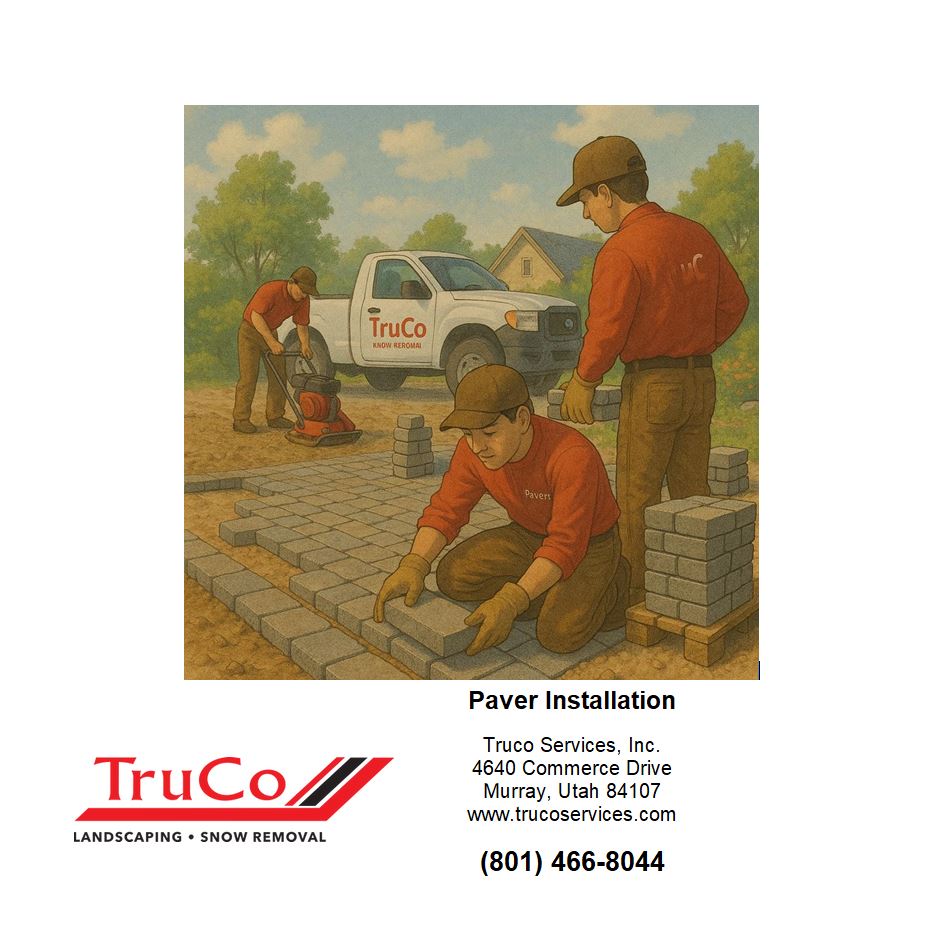
From a commercial landscape architecture viewpoint, landscape design–build is a full project delivery ecosystem that runs from strategic site analysis and entitlement through technical design, coordinated construction, and long‑term performance monitoring. It integrates aesthetics, brand, user experience, and hard engineering to create profitable, safe, and sustainable commercial sites.
Commercial landscape design directly influences first impressions, wayfinding, employee morale, and perceived property quality before anyone enters the building. Well‑planned landscapes create functional outdoor rooms for circulation, socializing, and events while also contributing environmental benefits such as reduced water use, improved air quality, and enhanced biodiversity.^1
Commercial work must reconcile many user groups—tenants, customers, staff, delivery and service vehicles, and the public—across office, retail, multifamily, institutional, industrial, and campus contexts. Because of this complexity, commercial landscapes are treated as critical site infrastructure, not decoration, and are often tied to leasing, brand standards, and ESG/CSR commitments.^2
The SITES v2 framework explicitly lists commercial corporate campuses, office and retail areas, institutional campuses, industrial sites, and government facilities as suitable for comprehensive landscape sustainability design and certification. These projects typically involve large impervious areas, traffic circulation, and stormwater demands that require an integrated site design rather than isolated planting upgrades.^4^5
Open spaces such as plazas, streetscapes, and parks embedded within commercial districts are also frequent landscape architecture commissions and often share the same accessibility, safety, and sustainability requirements as the buildings they serve.^3
A rigorous site analysis is the first formal stage in most commercial landscape design processes, following an initial client consultation. Practitioners document topography, soils, hydrology and drainage patterns, microclimate, existing vegetation, utilities, easements, views, noise sources, and pedestrian and vehicle desire lines, alongside client program needs and budget.^1
On many commercial sites, early grading and drainage reconnaissance is critical because improper slopes and poor drainage can cause erosion, plant failure, and building damage even when the visible design appears high quality. Observations after rainfall events and mapping of low points, flow paths, and infiltration potential feed directly into the concept stormwater strategy.^6
Commercial landscape architects work within zoning codes, landscape ordinances, tree protection regulations, and corridor or citywide design guidelines that shape massing, buffers, and public realm quality. For example, citywide commercial design guidelines may require softened transitions between commercial and adjacent residential zones using trees, shrubs, and height/massing steps, and call for articulated building façades to enhance pedestrian experience.^7
Beyond local zoning and design overlays, projects must respond to stormwater regulations, sometimes under separate utility or watershed authorities, as well as regional water-efficiency requirements for irrigation. On publicly accessible or public‑facing sites, ADA accessibility standards apply to exterior routes, gathering spaces, and site furnishings, adding another non‑negotiable regulatory layer.^9^11
ADA‑compliant landscaping ensures that people of all abilities can navigate and enjoy outdoor spaces safely, with standards covering walkway widths and slopes, surfaces, curb ramps, clear ground space around site elements, and tactile cues. ADA guidance requires at least one accessible route within a site, originating from site arrival points and connecting all accessible buildings, facilities, and spaces, with a minimum continuous clear width of 36 inches that can narrow only briefly at obstructions.^10
Accessible exterior routes must have running slopes no steeper than 1:20 (5%) unless treated as ramps with additional handrail and landing requirements, and surfaces must be stable, firm, and slip‑resistant to qualify as accessible. ADA‑compliant landscapes also incorporate accessible turning spaces at furnishings, smooth transitions at curbs, and clear wayfinding to inclusive amenities, going beyond mere legal compliance to support equitable use.^12^10
After site reconnaissance, the landscape architect develops a program that translates business goals and user needs into spatial and performance requirements. This typically includes arrival experience, pedestrian and vehicular circulation, outdoor social and meeting areas, loading and service access, emergency egress routes, and provisions for maintenance operations like snow storage and equipment access.^2
Brand alignment is often a formal part of commercial programming, linking plant palettes, materials, and lighting to corporate identity and target customer experience. In multi‑tenant and mixed‑use projects, the program must also reconcile sometimes competing expectations of different users (e.g., restaurant outdoor dining, office worker quiet zones, residential privacy) within a constrained envelope.^14^2
Concept design synthesizes site analysis and program into diagrammatic site plans that organize circulation, open space hierarchy, planting zones, and stormwater strategies. Typical deliverables at this stage include concept plans, massing studies for planting and structures, precedent imagery, and high‑level phasing and budget narratives suitable for stakeholder and entitlement review.^1
Commercial concept designs pay early attention to safety, ensuring clear, legible routes, good sightlines, and the potential for adequate lighting and surveillance, alongside comfort factors such as shade, seating, and wind protection. Sustainable concepts may also identify candidate locations for rain gardens, bioswales, and permeable paving before grading is locked in.^15^4
Grading shapes the landform to direct water away from buildings and critical infrastructure, typically with minimum slopes on the order of 2–5% away from structures to ensure runoff without creating uncomfortable walking conditions. A commonly cited guideline is at least 1 inch of fall per foot for several feet away from building foundations to prevent ponding and structural moisture issues.^16^6
Drainage design couples grading with systems like area drains, French drains, catch basins, underdrains, and storm pipes to intercept and convey water safely. Commercial projects frequently integrate sustainable drainage features—such as bioswales, rain gardens, permeable pavers in parking and pedestrian zones, and detention/retention ponds—to manage runoff volume and quality while contributing to site aesthetics.^5^4
Planting for commercial landscapes balances brand expression, durability, maintenance cost, and ecological value. Many contemporary guidelines emphasize using native and climate‑appropriate species to reduce water demand, support biodiversity, and improve resilience.^18
The SITES v2 Rating System includes dedicated categories for soil and vegetation, encouraging protection and restoration of healthy soils, preservation of existing plants, and use of diverse, non‑invasive species as part of performance‑based sustainability. In practice, this leads to layered planting structures, tree canopies sized for long‑term shade, pollinator‑supporting plant selections, and careful coordination of soil depths and amendments with structural and utility constraints.^18^5
Hardscape includes pavements, plaza surfaces, steps, ramps, walls, curbs, and other built site elements that carry most pedestrian and vehicular loads. Commercial design guidelines stress safe, clear walkways with adequate width, logical alignment, and control of overgrown vegetation that could obstruct routes or sightlines.^7
Accessible path design considers width, slope, turning radii, and surface texture, sometimes using changes in surface material or texture along path edges to delineate accessible routes. Site amenities—benches, trash and recycling, bike racks, shade structures, screens, and site art—are located with clear ground space and accessible routes in mind so they serve all users.^11^10
Modern commercial landscapes are typically designed with smart irrigation controllers that adjust watering frequency and duration based on weather, with WaterSense‑labeled devices often mandated by local codes. Codes may further require hydrozoning—placing plantings with similar water needs on the same valves—and separating turf from non‑turf areas and drip irrigation from sprays to improve efficiency and control.^9
Best‑practice standards call for matched precipitation rates within each valve circuit, swing‑joint riser connections to reduce breakage, and pressure‑compensating devices and check valves where elevation changes create pressure variation or low‑head drainage. Secondary and drip systems demand filtration (e.g., 30‑mesh at service connections and finer filtration at drip zones) and end flush valves for reliable performance, all of which must be coordinated with planting and grading.^9
Landscape and area lighting in commercial settings serves both aesthetics and safety/security, especially along walkways, stairs, entries, signage, and parking interfaces. Guidance for safe walkway lighting typically recommends placing path lights around 12–18 inches above grade and spacing them roughly 6–8 feet apart, adjusted for fixture output and walkway width to achieve even illumination without glare.^20^22
Best practices emphasize adequately lighting dark paths, steps, intersections, signage, and building entries while avoiding harsh contrasts and shadow pockets that become tripping or security risks. Layered solutions combine path and step lights with wall‑mounted, bollard, and accent lighting to reveal vertical elements and planting structure, improving nighttime legibility and perceived safety.^21^15
The Sustainable SITES Initiative (SITES v2) provides a comprehensive, performance‑based rating system for sustainable landscapes, analogous to LEED for buildings. SITES v2 uses prerequisites and credits across categories such as site context, pre‑design assessment, water, soil and vegetation, materials, human health, construction, operations and maintenance, education and performance monitoring, and innovation.^23^5
The rating system operates on a 200‑point scale with four certification levels—Certified, Silver, Gold, and Platinum—based on total points achieved after meeting 18 mandatory prerequisites. For commercial projects, SITES encourages strategies that reduce water demand, filter and reduce stormwater runoff, enhance biodiversity and habitat, improve air quality, and support human health and outdoor recreation.^23
Military and institutional guidance documents treat landscape architecture as site infrastructure and offer structured approaches to land use planning, future growth flexibility, and integration with mission requirements and physical development. Commercial landscape architects similarly pass through schematic design, design development, and construction document phases, each adding technical detail to grading, planting, irrigation, lighting, and detailing.^8
Construction documents include coordinated plans, details, sections, schedules, and specifications for all site systems, suitable for permitting, bidding, and construction. These must align with civil, structural, architectural, mechanical, and electrical drawings to avoid conflicts in utilities, drainage structures, foundations, and lighting power/data pathways.^8
Cost control begins early in concept design, where quantities and unit costs are rough but sufficient to test alternative site strategies against budget. In traditional design–bid–build, the complete design is prepared before contractors price the work, which can expose owners to shocks and change orders if scope or coordination issues surface late.^24
By contrast, design–build delivery enables earlier firm pricing because the design and construction teams collaborate from the outset, continuously evaluating alternative materials and methods for cost and constructability. This integration supports more accurate value engineering that preserves design intent—adjusting details, materials, or phasing rather than gutting core site functions after bid.^26^27
The two most common delivery models for commercial landscape work parallel broader construction practice: design–bid–build and design–build. Their characteristics from a landscape architect’s perspective can be summarized as follows:^25
Landscape‑focused design–build firms highlight the advantage of teams where landscape architects think like contractors and contractors think like landscape architects. This shared perspective reduces the likelihood of details that are difficult or uneconomical to build, and fosters more accurate phasing, access, and protection plans for existing site elements.^27^25
For owners, a single entity accountable for aesthetics, performance, cost, and schedule simplifies communication, often eliminates a separate bidding phase, and aligns incentives for long‑term quality. Design–build frameworks also make it easier to integrate value‑oriented innovations—such as permeable pavements, advanced irrigation, or integrated site lighting—without adversarial redesign cycles between different firms.^26^27
During construction, commercial landscape architects provide submittal reviews, respond to RFIs, and perform site visits to verify that grading, drainage, planting, irrigation, and lighting are built according to design intent. In design–bid–build, these services help manage gaps or ambiguities in documents that can otherwise become disputes or change orders.^24
In design–build settings, the same collaborative team that developed the design typically manages construction, which reduces the chance for details to “fall through the cracks” and supports rapid field adjustments when unforeseen conditions arise. Regular field coordination is especially important for invisible systems such as subgrade drainage, conduit routing, and irrigation mainlines that are hard to correct later.^6^26
Drainage and grading systems require periodic inspection and maintenance—such as clearing inlets, verifying function of French drains, and checking for settlement—to sustain their performance over time. Irrigation systems also need ongoing filter cleaning, controller programming, zone balancing, and head adjustments to maintain water efficiency and plant health.^16^9
Accessible routes and surfaces warrant recurring checks for depressions, upheavals, or surface degradation that could compromise ADA compliance, especially in flexible paving or aggregate systems. Many sustainability frameworks, including SITES, explicitly recognize operations and maintenance, as well as performance monitoring and education, as integral parts of a successful site, not afterthoughts.^13^12^23
Post‑occupancy evaluations can examine how users actually move through and occupy outdoor spaces, whether lighting and visibility feel safe, and how planting and stormwater systems perform under real weather and maintenance regimes. Feedback loops are particularly important for accessible routes and wheelchair‑friendly materials, where designers may observe issues in firmness, stability, or slip resistance that call for adjustments in future projects.^12^5
Within SITES, projects are encouraged to document performance and educate stakeholders about site sustainability features, strengthening long‑term stewardship and making lessons learned available across portfolios. For commercial landscape architects working in a design–build model, this performance data can feed directly back into in‑house standards, details, and specifications, raising the baseline for subsequent projects.^25^5^23 ^28^30
Truco Services Inc.
4640 Commercie Drive
Murray, UT 84107
(801) 466-8044



Truco Services Inc.
Truco Services Inc.
(801) 466-8044
Truco Services Inc.
4640 Commerce Drive Murray UT 84107
41.0704711
-111.9946454